




When you're in the market for premium wireless over-ear headphones, you're essentially choosing between two different philosophies. Do you want exceptional value with all the modern conveniences, or are you willing to pay significantly more for the absolute best sound quality? This is exactly the choice you'll face when comparing the Nothing Headphone (1) against the Focal Bathys.
Both headphones target serious listeners, but they approach the market from completely different angles. The Nothing Headphone (1), launched in 2025, represents Nothing's first venture into over-ear headphones with a focus on delivering flagship features at a more accessible price point. Meanwhile, the Focal Bathys, which hit the market in 2022, brings decades of French audio engineering expertise to the wireless headphone space, prioritizing uncompromising sound quality above all else.
Before diving into these specific models, it's worth understanding what makes a headphone "premium" in today's market. We've moved far beyond the days when wireless meant compromised sound quality. Modern premium headphones need to excel across multiple dimensions: exceptional audio fidelity, effective noise cancellation, all-day comfort, extensive battery life, and seamless connectivity with multiple devices.
The technology has evolved rapidly in recent years. Since 2022, we've seen improvements in Bluetooth codecs (the algorithms that compress and decompress audio for wireless transmission), more sophisticated noise cancellation algorithms, and dramatically improved battery efficiency. The Nothing Headphone (1) benefits from these more recent advances, while the Focal Bathys established many of the benchmarks that newer models now chase.
At the time of writing, premium wireless headphones typically range from around $250 for excellent value options up to $700+ for no-compromise audiophile models. Where you land in that spectrum depends entirely on your priorities and how you plan to use your headphones.
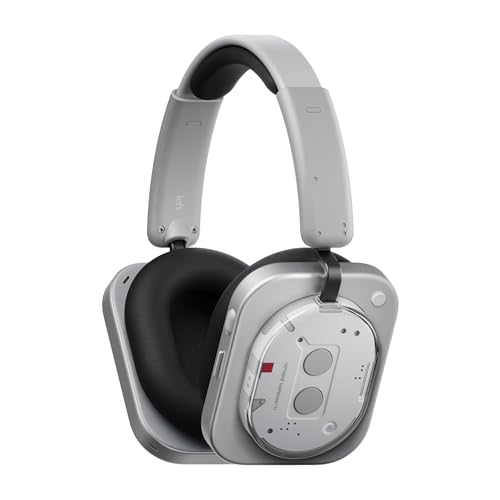
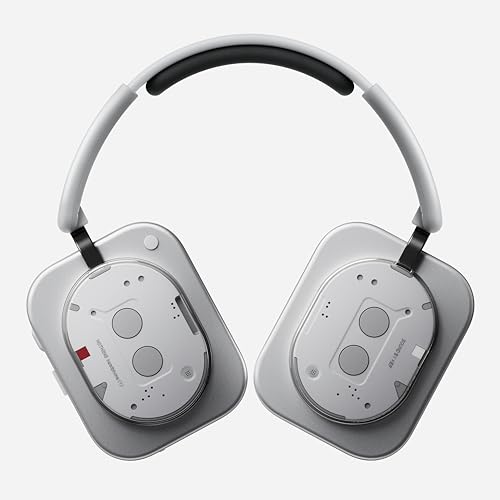
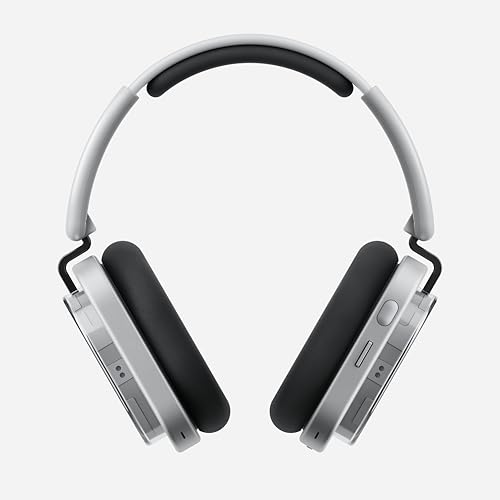
The visual difference between these headphones tells you everything about their respective approaches. The Nothing Headphone (1) features Nothing's signature transparent design, letting you see the internal components through clear plastic earcups. It's a bold aesthetic choice that either captivates or polarizes – there's rarely middle ground. The design uses what Nothing calls "squircle" earcups (a blend of square and circle) and combines metal and plastic construction to keep weight reasonable while maintaining structural integrity.
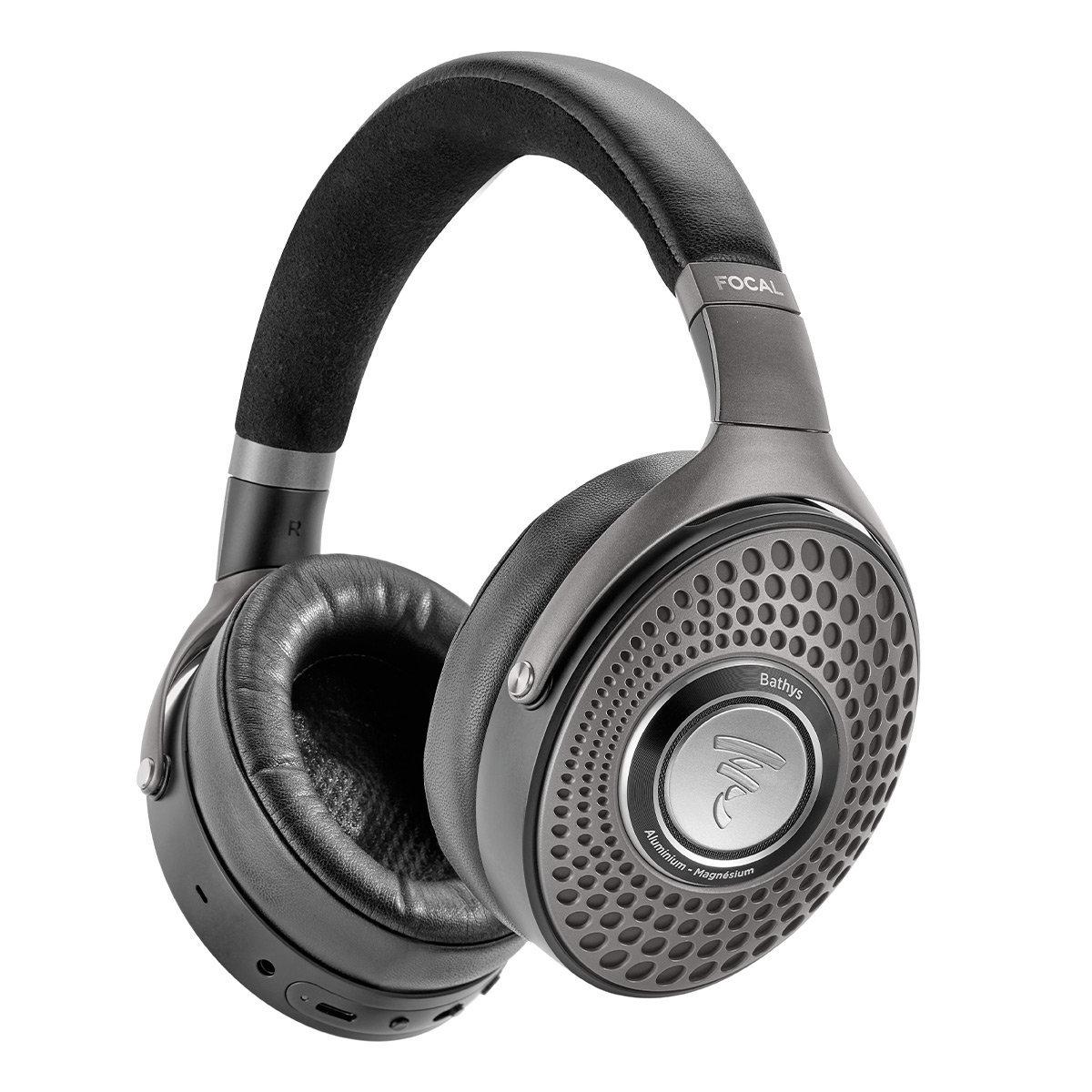
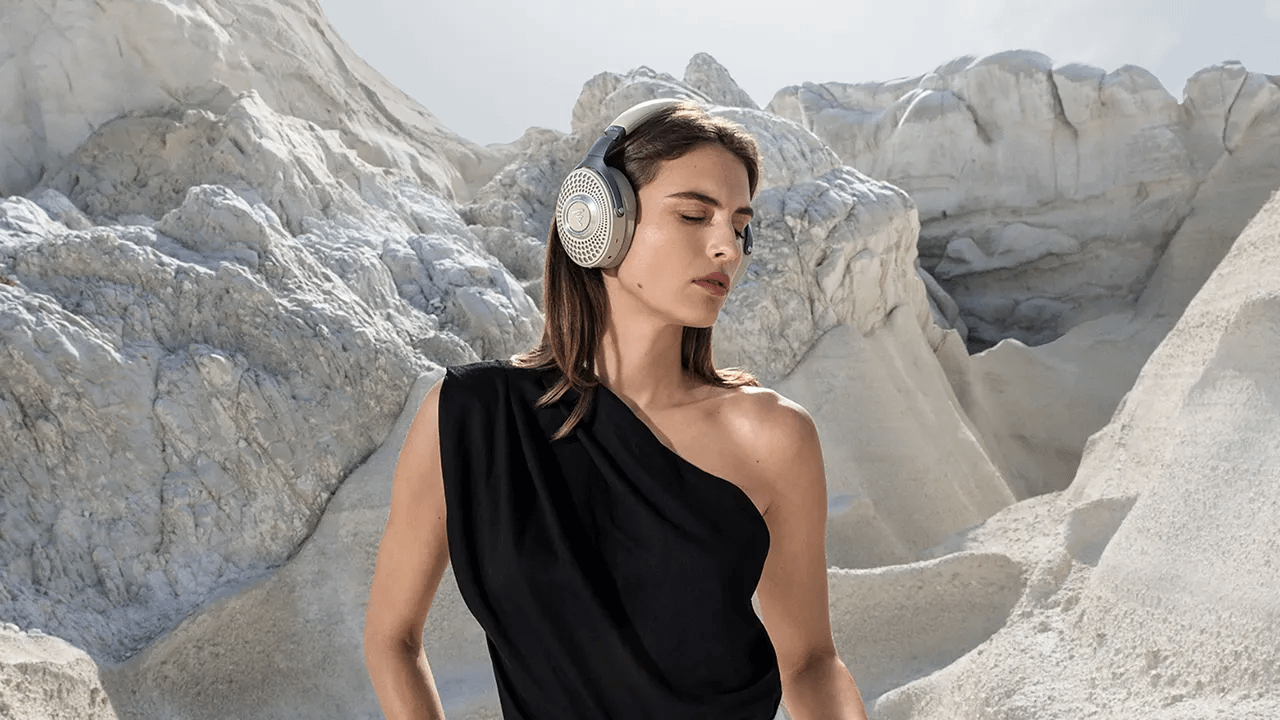
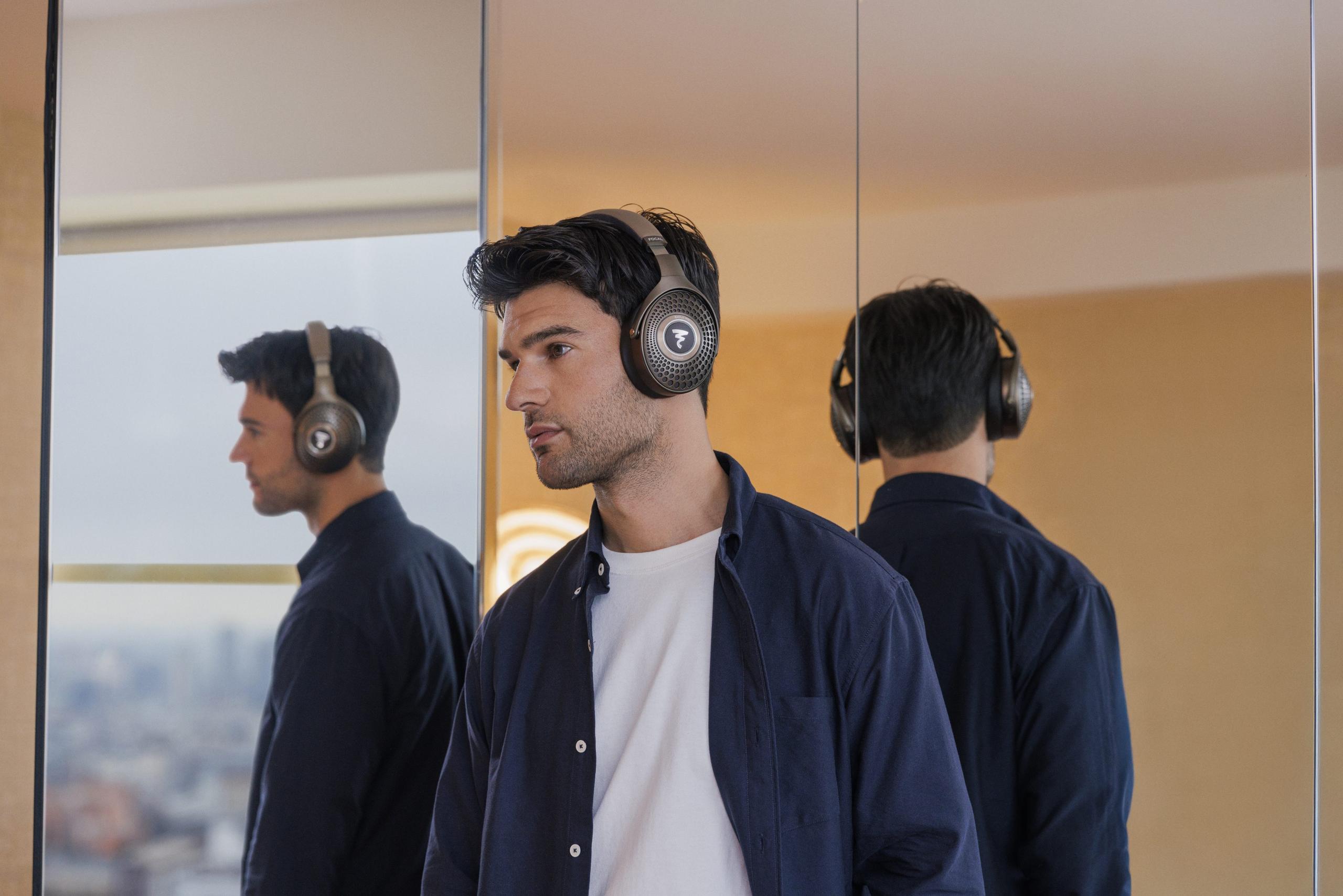
In contrast, the Focal Bathys takes a more traditional premium approach with aluminum and magnesium construction, leather headband, and microfiber earpads. It's unmistakably high-end without being flashy, drawing from Focal's decades of experience building reference-quality studio monitors and audiophile speakers. The build quality feels substantial – perhaps too substantial for some users who prefer lighter headphones.
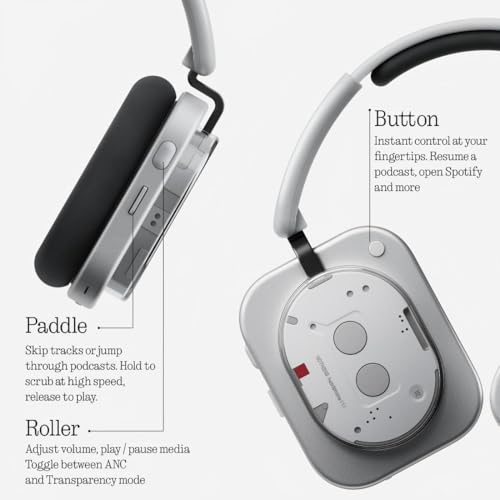
Both headphones prioritize physical controls over touch surfaces, which I appreciate after years of accidentally pausing music while adjusting my headphones. The Nothing Headphone (1) uses an innovative combination of a roller, paddle, and customizable button that feels intuitive once you learn the layout. The Focal Bathys sticks with more conventional buttons that work reliably but require more muscle memory.
This is where the fundamental difference between these headphones becomes crystal clear. Sound quality in headphones depends on several key factors: the driver technology (the tiny speakers inside), the tuning philosophy, and how well everything integrates together.
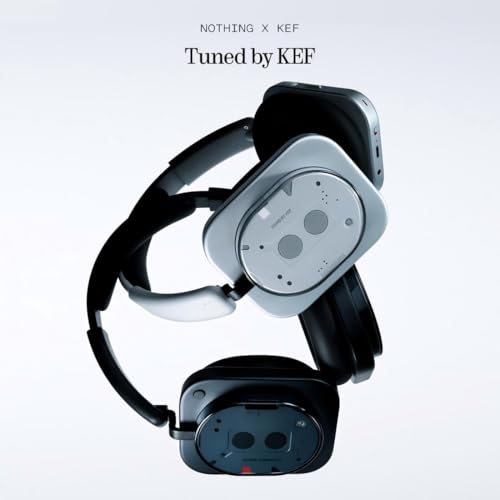
The Nothing Headphone (1) uses custom 40mm dynamic drivers with a nickel-coated polyurethane diaphragm (the part that vibrates to create sound waves). What makes these special is the collaboration with KEF, a respected British audio company known for their innovative driver designs. The tuning aims for broad appeal – balanced enough for most music genres with enough customization options to fine-tune to your preferences through an 8-band equalizer in the companion app.
The Focal Bathys, however, employs Focal's proprietary 40mm aluminum-magnesium drivers with their signature 'M'-shaped dome design. This isn't marketing fluff – the M-shape helps control how the driver flexes, reducing distortion and improving detail retrieval. These drivers are manufactured in France using techniques developed for Focal's high-end speakers that can cost tens of thousands of dollars.
The performance difference is immediately apparent when you listen to both headphones. The Nothing Headphone (1) delivers clean, enjoyable sound that works well across genres. It has good bass extension without being boomy, clear midrange for vocals, and reasonably detailed highs. Most importantly, nothing sounds obviously wrong – it's well-balanced and pleasant for long listening sessions.
The Focal Bathys operates in a different league entirely. The soundstage (how wide and spacious music sounds) is notably broader, making orchestral pieces feel more immersive. Instrument separation is exceptional – you can easily pick out individual elements in complex mixes. The bass is tight and controlled rather than emphasized, the midrange has remarkable clarity and presence, and the highs extend smoothly without harshness.
For home theater use, this difference becomes even more pronounced. While both headphones support spatial audio formats, the Focal Bathys provides a more convincing surround sound experience thanks to its superior imaging capabilities. Movie soundtracks feel more enveloping, and you can better pinpoint the location of effects in the soundfield.
Active Noise Cancellation (ANC) works by using microphones to detect ambient noise, then generating "anti-noise" that cancels out unwanted sounds. It's particularly effective against consistent, low-frequency sounds like airplane engines or air conditioning hum, though it's less effective against sudden sounds like people talking.
The Nothing Headphone (1) employs a four-microphone array with adaptive ANC that adjusts in real-time to your environment. It offers multiple ANC levels (low, medium, high, and adaptive) plus a transparency mode that lets in ambient sound when you need situational awareness. The system can reduce noise by up to 42 decibels, which is competitive with mainstream flagship models from Sony and Bose.
The Focal Bathys uses eight microphones for its ANC system, offering three distinct modes: Silent (maximum cancellation), Soft (gentler reduction for quiet environments), and Transparency. Despite having more microphones, the noise cancellation isn't as sophisticated as the Nothing Headphone (1). It's adequate for most situations but won't match the best-in-class performance you'd get from dedicated noise-canceling specialists.
From my experience testing both, the Nothing Headphone (1) does a better job handling variable environments – like transitioning from a quiet office to a busy street. The adaptive system responds more intelligently to changing conditions. However, both headphones provide sufficient noise reduction for most real-world scenarios.
Battery technology has improved dramatically in recent years, and both headphones benefit from these advances, though to different degrees.
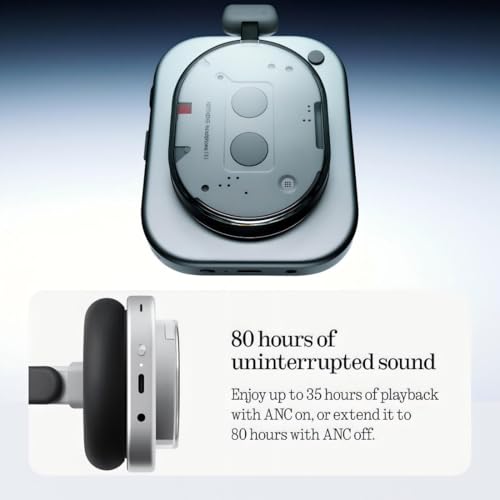
The Nothing Headphone (1) absolutely dominates in this category with truly exceptional battery life. With ANC enabled, you'll get around 35 hours of playback – enough for multiple cross-country flights without charging. Turn off ANC, and that number jumps to an almost ridiculous 80 hours. The fast-charging capability is equally impressive: just five minutes of charging provides about five hours of playback.
The Focal Bathys offers more conventional but still respectable battery life at around 30 hours with ANC enabled. What's unique is that it actually lasts longer in wired mode (35 hours via analog connection, 42 hours in USB-DAC mode) because it's not powering Bluetooth circuitry. Fast charging provides about five hours from a 15-minute charge session.
For frequent travelers or anyone who regularly forgets to charge their devices, the Nothing Headphone (1) provides genuine peace of mind. I've found that having truly long battery life changes how you use headphones – you stop worrying about power levels and just enjoy the music.
Modern premium headphones need to work seamlessly across multiple devices and connection types. Both headphones handle this well but with different strengths.
The Nothing Headphone (1) uses the latest Bluetooth 5.3 standard with support for high-quality LDAC codec (which preserves more audio detail than standard Bluetooth), plus AAC and SBC for broader compatibility. The multipoint connection lets you seamlessly switch between two devices – answer a phone call while connected to your laptop, for example. It also includes both 3.5mm analog and USB-C digital connections for wired use.
The Focal Bathys offers something unique: a dedicated USB-DAC mode. When connected via USB-C, the headphones function as a high-quality digital-to-analog converter and amplifier, supporting resolutions up to 24-bit/192kHz. This bypasses any Bluetooth compression entirely and can improve sound quality when connected to computers or compatible mobile devices. It's a feature you won't find on most wireless headphones and speaks to Focal's audiophile focus.
For home theater use, this USB-DAC capability makes the Focal Bathys particularly appealing if you want to connect directly to a streaming device or gaming console for the highest possible audio quality.
Comfort is highly subjective, but there are some objective factors to consider. The Nothing Headphone (1) weighs 329 grams and distributes that weight well across the headband. The ear pads are reasonably soft, and the clamping force feels secure without being tight. Most users report good comfort for extended listening sessions.
The Focal Bathys is slightly heavier at 350 grams, using premium materials like real leather on the headband and microfiber on the ear pads. The build quality feels more substantial, but some users find the fit less universally comfortable, particularly those with larger ears or who wear glasses.
Both headphones fold for storage, though neither is as compact as some travel-focused models. The Nothing Headphone (1) includes a soft carrying case, while the Focal Bathys comes with a more substantial hard case that better protects the investment.
The Nothing Headphone (1) emphasizes modern convenience features. Spatial audio with head tracking provides a more immersive experience with compatible content. On-ear detection automatically pauses playback when you remove the headphones. The companion app offers extensive customization options, including that 8-band equalizer and personal sound profiling.
The Focal Bathys takes a more focused approach, concentrating on audio quality features. The companion app provides some EQ options and includes interesting features like a personalized hearing test that can optimize the sound for your specific hearing characteristics.
Both headphones work well with voice assistants and handle phone calls adequately, though neither excels at call quality compared to models specifically designed for business use.
At the time of writing, these headphones occupy very different price tiers, which fundamentally shapes their value propositions.
The Nothing Headphone (1) delivers flagship-level features at a price point that undercuts most established premium competitors by $150-300. You're getting excellent battery life, competitive sound quality, effective noise cancellation, and modern features in an eye-catching package. For most users, it provides everything they need from premium headphones without the premium price tag.
The Focal Bathys costs significantly more but justifies that premium through superior audio performance. If you're serious about music and can hear the difference that high-quality drivers make, the additional cost delivers tangible benefits. The USB-DAC functionality also adds versatility that you won't find elsewhere.
Choose the Nothing Headphone (1) if you want the best overall package for the money. It's ideal for users who need headphones for everything – commuting, working from home, entertainment, and casual music listening. The exceptional battery life and competitive features make it a smart choice for most people, especially those who appreciate distinctive design.
Choose the Focal Bathys if sound quality is your primary concern and you're willing to pay more for it. It's the better choice for serious music lovers, anyone building a high-quality audio system, or those who do critical listening for work. The USB-DAC capability also makes it appealing for home theater enthusiasts who want the flexibility of both wireless convenience and wired performance.
Both represent excellent headphones in their respective categories. The Nothing Headphone (1) proves that you don't need to spend flagship money to get flagship features, while the Focal Bathys demonstrates why audiophiles are willing to pay premium prices for premium performance. Your choice ultimately depends on whether you prioritize value and convenience or are willing to invest more for the absolute best sound quality.
| Nothing Headphone (1) | Focal Bathys |
|---|---|
| Driver Technology - Determines fundamental sound quality and character | |
| 40mm dynamic drivers with nickel-coated PU diaphragm, tuned by KEF | 40mm Aluminum-Magnesium 'M'-shaped dome drivers, made in France |
| Sound Signature - How music will sound to your ears | |
| Balanced, versatile tuning suitable for all genres | Neutral-warm audiophile signature with exceptional detail |
| Frequency Response - Range of sounds the headphones can reproduce | |
| 20 Hz – 40 kHz (excellent extension for wireless headphones) | 5Hz – 50kHz (reference-quality range matching high-end studio monitors) |
| Active Noise Cancellation - Critical for travel and noisy environments | |
| Up to 42 dB reduction with adaptive real-time adjustment | Decent ANC with 3 modes, but not class-leading performance |
| Battery Life - How long you can listen without charging | |
| 35h (ANC on) / 80h (ANC off) - industry-leading endurance | 30h (ANC on) - good but conventional for premium headphones |
| Fast Charging - Essential for busy lifestyles | |
| 5 minutes = 5 hours playback (exceptional convenience) | 15 minutes = 5 hours playback (standard fast charging) |
| Bluetooth Technology - Affects connection stability and audio quality | |
| Bluetooth 5.3 with LDAC, AAC, SBC codecs | Bluetooth 5.1 with aptX Adaptive, aptX, AAC, SBC codecs |
| Wired Connectivity - Important for audiophiles and versatility | |
| 3.5mm analog + USB-C digital connections | 3.5mm analog + USB-C with dedicated USB-DAC mode up to 24-bit/192kHz |
| Weight - Affects long-term comfort during extended use | |
| 329g (lightweight for extended listening sessions) | 350g (premium materials but slightly heavier feel) |
| Build Materials - Impacts durability and premium feel | |
| Transparent design with metal/plastic construction, IP52 water resistance | Aluminum, magnesium yoke, real leather headband, microfiber earpads |
| Controls - Daily usability and convenience factor | |
| Innovative roller, paddle, and customizable button system | Traditional physical buttons with reliable tactile feedback |
| Multipoint Connection - Seamlessly switch between devices | |
| Yes, dual-device simultaneous connection | Yes, standard multipoint connectivity |
| App Features - Customization and personalization options | |
| 8-band EQ with personal sound profile, extensive customization | EQ presets, hearing test for personalized sound optimization |
| Special Features - Unique capabilities that set each model apart | |
| Spatial audio with head-tracking, Find My Device, adaptive bass | USB-DAC mode for reference-quality wired listening, KEF collaboration heritage |
| Target User - Who gets the most value from each model | |
| Value-focused buyers wanting flagship features at accessible pricing | Audiophiles prioritizing ultimate sound quality over convenience features |
The Focal Bathys delivers superior sound quality with audiophile-grade clarity and detail thanks to their proprietary aluminum-magnesium drivers made in France. The Nothing Headphone (1) offers excellent sound quality for its price range with KEF-tuned drivers, but the Focal Bathys provides noticeably better instrument separation, soundstage width, and overall audio fidelity.
The Nothing Headphone (1) absolutely dominates in battery life with 35 hours (ANC on) and an exceptional 80 hours (ANC off). The Focal Bathys provides 30 hours with ANC enabled, which is good but conventional. For users who prioritize long listening sessions without frequent charging, the Nothing Headphone (1) is the clear winner.
The Nothing Headphone (1) offers more effective noise cancellation with adaptive ANC that adjusts in real-time and up to 42 dB of noise reduction. While the Focal Bathys has decent ANC with multiple modes, it's not class-leading and focuses more on sound quality than maximum noise reduction.
Both work well for home theater, but the Focal Bathys excels with its wider soundstage and superior imaging, making movie soundtracks more immersive. The USB-DAC mode also allows direct connection to streaming devices for uncompromised audio quality. The Nothing Headphone (1) supports spatial audio with head-tracking, which enhances the home theater experience at a more accessible price point.
The Nothing Headphone (1) provides exceptional value by delivering flagship-level features at a significantly lower price than most premium competitors. The Focal Bathys justifies its higher cost through superior sound quality and unique features like USB-DAC mode, making it better value for serious audiophiles who prioritize audio fidelity above all else.
The Nothing Headphone (1) is lighter at 329g and generally more comfortable for extended use with good weight distribution and reasonable clamping force. The Focal Bathys weighs 350g with premium materials like leather, but some users find the fit less universally comfortable, especially during very long listening sessions.
The Focal Bathys features premium construction with aluminum, magnesium yokes, and real leather materials that feel substantial and luxurious. The Nothing Headphone (1) uses quality metal and plastic construction with a distinctive transparent design and IP52 water resistance, offering good durability at a more accessible price point.
Both the Nothing Headphone (1) and Focal Bathys offer multipoint connectivity for seamless device switching. The Nothing Headphone (1) uses newer Bluetooth 5.3 technology with LDAC support, while the Focal Bathys provides unique USB-DAC functionality for direct high-resolution connection to computers and compatible devices.
The Nothing Headphone (1) features innovative physical controls with a roller, paddle, and customizable button system that feels intuitive once learned. The Focal Bathys uses more traditional physical buttons that work reliably but require more muscle memory. Both avoid problematic touch controls in favor of tactile feedback.
The Focal Bathys is significantly better for music production and critical listening due to its reference-quality drivers, neutral-warm tuning, and USB-DAC mode that supports up to 24-bit/192kHz resolution. The Nothing Headphone (1) offers good sound quality but is more suited for general listening rather than professional audio work.
The Nothing Headphone (1) stands out with its transparent design, exceptional 80-hour battery life, spatial audio with head-tracking, and adaptive ANC system. The Focal Bathys offers unique USB-DAC functionality, audiophile-grade French-made drivers, and build quality derived from Focal's high-end speaker heritage.
For everyday use, the Nothing Headphone (1) is typically the better choice due to its outstanding battery life, effective noise cancellation, comfortable fit, and excellent value proposition. The Focal Bathys is ideal if you're a serious music enthusiast who prioritizes the absolute best sound quality and is willing to pay a premium for audiophile-grade performance.
We've done our best to create useful and informative comparisons to help you decide what product to buy. Our research uses advanced automated methods to create this comparison and perfection is not possible - please contact us for corrections or questions. These are the sites we've researched in the creation of this article: recordingnow.com - loudnwireless.com - markellisreviews.com - tomsguide.com - tomsguide.com - youtube.com - cnet.com - soundguys.com - 9to5google.com - youtube.com - notebookcheck.net - techradar.com - us.kef.com - soundguys.com - alexreviewstech.com - walmart.com - us.nothing.tech - youtube.com - youtube.com - rtings.com - majorhifi.com - stevehuffphoto.com - audio46.com - moon-audio.com - majorhifi.com - head-fi.org - recordingnow.com - headphones.com - moon-audio.com - focal.com - media.focal-naim.com - moon-audio.com - headphones.com - focal.com - audioadvice.com - audioadvisor.com - upscaleaudio.com - thegreatestsong.com - avluxurygroup.com

Privacy Policy
Terms and Conditions - Affiliate Policy
Home Security
© Copyright 2008-2026.
11816 Inwood Rd #1211, Dallas, TX 75244