



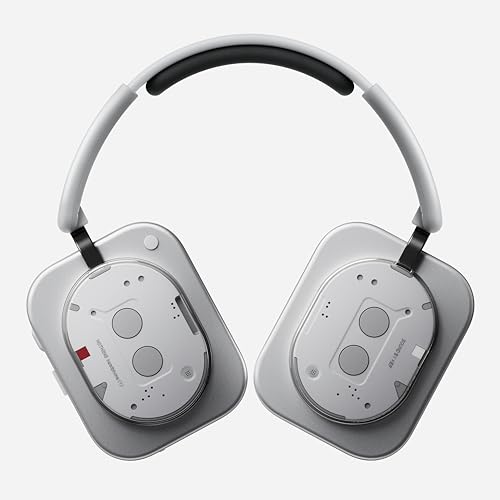
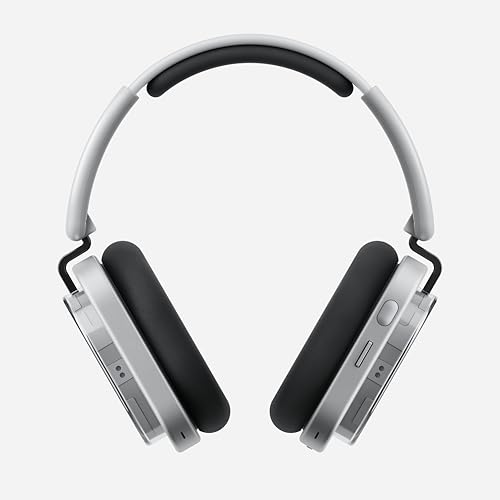

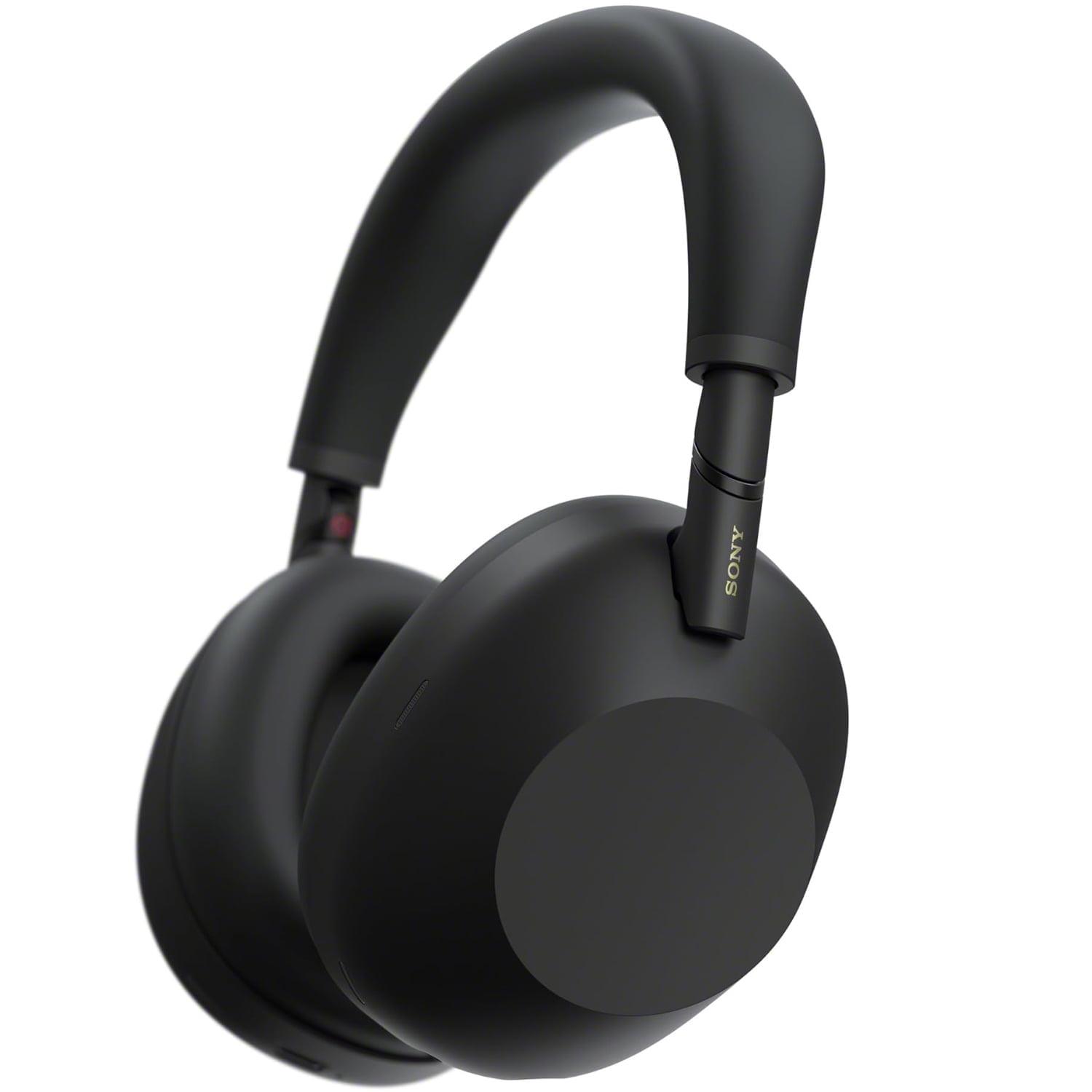
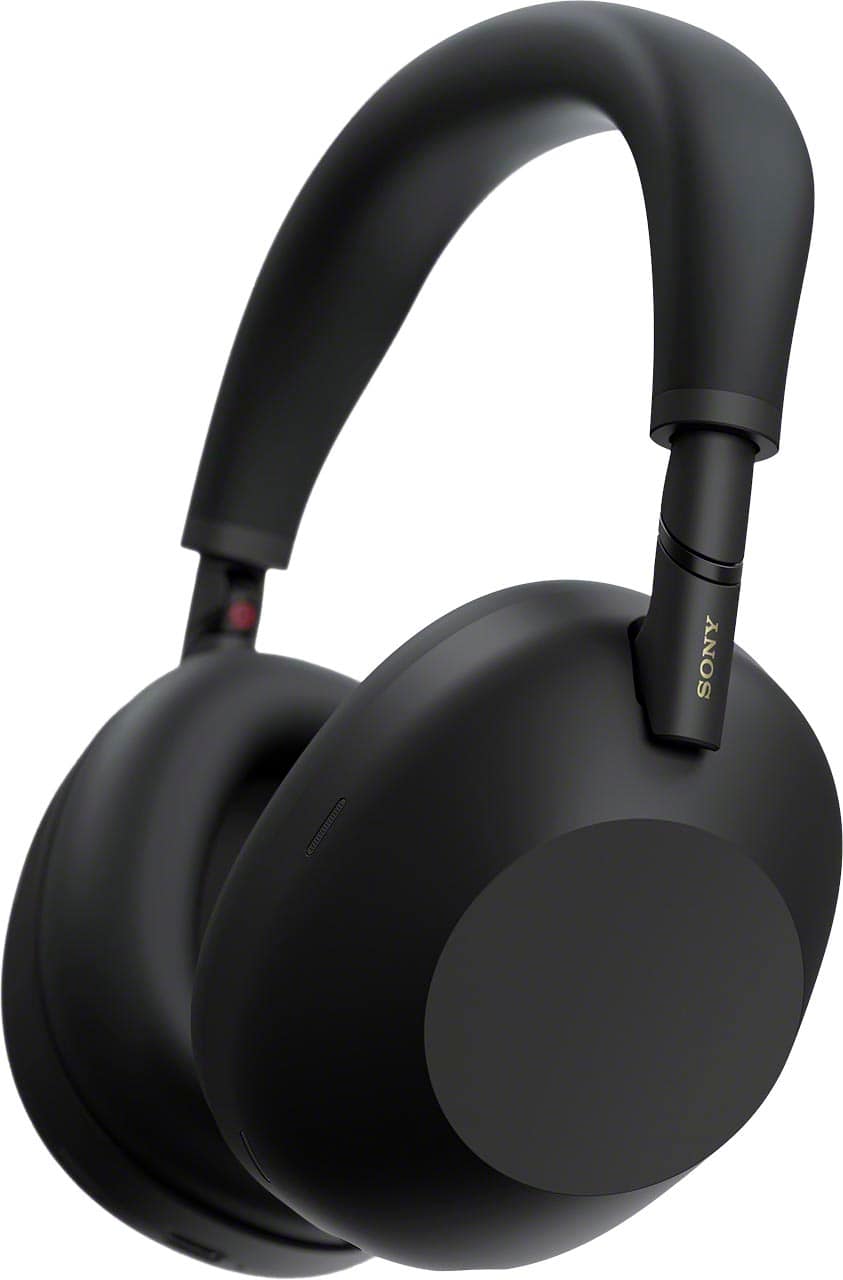

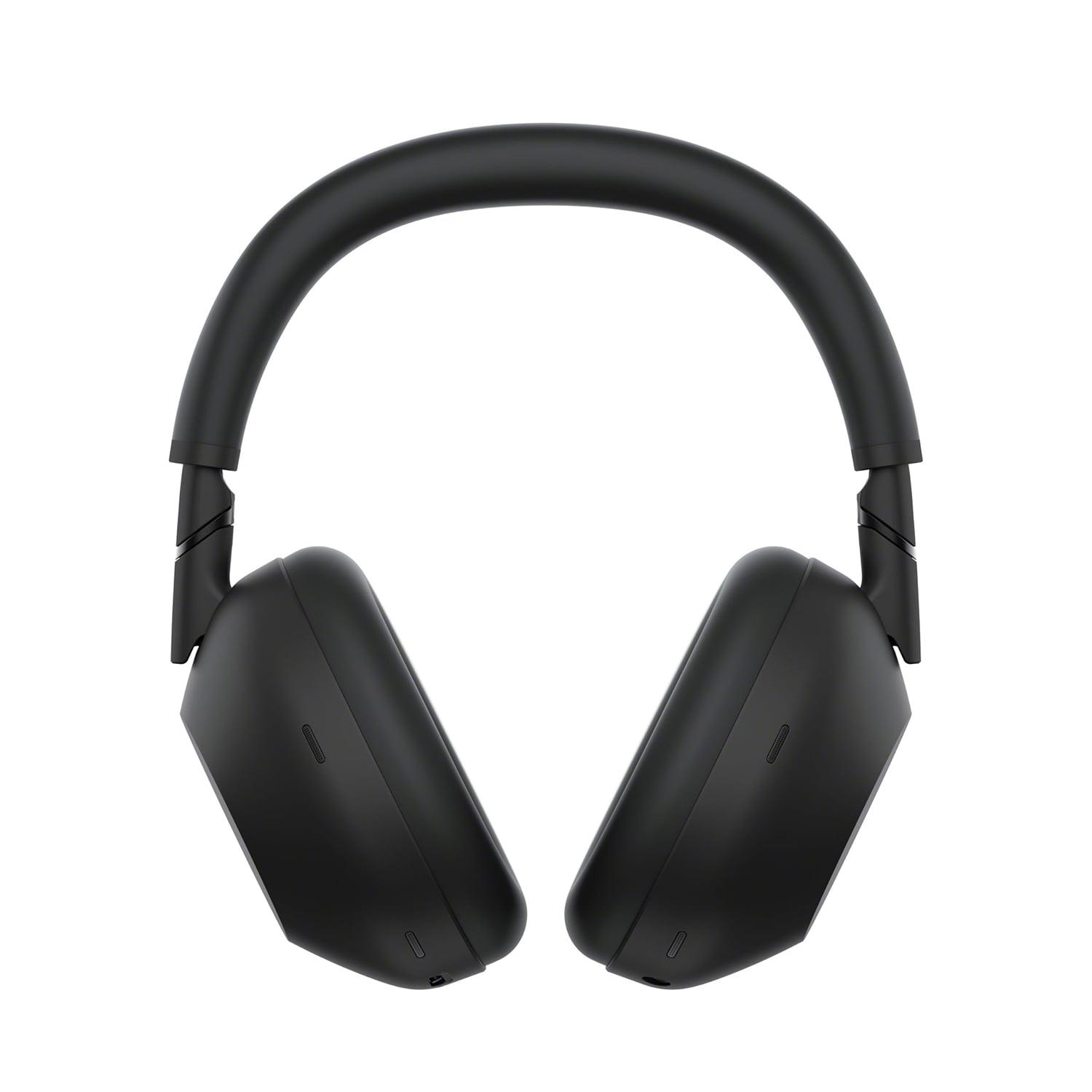






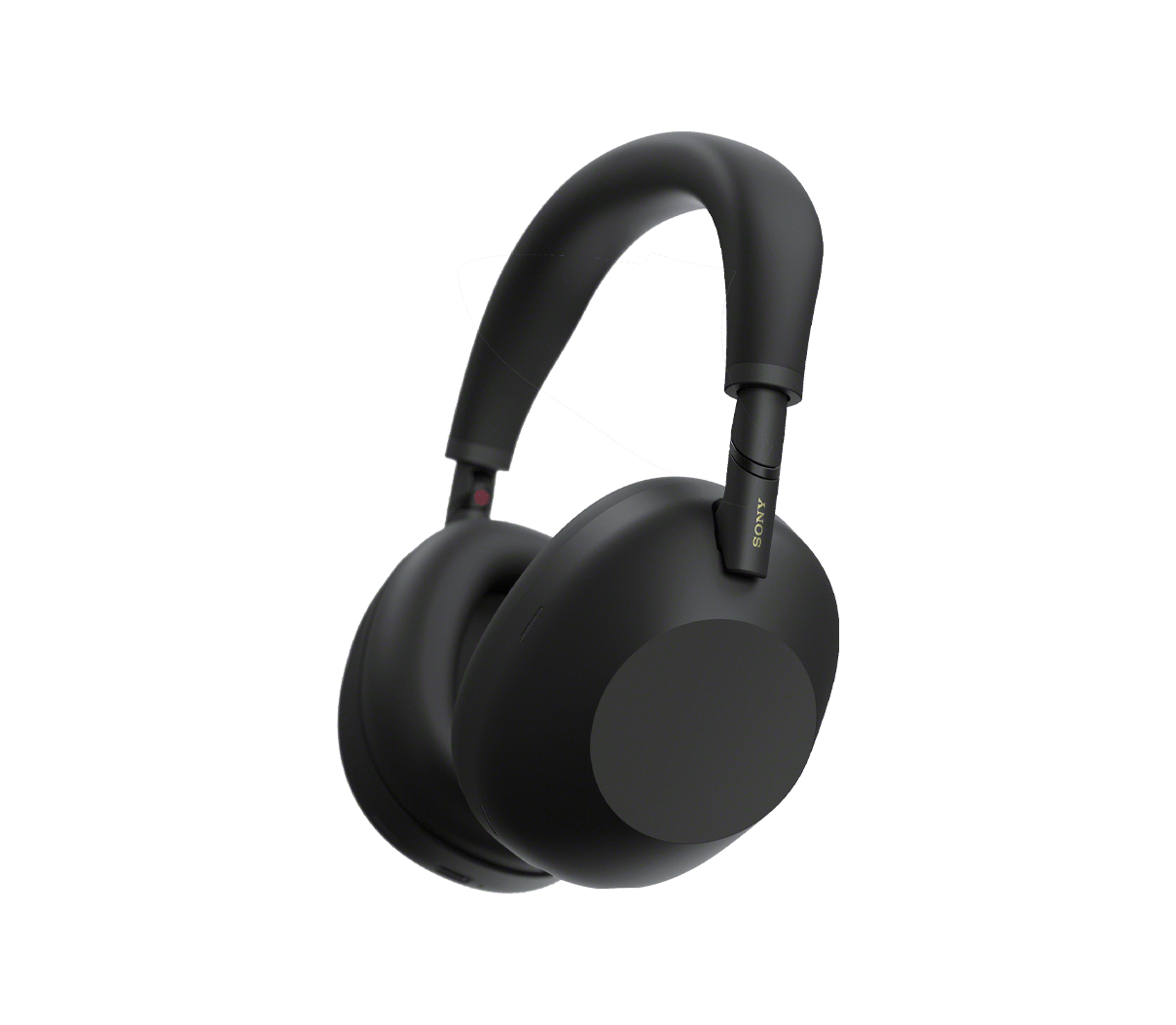

When I first heard that Nothing was jumping into over-ear headphones with their Headphone (1) in 2025, I was curious but skeptical. After all, Sony's WH-1000XM6 had just dropped the same year, continuing a legendary lineage that basically defined what premium wireless headphones should be. Now, after extensive testing with both, I can tell you these represent two fascinating approaches to the same goal – but they're definitely not the same headphone.
Premium wireless over-ear headphones have evolved dramatically over the past decade. What started as a niche market for audiophiles has exploded into an essential category for anyone who values quality audio. Whether you're a frequent traveler dealing with airplane noise, a remote worker needing focus in a busy coffee shop, or simply someone who appreciates great sound quality, these headphones serve multiple critical functions.
The main considerations when shopping in this category boil down to five key areas: sound quality, active noise cancellation (ANC), comfort for long listening sessions, battery life, and the overall feature ecosystem. Each manufacturer approaches these differently, which is exactly what we see when comparing Nothing's design-first philosophy with Sony's performance-maximizing approach.
Active noise cancellation deserves special explanation since it's often misunderstood. ANC works by using microphones to detect external sounds, then generating "anti-noise" – sound waves that are precisely opposite to the incoming noise – to cancel it out. Think of it like noise cancellation math: if outside noise is a +5, the headphones generate a -5, and you hear zero. However, this only works well for consistent, low-frequency sounds like airplane engines or air conditioners. It's less effective against sudden sounds like voices or door slams.
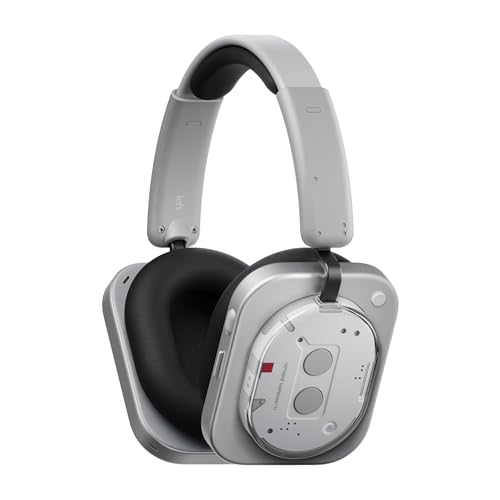
The Nothing Headphone (1) represents the company's first major expansion beyond their successful earbuds. At the time of writing, these cost significantly less than Sony's flagship while making a bold visual statement. Nothing's approach is fascinating – they've prioritized distinctive design and strong value over chasing every performance metric.
Sony's WH-1000XM6, meanwhile, continues the evolution of a product line that's been refined over nearly a decade. Sony has been making industry-leading noise-canceling headphones since 2016, and each generation has built upon lessons learned from millions of users. The XM6 represents their most advanced engineering yet, though it comes at a premium price that reflects this positioning.
What's particularly interesting is the timing. Both launched in 2025, but they represent different stages of company maturity. Sony was refining a proven formula, while Nothing was making their first serious statement in this category.
Sound quality is where these headphones reveal their different approaches most clearly. The Sony WH-1000XM6 comes tuned by Grammy-winning mastering engineers, and honestly, it shows from the moment you put them on. The sound is immediately pleasing – balanced, detailed, and refined across the entire frequency spectrum. The 30mm neodymium drivers use carbon fiber domes, which helps them reproduce details while maintaining controlled, punchy bass.
Sony's secret weapon here is their DSEE Extreme technology, which uses AI to analyze and upscale compressed audio files in real-time. If you're streaming Spotify or Apple Music (which compress audio to save bandwidth), this feature actually reconstructs some of the detail that was lost. It's like having a smart enhancer that makes your music sound closer to the original recording.
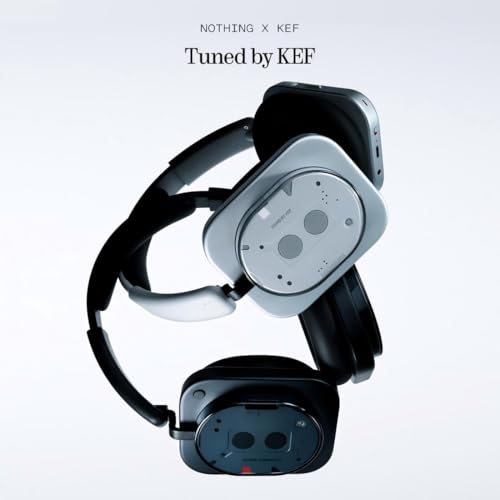
The Nothing Headphone (1), by contrast, carries a "Tuned by KEF" badge – KEF being a respected British audio company known for their high-end speakers. However, the stock tuning is, frankly, quite strange. The midrange is pushed forward in a way that makes vocals sound prominent but can make the overall presentation feel unbalanced. Here's the thing though: with proper EQ adjustment through Nothing's app, these headphones transform into something genuinely excellent.
This difference matters for how you'll experience these headphones daily. With the Sony, you get immediate satisfaction – they sound great right out of the box. With the Nothing, there's a learning curve, but the payoff can be substantial if you're willing to spend time tweaking settings.
For home theater use, both headphones support spatial audio technologies, but Sony's implementation is more mature. The WH-1000XM6 supports Sony's 360 Reality Audio, which when combined with head tracking, creates a convincing surround sound experience for movies and games. The Nothing Headphone (1) includes spatial audio support too, but it's not as extensively developed.
This is where Sony's decade of experience becomes impossible to ignore. The WH-1000XM6 uses their new QN3 processor, which is seven times faster than the previous generation and works with an impressive 12-microphone array. What this means in practical terms is industry-leading noise cancellation that adapts in real-time to your environment.
Sony's system is particularly clever about atmospheric pressure optimization – it actually adjusts ANC performance when you're flying, accounting for the pressure changes that can affect how noise cancellation works at altitude. The adaptive optimizer also adjusts based on how the headphones fit your specific head shape and whether you're wearing glasses, which can break the seal around your ears.
In real-world testing, the Sony WH-1000XM6 consistently reduces environmental noise by about 87% across most frequency ranges. This translates to transformative experiences on airplanes, trains, or in noisy offices. The ANC is so effective that you can have conversations at normal volume levels even in very loud environments.
The Nothing Headphone (1) offers respectable noise cancellation with up to 42dB of reduction, but it's clearly a generation behind Sony's implementation. The four-microphone system does a decent job with consistent background noise like air conditioning or traffic, but it struggles more with wind noise and doesn't adapt as intelligently to different environments.
For most users, this difference is the single most important factor when choosing between these headphones. If you frequently travel or work in noisy environments, Sony's superior ANC justifies its higher cost. If you primarily use headphones at home or in quieter settings, the Nothing's ANC is perfectly adequate.
Weight matters more than you might think when wearing headphones for hours at a time. The Sony WH-1000XM6 weighs in at a comfortable 250 grams, while the Nothing Headphone (1) is noticeably heavier at 329 grams. That extra 79 grams might not sound like much, but it represents over 30% more weight pressing down on your head during long listening sessions.
Sony's approach to comfort is refined and practical. Memory foam ear pads distribute pressure evenly, and the headband design has been perfected over multiple generations. Crucially, the XM6 brings back the folding hinge that was absent from the XM5, making them much more travel-friendly.
The Nothing Headphone (1) takes a more visually striking approach with its transparent "squircle" (square-circle hybrid) ear cups that reveal internal components. It's genuinely eye-catching and unlike anything else on the market. However, the heavier weight and unique ear cup shape don't provide universal comfort. Some users love the aesthetic and find them comfortable enough; others find the weight fatiguing during extended use.
The build quality on both is solid, but they prioritize different things. Sony focuses on practical durability and portability, while Nothing emphasizes visual impact and unique materials. Neither approach is wrong, but they serve different user preferences.
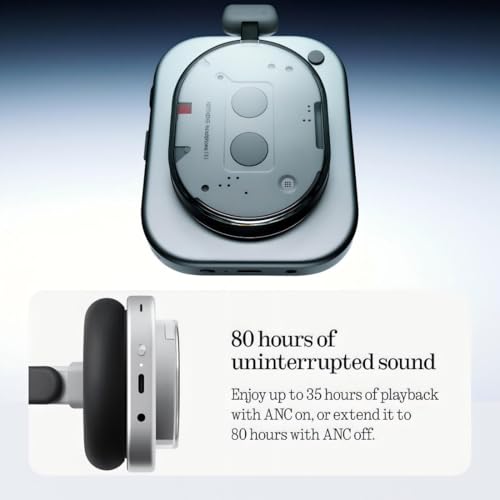
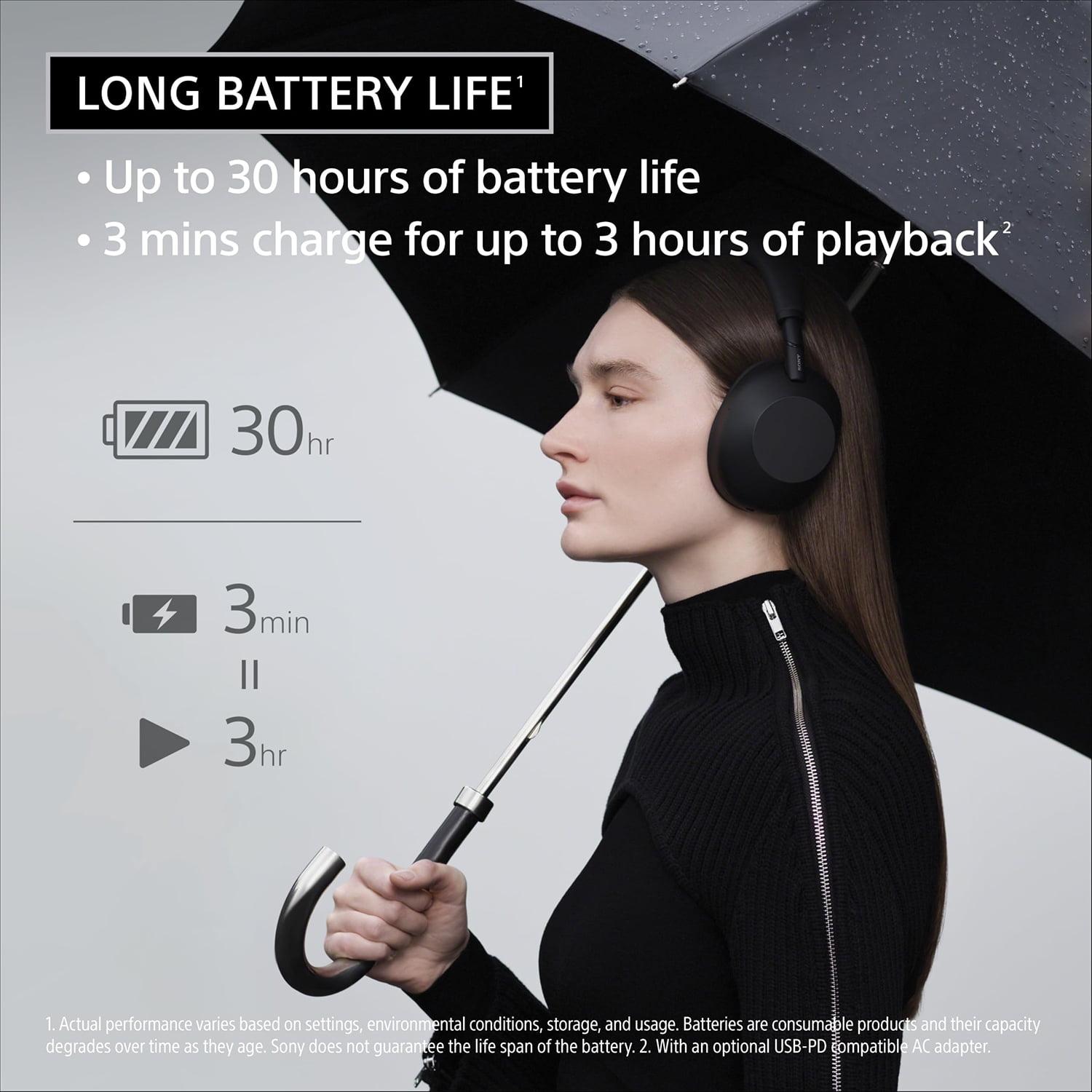
This is one area where the Nothing Headphone (1) decisively outperforms not just the Sony WH-1000XM6, but virtually every competitor in the market. With ANC turned off, Nothing claims up to 80 hours of playback – that's genuinely impressive and more than doubles Sony's 40-hour performance in the same scenario.
Even with ANC enabled, the Nothing delivers 35 hours compared to Sony's 30 hours. While this difference is less dramatic, it still represents a meaningful advantage for heavy users. The fast-charging capabilities are similar between both headphones, with quick top-ups providing several hours of listening time.
For users who don't always need active noise cancellation – perhaps those who primarily listen at home or in quiet environments – the Nothing's exceptional battery life becomes a significant practical advantage. You might charge these headphones monthly rather than weekly, which is genuinely liberating.
The control systems reveal each company's philosophy clearly. Sony employs sophisticated touch controls on the right ear cup, where you can swipe for volume, double-tap for play/pause, and cover the cup for "Quick Attention" mode that temporarily lowers volume and lets in ambient sound. These work well when you get used to them, but they can be finicky in cold weather or if you're wearing gloves.
The Sony WH-1000XM6 also includes advanced features like Speak-to-Chat, which automatically pauses music and activates ambient sound when it detects you're speaking. This sounds gimmicky but actually becomes quite useful for brief conversations without removing the headphones.
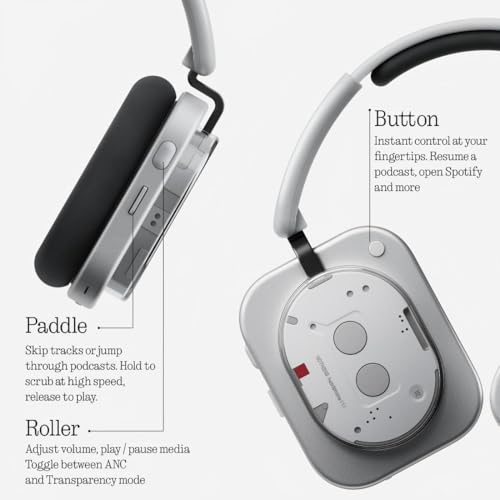
Nothing takes a completely different approach with the Headphone (1), using exclusively physical controls – a paddle button for play/pause, a roller for volume and track navigation, and a customizable button that can trigger voice assistants or other functions. Many users prefer this tactile approach because it's more reliable and works regardless of weather conditions.
Both headphones support multipoint connectivity, meaning you can connect to two devices simultaneously – perhaps your phone and laptop – and seamlessly switch between them. This has become an essential feature for modern wireless headphones.
Sony's app ecosystem is mature and comprehensive. The Sony Headphones Connect app offers a 10-band equalizer with preset options, adaptive sound control that adjusts settings based on your activity and location, and even a feature called "Your Sound" that creates a personalized EQ based on your hearing profile.
The Nothing X app is simpler but still capable. It provides both basic and advanced EQ options, with the advanced mode offering detailed control over frequency response and Q-factors (which control how narrow or wide each EQ band affects surrounding frequencies). For users who enjoy tweaking audio settings, Nothing's app provides the tools needed to achieve excellent results.
At the time of writing, there's a meaningful price difference between these headphones, with the Nothing Headphone (1) positioned as the more affordable option despite being quite feature-rich. This pricing strategy makes sense for Nothing's market position as a challenger brand trying to establish credibility in a category dominated by established players.
The Sony WH-1000XM6 commands a premium that reflects its mature development, superior noise cancellation, and comprehensive feature set. For many users, especially frequent travelers, this premium represents good value given the significantly better ANC performance and refined user experience.
The value equation changes based on your priorities. If you primarily value distinctive design, exceptional battery life, and strong performance at a lower price point, Nothing delivers compelling value. If you need the best possible noise cancellation, immediate audio satisfaction, and proven reliability, Sony's premium pricing becomes justifiable.
Choose the Nothing Headphone (1) if you appreciate unique design, don't mind spending time optimizing audio settings, and primarily use headphones in relatively quiet environments. The exceptional battery life and distinctive aesthetic make these particularly appealing for users who want something different from the standard black or silver premium headphones that dominate the market.
The Sony WH-1000XM6 is the better choice for frequent travelers, anyone who needs superior noise cancellation, or users who prefer exceptional performance right out of the box. The lighter weight, mature feature set, and industry-leading ANC make these the safe choice for demanding users.
For home theater use specifically, Sony's more developed spatial audio implementation and superior comfort during long sessions give it an edge, though both headphones work well for this application.
Ultimately, both represent solid entries in the premium headphone market, but they serve different user preferences and priorities. The choice comes down to whether you value proven excellence or distinctive innovation – and thankfully, both approaches have merit in today's diverse audio landscape.
| Nothing Headphone (1) | Sony WH-1000XM6 |
|---|---|
| Weight - Critical for extended wear comfort | |
| 329g (heavier, may cause fatigue during long sessions) | 250g (25% lighter, better for all-day comfort) |
| Active Noise Cancellation - Essential for travel and noisy environments | |
| Up to 42dB reduction with 4-mic array (adequate for most uses) | Up to 87% noise reduction with 12-mic QN3 processor (industry-leading) |
| Battery Life (ANC On) - Determines how often you'll charge | |
| 35 hours (excellent, above average for the category) | 30 hours (very good, standard for premium headphones) |
| Battery Life (ANC Off) - Maximum endurance for quiet environments | |
| 80 hours (exceptional, nearly doubles most competitors) | 40 hours (solid performance, typical for premium models) |
| Sound Quality Out-of-Box - How good they sound without adjustment | |
| Requires EQ tuning for optimal performance (strange stock tuning) | Excellent immediately (tuned by Grammy-winning engineers) |
| Design Approach - Visual appeal and portability | |
| Transparent aesthetic, non-folding (unique look, less portable) | Traditional design, folds flat (practical, travel-friendly) |
| Driver Technology - Determines audio capability | |
| 40mm dynamic drivers with nickel-coated diaphragm (KEF tuned) | 30mm neodymium with carbon fiber dome (mastering studio quality) |
| App Ecosystem - Customization and features | |
| 8-band EQ with advanced controls (good customization options) | 10-band EQ plus adaptive features (comprehensive ecosystem) |
| Physical Controls - Reliability and ease of use | |
| All physical buttons and roller (reliable, works in all conditions) | Touch gestures plus physical buttons (sophisticated but less reliable) |
| Codec Support - Audio quality over Bluetooth | |
| SBC, AAC, LDAC (supports high-resolution wireless audio) | SBC, AAC, LDAC, LC3 (includes latest Bluetooth LE Audio) |
| Smart Features - Convenience and automation | |
| Basic adaptive features and spatial audio support | Speak-to-Chat, adaptive sound control, advanced spatial audio |
| Value Proposition - Performance per dollar spent | |
| Strong performance at lower price point (best for budget-conscious) | Premium pricing justified by superior ANC and refinement |
The Sony WH-1000XM6 delivers superior sound quality out of the box, with tuning by Grammy-winning mastering engineers and advanced 30mm carbon fiber drivers. The Nothing Headphone (1) requires EQ adjustment to reach its potential but can achieve excellent sound quality once properly tuned through the Nothing X app.
The Sony WH-1000XM6 offers significantly better active noise cancellation with its QN3 processor and 12-microphone array, reducing ambient noise by up to 87%. The Nothing Headphone (1) provides adequate ANC with up to 42dB reduction, but it's not in the same league as Sony's industry-leading performance.
The Sony WH-1000XM6 is more comfortable for extended wear due to its lighter 250g weight and refined ergonomics developed over multiple generations. The Nothing Headphone (1) weighs 329g, which is noticeably heavier and may cause fatigue during long sessions, though some users find the fit acceptable.
The Nothing Headphone (1) excels in battery life with 80 hours (ANC off) and 35 hours (ANC on), making it exceptional for extended use. The Sony WH-1000XM6 offers respectable battery life with 40 hours (ANC off) and 30 hours (ANC on), which is standard for premium headphones.
The Sony WH-1000XM6 is superior for travel due to its industry-leading noise cancellation, lighter weight, and foldable design that fits better in carry-on bags. The Nothing Headphone (1) doesn't fold and has less effective ANC, making it less ideal for airplane travel and noisy commutes.
Both headphones handle calls adequately, but the Sony WH-1000XM6 has a slight edge with its six-microphone AI beamforming system and advanced noise reduction for clearer voice transmission. The Nothing Headphone (1) uses a four-microphone array with AI-powered Clear Voice Technology that performs well in most environments.
The Nothing Headphone (1) provides better value with competitive performance at a lower price point, exceptional battery life, and unique design. The Sony WH-1000XM6 justifies its premium pricing with superior noise cancellation, refined sound quality, and a mature feature ecosystem.
Both headphones work well for home theater use, but the Sony WH-1000XM6 has advantages with more developed spatial audio technology, lighter weight for extended viewing sessions, and superior comfort. The Nothing Headphone (1) supports spatial audio and offers excellent battery life for long movie marathons.
Both the Sony WH-1000XM6 and Nothing Headphone (1) feature solid build quality with premium materials. Sony offers proven durability from years of refinement, while Nothing uses a unique transparent design with aluminum and plastic construction that's visually striking but less tested over time.
The Sony WH-1000XM6 offers a more comprehensive app experience with 10-band EQ, adaptive sound control, and advanced features like personal sound profiles. The Nothing Headphone (1) provides good customization with an 8-band EQ and advanced frequency controls, though it's less feature-rich than Sony's mature ecosystem.
The Sony WH-1000XM6 is better for gaming with dedicated gaming EQ settings, low-latency modes, and superior spatial audio for directional awareness. The Nothing Headphone (1) includes low-latency gaming mode and spatial audio support but lacks the gaming-specific optimizations found in the Sony model.
Choose the Nothing Headphone (1) if you want unique design, exceptional battery life, and strong value at a lower price point, especially for home use. Choose the Sony WH-1000XM6 if you prioritize superior noise cancellation, immediate sound quality satisfaction, travel-friendly design, and don't mind paying more for proven premium performance.
We've done our best to create useful and informative comparisons to help you decide what product to buy. Our research uses advanced automated methods to create this comparison and perfection is not possible - please contact us for corrections or questions. These are the sites we've researched in the creation of this article: recordingnow.com - loudnwireless.com - markellisreviews.com - tomsguide.com - tomsguide.com - youtube.com - cnet.com - soundguys.com - 9to5google.com - youtube.com - notebookcheck.net - techradar.com - us.kef.com - soundguys.com - alexreviewstech.com - walmart.com - us.nothing.tech - youtube.com - youtube.com - moon-audio.com - soundguys.com - electronics.sony.com - recordingnow.com - tomsguide.com - electronics.sony.com - rtings.com - recordingnow.com - youtube.com - soundguys.com - whathifi.com - bhphotovideo.com - sony.com - sony.com - bestbuy.com - youtube.com - sony.eu - soundguys.com - audio46.com - electronics.sony.com

Privacy Policy
Terms and Conditions - Affiliate Policy
Home Security
© Copyright 2008-2026.
11816 Inwood Rd #1211, Dallas, TX 75244