


Premium over-ear headphones have evolved dramatically in recent years, becoming sophisticated audio computers rather than simple drivers in a headband. Today's flagship models pack advanced noise cancellation, computational audio processing, and seamless wireless connectivity into designs that would have seemed futuristic just a decade ago.
When shopping for premium over-ear headphones, you're essentially choosing between different philosophies of what makes great audio gear. Some prioritize raw performance and customization, while others focus on effortless user experience and ecosystem integration. Understanding these approaches helps you pick the right headphones for your needs and budget.
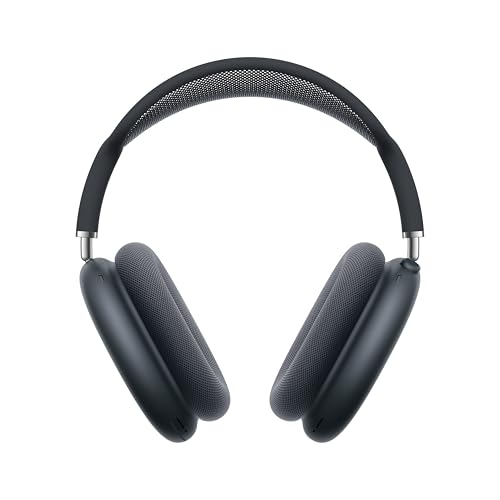
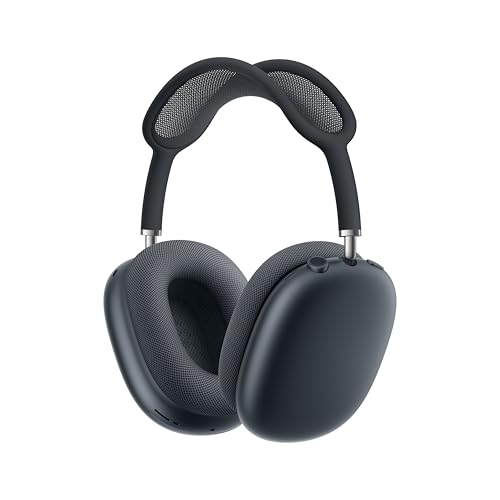
The Nothing Headphone (1) and Apple AirPods Max represent two compelling but distinctly different visions of premium audio. At the time of writing, they sit at different price points—the Nothing Headphone (1) costs significantly less than the AirPods Max, yet both target users seeking flagship-level features and performance.
Before diving into specifics, it's worth understanding what you're actually paying for in this category. Premium over-ear headphones combine several technologies that cheaper models simply can't match.
Active Noise Cancellation (ANC) uses microphones to detect outside noise and generate "anti-noise" waves that cancel unwanted sounds. Think of it like noise-canceling waves meeting incoming sound waves and neutralizing each other. The best systems can reduce background noise by 30-40 decibels, transforming a noisy airplane cabin into a quiet listening environment.
Computational audio represents the cutting edge of headphone technology. Instead of just playing back audio files, modern premium headphones analyze the incoming signal, your ear shape, and environmental factors to optimize sound in real-time. It's like having a sound engineer constantly adjusting your audio for the perfect experience.
Driver technology has also advanced significantly. The speakers inside premium headphones—called drivers—now use sophisticated materials and designs that minimize distortion while maximizing clarity across all frequencies. Larger 40mm drivers, like those in both headphones we're comparing, can move more air and generally produce fuller, more dynamic sound than smaller drivers.
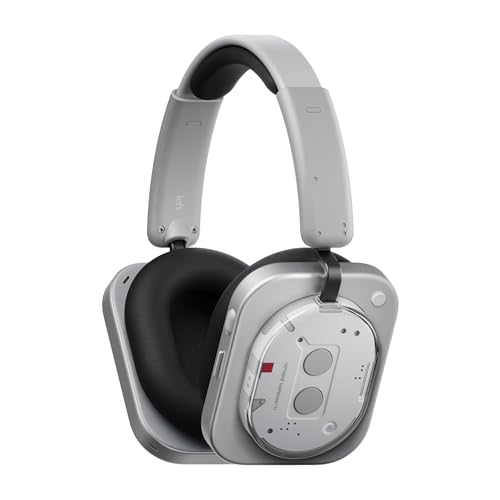
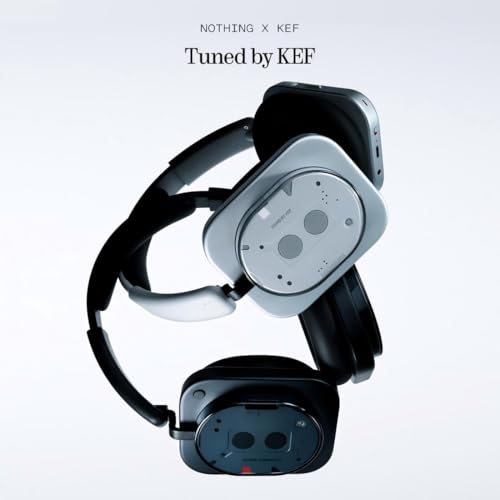
Released in 2025, the Nothing Headphone (1) marks Nothing's first venture into over-ear headphones after establishing themselves with distinctive earbuds. Nothing built their reputation on transparent designs that reveal internal components—a philosophy they've extended to these over-ear headphones with striking visual appeal.
What sets the Nothing Headphone (1) apart isn't just aesthetics. These headphones embrace customization and user control in ways that appeal to audio enthusiasts who want to shape their listening experience. The collaboration with KEF, a respected British audio company, brings serious audio engineering to Nothing's design-forward approach.
Apple entered the premium over-ear market in 2020 with the AirPods Max, bringing their ecosystem integration expertise to a new form factor. Rather than simply scaling up AirPods technology, Apple developed an entirely new approach focused on computational audio and seamless device connectivity.
The AirPods Max received a notable update in 2024, replacing the Lightning port with USB-C and adding new color options. More importantly, the USB-C version supports lossless audio when connected via cable—a significant improvement for users who care about audio fidelity and latency.
Audio quality represents the most subjective yet crucial aspect of any headphone comparison. Both the Nothing Headphone (1) and AirPods Max deliver excellent sound, but through dramatically different approaches.
The AirPods Max takes Apple's typical "it just works" philosophy to audio. Out of the box, these headphones sound polished and balanced across virtually all music genres. Apple's computational audio continuously analyzes your music and adjusts the sound signature based on how the headphones fit your ears. Internal microphones measure what you're actually hearing and adapt the frequency response accordingly—like having a personal sound engineer making tiny adjustments hundreds of times per second.
This approach works brilliantly for most listeners. Pop music sounds punchy and engaging, classical recordings reveal fine detail and spatial information, and podcast voices remain clear and natural. The AirPods Max excels particularly in midrange frequencies where voices and most instruments live, creating an immediately pleasing listening experience.
However, Apple's approach has limitations. You can't manually adjust the sound signature—there's no equalizer or tone controls. If you prefer more bass or brighter treble than Apple's engineers decided was optimal, you're out of luck.
The Nothing Headphone (1) takes the opposite approach. While the default sound signature is competent, the real magic happens when you dive into the companion app's extensive customization options. The 8-band equalizer doesn't just offer simple bass and treble adjustments—it provides professional-level control over specific frequency ranges and their width (called Q factor).
This means you can precisely target problem areas or enhance preferred characteristics. Want more sub-bass for electronic music without affecting mid-bass that makes vocals sound muddy? The Nothing Headphone (1) lets you do exactly that. Prefer the sparkly highs of studio monitors? You can dial in that exact frequency response.
The KEF collaboration shows in the underlying driver design. These 40mm dynamic drivers use a nickel-coated polyurethane diaphragm and advanced suspension system that minimizes distortion even at high volumes. When properly tuned through the app, reviewers consistently describe the sound as "excellent"—but that excellence requires user involvement rather than automatic optimization.
Active noise cancellation represents one area where the AirPods Max demonstrates clear superiority. Apple's system uses eight dedicated microphones—more than most competitors—to create what many reviewers consider the most effective noise cancellation available in consumer headphones.
The difference becomes apparent in challenging environments. On airplanes, the AirPods Max can make engine noise virtually disappear, creating an almost unnaturally quiet listening environment. In busy offices or coffee shops, background chatter and HVAC systems fade to barely audible levels. This performance puts the AirPods Max in the same league as Bose and Sony's flagship models.
The Nothing Headphone (1) offers respectable but not outstanding noise cancellation. With up to 42 decibels of reduction, it effectively handles steady background noise like air conditioning or distant traffic. However, it struggles more with irregular sounds like conversations or sudden noises. The adaptive ANC system adjusts to your environment automatically, but it can't match the sophisticated processing power that Apple dedicates to this feature.
For most casual listening scenarios—quiet homes, libraries, or moderate office environments—the Nothing Headphone (1)'s ANC proves adequate. But if you frequently travel by plane, work in noisy environments, or prioritize maximum isolation for focus, the AirPods Max justifies its higher price through superior noise cancellation alone.
Both headphones offer transparency modes that let ambient sound through when needed. The AirPods Max's transparency mode sounds remarkably natural, almost like you're not wearing headphones at all. The Nothing Headphone (1)'s transparency mode works well but sounds slightly more processed.
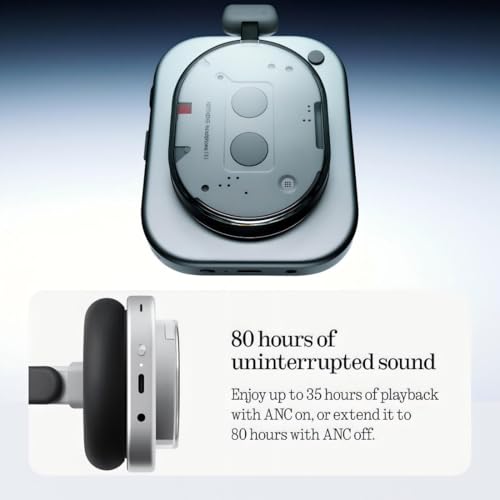
Battery performance represents one area where the Nothing Headphone (1) absolutely dominates. With up to 80 hours of playback time when ANC is disabled—or 35 hours with it enabled—these headphones challenge the very concept of battery anxiety.
To put this in perspective: you could listen to the Nothing Headphone (1) for a full work week without charging, even with noise cancellation active. Turn off ANC for quieter environments, and you might charge them monthly rather than weekly. The fast charging capability provides several hours of use from just five minutes plugged in.
The AirPods Max delivers a more typical 20 hours with ANC enabled—perfectly adequate for most users but unremarkable compared to the competition. Apple's implementation does include smart power management that puts the headphones into ultra-low power mode when stored in their case, helping preserve charge between uses.
For frequent travelers or users who forget to charge devices regularly, the Nothing Headphone (1)'s exceptional battery life provides genuine peace of mind. You can pack them for a weekend trip without bringing a charger, or use them for long international flights without worrying about power.
The Nothing Headphone (1) embraces modern wireless standards with Bluetooth 5.3 and support for high-quality LDAC codec. LDAC allows transmission of high-resolution audio over Bluetooth—nearly three times more data than standard Bluetooth audio. For users with compatible devices and high-quality music files, this translates to noticeably better wireless sound quality.
Multipoint connectivity lets the Nothing Headphone (1) maintain connections to two devices simultaneously. You can have them connected to both your laptop and phone, automatically switching audio sources as needed. This feature proves invaluable for users who regularly switch between devices throughout the day.
The inclusion of both USB-C audio and a 3.5mm jack provides flexibility that many competitors lack. Whether you need ultra-low latency for gaming, want to connect to older devices, or prefer wired audio for critical listening, the Nothing Headphone (1) accommodates these needs.
The AirPods Max takes a different approach, optimizing for seamless integration within Apple's ecosystem rather than broad compatibility. Once paired to your iCloud account, they automatically appear as an audio option on all your Apple devices. Switch from iPhone to MacBook to iPad, and the AirPods Max follows along without manual re-pairing.
This ecosystem integration extends to features like automatic ear detection (pause music when you take them off), "Hey Siri" voice activation, and spatial audio that works across Apple's entire device lineup. For users deeply invested in Apple products, these conveniences provide daily value that's hard to quantify but genuinely useful.
However, this optimization comes at a cost. The AirPods Max uses older Bluetooth 5.0 and lacks LDAC support. On non-Apple devices, you lose many advanced features and may experience compatibility issues with voice calls or audio controls.
The physical design of these headphones reflects their underlying philosophies as much as their technical specifications.
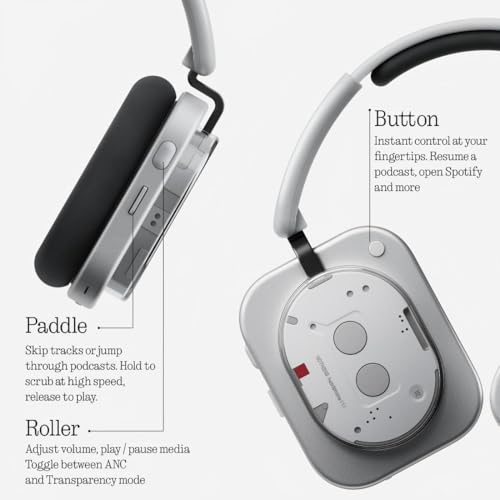
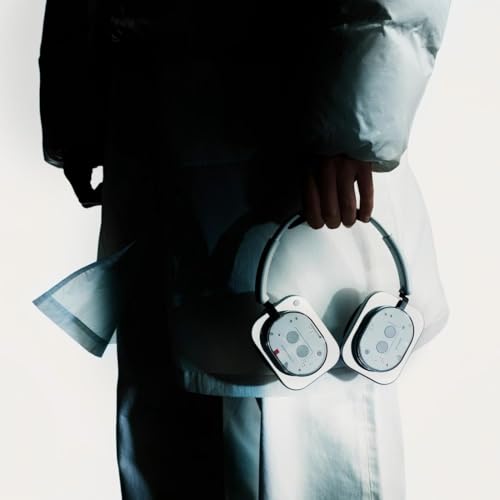
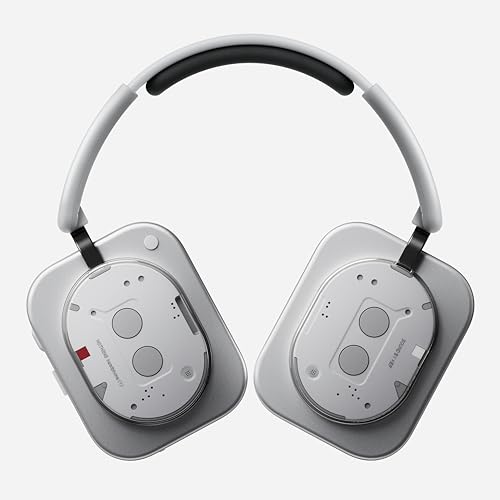
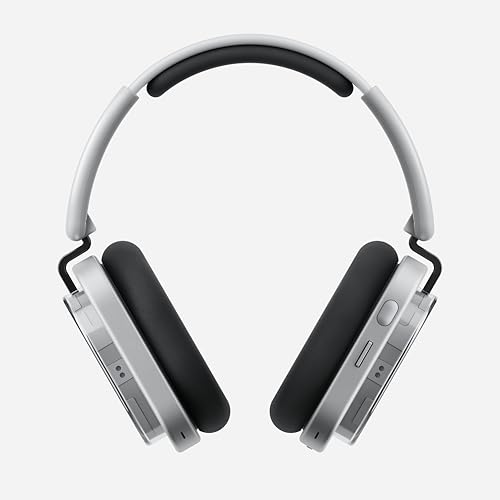
The Nothing Headphone (1) makes a bold visual statement with transparent elements that reveal internal components. This isn't just aesthetic flourish—it represents Nothing's broader philosophy of technological transparency and user empowerment. The build quality feels premium despite the lower price, with sturdy materials and thoughtful touches like customizable physical controls.
However, the distinctive rectangular ear cup design has practical drawbacks. The headphones don't fold for compact storage, and the angular cups can bump into each other when worn around your neck—a small but annoying issue during casual wear.
The AirPods Max embraces traditional luxury design language with machined aluminum ear cups and a unique mesh headband. The build quality feels unmistakably premium, though the aluminum surfaces prove susceptible to scratches with regular use. Apple's attention to detail shows in elements like the Digital Crown borrowed from Apple Watch—a tactile control that feels more premium than typical buttons.
Weight becomes a consideration for extended use. The AirPods Max tips the scales at 385 grams compared to the Nothing Headphone (1)'s 329 grams. While both distribute weight well, the difference becomes noticeable during long listening sessions or active use.
Importantly, the Nothing Headphone (1) includes IP52 water and dust resistance—unusual for over-ear headphones and valuable for users who exercise with them or live in dusty environments. The AirPods Max lacks any official environmental protection rating.
Both headphones excel for home theater use, though with different strengths that suit different viewing habits.
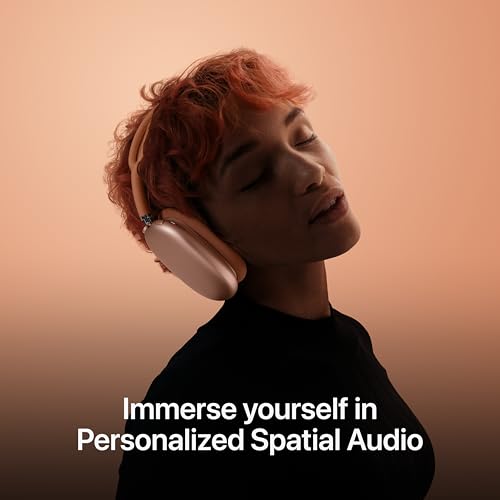
The AirPods Max provides exceptional spatial audio for movie watching, especially when paired with Apple TV or other Apple devices. The dynamic head tracking creates an almost surreal experience where sound sources remain anchored to your TV screen even as you move your head. For Apple users with compatible content, this represents one of the most immersive home theater experiences possible without a full surround sound system.
The computational audio processing also enhances dialogue clarity—crucial for movies with complex soundtracks or quiet dialogue scenes. The superior noise cancellation helps you focus on content without distractions from household noise.
The Nothing Headphone (1) offers competitive spatial audio features and the flexibility to connect to any source device via multiple connection methods. The exceptional battery life means you can binge-watch entire seasons without charging concerns, while the customizable EQ lets you optimize sound for specific content types—perhaps boosting dialogue frequencies for dramas or enhancing bass for action movies.
For gaming, the Nothing Headphone (1)'s low-latency mode and wired connection options provide advantages over the AirPods Max's wireless-only approach. Competitive gamers particularly benefit from the precise audio positioning and minimal delay that wired connections enable.
Choosing between the Nothing Headphone (1) and AirPods Max depends heavily on your priorities, ecosystem, and budget considerations at the time of writing.
Choose the Nothing Headphone (1) if you:
Choose the AirPods Max if you:
The decision often comes down to whether you prefer the Nothing Headphone (1)'s user empowerment approach—giving you tools to create your ideal listening experience—or the AirPods Max's optimized simplicity that delivers excellent results without requiring user involvement.
At the time of writing, the substantial price difference makes the Nothing Headphone (1) an exceptional value proposition. It delivers roughly 85% of flagship performance at significantly less cost, making premium features accessible to a broader audience. The AirPods Max commands its higher price through best-in-class noise cancellation, superior ecosystem integration, and that final 15% of performance that matters most to demanding users.
Both represent excellent choices within their intended contexts. The Nothing Headphone (1) democratizes premium audio technology while maintaining the flexibility and customization that enthusiasts crave. The AirPods Max delivers a more refined, effortless experience that justifies its premium positioning for users who value convenience and integration over customization and value.
Your choice should reflect not just your budget, but your relationship with technology itself. Do you enjoy tweaking and optimizing, or do you prefer devices that work beautifully right out of the box? Both approaches have merit—and both headphones execute their respective visions exceptionally well.
| Nothing Headphone (1) | Apple AirPods Max |
|---|---|
| Active Noise Cancellation - Critical for blocking distractions in noisy environments | |
| Up to 42 dB reduction with 4-microphone array (good for moderate noise) | Up to twice the noise cancellation with 8-microphone array (best-in-class performance) |
| Battery Life - Determines how often you need to charge | |
| Up to 80h (ANC off) / 35h (ANC on) - industry leading | Up to 20h with ANC - standard for premium headphones |
| Audio Customization - Important for personalizing your sound signature | |
| 8-band EQ with Q factor control via app (extensive customization) | No manual EQ - relies on automatic computational audio tuning |
| Weight - Affects comfort during extended listening sessions | |
| 329g (lighter, less fatigue over time) | 385g (heavier but premium materials) |
| Connectivity Options - Flexibility for different devices and use cases | |
| Bluetooth 5.3, LDAC, multipoint, USB-C audio, 3.5mm jack | Bluetooth 5.0, seamless Apple ecosystem integration, USB-C (2024 model) |
| Water Resistance - Protection against moisture and dust | |
| IP52 rated (dust and light water protection) | No official rating (vulnerable to environmental damage) |
| Design Philosophy - Visual appeal and build approach | |
| Transparent elements, rectangular cups, doesn't fold | Premium aluminum/mesh, traditional luxury design, doesn't fold |
| Platform Optimization - Best experience depends on your devices | |
| Works equally well across all platforms and devices | Optimized for Apple ecosystem, limited features on other platforms |
| Fast Charging - How quickly you can get back to listening | |
| 5 minutes = ~5 hours playback (exceptional quick charge) | 5 minutes = 1.5 hours playback (standard performance) |
| Spatial Audio - Immersive surround sound experience | |
| Supported with head tracking (good implementation) | Dynamic head tracking with Apple content (best-in-class integration) |
The Apple AirPods Max deliver superior out-of-box sound quality with computational audio that automatically optimizes sound based on your ear shape and fit. However, the Nothing Headphone (1) offers extensive customization through an 8-band EQ, allowing you to achieve excellent sound quality when properly tuned. If you prefer plug-and-play audio, choose the AirPods Max. If you enjoy customizing your sound signature, the Nothing Headphone (1) provides more control.
The Nothing Headphone (1) offers exceptional battery life with up to 80 hours of playback (ANC off) and 35 hours with ANC enabled. The Apple AirPods Max provides up to 20 hours with ANC on, which is standard for premium headphones. For users who travel frequently or forget to charge devices regularly, the Nothing Headphone (1) provides significantly more listening time between charges.
The Apple AirPods Max feature superior active noise cancellation with eight dedicated microphones, ranking among the best available consumer headphones. The Nothing Headphone (1) offers good but not exceptional ANC with up to 42dB reduction. For frequent travelers or those working in noisy environments, the AirPods Max provide noticeably better noise isolation.
Both headphones excel for home theater applications. The Apple AirPods Max provide exceptional spatial audio with dynamic head tracking when paired with Apple devices, creating an immersive surround sound experience. The Nothing Headphone (1) offer competitive spatial audio features with the added benefit of wired connections for gaming and the ability to customize EQ for different content types like movies or shows.
The Nothing Headphone (1) are lighter at 329g compared to the Apple AirPods Max at 385g, potentially causing less fatigue during extended use. Both feature memory foam padding and distribute weight well, but the AirPods Max use premium materials with a unique mesh headband design. Comfort preferences vary by individual, but the weight difference favors the Nothing Headphone (1) for marathon listening sessions.
The Nothing Headphone (1) work equally well across all platforms with modern Bluetooth 5.3, LDAC support, and full app functionality on Android. The Apple AirPods Max have limited functionality on Android devices, losing features like spatial audio, "Hey Siri," and seamless device switching. Android users will have a significantly better experience with the Nothing Headphone (1).
The Nothing Headphone (1) provide exceptional value, delivering approximately 85% of flagship performance at a significantly lower price point than the Apple AirPods Max. The AirPods Max justify their premium pricing through best-in-class noise cancellation, superior ecosystem integration, and premium build materials. Budget-conscious buyers will find better value with the Nothing Headphone (1).
The Nothing Headphone (1) offer extensive sound customization through an 8-band EQ with adjustable frequency and Q factor controls, allowing precise audio tuning. The Apple AirPods Max rely on automatic computational audio with no manual EQ options—Apple's algorithms optimize the sound without user input. Audio enthusiasts who enjoy tweaking their sound will prefer the Nothing Headphone (1)'s customization options.
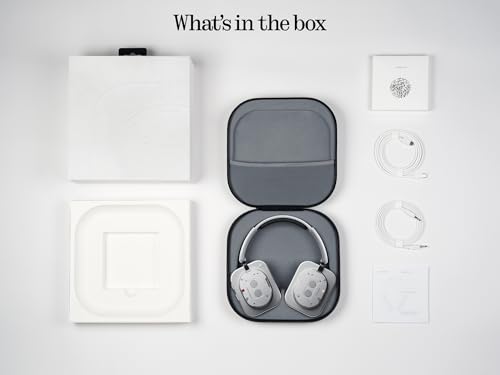
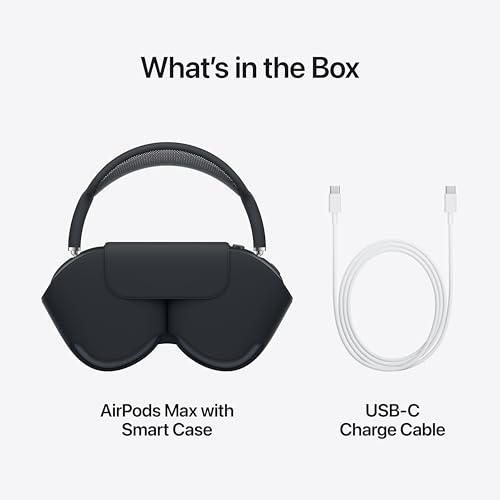
For travel, the choice depends on priorities. The Apple AirPods Max offer superior noise cancellation for airplane environments and busy airports. However, the Nothing Headphone (1) provide much longer battery life (35+ hours vs 20 hours with ANC) and include water resistance protection. Neither model folds for compact storage, but the Nothing Headphone (1) come with a protective hard case versus the AirPods Max's minimal Smart Case.
The Nothing Headphone (1) support LDAC codec for high-resolution audio over Bluetooth, transmitting nearly three times more data than standard Bluetooth. The Apple AirPods Max use standard codecs but include computational audio processing that optimizes sound quality in real-time. The 2024 AirPods Max model adds USB-C support for lossless wired audio. Both approaches deliver excellent wireless audio quality through different methods.
Both headphones feature premium build quality with different approaches. The Apple AirPods Max use machined aluminum ear cups and a mesh headband for a traditional luxury feel, though they're prone to scratches. The Nothing Headphone (1) combine sturdy materials with transparent design elements and include IP52 water resistance—unusual for over-ear headphones. The AirPods Max feel more traditionally premium, while the Nothing Headphone (1) offer better environmental protection.
Both headphones work well for gaming with different advantages. The Nothing Headphone (1) offer low-latency gaming mode, wired connection options for minimal delay, and customizable EQ for optimizing game audio. The Apple AirPods Max provide excellent spatial audio for immersive gaming experiences on Apple devices but lack wired connectivity options and manual audio tuning. Competitive gamers may prefer the Nothing Headphone (1)'s wired capabilities and lower latency options.
We've done our best to create useful and informative comparisons to help you decide what product to buy. Our research uses advanced automated methods to create this comparison and perfection is not possible - please contact us for corrections or questions. These are the sites we've researched in the creation of this article: recordingnow.com - loudnwireless.com - markellisreviews.com - tomsguide.com - tomsguide.com - youtube.com - cnet.com - soundguys.com - 9to5google.com - youtube.com - notebookcheck.net - techradar.com - us.kef.com - soundguys.com - alexreviewstech.com - walmart.com - us.nothing.tech - youtube.com - youtube.com - recordingnow.com - t3.com - telegraph.co.uk - soundguys.com - youtube.com - forums.macrumors.com - youtube.com - youtube.com - apple.com - support.apple.com - idownloadblog.com - media.distrelec.com - en.wikipedia.org - apple.com - apple.com - support.apple.com - rtings.com

Privacy Policy
Terms and Conditions - Affiliate Policy
Home Security
© Copyright 2008-2026.
11816 Inwood Rd #1211, Dallas, TX 75244