



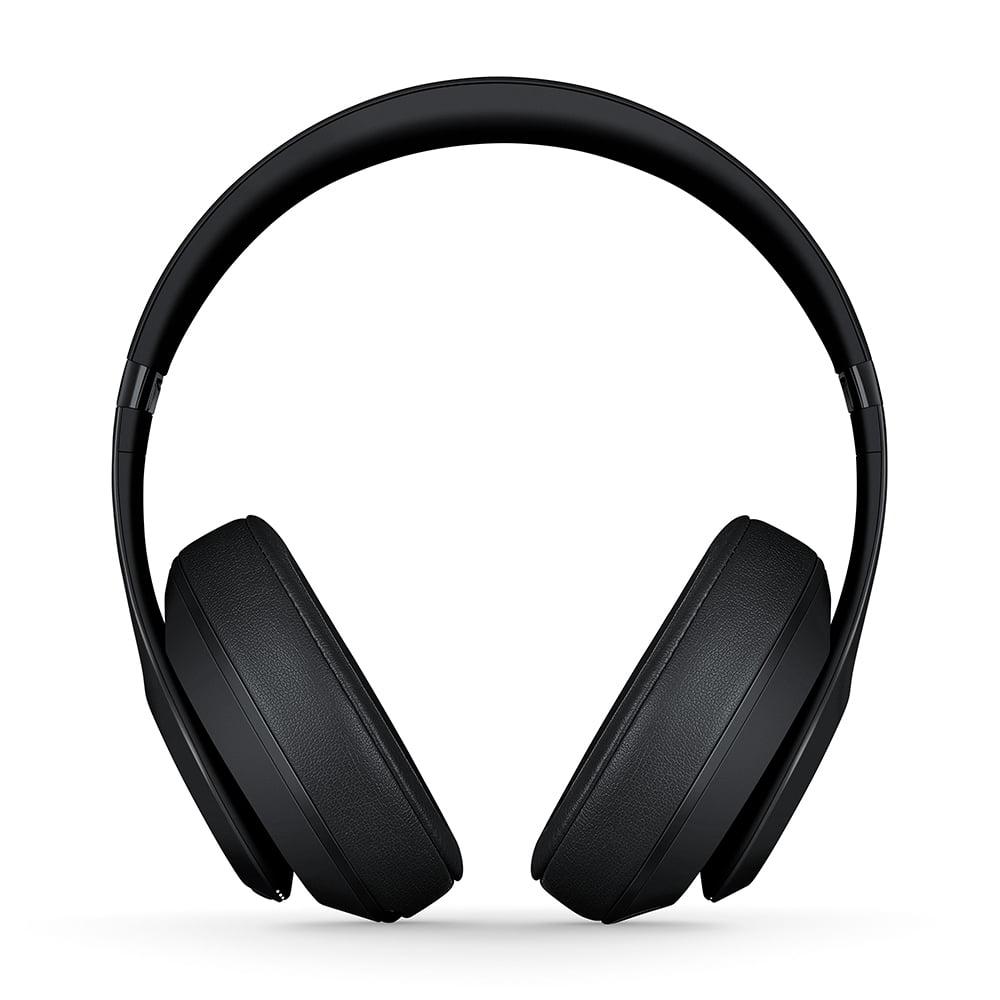
When you're shopping for wireless over-ear headphones, you're entering a world where eight years can make an enormous difference. That's exactly the gap between the Nothing Headphone (1), which launched in 2025, and the Beats Studio3 Wireless, which first appeared in 2017. This comparison isn't just about two different products—it's about two completely different generations of audio technology.
Wireless over-ear headphones occupy the premium tier of personal audio. Unlike smaller earbuds, these larger headphones can house bigger drivers (the speakers inside that create sound) and more powerful batteries. They're designed for people who spend hours listening to music, watching movies, or working from home—situations where comfort and audio quality matter more than portability.
The main factors that separate good over-ear headphones from great ones include audio quality, active noise cancellation (ANC), battery life, comfort during extended wear, and how well they connect to your devices. Modern headphones also need to excel across multiple scenarios: your daily commute, long work calls, movie nights, and everything in between.
Since 2017, we've seen massive improvements in wireless audio technology. Bluetooth has become more stable, codecs (the technology that compresses audio for wireless transmission) have advanced dramatically, and battery efficiency has improved significantly. The Nothing Headphone (1) represents the cutting edge of 2025 technology, while the Beats Studio3 Wireless shows us what premium looked like nearly a decade ago.
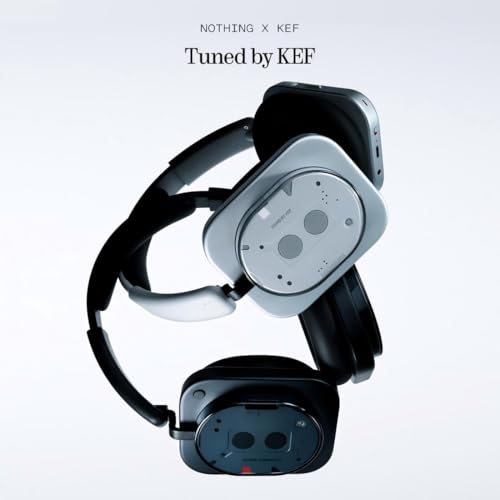
The difference in audio quality between these headphones tells the story of how far wireless audio has advanced. The Nothing Headphone (1) features 40mm dynamic drivers with a nickel-coated polyurethane diaphragm—engineering that results in cleaner, more accurate sound reproduction. More importantly, it was tuned in collaboration with KEF, a respected British audio company known for their high-end speakers.
What makes the Nothing Headphone (1) particularly impressive is its support for LDAC, Sony's high-resolution wireless audio codec. LDAC can transmit audio at nearly three times the quality of standard Bluetooth, approaching CD-quality sound wirelessly. When you're streaming high-resolution music from services like Tidal or Apple Music, this makes a noticeable difference in clarity and detail.
The customization options on the Nothing Headphone (1) are equally impressive. Its companion app offers an 8-band equalizer where you can adjust not just frequency levels but also the Q-factor—essentially how wide or narrow each frequency adjustment affects neighboring frequencies. This level of control was unimaginable in consumer headphones back in 2017.
The Beats Studio3 Wireless, by comparison, is limited to basic SBC and AAC codecs—the wireless audio standards that were common in 2017. While AAC works well with Apple devices, it can't match the resolution and detail that LDAC provides. The headphones also lack any meaningful sound customization, giving you essentially one sound signature to work with.
In practical terms, this means the Nothing Headphone (1) can adapt to your music preferences and source quality, while the Beats Studio3 Wireless delivers a fixed listening experience that may or may not match your taste.
Active noise cancellation technology has evolved dramatically since 2017, and nowhere is this more apparent than in these two headphones. The Nothing Headphone (1) uses what's called adaptive ANC, which continuously monitors your environment and adjusts noise cancellation in real-time. It can reduce ambient noise by up to 42 decibels—enough to turn a busy coffee shop into a quiet library.
The system uses four microphones strategically placed around the ear cups to detect different types of noise. Low-frequency rumbles (like airplane engines) are handled differently than mid-frequency chatter or high-frequency sounds. You can choose from multiple ANC levels or let the headphones automatically adjust based on your surroundings.
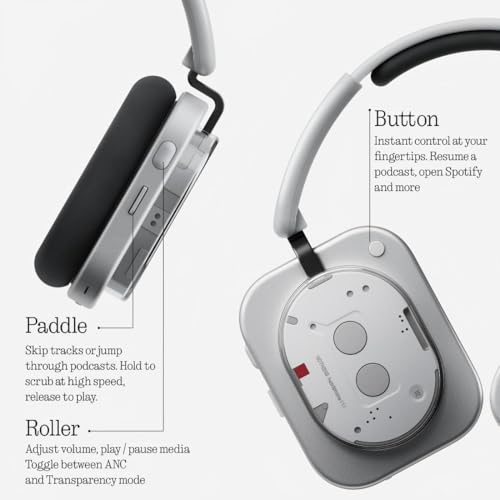
The transparency mode on the Nothing Headphone (1) deserves special mention. When activated, it uses those same microphones to blend ambient sound naturally with your music, allowing you to stay aware of your surroundings without removing the headphones. This is particularly useful in office environments or when you need to have quick conversations.
The Beats Studio3 Wireless features what Beats calls "Pure Adaptive Noise Cancelling," but it's based on 2017 technology. While it does block some ambient noise, it lacks the sophistication and effectiveness of modern systems. There's no transparency mode, no multiple ANC levels, and no real-time adaptation. It's essentially an on/off switch for basic noise reduction.
For anyone who regularly works in noisy environments, commutes on public transportation, or travels frequently, the difference in noise cancellation effectiveness between these headphones is substantial enough to significantly impact your listening experience.
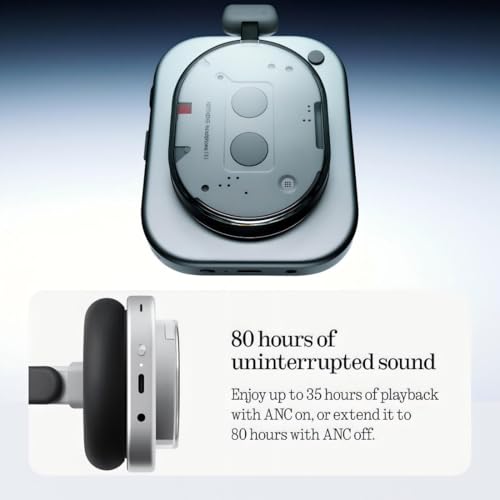
Battery technology and power efficiency have improved tremendously in recent years, and the Nothing Headphone (1) showcases this advancement beautifully. With ANC turned off, it delivers an impressive 80 hours of playback—enough for several weeks of typical use. Even with ANC active, you'll get 35 hours, which is still exceptional by today's standards.
The fast-charging capability is equally impressive. Just five minutes of charging provides about five hours of playback, meaning you're never stuck with dead headphones for long. The headphones use modern USB-C charging, which has become the standard for most devices.
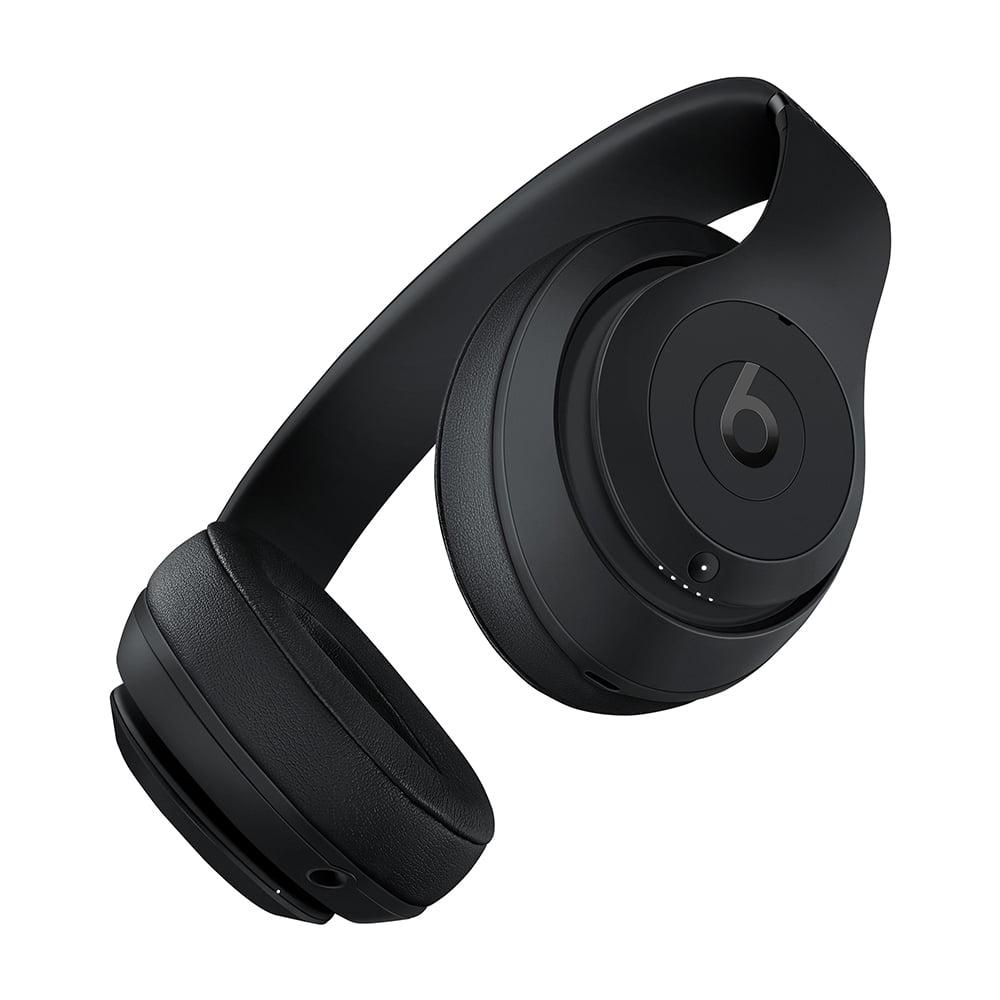
The Beats Studio3 Wireless offers respectable battery life for a 2017 product—40 hours without ANC and 22 hours with it enabled. However, it uses the older Micro-USB charging standard, which is becoming increasingly inconvenient as more devices move to USB-C. The "Fast Fuel" charging provides three hours of playback from a 10-minute charge, which was impressive in 2017 but feels modest by today's standards.
For people who frequently forget to charge their devices or take long trips, the Nothing Headphone (1) offers significantly more peace of mind with its extended battery life.
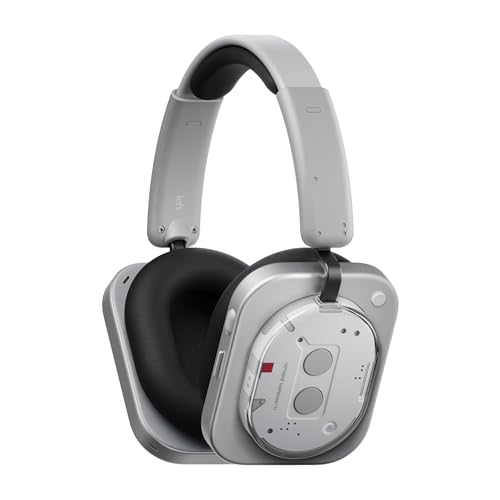
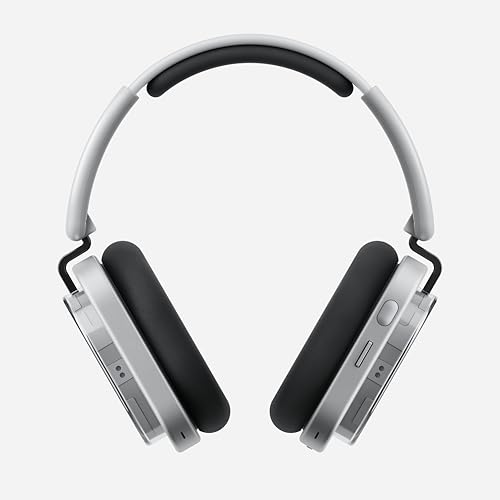
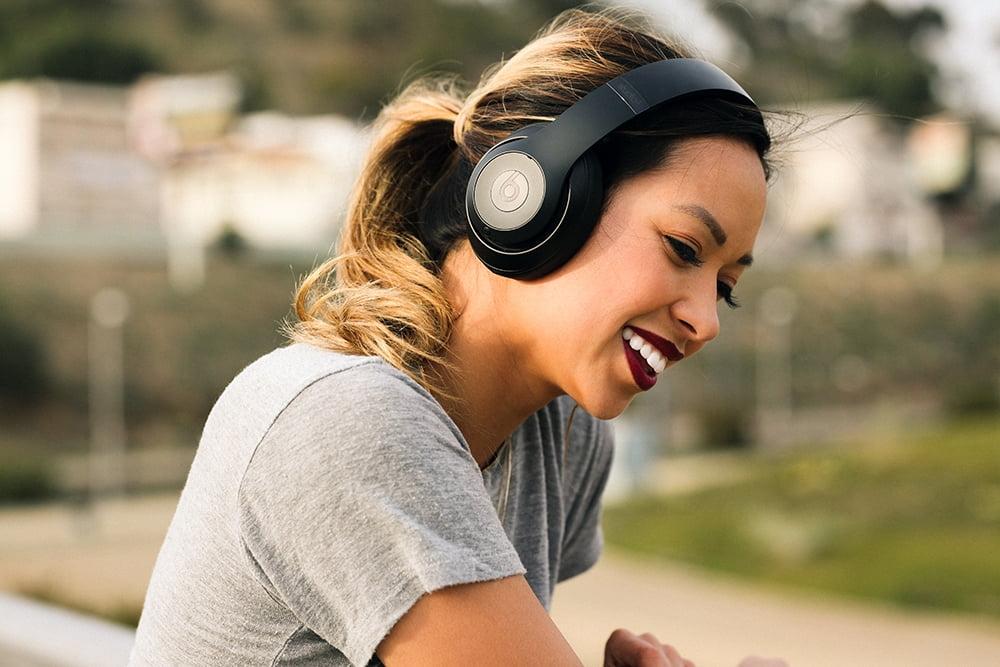
Comfort is subjective, but both headphones take different approaches. The Nothing Headphone (1) weighs 329 grams and distributes that weight evenly across a well-padded headband. The ear cushions are thick and soft, designed for long listening sessions. While it's heavier than the Beats, the weight distribution prevents pressure points that can cause discomfort over time.
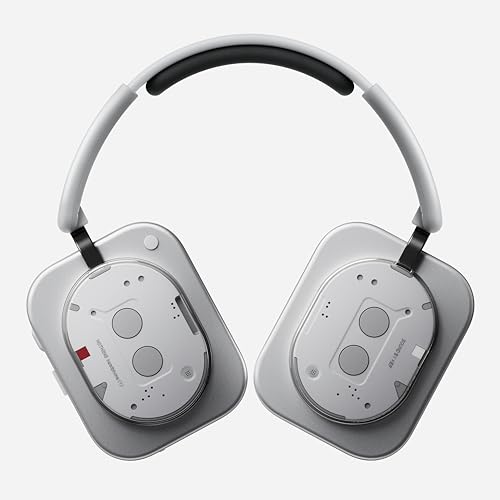
The unique transparent design of the Nothing Headphone (1) isn't just about aesthetics—it represents a different philosophy about technology visibility. Some people love the futuristic look, while others prefer more understated designs.
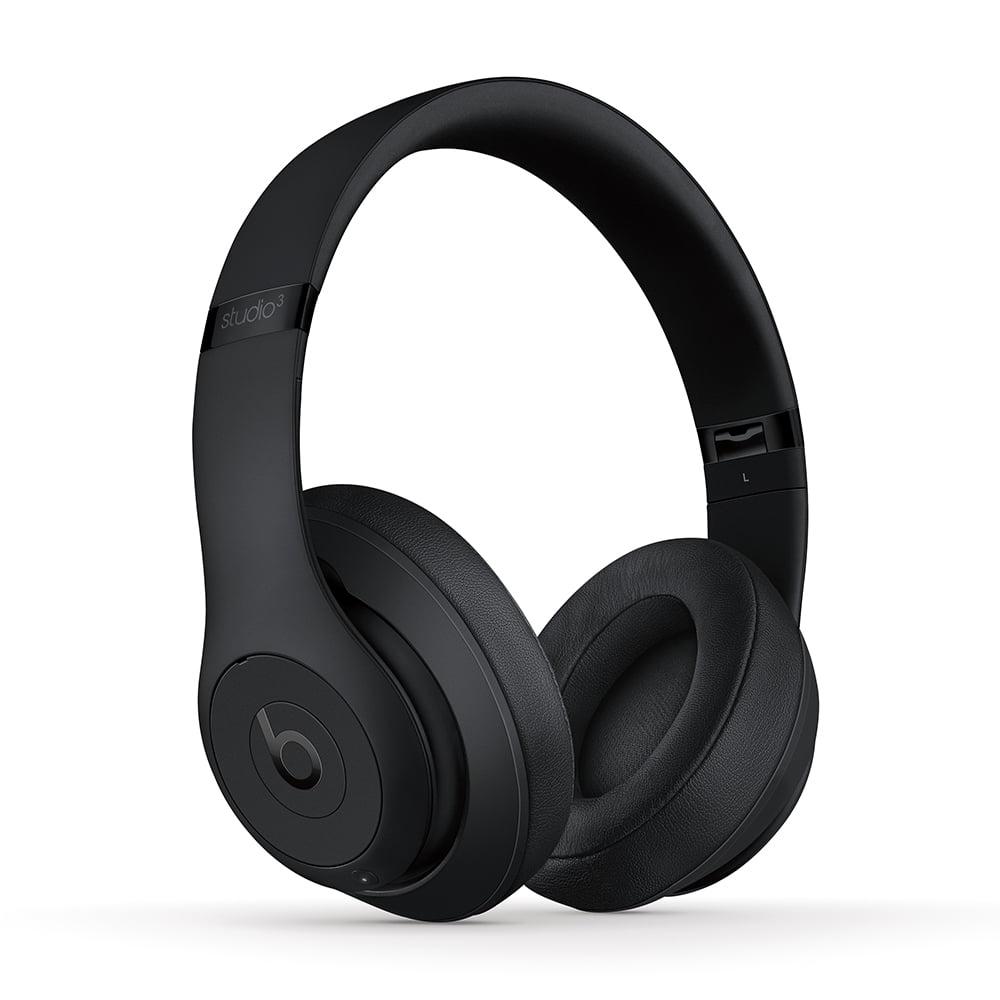
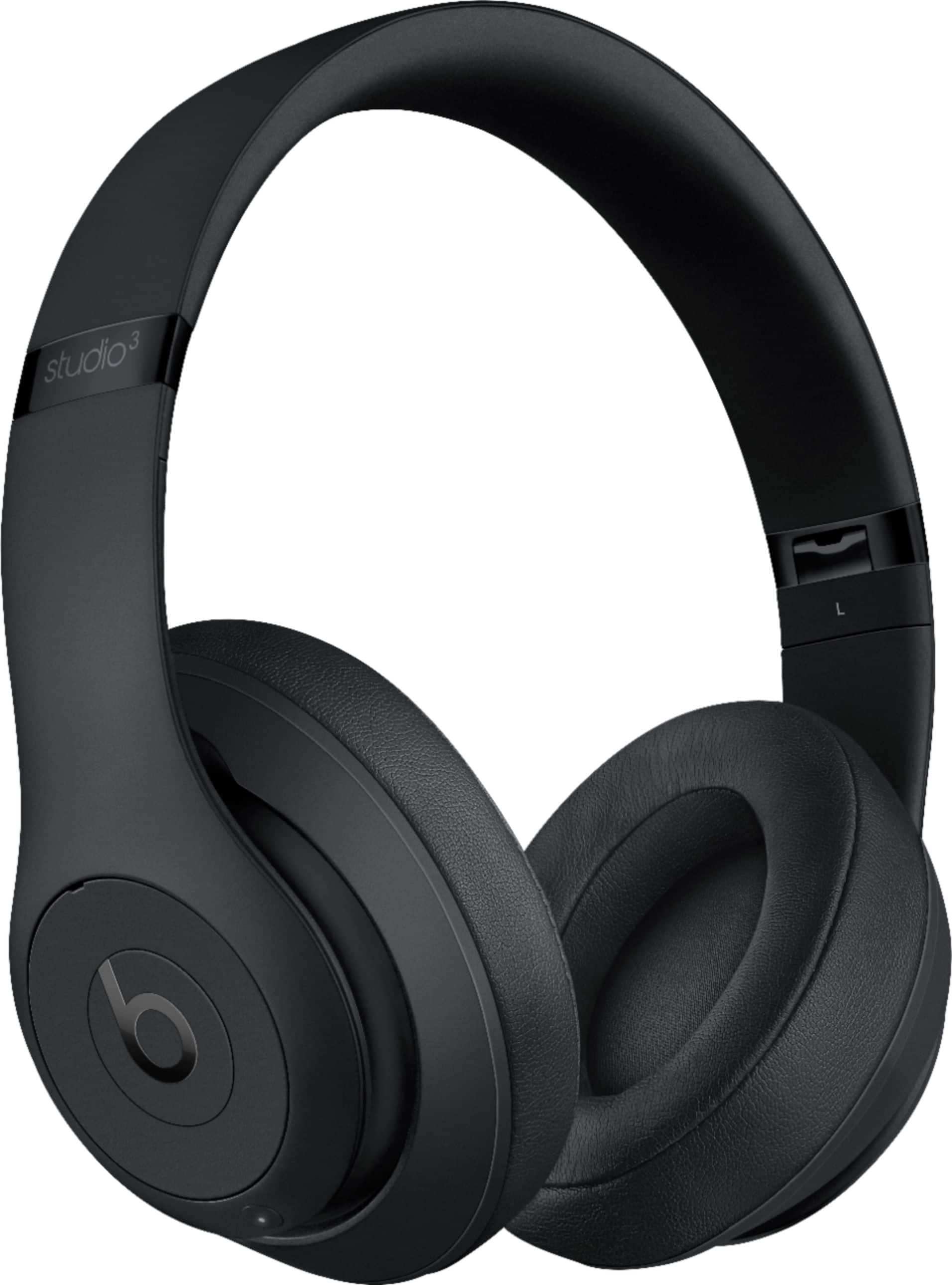
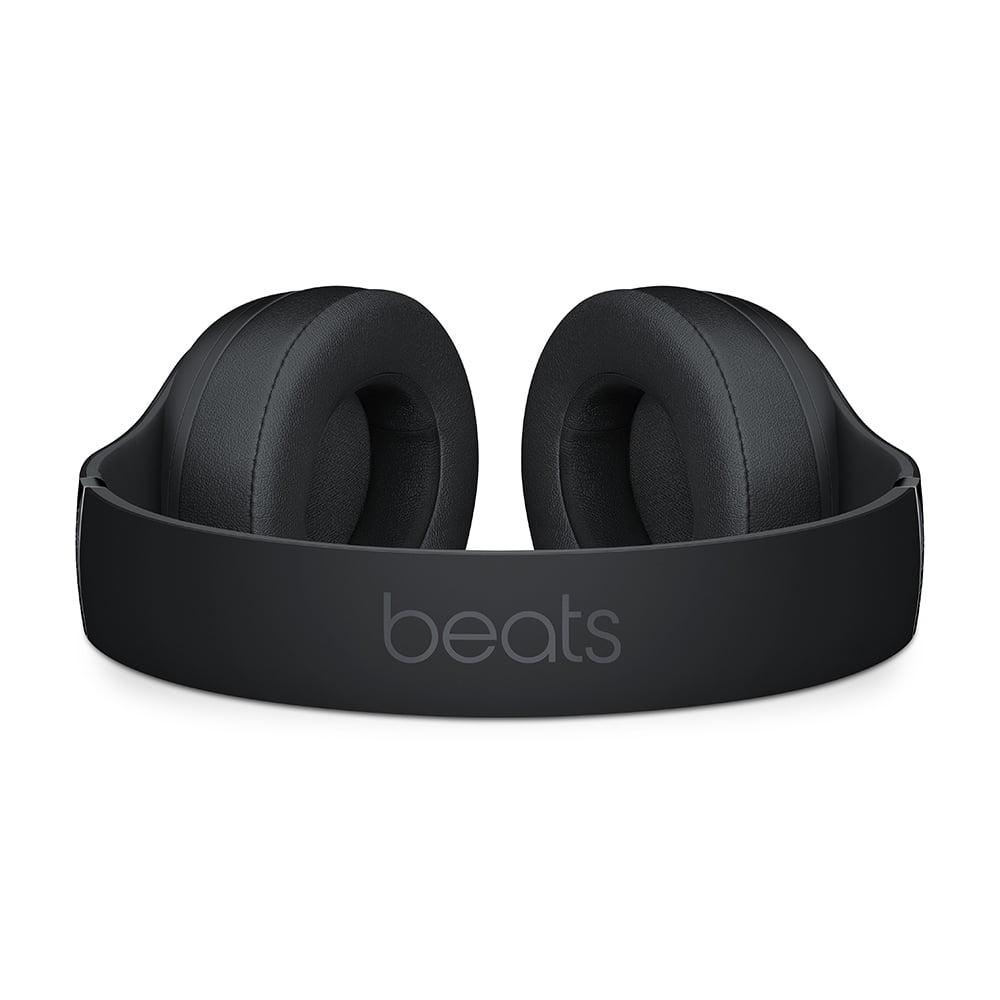
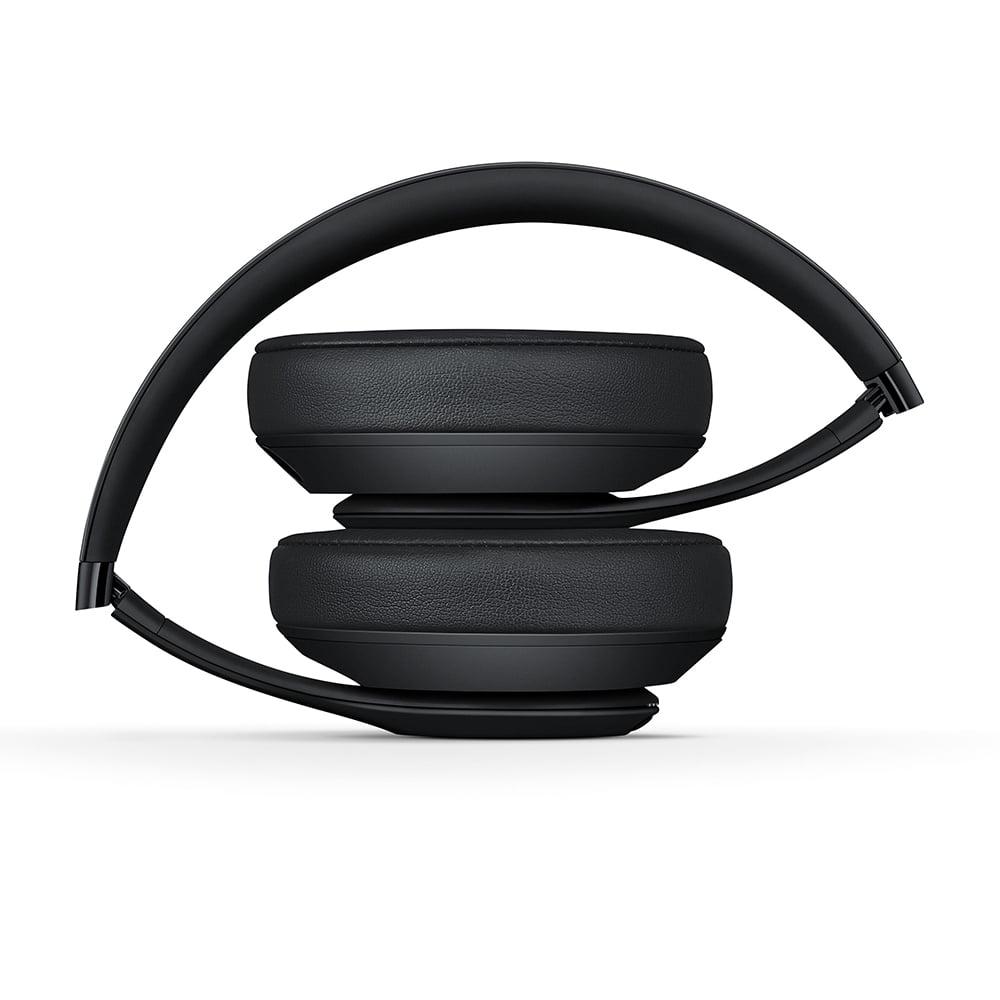
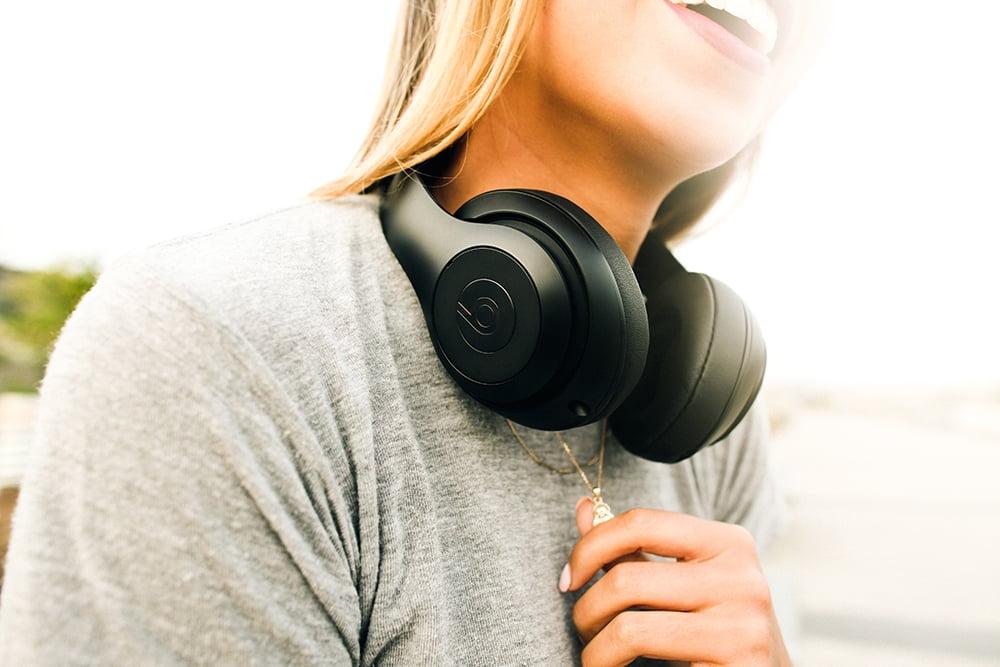
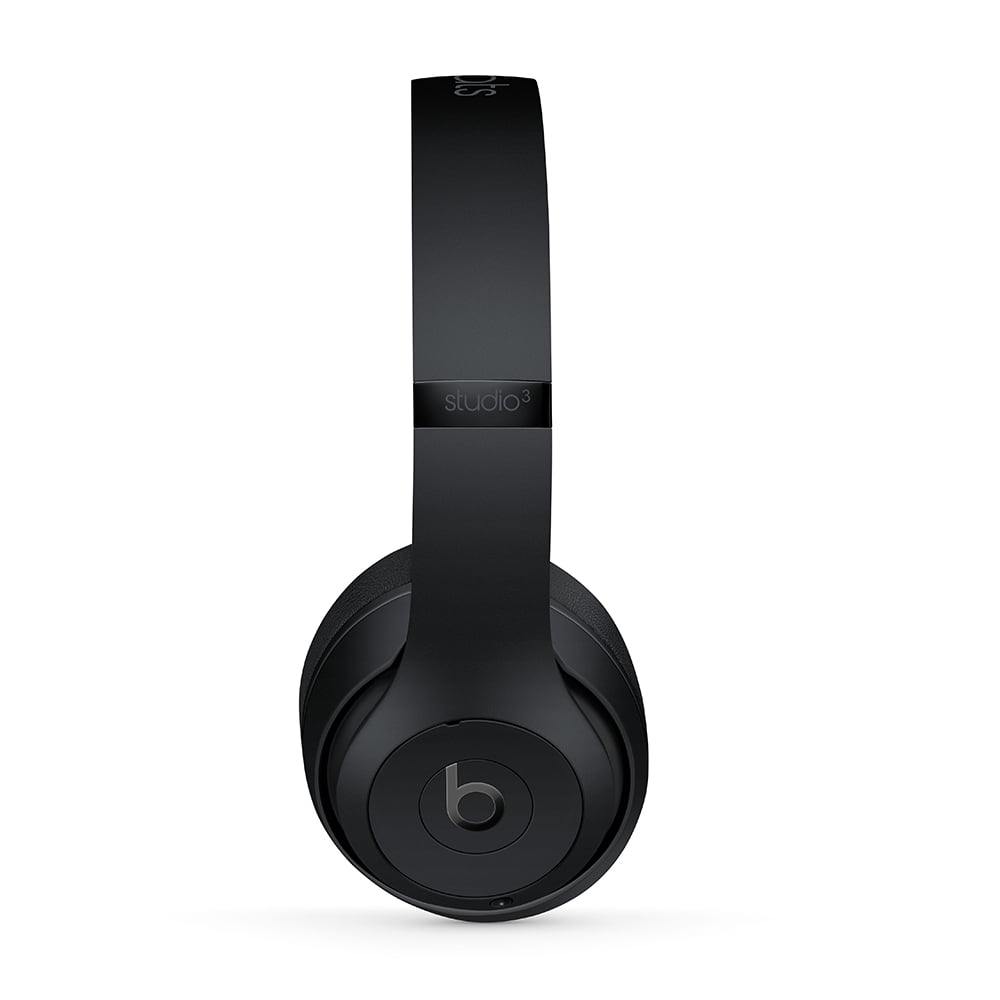
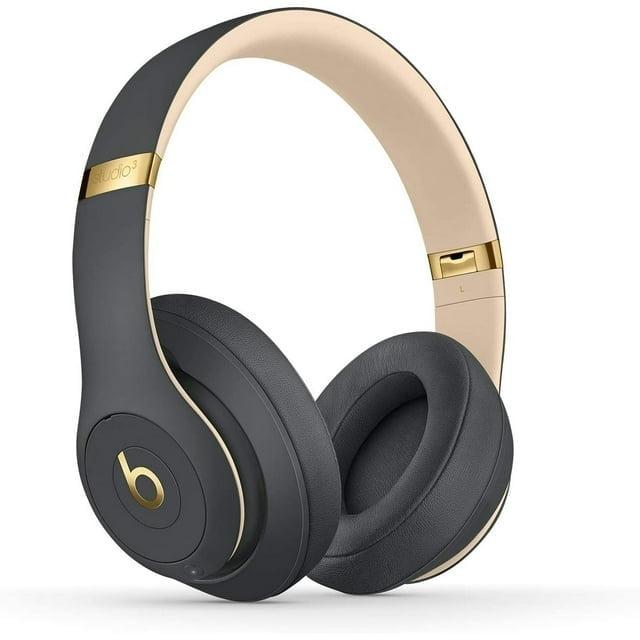
The Beats Studio3 Wireless weighs just 260 grams, making it notably lighter and more comfortable for some users during extended wear. Its matte plastic finish has proven durable over the years, and the foldable design makes it significantly more portable. If you frequently travel or need to pack your headphones in a bag, the Beats' compact folding design is a real advantage.
Both headphones are well-built, but they serve different priorities. The Nothing Headphone (1) prioritizes advanced features and long-session comfort, while the Beats Studio3 Wireless emphasizes portability and all-day wearability.
Modern connectivity is where the eight-year gap becomes most apparent. The Nothing Headphone (1) uses Bluetooth 5.3, the latest standard offering improved stability, range, and power efficiency. It supports multi-point connection, meaning you can stay connected to both your phone and laptop simultaneously—switching seamlessly between a work call and your music.
The headphones also include wear detection (they automatically pause when you remove them), spatial audio with head tracking for an immersive experience with compatible content, and a low-latency gaming mode for reduced audio delay when gaming or watching videos.
The Beats Studio3 Wireless was designed primarily for Apple users, featuring the W1 chip that enables seamless pairing with Apple devices. If you're deeply integrated into the Apple ecosystem, this remains a valuable feature. However, it lacks multi-point connection and most modern smart features that have become standard in premium headphones.
For home theater use, both headphones have merits, but the Nothing Headphone (1) is clearly superior for this application. Its spatial audio capabilities with head tracking create a more immersive movie-watching experience, especially with compatible content from streaming services. The LDAC support means you can enjoy high-resolution audio from your home theater system wirelessly, assuming your source supports it.
The extensive battery life of the Nothing Headphone (1) is particularly valuable for home theater use—you can watch several movies without worrying about charging. The low-latency mode helps minimize audio delay, which can be distracting when dialogue doesn't sync with actors' lip movements.
The Beats Studio3 Wireless will work for home theater use, but lacks the advanced audio processing and connectivity options that make the experience truly engaging. The older Bluetooth standards may also introduce more latency, making dialogue sync issues more likely.
At the time of writing, these headphones occupy very different price segments, which significantly affects their value propositions. The Nothing Headphone (1) is priced as a premium product with cutting-edge features, while the Beats Studio3 Wireless can often be found at budget-friendly prices as retailers clear older inventory.
The Nothing Headphone (1) justifies its higher price with genuinely advanced technology: modern ANC, high-resolution audio support, exceptional battery life, and extensive customization options. These aren't just marketing features—they represent real improvements in daily usability and audio quality.
The Beats Studio3 Wireless offers the value of a premium brand at entry-level pricing. While the technology is dated, it still provides decent wireless audio and basic noise cancellation. For someone on a tight budget who primarily uses Apple devices, it can be a reasonable choice.
However, it's worth considering that audio technology moves slowly compared to smartphones or computers. A good pair of headphones might last you 5-7 years, making the case for investing in more current technology if your budget allows.
Choose the Nothing Headphone (1) if you want headphones that will remain relevant and satisfying for years to come. Its advanced features, exceptional battery life, and high-resolution audio support make it ideal for serious listeners, frequent travelers, and anyone who uses multiple devices throughout the day. The transparent design will either love it or hate it—there's no middle ground.
The Beats Studio3 Wireless makes sense primarily as a budget option for Apple users who prioritize portability and don't need cutting-edge features. Its lighter weight and foldable design are genuine advantages for travelers, and the W1 chip integration works seamlessly with Apple devices.
Ultimately, this comparison highlights how rapidly audio technology has advanced. While the Beats Studio3 Wireless was competitive in 2017, the Nothing Headphone (1) represents what's possible with nearly a decade of additional development. For most users seeking the best overall experience and long-term satisfaction, the choice is clear—but budget constraints and specific use cases might still make the older Beats a practical option for some.
The key is understanding what you're getting with each choice and setting appropriate expectations based on the technology generation you're buying into.
| Nothing Headphone (1) | Beats Studio3 Wireless |
|---|---|
| Release Year - Technology generation matters significantly in headphones | |
| 2025 (cutting-edge features) | 2017 (proven but dated technology) |
| Audio Drivers - Determines sound quality and detail | |
| 40mm drivers with nickel-coated PU diaphragm, tuned by KEF | Standard dynamic drivers with basic tuning |
| High-Resolution Audio Support - Critical for audiophiles and streaming quality | |
| LDAC codec for near-CD quality wireless (990 kbps) | Limited to AAC and SBC codecs (basic quality) |
| Sound Customization - Essential for personalizing your listening experience | |
| 8-band EQ with adjustable Q-factor control | No meaningful customization options |
| Active Noise Cancellation - Key for commuting and focus | |
| Adaptive ANC up to 42dB with multiple modes and transparency | Basic Pure ANC with simple on/off functionality |
| Battery Life - Determines how often you need to charge | |
| 80 hours (ANC off), 35 hours (ANC on) | 40 hours (ANC off), 22 hours (ANC on) |
| Fast Charging - Convenience when you forget to charge | |
| 5 minutes = 5 hours playback | 10 minutes = 3 hours playback |
| Charging Port - Modern convenience and compatibility | |
| USB-C (modern standard) | Micro-USB (older standard) |
| Bluetooth Technology - Affects connection stability and features | |
| Bluetooth 5.3 with multi-point connection | Basic Bluetooth with W1 chip for Apple devices |
| Weight - Comfort during extended listening sessions | |
| 329g (heavier but well-distributed) | 260g (lighter and more portable) |
| Portability - Important for travel and storage | |
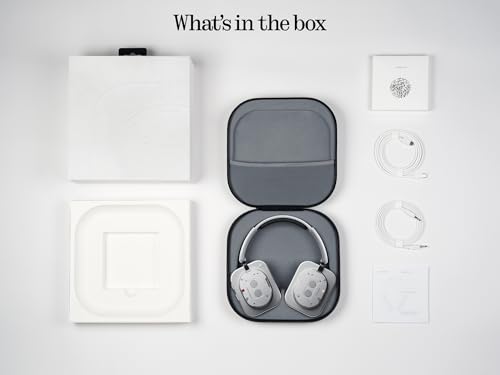
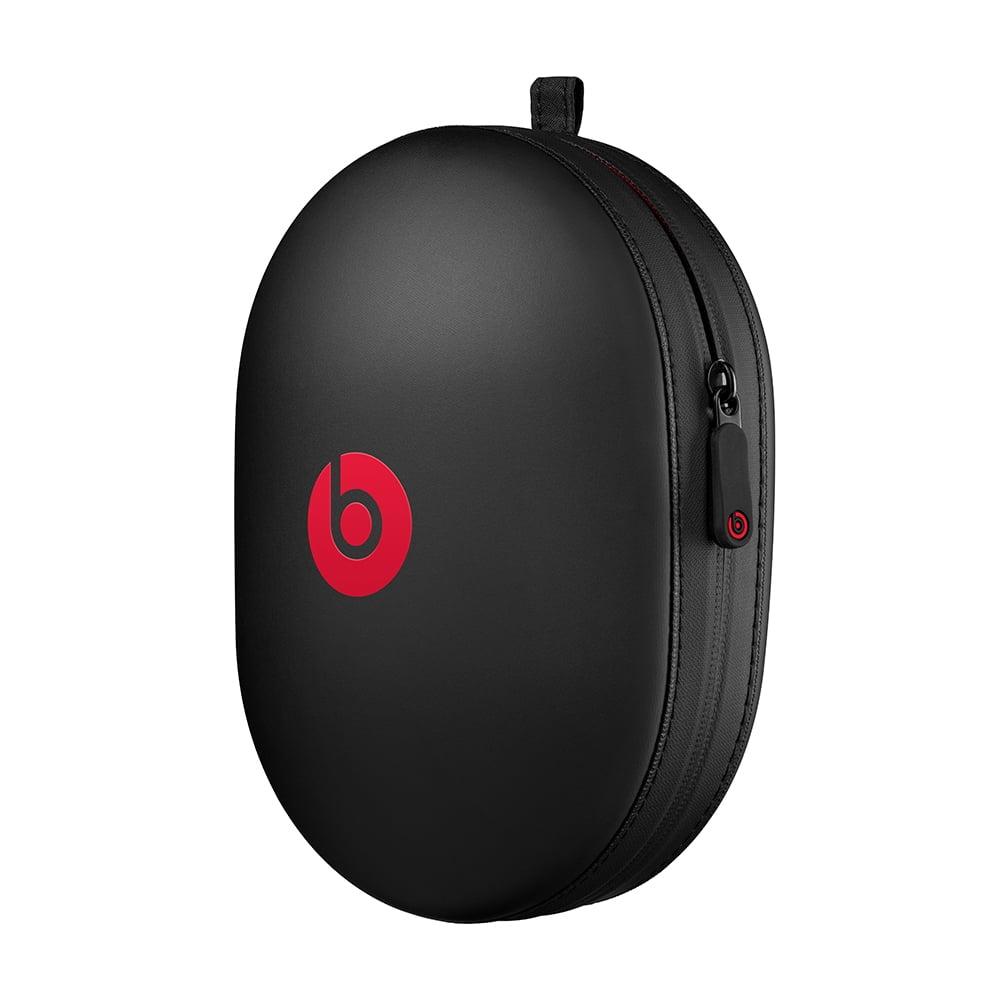
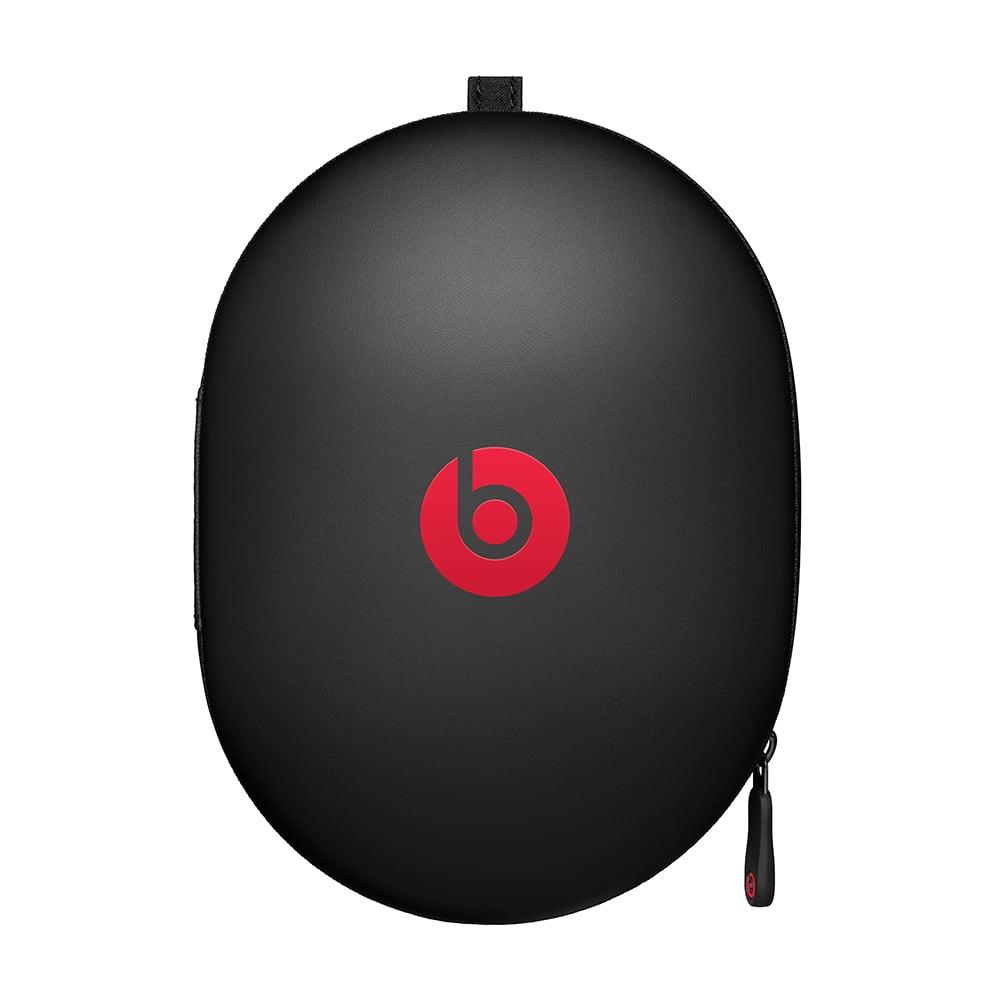
| Non-folding design with carrying case | Foldable design for compact travel |
| Water Resistance - Protection from weather and sweat | |
| IP52 rating (dust and light water protection) | No water resistance rating |
| Smart Features - Modern conveniences and future-proofing | |
| Spatial audio, wear detection, Find My Device | Basic controls, excellent Apple integration |
| Design Philosophy - Aesthetic preference varies by user | |
| Transparent futuristic design (love it or hate it) | Mature, understated professional look |
The Nothing Headphone (1) delivers significantly better sound quality with its modern 40mm drivers tuned by KEF, LDAC high-resolution codec support, and 8-band customizable EQ. The Beats Studio3 Wireless offers basic sound quality limited to older AAC and SBC codecs without meaningful customization options.
The Nothing Headphone (1) offers exceptional battery life with 80 hours (ANC off) and 35 hours (ANC on), while the Beats Studio3 Wireless provides 40 hours (ANC off) and 22 hours (ANC on). The Nothing Headphone (1) clearly wins with nearly double the battery performance.
The Nothing Headphone (1) features advanced adaptive ANC with up to 42dB noise reduction, multiple modes, and transparency mode. The Beats Studio3 Wireless has basic Pure ANC technology from 2017 without modern features like transparency mode or adaptive adjustment.
Both offer good comfort but with different approaches. The Nothing Headphone (1) weighs 329g but distributes weight evenly with thick padding, while the Beats Studio3 Wireless is lighter at 260g and more portable with its foldable design. Comfort preference varies by individual.
The Beats Studio3 Wireless excels with Apple devices thanks to the W1 chip for seamless pairing and integration. However, the Nothing Headphone (1) offers superior overall features and works well with all devices, including iPhones, through modern Bluetooth 5.3 connectivity.
The Nothing Headphone (1) is excellent for home theater use with spatial audio, head tracking, low-latency mode, and LDAC support for high-resolution audio from compatible sources. The Beats Studio3 Wireless works for movies but lacks advanced audio processing and may have more latency issues.
The Nothing Headphone (1) offers IP52 water resistance rating for protection against dust and light water exposure. The Beats Studio3 Wireless has no official water resistance rating but features a proven durable design that has lasted well since 2017.
The Nothing Headphone (1) uses modern USB-C charging with 5 minutes providing 5 hours of playback, while the Beats Studio3 Wireless uses older Micro-USB charging with 10 minutes providing 3 hours of playback. The Nothing Headphone (1) offers more convenient and faster charging.
The Nothing Headphone (1) provides superior call quality with its four-microphone array and AI-powered Clear Voice Technology for background noise suppression. The Beats Studio3 Wireless offers basic call quality suitable for casual conversations but not ideal for frequent business calls.
The Nothing Headphone (1) includes a dedicated low-latency gaming mode to reduce audio delay, plus spatial audio for immersive gaming. The Beats Studio3 Wireless can be used for gaming but may have more audio delay and lacks specialized gaming features.
Value depends on your budget and needs. The Nothing Headphone (1) offers premium modern technology and features that justify its higher price for serious listeners. The Beats Studio3 Wireless provides good value as a budget option, especially for Apple users who prioritize portability over cutting-edge features.
The Nothing Headphone (1) supports multi-point connection, allowing simultaneous connection to two devices like your phone and laptop. The Beats Studio3 Wireless lacks multi-point functionality but offers seamless switching between Apple devices through iCloud when using the W1 chip.
We've done our best to create useful and informative comparisons to help you decide what product to buy. Our research uses advanced automated methods to create this comparison and perfection is not possible - please contact us for corrections or questions. These are the sites we've researched in the creation of this article: recordingnow.com - loudnwireless.com - markellisreviews.com - tomsguide.com - tomsguide.com - youtube.com - cnet.com - soundguys.com - 9to5google.com - youtube.com - notebookcheck.net - techradar.com - us.kef.com - soundguys.com - alexreviewstech.com - walmart.com - us.nothing.tech - youtube.com - youtube.com - techradar.com - recordingnow.com - rtings.com - soundguys.com - recordingnow.com - recordingnow.com - soundguys.com - soundguys.com - youtube.com - rtings.com - gsmarena.com - bhphotovideo.com - headphonecheck.com - themasterswitch.com - walmart.com - rentacenter.com - discussions.apple.com - beatsbydre.com - bestbuy.com - walmart.com - youtube.com - youtube.com

Privacy Policy
Terms and Conditions - Affiliate Policy
Home Security
© Copyright 2008-2026.
11816 Inwood Rd #1211, Dallas, TX 75244