

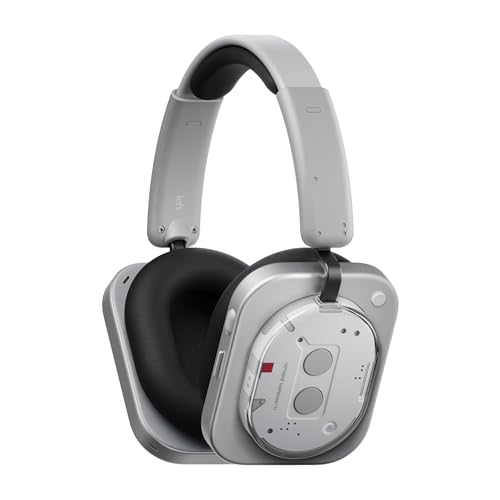
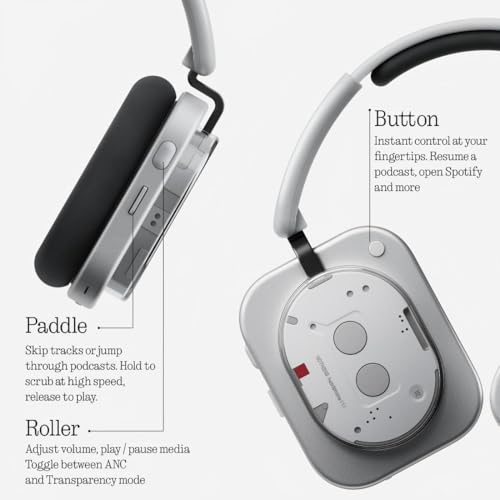



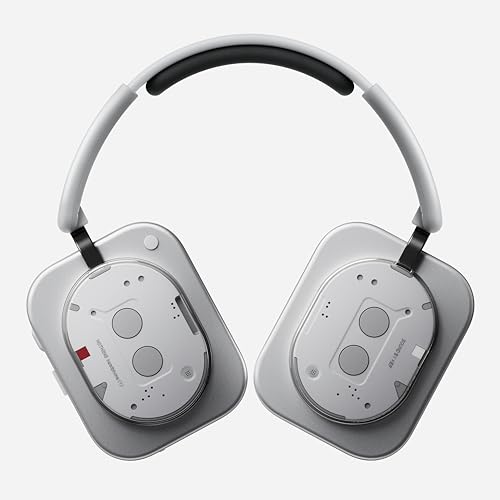





Choosing the right pair of over-ear headphones can feel overwhelming with so many options available today. I've been testing headphones for years, and two models that consistently come up in conversations represent completely different approaches to personal audio: the premium wireless Nothing Headphone (1) and the budget-friendly wired OneOdio Pro-10.
These headphones couldn't be more different in their approach, price point, and target audience. At the time of writing, they're separated by roughly six times the cost, which immediately tells you they're serving different needs. But understanding which one fits your lifestyle and budget requires diving deeper into what makes each special.
Over-ear headphones represent the premium tier of personal audio equipment. Unlike smaller on-ear or in-ear options, they completely surround your ears with large cushions, creating a sealed environment that naturally blocks outside noise while providing space for larger drivers—the speakers inside the headphones that actually produce sound.
The key considerations when shopping for over-ear headphones include audio quality, comfort for long listening sessions, build quality, and increasingly, advanced features like active noise cancellation (ANC) and wireless connectivity. ANC uses microphones to detect outside noise and plays opposite sound waves to cancel it out, while wireless connectivity has evolved dramatically in recent years with better codecs—digital compression methods that determine how audio data is transmitted wirelessly.
The market has split into distinct segments. Budget models typically focus on basic sound quality and wired connectivity, while premium options pack in wireless technology, advanced noise cancellation, and smartphone app integration. This creates an interesting comparison between models like the Nothing Headphone (1) and OneOdio Pro-10, which represent these different philosophies.
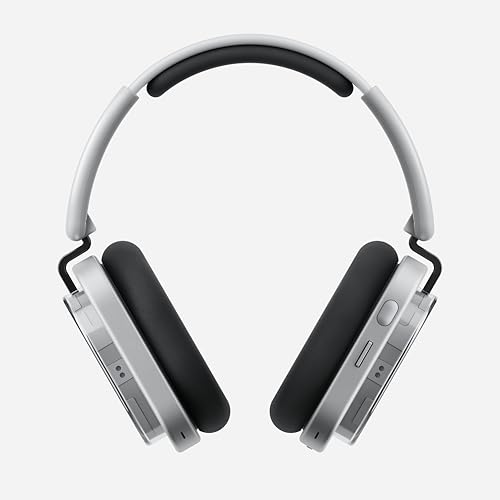
The Nothing Headphone (1), released in 2024, represents Nothing's first venture into over-ear headphones. Nothing, founded by former OnePlus co-founder Carl Pei, made waves in the tech world with their transparent design philosophy and focus on premium features at competitive prices. The company's approach has always been about challenging established brands while offering something visually distinctive.
The OneOdio Pro-10, which has been available since around 2020-2021, takes a completely different approach. OneOdio positioned themselves in the budget segment, specifically targeting entry-level DJs, home musicians, and cost-conscious consumers who still wanted decent sound quality. The timing difference is important—the Nothing Headphone (1) benefits from several years of wireless technology improvements, including better Bluetooth codecs and more efficient battery management.
Since the OneOdio Pro-10's release, we've seen significant advances in wireless audio technology. Battery life has improved dramatically, with some models now offering 60-80 hours of playback. ANC has become more sophisticated with adaptive algorithms that adjust to your environment. The Nothing Headphone (1) incorporates many of these recent technological advances, while the OneOdio Pro-10 sticks to the tried-and-true wired approach that eliminates battery concerns entirely.
When it comes to sound quality, both headphones take fundamentally different approaches that reveal their design priorities.
The Nothing Headphone (1) uses custom 40mm dynamic drivers developed in collaboration with KEF, a respected British audio company known for their high-end speakers. These drivers feature a nickel-coated polyurethane diaphragm—the part that vibrates to create sound waves—and are tuned to deliver what Nothing calls a "signature sound." However, multiple reviews indicate the default tuning leans toward a darker sound signature, meaning the bass is prominent while the midrange (where vocals sit) and treble (higher frequencies) are more subdued.
This isn't necessarily bad, but it means the Nothing Headphone (1) requires some EQ adjustment through its companion app to reach its full potential. The app offers an 8-band equalizer with adjustable Q factors—technical controls that let you fine-tune not just which frequencies to boost or cut, but how wide that adjustment affects neighboring frequencies. When properly tuned, reviewers consistently praise the resulting sound quality as excellent.
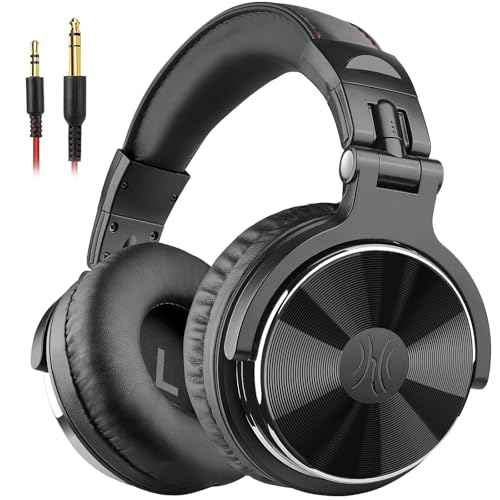
The OneOdio Pro-10, despite its much lower price point, takes a surprisingly balanced approach. Its 50mm neodymium drivers—larger than the Nothing's 40mm units—deliver what reviewers describe as a mild V-shaped sound signature. This means slightly boosted bass and treble with clear, present midrange vocals. The larger driver size typically allows for better bass extension and overall dynamics, though driver size alone doesn't determine sound quality.
What's particularly impressive about the OneOdio Pro-10 is that it sounds good right out of the box without requiring EQ adjustment. For many users, especially those who don't want to fiddle with settings, this plug-and-play approach is actually preferable to the Nothing Headphone (1)'s more technical setup process.
The frequency response—the range of sounds each headphone can reproduce—also differs significantly. The Nothing Headphone (1) extends up to 40kHz in the high frequencies, well beyond human hearing but potentially contributing to overall sound character. The OneOdio Pro-10 covers the standard 20Hz-20kHz range that encompasses all audible frequencies.
This is where the philosophical differences between these headphones become most apparent. The Nothing Headphone (1) features adaptive active noise cancellation that can reduce outside noise by up to 42 decibels. This system uses four microphones to constantly monitor your environment and adjust the cancellation accordingly.
ANC technology has improved dramatically in recent years. Early systems were often harsh-sounding and created an uncomfortable pressure sensation. Modern adaptive ANC, like what's in the Nothing Headphone (1), adjusts its intensity based on your environment and can switch between different modes automatically. The transparency mode—which lets outside sound in when you need to hear your surroundings—has also become much more natural sounding.
However, reviewers note that the Nothing Headphone (1)'s ANC, while effective for constant sounds like air conditioning or airplane engines, struggles with wind noise when used outdoors. This is actually common among ANC headphones, as wind hitting the external microphones can confuse the cancellation algorithm.
The OneOdio Pro-10 relies entirely on passive noise isolation—the physical blocking of sound by the ear cups and cushions. While this might seem primitive compared to active cancellation, passive isolation has some advantages. It works on all frequencies equally, doesn't require battery power, and never creates that subtle pressure sensation some people experience with ANC.
For home use, including home theater setups, the difference might be less important than you'd expect. If you're listening in a relatively quiet environment, the OneOdio Pro-10's passive isolation combined with the natural noise masking of your audio content might be perfectly adequate.
The connectivity story highlights the core difference between these products' target audiences. The Nothing Headphone (1) embraces modern wireless technology with Bluetooth 5.3, which offers improved range, better battery efficiency, and more stable connections compared to older Bluetooth versions.
More importantly, it supports advanced audio codecs including LDAC, which can transmit much more audio data than standard Bluetooth, potentially delivering near-CD quality wirelessly. The headphones also support multipoint connection, meaning you can connect to your phone and laptop simultaneously and seamlessly switch between them.
The Nothing Headphone (1) still includes wired options—both USB-C audio for lossless digital connection and a traditional 3.5mm jack. This flexibility means you can use them wired when battery dies or when you want the potentially superior sound quality of a direct digital connection.
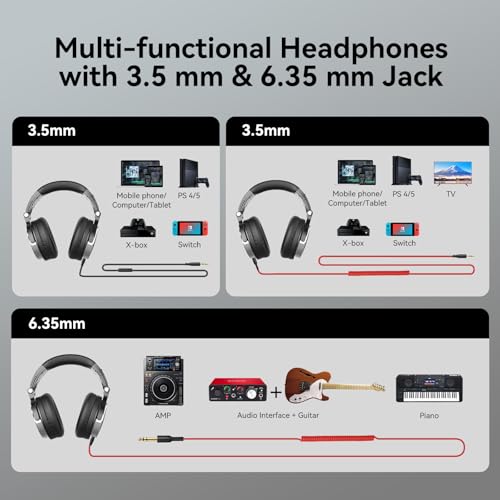
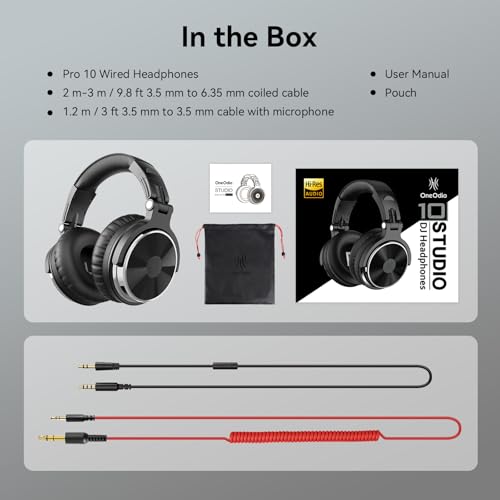
The OneOdio Pro-10 goes all-in on wired connectivity but does so intelligently. It includes dual audio ports: a standard 3.5mm jack and a larger 6.35mm professional audio jack. This dual-port system lets you connect directly to professional DJ equipment, audio interfaces, and home stereo systems without adapters.
Even more cleverly, the OneOdio Pro-10 includes a SharePort function that lets you daisy-chain another pair of headphones directly. If you want to share audio with a friend or family member, you simply plug their headphones into your headphones—no splitter cable required.
For home theater use, this creates interesting possibilities. The Nothing Headphone (1) could connect wirelessly to your TV (if it supports the right Bluetooth codecs) or via its wired connections. The OneOdio Pro-10 would need a wired connection but could easily share that audio with a second pair of headphones, making it great for late-night movie watching without disturbing others.
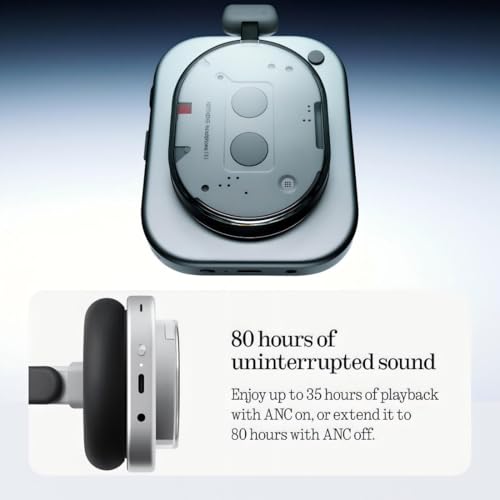
Battery life represents one of the Nothing Headphone (1)'s standout features. The company claims up to 80 hours of playback with ANC off, dropping to 35 hours with ANC active. These numbers are exceptional in the current market, where many premium wireless headphones offer 20-30 hours of playback.
This massive battery life comes from a large 1,040 mAh battery and efficient power management. The headphones also support fast charging, providing about 5 hours of playback from a 5-minute charge when the battery is low. For frequent travelers or people who hate charging devices regularly, this could be a decisive factor.
The OneOdio Pro-10 takes the opposite approach: no battery means no battery anxiety. You never need to worry about charging, never experience degraded battery performance over time, and never find yourself with dead headphones when you want to listen to music. For many users, this reliability outweighs the convenience of wireless connectivity.
Comfort becomes crucial for any headphones you plan to use for extended periods. The Nothing Headphone (1) weighs 329 grams and uses premium materials throughout its construction. The headphones include IP52 water resistance, meaning they can handle light splashes and dust—useful for commuting or travel.
The distinctive transparent design isn't just about aesthetics; it's part of Nothing's broader design philosophy about making technology more human and less black-box-like. Whether you find this appealing or gimmicky will depend on your personal taste, but the build quality underneath the visual flair is reportedly solid.
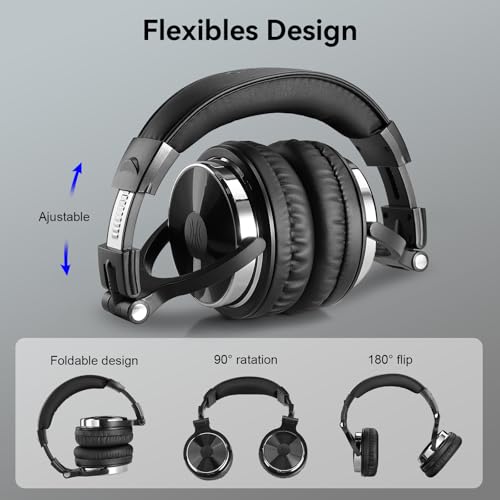
The OneOdio Pro-10 faces some comfort challenges despite its lower weight. Multiple reviewers noted that the ear cup openings are smaller than expected for a 50mm driver headphone, which can cause issues for users with larger ears. The padding is described as firm, which might become uncomfortable during very long listening sessions.
However, the OneOdio Pro-10 includes a crucial feature for certain use cases: 90-degree swiveling ear cups. This allows for single-ear monitoring—essential for DJs who need to cue tracks while keeping one ear free to hear the main output. Even for casual users, this flexibility can be useful when you need to temporarily hear your surroundings without removing the headphones entirely.
The Nothing Headphone (1) includes several features that appeal to tech enthusiasts and general consumers. The companion app offers detailed customization options, including that 8-band EQ, personal sound profiles, and the ability to customize the physical controls. There's also a gaming mode that reduces latency for video games and video watching.
Spatial audio with head tracking represents another modern feature. This technology tracks your head movement and adjusts the audio accordingly, creating a more immersive experience especially for movies and games. While not universally beloved, it adds to the feature set for users who appreciate cutting-edge audio technology.
The OneOdio Pro-10 focuses on practical professional features despite its budget price. Those dual audio ports aren't just convenient—they're essential for DJ setups where you might need to monitor cue tracks through a different input while the main mix plays through another. The coiled cable option stretches to nearly 10 feet, perfect for studio environments where you need to move around while staying connected.
The SharePort function creates unique possibilities for collaborative listening. In a home studio, you could have the musician wear one pair while the producer uses another, both hearing the same mix without complex headphone distribution systems.
At the time of writing, these headphones represent dramatically different value propositions. The Nothing Headphone (1) commands a premium price but includes features typically found in even more expensive models. The exceptional battery life, effective ANC, and premium build quality help justify the cost, especially compared to flagship models from Sony, Bose, or Apple that often cost significantly more.
However, the need for EQ adjustment to achieve optimal sound quality might frustrate users who want excellent audio right out of the box. This represents a philosophical difference in approach—Nothing provides the tools for great sound but expects user involvement to achieve it.
The OneOdio Pro-10 offers remarkable value at its price point. The balanced sound quality, professional features, and solid build quality far exceed what you'd typically expect at this price level. The comfort issues and basic materials are reasonable compromises given the cost savings.
For many users, the question isn't which headphone is objectively better, but which approach aligns with their needs and budget. The Nothing Headphone (1) offers modern convenience and premium features but requires investment in both money and time to optimize. The OneOdio Pro-10 provides immediate satisfaction at a fraction of the cost but lacks the flexibility and advanced features of its premium competitor.
For home theater use, both headphones offer interesting possibilities with different trade-offs. The Nothing Headphone (1) could connect wirelessly to compatible TVs or streaming devices, eliminating cable clutter and allowing freedom of movement around the room. The spatial audio feature might enhance movie watching, though this depends heavily on the source content and your personal preferences.
The long battery life means you could use them for extended movie marathons without worrying about charging. However, wireless connectivity introduces the possibility of latency—a delay between video and audio that can be distracting during movies. While modern Bluetooth implementations minimize this, it remains a potential concern.
The OneOdio Pro-10 eliminates latency concerns entirely with its wired connection. The SharePort function becomes particularly valuable for home theater, allowing two people to watch movies with headphones without disturbing others in the house. This could be perfect for late-night viewing or apartment living situations.
The 6.35mm port could connect directly to many home audio systems, while the 3.5mm option works with virtually any modern device. The longer coiled cable provides flexibility for moving around while staying connected to your entertainment system.
The choice between these headphones ultimately depends on your priorities, budget, and intended use cases. If you value wireless convenience, active noise cancellation, and don't mind spending time optimizing settings, the Nothing Headphone (1) offers premium features at a competitive price point within its market segment.
If you prioritize immediate audio satisfaction, don't need wireless features, or have budget constraints, the OneOdio Pro-10 delivers exceptional value with professional features that punch well above its price class.
Consider the Nothing Headphone (1) if you:
Choose the OneOdio Pro-10 if you:
Both headphones represent thoughtful approaches to their respective market segments. The Nothing Headphone (1) pushes boundaries with premium features and distinctive design, while the OneOdio Pro-10 focuses on delivering core functionality at an accessible price point. Your choice should align with your specific needs, budget, and how you actually plan to use these headphones in your daily life.
| Nothing Headphone (1) | OneOdio Pro-10 |
|---|---|
| Connectivity - Determines convenience vs reliability | |
| Bluetooth 5.3 wireless + wired backup (3.5mm, USB-C) | Wired only (dual 3.5mm/6.35mm ports) |
| Driver Size - Affects bass response and overall dynamics | |
| 40mm custom drivers (KEF-tuned) | 50mm neodymium drivers |
| Active Noise Cancellation - Essential for travel and noisy environments | |
| Adaptive ANC up to 42dB reduction + transparency mode | Passive isolation only |
| Battery Life - Critical for wireless models | |
| 80 hours (ANC off), 35 hours (ANC on) | No battery required (wired) |
| Sound Signature - How they sound out of the box | |
| Dark/warm signature requiring EQ adjustment | Balanced V-shape, sounds good immediately |
| Professional Features - Important for DJ/studio use | |
| 8-band EQ, spatial audio, gaming mode | 90° swiveling cups, SharePort daisy-chaining |
| Comfort & Build - Affects long listening sessions | |
| Premium materials, 329g, IP52 water resistance | Lightweight plastic, small ear cups may cause discomfort |
| Codec Support - Determines wireless audio quality | |
| LDAC, AAC, SBC (high-res wireless capability) | Not applicable (wired only) |
| Price Category - Different market segments entirely | |
| Premium wireless ($250-300 range) | Budget wired (under $50) |
| Best For - Target user types | |
| Tech enthusiasts, travelers, premium wireless experience | Entry-level DJs, musicians, budget-conscious listeners |
The OneOdio Pro-10 is generally better for beginners due to its plug-and-play simplicity and balanced sound right out of the box. The Nothing Headphone (1) requires EQ adjustment through its app to sound its best, which might overwhelm new users. However, if you want to learn about wireless features and don't mind spending more, the Nothing Headphone (1) offers more room to grow with your audio knowledge.
This depends on your lifestyle and priorities. Choose the Nothing Headphone (1) wireless if you value convenience, travel frequently, or want active noise cancellation. The OneOdio Pro-10 wired option is perfect if you prefer reliability, never want to worry about charging, or primarily listen at a desk or in one location. Wired also eliminates any potential audio delay issues.
Both offer good sound quality but in different ways. The OneOdio Pro-10 sounds balanced and pleasant immediately, while the Nothing Headphone (1) requires EQ tuning but can achieve excellent results once optimized. The OneOdio Pro-10 uses larger 50mm drivers compared to the Nothing Headphone (1)'s 40mm drivers, which can provide better bass response.
The Nothing Headphone (1) generally offers better comfort with premium materials and proper ear cup sizing. The OneOdio Pro-10 has smaller ear cup openings that may cause discomfort for people with larger ears, and the firm padding can become fatiguing during extended use. For marathon listening sessions, the Nothing Headphone (1) is the more comfortable choice.
The Nothing Headphone (1) includes a dedicated low-latency gaming mode and wireless convenience, making it better for console and PC gaming. The OneOdio Pro-10 works well for gaming too, especially if your setup prefers wired connections, but lacks the specialized gaming features. Both offer good spatial awareness for competitive gaming.
Yes, both work well for home theater but differently. The Nothing Headphone (1) can connect wirelessly to compatible TVs or via its wired ports, offering freedom of movement during movies. The OneOdio Pro-10 connects directly via its dual ports and features a unique SharePort function, letting you connect a second pair of headphones for shared viewing without disturbing others.
The OneOdio Pro-10 offers exceptional value in the budget category, providing professional features and balanced sound at a fraction of the cost. The Nothing Headphone (1) provides good value in the premium wireless segment with features like 80-hour battery life and adaptive ANC that typically cost more from other brands. Your budget determines which represents better value for your situation.
The OneOdio Pro-10 is specifically designed for entry-level DJ and studio use with 90-degree swiveling ear cups, dual audio ports, and balanced sound. The Nothing Headphone (1) can work for casual music creation but isn't designed for professional monitoring. For serious DJ work or music production, the OneOdio Pro-10 is the clear choice despite its lower cost.
Active noise cancellation in the Nothing Headphone (1) is crucial if you commute, travel, or work in noisy environments. It effectively reduces constant sounds like air conditioning, traffic, and airplane engines. The OneOdio Pro-10 relies on passive isolation, which works fine in quieter environments but won't help in consistently noisy situations like offices or public transport.
Both offer good durability for their price ranges. The Nothing Headphone (1) includes IP52 water resistance and premium build materials, but the battery will eventually degrade over years of use. The OneOdio Pro-10 has no battery to fail and uses sturdy construction, though the materials are more basic. For pure longevity, wired headphones like the OneOdio Pro-10 typically last longer.
The Nothing Headphone (1) offers extensive customization through its app with an 8-band equalizer and personal sound profiles. The OneOdio Pro-10 has no app or built-in EQ options, relying on your device's audio settings for any sound adjustments. If you enjoy tweaking audio settings, the Nothing Headphone (1) provides much more flexibility.
If this is your step up to premium headphones, the choice depends on your priorities. The Nothing Headphone (1) offers a full premium experience with wireless convenience, ANC, and modern features, but requires more investment and learning. The OneOdio Pro-10 provides professional features and good sound at an entry-level price, making it a safer first purchase that leaves budget for future upgrades.
We've done our best to create useful and informative comparisons to help you decide what product to buy. Our research uses advanced automated methods to create this comparison and perfection is not possible - please contact us for corrections or questions. These are the sites we've researched in the creation of this article: recordingnow.com - loudnwireless.com - markellisreviews.com - tomsguide.com - tomsguide.com - youtube.com - cnet.com - soundguys.com - 9to5google.com - youtube.com - notebookcheck.net - techradar.com - us.kef.com - soundguys.com - alexreviewstech.com - walmart.com - us.nothing.tech - youtube.com - youtube.com - audioreviews.org - youtube.com - attackmagazine.com - versus.com - head-fi.org - versus.com - youtube.com - oneodio.com - youtube.com - youtube.com - walmart.com - teqclub.com - head-fi.org - manuals.plus - terrycartermusicstore.com - oneodio.com - matzotech.com - oneodio.com - target.com - techbuzzireland.com - youtube.com

Privacy Policy
Terms and Conditions - Affiliate Policy
Home Security
© Copyright 2008-2026.
11816 Inwood Rd #1211, Dallas, TX 75244