



Choosing the right wireless over-ear headphones can feel overwhelming, especially when you're comparing products from different price tiers. Today, we're diving deep into two compelling options: the Nothing Headphone (1) and the Bowers & Wilkins Px8. While they both deliver excellent audio experiences, they take very different approaches to getting there.
Before we jump into the comparison, let's talk about what makes wireless over-ear headphones such a popular choice. Unlike earbuds, over-ear headphones create a sealed environment around your ears, which naturally blocks out some external noise and allows for larger drivers—the speakers inside the headphones that actually produce sound. This design typically results in better bass response and more immersive audio.
The key factors most people care about when shopping for premium wireless headphones include sound quality, active noise cancellation (ANC), comfort for long listening sessions, battery life, and overall value. Active noise cancellation uses microphones to detect ambient noise and creates opposing sound waves to cancel it out—think of it as audio-based noise reduction that works especially well for consistent sounds like airplane engines or air conditioning.
At the time of writing, the wireless headphone market spans from budget options around $200 to premium models exceeding $600. The Nothing Headphone (1), released in 2023, positions itself as a value-focused option that doesn't compromise on features. The Bowers & Wilkins Px8, also from 2023, takes the premium route with luxury materials and audiophile-focused tuning.
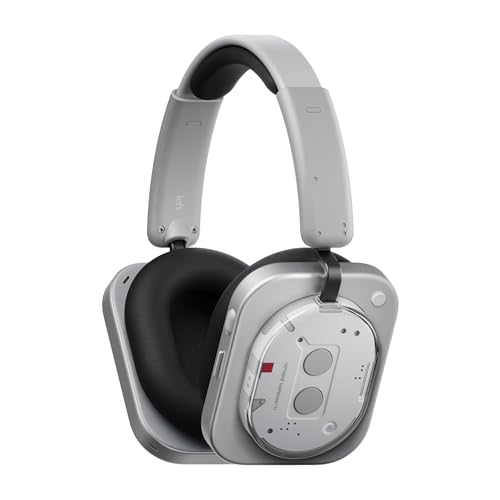
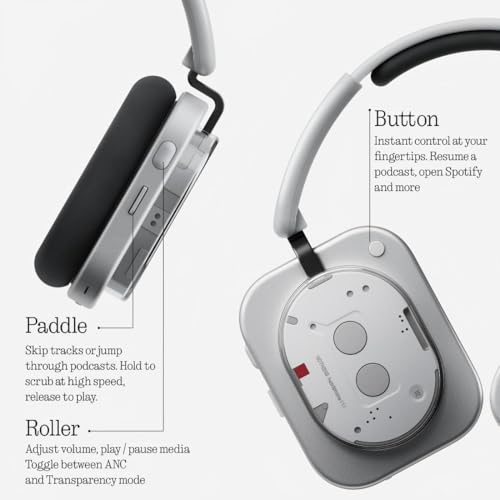
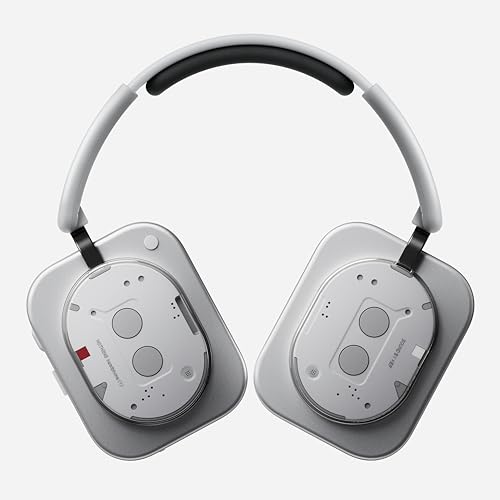
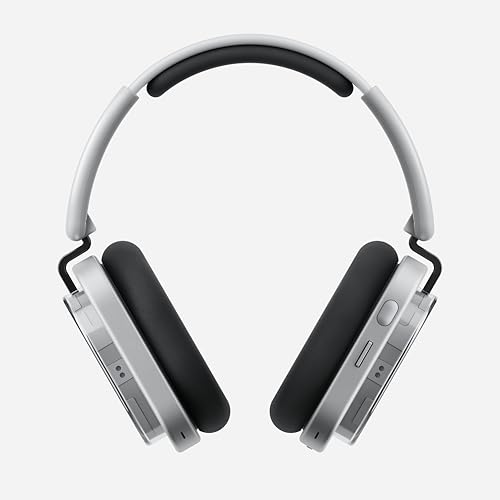
The visual difference between these headphones immediately tells you about their target audiences. The Nothing Headphone (1) features Nothing's signature transparent design language—you can actually see the internal components through clear plastic panels. It's a bold aesthetic choice that either appeals to you or doesn't, but there's no denying it makes a statement. The build uses quality materials including metal components, but at its price point, you'll find more plastic construction than its premium competitors.
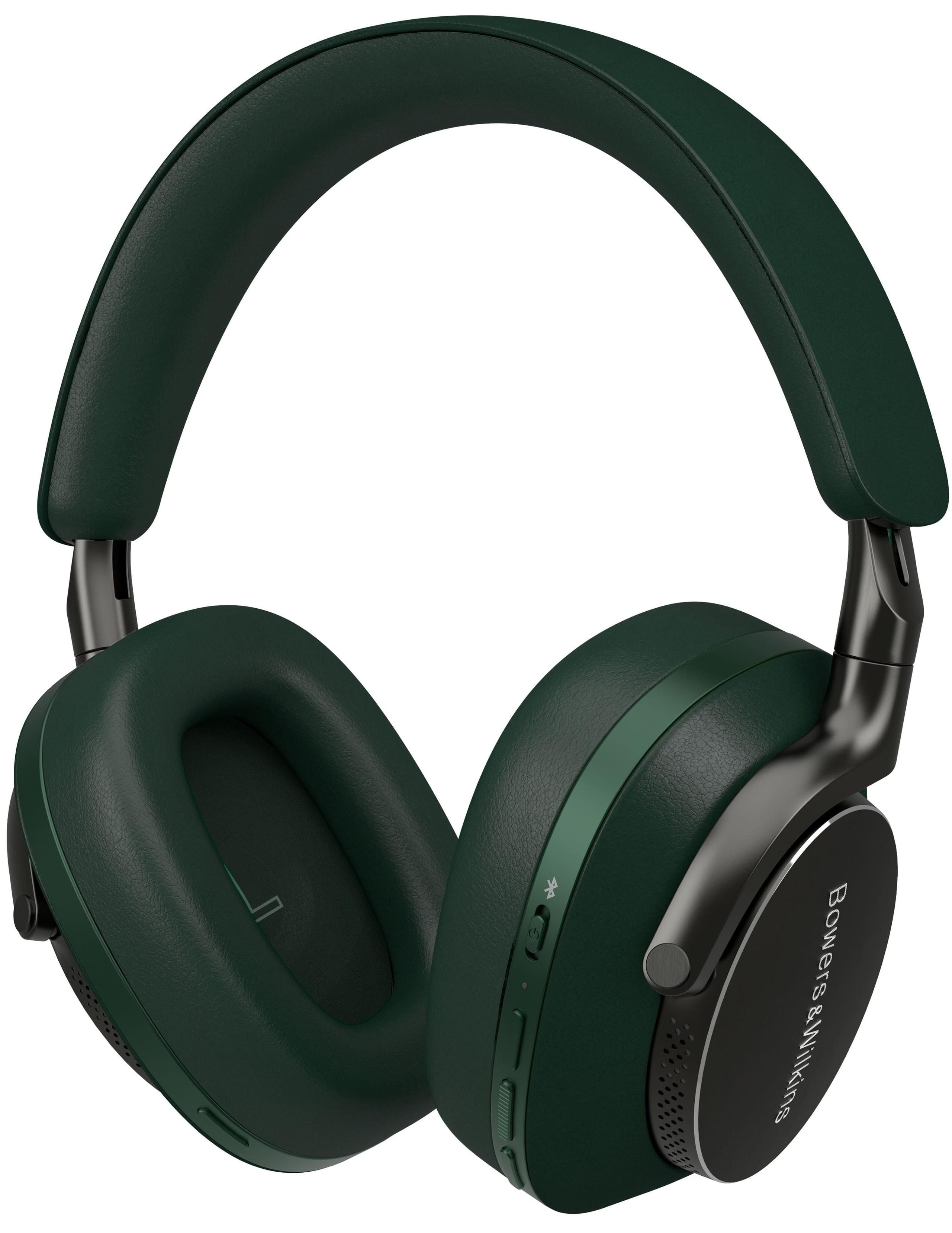
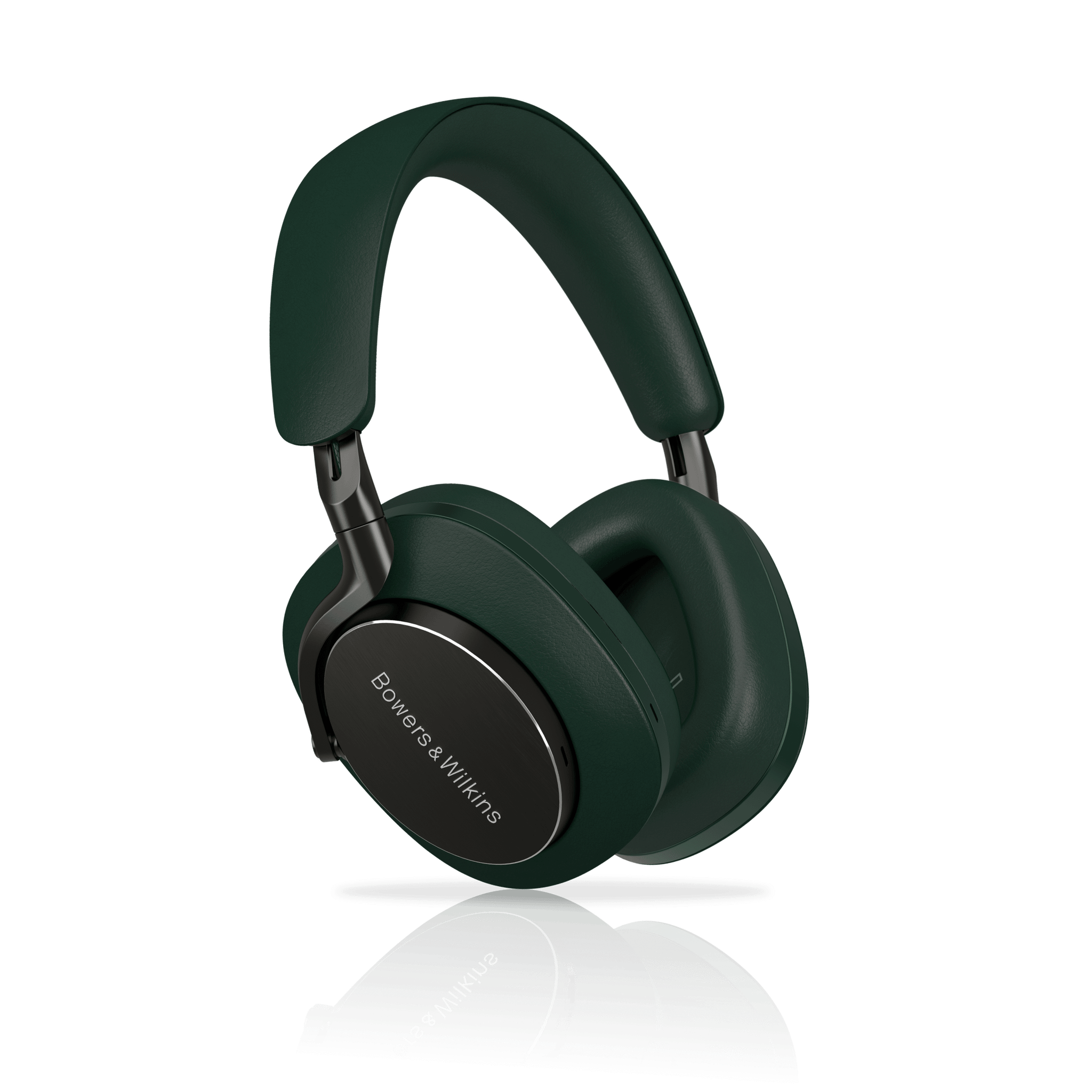
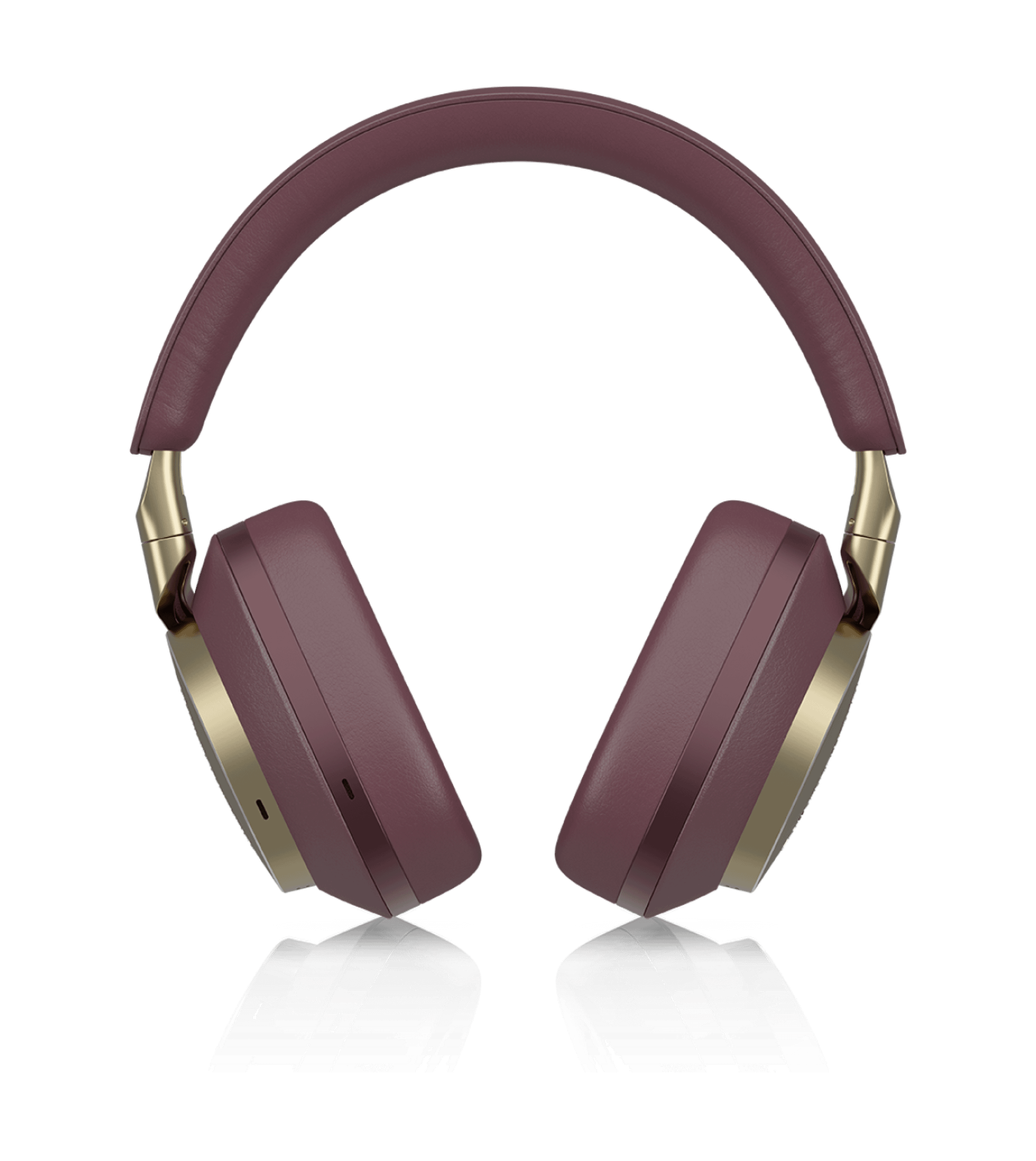
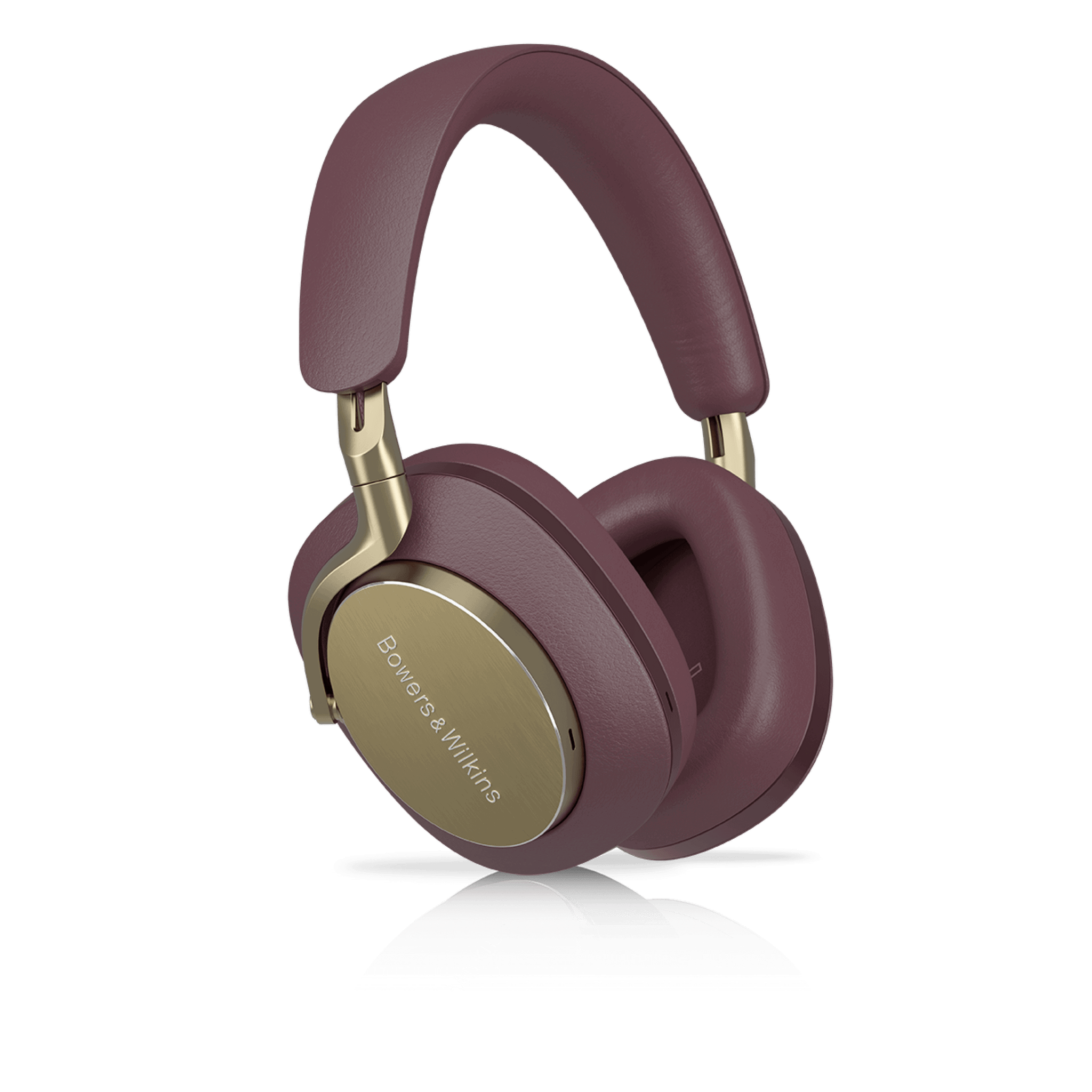
The Bowers & Wilkins Px8, on the other hand, screams luxury from every angle. Cast aluminum arms, genuine Nappa leather ear pads, and diamond-cut metal details create a headphone that feels expensive in your hands. The memory foam cushioning and ergonomic design make these headphones comfortable for extended listening sessions, though the stronger clamping force might be uncomfortable if you wear glasses.
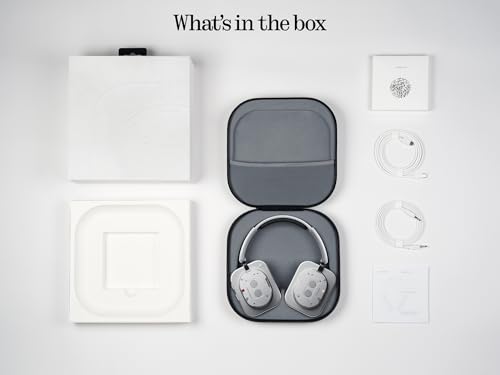
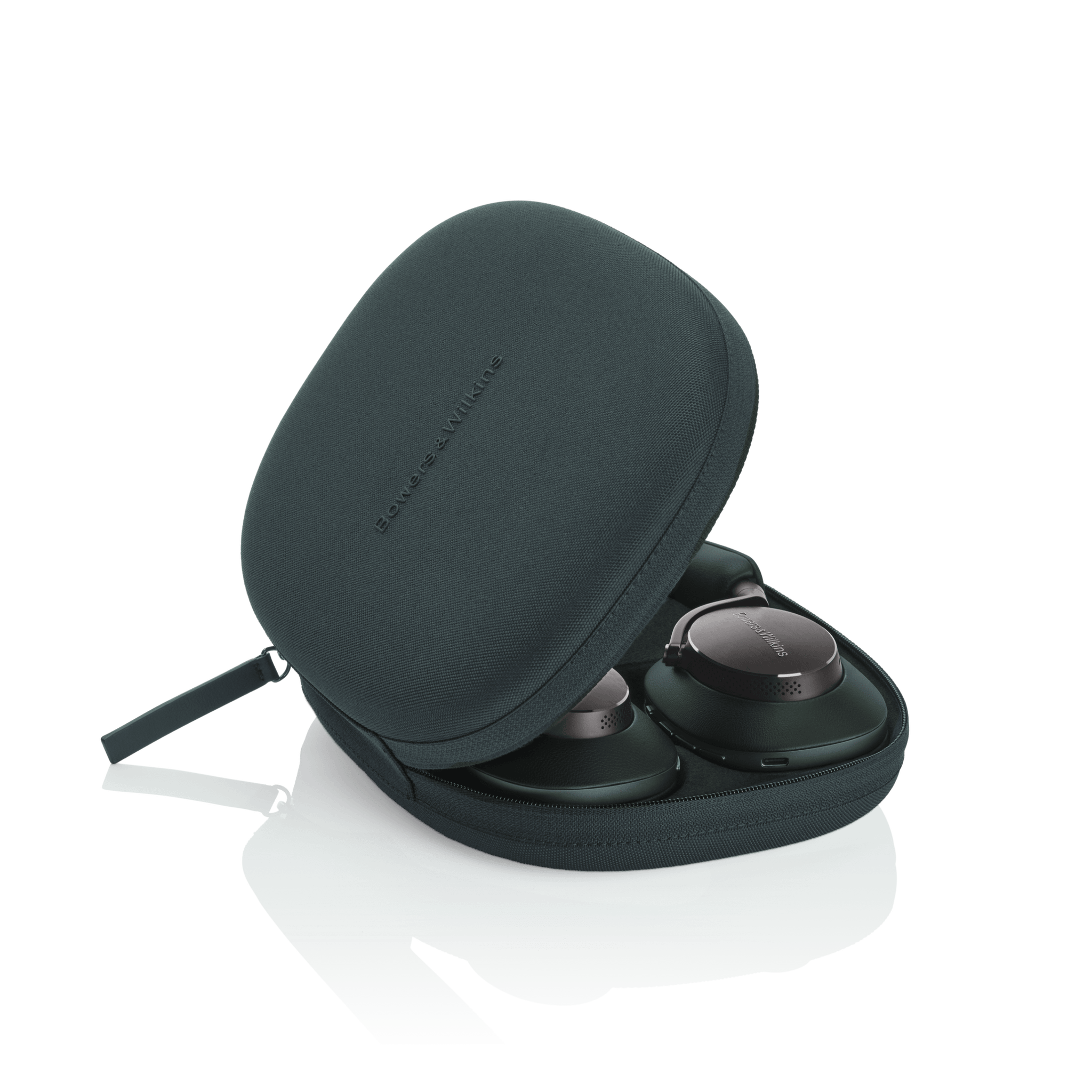
From a practical standpoint, both headphones fold flat for storage, though neither folds as compactly as some competitors. The Px8 comes with a premium carrying case, while the Nothing Headphone (1) includes a protective soft case that's functional but less luxurious.
This is where things get really interesting. Both headphones use 40mm dynamic drivers—the standard size for over-ear headphones—but their approaches to sound tuning couldn't be more different.
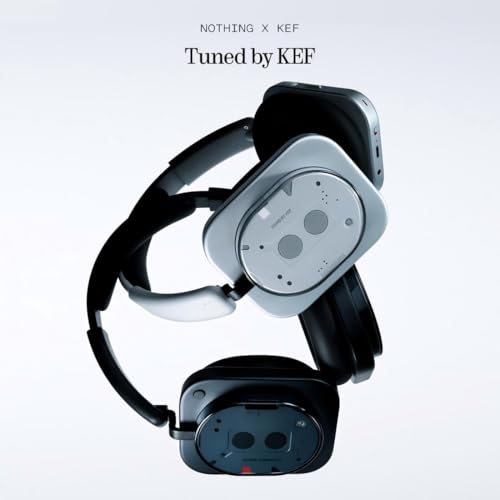
The Nothing Headphone (1) features custom drivers with a nickel-coated polyurethane diaphragm, tuned in collaboration with KEF, a respected British audio company. However, straight out of the box, the sound signature is somewhat bass-forward and may not immediately impress audiophiles. Here's where Nothing's philosophy shines: the companion app includes an advanced 8-band equalizer with adjustable frequency response and Q factor settings. Q factor determines how narrow or wide the frequency adjustments affect surrounding frequencies—it's essentially how precise your sound tuning can be.
What this means in practice is that with some tweaking, the Nothing Headphone (1) can deliver surprisingly excellent sound quality. I've found that spending 10-15 minutes with the EQ settings can transform these headphones from good to genuinely impressive. The high frequencies become more detailed, the midrange clears up, and you can tame that initially prominent bass to your preference.
The Bowers & Wilkins Px8 takes the opposite approach. These headphones use proprietary 40mm angled Carbon Cone drivers paired with 24-bit digital signal processing (DSP). Carbon fiber cones are stiffer and lighter than traditional materials, which reduces distortion and improves transient response—basically, they start and stop moving more quickly, resulting in cleaner, more accurate sound reproduction.
The angled design isn't just for show either. By positioning the drivers at a slight angle, B&W improves stereo imaging, making it easier for your brain to locate instruments and vocals in the soundstage. Combined with their 24-bit DSP, which processes audio at higher resolution than standard 16-bit CD quality, the Px8 delivers refined, detailed sound right out of the box.
The Px8's sound signature tends toward warmer, darker tones that work beautifully with jazz, classical, and older rock recordings. Instrument separation is excellent—you can easily distinguish between different instruments playing simultaneously—and there's what reviewers often describe as "airiness" in the high frequencies that adds space and detail to recordings.
For home theater use, both headphones support spatial audio, but the Nothing Headphone (1) has a unique advantage: its spatial audio with head tracking works with any device or app, not just specific streaming services. This makes it more versatile for movie watching across different platforms.
Let's be honest about ANC performance: neither of these headphones compete with the absolute best in class like Sony's WH-1000XM5 or Bose's QuietComfort series. However, they both offer solid noise cancellation that works well for most situations.
The Nothing Headphone (1) uses adaptive ANC with a four-microphone array, providing up to 42dB of noise reduction. The system continuously adjusts based on your environment, which sounds impressive on paper. In practice, it's effective at reducing office chatter, coffee shop noise, and general ambient sounds. However, it struggles more with low-frequency noise like airplane engines or subway rumble.
The Bowers & Wilkins Px8 employs a hybrid ANC system with six microphones total—four dedicated to noise cancellation and two for call quality. Despite using more microphones, the rectangular-shaped earcups don't create as complete a seal as some competitors, which limits the overall effectiveness. It performs similarly to the Nothing Headphone (1) in most environments.
Both headphones offer transparency modes that let ambient sound in when you need situational awareness. The Nothing Headphone (1) provides multiple ANC intensity levels, while the Px8 offers the ability to completely disable both ANC and transparency mode—a feature some users prefer for the most natural sound possible.
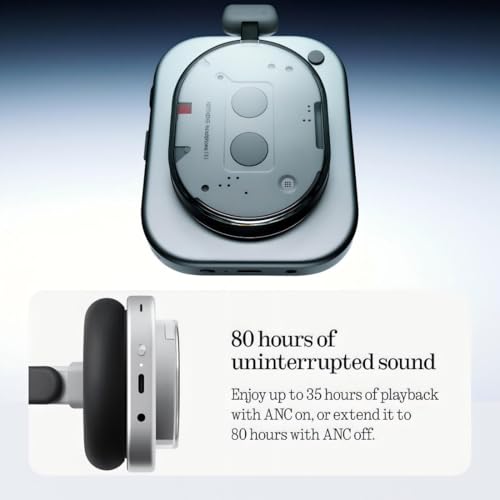
This is where the Nothing Headphone (1) absolutely dominates. With up to 80 hours of playback when ANC is turned off and 35 hours with ANC enabled, it offers more than double the battery life of most competitors. Even when using higher-quality LDAC codec—which typically drains batteries faster—you're still looking at 54 hours without ANC and 30 hours with it enabled.
The Bowers & Wilkins Px8 provides a respectable 30 hours of continuous playbook, which matches many premium competitors but falls far short of the Nothing Headphone (1)'s remarkable endurance. For perspective, 35 hours with ANC means you could listen for an entire work week without charging, while 80 hours without ANC could last most people two weeks or more.
Both headphones support fast charging, with the Nothing Headphone (1) providing about 5 hours of playback from a 5-minute charge, and the Px8 delivering 7 hours from a 15-minute charge.
Modern wireless headphones live or die by their connectivity options, and both models offer comprehensive support for different audio codecs—the compression algorithms that determine how audio is transmitted over Bluetooth.
The Nothing Headphone (1) supports Bluetooth 5.3 with LDAC, AAC, and SBC codecs. LDAC is Sony's high-resolution codec that can transmit up to three times more data than standard Bluetooth audio, resulting in noticeably better sound quality from compatible devices (most Android phones and some streaming services).
The Bowers & Wilkins Px8 uses Bluetooth 5.2 with aptX Adaptive, aptX HD, aptX, AAC, and SBC support. The aptX family of codecs, developed by Qualcomm, focuses on low latency and high quality. AptX Adaptive is particularly clever—it automatically adjusts between high quality and low latency depending on what you're doing, making it excellent for both music and video content.
Both headphones support multi-device connectivity, letting you stay connected to your phone and laptop simultaneously. They also offer wired connections via USB-C and 3.5mm cables, though the Px8 can handle higher resolution wired audio up to 24-bit/48kHz.
For video calls and phone conversations, microphone quality becomes crucial. The Nothing Headphone (1) uses a four-microphone array with AI-powered Clear Voice Technology. In quiet environments, call quality is quite good, but the system uses aggressive noise gating—a feature that cuts off audio when it doesn't detect speech. While this reduces background noise, it can occasionally cut into the beginning or end of words, making you sound slightly choppy.
The Bowers & Wilkins Px8 dedicates two of its six microphones specifically to call quality, and the results show. Call clarity is excellent and comparable to flagship models from Apple and Sony. The system handles background noise well without the aggressive processing that affects the Nothing Headphone (1).
Comfort becomes increasingly important for longer listening sessions, and both headphones approach this differently. The Nothing Headphone (1) uses a lighter overall construction with less clamping force, making it comfortable for most head shapes, though some users might find the fit less secure during movement.
The Bowers & Wilkins Px8 employs premium materials throughout—the Nappa leather ear pads feel luxurious and the memory foam provides excellent cushioning. However, the stronger clamping force, while improving the seal for noise isolation, can become uncomfortable for glasses wearers or during extended sessions.
Both headphones integrate with companion apps, but offer different levels of customization. The Nothing Headphone (1) works with the Nothing X app, providing that advanced 8-band EQ we discussed earlier, plus customizable controls, firmware updates, and Find My Device functionality.
The Bowers & Wilkins Px8 connects to the B&W Music App, offering basic EQ adjustments (bass and treble sliders), noise cancellation controls, and firmware updates. While less comprehensive than Nothing's app, it covers the essentials without overwhelming casual users.
The Px8 includes wear-detection sensors that automatically pause playback when you remove the headphones—a convenient feature that the Nothing Headphone (1) also offers through on-ear detection.
At the time of writing, these headphones occupy very different price segments, with the Nothing Headphone (1) positioned as a premium value option and the Bowers & Wilkins Px8 competing in the luxury tier alongside products from Apple, Sony, and Focal.
The Nothing Headphone (1) offers exceptional value by delivering features and performance typically found in much more expensive headphones. The combination of excellent battery life, comprehensive codec support, spatial audio, and highly customizable sound makes it competitive with headphones costing significantly more.
The Bowers & Wilkins Px8 justifies its premium positioning through superior materials, refined out-of-box sound quality, and the kind of build quality that feels like it will last for years. You're paying for luxury and refinement, plus the satisfaction of owning a product from a company with decades of audio expertise.
Choose the Nothing Headphone (1) if you want excellent performance without premium pricing, don't mind spending time customizing the sound to your preferences, and value exceptional battery life. The unique transparent design is either a bonus or a detractor depending on your aesthetic preferences, but the performance underneath is genuinely impressive for the price point.
The Bowers & Wilkins Px8 makes sense if you prioritize refined, out-of-box sound quality, premium materials, and don't mind paying significantly more for incremental improvements in audio quality and build materials. These headphones are for listeners who appreciate luxury products and want something that feels as good as it sounds.
If neither quite fits your needs, consider that both fall short of class-leading active noise cancellation. Frequent travelers might prefer Sony's WH-1000XM5 or Bose's QuietComfort Ultra for superior ANC, while budget-conscious buyers might find better pure value in options like the Sennheiser Momentum 4.
The wireless headphone market continues evolving rapidly, with new models offering incremental improvements in battery life, ANC effectiveness, and sound quality. However, both the Nothing Headphone (1) and Bowers & Wilkins Px8 represent solid choices in their respective price categories, offering different but valid approaches to premium audio experiences.
Ultimately, your choice should reflect your priorities: exceptional value and customization with the Nothing Headphone (1), or premium refinement and luxury with the Bowers & Wilkins Px8. Either way, you'll end up with headphones that deliver genuinely enjoyable listening experiences for years to come.
| Nothing Headphone (1) | Bowers & Wilkins Px8 |
|---|---|
| Sound Quality Approach - How you get great audio | |
| Requires EQ customization via app; excellent potential after tuning | Refined out-of-box sound with premium drivers; no adjustment needed |
| Driver Technology - What produces the sound | |
| 40mm dynamic drivers with nickel-coated PU diaphragm, KEF-tuned | 40mm angled Carbon Cone drivers with 24-bit DSP processing |
| Battery Life - How long you can listen | |
| 80 hours (ANC off) / 35 hours (ANC on) - industry leading | 30 hours continuous - standard for premium tier |
| Active Noise Cancellation - Blocking unwanted sounds | |
| Up to 42dB reduction, 4-mic array; good but not elite | Hybrid ANC with 6-mic array; similar performance to Nothing |
| Build Materials - What affects durability and feel | |
| Transparent design with quality plastics and metal accents | Cast aluminum, Nappa leather, memory foam; luxury materials throughout |
| Weight & Comfort - Important for long sessions | |
| 329g, lighter with less clamping force | 320g, premium comfort but stronger clamping (may affect glasses wearers) |
| Bluetooth Codecs - Audio quality over wireless | |
| LDAC, AAC, SBC with Bluetooth 5.3 | aptX Adaptive, aptX HD, aptX, AAC, SBC with Bluetooth 5.2 |
| Customization Options - Tailoring sound to your preferences | |
| Advanced 8-band EQ with Q factor control; highly customizable | Basic bass/treble sliders; designed for out-of-box satisfaction |
| Call Quality - Important for work-from-home users | |
| Good with AI noise reduction but aggressive gating can cut speech | Excellent clarity comparable to flagship models |
| Quick Charging - Getting back to listening fast | |
| 5 hours from 5-minute charge | 7 hours from 15-minute charge |
| Spatial Audio - Enhanced movie and gaming experience | |
| Works with any device/app; head tracking included | Standard spatial audio support |
| Price Positioning - Value consideration | |
| Premium features at mid-tier pricing; exceptional value | Luxury tier pricing for audiophile-focused refinement |
The Bowers & Wilkins Px8 delivers superior out-of-box sound quality with its Carbon Cone drivers and 24-bit DSP processing, offering refined audio that's immediately impressive. However, the Nothing Headphone (1) can achieve excellent sound quality after EQ customization through its advanced 8-band equalizer, making it competitive with more expensive models once properly tuned.
Both headphones work well for home theater, but the Nothing Headphone (1) has a slight edge due to its universal spatial audio support that works with any device or streaming platform. The Bowers & Wilkins Px8 offers excellent clarity for dialogue and movie soundtracks, but the Nothing Headphone (1) provides more versatile spatial audio features for an immersive viewing experience.
The Nothing Headphone (1) dominates in battery life with up to 80 hours of playback (ANC off) and 35 hours (ANC on), making it one of the longest-lasting wireless headphones available. The Bowers & Wilkins Px8 provides a respectable 30 hours of continuous playback, which is standard for premium headphones but significantly less than the Nothing Headphone (1).
Both the Nothing Headphone (1) and Bowers & Wilkins Px8 offer solid but not elite noise cancellation performance. The Nothing Headphone (1) provides up to 42dB of noise reduction with adaptive ANC, while the Px8 uses a 6-microphone hybrid system. Both work well for office environments and daily commuting but aren't the best choice if noise cancellation is your top priority.
The Bowers & Wilkins Px8 generally offers superior comfort with its Nappa leather ear pads and memory foam cushioning, though the stronger clamping force may be uncomfortable for glasses wearers. The Nothing Headphone (1) is lighter with less clamping pressure, making it comfortable for most users, though some may prefer the premium materials of the Px8.
The Bowers & Wilkins Px8 excels in call quality with dedicated microphones that deliver clear, professional-sounding audio comparable to flagship models. The Nothing Headphone (1) offers good call quality with AI-powered noise reduction, but aggressive noise gating can occasionally cut into speech, making the Px8 the better choice for frequent calls.
The Nothing Headphone (1) provides exceptional value by offering premium features like spatial audio, excellent battery life, and customizable sound at a much lower price point. The Bowers & Wilkins Px8 justifies its premium pricing with luxury materials and refined audio, but the Nothing Headphone (1) delivers better performance-per-dollar for most users.
Yes, both the Nothing Headphone (1) and Bowers & Wilkins Px8 support multi-device connectivity, allowing you to stay connected to your phone and laptop simultaneously. Both also offer wired connections via USB-C and 3.5mm cables, with the Px8 supporting higher resolution wired audio up to 24-bit/48kHz.
The Bowers & Wilkins Px8 features superior build quality with cast aluminum construction, genuine Nappa leather, and diamond-cut metal details that create a luxury feel. The Nothing Headphone (1) offers good build quality for its price range with a unique transparent design, but uses more plastic components compared to the premium materials in the Px8.
Both headphones work well for gaming, with the Nothing Headphone (1) offering a low-latency gaming mode and universal spatial audio that enhances directional sound cues. The Bowers & Wilkins Px8 provides excellent audio clarity for gaming but lacks the specific gaming optimizations found in the Nothing Headphone (1).
The Bowers & Wilkins Px8 offers slightly faster quick charging with 7 hours of playback from a 15-minute charge, compared to the Nothing Headphone (1) which provides about 5 hours from a 5-minute charge. However, the Nothing Headphone (1) requires less frequent charging due to its exceptional battery life.
Choose the Nothing Headphone (1) if you want excellent performance at a lower price point, don't mind customizing sound settings, and prioritize exceptional battery life. Select the Bowers & Wilkins Px8 if you prefer refined out-of-box audio quality, premium materials, and are willing to pay more for luxury features and build quality.
We've done our best to create useful and informative comparisons to help you decide what product to buy. Our research uses advanced automated methods to create this comparison and perfection is not possible - please contact us for corrections or questions. These are the sites we've researched in the creation of this article: recordingnow.com - loudnwireless.com - markellisreviews.com - tomsguide.com - tomsguide.com - youtube.com - cnet.com - soundguys.com - 9to5google.com - youtube.com - notebookcheck.net - techradar.com - us.kef.com - soundguys.com - alexreviewstech.com - walmart.com - us.nothing.tech - youtube.com - youtube.com - whathifi.com - marius.ink - bowerswilkins.com - rtings.com - whathifi.com - whathifi.com - soundguys.com - audio46.com - youtube.com - futureaudiophile.com - listenup.com - telquestintl.com - bowerswilkins.com - bowerswilkins.com - bestbuy.com - bhphotovideo.com - audioholics.com - bowerswilkins.com - bowerswilkins.com - headphone.guru - bhphotovideo.com - bowerswilkins.com

Privacy Policy
Terms and Conditions - Affiliate Policy
Home Security
© Copyright 2008-2026.
11816 Inwood Rd #1211, Dallas, TX 75244