

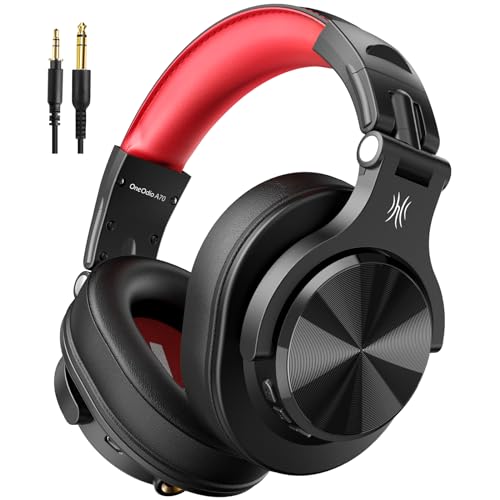







When you're shopping for over-ear headphones today, you'll quickly discover that the market has split into distinct camps. On one side, you have ultra-budget options that promise the world for pocket change. On the other, premium models loaded with cutting-edge features command serious investment. The OneOdio Fusion A70 and Nothing Headphone (1) represent these two philosophies perfectly, but in ways that might surprise you.
Released in different eras—the OneOdio A70 hitting the market in recent years as part of the budget wireless boom, and the Nothing Headphone (1) launching in 2025 as Nothing's ambitious entry into over-ear territory—these headphones tackle similar problems with vastly different approaches. Understanding which one fits your needs requires digging deeper than just comparing spec sheets.
Over-ear headphones have become the Swiss Army knives of personal audio. Unlike earbuds that prioritize portability, or on-ear models that balance size with performance, over-ear headphones offer the real estate needed for larger drivers, substantial batteries, and comprehensive feature sets. They're designed for people who want serious audio performance without compromise.
The category spans an enormous price range, at the time of writing, from budget models under $100 to flagship options exceeding $500. But price alone doesn't tell the whole story. What matters is how manufacturers allocate their budget across the key performance areas that actually impact your daily experience.
Sound quality remains the foundation—after all, these are audio devices first. But modern over-ear headphones also need to excel at comfort for long listening sessions, provide robust wireless connectivity, deliver impressive battery life, and increasingly, offer active noise cancellation (ANC) for our noisy world. The challenge lies in balancing these priorities within a given price point.
The OneOdio Fusion A70 takes a "maximum features for minimum cost" approach, while the Nothing Headphone (1) represents a "premium experience at accessible pricing" philosophy. Both are valid strategies, but they serve very different users.
Audio quality in headphones comes down to several measurable factors: frequency response (how evenly the headphones reproduce different pitches), distortion levels (how clean the sound remains at various volumes), and soundstage (how spacious and three-dimensional the audio feels).
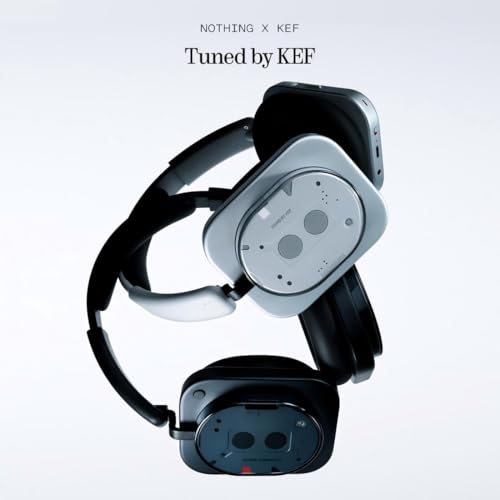
The Nothing Headphone (1) employs custom-built 40mm dynamic drivers that were specifically tuned in collaboration with KEF, a British audio company with decades of experience in high-end speakers. This partnership isn't just marketing fluff—KEF's involvement shows in the headphones' balanced frequency response curve. The drivers feature nickel-coated polyurethane diaphragms, which provide better rigidity and reduced resonance compared to standard materials.
What this means in practice is that when you listen to a complex piece of music—say, a jazz quartet or an orchestral arrangement—individual instruments maintain their distinct character rather than blending into mush. The bass guitar sits where it should in the mix, the piano maintains its natural attack and decay, and cymbals shimmer without becoming harsh.
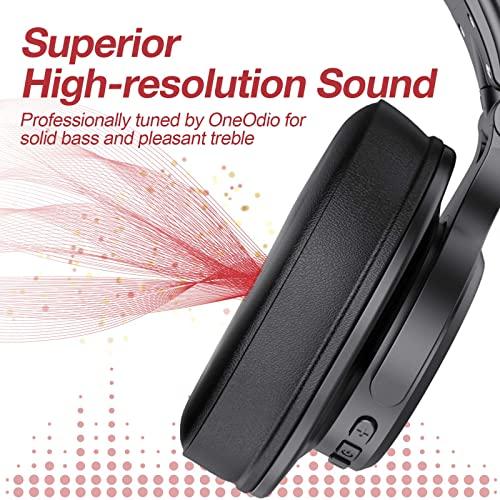
The OneOdio A70, by contrast, uses more conventional 40mm drivers tuned for what the industry calls a "V-shaped" sound signature. This means boosted bass and treble with recessed midrange frequencies. While this can make certain types of music—particularly electronic dance music or hip-hop—sound more exciting, it comes at the cost of accuracy and long-term listening comfort.
Having spent considerable time with V-shaped headphones, I can tell you that the initial "wow factor" of pumped-up bass and sparkling highs often gives way to fatigue. Your ears naturally adjust to the exaggerated sound, and you find yourself turning up the volume to maintain that excitement. This creates a cycle that can lead to hearing damage over time.
The OneOdio A70 suffers from this exact problem. Users consistently report that while the bass feels impressive initially, it quickly becomes overwhelming and masks important details in vocals and mid-range instruments. The elevated treble, meanwhile, can make poorly recorded tracks or compressed streaming audio sound harsh and fatiguing.
The Nothing Headphone (1) takes the opposite approach. Its KEF tuning prioritizes what audio engineers call "neutrality"—reproducing music as closely as possible to how it was mixed and mastered. This might sound less exciting in a 30-second store demo, but it's vastly more satisfying for actual music listening.
The Nothing headphones also include an advanced 8-band parametric equalizer through their companion app. Unlike basic bass/treble controls, this allows you to adjust specific frequency ranges with surgical precision. If you prefer more bass for electronic music or want to brighten vocals for podcasts, you can make those adjustments without affecting the entire frequency spectrum.
Here's where the generational gap between these products becomes most apparent. The OneOdio A70 was designed during an era when ANC was still considered a premium feature. It relies entirely on passive isolation—the physical seal created by the earcups against your head.
Passive isolation works, but it has limitations. It's most effective against higher-frequency sounds like conversation or keyboard clicking, but struggles with low-frequency rumble from airplane engines, air conditioning, or traffic. The OneOdio A70 compounds this problem with what users describe as a poor seal due to inadequate padding design.
The Nothing Headphone (1), launching in 2025, was built with ANC as a fundamental feature. Its system uses four microphones—two on each earcup—to continuously monitor environmental noise and generate opposing sound waves to cancel it out. This technology has matured significantly in recent years, and Nothing's implementation provides up to 42 decibels of noise reduction.
What makes the Nothing's ANC particularly impressive is its adaptive nature. Rather than applying the same level of noise cancellation regardless of your environment, it continuously adjusts based on the ambient noise profile. In a quiet office, it applies gentle noise reduction. On a airplane or subway, it ramps up to maximum effectiveness.
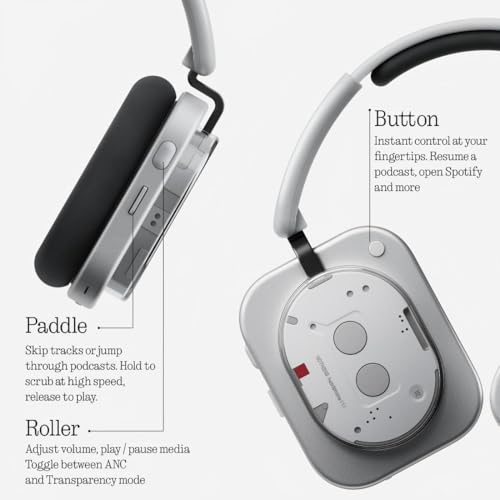
The transparency mode deserves special mention. When you need to hear your surroundings—for announcements, conversations, or safety—pressing the control paddle instantly reduces ANC and amplifies outside sounds through the microphones. This feature has become essential for anyone using headphones in shared spaces or while commuting.
Comfort might seem subjective, but there are objective factors that determine whether headphones will be pleasant for extended wear. Weight distribution, padding materials, clamping force, and heat dissipation all play crucial roles.
The OneOdio A70 reveals its budget origins most clearly in comfort. Despite weighing only 242 grams—relatively light for over-ear headphones—the plastic construction and poor weight distribution create pressure points. The padding design is particularly problematic: instead of following the natural contours of your head, it creates what users consistently describe as a single pressure point on the crown.
This isn't just uncomfortable—it's a deal-breaker for extended use. Multiple reviews mention fatigue setting in within 30 to 60 minutes, which severely limits the headphones' usefulness for long listening sessions, work calls, or travel.
The artificial leather earpads compound the problem by retaining heat and moisture. During longer sessions, your ears become uncomfortably warm, adding another layer of discomfort to the already problematic fit.
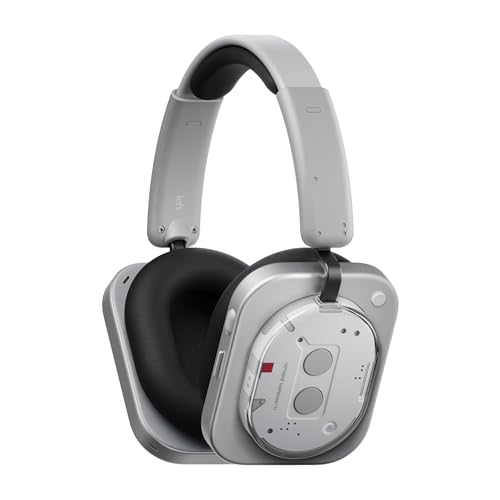
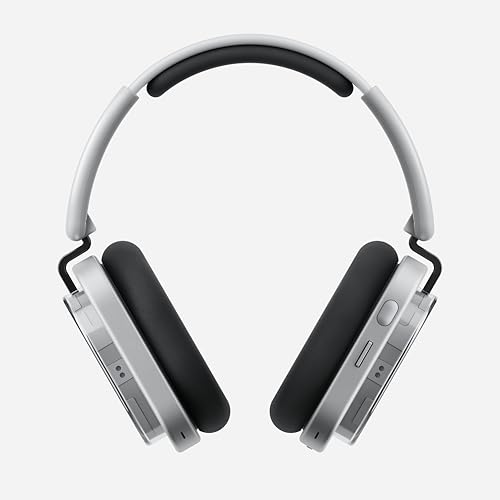
The Nothing Headphone (1) addresses these issues with more thoughtful engineering. At 329 grams, it's notably heavier, but the aluminum frame and improved weight distribution prevent the pressure point issues that plague the A70. The memory foam padding uses oil-resistant materials that maintain their shape over time and provide better heat dissipation.
While some users note that the Nothing headphones can feel bulky during physical activity, they're generally comfortable for the stationary listening that over-ear headphones are designed for—working at a desk, relaxing at home, or traveling.
Both headphones excel in battery life, but for different reasons that reflect their design priorities.
The OneOdio A70 achieves its impressive 72-hour claimed battery life through brute force: a large battery combined with basic electronics and no power-hungry features like ANC. This approach works well for users who want to charge their headphones as infrequently as possible. The headphones use USB-C for charging, which has become the standard and eliminates the need for proprietary cables.
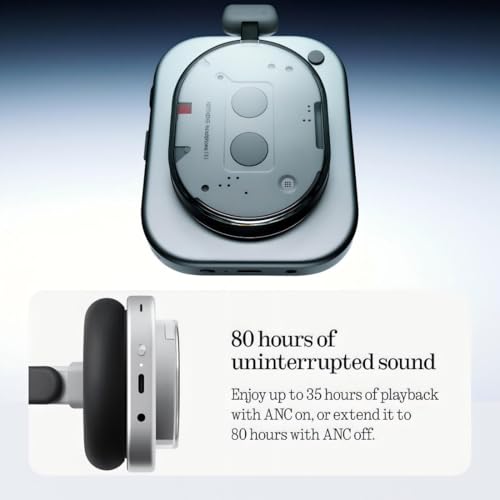
The Nothing Headphone (1) takes a more sophisticated approach. Its 1,040mAh battery provides 80 hours with ANC disabled or 35 hours with ANC enabled—both excellent figures for a feature-rich headphone. More importantly, it includes fast charging that provides 2.5 hours of listening from just five minutes of charging. This is crucial for daily use, when you might grab your headphones for a commute only to discover they're dead.
The Nothing's power management is also more intelligent. It automatically enters low-power mode when not in use, and the wear detection sensors pause playback when you remove the headphones, preserving battery life.
The connectivity story reveals how much headphone technology has evolved in recent years.
The OneOdio A70 uses Bluetooth 5.2 with support for SBC and AAC codecs—the basics needed for wireless audio. However, users report a persistent background hiss during wireless use, which suggests poor circuit design or inadequate shielding. This is particularly noticeable during quiet passages in music or when no audio is playing.
The headphones do include an interesting feature called SharePort technology, which allows you to daisy-chain a second pair of headphones for shared listening. While novel, this feature is limited by the A70's poor sound quality and comfort issues.
The Nothing Headphone (1) represents the current state of wireless audio technology. Bluetooth 5.3 provides improved connection stability and range. Support for LDAC codec enables high-resolution audio streaming that approaches wired quality. Multipoint connectivity allows simultaneous connection to two devices—your phone and laptop, for example—with seamless switching between them.
The physical controls deserve special attention. While many modern headphones rely on touch-sensitive surfaces that can be accidentally activated or fail to register intentional inputs, Nothing chose tactile controls that provide clear feedback. The volume roller clicks satisfyingly as you adjust it, and the paddle controls for track skipping work reliably even with gloves.
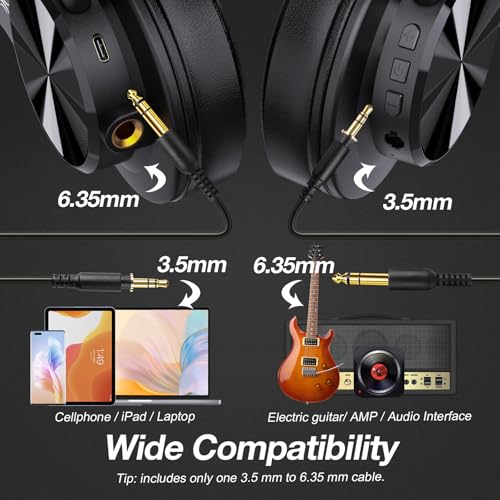
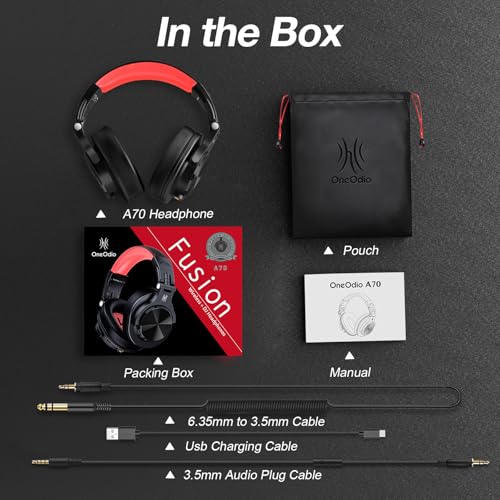
The OneOdio A70 markets itself toward DJ and studio use, including compatibility with professional audio equipment through its 6.35mm (quarter-inch) jack adapter. However, the heavily colored sound signature makes it unsuitable for any critical listening application. Professional audio work requires accurate, uncolored reproduction to make proper mixing and mastering decisions.
For home theater use, the A70's boosted bass might seem appealing for action movies, but the recessed midrange means dialogue will be less clear, and the harsh treble can make gunshots and explosions fatiguing rather than exciting.
The Nothing Headphone (1), with its neutral tuning and spatial audio capabilities, works well for both music and movies. The spatial audio processing creates a wider, more immersive soundstage that enhances the home theater experience without the artificial processing that some competitors apply. For gaming, the low-latency mode reduces audio delay, crucial for competitive play where audio cues need to sync precisely with visual information.
Build quality affects not just immediate user experience but long-term value. The OneOdio A70 uses primarily plastic construction with minimal metal reinforcement. While this keeps costs down, it raises questions about durability. The earpads aren't user-replaceable, which means when they inevitably wear out or compress, the entire headphone becomes less comfortable and may need replacement.
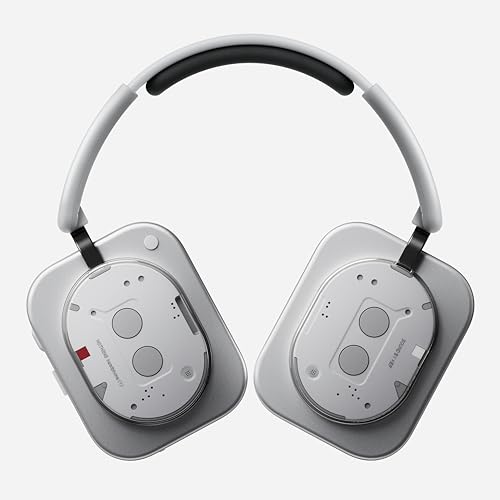
The Nothing Headphone (1) uses an aluminum frame with the transparent design elements that have become Nothing's signature. Beyond aesthetics, the metal construction provides better long-term durability. The transparent elements aren't just for show—they reveal the internal engineering and component placement, highlighting the care put into the internal design.
These headphones serve fundamentally different needs, and understanding your priorities is key to making the right choice.
Choose the OneOdio A70 if you're working with a very tight budget and need basic wireless functionality with exceptional battery life. It might work for casual background listening while working, or as a starter option for someone new to over-ear headphones. However, be prepared for significant compromises in comfort, sound quality, and build quality.
The Nothing Headphone (1) represents genuine value in the premium mid-range segment. At the time of writing, it's priced competitively against established names while offering superior design, modern features, and excellent audio quality. It's the clear choice for anyone who can stretch their budget to accommodate better performance across all metrics that matter.
For most users considering over-ear headphones, the Nothing represents a better long-term investment. The superior comfort makes it actually usable for extended periods, the ANC provides real utility in noisy environments, and the sound quality won't leave you wanting to upgrade within a year.
The OneOdio A70 might seem appealing for its low price, but when you factor in the comfort limitations, poor sound quality, and lack of modern features, it becomes a false economy. In audio equipment, the old adage "buy once, cry once" often applies—spending more initially on a product that meets your actual needs saves money and frustration in the long run.
If you're serious about audio quality, comfort, and modern features, the Nothing Headphone (1) justifies its higher price point. If you absolutely must minimize initial cost and can live with significant compromises, the OneOdio A70 provides basic functionality, but don't expect more than that.
| OneOdio Fusion A70 | Nothing Headphone (1) |
|---|---|
| Audio Quality - The foundation of headphone performance | |
| V-shaped sound with overwhelming bass, harsh treble, recessed mids; constant wireless background hiss | KEF-tuned balanced sound with custom 40mm drivers; clean wireless connection with 8-band EQ customization |
| Active Noise Cancellation - Essential for commuting and noisy environments | |
| No ANC; relies on poor passive isolation only | Up to 42dB adaptive ANC with 4-microphone array; multiple ANC levels and natural transparency mode |
| Comfort & Build Quality - Critical for extended listening sessions | |
| All-plastic construction; creates pressure points within 30-60 minutes; heat retention issues | Premium aluminum frame with memory foam; 329g well-distributed weight; comfortable for hours |
| Battery Life - Determines how often you'll need to charge | |
| Up to 72 hours playback; basic charging via USB-C | 80 hours (ANC off) / 35 hours (ANC on); fast charging: 2.5 hours from 5-minute charge |
| Connectivity & Codecs - Affects wireless audio quality and device compatibility | |
| Bluetooth 5.2 with AAC, SBC; SharePort daisy-chaining feature | Bluetooth 5.3 with LDAC, AAC, SBC; multipoint connection; USB-C audio support |
| Controls - How you interact with the headphones daily | |
| Basic 3-button layout; no companion app | Tactile roller, paddle, and customizable button; comprehensive Nothing X app with advanced features |
| Weight & Portability - Important for travel and daily carrying | |
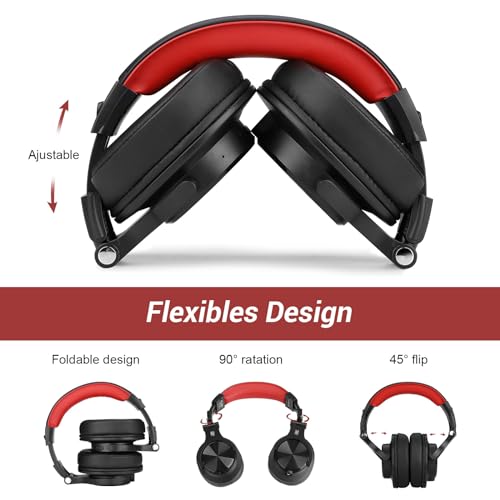
| 242g lightweight but feels cheap; foldable design with basic pouch | 329g heavier but premium feel; folds flat with hard carrying case |
| Professional Features - For studio work or equipment compatibility | |
| Dual wired connectivity (3.5mm and 6.35mm jacks) but unsuitable for mixing due to colored sound | Neutral tuning suitable for critical listening; spatial audio and low-latency gaming mode |
| Target User - Who should consider each option | |
| Extremely budget-conscious users willing to accept major comfort and sound quality compromises | Users seeking premium features, comfort, and audio quality at competitive mid-range pricing |
The Nothing Headphone (1) delivers significantly better sound quality with its KEF-tuned balanced audio and custom 40mm drivers. The OneOdio Fusion A70 produces a heavily V-shaped sound with overwhelming bass and harsh treble that becomes fatiguing during extended listening. For critical music enjoyment, the Nothing Headphone (1) is the clear winner.
Only the Nothing Headphone (1) features active noise cancellation with up to 42dB of noise reduction using a 4-microphone array. The OneOdio Fusion A70 lacks ANC entirely and relies only on basic passive isolation, which is inadequate due to poor earcup sealing. For commuting or noisy environments, the Nothing Headphone (1) is essential.
The Nothing Headphone (1) provides superior comfort with its aluminum frame, memory foam padding, and proper weight distribution. The OneOdio Fusion A70 creates uncomfortable pressure points within 30-60 minutes due to poor padding design and cheap plastic construction, making extended use difficult.
Both offer excellent battery life, but differently. The OneOdio Fusion A70 provides up to 72 hours of basic playback. The Nothing Headphone (1) delivers 80 hours with ANC off or 35 hours with ANC on, plus fast charging that gives 2.5 hours of use from just 5 minutes of charging.
The Nothing Headphone (1) excels at calls with its 4-microphone array and AI-powered Clear Voice Technology that suppresses background noise. The OneOdio Fusion A70 has basic call functionality but lacks advanced microphone technology, making it less suitable for frequent calls or professional meetings.
The Nothing Headphone (1) is excellent for home theater with its neutral sound signature, spatial audio capabilities, and immersive soundstage that enhances movie dialogue and effects. The OneOdio Fusion A70 has boosted bass that might seem appealing for action movies, but its recessed midrange makes dialogue less clear.
The Nothing Headphone (1) offers modern Bluetooth 5.3 with LDAC high-resolution audio, multipoint connection for two devices simultaneously, and clean wireless performance. The OneOdio Fusion A70 uses older Bluetooth 5.2 with basic codecs and suffers from persistent background hiss during wireless use.
The Nothing Headphone (1) features premium aluminum construction with transparent design elements and replaceable components for longevity. The OneOdio Fusion A70 uses mostly plastic construction that feels cheap and has non-replaceable earpads that will degrade over time, affecting long-term value.
The Nothing Headphone (1) is superior for gaming with its low-latency mode, spatial audio for directional awareness, and balanced sound that doesn't mask important audio cues. The OneOdio Fusion A70 has exaggerated bass that can obscure footsteps and other crucial gaming sounds.
Neither is ideal for professional work, but the Nothing Headphone (1) is closer with its neutral KEF tuning suitable for critical listening. The OneOdio Fusion A70 markets itself for DJ use and includes professional jacks, but its heavily colored sound signature makes it unsuitable for mixing or production work.
The Nothing Headphone (1) provides intuitive tactile controls including a volume roller, paddle controls, and customizable buttons, plus a comprehensive app for EQ adjustment. The OneOdio Fusion A70 has basic 3-button controls with no companion app, limiting customization options.
The Nothing Headphone (1) offers superior value despite its higher price, delivering premium audio quality, modern features, excellent comfort, and build quality that justify the investment. The OneOdio Fusion A70 may seem attractive for budget-conscious buyers, but its significant compromises in comfort, sound quality, and features make it poor long-term value for most users.
We've done our best to create useful and informative comparisons to help you decide what product to buy. Our research uses advanced automated methods to create this comparison and perfection is not possible - please contact us for corrections or questions. These are the sites we've researched in the creation of this article: audiostance.com - attackmagazine.com - soundphilereview.com - versus.com - homestudiobasics.com - versus.com - audiofool.reviews - e-catalog.com - whatgear.net - e-catalog.com - thomannmusic.com - audioreviews.org - oneodio.com - wepc.com - seriousinsights.net - oneodio.com - oneodio.com - audioreputation.com - manuals.plus - newegg.com - musicbliss.com.my - walmart.com - recordingnow.com - loudnwireless.com - markellisreviews.com - tomsguide.com - tomsguide.com - youtube.com - cnet.com - soundguys.com - 9to5google.com - youtube.com - notebookcheck.net - techradar.com - us.kef.com - soundguys.com - alexreviewstech.com - walmart.com - us.nothing.tech - youtube.com - youtube.com

Privacy Policy
Terms and Conditions - Affiliate Policy
Home Security
© Copyright 2008-2026.
11816 Inwood Rd #1211, Dallas, TX 75244