

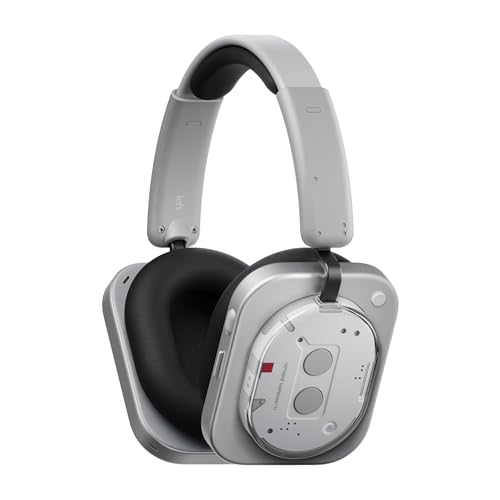

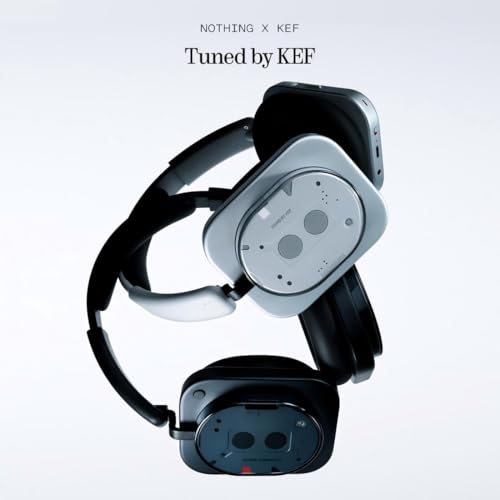
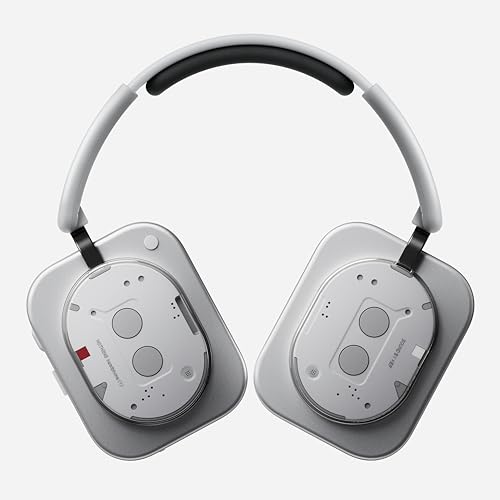
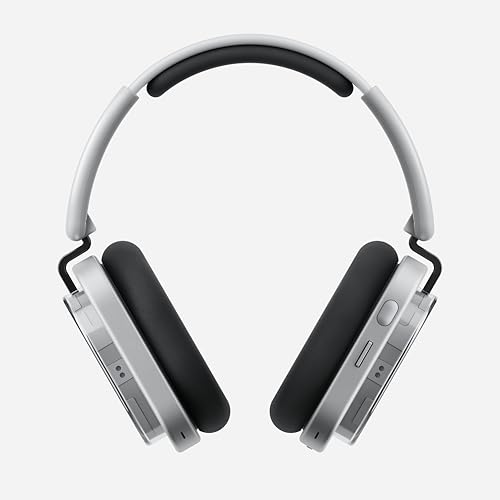
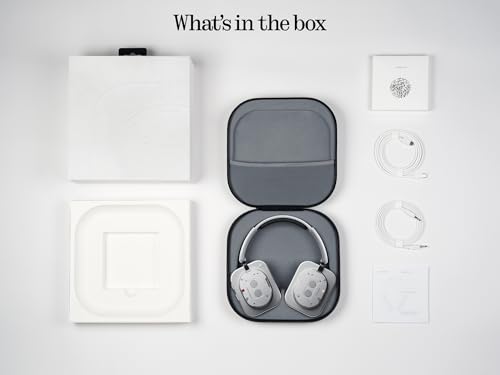
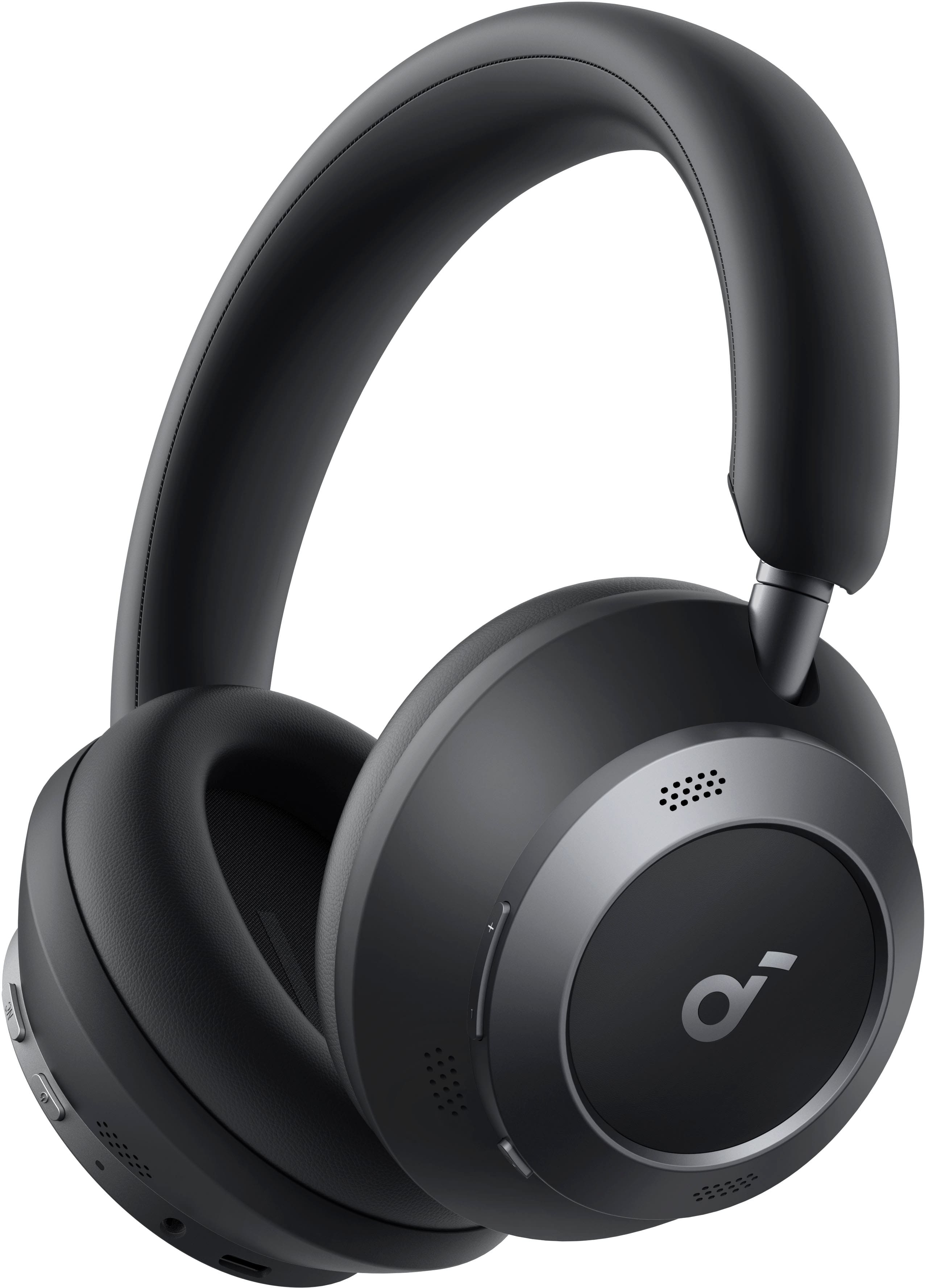
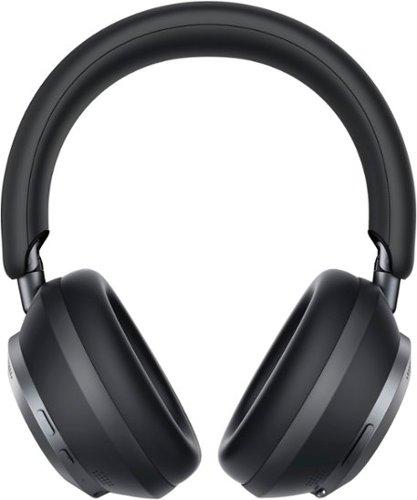
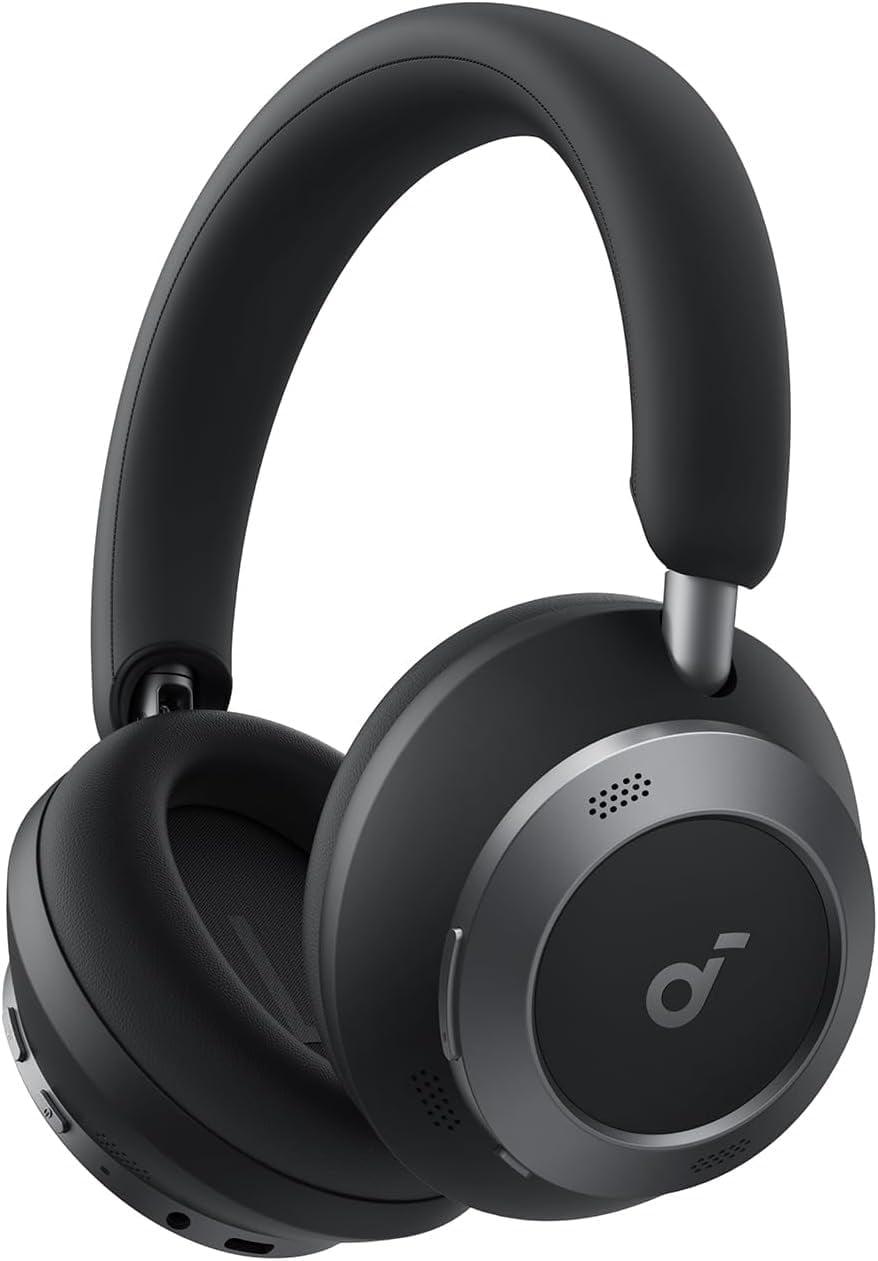
When I first started reviewing wireless headphones seriously, the market was dominated by a few big players charging premium prices for decent features. Fast forward to 2024 and beyond, and we're living in what I'd call the golden age of wireless over-ear headphones. Two products that perfectly illustrate this evolution are the Nothing Headphone (1), released in 2025, and the Soundcore Space One Pro, which hit the market in late 2024.
Both headphones represent fascinating approaches to the same basic challenge: how do you deliver premium audio experiences without breaking the bank? But they've taken remarkably different paths to get there.
Before diving into specifics, let's talk about what makes a great pair of wireless over-ear headphones in today's market. The fundamentals haven't changed much – you want good sound, comfortable fit, and reliable wireless connection. But the bar has been raised significantly in recent years.
Active Noise Cancellation (ANC) has moved from luxury feature to essential requirement. This technology uses microphones to detect ambient sound, then generates inverse sound waves to cancel out unwanted noise. Think of it like noise-fighting noise. The best systems can make a bustling coffee shop feel library-quiet.
Battery life expectations have also skyrocketed. Where 20 hours used to be impressive, we now expect 40+ hours as standard. Codec support – the technology that compresses and transmits audio wirelessly – has become increasingly important too. LDAC, developed by Sony, can transmit nearly three times more audio data than standard Bluetooth, meaning your music retains more of its original quality.
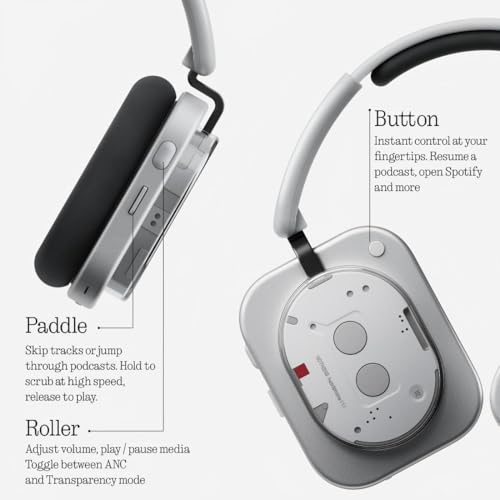
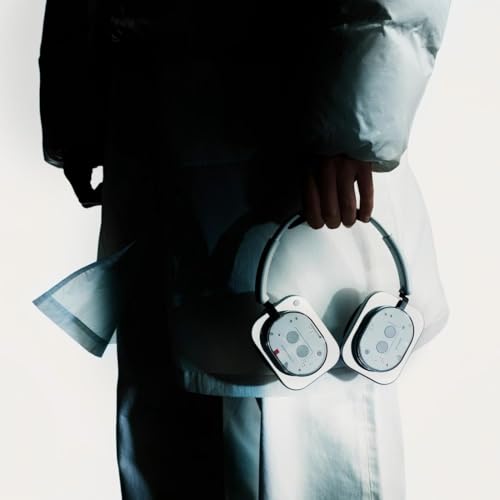
The most obvious difference between these headphones is their design approach. The Nothing Headphone (1) makes a bold statement with its transparent "squircle" earcups that reveal internal components. It's polarizing – you'll either love the futuristic aesthetic or find it gimmicky. At 329 grams, they're noticeably heavier than average, but Nothing has distributed that weight well across a pressure-relieving headband.
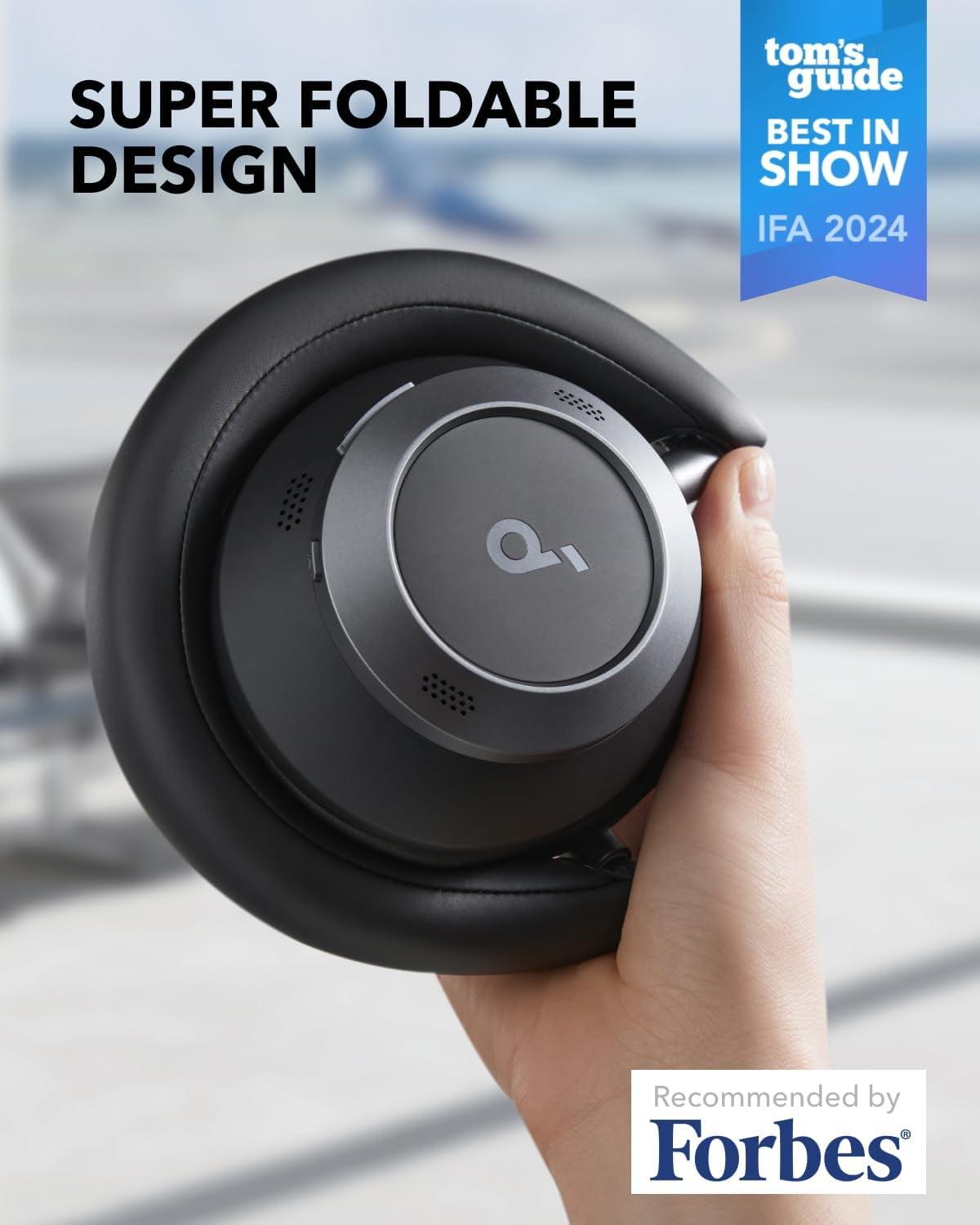
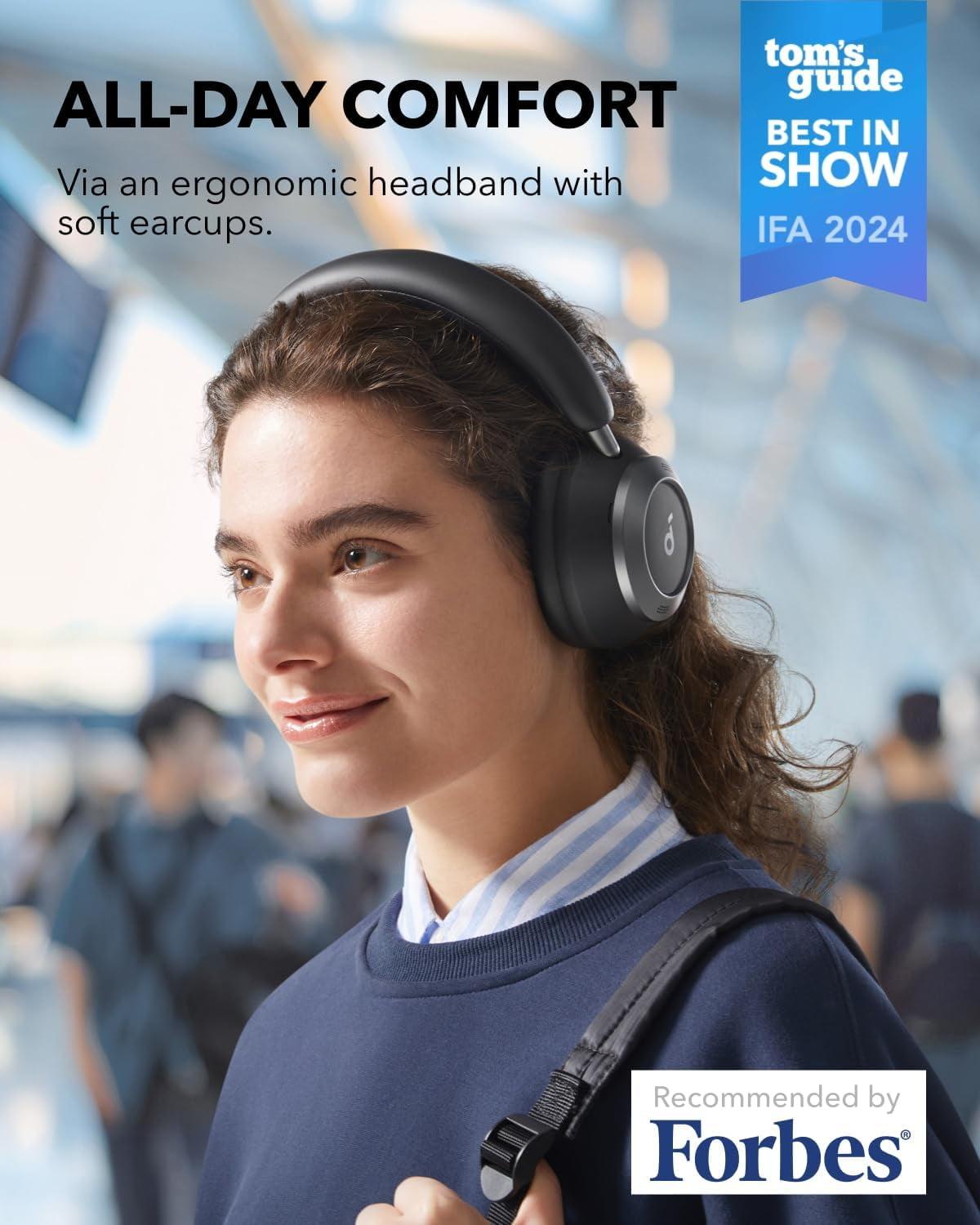
The Soundcore Space One Pro, weighing in at 284 grams, takes the opposite approach. Its FlexiCurve folding mechanism is genuinely innovative from a practical standpoint. These headphones fold down smaller than almost any competitor – smaller even than some earbuds cases. If you've ever struggled to fit bulky headphones in a carry-on bag, you'll immediately appreciate this engineering.
Both feature premium materials, but the Nothing pair includes IP52 water resistance, meaning they can handle sweat and light splashes. This makes them viable for gym use, which isn't typically recommended for over-ear headphones.
Sound quality represents where these headphones reveal their different personalities most clearly. The Nothing Headphone (1) features 40mm dynamic drivers with a nickel-coated polyurethane diaphragm – the part that actually moves to create sound waves. More importantly, Nothing partnered with KEF, a respected British audio company, for the tuning.
Out of the box, the Nothing headphones sound good but not spectacular. However, they include an 8-band equalizer with adjustable Q factor – that's the width of each frequency band you can adjust. This level of control is typically found in professional audio software. With some tweaking, these headphones can sound genuinely excellent, with well-defined bass and clear mids and highs.
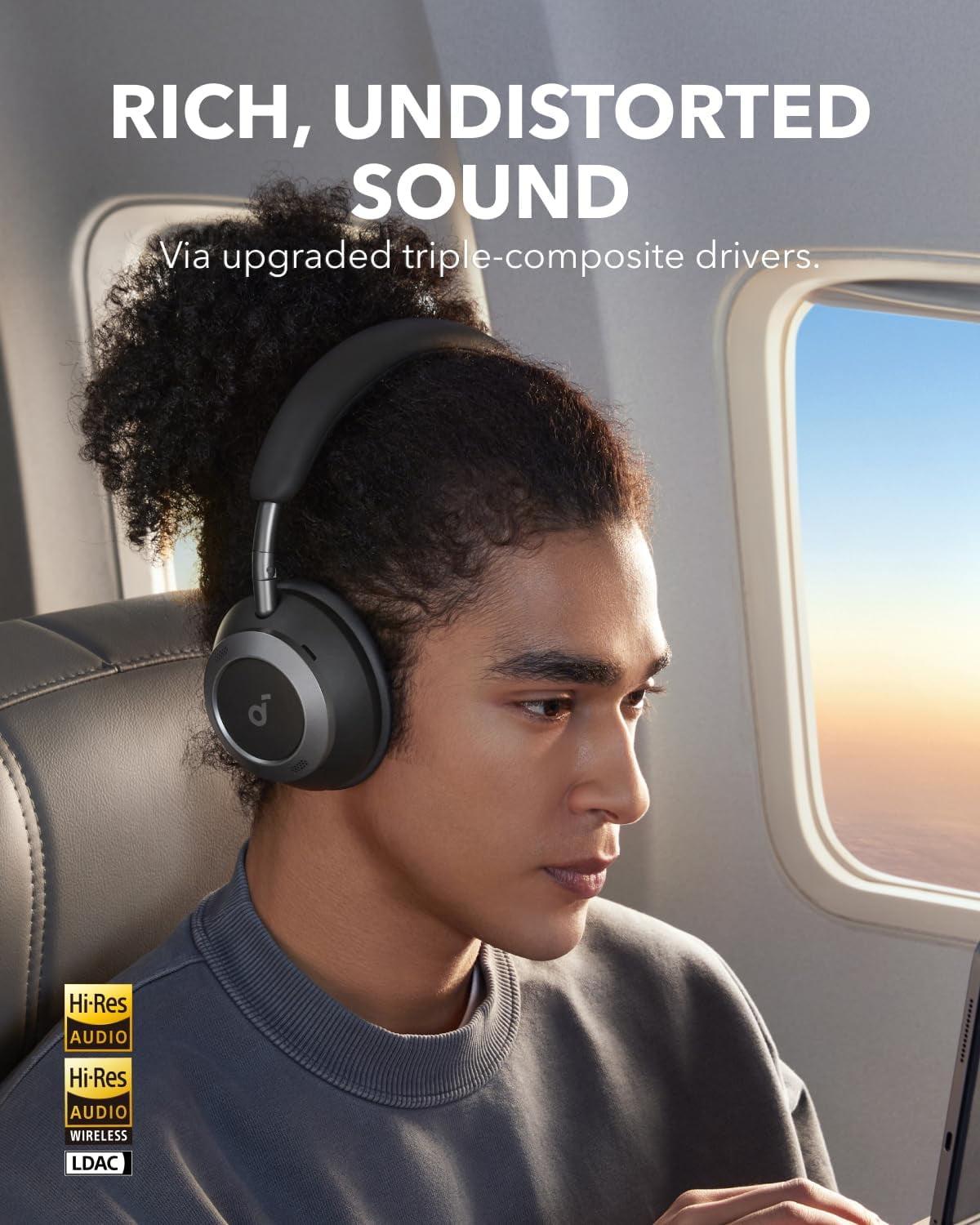
The Soundcore Space One Pro uses triple-composite drivers, which layer different materials to handle different frequency ranges more effectively. They're Hi-Res Audio certified and support LDAC for high-resolution wireless playback. However, the default tuning is notably bass-heavy, which some users love but others find overwhelming.
Soundcore's HearID 2.0 technology attempts to personalize sound by analyzing your hearing profile, but in practice, many users prefer manual EQ adjustments. The bass response is particularly powerful – sometimes too much so – but the overall technical capability is impressive for the price point.
For home theater use, both headphones offer different advantages. The Nothing Headphone (1) includes spatial audio with head tracking, which creates a more immersive surround sound experience when watching movies. The Soundcore Space One Pro supports Dolby Atmos, though this works best with compatible content and devices.
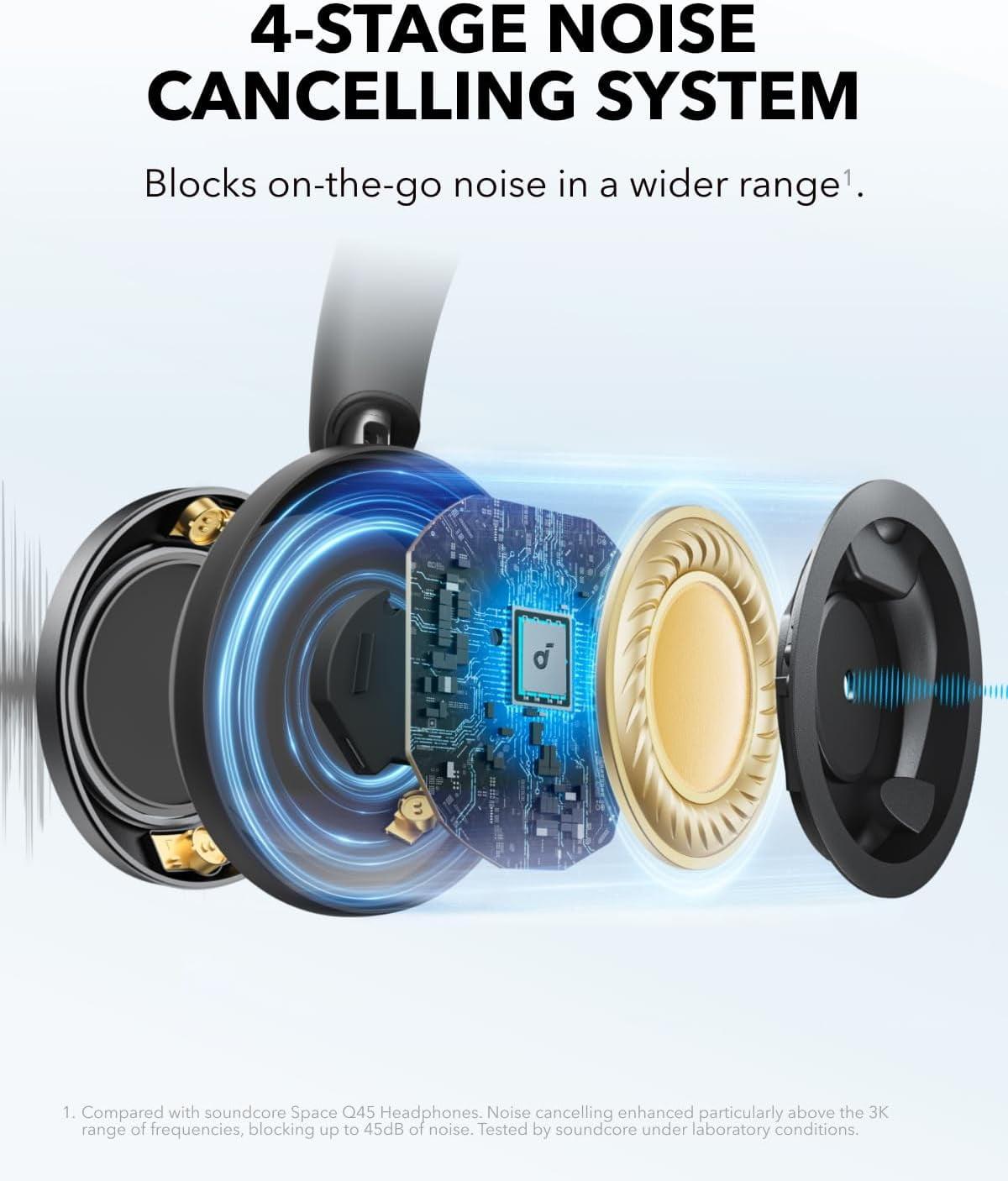
This is where the Soundcore Space One Pro really shines. Its 4-stage noise cancelling system represents some seriously advanced engineering. Six microphones detect ambient noise from all directions, while an expanded acoustic chamber – essentially a larger space inside the earcups – helps buffer external sounds passively.
The Adaptive ANC 3.0 algorithm continuously calculates and adjusts noise cancellation based on your environment and movement. In practice, this means the headphones get better at blocking noise as you wear them, adapting to things like whether you're walking, sitting, or even how they fit on your particular head shape.
The Nothing Headphone (1) uses a four-microphone array with AI-powered environmental noise cancellation. It's effective, reducing noise by up to 42 decibels, but it's more traditional in approach. The system handles steady, droning noises well – airplane engines, air conditioners, traffic – but struggles more with wind noise than the Soundcore.
Both offer transparency modes that let outside sound in when needed, but they work differently. Nothing's system sounds more natural, while Soundcore's is more adjustable with five different levels of ambient sound pass-through.
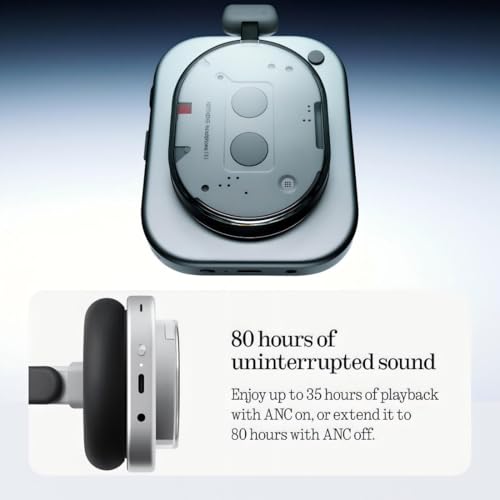
Here's where the Nothing Headphone (1) absolutely dominates. Eighty hours of total playback time is genuinely impressive – that's over three days of continuous music. Even with ANC enabled, you get 35 hours, which beats most competitors.
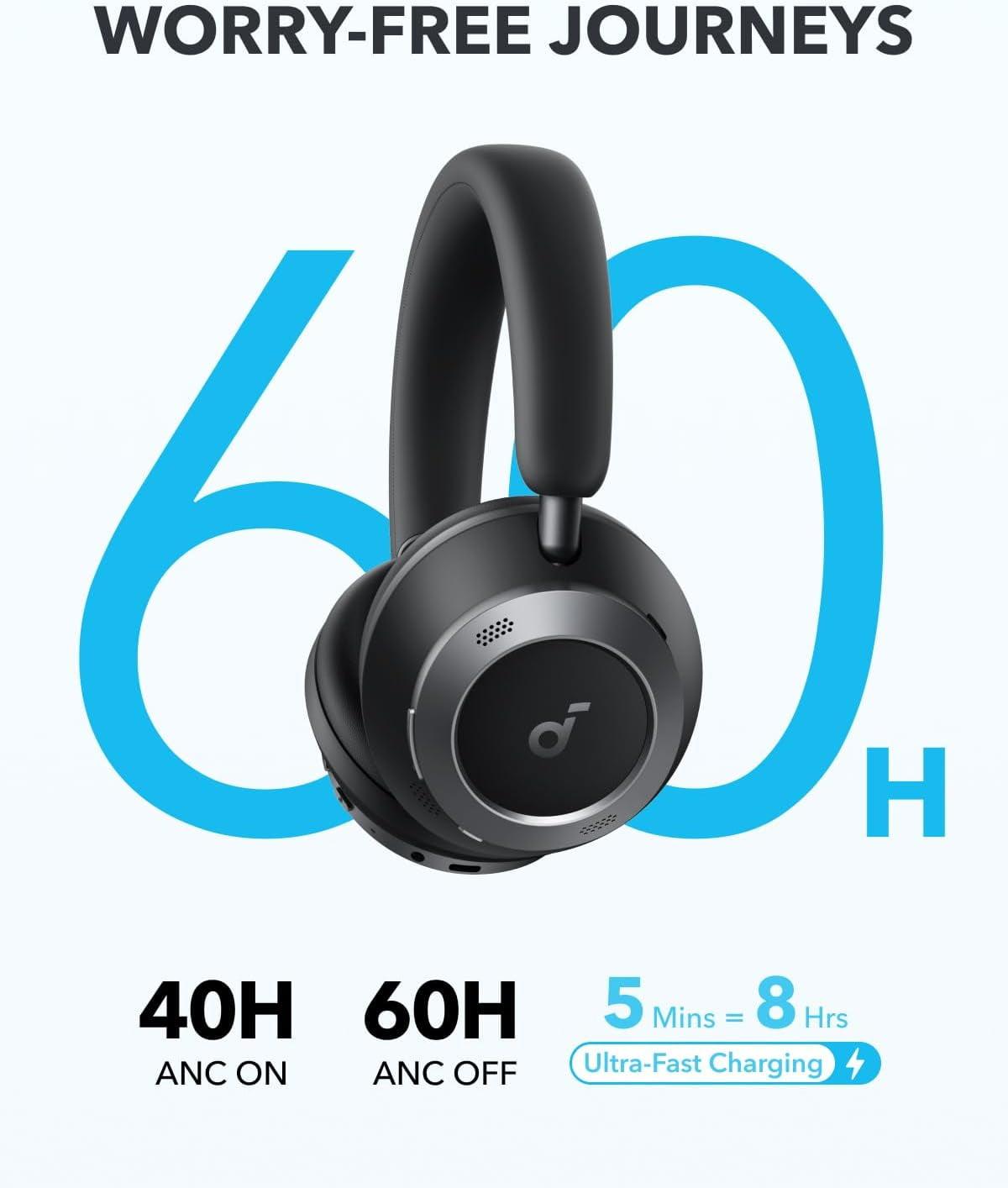
The Soundcore Space One Pro offers 60 hours without ANC and 40 hours with it enabled. Still excellent, but not quite as marathon-worthy. However, Soundcore's charging is notably faster – five minutes provides eight hours of playback, compared to five hours from the Nothing headphones.
In real-world use, both will easily last through long flights, road trips, or weeks of commuting. The difference becomes relevant if you frequently forget to charge your devices or take extended trips without reliable power access.
Modern wireless headphones are essentially small computers, and the feature sets reflect this complexity. The Nothing Headphone (1) includes wear detection sensors that automatically pause music when you remove them and resume when you put them back on. This seems basic, but it's surprisingly convenient in daily use.
Both support multipoint connection, meaning they can stay connected to two devices simultaneously – useful for switching between phone calls and computer audio without manual reconnecting. They also both use Bluetooth 5.3, the latest standard offering improved stability and power efficiency.
The Nothing Headphone (1) offers both USB-C audio and traditional 3.5mm wired connections, providing flexibility for different devices. The Soundcore Space One Pro only includes the 3.5mm option but can play music through it even when the battery is completely dead – a surprisingly useful backup feature.
One notable omission from the Soundcore Space One Pro is wear detection, which is particularly odd since cheaper Soundcore models include it.
If you regularly take calls on your headphones, the microphone quality becomes crucial. The Soundcore Space One Pro uses six AI-enhanced microphones with specialized wind noise reduction algorithms. In testing, voice clarity remains good even in noisy environments, making these suitable for business calls or video conferences.
The Nothing Headphone (1) uses four microphones with Clear Voice Technology, but several reviewers noted a slightly metallic quality to voice transmission. It's adequate for occasional calls but not ideal for frequent business use.
At the time of writing, the Nothing Headphone (1) commands a premium price reflecting its design focus and brand positioning. You're paying extra for the transparent aesthetic, KEF collaboration, and exceptional battery life. The question becomes whether these features justify the cost difference.
The Soundcore Space One Pro positions itself as a value champion, delivering features typically found in headphones costing significantly more. The ANC performance rivals premium competitors, the build quality feels solid, and the compact folding design solves real travel problems.
From a pure performance-per-dollar standpoint, the Soundcore offers more measurable benefits for less money. However, the Nothing headphones provide intangible value through design uniqueness and brand cache that some users will gladly pay for.
Both headphones represent significant improvements over their predecessors and competitors from just a few years ago. The Soundcore Space One Pro particularly benefits from advances in AI-powered noise cancellation and microphone arrays that weren't feasible in earlier generations.
The Nothing Headphone (1) showcases how collaboration between audio brands can elevate sound quality, similar to partnerships we've seen between smartphone manufacturers and audio specialists.
Looking forward, we're likely to see continued improvements in battery efficiency, ANC algorithms, and audio codecs. Features like spatial audio and personalized sound profiles will become standard rather than premium additions.
Choose the Nothing Headphone (1) if you value distinctive design, need maximum battery life, and don't mind paying extra for premium materials and brand appeal. These headphones make a statement and deliver genuine technical innovations, particularly in battery endurance.
Choose the Soundcore Space One Pro if you want flagship-level features at a more accessible price point. The superior ANC, excellent portability, and strong value proposition make these ideal for practical users who prioritize performance over aesthetics.
For most users, I'd recommend the Soundcore Space One Pro. The combination of advanced ANC technology, compact design, and competitive pricing creates a compelling package that's hard to beat. The Nothing Headphone (1) serves a different market – users who want something unique and are willing to pay for that distinction.
Both represent the current state of wireless headphone technology remarkably well. Your choice ultimately depends on whether you prioritize proven value or distinctive innovation. Either way, you're getting access to features that were premium luxuries just a few years ago, now available at prices that make high-quality wireless audio more accessible than ever.
| Nothing Headphone (1) | Soundcore Space One Pro |
|---|---|
| Weight - Critical for long-term comfort | |
| 329g (heavier but well-distributed) | 284g (45g lighter, more comfortable for extended wear) |
| Battery Life - Essential for travel and daily use | |
| 80 hours total, 35 hours with ANC (industry-leading endurance) | 60 hours total, 40 hours with ANC (excellent but not class-leading) |
| Active Noise Cancellation - Key for commuting and travel | |
| 4-mic array, up to 42dB reduction (good but not exceptional) | 6-mic array with 4-stage system, up to 98% reduction (superior performance) |
| Design & Portability - Important for travel convenience | |
| Transparent aesthetic, standard fold (unique but bulky) | FlexiCurve super-compact folding (exceptional portability) |
| Audio Drivers - Determines sound quality potential | |
| 40mm dynamic drivers with KEF tuning (requires EQ tweaking for best results) | 40mm triple-composite drivers, Hi-Res certified (bass-heavy out of box) |
| Water Resistance - Matters for gym/outdoor use | |
| IP52 rated (sweat and splash resistant) | None (indoor use only) |
| Codec Support - Affects wireless audio quality | |
| SBC, AAC, LDAC (comprehensive high-res support) | SBC, AAC, LDAC (matches premium competitors) |
| Smart Features - Convenience in daily use | |
| Wear detection, spatial audio, Find My Device | No wear detection, Dolby Atmos support |
| Call Quality - Important for business users | |
| 4-mic Clear Voice Technology (adequate, some metallic quality) | 6-mic AI array (superior voice clarity and noise suppression) |
| Charging Speed - Matters when you forget to charge | |
| 5 min = 5 hours playback (decent quick charge) | 5 min = 8 hours playbook (excellent fast charging) |
| Connectivity Options - Flexibility with different devices | |
| USB-C audio + 3.5mm wired (maximum compatibility) | 3.5mm only, works when powered off (basic but reliable) |
| Customization - Tailoring sound to your preferences | |
| 8-band EQ with Q factor adjustment (advanced but complex) | HearID 2.0 personalization + standard EQ (user-friendly) |
The Soundcore Space One Pro offers superior active noise cancellation with its 6-microphone array and 4-stage noise cancelling system that provides up to 98% noise reduction. The Nothing Headphone (1) has decent ANC with up to 42dB reduction, but it's not as advanced as the Soundcore's adaptive system that continuously adjusts to your environment.
The Nothing Headphone (1) leads significantly in battery life with 80 hours total playbook time and 35 hours with ANC enabled. The Soundcore Space One Pro offers 60 hours without ANC and 40 hours with ANC on, which is still excellent but not quite as impressive as Nothing's marathon endurance.
The Soundcore Space One Pro is more comfortable for extended wear due to its lighter 284g weight compared to the Nothing Headphone (1) at 329g. The Soundcore also features pressure-relieving headbands and slow-rebound ear cups designed specifically for all-day comfort.
The Soundcore Space One Pro excels at call quality with its 6 AI-enhanced microphones that provide superior voice isolation in noisy environments. The Nothing Headphone (1) has adequate call quality with 4-microphone Clear Voice Technology, but some users report a slightly metallic voice quality.
Both headphones benefit from EQ adjustments, but they have different approaches. The Nothing Headphone (1) features KEF-tuned drivers that sound refined with proper EQ tweaking, while the Soundcore Space One Pro has a bass-heavy signature that some love but others find overwhelming without customization.
The Soundcore Space One Pro is exceptional for travel thanks to its FlexiCurve folding design that makes it ultra-compact. The Nothing Headphone (1) is bulkier when folded but offers superior battery life for long trips and includes IP52 water resistance for versatile use.
The Soundcore Space One Pro typically offers better value, delivering flagship-level features like advanced ANC and Hi-Res audio at a more accessible price point. The Nothing Headphone (1) commands a premium for its unique transparent design, KEF collaboration, and exceptional battery life.
Both the Nothing Headphone (1) and Soundcore Space One Pro support multipoint Bluetooth connections, allowing you to stay connected to two devices simultaneously. This makes switching between phone calls and computer audio seamless without manual reconnecting.
The Nothing Headphone (1) is better suited for workouts due to its IP52 water resistance that protects against sweat and light splashes. The Soundcore Space One Pro lacks water resistance and is primarily designed for indoor use.
Both headphones offer features for home entertainment. The Nothing Headphone (1) includes spatial audio with head tracking for immersive movie experiences, while the Soundcore Space One Pro supports Dolby Atmos for enhanced surround sound when watching compatible content.
The Soundcore Space One Pro charges faster, providing 8 hours of playback from just 5 minutes of charging. The Nothing Headphone (1) offers 5 hours of playback from a 5-minute charge, which is still decent but not as impressive as the Soundcore's rapid charging capability.
The Nothing Headphone (1) includes more smart features like wear detection sensors that automatically pause/resume music, Find My Device support, and spatial audio. The Soundcore Space One Pro notably lacks wear detection but offers Dolby Atmos support and extensive customization through its companion app.
We've done our best to create useful and informative comparisons to help you decide what product to buy. Our research uses advanced automated methods to create this comparison and perfection is not possible - please contact us for corrections or questions. These are the sites we've researched in the creation of this article: recordingnow.com - loudnwireless.com - markellisreviews.com - tomsguide.com - tomsguide.com - youtube.com - cnet.com - soundguys.com - 9to5google.com - youtube.com - notebookcheck.net - techradar.com - us.kef.com - soundguys.com - alexreviewstech.com - walmart.com - us.nothing.tech - youtube.com - youtube.com - soundguys.com - loudnwireless.com - youtube.com - youtube.com - gadgetoid.com - youtube.com - soundguys.com - youtube.com - recordingnow.com - youtube.com - bestbuy.com - headphonecheck.com - support.soundcore.com - soundcore.com - soundcore.com - microcenter.com - tomsguide.com - us.soundcore.com - bestbuy.com - youtube.com - youtube.com

Privacy Policy
Terms and Conditions - Affiliate Policy
Home Security
© Copyright 2008-2026.
11816 Inwood Rd #1211, Dallas, TX 75244