

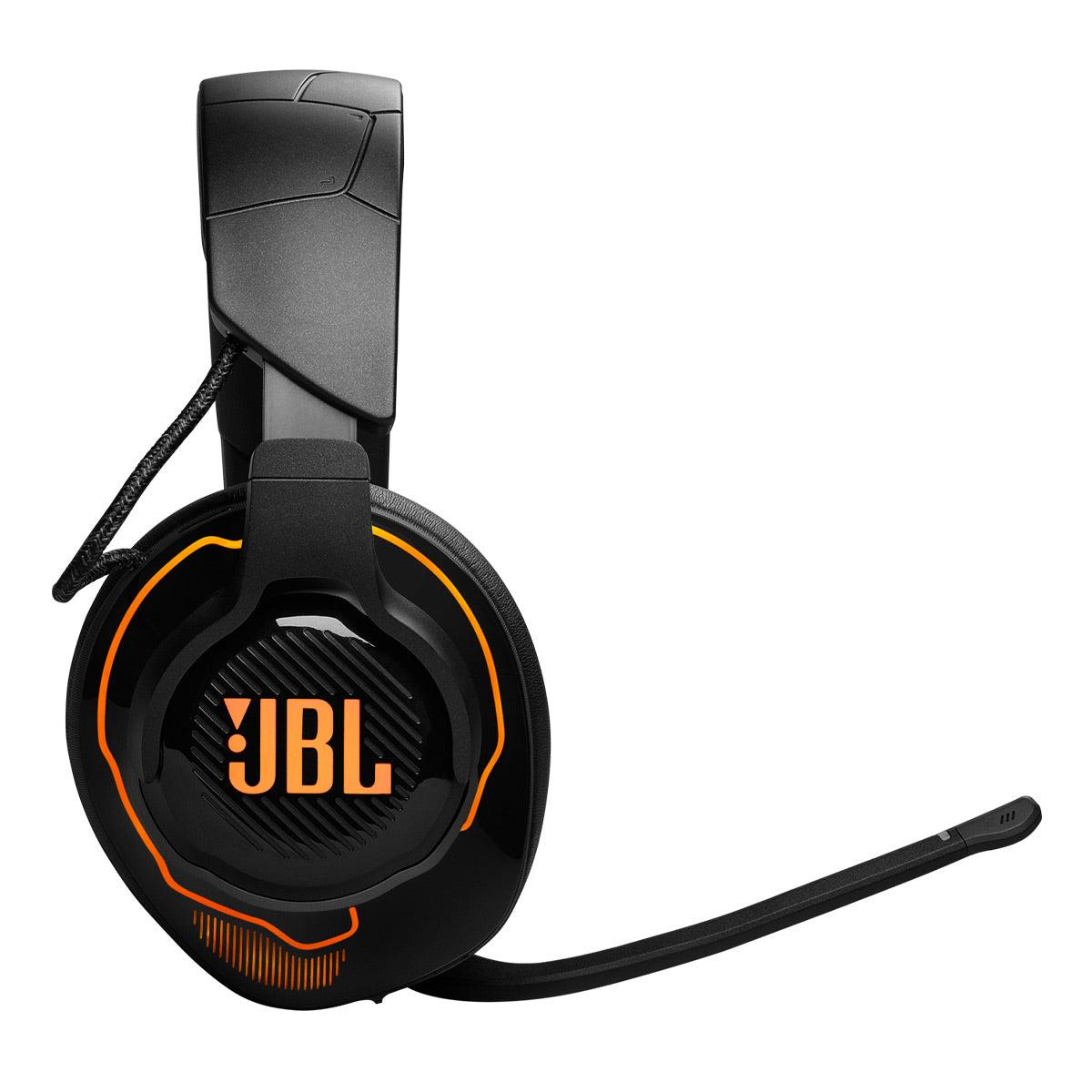
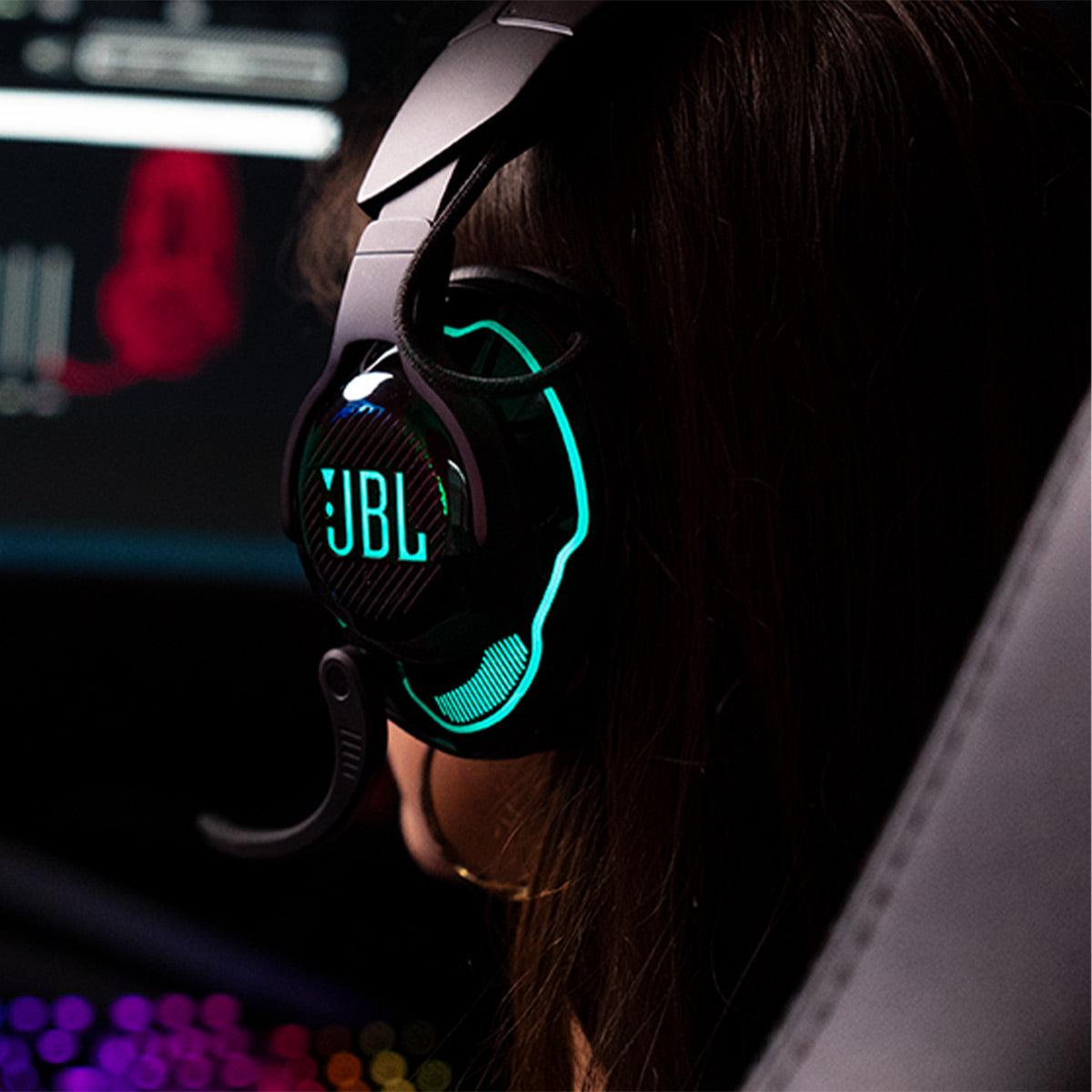
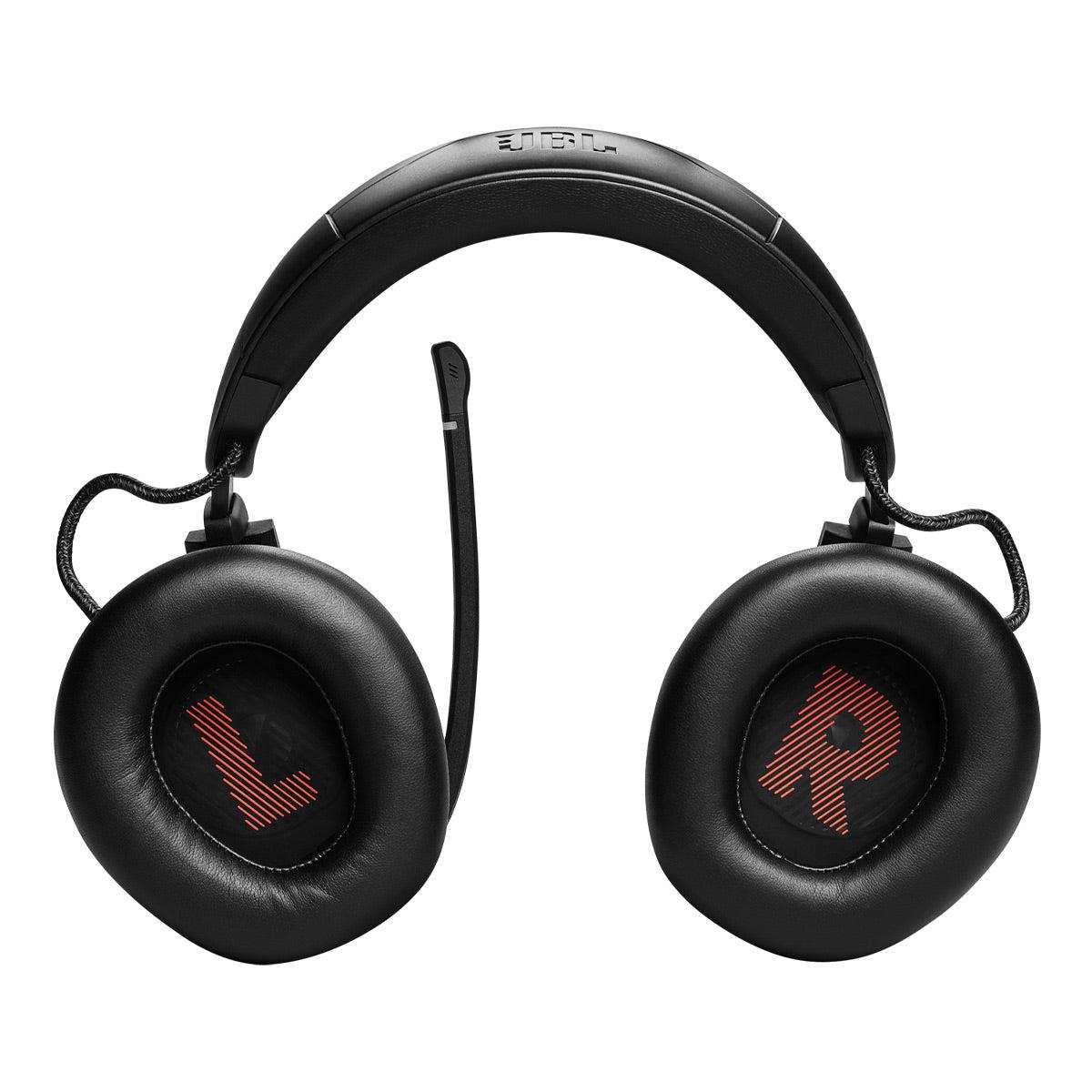


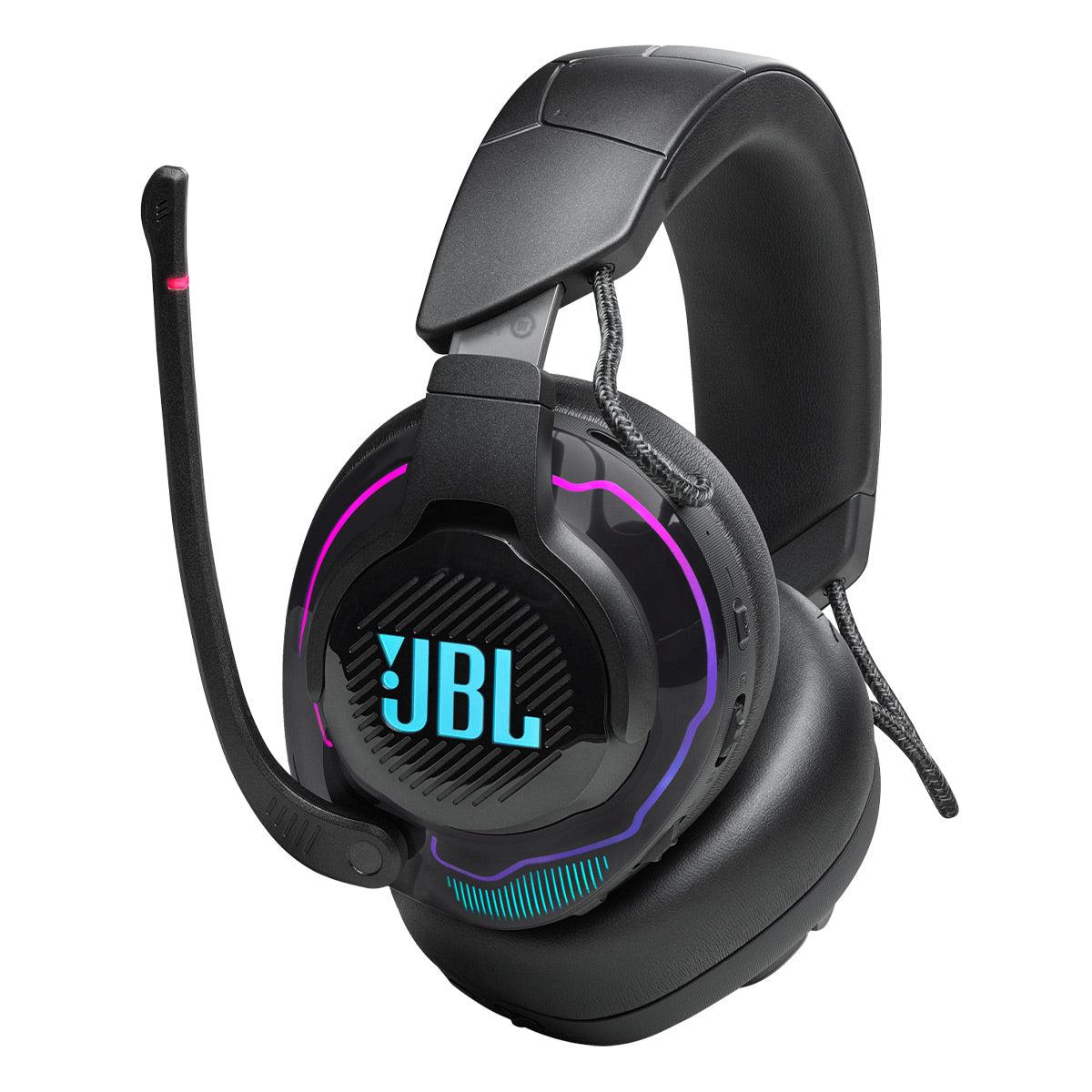
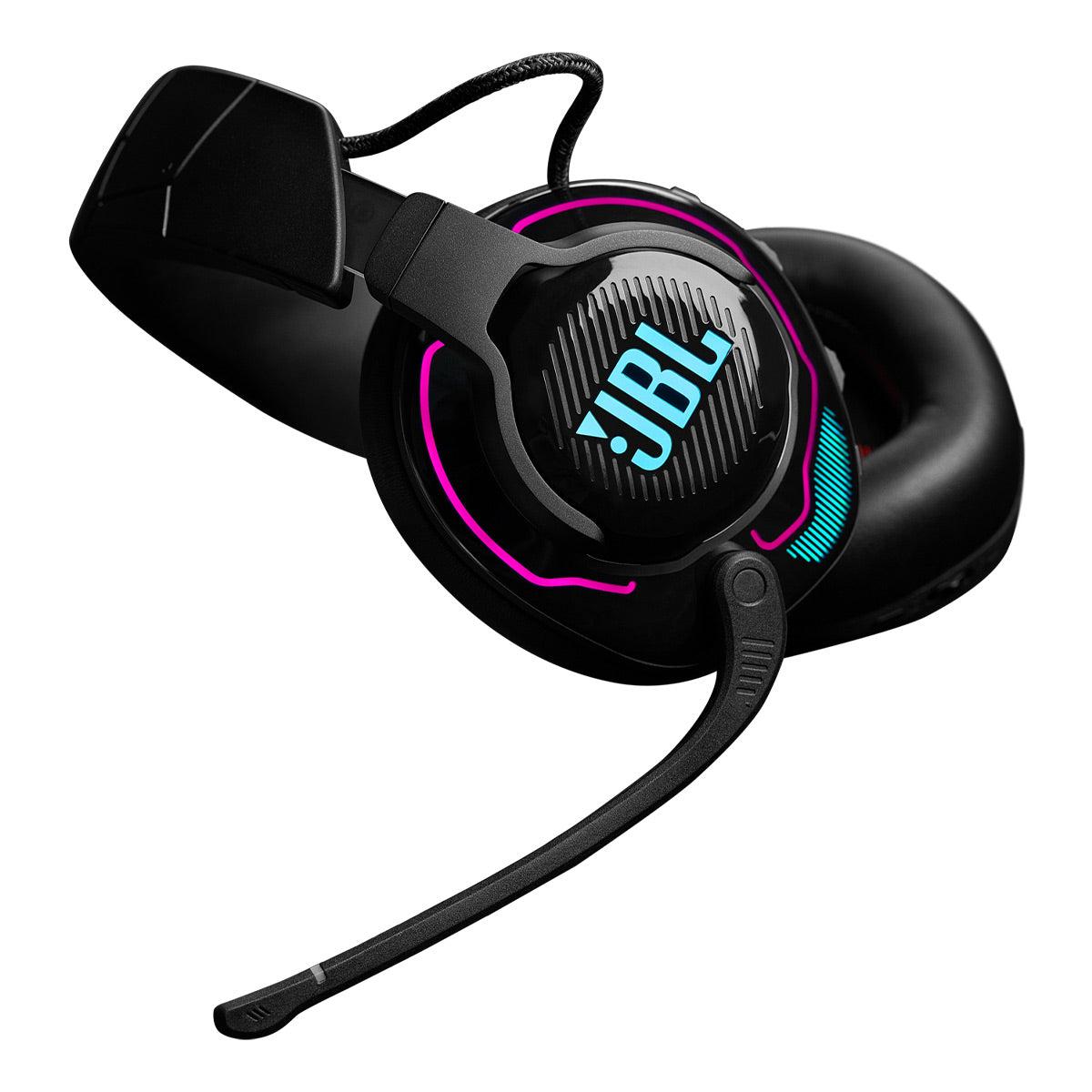
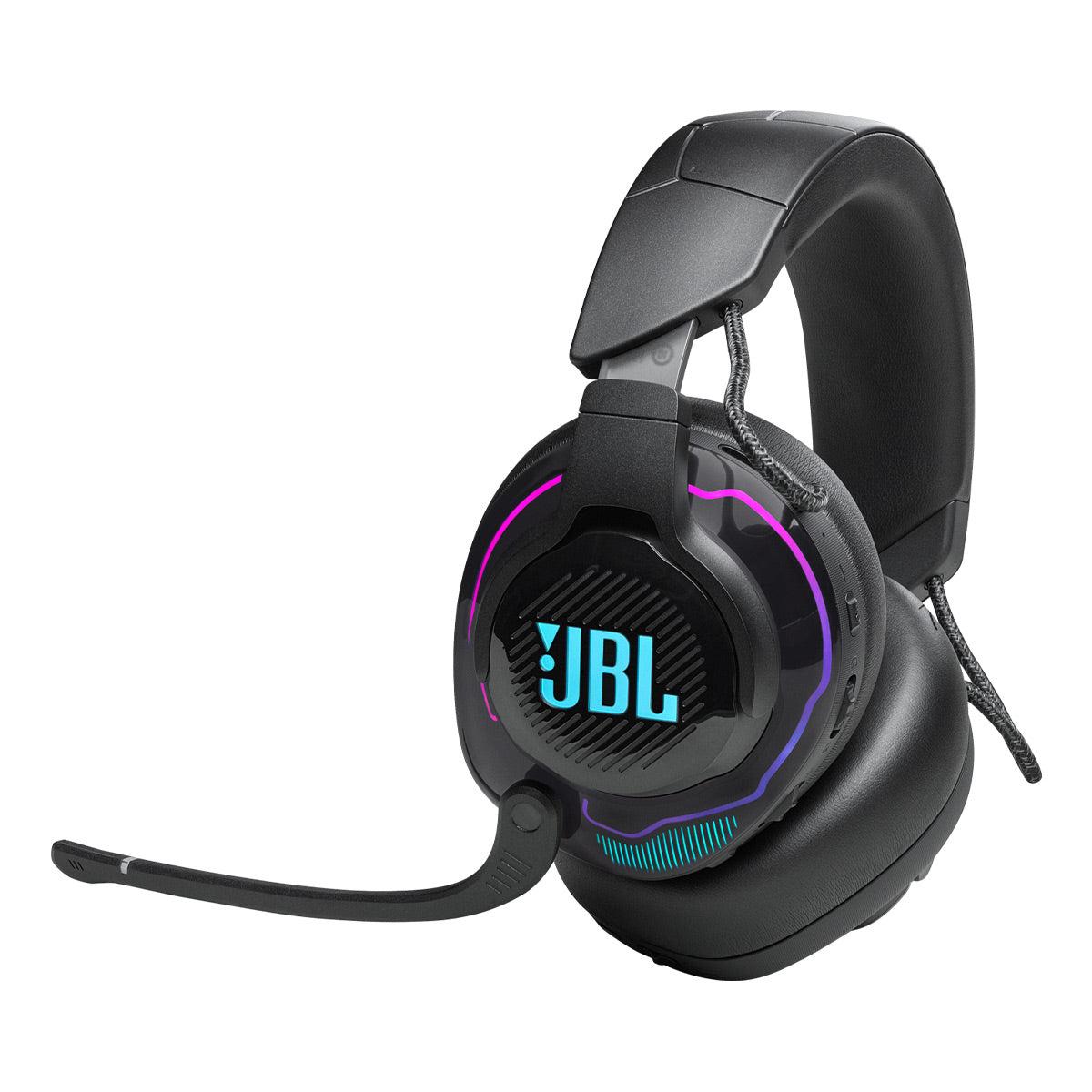
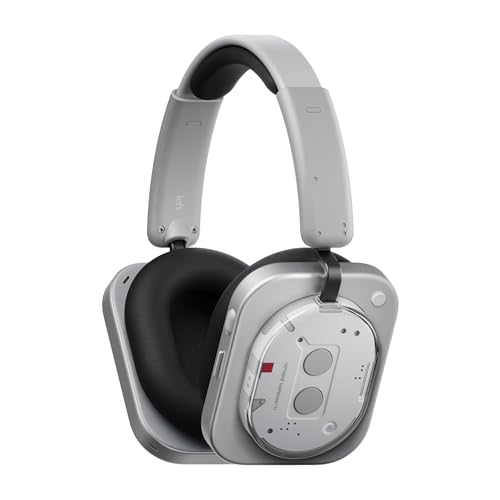
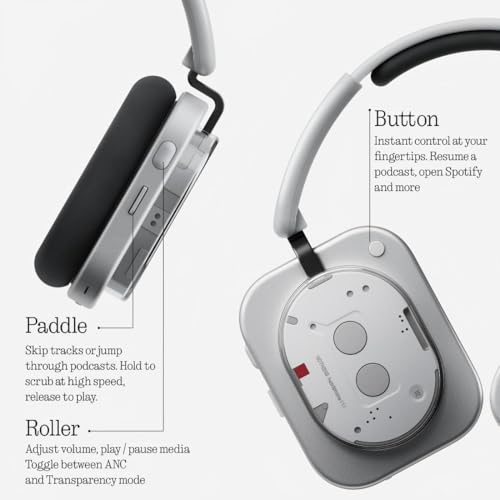

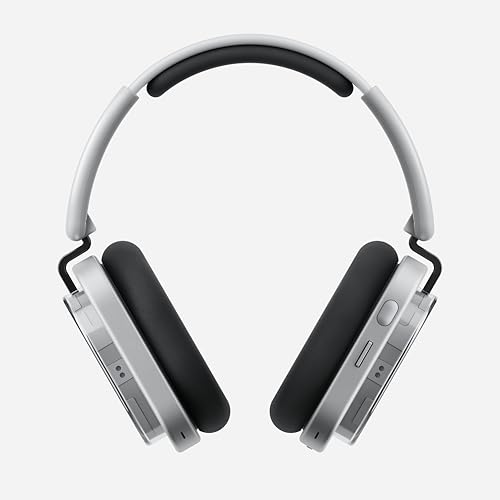
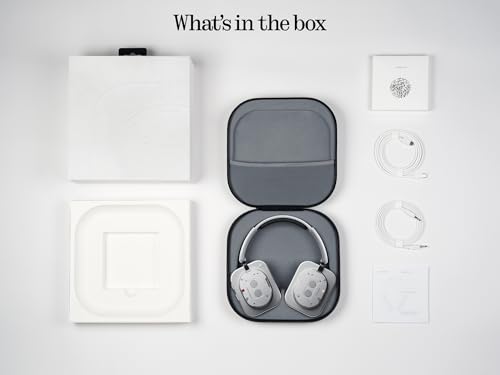
When shopping for wireless over-ear headphones, you'll quickly discover that not all headphones are created equal. The JBL Quantum 910 Wireless and Nothing Headphone (1) represent two completely different approaches to wireless audio—one laser-focused on gaming excellence, the other designed for versatile everyday use. Understanding these differences is crucial because buying the wrong type can leave you disappointed and out several hundred dollars.
Both headphones launched in the mid-2020s during a period of rapid innovation in wireless audio technology. The JBL Quantum 910 arrived as gaming headsets began incorporating sophisticated spatial audio and head-tracking features previously reserved for high-end VR systems. Meanwhile, the Nothing Headphone (1) launched in 2024 as part of Nothing's expansion beyond smartphones, bringing their signature transparent design language to over-ear headphones for the first time.
The fundamental difference between these headphones lies in their intended purpose. Gaming headphones like the JBL Quantum 910 prioritize competitive advantages—think pinpoint enemy footstep location, crystal-clear team communication, and zero audio lag. General-purpose headphones like the Nothing Headphone (1) focus on versatile audio quality, all-day comfort, and seamless integration with your daily routine.
This distinction matters more than you might think. A gaming headset's tuning emphasizes certain frequencies to help you hear important game sounds, while consumer headphones aim for balanced sound across all types of music and media. It's like comparing a race car to a luxury sedan—both get you places, but they're optimized for entirely different experiences.
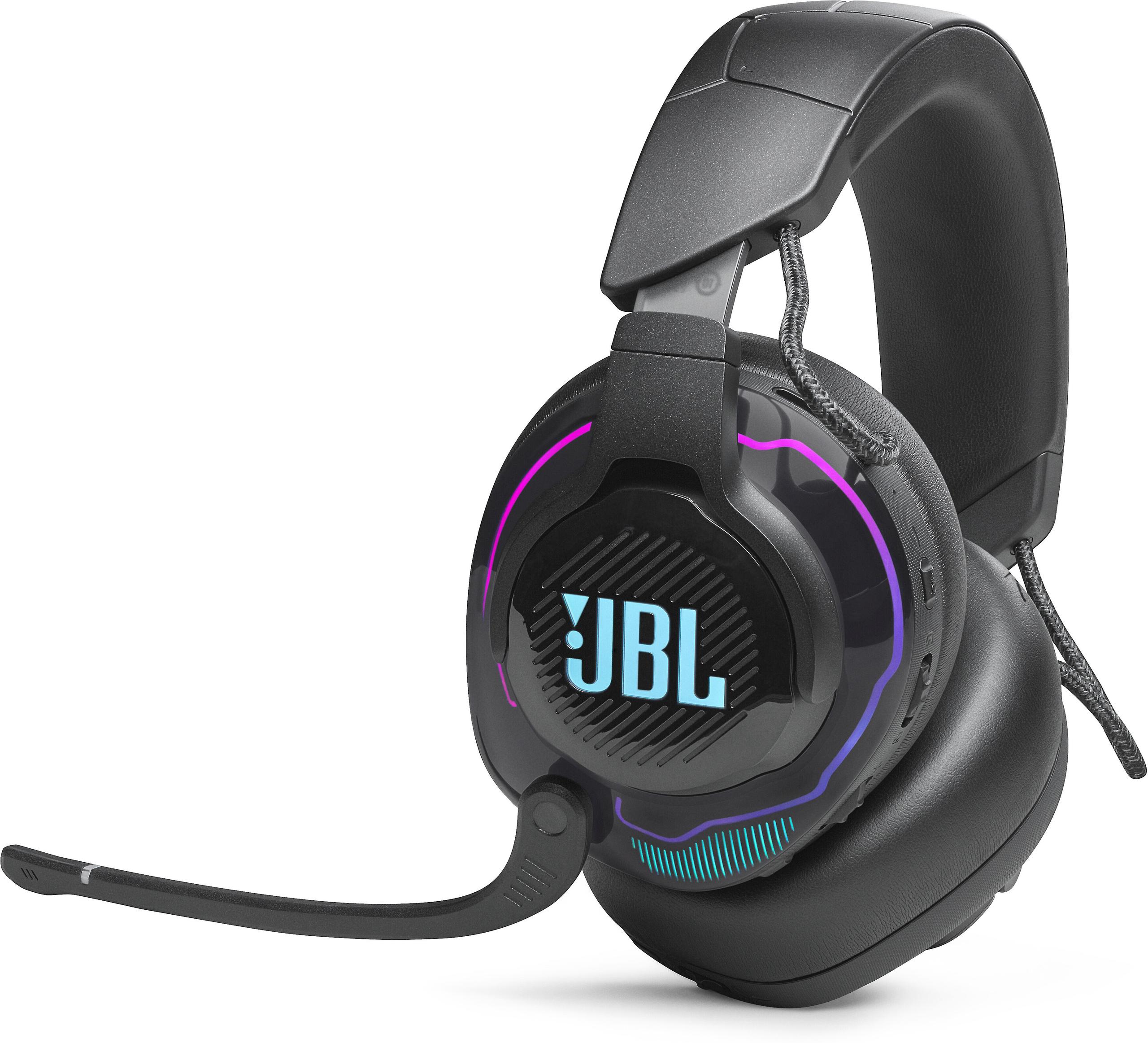
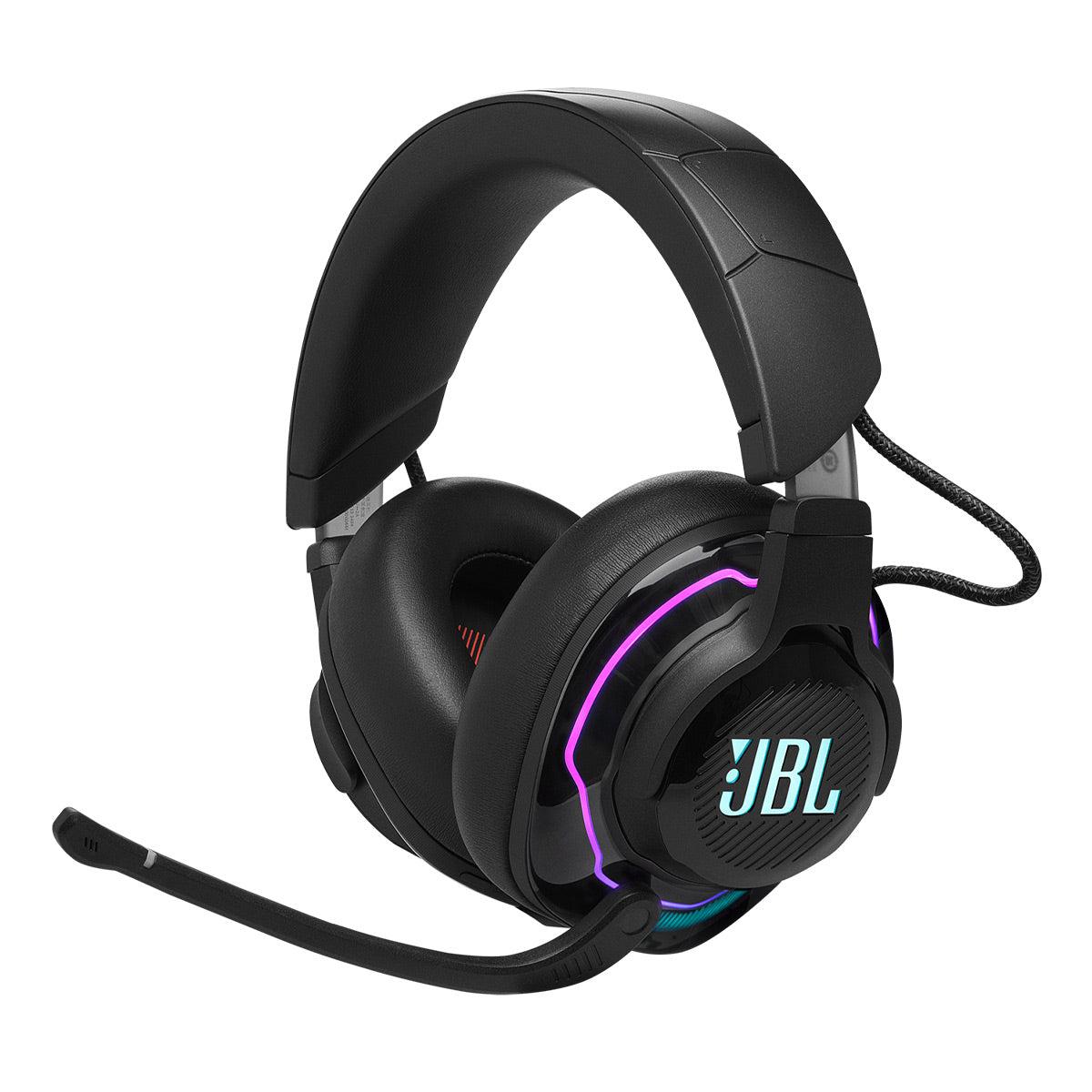
The JBL Quantum 910 uses 50mm drivers—larger than most headphones—tuned specifically by JBL's audiologists for gaming environments. This "QuantumSOUND Signature" emphasizes detail retrieval and spatial positioning over smooth frequency response. In practical terms, this means footsteps, gunshots, and environmental cues sound crisp and distinct, even when there's chaos happening on-screen.
The headset also supports Hi-Res Audio certification, meaning it can reproduce frequencies up to 40kHz when wired (most humans hear up to 20kHz, but the extra range can affect how natural everything sounds). More importantly for gamers, it includes DTS Headphone:X v2.0 processing—a fancy way of saying it can take regular stereo game audio and create convincing surround sound that helps you pinpoint where sounds are coming from.
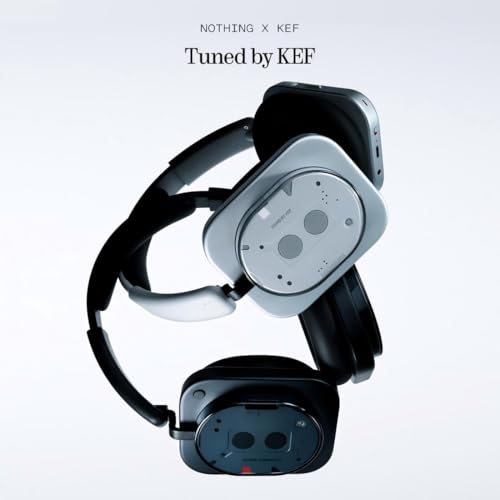
In contrast, the Nothing Headphone (1) takes a collaboration approach, partnering with KEF—a respected British audio company known for premium speakers—to tune their 40mm drivers. This results in more balanced, musical sound that works well across genres. While the drivers are smaller than the JBL's, they use a nickel-coated polyurethane diaphragm (the part that vibrates to create sound) designed for accuracy rather than gaming-specific emphasis.
The Nothing headphones shine with their extensive equalization options. They include an 8-band parametric EQ, which is audio-nerd speak for incredibly precise sound customization. You can adjust not just how much bass or treble you want, but exactly which frequencies get boosted and how narrow or wide that boost affects surrounding frequencies. Most headphones only offer basic presets, making this level of control quite special.
Here's where things get really interesting. The JBL Quantum 910 includes integrated head-tracking sensors—tiny gyroscopes that detect when you turn or tilt your head. Combined with their QuantumSPHERE 360 technology, this creates a "fixed" audio environment where sounds stay positioned in virtual space even as you move your head.
Imagine you're playing a shooter and hear an enemy to your right. With traditional headphones, that sound moves with your head—turn right, and the enemy still sounds like they're coming from your right ear. With head-tracking, the sound stays positioned in the game world. Turn your head right, and that enemy sound now comes from straight ahead because you've rotated toward them. It sounds gimmicky, but the competitive advantage is real.
The system even includes a calibration microphone that maps your specific ear shape and head size, personalizing the spatial audio. This level of customization typically costs thousands of dollars in professional audio equipment.
The Nothing Headphone (1) includes basic spatial audio support that works with standard formats like Apple Spatial Audio, but it's not gaming-optimized. It's more like watching a movie with surround sound—nice for immersion, but not designed to give you competitive advantages.
Both headphones include Active Noise Cancellation (ANC)—technology that uses microphones to detect outside noise and generates opposite sound waves to cancel it out. However, their implementations serve different purposes.
The JBL Quantum 910's ANC is specifically tuned for gaming environments. It's designed to reduce distracting household noise while preserving important audio cues in games. This means it's effective against steady sounds like air conditioning or computer fans, but it won't completely isolate you from your surroundings. For gaming, this balance is intentional—you still want to hear your phone ring or someone calling your name.
The Nothing Headphone (1) offers more aggressive ANC with up to 42 decibels of noise reduction. That's significant—enough to make airplane engines fade to a whisper. It includes multiple intensity levels (low, medium, high, and adaptive), letting you choose how isolated you want to be. The adaptive mode automatically adjusts based on your environment, increasing cancellation on noisy subway cars and reducing it in quiet offices.
However, our research into user experiences reveals that the Nothing headphones struggle with wind noise when used outdoors—a common issue with ANC headphones that have external microphones. The transparency mode (which lets outside sound in when you need awareness) is highly regarded, sounding more natural than many competitors.
This category shows the starkest difference between these headphones. The JBL Quantum 910 includes a dedicated flip-up boom microphone—a long, adjustable arm that positions a directional microphone close to your mouth. This design, borrowed from aviation and professional gaming, provides several advantages: the microphone picks up your voice clearly while rejecting background noise, you can instantly mute by flipping it up, and the close positioning means you don't have to speak loudly.
The boom mic includes echo cancellation (removes the hollow sound of your voice bouncing off walls) and noise suppression (filters out keyboard clicks, fan noise, etc.). It's also Discord certified, meaning it meets specific standards for gaming voice chat quality. Most importantly, the JBL Quantum 910 includes a hardware game/chat balance dial, letting you adjust the mix between game audio and team chat without touching software settings.
The Nothing Headphone (1) uses an integrated four-microphone array—small microphones built into the ear cups. While this creates a cleaner look, it faces the inherent challenge of being farther from your mouth. The headphones include AI-powered Clear Voice Technology to compensate, using processing to enhance your voice and suppress background noise.
For video calls and casual phone conversations, this setup works fine. However, our evaluation of user feedback suggests that voice quality doesn't match dedicated boom microphones, particularly in noisy environments. The trade-off is aesthetics and versatility—you won't look like a gamer on a business call, but you also won't sound quite as clear as someone using gaming-focused hardware.
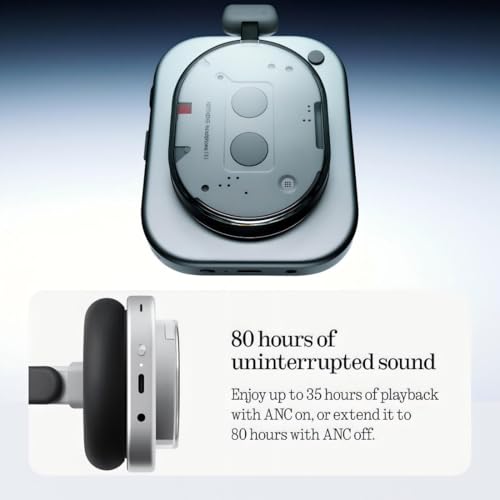
Here's where the Nothing Headphone (1) pulls decisively ahead. With up to 80 hours of playback time (ANC off) and 35 hours with ANC active, it offers exceptional endurance. Even more impressive is the fast charging—just five minutes of charging provides five hours of use. This makes them ideal for travel, commuting, and daily use where you might forget to charge regularly.
The JBL Quantum 910 provides respectable 39-hour battery life with ANC enabled, but requires 3.5 hours for a full charge—significantly longer than the Nothing headphones. However, it includes play-and-charge functionality, so you can continue gaming while plugged in, which matters more for extended gaming sessions than daily portability.
Both headphones support simultaneous connections to multiple devices, but they handle this differently. The JBL Quantum 910 can connect via both 2.4GHz wireless (for low-latency gaming) and Bluetooth (for phone calls or music) simultaneously. This means you can game on your PC while staying connected to your phone for calls—incredibly useful for content creators or anyone who needs to stay reachable during gaming sessions.
The Nothing Headphone (1) uses standard Bluetooth multipoint, connecting to two Bluetooth devices and seamlessly switching between them. This works better for typical daily use, like switching between your laptop and phone, but doesn't offer the low-latency gaming connection.
For home theater use, both headphones offer interesting but different advantages. The JBL Quantum 910 excels with movie gaming and gaming-adjacent entertainment. The head-tracking spatial audio creates convincing surround sound for movies and shows, particularly on PC where the full feature set is available. The large 50mm drivers provide impactful bass for action scenes, and the detailed sound signature makes dialogue crisp and clear.
However, the gaming-focused tuning may not be ideal for all movie genres. Romantic comedies or dramas might sound overly bright or analytical compared to headphones tuned for music consumption.
The Nothing Headphone (1) represents a better choice for general home theater use. The KEF tuning provides more natural, balanced sound across different content types. The extensive EQ options let you create custom profiles for movies, music, or late-night viewing where you need to keep bass levels down. The superior noise cancellation also helps in noisy households where you need isolation to enjoy content.
Both headphones support wired connections (3.5mm for both, plus USB-C for the Nothing), ensuring compatibility with any home theater setup, including older equipment that lacks Bluetooth.
When evaluating these headphones, certain performance characteristics matter more than others. For gaming headphones like the JBL Quantum 910, the most critical metrics are:
Latency (delay between audio being sent and heard): Gaming demands under 20 milliseconds to stay competitive. The 2.4GHz wireless connection achieves this, while Bluetooth typically adds 100-200ms delay.
Positional accuracy: How precisely you can identify sound direction and distance. The head-tracking and spatial processing significantly improve this over standard stereo.
Microphone clarity: Critical for team communication. Boom microphones consistently outperform integrated arrays.
Comfort during extended use: Gaming sessions can last 6+ hours. The 420-gram weight of the JBL Quantum 910 is on the heavier side but manageable with proper padding.
For general-purpose headphones like the Nothing Headphone (1), different metrics take priority:
Frequency response balance: How evenly the headphones reproduce different frequencies. The KEF tuning provides better balance for music than the gaming-focused JBL.
Noise cancellation effectiveness: Measured in decibels of reduction. The Nothing headphones' 42dB rating is strong for this price range.
Battery efficiency: Hours per charge cycle and charging speed. The Nothing headphones excel here.
Versatility: How well they perform across different use cases. The Nothing headphones adapt better to various scenarios.
After extensive research into user experiences and expert evaluations, clear usage patterns emerge for each headphone.
Choose the JBL Quantum 910 if gaming represents your primary audio use case. The head-tracking spatial audio provides genuine competitive advantages in multiplayer games—you'll hear enemy movements more precisely and react faster to audio cues. Content creators will appreciate the professional-quality boom microphone and dual-connection capability for managing game and chat audio separately.
The headphones also excel for immersive single-player gaming. The spatial processing makes games feel more cinematic and engaging. However, at the time of writing, expect to pay a premium for these specialized features, and recognize that you're paying for capabilities you might not use outside of gaming.
The Nothing Headphone (1) makes more sense for versatile daily use. The superior battery life and fast charging suit commuting and travel better. The balanced KEF tuning works well across music genres, podcasts, and video content. The effective noise cancellation helps in noisy environments where the gaming-focused JBL might not isolate as well.
For home theater use specifically, the Nothing headphones' more natural sound signature and extensive EQ options provide better flexibility across different content types.
Both headphones succeed in their intended roles, but they serve fundamentally different users. The JBL Quantum 910 is a specialized tool that excels at gaming but offers limited advantages elsewhere. It's like buying a professional camera—amazing for photography, but overkill if you just need to take vacation pictures.
The Nothing Headphone (1) represents a more balanced approach—good at many things without being exceptional at any one task. For most people, this versatility provides better value and daily utility.
At the time of writing, both headphones command premium prices, but the Nothing headphones typically cost slightly less while offering broader utility. The JBL justifies its price premium for serious gamers who will use the advanced features, but casual gamers might find better value in the Nothing headphones' all-around competence.
Your decision ultimately depends on honest assessment of your primary use case. If gaming dominates your audio needs and you want every possible advantage, the JBL Quantum 910 delivers technology that standard headphones simply cannot match. If you need headphones that excel across various daily scenarios, the Nothing Headphone (1) provides superior versatility and style.
| JBL Quantum 910 Wireless Gaming Headset | Nothing Headphone (1) Wireless Over-Ear Headphones |
|---|---|
| Driver Size - Larger drivers typically produce more impactful bass and overall volume | |
| 50mm neodymium drivers | 40mm dynamic drivers with nickel-coated PU diaphragm |
| Audio Tuning - Determines how music and games will sound out of the box | |
| JBL QuantumSOUND Signature (gaming-optimized for spatial positioning) | KEF-tuned signature (balanced for music with extensive 8-band parametric EQ) |
| Spatial Audio Technology - Game-changing for competitive gaming, less important for music | |
| JBL QuantumSPHERE 360 with integrated head-tracking and calibration mic | Basic spatial audio with head-tracking (not gaming-optimized) |
| Active Noise Cancellation - Critical for commuting and noisy environments | |
| Gaming-tuned ANC (preserves important game audio cues) | Up to 42dB adaptive ANC with multiple intensity levels |
| Battery Life - More hours means less frequent charging | |
| Up to 39 hours (ANC on, RGB off) | Up to 80 hours (ANC off) / 35 hours (ANC on) |
| Charging Speed - How quickly you can get back to using them | |
| 3.5 hours for full charge | 5 minutes = 5 hours playback (exceptionally fast) |
| Microphone Design - Boom mics are superior for gaming communication | |
| Flip-up boom microphone with Discord certification | Four-microphone array with Clear Voice Technology |
| Connectivity Options - Different wireless tech serves different needs | |
| Simultaneous 2.4GHz (low-latency gaming) + Bluetooth 5.2 | Bluetooth 5.3 multipoint + USB-C audio + 3.5mm |
| Weight - Heavier headphones can cause fatigue during long sessions | |
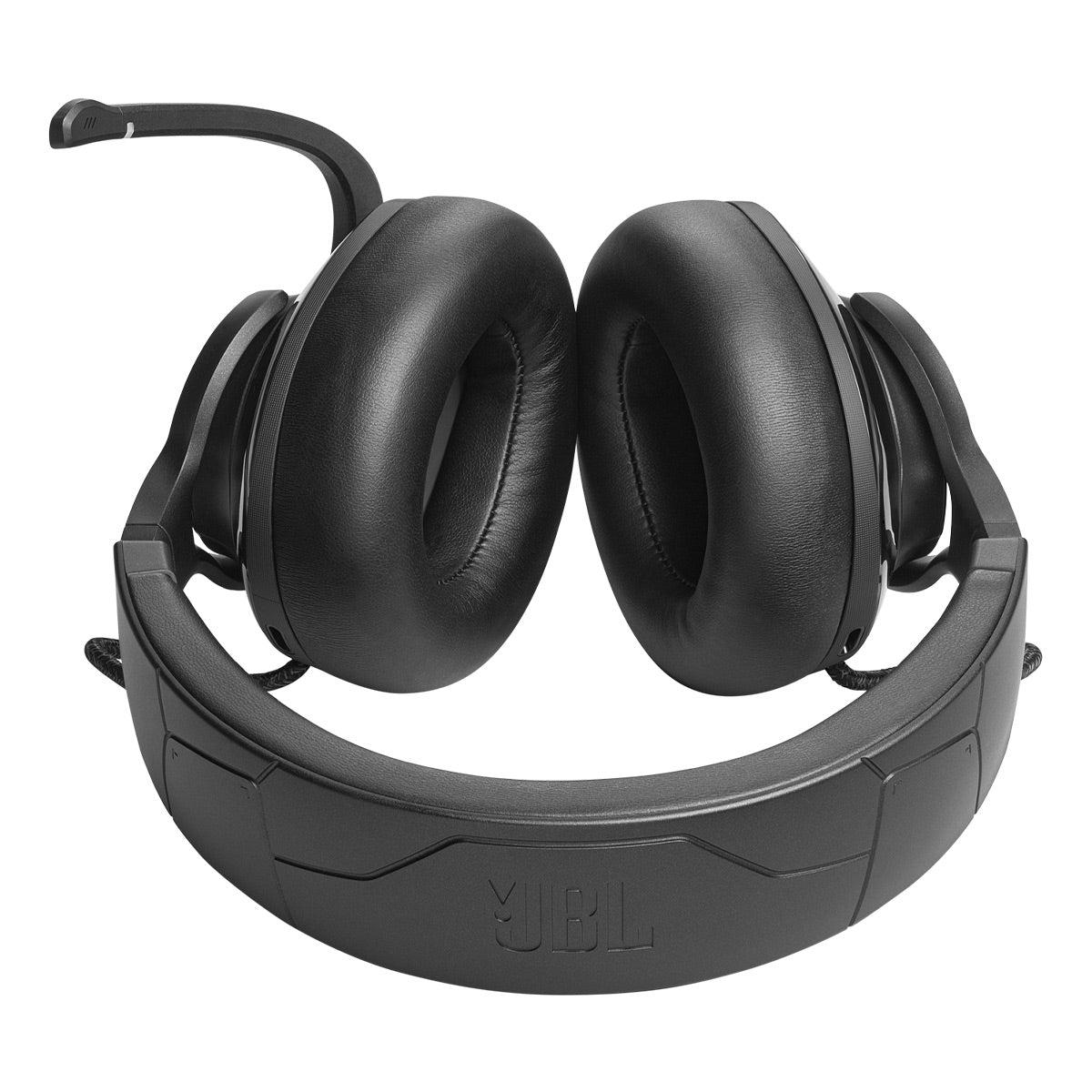
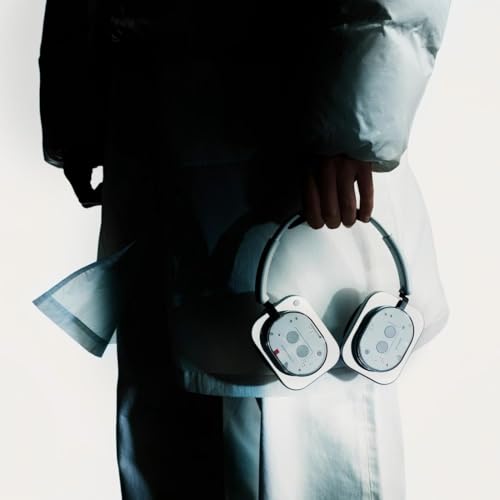
| 420g (14.8 oz) - on the heavier side | 329g (11.6 oz) - more comfortable for all-day wear |
| Primary Optimization - What each headphone does best | |
| Gaming performance with competitive advantages | Versatile daily use with superior battery and portability |
| Platform Compatibility - Where you can use advanced features | |
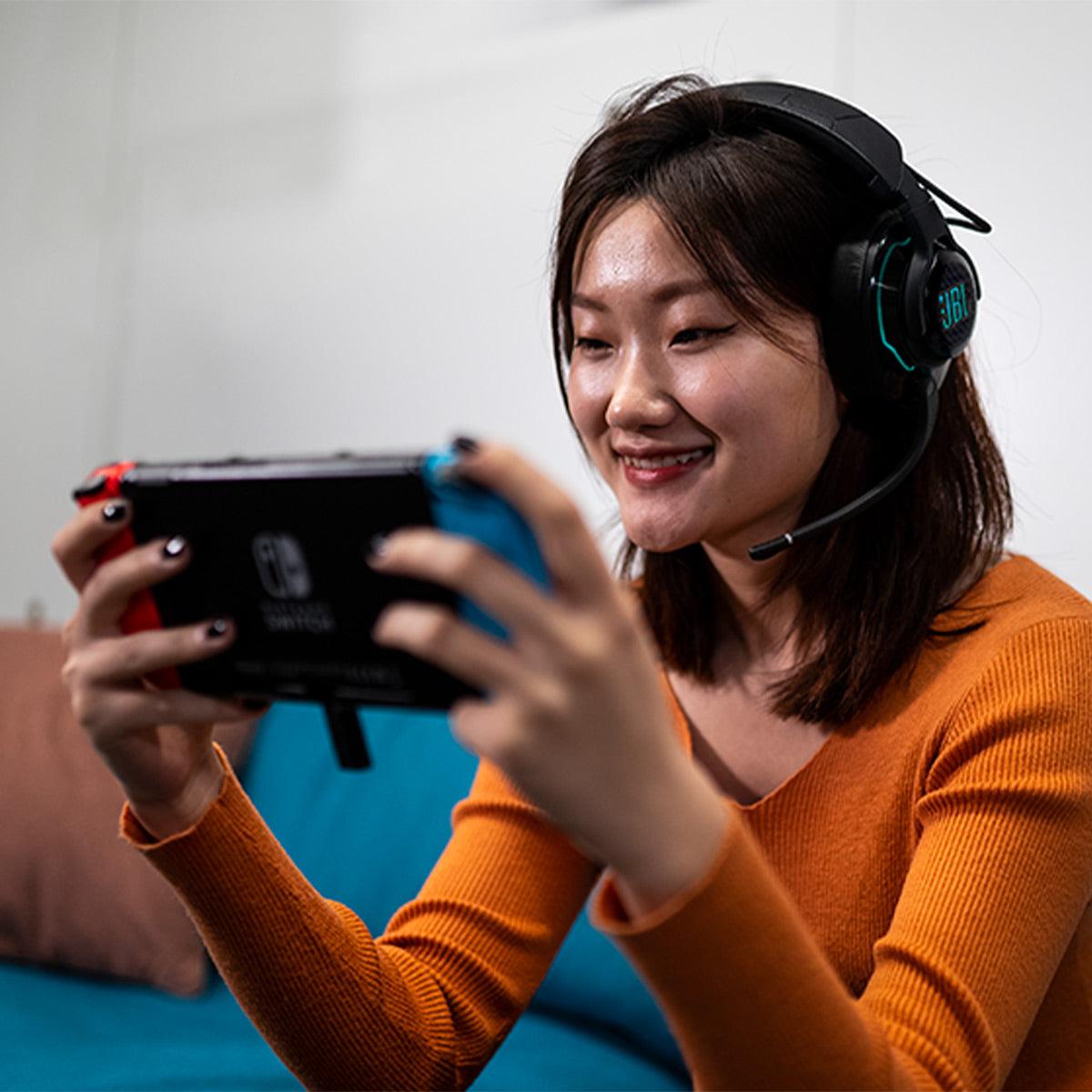
| Full features on PC, basic wireless on PlayStation/Switch | Universal compatibility across all Bluetooth devices |
| Special Features - Unique capabilities that set each apart | |
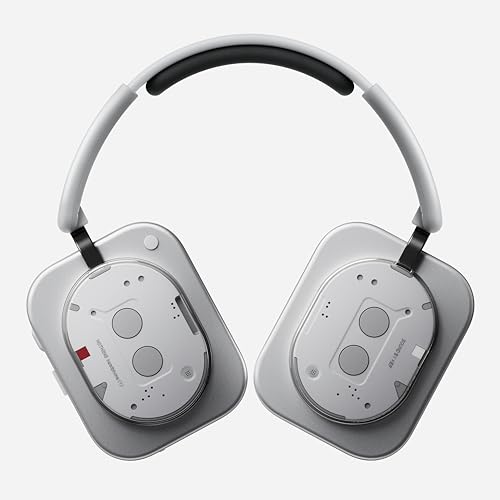
| Head-tracking spatial audio, game/chat balance dial, RGB lighting | Transparent design, Find My Device, IP52 water resistance |
The JBL Quantum 910 Wireless Gaming Headset is specifically designed for gaming with head-tracking spatial audio, low-latency 2.4GHz wireless, and a dedicated boom microphone for team communication. The Nothing Headphone (1) lacks these gaming-specific features and is better suited for general audio use rather than competitive gaming.
The Nothing Headphone (1) offers exceptional battery life with up to 80 hours (ANC off) or 35 hours (ANC on), plus 5-minute fast charging for 5 hours of use. The JBL Quantum 910 provides 39 hours of battery life but takes 3.5 hours for a full charge, making the Nothing headphones more convenient for daily use.
The Nothing Headphone (1) features KEF-tuned drivers optimized for balanced music reproduction across genres, plus an 8-band parametric EQ for customization. The JBL Quantum 910 uses gaming-optimized tuning that emphasizes spatial positioning over musical balance, making the Nothing headphones better for music listening.
Yes, both include ANC but with different approaches. The Nothing Headphone (1) offers up to 42dB adaptive noise cancellation with multiple intensity levels, ideal for commuting and noisy environments. The JBL Quantum 910 features gaming-tuned ANC that reduces distractions while preserving important game audio cues.
The Nothing Headphone (1) is lighter at 329g compared to the JBL Quantum 910's 420g weight, making it more comfortable for extended daily use. Both feature memory foam padding, but the Nothing headphones' reduced weight causes less fatigue during all-day wear.
The JBL Quantum 910 includes a dedicated flip-up boom microphone with Discord certification, providing superior voice clarity for gaming communication. The Nothing Headphone (1) uses an integrated four-microphone array that's adequate for calls but doesn't match the boom mic's quality for gaming or content creation.
The Nothing Headphone (1) offers standard Bluetooth multipoint for seamless switching between two devices, ideal for daily use between phone and laptop. The JBL Quantum 910 provides simultaneous 2.4GHz gaming and Bluetooth connections, better for gamers who need to stay connected to both game audio and phone calls.
The Nothing Headphone (1) is better suited for home theater with its balanced KEF tuning, extensive EQ options, and effective noise cancellation for late-night viewing. The JBL Quantum 910 works for gaming-related content and action movies but may sound too analytical for general movie watching.
The Nothing Headphone (1) typically costs less while offering superior battery life, balanced audio tuning, and versatile daily use features. The JBL Quantum 910 commands a premium for specialized gaming features that only benefit serious gamers, making the Nothing headphones better value for most users.
The JBL Quantum 910 features advanced QuantumSPHERE 360 technology with integrated head-tracking sensors and calibration microphone for competitive gaming advantages. The Nothing Headphone (1) includes basic spatial audio support compatible with standard formats but lacks gaming-specific optimization.
The Nothing Headphone (1) excels for travel with superior battery life, fast charging, stronger ANC for blocking transport noise, and lighter weight for comfort. The JBL Quantum 910 is designed for stationary gaming use and lacks the portability features needed for commuting.
Yes, both support multiple connection methods. The JBL Quantum 910 offers 2.4GHz wireless, Bluetooth 5.2, and 3.5mm wired connections. The Nothing Headphone (1) provides Bluetooth 5.3, USB-C audio, and 3.5mm wired options, with both headphones ensuring compatibility across various devices and platforms.
We've done our best to create useful and informative comparisons to help you decide what product to buy. Our research uses advanced automated methods to create this comparison and perfection is not possible - please contact us for corrections or questions. These are the sites we've researched in the creation of this article: techradar.com - stereoguide.com - ausdroid.net - majorhifi.com - ign.com - youtube.com - soundguys.com - versus.com - impulsegamer.com - versus.com - jbl.com - jbl.com.tw - crutchfield.com - th.jbl.com - harmanaudio.com - jbl.com - jbl.com - youtube.com - bestbuy.com - harmanaudio.com - jbl.com - th.jbl.com - bhphotovideo.com - recordingnow.com - loudnwireless.com - markellisreviews.com - tomsguide.com - tomsguide.com - youtube.com - cnet.com - soundguys.com - 9to5google.com - youtube.com - notebookcheck.net - techradar.com - us.kef.com - soundguys.com - alexreviewstech.com - walmart.com - us.nothing.tech - youtube.com - youtube.com

Privacy Policy
Terms and Conditions - Affiliate Policy
Home Security
© Copyright 2008-2026.
11816 Inwood Rd #1211, Dallas, TX 75244