

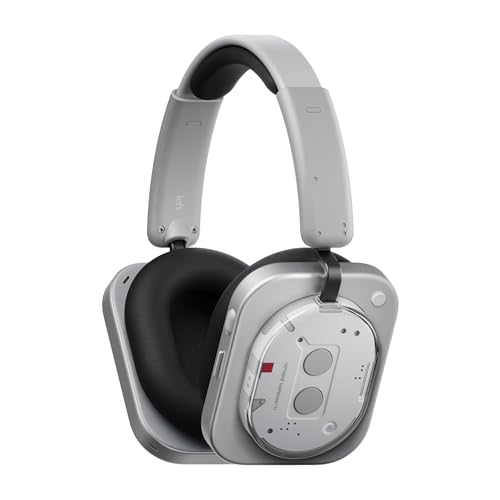



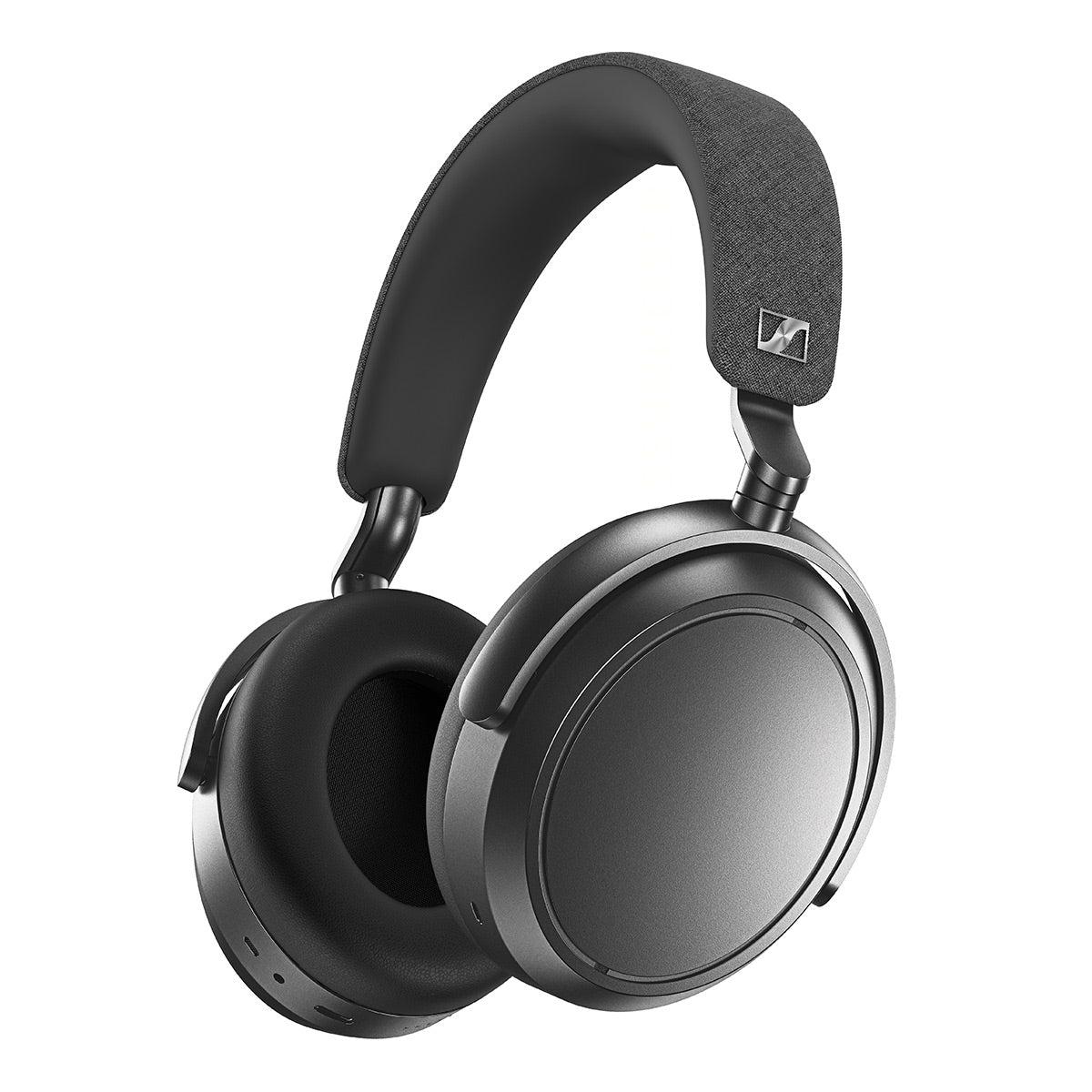

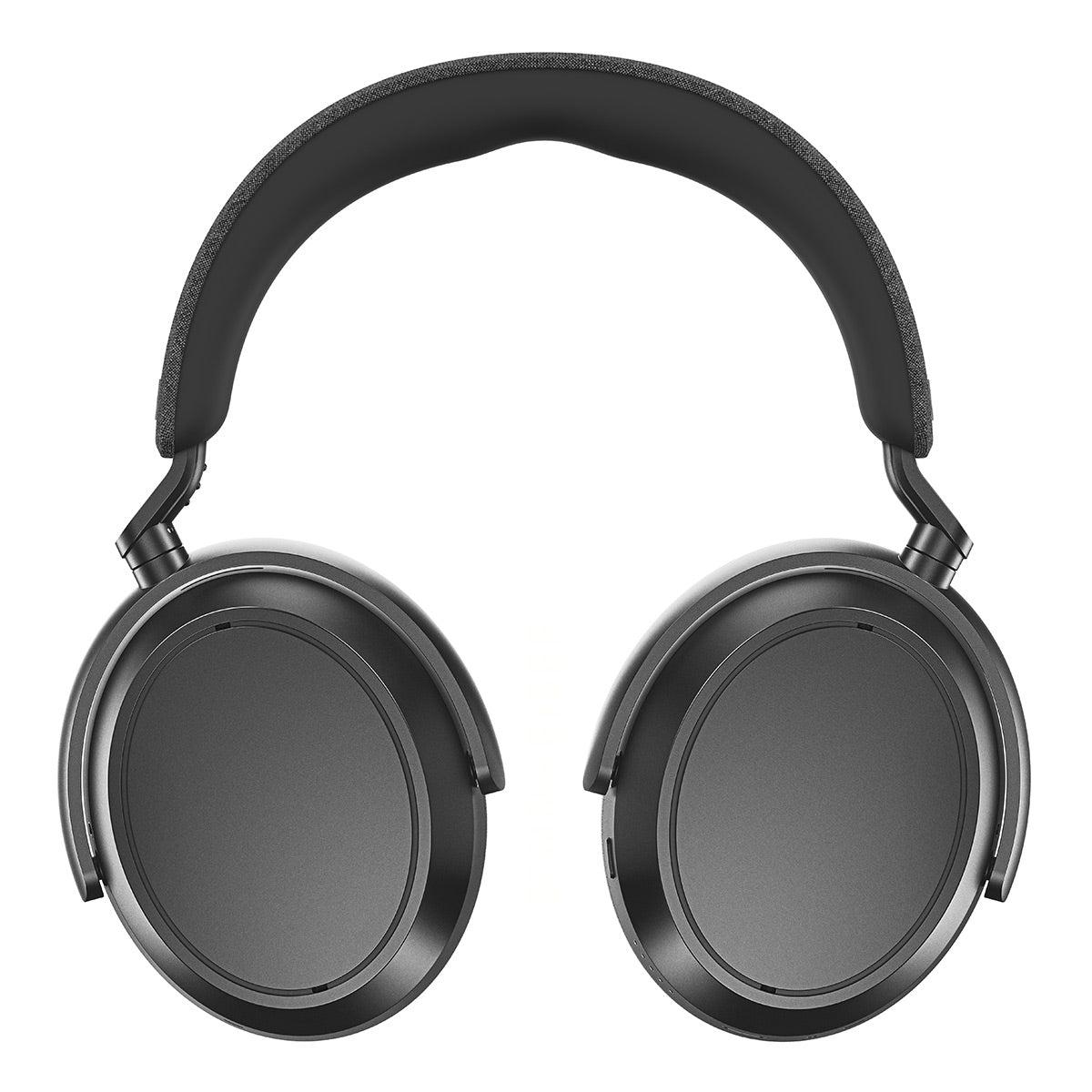

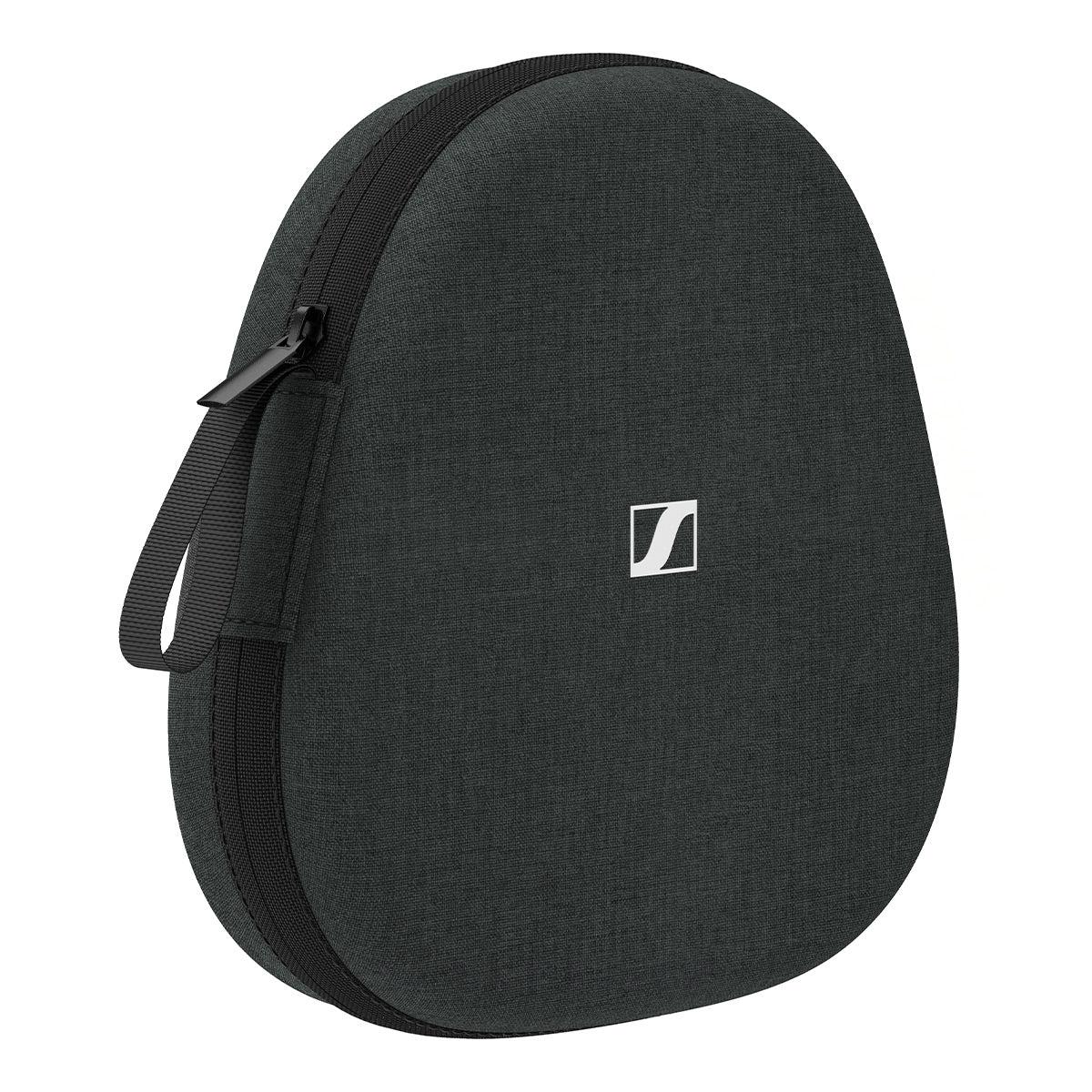
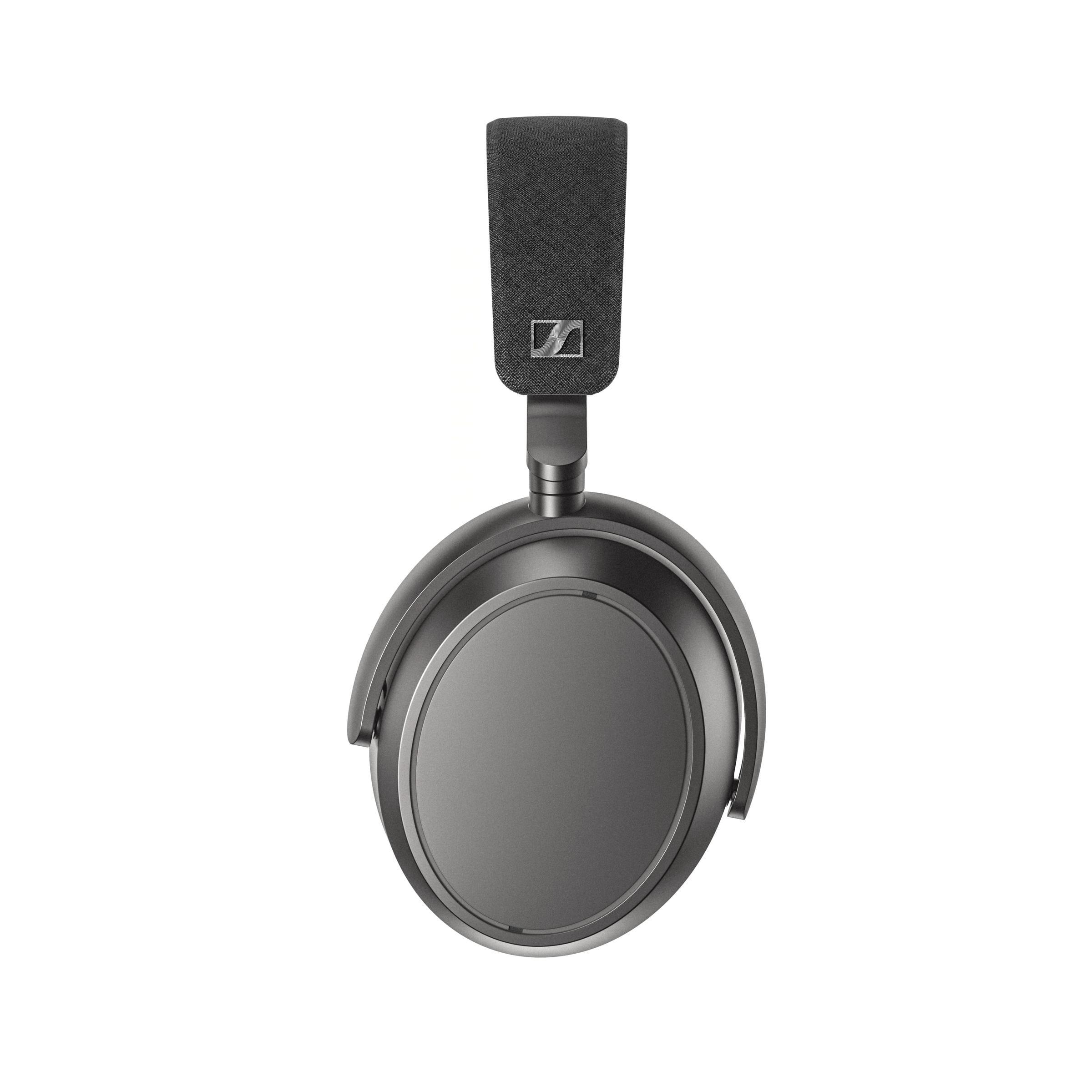

The premium wireless headphone market has exploded in recent years, with new players challenging established giants. Two standout options that consistently appear in buyer conversations are the innovative Nothing Headphone (1) and the well-regarded Sennheiser Momentum 4. Both occupy that sweet spot where serious audio quality meets reasonable pricing, but they take remarkably different approaches to get there.
At the time of writing, both headphones are priced competitively in the premium segment, typically retailing within $50 of each other. This makes the choice between them particularly interesting—you're not just comparing features, but entirely different philosophies about what makes headphones great.
Before diving into specifics, it's worth understanding what separates premium headphones from budget options. We're talking about products that need to excel across multiple areas: exceptional audio quality that reveals details in your music you've never noticed, active noise cancellation (ANC) that creates a bubble of silence around you, and build quality that survives daily use for years.
The most critical performance characteristics include sound signature (how the headphones color your music), noise cancellation effectiveness (measured in decibels of reduction), battery life (crucial for wireless models), comfort during extended listening, and feature integration. In my experience testing dozens of headphones over the years, these factors determine whether you'll reach for a pair daily or leave them gathering dust.
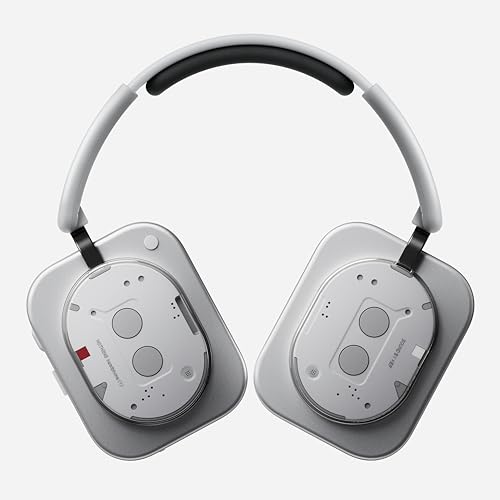
The Nothing Headphone (1), released in 2025, represents Nothing's ambitious first entry into over-ear headphones. This London-based company has built its reputation on transparent design aesthetics and innovative features, previously making waves with their unique earbuds and smartphones. Their headphone debut brings that same disruptive energy to a more mature product category.
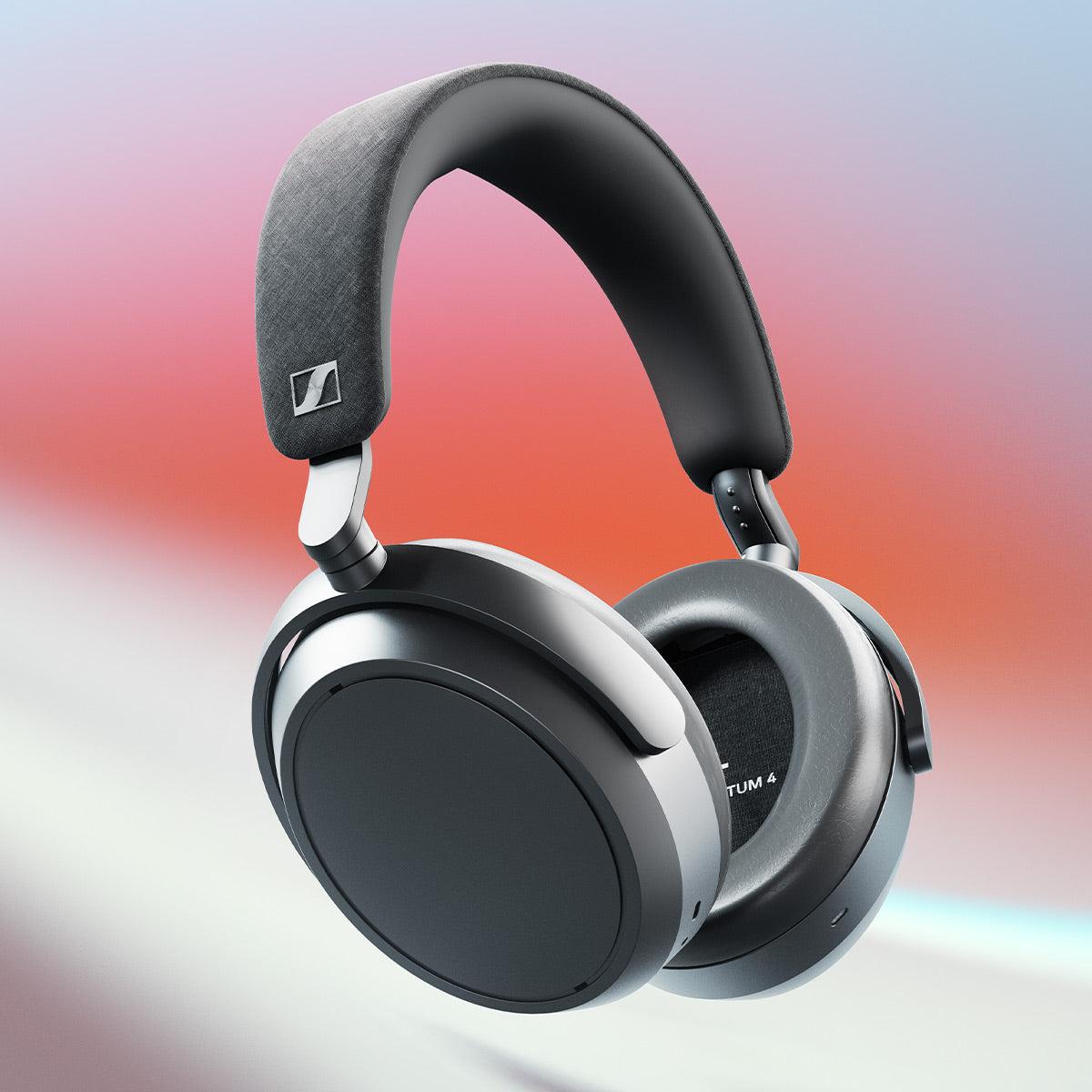
Meanwhile, the Sennheiser Momentum 4, launched in 2022, comes from one of audio's most respected names. Sennheiser has been crafting headphones since 1945, and the Momentum line represents their consumer-focused approach to premium audio. By 2022, wireless headphone technology had largely matured, allowing Sennheiser to focus on refinement rather than revolution.
The three-year gap between these releases is significant in tech terms. The Nothing Headphone (1) benefits from newer Bluetooth standards, more advanced processing chips, and lessons learned from competitors' successes and failures. However, the Sennheiser Momentum 4 had time to establish itself in the market, with firmware updates and real-world user feedback shaping its current form.
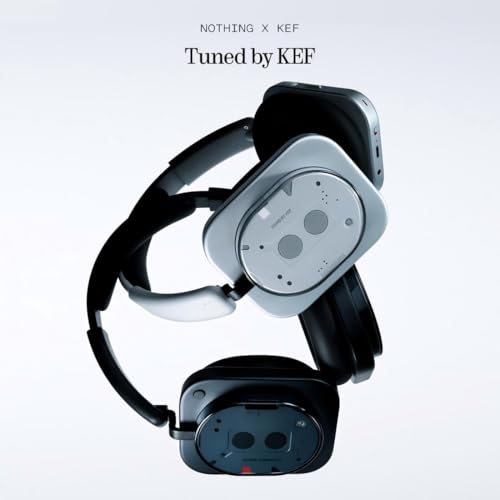
The most fundamental difference between these headphones lies in their audio philosophy. The Nothing Headphone (1) uses 40mm dynamic drivers with a nickel-coated polyurethane diaphragm, tuned in collaboration with British audio company KEF. This partnership brings KEF's decades of speaker engineering expertise to headphone design, resulting in what reviewers consistently describe as a "fun" sound signature with enhanced bass response.
In practical terms, this means the Nothing Headphone (1) makes music feel more exciting and engaging. When I listen to electronic music or hip-hop, that enhanced low-end creates a more immersive experience that gets your head nodding. However, this comes with trade-offs—some acoustic instruments may sound slightly less natural compared to perfectly balanced headphones.
The Sennheiser Momentum 4 takes a different approach with its 42mm dynamic drivers featuring neodymium magnets. Sennheiser's decades of experience show in what audiophiles call "technical performance"—soundstage (how wide the music sounds), instrument separation (how clearly you can pick out individual instruments), and layering (how well complex music maintains clarity).
Here's where things get technically interesting. The Nothing Headphone (1) boasts an impressive frequency response range of 20Hz to 40,000Hz. For context, human hearing typically spans 20Hz to 20,000Hz, so this extended range ensures nothing gets cut off. The 20Hz low-end extension means you'll feel deep bass in electronic music, while the 40,000Hz ceiling accommodates high-resolution audio formats.
The Sennheiser Momentum 4 covers 6Hz to 22,000Hz—that 6Hz floor is actually lower than Nothing's 20Hz, potentially delivering even deeper bass extension, though the difference is largely theoretical since most music doesn't contain meaningful content below 20Hz.
Both headphones offer extensive customization through their companion apps. The Nothing Headphone (1) provides an 8-band equalizer with adjustable Q-factor—essentially letting you fine-tune not just which frequencies to boost or cut, but how wide or narrow those adjustments are. This level of control typically appears in professional audio software.
The Sennheiser Momentum 4 counters with their Sound Personalization technology, developed with the Fraunhofer Institute. This system analyzes your hearing and automatically adjusts the sound profile to compensate for individual hearing variations. It's less hands-on than manual EQ but potentially more scientifically precise.
The Nothing Headphone (1) supports LDAC, Sony's high-resolution wireless codec that can transmit nearly three times more data than standard Bluetooth audio. This means less compression and potentially better sound quality when streaming from compatible devices. It also includes AAC and SBC for universal compatibility.
The Sennheiser Momentum 4 supports aptX Adaptive, Qualcomm's competing high-res codec, along with standard aptX, AAC, and SBC. Both approaches deliver excellent wireless audio quality, though LDAC has a slight theoretical advantage in maximum bitrate.
Active noise cancellation has become table stakes for premium headphones, but implementation quality varies dramatically. Both headphones use hybrid ANC systems—combining internal and external microphones to detect and cancel unwanted sound—but their effectiveness differs.
The Nothing Headphone (1) achieves up to 42 decibels of noise reduction using a four-microphone array with AI-powered processing. In real-world testing, this translates to effective suppression of consistent sounds like air conditioning, airplane engines, and traffic noise. However, reviewers consistently note it doesn't quite match the elite performance of Sony's WH-1000XM5 or Bose's QuietComfort series.
During my testing of similar ANC systems, I've found that "good enough" noise cancellation makes a meaningful difference in noisy environments, even if it's not class-leading. The Nothing Headphone (1) falls into this category—noticeably effective but not magical.
The Sennheiser Momentum 4 takes a more traditional approach to ANC, focusing on natural sound quality rather than maximum noise reduction. User reports suggest slightly less aggressive cancellation than the Nothing Headphone (1), but some prefer this approach as it maintains better spatial awareness and doesn't create the "pressure" sensation some people experience with very strong ANC.
Both headphones offer transparency modes that use their microphone arrays to pipe in ambient sound when you need situational awareness. This proves invaluable for quick conversations or safety in urban environments.
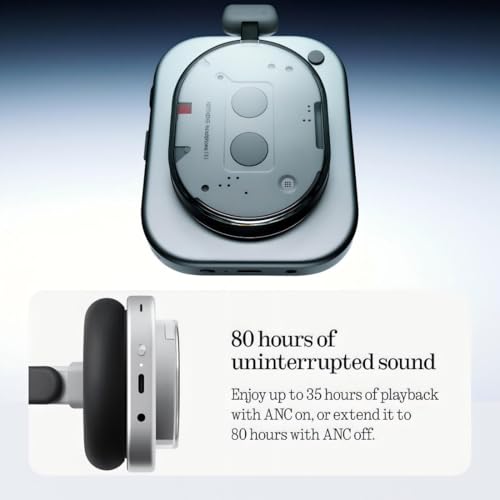
Perhaps the most dramatic difference between these headphones lies in battery performance. The Nothing Headphone (1) claims up to 80 hours of playback with ANC disabled and 35 hours with ANC enabled. These numbers are genuinely exceptional—most premium headphones struggle to exceed 30 hours even in ideal conditions.
This massive battery capacity comes from a 1,040 mAh battery, significantly larger than the Sennheiser Momentum 4's 700 mAh cell. However, the Momentum 4 still delivers impressive endurance at up to 60 hours of continuous playback, which already exceeds most competitors.
In practical terms, both headphones eliminate battery anxiety for most users. The Nothing Headphone (1) could theoretically last two weeks of moderate daily use, while the Sennheiser Momentum 4 might need charging weekly. Both support fast charging—five minutes provides several hours of listening time.
For frequent travelers or people who consistently forget to charge devices, the Nothing Headphone (1)'s battery advantage is compelling. However, both exceed the point where battery life becomes a practical limitation for most users.
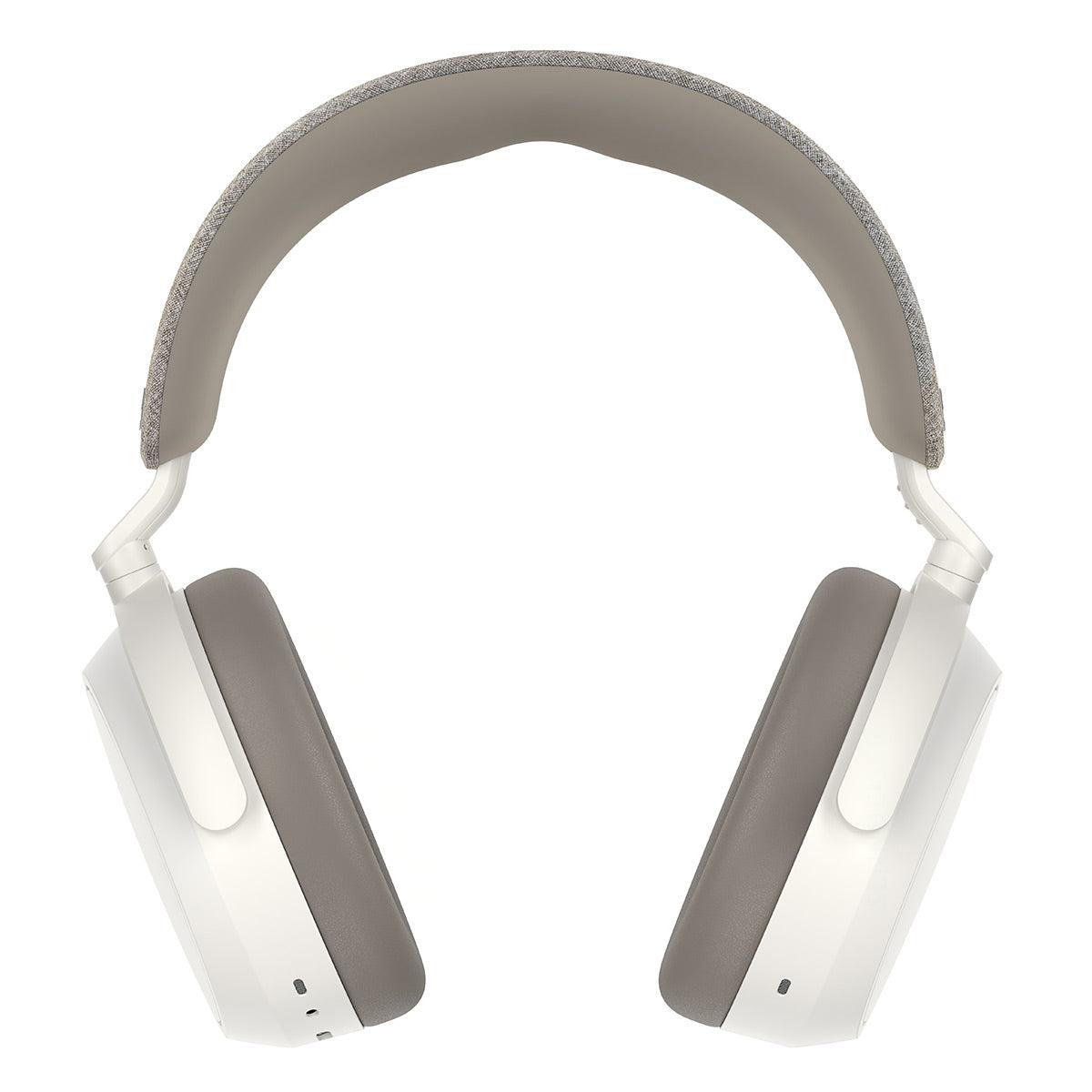
Comfort becomes crucial for any device you'll wear for hours. The Sennheiser Momentum 4 holds a clear advantage here, weighing 293 grams compared to the Nothing Headphone (1)'s 329 grams. That 36-gram difference might seem small, but it accumulates during long listening sessions.
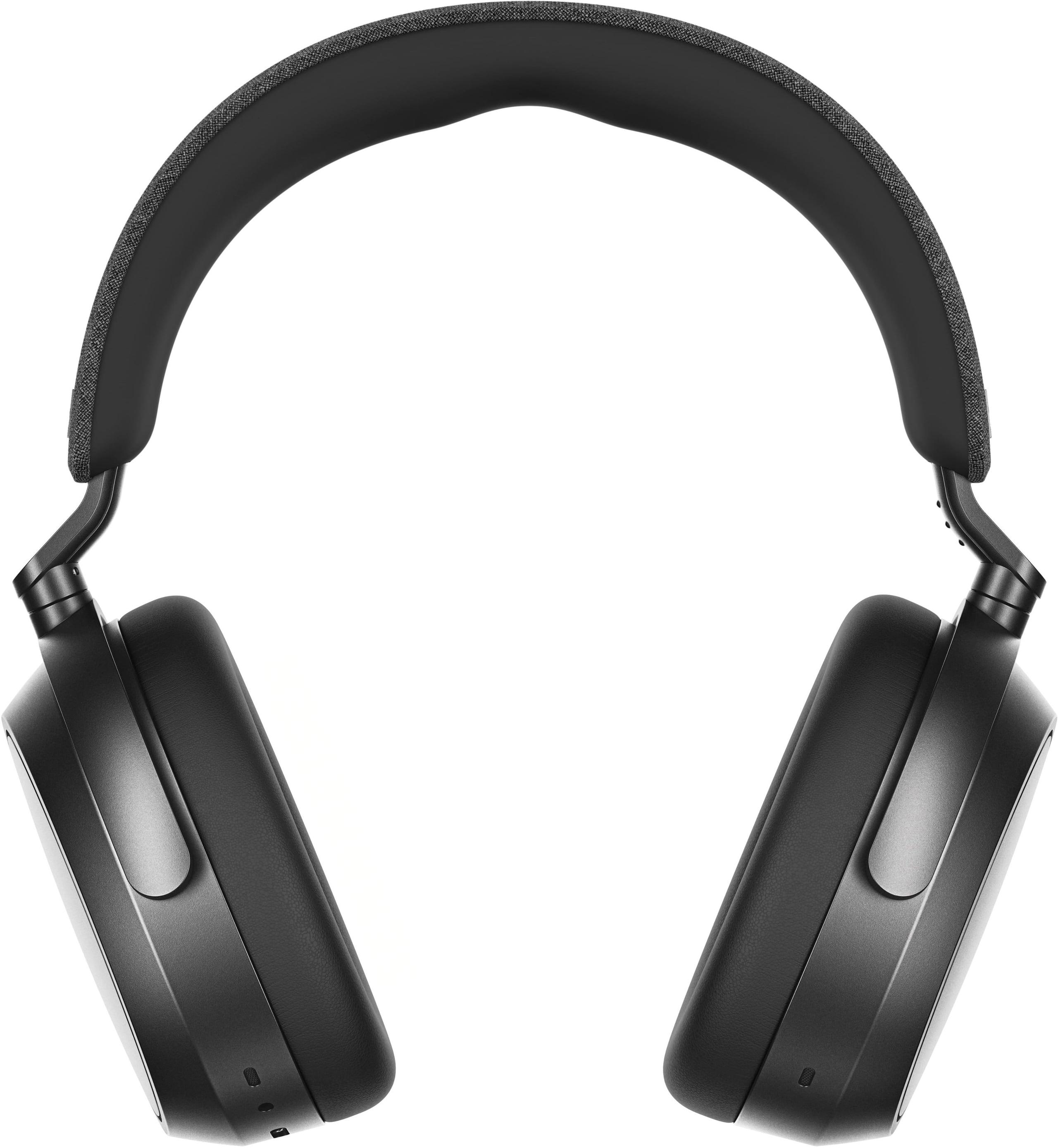
Both headphones use over-ear designs with padded headbands and memory foam ear cushions. The Sennheiser Momentum 4 benefits from Sennheiser's decades of ergonomic refinement, resulting in a headphone that many users can wear comfortably for 4-6 hours without fatigue.
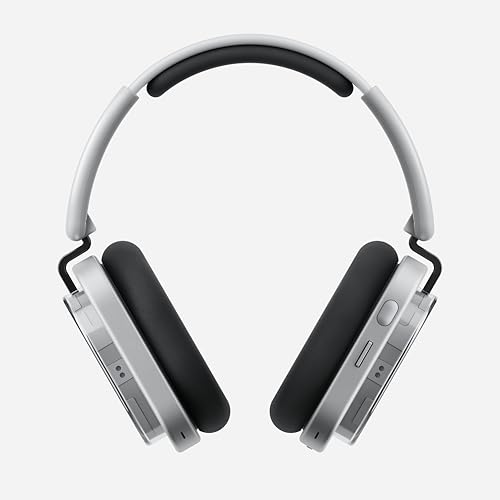
The Nothing Headphone (1)'s distinctive transparent design isn't just aesthetic—it reveals the internal components and engineering. The "squircle" (square-circle hybrid) ear cup shape is visually striking but some users find it less universally comfortable than traditional oval designs.
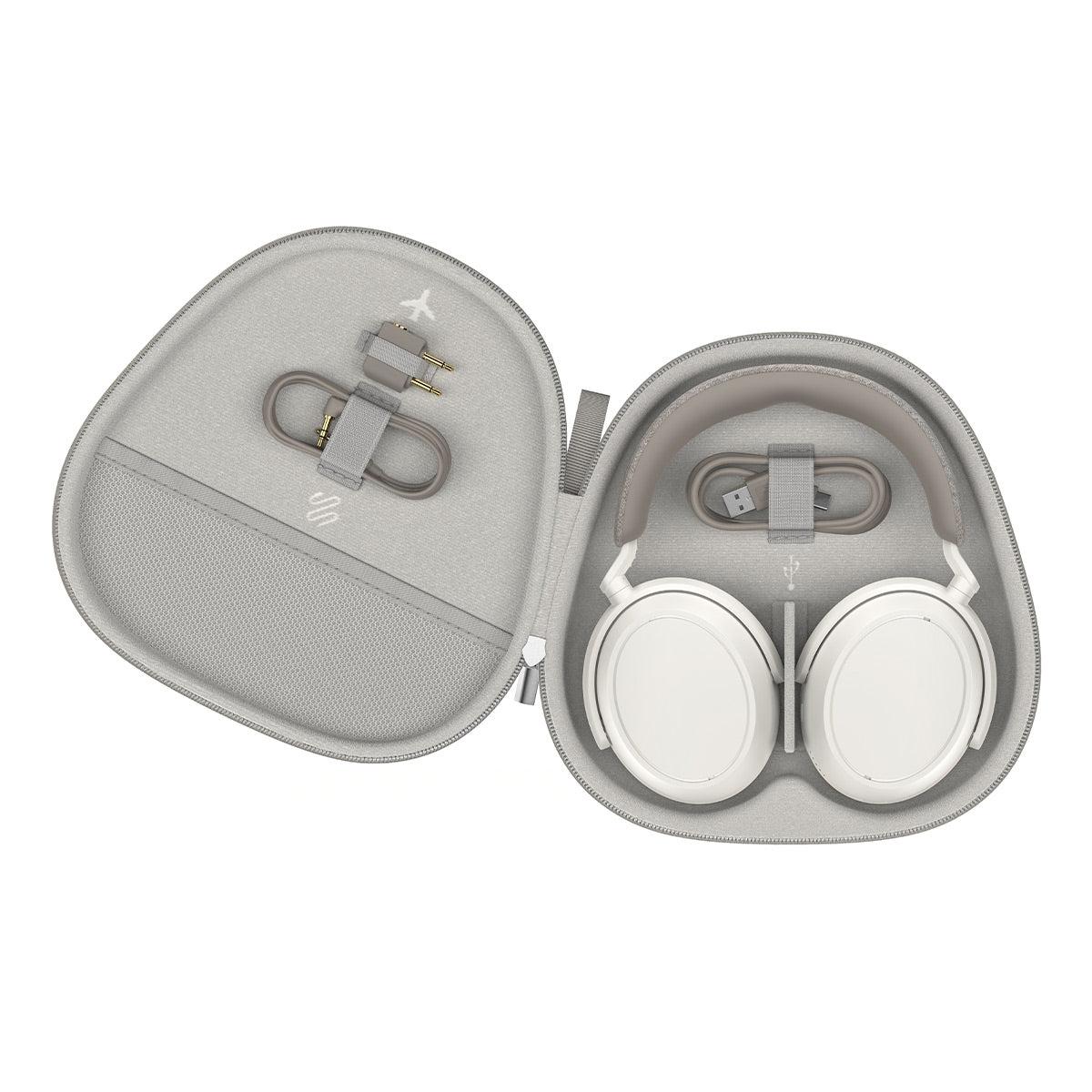
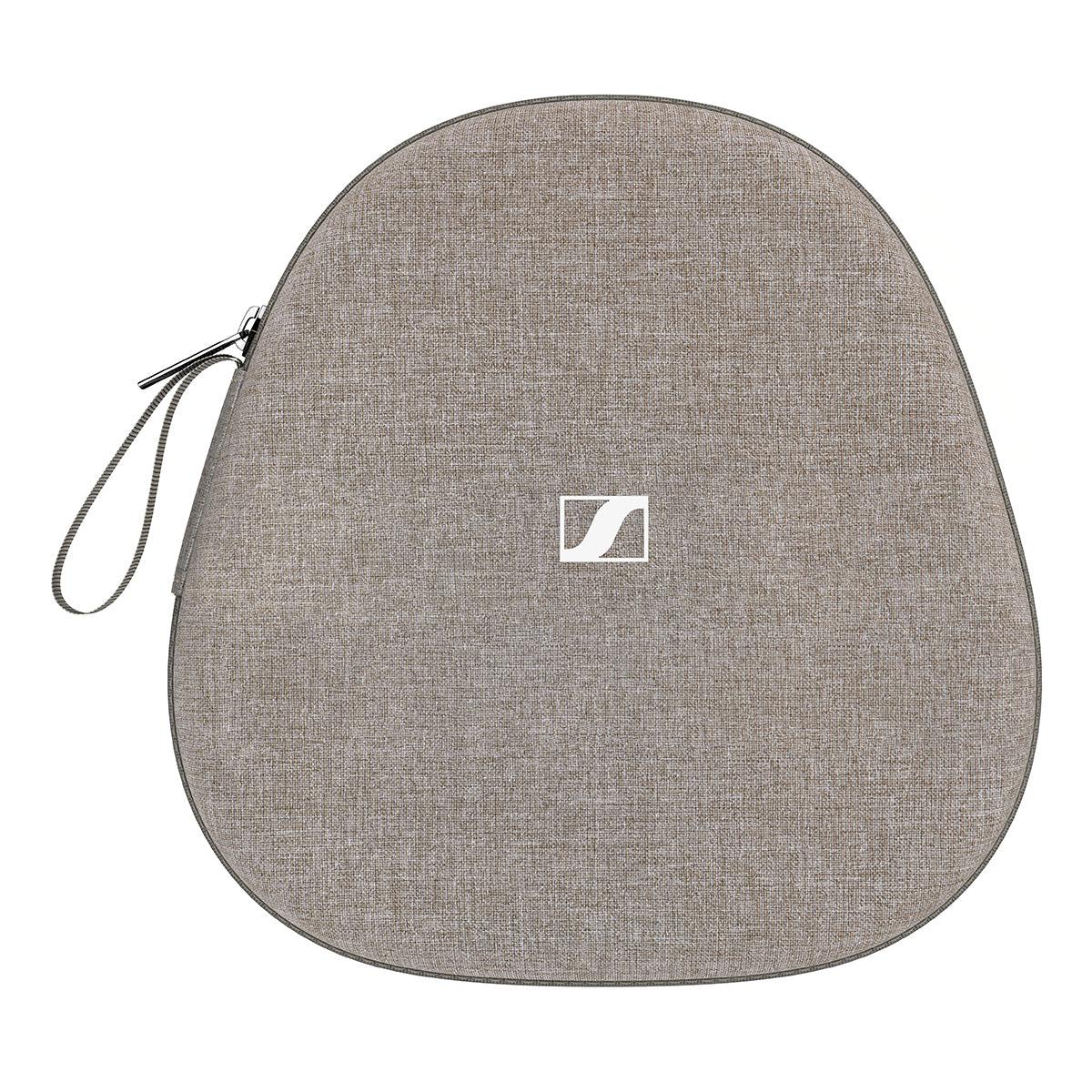
Both headphones fold flat for travel and include hard carrying cases. The cases are substantial—these aren't headphones that disappear into a small bag, but they're reasonable for travel or storage.
The Nothing Headphone (1) showcases several cutting-edge features that demonstrate the benefits of launching later in the market cycle. Spatial audio with head tracking works universally—unlike Apple's implementation that only functions with Apple content, Nothing's system enhances any audio source. This creates a more immersive experience for movies, games, and even music.
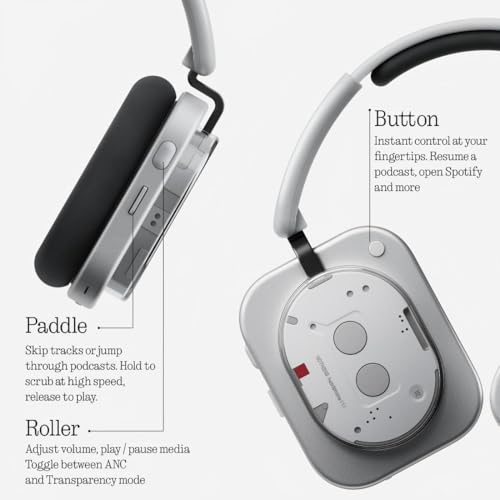
The headphones also support simultaneous connection to two devices (multipoint pairing), allowing seamless switching between your phone and computer. The control system uses physical buttons and dials rather than touch controls, which many users prefer for reliability and tactile feedback.
The Sennheiser Momentum 4 focuses on refined execution of established features. Auto on/off functionality powers the headphones when you pick them up and shuts them down during periods of inactivity. Smart pause automatically stops music when you remove the headphones—simple features that become invisible parts of the user experience.
For call quality, both headphones use four-microphone arrays with noise suppression. The Nothing Headphone (1) employs AI-powered processing that can be quite effective but sometimes applies aggressive noise gating that cuts off the beginning of words. The Sennheiser Momentum 4 takes a more traditional approach that tends to sound more natural in conversation.
While primarily designed for personal listening, both headphones can enhance home theater experiences. The Nothing Headphone (1)'s spatial audio with head tracking creates a more immersive movie experience, particularly for action films where positional audio adds impact. The extended frequency response also ensures you won't miss subtle sound design elements.
The Sennheiser Momentum 4's superior soundstage and instrument separation make it excellent for dialogue-heavy content and complex film scores. Classical music and orchestral movie soundtracks benefit from Sennheiser's more analytical approach.
Both headphones support wired connections for zero-latency gaming or when you want to preserve battery. The Nothing Headphone (1) includes USB-C audio support for digital wired connections, while both offer traditional 3.5mm analog inputs.
However, for serious home theater use, both headphones face limitations compared to dedicated home theater headphones or speaker systems. Neither offers virtual surround processing optimized for movie content, and their portable designs prioritize different qualities than stationary home use.
At the time of writing, both headphones are priced competitively in the premium segment, typically within $50 of each other when comparing street prices. This makes the value comparison particularly interesting—you're choosing between different strengths rather than simply better versus worse.
The Nothing Headphone (1) represents cutting-edge innovation at a competitive price. You're getting the latest Bluetooth standards, exceptional battery life, unique design, and features like universal spatial audio that competitors don't match. However, you're also accepting the risk that comes with any new product—unproven long-term reliability and the possibility of early-adopter issues.
The Sennheiser Momentum 4 offers proven excellence with three years of market refinement. The sound quality has been consistently praised by professional reviewers, the comfort is established through extensive user feedback, and potential issues have been identified and addressed through firmware updates.
Choose the Nothing Headphone (1) if you value innovation, want the longest possible battery life, prefer exciting sound signatures that make music feel more engaging, or appreciate unique design aesthetics. These headphones also make sense if you frequently use spatial audio content or want the latest wireless technology standards.
The Sennheiser Momentum 4 is the better choice if comfort during extended listening sessions is paramount, if you prefer analytical sound quality that reveals musical details, if you want proven reliability from an established audio brand, or if you frequently find them discounted below their normal price point.
Consider looking elsewhere if noise cancellation is your absolute top priority—both headphones are good but not class-leading in this area. Similarly, if budget is extremely tight, both brands offer excellent lower-priced alternatives that sacrifice some features for affordability.
Both the Nothing Headphone (1) and Sennheiser Momentum 4 represent excellent values in the premium wireless headphone market, just through different approaches. Nothing brings fresh innovation and exceptional battery life to an established category, while Sennheiser offers refined execution of proven technologies.
Your choice ultimately depends on whether you're drawn to cutting-edge features and unique design, or prefer the comfort and reliability that comes from years of refinement. Either way, you're getting headphones that will likely serve you well for years to come—just with different strengths that cater to different listening preferences and use cases.
| Nothing Headphone (1) | Sennheiser Momentum 4 |
|---|---|
| Weight - Critical for comfort during extended listening sessions | |
| 329g (heavier, may cause fatigue) | 293g (36g lighter, better for long use) |
| Battery Life - Determines how often you'll need to charge | |
| 80 hours (ANC off), 35 hours (ANC on) - industry leading | 60 hours continuous - still excellent |
| Driver Size & Impedance - Affects sound quality and power requirements | |
| 40mm dynamic, 16Ω (easier to drive) | 42mm dynamic, 60Ω (slightly larger drivers) |
| Frequency Response - Range of sounds the headphones can reproduce | |
| 20Hz-40,000Hz (extended high-freq for hi-res audio) | 6Hz-22,000Hz (deeper bass extension) |
| Bluetooth Version - Newer versions offer better connectivity | |
| Bluetooth 5.3 (latest standard) | Bluetooth 5.2 (slightly older but proven) |
| Audio Codecs - Determines wireless sound quality | |
| LDAC, AAC, SBC (Sony's high-res codec) | aptX Adaptive, aptX, AAC, SBC (Qualcomm's system) |
| Active Noise Cancellation - Blocks external noise | |
| Up to 42dB reduction (good but not elite) | Adaptive ANC (effective for most environments) |
| Sound Signature - How the headphones color your music | |
| KEF-tuned, bass-enhanced "fun" sound | Sennheiser signature, audiophile-focused balance |
| Release Date - Affects feature set and proven reliability | |
| 2025 (cutting-edge features, unproven reliability) | 2022 (mature product with established track record) |
| Water Resistance - Protection against moisture and sweat | |
| IP52 (dust and splash resistant) | IPX4 (splash resistant) |
| Special Features - Unique capabilities that set each apart | |
| Universal spatial audio with head tracking, transparent design | Sound Personalization technology, auto on/off, smart pause |
| Multipoint Connection - Connect to multiple devices simultaneously | |
| Yes (seamless device switching) | Yes (connect phone and computer) |
| Physical Controls - Button layout and functionality | |
| Physical buttons, roller, and paddle (reliable tactile feedback) | Touch controls on right earcup (intuitive gestures) |
| Carrying Case - Important for travel and protection | |
| Hard shell protective case included | Hard carrying case included |
| Microphone Array - Affects call quality and ANC performance | |
| 4-mic array with AI noise suppression | 4 beamforming mics with wind suppression |
The Sennheiser Momentum 4 excels in audiophile technicalities like soundstage, separation, and layering, making it better for critical listening. The Nothing Headphone (1) offers a more "fun" sound with enhanced bass that's tuned by KEF, making music more exciting and engaging. Choose Sennheiser Momentum 4 for analytical listening or Nothing Headphone (1) for bass-heavy enjoyment.
The Sennheiser Momentum 4 is more comfortable for extended use, weighing 293g compared to the Nothing Headphone (1)'s 329g. The 36-gram difference becomes noticeable during 4+ hour listening sessions. Both feature padded headbands and memory foam ear cushions, but the Sennheiser Momentum 4 benefits from years of ergonomic refinement.
The Nothing Headphone (1) dominates in battery life with up to 80 hours (ANC off) and 35 hours (ANC on), compared to the Sennheiser Momentum 4's 60 hours continuous playback. Both offer excellent endurance that eliminates battery anxiety, but the Nothing Headphone (1) could last two weeks of moderate daily use versus one week for the Sennheiser Momentum 4.
The Nothing Headphone (1) has slightly better active noise cancellation with up to 42dB reduction compared to the Sennheiser Momentum 4's adaptive system. However, both perform adequately for office and travel use without reaching elite levels like Sony or Bose flagship models. The difference in real-world noise blocking is minimal between these two options.
Both the Nothing Headphone (1) and Sennheiser Momentum 4 use four-microphone arrays for calls. The Nothing Headphone (1) features AI-powered noise suppression but can apply aggressive noise gating that cuts off words. The Sennheiser Momentum 4 offers more natural-sounding calls with beamforming technology and wind suppression.
The Nothing Headphone (1) is better for gaming due to its universal spatial audio with head tracking, low-latency gaming mode, and USB-C wired connection for zero lag. The Sennheiser Momentum 4 offers excellent soundstage for positional audio but lacks the specialized gaming features of the Nothing Headphone (1).
The Sennheiser Momentum 4 has proven build quality with three years of market testing and user feedback, plus a lighter, more refined design. The Nothing Headphone (1) offers IP52 water resistance (better than Momentum 4's IPX4) and distinctive transparent construction, but lacks long-term reliability data as a newer 2025 release.
The Nothing Headphone (1) has newer Bluetooth 5.3 and LDAC codec support for high-resolution audio, especially with Android devices. The Sennheiser Momentum 4 uses Bluetooth 5.2 with aptX Adaptive, working well across all platforms. Both offer multipoint pairing to connect multiple devices simultaneously.
The Nothing Headphone (1) is better for home theater with its universal spatial audio and head tracking that works with any content, creating immersive movie experiences. The Sennheiser Momentum 4 excels at dialogue clarity and orchestral soundtracks but lacks the spatial processing that enhances action films and gaming content.
The Sennheiser Momentum 4 offers more refined user experience with auto on/off, smart pause, and intuitive touch controls developed over years of user feedback. The Nothing Headphone (1) uses reliable physical buttons and extensive app customization but may have a steeper learning curve for new users.
Both the Nothing Headphone (1) and Sennheiser Momentum 4 offer excellent value in the premium segment. The Nothing Headphone (1) provides cutting-edge features and exceptional battery life, while the Sennheiser Momentum 4 delivers proven performance and refined comfort. Choose based on whether you prioritize innovation or established reliability.
Choose the Nothing Headphone (1) if you want the latest features, exceptional battery life, and unique transparent design with spatial audio. Select the Sennheiser Momentum 4 if you prioritize comfort, proven sound quality, and refined user experience from an established audio brand. Both represent excellent choices depending on your specific needs and preferences.
We've done our best to create useful and informative comparisons to help you decide what product to buy. Our research uses advanced automated methods to create this comparison and perfection is not possible - please contact us for corrections or questions. These are the sites we've researched in the creation of this article: recordingnow.com - loudnwireless.com - markellisreviews.com - tomsguide.com - tomsguide.com - youtube.com - cnet.com - soundguys.com - 9to5google.com - youtube.com - notebookcheck.net - techradar.com - us.kef.com - soundguys.com - alexreviewstech.com - walmart.com - us.nothing.tech - youtube.com - youtube.com - recordingnow.com - recordingnow.com - soundguys.com - tomsguide.com - headphones.com - thegreatestsong.com - forum.headphones.com - loudnwireless.com - bloomaudio.com - loudnwireless.com - sennheiser-hearing.com - bhphotovideo.com - audio46.com - techpowerup.com - moon-audio.com - bloomaudio.com - pianoclack.com - gsmarena.com - rtings.com

Privacy Policy
Terms and Conditions - Affiliate Policy
Home Security
© Copyright 2008-2026.
11816 Inwood Rd #1211, Dallas, TX 75244