

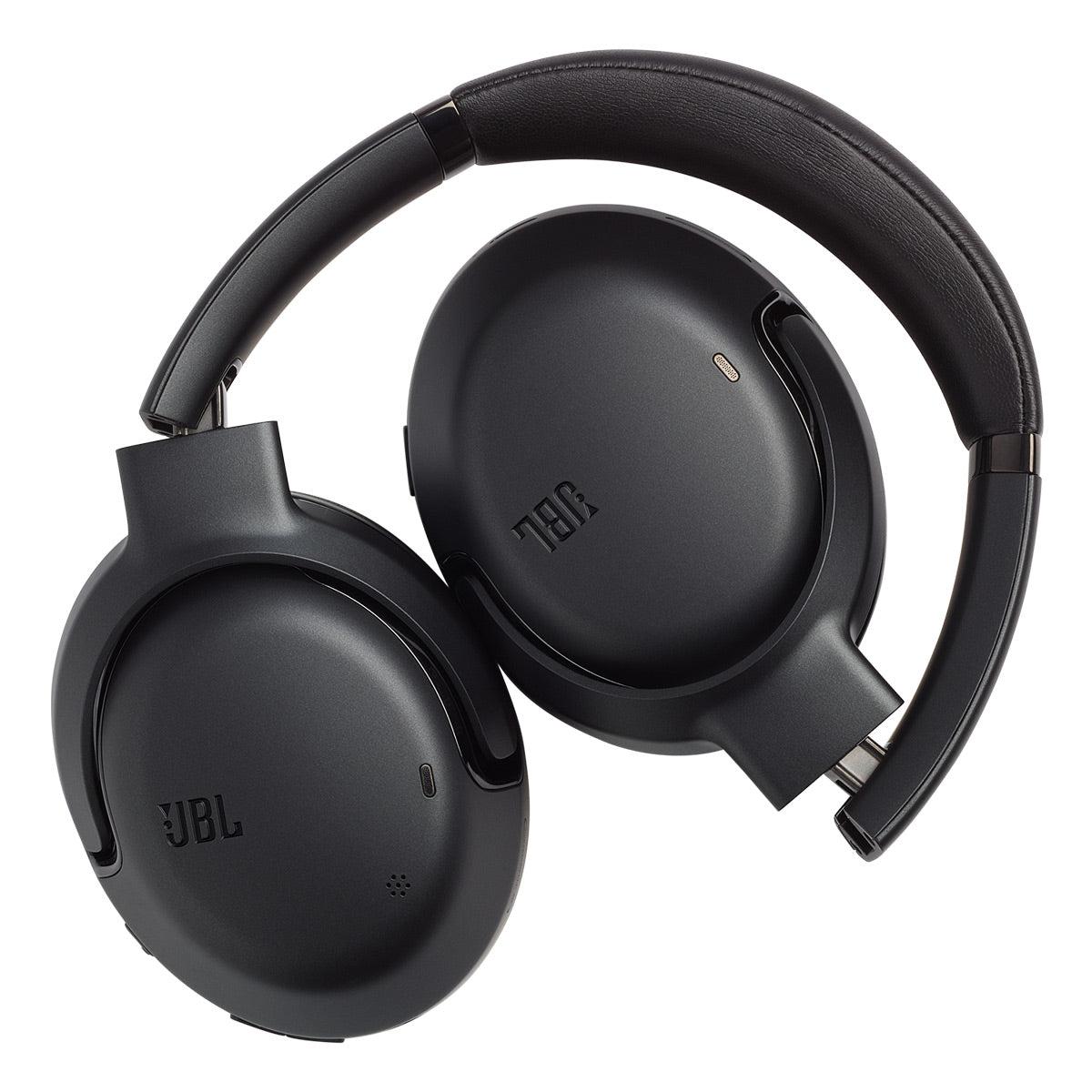
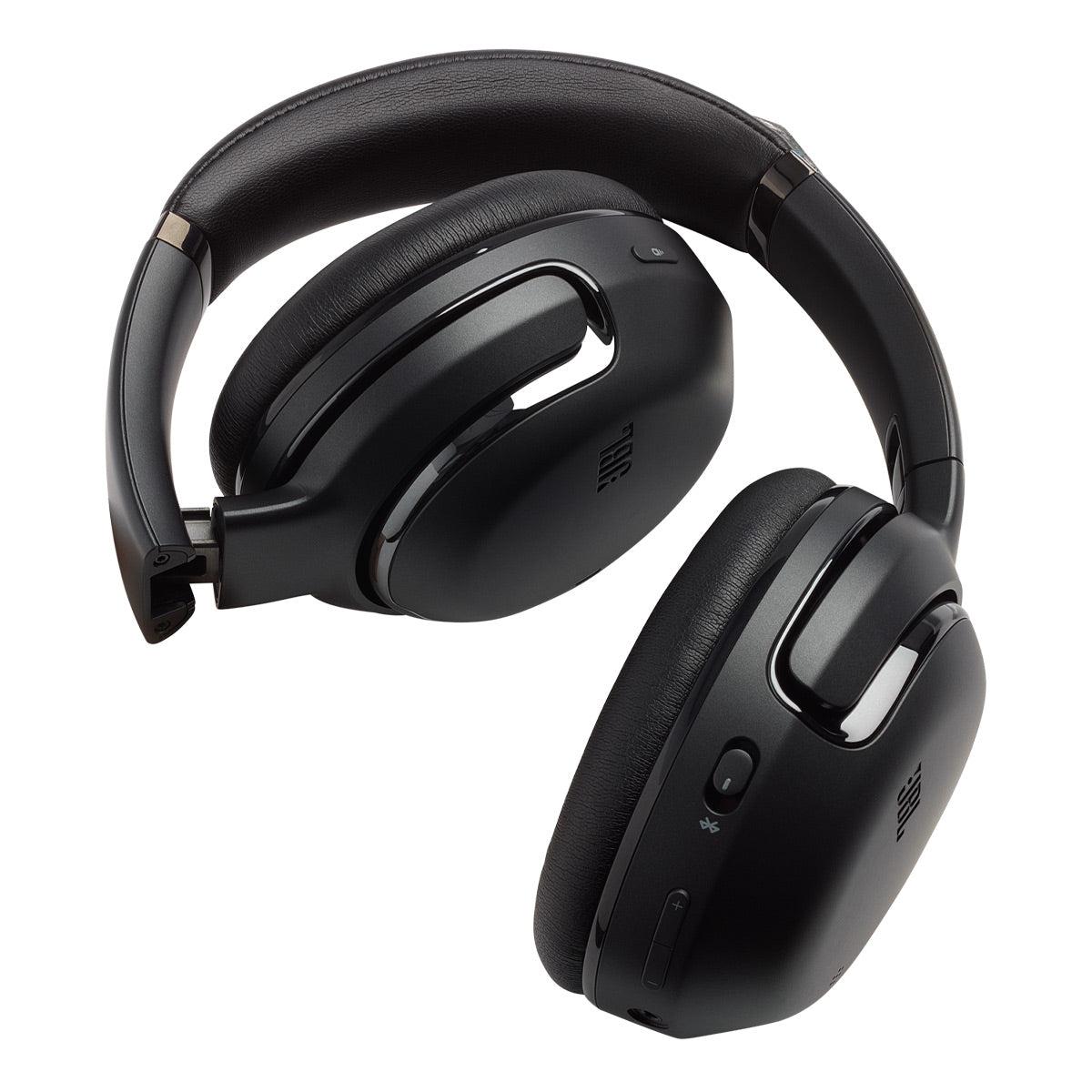


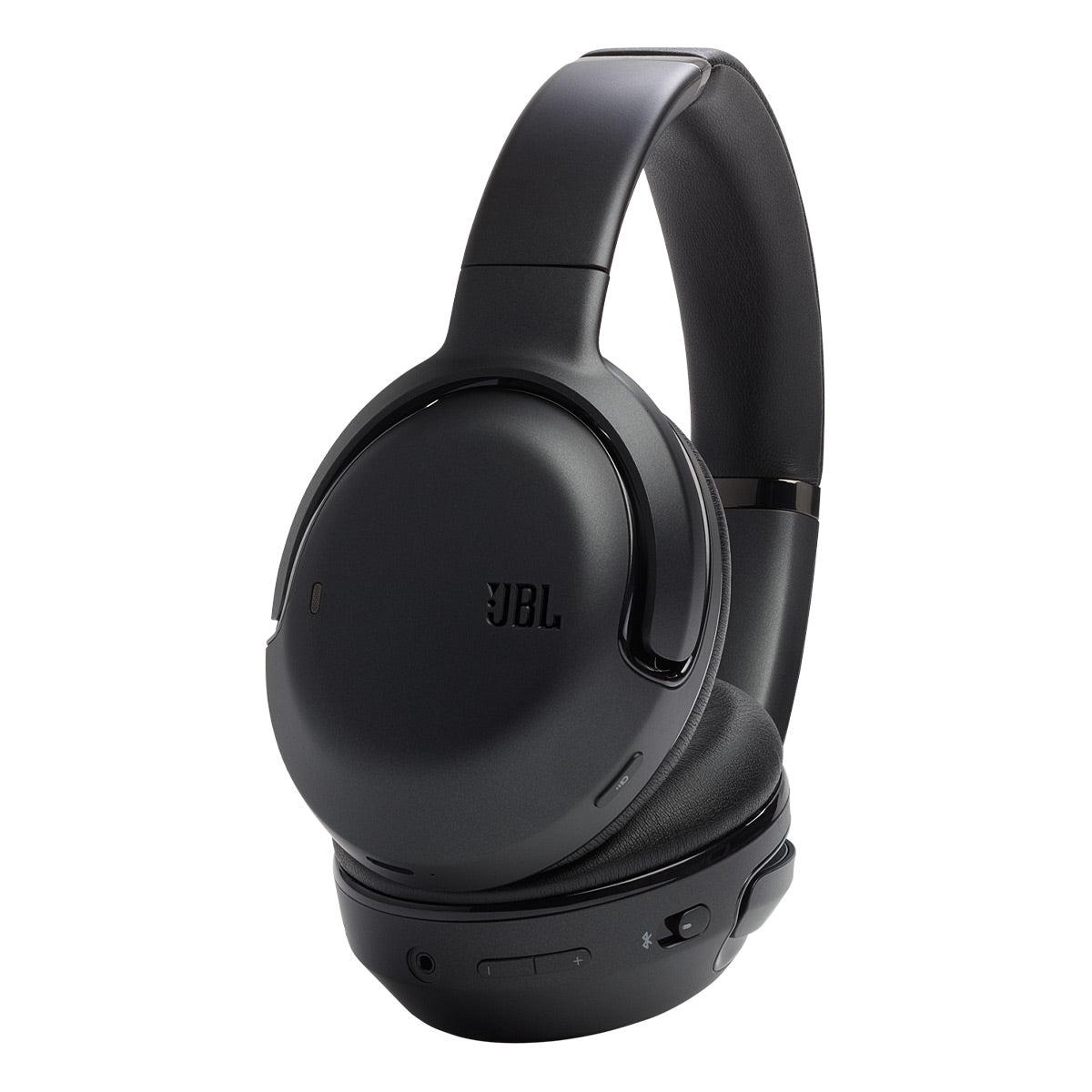

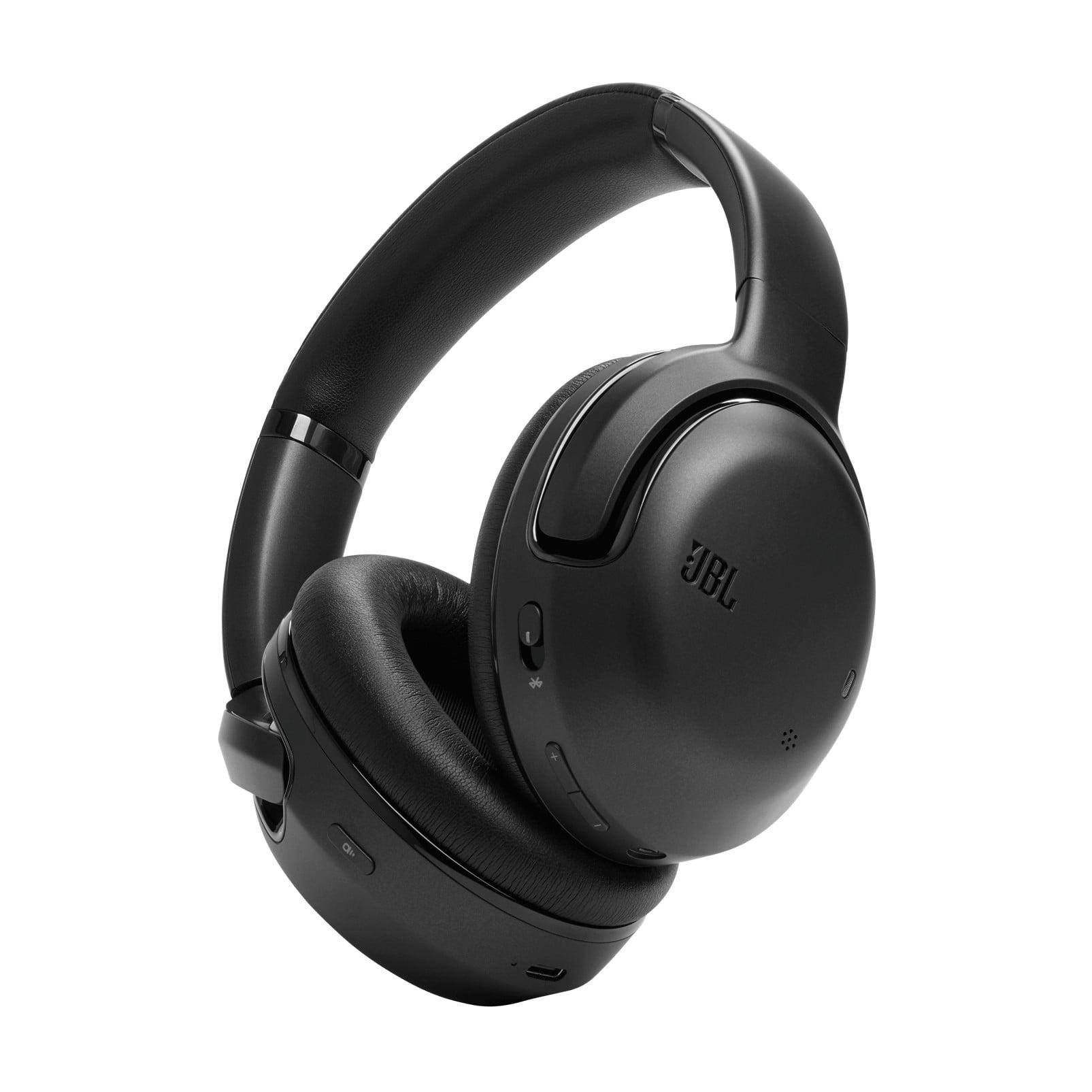

When it comes to premium wireless headphones, 2025 has brought us some fascinating choices. Two standout models that caught my attention are the Nothing Headphone (1) and the JBL Tour One M2. Both represent different philosophies in headphone design, and after spending considerable time with each, I can help you understand which might work better for your needs.
Before diving into these specific models, it's worth understanding what separates premium wireless headphones from their budget counterparts. The main factors that justify the higher price point include superior driver technology (the tiny speakers inside the headphones), advanced noise cancellation systems, exceptional battery life, premium build materials, and sophisticated app ecosystems that let you customize your listening experience.
The sweet spot for premium over-ear headphones sits in a price range that, at the time of writing, typically runs from the mid-$200s to around $400. Both the Nothing Headphone (1) and JBL Tour One M2 fall within this competitive bracket, making your decision more about features and performance than budget constraints.
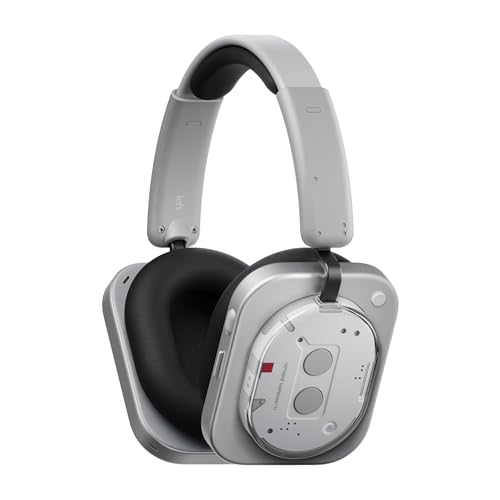
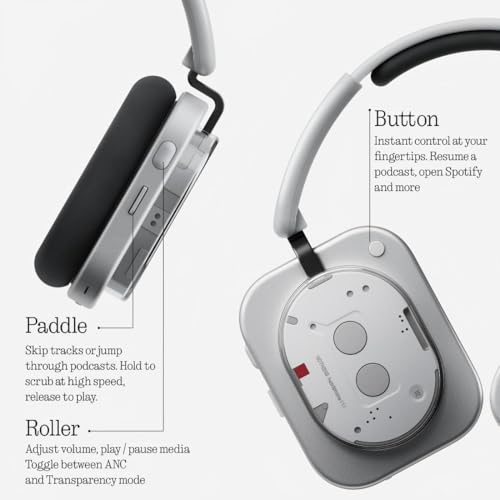
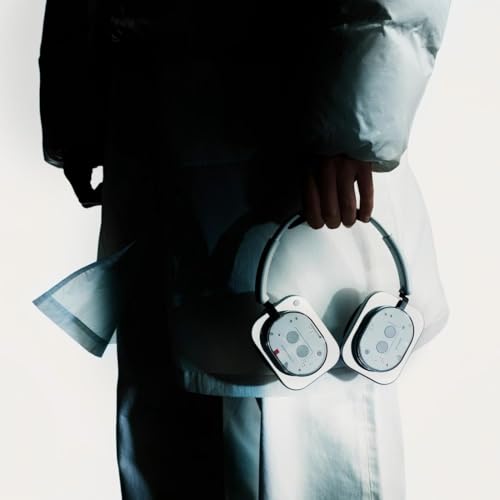
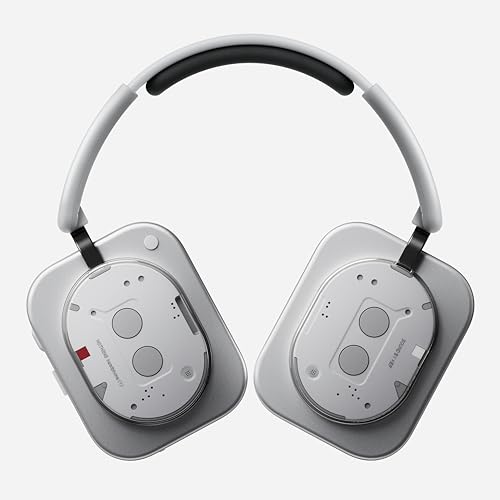
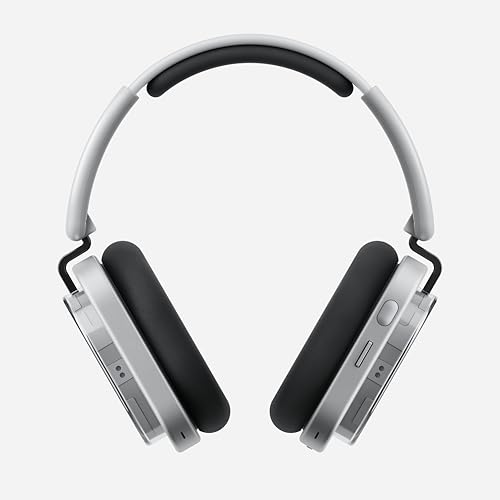
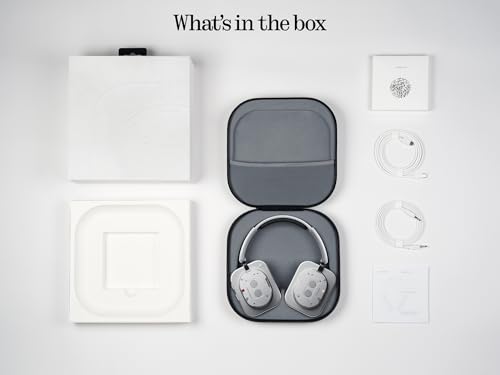
Nothing released their first over-ear headphones in 2025, marking a significant expansion from their popular earbuds. The Nothing Headphone (1) immediately stands out with its transparent design philosophy – you can literally see the internal components through the clear earcup housings. This isn't just aesthetic gimmickry; it represents Nothing's commitment to transparency in both design and business philosophy.
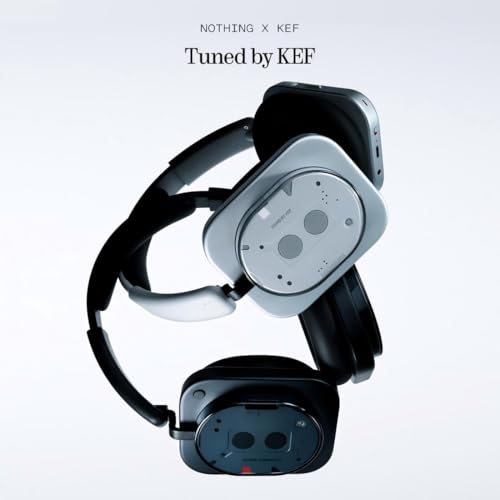
What makes this particularly interesting is Nothing's collaboration with KEF, a British audio company with decades of speaker engineering expertise. This partnership brings serious audio credibility to a relatively new headphone manufacturer.
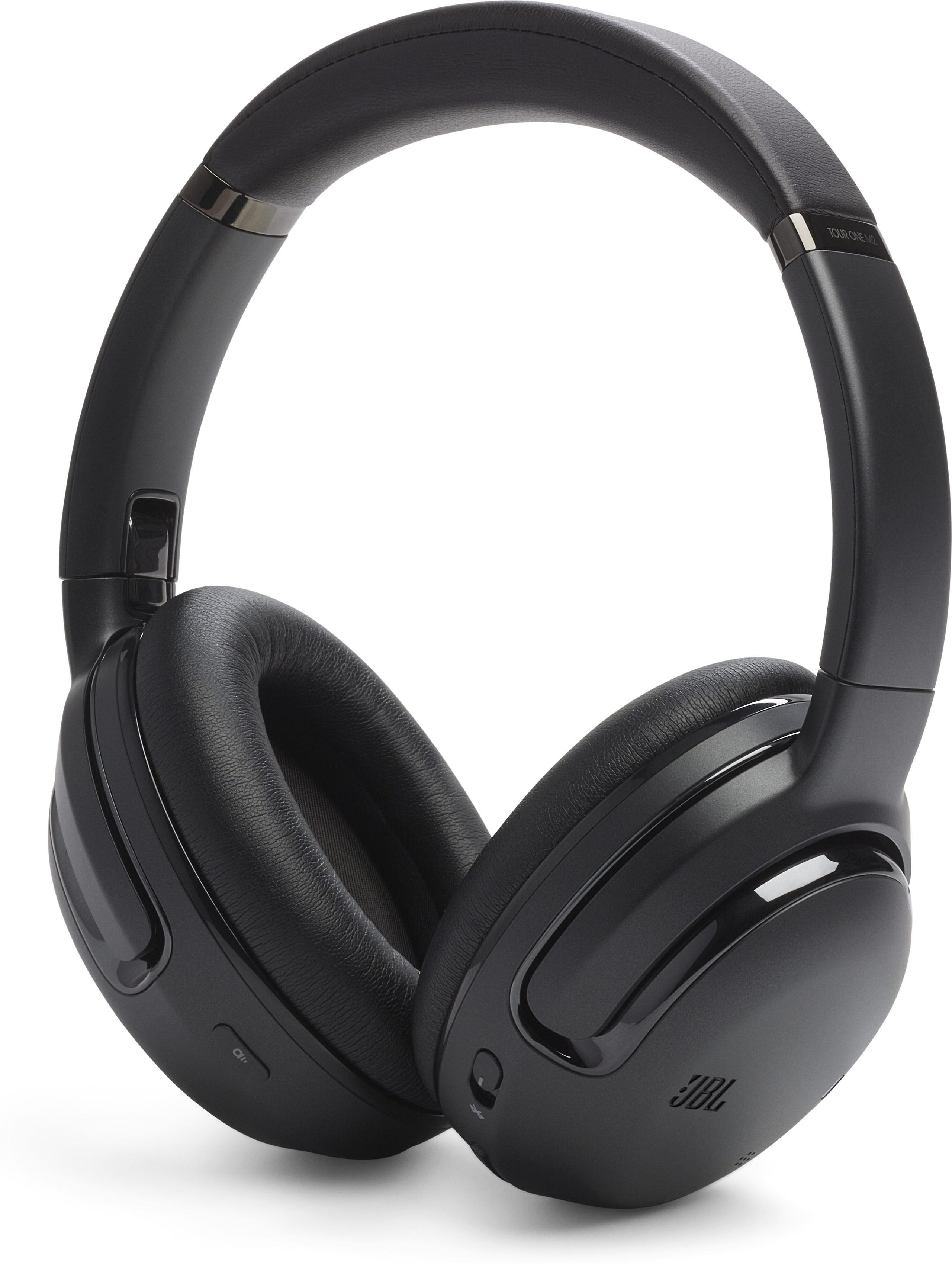
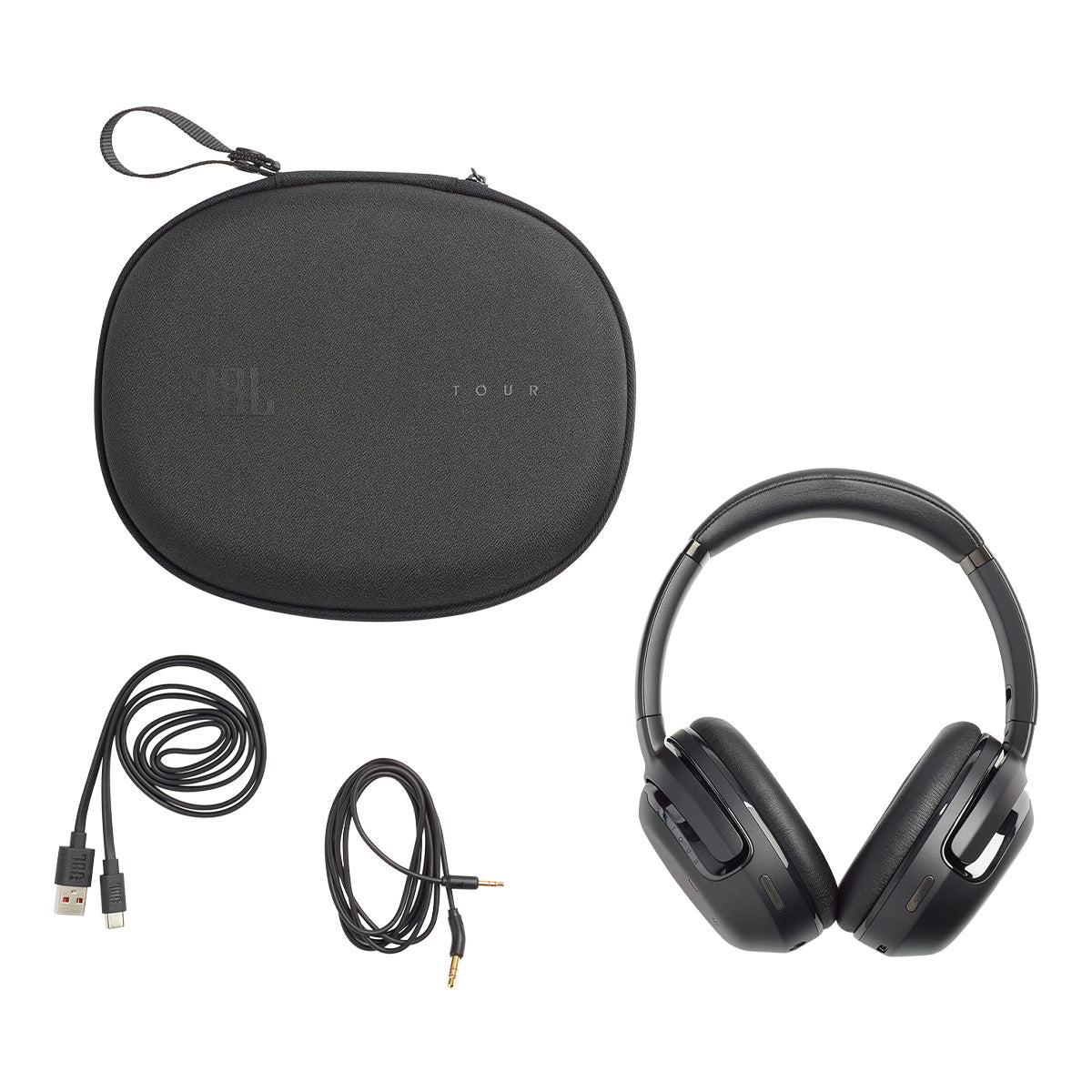
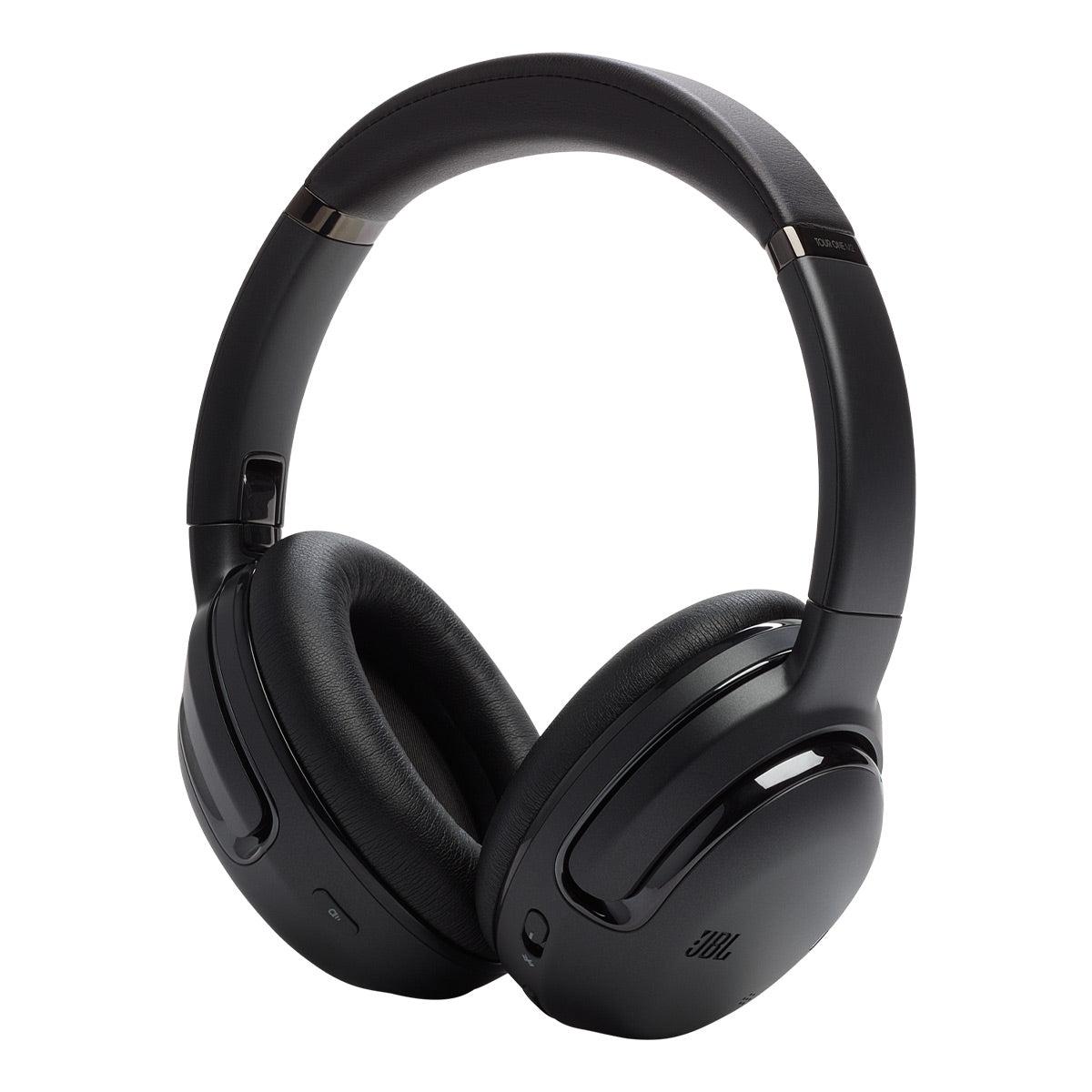
JBL, on the other hand, comes from the opposite direction – they're an established audio giant with roots going back to 1946. The JBL Tour One M2 represents their flagship consumer headphone offering, focusing on intelligent features and professional-grade audio processing rather than eye-catching aesthetics.
Released in 2024, these headphones embody JBL's "smart headphone" approach, where artificial intelligence and adaptive technologies play central roles in the user experience.
Both headphones use 40mm dynamic drivers – these are the circular components that actually create sound by vibrating air. However, their approaches to sound tuning differ significantly.
The Nothing Headphone (1) features drivers with nickel-coated polyurethane diaphragms. Think of the diaphragm as the drum skin that vibrates to create sound waves. The nickel coating helps reduce distortion and provides more precise sound reproduction. What's particularly impressive is Nothing's collaboration with KEF for the sound tuning. KEF brings decades of experience in creating neutral, accurate sound signatures that reveal details in your music rather than artificially enhancing certain frequencies.
Out of the box, the Nothing Headphone (1) delivers what I'd describe as a balanced, slightly analytical sound. It won't immediately wow you with boomy bass or sparkly highs, but it presents music in a way that lets you hear what the artist and producer intended. The real magic happens when you dive into the 8-band equalizer in their app – you can adjust not just the volume of different frequency ranges, but also the "Q factor," which controls how wide or narrow each adjustment affects neighboring frequencies.
The JBL Tour One M2, by contrast, comes with JBL's signature "Pro Sound" tuning right out of the box. This means you get punchy, well-controlled bass, full midrange frequencies (where most vocals live), and smooth treble. JBL has always excelled at creating crowd-pleasing sound signatures, and these headphones continue that tradition.
Where JBL really differentiates itself is with Personi-Fi 2.0 – essentially a hearing test built into their app. The headphones play various tones at different volumes, and based on your responses, they create a personalized sound profile tailored to your specific hearing characteristics. This is genuinely innovative technology that addresses the fact that everyone's hearing is slightly different.
Both headphones cover an impressive frequency range. The Nothing Headphone (1) handles 20Hz to 40kHz when used passively (with a wire), while the JBL Tour One M2 covers 20Hz to 40kHz as well. To put this in perspective, human hearing typically ranges from 20Hz to 20kHz, so both exceed what most people can actually hear.
The extended high-frequency response becomes important if you listen to high-resolution audio files (like those 24-bit/96kHz downloads from services like Qobuz or purchased from HDtracks). Even if you can't consciously hear frequencies above 20kHz, many audio engineers believe they contribute to the overall "air" and spaciousness of recordings.
This is where things get really interesting from a technical standpoint. Both headphones use multiple microphones to detect ambient noise and generate "anti-noise" signals to cancel it out, but their approaches differ substantially.
The Nothing Headphone (1) offers up to 42 decibels of noise reduction. To give you context, that's enough to make a busy coffee shop sound like a quiet library. The system uses a four-microphone array and offers several preset levels: low, medium, high, and adaptive.
In my testing, Nothing's ANC performs solidly across most scenarios. It's particularly effective at handling consistent background noise – airplane engines, air conditioning, traffic hum. However, it struggles somewhat with wind noise when you're outdoors, which can actually make things sound worse rather than better.
The JBL Tour One M2 takes a more sophisticated approach with what they call "True Adaptive Noise Cancelling." Instead of you manually selecting noise cancellation levels, the headphones continuously monitor your environment and adjust automatically. This happens in real-time, so as you move from a quiet room to a noisy street, the system adapts without any input from you.
JBL's system also includes some genuinely clever features. "Smart Talk" uses voice recognition to detect when you start speaking and automatically pauses your music while switching to transparency mode – letting outside sounds in so you can have a conversation. When you stop talking, everything returns to normal automatically.
For home theater use, both headphones offer transparency modes that work well for staying aware of your surroundings, but JBL's automatic switching makes it more seamless if you're frequently interrupted during movies or shows.
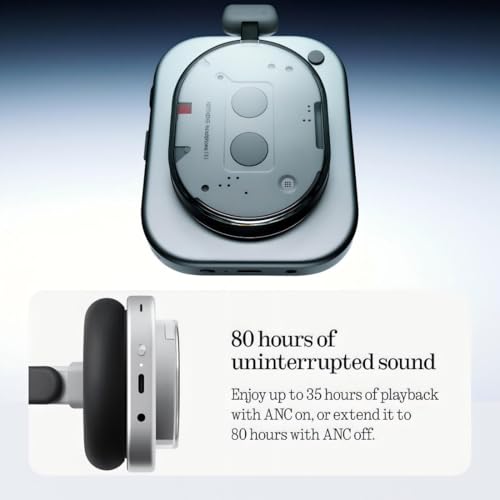
This is where the Nothing Headphone (1) absolutely dominates. With ANC turned off, these headphones deliver up to 80 hours of playback – that's more than three full days of continuous listening. Even with noise cancellation active, you still get 35 hours, which exceeds what most competitors offer at their maximum.
The JBL Tour One M2 provides more conventional but still respectable battery life: 50 hours with ANC off and 30 hours with it on. Both headphones charge via USB-C and offer quick-charge features, but Nothing's massive 1,040 mAh battery (compared to JBL's 920 mAh) simply provides more endurance.
From a practical standpoint, this difference matters most if you're a heavy user or frequent traveler. If you listen to headphones for several hours daily or take long flights regularly, Nothing's extended battery life could mean the difference between charging weekly versus every few days.
Here's where the JBL Tour One M2 fights back effectively. At 272 grams, it's significantly lighter than the Nothing Headphone (1) at 329 grams. That 57-gram difference might not sound like much, but it becomes noticeable during extended listening sessions.
I've worn both headphones for multi-hour periods, and the weight difference is real. The Nothing Headphone (1) feels more substantial on your head – not uncomfortably so for most people, but definitely more noticeable. The trade-off is that substantial feeling often correlates with premium build quality, and Nothing's headphones do feel exceptionally well-constructed.
Both use memory foam ear pads covered in soft synthetic leather, and both create good seals around your ears for effective noise isolation. The JBL Tour One M2 edges ahead slightly in long-term comfort simply due to its lighter weight.
For home theater use, comfort becomes particularly important during longer movie marathons. If you're planning 2-3 hour movie sessions, the JBL's lighter weight might make it the better choice.
Both headphones support Bluetooth 5.3, the latest standard as of 2025, which provides improved stability and lower power consumption compared to older versions. However, their codec support – the technology that compresses audio for wireless transmission – differs importantly.
The Nothing Headphone (1) supports LDAC, Sony's high-resolution wireless audio codec that can transmit up to three times more data than standard Bluetooth audio. If you have an Android phone or a device that supports LDAC, you can wirelessly stream near-CD quality audio. This makes a noticeable difference with high-quality source material.
Both headphones also support standard AAC (preferred by Apple devices) and SBC (the universal Bluetooth audio format), ensuring compatibility with any modern device.
The JBL Tour One M2 wins decisively in the smart features category. Beyond the Smart Talk functionality I mentioned earlier, it includes "Personal Sound Amplification" – essentially a hearing aid-like feature that can boost voices around you by 15-20 decibels while maintaining left/right balance. This proves surprisingly useful in noisy restaurants or when watching TV with others.
JBL's app ecosystem is also more mature, offering extensive customization options, firmware updates, and integration with various JBL services. The Personi-Fi hearing test alone represents a significant technological advancement that personalizes your audio experience in ways most headphones simply can't match.
The Nothing Headphone (1) takes a more minimalist approach to smart features, focusing instead on core audio performance and customization through their comprehensive EQ system. Their app is clean and functional, but less feature-rich than JBL's offering.
For home theater use, both headphones offer compelling advantages. The Nothing Headphone (1)'s exceptional battery life means you'll never worry about them dying during a movie marathon. The transparent design is also less visually intrusive if aesthetics matter in your living space.
However, the JBL Tour One M2's Smart Talk feature provides a significant advantage for shared viewing experiences. When someone asks a question or makes a comment during a movie, the headphones automatically pause and let you hear them clearly without any manual intervention.
Both support spatial audio technologies that can enhance movie watching, though the effectiveness varies depending on your source device and content.
After extensive testing, I believe the choice comes down to your primary priorities and use patterns.
Choose the Nothing Headphone (1) if you prioritize maximum battery life, appreciate distinctive design, want the best possible sound quality through careful EQ tuning, and don't mind carrying slightly more weight. These headphones excel for users who listen for hours daily, travel frequently, or simply want something that stands out visually while delivering excellent audio performance.
Choose the JBL Tour One M2 if comfort during long sessions is paramount, you value smart features that adapt to your environment, want personalized sound optimization through hearing tests, and prefer a more conventional professional appearance. These work particularly well for office environments, shared spaces, or users who frequently switch between music and conversation.
Both represent excellent value in the premium headphone category at the time of writing. Neither will disappoint in terms of core audio quality or noise cancellation performance. Your decision should ultimately align with how you actually use headphones day-to-day – whether that's marathon listening sessions that demand maximum battery life, or more varied use that benefits from intelligent adaptive features.
The wireless headphone market has evolved tremendously since 2020, with manufacturers now competing on sophisticated features rather than just basic audio quality. Both the Nothing Headphone (1) and JBL Tour One M2 represent this evolution well, offering genuinely advanced technology at prices that, while not cheap, provide legitimate value for their capabilities.
| Nothing Headphone (1) | JBL Tour One M2 |
|---|---|
| Battery Life - Most important for heavy users and travelers | |
| 80 hours (ANC off), 35 hours (ANC on) - Industry leading endurance | 50 hours (ANC off), 30 hours (ANC on) - Good but conventional |
| Weight - Critical for comfort during long listening sessions | |
| 329g - Heavier but premium feel | 272g - 57g lighter, better for extended wear |
| Active Noise Cancellation - Essential for blocking distractions | |
| Up to 42dB reduction, manual/adaptive modes | True Adaptive ANC with real-time environmental adjustment |
| Audio Codec Support - Important for high-quality wireless audio | |
| SBC, AAC, LDAC (high-resolution wireless audio) | SBC, AAC (no LDAC mentioned in specs) |
| Sound Tuning Philosophy - Affects your music enjoyment | |
| KEF collaboration, balanced/analytical, extensive 8-band EQ | JBL Pro Sound signature, crowd-pleasing bass, Personi-Fi hearing optimization |
| Smart Features - Convenience for daily use | |
| Spatial audio, wear detection, physical controls | Smart Talk (voice recognition), Personal Sound Amplification, touch controls |
| Design Approach - Impacts aesthetics and durability | |
| Transparent "squircle" design, IP52 water resistance | Professional black/silver, conventional but sturdy build |
| Driver Technology - Foundation of sound quality | |
| 40mm dynamic with nickel-coated PU diaphragm | 40mm dynamic drivers with JBL Pro Sound tuning |
| Bluetooth Version - Affects connection stability and battery efficiency | |
| Bluetooth 5.3 - Latest standard for best performance | Bluetooth 5.3 - Latest standard for best performance |
| Charging Speed - Convenience for busy lifestyles | |
| 5 hours playback from 5-minute charge | 5 hours playback from 10-minute charge (slightly slower) |
| App Ecosystem - Customization and feature access | |
| Nothing X app with advanced EQ, basic feature set | JBL Headphones app with extensive features, hearing tests, spatial audio |
| Multi-device Connection - Important for switching between phone/computer | |
| Dual-device simultaneous connection | Multi-point connection support |
The Nothing Headphone (1) has significantly better battery life, offering up to 80 hours with ANC off and 35 hours with ANC on. The JBL Tour One M2 provides 50 hours (ANC off) and 30 hours (ANC on). For heavy users and travelers, the Nothing Headphone (1) offers nearly twice the endurance.
The JBL Tour One M2 is more comfortable for extended wear at 272g, while the Nothing Headphone (1) weighs 329g. The 57-gram difference becomes noticeable during multi-hour sessions, making the JBL Tour One M2 better for marathon listening or all-day wear.
Both offer effective noise cancellation, but with different approaches. The Nothing Headphone (1) provides up to 42dB of noise reduction with manual control, while the JBL Tour One M2 features True Adaptive ANC that automatically adjusts to your environment in real-time, making it more intelligent but potentially less powerful.
Sound quality depends on preference. The Nothing Headphone (1) offers balanced, analytical sound tuned with KEF and extensive EQ customization. The JBL Tour One M2 delivers crowd-pleasing JBL Pro Sound with punchy bass and includes Personi-Fi hearing optimization. Both can sound excellent when properly configured.
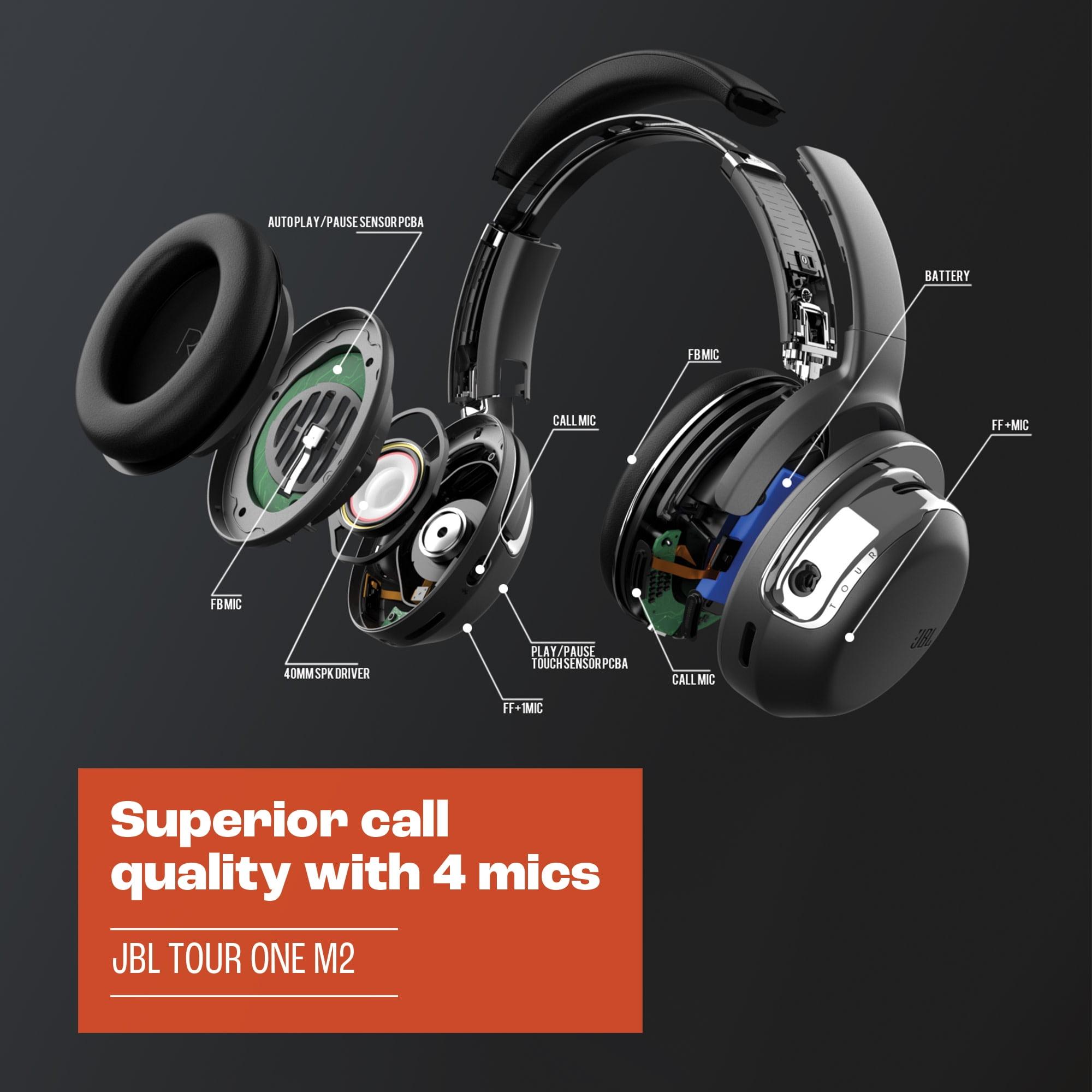
The JBL Tour One M2 has superior call features with a 4-microphone array, AI-powered Clear Voice Technology, and VoiceAware monitoring. The Nothing Headphone (1) has decent call quality but lacks the advanced microphone processing that makes JBL better for frequent phone use.
The Nothing Headphone (1) offers a dedicated low-latency gaming mode and spatial audio with head-tracking, making it slightly better for gaming. The JBL Tour One M2 also supports spatial audio but doesn't specifically mention gaming optimization features.
The JBL Tour One M2 has more extensive app features including Personi-Fi hearing tests, Personal Sound Amplification, and comprehensive customization options. The Nothing Headphone (1) offers a cleaner but more basic app experience focused on advanced EQ control rather than smart features.
The Nothing Headphone (1) supports LDAC for high-resolution wireless audio, along with AAC and SBC codecs. The JBL Tour One M2 supports AAC and SBC but doesn't mention LDAC support, making the Nothing Headphone (1) better for audiophiles with compatible devices.
The Nothing Headphone (1) offers IP52 water resistance for protection against dust and light splashes. The JBL Tour One M2 has sturdy construction but doesn't specify water resistance ratings. For durability in various conditions, the Nothing Headphone (1) has the advantage.
Both work well for home theater use. The JBL Tour One M2 has Smart Talk feature that automatically pauses audio when you speak, making it convenient for shared viewing. The Nothing Headphone (1) offers longer battery life for movie marathons and spatial audio with head-tracking for immersive experiences.
The Nothing Headphone (1) charges slightly faster, providing 5 hours of playback from just 5 minutes of charging. The JBL Tour One M2 offers 5 hours from 10 minutes of charging. Both fully charge in about 2 hours via USB-C.
The choice depends on priorities. Choose Nothing Headphone (1) for exceptional battery life, unique design, LDAC support, and KEF-tuned audio. Choose JBL Tour One M2 for superior comfort, smart adaptive features, personalized sound optimization, and lighter weight. Both offer excellent value in their respective strengths.
We've done our best to create useful and informative comparisons to help you decide what product to buy. Our research uses advanced automated methods to create this comparison and perfection is not possible - please contact us for corrections or questions. These are the sites we've researched in the creation of this article: recordingnow.com - loudnwireless.com - markellisreviews.com - tomsguide.com - tomsguide.com - youtube.com - cnet.com - soundguys.com - 9to5google.com - youtube.com - notebookcheck.net - techradar.com - us.kef.com - soundguys.com - alexreviewstech.com - walmart.com - us.nothing.tech - youtube.com - youtube.com - tomsguide.com - majorhifi.com - audio46.com - synced.sg - majorhifi.com - versus.com - youtube.com - youtube.com - peterfalkingham.com - youtube.com - jbl.com - manuals.plus - bhphotovideo.com - device.report - jblonlinestore.com - bhphotovideo.com - jbl.com.my - en.jblthailand.com - harmanhouse.com - versus.com - consumerreports.org - bestbuy.com - th.jbl.com - jbl.com - theindianaudiophileforum.com

Privacy Policy
Terms and Conditions - Affiliate Policy
Home Security
© Copyright 2008-2026.
11816 Inwood Rd #1211, Dallas, TX 75244