





Choosing headphones can feel overwhelming when you're comparing products that seem completely different yet might both catch your eye. That's exactly what happens when you look at the Pioneer DJ HDJ-CUE1 and the Nothing Headphone (1). One screams "DJ booth," while the other whispers "premium lifestyle." But here's the thing – understanding what makes each special can help you figure out which one actually fits your needs better.
The headphone world splits into many categories, and these two products couldn't be more different in their approach. The Pioneer DJ HDJ-CUE1, released in 2020, represents what we call "professional monitoring headphones." These are tools designed for a specific job – helping DJs mix music accurately and monitor their sets in loud environments.
On the flip side, the Nothing Headphone (1), which hit the market in 2024, falls into the "premium consumer wireless" category. It's built for everyday life, packed with modern features like noise cancellation and wireless connectivity that make daily listening more enjoyable.
Think of it like comparing a chef's knife to a Swiss Army knife. Both cut things, but they're designed for completely different purposes. The chef's knife excels at one thing, while the Swiss Army knife handles many tasks reasonably well.
When evaluating headphones, the main considerations typically include sound quality, comfort for extended use, build durability, and features that enhance your listening experience. However, with products from different categories like these, you need to think about intended use first, then dive into performance characteristics.
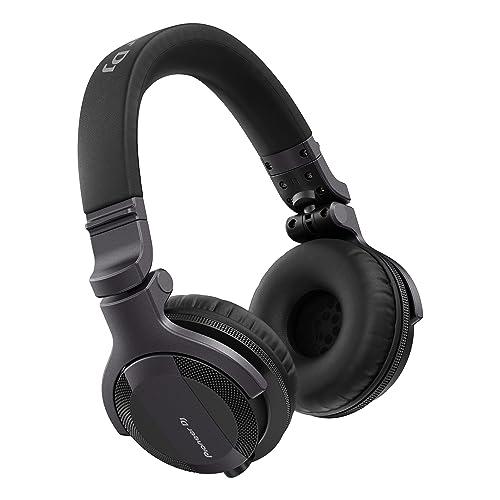
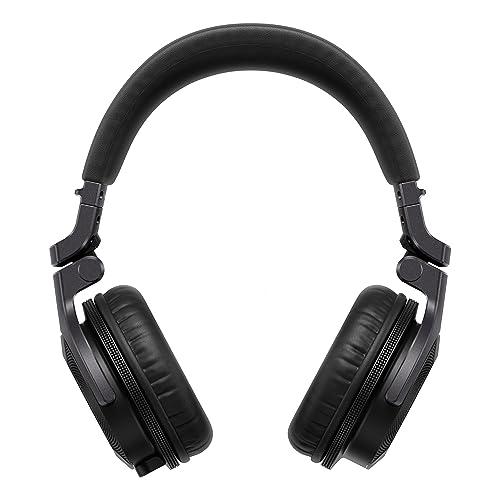
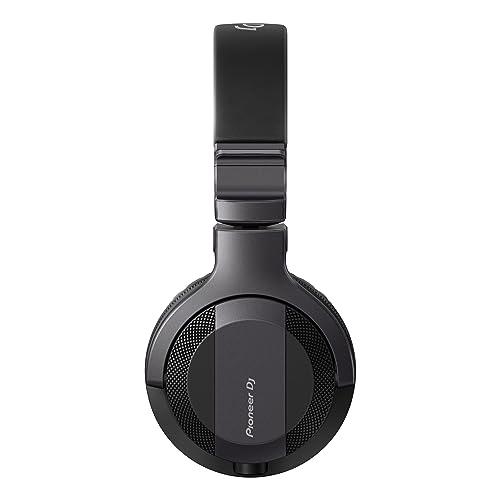
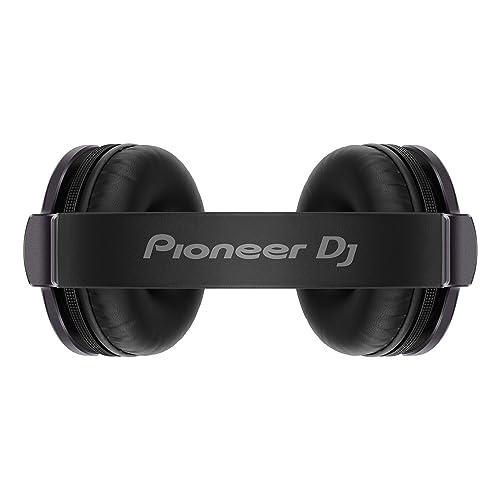
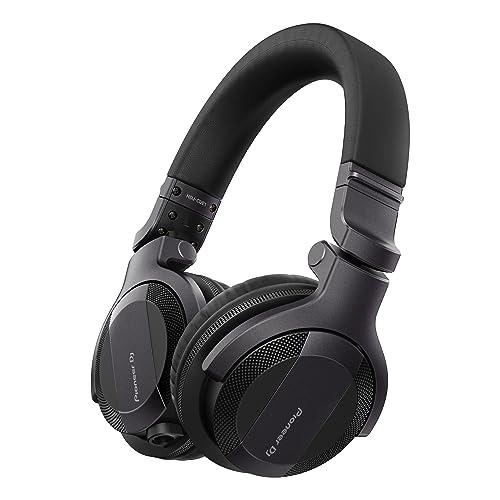
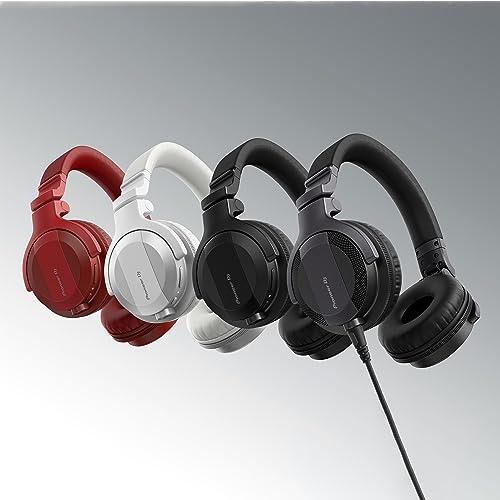
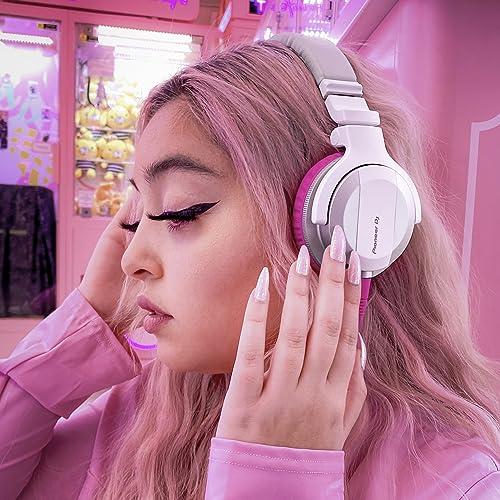
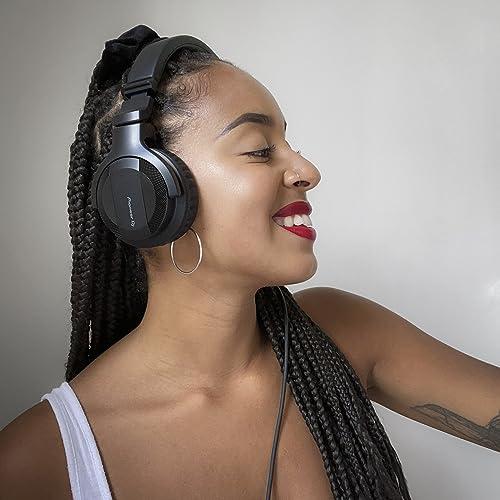
The design differences between these headphones tell you everything about their intended audiences. The Pioneer DJ HDJ-CUE1 follows a "form follows function" approach that prioritizes practical features over flashy aesthetics.
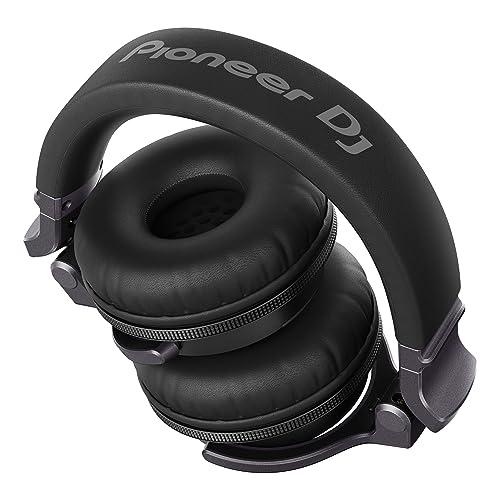
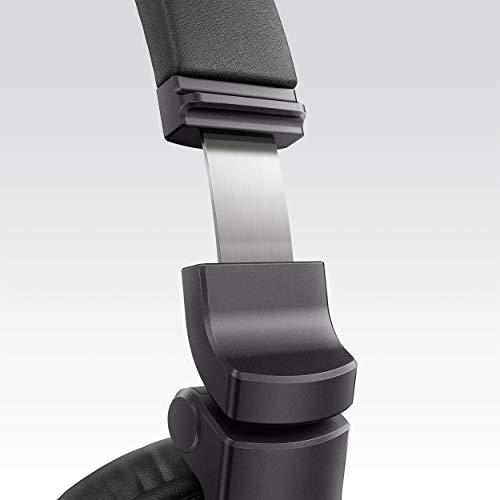
At just 215 grams, the Pioneer headphones feel surprisingly light on your head. The lightweight design isn't just about comfort – it's essential when you're wearing headphones for hours during a DJ set. The metal-reinforced headband means these can survive the rigors of being tossed into DJ bags, set up in cramped booths, and handled roughly night after night. I've seen DJ headphones that looked pristine get destroyed in a single weekend of gigs, so this reinforcement matters more than you might think.
The ear cups rotate a full 90 degrees, which might seem like a simple feature until you understand why it exists. DJs need to monitor their mix with one ear while keeping the other ear free to hear how the music sounds through the main speakers. This single-ear monitoring technique is fundamental to live mixing, and the HDJ-CUE1's swivel mechanism makes it effortless.
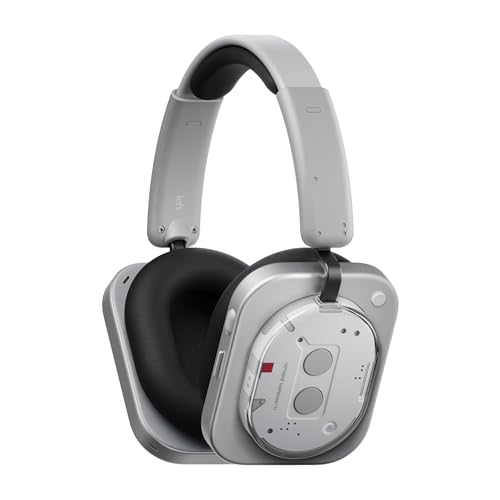
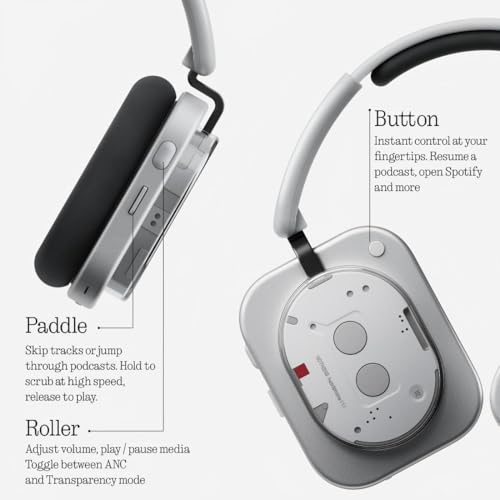
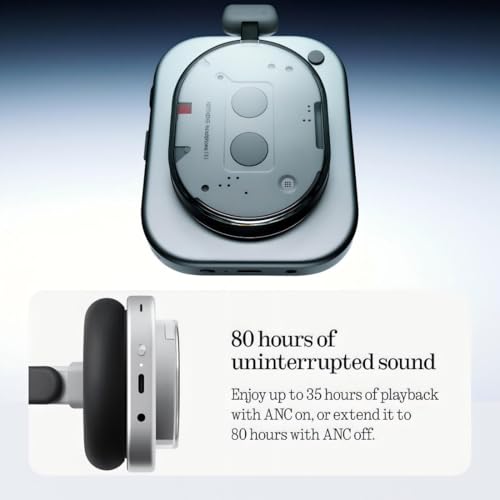
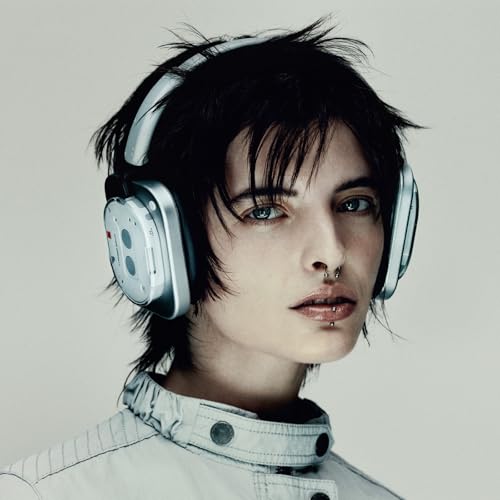
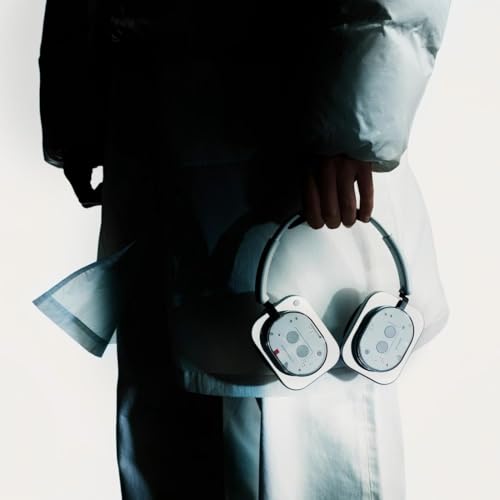
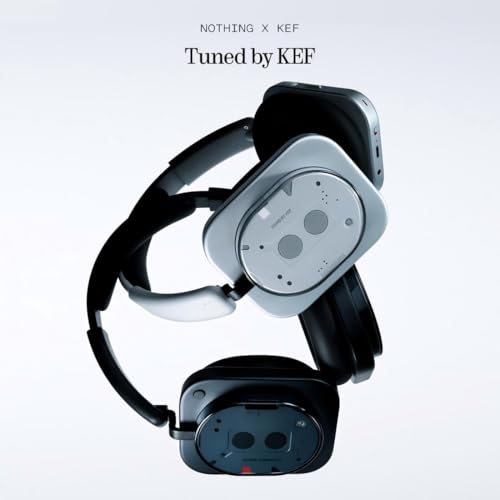
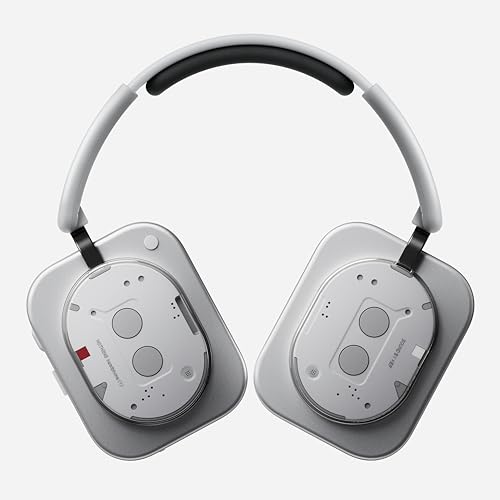
Meanwhile, the Nothing Headphone (1) takes a completely different approach. Those transparent "squircle" (square-circle hybrid) ear cups aren't just for show – they represent Nothing's philosophy of making technology more human and less mysterious by literally showing you what's inside.
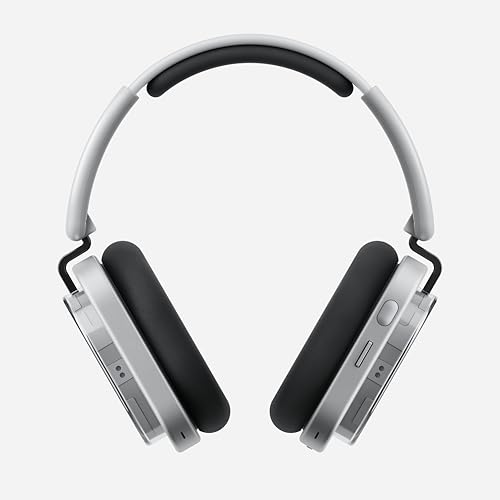
The over-ear design of the Nothing headphones prioritizes comfort for all-day wear. At 329 grams, they're heavier than the Pioneer model, but that weight comes with benefits: larger drivers, bigger batteries, and more substantial noise-canceling components. The materials feel premium – a mix of metal and high-quality plastics that suggest these headphones could last for years of regular use.
Here's where things get really interesting. Both headphones use 40mm drivers (the part that actually produces sound), but they're tuned for completely different purposes.
The Pioneer DJ HDJ-CUE1 inherits its sound signature from Pioneer's professional HDJ-X5 model. This means it emphasizes bass frequencies – particularly kick drums and basslines that are crucial for DJ mixing. When you're beatmatching (aligning the tempo of two songs to mix them together), you need to clearly hear these low-frequency elements. The frequency response spans from 5 Hz to 30,000 Hz, but the real magic happens in how it emphasizes the frequencies that matter most for mixing electronic music.
This bass-heavy tuning works great for genres like hip-hop, house, and electronic dance music. However, it might make vocals sound slightly recessed compared to neutral headphones. Think of it like having a car stereo system tuned for maximum impact – it's exciting and powerful, but not necessarily the most accurate representation of how music was originally mixed.
The Nothing Headphone (1) takes a broader approach with its KEF-tuned drivers. KEF is a respected British audio company known for high-end speakers, and their collaboration with Nothing shows in the balanced sound signature. These headphones cover an even wider frequency range (20 Hz to 40,000 Hz) and include support for high-resolution audio codecs like LDAC.
What really sets the Nothing headphones apart is the 8-band parametric EQ in their companion app. This means you can adjust not just the volume of different frequency ranges, but also how wide or narrow each adjustment is – giving you precise control over the sound. It's like having a professional mixing board for your headphones.
The adaptive bass enhancement feature automatically adjusts low-frequency response based on what you're listening to, while spatial audio with head-tracking creates a more immersive experience for movies and games. These features represent the kind of technological sophistication you'd expect from premium consumer electronics in 2024.
This is where the fundamental differences between these products become most apparent. The Pioneer DJ HDJ-CUE1 relies entirely on passive noise isolation – the physical seal created by the ear cups against your head. This closed-back design does a decent job of blocking outside noise, but it's not designed to create a completely quiet environment.
In a DJ context, you actually don't want complete isolation. You need to hear some ambient sound to gauge how the music sounds in the room and react to the crowd. The passive isolation of the Pioneer headphones strikes a balance between focus and environmental awareness.
The Nothing Headphone (1) brings modern active noise cancellation (ANC) technology to the table. With up to 42 decibels of noise reduction, these headphones can significantly reduce background noise from air conditioning, traffic, or airplane engines. The four-microphone array continuously samples environmental noise and generates opposing sound waves to cancel it out – a process that happens hundreds of times per second.
What's particularly clever about the Nothing headphones is their adaptive ANC system. Instead of just offering on/off controls, you can choose between low, medium, high, and adaptive modes. The adaptive mode automatically adjusts cancellation strength based on your environment, which means better battery life when you don't need maximum noise reduction.
The transparency mode deserves special mention because it's become essential for modern life. Rather than taking the headphones off to hear announcements or have conversations, transparency mode uses the external microphones to pipe ambient sound into your ears. It's like having super-hearing, and the Nothing implementation is reported to sound quite natural.
Here's where the generational difference between these products becomes crystal clear. The Pioneer DJ HDJ-CUE1 is fundamentally a wired product, though a Bluetooth variant exists. For DJ use, wired connection is actually preferable because it eliminates any audio latency (delay) that could throw off your mixing timing.
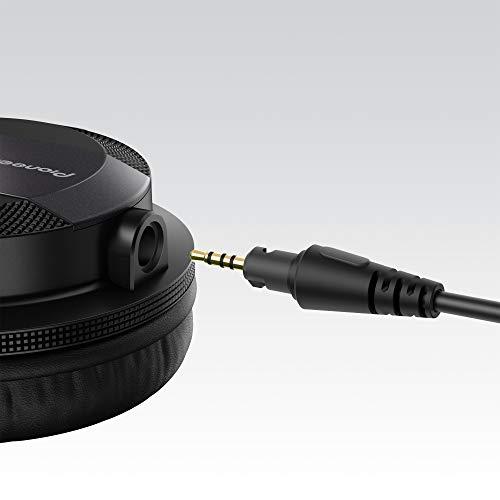
The 1.2-meter coiled cable that extends to 1.8 meters strikes a practical balance – long enough to reach your DJ mixer, but not so long that it becomes unwieldy in tight booth spaces. The L-shaped connector reduces strain on the cable and makes accidental disconnections less likely when you're moving around.
The Nothing Headphone (1) represents everything that's evolved in wireless audio since 2020. Bluetooth 5.3 provides more stable connections and better battery efficiency than earlier versions. Multi-point connectivity means you can stay connected to both your phone and laptop simultaneously, automatically switching between them as needed.
The codec support tells an important story about audio quality priorities. The Nothing headphones support LDAC, which can transmit nearly three times more data than standard Bluetooth codecs. This means you can get closer to wired audio quality wirelessly, especially when listening to high-resolution music files.
For gaming or video watching, the low-latency mode reduces the delay between what you see and what you hear – crucial for maintaining immersion and competitive performance in games.
Battery performance has become one of the most important factors in wireless headphones, and the Nothing Headphone (1) excels here. With up to 80 hours of playback time with ANC off, and 35 hours with it on, these numbers put it among the longest-lasting wireless headphones available at the time of writing.
The fast charging capability provides about 5 hours of playback from just a 5-minute charge, which can be a lifesaver when you're heading out and realize your headphones are dead. This kind of performance comes from the large 1,040 mAh battery – much bigger than what you'd find in wireless earbuds.
The Pioneer DJ HDJ-CUE1, being primarily wired, never needs charging for basic operation. This reliability factor shouldn't be underestimated – there's nothing worse than having your headphones die in the middle of an important session.
Extended wearing comfort becomes crucial when you're using headphones for more than casual listening. The Pioneer DJ HDJ-CUE1 uses an on-ear design that sits on your ears rather than around them. This keeps the overall size compact, but some users find on-ear headphones less comfortable for very long sessions compared to over-ear designs.
However, the lightweight construction and flexible headband help mitigate fatigue. The ear pads are replaceable, which is essential for a product designed for professional use where hygiene and wear over time become concerns.
The Nothing Headphone (1) uses an over-ear design that generally provides better long-term comfort by distributing weight around your ears rather than on them. The larger ear cups also typically provide better noise isolation and soundstage (the sense of space in your music).
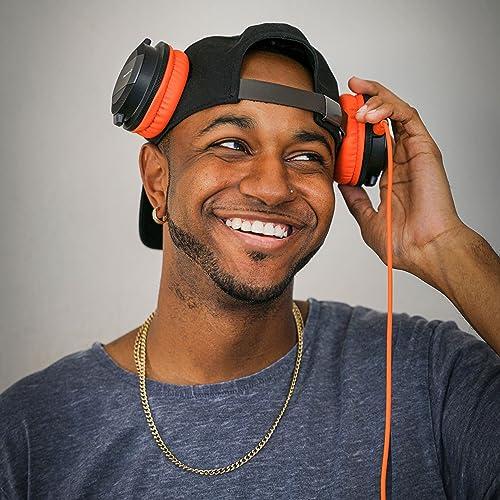
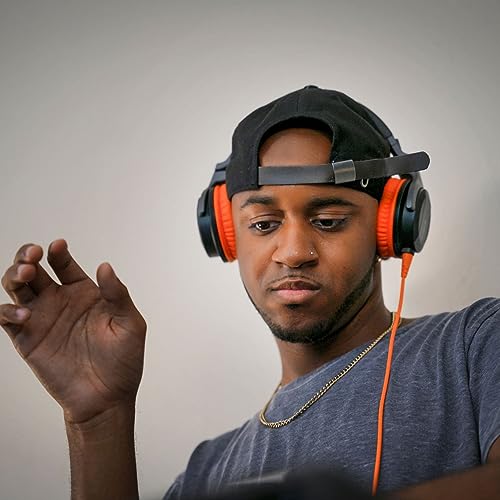
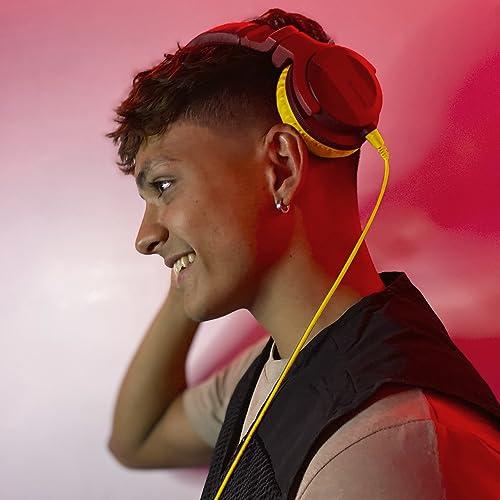
The build quality philosophy differs significantly between these products. The Pioneer headphones are built to be repairable and customizable, with replacement parts readily available. You can even swap the cables and ear pads for different colors, which isn't just about aesthetics – it's about keeping your gear functional and fresh over years of use.
For home theater use, these headphones serve very different purposes. The Pioneer DJ HDJ-CUE1 can work for casual movie watching, but the bass-heavy tuning might make dialogue less clear than neutral headphones would. They're better suited for action movies or music-focused content where that extra low-end impact enhances the experience.
The Nothing Headphone (1) shines in home theater applications. The spatial audio feature creates a more immersive experience for movies and shows, while the ANC helps you focus on content without outside distractions. The wireless freedom means you can move around without worrying about cable length or getting tangled up.
For commuting and travel, there's no contest – the Nothing headphones win decisively. The active noise cancellation transforms airplane flights and train rides, while the long battery life means you won't be hunting for charging outlets during layovers.
The calling capabilities also favor the Nothing model. The four-microphone array with AI-powered voice processing makes phone calls and video meetings much clearer than what you'd get from most headphones. The Pioneer model has no microphone at all, since it's designed purely for audio monitoring.
At the time of writing, these headphones sit in different price categories, which makes direct value comparisons tricky. The Pioneer DJ HDJ-CUE1 represents exceptional value in the entry-level DJ headphone market, offering professional-grade sound tuning at a consumer-friendly price point.
For aspiring DJs or anyone who loves bass-heavy electronic music, the Pioneer headphones deliver performance that previously required much more expensive equipment. The ability to customize and replace parts also means these can last for years with proper care.
The Nothing Headphone (1) competes in the premium consumer market against established players like Sony, Bose, and Apple. While it costs more than the Pioneer model, it undercuts many flagship competitors while offering comparable features and longer battery life.
The software support aspect favors the Nothing headphones as well. Modern wireless headphones receive firmware updates that can add new features or improve performance over time. The Pioneer model, being primarily analog, offers the consistency of never changing – which is both a strength and a limitation depending on your perspective.
Choose the Pioneer DJ HDJ-CUE1 if you're learning to DJ, produce electronic music, or simply love bass-heavy sound signatures. These headphones excel in environments where you need reliable, no-fuss audio performance. They're also perfect if you prefer wired connections for zero latency or don't want to worry about battery management.
The durability and repairability make them a smart long-term investment for anyone who plans to use headphones regularly in demanding situations. If you value being able to customize your gear's appearance and replace worn parts, the Pioneer model offers flexibility that many modern products lack.
Go with the Nothing Headphone (1) if you want a premium daily driver that handles everything from commuting to conference calls to movie nights. The comprehensive feature set and exceptional battery life make these headphones capable companions for modern life.
The active noise cancellation alone justifies the higher price for many users, especially if you frequently travel or work in noisy environments. The wireless convenience and multi-device connectivity also align better with how most people use technology today.
Ultimately, your choice should align with your primary use case. The Pioneer headphones are specialists that excel at their intended purpose, while the Nothing model is a generalist that handles many situations well. Both represent good value in their respective categories, but they're solving fundamentally different problems for different types of users.
Understanding these differences helps you make a decision based on your actual needs rather than getting distracted by features you might never use. Sometimes the best tool is the simplest one that does exactly what you need it to do.
| Pioneer DJ HDJ-CUE1 | Nothing Headphone (1) |
|---|---|
| Primary Use Case - Determines if the headphones will meet your needs | |
| DJ monitoring and mixing (specialized tool) | Premium daily listening with modern features |
| Design Type - Affects comfort and isolation | |
| On-ear, closed-back, lightweight (215g) | Over-ear, closed-back, heavier (329g) but more comfortable |
| Connectivity - Impacts convenience and audio quality | |
| Wired 3.5mm (zero latency, always works) | Bluetooth 5.3 + wired options (wireless freedom, multi-device) |
| Active Noise Cancellation - Essential for commuting/travel | |
| None (passive isolation only) | Up to 42dB adaptive ANC with transparency mode |
| Battery Life - Critical for wireless headphones | |
| No battery needed (wired connection) | 35-80 hours depending on ANC usage (industry-leading) |
| Sound Signature - Determines music genre suitability | |
| Bass-heavy, tuned for DJ mixing and electronic music | Balanced KEF tuning with 8-band customizable EQ |
| Driver Size - Affects sound quality potential | |
| 40mm dynamic drivers | 40mm nickel-coated PU diaphragm drivers |
| Frequency Response - Shows audio range capability | |
| 5 Hz - 30,000 Hz (focused on mixing frequencies) | 20 Hz - 40,000 Hz (hi-res audio support) |
| Special Features - Adds value beyond basic audio | |
| 90° swiveling cups for DJ monitoring, customizable colors | Spatial audio, head-tracking, Find My Device, gaming mode |
| Microphone Quality - Important for calls and meetings | |
| No microphone | 4-microphone array with AI noise reduction |
| Durability Focus - Matters for long-term value | |
| Professional-grade with metal reinforcement, replaceable parts | Premium consumer build with IP52 water resistance |
| Codec Support - Affects wireless audio quality | |
| Analog only (no compression, consistent quality) | LDAC, AAC, SBC (high-quality wireless audio) |
| Price Category - Determines value proposition | |
| Entry-level DJ headphones (exceptional value for purpose) | Premium consumer headphones (competitive with flagship models) |
No, the Pioneer DJ HDJ-CUE1 and Nothing Headphone (1) serve completely different purposes. The Pioneer headphones are specialized DJ monitoring headphones designed for mixing and beatmatching, while the Nothing Headphone (1) are premium consumer wireless headphones built for everyday listening, commuting, and modern lifestyle use.
For general music listening, the Nothing Headphone (1) offers superior versatility with KEF-tuned balanced sound and customizable 8-band EQ. The Pioneer DJ HDJ-CUE1 has a bass-heavy signature optimized for DJ mixing, which works great for electronic music but may sound less balanced for other genres.
Only the Nothing Headphone (1) is primarily wireless with Bluetooth 5.3 connectivity. The Pioneer DJ HDJ-CUE1 is designed as wired headphones with a 3.5mm cable, though a Bluetooth variant (HDJ-CUE1BT) is available. For DJ use, wired connection is preferred to avoid audio latency.
The Nothing Headphone (1) typically provides better long-term comfort with its over-ear design that sits around your ears rather than on them. The Pioneer DJ HDJ-CUE1 uses an on-ear design that's lighter (215g vs 329g) but may cause more ear fatigue during extended use.
The Nothing Headphone (1) features active noise cancellation with up to 42dB of noise reduction and multiple ANC modes. The Pioneer DJ HDJ-CUE1 only provides passive noise isolation through its closed-back design, as DJs need some environmental awareness during performances.
The Nothing Headphone (1) excels at calls with its four-microphone array and AI-powered Clear Voice Technology for noise suppression. The Pioneer DJ HDJ-CUE1 has no built-in microphone, making it unsuitable for calls or video conferencing.
The Nothing Headphone (1) offers exceptional battery life with 35-80 hours of playback depending on ANC usage. The wired Pioneer DJ HDJ-CUE1 requires no battery, while the Bluetooth variant provides about 30 hours of wireless use.
Value depends on your needs. The Pioneer DJ HDJ-CUE1 offers exceptional value for aspiring DJs or electronic music lovers, providing professional-grade tuning at an entry-level price. The Nothing Headphone (1) provides good value in the premium consumer market with features typically found in more expensive flagship models.
The Nothing Headphone (1) is excellent for home theater with spatial audio, head-tracking, and ANC for immersive movie watching. The Pioneer DJ HDJ-CUE1 can work for movies but the bass-heavy tuning may make dialogue less clear, though it enhances action scenes and music-focused content.
Both offer different durability approaches. The Pioneer DJ HDJ-CUE1 features professional-grade construction with metal reinforcement and replaceable parts designed for DJ booth conditions. The Nothing Headphone (1) offers premium consumer durability with IP52 water resistance and sophisticated engineering for daily lifestyle use.
The Nothing Headphone (1) offers extensive sound customization through its companion app with 8-band parametric EQ and personal sound profiles. The Pioneer DJ HDJ-CUE1 has fixed tuning optimized for DJ use, though you can customize the physical appearance with colored accessories.
For most non-DJ users, the Nothing Headphone (1) is the better choice, offering wireless convenience, noise cancellation, excellent battery life, and versatile sound quality. Choose the Pioneer DJ HDJ-CUE1 only if you specifically love bass-heavy electronic music or prefer the reliability of wired connections.
We've done our best to create useful and informative comparisons to help you decide what product to buy. Our research uses advanced automated methods to create this comparison and perfection is not possible - please contact us for corrections or questions. These are the sites we've researched in the creation of this article: bestbuy.com - pioneerdjstore.com - rtings.com - idjnow.com - youtube.com - pioneerdj.com - soundguys.com - pioneerdj.com - digitaldjtips.com - pioneerdj.com - guitarcenter.com - empirepro.com - idjnow.com - emiaudio.com - pioneerdj.com - sfm.ca - sweetwater.com - pioneerdj.com - pioneerdj.com - pioneerdj.com - recordingnow.com - loudnwireless.com - markellisreviews.com - tomsguide.com - tomsguide.com - youtube.com - cnet.com - soundguys.com - 9to5google.com - youtube.com - notebookcheck.net - techradar.com - us.kef.com - soundguys.com - alexreviewstech.com - walmart.com - us.nothing.tech - youtube.com - youtube.com

Privacy Policy
Terms and Conditions - Affiliate Policy
Home Security
© Copyright 2008-2026.
11816 Inwood Rd #1211, Dallas, TX 75244