



When I first started reviewing wireless headphones five years ago, the market was much simpler. You had expensive options with decent features, or cheap ones that barely worked. Today's landscape is dramatically different, with quality options spanning from budget-friendly models to premium flagship products that rival studio monitors.
The JBL Tune 720BT and Bose QuietComfort Ultra perfectly illustrate this evolution. Released in 2023, these headphones represent two completely different philosophies: maximum value at an affordable price point versus premium performance with cutting-edge technology. At the time of writing, you're looking at roughly a $300 price difference between these models, but understanding what that money gets you (or doesn't get you) is crucial for making the right choice.
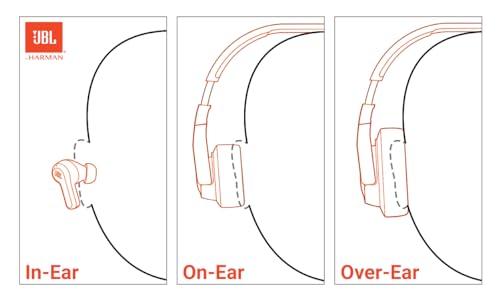
Before diving into specifics, let's establish what makes over-ear wireless headphones special in 2024. Unlike earbuds that sit in your ear canal or on-ear models that rest against your ears, over-ear headphones completely encompass your ears with cushioned ear cups. This design provides better passive noise isolation (blocking sound through physical barriers), more room for larger audio drivers (the speakers inside the headphones), and typically more comfortable extended wear.
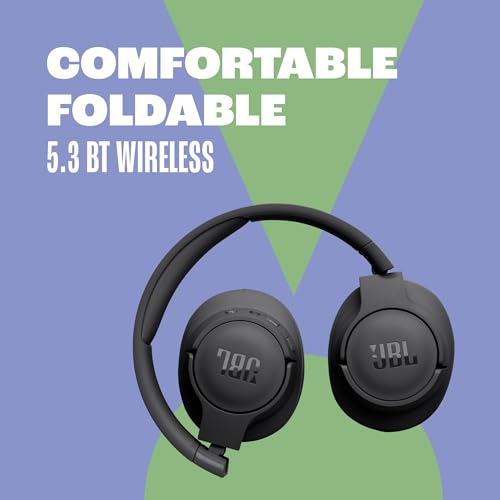
The wireless aspect has evolved tremendously since early Bluetooth headphones. Modern models use Bluetooth 5.3, which provides more stable connections, better battery efficiency, and support for advanced audio codecs. These codecs are basically compression algorithms that determine how your music gets transmitted from your phone to your headphones – think of them as different languages your devices speak to each other.
What really matters in this category comes down to a few key areas: sound quality that doesn't fatigue your ears, comfort for marathon listening sessions, battery life that keeps up with your lifestyle, and increasingly, active noise cancellation (ANC) that blocks out the world when you need focus.
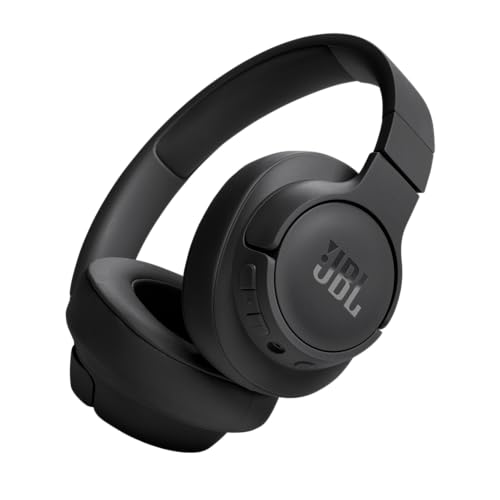
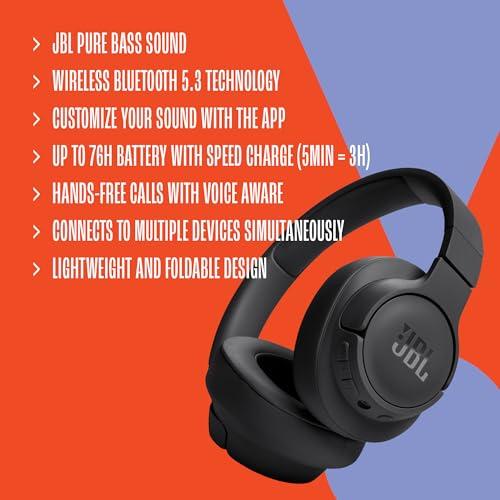
The JBL Tune 720BT launched in 2023 with a clear mission: deliver solid wireless audio performance without breaking the bank. JBL has been refining their budget headphone formula for years, and the 720BT represents their most successful attempt yet at creating a truly competitive entry-level option.
What immediately strikes you about the Tune 720BT is its incredibly light weight – just 220 grams. To put that in perspective, that's lighter than most hardcover books and significantly lighter than premium competitors. JBL achieved this through extensive use of lightweight plastics, which admittedly don't feel as premium as metal and leather alternatives, but serve their functional purpose well.
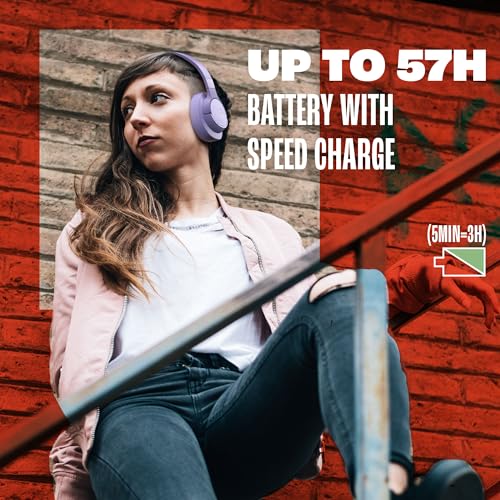
The standout feature that sets the JBL Tune 720BT apart in the budget category is its exceptional battery life. We're talking about 76 hours of continuous playback – that's more than three full days of music. Even if you listen for 8 hours daily, you'd only need to charge these headphones once a week. This kind of battery performance was unheard of in wireless headphones just a few years ago, and it's achieved through JBL's efficient Class D amplification and power management systems.
The charging technology is equally impressive. The speed charge feature gives you 3 hours of listening from just 5 minutes plugged in – perfect for those "oh no, I forgot to charge them" moments before a long flight. The full charge cycle takes about 2 hours via USB-C, which has become the standard for modern electronics.
JBL's "Pure Bass Sound" isn't just marketing speak – it reflects a genuine tuning philosophy that emphasizes low-frequency reproduction. The Tune 720BT uses 40mm dynamic drivers, which are reasonably large for headphones in this price range. Dynamic drivers work like tiny speakers, using a magnetic field to move a diaphragm that pushes air to create sound waves.
In practice, this means the JBL Tune 720BT delivers bass that's both deep and controlled. You'll feel the thump of kick drums and the rumble of bass guitars without them overpowering the rest of your music. The midrange frequencies, where most vocals and instruments live, are warm and engaging. High frequencies are clear and detailed, though not as sparkling as you'll find in more expensive models.
The frequency response spans from 20Hz to 20kHz, which covers the full range of human hearing. However, the real magic happens when you use the JBL Headphones app to customize the sound. The built-in equalizer can transform these headphones from good to genuinely impressive, allowing you to fine-tune the sound signature to match your preferences or the genre you're listening to.
One limitation worth noting: the JBL Tune 720BT completely lacks active noise cancellation. In 2024, this puts it at a significant disadvantage compared to competitors that include at least basic ANC. You're relying entirely on passive isolation – how well the ear cups physically block external sound.
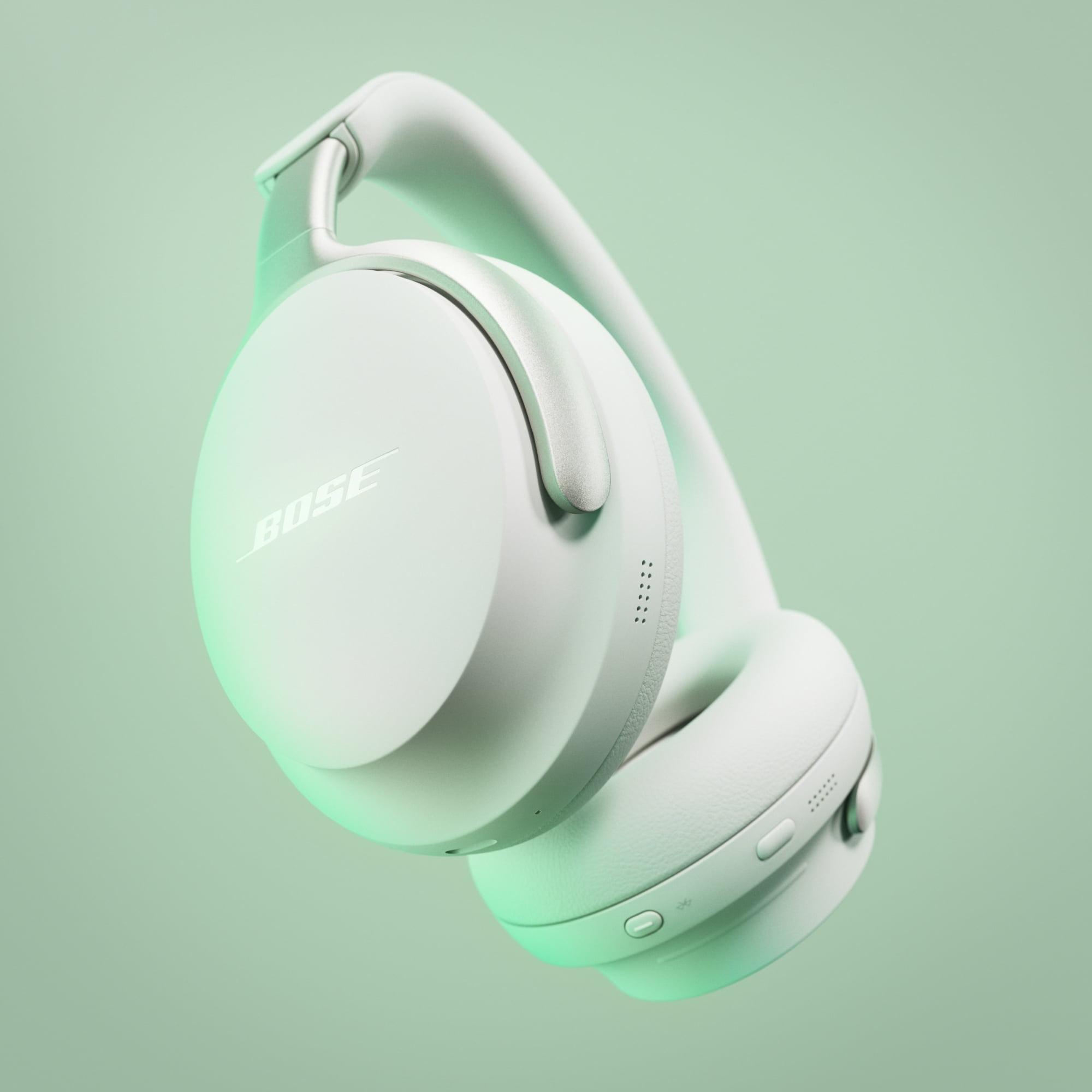
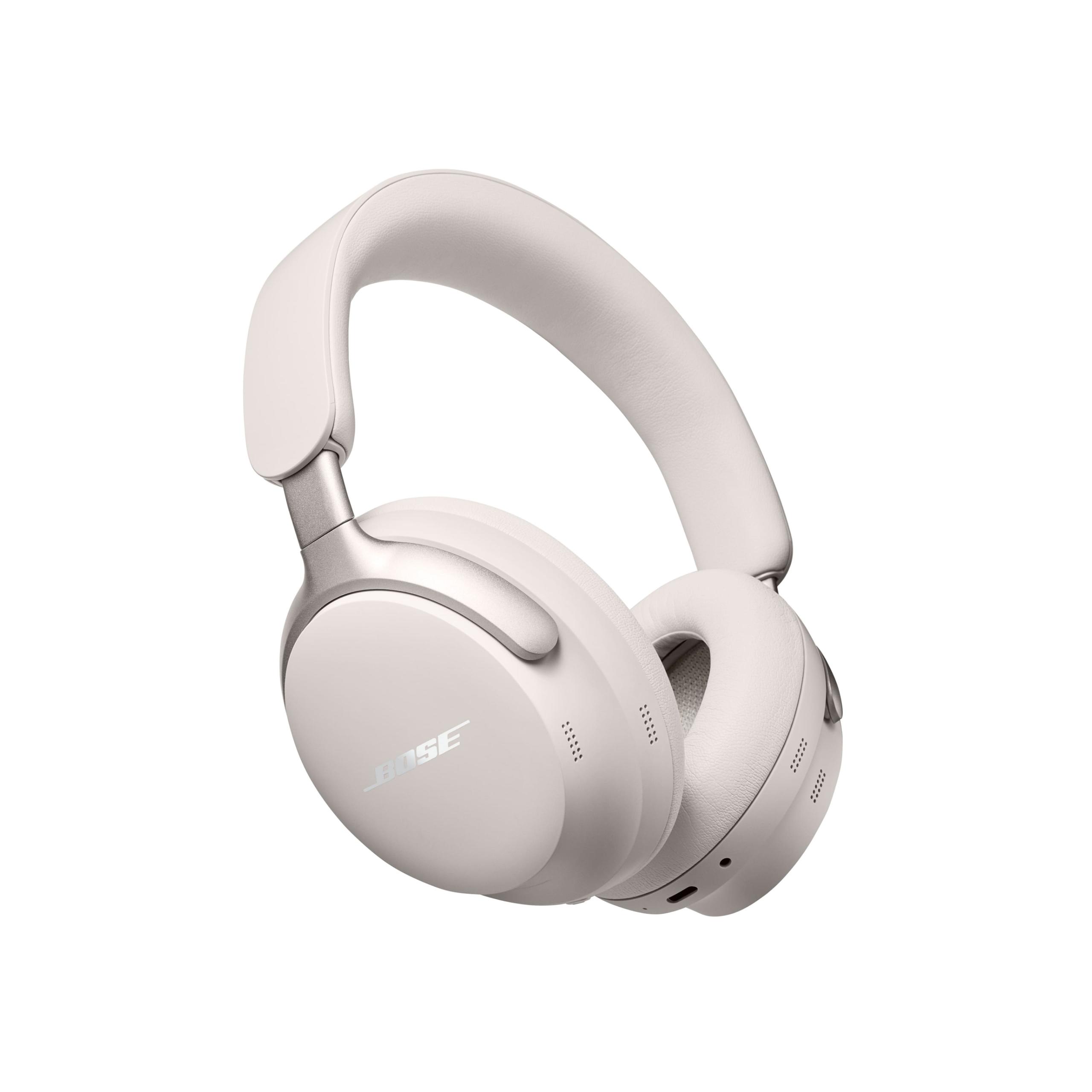
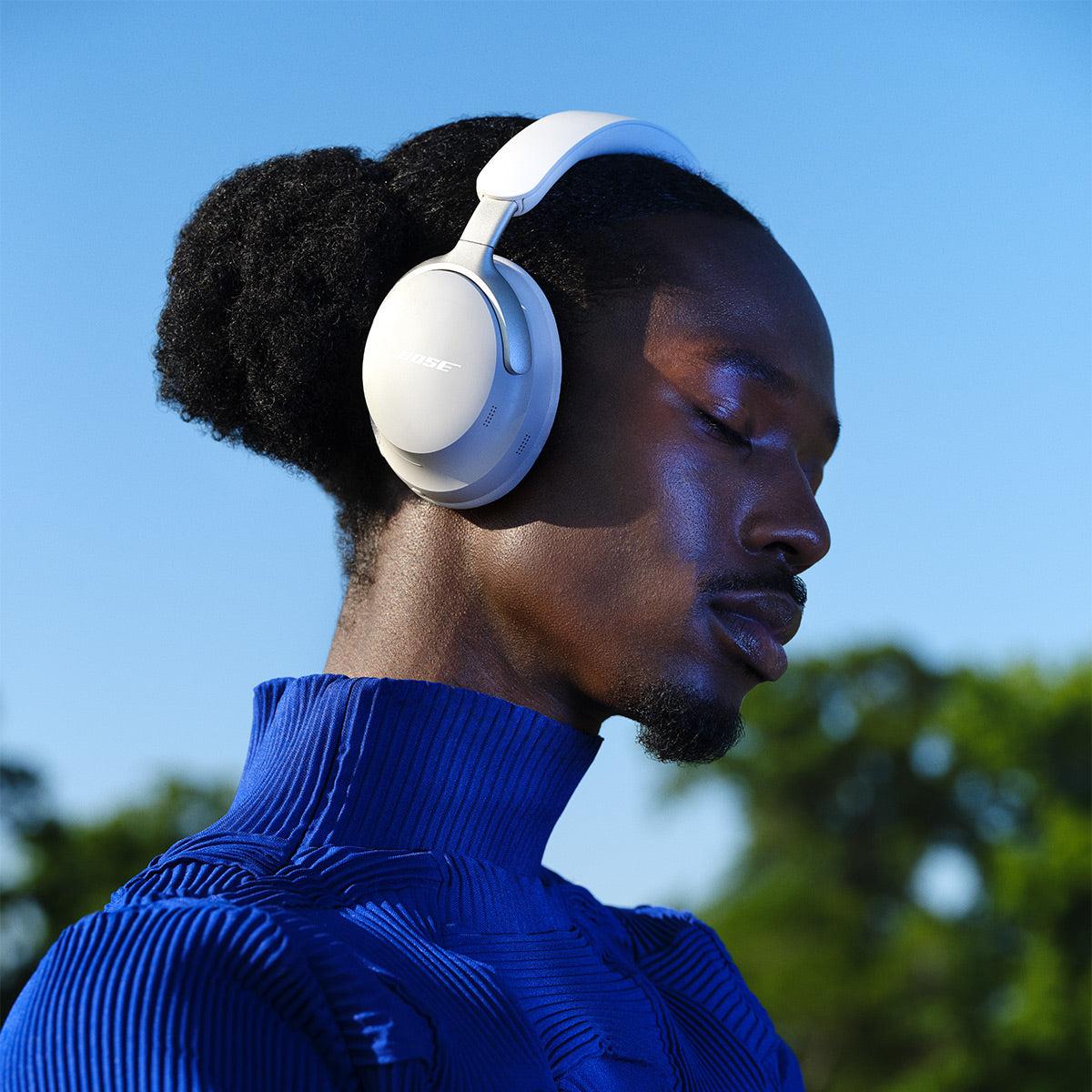
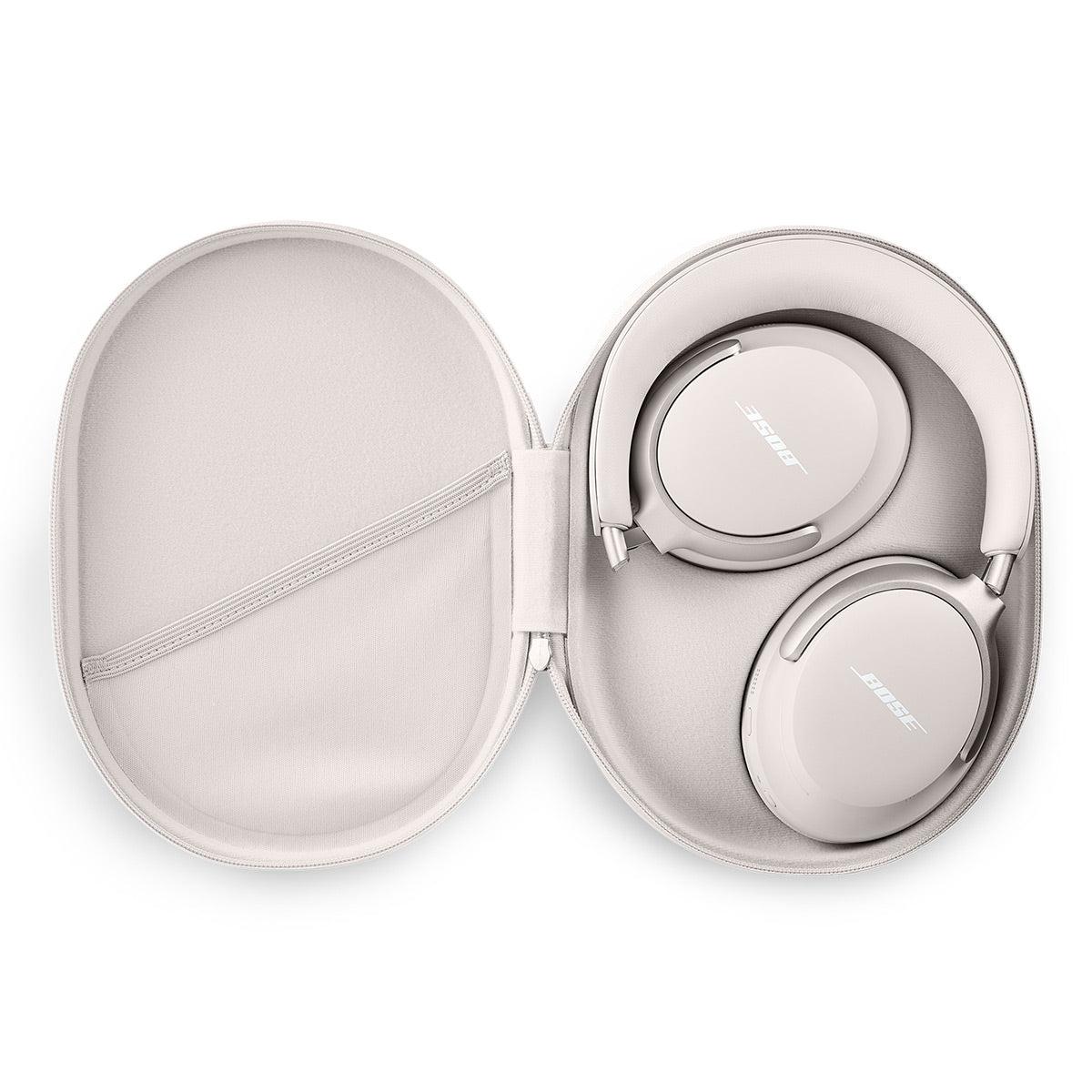
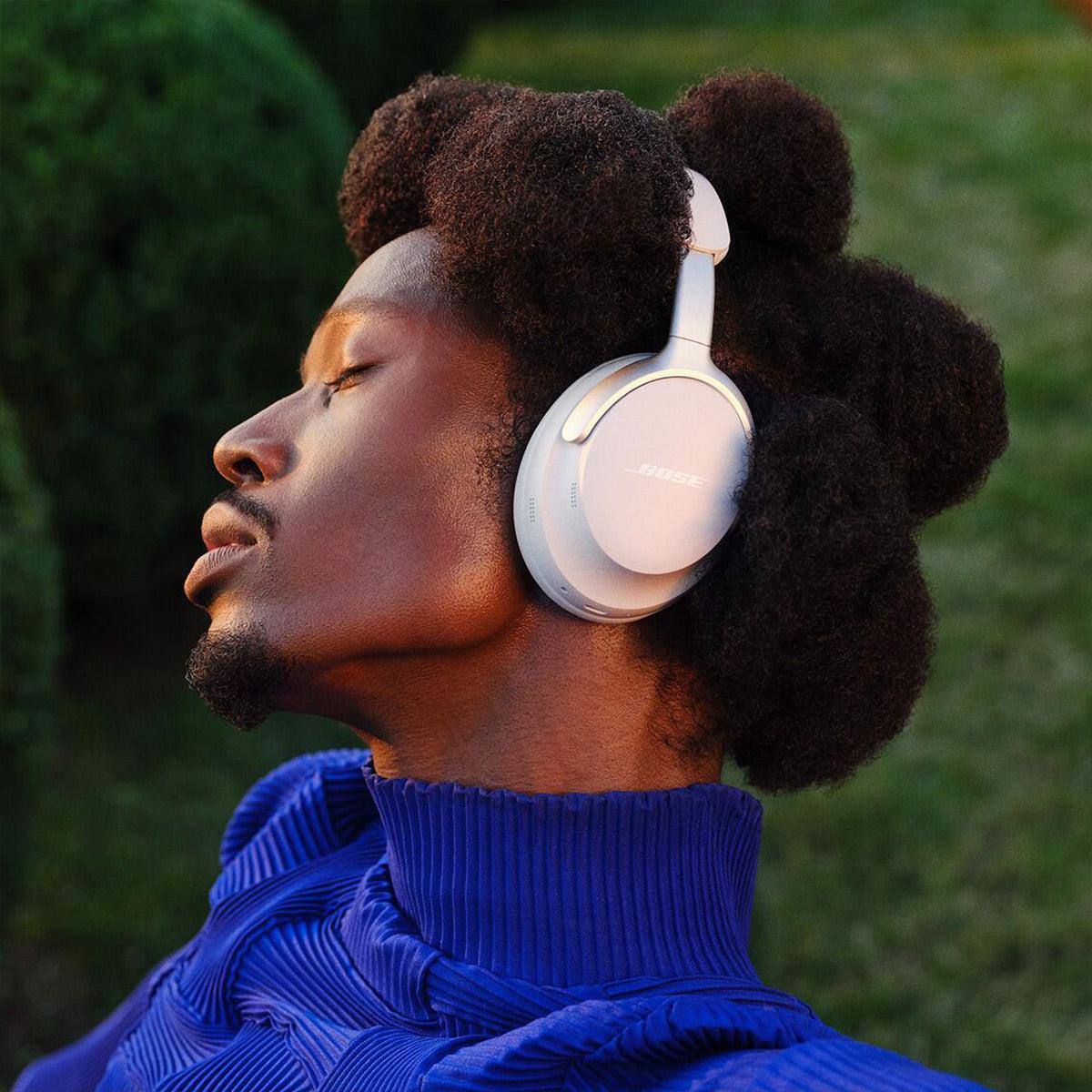
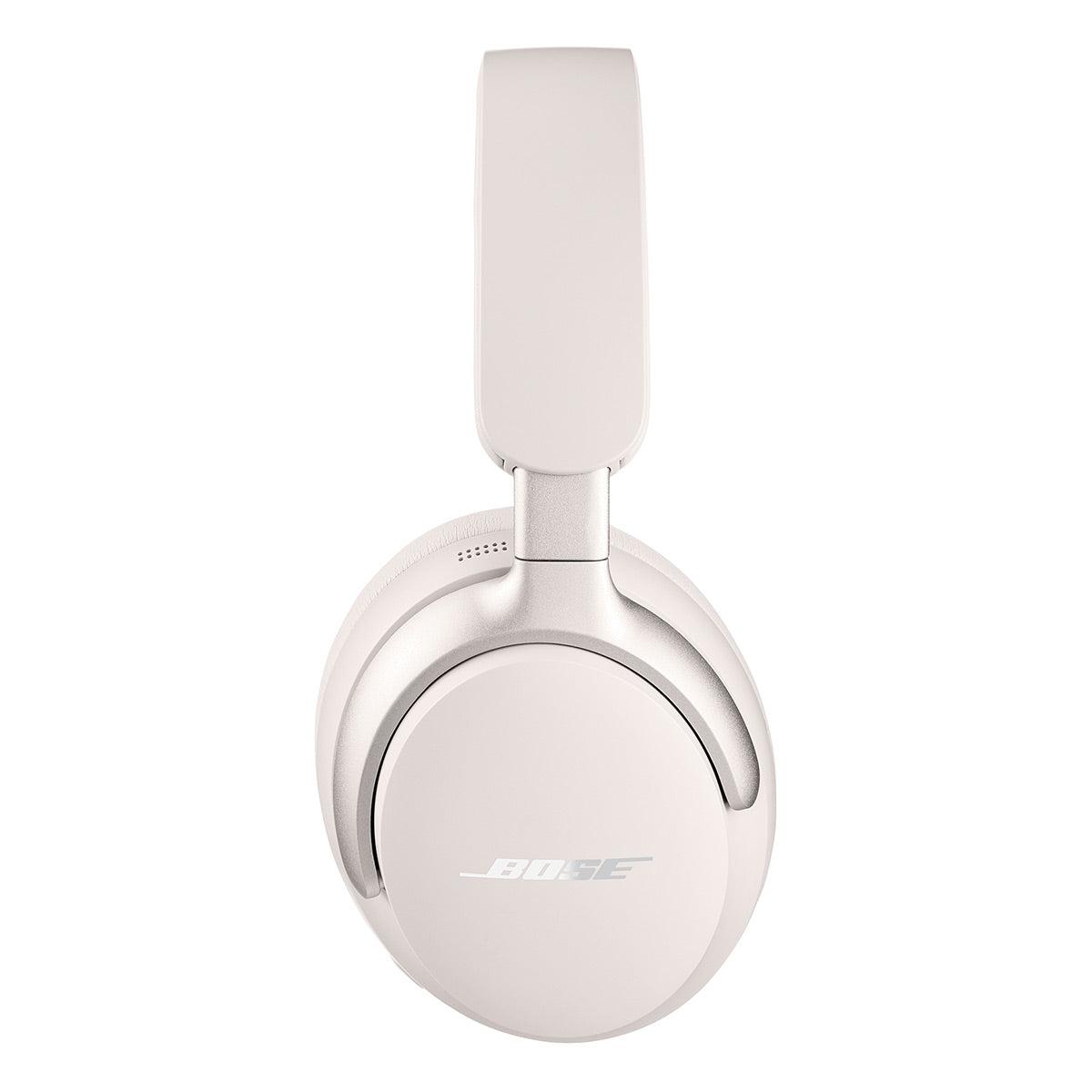
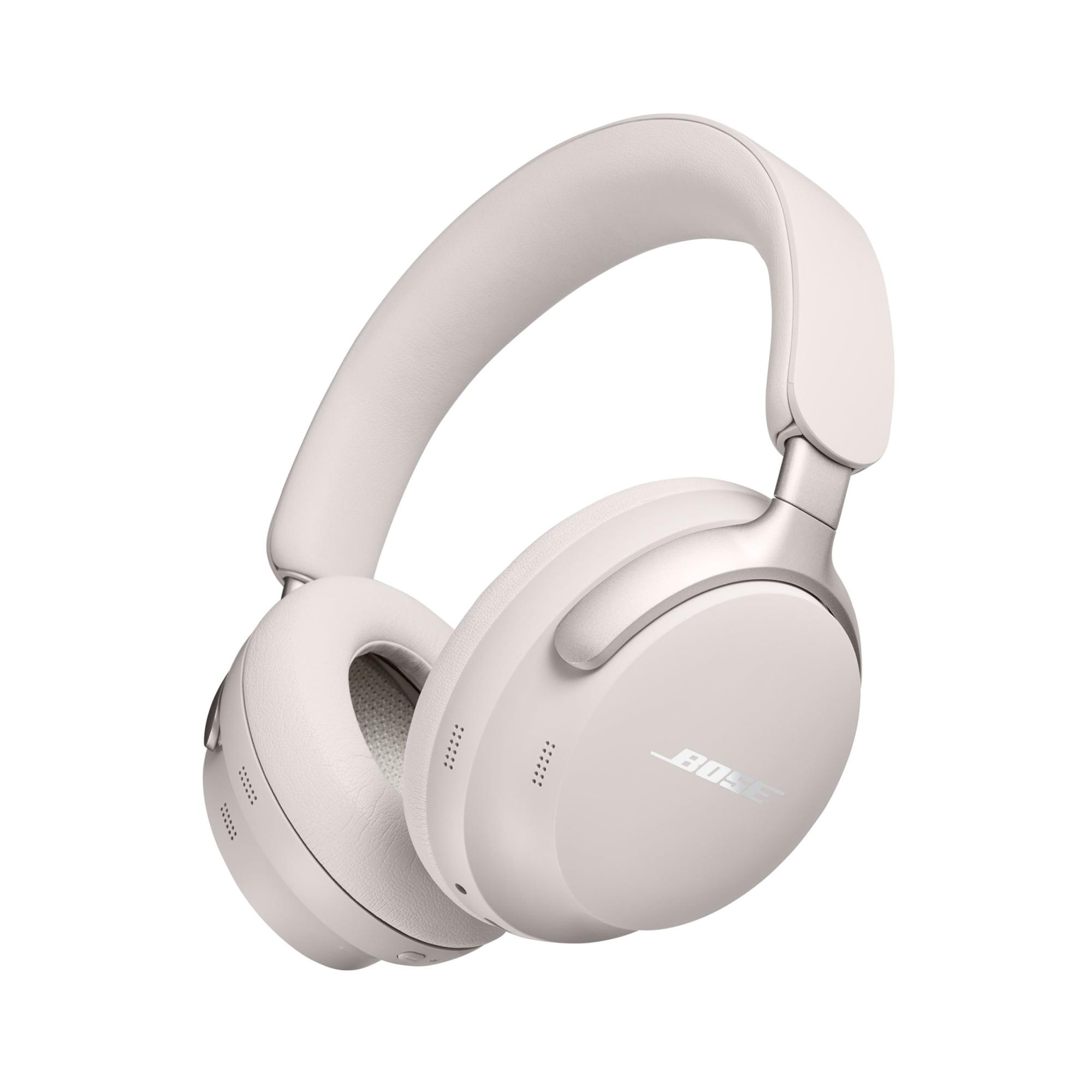
When Bose released the QuietComfort Ultra in 2023, they weren't just updating an existing product – they were establishing a new benchmark for what premium wireless headphones could achieve. This represents the culmination of decades of acoustic engineering and noise cancellation research.
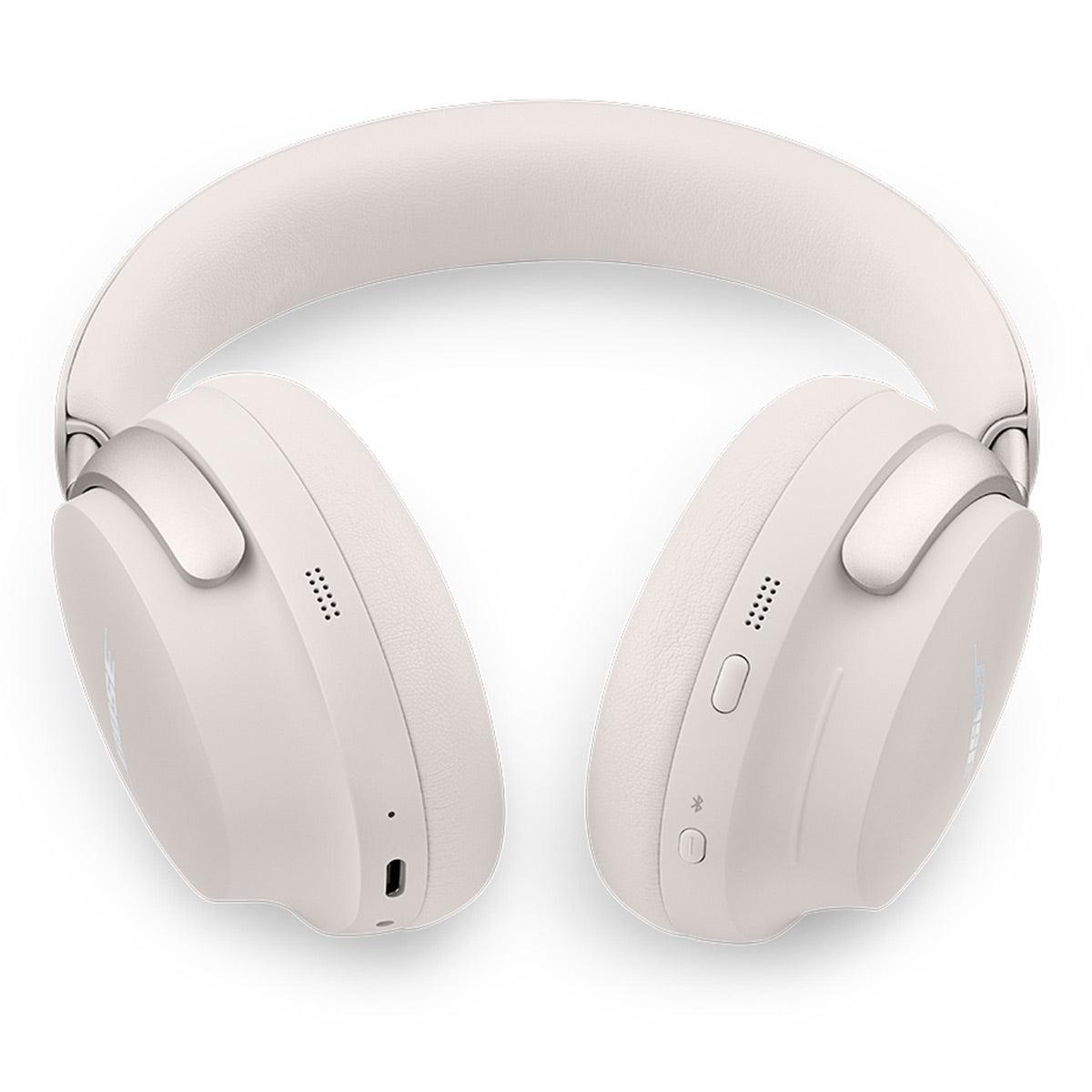
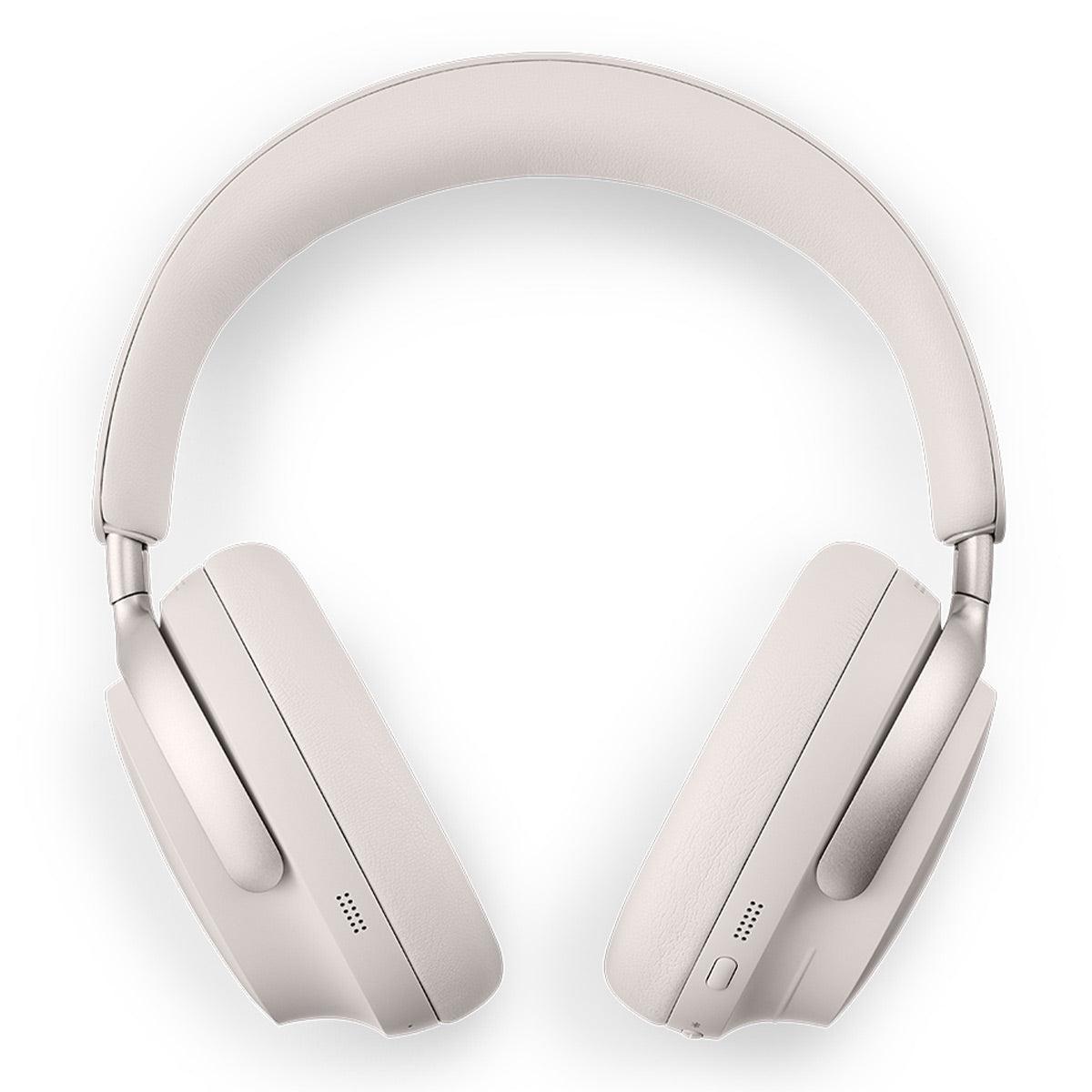
The Bose QuietComfort Ultra weighs about 254 grams, roughly 34 grams more than the JBL, but you'd never know it when wearing them. Bose's ergonomic engineering distributes this weight so evenly across your head that they feel lighter than many headphones that actually weigh less. The secret lies in the headband design, which uses a suspension system that spreads pressure across a larger area rather than creating hotspots.
The build quality immediately communicates premium positioning. We're talking about protein leather ear cushions (a synthetic material that feels like real leather but lasts longer), aluminum structural components, and precision-fitted joints that eliminate creaking or flexing. These materials don't just feel better – they contribute to better acoustics by reducing unwanted vibrations and resonances.
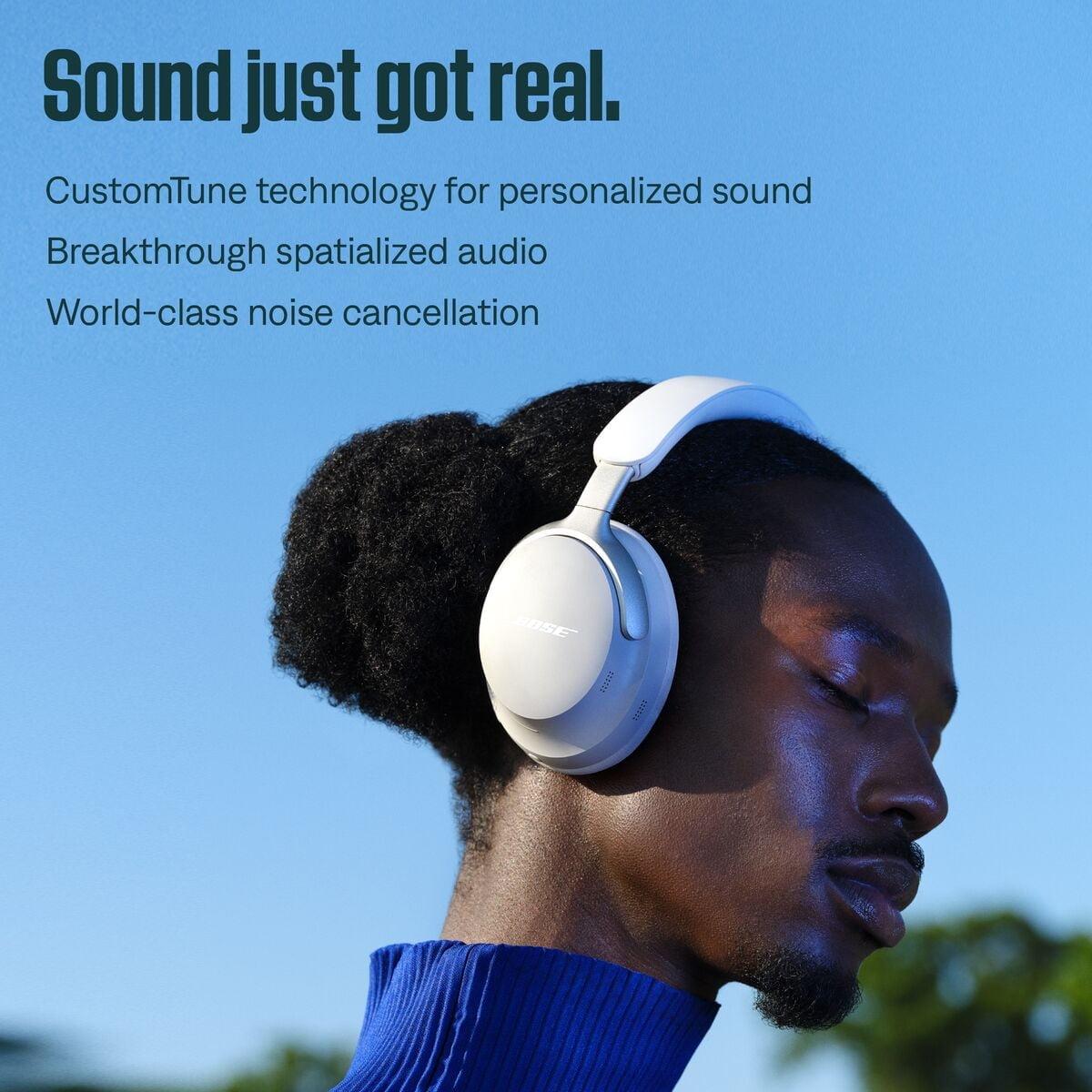
Here's where the Bose QuietComfort Ultra truly shines. Bose didn't just include active noise cancellation – they created what many consider the most advanced ANC system available in consumer headphones. The system uses multiple microphones both inside and outside each ear cup to constantly monitor your acoustic environment.
Active noise cancellation works by generating sound waves that are the exact opposite (or "inverse") of unwanted external noise. When these opposing waves meet, they cancel each other out through destructive interference. It's like having a personal sound engineer constantly adjusting the audio environment around your ears.
But the QuietComfort Ultra goes further with CustomTune technology. Every time you put on the headphones, internal microphones actually measure how sound resonates in your specific ear canal shape. This isn't just marketing – ear canal acoustics vary significantly between individuals, affecting both sound quality and noise cancellation effectiveness. The system then automatically adjusts both the audio tuning and ANC parameters to optimize performance for your unique anatomy.
The practical result is noise cancellation that doesn't just reduce external sound – it virtually eliminates it. Airplane engines, air conditioners, traffic noise, even chattering coworkers disappear into silence. The Aware Mode feature can selectively let important sounds through, like announcements or conversations, while maintaining your music experience.
The audio performance of the Bose QuietComfort Ultra reflects decades of acoustic research. Rather than following the bass-heavy trend of many consumer headphones, Bose chose a more balanced approach that reveals details across the entire frequency spectrum.
The soundstage – how wide and spacious music feels – is particularly impressive for closed-back headphones. Instruments seem to occupy distinct positions in space rather than feeling cramped inside your head. This is partly due to careful driver positioning and partly due to sophisticated digital signal processing.
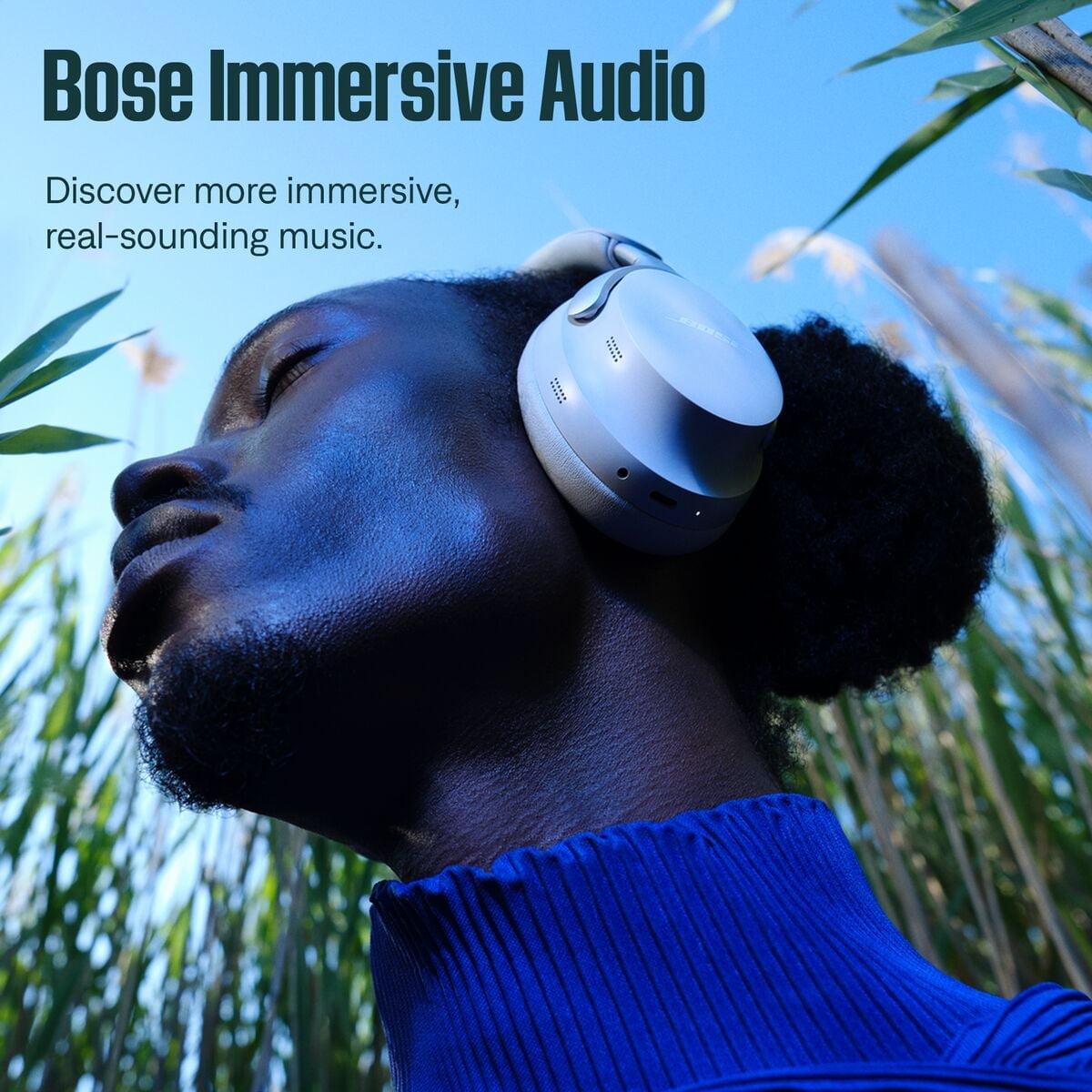
A unique feature is Bose Immersive Audio, which uses head tracking sensors to maintain a consistent soundstage as you move your head. Imagine sitting in front of a stereo system in your living room – when you turn your head left, the right speaker doesn't move with you. Immersive Audio recreates this natural listening experience, making the music feel like it's coming from fixed positions in space rather than following your head movements.
The codec support is comprehensive, including aptX Adaptive, which adjusts audio quality and latency based on your environment and content. This means lower latency for gaming and video, or higher quality for music listening, automatically switching as needed.
Having tested both headphones through multiple 8-hour work days, the comfort difference is substantial. The JBL Tune 720BT starts feeling tight after about 3 hours, with pressure points developing around the temples. The ear cups, while adequately sized, have a somewhat aggressive clamping force that becomes noticeable during extended wear.
The Bose QuietComfort Ultra, conversely, maintains comfort throughout entire workdays. The even pressure distribution means no hotspots develop, and the plush ear cushions maintain their shape over time. For anyone planning to use headphones for work, study, or long entertainment sessions, this comfort advantage justifies a significant portion of the price premium.
While the JBL Tune 720BT advertises 76-hour battery life, real-world performance depends heavily on volume levels and content type. At moderate listening levels with standard music, you can expect to achieve close to the claimed performance. However, bass-heavy content or high volumes will reduce this somewhat.
The Bose QuietComfort Ultra claims 24 hours with ANC on, or 18 hours with Immersive Audio activated. In practice, these numbers are conservative – many users report exceeding the stated battery life under normal listening conditions. The 15-minute quick charge providing 2.5 hours of playback is genuinely useful for emergency situations.
Neither headphone is specifically designed for home theater use, but both can serve this purpose with important caveats. The JBL Tune 720BT includes a detachable 3.5mm cable, making it compatible with older receivers and TV headphone outputs. However, the lack of low-latency codecs means wireless connection to TVs may result in noticeable audio delay, where dialogue doesn't sync with lip movements.
The Bose QuietComfort Ultra supports aptX Adaptive, which includes low-latency modes that significantly reduce audio delay when connected to compatible TVs or streaming devices. The superior sound staging also makes movie dialogue and effects more immersive, though neither headphone can match dedicated home theater systems for true surround sound experience.
For casual home theater use, both work adequately, but serious home theater enthusiasts should consider dedicated solutions or headphones specifically designed for that application.
The 2023 releases of both models reflect broader industry trends. Battery technology improvements have enabled the JBL Tune 720BT's exceptional endurance, while advances in digital signal processing and miniaturized sensors made the Bose QuietComfort Ultra's CustomTune and head tracking possible.
Compared to their predecessors, both headphones show meaningful improvements. The JBL offers significantly better battery life than previous Tune models, while maintaining competitive sound quality. The Bose represents a complete reimagining of the QuietComfort line, incorporating spatial audio technology that wasn't available in earlier generations.
Since their release, firmware updates have continued improving both models. The JBL has received updates enhancing Bluetooth stability and adding new EQ presets. The Bose has expanded Immersive Audio compatibility and refined the CustomTune algorithms based on user data.
The choice between the JBL Tune 720BT and Bose QuietComfort Ultra ultimately depends on your priorities, usage patterns, and budget flexibility.
Choose the JBL Tune 720BT if you're primarily listening in quiet environments like home or office, value exceptional battery life for travel or infrequent charging, prefer to spend money on other priorities while still getting solid audio performance, or are new to premium headphones and want to test the waters affordably.
The JBL excels as an introduction to quality wireless audio without significant financial commitment. Its marathon battery life makes it practically bulletproof for travel, and the sound quality, while not revolutionary, is genuinely enjoyable for casual listening.
Opt for the Bose QuietComfort Ultra if you frequently deal with noisy environments where ANC provides real value, prioritize comfort for professional use or extended listening, want cutting-edge features like spatial audio and personalized tuning, or consider headphones an investment in daily quality of life rather than just a gadget.
The Bose represents what happens when engineering resources focus on perfecting the listening experience rather than minimizing cost. Every aspect, from materials to algorithms, is optimized for performance rather than price point.
Both headphones succeed at their intended purposes. The JBL Tune 720BT proves that excellent wireless audio doesn't require premium pricing, while the Bose QuietComfort Ultra demonstrates why some users gladly pay more for best-in-class performance. Your choice should align with how headphones fit into your life and what aspects of the listening experience matter most to you.
In my experience, users rarely regret buying slightly more headphone than they initially thought they needed, but frequently regret not getting essential features like proper noise cancellation if their environment demands it. Consider your most challenging listening scenarios when making this decision – that's where the differences between these models become most apparent.
| JBL Tune 720BT | Bose QuietComfort Ultra |
|---|---|
| Price Category - Defines feature expectations and target audience | |
| Budget-friendly (under $100) | Premium flagship ($300+ range) |
| Active Noise Cancellation - Essential for travel, commuting, and noisy environments | |
| None (passive isolation only) | Class-leading ANC with CustomTune technology |
| Battery Life - Critical for travel and daily use without frequent charging | |
| Up to 76 hours (exceptional endurance) | Up to 24 hours (18 hours with spatial audio) |
| Sound Quality Approach - Impacts your music enjoyment and listening fatigue | |
| Bass-forward JBL signature, requires EQ tuning | Balanced audiophile tuning, naturally refined |
| Comfort for Extended Wear - Crucial for work, study, and long listening sessions | |
| Lightweight but tight clamping, 3-hour comfort limit | All-day comfort with premium materials and ergonomics |
| Build Quality and Materials - Affects durability and premium feel | |
| Lightweight plastic construction, budget-appropriate | Premium protein leather, aluminum, professional build |
| Advanced Features - Determines future-proofing and smart functionality | |
| Basic controls, multipoint Bluetooth, wired option | Spatial audio, head tracking, CustomTune, touch controls |
| Codec Support - Affects audio quality from different devices | |
| Standard SBC, AAC with Bluetooth 5.3 | Advanced aptX Adaptive, SBC, AAC with Bluetooth 5.3 |
| Weight and Portability - Important for travel and daily carrying | |
| 220g (very lightweight, foldable) | 254g (heavier but better weight distribution) |
| Ideal Use Cases - Helps determine which fits your lifestyle | |
| Home listening, casual use, extreme battery needs | Travel, office work, premium audio experience, noisy environments |
| Value Proposition - What you get for your money | |
| Maximum features per dollar, 76-hour battery champion | Best-in-class performance, premium experience worth the investment |
The Bose QuietComfort Ultra delivers superior sound quality with a naturally balanced, refined audio signature that works well across all music genres without requiring adjustments. The JBL Tune 720BT offers good sound with emphasized bass that's enjoyable for casual listening, but benefits from EQ tuning through the JBL app to reach its full potential. For serious music listening, the Bose QuietComfort Ultra is the clear winner.
The Bose QuietComfort Ultra features class-leading active noise cancellation that virtually eliminates background noise like airplane engines, traffic, and office chatter. The JBL Tune 720BT has no active noise cancellation and relies only on passive isolation from the ear cups, making it unsuitable for noisy environments. If you need noise blocking for travel or work, only the Bose QuietComfort Ultra will meet your needs.
The Bose QuietComfort Ultra excels in comfort with premium materials, even weight distribution, and plush ear cushions that remain comfortable for 8+ hour sessions. The JBL Tune 720BT is lightweight but has excessive clamping force and smaller ear cups that become uncomfortable after 3 hours of wear. For extended use, the Bose is significantly more comfortable despite being slightly heavier.
The JBL Tune 720BT offers exceptional battery life with up to 76 hours of playback, meaning you might only need to charge it once per week with normal use. The Bose QuietComfort Ultra provides up to 24 hours of listening time, or 18 hours with spatial audio features enabled. While the JBL wins dramatically on battery endurance, the Bose still offers plenty for daily use.
Both headphones handle calls adequately, but the Bose QuietComfort Ultra offers superior call quality with advanced microphone arrays that better isolate your voice from background noise. The JBL Tune 720BT provides decent call quality with Voice Aware technology for basic hands-free calling. For professional video meetings, the Bose is the better choice.
The Bose QuietComfort Ultra is better suited for gaming and movies thanks to its aptX Adaptive codec support that reduces audio delay, spatial audio features for immersive sound, and superior noise isolation. The JBL Tune 720BT can work for casual gaming but may experience audio lag with wireless connections to TVs or gaming devices. The Bose provides a more cinematic experience.
Yes, both models support wired connections. The JBL Tune 720BT includes a detachable 3.5mm audio cable and can operate in fully passive mode when the battery dies. The Bose QuietComfort Ultra also includes a wired cable but requires the headphones to be powered on even when using the wired connection. Both offer this flexibility, but the JBL works completely without power when wired.
The Bose QuietComfort Ultra is specifically designed for travel with industry-leading noise cancellation, comfortable fit for long flights, and premium build quality. The JBL Tune 720BT offers the advantage of extremely long battery life for extended trips but lacks the noise cancellation essential for planes and trains. For serious travelers, the Bose is worth the investment.
The Bose QuietComfort Ultra uses the comprehensive Bose Music app with detailed EQ controls, noise cancellation adjustments, and spatial audio settings. The JBL Tune 720BT works with the JBL Headphones app that offers basic EQ presets and voice prompt customization. Both apps are functional, but the Bose app provides more advanced customization options.
This depends on your needs and budget. The JBL Tune 720BT offers exceptional value in the budget category with decent sound quality, incredible battery life, and basic wireless features. The Bose QuietComfort Ultra provides premium value with best-in-class noise cancellation, superior comfort, and advanced features that justify the higher price for serious users. The JBL wins on pure affordability, while the Bose delivers premium value.
The Bose QuietComfort Ultra features premium construction with aluminum components and high-quality materials designed for years of daily use. The JBL Tune 720BT uses lightweight plastic construction that's adequate for casual use but may not withstand heavy daily wear as well. Both are suitable for regular use, but the Bose offers superior long-term durability.
For beginners, the JBL Tune 720BT offers an excellent introduction to quality wireless audio without a major financial commitment, letting you experience over-ear comfort and decent sound quality affordably. However, if you frequently deal with noisy environments or plan to use headphones extensively for work or travel, starting with the Bose QuietComfort Ultra means you won't outgrow them quickly and will experience what premium headphones can truly offer.
We've done our best to create useful and informative comparisons to help you decide what product to buy. Our research uses advanced automated methods to create this comparison and perfection is not possible - please contact us for corrections or questions. These are the sites we've researched in the creation of this article: audio46.com - e-catalog.com - headphonedungeon.com - e-catalog.com - recordingnow.com - versus.com - youtube.com - versus.com - consumerreports.org - youtube.com - ca.jbl.com - jblstore.co.id - jbl.com.tw - th.jbl.com - jblonlinestore.com - onward.ph - youtube.com - jbl.com - ro.harmanaudio.com - device.report - en.jblthailand.com - techradar.com - whathifi.com - whathifi.com - whathifi.com - tomsguide.com - youtube.com - stereoguide.com - youtube.com - soundguys.com - soundguys.com - bose.com - headphonecheck.com - bose.com - cnet.com - bhphotovideo.com - boselatam.com - rtings.com - bestbuy.com - assets.bose.com - bose.com - bose.com.au - bose.com - boseapac.com

Privacy Policy
Terms and Conditions - Affiliate Policy
Home Security
© Copyright 2008-2026.
11816 Inwood Rd #1211, Dallas, TX 75244