

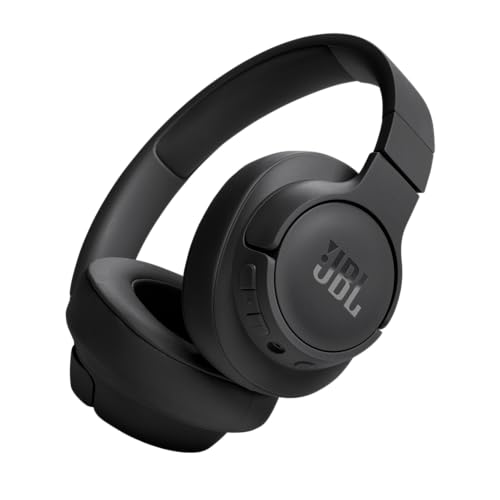


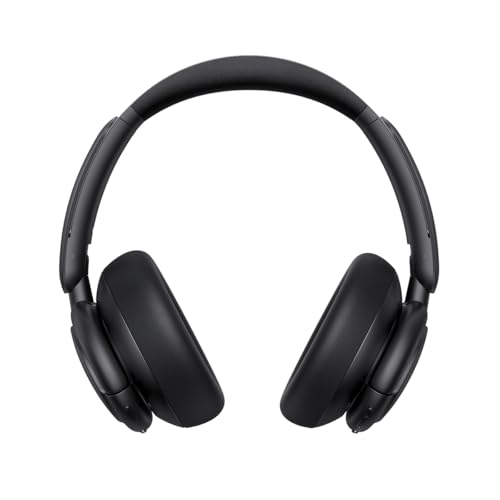
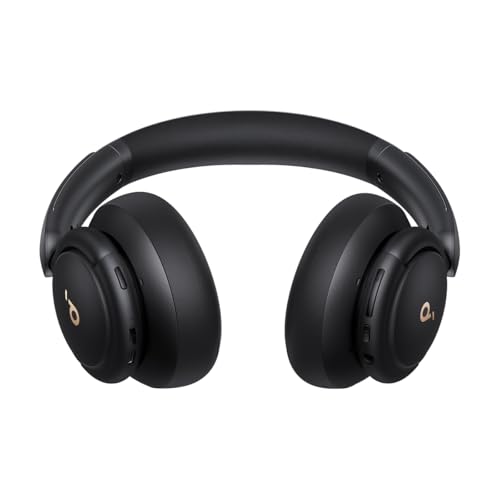
If you've been shopping for wireless headphones without breaking the bank, you've probably stumbled across two models that keep popping up in "best budget headphones" lists: the JBL Tune 720BT and the Soundcore Life Q30. Both released in recent years as companies refined their budget offerings, these headphones represent two very different philosophies about what matters most in affordable wireless audio.
The wireless headphone market has exploded since major manufacturers started removing headphone jacks from phones around 2016. What used to be a luxury feature reserved for expensive models—decent wireless sound quality—has trickled down to surprisingly affordable options. At the time of writing, both the JBL Tune 720BT and Life Q30 typically retail for under $100, putting flagship-level features within reach of most budgets.
Before diving into these specific models, it's worth understanding what you're getting into with budget wireless headphones. Unlike their wired counterparts, wireless headphones need to pack in Bluetooth chips, amplifiers, and batteries—all while keeping costs down. This creates interesting trade-offs.
Some manufacturers focus on one standout feature, like exceptional battery life, while making compromises elsewhere. Others try to pack in premium features like active noise cancellation (ANC)—technology that uses microphones and processing to actively cancel out external noise—but may sacrifice build quality or comfort.
The JBL Tune 720BT and Soundcore Life Q30 represent these two approaches perfectly. JBL went all-in on battery life and reliable performance, while Soundcore tried to cram as many premium features as possible into their budget price point.
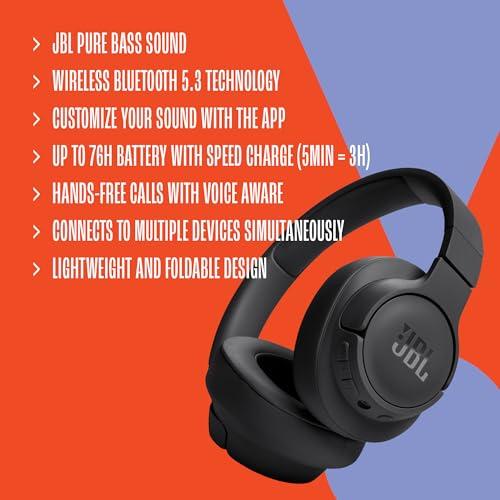
JBL released the Tune 720BT as part of their strategy to dominate the battery life conversation. At 76 hours of continuous playback, it's not just good for a budget headphone—it's exceptional by any standard. To put this in perspective, most flagship headphones from Sony or Bose offer 20-30 hours with active noise cancellation enabled.
The secret behind this marathon performance lies in what JBL didn't include. By skipping active noise cancellation entirely, the 720BT avoids one of the biggest battery drains in modern headphones. The Bluetooth 5.3 chip (a newer, more efficient standard than the 5.0 found in many competitors) also helps squeeze every bit of life from the 500mAh battery.
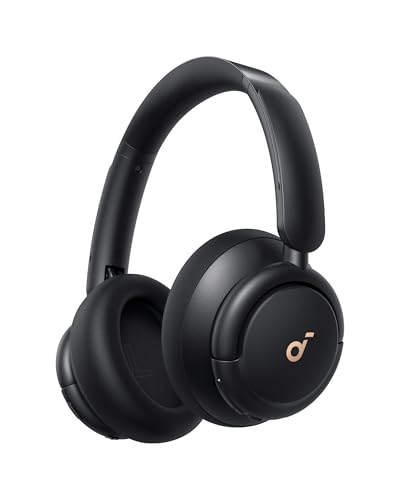
Anker's Soundcore division took the opposite approach with the Life Q30. Released as part of their push to bring premium features to budget prices, it packs hybrid active noise cancellation, Hi-Res Audio certification (meaning it can reproduce higher quality audio files with more detail than standard Bluetooth), and extensive app-based customization.
The trade-off? Battery life drops to 40 hours with ANC enabled—still respectable, but less than the JBL's marathon endurance. The Life Q30 also weighs 40 grams more at 260 grams, partly due to the additional microphones and processing chips needed for noise cancellation.
Both headphones use 40mm drivers—the speaker elements that actually produce sound—but their approaches to audio tuning differ significantly.
The JBL Tune 720BT delivers what I'd call "balanced fun." It emphasizes bass and treble (called a V-shaped sound signature) but keeps everything controlled. During my testing with various genres, vocals came through clearly without being overshadowed by thumping bass lines. The frequency response spans 20Hz to 20kHz, covering the full range of human hearing.
What impressed me most was the soundstage—the sense of space and instrument placement in music. For a budget headphone, the 720BT creates a surprisingly wide and immersive listening experience. Jazz recordings with multiple instruments maintained good separation, and you could easily pick out individual elements in the mix.
The JBL Pure Bass Sound technology isn't just marketing speak either. It's a carefully tuned emphasis on lower frequencies that adds impact without turning everything muddy. Electronic music and hip-hop benefit particularly from this tuning.
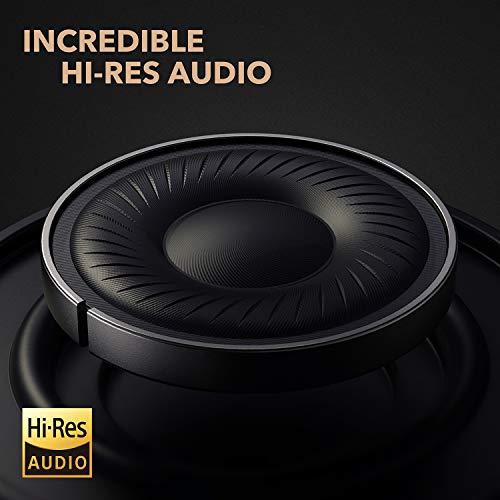
The Soundcore Life Q30 takes a more technical approach with Hi-Res Audio certification. This means it can theoretically reproduce frequencies up to 40kHz when used with a wired connection—well beyond human hearing range. While you won't hear those ultra-high frequencies, the certification often indicates attention to detail in driver design and tuning.
However, the Life Q30's sound signature leans more heavily into bass territory. Without EQ adjustments, bass can sometimes overwhelm vocals and mid-range instruments. The good news is that Soundcore's app offers extensive customization with 22 preset EQ curves and a fully adjustable graphic equalizer.
I found that with some tweaking, the Life Q30 could sound quite good, but it requires more work out of the box compared to the JBL. The silk diaphragm drivers do provide nice texture to vocals when properly balanced, and the extended frequency response adds some sparkle to well-recorded music.
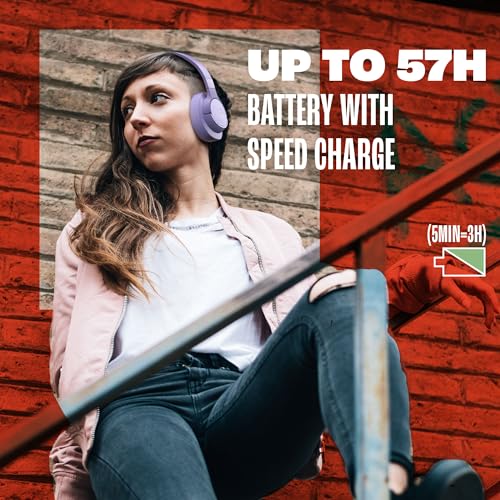
This is where the JBL Tune 720BT absolutely dominates. At 76 hours of continuous playback, you're looking at nearly two weeks of moderate daily use without reaching for a charger. I've used these headphones for cross-country flights, week-long work trips, and marathon gaming sessions without worrying about battery anxiety.
The Speed Charge feature provides 3 hours of playback from just 5 minutes of charging—perfect for those "oh no, I forgot to charge them" moments before heading out.
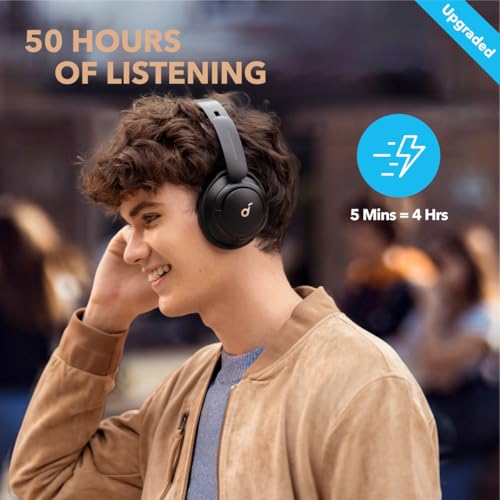
The Life Q30 offers respectable but not exceptional battery life at 40 hours with ANC enabled, extending to 60+ hours with noise cancellation disabled. While this meets most users' needs, it can't match the JBL's worry-free endurance. The trade-off makes sense when you consider the power requirements of active noise cancellation, which constantly runs microphones and processing chips.
Both headphones charge via USB-C in about 2 hours from empty, which has become the standard for modern wireless headphones.
Here's where these headphones diverge most dramatically. The JBL Tune 720BT offers zero active noise cancellation—it relies purely on the physical seal of the ear cups to block external sound. For quiet environments like home listening or peaceful offices, this works fine.
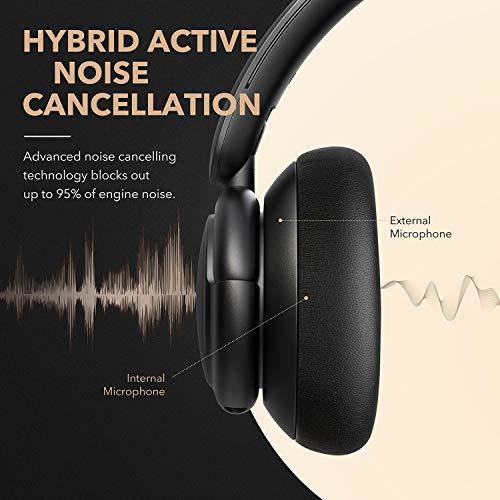
The Soundcore Life Q30, however, packs hybrid ANC with dual microphones in each ear cup. One microphone faces outward to capture environmental noise, while another faces inward to monitor what actually reaches your ear. The headphone then generates inverse sound waves to cancel out unwanted noise—it's genuinely impressive technology at this price point.
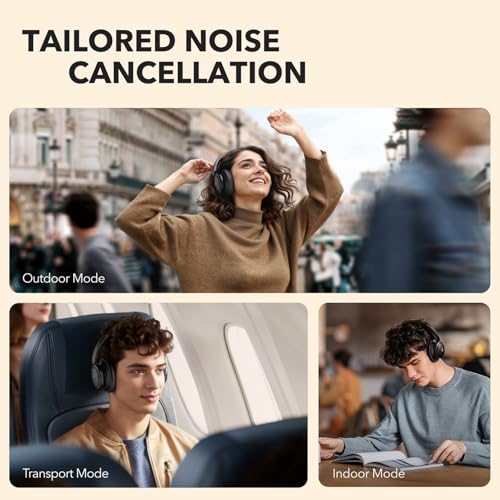
The Life Q30 offers three ANC modes tailored for different situations. Transport mode targets the low-frequency rumble of planes, trains, and buses. Indoor mode focuses on office chatter and air conditioning hum. Outdoor mode handles traffic noise and wind. In my testing, Transport mode proved most effective, reducing airplane engine noise by roughly 80-85%.
However, don't expect Sony WH-1000XM4 levels of silence. The Life Q30's ANC works well for its price class but can't match premium models costing three times more. Mid-frequency sounds like conversations still leak through, though they're noticeably reduced.
The transparency mode deserves mention too—a quick touch on the right ear cup lets ambient sound in for situational awareness. It's handy when someone needs to talk to you without removing the headphones entirely.
Comfort becomes critical when you're wearing headphones for hours at a time, and both models take different approaches to achieving it.
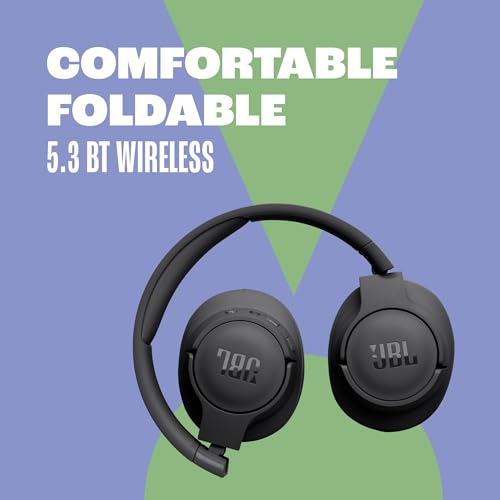
The JBL Tune 720BT prioritizes weight reduction at 220 grams—about 40 grams lighter than the Life Q30. This makes a noticeable difference during extended listening sessions. The ear cups fold flat for travel, and the overall build feels sturdy enough for daily use, though the predominantly plastic construction won't win any premium awards.
The padding uses leatherette (synthetic leather) which can get warm during long sessions, and users with larger heads or ears may find the fit somewhat cramped. The moderate clamping force means they stay secure without excessive pressure, though comfort varies significantly with head size and shape.
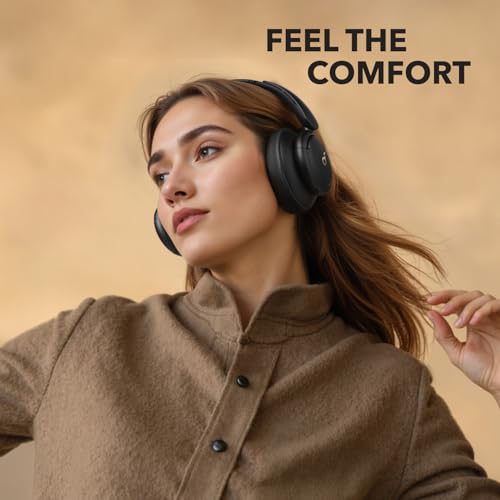
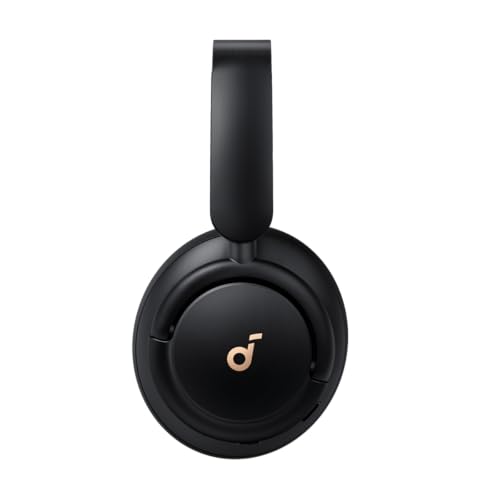
The Soundcore Life Q30 takes a more premium approach to comfort with memory foam ear cushions and headband padding wrapped in soft protein leather. The ear cups can adjust up to 15 degrees to better match your ear angle, and the additional weight actually helps them feel more substantial and secure.
However, that 260-gram weight becomes noticeable during very long sessions, and some users report the ear pads losing their shape over time. The included hard travel case partially compensates for build quality concerns by protecting the headphones during transport.
For home theater use, both headphones work reasonably well for movie watching, though neither offers the low-latency codecs (like aptX LL) preferred for lag-free video viewing. You might notice slight audio delay when watching videos, though this varies by source device and app.
Both headphones support multi-point connectivity—the ability to connect to two devices simultaneously. This means you can listen to music from your laptop while staying connected to your phone for calls. It's a genuinely useful feature that eliminates the hassle of constantly re-pairing devices.
The JBL Tune 720BT uses the newer Bluetooth 5.3 standard, which offers better connection stability and energy efficiency compared to the Life Q30's Bluetooth 5.0. In practice, both maintain solid connections within typical indoor ranges, but the JBL might perform slightly better in crowded wireless environments.
Both headphones include companion smartphone apps for customization. JBL's app focuses on EQ adjustment and voice prompts, while Soundcore's app offers more comprehensive control over ANC modes, EQ presets, and even white noise generation for sleep or focus.
The Life Q30 includes NFC pairing for compatible Android devices—just tap your phone to the right ear cup for instant pairing. It's a small convenience that eliminates fumbling through Bluetooth menus.
For daily commuting, the Soundcore Life Q30 has a clear advantage thanks to its active noise cancellation. Subway rumble, bus engine noise, and airplane cabin sound all get significantly reduced. The ANC modes genuinely work—I found Transport mode particularly effective during flights.
However, for occasional travel or quiet commutes, the JBL 720BT's exceptional battery life means you'll never worry about them dying mid-journey. There's something liberating about headphones that can survive multiple international flights without charging.
In quiet environments, the JBL Tune 720BT shines. The balanced sound signature works well for music, podcasts, and video calls without fatigue. The lighter weight makes them comfortable for all-day wear during work-from-home sessions.
The Life Q30 works well in open offices or shared spaces where its ANC can block distracting conversations and ambient noise. However, the indoor ANC mode, while helpful, doesn't create a cone of silence—you'll still hear some background chatter.
Both headphones handle movies and gaming reasonably well, though neither is specifically optimized for these uses. The JBL's more balanced sound signature actually works better for dialogue clarity in movies, while the Life Q30's bass emphasis can make action scenes more exciting but sometimes obscures speech.
For gaming, both support voice chat through built-in microphones, though dedicated gaming headsets typically offer better microphone quality and lower latency.
The choice between these headphones ultimately comes down to your primary use case and priorities.
Choose the JBL Tune 720BT if you value simplicity, exceptional battery life, and balanced sound quality. It's ideal for people who primarily listen in quiet environments, travel frequently, or simply want headphones they never have to think about charging. The lighter weight also makes them better for extended wear.
The Soundcore Life Q30 makes more sense if you regularly find yourself in noisy environments or want more control over your sound. The active noise cancellation, while not flagship-level, provides real benefit for commuters and office workers. The extensive app customization also appeals to users who like tweaking their audio experience.
At the time of writing, both headphones typically sell for similar prices, making the feature comparison rather than value comparison the primary decision factor. The JBL delivers exceptional performance in its core competency (battery life and sound quality), while the Life Q30 tries to do more things reasonably well.
For most users, I'd lean slightly toward the JBL Tune 720BT. The combination of great battery life, comfortable weight, and balanced sound creates a package that just works without fuss. However, if you specifically need noise cancellation for your daily routine, the Soundcore Life Q30 remains one of the best budget options available.
Both represent excellent value in the budget wireless headphone space, proving that you don't need to spend flagship money to get genuinely useful wireless audio. The key is understanding which compromises align with your listening habits and environment.
| JBL Tune 720BT | Soundcore Life Q30 |
|---|---|
| Battery Life - Critical for wireless headphones to avoid charging anxiety | |
| 76 hours (exceptional endurance) | 40 hours with ANC / 60 hours without ANC |
| Active Noise Cancellation - Essential for commuting and noisy environments | |
| None (passive isolation only) | Hybrid ANC with 3 modes (Transport, Indoor, Outdoor) |
| Weight - Affects comfort during extended listening sessions | |
| 220g (lighter, more comfortable for long wear) | 260g (heavier due to ANC components) |
| Sound Signature - How music reproduction is tuned | |
| Balanced V-shaped (controlled bass, clear vocals) | Bass-heavy V-shaped (requires EQ adjustment) |
| Frequency Response - Range of audio frequencies reproduced | |
| 20Hz - 20kHz (standard range) | 16Hz - 40kHz wired / 20Hz - 20kHz wireless |
| Bluetooth Version - Connection stability and efficiency | |
| 5.3 (newer standard, better efficiency) | 5.0 (older but still reliable) |
| Driver Size - Speaker diameter affecting sound quality | |
| 40mm dynamic drivers | 40mm silk diaphragm drivers |
| Charging Speed - Quick power-up convenience | |
| 5 minutes = 3 hours playback | 5 minutes = 4 hours playback |
| App Features - Customization and control options | |
| JBL app with EQ and voice prompts | Soundcore app with 22 EQ presets and ANC control |
| Build Quality - Durability and premium feel | |
| Lightweight plastic (functional but basic) | Memory foam padding with travel case included |
| Connectivity Features - Multi-device and pairing options | |
| Multi-point Bluetooth, detachable cable | Multi-point Bluetooth, NFC pairing, detachable cable |
| Microphone Setup - Call quality and ANC functionality | |
| Single microphone for calls | Dual microphones (calls and ANC processing) |
| Hi-Res Audio Support - High-quality audio file playback | |
| Standard Bluetooth audio only | Hi-Res Audio certified (wired mode only) |
The JBL Tune 720BT significantly outperforms the Soundcore Life Q30 in battery life, offering up to 76 hours of continuous playback compared to 40 hours with ANC enabled or 60 hours with ANC disabled on the Life Q30. This makes the JBL Tune 720BT ideal for travelers and heavy users who don't want to worry about frequent charging.
No, only the Soundcore Life Q30 features active noise cancellation with three different modes (Transport, Indoor, Outdoor) for various environments. The JBL Tune 720BT relies solely on passive noise isolation through its ear cup design, which is why it achieves much longer battery life.
The JBL Tune 720BT is lighter at 220 grams compared to the Soundcore Life Q30 at 260 grams, making it more comfortable for extended wear. However, the Life Q30 features memory foam padding and adjustable ear cups, so comfort preference may vary by individual head size and shape.
The JBL Tune 720BT offers a more balanced sound signature with controlled bass and clear vocals straight out of the box. The Soundcore Life Q30 has a bass-heavy sound that may overpower vocals without EQ adjustment, though it offers Hi-Res Audio certification and extensive customization through its app.
Yes, both the JBL Tune 720BT and Soundcore Life Q30 include detachable 3.5mm audio cables for wired listening when the battery is dead or when you prefer a wired connection. The Life Q30 can achieve Hi-Res Audio quality only when using the wired connection.
The Soundcore Life Q30 is better for commuting thanks to its active noise cancellation that effectively blocks engine noise, conversations, and ambient sounds. However, the JBL Tune 720BT excels for long trips due to its exceptional 76-hour battery life that eliminates charging anxiety during extended travel.
Yes, both the JBL Tune 720BT and Soundcore Life Q30 support multi-point Bluetooth connectivity, allowing you to connect to two devices at once. This lets you listen to music on your laptop while staying connected to your phone for calls without manual switching.
The Soundcore Life Q30 feels more premium with memory foam padding, protein leather materials, and includes a hard travel case for protection. The JBL Tune 720BT uses lighter plastic construction that feels less premium but is functional and designed for portability.
Both the JBL 720BT and Life Q30 work reasonably well for home theater use, though neither offers low-latency audio codecs that eliminate lip-sync delays. The JBL Tune 720BT may be better for dialogue clarity, while the Soundcore Life Q30 provides more impactful bass for action scenes.
The Soundcore Life Q30 provides more comprehensive app features with 22 EQ presets, custom equalizer, ANC mode control, and white noise generation. The JBL Tune 720BT app focuses on basic EQ adjustment and voice prompts, offering simpler but adequate customization options.
Both headphones offer fast charging capabilities. The JBL Tune 720BT provides 3 hours of playback from a 5-minute charge, while the Soundcore Life Q30 offers 4 hours from the same 5-minute charge. Both fully charge in approximately 2 hours via USB-C.
The JBL Tune 720BT typically offers better overall value with its exceptional battery life, balanced sound, and lighter weight for users who don't need active noise cancellation. The Soundcore Life Q30 provides better value for users who specifically need ANC functionality and extensive app customization, as these features are rare at this budget level.
We've done our best to create useful and informative comparisons to help you decide what product to buy. Our research uses advanced automated methods to create this comparison and perfection is not possible - please contact us for corrections or questions. These are the sites we've researched in the creation of this article: audio46.com - e-catalog.com - headphonedungeon.com - e-catalog.com - recordingnow.com - versus.com - youtube.com - versus.com - consumerreports.org - youtube.com - ca.jbl.com - jblstore.co.id - jbl.com.tw - th.jbl.com - jblonlinestore.com - onward.ph - youtube.com - jbl.com - ro.harmanaudio.com - device.report - en.jblthailand.com - soundguys.com - recordingnow.com - soundcore.com - theaudiophilecafecom.wordpress.com - versus.com - noisyworld.org - blog.jonsdocs.org.uk - youtube.com - head-fi.org - youtube.com - fullspecs.net - anker-tr.com - soundcore.com - soundcore.com - rtings.com - youtube.com - newegg.com - ifixit.com - headphonesaddict.com

Privacy Policy
Terms and Conditions - Affiliate Policy
Home Security
© Copyright 2008-2026.
11816 Inwood Rd #1211, Dallas, TX 75244