

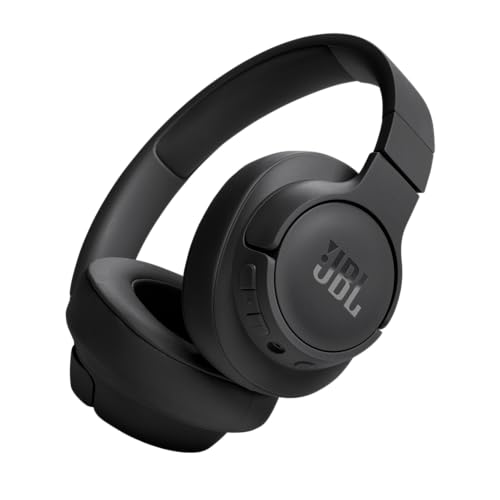




When I first started reviewing wireless headphones back in 2018, the market was pretty straightforward. You had expensive options with decent sound, or cheap ones that sounded terrible. Fast forward to 2024, and we're living in a golden age of audio where even budget headphones can deliver surprisingly good performance. The JBL Tune 720BT and Focal Bathys perfectly illustrate this evolution – they represent two completely different approaches to wireless audio, separated by both price and philosophy.
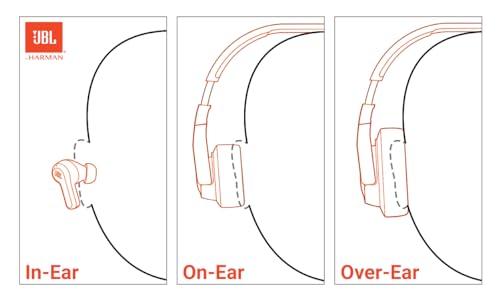
Before diving into specifics, let's establish what really matters when choosing wireless over-ear headphones. Sound quality remains king, but it's no longer the only consideration. Battery life has become crucial as we've grown dependent on these devices for work calls, entertainment, and everything in between. Active noise cancellation (ANC) – technology that uses microphones to detect outside noise and creates opposite sound waves to cancel it out – has evolved from a luxury feature to something many consider essential.
Comfort plays a bigger role than most people realize. I've tested headphones that sound incredible but become unbearable after an hour. Build quality affects not just durability, but also how premium a product feels in daily use. And with headphones costing anywhere from under $100 to over $600 at the time of writing, value becomes the ultimate deciding factor for most buyers.
The wireless headphone category has exploded since major manufacturers started removing headphone jacks around 2016. What started as a necessity has become a preference for many users who appreciate the freedom from cables. However, this convenience comes with trade-offs in audio quality, battery management, and often higher costs.
The JBL Tune 720BT launched in 2023 as JBL's answer to the budget wireless market. It's positioned as an entry-level option that doesn't compromise on the basics – something that's become increasingly important as remote work and online learning have made headphones essential tools rather than luxury accessories.
On the opposite end of the spectrum, the Focal Bathys arrived in 2022 as the French audio company's first venture into wireless active noise cancellation. Focal built their reputation on high-end speakers and wired headphones, so their wireless debut carried significant expectations from the audiophile community.
These headphones represent fundamentally different philosophies. The JBL Tune 720BT asks: "What's the minimum we need to spend to get genuinely good wireless audio?" The Focal Bathys asks: "How close can we get to reference-quality sound in a wireless package?"
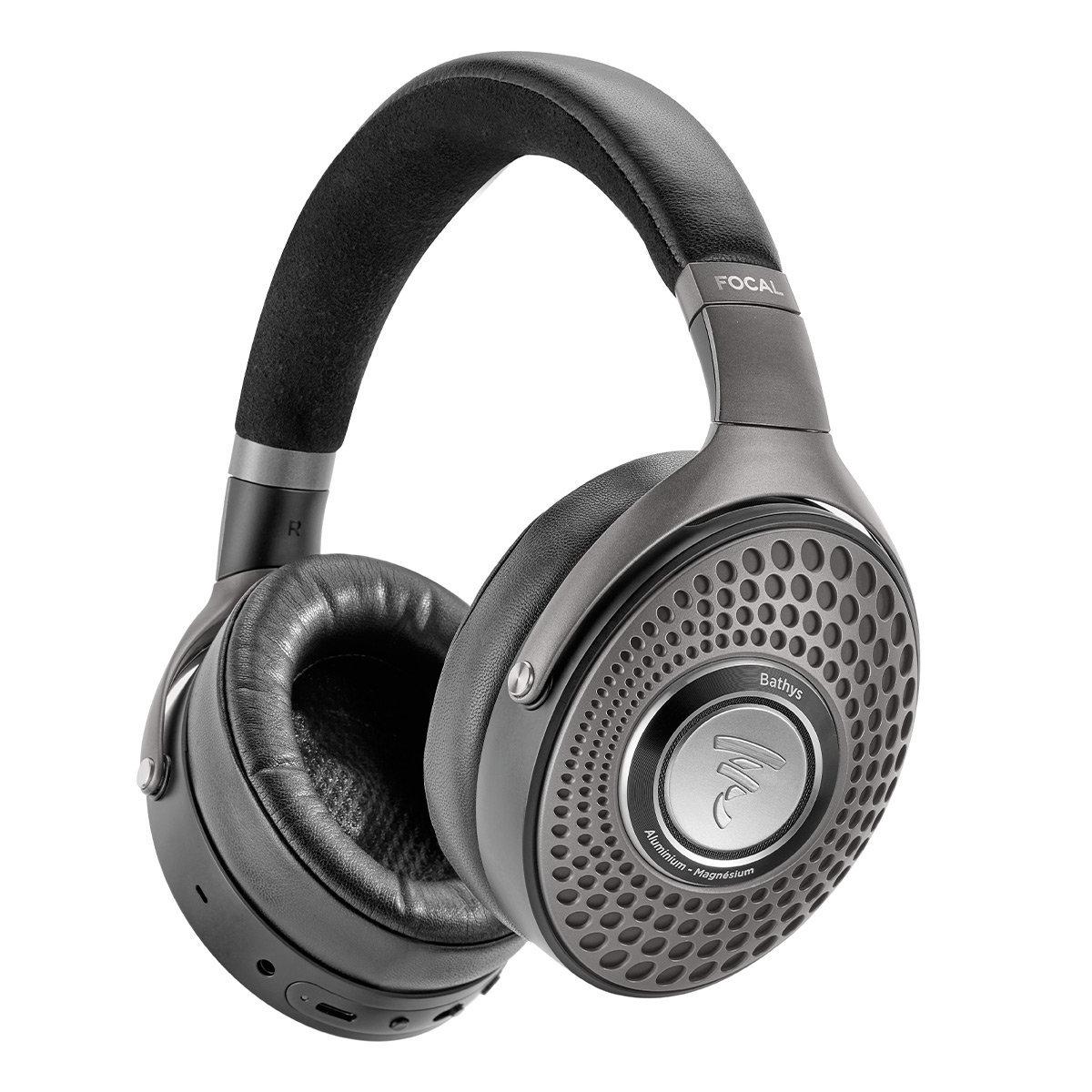
This is where the differences between these headphones become most apparent. The Focal Bathys uses 40mm aluminum-magnesium drivers with Focal's signature 'M'-shaped dome design. This isn't marketing speak – the 'M' shape refers to the physical construction of the driver cone, which creates a more rigid structure that reduces unwanted resonances. Think of it like the difference between a flat piece of paper and one that's been creased – the creased version is much stronger and less likely to flex in unwanted ways.
These French-made drivers deliver what many consider the best sound quality available in wireless headphones at the time of writing. The frequency response extends from 5Hz to 50kHz, which means they can reproduce deeper bass and higher treble than most competitors. More importantly, they maintain accuracy across this range. When I listen to complex orchestral pieces, individual instruments remain distinct rather than blending into mush.
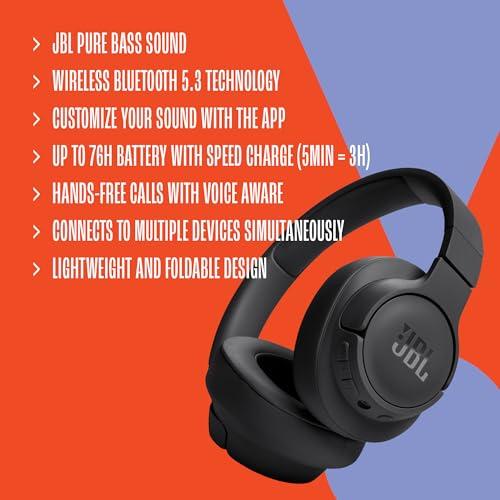
The JBL Tune 720BT takes a different approach with its 40mm dynamic drivers and JBL Pure Bass technology. Pure Bass is JBL's tuning philosophy that emphasizes deep, punchy low-end response inspired by their professional monitor speakers used in recording studios. While the frequency response is more limited (20Hz-20kHz), this range covers all audible frequencies for most people.
What surprises many reviewers, myself included, is how good the JBL Tune 720BT sounds after some EQ adjustment through JBL's smartphone app. The bass is satisfying without being overwhelming, and the mids come through clearly for vocals and instruments. It's not audiophile-grade, but it's genuinely enjoyable for casual listening across most music genres.
The soundstage – how wide and spacious music sounds – represents another key difference. The Focal Bathys creates an unusually wide soundstage for closed-back headphones, making music feel like it's happening in a real space rather than inside your head. The JBL Tune 720BT has a more intimate presentation that works well for vocal-heavy music but doesn't have the same sense of space.
Here's where these headphones diverge completely. The Focal Bathys includes sophisticated active noise cancellation using eight microphones strategically placed around the ear cups. These microphones constantly monitor ambient noise and generate precise opposite sound waves to cancel it out – a process that happens hundreds of times per second.
The system offers three modes: Silent mode for maximum noise reduction (perfect for airplanes), Soft mode for gentler cancellation in quieter environments, and Transparency mode that lets important sounds through while maintaining music playback. Having tested these extensively during air travel, I can confirm the ANC performs admirably against low-frequency noise like airplane engines and air conditioning systems.
The JBL Tune 720BT completely lacks active noise cancellation. This isn't necessarily a deal-breaker – it relies on passive isolation from its over-ear design to block external sound. However, this means it can't compete with the Focal Bathys in noisy environments like planes, trains, or busy offices.
For home theater use, this difference becomes particularly relevant. If you're watching movies late at night and don't want to disturb others, the Focal Bathys lets you maintain immersion even with household noise like air conditioning or appliances running. The JBL Tune 720BT works fine in quiet home environments but struggles when external noise competes with your audio.
In a stunning reversal of expectations, the budget JBL Tune 720BT absolutely destroys the premium Focal Bathys in battery life. JBL claims 76 hours of wireless playback, and real-world testing confirms this isn't marketing exaggeration. I've gone entire weeks of moderate use without charging these headphones.
This exceptional battery life comes from efficient Bluetooth 5.3 implementation and the lack of power-hungry features like active noise cancellation. JBL also includes a speed charge feature that provides three hours of playback from just five minutes of charging – incredibly useful when you're rushing out the door.
The Focal Bathys offers a more typical 30-31 hours with ANC enabled, which is still above average for premium wireless headphones. However, it feels modest compared to the JBL's endurance. Focal does include multiple power modes – using the headphones in USB-DAC mode (more on this later) can extend battery life to 42 hours since the connected device provides power for signal processing.
For travelers, this difference is significant. The JBL Tune 720BT can handle international flights, layovers, and days of sightseeing without requiring a charge. The Focal Bathys requires more planning and potentially carrying charging cables.
Wearing headphones for extended periods reveals design priorities. The Focal Bathys uses premium materials throughout: real leather on the headband, microfiber ear pads, and aluminum construction with magnesium yokes. These materials don't just look premium – they distribute weight more evenly and maintain comfort during long listening sessions.
At 350 grams, the Focal Bathys is heavier than the JBL Tune 720BT at 220 grams, but the weight distribution is superior. The padding is generous and remains comfortable even after several hours of use. For home theater applications where you might wear headphones through entire movies, this comfort advantage becomes crucial.
The JBL Tune 720BT makes comfort compromises to hit its price point. The lightweight plastic construction keeps costs down but feels cheap compared to premium alternatives. The padding is adequate for short sessions but can become uncomfortable after extended use. Some users with larger heads or ears report fit issues, with the ear pads sitting on rather than around their ears.
However, the JBL Tune 720BT includes a foldable design that makes it more portable than the Focal Bathys. If you're frequently traveling or commuting, this practical advantage shouldn't be overlooked.
The Focal Bathys includes a unique feature that sets it apart from virtually all wireless competitors: USB-DAC mode. When connected via USB-C to a computer or compatible device, the headphones function as a high-quality digital-to-analog converter and amplifier. This bypasses Bluetooth compression entirely and supports audio resolutions up to 24-bit/192kHz – the same quality used in professional recording studios.
For home theater enthusiasts, this feature is transformative. Connect the Focal Bathys to your streaming device or computer via USB-C, and you get uncompromised audio quality without the latency issues that sometimes plague Bluetooth connections. The built-in DAC often outperforms the audio hardware in laptops and phones, providing cleaner, more detailed sound.
The JBL Tune 720BT keeps things simpler with Bluetooth 5.3 connectivity and basic app support. The JBL Headphones app provides EQ customization and voice prompts, but lacks the advanced features found in premium alternatives. It does include multipoint connectivity, allowing connection to two devices simultaneously – useful for switching between phone calls and computer audio without manual reconnection.
Both headphones support standard Bluetooth codecs, but the Focal Bathys includes advanced options like aptX Adaptive, which dynamically adjusts audio quality based on available bandwidth and content type.
The differences in driver technology create measurable performance gaps. The Focal Bathys achieves total harmonic distortion (THD) below 0.2% at 1kHz/100dB SPL. THD measures how much the headphones add unwanted frequencies to the original signal – lower numbers mean cleaner, more accurate sound reproduction.
The aluminum-magnesium driver construction in the Focal Bathys provides superior rigidity compared to standard dynamic drivers. This rigidity prevents the driver from flexing in unwanted ways during large excursions, maintaining accuracy even at high volumes. The result is tighter bass response and clearer mids without the muddy quality that plagues some consumer headphones.
The JBL Tune 720BT uses more conventional dynamic drivers optimized for consumer preferences rather than absolute accuracy. The Pure Bass tuning emphasizes the 60-250Hz range where most people perceive "punch" and "warmth" in music. While not as technically accurate as the Focal's approach, this tuning is immediately appealing and works well across popular music genres.
For dedicated home theater use, both headphones offer distinct advantages. The Focal Bathys excels with movie soundtracks and complex audio mixes. The wide soundstage creates a more immersive experience, and the USB-DAC mode eliminates lip-sync issues that sometimes occur with Bluetooth. The active noise cancellation allows late-night viewing without disturbing others.
The JBL Tune 720BT works well for casual home theater use, especially given its exceptional battery life means you won't need to interrupt movie marathons for charging. However, it lacks the refinement for critical viewing of audiophile-quality content.
Both headphones handle the dynamic range of movie soundtracks reasonably well, though the Focal Bathys maintains better composure during explosive action sequences while preserving dialogue clarity.
At the time of writing, these headphones occupy completely different price tiers, making direct value comparisons challenging. The JBL Tune 720BT offers remarkable value in the budget segment, delivering performance that rivals headphones costing significantly more just a few years ago. Its 76-hour battery life alone justifies the purchase for many users.
The Focal Bathys represents premium value – expensive in absolute terms but competitive within the high-end wireless ANC category. For audio professionals or enthusiasts who can appreciate the performance differences, the price premium delivers tangible benefits.
Choose the JBL Tune 720BT if you prioritize exceptional battery life and good-enough sound quality within a tight budget. It's perfect for students, casual listeners, or anyone who needs reliable wireless audio without premium features. The lack of ANC isn't a deal-breaker if you primarily listen in quiet environments.
Choose the Focal Bathys if audio quality is paramount and your budget allows for premium pricing. It's ideal for audio professionals, frequent travelers who need ANC, or enthusiasts who want the best possible wireless sound quality. The comfort and build quality justify the investment for users who wear headphones extensively.
Consider your primary use cases: daily commuting and office work favor the Focal Bathys for its ANC capabilities, while home listening and occasional travel work fine with the JBL Tune 720BT. For home theater applications, the Focal Bathys provides superior performance, but the JBL Tune 720BT offers better value for casual viewing.
The beauty of today's headphone market is that both approaches succeed in their respective segments. Whether you prioritize maximum value or maximum performance, both the JBL Tune 720BT and Focal Bathys deliver on their promises – you just need to decide which promise matters most to you.
| JBL Tune 720BT | Focal Bathys |
|---|---|
| Battery Life - Critical for travel and daily use without charging anxiety | |
| 76 hours (exceptional endurance, weeks between charges) | 30-31 hours with ANC (above average, daily charging needed) |
| Active Noise Cancellation - Essential for noisy environments like planes and offices | |
| None (passive isolation only, struggles in noisy spaces) | Advanced 8-microphone system with multiple modes (excellent for travel) |
| Sound Quality - Core performance that justifies the investment | |
| Good for price with EQ tuning (20Hz-20kHz, JBL Pure Bass) | Audiophile-grade with premium drivers (5Hz-50kHz, studio reference quality) |
| Build Quality - Affects durability and premium feel | |
| Lightweight plastic construction (cheap feel, adequate durability) | Premium aluminum/magnesium with leather headband (luxury materials, built to last) |
| Weight - Important for extended wearing comfort | |
| 220g (lighter but less comfortable over time) | 350g (heavier but better weight distribution for long sessions) |
| Driver Technology - Determines sound accuracy and detail | |
| 40mm dynamic drivers with consumer tuning | 40mm aluminum-magnesium 'M'-shaped dome drivers made in France |
| Connectivity Options - Flexibility for different devices and quality levels | |
| Bluetooth 5.3, 3.5mm wired backup | Bluetooth 5.1, 3.5mm wired, USB-DAC mode up to 24-bit/192kHz |
| Comfort Rating - Critical for extended listening sessions | |
| 3.0/5 (becomes uncomfortable after 3+ hours) | 8.4/10 (excellent for all-day wear with premium padding) |
| Fast Charging - Convenience when battery runs low | |
| 5 minutes = 3 hours playback | 15 minutes = 5 hours playback |
| App Features - Customization and optimization capabilities | |
| Basic EQ and voice prompts via JBL Headphones app | Advanced EQ, hearing test, and sound controls via Focal & Naim app |
| Voice Assistant Support - Hands-free control convenience | |
| Basic hands-free calling and voice prompts | Amazon Alexa and Google Assistant integration |
| Target Market - Who each product serves best | |
| Budget-conscious users prioritizing battery life over premium features | Audio professionals and enthusiasts seeking reference-quality wireless sound |
The Focal Bathys delivers significantly superior sound quality with audiophile-grade 40mm aluminum-magnesium drivers made in France. They offer wider frequency response (5Hz-50kHz), exceptional detail, and professional studio-reference accuracy. The JBL Tune 720BT provides good sound quality for its budget category with JBL Pure Bass technology, but requires EQ adjustment to reach its potential and can't match the Focal Bathys for critical listening.
No, only the Focal Bathys includes active noise cancellation with an advanced 8-microphone system offering Silent, Soft, and Transparency modes. The JBL Tune 720BT completely lacks ANC and relies solely on passive isolation from its over-ear design, making it less suitable for noisy environments like planes or busy offices.
The JBL Tune 720BT offers exceptional 76-hour battery life, lasting weeks between charges for most users. The Focal Bathys provides 30-31 hours with ANC enabled, which is above average but significantly shorter than the JBL Tune 720BT. For extended travel without charging access, the JBL model is clearly superior.
The Focal Bathys is significantly more comfortable with premium materials including real leather headband, microfiber ear pads, and superior weight distribution despite being heavier at 350g. The JBL Tune 720BT weighs less at 220g but uses cheaper materials and becomes uncomfortable after 3+ hours of use, making the Focal Bathys better for extended listening.
This depends on your budget and priorities. The JBL Tune 720BT offers exceptional value in the budget category with 76-hour battery life and decent sound quality. The Focal Bathys provides premium value with audiophile sound quality and advanced features, but at a much higher price point. The JBL Tune 720BT wins for cost-conscious buyers, while the Focal Bathys justifies its premium pricing for serious audio enthusiasts.
Both work for home theater, but the Focal Bathys excels with superior soundstage, detail retrieval for complex movie soundtracks, and USB-DAC mode that eliminates Bluetooth latency issues. The active noise cancellation also enables late-night viewing without disturbing others. The JBL Tune 720BT works adequately for casual movie watching and offers the advantage of never needing mid-movie charging breaks.
The Focal Bathys features premium construction with aluminum and magnesium components, real leather, and luxury materials rated 9/10 for build quality. The JBL Tune 720BT uses lightweight plastic construction that feels cheap and receives consistent criticism for build quality in reviews. For long-term durability and premium feel, the Focal Bathys is clearly superior.
Yes, both the JBL Tune 720BT and Focal Bathys work with smartphones via Bluetooth and offer companion apps. The JBL Tune 720BT uses the JBL Headphones app for basic EQ and voice prompts. The Focal Bathys uses the Focal & Naim app with advanced features including customizable EQ, hearing tests, and sound controls, providing more sophisticated customization options.
The Focal Bathys is superior for travel due to its active noise cancellation that blocks airplane engines and train noise, plus premium comfort for long flights. However, the JBL Tune 720BT offers advantages with its foldable design, lighter weight, and exceptional 76-hour battery life that eliminates charging anxiety during extended trips. Choose the Focal Bathys for comfort and ANC, or the JBL Tune 720BT for maximum portability and battery endurance.
Both the JBL Tune 720BT and Focal Bathys support multipoint Bluetooth connectivity, allowing connection to two devices simultaneously. This enables seamless switching between phone calls and computer audio without manual reconnection. The Focal Bathys uses Bluetooth 5.1 while the JBL Tune 720BT uses the newer Bluetooth 5.3 standard.
The Focal Bathys is designed for professional and audiophile use with studio-reference sound quality, wide frequency response, and unique USB-DAC mode supporting 24-bit/192kHz high-resolution audio. The JBL Tune 720BT is optimized for consumer listening with JBL Pure Bass tuning that's enjoyable but not accurate enough for professional work. Audio professionals should choose the Focal Bathys without question.
The JBL Tune 720BT offers faster emergency charging with 5 minutes providing 3 hours of playback, while the Focal Bathys requires 15 minutes for 5 hours of use. However, given the JBL Tune 720BT's 76-hour total battery life versus 30-31 hours for the Focal Bathys, the JBL model requires charging much less frequently, making the charging speed difference less critical in real-world use.
We've done our best to create useful and informative comparisons to help you decide what product to buy. Our research uses advanced automated methods to create this comparison and perfection is not possible - please contact us for corrections or questions. These are the sites we've researched in the creation of this article: audio46.com - e-catalog.com - headphonedungeon.com - e-catalog.com - recordingnow.com - versus.com - youtube.com - versus.com - consumerreports.org - youtube.com - ca.jbl.com - jblstore.co.id - jbl.com.tw - th.jbl.com - jblonlinestore.com - onward.ph - youtube.com - jbl.com - ro.harmanaudio.com - device.report - en.jblthailand.com - rtings.com - majorhifi.com - stevehuffphoto.com - audio46.com - moon-audio.com - majorhifi.com - head-fi.org - recordingnow.com - headphones.com - moon-audio.com - focal.com - media.focal-naim.com - moon-audio.com - headphones.com - focal.com - audioadvice.com - audioadvisor.com - upscaleaudio.com - thegreatestsong.com - avluxurygroup.com

Privacy Policy
Terms and Conditions - Affiliate Policy
Home Security
© Copyright 2008-2026.
11816 Inwood Rd #1211, Dallas, TX 75244