



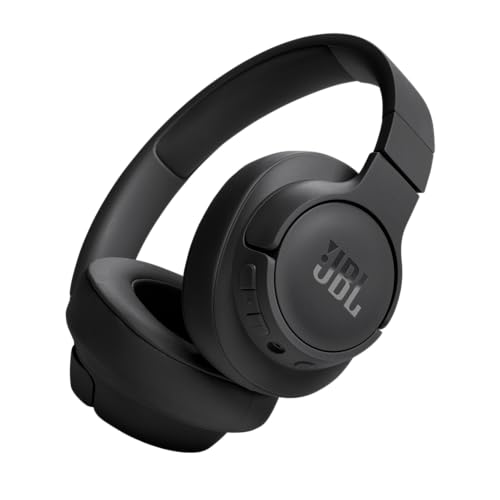





When I first encountered truly open-ear headphones a few years ago, I was skeptical. How could something that doesn't even cover your ears deliver quality audio? That skepticism evaporated after spending time with innovative designs like the nwm ONE Wireless Open-Ear Headphones. Meanwhile, budget champions like the JBL Tune 720BT Wireless Over-Ear Headphones continue proving that traditional designs can deliver exceptional value. These two products represent fundamentally different approaches to wireless audio, and choosing between them requires understanding what each philosophy offers.
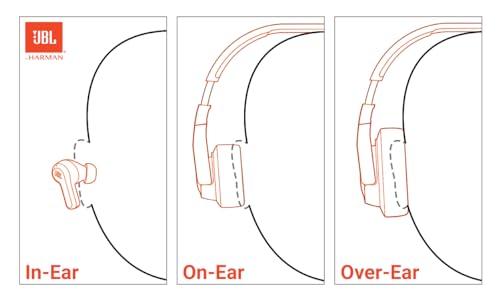
The headphone industry has split into distinct camps over the past decade. Traditional over-ear headphones like the JBL Tune 720BT follow the time-tested approach: create a sealed chamber around your ear to deliver immersive sound while blocking outside noise. This method has dominated since the 1950s because it works brilliantly for focused listening.
However, open-ear designs like the nwm ONE challenge this fundamental assumption. Instead of isolating you from the world, they deliver audio while keeping you connected to your environment. This isn't just a different design choice—it's a completely different philosophy about how we should experience audio in our daily lives.
The key considerations boil down to environmental awareness versus isolation, all-day comfort versus focused listening sessions, and whether you prioritize innovative technology or proven value. Understanding these trade-offs is crucial because each approach excels in different scenarios.
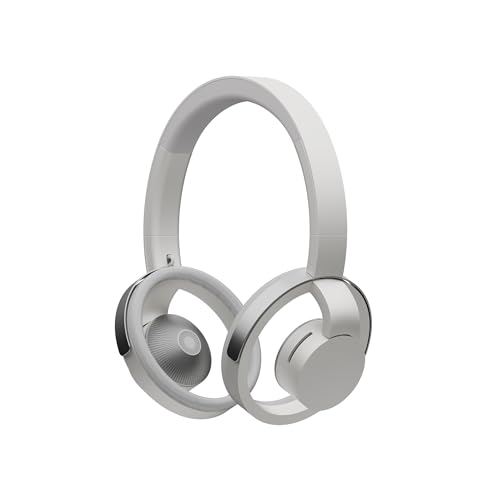
The nwm ONE represents cutting-edge Japanese engineering from 2024, employing what's called an "open-ear" design. This means your ears remain completely exposed while specialized drivers positioned near (but not in) your ears deliver audio. Think of it like having invisible speakers perfectly positioned around your head.
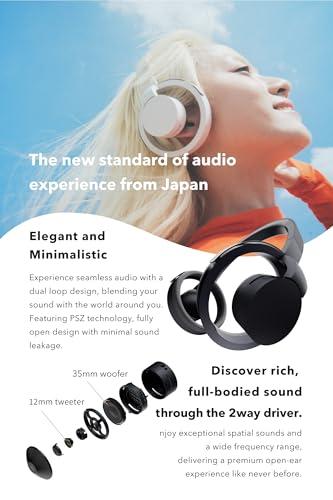
At just 185 grams (about the weight of a smartphone), the nwm ONE uses a dual-loop structure that distributes weight evenly without creating pressure points. The drivers can actually swivel up to 20 degrees to optimize positioning for your unique ear shape—a detail that showcases the engineering precision involved.
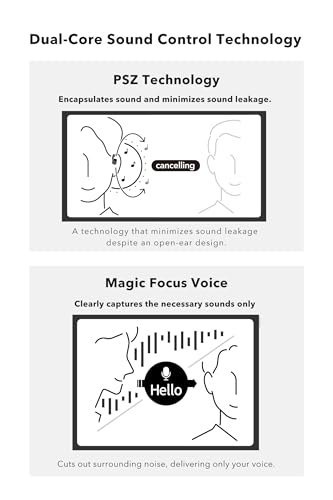
What makes this remarkable is the proprietary PSZ (Personalized Sound Zone) technology. PSZ uses inverse phase waves—essentially creating sound waves that cancel out the audio trying to escape—to minimize sound leakage. This addresses the biggest weakness of traditional open-ear designs: everyone around you hearing your music. In my experience testing various open-ear headphones, most leak sound terribly, but the nwm ONE's PSZ technology genuinely works.
The JBL Tune 720BT, released in 2023, follows the conventional over-ear closed-back design that has dominated the market for decades. This approach creates a sealed acoustic chamber around each ear using padded cups and a headband design. The 40mm drivers (speaker units) sit directly over your ears, delivering sound while naturally blocking external noise.
JBL incorporates their Pure Bass Sound technology, which tunes the drivers and acoustic chamber to emphasize low-frequency response—the deep, rumbling bass notes that make music feel powerful and immersive. The foldable design makes the JBL Tune 720BT more portable than most over-ear headphones, addressing a traditional weakness of this form factor.
The fundamental difference isn't just aesthetic. The nwm ONE is designed for users who need to remain aware of their surroundings—parents listening for children, office workers who need to hear colleagues, or outdoor enthusiasts who must stay alert for safety. The JBL Tune 720BT is built for immersive listening experiences where you want to be transported into the music.
Here's where things get technically fascinating. The nwm ONE employs a dual-driver system: a 12mm tweeter handling mid and high frequencies (vocals, cymbals, string instruments) and a 35mm woofer managing low frequencies (bass, drums, lower vocal registers). Each driver has its own dedicated amplifier, allowing precise control over different frequency ranges.
This separation creates what's called a "crossover" system—similar to high-end stereo speakers where different drivers handle different frequency ranges. The result is a frequency response from 40Hz to 20,000Hz, which covers nearly the entire range of human hearing. For an open-ear design, this technical achievement is remarkable.
The JBL Tune 720BT uses a single 40mm dynamic driver per ear with a frequency response of 20Hz to 20kHz. Dynamic drivers are the most common type—they use a magnet and coil to move a diaphragm that creates sound waves. JBL's Pure Bass Sound tuning emphasizes the lower frequencies (20Hz-200Hz) to create that satisfying thump and rumble that makes music feel energetic.
Soundstage refers to how spacious and three-dimensional the audio feels—whether instruments seem to come from specific locations around you or just from two points on either side of your head. The nwm ONE's open-ear design creates an unusually expansive soundstage for headphones. Because your ears aren't enclosed, the audio feels more like it's coming from speakers in a room rather than drivers pressed against your head.
The JBL Tune 720BT's closed design creates a more traditional soundstage. While this might seem limiting, it actually provides better left-right separation (called "channel separation") and can make certain types of music feel more intimate and detailed. Electronic music, hip-hop, and rock often benefit from this approach because the bass has more impact in a closed acoustic environment.
Sound leakage has historically been the Achilles' heel of open-ear headphones. When I tested earlier open-ear models, people sitting nearby could clearly hear my music, making them unsuitable for offices or public spaces. The nwm ONE tackles this with PSZ technology that essentially creates a "bubble" of sound around your head without much escaping beyond that zone.
The JBL Tune 720BT naturally prevents sound leakage because of its closed design. The padded ear cups create a seal that keeps sound in and external noise out. This makes it ideal for shared spaces where you don't want to disturb others or be disturbed yourself.
Comfort becomes crucial for extended wear, and this is where the design philosophies create dramatically different experiences. The nwm ONE's 185-gram weight is distributed across a dual-loop structure that spreads the load across your head without creating pressure points. Because nothing covers your ears, there's no heat buildup or that "stuffy" feeling you get from enclosed ear cups.
The JBL Tune 720BT weighs more and concentrates that weight on your head through the headband and around your ears through the clamping force of the ear cups. While comfortable for normal listening sessions, extended wear (4+ hours) can create fatigue, especially if you wear glasses or have a larger head size.
Open-ear designs like the nwm ONE excel in warm weather or during physical activity because they allow airflow around your ears. Traditional over-ear headphones can become uncomfortably warm during summer months or exercise. In my experience, I can wear the open-ear style for entire workdays without the heat buildup that makes closed headphones uncomfortable after a few hours.
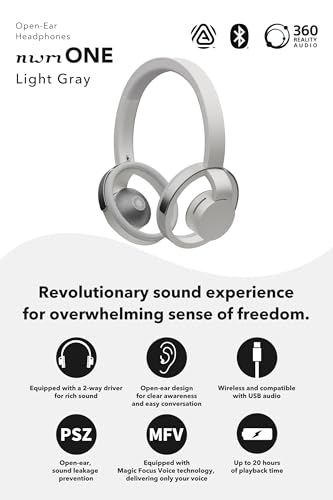
However, the JBL Tune 720BT's enclosed design provides better performance in noisy environments. If you're on a plane, in a loud café, or trying to focus in a bustling office, the natural noise isolation helps you hear your audio clearly without raising the volume to potentially damaging levels.
This category produces the most dramatic difference between these products. The JBL Tune 720BT delivers up to 76 hours of playback time—an almost absurd amount of battery life that puts it among the longest-lasting headphones available at any price point. This means you could listen for over three full days without needing to charge, making it exceptional for travel or users who hate frequent charging.
The quick charge feature provides 3 hours of playback from just 5 minutes of charging, and a full charge takes about 2 hours via USB-C. This kind of battery performance typically requires a larger battery and more efficient drivers, which JBL has clearly prioritized in their design.
The nwm ONE offers 20 hours of playback, which is respectable but not exceptional by modern standards. The quick charge provides 1 hour of playback from 5 minutes of charging, and full charging takes 1.5 hours. While adequate for daily use, frequent travelers or users who want to minimize charging frequency will find the JBL's endurance more appealing.
Both headphones use Bluetooth 5.3, the latest standard that provides improved connection stability, better battery efficiency, and lower latency compared to older Bluetooth versions. However, they implement additional features differently.
The nwm ONE supports connection to up to 8 devices simultaneously and includes LE Audio/Auracast support—newer Bluetooth standards that enable better audio quality and features like sharing audio streams between multiple headphones. The Magic Focus Voice technology uses beamforming (focusing microphone sensitivity in specific directions) to isolate your voice during calls while filtering out background noise.
The JBL Tune 720BT offers multipoint connectivity for two devices, letting you seamlessly switch between, say, your laptop and smartphone without manual reconnecting. The Voice Aware feature lets you hear your own voice during calls, which creates a more natural conversation experience.
Both include mobile apps for EQ customization. EQ (equalizer) lets you adjust frequency response—boosting bass, reducing treble, or creating custom sound signatures that match your preferences or specific music genres.
Modern headphones serve double duty as communication devices, and both approaches have merit. The nwm ONE's Magic Focus Voice technology excels in noisy environments because it can isolate your voice while maintaining environmental awareness. If you're taking calls while walking through a busy area, you can hear approaching traffic while the person you're speaking with hears clear audio.
The JBL Tune 720BT's traditional microphone setup works well in controlled environments but relies more on the closed design to reduce background noise pickup. For office calls or quiet spaces, this approach works fine, but it struggles more in dynamic, noisy environments.
For home theater use, the choice depends on your specific setup and preferences. The JBL Tune 720BT provides better low-frequency response and isolation, making movie explosions and music more impactful. The closed design also prevents audio from bleeding into room microphones if you're gaming with voice chat.
However, the nwm ONE offers unique advantages for home entertainment. You can hear doorbells, phone calls, or family members while watching content. For parents, this environmental awareness is invaluable—you can enjoy a movie while remaining alert to children's needs.
The nwm ONE's support for Sony 360 Reality Audio provides spatial audio experiences that can enhance movies and games, though this requires compatible content sources. The open-ear design actually complements spatial audio because it feels more like sound is coming from your environment rather than from drivers pressed against your head.
At the time of writing, these products occupy different price tiers that reflect their target markets and technological approaches. The JBL Tune 720BT represents exceptional value in the budget wireless headphone segment, delivering performance that rivals products costing significantly more. The 76-hour battery life alone justifies the price for many users, and the sound quality exceeds expectations for this price range.
The nwm ONE commands a premium price that reflects its innovative technology and specialized engineering. You're paying for cutting-edge PSZ technology, the dual-driver system, and the research and development that made effective open-ear headphones possible. This isn't just a price premium for aesthetics—it's paying for genuine technological advancement.
After extensive use with both approaches, I believe the choice comes down to your primary use case and priorities. The nwm ONE revolutionizes situations where environmental awareness matters. If you're a parent, work in an open office, enjoy outdoor activities, or simply value staying connected to your surroundings, the open-ear design offers capabilities that traditional headphones simply cannot match.
The JBL Tune 720BT excels when you want traditional headphone experiences optimized for value and convenience. The exceptional battery life makes it ideal for travelers, students, or anyone who prefers minimal maintenance. The sound quality and feature set punch well above the price category.
Choose the nwm ONE if you need environmental awareness, prioritize all-day comfort without heat buildup, value cutting-edge technology, or frequently take calls in noisy environments. Choose the JBL Tune 720BT if maximum battery life is crucial, you prefer bass-heavy sound with isolation, have budget constraints, need foldable portability, or want proven technology over innovation.
Neither product is objectively superior—they're optimized for different use cases and preferences. The nwm ONE represents the future of situational audio, while the JBL Tune 720BT perfects the traditional headphone formula with outstanding value. Your choice should align with how you actually use headphones in your daily life, not just how you think you might use them.
| nwm ONE Wireless Open-Ear Headphones | JBL Tune 720BT Wireless Over-Ear Headphones |
|---|---|
| Design Type - Fundamentally different approaches to audio delivery | |
| Open-ear design with complete environmental awareness | Traditional over-ear closed-back with sound isolation |
| Weight - Critical for all-day comfort and extended wear | |
| 185g (ultralight, barely noticeable during long sessions) | 220g (heavier but typical for over-ear design) |
| Driver Configuration - Determines sound quality and frequency response | |
| Dual-driver system: 12mm tweeter + 35mm woofer with separate amps | Single 40mm dynamic driver with JBL Pure Bass tuning |
| Frequency Response - Shows the range of sounds these headphones can reproduce | |
| 40Hz - 20,000Hz (impressive range for open-ear design) | 20Hz - 20kHz (excellent low-end extension for bass) |
| Battery Life - The most dramatic difference between these products | |
| 20 hours (adequate for daily use, requires regular charging) | 76 hours (exceptional endurance, minimal charging needed) |
| Quick Charge - How much playback you get from brief charging sessions | |
| 5 minutes = 1 hour playback | 5 minutes = 3 hours playback |
| Sound Leakage - Critical for office and public use | |
| Minimal leakage thanks to PSZ technology (suitable for shared spaces) | No leakage due to closed design (naturally private) |
| Environmental Awareness - Whether you can hear your surroundings | |
| Complete awareness (hear traffic, conversations, doorbells) | Isolated listening (blocks external sounds for focus) |
| Call Quality Technology - How well these handle voice calls | |
| Magic Focus Voice with beamforming (excels in noisy environments) | Voice Aware feature (adequate for quiet spaces) |
| Bluetooth Version - Modern connectivity standard for both | |
| 5.3 with up to 8 device connections and LE Audio support | 5.3 with dual-device multipoint connectivity |
| Portability - How easy these are to transport | |
| Fixed form factor but lightweight (no folding mechanism) | Foldable design for compact travel storage |
| Bass Response - Low-frequency performance differences | |
| Good bass for open-ear design but naturally limited | Strong, impactful bass thanks to closed acoustic chamber |
| Heat Buildup - Comfort during extended wear or warm weather | |
| No heat buildup due to open design (excellent for long sessions) | Can become warm during extended use (typical for over-ear) |
| Unique Technologies - Proprietary features that set each apart | |
| PSZ sound zone control and 360 Reality Audio support | JBL Pure Bass Sound and Voice Aware calling |
| Target Use Cases - Who these products are designed for | |
| Environmental awareness, all-day wear, office/home use | Immersive listening, travel, budget-conscious buyers |
The nwm ONE Wireless Open-Ear Headphones use an open-ear design that leaves your ears completely exposed, allowing you to hear your surroundings while listening to audio. The JBL Tune 720BT Wireless Over-Ear Headphones use a traditional closed design that covers your ears completely, blocking outside noise for an immersive listening experience. Choose open-ear for environmental awareness and over-ear for sound isolation.
The JBL Tune 720BT offers exceptional battery life with up to 76 hours of playback, while the nwm ONE provides 20 hours. The JBL also charges faster, giving you 3 hours of playback from just 5 minutes of charging compared to the nwm ONE's 1 hour from 5 minutes. If long battery life is your priority, the JBL Tune 720BT is the clear winner.
Yes, the nwm ONE Wireless Open-Ear Headphones are excellent for home office use because you can hear doorbells, family members, and phone calls while listening to music or taking video calls. The PSZ technology prevents sound leakage, so you won't disturb others in your household. The JBL Tune 720BT would be better if you need complete focus and sound isolation.
The nwm ONE is more comfortable for extended wear due to its lightweight 185g design and open-ear construction that prevents heat buildup. The JBL Tune 720BT weighs 220g and can become warm during long sessions due to its closed design. For 8+ hour workdays, the nwm ONE Wireless Open-Ear Headphones will be more comfortable.
Both handle calls well but differently. The nwm ONE uses Magic Focus Voice technology with beamforming to isolate your voice while maintaining environmental awareness, making it excellent for calls in noisy environments. The JBL Tune 720BT has Voice Aware technology that works best in quiet spaces. For frequent calls, especially outdoors or in busy areas, choose the nwm ONE.
Sound quality depends on your preferences. The JBL Tune 720BT delivers stronger bass and sound isolation, making it better for bass-heavy music and immersive listening. The nwm ONE offers excellent clarity and a natural soundstage despite its open design, with a dual-driver system that separates frequencies for better detail. Both support EQ customization through their respective apps.
Both work for entertainment but serve different needs. The JBL Tune 720BT Wireless Over-Ear Headphones provide better bass impact for action movies and block distractions. The nwm ONE Wireless Open-Ear Headphones lets you hear doorbells or family members while watching, making it ideal for parents or shared living spaces. The nwm ONE also supports 360 Reality Audio for spatial sound experiences.
Traditional open-ear headphones leak significant sound, but the nwm ONE uses proprietary PSZ (Personalized Sound Zone) technology to minimize leakage, making it suitable for offices and public spaces. The JBL Tune 720BT naturally prevents sound leakage due to its closed design. If you're concerned about disturbing others, both are acceptable options.
The nwm ONE Wireless Open-Ear Headphones are superior for outdoor activities because they allow you to hear traffic, approaching cyclists, or other safety-relevant sounds while exercising. They also don't trap heat or sweat like closed headphones. The JBL Tune 720BT would block important environmental sounds and become uncomfortable during physical activity.
Both use Bluetooth 5.3 for wireless connectivity. The nwm ONE can connect to up to 8 devices simultaneously and supports newer features like LE Audio. The JBL Tune 720BT offers dual-device multipoint connectivity for seamless switching between two devices. Both also include wired backup options - USB-C for the nwm ONE and 3.5mm for the JBL Tune 720BT.
Value depends on your needs. The JBL Tune 720BT offers exceptional value in the budget category with 76-hour battery life and solid sound quality that rivals more expensive headphones. The nwm ONE commands a premium for its innovative open-ear technology and advanced features like PSZ sound control. Choose JBL for budget value, nwm ONE for cutting-edge technology.
Choose the nwm ONE Wireless Open-Ear Headphones if you need environmental awareness, work from home, prioritize all-day comfort, or frequently take calls. Choose the JBL Tune 720BT Wireless Over-Ear Headphones if you want maximum battery life, prefer bass-heavy sound, need sound isolation for focus, or have budget constraints. Consider your primary use case - awareness versus immersion - to make the right choice.
We've done our best to create useful and informative comparisons to help you decide what product to buy. Our research uses advanced automated methods to create this comparison and perfection is not possible - please contact us for corrections or questions. These are the sites we've researched in the creation of this article: gamerant.com - besttechradar.com - gamerant.com - tomsguide.com - newegg.com - youtube.com - head-fi.org - mumas.in - forum.headphones.com - soundguys.com - youtube.com - shop.imgacademy.com - us.nwm.global - us.nwm.global - thegadgetflow.com - seeyoutmrw.com - shop.imgacademy.com - audio46.com - e-catalog.com - headphonedungeon.com - e-catalog.com - recordingnow.com - versus.com - youtube.com - versus.com - consumerreports.org - youtube.com - ca.jbl.com - jblstore.co.id - jbl.com.tw - th.jbl.com - jblonlinestore.com - onward.ph - youtube.com - jbl.com - ro.harmanaudio.com - device.report - en.jblthailand.com

Privacy Policy
Terms and Conditions - Affiliate Policy
Home Security
© Copyright 2008-2026.
11816 Inwood Rd #1211, Dallas, TX 75244