



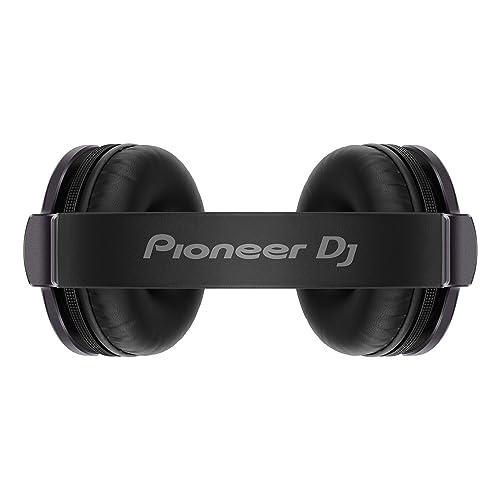
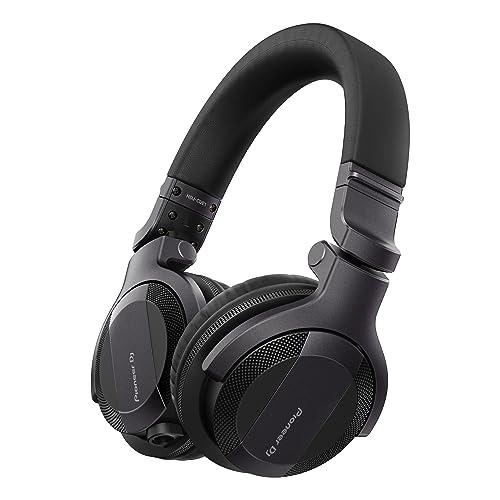
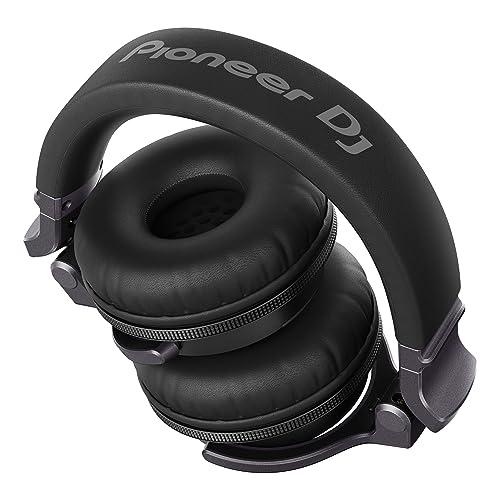





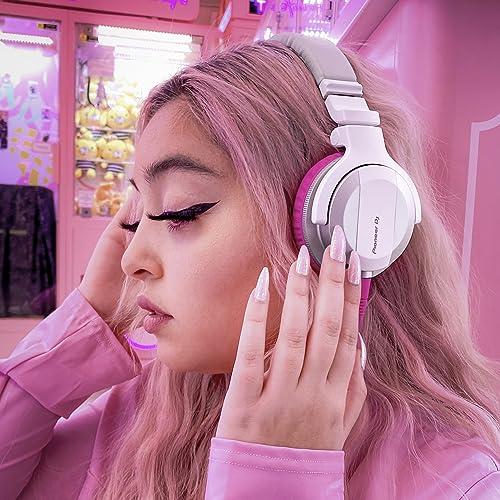
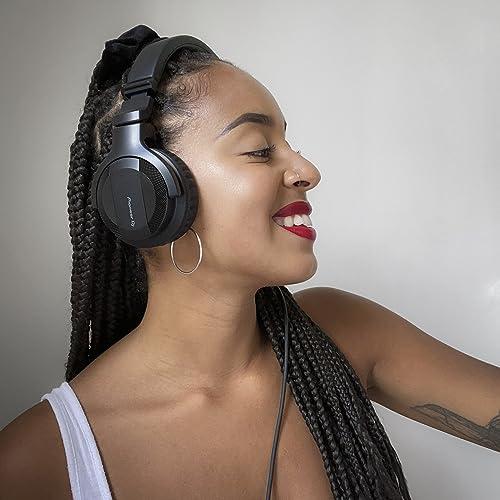
When you're shopping for headphones, it's easy to get overwhelmed by the sheer number of options available. Today, I want to help you understand the key differences between two very different approaches to headphone design by comparing the JBL Tune 720BT and the Pioneer DJ HDJ-CUE1. These headphones represent fundamentally different philosophies, and understanding their differences will help you make a much better decision for your specific needs.
The headphone market has evolved dramatically over the past few years. We've seen wireless technology mature, battery life improve significantly, and specialized designs emerge for different use cases. The JBL Tune 720BT, released in 2023, represents the latest thinking in consumer wireless headphones, while the Pioneer DJ HDJ-CUE1 continues a long tradition of purpose-built professional audio equipment.
At the time of writing, both headphones occupy the budget-to-mid-range price segment, but they serve completely different audiences. The key considerations when choosing headphones include your primary use case, whether you need wireless connectivity, how important battery life is to you, and whether you value specialized features over general versatility.
One thing I've learned from testing dozens of headphones over the years is that the "best" headphone is always the one that matches your actual usage patterns. A $500 audiophile headphone won't serve you well if you primarily listen during commutes and need wireless connectivity, just like a consumer-focused wireless model won't work for professional DJ applications where latency and specialized sound tuning are critical.
The most important distinction between the JBL Tune 720BT and Pioneer DJ HDJ-CUE1 lies in their intended applications. This isn't just about marketing – it affects every aspect of their design, from the drivers (the small speakers inside the headphones) to the physical construction.
The JBL Tune 720BT follows what I call the "Swiss Army knife" approach. It's designed to handle everything reasonably well: music listening, phone calls, video streaming, gaming, and general entertainment. This versatility comes with trade-offs, but for most people, these trade-offs are worthwhile because they get one device that handles all their needs.
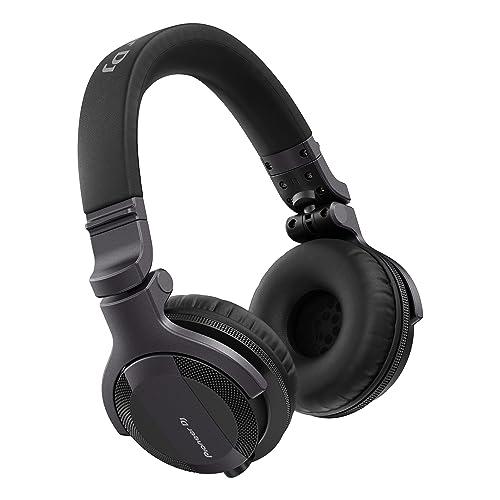
In contrast, the Pioneer DJ HDJ-CUE1 takes a specialist approach. These headphones are engineered specifically for DJ monitoring, which involves previewing tracks in your headphones while the audience hears different music through the main speakers. This requires unique features like the ability to swivel one ear cup 90 degrees so you can monitor with one ear while keeping the other ear free to hear the room sound – something that would be completely unnecessary for casual listening but essential for professional DJ work.
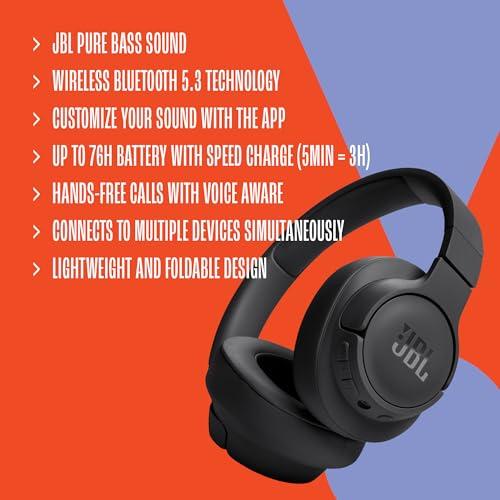
When we talk about sound signature, we're referring to how the headphones emphasize different frequency ranges. Think of it like the bass and treble controls on a stereo, but much more sophisticated. The JBL Tune 720BT uses what JBL calls "Pure Bass Sound," which provides punchy, enjoyable bass without overwhelming the midrange frequencies where vocals live. This tuning philosophy aims to make all types of music sound engaging and fun.
The frequency response of 20Hz to 20kHz covers the full range of human hearing, and the 40mm drivers provide enough surface area to move air effectively for good bass response. In my experience with similar JBL products, this tuning tends to add excitement to music without becoming fatiguing during long listening sessions.
The Pioneer DJ HDJ-CUE1 takes a completely different approach. Its frequency range extends from 5Hz to 30kHz – significantly wider than human hearing – which provides exceptional detail retrieval. More importantly, the sound is specifically tuned to emphasize bass frequencies and kick drums, making it easier for DJs to beatmatch (align the tempo of two songs) and identify the rhythmic elements that are crucial for mixing.
This specialized tuning means kick drums and bass lines cut through clearly, even when listening at lower volumes or in noisy environments. However, this same tuning can make the headphones sound overly bass-heavy for casual music listening, especially with genres that don't rely heavily on rhythm sections.
Both headphones use 40mm dynamic drivers, but that's where the similarities end. Driver size affects how much air the headphone can move, which directly impacts bass response and overall volume capability. The JBL Tune 720BT has an impedance of 32 ohms and a sensitivity of 101 dB, which means it's easy to drive from smartphones and doesn't require a powerful amplifier to reach satisfying volume levels.
The Pioneer DJ HDJ-CUE1 also features 32-ohm impedance but with higher sensitivity at 104 dB and much higher maximum input power handling at 2000mW. This higher power handling is crucial in professional environments where DJs might need to monitor at high volumes in loud venues, and it provides more headroom before distortion occurs.
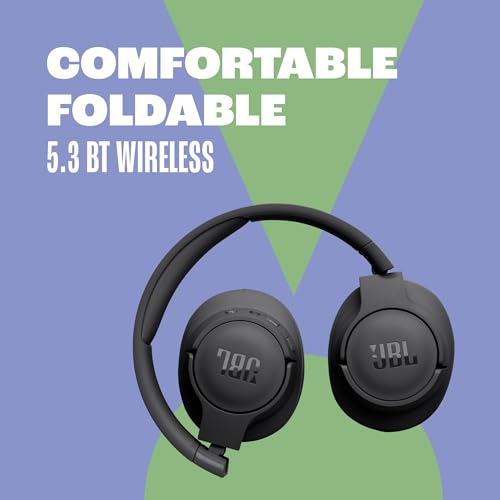
The JBL Tune 720BT represents some of the most impressive wireless technology available at its price point. Bluetooth 5.3 provides improved connection stability and lower power consumption compared to earlier versions. The multipoint connectivity feature allows you to connect to two devices simultaneously – incredibly useful when you want to seamlessly switch between your phone and computer without manually reconnecting.
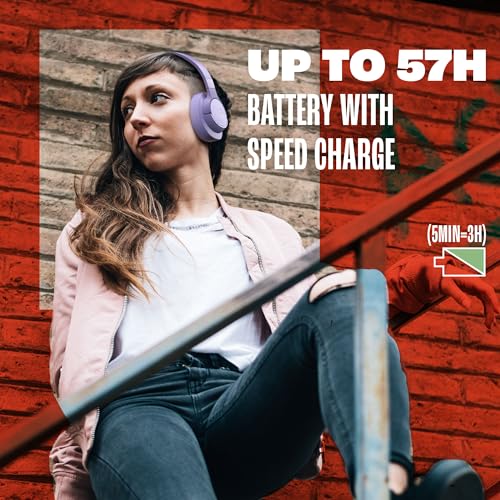
But the real standout feature is the 76-hour battery life. This isn't marketing hyperbole; it's a genuinely transformative feature that eliminates battery anxiety completely. Even if you listen for several hours every day, you might only need to charge these headphones once a month. The fast charging capability (5 minutes for 3 hours of playback) means that even if you forget to charge them, a quick top-up solves the problem.
Since 2023, we've seen significant improvements in Bluetooth efficiency and battery technology, and the JBL Tune 720BT benefits from these advances. The Type-C charging port is also future-proof and convenient since it matches most modern devices.
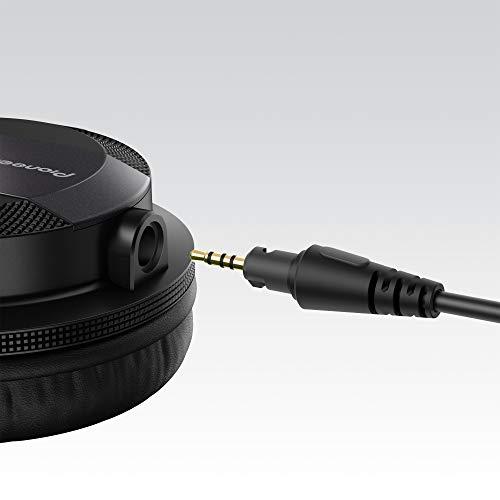
The Pioneer DJ HDJ-CUE1 takes the opposite approach with its dedicated wired connection. The 1.2-meter coiled cable extends to 1.8 meters, providing freedom of movement while preventing tangles. The coiled design is borrowed from professional broadcast headphones and serves a practical purpose – it stays out of the way when you're working but extends when you need reach.
The L-shaped connector is another professional touch. Right-angle connectors are less likely to get caught on equipment or accidentally disconnected during performance. When you're performing live and your headphones are your lifeline to the next track, reliability trumps convenience every time.
For DJ applications, wired connections eliminate latency completely. Bluetooth, even with the latest codecs (compression algorithms that encode audio for wireless transmission), introduces some delay between when audio is played and when you hear it. This delay might be imperceptible for casual listening, but it's problematic when you need to precisely align the beats of two songs.
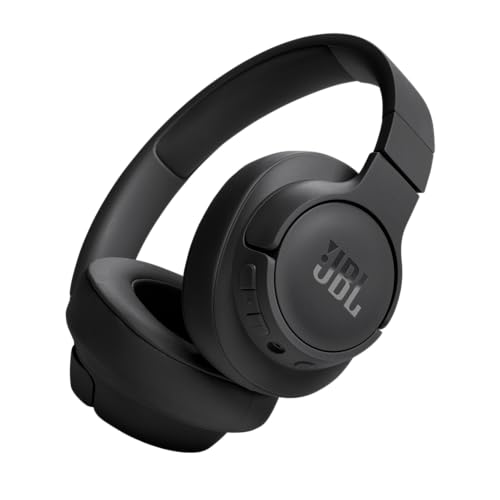
The JBL Tune 720BT weighs 220 grams and uses primarily plastic construction to keep weight down and costs reasonable. The foldable design is convenient for travel, and the soft ear cushions provide comfort for extended listening sessions. This construction approach prioritizes portability and comfort over absolute durability.
In my experience, this level of build quality is perfectly adequate for careful daily use. The headphones will survive being tossed in a backpack and used regularly, but they're not designed for the abuse that professional equipment might face.
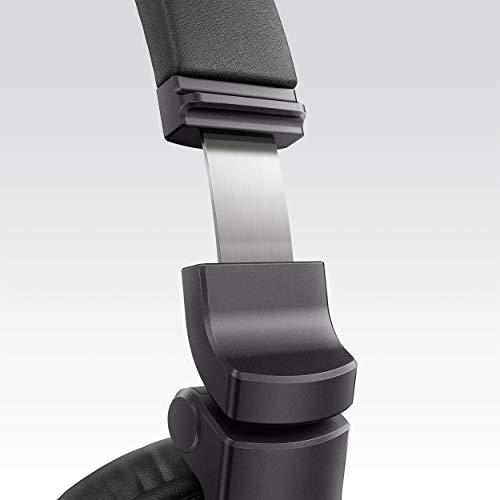
The Pioneer DJ HDJ-CUE1 approaches durability differently. At 215 grams (without the cable), they're actually slightly lighter than the JBL, but the construction uses metal reinforcement in critical areas. The headband slider mechanism is built with extra-strong metal components, and all moving parts have passed rigorous durability testing.
This professional-grade construction is essential because DJ headphones face unique stresses. They're constantly being put on and taken off, often with one hand while the other hand operates mixing equipment. The swivel mechanism gets heavy use, and the headphones might be accidentally dropped or knocked around in the booth environment.
The detachable cable is both a durability and maintenance feature. Cables are typically the first component to fail on headphones, and being able to replace just the cable rather than the entire headphone makes economic sense for working professionals.
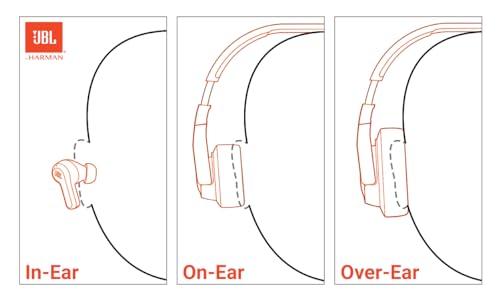
The JBL Tune 720BT uses an over-ear design where the ear cups completely surround your ears. This design generally provides better isolation from external noise and distributes pressure more evenly around your ears rather than directly on them. The soft ear cushions and moderate clamping force make them comfortable for extended listening sessions.
However, some users find that the ear cushions can become warm during long sessions, especially in hot environments. The over-ear design also means they take up more space when folded, though they're still quite portable.
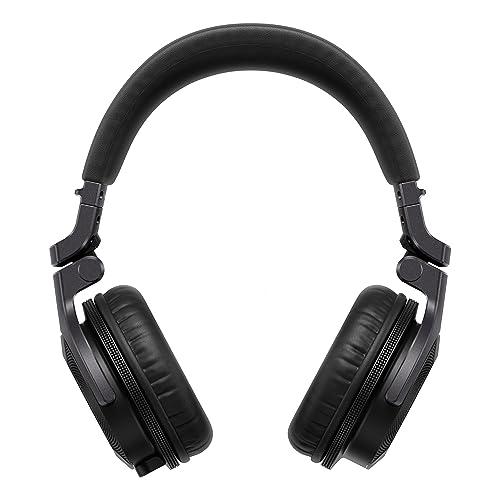
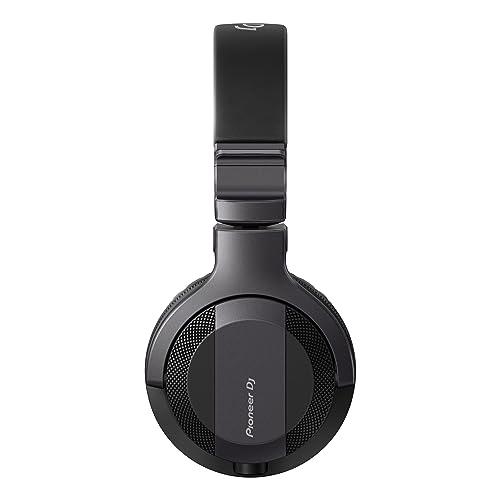
The Pioneer DJ HDJ-CUE1 uses an on-ear (supra-aural) design where the ear cups rest on your ears rather than around them. This might seem less comfortable initially, but it serves specific professional purposes. On-ear designs typically provide better tactile feedback when adjusting the headphones with one hand, and they allow some ambient sound to leak in, which can be useful when you need to hear room sound or communicate with others.
The 90-degree swivel mechanism is the key professional feature. DJs typically monitor with one ear while keeping the other ear free to hear the main speakers and crowd response. The swivel mechanism allows you to quickly move one ear cup away from your ear without removing the headphones entirely.
The JBL Tune 720BT includes integration with the JBL Headphones app, which provides access to customizable EQ settings. This is particularly valuable because it allows you to tailor the sound signature to your preferences or to different types of content. The app also provides voice prompts in multiple languages and allows you to update firmware for improved performance over time.
The Voice Aware feature is practical for phone calls, allowing you to hear your own voice naturally during conversations. This might seem like a small detail, but it significantly improves call quality and reduces the tendency to speak too loudly when you can't hear yourself clearly.
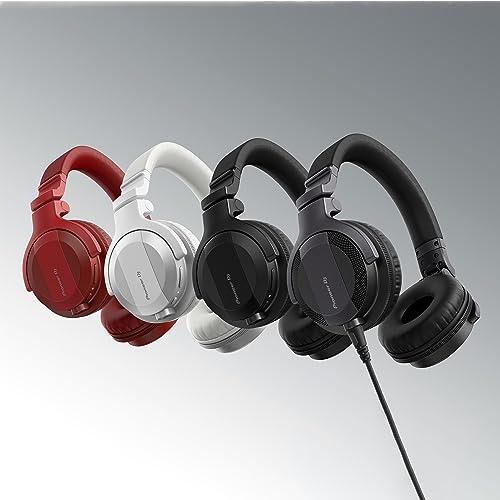
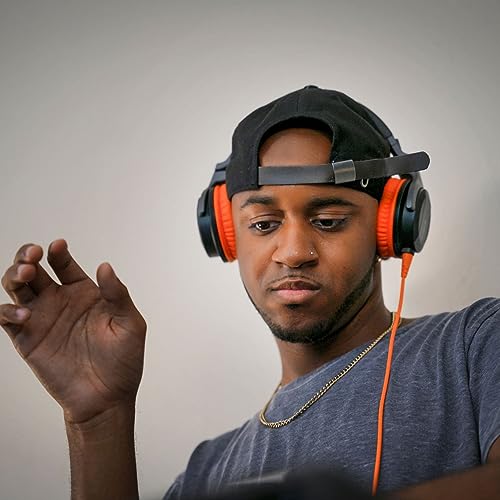
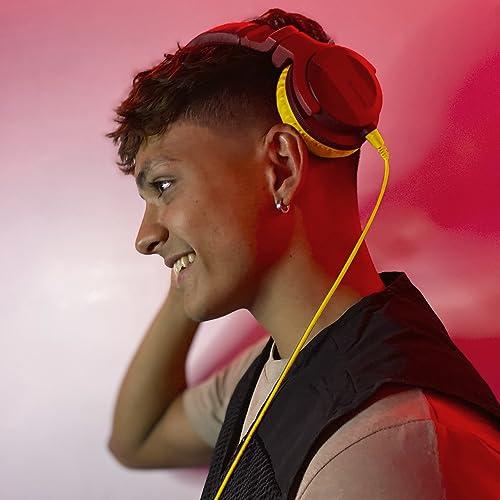
The Pioneer DJ HDJ-CUE1 offers a different type of customization focused on personal expression and professional appearance. The headphones are compatible with colored accessory packs that allow you to swap out the ear pads and cable for different colors including orange, yellow, green, blue, and pink.
This customization serves both practical and aesthetic purposes. Different colored cables can help distinguish between different pieces of equipment in a complex DJ setup, and the personalized appearance helps DJs develop their visual brand and stage presence.
For home theater applications, the choice between these headphones depends on your specific needs and setup. The JBL Tune 720BT excels for wireless TV watching, especially if your TV or streaming device supports Bluetooth audio output. The long battery life means you won't have interruptions during movie marathons, and the comfortable over-ear design works well for extended viewing sessions.
However, many home theater enthusiasts prefer wired connections to avoid any potential latency issues with dialogue sync. If your home theater receiver has a headphone output, the Pioneer DJ HDJ-CUE1 could work well, though its specialized sound tuning might not be ideal for movie soundtracks and dialogue.
For most home theater applications, I'd lean toward the JBL Tune 720BT due to its wireless convenience and more balanced sound signature that works well with diverse content types.
The choice between the JBL Tune 720BT and Pioneer DJ HDJ-CUE1 ultimately comes down to your primary use case and priorities.
Choose the JBL Tune 720BT if you want a versatile, wireless headphone that handles everything reasonably well. The exceptional battery life, multipoint connectivity, and balanced sound signature make it an excellent daily driver for most people. At the time of writing, it offers outstanding value in the consumer wireless headphone market.
Choose the Pioneer DJ HDJ-CUE1 if you're specifically interested in DJ applications or if you value the reliability and zero latency of wired connections. The professional build quality, specialized sound tuning, and unique features like the swivel mechanism make it purpose-built for mixing applications.
Both headphones represent good value in their respective categories, but they serve fundamentally different needs. Understanding these differences will help ensure you choose the headphone that best matches your actual usage patterns and priorities.
| JBL Tune 720BT Wireless Over-Ear Headphones | Pioneer DJ HDJ-CUE1 Headphones |
|---|---|
| Primary Design Purpose - Determines which headphone matches your needs | |
| Consumer wireless headphone for general listening, calls, and entertainment | Professional DJ monitoring headphone for mixing and beatmatching |
| Connectivity - Affects convenience vs. reliability | |
| Bluetooth 5.3 wireless with multipoint connection (connects to 2 devices simultaneously) | Wired only with 1.2m coiled cable (1.8m extended) - zero latency for professional use |
| Battery Life - Critical for wireless models | |
| Up to 76 hours playback with 5-minute quick charge for 3 hours use | No battery needed (wired design always ready) |
| Weight - Impacts comfort during extended use | |
| 220g (heavier but acceptable for over-ear comfort) | 215g without cable (lighter for professional mobility) |
| Driver Size and Audio Approach - Determines sound character | |
| 40mm drivers with JBL Pure Bass Sound tuning for enjoyable music listening | 40mm drivers with DJ-specialized tuning emphasizing bass and kick drums for mixing |
| Frequency Response - Shows audio range capabilities | |
| 20Hz - 20kHz (covers full human hearing range) | 5Hz - 30kHz (extended range for detailed professional monitoring) |
| Ear Cup Design - Affects comfort and professional functionality | |
| Over-ear cushioned design for extended comfort and noise isolation | On-ear with 90-degree swivel cups for one-ear DJ monitoring |
| Build Quality - Determines durability expectations | |
| Consumer-grade plastic construction, foldable for portability | Professional-grade with metal-reinforced headband, passed durability testing |
| Special Features - Unique capabilities for different use cases | |
| Customizable EQ via app, Voice Aware for calls, multipoint Bluetooth | Detachable/replaceable cable, customizable colored accessories, professional swivel mechanism |
| Best Use Cases - Who should choose each headphone | |
| Daily listening, commuting, office work, streaming, phone calls | DJ mixing, beatmatching, professional audio monitoring, club/venue use |
The JBL Tune 720BT is significantly better for everyday music listening. It features JBL Pure Bass Sound tuning that's designed to make all types of music sound enjoyable and engaging. The wireless connectivity and 76-hour battery life make it perfect for commuting, working out, or relaxing at home. The Pioneer DJ HDJ-CUE1 has specialized DJ tuning that emphasizes bass and kick drums, which can sound overly bass-heavy for casual listening to most music genres.
The JBL Tune 720BT excels for phone calls with its built-in microphone, Voice Aware technology, and wireless convenience. You can seamlessly switch between music and calls thanks to multipoint connectivity. The Pioneer DJ HDJ-CUE1 doesn't have a built-in microphone and is designed purely for audio monitoring, making it unsuitable for calls or video meetings.
The JBL Tune 720BT offers exceptional 76-hour battery life with quick charging (5 minutes for 3 hours of use), making it one of the longest-lasting wireless headphones available. The Pioneer DJ HDJ-CUE1 doesn't have a battery since it's a wired headphone - it draws power directly from your device, so it's always ready to use without charging concerns.
For gaming, the JBL Tune 720BT works well for casual gaming thanks to its balanced sound and wireless convenience, though some latency may occur with Bluetooth. The Pioneer DJ HDJ-CUE1 provides zero latency due to its wired connection and can work for gaming, but its bass-heavy tuning isn't optimized for gaming audio cues and directional sound.
The JBL Tune 720BT is generally more comfortable for extended use with its over-ear design that surrounds your ears completely, soft cushioning, and lightweight feel. The Pioneer DJ HDJ-CUE1 uses an on-ear design that rests directly on your ears, which can become uncomfortable during long casual listening sessions, though it's designed for professional DJ use where comfort needs are different.
The JBL Tune 720BT works excellently with TVs that support Bluetooth audio, offering wireless freedom for late-night viewing without disturbing others. The long battery life ensures uninterrupted movie marathons. The Pioneer DJ HDJ-CUE1 can connect to TVs or receivers with headphone outputs via its wired connection, providing zero latency for perfect audio-video sync, though its bass-heavy tuning isn't ideal for movie dialogue.
Sound quality depends on your needs. The JBL Tune 720BT provides better overall sound quality for general music listening with its balanced tuning and wide compatibility. The Pioneer DJ HDJ-CUE1 offers superior sound quality specifically for DJ applications, with extended frequency response (5Hz-30kHz) and specialized tuning that excels at revealing bass lines and kick drums crucial for mixing.
The JBL Tune 720BT offers adequate durability for careful daily consumer use with its plastic construction and foldable design. The Pioneer DJ HDJ-CUE1 provides superior durability with professional-grade construction, metal-reinforced headband, and replaceable cable - it's built to withstand the demanding environment of professional DJ use.
The JBL Tune 720BT is specifically designed for smartphone use with Bluetooth 5.3, multipoint connectivity, easy pairing, and smartphone app integration for EQ customization. The Pioneer DJ HDJ-CUE1 can work with smartphones that have headphone jacks or adapters, but lacks the wireless convenience and smartphone-specific features that make the JBL Tune 720BT ideal for mobile use.
The JBL Tune 720BT offers extensive sound customization through the JBL Headphones app, allowing you to adjust EQ settings, voice prompts, and other features to match your preferences. The Pioneer DJ HDJ-CUE1 doesn't offer digital sound customization, but you can physically customize its appearance with optional colored cables and ear pads to match your style.
The JBL Tune 720BT is significantly better for travel due to its wireless design eliminating cable tangles, foldable construction for compact packing, and exceptional 76-hour battery life that lasts through long trips. The Pioneer DJ HDJ-CUE1 is also foldable and lightweight, but the attached cable and lack of noise isolation make it less convenient for travel.
Choose the JBL Tune 720BT if you prioritize convenience, phone compatibility, long battery life, and general music listening. The wireless design offers freedom of movement and eliminates cable management issues. Choose the Pioneer DJ HDJ-CUE1 if you need zero latency for professional audio work, prefer the reliability of wired connections, or specifically need DJ monitoring features like the swivel ear cups.
We've done our best to create useful and informative comparisons to help you decide what product to buy. Our research uses advanced automated methods to create this comparison and perfection is not possible - please contact us for corrections or questions. These are the sites we've researched in the creation of this article: audio46.com - e-catalog.com - headphonedungeon.com - e-catalog.com - recordingnow.com - versus.com - youtube.com - versus.com - consumerreports.org - youtube.com - ca.jbl.com - jblstore.co.id - jbl.com.tw - th.jbl.com - jblonlinestore.com - onward.ph - youtube.com - jbl.com - ro.harmanaudio.com - device.report - en.jblthailand.com - bestbuy.com - pioneerdjstore.com - rtings.com - idjnow.com - youtube.com - pioneerdj.com - soundguys.com - pioneerdj.com - digitaldjtips.com - pioneerdj.com - guitarcenter.com - empirepro.com - idjnow.com - emiaudio.com - pioneerdj.com - sfm.ca - sweetwater.com - pioneerdj.com - pioneerdj.com - pioneerdj.com

Privacy Policy
Terms and Conditions - Affiliate Policy
Home Security
© Copyright 2008-2026.
11816 Inwood Rd #1211, Dallas, TX 75244