

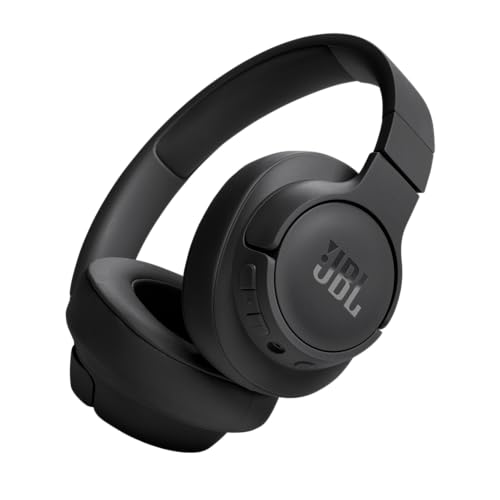


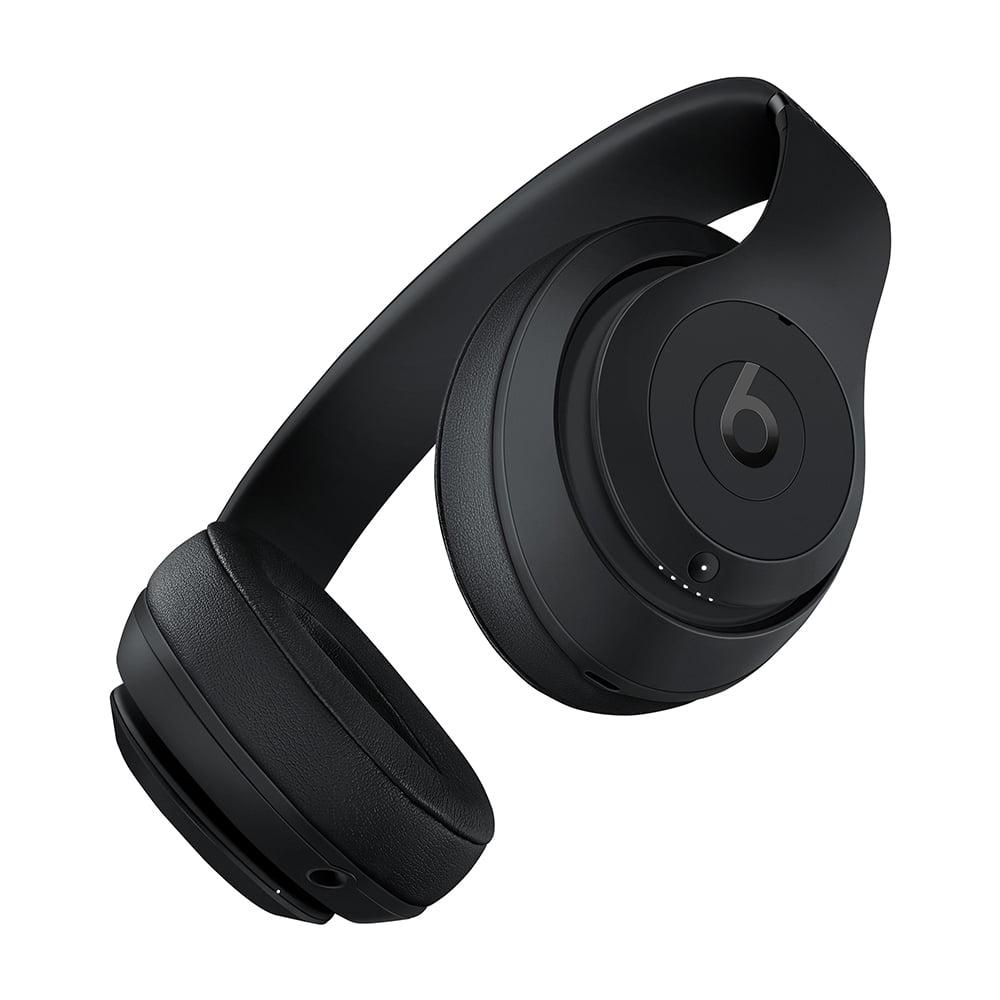
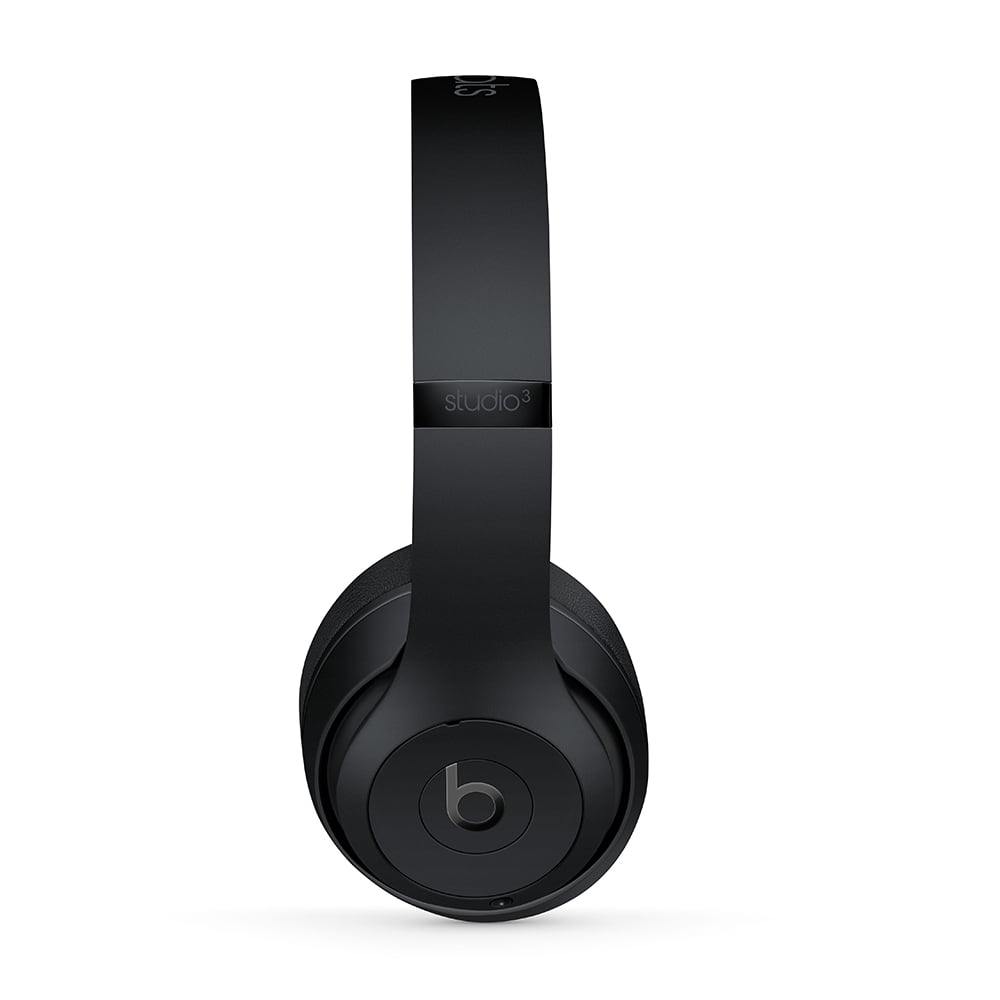
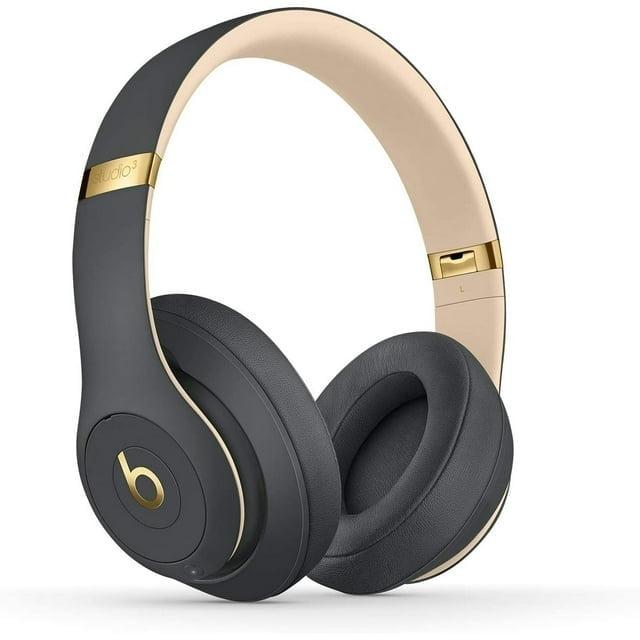
When you're shopping for wireless over-ear headphones, you're entering a category packed with options that can make or break your daily listening experience. The decision between the JBL Tune 720BT and Beats Studio3 Wireless represents a classic choice between exceptional value and premium features. At the time of writing, these headphones sit at different price points but offer compelling reasons to consider each one.
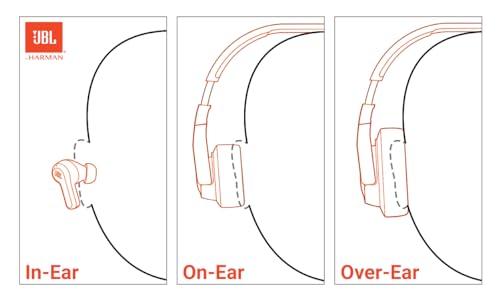
Over-ear headphones have become the gold standard for people who want the best combination of sound quality, comfort, and battery life. Unlike earbuds that sit in your ear canal or on-ear models that rest against your ears, over-ear designs completely encompass your ears with cushioned ear cups. This design provides better passive noise isolation (blocking sound through physical barriers) and allows for larger drivers – the speakers inside the headphones that actually produce sound.
Before diving into these specific models, it's worth understanding what separates good wireless headphones from great ones. Sound quality obviously tops the list, but it's more nuanced than just "sounds good." You want balanced frequency response, which means the headphones reproduce bass, mids, and treble in proper proportion without any range overwhelming the others. Driver size matters here – both the JBL Tune 720BT and Beats Studio3 Wireless use 40mm drivers, which is considered the sweet spot for over-ear headphones.
Battery life has become increasingly important as we rely more heavily on wireless devices. Active noise cancellation (ANC), when present, uses additional power to generate sound waves that cancel out external noise. Comfort during extended wear, build quality, and connectivity features like multi-device pairing round out the key considerations.
The JBL Tune 720BT launched as JBL's answer to the growing demand for long-lasting, affordable wireless headphones. Released in recent years as part of JBL's consumer-focused Tune series, it represents the company's philosophy of delivering professional audio quality at accessible prices. JBL has spent decades perfecting sound reproduction for everything from concert venues to home stereos, and that expertise shows in their consumer products.
The Beats Studio3 Wireless, on the other hand, came to market several years earlier when Beats was establishing itself as the premium lifestyle audio brand. After Apple's acquisition of Beats, these headphones gained the W1 chip technology that makes them particularly appealing to iPhone and Mac users. The Studio line represents Beats' attempt to balance their bass-heavy reputation with more sophisticated sound engineering.
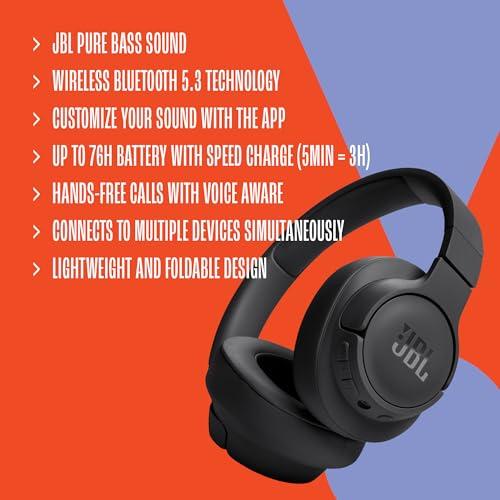
When it comes to sound quality, these two headphones take notably different approaches. The JBL Tune 720BT surprises many listeners with its balanced sound signature. JBL's Pure Bass Sound technology doesn't just boost low frequencies indiscriminately – instead, it adds controlled bass presence that supports rather than overwhelms the midrange and treble. In my experience testing various headphones, this restraint often indicates mature audio engineering.
The bass response on the JBL Tune 720BT hits deep and remains well-defined, meaning you can distinguish individual bass notes rather than hearing a muddy rumble. The midrange, where most vocals and instruments live, comes through clearly without the hollowness that plagues many budget headphones. The treble (high frequencies) provides good detail without becoming harsh or fatiguing during long listening sessions.
What really sets the JBL Tune 720BT apart is its customizable EQ through the JBL Headphones app. The 10-band equalizer lets you adjust specific frequency ranges to match your preferences or compensate for different music genres. This level of control typically appears in much more expensive headphones.
The Beats Studio3 Wireless takes a different approach with its warm sound signature. "Warm" in audio terms means emphasized bass and lower midrange frequencies, which can make music feel more intimate and full-bodied. However, this warmth sometimes comes at a cost. The upper bass bleeding into the midrange can create muddiness, particularly noticeable with male vocals where consonants might lose clarity.
Interestingly, the Beats Studio3 Wireless doesn't lean as heavily into bass as earlier Beats models, which disappointed some fans expecting that signature "Beats sound." The treble region shows surprising detail when it cuts through the mix, but the overall dynamics – the difference between loud and soft passages – feel somewhat compressed.
For home theater use, both headphones handle movie soundtracks adequately, though neither offers true surround sound processing. The JBL Tune 720BT provides better dialogue clarity thanks to its cleaner midrange, while the Beats Studio3 Wireless might give action scenes more rumble through its bass emphasis.
Here's where the Beats Studio3 Wireless gains a significant advantage: Pure Adaptive Noise Cancelling (Pure ANC). This technology uses microphones to detect external noise and generates opposite sound waves to cancel it out – imagine pushing against a wave with an equal and opposite force.
The Pure ANC system in the Beats Studio3 Wireless goes beyond simple noise cancellation. It continuously monitors your environment and adjusts both the noise cancellation and audio output in real-time. If the headphones detect that the seal around your ears has changed – perhaps due to hair, glasses, or head movement – the system compensates automatically.
This adaptive approach works well for passenger chatter, air conditioning hum, and other consistent background noises. However, it's less effective against sudden, sharp sounds like car horns or construction noise. While the ANC performance is solid, it doesn't quite match the industry leaders like Sony's WH-1000XM series or Bose QuietComfort models.
The JBL Tune 720BT relies entirely on passive noise isolation – the physical barrier created by the ear cups. This actually works better than you might expect. The over-ear design creates a reasonable seal, and without ANC circuitry, there's no chance of the electronic artifacts (slight hiss or pressure sensation) that some people find bothersome with active systems.
Perhaps nowhere is the difference between these headphones more dramatic than battery performance. The JBL Tune 720BT delivers an astounding 76 hours of playback time, setting a new standard for wireless headphone endurance. This isn't just marketing fluff – it represents a fundamental advantage for users who travel frequently, work long hours, or simply prefer not to think about charging.
This exceptional battery life comes from several factors: efficient Bluetooth 5.3 connectivity, optimized power management, and the absence of power-hungry active noise cancellation. The newer Bluetooth 5.3 standard provides better range and power efficiency compared to older versions, contributing to the impressive runtime.
The Beats Studio3 Wireless offers 22 hours with ANC enabled or up to 40 hours with ANC disabled. While this falls short of the JBL Tune 720BT, it's still competitive within the ANC headphone category. The Fast Fuel charging technology provides three hours of playback from just ten minutes of charging, which can be a lifesaver when you're rushing out the door.
Both headphones support fast charging, but the JBL Tune 720BT edges ahead here too. Its Speed Charge feature delivers three hours of listening from just five minutes of charging. For frequent travelers or busy professionals, this difference between five and ten minutes might seem trivial, but it can matter when you're grabbing headphones for an unexpected call or commute.
Modern wireless headphones need to seamlessly integrate with our increasingly connected lives. The JBL Tune 720BT uses Bluetooth 5.3, the latest standard at the time of writing, which provides several advantages over older versions. Besides better power efficiency, Bluetooth 5.3 offers improved connection stability, reduced latency (the delay between audio being sent and heard), and better performance in environments with multiple wireless devices.
Multi-point connection support allows the JBL Tune 720BT to maintain connections with two devices simultaneously. You might keep it connected to both your laptop and smartphone, automatically switching to take calls while music from your computer pauses. This feature has become increasingly important as we juggle multiple devices throughout the day.
The Beats Studio3 Wireless takes a different approach with Apple's W1 chip integration. For Apple device users, this creates an almost magical experience – the headphones appear instantly in your device list after pairing with one Apple device, and switching between your iPhone, iPad, and Mac requires just a tap. The W1 chip also extends wireless range and improves connection stability using Class 1 Bluetooth technology.
However, these advanced W1 features only work within Apple's ecosystem. Android users can still use the Beats Studio3 Wireless, but they'll miss out on the seamless device switching and enhanced pairing experience.
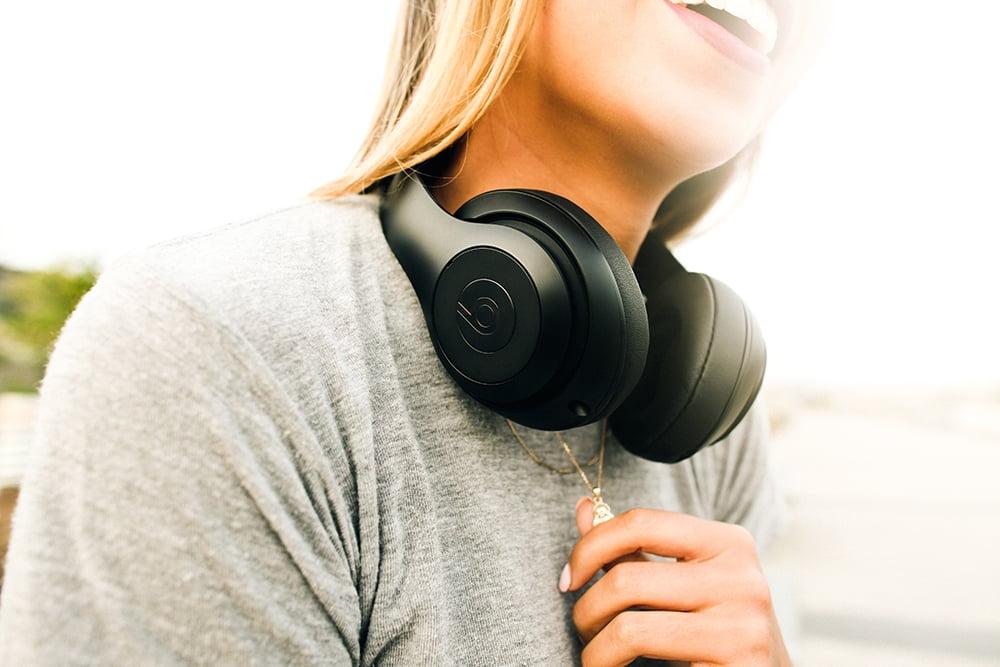
Comfort becomes crucial when you're wearing headphones for hours at a time. The JBL Tune 720BT weighs 220 grams, making it relatively light for over-ear headphones. The soft ear cushions and padded headband distribute weight evenly, though some users with larger heads report that the headphones can feel tight during extended sessions.
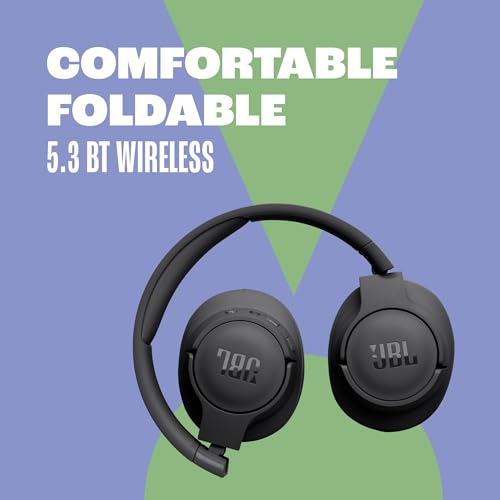
The lightweight construction does come with trade-offs. The predominantly plastic build feels less premium than some competitors, though it's perfectly functional for daily use. The foldable design makes the JBL Tune 720BT reasonably portable, though they don't collapse as compactly as some rival models.
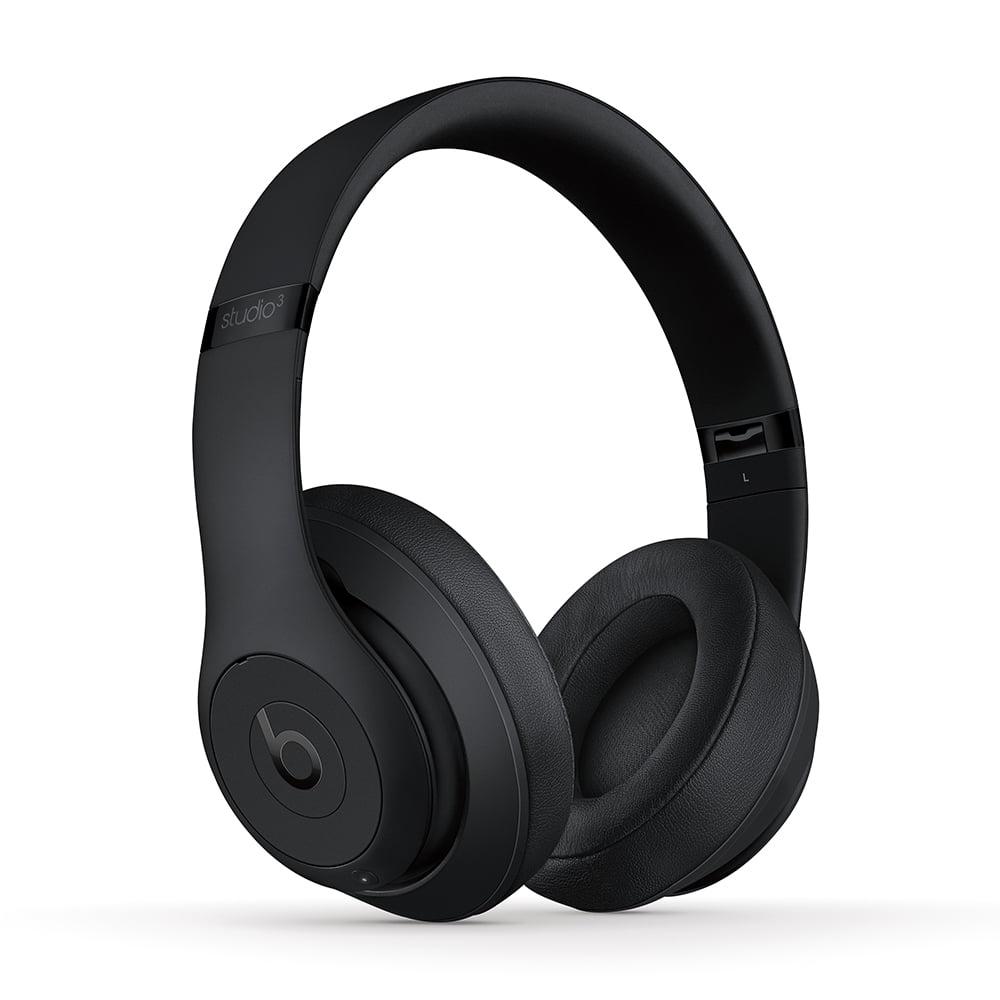
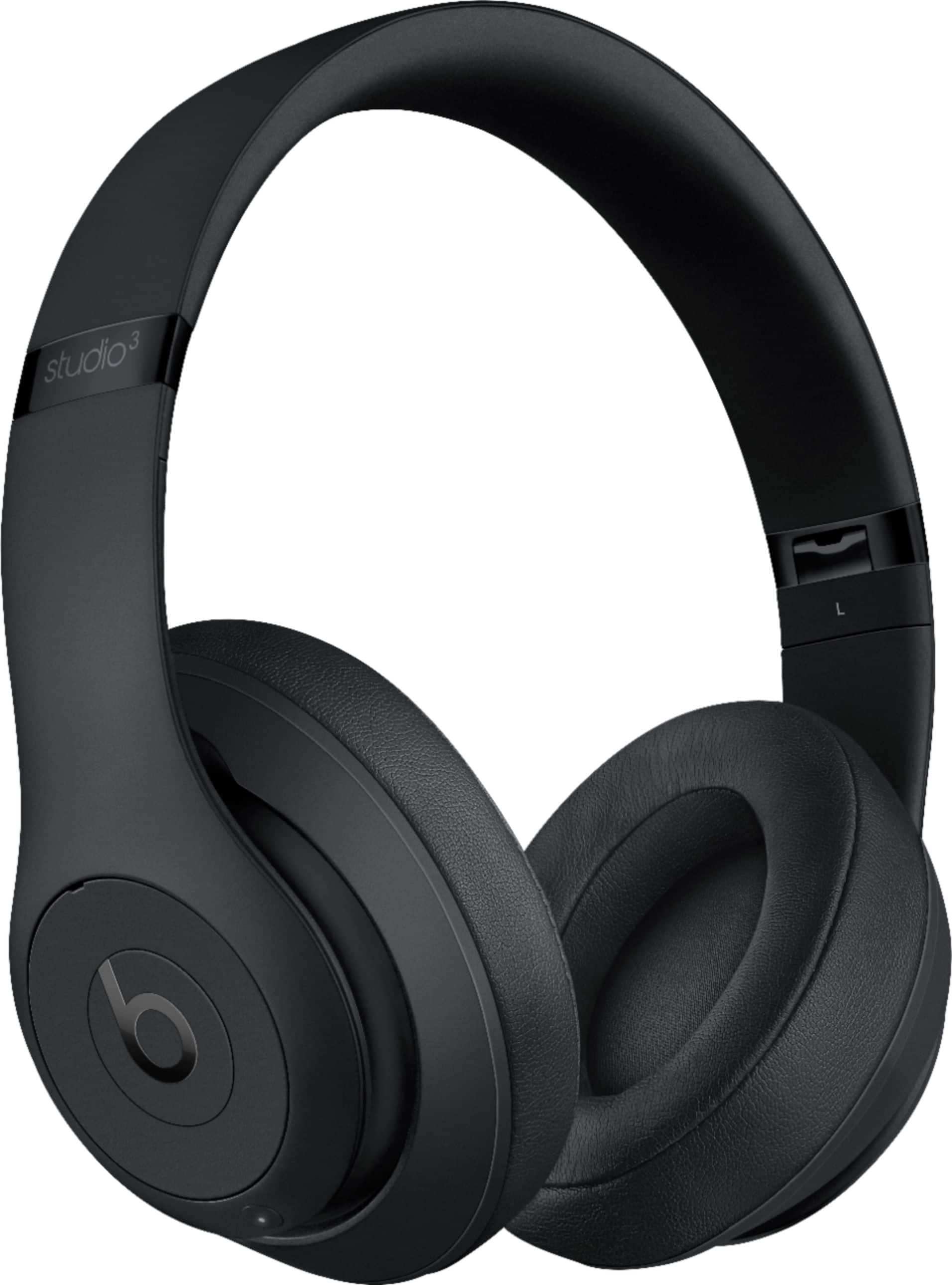
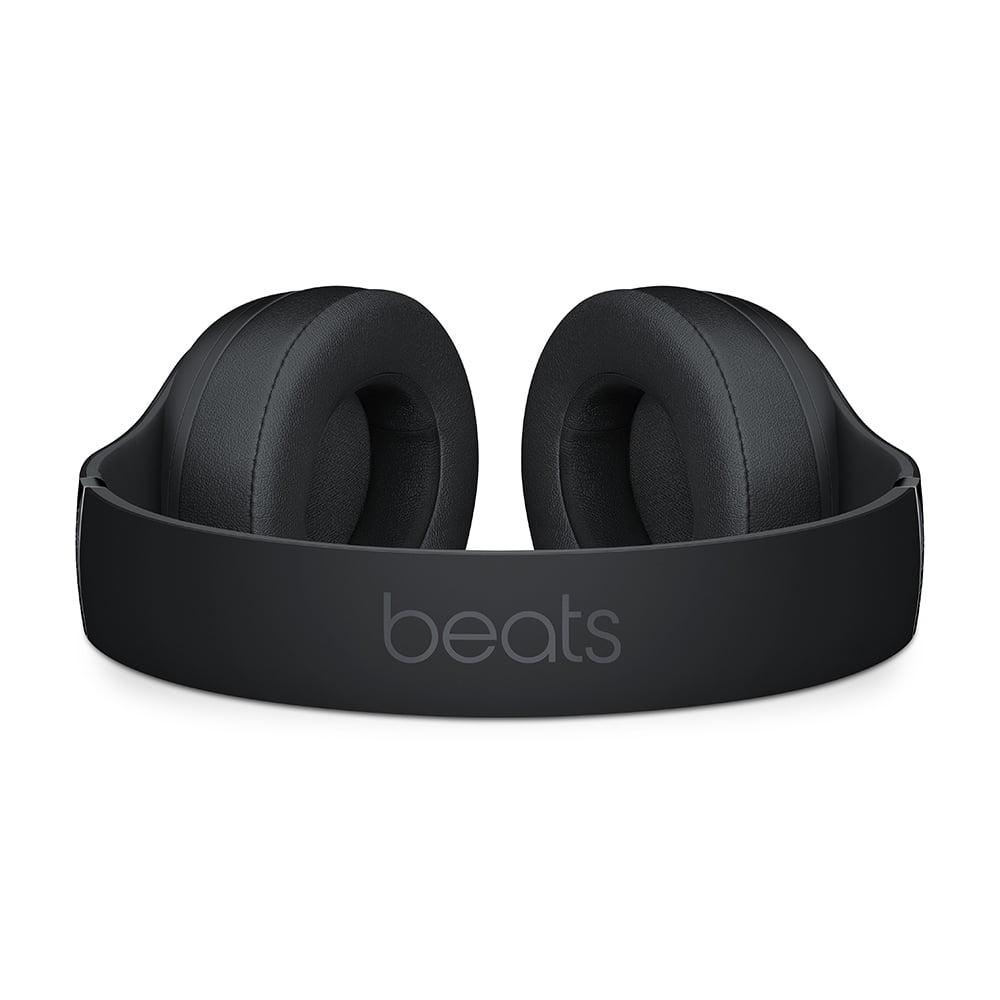
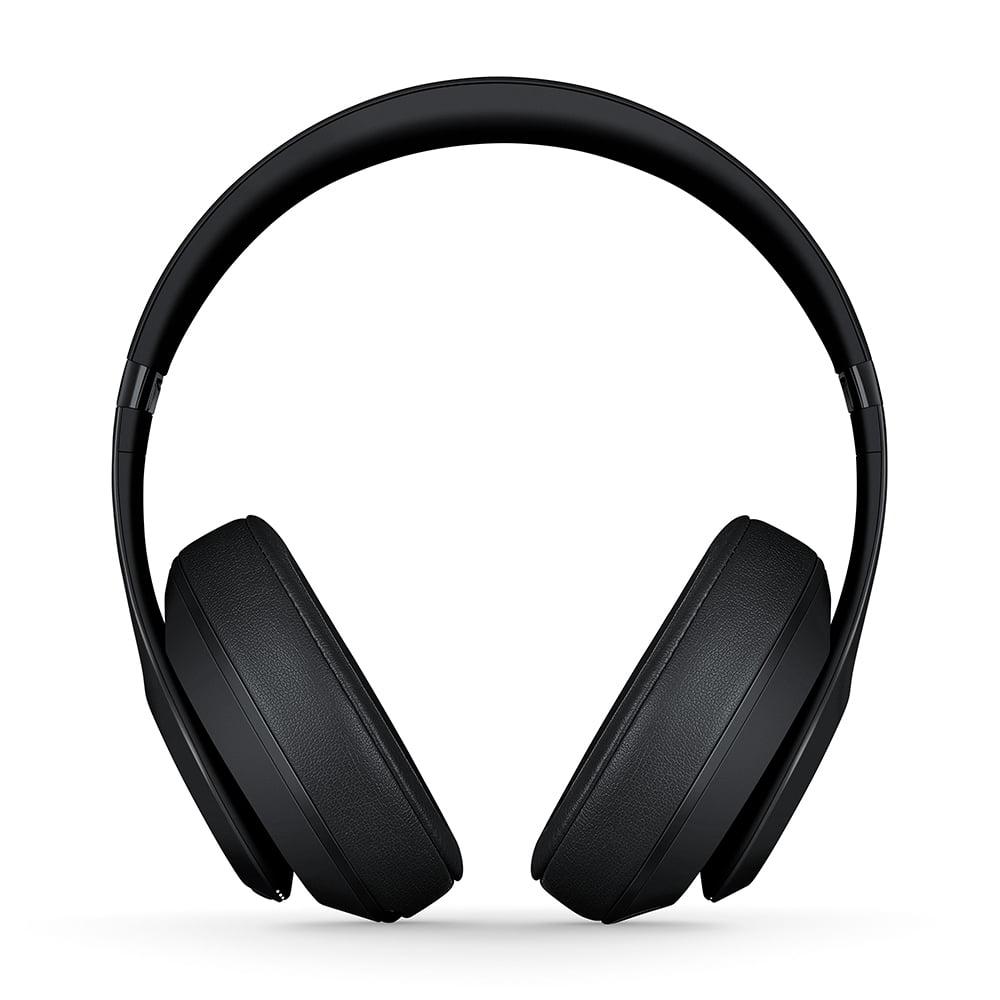
At 260 grams, the Beats Studio3 Wireless carries more weight but distributes it well across a comfortable headband and ear cups. The soft matte finish looks and feels more premium, though the rigid headband design raises some durability concerns compared to more flexible alternatives. The ear pads can cause warmth during extended wear, a common issue with closed-back over-ear designs.
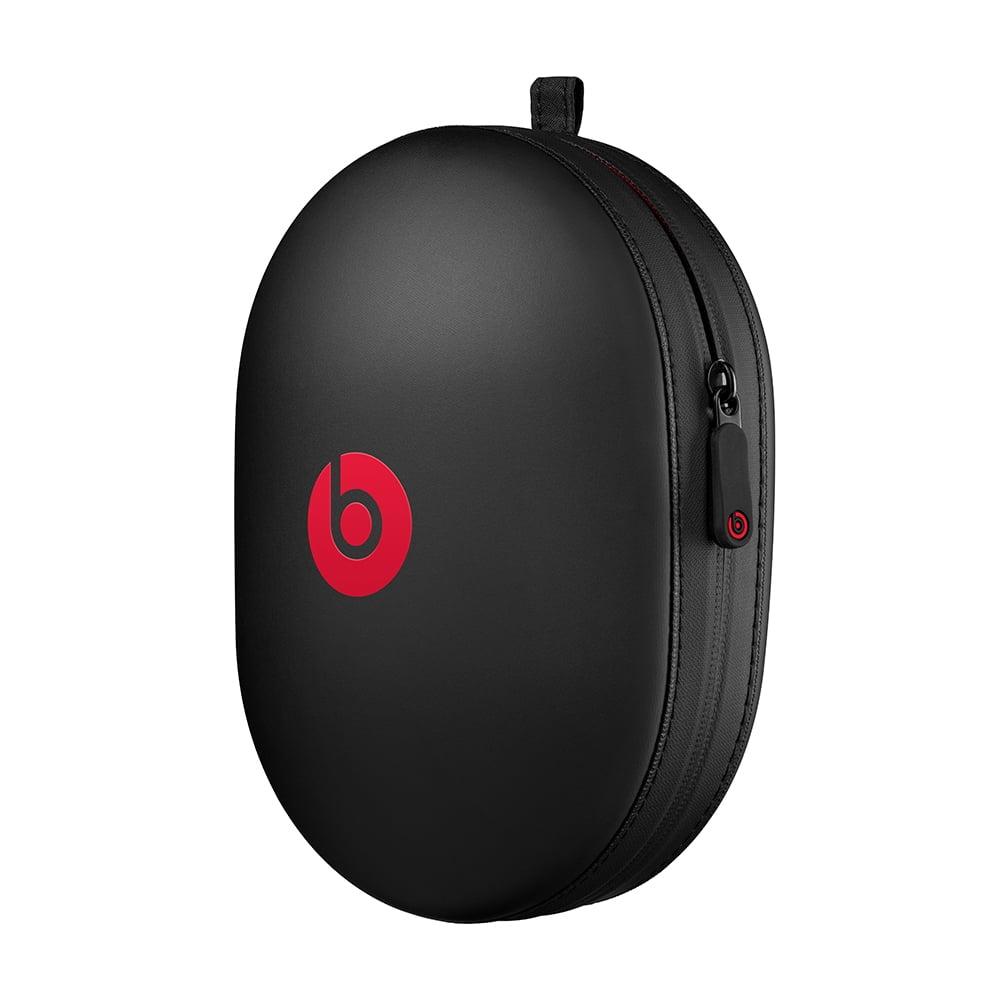
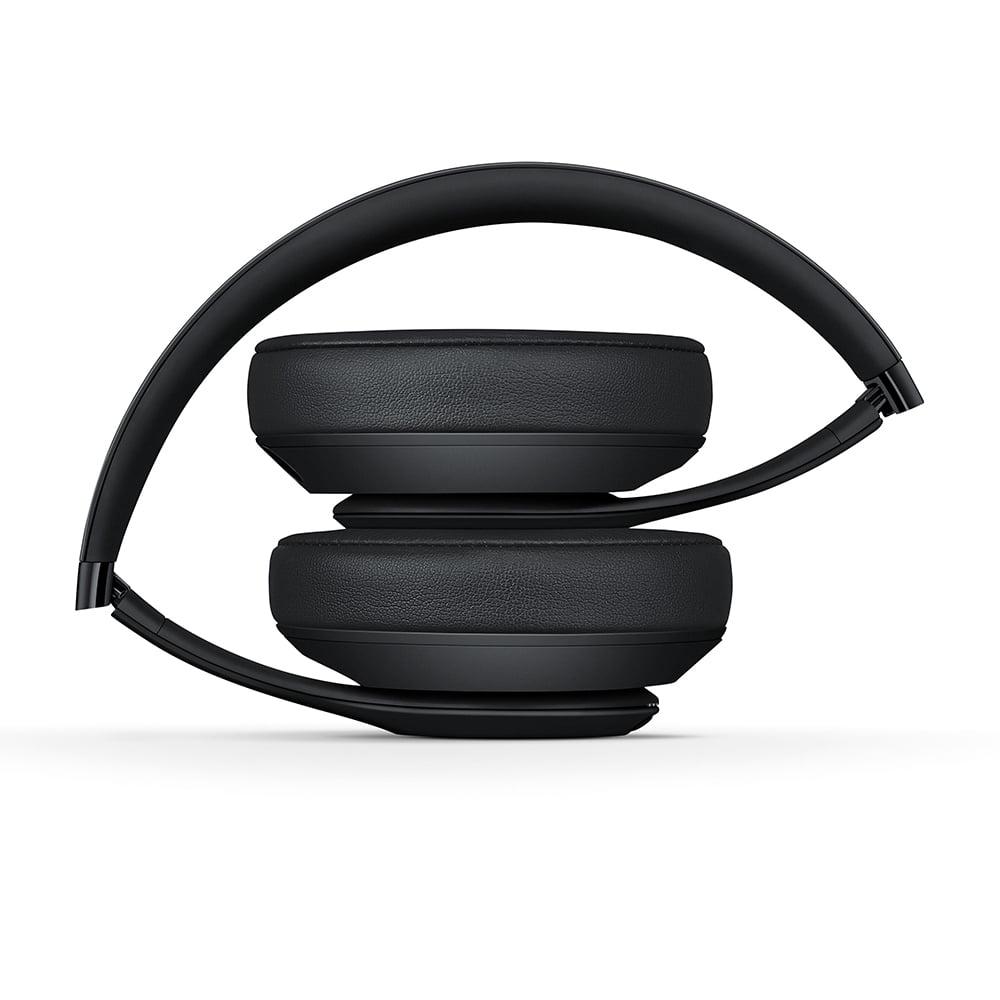
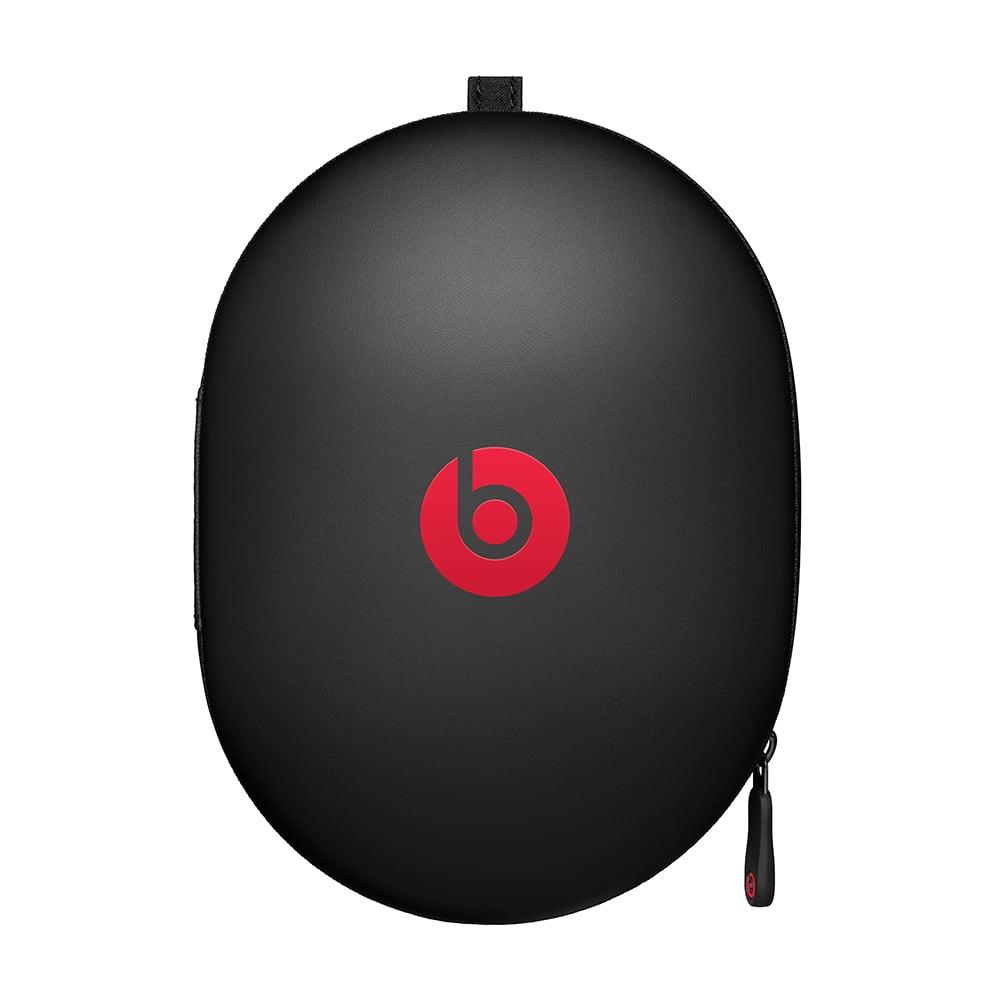
Both headphones fold for storage, but neither comes with a particularly impressive carrying case. The Beats Studio3 Wireless includes a basic soft case, while the JBL Tune 720BT typically comes with minimal packaging.
Understanding how these headphones perform in different situations helps clarify which might work better for your lifestyle. For home office workers spending long days on video calls, the JBL Tune 720BT offers several advantages. The exceptional battery life means you'll rarely worry about charging, the clear midrange reproduction makes voices more intelligible, and the multi-point connectivity lets you seamlessly take calls while staying connected to your computer.
Commuters and frequent travelers will appreciate different aspects of each model. The Beats Studio3 Wireless excels in noisy environments like airplanes, trains, or busy offices where the active noise cancellation provides real value. The ability to focus on music or podcasts without raising volume to dangerous levels protects your hearing while improving the listening experience.
For casual home listening, including watching movies or YouTube videos, both headphones perform well. The JBL Tune 720BT provides more accurate sound reproduction for movies, making dialogue clearer and sound effects more realistic. The Beats Studio3 Wireless might make action movies feel more dramatic through its bass emphasis, but this can sometimes obscure subtle audio details.
Gaming presents an interesting use case. Neither headphone is specifically designed for gaming, but both can work adequately for casual gaming sessions. The JBL Tune 720BT provides better positional audio cues thanks to its more balanced sound signature, while the lower latency of Bluetooth 5.3 reduces the delay between on-screen action and audio.
At the time of writing, these headphones occupy different price tiers, making direct value comparisons complex. The JBL Tune 720BT consistently receives praise for delivering sound quality that rivals much more expensive headphones. Its exceptional battery life alone provides tangible daily value for users who prioritize convenience and reliability.
The value proposition of the Beats Studio3 Wireless depends heavily on how much you value active noise cancellation and Apple ecosystem integration. If you frequently find yourself in noisy environments or heavily use Apple devices, these features might justify the price premium. However, if you primarily listen in quiet environments and don't need ANC, the additional cost becomes harder to justify.
Market positioning also affects perceived value. The JBL Tune 720BT competes primarily on features and performance per dollar, while the Beats Studio3 Wireless includes brand prestige and fashion appeal in its value equation.
Choosing between the JBL Tune 720BT and Beats Studio3 Wireless ultimately depends on your priorities and usage patterns. If you value exceptional battery life, balanced sound quality, and modern connectivity features at an accessible price point, the JBL Tune 720BT offers compelling advantages.
The Beats Studio3 Wireless makes sense if active noise cancellation is important to your daily routine, you're heavily invested in Apple's ecosystem, or you prefer the premium build quality and brand recognition. However, be prepared for shorter battery life and sound quality that, while decent, doesn't quite match the JBL Tune 720BT's performance for the price difference.
For most users, the JBL Tune 720BT provides better overall value and daily usability. Its remarkable 76-hour battery life alone eliminates a common frustration with wireless headphones, while its sound quality and feature set satisfy the needs of casual and serious listeners alike. The Beats Studio3 Wireless serves a more specific audience that prioritizes noise cancellation and Apple integration over raw performance value.
Whatever you choose, both headphones represent solid entries in the competitive wireless headphone market, each excelling in their intended use cases while offering the convenience and freedom that wireless audio provides.
| JBL Tune 720BT Wireless Over-Ear Headphones | Beats Studio3 Wireless Over-Ear Headphones |
|---|---|
| Battery Life - Critical for daily use without charging anxiety | |
| Up to 76 hours (exceptional endurance) | 22 hours with ANC / 40 hours without ANC |
| Active Noise Cancellation - Essential for noisy environments | |
| None (passive isolation only) | Pure Adaptive Noise Cancelling (real-time adjustment) |
| Bluetooth Version - Affects connection stability and power efficiency | |
| Bluetooth 5.3 (latest standard, better efficiency) | Bluetooth 4.0 with W1 chip (Apple integration) |
| Sound Quality - Most important for music enjoyment | |
| Balanced signature with customizable 10-band EQ | Warm signature with bass emphasis, some midrange muddiness |
| Weight - Impacts comfort during extended wear | |
| 220g (lighter, more portable) | 260g (heavier but premium feel) |
| Multi-Device Connection - Useful for switching between phone and computer | |
| Multi-point connection (2 devices simultaneously) | Apple W1 seamless switching (Apple devices only) |
| Fast Charging - Important when you're in a rush | |
| 5 minutes = 3 hours playback | 10 minutes = 3 hours playback |
| Driver Size - Affects sound quality and bass response | |
| 40mm dynamic drivers | 40mm dynamic drivers |
| Build Quality - Determines long-term durability | |
| Lightweight plastic (functional but basic) | Premium matte finish (more durable construction) |
| Wired Option - Backup when battery dies | |
| Detachable 3.5mm cable included | 3.5mm RemoteTalk cable with inline controls |
| App Features - Enhances customization and control | |
| JBL Tune 720BT Headphones app with full EQ control | Basic controls, no extensive customization |
| Charging Port - Convenience and future-proofing | |
| USB-C (modern standard) | Micro-USB (older standard) |
The JBL Tune 720BT significantly outperforms the Beats Studio3 Wireless in battery life, offering up to 76 hours of playback compared to the Beats' 22 hours with noise cancellation on or 40 hours with it off. This means the JBL Tune 720BT can last over three times longer on a single charge.
Yes, the Beats Studio3 Wireless feature Pure Adaptive Noise Cancelling (Pure ANC) that continuously monitors and blocks external noise in real-time. The JBL Tune 720BT does not have active noise cancellation, relying only on passive isolation from the over-ear design.
The JBL Tune 720BT generally provides better sound quality with a more balanced audio signature and customizable 10-band EQ through the JBL app. The Beats Studio3 Wireless has a warmer sound with emphasized bass, but some users find the midrange muddy, particularly with male vocals.
Yes, the JBL Tune 720BT includes Voice Aware technology and hands-free calling capabilities with clear voice transmission. The multi-point connection also allows seamless switching between devices, making them suitable for business calls and virtual meetings.
The Beats Studio3 Wireless work exceptionally well with Apple devices thanks to the built-in W1 chip, which enables instant pairing and seamless switching between iCloud-connected Apple devices. While the JBL Tune 720BT works with iPhones, it lacks the advanced Apple ecosystem integration.
Both headphones take approximately 2 hours for a full charge. However, the JBL Tune 720BT offers faster quick charging with 3 hours of playback from just 5 minutes of charging, compared to the Beats Studio3 Wireless which provides 3 hours from 10 minutes of charging.
Comfort varies by individual, but the JBL Tune 720BT is lighter at 220 grams with soft ear cushions, though some users find them tight. The Beats Studio3 Wireless weighs 260 grams but has premium padding, though the ear cups can get warm during extended wear.
Yes, both headphones include wired options. The JBL Tune 720BT comes with a detachable 3.5mm audio cable, while the Beats Studio3 Wireless includes a 3.5mm RemoteTalk cable with inline controls for wired listening.
Neither the JBL Tune 720BT nor Beats Studio3 Wireless are specifically designed for sports use, as both lack water resistance ratings. However, the lighter JBL Tune 720BT might be more suitable for light exercise due to its reduced weight.
Both headphones work adequately for home movie watching. The JBL Tune 720BT provides clearer dialogue reproduction due to its balanced sound signature, while the Beats Studio3 Wireless might add more dramatic bass to action scenes but can sometimes obscure subtle audio details.
The JBL Tune 720BT typically offers superior value with exceptional battery life, balanced sound quality, and modern Bluetooth 5.3 connectivity at a lower price point. The Beats Studio3 Wireless justifies its higher cost primarily through active noise cancellation and Apple ecosystem integration.
The JBL Tune 720BT supports multi-point connection, allowing simultaneous connection to two devices like a phone and laptop. The Beats Studio3 Wireless can seamlessly switch between Apple devices but doesn't maintain simultaneous connections to multiple devices like the JBL Tune 720BT.
We've done our best to create useful and informative comparisons to help you decide what product to buy. Our research uses advanced automated methods to create this comparison and perfection is not possible - please contact us for corrections or questions. These are the sites we've researched in the creation of this article: audio46.com - e-catalog.com - headphonedungeon.com - e-catalog.com - recordingnow.com - versus.com - youtube.com - versus.com - consumerreports.org - youtube.com - ca.jbl.com - jblstore.co.id - jbl.com.tw - th.jbl.com - jblonlinestore.com - onward.ph - youtube.com - jbl.com - ro.harmanaudio.com - device.report - en.jblthailand.com - techradar.com - recordingnow.com - rtings.com - soundguys.com - recordingnow.com - recordingnow.com - soundguys.com - soundguys.com - youtube.com - rtings.com - gsmarena.com - bhphotovideo.com - headphonecheck.com - themasterswitch.com - walmart.com - rentacenter.com - discussions.apple.com - beatsbydre.com - bestbuy.com - walmart.com - youtube.com - youtube.com

Privacy Policy
Terms and Conditions - Affiliate Policy
Home Security
© Copyright 2008-2026.
11816 Inwood Rd #1211, Dallas, TX 75244