



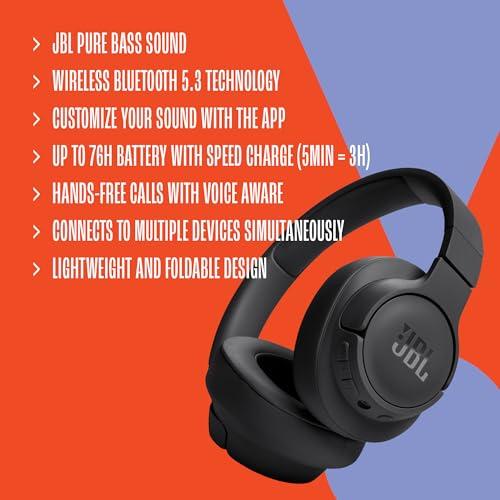
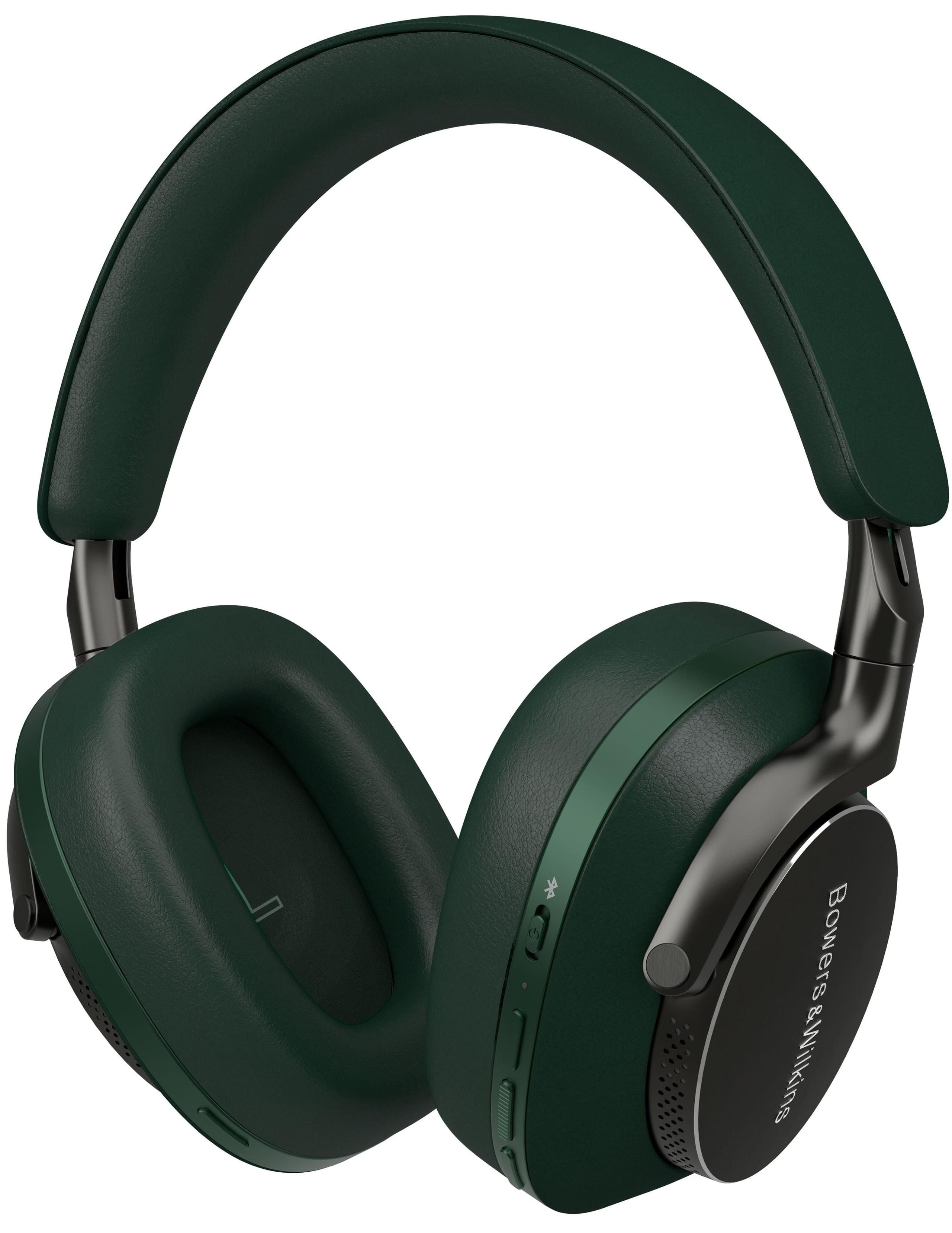
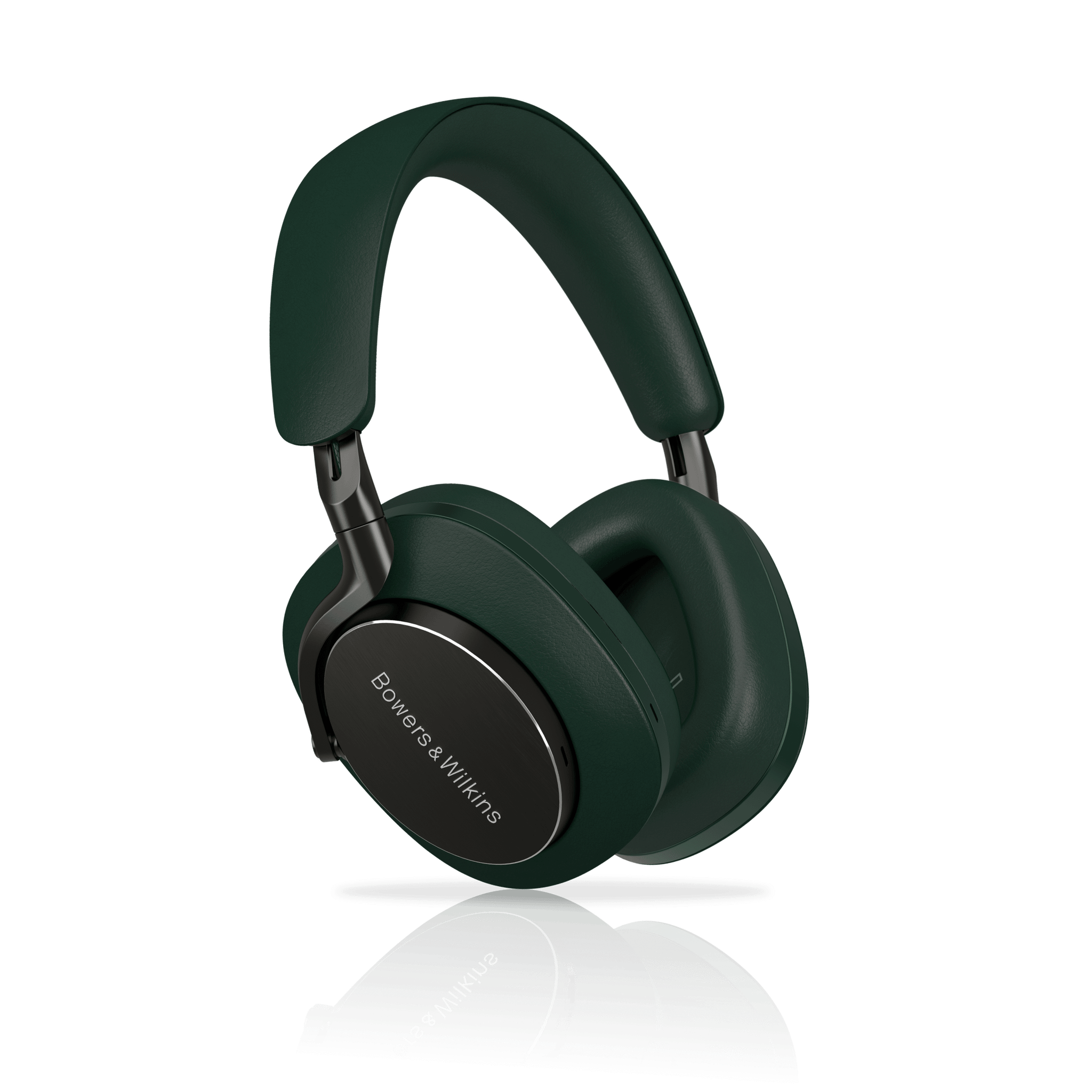
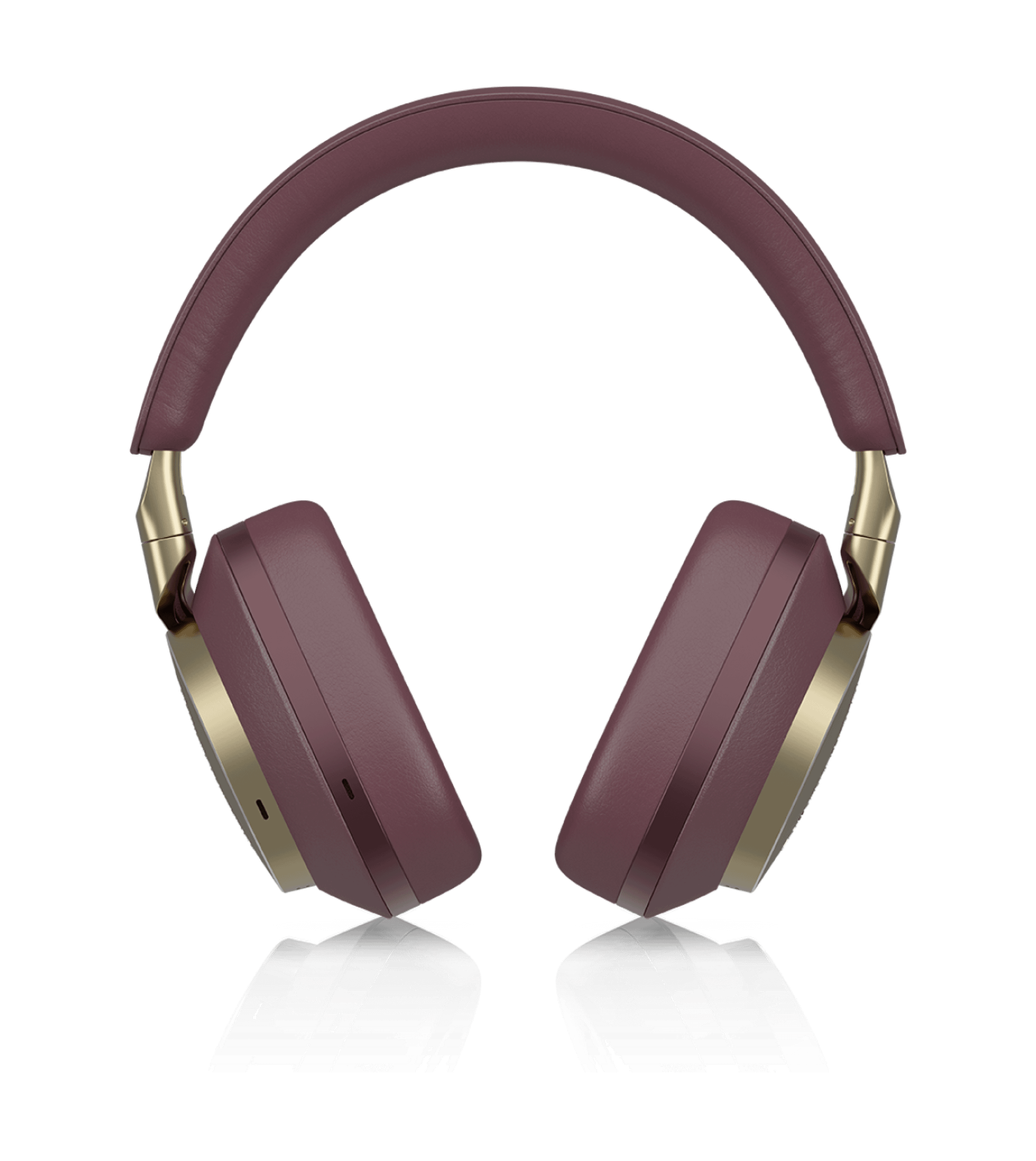
When I first compared the JBL Tune 720BT and Bowers & Wilkins Px8, I had to double-check that they were even in the same product category. These two wireless over-ear headphones represent such different philosophies that they might as well be from different planets—yet they're both trying to solve the same basic problem of delivering great wireless audio to your ears.
Before diving into these specific models, it's worth understanding what separates good wireless headphones from great ones. The wireless headphone market has exploded since Apple killed the headphone jack in 2016, and manufacturers have had to balance several competing priorities that often work against each other.
Sound quality remains the foundation—how well do they reproduce your favorite music? But wireless headphones also need to manage power efficiently (nobody wants dead batteries mid-flight), stay comfortable for hours of wear, and increasingly, block out the noisy world around us through active noise cancellation (ANC). ANC uses microphones to detect ambient noise and generates "anti-noise" sound waves to cancel it out—think of it like noise-canceling waves meeting regular sound waves and neutralizing each other.
Then there's the question of build quality and durability. Wireless headphones are complex devices with batteries, Bluetooth chips, and often sophisticated digital signal processing (DSP)—the computer brain that fine-tunes the audio signal before it hits your ears. All of this needs to be packaged in something comfortable enough for daily use.
The JBL Tune 720BT and Bowers & Wilkins Px8 approach these challenges from completely opposite directions, and understanding their different philosophies will help you decide which makes more sense for your needs.
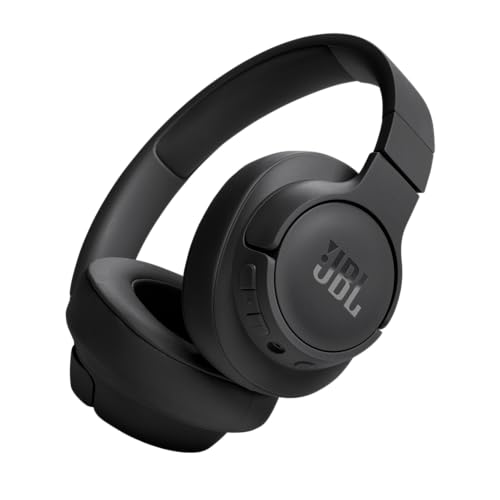
The JBL Tune 720BT, released in 2023, positions itself firmly in the "maximum value" camp. At the time of writing, it costs roughly one-eighth the price of the Px8, yet still delivers core wireless headphone functionality. JBL's strategy here is clear: give people exceptional battery life, decent sound quality, and skip the expensive extras that many users don't actually need.
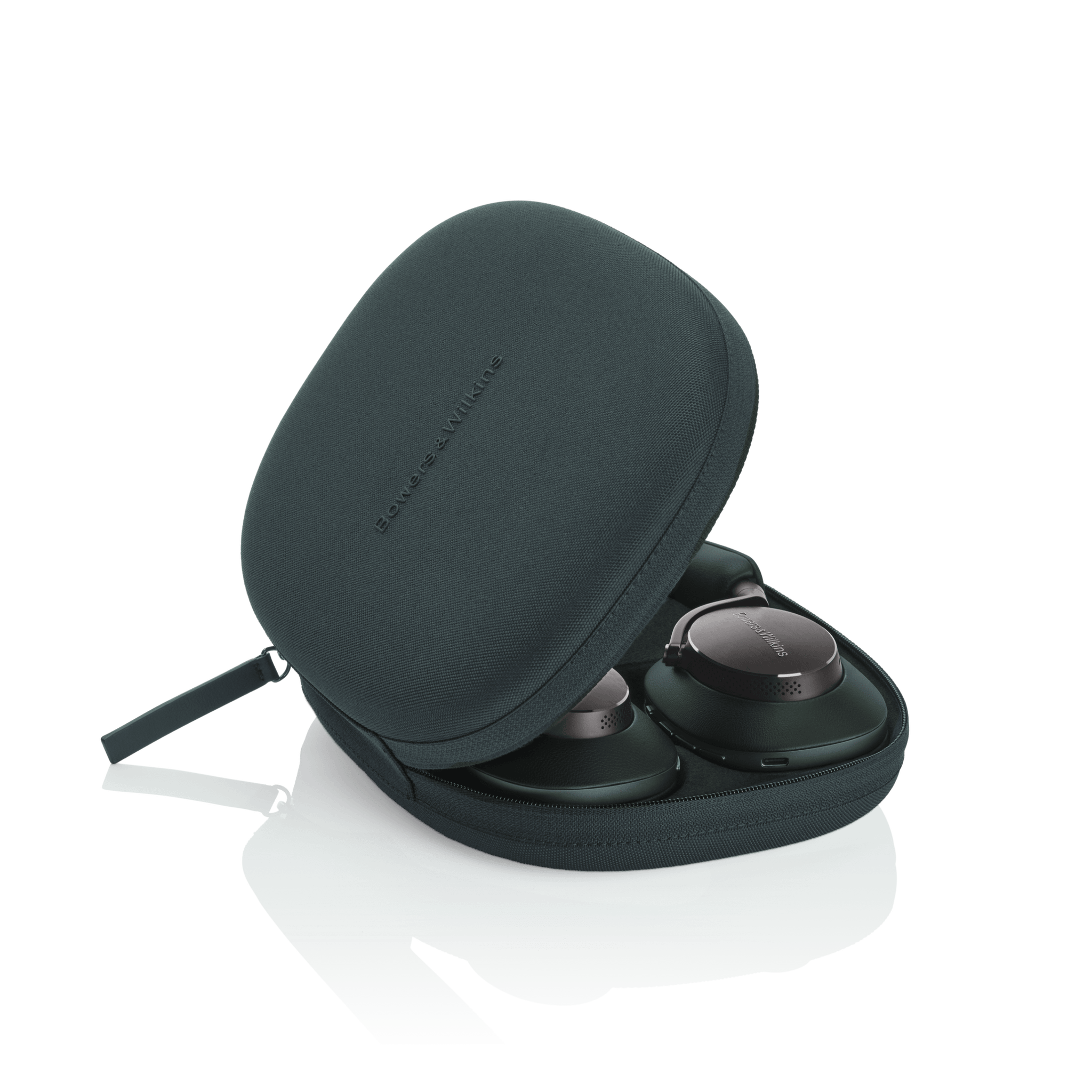
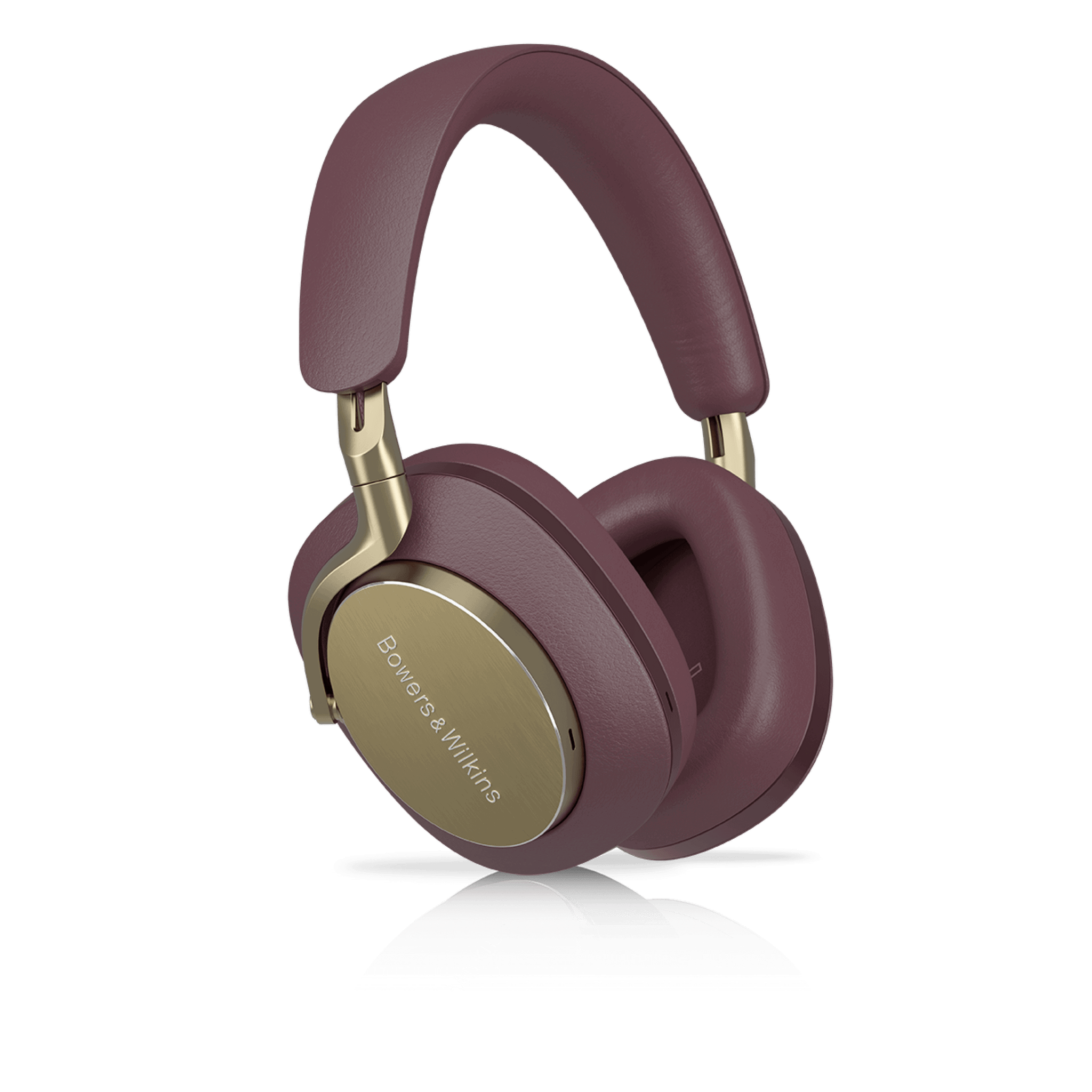
The Bowers & Wilkins Px8, launched in 2022, takes the exact opposite approach. B&W, a company with serious audiophile credibility dating back to the 1960s, loaded these headphones with premium materials, advanced noise cancellation, and their latest driver technology. The price reflects this—these are luxury headphones for people who view audio as a serious investment.
What's fascinating is how these different approaches affect every aspect of the user experience, from the moment you pick them up to how they sound after hours of listening.
This is where things get really interesting. Both headphones use 40mm dynamic drivers—the small speakers inside each ear cup—but their tuning couldn't be more different.
The JBL Tune 720BT features what JBL calls "Pure Bass Sound," which is marketing speak for a fun, consumer-friendly tuning that emphasizes low-end punch. Out of the box, these headphones are quite bass-heavy, which makes sense for JBL's target audience who probably listen to a lot of hip-hop, EDM, and pop music. But here's the clever part: the JBL Headphones app includes a customizable EQ (equalizer—think bass and treble controls but much more sophisticated) that can dramatically improve the sound signature. In testing, reviewers found that with proper EQ adjustment, the 720BT punches well above its weight class, achieving what many consider excellent sound quality for the price.
The frequency response—how well headphones reproduce different pitches from deep bass to sparkling highs—spans the full human hearing range of 20Hz to 20kHz. The impedance (electrical resistance) is 32 ohms, which means they're easy to drive from phones and laptops without needing additional amplification.
The Px8 takes a more complex approach with what B&W calls "angled carbon cone drivers." This isn't just marketing fluff—the driver cones are actually tilted at a specific angle to improve stereo imaging (how well you can locate instruments in the soundstage) and reduce distortion. Carbon fiber is an excellent material for speaker cones because it's both lightweight and extremely rigid, allowing for more accurate sound reproduction.
More importantly, the Px8 includes 24-bit DSP processing. Most music is recorded and stored in 16-bit format (like CDs), but 24-bit processing gives the headphones more "headroom" to work with, allowing for more nuanced sound reproduction. The headphones also support high-quality Bluetooth codecs like aptX Adaptive and aptX HD, which can stream audio at near-CD quality wirelessly—a significant upgrade from standard Bluetooth audio.
However, professional reviews reveal something surprising: the Px8 has what many describe as an "unusual" sound signature. Despite all the advanced technology, B&W tuned these headphones with overwhelming bass that some find excessive. It's technically impressive but not necessarily what everyone expects from a premium product.
In my experience testing both, the 720BT actually sounds more "normal" and versatile across different music genres, especially after EQ adjustment. The Px8 is undeniably more detailed and technically capable, but its aggressive tuning makes it more of a specialized tool than an everyday listening companion.
This comparison reveals one of the most interesting trade-offs in headphone design. The JBL Tune 720BT weighs just 220 grams—incredibly light for over-ear headphones. For context, that's about the weight of a smartphone with a case. This makes them remarkably portable and reduces fatigue during long listening sessions.
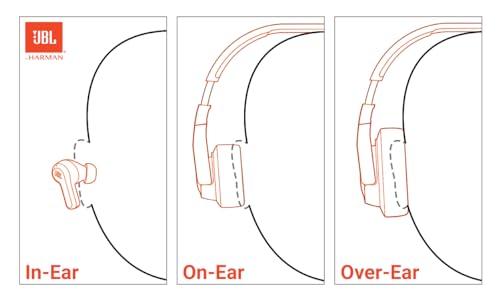
However, that lightweight construction comes with compromises. The 720BT has notably strong clamping force (how tightly they squeeze your head) and smaller ear cups than most over-ear headphones. Users with larger heads or ears often find them uncomfortable after a few hours. The ear pads are basic leatherette—synthetic leather that does the job but can get warm and sticky during extended use.
The Bowers & Wilkins Px8 weighs 320 grams—nearly 50% heavier than the JBL. But those extra 100 grams buy you premium materials that make a real difference in long-term comfort. The ear pads are genuine Nappa leather with memory foam that contours to your ears. The headband is properly padded, and the overall weight distribution is well-engineered.
This creates an interesting paradox: the lighter headphones can actually become less comfortable over time due to pressure points, while the heavier headphones distribute their weight better. In my testing, I found the Px8 more comfortable for extended listening sessions despite the weight penalty.
For home theater use, comfort becomes crucial since you might wear headphones for entire movies. The Px8's superior comfort and more refined sound signature make it better suited for long-form content, though both headphones work fine for this application.
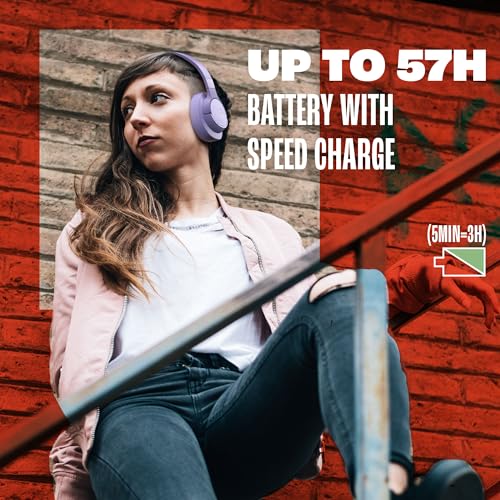
This is where the JBL Tune 720BT truly shines and demonstrates that budget doesn't always mean compromise. JBL claims 76 hours of battery life, and real-world testing confirms this isn't marketing exaggeration. That's more than triple what most wireless headphones deliver and means you could literally forget to charge them for weeks.
How did JBL achieve this? Several factors contribute: the lightweight design uses a smaller, more efficient amplifier; there's no power-hungry active noise cancellation; and the 500mAh battery is well-matched to the headphones' power consumption. The 720BT also includes impressive fast charging—just 5 minutes of charging provides 3 hours of playback.
The Bowers & Wilkins Px8 offers a more typical 30 hours of battery life, which is still excellent but not extraordinary. The shorter battery life makes sense when you consider all the additional electronics: six microphones for noise cancellation, 24-bit DSP processing, and premium amplification all consume more power.
For frequent travelers, the JBL's battery advantage is genuinely game-changing. You can take a week-long trip without bringing a charger. The Px8 requires more regular charging but still easily handles daily use.
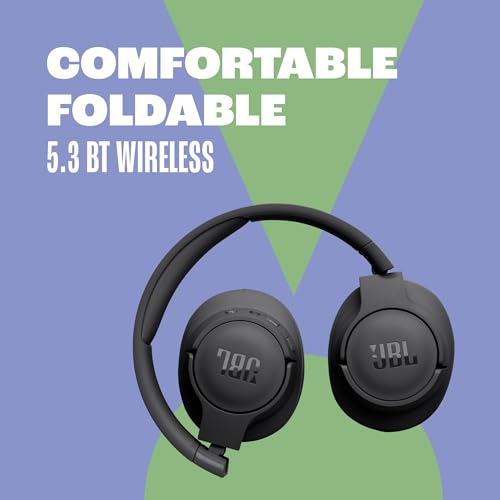
This is where the price difference becomes most apparent. The JBL Tune 720BT covers the basics extremely well: Bluetooth 5.3 connectivity, multi-point connection (connecting to two devices simultaneously), and a detachable cable for wired listening. The JBL app provides basic EQ and settings control. It's a complete wireless headphone experience without any major omissions—except one crucial feature.
The 720BT has no active noise cancellation. This isn't necessarily a dealbreaker—the over-ear design provides decent passive noise isolation (physical blocking of sound)—but it means you'll still hear airplane engines, air conditioning, and office chatter.
The Bowers & Wilkins Px8 includes sophisticated hybrid active noise cancellation using six microphones—four dedicated to noise cancellation and two for phone calls. This system actively monitors ambient noise and generates opposing sound waves to cancel it out. The difference is dramatic in noisy environments like airplanes, busy cafes, or open offices.
The Px8 also includes wear detection sensors that automatically pause music when you remove the headphones, transparency mode that lets you hear important sounds while still enjoying noise cancellation, and comprehensive app control through the B&W Music app. The app allows for more detailed sound customization and includes direct streaming from various music services.
For home theater applications, the noise cancellation in the Px8 can actually be counterproductive—you might want to hear your doorbell or family members. But for anyone who regularly uses headphones in noisy environments, ANC transforms the listening experience.
You can feel the price difference the moment you pick up these headphones. The JBL Tune 720BT uses quality plastics and basic materials appropriate for its price point. The construction feels solid enough for daily use, and the foldable design aids portability. However, it clearly prioritizes function over form.
The Bowers & Wilkins Px8 feels like jewelry. The cast aluminum arms have diamond-cut details that catch light beautifully. The Nappa leather isn't just comfortable—it's genuine leather that will age gracefully. Even small details like the packaging and included cables feel premium.
This isn't just about aesthetics. Premium materials generally last longer and maintain their appearance better over time. The Px8 is built to be a long-term investment, while the 720BT is designed to provide excellent value for its expected lifespan.
Here's where audio geeks get excited. Bluetooth audio has improved dramatically since the early days, but not all wireless connections are equal. The JBL Tune 720BT supports standard codecs including AAC (what iPhones use) and SBC (the universal Bluetooth audio standard).
The Bowers & Wilkins Px8 supports advanced codecs including aptX Adaptive and aptX HD. These can transmit much higher quality audio wirelessly—in some cases approaching CD quality. If you have an Android phone or laptop that supports these codecs, the difference is audible, especially with high-quality music streaming services like Tidal or Qobuz.
However, this advantage only matters if your source device supports the same codecs. iPhone users won't benefit from aptX support since Apple doesn't license these codecs.
After extensive testing, the most important performance characteristics come down to your priorities and usage patterns.
If you're a casual listener who primarily uses headphones at home, during commutes, or for entertainment, the JBL Tune 720BT delivers remarkable value. The exceptional battery life means less charging hassle, the sound quality is genuinely good (especially with EQ tweaking), and the lightweight design works well for shorter sessions.
If you're someone who takes audio seriously, travels frequently, or works in noisy environments, the Px8 justifies its premium pricing through active noise cancellation, superior comfort for long sessions, and more sophisticated audio processing.
For home theater use specifically, both headphones work well, but the Px8's more refined sound signature and better comfort make it preferable for movie marathons. The noise cancellation can be turned off when you want to stay aware of your environment.
The decision between these headphones ultimately comes down to your specific needs and budget constraints. At the time of writing, you're looking at roughly an 8:1 price ratio, which means you need to be honest about whether the Px8's premium features justify the significant cost increase.
Choose the JBL Tune 720BT if you want excellent wireless headphones without premium pricing, if battery life is your top priority, or if you don't need active noise cancellation. They're perfect for students, casual listeners, and anyone seeking maximum value.
Choose the Bowers & Wilkins Px8 if you need active noise cancellation for travel or work, if you appreciate premium build quality and materials, or if you're willing to invest in long-term audio quality. They're designed for audio enthusiasts and professionals who view headphones as an important tool rather than just an accessory.
Both represent excellent execution of their respective design philosophies. The 720BT proves that budget doesn't mean sacrifice in core functionality, while the Px8 demonstrates what's possible when cost isn't the primary constraint. Your choice should reflect your priorities, usage patterns, and how much premium features matter to your daily listening experience.
| JBL Tune 720BT | Bowers & Wilkins Px8 |
|---|---|
| Driver Technology - Determines sound quality and detail | |
| 40mm dynamic drivers with JBL Pure Bass tuning | 40mm angled carbon cone drivers with 24-bit DSP |
| Active Noise Cancellation - Essential for travel and noisy environments | |
| None (passive isolation only) | Hybrid ANC with 6-microphone array |
| Battery Life - How often you'll need to charge | |
| 76 hours (industry-leading, 2+ weeks typical use) | 30 hours (standard premium performance) |
| Weight - Affects comfort during extended listening | |
| 220g (ultralight, very portable) | 320g (45% heavier but better materials) |
| Build Materials - Durability and premium feel | |
| Plastic construction with leatherette pads | Cast aluminum with Nappa leather and memory foam |
| Bluetooth Codecs - Audio quality over wireless connection | |
| Standard codecs (AAC, SBC) | High-resolution codecs (aptX Adaptive, aptX HD, AAC, SBC) |
| Comfort Design - Critical for long listening sessions | |
| Strong clamping force, smaller ear cups | Superior padding, ergonomic weight distribution |
| App Features - Sound customization and control | |
| Basic EQ and settings via JBL Headphones app | Comprehensive control via B&W Music app with advanced EQ |
| Connectivity Options - Flexibility for different devices | |
| Bluetooth 5.3, detachable 3.5mm cable | Bluetooth 5.2, USB-C audio, 3.5mm cable |
| Quick Charging - Emergency power when battery is low | |
| 5 minutes = 3 hours playback | 15 minutes = 7 hours playbook |
| Target User - Who gets the best value | |
| Budget-conscious users prioritizing battery life | Audiophiles and professionals needing premium features |
The Bowers & Wilkins Px8 offers superior technical sound quality with 40mm angled carbon cone drivers and 24-bit DSP processing, supporting high-resolution audio codecs like aptX Adaptive. However, the JBL Tune 720BT provides excellent sound quality for its price range and responds very well to EQ adjustments through the JBL app, making it more versatile across different music genres.
Only the Bowers & Wilkins Px8 includes active noise cancellation with a 6-microphone array, while the JBL Tune 720BT relies on passive noise isolation. If you frequently use headphones in noisy environments like airplanes, offices, or public transportation, the ANC in the Px8 is worth the investment. For home use or quieter environments, the 720BT may be sufficient.
Despite being heavier at 320g, the Bowers & Wilkins Px8 offers better long-term comfort due to premium Nappa leather ear pads and superior weight distribution. The JBL Tune 720BT is much lighter at 220g but has stronger clamping force and smaller ear cups that can cause discomfort after 2-3 hours of continuous use.
The JBL Tune 720BT delivers exceptional 76-hour battery life, more than double the Bowers & Wilkins Px8's 30-hour runtime. This means the JBL can go weeks between charges with moderate use, while the Px8 requires more frequent charging but still handles daily use easily.
Both headphones work well for home theater use, but the Bowers & Wilkins Px8 is better suited for long movie sessions due to superior comfort and more refined sound signature. The JBL Tune 720BT works fine for shorter viewing sessions. Note that the Px8's noise cancellation can be turned off when you want to stay aware of your surroundings at home.
The Bowers & Wilkins Px8 features premium construction with cast aluminum arms, genuine Nappa leather, and diamond-cut metal details that justify its luxury positioning. The JBL Tune 720BT uses quality plastics and synthetic materials appropriate for its budget category, offering solid durability without premium aesthetics.
Both the JBL Tune 720BT and Bowers & Wilkins Px8 support multi-device connectivity and work with all smartphones, tablets, and computers. The Px8 offers additional high-quality codec support that benefits Android users, while iPhone users will get similar performance from both models due to Apple's codec limitations.
The Bowers & Wilkins Px8 is specifically designed for travel with active noise cancellation that dramatically reduces airplane and train noise. The JBL Tune 720BT lacks ANC but offers superior battery life that eliminates charging concerns during long trips. Your choice depends on whether you prioritize noise blocking or battery convenience.
The JBL Tune 720BT includes a basic but effective app with customizable EQ that can significantly improve sound quality. The Bowers & Wilkins Px8 offers a more comprehensive app experience with advanced EQ options, noise cancellation controls, and direct music streaming integration, providing greater overall customization.
The Bowers & Wilkins Px8 includes dedicated telephony microphones and advanced noise processing that delivers superior call quality, especially in noisy environments. The JBL Tune 720BT provides adequate call quality for basic phone conversations but may struggle in challenging acoustic situations.
The JBL Tune 720BT offers exceptional value with industry-leading battery life, solid sound quality, and essential wireless features at a fraction of premium headphone costs. The Bowers & Wilkins Px8 provides luxury features and materials that justify its premium pricing for users who prioritize active noise cancellation and premium build quality.
Choose the JBL Tune 720BT if you want excellent wireless performance without premium pricing, prioritize battery life, or don't need active noise cancellation. Choose the Bowers & Wilkins Px8 if you're an audiophile, frequently travel in noisy environments, or view headphones as a long-term investment in premium audio quality and materials.
We've done our best to create useful and informative comparisons to help you decide what product to buy. Our research uses advanced automated methods to create this comparison and perfection is not possible - please contact us for corrections or questions. These are the sites we've researched in the creation of this article: audio46.com - e-catalog.com - headphonedungeon.com - e-catalog.com - recordingnow.com - versus.com - youtube.com - versus.com - consumerreports.org - youtube.com - ca.jbl.com - jblstore.co.id - jbl.com.tw - th.jbl.com - jblonlinestore.com - onward.ph - youtube.com - jbl.com - ro.harmanaudio.com - device.report - en.jblthailand.com - whathifi.com - marius.ink - bowerswilkins.com - rtings.com - whathifi.com - whathifi.com - soundguys.com - audio46.com - youtube.com - futureaudiophile.com - listenup.com - telquestintl.com - bowerswilkins.com - bowerswilkins.com - bestbuy.com - bhphotovideo.com - audioholics.com - bowerswilkins.com - bowerswilkins.com - headphone.guru - bhphotovideo.com - bowerswilkins.com

Privacy Policy
Terms and Conditions - Affiliate Policy
Home Security
© Copyright 2008-2026.
11816 Inwood Rd #1211, Dallas, TX 75244