

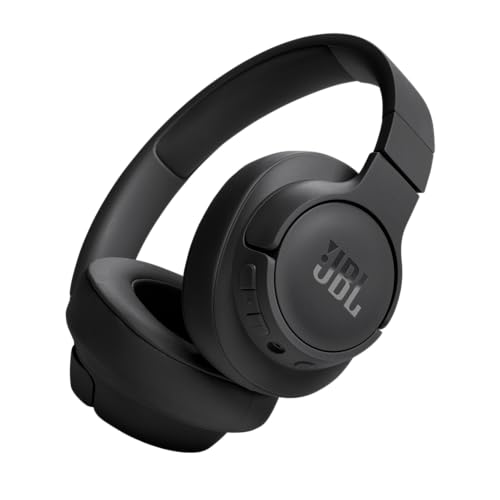

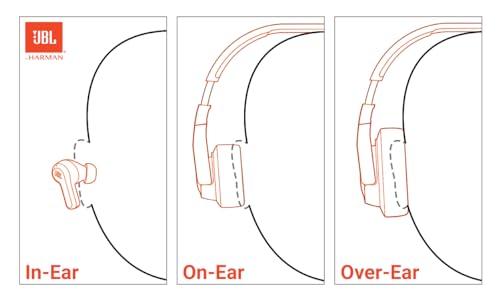

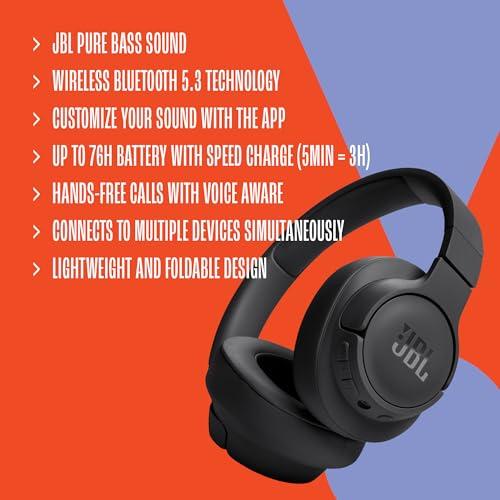
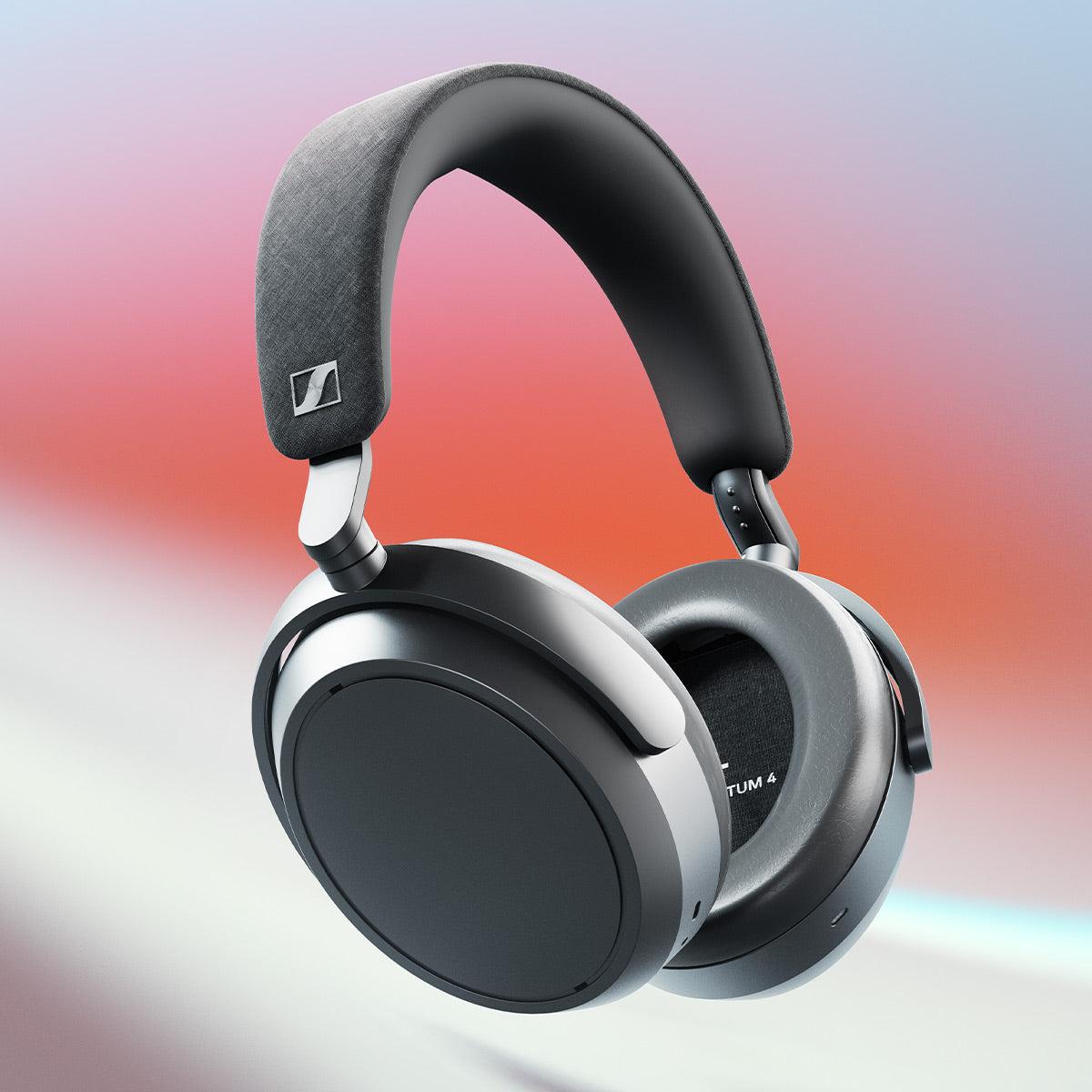
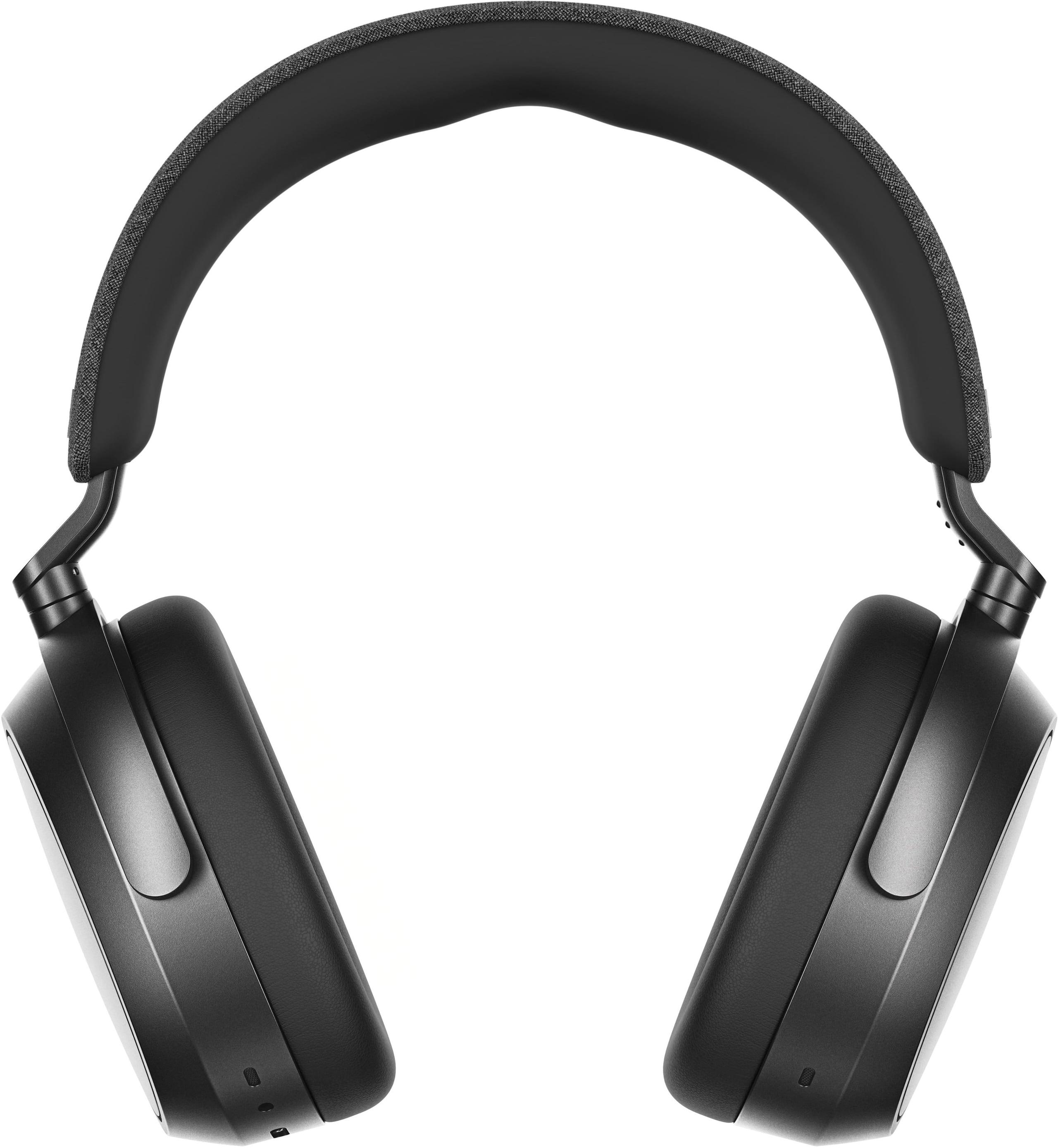
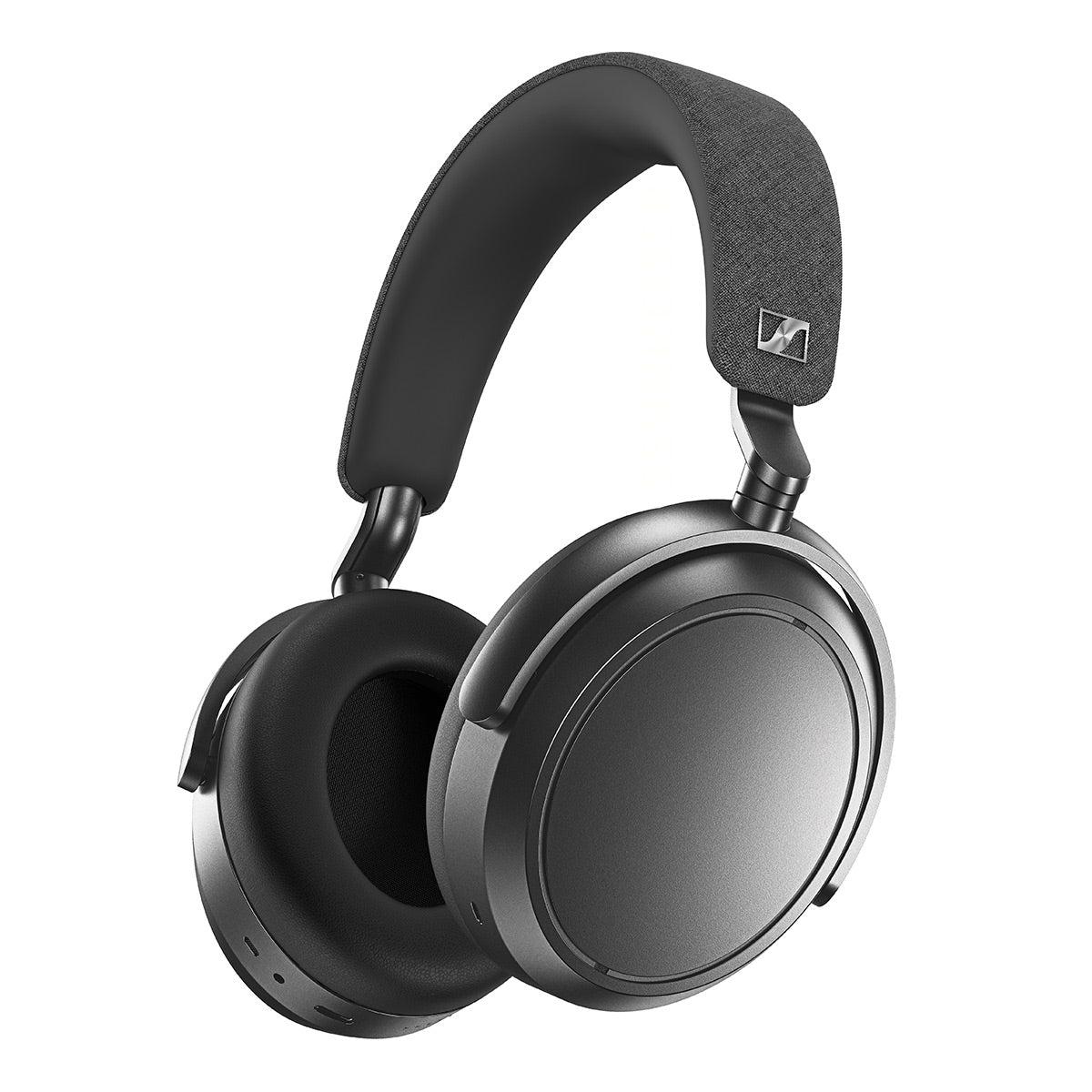


Shopping for wireless over-ear headphones can feel overwhelming with hundreds of options spanning from under $50 to over $500. Today we're comparing two popular models that represent very different approaches to wireless audio: the budget-friendly JBL Tune 720BT and the premium Sennheiser Momentum 4. At the time of writing, these headphones are separated by roughly $200-250 in price, but they both aim to deliver great wireless audio experiences in their respective market segments.
Understanding what separates budget from premium headphones isn't just about price tags—it's about the fundamental engineering decisions, materials, and features that manufacturers prioritize. The JBL Tune 720BT focuses on delivering exceptional battery life and decent sound quality at an accessible price point, while the Sennheiser Momentum 4 targets audio enthusiasts who want premium sound reproduction with advanced noise-canceling technology.
Before diving into specifics, let's establish what really matters when choosing wireless over-ear headphones. The most crucial factors are sound quality, active noise cancellation (ANC), battery life, comfort, and overall value proposition. Sound quality depends on driver size and design, frequency response (the range of sounds the headphones can reproduce), and audio tuning. ANC uses microphones and processing to actively cancel out external noise—a game-changer for commuting or working in noisy environments.
Battery life has become increasingly important as we rely more on wireless devices throughout our day. Comfort matters enormously for extended listening sessions, while build quality determines how well your investment will hold up over time. Finally, the value proposition—what you get for your money—varies dramatically across price ranges.
The wireless headphone market has evolved rapidly since Bluetooth became mainstream around 2010. The JBL Tune 720BT represents JBL's 2023 entry into the budget wireless market, building on years of refinement in Bluetooth technology and battery efficiency. The Sennheiser Momentum 4, released in 2022, marked a significant redesign from earlier Momentum models, prioritizing battery life and modern features while maintaining Sennheiser's reputation for audio excellence.
The JBL Tune 720BT and Sennheiser Momentum 4 target completely different audiences, which explains their vastly different feature sets and pricing. JBL positioned the Tune 720BT as a "gateway" wireless headphone—offering the core benefits of wireless audio without premium pricing. Their strategy focuses on maximizing battery life (up to 76 hours) while delivering JBL's signature bass-heavy sound profile that appeals to mainstream listeners.
Sennheiser took a different approach with the Momentum 4, completely redesigning their flagship model to compete directly with Sony's WH-1000XM series and Bose's QuietComfort line. They prioritized audiophile-quality sound reproduction, advanced noise cancellation, and premium comfort for extended listening sessions. This represents Sennheiser's bid to capture both music enthusiasts and frequent travelers who demand the best possible wireless audio experience.
Understanding these different philosophies helps explain why one model might excel in areas where the other falls short. Neither company tried to build a "do-everything" headphone—instead, each optimized for their target user's priorities.
Sound quality represents the most significant performance gap between these headphones. The JBL Tune 720BT uses 40mm dynamic drivers tuned for JBL's "Pure Bass Sound" signature. This means emphasized low frequencies that make electronic music, hip-hop, and pop sound punchy and engaging. However, this bass emphasis can overwhelm midrange frequencies where vocals and instruments live, creating a somewhat muddy presentation with complex music.
The frequency response of 20Hz to 20kHz covers the standard human hearing range, but the JBL doesn't extend much beyond these limits. In practical terms, you'll hear solid bass response and adequate treble detail, but the overall presentation lacks the nuance and separation that more expensive headphones provide. The soundstage—how spacious and three-dimensional music sounds—is relatively narrow, typical of budget over-ear designs.
The Sennheiser Momentum 4 employs larger 42mm dynamic transducers with neodymium magnets, enabling better control and more precise sound reproduction. The extended frequency response of 6Hz to 22kHz means deeper bass extension and more detailed treble reproduction. More importantly, Sennheiser's tuning philosophy emphasizes accuracy and musicality rather than flashy bass response.
Professional reviews consistently praise the Momentum 4's natural timbre—how accurately instruments and voices sound compared to real life. The soundstage is notably wider than most competitors, creating a more immersive listening experience. The soft V-shaped tuning provides enough bass weight to satisfy most listeners while maintaining clear, detailed midrange reproduction for vocals and instruments.
What sets the Sennheiser apart is its Sound Personalization feature, developed with the Fraunhofer Institute. This AI-powered system analyzes your hearing profile and adjusts the frequency response accordingly. It's not just marketing gimmick—this technology can genuinely improve your listening experience by compensating for individual hearing differences.
For home theater use, the Sennheiser Momentum 4 offers significant advantages. Its wider soundstage and more accurate imaging help create a more immersive movie-watching experience. The extended frequency response means you'll hear subtle sound effects and environmental details that the JBL might miss. However, both headphones lack the dedicated surround sound processing found in gaming headsets.
This is where we see the clearest example of budget versus premium positioning. The JBL Tune 720BT offers no active noise cancellation whatsoever—it relies entirely on passive isolation from the ear cups sealing around your ears. This approach works reasonably well in quiet environments but provides minimal protection against airplane engines, air conditioning, or busy streets.
The Sennheiser Momentum 4 features Adaptive Hybrid Active Noise Cancellation, which uses external and internal microphones to actively cancel unwanted sounds. The system analyzes ambient noise patterns and generates inverse sound waves to neutralize them. While it doesn't quite match the noise-canceling performance of Sony's WH-1000XM5 or Bose's QuietComfort Ultra, it's very effective for most real-world situations.
The adaptive nature means the Sennheiser automatically adjusts cancellation levels based on your environment—stronger cancellation on airplanes, lighter touch in quiet offices. The Transparency Mode allows ambient sounds through when you need situational awareness, like walking in traffic or listening for announcements.
For frequent travelers or anyone working in noisy environments, this represents a fundamental difference in usability. ANC technology has matured significantly since its introduction in the early 2000s, and modern implementations like the Momentum 4's system provide substantial quality-of-life improvements.
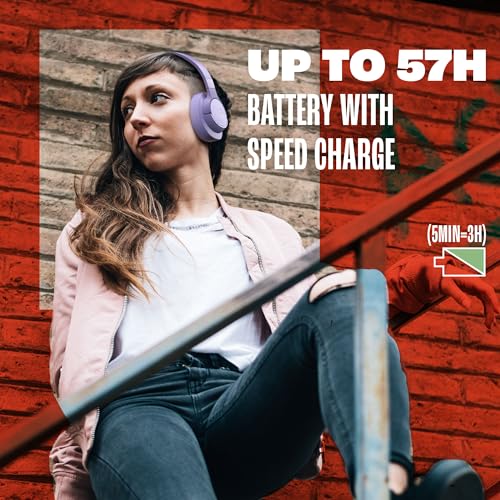
Surprisingly, the budget JBL Tune 720BT delivers superior battery performance with up to 76 hours of playback time. This exceptional longevity comes from JBL's focus on power efficiency rather than premium features. The 500mAh lithium-ion battery, combined with efficient Bluetooth 5.3 connectivity and the absence of power-hungry ANC, enables this impressive runtime.
The Sennheiser Momentum 4 offers 60 hours of playback with ANC enabled, which is still excellent by industry standards. The larger 700mAh battery needs to power more advanced features including noise cancellation, touch controls, and more sophisticated audio processing. Both headphones charge via USB-C and offer quick charging—five minutes provides several hours of playback.
In practical terms, both headphones offer more than enough battery life for most users. The JBL's 16-hour advantage might matter for extended travel or users who frequently forget to charge their devices. However, the Sennheiser's 60-hour runtime with advanced features represents better overall value for most listeners.
Battery technology has improved dramatically over the past decade. Early wireless headphones often provided only 8-10 hours of playback, making these modern runtimes remarkable achievements in power management and efficiency.
Physical comfort becomes crucial during extended listening sessions, and here the price difference shows clearly. The JBL Tune 720BT weighs 220 grams with a primarily plastic construction that feels lightweight but somewhat cheap. The ear pads use basic leatherette that can become uncomfortable during hot weather or long sessions. Users with larger heads or ears may find the fit cramped, as the ear cups don't accommodate all ear sizes equally well.
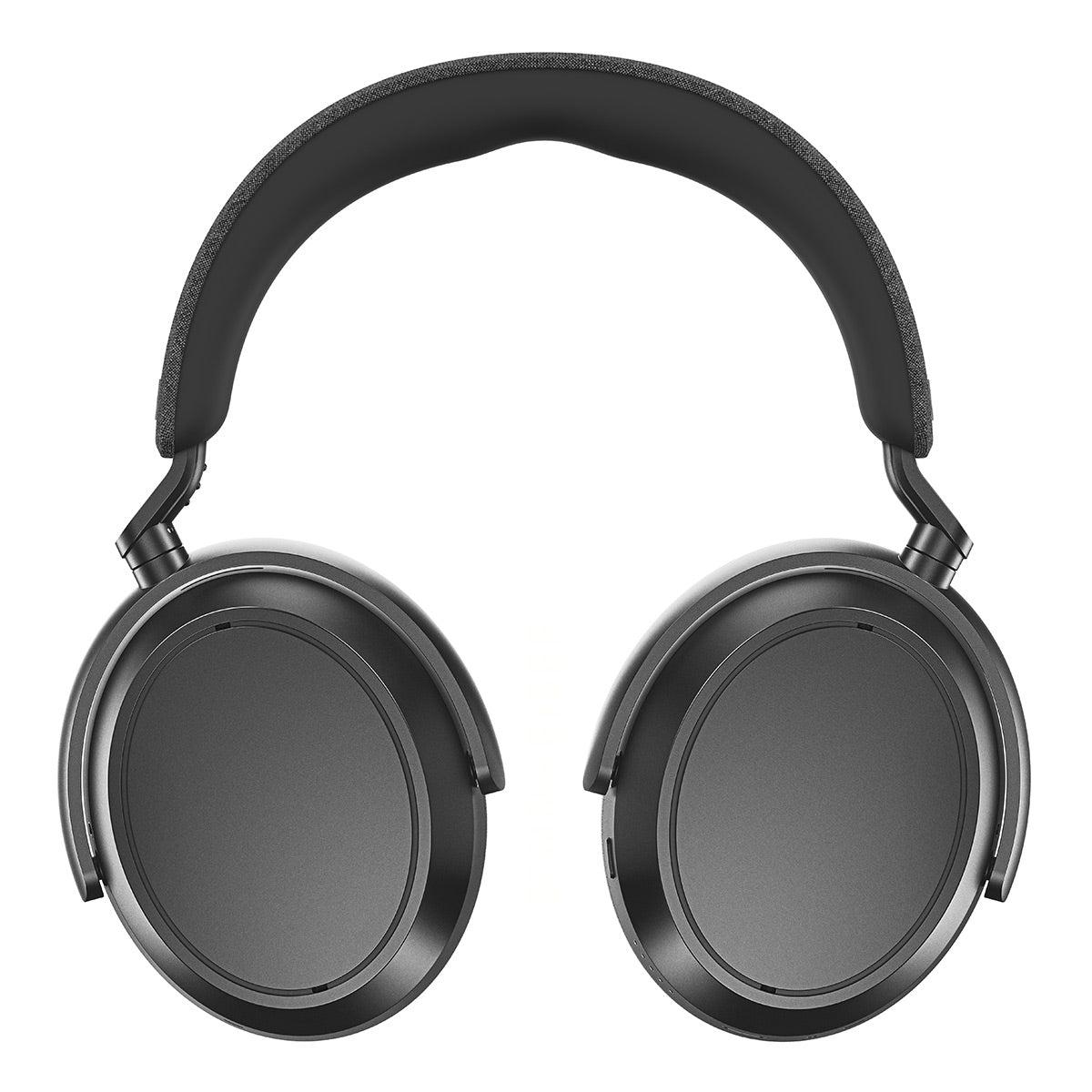
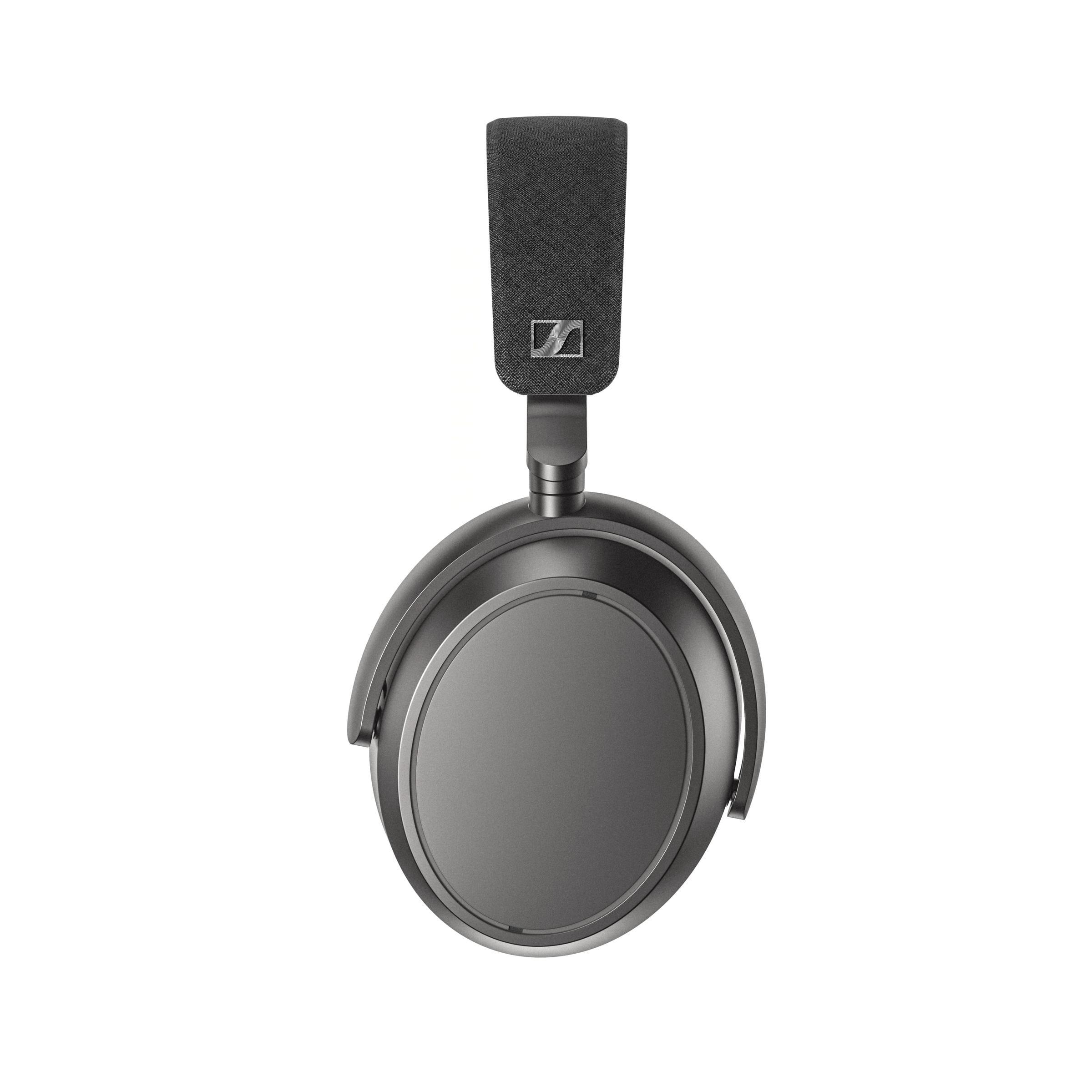
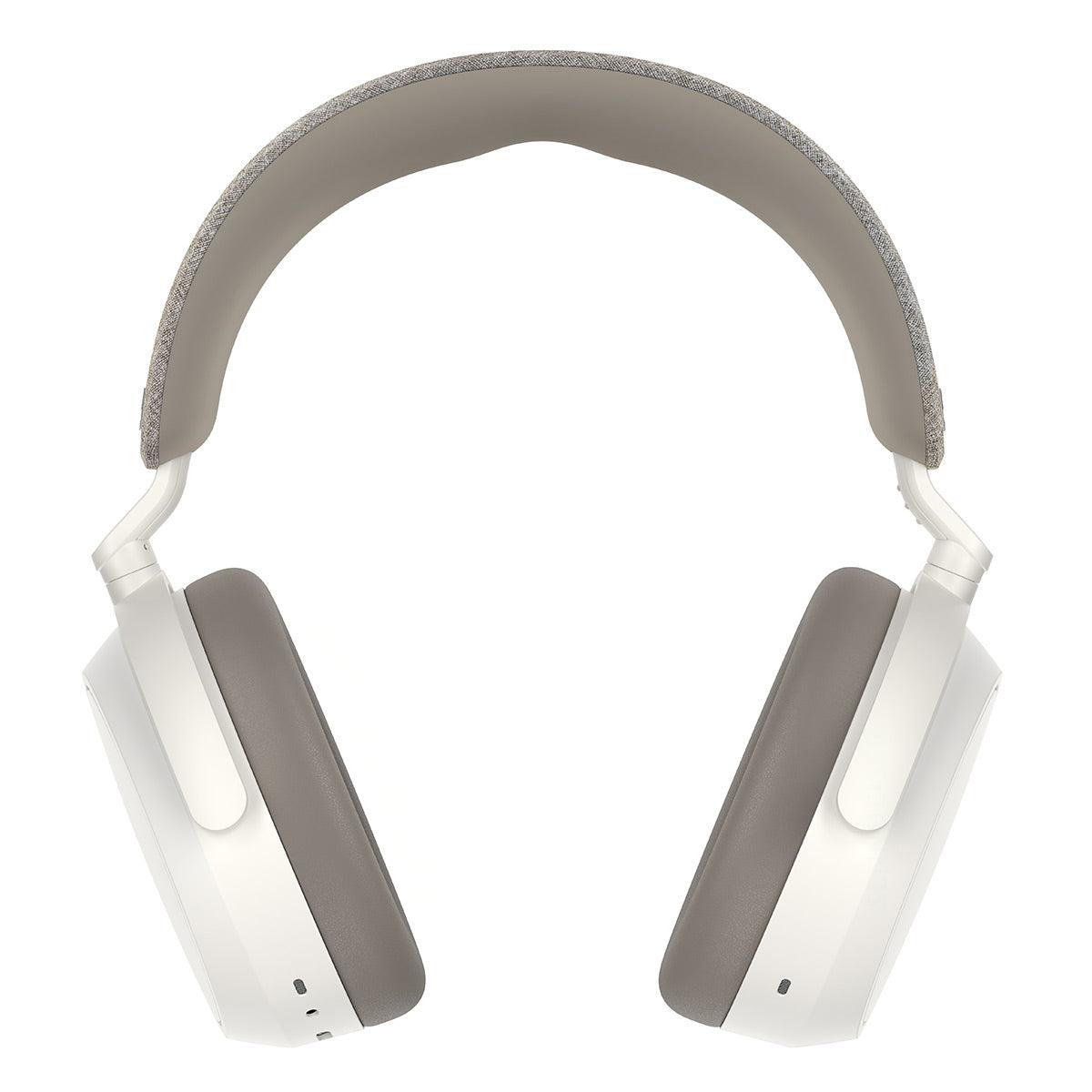
The Sennheiser Momentum 4 weighs 293 grams but distributes that weight more effectively across the padded headband and deep cushioned ear pads. The premium fabric details and higher-quality plastics create a more substantial, durable feel. Most importantly, the ear cup dimensions better accommodate different ear sizes, and the padding remains comfortable during all-day listening sessions.
Build quality differences extend beyond immediate comfort. The JBL's lightweight plastic construction, while adequate for careful use, shows its budget origins in flexibility and joint tolerances. The Sennheiser uses more robust materials and engineering, suggesting better long-term durability.
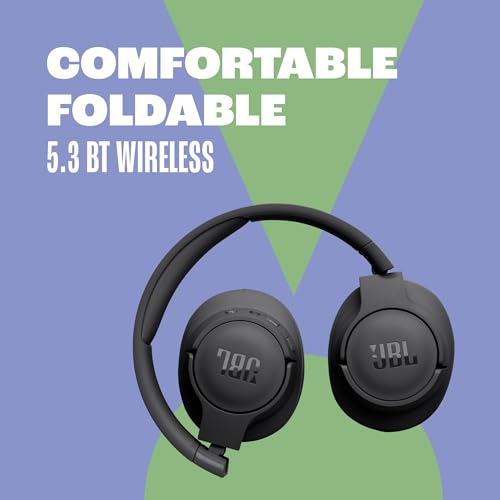
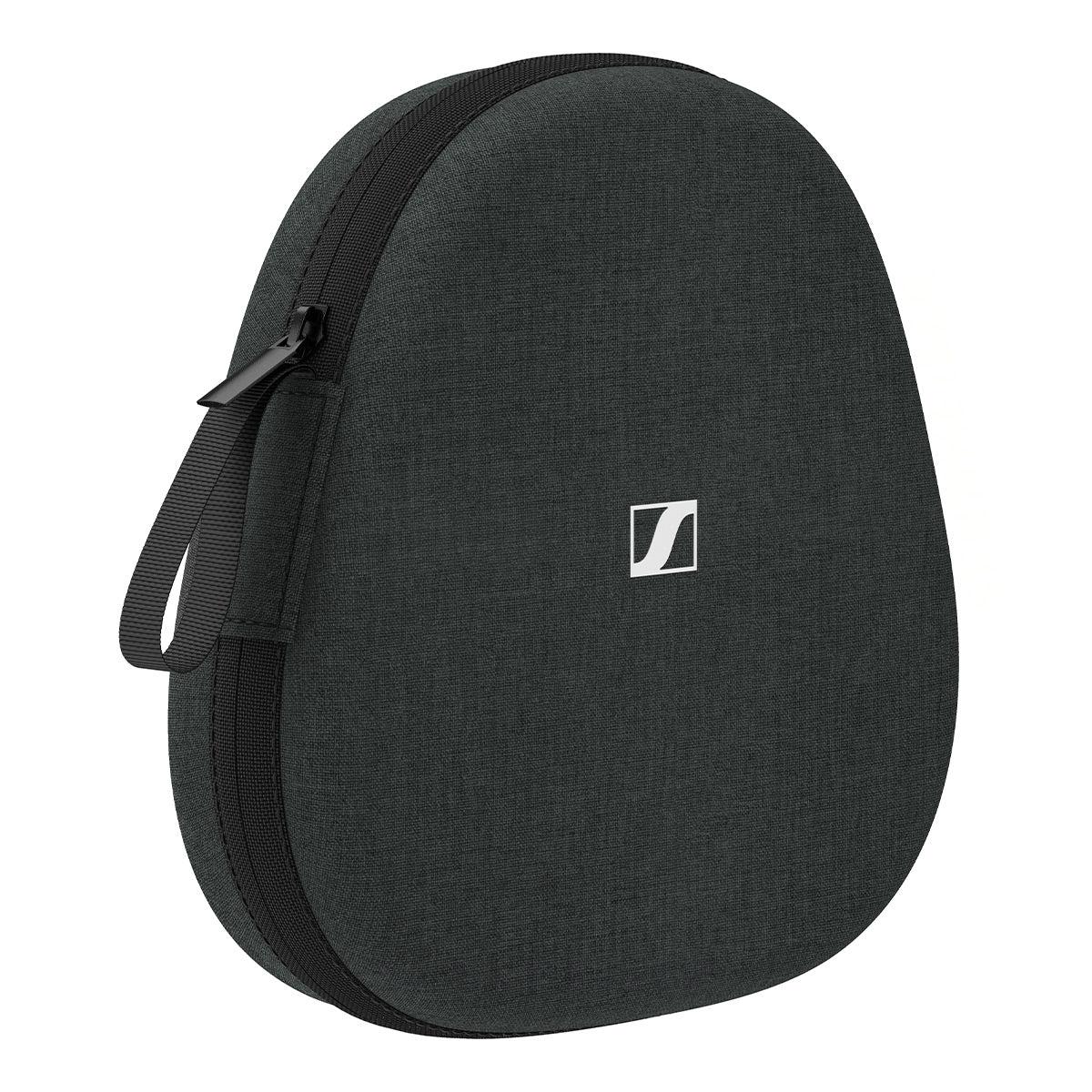
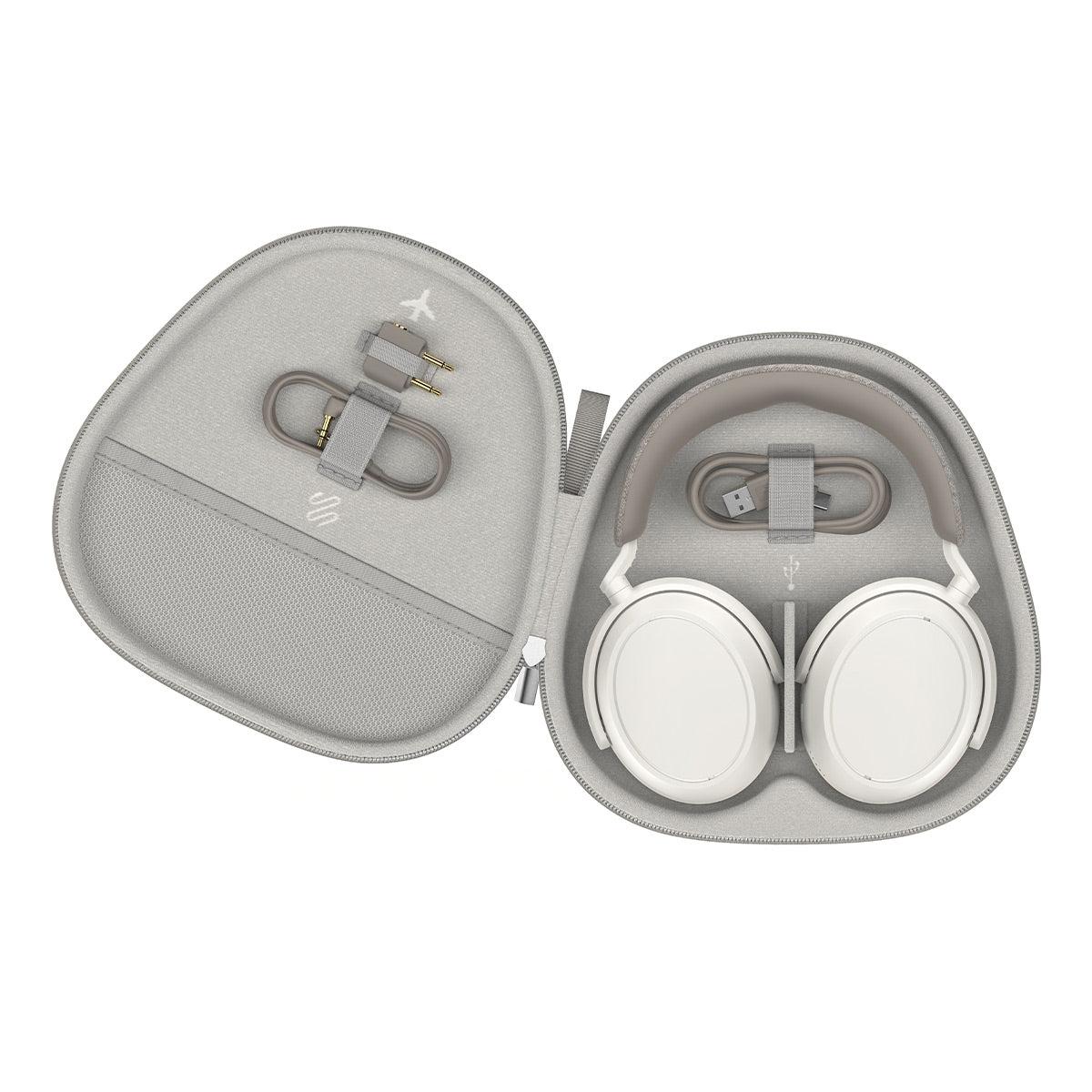
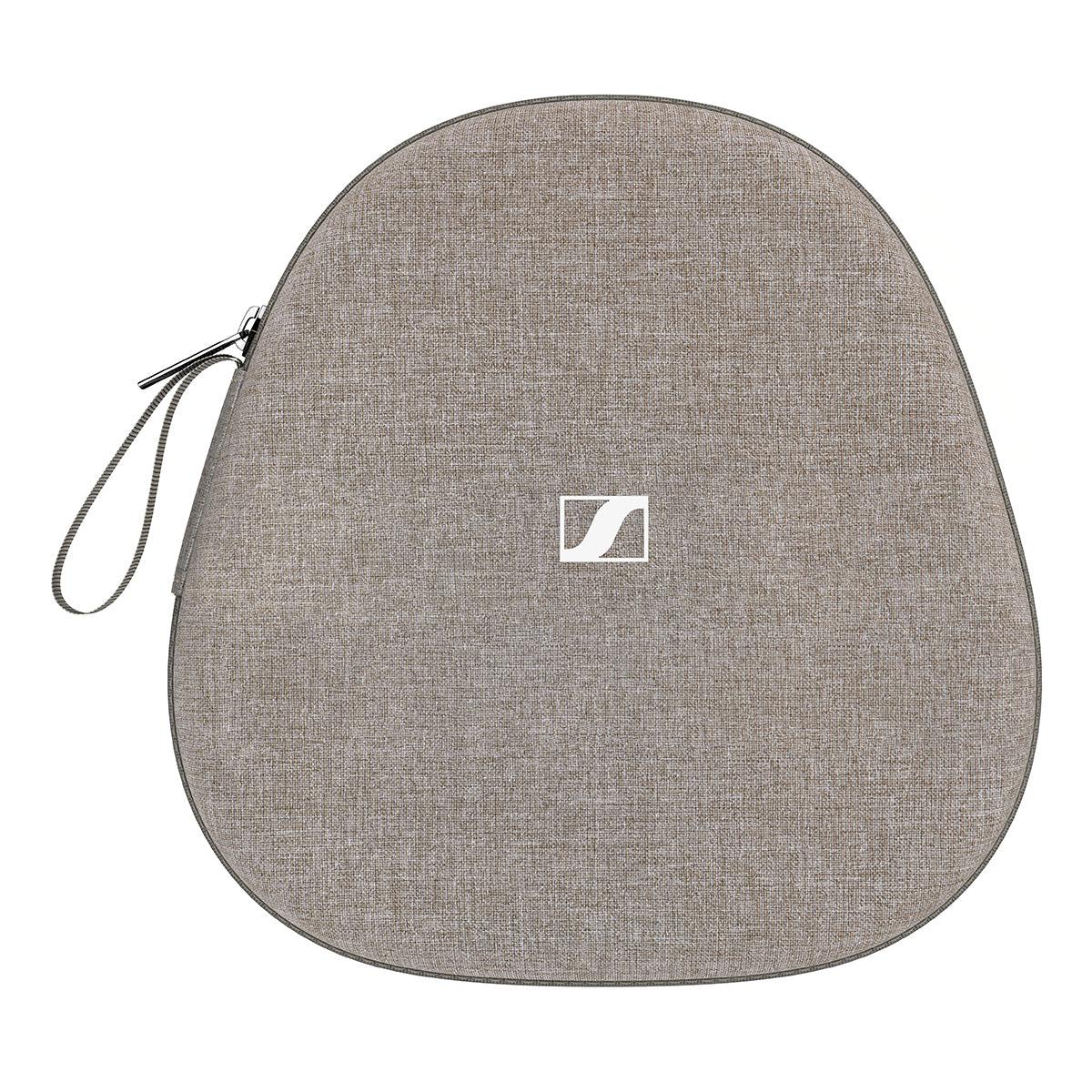
Both headphones feature fold-flat designs for portability, but the Sennheiser includes a hard carrying case while the JBL typically comes with basic packaging. These details matter for users who travel frequently or want to protect their investment.
Modern wireless headphones increasingly function as smart devices rather than simple audio transducers. The JBL Tune 720BT covers the basics well with Bluetooth 5.3 connectivity, multipoint pairing (connecting to two devices simultaneously), and the JBL Headphones app for basic EQ adjustments. Physical buttons provide reliable control over playback, volume, and calls.
The Sennheiser Momentum 4 represents a more sophisticated approach with Bluetooth 5.2 and support for advanced audio codecs including aptX Adaptive. This codec provides better sound quality over Bluetooth by adapting bitrate and latency based on your listening conditions. The touch controls on the right ear cup enable intuitive gesture control, though some users prefer the reliability of physical buttons.
Smart features differentiate premium models significantly. The Sennheiser includes Auto On/Off (powering up when you pick them up), Smart Pause (automatically pausing music when removed), and advanced call quality with four digital beamforming microphones. The Sennheiser Smart Control app offers extensive customization including the aforementioned Sound Personalization feature.
Codec support deserves special attention for audio quality. While both headphones support standard SBC and AAC codecs, the Sennheiser's aptX Adaptive support provides noticeably better wireless audio quality with compatible devices. This technical advantage becomes more apparent with high-quality audio sources and complex musical arrangements.
Understanding how these headphones perform in typical use cases helps clarify which might suit your needs better. For commuting, the Sennheiser Momentum 4's active noise cancellation provides a significant advantage on buses, trains, and airplanes. The superior sound quality makes long journeys more enjoyable, while the premium comfort reduces fatigue during extended wear.
The JBL Tune 720BT works well for casual listening at home, in quiet offices, or during light exercise. The bass-heavy tuning suits modern pop and electronic music, while the exceptional battery life means you rarely worry about charging. However, in noisy environments, the lack of ANC becomes a significant limitation.
For home theater use, both headphones can connect to TVs via Bluetooth, though latency might cause audio-video sync issues depending on your TV's capabilities. The Sennheiser's wider soundstage and more accurate sound reproduction provide a more cinematic experience, but dedicated home theater headphones would serve this purpose better.
Call quality varies significantly between the models. The Sennheiser's four-microphone array with beamforming technology provides clearer voice pickup and better background noise rejection. The JBL handles basic calls adequately but struggles in noisy environments.
At the time of writing, the price gap between these headphones reflects their different market positioning rather than a simple "better vs. worse" comparison. The JBL Tune 720BT delivers exceptional value in the budget segment, offering features that would have cost much more just a few years ago. The 76-hour battery life, multipoint connectivity, and decent sound quality represent genuine value for budget-conscious buyers.
The Sennheiser Momentum 4 competes in the premium wireless ANC segment against models from Sony, Bose, and Apple. In this context, its combination of audiophile-quality sound, effective noise cancellation, and comprehensive smart features represents competitive value. The superior build quality and comfort justify the premium for users who prioritize these attributes.
Value calculations depend entirely on individual priorities. If maximum battery life and basic wireless functionality meet your needs, the JBL provides excellent value. If sound quality, noise cancellation, and premium features matter more, the Sennheiser justifies its higher price.
Choose the JBL Tune 720BT if you're working with a limited budget but want reliable wireless headphones with exceptional battery life. They're ideal for casual listening, students, or anyone who doesn't need active noise cancellation. The bass-heavy tuning suits mainstream music genres, and the long battery life reduces charging anxiety.
Choose the Sennheiser Momentum 4 if sound quality is your primary concern and you can justify the premium price. They're excellent for audio enthusiasts, frequent travelers who need effective noise cancellation, and anyone who values premium comfort for extended listening sessions. The advanced features and superior build quality provide long-term value.
Consider your primary use cases carefully. For commuting and travel, the Sennheiser's noise cancellation becomes invaluable. For home and office use in quiet environments, the JBL's exceptional battery life might be more practical. Neither choice is wrong—they simply optimize for different priorities and budgets.
The wireless headphone market continues evolving rapidly, with improvements in battery technology, audio codecs, and noise cancellation algorithms appearing regularly. Both the JBL Tune 720BT and Sennheiser Momentum 4 represent their manufacturers' current thinking on how to balance features, performance, and price in their respective market segments. Your choice should align with both your immediate needs and how you expect to use wireless headphones over the next few years.
| JBL Tune 720BT | Sennheiser Momentum 4 |
|---|---|
| Driver Size - Larger drivers typically provide better bass response and overall dynamics | |
| 40mm dynamic drivers | 42mm dynamic transducers with neodymium magnets |
| Frequency Response - Wider range means deeper bass and more detailed highs | |
| 20Hz - 20kHz (standard human hearing range) | 6Hz - 22kHz (extended range for audiophile performance) |
| Active Noise Cancellation - Essential for blocking airplane engines, traffic, and office noise | |
| None (passive isolation only) | Adaptive Hybrid ANC with Transparency Mode |
| Battery Life - Critical for daily use and travel without frequent charging | |
| Up to 76 hours (industry-leading longevity) | Up to 60 hours with ANC (excellent for premium headphones) |
| Weight - Affects comfort during extended listening sessions | |
| 220g (lighter but feels cheaper) | 293g (heavier but premium materials distribute weight better) |
| Build Quality - Determines durability and long-term value | |
| Lightweight plastic construction | Premium materials with fabric details and robust engineering |
| Bluetooth Version - Newer versions offer better connectivity and efficiency | |
| Bluetooth 5.3 with multipoint connection | Bluetooth 5.2 with aptX Adaptive codec support |
| Audio Codecs - Higher quality codecs provide better wireless sound reproduction | |
| SBC, AAC (basic but adequate) | SBC, AAC, aptX, aptX Adaptive (audiophile-grade wireless quality) |
| App Features - Advanced customization can significantly improve sound quality | |
| JBL Headphones app with basic EQ | Sennheiser Smart Control with AI Sound Personalization |
| Controls - Interface method affects daily usability | |
| Physical buttons (reliable but basic) | Touch controls with gesture recognition (modern but learning curve) |
| Microphone Setup - Affects call quality in noisy environments | |
| Single microphone | Four digital beamforming microphones with wind noise suppression |
| Charging Method - Convenience factor for daily use | |
| USB-C wired charging only | USB-C wired + wireless charging capability |
| Included Accessories - Added value and protection for your investment | |
| Detachable audio cable, basic packaging | Hard carrying case, audio cable, USB-C cable, airplane adapter |
| Target Market - Helps determine if the product matches your needs and budget | |
| Budget-conscious users wanting long battery life | Audio enthusiasts and frequent travelers wanting premium features |
The Sennheiser Momentum 4 delivers significantly better sound quality with its 42mm dynamic transducers, extended 6Hz-22kHz frequency response, and audiophile-grade tuning. The JBL Tune 720BT offers decent sound with bass-heavy tuning suitable for casual listening, but lacks the detail and accuracy of the Sennheiser.
No, only the Sennheiser Momentum 4 features Adaptive Hybrid Active Noise Cancellation with transparency mode. The JBL Tune 720BT relies solely on passive noise isolation from the ear cups, making it less effective in noisy environments like airplanes or busy offices.
The JBL Tune 720BT offers exceptional battery life with up to 76 hours of playback, while the Sennheiser Momentum 4 provides up to 60 hours with ANC enabled. Both offer excellent longevity, but the JBL leads by 16 hours despite being the budget option.
The Sennheiser Momentum 4 provides superior comfort with premium materials, deep cushioned ear pads, and better weight distribution despite being heavier at 293g. The JBL Tune 720BT is lighter at 220g but uses basic materials that may cause discomfort during extended wear.
The Sennheiser Momentum 4 excels at call quality with four digital beamforming microphones and wind noise suppression, providing crystal-clear voice pickup. The JBL Tune 720BT handles basic calls adequately with its single microphone but struggles in noisy environments.
Yes, both headphones include detachable 3.5mm audio cables for wired listening. The JBL Tune 720BT comes with a basic cable, while the Sennheiser Momentum 4 includes premium cables and additional accessories like an airplane adapter.
The Sennheiser Momentum 4 provides a superior home theater experience with its wider soundstage, accurate imaging, and extended frequency response that reveals subtle sound effects. The JBL Tune 720BT works for casual movie watching but lacks the detail and immersion of the premium Sennheiser.
The Sennheiser Momentum 4 supports advanced codecs including aptX Adaptive for audiophile-quality wireless streaming. The JBL Tune 720BT supports standard SBC and AAC codecs, which are adequate but don't match the wireless audio quality of the Sennheiser.
The Sennheiser Momentum 4 provides extensive customization through the Smart Control app, including AI-powered Sound Personalization and advanced EQ options. The JBL Tune 720BT offers basic EQ adjustment through the JBL Headphones app, sufficient for casual users.
Yes, both support multipoint connectivity. The JBL Tune 720BT uses Bluetooth 5.3 for connecting to two devices, while the Sennheiser Momentum 4 uses Bluetooth 5.2 with more sophisticated device switching and codec support.
The Sennheiser Momentum 4 features premium construction with high-quality materials, fabric details, and robust engineering designed for long-term durability. The JBL Tune 720BT uses lightweight plastic construction that feels less substantial but remains adequate for careful use.
Choose the JBL Tune 720BT if you prioritize exceptional battery life and need basic wireless functionality on a budget. Select the Sennheiser Momentum 4 if you want premium sound quality, active noise cancellation, and advanced features for an elevated listening experience.
We've done our best to create useful and informative comparisons to help you decide what product to buy. Our research uses advanced automated methods to create this comparison and perfection is not possible - please contact us for corrections or questions. These are the sites we've researched in the creation of this article: audio46.com - e-catalog.com - headphonedungeon.com - e-catalog.com - recordingnow.com - versus.com - youtube.com - versus.com - consumerreports.org - youtube.com - ca.jbl.com - jblstore.co.id - jbl.com.tw - th.jbl.com - jblonlinestore.com - onward.ph - youtube.com - jbl.com - ro.harmanaudio.com - device.report - en.jblthailand.com - recordingnow.com - recordingnow.com - soundguys.com - tomsguide.com - headphones.com - thegreatestsong.com - forum.headphones.com - loudnwireless.com - bloomaudio.com - loudnwireless.com - sennheiser-hearing.com - bhphotovideo.com - audio46.com - techpowerup.com - moon-audio.com - bloomaudio.com - pianoclack.com - gsmarena.com - rtings.com

Privacy Policy
Terms and Conditions - Affiliate Policy
Home Security
© Copyright 2008-2026.
11816 Inwood Rd #1211, Dallas, TX 75244