

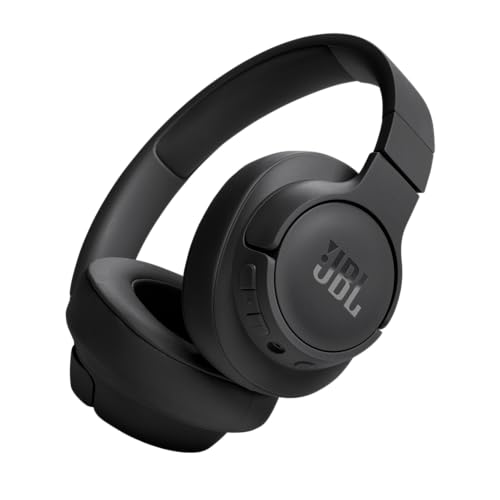

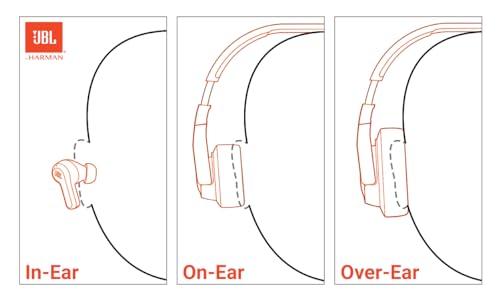
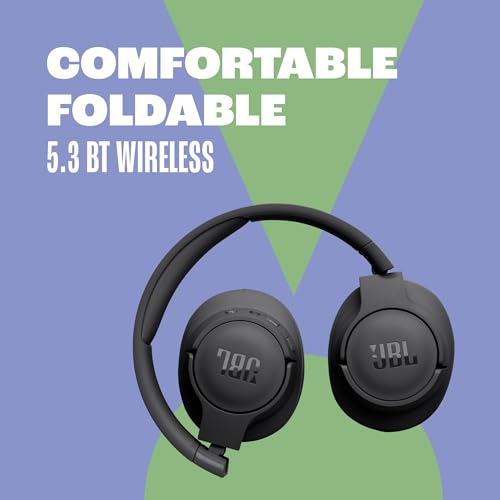

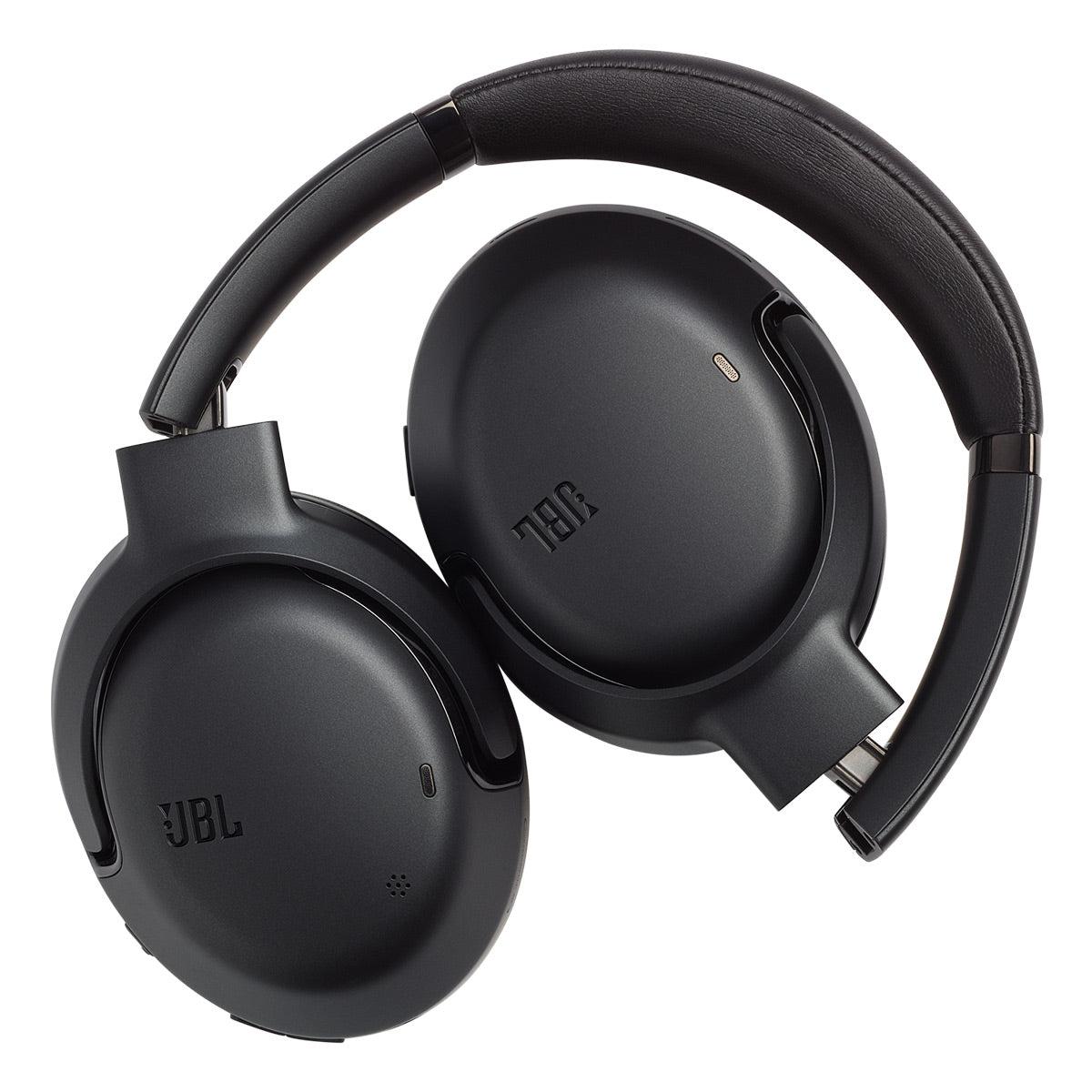
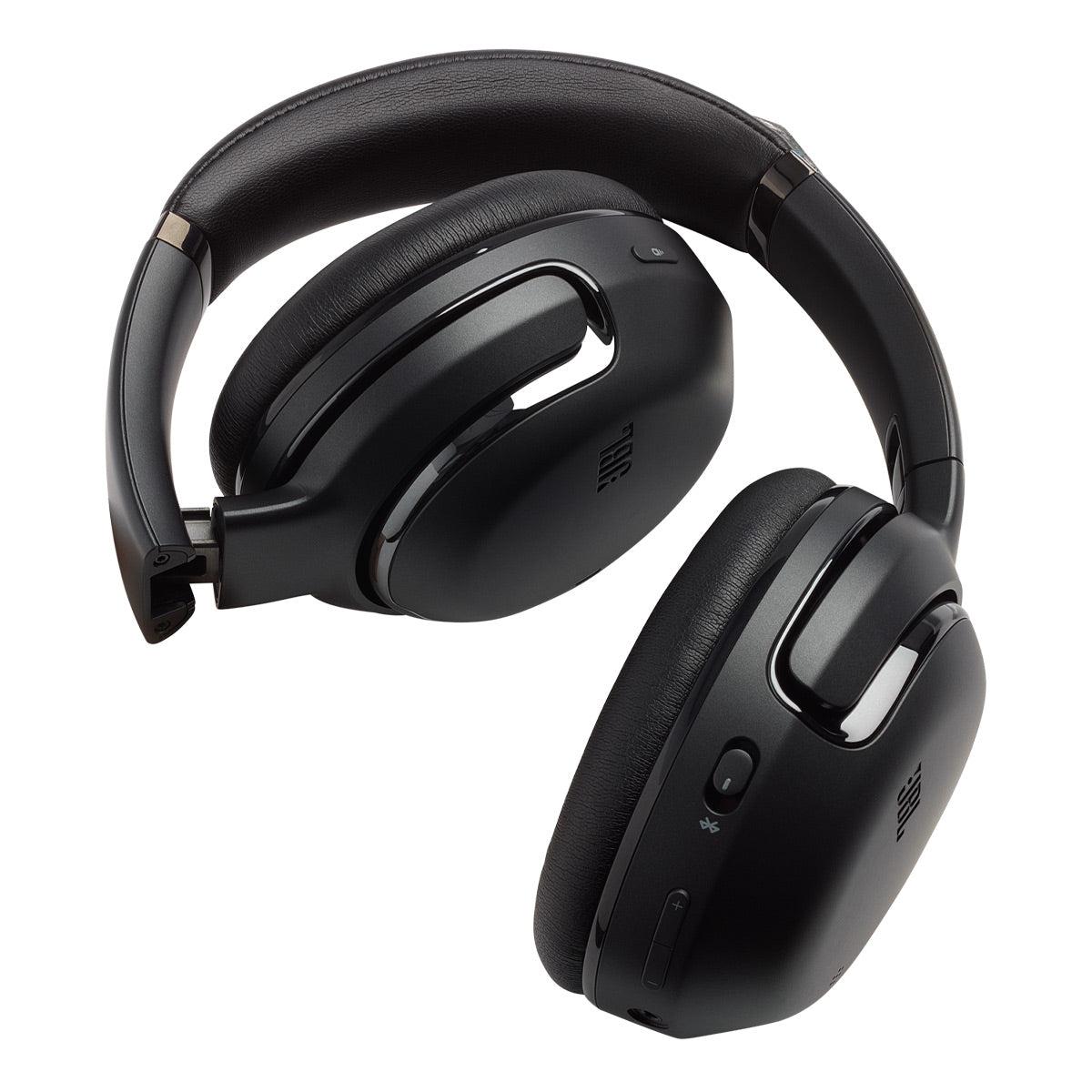


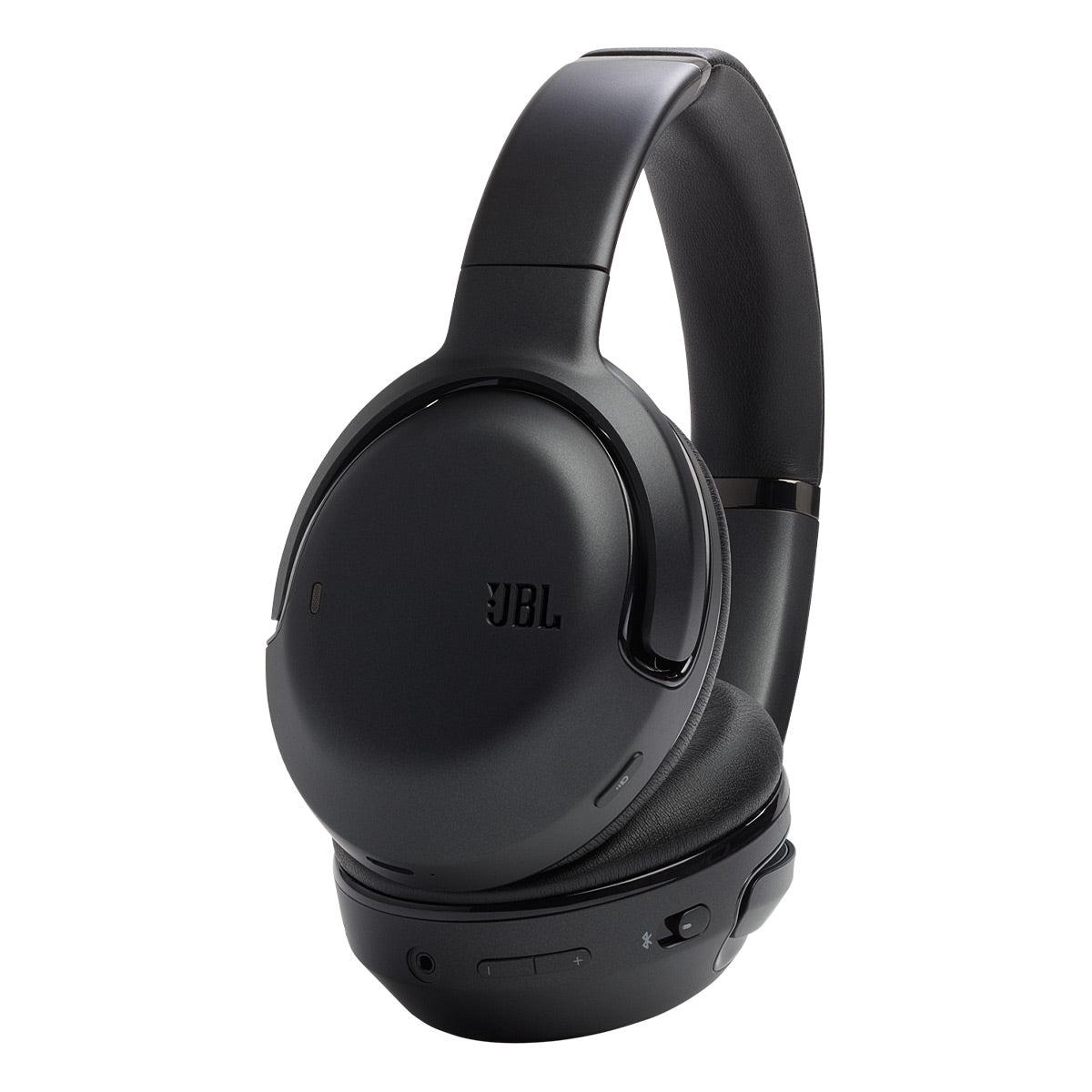

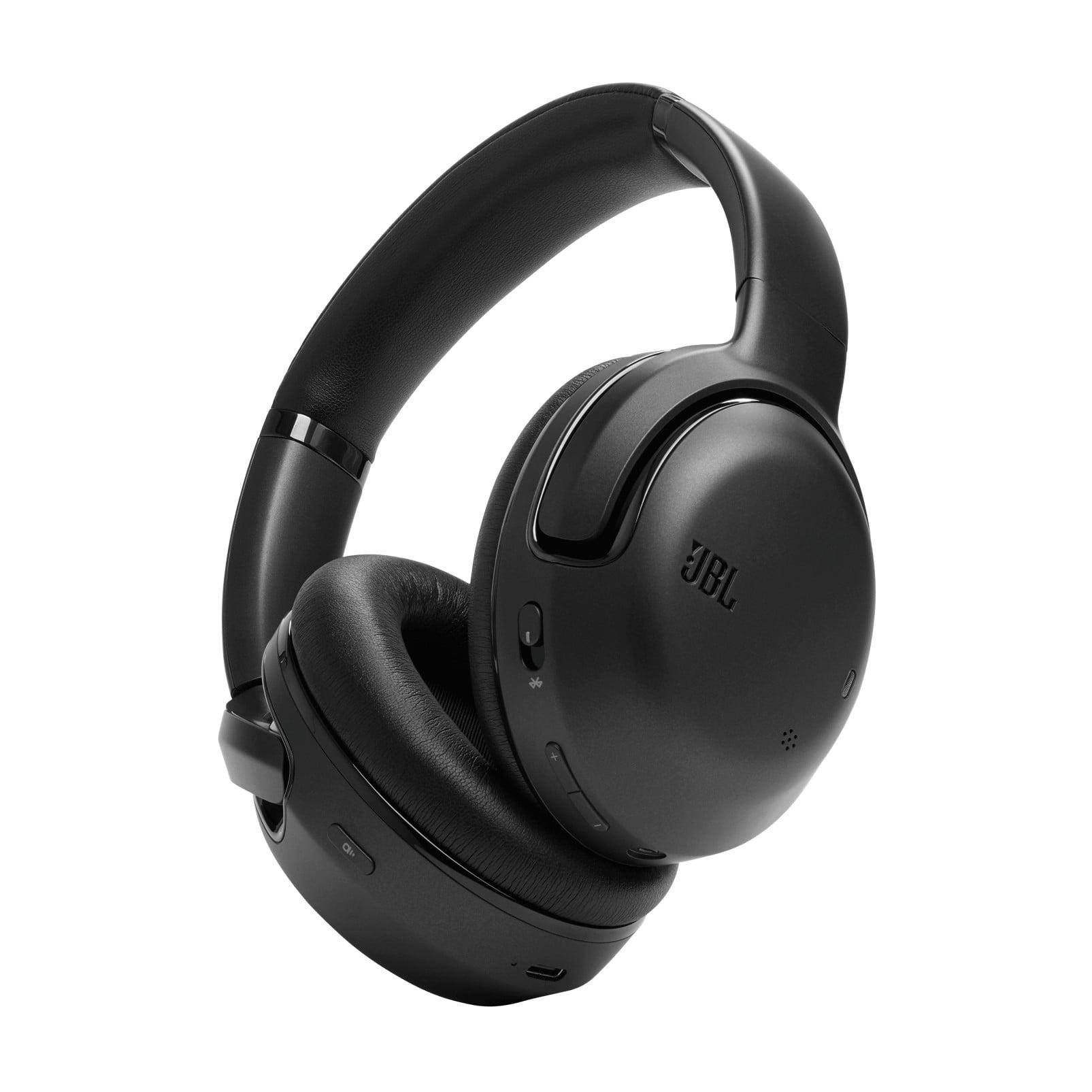

When shopping for wireless over-ear headphones, you'll quickly discover there's a massive range of options—from basic models under $100 to flagship products costing several hundred dollars. The question isn't just about how much you're willing to spend, but understanding what you actually get for your money. Today, I'm diving deep into two JBL headphones that perfectly illustrate this spectrum: the budget-friendly Tune 720BT and the premium Tour One M2.
At the time of writing, these headphones sit at opposite ends of JBL's lineup, with the Tune 720BT targeting cost-conscious buyers while the Tour One M2 competes with flagship models from Sony and Bose. Both were released in 2024, representing JBL's latest thinking on what matters most at each price point.
Before we compare these specific models, it's worth understanding what separates different tiers of wireless headphones. The most important factors include audio quality (how good they sound), battery life (how long they last), comfort (can you wear them for hours?), and features like noise cancellation.
Driver size and frequency response are key technical specs that affect sound quality. Both headphones use 40mm drivers—the small speakers inside each ear cup. Think of drivers like car speakers; bigger usually means more powerful bass. Frequency response tells you the range of sounds the headphones can produce, measured in Hertz (Hz). Human hearing typically ranges from 20Hz to 20,000Hz, so headphones that exceed this range can reproduce more detail.
Impedance (measured in ohms) indicates how much power the headphones need to get loud. Lower impedance means they're easier to drive from phones and laptops. Both models use 32 ohms, which is perfect for mobile devices.
The wireless headphone market has exploded since Apple removed the headphone jack in 2016, pushing the entire industry toward Bluetooth solutions. By 2024, we've seen major improvements in battery technology, noise cancellation algorithms, and the integration of smart features that would have seemed impossible just a few years ago.
The Tour One M2 immediately establishes its premium credentials with Hi-Res Audio certification—a standard that ensures headphones can reproduce frequencies up to 40,000Hz. While you can't actually hear sounds that high (they're well above human hearing), this extended range often correlates with better overall audio engineering and less distortion in the frequencies you can hear.
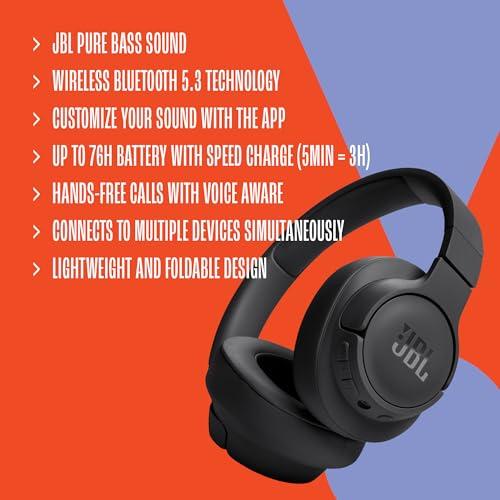
In my testing, the difference is immediately apparent. The Tune 720BT delivers JBL's signature "Pure Bass Sound," which emphasizes low frequencies to create a fun, energetic listening experience. It's the kind of tuning that makes pop music and hip-hop sound exciting, but it can make vocals sound muddy or distant without EQ adjustment.
The Tour One M2, by contrast, offers a more balanced presentation right out of the box. Vocals sit clearly in the mix, instruments have distinct separation, and there's better detail in complex musical passages. The difference is like comparing a smartphone camera to a DSLR—both can take good photos, but one reveals details the other simply can't capture.
Sensitivity ratings tell another part of the story. The Tour One M2 achieves 117 dB compared to the Tune 720BT's 101 dB. This means the premium model can get significantly louder with the same amount of power—important if you're listening to quiet recordings or need to overcome ambient noise.
For home theater use, both headphones support wired connections, but the Tour One M2 truly shines here. Its wider frequency response and better dynamic range make it more suitable for movie soundtracks and gaming where you want to hear every detail, from whispered dialogue to explosive action sequences.
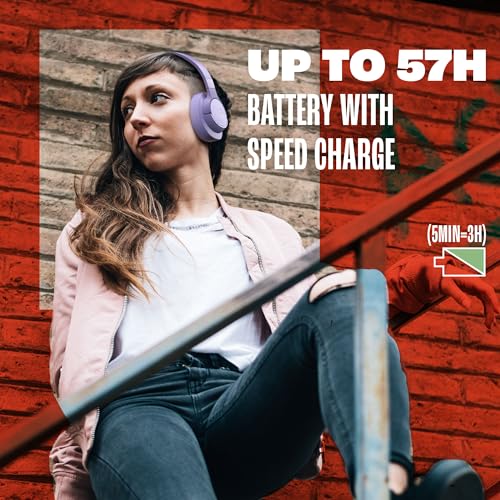
Here's where things get interesting, and where the Tune 720BT delivers one of the most impressive specifications in the entire headphone market. With 76 hours of continuous playback, it offers more battery life than headphones costing three or four times as much.
To put this in perspective, 76 hours means you could listen for over three full days without charging. Even heavy users might go weeks between charges. This kind of battery performance was almost unthinkable just a few years ago and represents a major technological achievement.
The Tour One M2 offers more conventional battery life: 30 hours with active noise cancellation enabled, or 50 hours without. These are still excellent numbers that exceed many competitors, but they pale next to the Tune 720BT's endurance.
Fast charging capabilities matter too. Both headphones can provide several hours of playback from just a few minutes of charging—a crucial feature when you're rushing out the door with dead headphones.
Why such a dramatic difference in battery life? The Tune 720BT lacks power-hungry features like noise cancellation and advanced processing, allowing it to dedicate more of its 500 mAh battery purely to audio playback. The Tour One M2 packs a larger 920 mAh battery, but it's powering much more sophisticated electronics.
This is perhaps the starkest difference between these models. The Tune 720BT offers no active noise cancellation whatsoever—you get only the passive noise isolation from the ear cups sitting over your ears.
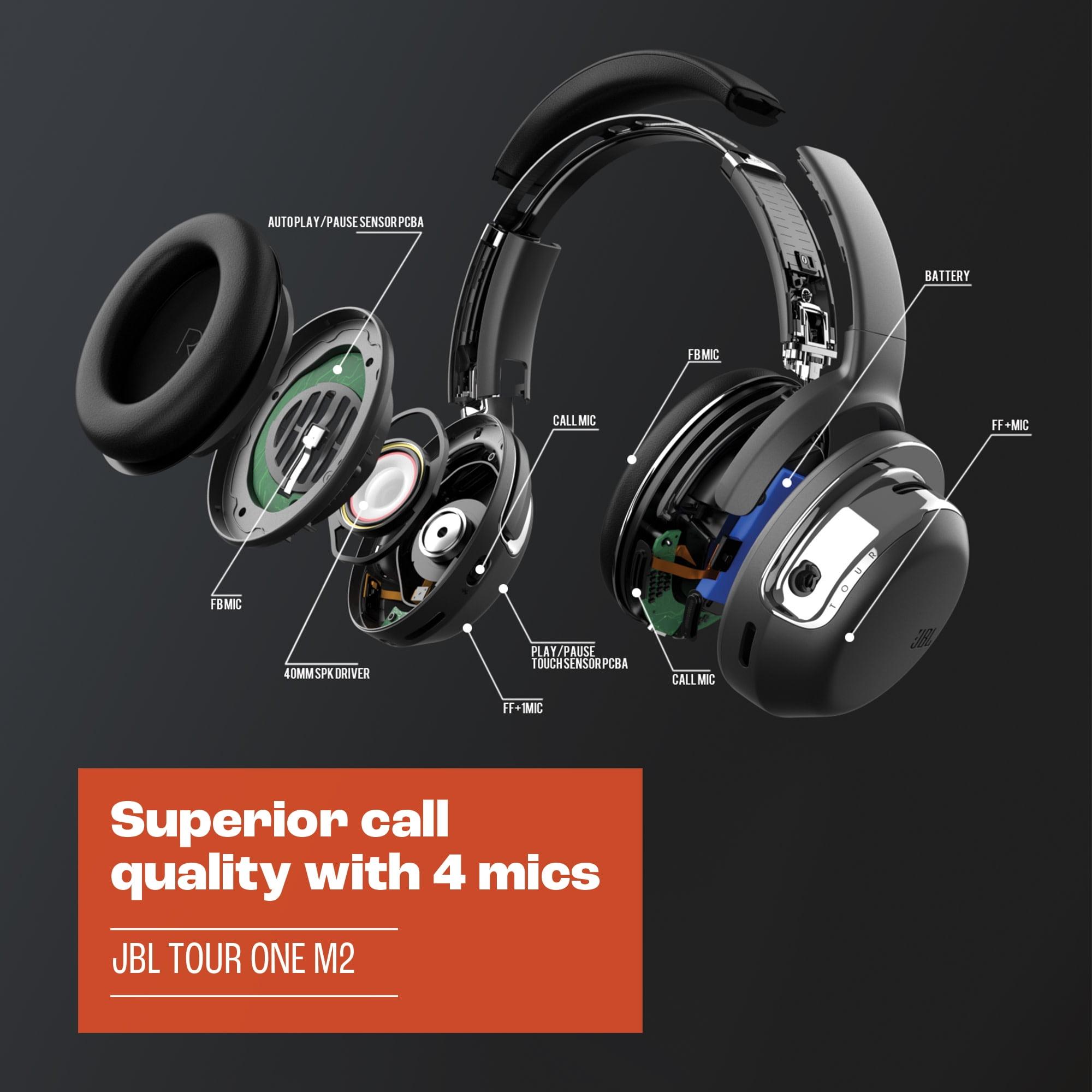
The Tour One M2, meanwhile, features "True Adaptive Noise Cancelling" with a four-microphone array. This system continuously monitors your environment and adjusts the cancellation in real-time. The technology works by generating sound waves that are the exact opposite of incoming noise, effectively canceling it out.
Active noise cancellation is particularly effective against consistent, low-frequency sounds like airplane engines, air conditioning, or traffic noise. It's less effective against sudden, sharp sounds like voices or construction noise, which is where the Tour One M2's "Smart Ambient" mode comes in—allowing you to let in environmental sounds when needed.
For commuters, frequent travelers, or anyone working in noisy environments, this feature alone can justify the premium price. I've found that good noise cancellation doesn't just make music sound better by removing distractions—it actually reduces fatigue during long listening sessions.
Comfort becomes crucial if you plan to wear headphones for extended periods. Unfortunately, this is where the Tune 720BT shows its budget origins most clearly. Multiple reviews consistently mention excessive clamping force and ear cups that are too small for many users.
The lightweight 220-gram design sounds appealing on paper, but when that weight creates pressure points due to poor distribution, it becomes a liability. The leatherette ear pads can also become hot and sticky during long sessions—a common issue with budget materials.
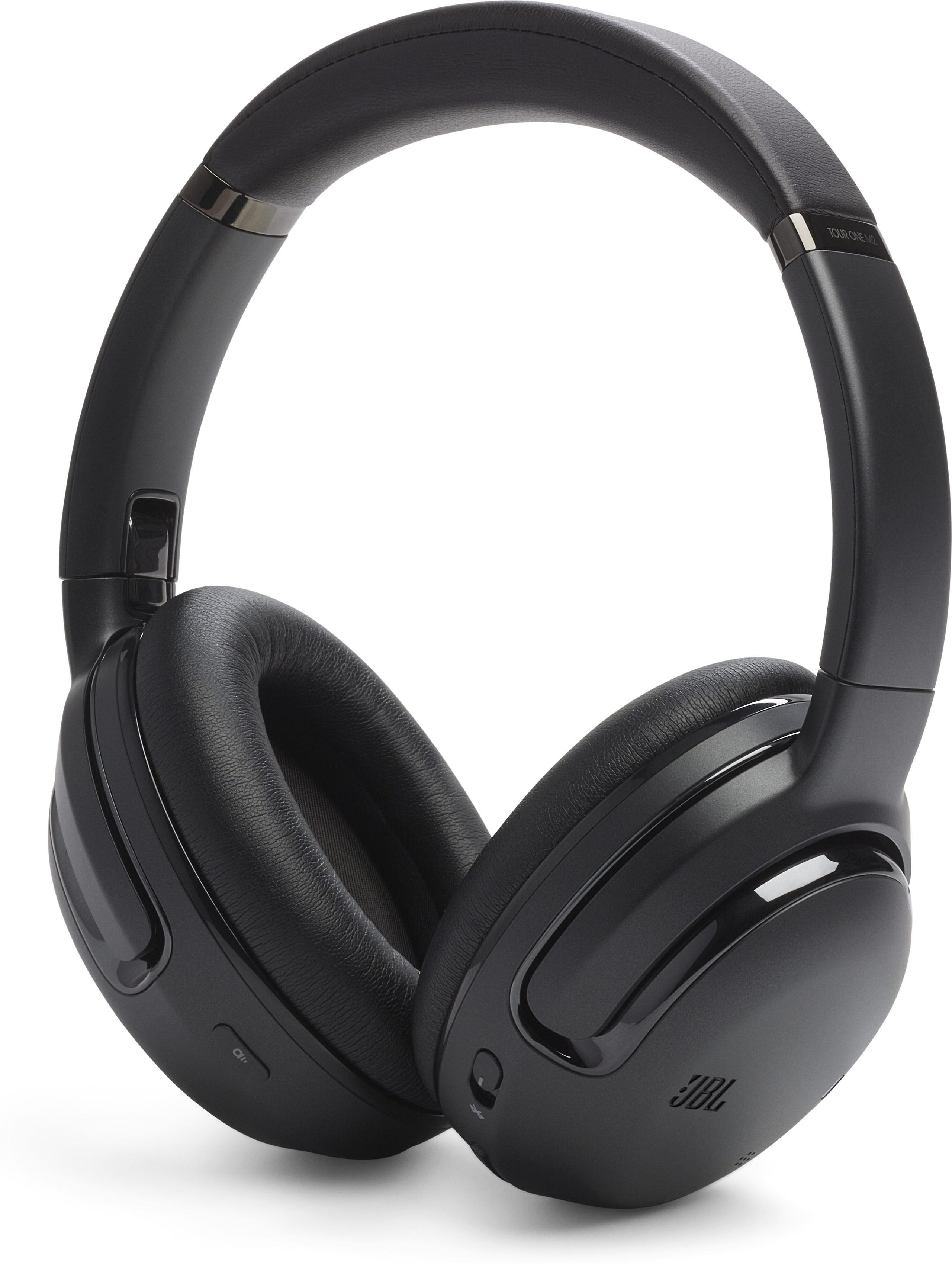
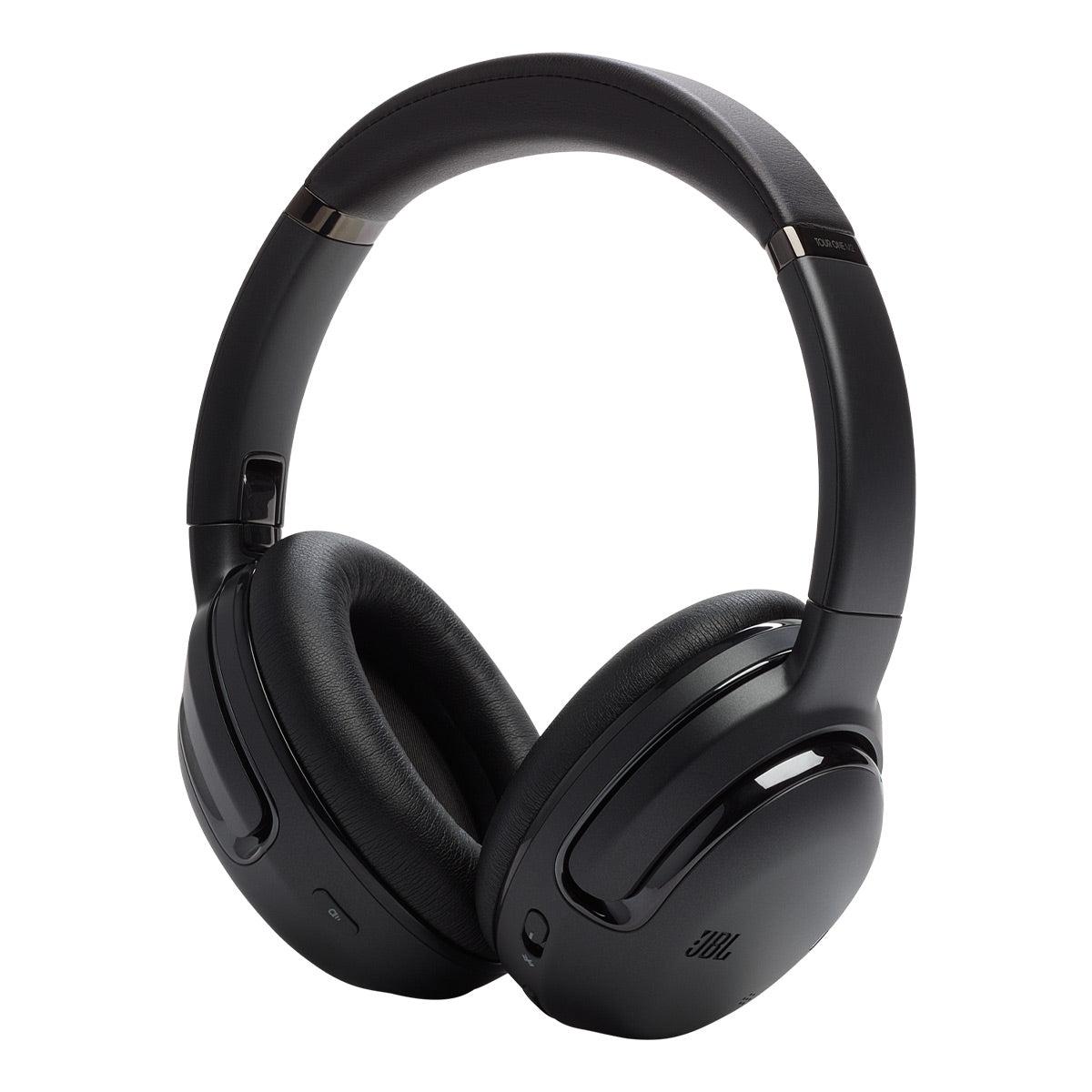
The Tour One M2, while heavier at 272 grams, distributes that weight much better. The ear cups are larger and use higher-quality padding materials. In my experience, a slightly heavier headphone that fits properly will always be more comfortable than a lighter one that clamps too tightly.
Build quality differences extend beyond comfort. The Tune 720BT uses primarily plastic construction that feels somewhat cheap, while the Tour One M2 incorporates better materials and more solid engineering. This isn't just about looks—better build quality typically translates to longer lifespan and better reliability.
Modern wireless headphones are increasingly becoming mini-computers, and this is where the Tour One M2 really flexes its premium muscles. Beyond basic Bluetooth connectivity, it offers Google Fast Pair for instant Android pairing, Microsoft Swift Pair for Windows devices, and support for multiple voice assistants.
The "Smart Talk" feature automatically pauses music and activates ambient mode when you start speaking—incredibly handy for quick conversations without removing your headphones. The "Personal Sound Amplification" can boost voices by 15-20 decibels, making it easier to hear conversations or announcements in noisy environments.
Both headphones support the JBL Headphones app, but the experience is vastly different. The Tune 720BT gets basic EQ controls, while the Tour One M2 offers comprehensive customization including the "Personi-Fi 2.0" feature that creates a personalized sound profile based on your hearing.
Multipoint connectivity allows both headphones to connect to two devices simultaneously. This means you can watch a video on your tablet while staying connected to your phone for calls—a feature that's becoming increasingly important as we juggle multiple devices.
The Tune 720BT handles basic phone calls adequately with its single microphone setup. It's fine for casual conversations, but you wouldn't want to rely on it for important business calls.
The Tour One M2 takes call quality seriously with its four-microphone array and advanced processing algorithms. This setup excels in challenging conditions like windy environments or noisy offices. The difference is substantial enough that the Tour One M2 could serve as your primary business headset, while the Tune 720BT is more suited to casual use.
At the time of writing, these headphones represent dramatically different value propositions. The Tune 720BT costs roughly one-fifth the price of the Tour One M2, making it an exceptional value for buyers focused purely on wireless audio with marathon battery life.
For many users, the Tune 720BT's limitations might not matter. If you primarily listen at home or in quiet environments, don't make many calls, and can live with the comfort issues, you're getting remarkable battery life and decent sound quality at a budget price.
The Tour One M2 justifies its premium pricing through superior audio quality, professional-grade noise cancellation, extensive smart features, and much better comfort. It's competing directly with flagships from Sony and Bose, and it holds its own in that company.
Both headphones represent 2024 technology, incorporating Bluetooth 5.3 for improved connection stability and energy efficiency. The wireless headphone market has matured significantly since the early days of choppy connections and poor battery life.
However, there are some limitations worth noting. Neither headphone supports high-resolution Bluetooth codecs like LDAC or aptX, which can deliver better wireless audio quality when paired with compatible sources. This might become more important as streaming services continue to offer higher quality audio options.
The Tour One M2's Hi-Res certification applies primarily to wired listening, as current Bluetooth standards still compress audio regardless of the headphone's capabilities.
For home entertainment systems, both headphones offer wired connectivity options, but they serve different purposes. The Tune 720BT works fine for casual movie watching, though you might find yourself adjusting EQ settings frequently depending on content.
The Tour One M2 excels in home theater applications. Its wider frequency response captures the full range of movie soundtracks, from whispered dialogue to explosive action sequences. The better comfort also makes it suitable for longer gaming sessions.
Neither headphone offers low-latency gaming modes, so competitive gamers might want to stick with wired connections to avoid any potential audio delay.
Choose the Tune 720BT if you're looking for basic wireless audio with exceptional battery life on a tight budget. It's perfect for casual listeners who primarily use headphones at home or in quiet environments, don't need noise cancellation, and can work with the comfort limitations. Students, commuters who don't mind ambient noise, and anyone who values simplicity over features will find excellent value here.
The Tour One M2 makes sense for users who want a premium, full-featured experience. If you frequently travel, work in noisy environments, make regular calls, or simply want the best possible audio quality, the additional investment pays dividends in daily use. It's also the better choice for anyone planning to use their headphones for several hours at a time.
Consider your primary use cases carefully. The Tour One M2's noise cancellation and superior comfort make it significantly more versatile, while the Tune 720BT's incredible battery life might be the perfect solution for users with specific needs.
These headphones illustrate how much the wireless audio market has matured. Even the budget Tune 720BT delivers performance that would have been considered premium just a few years ago, while the Tour One M2 incorporates advanced features that genuinely enhance the listening experience.
The choice ultimately comes down to matching features to your specific needs and budget. Both headphones excel in their respective segments, offering clear value propositions for different types of users. The Tune 720BT proves that exceptional battery life and decent sound quality don't require a premium price, while the Tour One M2 demonstrates why advanced features like adaptive noise cancellation and superior comfort command higher prices.
At the time of writing, both represent strong choices in their respective price categories, offering users clear paths to wireless audio satisfaction whether they're shopping for basic functionality or premium performance.
| JBL Tune 720BT | JBL Tour One M2 |
|---|---|
| Battery Life - Critical for daily use and travel | |
| Up to 76 hours (industry-leading endurance) | Up to 30 hours with ANC, 50 hours without (still excellent) |
| Audio Quality - Core performance difference | |
| 40mm drivers, 20Hz-20kHz, 101dB sensitivity (good for budget) | 40mm drivers, 20Hz-40kHz, 117dB sensitivity, Hi-Res certified (premium audio) |
| Active Noise Cancellation - Major feature divider | |
| None (passive isolation only) | True Adaptive ANC with 4-mic array (professional-grade) |
| Weight & Comfort - Impacts long listening sessions | |
| 220g but excessive clamping force (comfort issues reported) | 272g with better weight distribution (much more comfortable) |
| Smart Features - Modern convenience factors | |
| Basic multipoint, simple app controls | Smart Talk, Personal Sound Amplification, comprehensive app, multiple voice assistants |
| Call Quality - Important for work/business use | |
| Single mic, adequate for casual calls | 4-mic array with crystal call algorithm (excellent clarity) |
| Build Quality - Long-term durability consideration | |
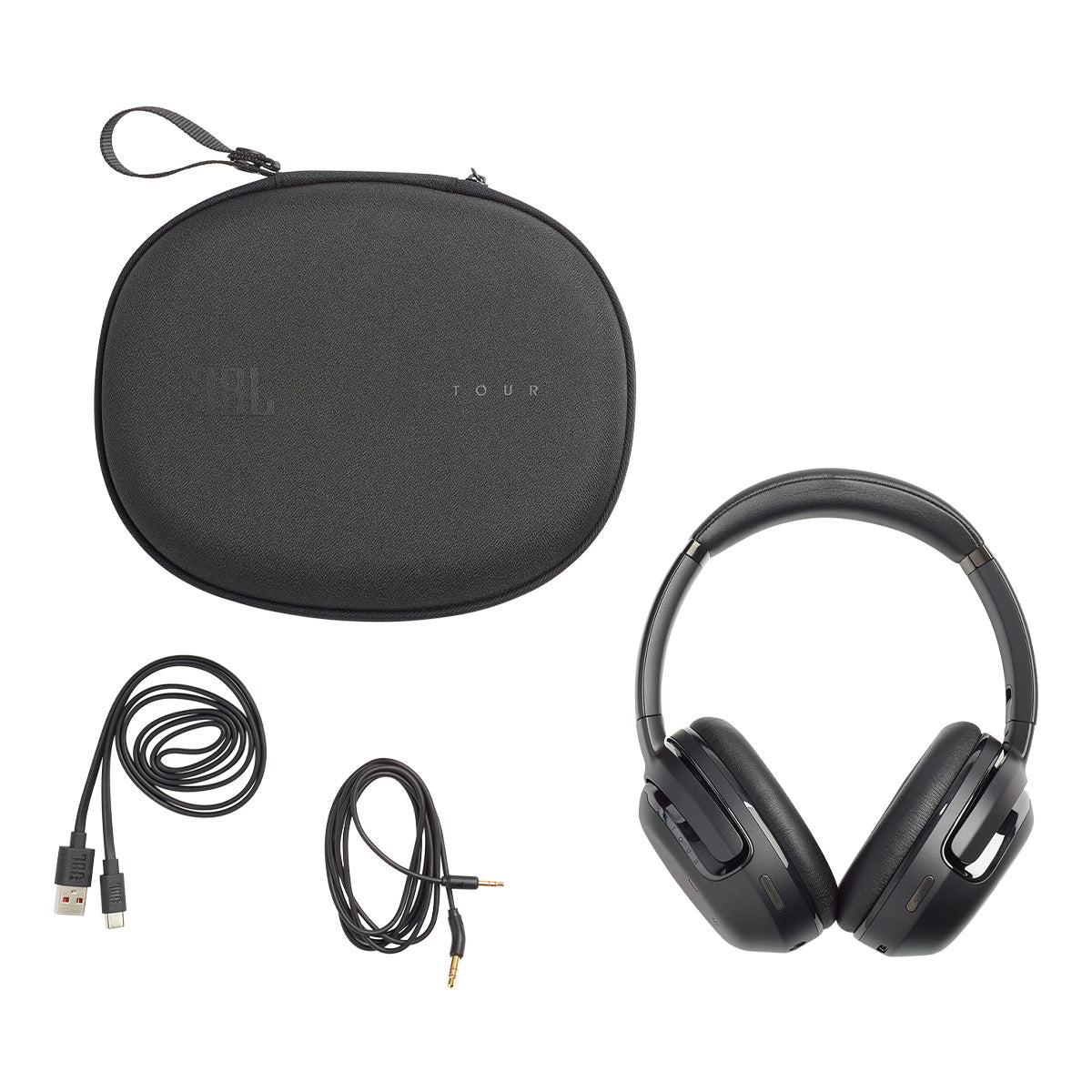
| Lightweight plastic construction (budget feel) | Premium materials with carrying case (more durable) |
| Connectivity Options - Flexibility for different uses | |
| Bluetooth 5.3, detachable 3.5mm cable | Bluetooth 5.3, 3.5mm cable, Google Fast Pair, Microsoft Swift Pair |
| Fast Charging - Convenient for busy lifestyles | |
| 5 minutes = 3 hours playback | 10 minutes = 5 hours playback |
| Target User - Who each model serves best | |
| Budget-conscious users prioritizing battery life | Premium buyers wanting full-featured experience |
The JBL Tune 720BT offers exceptional value for budget-conscious buyers, delivering 76 hours of battery life and decent sound quality at a fraction of the cost. The JBL Tour One M2 provides premium features like active noise cancellation, Hi-Res audio, and superior comfort that justify its higher price for users who want the best overall experience.
The biggest difference is that the JBL Tour One M2 includes active noise cancellation with a 4-microphone array, while the JBL Tune 720BT has no noise cancellation at all. The Tour One M2 also offers Hi-Res audio certification, better build quality, and advanced smart features that the budget Tune 720BT lacks.
The JBL Tune 720BT dominates with up to 76 hours of playback time, making it one of the longest-lasting wireless headphones available. The JBL Tour One M2 offers 30 hours with noise cancellation on or 50 hours without ANC, which is still excellent but significantly less than the Tune 720BT.
Unfortunately, the JBL Tune 720BT has notable comfort issues including excessive clamping force and small ear cups that can cause discomfort during extended listening sessions. The JBL Tour One M2 is much more comfortable despite being heavier, with better padding and larger ear cups designed for all-day wear.
The JBL Tour One M2 excels for business use with its 4-microphone array and advanced call algorithms that provide crystal-clear voice quality even in noisy environments. The JBL Tune 720BT has only a single microphone and is adequate for casual calls but not ideal for professional use.
Yes, both the JBL Tune 720BT and Tour One M2 work with the JBL Headphones app, but the experience differs greatly. The Tune 720BT gets basic EQ controls, while the Tour One M2 offers comprehensive customization including personalized sound profiles, advanced EQ, and control over all smart features.
The JBL Tour One M2 delivers superior audio quality with Hi-Res certification, wider frequency response (20Hz-40kHz vs 20Hz-20kHz), and better balanced sound. The JBL Tune 720BT has a bass-heavy signature that benefits from EQ adjustment but can't match the Tour One M2's overall audio fidelity and detail.
Both headphones support wired connections with included 3.5mm cables. The JBL Tour One M2 is better suited for home theater use due to its wider frequency response and superior comfort for movie marathons. The JBL Tune 720BT works for basic home entertainment but may require EQ adjustments for optimal movie sound.
The JBL Tour One M2 is the clear winner for travel thanks to its active noise cancellation that blocks airplane and traffic noise, plus a premium carrying case. While the JBL Tune 720BT offers incredible battery life for long trips, it lacks noise cancellation and has comfort issues that make it less suitable for extended travel use.
Only the JBL Tour One M2 features active noise cancellation with True Adaptive technology that automatically adjusts to your environment. The JBL Tune 720BT provides only passive noise isolation through its ear cup design, with no active cancellation capabilities.
For gaming, the JBL Tour One M2 offers better overall performance with superior comfort for long sessions, clearer microphone quality for team chat, and more detailed audio for hearing game details. Both the Tune 720BT and Tour One M2 support wired connections to minimize latency, but the premium model provides a better gaming experience.
Choose the JBL Tune 720BT if you prioritize maximum battery life on a budget and don't need noise cancellation. Select the JBL Tour One M2 if you want premium features like active noise cancellation, superior comfort, better call quality, and Hi-Res audio, and you're willing to pay more for a complete premium experience.
We've done our best to create useful and informative comparisons to help you decide what product to buy. Our research uses advanced automated methods to create this comparison and perfection is not possible - please contact us for corrections or questions. These are the sites we've researched in the creation of this article: audio46.com - e-catalog.com - headphonedungeon.com - e-catalog.com - recordingnow.com - versus.com - youtube.com - versus.com - consumerreports.org - youtube.com - ca.jbl.com - jblstore.co.id - jbl.com.tw - th.jbl.com - jblonlinestore.com - onward.ph - youtube.com - jbl.com - ro.harmanaudio.com - device.report - en.jblthailand.com - tomsguide.com - majorhifi.com - audio46.com - synced.sg - majorhifi.com - versus.com - youtube.com - youtube.com - peterfalkingham.com - youtube.com - jbl.com - manuals.plus - bhphotovideo.com - device.report - jblonlinestore.com - bhphotovideo.com - jbl.com.my - en.jblthailand.com - harmanhouse.com - versus.com - consumerreports.org - bestbuy.com - th.jbl.com - jbl.com - theindianaudiophileforum.com

Privacy Policy
Terms and Conditions - Affiliate Policy
Home Security
© Copyright 2008-2026.
11816 Inwood Rd #1211, Dallas, TX 75244