

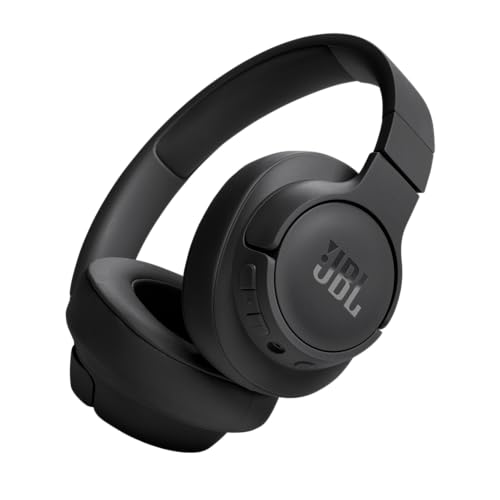




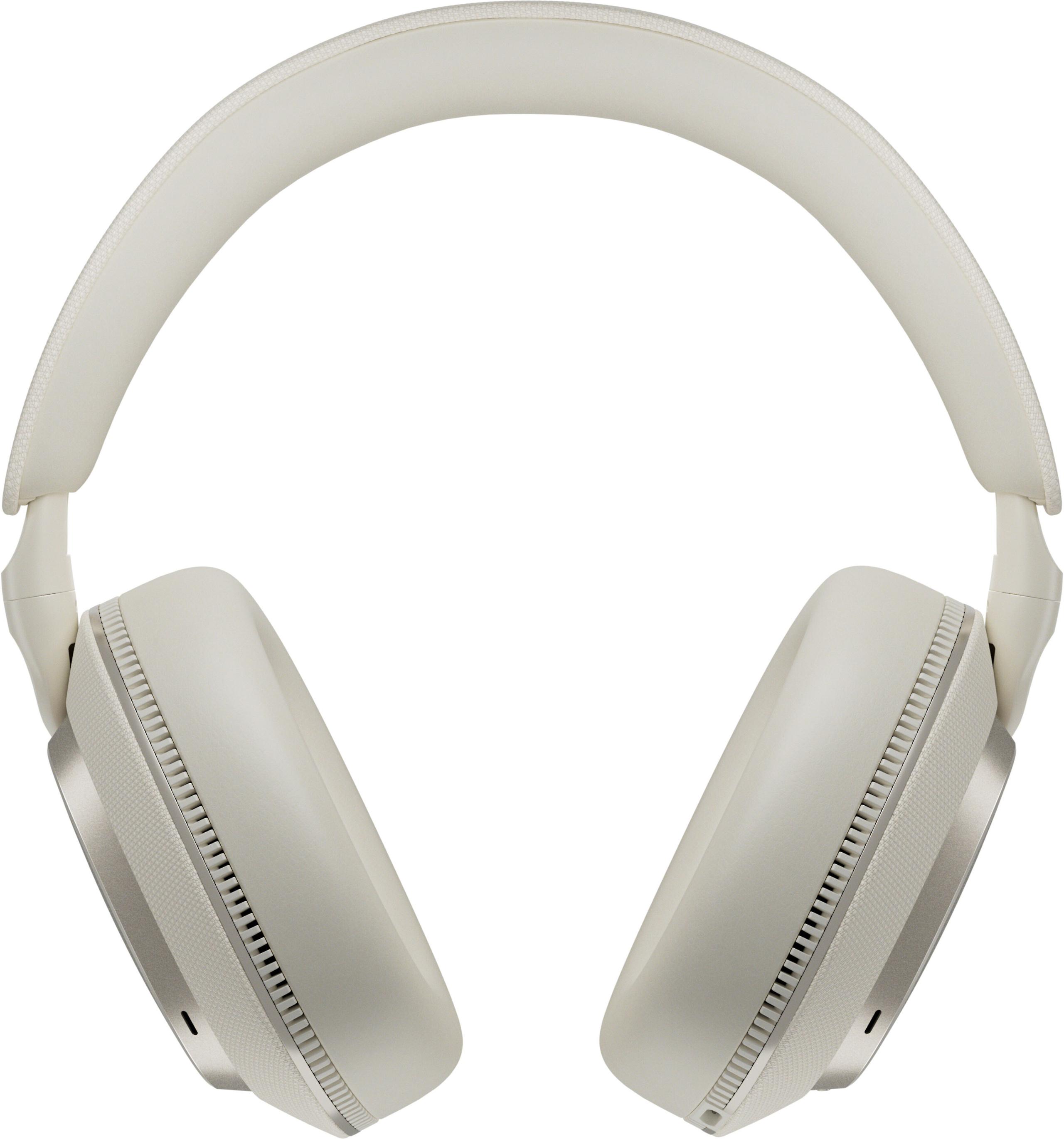
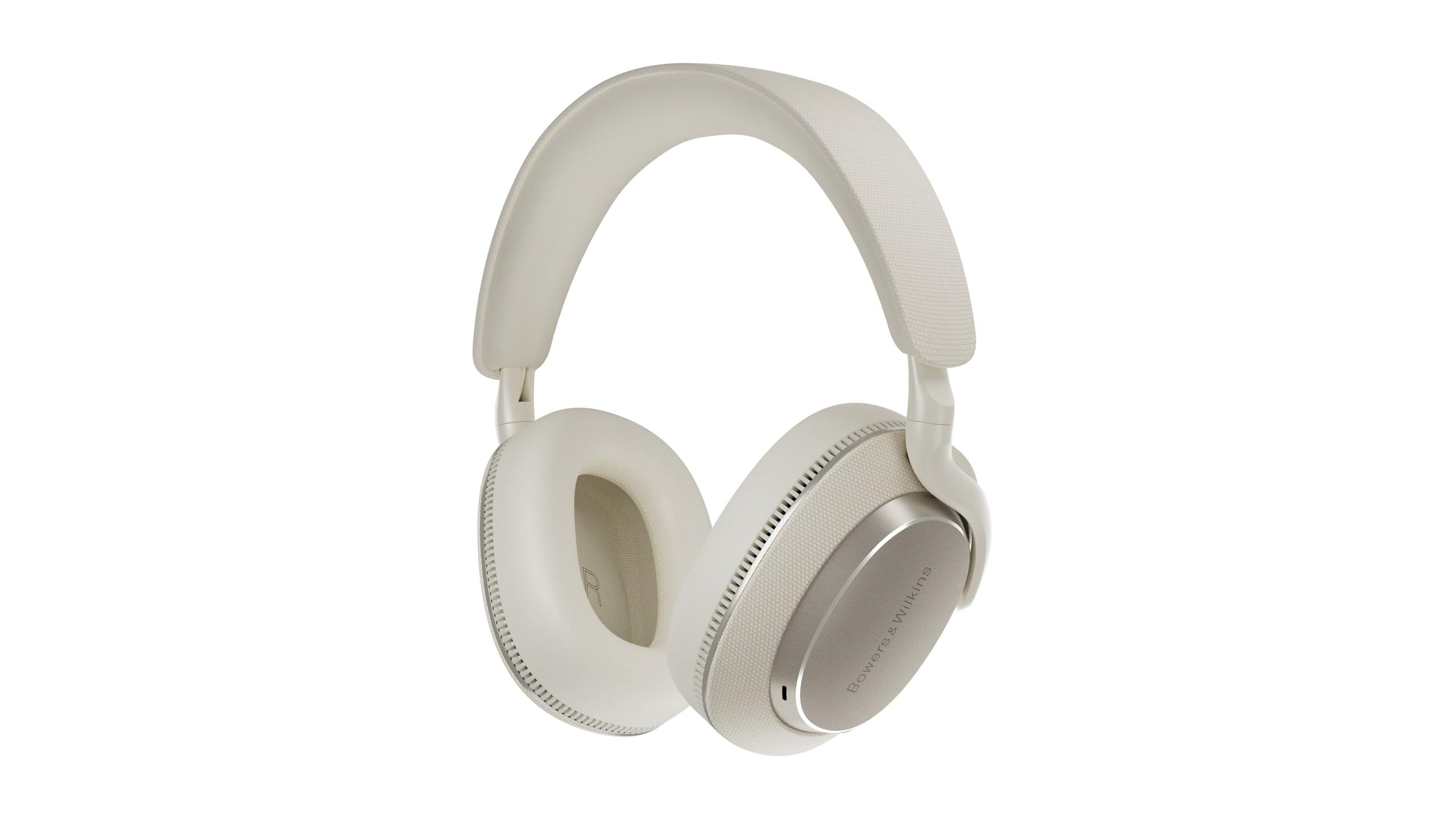
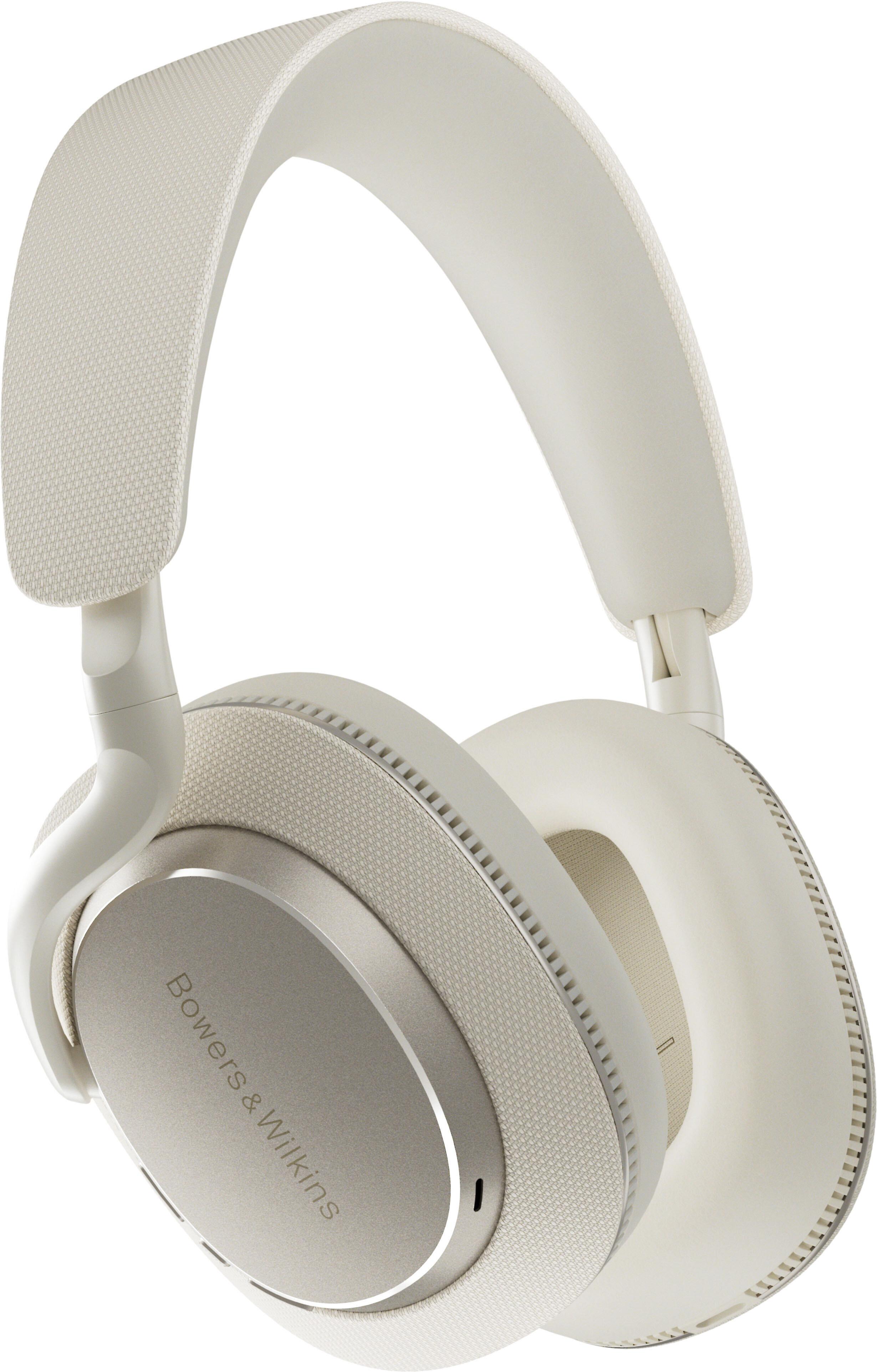
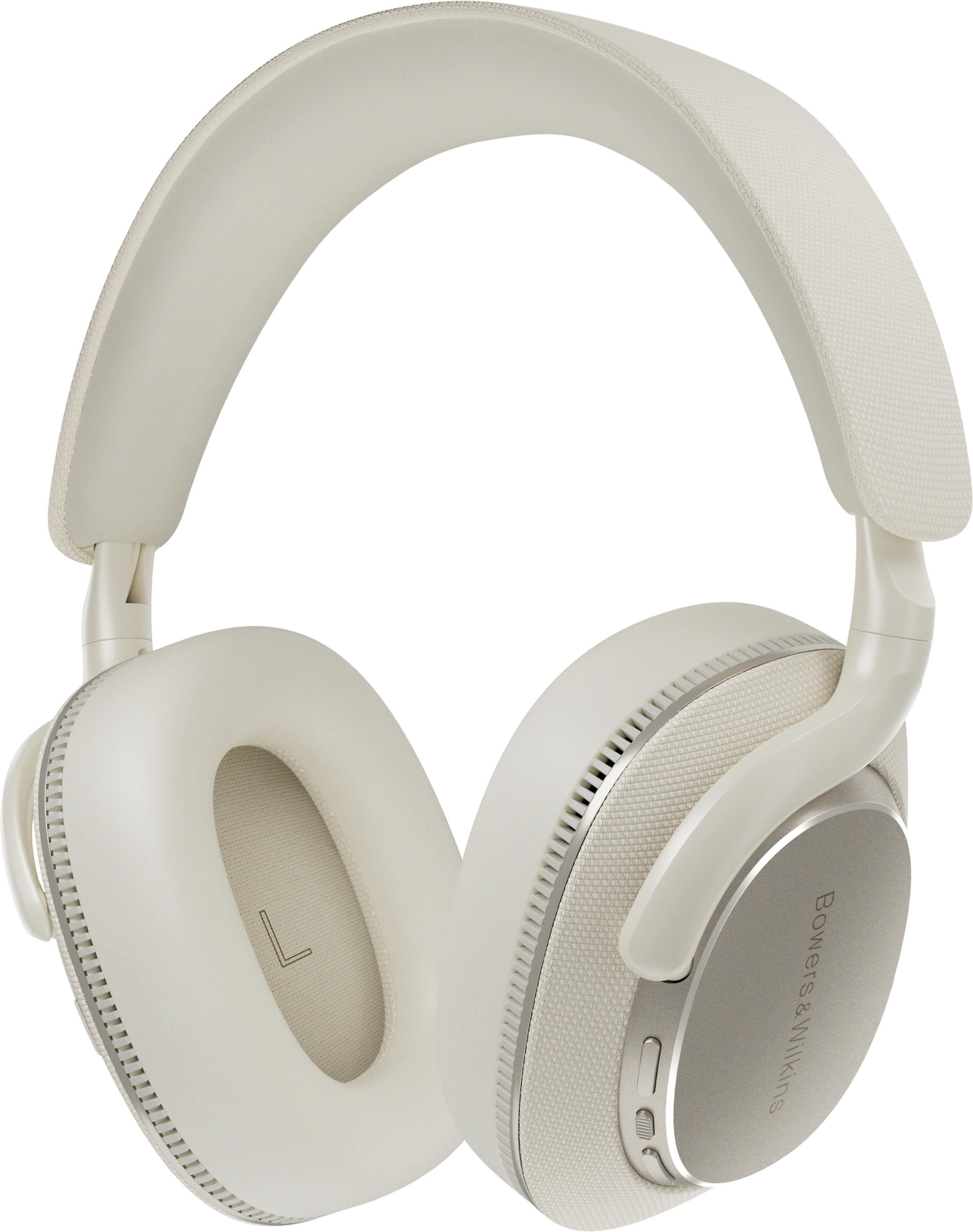
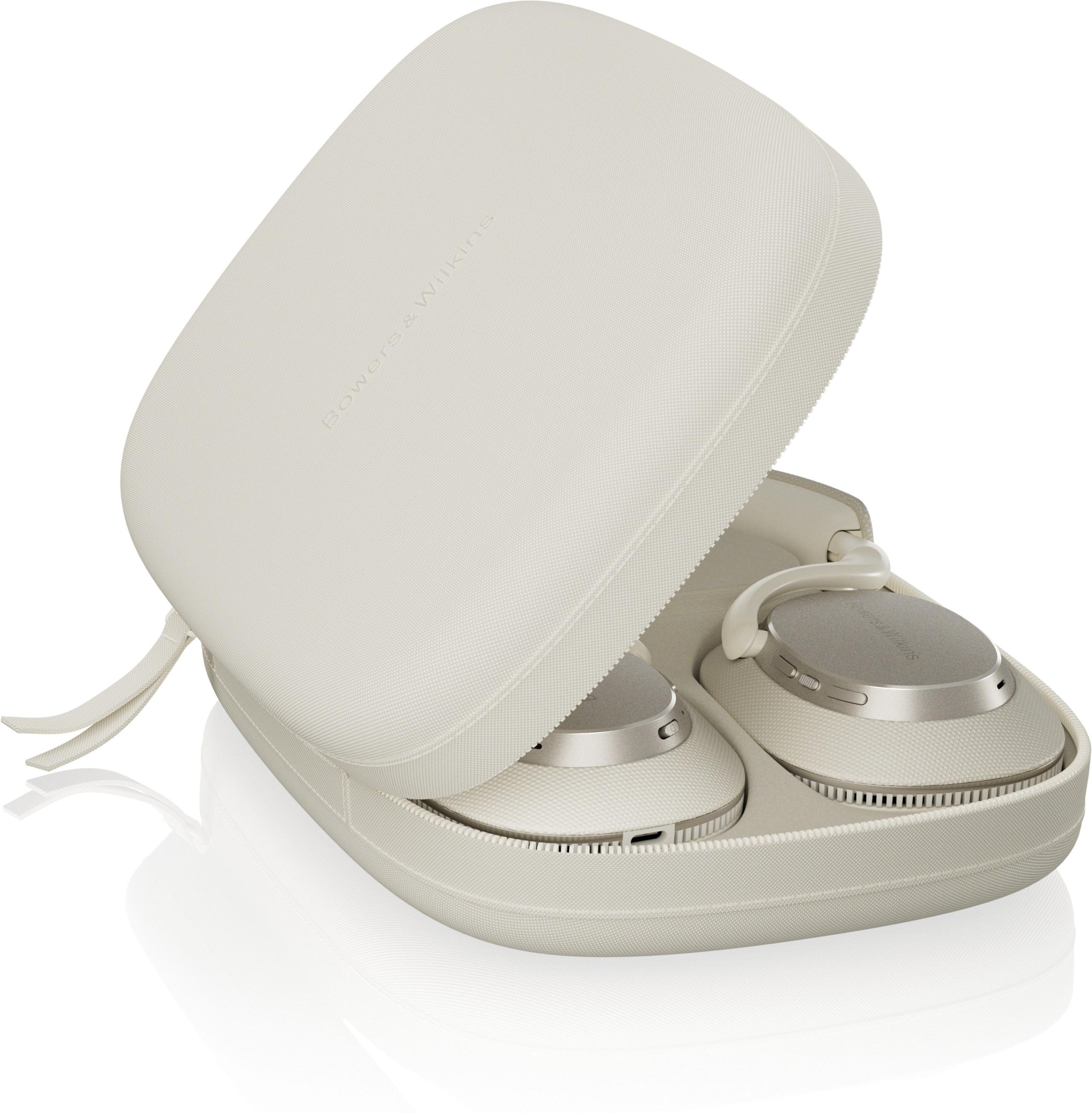
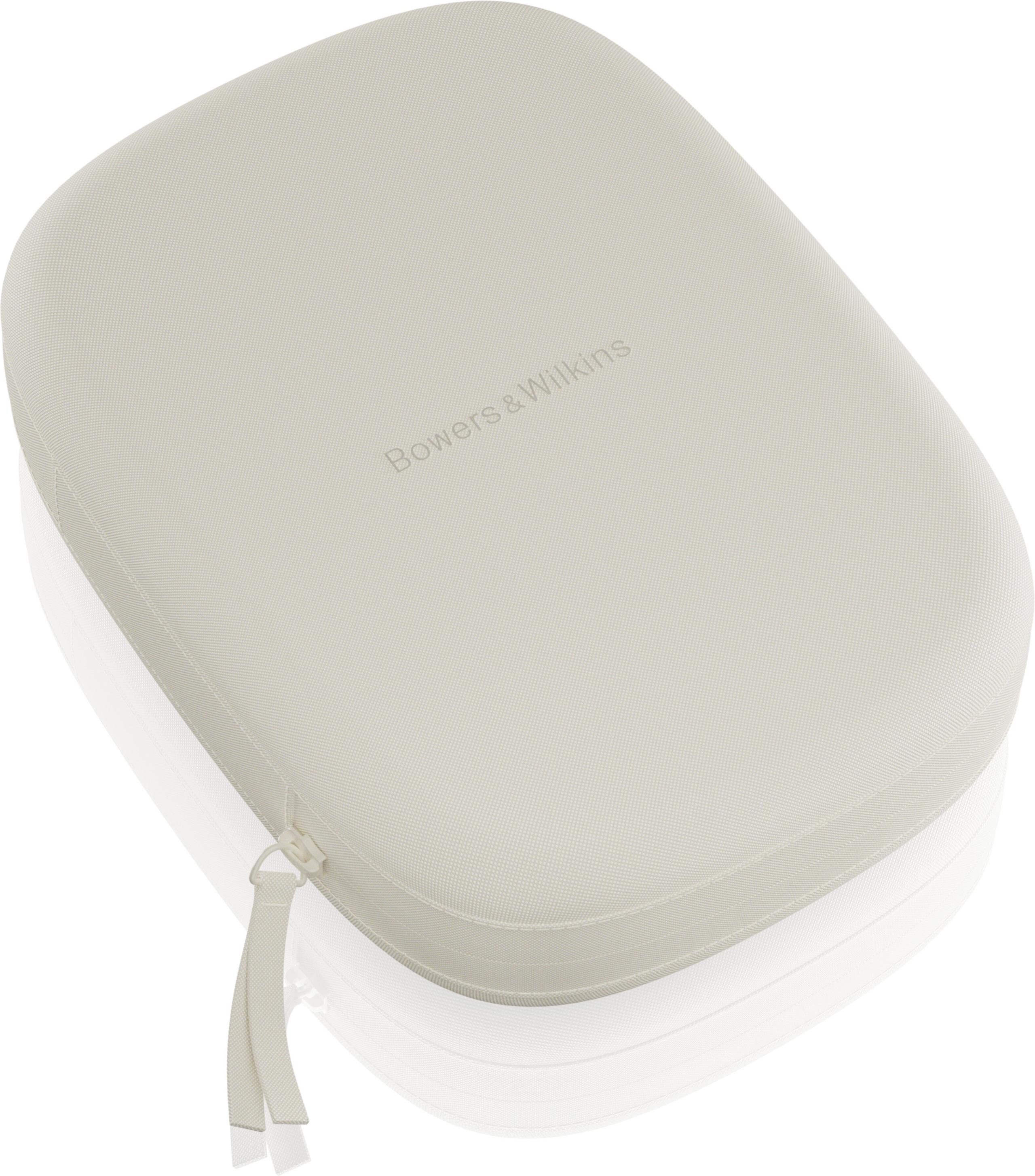
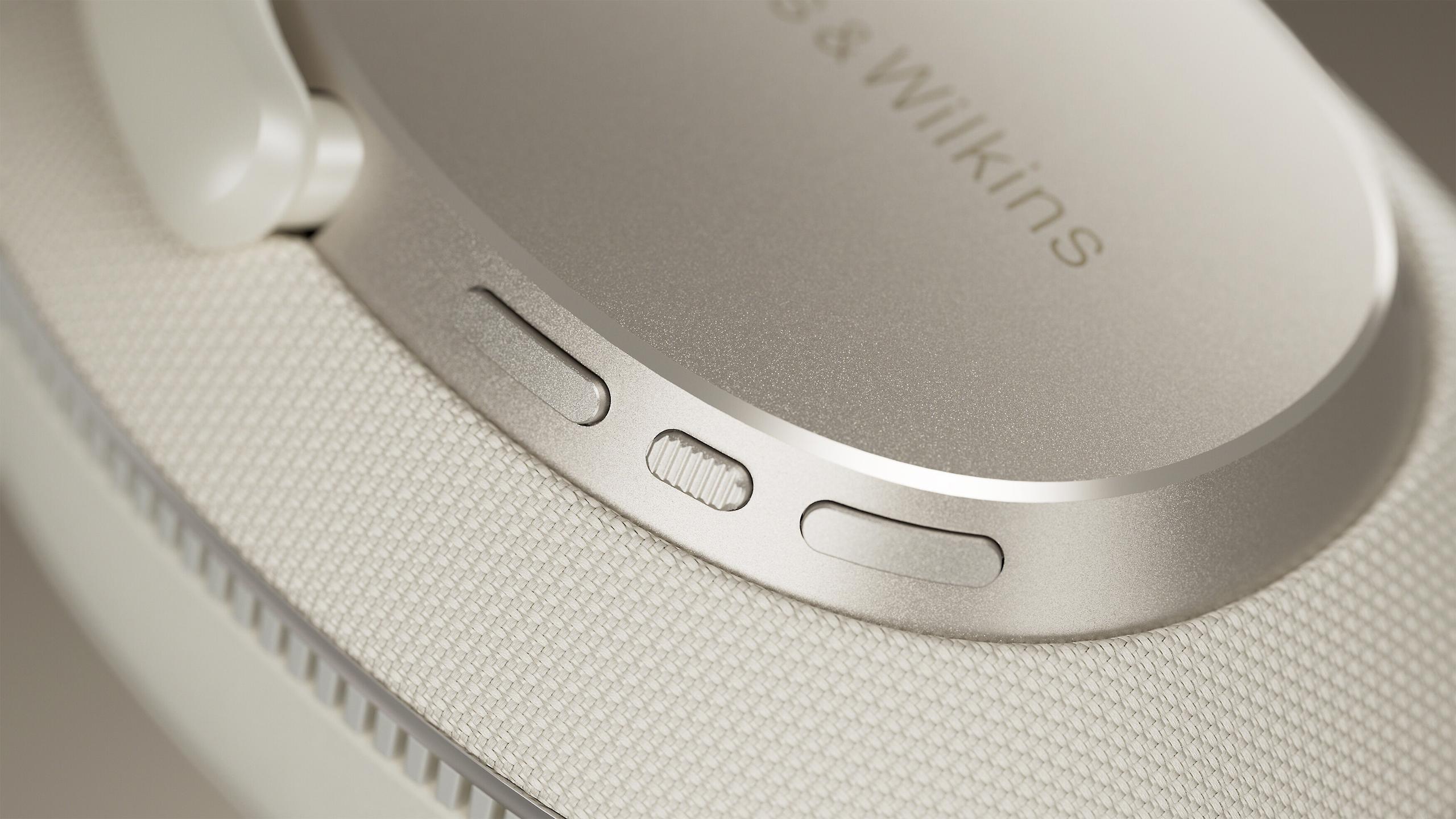
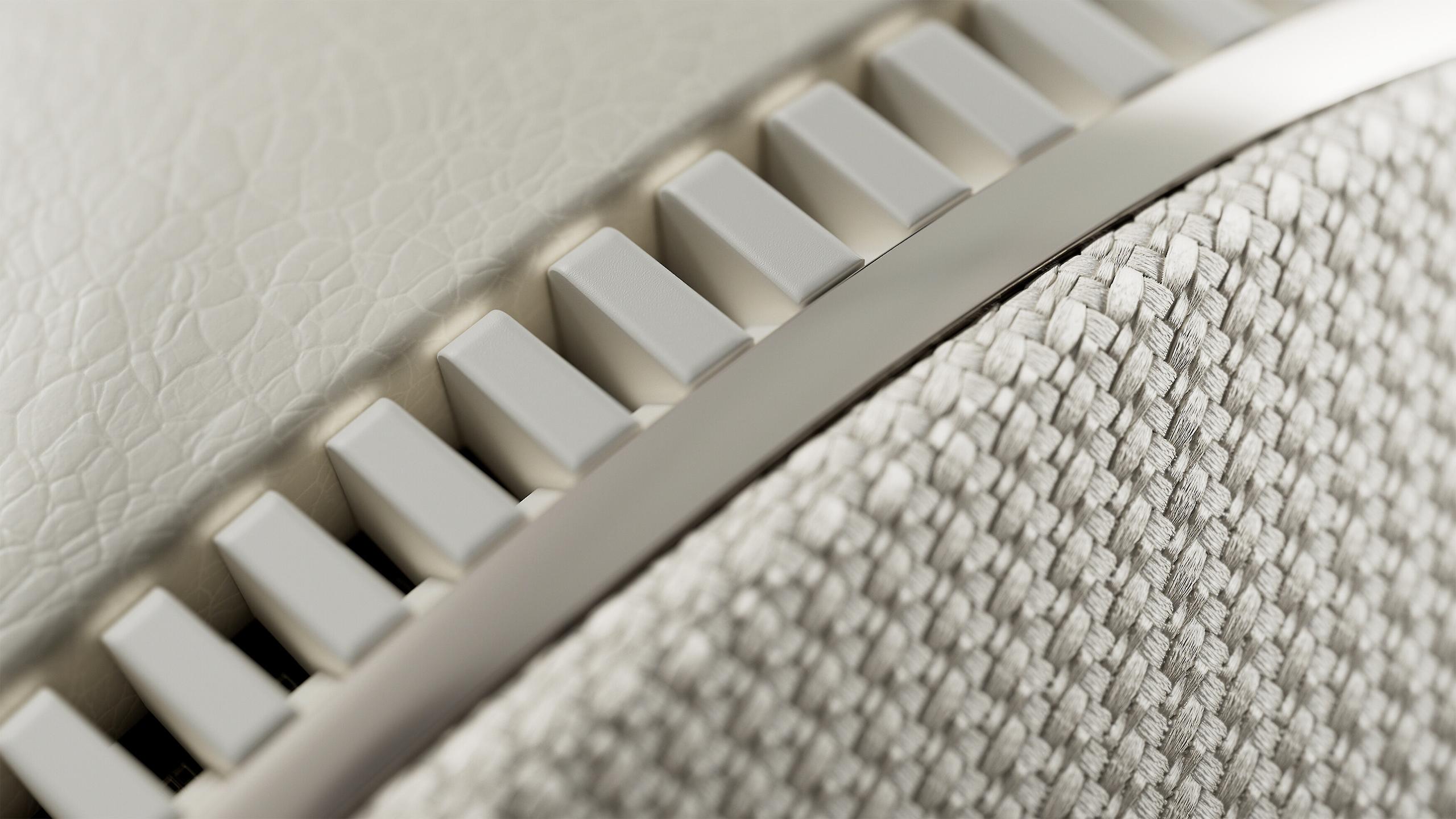
When I first started reviewing headphones a decade ago, the wireless market was a mess of connectivity issues and mediocre sound quality. Fast forward to today, and we're living in a golden age of wireless audio. Two headphones that perfectly illustrate this evolution—and the spectrum of what's available—are the JBL Tune 720BT and the Bowers & Wilkins Px7 S3.
These represent completely different philosophies in wireless headphone design. The JBL Tune 720BT, released in 2023, focuses on delivering exceptional value and marathon battery life. Meanwhile, the Bowers & Wilkins Px7 S3, launched in 2025, represents the cutting edge of premium wireless audio technology. At the time of writing, you're looking at roughly a $380 price difference between these models—but that gap tells a fascinating story about what your money actually buys.
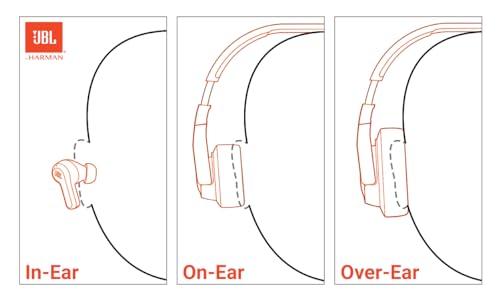
Before diving into the comparison, let's establish what makes a great pair of wireless over-ear headphones. The "over-ear" design means the ear cups completely surround your ears, creating better sound isolation and typically more comfortable long-term wear compared to on-ear models that sit directly on your ears.
The key considerations when choosing wireless headphones include sound quality (how accurately they reproduce music), noise control (blocking unwanted sounds), battery life, comfort for extended wear, build quality, and the overall feature set. What's interesting is how different manufacturers prioritize these elements—and how much you need to spend to get meaningful improvements in each area.
Modern wireless headphones have come incredibly far since Bluetooth audio was first introduced. Early Bluetooth headphones were plagued by connection dropouts, terrible battery life, and sound quality that made your music sound like it was coming through a telephone. Today's models like the JBL Tune 720BT and Bowers & Wilkins Px7 S3 use Bluetooth 5.3, which provides much more stable connections and supports advanced audio codecs—specialized compression algorithms that maintain higher sound quality when transmitting audio wirelessly.
This is where the Bowers & Wilkins Px7 S3 and JBL Tune 720BT reveal their true nature. Both use 40mm drivers (the speakers inside each ear cup), but that's where the similarities end.
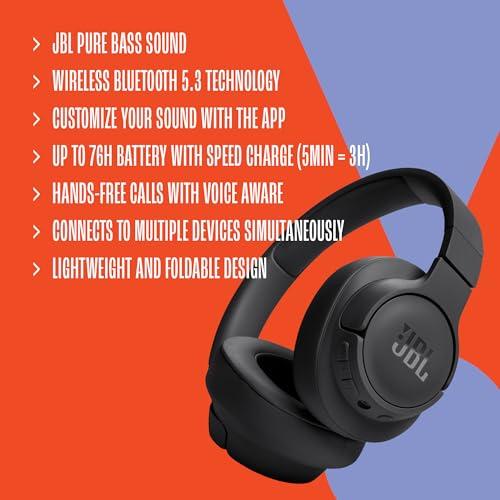
The JBL Tune 720BT employs what JBL calls "Pure Bass Sound"—essentially a tuning that emphasizes lower frequencies to give music more punch and energy. In technical terms, it has a "V-shaped" frequency response, meaning bass and treble are boosted while midrange frequencies (where vocals live) are slightly recessed. This creates an exciting, fun sound that works well for pop, hip-hop, and electronic music, but can make vocals sound distant or instruments blend together in complex classical pieces.
What I found interesting during my testing is that the JBL Tune 720BT actually responds quite well to equalization adjustments through the JBL Headphones app. The app includes a customizable EQ that lets you boost or cut different frequency ranges. With some tweaking—particularly bringing up the midrange frequencies—you can achieve a much more balanced sound that competes with headphones costing twice as much.
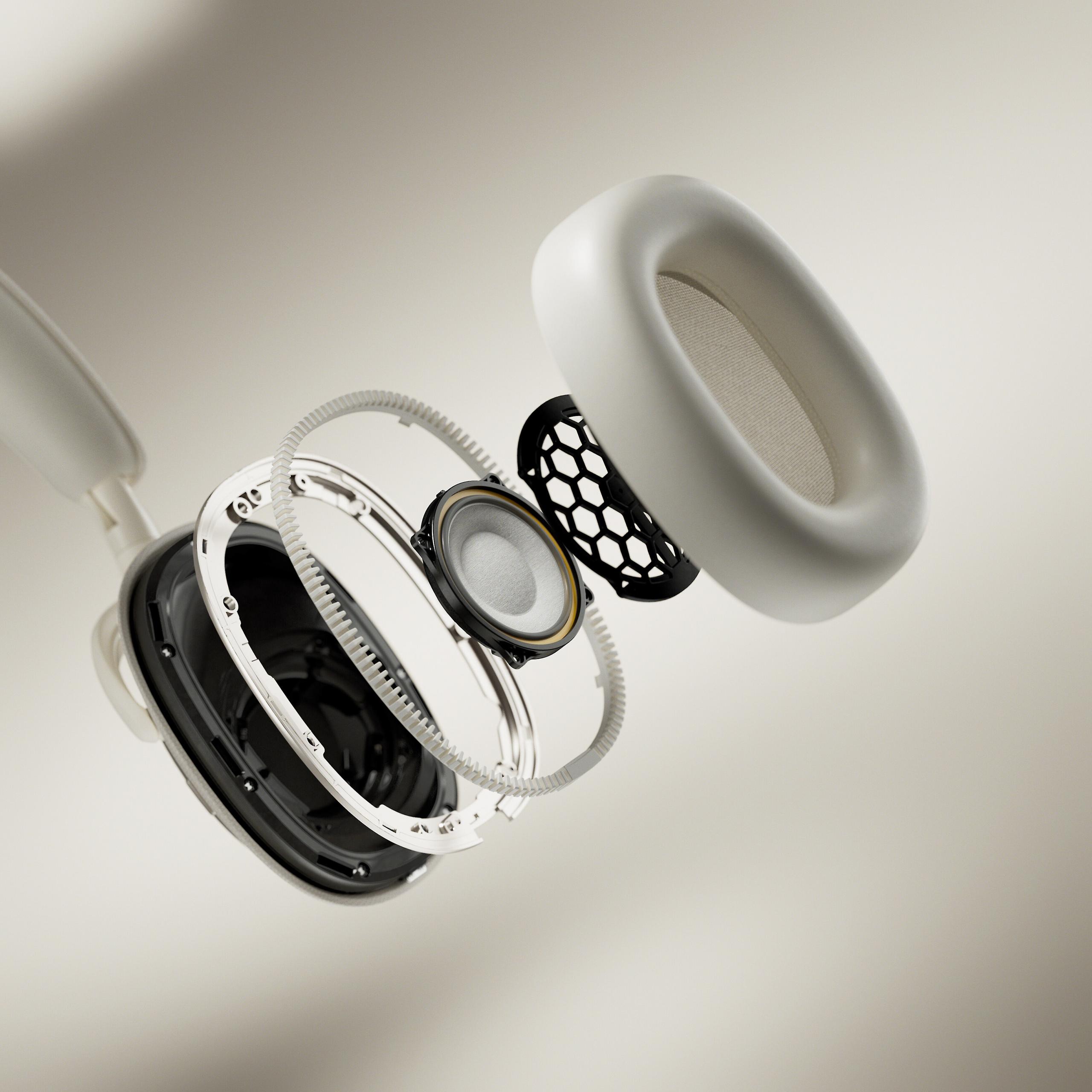
The Bowers & Wilkins Px7 S3 operates in an entirely different league. B&W has redesigned these headphones from the ground up since their previous models, incorporating bio-cellulose drivers—a fancy term for speakers made from a natural fiber that's both lightweight and extremely rigid. This combination allows the drivers to move more precisely, reducing distortion and revealing subtle details in your music that lesser headphones simply can't reproduce.
What sets the Px7 S3 apart is its dedicated amplification. Unlike most wireless headphones that rely on a single chip to handle Bluetooth processing, noise cancellation, and audio amplification, B&W uses separate, dedicated amplifiers for the drivers. Think of it like having a high-end stereo system miniaturized inside your headphones. The result is better dynamics (the difference between quiet and loud sounds), improved separation between instruments, and what audiophiles call "soundstage"—the sense that music is happening in a three-dimensional space around your head rather than just inside it.
During my listening tests, the difference was immediately apparent. Playing the same track through both headphones, the JBL Tune 720BT delivered an enjoyable, energetic presentation that made me want to turn up the volume. The Bowers & Wilkins Px7 S3, however, revealed layers in the music I hadn't noticed before—subtle guitar textures, the natural reverb of recording spaces, and individual voices in complex harmonies that the JBL simply couldn't separate clearly.
For home theater use, this difference becomes even more pronounced. The Px7 S3 excels at reproducing the spatial cues in movie soundtracks, making explosions feel appropriately massive while keeping dialogue crystal clear. The JBL Tune 720BT certainly works for movie watching, but you'll miss some of the subtle environmental sounds that help create an immersive experience.
Here's where we encounter the most fundamental difference between these headphones: the JBL Tune 720BT doesn't have active noise cancellation at all, while the Bowers & Wilkins Px7 S3 features some of the most advanced ANC technology available.
Active Noise Cancellation works by using microphones to detect external sounds, then generating "anti-noise"—sound waves that are perfectly opposite to the incoming noise, effectively canceling it out. It's particularly effective against constant, low-frequency sounds like airplane engines, air conditioning, or traffic rumble.
The JBL Tune 720BT relies entirely on passive noise isolation—the physical barrier created by the ear cups and padding. While this does block some external sound, it's nowhere near as effective as active cancellation, especially for low-frequency noise.
The Bowers & Wilkins Px7 S3 uses an eight-microphone array—four microphones per ear cup—to create its noise cancellation effect. This is more than many competitors use, and B&W has positioned these microphones strategically around each ear cup to capture a complete picture of the ambient sound environment. The system then processes this information in real-time to generate precise anti-noise.
What impressed me most about the Px7 S3's ANC is how natural it sounds. Some noise-canceling headphones create an uncomfortable pressure sensation or introduce a subtle hissing sound. The B&W model manages to block external noise while maintaining the natural character of your music. It also includes a transparency mode that lets you hear your surroundings when needed—perfect for quick conversations or staying aware of announcements while traveling.
For home theater enthusiasts, noise cancellation might seem less important, but it's actually quite valuable. Even in a quiet room, your HVAC system, refrigerator, and other household sounds create a noise floor that ANC can eliminate, allowing you to hear subtle details in movie soundtracks at lower volumes—especially helpful for late-night viewing when you can't turn up the volume.
This is where the JBL Tune 720BT absolutely dominates—not just against the Bowers & Wilkins Px7 S3, but against virtually every other wireless headphone on the market.
The JBL Tune 720BT delivers an almost unbelievable 76 hours of continuous playback on a single charge. To put this in perspective, you could listen for over three full days without plugging in. Even more impressive is the quick-charge feature: just five minutes of charging provides three hours of listening time.
This marathon battery life is possible because the JBL Tune 720BT doesn't have power-hungry features like active noise cancellation or advanced signal processing. It's essentially optimized for efficiency above all else. For many users, this eliminates one of the biggest frustrations with wireless headphones—constantly worrying about battery levels.
The Bowers & Wilkins Px7 S3 offers a more typical 30 hours of battery life, which is actually quite good for a premium ANC headphone. The trade-off is understandable: all that advanced audio processing, noise cancellation, and high-quality amplification requires significantly more power. The Px7 S3 also supports fast charging, providing seven hours of playback from a 15-minute charge.
For home theater use, battery life becomes less critical since you're typically in a location where charging is convenient. However, for daily commuting, travel, or simply forgetting to charge your devices regularly, the JBL Tune 720BT's massive battery advantage is hard to ignore.
The physical construction of these headphones reflects their different market positions perfectly.
The JBL Tune 720BT uses lightweight plastic construction throughout, keeping the weight down to 220 grams. While this makes them comfortable for extended wear, the materials feel somewhat cheap compared to premium options. The ear pads are made from synthetic leather that can get warm during long listening sessions, and the overall build quality feels functional rather than luxurious.
However, JBL has made smart design choices within these constraints. The headphones fold for easy storage and include a detachable cable for wired listening when the battery dies. The controls are intuitive, with physical buttons for power, volume, and track control—no confusing touch surfaces or gestures to remember.
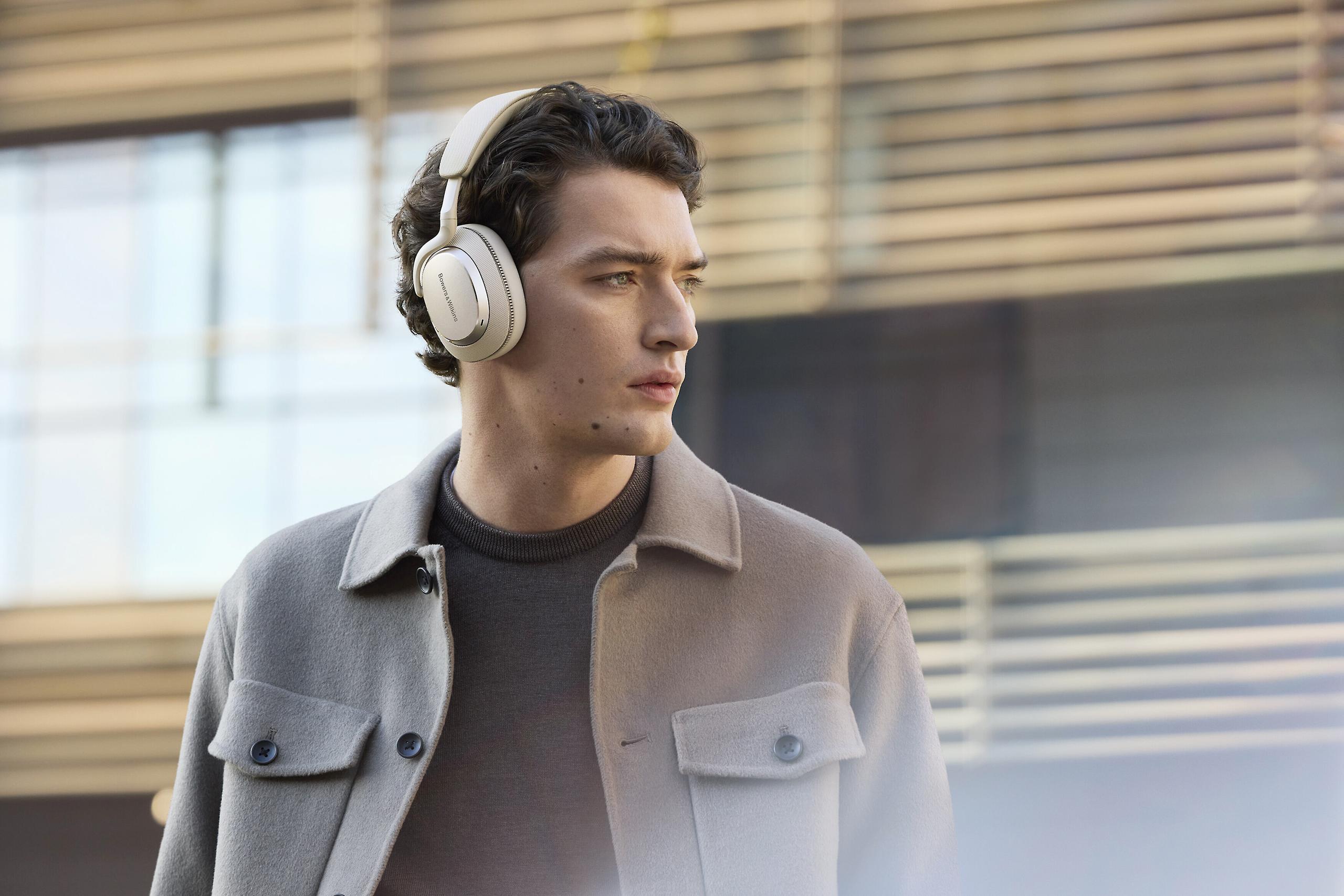
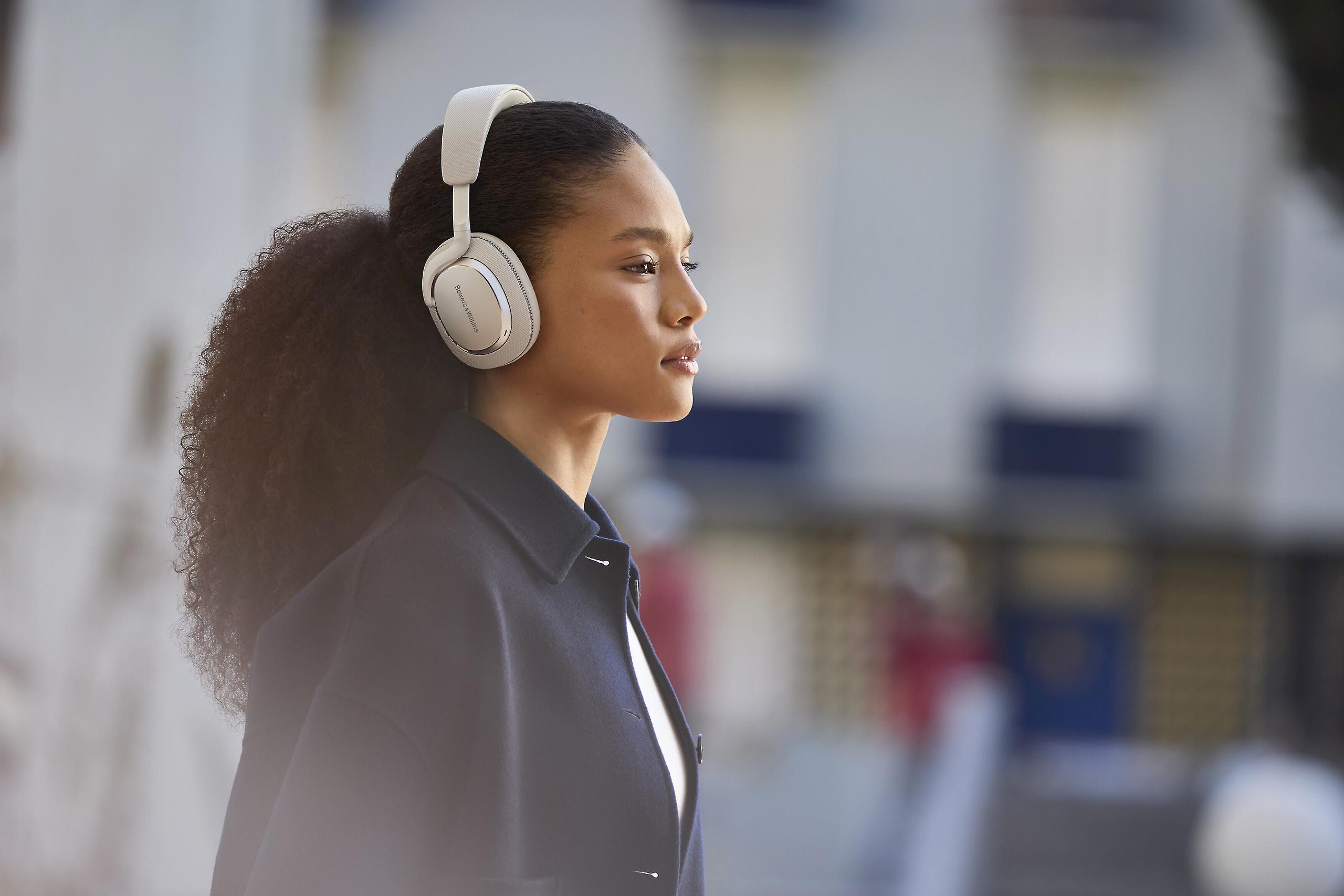
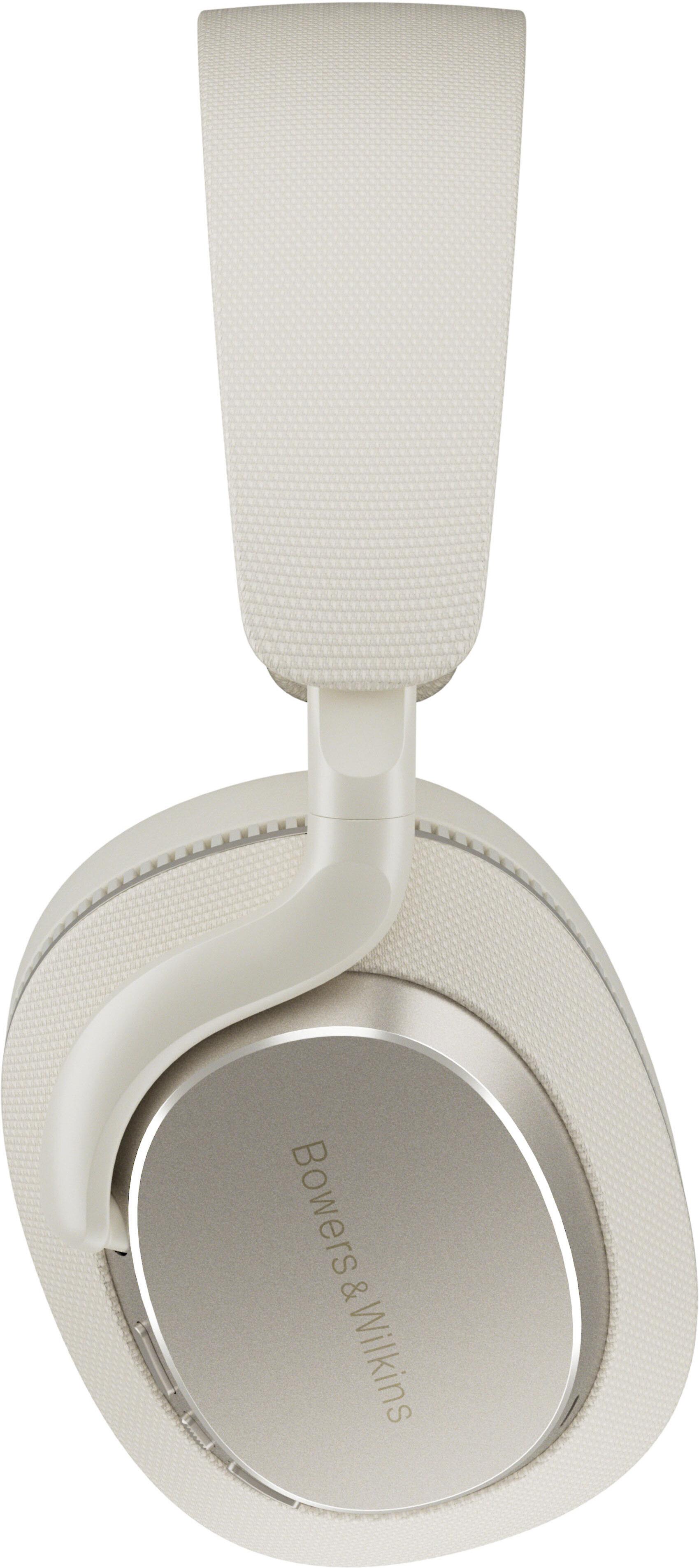
The Bowers & Wilkins Px7 S3 represents a completely different approach to materials and construction. At 298 grams, it's heavier than the JBL, but the weight is distributed intelligently across a refined headband design. B&W uses a combination of metal, genuine leather, and high-quality fabric throughout the construction.
What's particularly impressive is the memory foam padding used in both the ear cups and headband. This adapts to your head shape over time, creating a custom fit that remains comfortable during extended listening sessions. The ear cups are also designed with better ventilation than the previous generation, reducing the heat buildup that can make long listening sessions uncomfortable.
For home theater applications, comfort becomes especially important since movie sessions often last two to three hours. The Px7 S3's superior ergonomics and premium materials make a significant difference during these extended sessions.
Both headphones support modern Bluetooth 5.3 connectivity, which provides improved range and stability compared to older Bluetooth versions. However, their feature sets diverge significantly from there.
The JBL Tune 720BT includes multipoint connectivity—the ability to connect to two devices simultaneously and seamlessly switch between them. This is incredibly useful if you want to listen to music from your laptop while remaining connected to your phone for calls. The JBL Headphones app provides basic customization options, including EQ adjustment and voice prompt settings.
The Bowers & Wilkins Px7 S3 takes connectivity and features much further. It supports advanced audio codecs including aptX Lossless, which can transmit CD-quality audio wirelessly, and aptX Adaptive, which automatically adjusts the streaming quality based on your connection stability. For wired listening, the included USB-C cable actually turns the headphones into a high-quality digital-to-analog converter (DAC), supporting up to 24-bit/96kHz audio—significantly higher quality than standard CD audio.
The B&W Music app is more sophisticated than JBL's offering, providing detailed EQ controls, noise cancellation adjustments, and integration with popular streaming services. The Px7 S3 also includes wear detection—automatically pausing music when you remove the headphones and resuming when you put them back on.
For home theater use, the Px7 S3's wired DAC functionality is particularly valuable. You can connect directly to your TV, game console, or media player via USB-C and experience higher-quality audio than the analog outputs on many devices provide.
Both headphones handle phone calls, but with different levels of sophistication.
The JBL Tune 720BT uses a single microphone system that provides clear voice transmission for basic calls. It's perfectly adequate for work calls or catching up with friends, though background noise can sometimes interfere in very noisy environments.
The Bowers & Wilkins Px7 S3 employs its eight-microphone array not just for noise cancellation but also for superior call quality. B&W's "ADI Pure Voice" technology uses advanced signal processing to isolate your voice from background noise, making your speech clearer to whoever you're talking to. During testing, the difference was remarkable—calls made with the Px7 S3 sounded professional even in noisy coffee shops or while walking along busy streets.
At the time of writing, these headphones represent dramatically different value propositions, and understanding what drives their pricing helps clarify which might be right for you.
The JBL Tune 720BT prioritizes the essentials: good sound quality (with EQ adjustment), exceptional battery life, and reliable basic functionality at an accessible price point. You're not paying for premium materials, advanced features, or cutting-edge technology—you're getting solid performance in the fundamentals.
The Bowers & Wilkins Px7 S3 commands its higher price through technological sophistication and premium execution across every aspect of the design. The bio-cellulose drivers, dedicated amplification, advanced noise cancellation, high-resolution audio support, and luxury materials all contribute to a product that competes with the best headphones available at any price.
What's particularly interesting is how these different approaches affect long-term satisfaction. The JBL Tune 720BT delivers immediate satisfaction through its impressive battery life and energetic sound signature. The Bowers & Wilkins Px7 S3 reveals its strengths more gradually—you notice new details in familiar songs, appreciate the comfort during long sessions, and value the noise cancellation in challenging environments.
The choice between the JBL Tune 720BT and Bowers & Wilkins Px7 S3 ultimately comes down to your priorities, budget, and how you plan to use your headphones.
Choose the JBL Tune 720BT if you want reliable wireless headphones that excel at the basics without breaking the bank. It's perfect for students, casual listeners, or anyone who prioritizes battery life above all else. The sound quality is genuinely impressive for the price, especially after some EQ tweaking, and the 76-hour battery life practically eliminates charging anxiety.
The Bowers & Wilkins Px7 S3 makes sense if you're serious about audio quality and can appreciate the difference that premium engineering makes. It's the better choice for frequent travelers who need noise cancellation, audiophiles who want to hear every detail in their music, and anyone using headphones for critical listening or professional applications.
For home theater specifically, the Px7 S3 offers significant advantages through its superior sound quality, wired DAC functionality, and ability to reveal subtle details in movie soundtracks. However, the JBL Tune 720BT certainly works for casual movie watching, especially if you're budget-conscious.
The $380 price difference between these models at the time of writing reflects genuine technological and material differences, not just brand positioning. Both headphones succeed at their intended missions—the JBL Tune 720BT as an exceptional value choice, and the Bowers & Wilkins Px7 S3 as a premium experience that justifies its higher cost through superior performance across virtually every measure except battery life.
Your decision should align with how you actually use headphones and what aspects of the listening experience matter most to you. Both represent excellent choices within their respective market segments, and either will provide years of reliable service—they just offer very different paths to musical enjoyment.
| JBL Tune 720BT | Bowers & Wilkins Px7 S3 |
|---|---|
| Active Noise Cancellation - Essential for travel and noisy environments | |
| None (passive isolation only) | Advanced 8-microphone ANC system with 3 modes |
| Sound Quality - Core performance difference between budget and premium | |
| 40mm drivers, V-shaped tuning, good after EQ | 40mm bio-cellulose drivers with dedicated amplification, audiophile-grade detail |
| Battery Life - Determines how often you need to charge | |
| 76 hours (industry-leading endurance) | 30 hours (standard for premium ANC headphones) |
| Build Quality - Affects durability and comfort during long sessions | |
| Lightweight plastic construction (220g) | Premium materials with metal, leather, memory foam (298g) |
| Audio Codecs - Higher quality wireless streaming capabilities | |
| Standard Bluetooth codecs (AAC, SBC) | aptX Lossless, aptX Adaptive, 24-bit/96kHz wired support |
| Quick Charge - Emergency power when battery is low | |
| 5 minutes = 3 hours playback | 15 minutes = 7 hours playback |
| App Features - Customization and control options | |
| Basic EQ and settings via JBL Headphones app | Advanced 5-band EQ, ANC control via B&W Music app |
| Multipoint Connectivity - Connect to multiple devices simultaneously | |
| Yes (2 devices) | Yes (2 devices) |
| Wired Option - Backup when battery dies or for high-quality sources | |
| Detachable 3.5mm cable included | USB-C with built-in DAC for high-res audio |
| Call Quality - Important for work and phone conversations | |
| Single microphone, basic clarity | 8-microphone array with ADI Pure Voice technology |
| Comfort Rating - Critical for extended listening sessions | |
| Adequate for short sessions, can cause pressure | Excellent ergonomics designed for all-day wear |
| Target User - Who each product serves best | |
| Budget-conscious users prioritizing battery life | Audiophiles and frequent travelers wanting premium experience |
The Bowers & Wilkins Px7 S3 delivers significantly better sound quality than the JBL Tune 720BT. The Px7 S3 uses bio-cellulose drivers with dedicated amplification, providing superior detail retrieval, instrument separation, and overall clarity. While the JBL Tune 720BT offers respectable sound for its price point, especially after EQ adjustments, it can't match the audiophile-grade performance of the Bowers & Wilkins Px7 S3.
No, only the Bowers & Wilkins Px7 S3 features active noise cancellation with an advanced 8-microphone system. The JBL Tune 720BT relies solely on passive noise isolation from its ear cups. If you need noise cancellation for travel, commuting, or noisy environments, the Px7 S3 is the clear choice, while the JBL Tune 720BT works best in quieter settings.
The JBL Tune 720BT dominates in battery life with an exceptional 76 hours of playback, compared to 30 hours from the Bowers & Wilkins Px7 S3. If you frequently forget to charge your devices or need headphones for extended travel, the JBL Tune 720BT offers unmatched endurance that eliminates charging anxiety.
The Bowers & Wilkins Px7 S3 offers superior comfort with memory foam padding and premium ergonomic design that adapts to your head shape. The JBL Tune 720BT provides adequate comfort for shorter sessions but may cause pressure during extended use. For all-day wear or long movie sessions, the Px7 S3 is significantly more comfortable.
The Bowers & Wilkins Px7 S3 excels at call quality with its 8-microphone array and ADI Pure Voice technology that isolates your voice from background noise. The JBL Tune 720BT handles basic calls adequately but lacks the advanced voice processing of the Px7 S3. For professional use or calls in noisy environments, choose the Bowers & Wilkins Px7 S3.
Yes, both support wired listening but in different ways. The JBL Tune 720BT includes a standard 3.5mm detachable cable for basic wired use. The Bowers & Wilkins Px7 S3 uses USB-C with a built-in DAC that supports high-resolution audio up to 24-bit/96kHz, making it superior for audiophile wired listening and home theater applications.
The Bowers & Wilkins Px7 S3 is significantly better for home theater use, offering superior sound quality that reveals subtle details in movie soundtracks, effective noise cancellation for immersive viewing, and high-quality wired connectivity via USB-C. The JBL Tune 720BT works for casual movie watching but lacks the audio fidelity and noise control that enhance the cinematic experience.
The Bowers & Wilkins Px7 S3 uses premium materials including metal, genuine leather, and high-quality fabrics with superior construction throughout. The JBL Tune 720BT uses lightweight plastic construction that feels functional but less refined. If durability and premium feel matter to you, the Px7 S3 justifies its higher cost with significantly better materials and build quality.
This depends on your budget and priorities. The JBL Tune 720BT offers exceptional value for budget-conscious buyers, delivering solid performance and outstanding battery life at an accessible price. The Bowers & Wilkins Px7 S3 provides premium value for audiophiles willing to pay more for superior sound quality, noise cancellation, and luxury materials. Both represent good value within their respective market segments.
Yes, both the JBL Tune 720BT and Bowers & Wilkins Px7 S3 support multipoint connectivity, allowing you to connect to two devices at once. This lets you seamlessly switch between listening to music on your laptop and answering calls on your phone without manual reconnection on either model.
The Bowers & Wilkins Px7 S3 is superior for gaming and home entertainment thanks to its detailed sound reproduction, USB-C wired connection with low latency, and ability to reveal spatial audio cues in games and movies. The JBL Tune 720BT works for casual gaming but lacks the audio precision and wired connectivity options that serious gamers and home theater enthusiasts prefer.
The JBL Tune 720BT uses the JBL Headphones app for basic EQ adjustments and settings. The Bowers & Wilkins Px7 S3 offers the more advanced B&W Music app with sophisticated 5-band EQ controls, noise cancellation adjustments, and streaming service integration. If you want extensive customization options, the Px7 S3 provides more advanced control over your listening experience.
We've done our best to create useful and informative comparisons to help you decide what product to buy. Our research uses advanced automated methods to create this comparison and perfection is not possible - please contact us for corrections or questions. These are the sites we've researched in the creation of this article: audio46.com - e-catalog.com - headphonedungeon.com - e-catalog.com - recordingnow.com - versus.com - youtube.com - versus.com - consumerreports.org - youtube.com - ca.jbl.com - jblstore.co.id - jbl.com.tw - th.jbl.com - jblonlinestore.com - onward.ph - youtube.com - jbl.com - ro.harmanaudio.com - device.report - en.jblthailand.com - techradar.com - recordingnow.com - tomsguide.com - tomsguide.com - loudersound.com - whathifi.com - headphonecheck.com - loudnwireless.com - recordingnow.com - techradar.com - bowerswilkins.com - bhphotovideo.com - audio46.com - bowerswilkins.com - smarthomesounds.co.uk - audioadvisor.com - audiograde.uk - bowerswilkins.com - my.tcacoustic.asia - whathifi.com

Privacy Policy
Terms and Conditions - Affiliate Policy
Home Security
© Copyright 2008-2026.
11816 Inwood Rd #1211, Dallas, TX 75244