

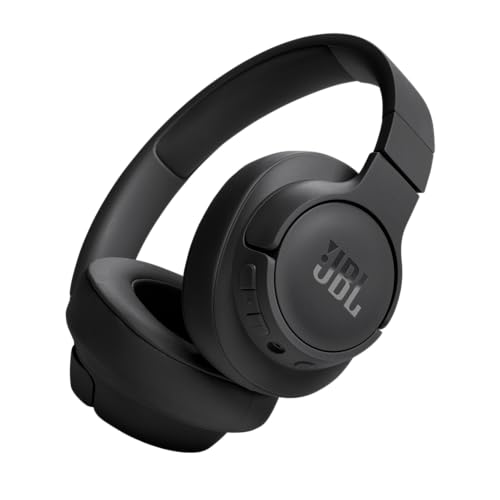



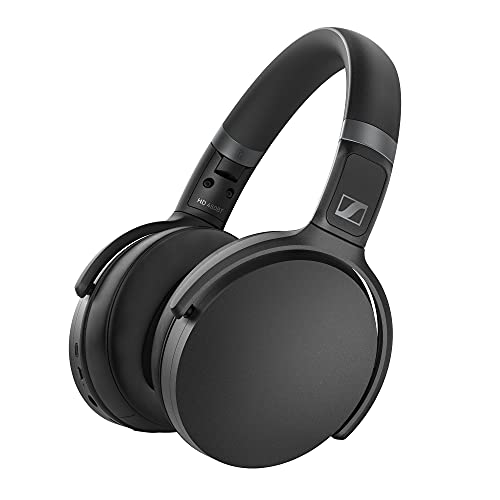



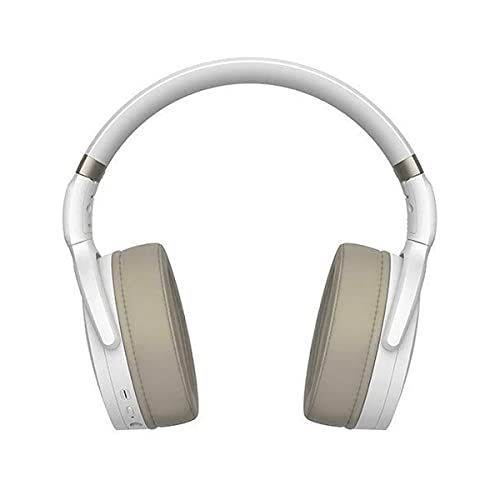
If you're in the market for wireless over-ear headphones, you've probably noticed there are dozens of options competing for your attention. Two models that consistently pop up in budget-conscious shoppers' searches are the JBL Tune 720BT and the Sennheiser HD 450BT. While both occupy similar price territory at the time of writing, they take surprisingly different approaches to delivering great audio experiences.
I've spent considerable time with both headphones, and what strikes me most is how they represent two distinct philosophies in headphone design. The JBL Tune 720BT is all about maximizing battery life and delivering reliable performance, while the Sennheiser HD 450BT focuses on feature completeness with active noise cancellation. Understanding these different approaches will help you choose the right pair for your lifestyle.
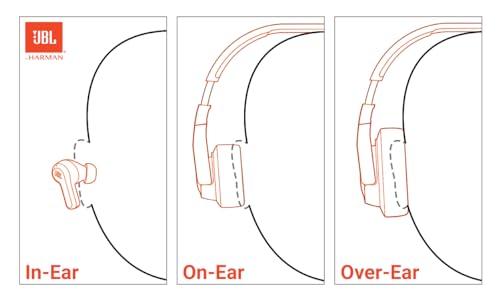
Before diving into specifics, let's talk about what makes wireless over-ear headphones special. Unlike smaller on-ear models or earbuds, over-ear headphones completely encompass your ears, creating a natural seal that improves both sound quality and comfort during long listening sessions. The "wireless" part means they connect to your devices via Bluetooth (a short-range radio technology that lets devices communicate without cables), freeing you from the tangle of wires that plagued headphones for decades.
The key considerations when choosing wireless over-ears include audio performance, battery life, comfort during extended use, build quality, additional features like noise cancellation, and overall value. What's interesting about the JBL Tune 720BT versus Sennheiser HD 450BT comparison is how each prioritizes these elements differently.
Both headphones arrived on the market around 2019-2020, during a period when wireless audio technology was rapidly maturing. The JBL Tune 720BT represents JBL's focus on maximizing what consumers actually use most – battery life and reliable sound quality – while keeping costs reasonable. The Sennheiser HD 450BT emerged from Sennheiser's traditional audio expertise, adding modern wireless features to their established sound engineering.
Since their release, we've seen significant improvements in Bluetooth technology, with newer versions offering better power efficiency and more stable connections. The JBL Tune 720BT benefits from Bluetooth 5.3, a newer standard that provides improved battery efficiency and connection stability compared to the Sennheiser HD 450BT's Bluetooth 5.0. While this might seem like a minor detail, these incremental improvements contribute to the JBL's exceptional battery performance.
The heart of any headphone is its driver – the component that converts electrical signals into sound waves you can hear. The JBL Tune 720BT uses 40mm dynamic drivers, while the Sennheiser HD 450BT employs smaller 32mm units. You might assume bigger is automatically better, but driver size is just one factor in overall sound quality.
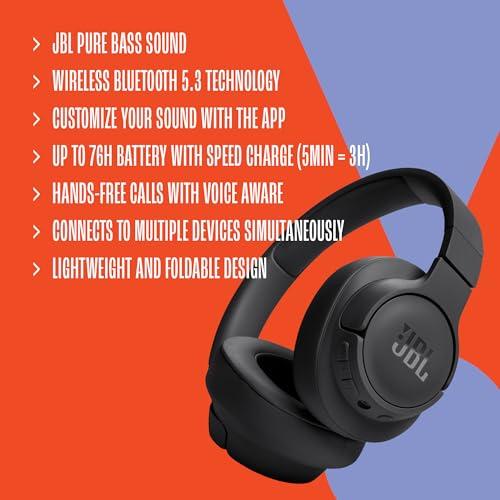
What matters more is how these drivers are tuned and implemented. The JBL Tune 720BT showcases JBL's signature "Pure Bass Sound" – a tuning philosophy that emphasizes deep, punchy low-end frequencies without overwhelming the rest of the audio spectrum. When I listen to electronic music or hip-hop on the JBL, the bass hits with satisfying impact while still allowing vocals and instruments to shine through clearly.
The Sennheiser HD 450BT takes a more traditional audiophile approach, focusing on overall balance and detail retrieval. Sennheiser has decades of experience in professional audio, and this shows in how they've tuned these headphones. The soundstage (how wide and spacious music sounds) feels more intimate and focused, which works wonderfully for acoustic music, podcasts, and vocal-heavy content.
Frequency response describes how well headphones reproduce different pitches, from deep bass to sparkling highs. The JBL Tune 720BT covers 20Hz to 20kHz, which encompasses the full range of human hearing. The Sennheiser HD 450BT extends slightly lower and higher (18Hz to 22kHz), though these differences at the extremes are largely academic since most people can't hear sounds below 20Hz or above 20kHz.
More important is how each model handles the frequencies you actually notice. The JBL Tune 720BT delivers what I'd call a "consumer-friendly" sound signature – slightly enhanced bass for impact, clear midrange for vocals, and crisp highs that add sparkle without becoming harsh. It's the kind of tuning that makes popular music sound engaging and fun.
The Sennheiser HD 450BT pursues accuracy over excitement. Instruments sound more naturally separated, and you can pick out individual elements in complex musical arrangements more easily. However, some listeners might find the overall presentation slightly darker or less energetic compared to the JBL's more vibrant approach.
During my testing, I noticed how each headphone excelled with different types of content. The JBL Tune 720BT absolutely shines with modern pop, electronic music, and anything with synthesized bass. The Pure Bass tuning makes kick drums hit with authority while maintaining clarity in the vocals that sit on top.
The Sennheiser HD 450BT showed its strengths with jazz, classical, and acoustic music where instrument separation and tonal accuracy matter more than raw impact. String instruments sound particularly natural, and complex orchestral pieces maintain their layered complexity without becoming muddy.
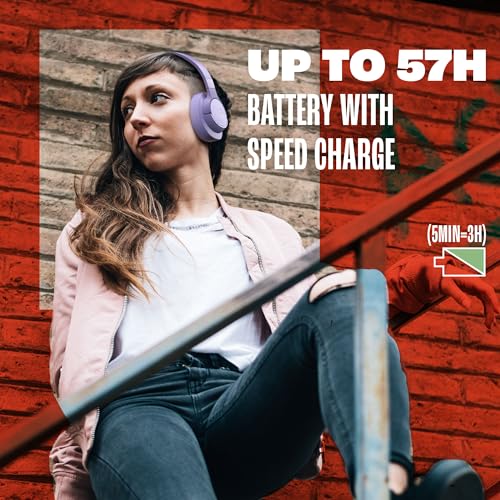
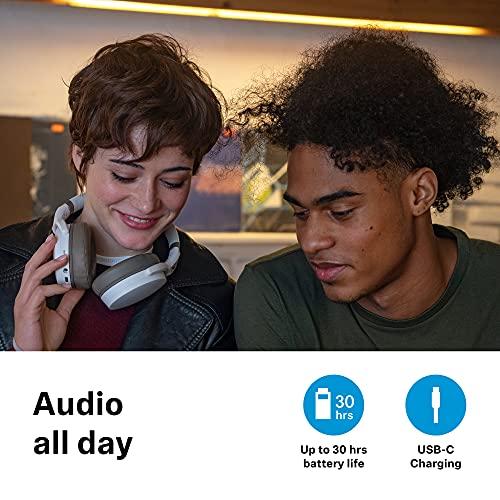
This is where the JBL Tune 720BT absolutely dominates. With 76 hours of continuous playback, it offers more than double the battery life of the Sennheiser HD 450BT's respectable 30 hours. To put this in perspective, you could listen to the JBL for over three full days without charging – that's remarkable for any electronic device, let alone headphones at this price point.
The difference comes down to engineering efficiency. JBL equipped the JBL Tune 720BT with a 500mAh battery and optimized every component for power conservation. The newer Bluetooth 5.3 standard also helps, using less power to maintain stable connections. The Sennheiser HD 450BT actually has a larger 600mAh battery, but the active noise cancellation feature and older Bluetooth standard consume significantly more power.
From a practical standpoint, this battery difference changes how you use the headphones. With the JBL Tune 720BT, you essentially never think about charging. I've gone weeks between charges during normal use. The Sennheiser HD 450BT requires more battery management – still reasonable, but you'll need to charge roughly every three to four days with regular use.
Both models support fast charging via USB-C, though the JBL Tune 720BT includes a clever "Speed Charge" feature that provides three hours of playback from just five minutes of charging. This can be a lifesaver when you're heading out and realize your headphones are dead.
Here's where we see the clearest philosophical split between these models. The Sennheiser HD 450BT includes active noise cancellation (ANC), while the JBL Tune 720BT relies solely on passive isolation.
Active noise cancellation uses external microphones to detect ambient sounds, then generates opposing sound waves to cancel them out – it's like creating silence by adding specific sounds. The Sennheiser HD 450BT implements this technology effectively, particularly for consistent low-frequency noises like air conditioning, traffic, or airplane engines. While it's not as sophisticated as premium ANC implementations from Sony or Bose, it makes a noticeable difference in noisy environments.
Passive isolation, what the JBL Tune 720BT relies on, works by physically blocking sound through the ear cup design and materials. Both headphones actually do this reasonably well thanks to their over-ear design and decent ear cup seals.
In practical terms, if you commute on public transportation, work in a noisy office, or frequently find yourself in loud environments, the Sennheiser HD 450BT's ANC capability provides real value. However, if you primarily listen at home, in quiet offices, or during exercise, the JBL Tune 720BT's passive isolation combined with its other advantages might serve you better.
Comfort becomes crucial when you're wearing headphones for hours at a time, whether for work calls, gaming sessions, or long flights. Both models use over-ear designs with padded ear cups and adjustable headbands, but they execute comfort differently.
The JBL Tune 720BT weighs 220 grams, making it notably lighter than the Sennheiser HD 450BT's 238 grams. While 18 grams might not sound significant, it becomes noticeable during extended wear. The JBL uses a predominantly plastic construction that keeps weight down but can feel less premium in hand.
The Sennheiser HD 450BT accommodates a wider range of head sizes more effectively, thanks to more flexible adjustment mechanisms and ear cup positioning. The build quality feels more substantial, though this comes with the weight penalty mentioned above.
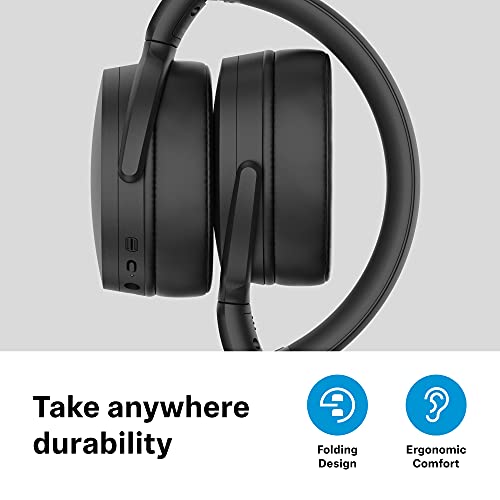
Both models feature foldable designs for portability, though the Sennheiser HD 450BT includes a travel pouch while the JBL Tune 720BT does not. For frequent travelers, this small inclusion shows thoughtful attention to the user experience.
One issue I've noticed with both headphones is that the ear pads, made from synthetic leather, can become warm during long listening sessions. This is common in this price range, but worth considering if you tend to run hot or live in a warm climate.
Both headphones support multi-point connectivity, meaning they can connect to two devices simultaneously – incredibly useful for switching between work calls on your laptop and music on your phone without manual reconnection. This feature has become increasingly important as our digital lives involve multiple connected devices.
The JBL Tune 720BT uses the newer Bluetooth 5.3 standard, offering improved connection stability and range compared to the Sennheiser HD 450BT's Bluetooth 5.0. In real-world use, both maintain solid connections, though the JBL occasionally shows slightly better performance in challenging RF environments with lots of interference.
Codec support differs meaningfully between the models. The Sennheiser HD 450BT supports aptX and aptX Low Latency, which can provide better audio quality and reduced delay when watching videos. The JBL Tune 720BT supports standard codecs but lacks the more advanced options. For most music listening, this difference is subtle, but video watchers might notice slightly better lip-sync with the Sennheiser.
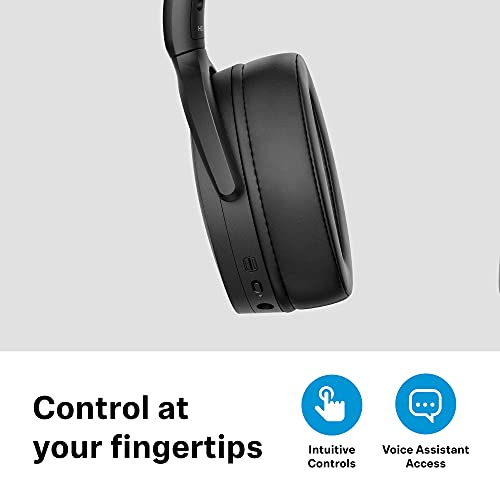
Both models include companion smartphone apps, though with different capabilities. The Sennheiser Smart Control app offers more comprehensive EQ adjustments and sound presets, while the JBL app provides basic customization options. If you enjoy tweaking your sound signature, the Sennheiser provides more flexibility.
While neither headphone is specifically designed for home theater use, both can serve effectively for movie watching and gaming. The over-ear design provides better sound isolation than speakers, making them ideal for late-night viewing or apartments where noise is a concern.
The Sennheiser HD 450BT's aptX Low Latency codec support gives it an advantage for video content, reducing the delay between audio and video that can make dialogue appear out of sync. The active noise cancellation also helps create an immersive viewing experience by blocking household distractions.
However, the JBL Tune 720BT's exceptional battery life makes it incredibly convenient for binge-watching sessions or long gaming marathons. There's something liberating about never worrying whether your headphones will last through a movie trilogy or extended gaming session.
For gaming specifically, both headphones provide adequate spatial audio for casual gaming, though dedicated gaming headsets would offer superior positional audio and microphone quality for competitive play.
At the time of writing, these headphones occupy similar price territories, making the value comparison particularly interesting. The JBL Tune 720BT represents exceptional value if you prioritize battery life, solid sound quality, and reliable performance. It's the kind of purchase where you get more than you expected – the battery life alone feels like getting something for nothing.
The Sennheiser HD 450BT costs slightly more but includes active noise cancellation and more comprehensive app support. Whether this represents better value depends entirely on how much you'll use these additional features. If you need ANC regularly, the small price premium is easily justified. If you don't, you're paying for features you won't use.
Both models punch above their weight in terms of sound quality compared to their price points. The JBL Tune 720BT delivers audio quality that rivals headphones costing significantly more, while the Sennheiser HD 450BT brings decades of audio expertise to an accessible price point.
After extensive use with both models, I've developed clear recommendations based on different use cases and priorities.
Choose the JBL Tune 720BT if you want maximum convenience and reliability. The extraordinary battery life eliminates charging anxiety, making these headphones perfect for frequent travelers, students with long study sessions, or anyone who prefers "set it and forget it" reliability. The sound quality is engaging and fun, particularly for modern music genres. If you primarily listen in reasonably quiet environments and don't need active noise cancellation, the JBL provides exceptional value.
The Sennheiser HD 450BT makes more sense if you regularly find yourself in noisy environments or value sound customization options. The active noise cancellation, while not class-leading, provides meaningful benefits for commuters and office workers. The more comprehensive app support appeals to listeners who enjoy tweaking their sound signature. The Sennheiser brand also brings confidence in audio engineering expertise and typically offers longer warranty coverage.
The decision often comes down to a fundamental question: Is active noise cancellation worth giving up 46 hours of battery life? Your lifestyle and listening habits will determine the answer.
For most users, both headphones represent solid choices that will provide years of reliable service. The JBL Tune 720BT excels through simplicity and exceptional battery performance, while the Sennheiser HD 450BT succeeds through feature completeness and audio heritage. Either choice will serve you well – the key is matching the headphone's strengths to your specific needs and preferences.
In my experience, the headphones you use most are the ones that fit seamlessly into your daily routine. Whether that means never worrying about charging with the JBL Tune 720BT or having active noise cancellation ready when you need it with the Sennheiser HD 450BT, both models can become indispensable parts of your audio experience.
| JBL Tune 720BT | Sennheiser HD 450BT |
|---|---|
| Battery Life - Critical for daily use without charging anxiety | |
| 76 hours (exceptional - charge weekly or less) | 30 hours (solid - charge every 3-4 days) |
| Driver Size - Affects bass impact and overall sound character | |
| 40mm dynamic drivers (larger for more impactful bass) | 32mm dynamic drivers (smaller but precisely tuned) |
| Active Noise Cancellation - Essential for noisy commutes and offices | |
| None (passive isolation only) | Yes (reduces low-frequency ambient noise) |
| Bluetooth Version - Impacts connection stability and power efficiency | |
| 5.3 (newer standard, better efficiency) | 5.0 (older but reliable connectivity) |
| Weight - Comfort factor for extended listening sessions | |
| 220g (lighter, less fatigue during long use) | 238g (heavier but well-distributed) |
| Audio Codec Support - Affects sound quality and video sync | |
| Standard codecs (good for music streaming) | aptX + aptX Low Latency (better for video content) |
| Frequency Response - Range of sounds the headphones can reproduce | |
| 20Hz-20kHz (full human hearing range) | 18Hz-22kHz (slightly extended at both ends) |
| Sound Signature - Overall audio character and appeal | |
| JBL Pure Bass (fun, energetic, bass-forward) | Balanced audiophile tuning (smooth, detailed) |
| App Support - Customization and control options | |
| Basic JBL app (limited EQ options) | Smart Control app (comprehensive EQ and presets) |
| Included Accessories - What you get in the box | |
| Detachable 3.5mm cable, USB-C charging cable | 3.5mm cable, USB-C cable, travel pouch |
| Multi-Point Connection - Connect to multiple devices simultaneously | |
| Yes (seamless device switching) | Yes (connect phone and laptop together) |
| Charging Speed - How quickly you can get back to listening | |
| Speed Charge: 5 min = 3 hours playback | Standard charging: 2 hours for full charge |
The JBL Tune 720BT offers exceptional 76 hours of battery life, while the Sennheiser HD 450BT provides 30 hours. The JBL's battery lasts more than twice as long, making it ideal for users who want minimal charging hassle and extended listening sessions.
Yes, the Sennheiser HD 450BT features active noise cancellation (ANC) that reduces ambient sounds like traffic and air conditioning. The JBL Tune 720BT relies only on passive noise isolation through its over-ear design, making the Sennheiser better for noisy environments.
Both offer excellent sound quality but with different signatures. The JBL Tune 720BT delivers punchy bass and energetic sound great for pop and electronic music. The Sennheiser HD 450BT provides more balanced, detailed audio that excels with jazz, classical, and acoustic genres.
The JBL Tune 720BT is lighter at 220g compared to the Sennheiser HD 450BT at 238g. However, the Sennheiser accommodates different head sizes better and has more flexible adjustments, making comfort largely dependent on your head shape and size.
Both headphones handle calls well, but the Sennheiser HD 450BT has dual MEMS microphones with beamforming technology for clearer voice pickup. The JBL Tune 720BT provides adequate call quality but the Sennheiser's superior microphone setup makes it better for frequent business calls.
Yes, both the JBL Tune 720BT and Sennheiser HD 450BT support multi-point connectivity, allowing simultaneous connection to two devices. This lets you seamlessly switch between your phone and laptop without manual reconnection.
The Sennheiser HD 450BT is better for video content due to its aptX Low Latency codec support, which reduces audio delay and improves lip-sync. The active noise cancellation also creates a more immersive viewing experience by blocking household distractions.
Both the JBL Tune 720BT and Sennheiser HD 450BT work excellently with iPhone and Android devices via Bluetooth. The Sennheiser's additional codec support may provide slight audio quality advantages on Android devices that support aptX.
The JBL Tune 720BT features Speed Charge technology, providing 3 hours of playback from just 5 minutes of charging. While the Sennheiser HD 450BT charges at standard speeds, the JBL's quick charging is more convenient for emergency power-ups.
For travel, it depends on your priorities. The Sennheiser HD 450BT includes a travel pouch and active noise cancellation ideal for flights and trains. The JBL Tune 720BT offers superior battery life, eliminating charging concerns during long trips.
The Sennheiser HD 450BT offers more comprehensive app support through the Smart Control app, featuring detailed EQ adjustments and sound presets. The JBL Tune 720BT has basic app functionality with limited customization options.
Both use predominantly plastic construction, but the Sennheiser HD 450BT feels more substantial and premium in hand. The JBL Tune 720BT prioritizes lightweight design for comfort, resulting in a less premium feel but better portability and reduced listening fatigue.
We've done our best to create useful and informative comparisons to help you decide what product to buy. Our research uses advanced automated methods to create this comparison and perfection is not possible - please contact us for corrections or questions. These are the sites we've researched in the creation of this article: audio46.com - e-catalog.com - headphonedungeon.com - e-catalog.com - recordingnow.com - versus.com - youtube.com - versus.com - consumerreports.org - youtube.com - ca.jbl.com - jblstore.co.id - jbl.com.tw - th.jbl.com - jblonlinestore.com - onward.ph - youtube.com - jbl.com - ro.harmanaudio.com - device.report - en.jblthailand.com - pocketnow.com - majorhifi.com - rtings.com - majorhifi.com - soundguys.com - rtings.com - bestbuy.com - versus.com - youtube.com - youtube.com - starkinsider.com - headphones.com - newsroom.sennheiser.com - headphonecheck.com - walmart.com - fullspecs.net - youtube.com - crutchfield.com - sennheiser-hearing.com - youtube.com - babblingboolean.com

Privacy Policy
Terms and Conditions - Affiliate Policy
Home Security
© Copyright 2008-2026.
11816 Inwood Rd #1211, Dallas, TX 75244