










When I first started reviewing headphones, the wireless market was a confusing mess of poor audio quality and dead batteries. Today's wireless headphones have transformed completely, but that evolution has created a new challenge: choosing between budget-friendly basics and premium powerhouses. The JBL Tune 720BT and Sony WH-1000XM6 perfectly illustrate this divide, representing two entirely different philosophies about what wireless headphones should deliver.
The wireless headphone market has exploded since Apple removed the headphone jack in 2016, pushing the entire industry toward Bluetooth solutions. What used to be a simple choice between cheap and expensive has become a complex decision involving multiple performance categories that matter in different ways to different users.
Audio quality remains the foundation—after all, these are primarily music devices. But the definition of "good sound" has evolved beyond just frequency response (how well headphones reproduce different pitches) to include factors like soundstage (how spacious music feels) and dynamic range (the difference between quiet and loud sounds).
Active Noise Cancellation (ANC) has become almost as important as sound quality itself. This technology uses microphones to detect external noise and generates opposite sound waves to cancel it out—think of it as acoustic noise-fighting. ANC has transformed from a nice-to-have feature to essential equipment for anyone who travels or works in noisy environments.
Battery life takes on special importance with wireless headphones since dead batteries mean silent headphones. The challenge is balancing battery capacity with weight and features—more powerful processors for better ANC drain batteries faster.
Comfort and build quality become critical when you're wearing headphones for hours without the option to unplug and take a break. Premium materials and ergonomic design aren't just luxury touches; they're practical necessities for extended use.
Modern headphones also compete on smart features—app integration, voice assistants, automatic pause when you remove them, and the ability to connect to multiple devices simultaneously. These conveniences can transform daily use from occasionally frustrating to genuinely seamless.
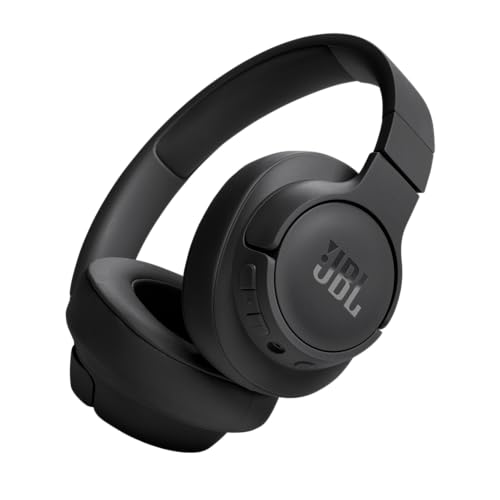
The JBL Tune 720BT, released in 2023, represents JBL's philosophy that great wireless headphones should prioritize the essentials: solid sound, reliable connectivity, and exceptional battery life, all at a price that won't break the bank. At the time of writing, these headphones typically cost under $100, positioning them as an accessible entry point into quality wireless audio.
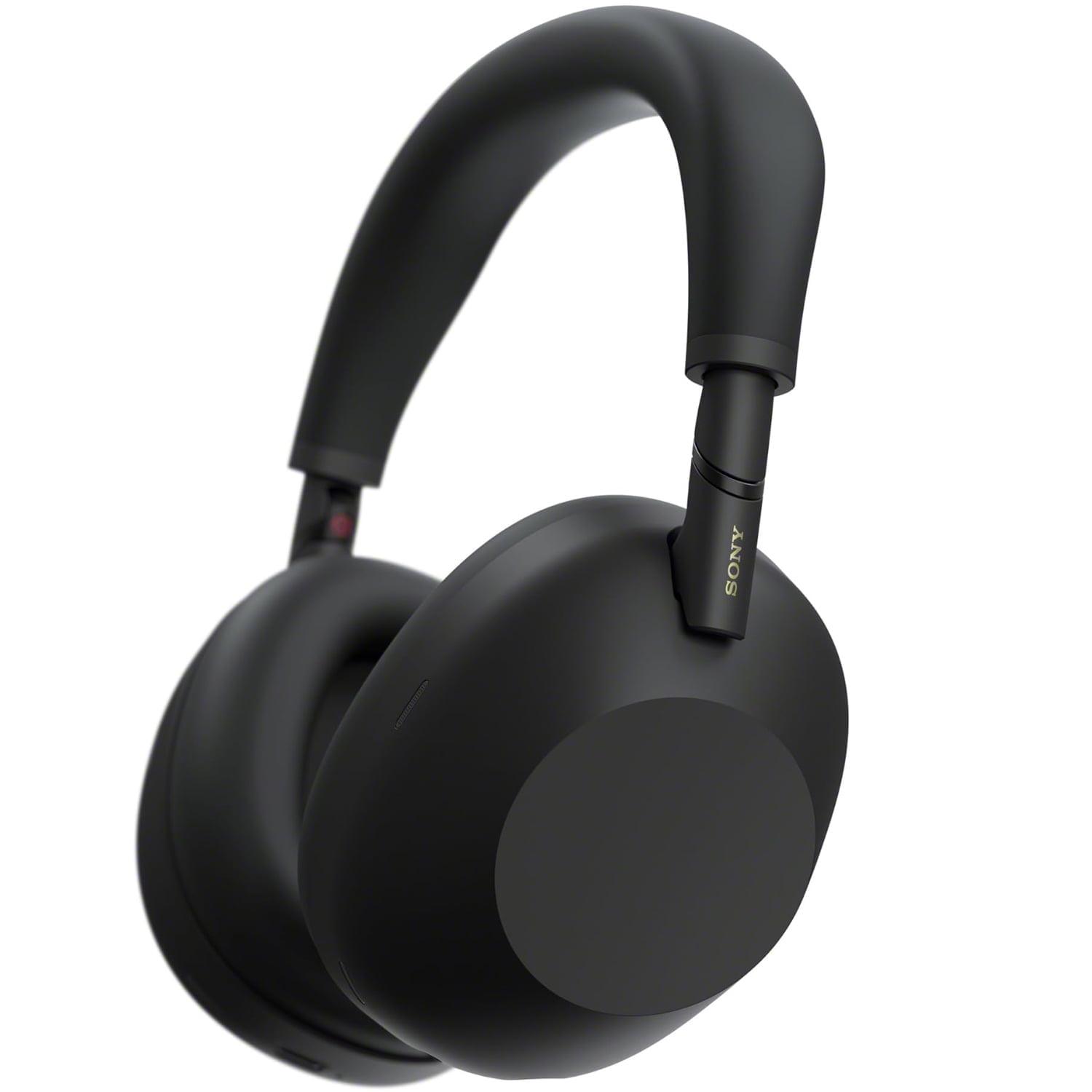
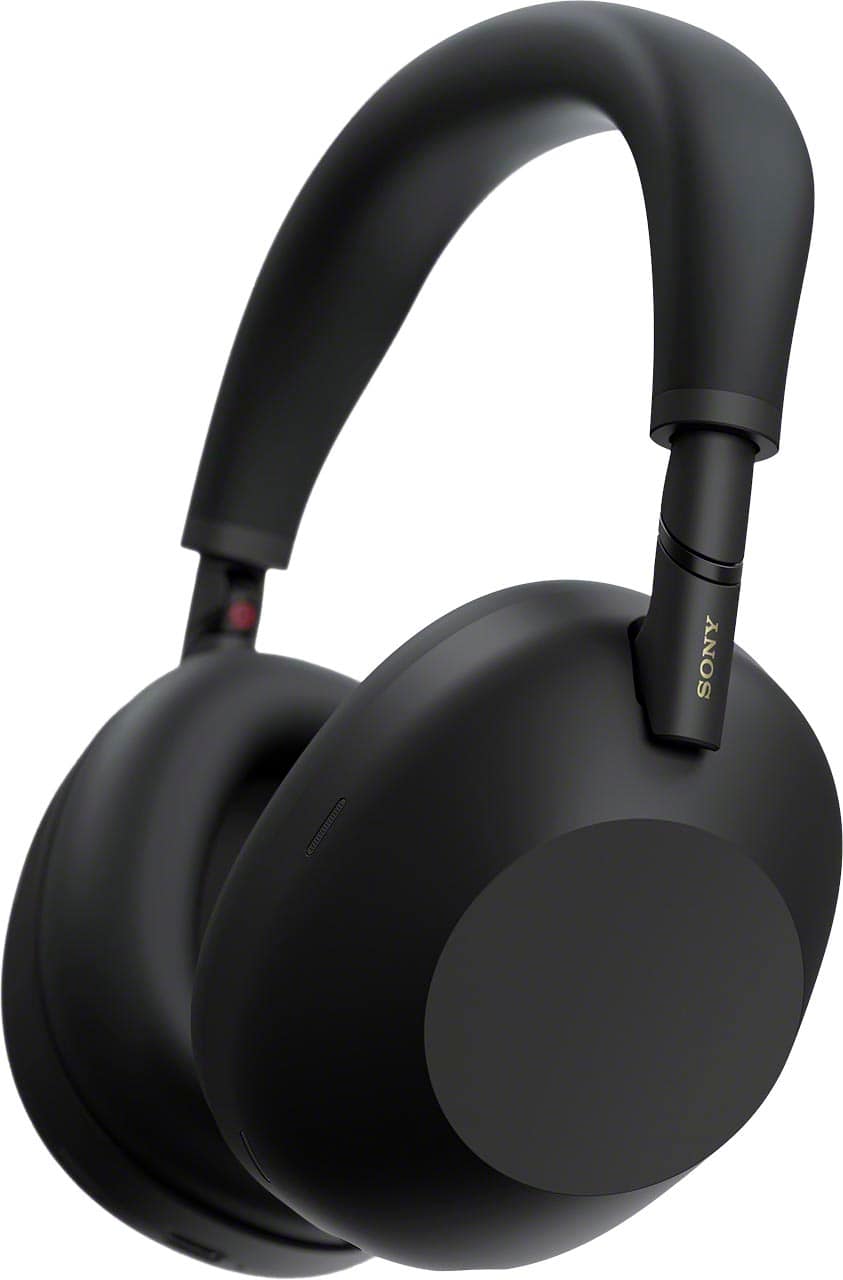
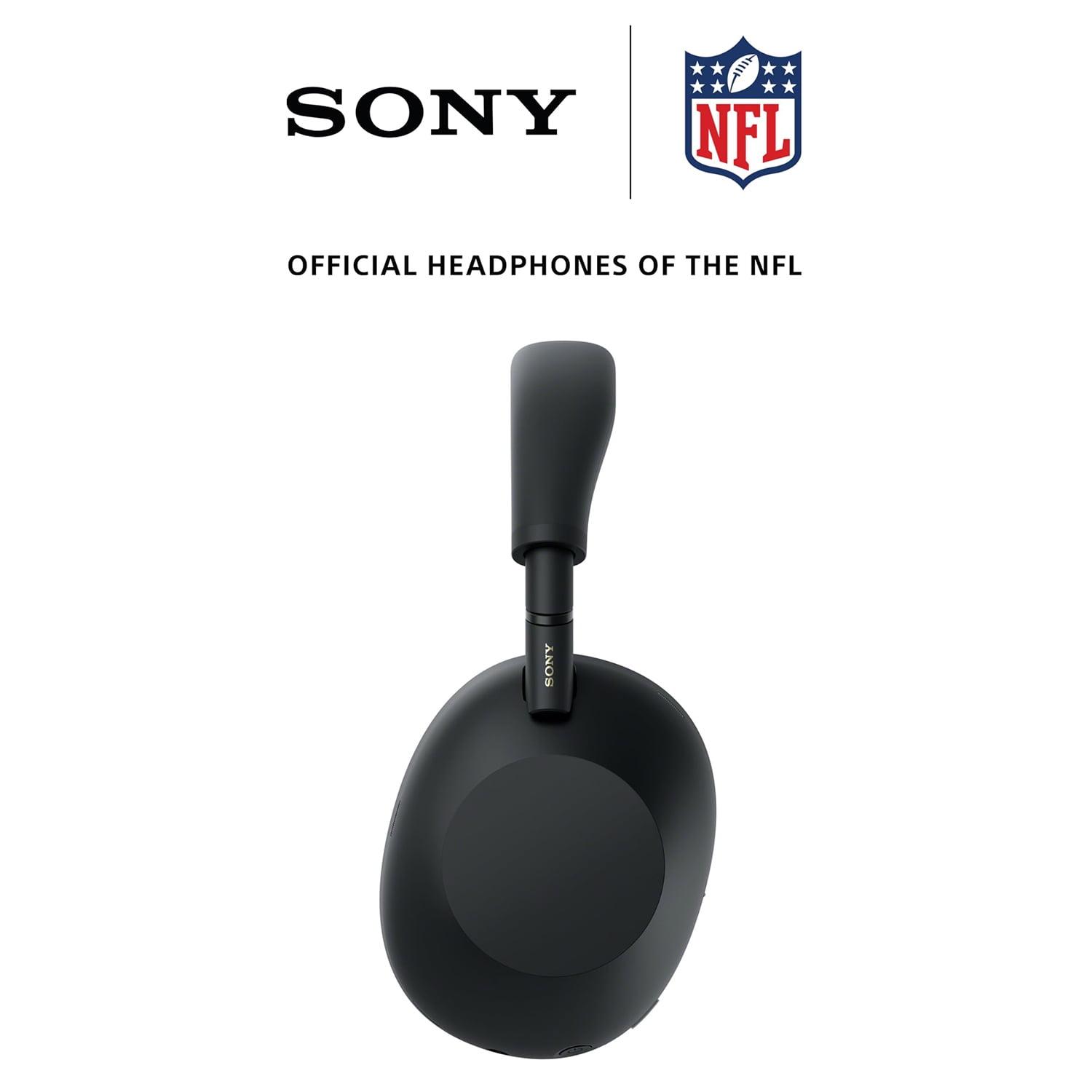
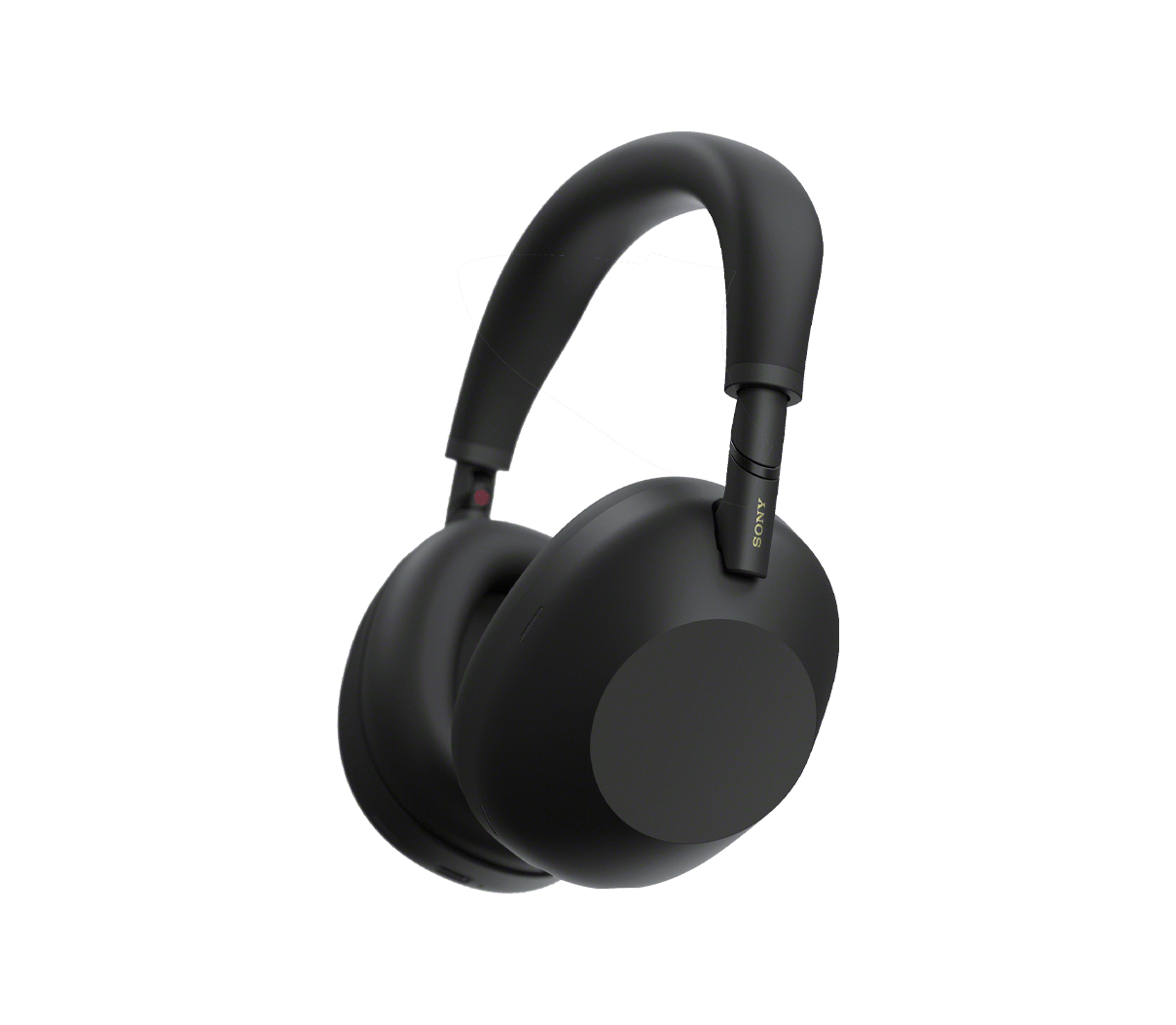
The Sony WH-1000XM6, launched in 2025 as Sony's latest flagship, embodies the opposite approach: pack every advanced audio technology into one premium package, regardless of cost. These headphones command a price that's typically three to four times higher than the JBL Tune 720BT, reflecting Sony's investment in cutting-edge noise cancellation and audiophile-grade components.
Sound quality remains the most important performance characteristic because it affects every single moment you're wearing headphones. Both the JBL Tune 720BT and Sony WH-1000XM6 deliver good sound, but they achieve it through completely different approaches.
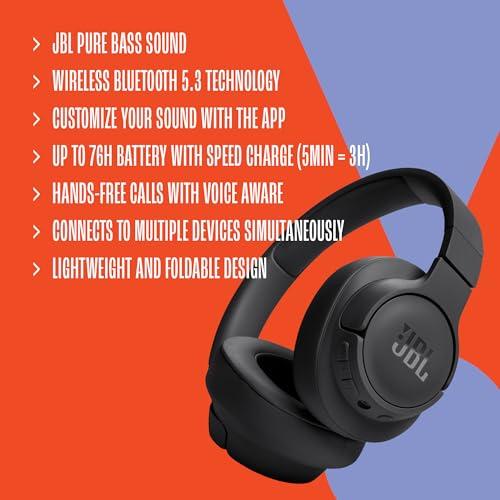
The JBL Tune 720BT uses 40mm dynamic drivers—those are the speaker components that actually produce sound, and bigger generally means more powerful bass response. JBL tunes these drivers for their signature "Pure Bass Sound," which emphasizes the low-end frequencies that make electronic music thump and rock drums punch. This bass-forward signature works well for modern music genres but can make vocals sound slightly distant or recessed.
What impressed me about the JBL Tune 720BT is how much the included EQ (equalizer) improves the sound. An EQ lets you boost or reduce different frequency ranges—think of it as advanced tone controls. JBL's 10-band EQ in their companion app gives you enough control to dramatically reshape the sound signature, turning these budget headphones into surprisingly capable performers across different music styles.
The Sony WH-1000XM6 takes a fundamentally different approach, using smaller 30mm drivers but with much more sophisticated engineering. Sony co-developed these drivers with professional mastering engineers—the people who make the final adjustments to recordings before they're released. This collaboration shows in the neutral, balanced sound signature that reveals details other headphones miss.
Sony's LDAC codec support deserves special attention here. Standard Bluetooth compresses audio files to transmit them wirelessly, losing some quality in the process. LDAC transmits nearly three times more data than standard Bluetooth, preserving much more of the original recording. When listening to high-quality source material through LDAC, the difference is immediately audible—instruments have more texture, vocals sound more natural, and the overall presentation becomes more lifelike.
The Sony WH-1000XM6 also includes DSEE Extreme, which uses artificial intelligence to analyze compressed audio files and restore details lost during compression. It's like having a smart upscaler that makes your Spotify streams sound closer to CD quality. While this processing isn't perfect, it's remarkably effective with well-recorded material.
For home theater use, the Sony WH-1000XM6 offers significant advantages through its 360 Reality Audio support with head tracking. This technology creates a three-dimensional soundscape that follows your head movements, making movie dialogue appear to come from the screen even when you turn your head slightly. The JBL Tune 720BT lacks this spatial audio capability, delivering traditional stereo that works fine for music but doesn't enhance the movie-watching experience.
Active Noise Cancellation represents the biggest functional difference between these headphones, and it's where the Sony WH-1000XM6 completely dominates. The JBL Tune 720BT offers no ANC whatsoever, relying entirely on passive isolation—the physical blocking provided by the ear cups covering your ears.
Sony's ANC system in the WH-1000XM6 represents the culmination of decades of noise cancellation development. The HD Noise Canceling Processor QN3 processes audio seven times faster than Sony's previous generation, working with 12 strategically placed microphones to create an acoustic bubble of silence around your ears.
The practical impact is dramatic. On airplanes, the Sony WH-1000XM6 eliminates most engine noise, turning a roaring cabin into a quiet space where you can enjoy music at lower, healthier volumes. In coffee shops, conversations become background murmurs rather than distracting chatter. The system is particularly effective against consistent, low-frequency sounds like air conditioning, traffic, and machinery.
Sony's Adaptive NC Optimizer automatically adjusts noise cancellation based on your environment, air pressure changes (useful when flying), and even how the headphones sit on your head. This real-time optimization means the ANC performance stays consistent without manual adjustment.
The JBL Tune 720BT's lack of ANC isn't necessarily a dealbreaker if you primarily listen in quiet environments like your home or private office. However, the absence of this technology becomes immediately apparent in any moderately noisy setting—you'll find yourself cranking volume levels to dangerous levels just to hear your music clearly.
Battery performance tells an interesting story about engineering priorities. The JBL Tune 720BT delivers an exceptional 76 hours of wireless playback, which is genuinely impressive by any standard. This marathon endurance comes from using less power-hungry components and skipping battery-draining features like active noise cancellation.
In practical terms, 76 hours means you could listen for over three full days without charging—most users will go weeks between charges with normal use. The five-minute speed charge providing three hours of playback means you're never really stuck with dead headphones if you remember to plug them in briefly.
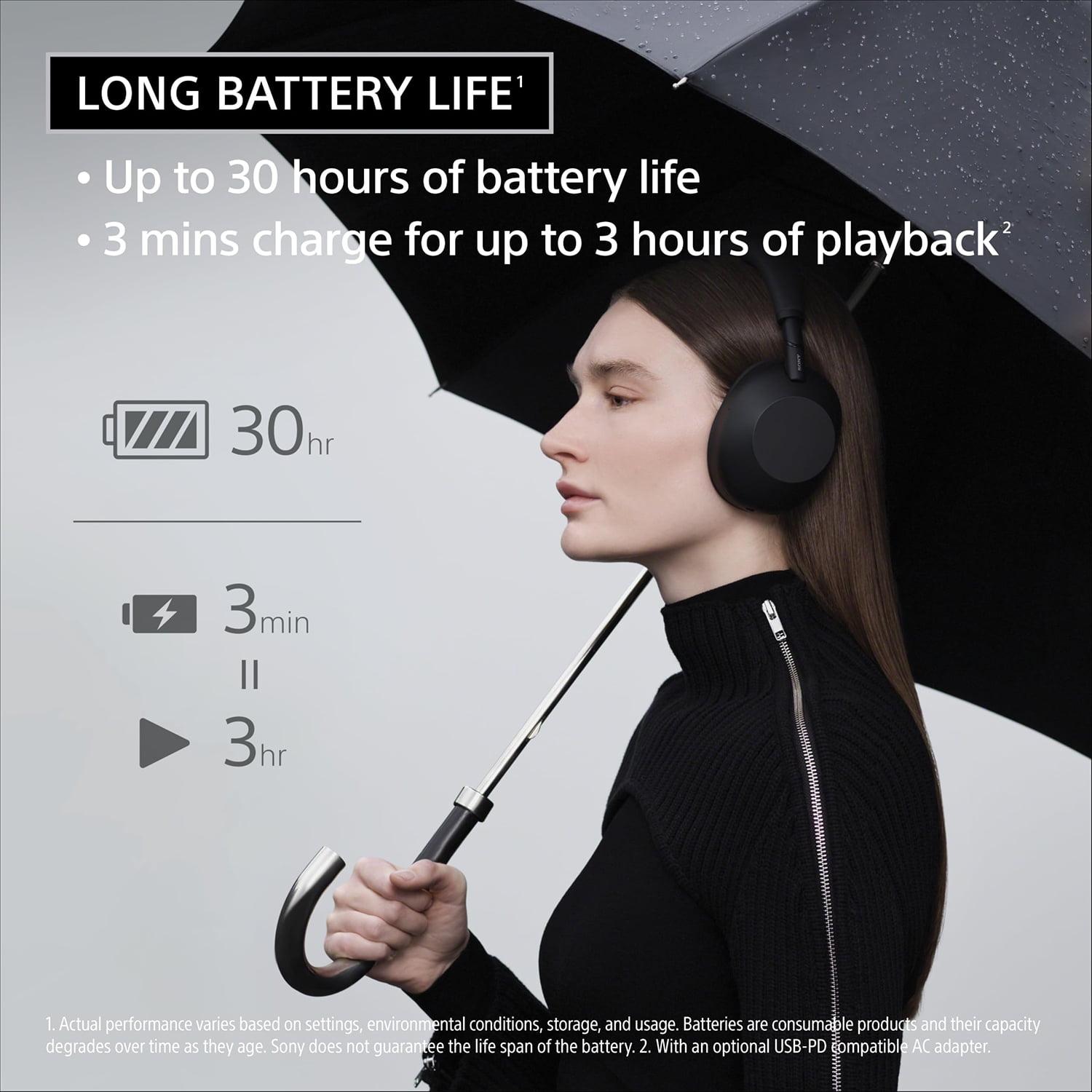
The Sony WH-1000XM6 offers 30 hours with ANC enabled, which is still excellent for premium headphones but reflects the power demands of sophisticated signal processing. The QN3 processor, 12 microphones, and advanced audio processing all require significant power. Thirty hours still easily covers most people's weekly listening, and the three-minute quick charge providing three hours of use means brief charging breaks keep you going.
For most users, both battery lives exceed practical needs, but the JBL Tune 720BT's endurance advantage becomes valuable for people who frequently forget to charge devices or need headphones for extended travel without charging opportunities.
Modern headphones serve double duty as communication devices, making microphone performance increasingly important. The JBL Tune 720BT includes a basic microphone system that handles phone calls adequately in quiet environments but struggles in noisy settings where you need to compete with background sound.
The Sony WH-1000XM6 treats call quality as seriously as music reproduction, using a six-microphone beamforming array that focuses on your voice while suppressing background noise. AI algorithms analyze incoming audio in real-time, distinguishing between your speech and environmental sounds. The result is professional-quality call audio that works reliably even in challenging acoustic environments.
Sony's Speak-to-Chat feature automatically pauses music and activates transparency mode when you start talking, then resumes playback when your conversation ends. This seamless switching makes the headphones feel more intelligent and responsive to your natural behavior patterns.
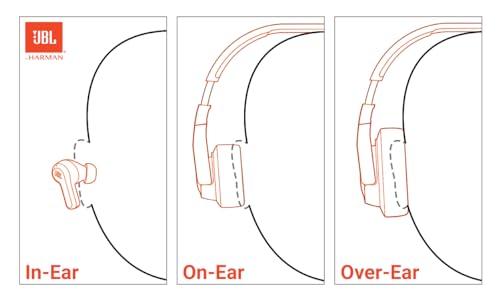
Comfort becomes critical with wireless headphones since you can't simply unplug them when they become uncomfortable. The JBL Tune 720BT weighs 220 grams and uses basic leatherette ear pads with moderate padding. While initially comfortable, extended wear can reveal pressure points, particularly for users with larger heads or those who wear glasses.
The build quality reflects the budget positioning—lightweight plastic construction that feels functional rather than premium. The foldable design aids portability, but the overall construction doesn't inspire confidence in long-term durability.
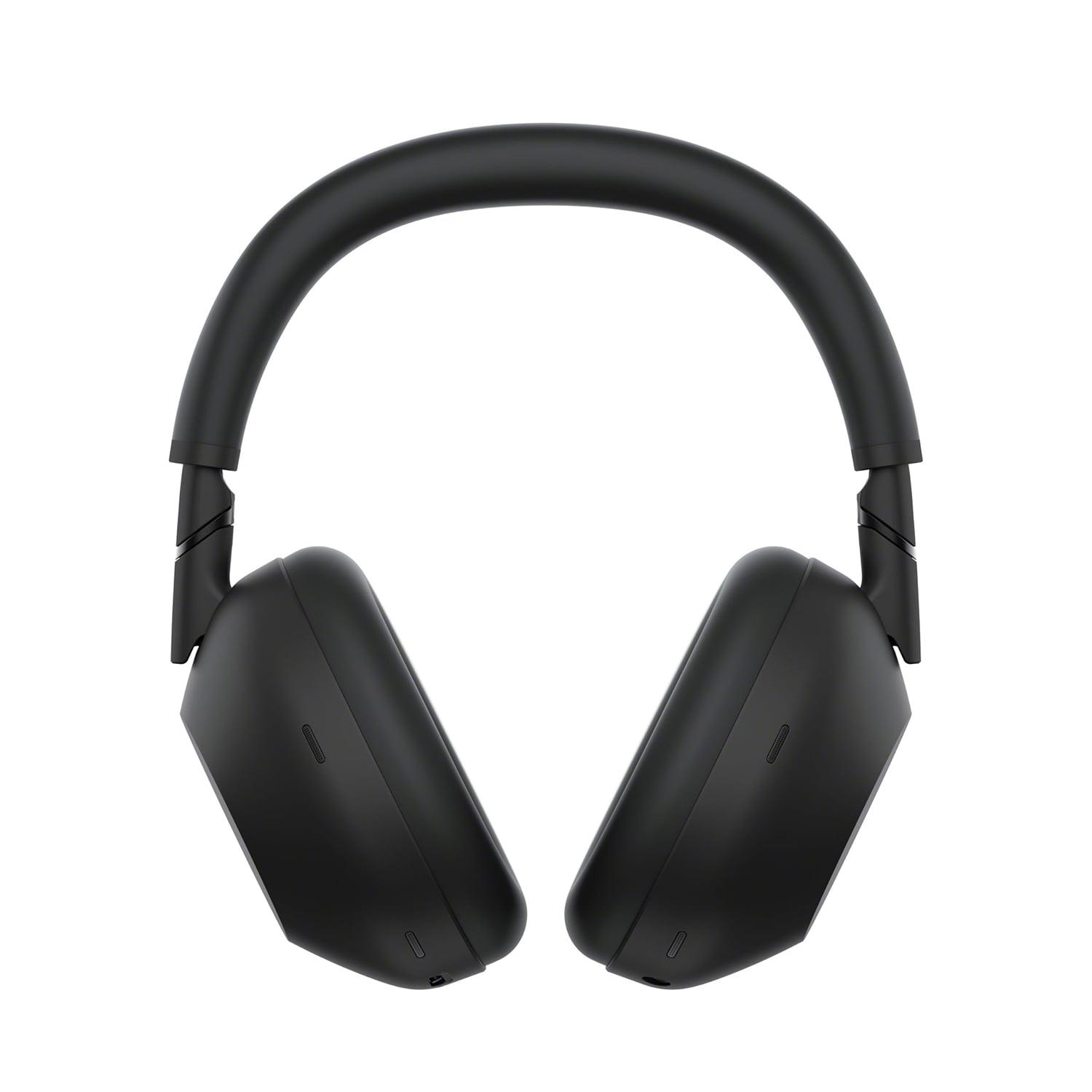
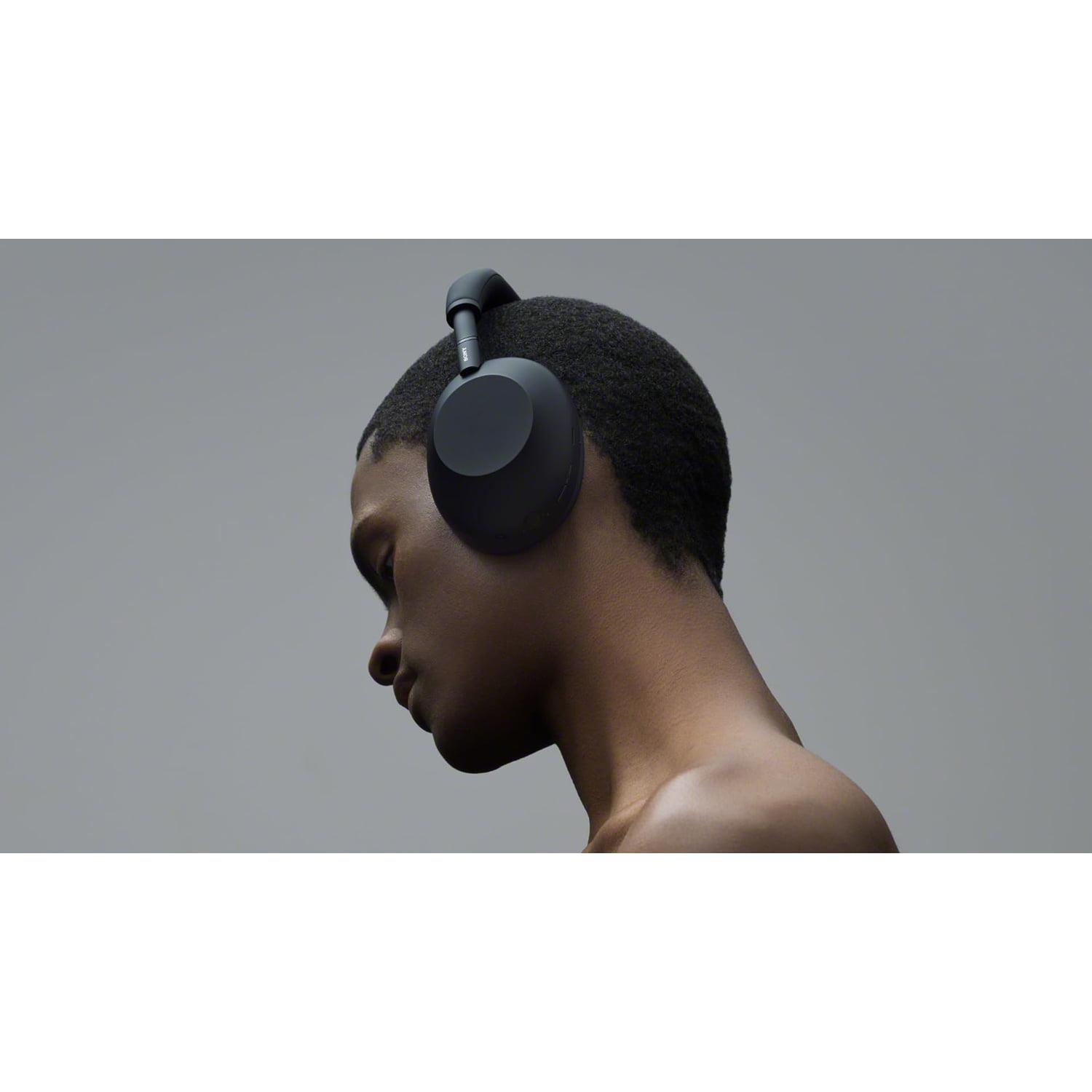
The Sony WH-1000XM6 weighs 254 grams but distributes that weight more effectively through a wider headband and better weight distribution. The synthetic leather ear pads feel more luxurious and maintain comfort during extended listening sessions. Sony redesigned the headband to reduce pressure points, making all-day wear genuinely comfortable.
The premium build quality shows in details like the fingerprint-resistant coating, smooth operation of moving parts, and overall sense of durability. These headphones feel engineered to last years of regular use rather than being disposable technology.
Both headphones support Bluetooth 5.3 and multipoint connectivity, allowing connection to two devices simultaneously—useful for switching between phone and laptop without manual reconnection. However, the Sony WH-1000XM6 extends far beyond basic connectivity.
Sony's companion app provides extensive customization options, including detailed EQ adjustment, ANC level control, and adaptive sound profiles that automatically adjust settings based on your location and activity. The app learns your routines over time, automatically switching between noise cancellation for your commute and transparency mode when you arrive at work.
The JBL Tune 720BT includes a functional companion app with 10-band EQ and basic controls, but the feature set remains focused on essentials rather than advanced automation.
For home theater applications, the Sony WH-1000XM6's advanced codec support and spatial audio processing provide clear advantages over the JBL Tune 720BT's basic stereo output.
At the time of writing, these headphones represent dramatically different value equations. The JBL Tune 720BT offers exceptional value for budget-conscious users, delivering core wireless functionality and impressive battery life at an accessible price point. The performance-per-dollar ratio is genuinely impressive for casual listening and basic connectivity needs.
The Sony WH-1000XM6 commands premium pricing but delivers flagship performance across every category. The investment makes sense for users who travel frequently, work in noisy environments, or prioritize audio quality above cost considerations.
Choose the JBL Tune 720BT if you're primarily listening in quiet environments, want maximum battery life, and need to stay within a tight budget. These headphones excel as daily drivers for casual music listening, basic work calls, and situations where active noise cancellation isn't necessary.
Choose the Sony WH-1000XM6 if you frequently encounter noisy environments, travel regularly, need professional-quality call audio, or want the best possible wireless audio experience regardless of cost. The advanced features and superior performance justify the investment for users who depend on their headphones daily.
The choice ultimately comes down to matching your specific needs and budget with the right tool. Both headphones succeed in their respective markets—the JBL Tune 720BT as an outstanding budget option with exceptional battery life, and the Sony WH-1000XM6 as a premium solution that pushes wireless audio technology forward. Understanding which priorities matter most to your daily use will guide you to the right decision.
| JBL Tune 720BT | Sony WH-1000XM6 |
|---|---|
| Active Noise Cancellation - Essential for travel, commuting, and noisy work environments | |
| None (passive isolation only) | Industry-leading ANC with QN3 processor and 12 microphones |
| Battery Life - Critical for daily use and travel without frequent charging | |
| 76 hours wireless playback (exceptional endurance) | 30 hours with ANC on, 40 hours with ANC off (still excellent) |
| Driver Size - Affects bass response and overall sound power | |
| 40mm dynamic drivers (larger for more powerful bass) | 30mm neodymium drivers (smaller but more sophisticated) |
| Audio Codecs - Determines wireless sound quality from your devices | |
| SBC, AAC (standard Bluetooth audio) | SBC, AAC, LDAC, LC3 (high-resolution wireless audio) |
| Weight - Important for comfort during extended wear | |
| 220g (lighter but less premium materials) | 254g (heavier but better weight distribution) |
| Smart Features - Convenience and automation capabilities | |
| Basic app with 10-band EQ and multipoint connection | Advanced app with adaptive sound control, Speak-to-Chat, spatial audio |
| Call Quality - Critical for work calls and professional use | |
| Single microphone (basic call quality) | Six-microphone AI beamforming array (professional-grade calls) |
| Build Quality - Affects durability and premium feel | |
| Lightweight plastic construction (functional but basic) | Premium materials with fingerprint-resistant coating |
| Charging Speed - How quickly you can get back to listening | |
| 5 minutes = 3 hours playback, 2 hours full charge | 3 minutes = 3 hours playback, 3.5 hours full charge |
| Wired Option - Backup when battery dies or for audiophile listening | |
| Detachable 3.5mm cable included | No wired option (wireless only) |
| Target User - Who gets the best value from each product | |
| Budget-conscious users prioritizing battery life and basic wireless functionality | Frequent travelers, professionals, and audiophiles wanting flagship performance |
The Sony WH-1000XM6 delivers superior sound quality with its 30mm neodymium drivers co-developed with mastering engineers, LDAC high-resolution codec support, and DSEE Extreme AI upscaling technology. The JBL Tune 720BT offers good sound with its 40mm drivers and JBL Pure Bass signature, but lacks the advanced audio processing of the Sony WH-1000XM6.
No, only the Sony WH-1000XM6 features active noise cancellation with its industry-leading QN3 processor and 12-microphone system. The JBL Tune 720BT relies solely on passive noise isolation from its over-ear design, making it less effective in noisy environments compared to the Sony WH-1000XM6.
The JBL Tune 720BT offers exceptional battery life with up to 76 hours of wireless playback, significantly outperforming the Sony WH-1000XM6's 30 hours with ANC enabled. However, the Sony WH-1000XM6 still provides excellent battery life that exceeds most users' weekly listening needs.
The Sony WH-1000XM6 excels at call quality with its six-microphone AI beamforming system that isolates your voice from background noise. The JBL Tune 720BT has a basic single microphone suitable for casual calls but struggles in noisy environments where the Sony WH-1000XM6 performs much better.
The Sony WH-1000XM6 provides superior comfort with its wider headband, premium synthetic leather ear pads, and better weight distribution despite being slightly heavier. The JBL Tune 720BT is lighter but may cause pressure points during extended wear, making the Sony WH-1000XM6 better for all-day use.
The JBL Tune 720BT includes a detachable 3.5mm audio cable for wired listening when the battery dies or for audiophile listening. The Sony WH-1000XM6 is wireless-only and cannot be used with a wired connection, limiting backup options compared to the JBL Tune 720BT.
The JBL Tune 720BT provides exceptional value for budget-conscious buyers, offering solid sound quality and outstanding battery life at a fraction of the cost. The Sony WH-1000XM6 justifies its premium pricing with flagship features like advanced ANC and superior audio processing, making it better value for users who need professional-grade performance.
The Sony WH-1000XM6 is significantly better for home theater with its 360 Reality Audio support, head tracking technology, and spatial audio processing that creates an immersive movie experience. The JBL Tune 720BT provides basic stereo audio suitable for casual movie watching but lacks the advanced spatial features of the Sony WH-1000XM6.
Both the JBL Tune 720BT and Sony WH-1000XM6 support multipoint connectivity, allowing connection to two devices at once. However, the Sony WH-1000XM6 offers more seamless device switching and advanced connection management through its companion app compared to the basic multipoint support in the JBL Tune 720BT.
The JBL Tune 720BT works for quiet travel scenarios due to its exceptional battery life and foldable design, but lacks the active noise cancellation essential for airplanes and busy commutes. The Sony WH-1000XM6 is specifically designed for travel with industry-leading ANC that blocks engine noise and crowd chatter.
The Sony WH-1000XM6 offers comprehensive app support with adaptive sound control, detailed EQ customization, and intelligent features like Speak-to-Chat. The JBL Tune 720BT includes a functional app with 10-band EQ and basic controls, but the Sony WH-1000XM6 provides far more advanced customization and automation features.
Choose the JBL Tune 720BT if you primarily listen in quiet environments, want maximum battery life, and need to stay within a budget. Choose the Sony WH-1000XM6 if you frequently encounter noisy environments, travel regularly, need professional call quality, or want the best possible wireless audio experience regardless of cost differences between the two models.
We've done our best to create useful and informative comparisons to help you decide what product to buy. Our research uses advanced automated methods to create this comparison and perfection is not possible - please contact us for corrections or questions. These are the sites we've researched in the creation of this article: audio46.com - e-catalog.com - headphonedungeon.com - e-catalog.com - recordingnow.com - versus.com - youtube.com - versus.com - consumerreports.org - youtube.com - ca.jbl.com - jblstore.co.id - jbl.com.tw - th.jbl.com - jblonlinestore.com - onward.ph - youtube.com - jbl.com - ro.harmanaudio.com - device.report - en.jblthailand.com - moon-audio.com - soundguys.com - electronics.sony.com - recordingnow.com - tomsguide.com - electronics.sony.com - rtings.com - recordingnow.com - youtube.com - soundguys.com - whathifi.com - bhphotovideo.com - sony.com - sony.com - bestbuy.com - youtube.com - sony.eu - soundguys.com - audio46.com - electronics.sony.com

Privacy Policy
Terms and Conditions - Affiliate Policy
Home Security
© Copyright 2008-2026.
11816 Inwood Rd #1211, Dallas, TX 75244