





When you're shopping for wireless over-ear headphones, you'll quickly discover that the market offers everything from basic models under $100 to premium options costing several hundred dollars. The question isn't just about how much you're willing to spend—it's about understanding what you actually get for your money and whether those extra features matter for how you'll use them.
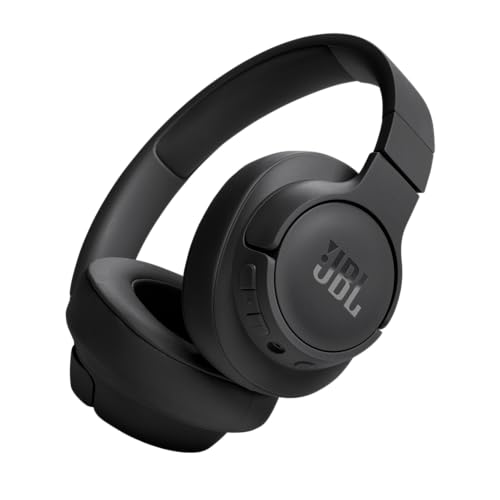
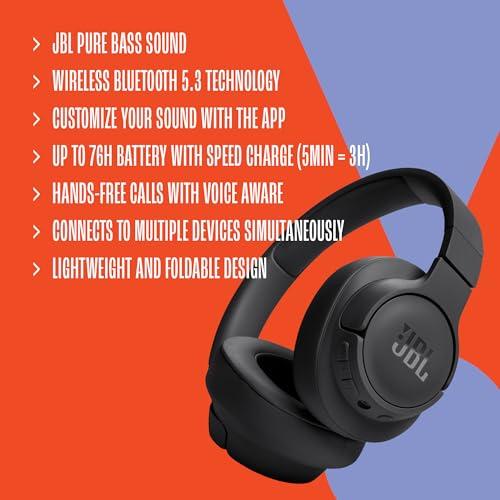
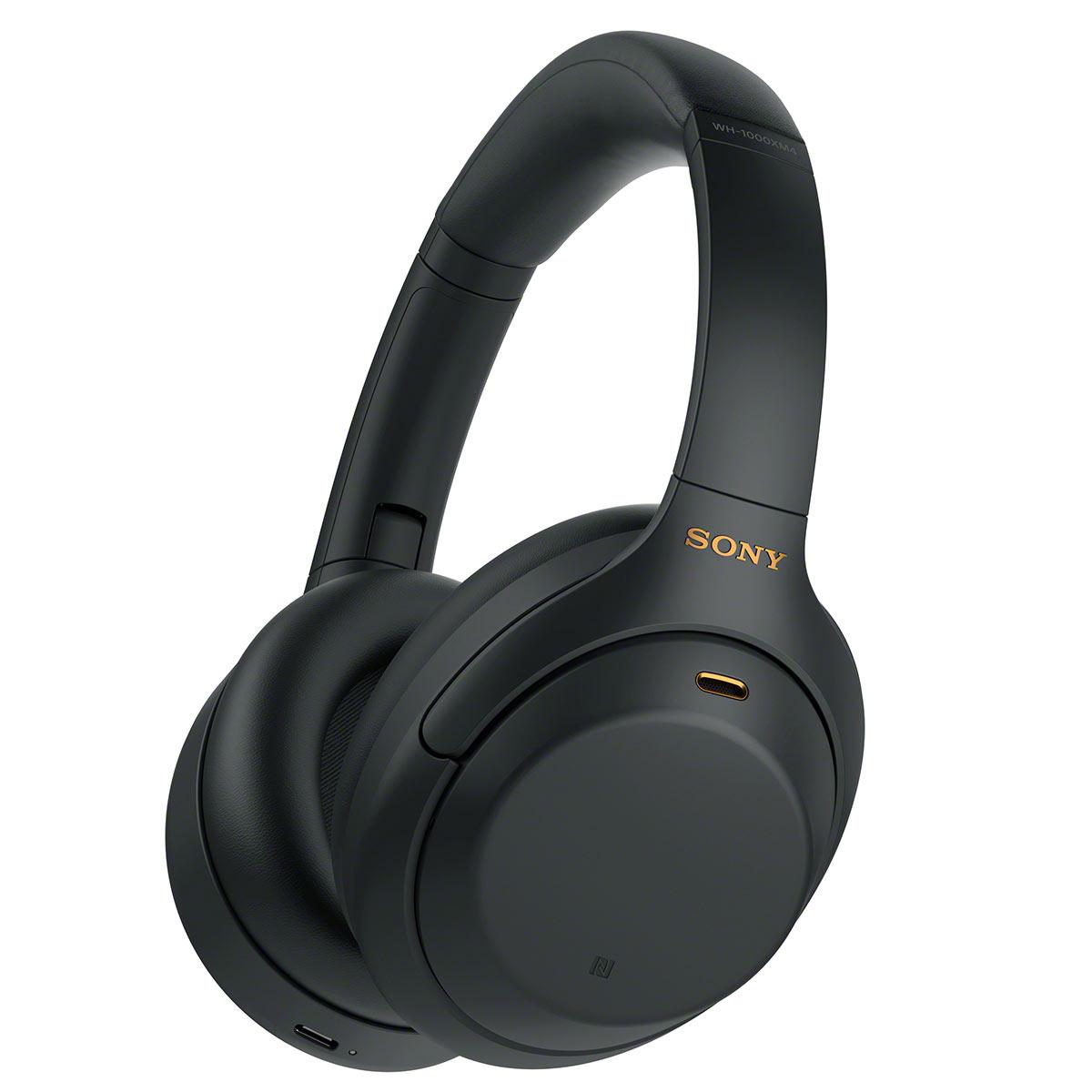
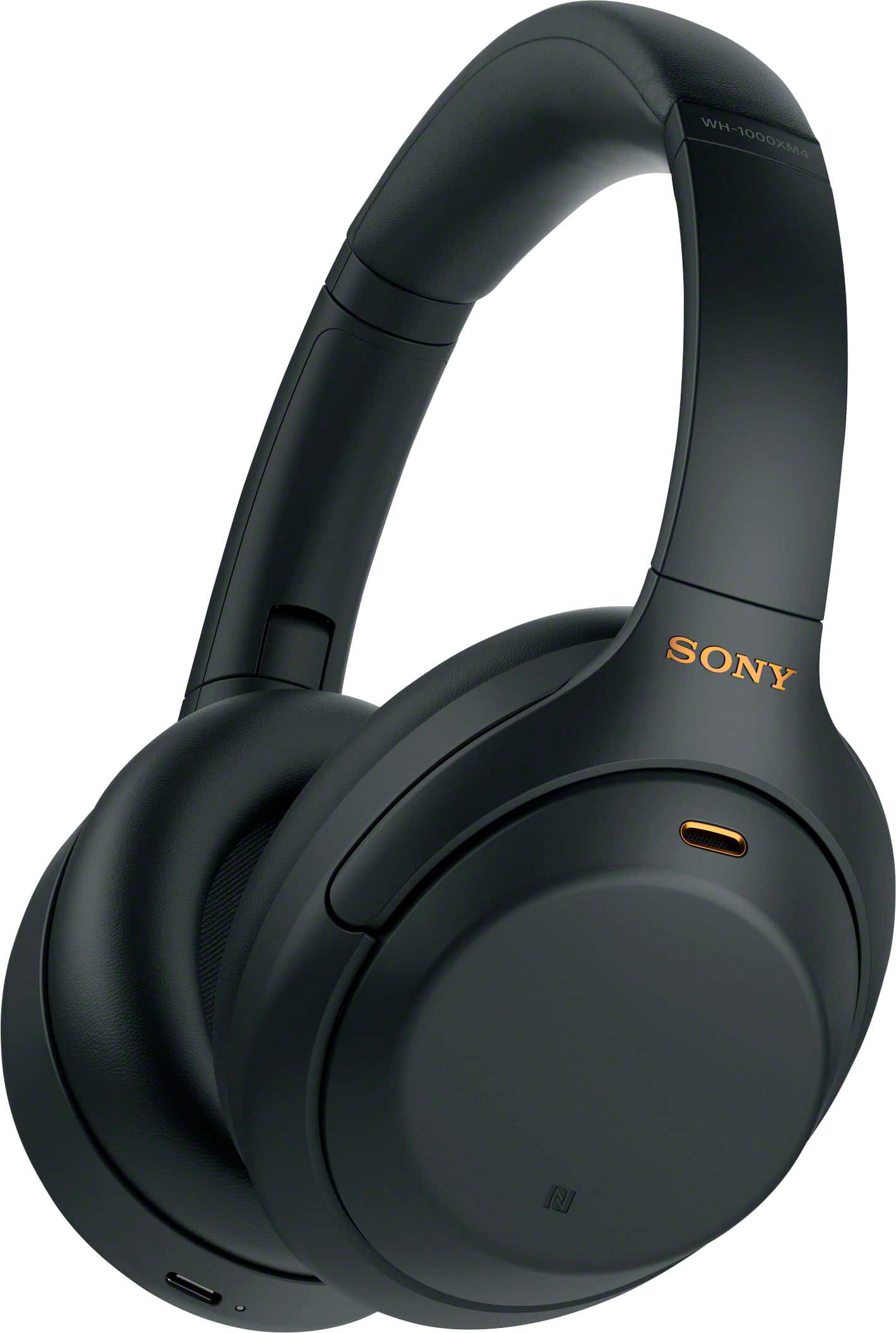
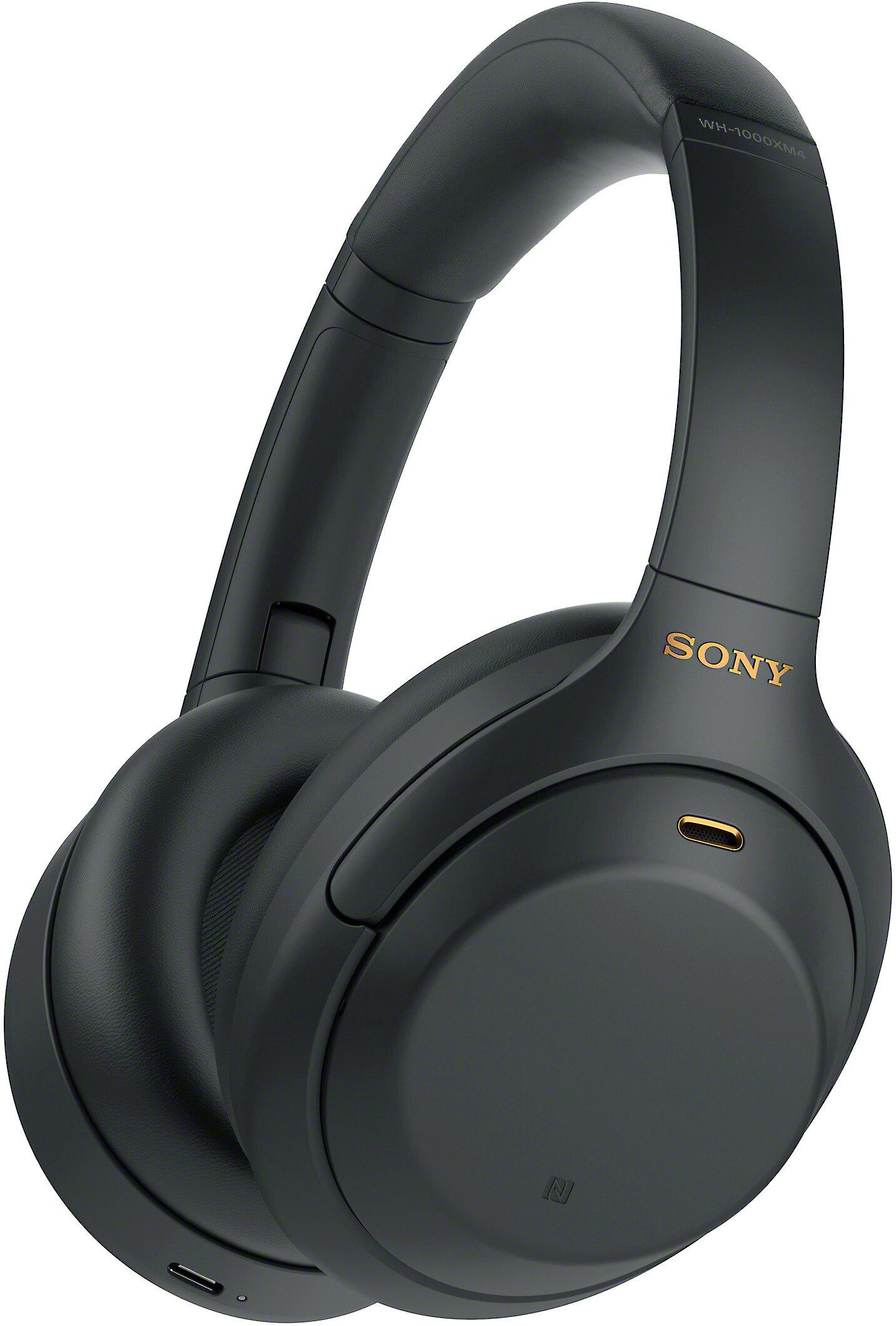
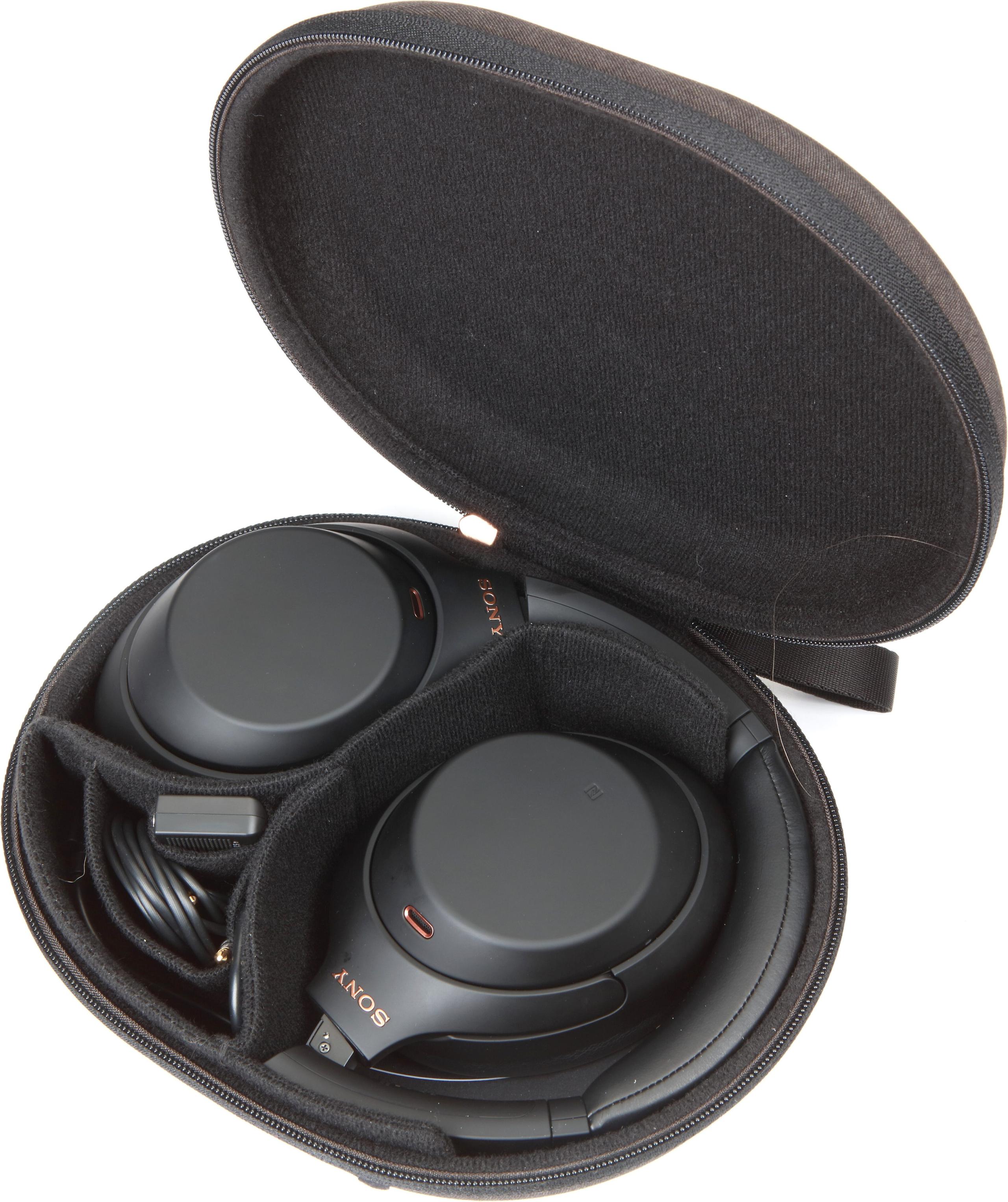
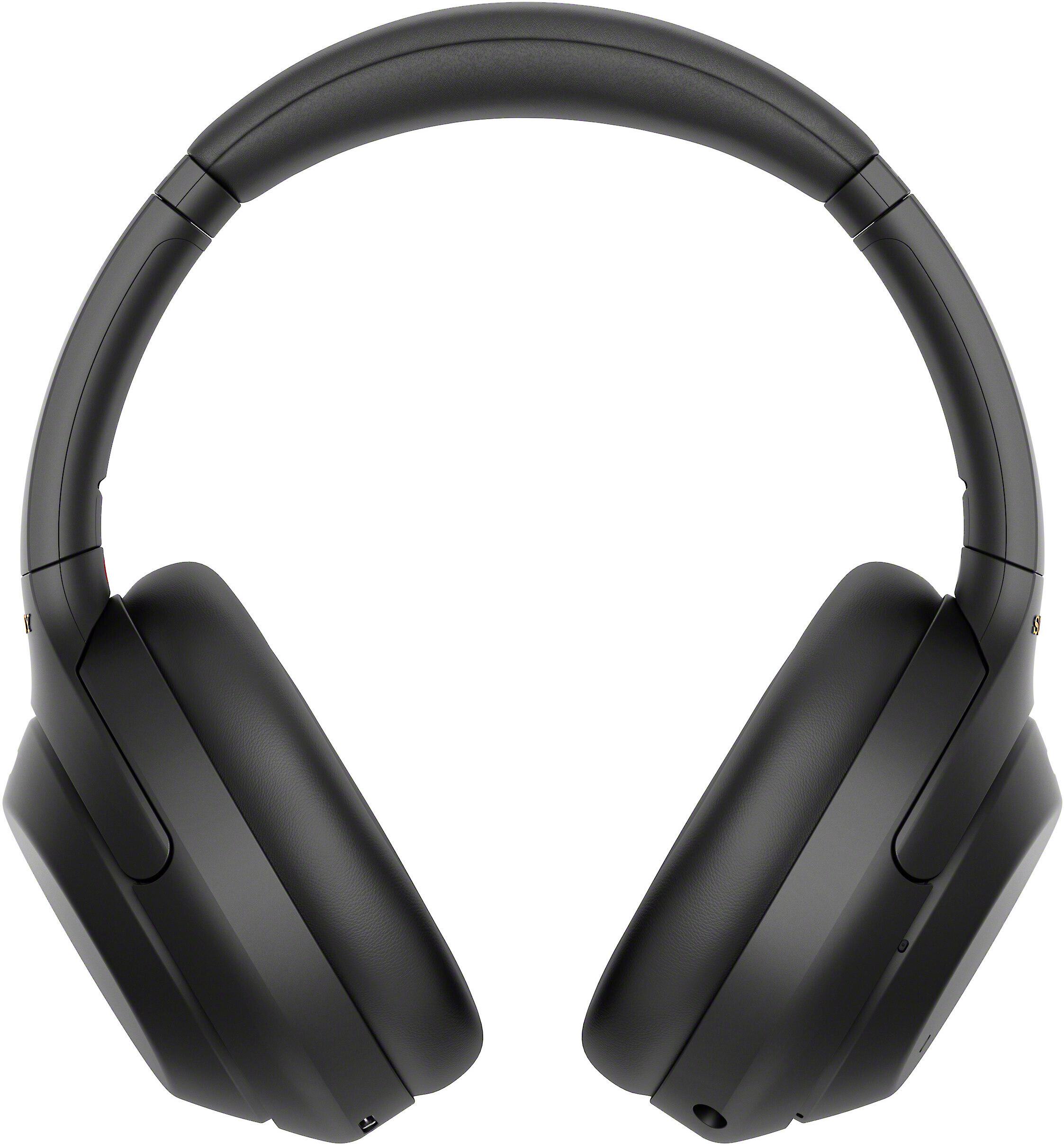
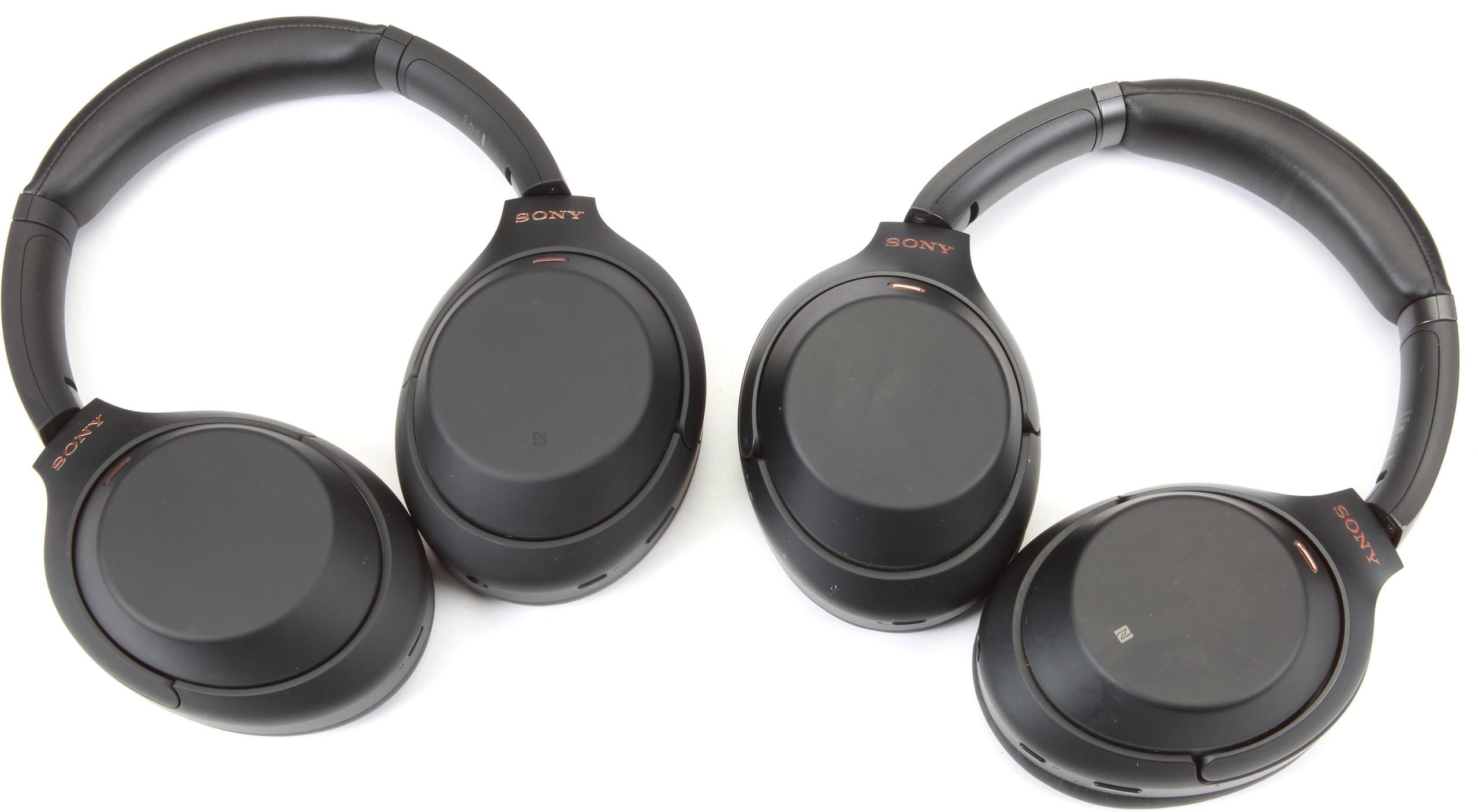
Today, we're comparing two headphones that represent opposite ends of this spectrum: the JBL Tune 720BT and the Sony WH-1000XM4. At the time of writing, these models sit roughly $120 apart in price, but that gap represents a fundamental difference in philosophy and capability that's worth understanding.
Before diving into specifics, let's talk about what makes wireless over-ear headphones tick. The most crucial factors are sound quality, comfort for long listening sessions, battery life, and increasingly, active noise cancellation (ANC)—a technology that uses microphones to detect outside noise and creates inverse sound waves to cancel it out.
The wireless headphone market has evolved dramatically since Bluetooth became reliable enough for serious audio use. In 2020, when the Sony WH-1000XM4 launched, manufacturers were perfecting the balance between sound quality and convenience features. The JBL Tune 720BT, released more recently, benefits from newer Bluetooth technology but focuses on delivering exceptional battery life rather than premium features.
What's fascinating about this comparison is how it illustrates two completely different approaches to the same basic need: wireless audio freedom. One prioritizes accessibility and endurance, while the other emphasizes technological sophistication and audio performance.
Sound quality might seem straightforward, but it's actually where these headphones diverge most dramatically. The Sony WH-1000XM4 uses 40mm drivers with aluminum-coated LCP (Liquid Crystal Polymer) diaphragms—a material that's both lightweight and rigid, allowing for precise sound reproduction across a wider frequency range of 4Hz to 40kHz. That extended range means you're hearing details in recordings that cheaper headphones simply can't reproduce.
The JBL Tune 720BT, by contrast, works within the standard 20Hz to 20kHz range that covers human hearing but doesn't leave room for the subtle harmonics and overtones that make music feel more alive. JBL's approach emphasizes their "Pure Bass Sound" tuning, which means they've deliberately boosted the low frequencies to create a more energetic, fun listening experience.
In practical terms, this means the Sony WH-1000XM4 will reveal layers in your music you might not have noticed before—the subtle breath before a vocalist starts singing, the way a guitar's strings ring out in a live recording, or the precise placement of instruments in a well-produced track. The JBL Tune 720BT prioritizes impact over nuance, making electronic music, hip-hop, and rock feel punchy and engaging, even if it sacrifices some detail in the process.
The Sony also includes DSEE Extreme, an AI-powered technology that analyzes compressed music files in real-time and attempts to restore the high-frequency content that gets lost during compression. While it's not magic, it does make Spotify streams and MP3s sound noticeably more detailed and spacious.
For home theater use, the Sony WH-1000XM4 offers a clear advantage. Its wider frequency response and more neutral tuning mean dialogue remains clear and well-positioned, while sound effects have proper weight and presence. The JBL Tune 720BT can work for casual movie watching, but its bass emphasis might make dialogue harder to understand in action-heavy scenes.
Here's where we encounter the most significant difference between these headphones: the Sony WH-1000XM4 features sophisticated active noise cancellation, while the JBL Tune 720BT relies entirely on passive isolation—essentially just the physical barrier created by the ear cups.
Sony's ANC system is genuinely impressive. It uses dual noise sensors (two microphones per ear cup) that constantly monitor ambient sound, feeding that information to the HD Noise Cancelling Processor QN1. This dedicated chip processes the noise data over 700 times per second, creating precise inverse sound waves to cancel unwanted noise.
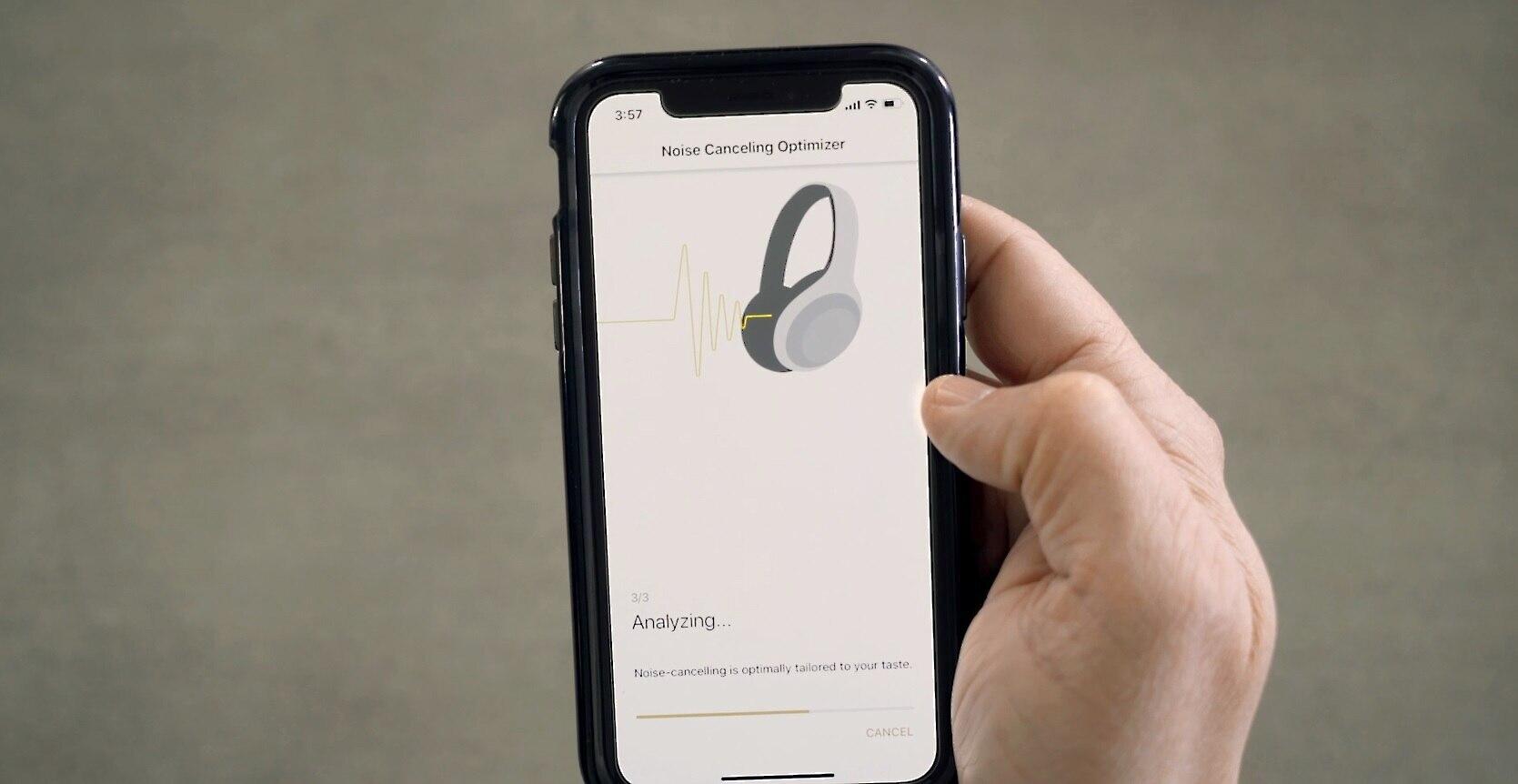
What makes Sony's implementation special is its adaptability. The Personal Noise Cancelling Optimizer runs a test tone to measure how sound travels around your specific head shape, glasses, and hairstyle, then adjusts the cancellation accordingly. There's even Atmospheric Pressure Optimizing that accounts for altitude changes—crucial if you're a frequent flyer.
The practical impact is substantial. In a coffee shop, office, or airplane, the Sony WH-1000XM4 can reduce ambient noise by up to 20-30 decibels, transforming a noisy environment into a peaceful listening space. The JBL Tune 720BT might knock off 5-10 decibels through passive isolation alone, but that's nowhere near enough to handle truly disruptive noise.
This difference affects not just listening quality but volume levels. Without effective noise cancellation, you'll naturally turn up the volume to overcome background noise, potentially damaging your hearing over time. The Sony's ANC lets you listen at healthier levels while still hearing your music clearly.
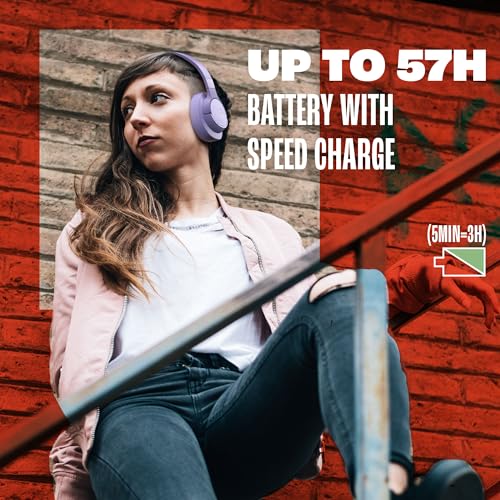
If the Sony WH-1000XM4 wins on audio sophistication, the JBL Tune 720BT absolutely dominates battery life. JBL claims up to 76 hours of playback—more than three full days of continuous listening. That's not just impressive; it's practically game-changing for certain use cases.
The Sony WH-1000XM4 offers a respectable 30 hours with noise cancellation enabled, which was considered excellent when it launched in 2020. However, that sophisticated ANC system and audio processing require significant power, and 76 hours simply isn't physically possible when you're running multiple processors and sensors continuously.
Both headphones support quick charging, but with different priorities. The JBL Tune 720BT gives you three hours of playback from a five-minute charge, while the Sony WH-1000XM4 provides five hours from ten minutes of charging. In real-world terms, both are fast enough that you'll rarely find yourself with completely dead headphones.
For someone who travels frequently or simply forgets to charge devices regularly, the JBL's endurance is genuinely liberating. You could easily go a week or more between charges with normal use, eliminating one more thing to worry about in your daily routine.
Comfort becomes crucial for headphones you'll wear for hours at a time, and this is where personal fit variation makes generalization challenging. However, the engineering approaches tell a story.
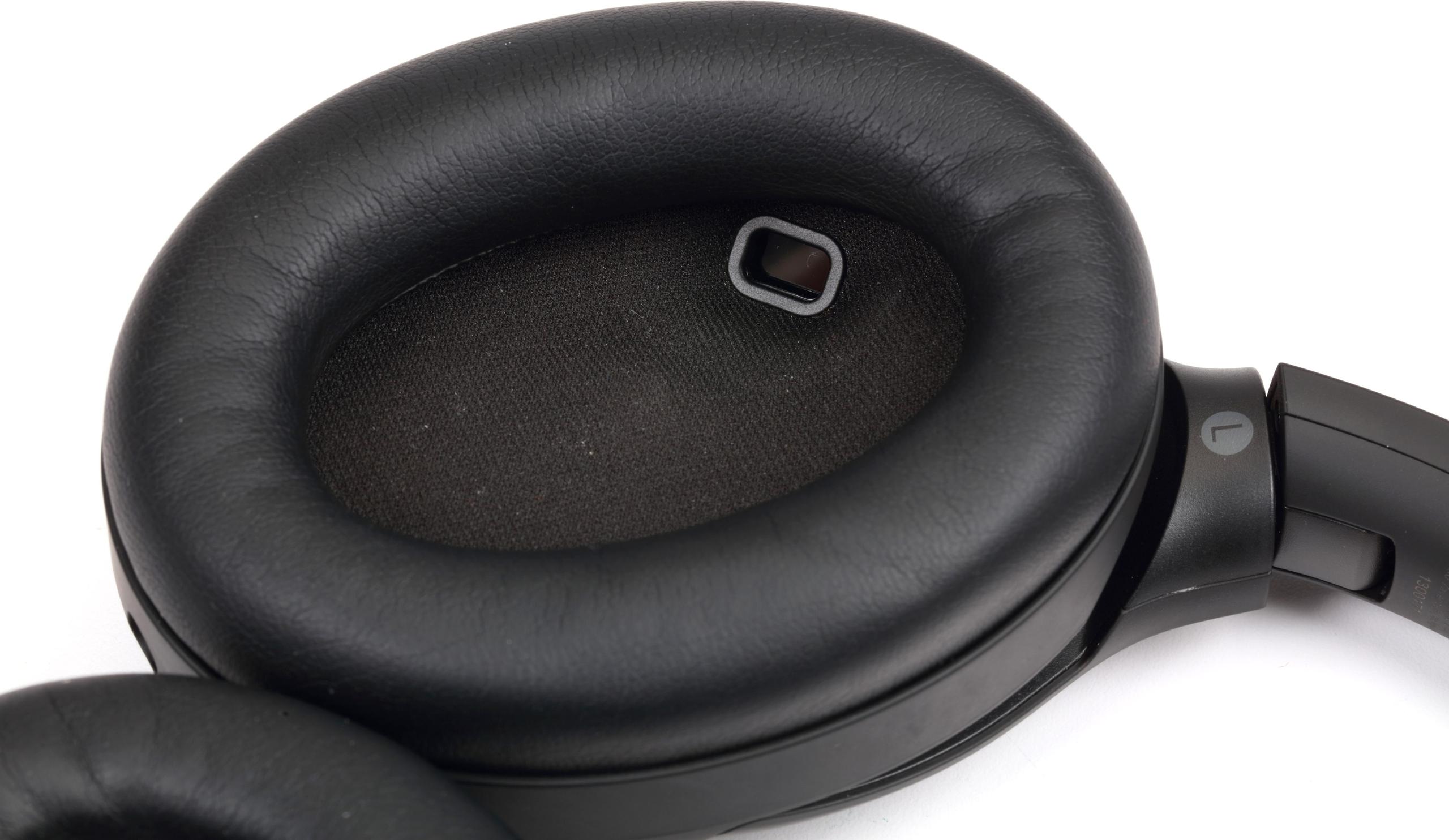
The Sony WH-1000XM4 uses memory foam ear pads that mold to your ear shape over time, distributing pressure evenly around your ears rather than pressing directly on them. The headband padding and overall weight distribution (despite being slightly heavier at about 254 grams) work together to minimize pressure points during extended listening.
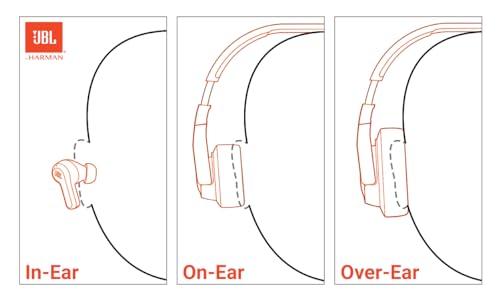
Unfortunately, the JBL Tune 720BT has documented comfort issues that affect many users. The clamping force—how tightly the headphones grip your head—is reportedly excessive, and the ear cups are sized smaller than many competing models. This means they often sit on your ears rather than around them, creating pressure and heat buildup during longer sessions.
This comfort difference becomes particularly important for home theater use, where you might wear headphones for an entire movie or binge-watching session. Poor comfort can transform an enjoyable experience into an endurance test.
The feature gap between these headphones reflects their different target markets. The Sony WH-1000XM4 includes an array of smart technologies that either enhance convenience or adapt performance to your environment.
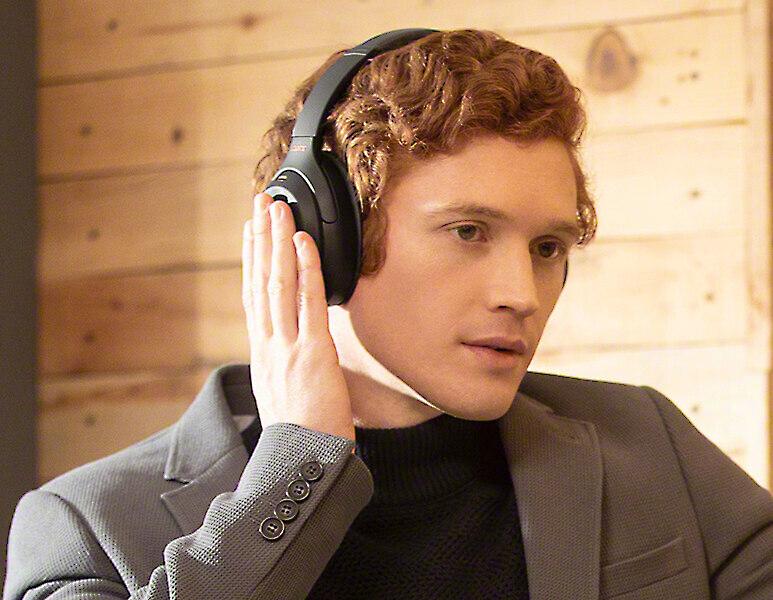
Speak-to-Chat automatically pauses your music and activates ambient sound when it detects you're speaking—perfect for quick conversations without removing your headphones. Quick Attention mode does something similar when you place your hand over the right ear cup. Adaptive Sound Control learns your daily routine and automatically adjusts noise cancellation settings based on your location and activity.
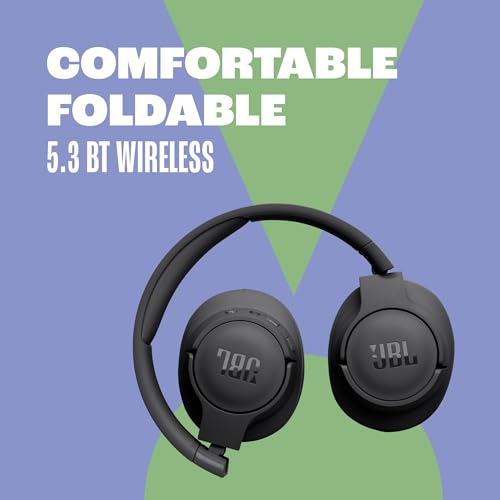
The JBL Tune 720BT takes a simpler approach, focusing on reliable basic functionality rather than smart features. Both headphones support multipoint connectivity, allowing connection to two devices simultaneously—a genuinely useful feature for switching between your phone and laptop without manual reconnection.
Both models use apps for customization, but Sony's Headphones Connect app is significantly more comprehensive, offering detailed EQ adjustment, ANC fine-tuning, and access to various smart features. JBL's app handles basic EQ and settings but lacks the depth of Sony's implementation.
At the time of writing, the price difference between these headphones reflects genuine capability gaps rather than brand premium alone. The JBL Tune 720BT represents excellent value for users who primarily need wireless convenience and exceptional battery life without requiring premium audio performance or noise cancellation.
The Sony WH-1000XM4, even at its higher price point, offers features typically found in headphones costing significantly more. When it launched in 2020, it was priced as a flagship product, but current pricing makes it more accessible while retaining all its original capabilities.
The value equation depends entirely on your priorities. If you're a student listening primarily in quiet environments like your dorm room or library, the JBL's extreme battery life and basic wireless functionality might provide better practical value than features you won't use. Conversely, if you commute on public transit, work in a noisy office, or simply appreciate high-quality audio, the Sony's additional cost translates directly into daily quality-of-life improvements.
The JBL Tune 720BT excels in specific scenarios: long study sessions where battery anxiety would be distracting, casual listening in quiet environments, or as reliable backup headphones that you can forget about charging for weeks. They're also reasonable for users who prefer bass-heavy music genres and don't need the accuracy that critical listening demands.
The Sony WH-1000XM4 shines in more demanding situations: daily commuting on noisy public transport, open office environments where concentration is crucial, or serious music listening where you want to hear recordings as artists intended. For home theater use, their superior frequency response and soundstage make them significantly more engaging for movie watching.
Travel scenarios particularly highlight the Sony's advantages. Airport terminals, airplane cabins, and hotel rooms all present acoustic challenges that active noise cancellation handles effortlessly, while the JBL would require uncomfortable volume levels to overcome ambient noise.
When choosing between these headphones, start with your primary use case and budget constraints. If your budget is firm and under $100, the JBL Tune 720BT offers reasonable value despite its limitations, provided you understand what you're sacrificing in comfort and features.
If you can stretch your budget toward the premium category, the Sony WH-1000XM4 represents a significant step up in overall experience. The question becomes whether that enhanced experience justifies the additional cost for your specific needs.
Consider your environment carefully. Quiet spaces make the JBL's limitations less apparent, while noisy environments expose them dramatically. Think about your listening habits—casual background music versus focused listening sessions require different capabilities.
Comfort is personal but crucial. If possible, try to test fit headphones before purchasing, especially if you have a larger head or wear glasses, as both factors can affect how well different models work for you.
The technology improvements since these models launched have been incremental rather than revolutionary. Bluetooth has become more reliable across all price points, and battery technology has improved, but the fundamental trade-offs between cost, features, and performance remain consistent.
Ultimately, both the JBL Tune 720BT and Sony WH-1000XM4 succeed in their intended roles. The JBL delivers exceptional endurance and basic wireless functionality at an accessible price, while the Sony provides a premium audio experience with sophisticated features that justify its higher cost. Your choice should align with your priorities, budget, and listening environment—and either way, you'll be getting a competent wireless headphone that serves its intended purpose well.
| JBL Tune 720BT | Sony WH-1000XM4 |
|---|---|
| Active Noise Cancellation - Essential for noisy environments like planes, offices, or commutes | |
| None (passive isolation only) | Industry-leading ANC with dual sensors and dedicated processor |
| Battery Life - How long between charges matters for daily use | |
| Up to 76 hours (exceptional endurance) | Up to 30 hours with ANC on (very good for premium category) |
| Sound Quality - Frequency response range indicates audio detail capability | |
| 20Hz-20kHz with bass-heavy tuning | 4Hz-40kHz with balanced, detailed sound signature |
| Comfort - Critical for extended listening sessions | |
| Poor fit with excessive clamping force and small ear cups | Excellent with memory foam pads and even pressure distribution |
| Weight - Affects long-term wearing comfort | |
| 220g (lighter but poor fit design) | 254g (heavier but better weight distribution) |
| Bluetooth Version - Newer versions offer better connectivity and efficiency | |
| Bluetooth 5.3 (latest standard) | Bluetooth 5.0 (slightly older but proven reliable) |
| Audio Codecs - Higher quality codecs mean better wireless sound | |
| SBC, AAC (standard codecs) | SBC, AAC, LDAC (high-resolution wireless audio support) |
| Smart Features - Convenience technologies for modern users | |
| Basic app with EQ customization | Speak-to-chat, adaptive sound control, wear detection, voice assistants |
| Build Quality - Durability and premium feel | |
| Lightweight plastic construction | Premium materials with superior fit and finish |
| Quick Charging - Emergency power for forgotten charging | |
| 5 minutes = 3 hours playback | 10 minutes = 5 hours playback |
| Multipoint Connection - Connect to phone and laptop simultaneously | |
| Yes (convenient for device switching) | Yes (seamless two-device management) |
| Wired Option - Backup when battery dies | |
| Detachable 3.5mm cable included | Detachable cable with better passive sound quality |
The Sony WH-1000XM4 offers significantly better value if you can afford the higher price, providing premium features like industry-leading noise cancellation, superior sound quality, and smart features. The JBL Tune 720BT provides good basic value for budget-conscious buyers, especially with its exceptional 76-hour battery life, but compromises on comfort and audio quality.
If you use headphones in noisy environments like airplanes, busy offices, or public transport, the Sony WH-1000XM4's active noise cancellation is transformative. The JBL Tune 720BT only offers passive isolation, which isn't effective against consistent background noise like air conditioning or engine sounds.
The Sony WH-1000XM4 delivers substantially better sound quality with its wider frequency response (4Hz-40kHz), balanced tuning, and high-resolution audio support. The JBL Tune 720BT has a more limited frequency range and bass-heavy tuning that prioritizes impact over detail and accuracy.
The JBL Tune 720BT excels with up to 76 hours of battery life, making it ideal for extended travel or users who forget to charge regularly. The Sony WH-1000XM4 provides 30 hours with noise cancellation enabled, which is still excellent for the premium category but requires more frequent charging.
The Sony WH-1000XM4 is significantly more comfortable with memory foam ear pads and proper weight distribution, making it suitable for hours of use. The JBL Tune 720BT has documented comfort issues including excessive clamping force and small ear cups that can cause discomfort during extended wear.
The Sony WH-1000XM4 offers better call quality with advanced microphone technology and noise processing, though neither model excels for calls compared to dedicated headsets. The JBL Tune 720BT provides basic call functionality but struggles with background noise isolation during conversations.
Both the JBL Tune 720BT and Sony WH-1000XM4 support multipoint connectivity, allowing you to connect to two devices simultaneously. This lets you seamlessly switch between your phone and laptop without manual reconnection, though Sony's implementation is more refined.
Neither the JBL Tune 720BT nor Sony WH-1000XM4 is ideal for intense workouts as both lack water resistance and have over-ear designs that can trap heat. For light exercise or walking, both can work, but dedicated sports headphones would be better choices for regular fitness use.
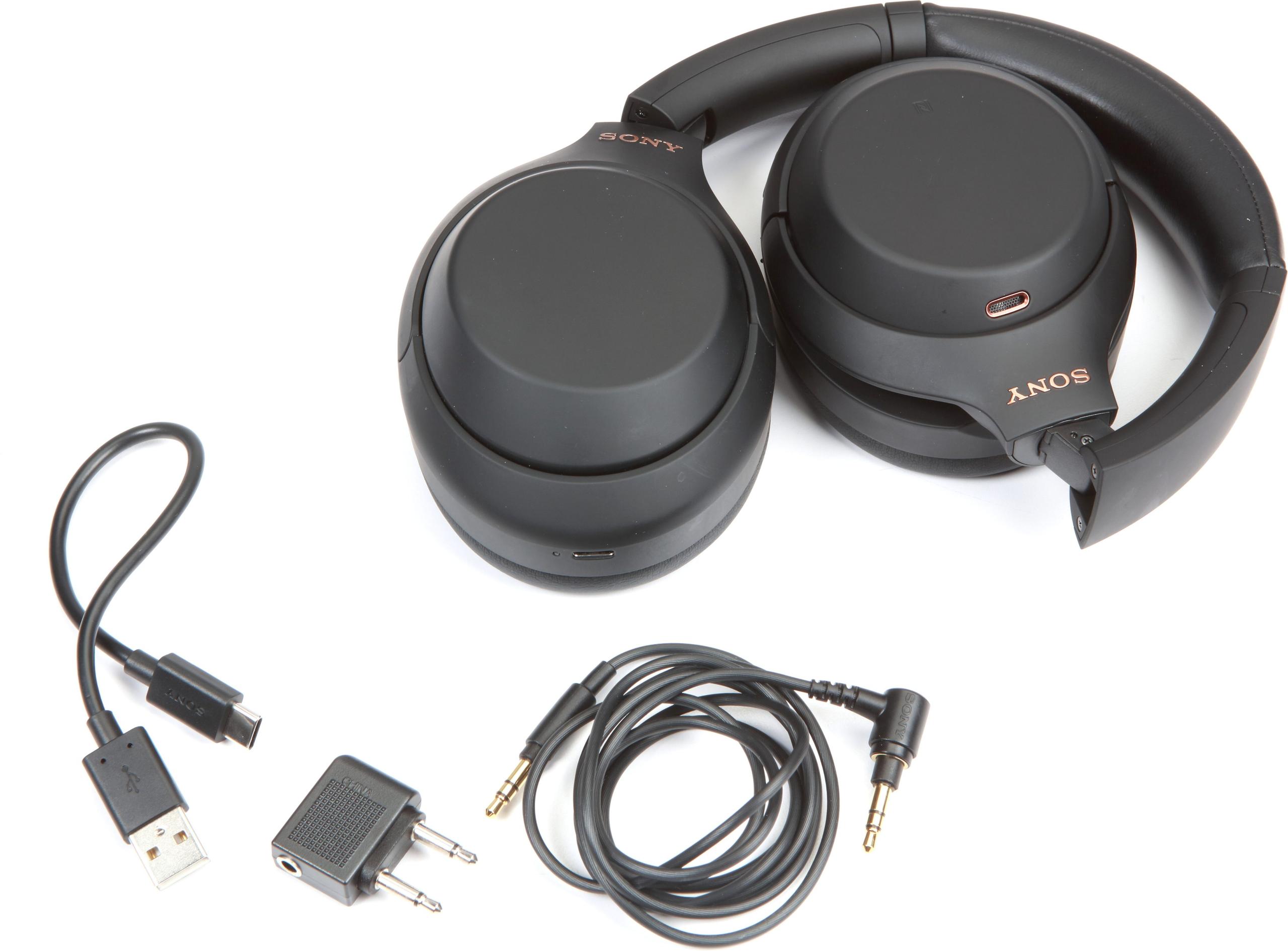
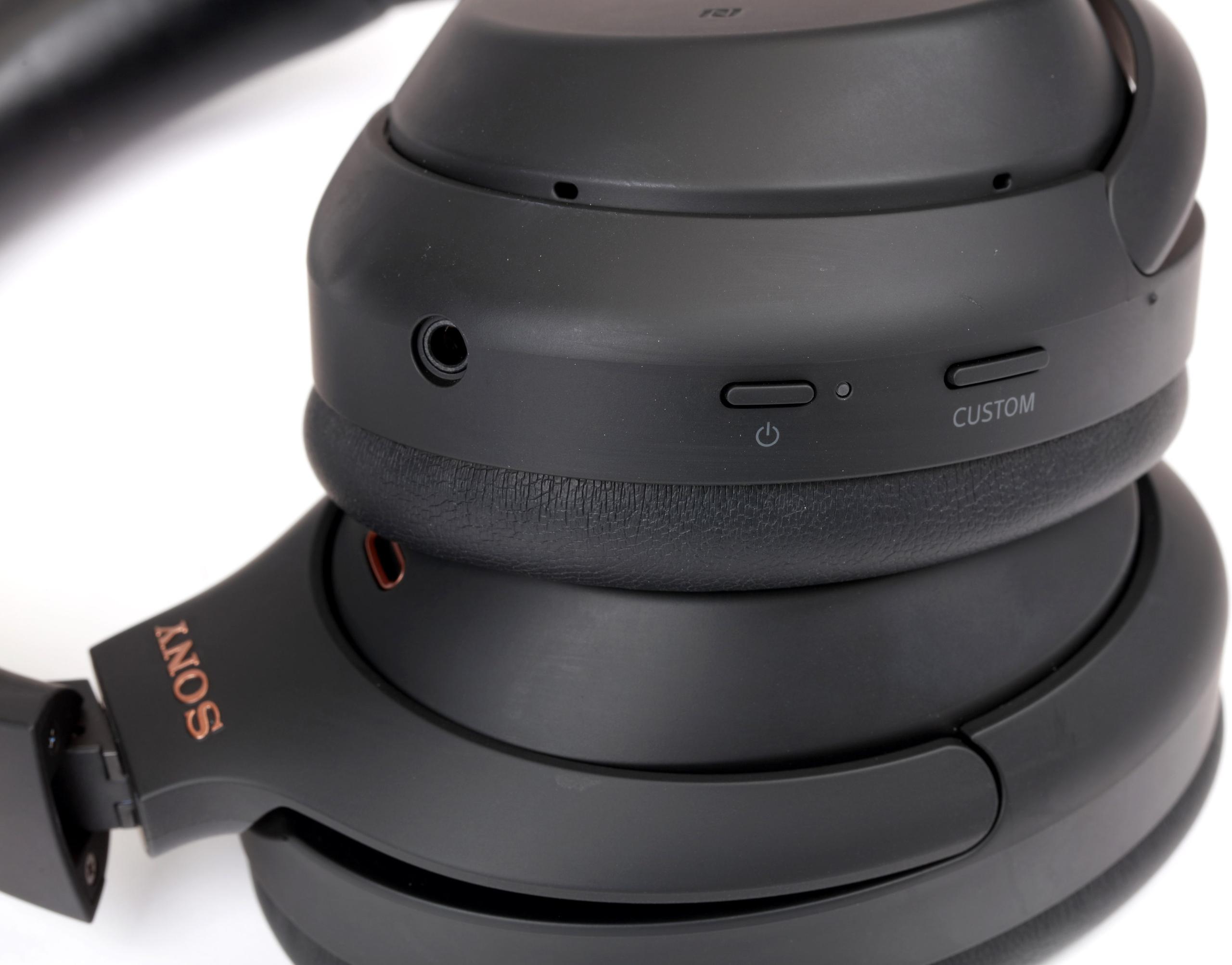
Both headphones include detachable cables for wired listening when the battery is dead. However, the Sony WH-1000XM4 sounds significantly better in wired mode, while the JBL Tune 720BT has poor passive sound quality and is designed primarily for powered use.
The Sony WH-1000XM4 is better for gaming thanks to its superior sound quality, comfortable fit for long sessions, and more accurate audio positioning. The JBL Tune 720BT can work for casual gaming but the comfort issues and bass-heavy tuning make it less suitable for competitive or extended gaming.
The Sony WH-1000XM4 has a much more comprehensive app with detailed EQ controls, noise cancellation adjustments, and access to smart features like adaptive sound control. The JBL Tune 720BT has a basic app with simple EQ presets and limited customization options.
If budget is your primary concern, the JBL Tune 720BT provides basic wireless functionality with exceptional battery life, making it a reasonable entry point despite comfort limitations. However, if you can afford it, the Sony WH-1000XM4 offers a significantly better first wireless headphone experience that showcases what modern wireless audio can achieve.
We've done our best to create useful and informative comparisons to help you decide what product to buy. Our research uses advanced automated methods to create this comparison and perfection is not possible - please contact us for corrections or questions. These are the sites we've researched in the creation of this article: audio46.com - e-catalog.com - headphonedungeon.com - e-catalog.com - recordingnow.com - versus.com - youtube.com - versus.com - consumerreports.org - youtube.com - ca.jbl.com - jblstore.co.id - jbl.com.tw - th.jbl.com - jblonlinestore.com - onward.ph - youtube.com - jbl.com - ro.harmanaudio.com - device.report - en.jblthailand.com - soundguys.com - headphones.com - recordingnow.com - electronics.sony.com - rtings.com - headphonereview.com - youtube.com - audiosciencereview.com - cnet.com - hyderseatravels.com - sony.com - sonylatvija.com - sony.com - sony.com - electronics.sony.com - sony.com - headphonecheck.com - fullspecs.net - sony.com - uclastore.com - bestbuy.com - sony.ca - helpguide.sony.net - device.report

Privacy Policy
Terms and Conditions - Affiliate Policy
Home Security
© Copyright 2008-2026.
11816 Inwood Rd #1211, Dallas, TX 75244