

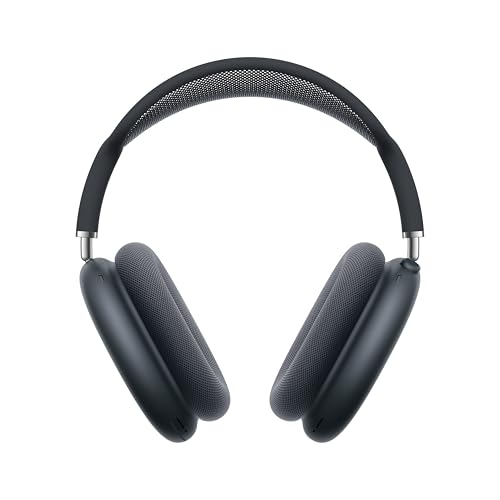
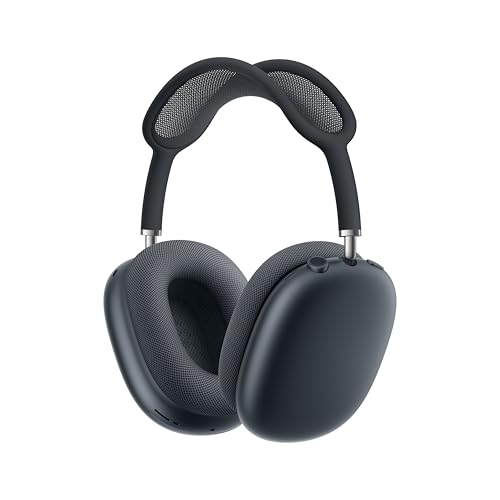

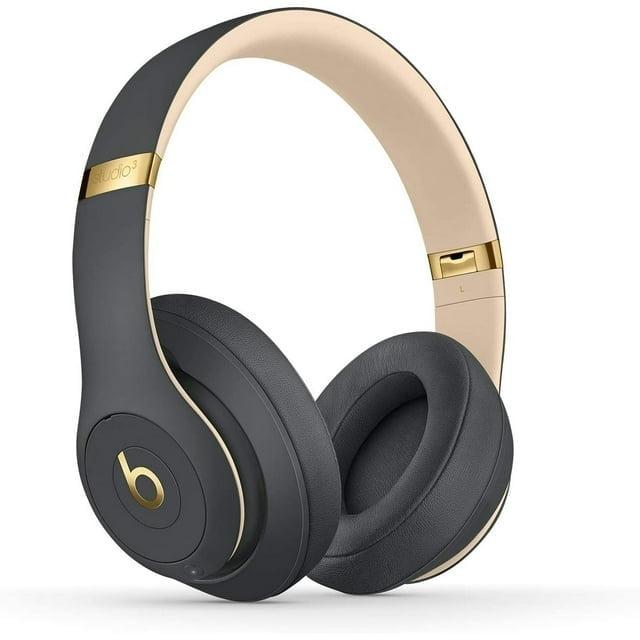
When you're in the market for premium over-ear wireless headphones, the choice can feel overwhelming. Two popular options that often come up in discussions are the Apple AirPods Max and the Beats Studio3 Wireless. While both brands are now under Apple's umbrella, these headphones represent vastly different approaches to audio—and vastly different price points.
Let me help you understand what makes each pair special, where they excel, and most importantly, which one might be the better fit for your needs and budget.
Over-ear headphones sit in the premium category of personal audio devices. Unlike smaller earbuds or on-ear models, these full-size headphones completely surround your ears with large cushions, creating a sealed environment that enhances both sound quality and noise isolation.
The main benefits of going over-ear include superior sound quality due to larger drivers (the components that actually produce sound), better passive noise isolation from the physical seal around your ears, and improved comfort during long listening sessions. However, they're also bulkier, heavier, and generally more expensive than their smaller counterparts.
When evaluating over-ear wireless headphones, the most critical factors are sound quality, active noise cancellation effectiveness, comfort for extended wear, battery life, and how well they integrate with your existing devices. Value becomes especially important in this category since you're typically making a significant investment.
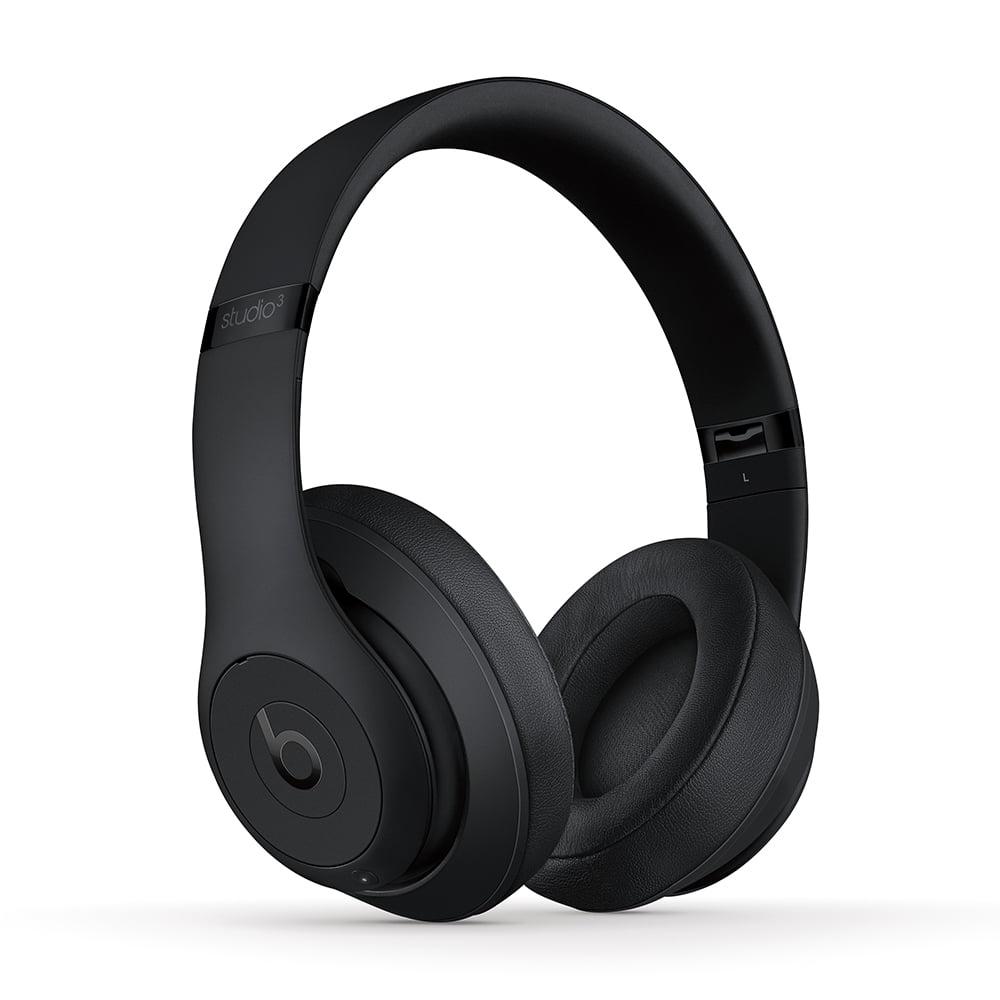
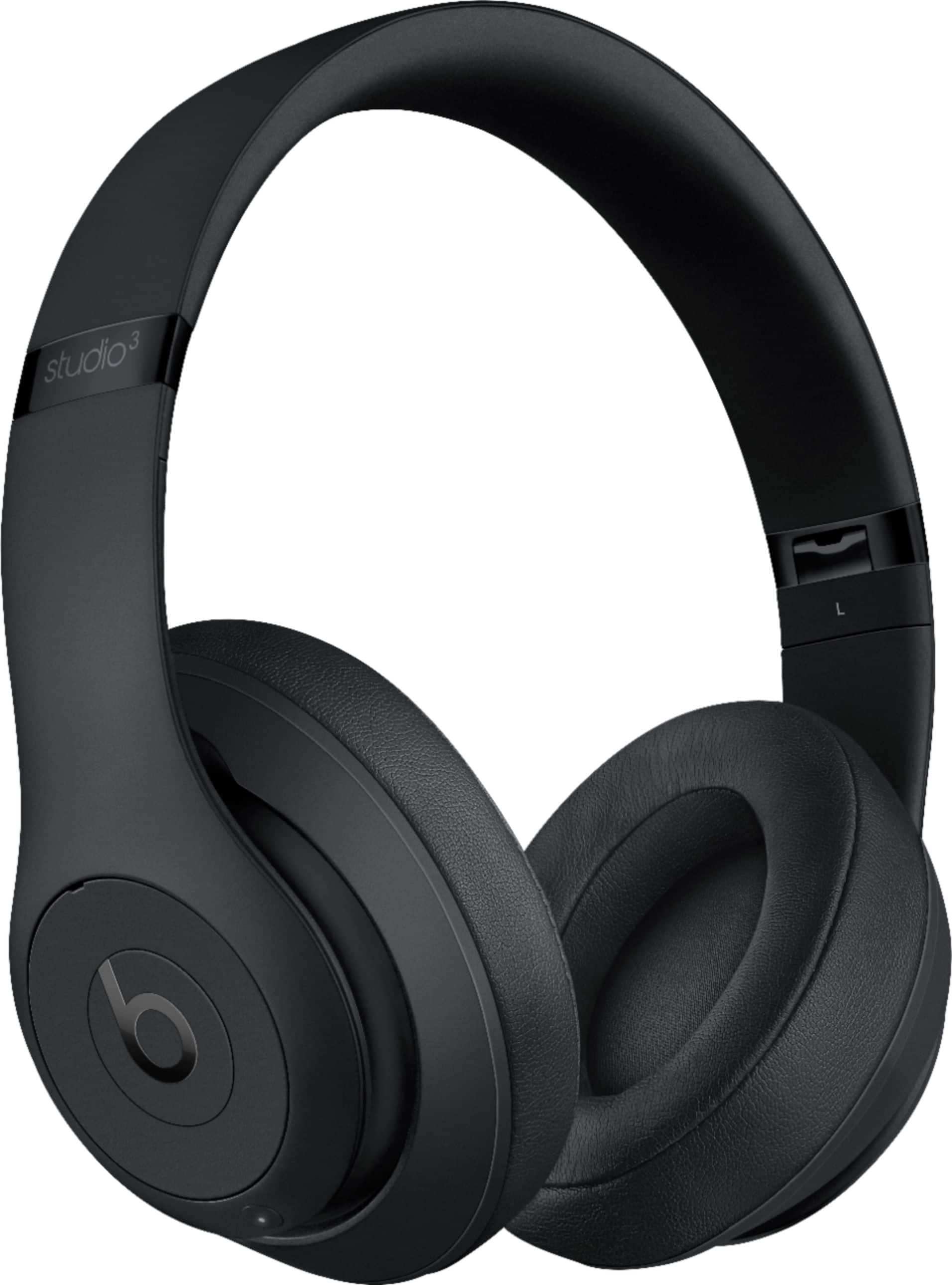
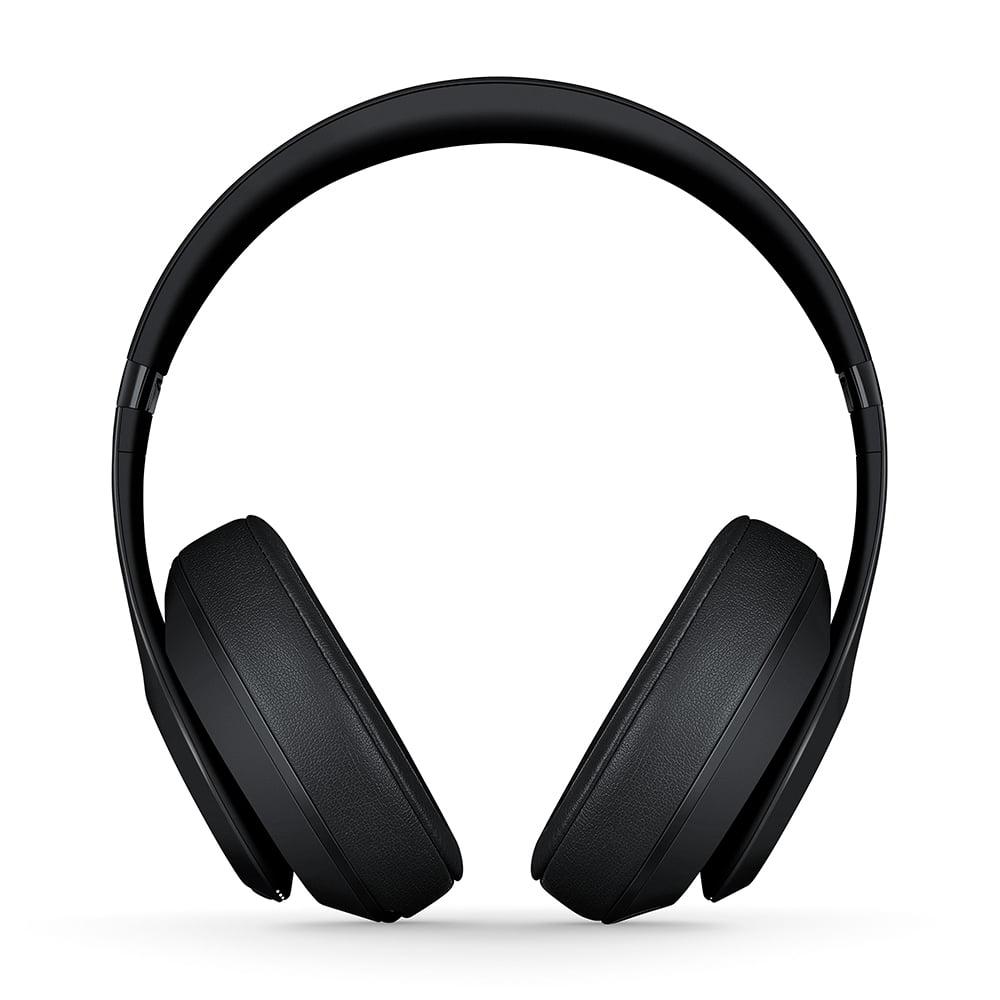
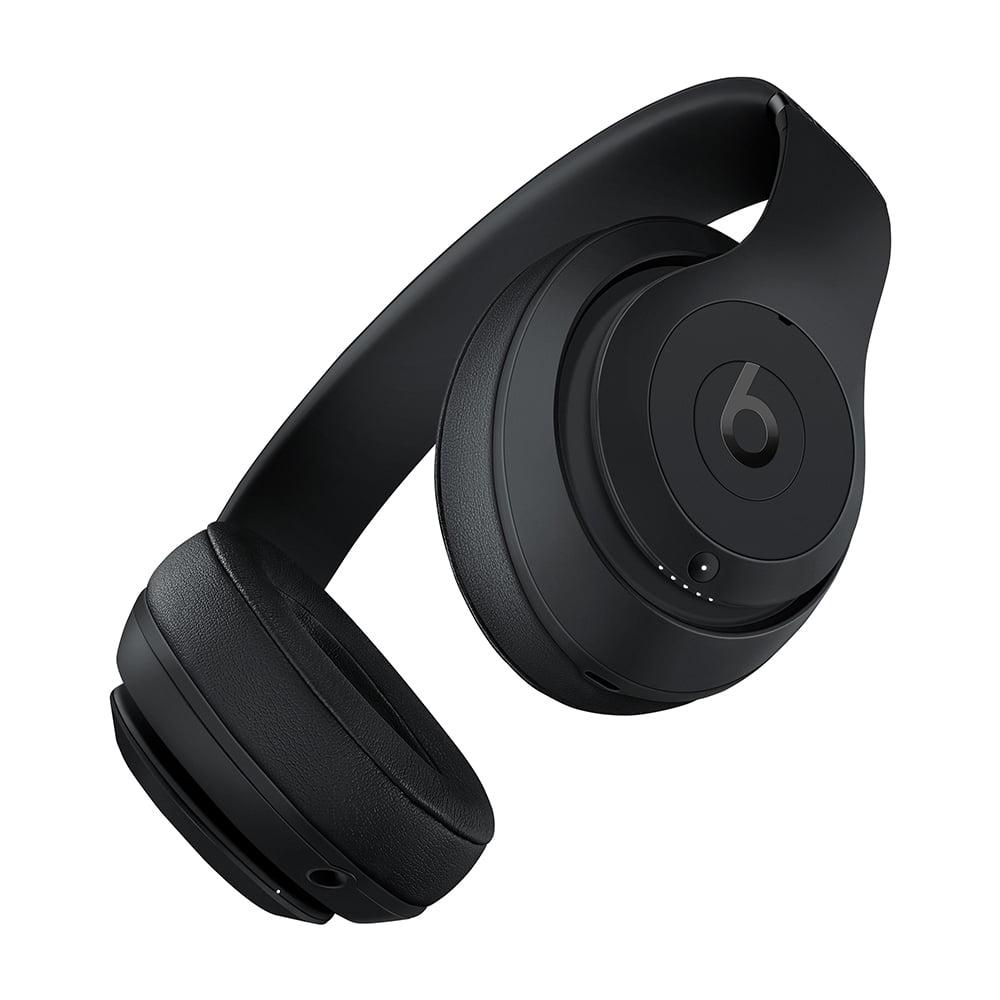
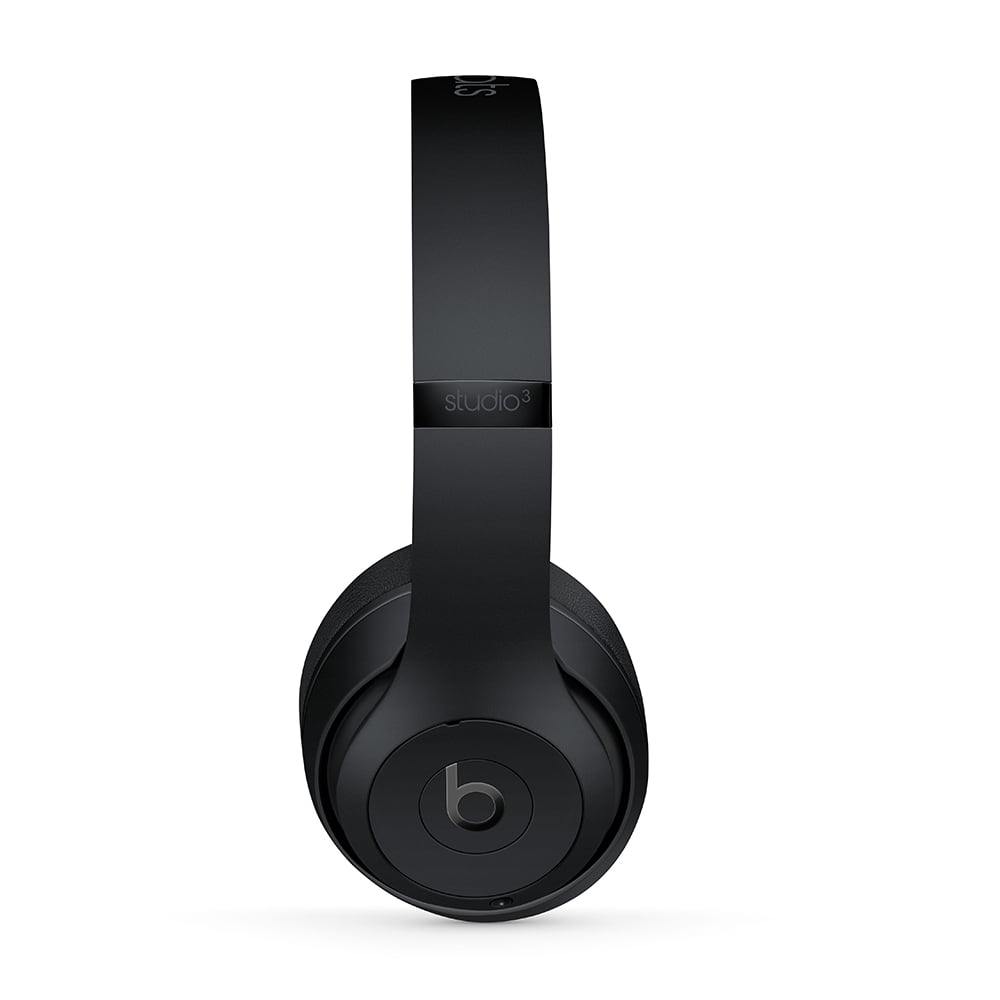
The Beats Studio3 Wireless launched in 2017, representing Beats' approach to mainstream premium headphones with their signature bass-forward sound. At the time, they were positioned as a step up from the popular Solo line, offering active noise cancellation and wireless connectivity powered by Apple's W1 chip.
The Apple AirPods Max, on the other hand, didn't arrive until late 2020—a full three years later. This timing is crucial because it means the AirPods Max benefits from significant technological advances, including Apple's more sophisticated H1 chip, advanced computational audio processing, and lessons learned from years of headphone development.
Since their respective launches, the technology gap has only widened. The AirPods Max received an update in 2024 that added USB-C charging and new color options, while the Studio3 has remained largely unchanged, making it feel increasingly dated in comparison.
This is where the generational gap becomes most apparent. The AirPods Max features Apple's custom-designed dynamic drivers paired with computational audio processing that continuously adjusts the sound based on how the headphones fit your ears. This "Adaptive EQ" technology means the headphones literally listen to what you're hearing and make real-time adjustments to maintain consistent sound quality.
The frequency response—how well headphones reproduce different pitches from deep bass to sparkling highs—shows marked differences between these models. The AirPods Max delivers a more balanced signature with controlled bass that doesn't overpower the midrange where vocals live. The highs are crisp and detailed without being harsh, while the soundstage (how wide and spacious music feels) is impressively open for closed-back headphones.
In contrast, the Studio3 follows the traditional Beats playbook with emphasized bass and upper bass frequencies. While this can make hip-hop and electronic music sound punchy, it often causes muddiness in the midrange, making male vocals less clear. The treble response is somewhat recessed, which means cymbals and high-frequency details can sound veiled or distant.
From my experience testing both, the difference is immediately noticeable when switching between them. Complex orchestral pieces that sound layered and detailed on the AirPods Max can feel compressed and one-dimensional on the Studio3. However, for casual listening—especially if you prefer a warmer, bass-heavy sound—the Studio3's tuning isn't necessarily wrong, just different.
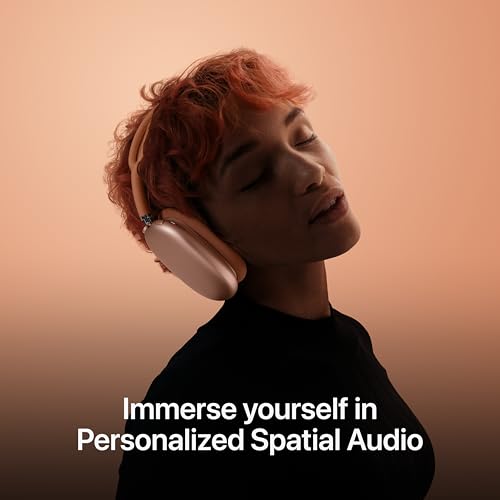
The AirPods Max also supports advanced audio formats including spatial audio with dynamic head tracking. This technology uses built-in accelerometers and gyroscopes to track your head movements, keeping sounds anchored to your device's screen. It creates an almost surround-sound-like experience that's particularly impressive for movies and specially-mixed music tracks.
Active Noise Cancellation (ANC) uses microphones to detect outside sounds and then generates "anti-noise" to cancel them out. It's particularly effective against consistent, low-frequency sounds like airplane engines or air conditioning units.
The AirPods Max employs eight microphones dedicated to noise cancellation—far more than most competitors. These microphones work with Apple's H1 processors (one in each ear cup) to continuously monitor your environment and adjust the cancellation in real-time. The system is sophisticated enough to account for things like how your hair or glasses might affect the seal around your ears.
In practical terms, this translates to some of the best noise cancellation available in any consumer headphones. I've found them exceptionally effective on flights, in busy coffee shops, and even for blocking out household noise while working from home.
The Studio3 offers what Beats calls "Pure Adaptive Noise Cancelling," which uses fewer microphones and less sophisticated processing. While it does reduce ambient noise, the effect is noticeably less dramatic. It's adequate for basic noise reduction but doesn't approach the isolation levels of the AirPods Max or other premium competitors.
The AirPods Max also includes a transparency mode that uses those same external microphones to let ambient sound through when you need to hear your surroundings. This feature is absent on the Studio3, which only offers full noise cancellation or none at all.
Here's where things get interesting, because "premium" doesn't always mean "better" for every user.
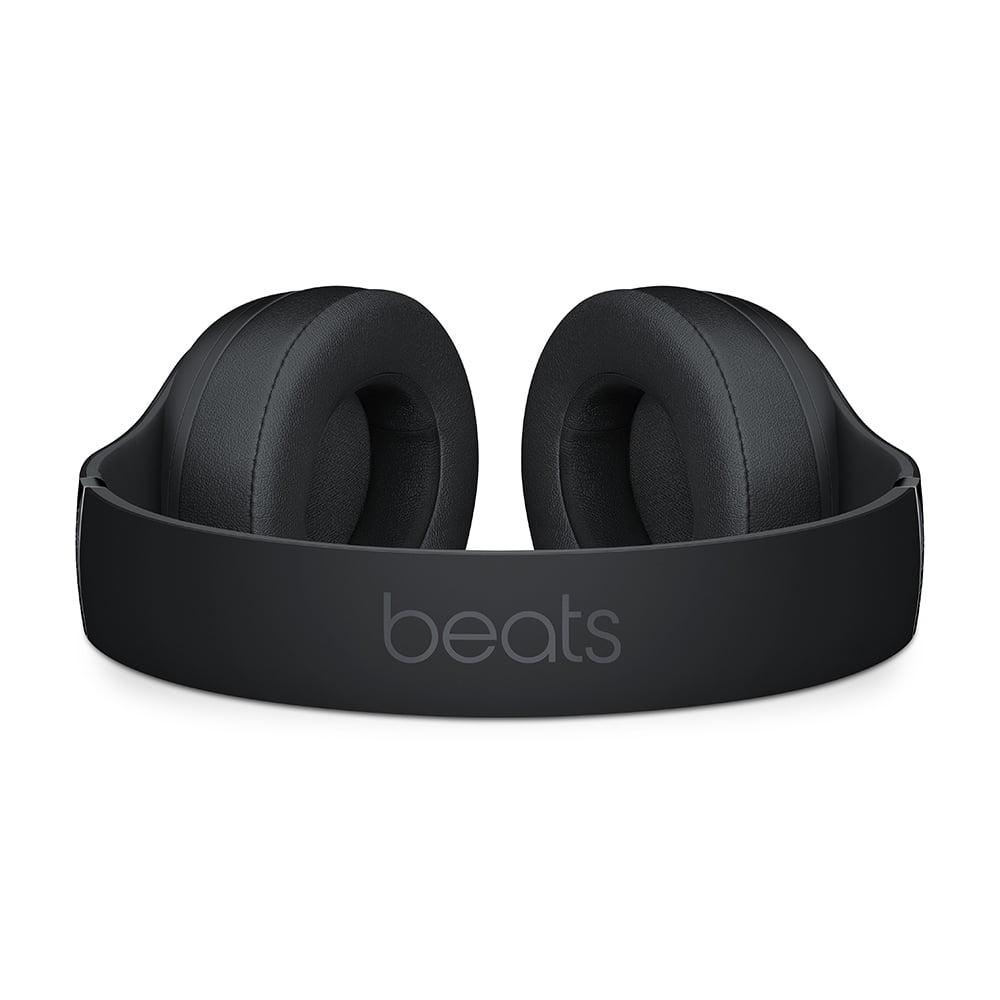
The AirPods Max showcases Apple's attention to materials and craftsmanship. The ear cups are machined from aluminum, the headband frame is stainless steel, and the ear cushions use memory foam wrapped in a specially designed mesh fabric. The overall construction feels incredibly solid and luxurious.
However, this premium construction comes with a significant weight penalty. At 384 grams, the AirPods Max is substantially heavier than most competitors. During extended listening sessions—particularly while moving around—this weight can become fatiguing. The mesh headband does help distribute the weight, but it's still noticeable.
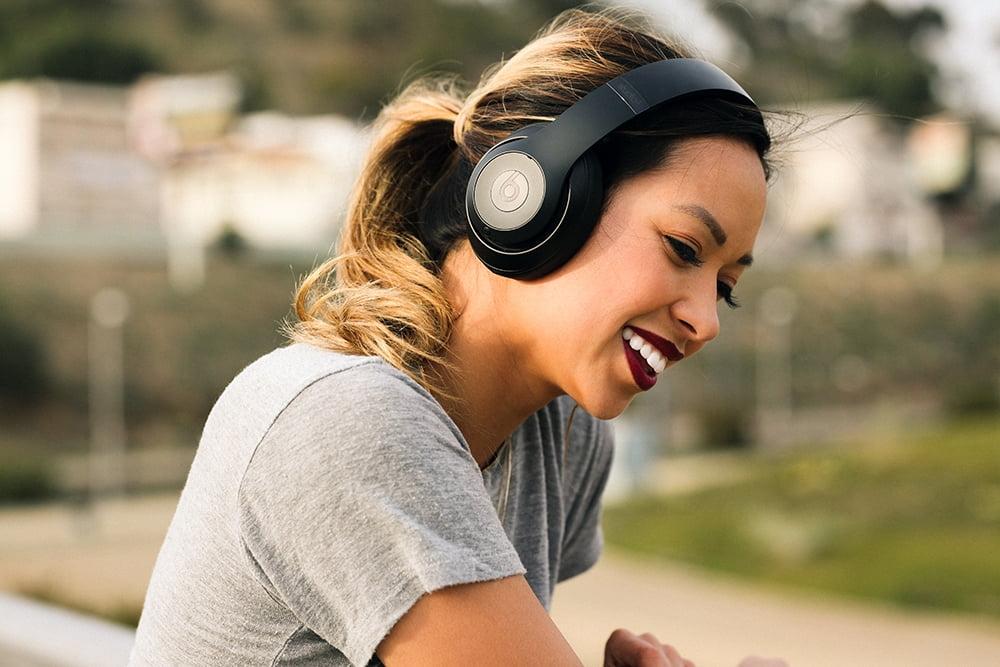
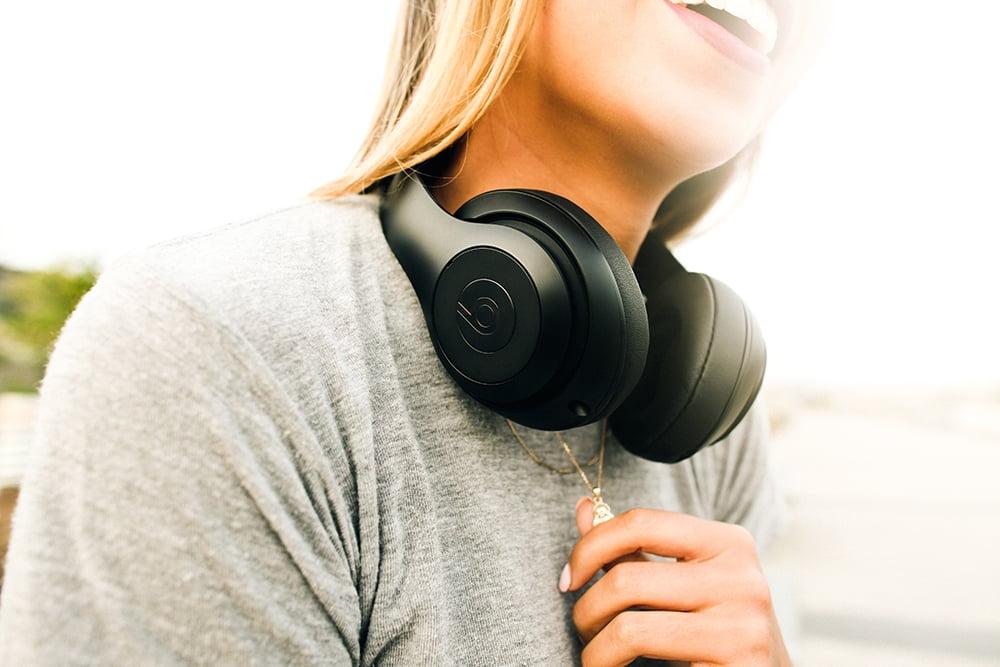
The Studio3, built primarily from plastic, weighs just 260 grams. While it doesn't feel as premium in your hands, this lighter weight makes it more comfortable for long periods of wear. The ear cushions are softer and more traditional, and many users find them less prone to causing ear fatigue.
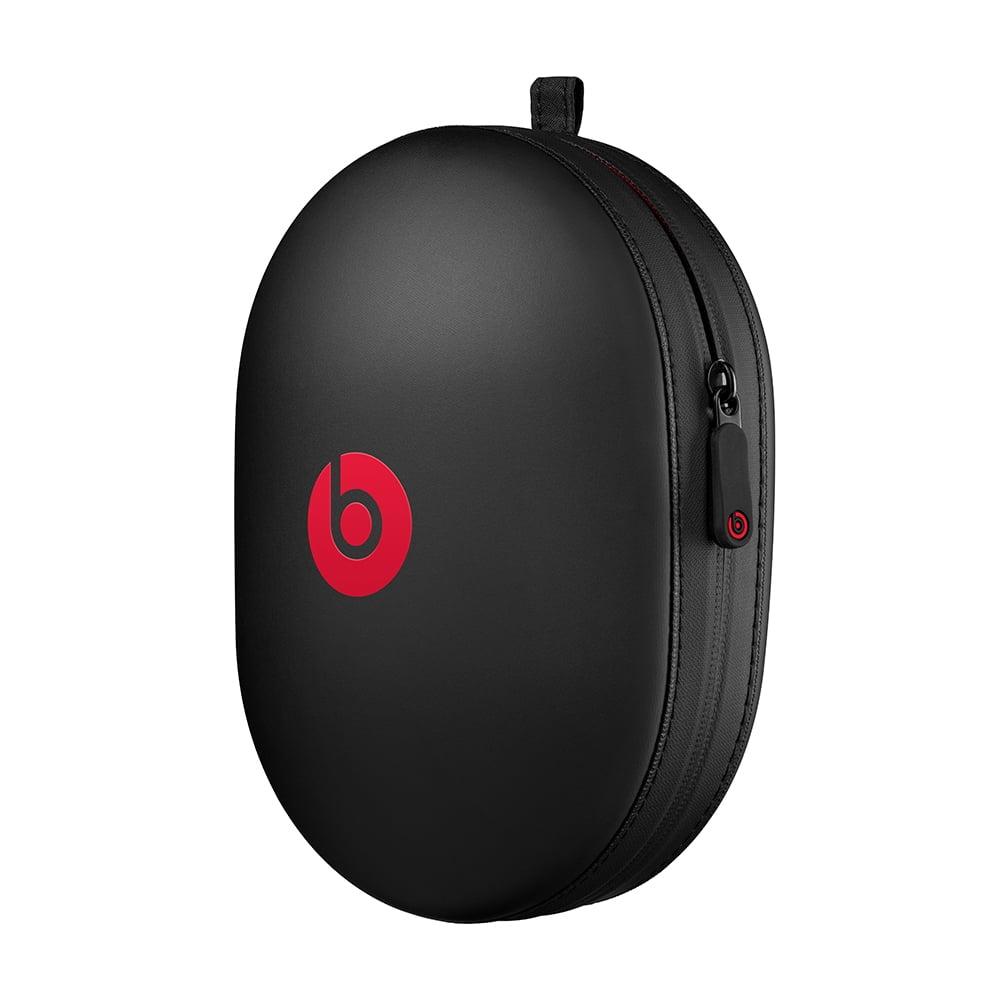
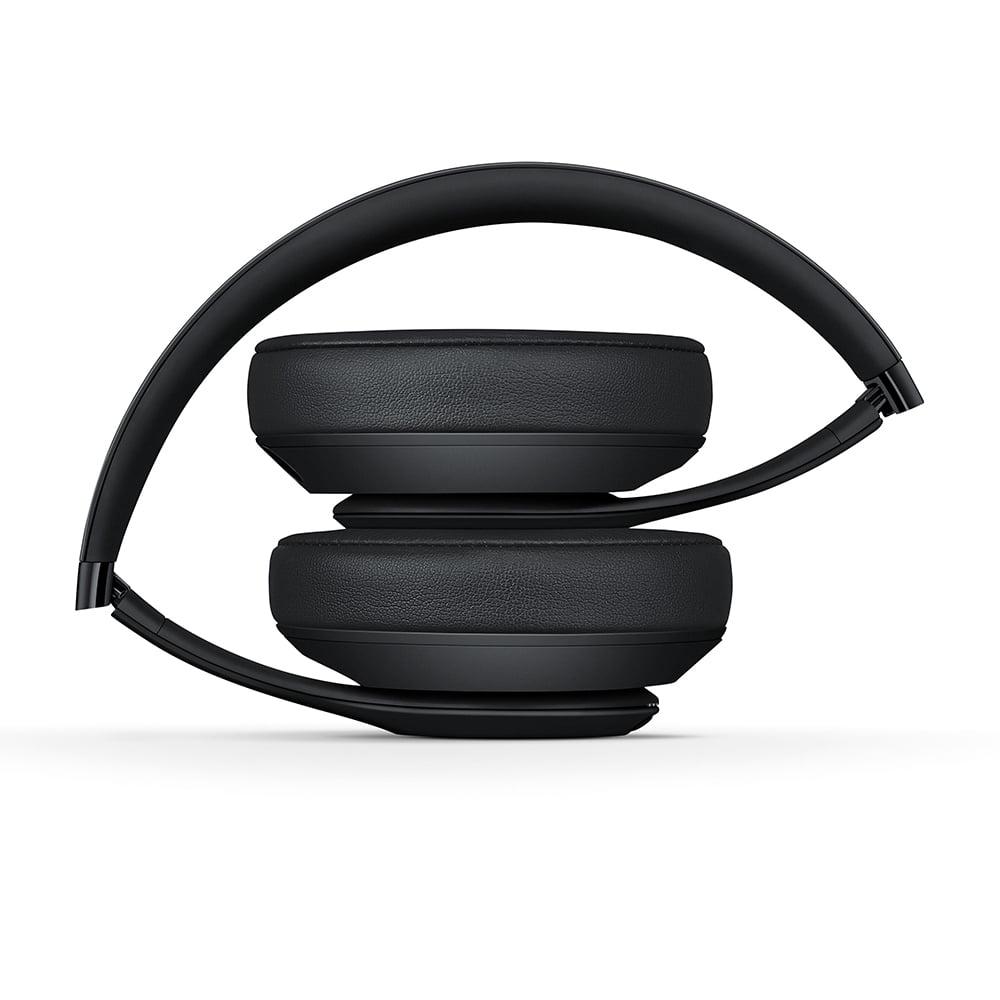
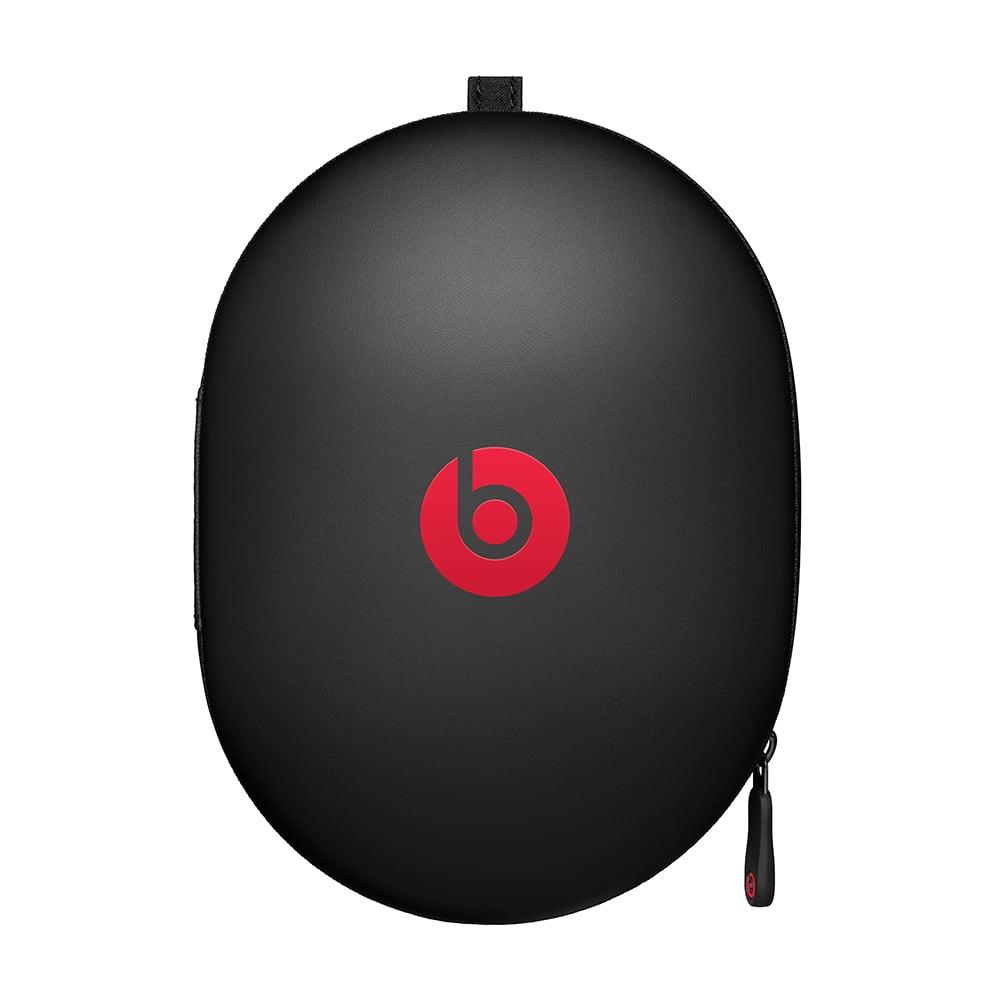
The Studio3 also folds flat for storage, making it more travel-friendly. The AirPods Max doesn't fold at all, and its included "Smart Case" offers minimal protection while adding bulk.
From a durability standpoint, both are well-built, but the aluminum construction of the AirPods Max is prone to scratching, while the plastic Studio3 is more resilient to everyday wear and tear.
Battery performance reveals another trade-off between the models. The Studio3 offers impressive longevity with up to 22 hours of listening time with noise cancellation enabled, and up to 40 hours with ANC turned off. This makes it excellent for long trips or users who frequently forget to charge their devices.
The AirPods Max provides up to 20 hours with all features enabled—competitive but not class-leading. Both headphones offer quick charging, but the Studio3's "Fast Fuel" technology (3 hours of playback from a 10-minute charge) slightly edges out the AirPods Max's quick charge capability (1.5 hours from 5 minutes).
However, the AirPods Max includes a unique power management system through its Smart Case. When stored in the case, the headphones enter an ultra-low-power mode that preserves battery life over extended periods. The Studio3 lacks any automatic power management, relying on users to manually turn them off.
Both headphones offer enhanced integration with Apple devices, but at different levels of sophistication.
The Studio3 uses Apple's W1 chip, which enables quick pairing and basic device switching between your iPhone, iPad, and Mac. Once paired with one device signed into your iCloud account, they'll automatically appear as an option on your other Apple devices.
The AirPods Max takes this much further with dual H1 chips. Beyond seamless pairing and switching, you get hands-free "Hey Siri" voice activation, automatic play/pause when you remove the headphones, and optimized performance with Apple's spatial audio content on Apple TV+ and Apple Music.
For users deeply invested in Apple's ecosystem, these additional features can significantly enhance the daily experience. However, if you primarily use one device or frequently switch between Apple and non-Apple devices, the benefits become less compelling.
At the time of writing, the pricing difference between these models is substantial. The AirPods Max commands a premium price that reflects its flagship positioning, while the Studio3 is frequently available at significant discounts from its original launch price, sometimes costing less than half of what you'd pay for the AirPods Max.
This creates an interesting value proposition. The AirPods Max delivers meaningfully better performance in almost every measurable category, but whether that justifies the price premium depends entirely on your priorities and budget.
If you're an audio enthusiast who values best-in-class performance, uses headphones daily for work or entertainment, and has the budget for a premium purchase, the AirPods Max represents excellent value within the high-end market segment.
Conversely, if you need decent wireless headphones with basic noise cancellation and Apple device compatibility without spending flagship money, the Studio3 at discounted prices can be a smart choice.
For home entertainment, both headphones offer distinct advantages depending on your setup and preferences.
The AirPods Max excels with Apple TV, offering spatial audio support that can create an immersive surround-sound experience for compatible content. The dynamic head tracking means you can move around while watching without losing the positioned audio effect. This feature works particularly well with Apple TV+ content and some Netflix shows that support spatial audio.
The superior sound quality also makes the AirPods Max better suited for movie watching, where you'll appreciate the clearer dialogue reproduction and more detailed sound effects. The excellent noise cancellation helps maintain immersion even in noisy households.
The Studio3 works fine for casual movie watching and TV viewing, but lacks the advanced audio processing features. However, its longer battery life means less worry about charging during binge-watching sessions, and the lighter weight makes it more comfortable for extended viewing.
Neither headphone is specifically designed as a home theater solution—dedicated wireless TV headphones often offer features like RF transmission for lower latency—but both work well for personal entertainment consumption.
The choice between the Apple AirPods Max and Beats Studio3 Wireless ultimately comes down to your priorities, usage patterns, and budget flexibility.
Choose the AirPods Max if you're seeking the best possible audio performance, want industry-leading noise cancellation, plan to use them frequently enough to justify the investment, and value premium build quality and advanced features. They're ideal for audio enthusiasts, frequent travelers, and users who want flagship performance with seamless Apple integration.
The Studio3 makes more sense if you're budget-conscious, prioritize comfort and portability over ultimate performance, need exceptionally long battery life, or want basic Apple ecosystem benefits without paying premium prices. They're perfect for casual listeners, secondary headphone needs, or users who want adequate wireless performance at an accessible price point.
Consider looking at alternatives from Sony, Bose, or Sennheiser if you need features neither Apple model offers, such as customizable EQ settings, ultra-comfortable designs, or the longest possible battery life.
Remember that both products represent different points in the technology timeline. The AirPods Max, despite being the newer and more expensive option, incorporates years of additional development and technological advancement. Whether those improvements matter to you depends on how you plan to use your headphones and what aspects of the listening experience matter most.
The audio world offers something for every preference and budget. Take time to consider not just the specifications, but how these headphones will fit into your daily routine, entertainment habits, and long-term usage patterns. The right choice is the one that best matches your specific needs and provides the features you'll actually use and appreciate.
| Apple AirPods Max | Beats Studio3 Wireless |
|---|---|
| Sound Quality - Most critical factor for music enjoyment | |
| Custom dynamic drivers with Adaptive EQ, balanced frequency response, excellent clarity and detail | Bass-heavy signature with muddy mids, decent but unremarkable overall quality |
| Active Noise Cancellation - Essential for travel and focus | |
| Industry-leading with 8 microphones, blocks low-frequency noise exceptionally well | Basic Pure ANC, adequate but significantly less effective than premium competitors |
| Build Quality - Determines durability and premium feel | |
| Aluminum ear cups, stainless steel frame, premium materials throughout | Plastic construction, solid but not luxury-level materials |
| Weight - Critical for comfort during long sessions | |
| 384g (noticeably heavy, can cause fatigue) | 260g (much lighter and more comfortable for extended wear) |
| Battery Life - Important for travel and daily use | |
| 20 hours with ANC (competitive but not class-leading) | 22 hours with ANC, 40 hours without (excellent longevity) |
| Apple Integration - Seamless experience for Apple users | |
| H1 chip with hands-free Siri, automatic device switching, spatial audio support | W1 chip with basic pairing and device switching, no advanced features |
| Advanced Audio Features - Future-proofing and immersive experience | |
| Spatial Audio with head tracking, Transparency mode, lossless audio via USB-C | No spatial audio, no transparency mode, standard Bluetooth codecs only |
| Portability - Matters for travel and storage | |
| No folding design, bulky Smart Case with minimal protection | Folds flat for compact storage, includes carrying case |
| Charging Method - Convenience and future compatibility | |
| USB-C (2024 model) or Lightning (original), modern connectivity | Micro-USB (dated connector standard) |
| Value Proposition - Performance vs cost consideration | |
| Premium pricing justified by flagship performance and features | Excellent value when discounted, adequate performance for casual use |
The Apple AirPods Max delivers significantly better sound quality with custom dynamic drivers, Adaptive EQ technology, and balanced frequency response across all ranges. The Beats Studio3 Wireless offers a bass-heavy signature that can sound muddy in the midrange, making vocals less clear. For audiophiles and critical listening, the AirPods Max is the clear winner.
The Apple AirPods Max features industry-leading active noise cancellation with 8 dedicated microphones that continuously adapt to your environment. The Beats Studio3 Wireless offers basic Pure Adaptive Noise Cancelling that provides moderate noise reduction but falls short of premium competitors. For frequent travelers or those needing serious noise isolation, the AirPods Max performs significantly better.
The Beats Studio3 Wireless wins for comfort due to its lighter 260g weight compared to the AirPods Max's hefty 384g construction. While the AirPods Max uses premium materials like memory foam cushions, the weight can cause fatigue during extended wear. For all-day comfort, the Studio3 is more practical.
The Beats Studio3 Wireless offers superior battery life with 22 hours of listening time with ANC enabled and up to 40 hours without. The AirPods Max provides 20 hours with all features enabled. Both offer quick charging, but the Studio3 edges out with longer overall battery performance for extended use.
Both models integrate well with Apple devices, but at different levels. The AirPods Max uses H1 chips for seamless pairing, automatic device switching, hands-free Siri, and spatial audio support. The Beats Studio3 Wireless features W1 chip integration for basic pairing and device switching but lacks advanced features like spatial audio or hands-free voice activation.
This depends on your priorities. The Beats Studio3 Wireless folds flat for compact storage and is lighter for comfort during long flights. However, the Apple AirPods Max offers superior noise cancellation that's more effective at blocking airplane engine noise. The Studio3 is more portable, while the AirPods Max provides better isolation.
Neither headphone is ideal for intense workouts. The Beats Studio3 Wireless is lighter and more suitable for light exercise, but both models can get warm during activity and lack water resistance ratings. The AirPods Max is particularly heavy and not recommended for fitness use. Consider dedicated sports headphones for regular exercise.
The Apple AirPods Max features premium materials including aluminum ear cups and stainless steel frame, creating a luxury feel but making them prone to scratches. The Beats Studio3 Wireless uses plastic construction that's more resilient to everyday wear and tear. Both are well-built, but the AirPods Max offers more premium materials while the Studio3 is more practical for daily use.
Value depends on your budget and priorities. The Beats Studio3 Wireless frequently sells at significant discounts, offering decent performance at an accessible price point. The Apple AirPods Max commands a premium but delivers flagship performance across all categories. For budget-conscious buyers, the Studio3 provides better value, while those seeking best-in-class performance will find the AirPods Max worth the investment.
The Apple AirPods Max offers superior call quality with advanced microphone arrays and noise cancellation that helps isolate your voice. The Beats Studio3 Wireless provides adequate call quality in quiet environments but struggles with background noise. For frequent calls, especially in noisy environments, the AirPods Max performs significantly better.
The Apple AirPods Max excels for entertainment with spatial audio support, dynamic head tracking, and superior sound quality that enhances dialogue clarity and sound effects. The Beats Studio3 Wireless works fine for casual viewing but lacks advanced audio processing. For home theater use and immersive entertainment, the AirPods Max provides a notably better experience.
The Apple AirPods Max features an intuitive Digital Crown borrowed from Apple Watch for precise volume control and playback management, plus a dedicated button for noise control modes. The Beats Studio3 Wireless uses traditional buttons on the ear cup for basic controls. Both are functional, but the AirPods Max's Digital Crown offers more precise control and a more premium user experience.
We've done our best to create useful and informative comparisons to help you decide what product to buy. Our research uses advanced automated methods to create this comparison and perfection is not possible - please contact us for corrections or questions. These are the sites we've researched in the creation of this article: recordingnow.com - t3.com - telegraph.co.uk - soundguys.com - youtube.com - forums.macrumors.com - youtube.com - youtube.com - apple.com - support.apple.com - idownloadblog.com - media.distrelec.com - en.wikipedia.org - apple.com - apple.com - support.apple.com - rtings.com - techradar.com - recordingnow.com - rtings.com - soundguys.com - recordingnow.com - recordingnow.com - soundguys.com - soundguys.com - youtube.com - rtings.com - gsmarena.com - bhphotovideo.com - headphonecheck.com - themasterswitch.com - walmart.com - rentacenter.com - discussions.apple.com - beatsbydre.com - bestbuy.com - walmart.com - youtube.com - youtube.com

Privacy Policy
Terms and Conditions - Affiliate Policy
Home Security
© Copyright 2008-2026.
11816 Inwood Rd #1211, Dallas, TX 75244