

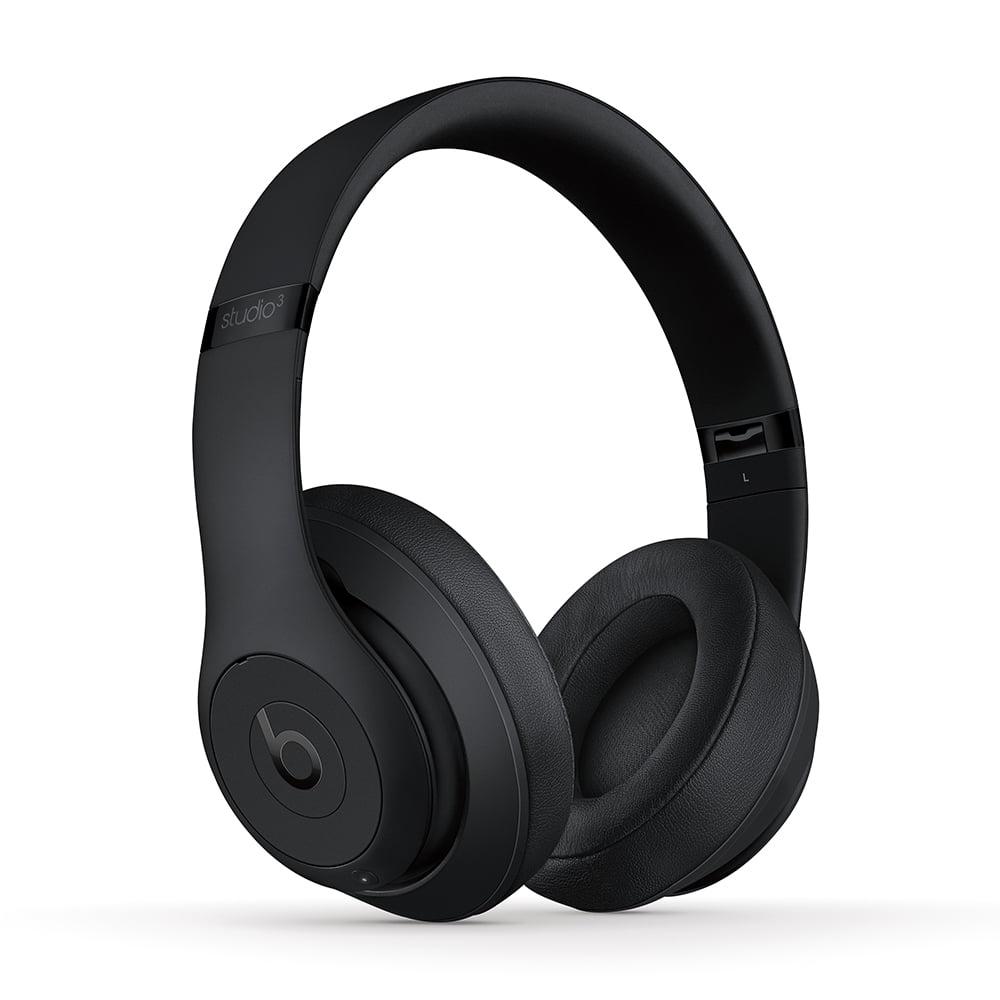
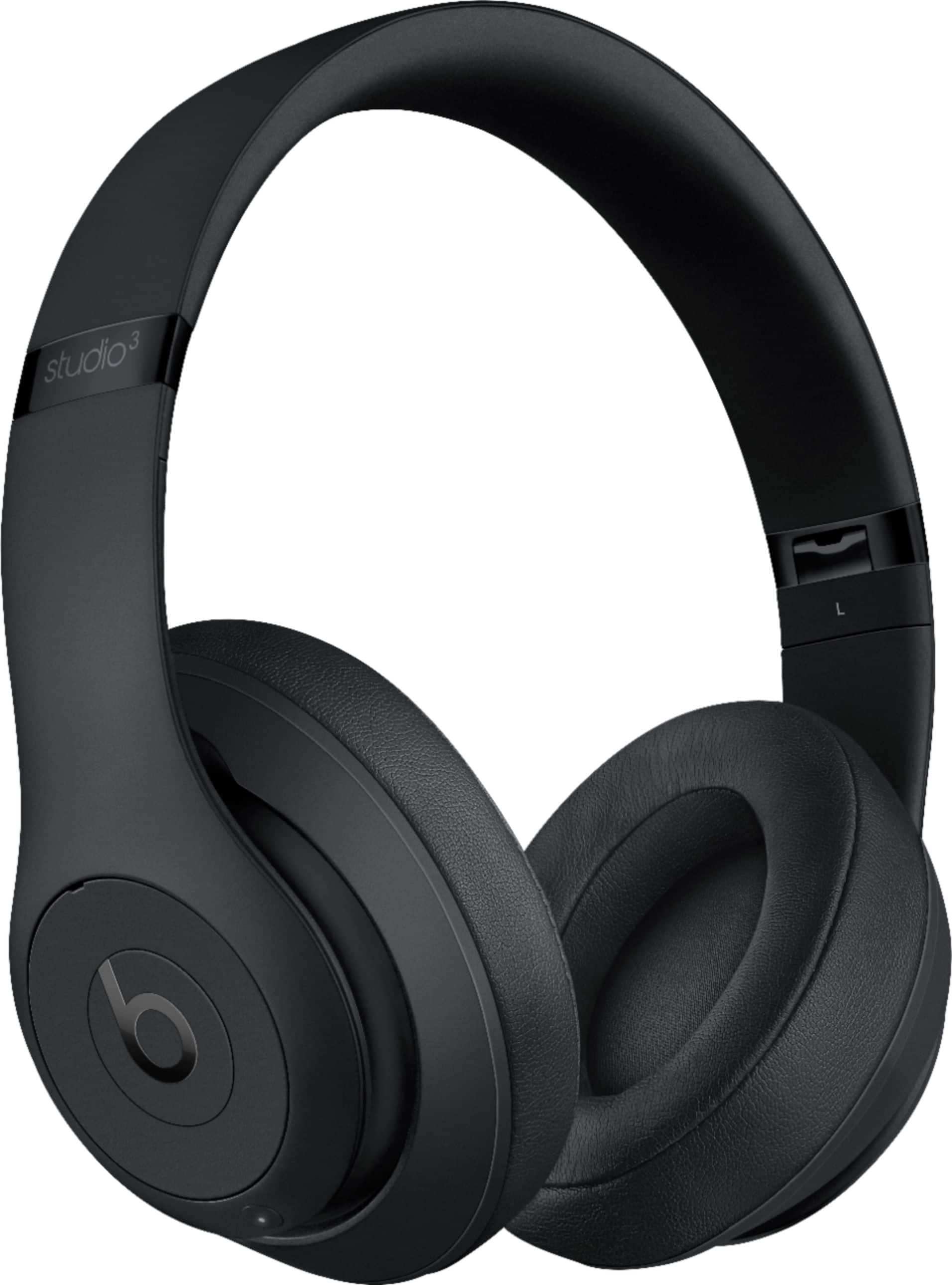
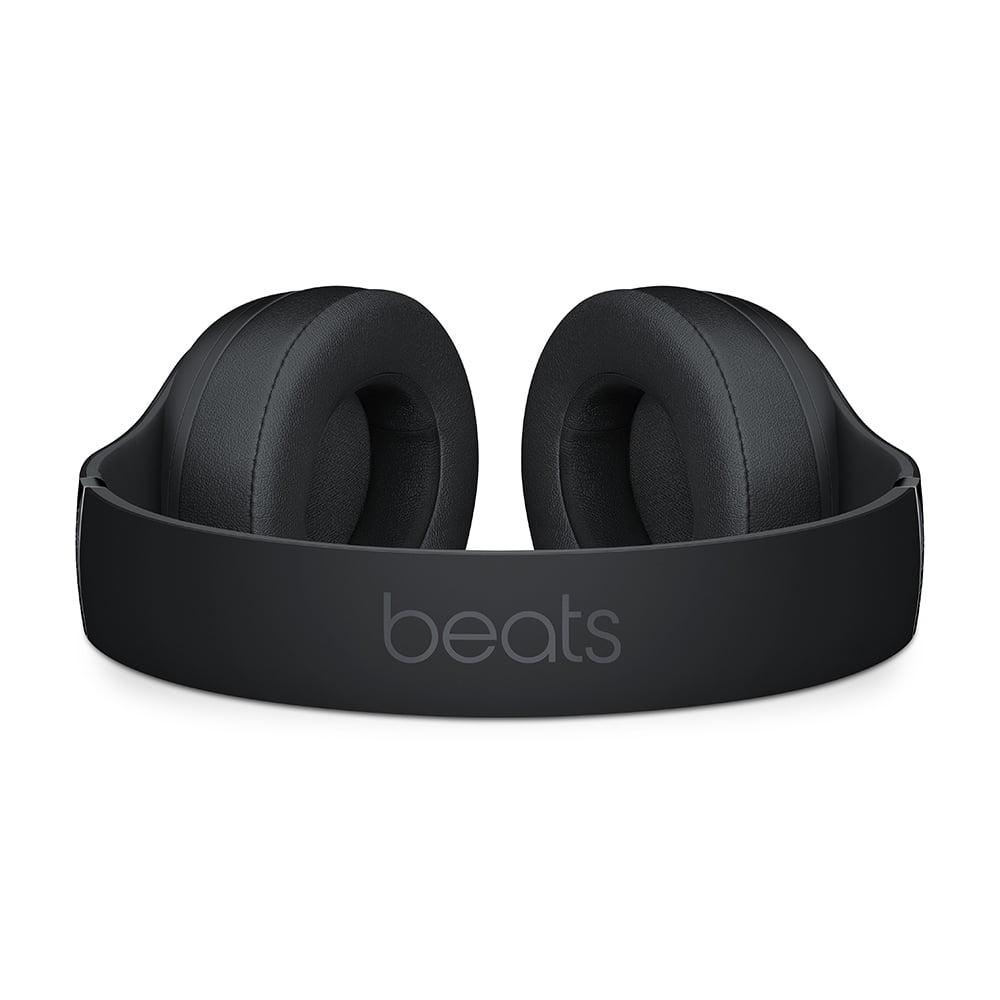
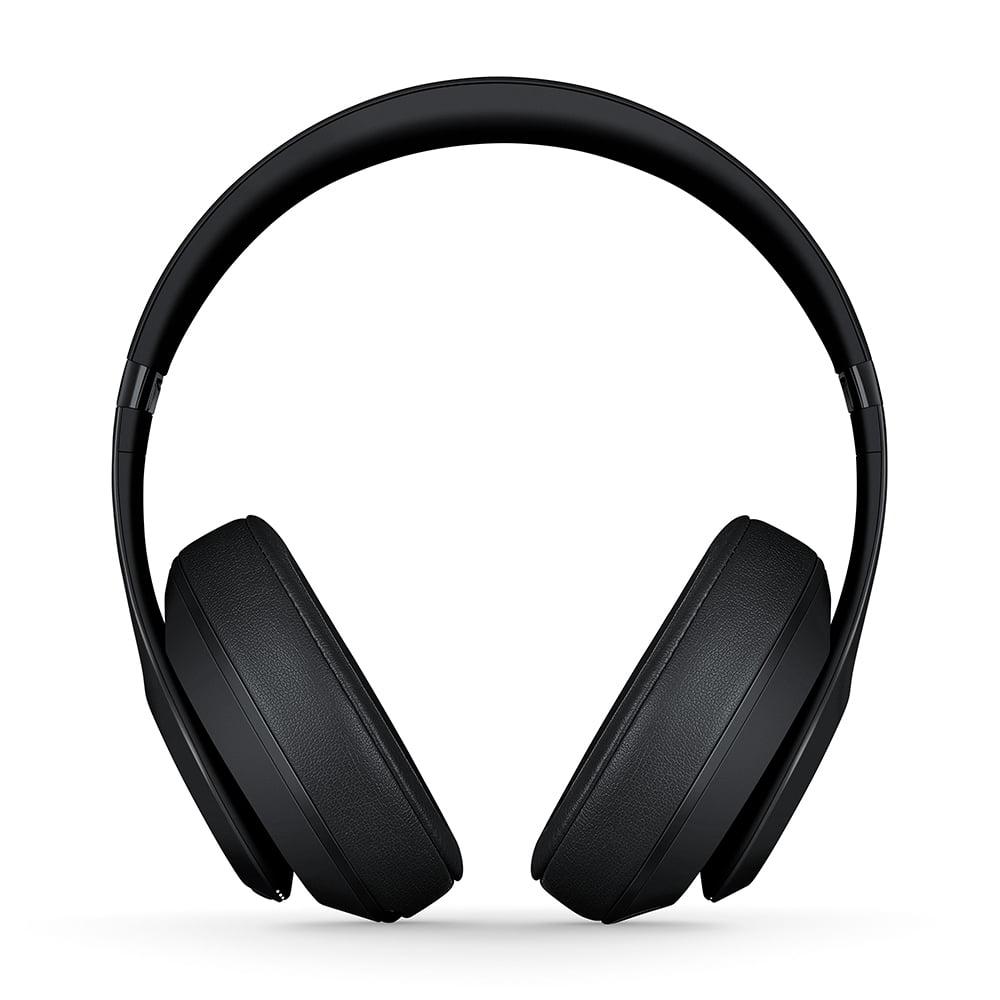
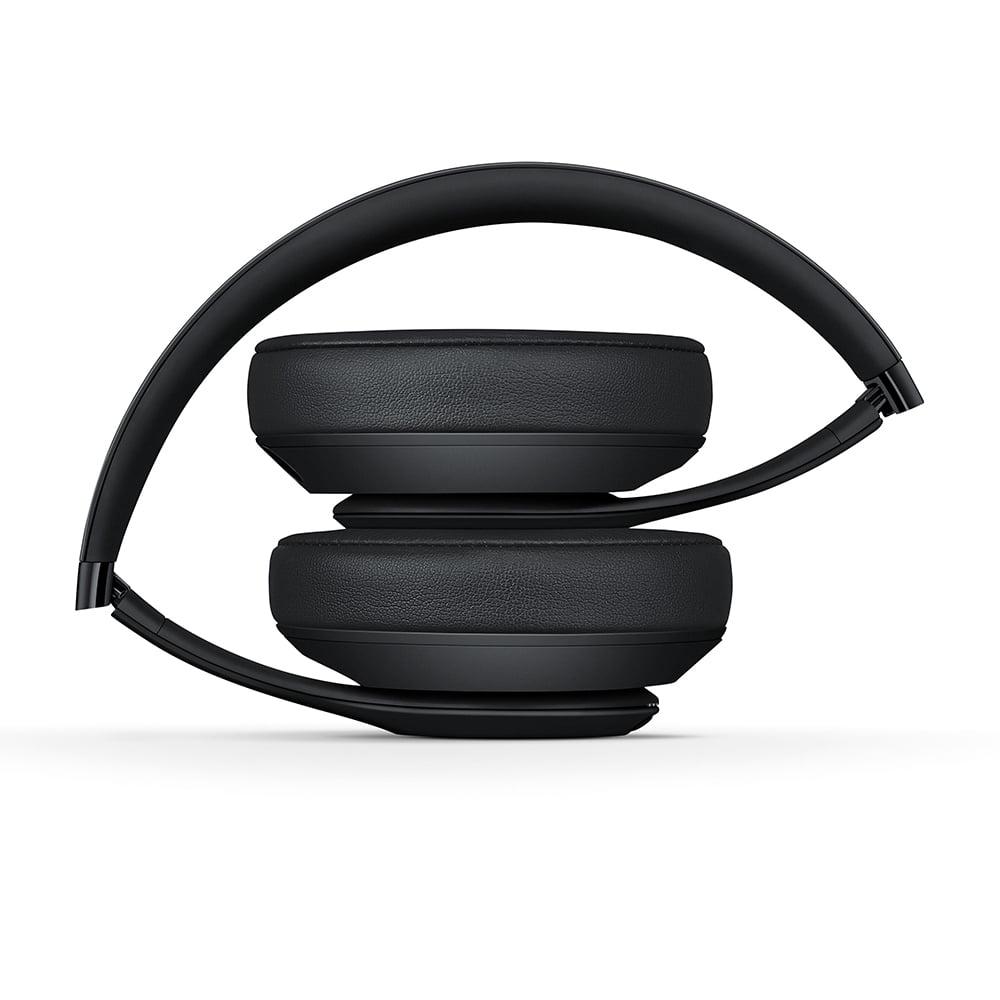
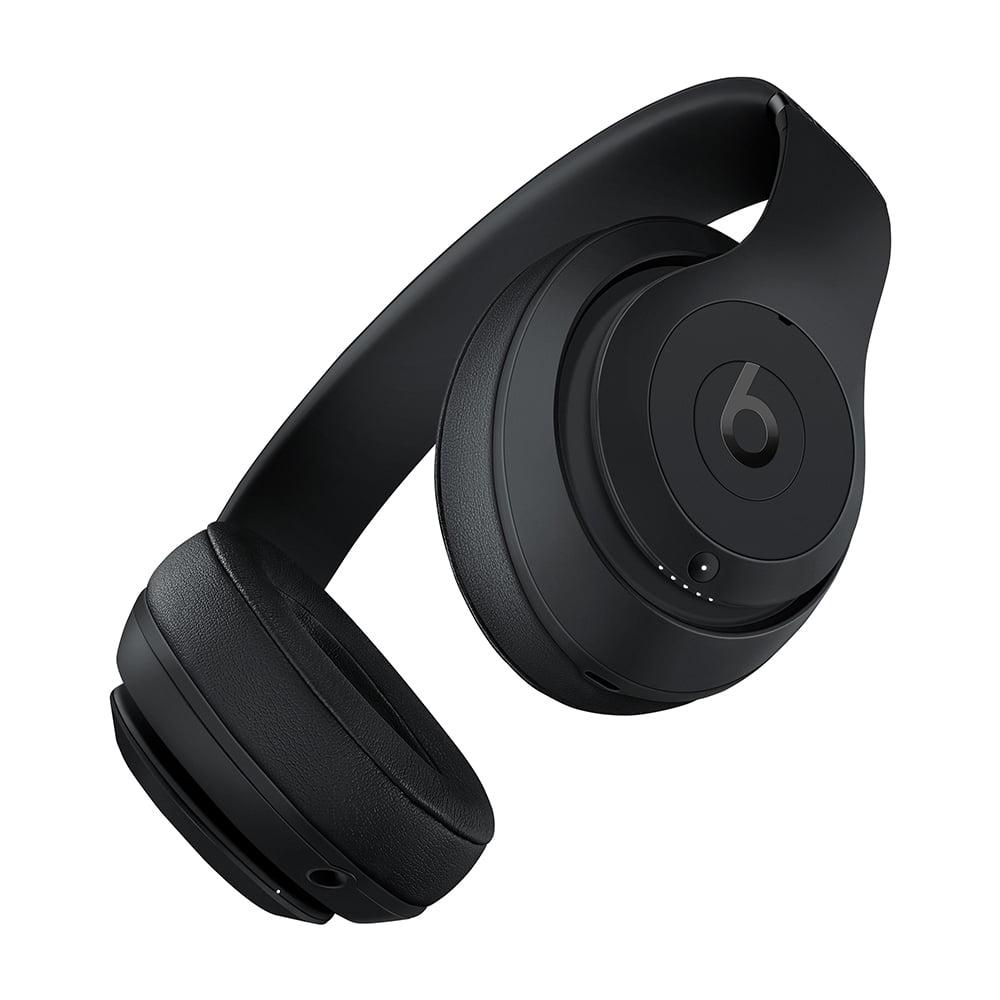
When you're shopping for premium wireless headphones with noise canceling, you'll quickly discover that not all $300+ headphones are created equal. Today, I'm comparing two very different approaches to premium audio: the Beats Studio3 Wireless ($349.95) and the Focal Bathys ($849). These headphones represent completely different philosophies in audio design, and understanding their differences will help you make the right choice for your needs and budget.
Before diving into specifics, let's talk about what makes a wireless headphone "premium." You're paying for a combination of features that budget options simply can't deliver: active noise cancellation (ANC), high-quality drivers, premium materials, and sophisticated wireless technology. ANC uses microphones to detect ambient noise and creates inverse sound waves to cancel it out – think of it like noise-canceling magic that makes your commute or flight much more peaceful.
The key considerations in this category boil down to sound quality (how accurately the headphones reproduce music), noise cancellation effectiveness, comfort for long sessions, battery life, and overall build quality. What's interesting is how differently these two headphones approach each of these priorities.
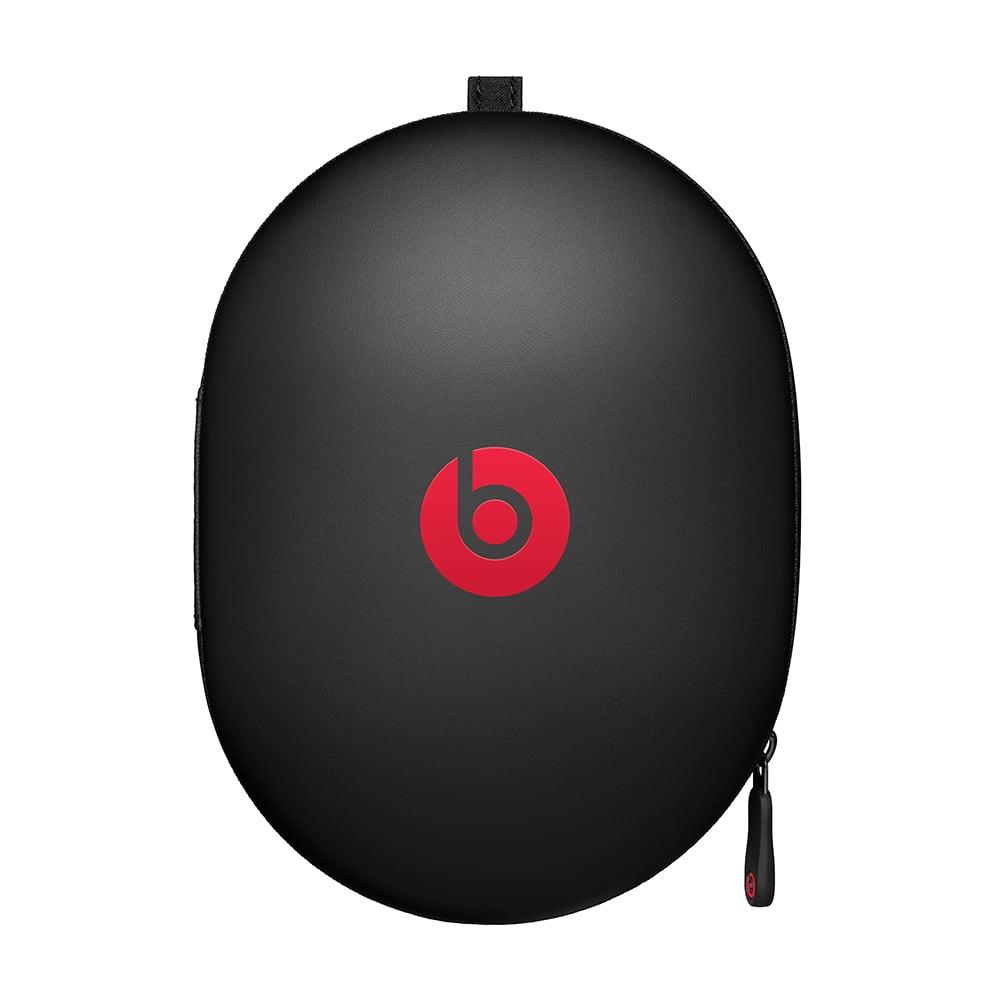
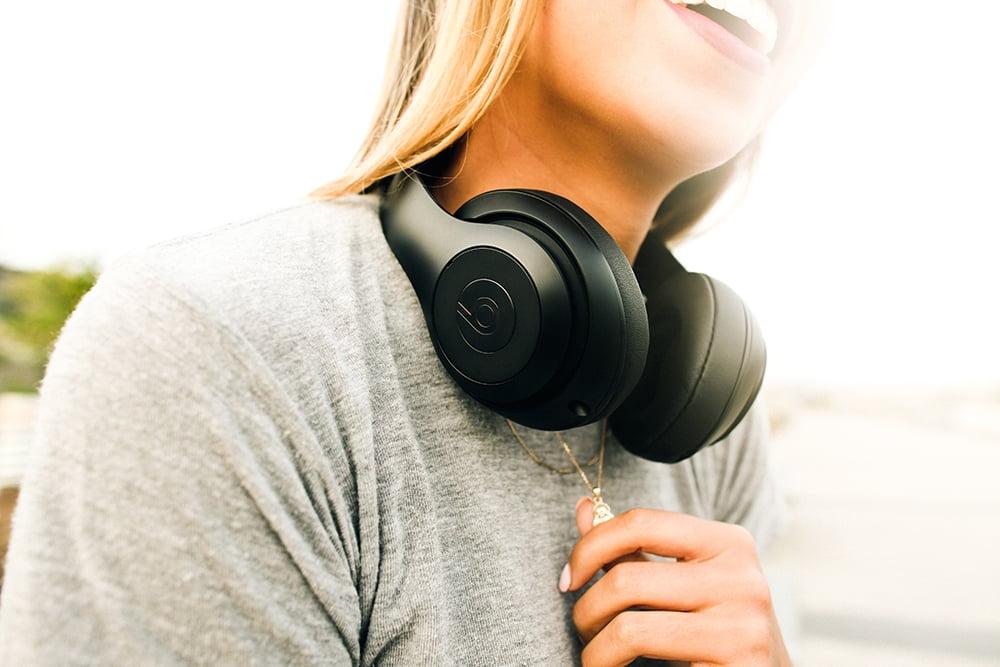
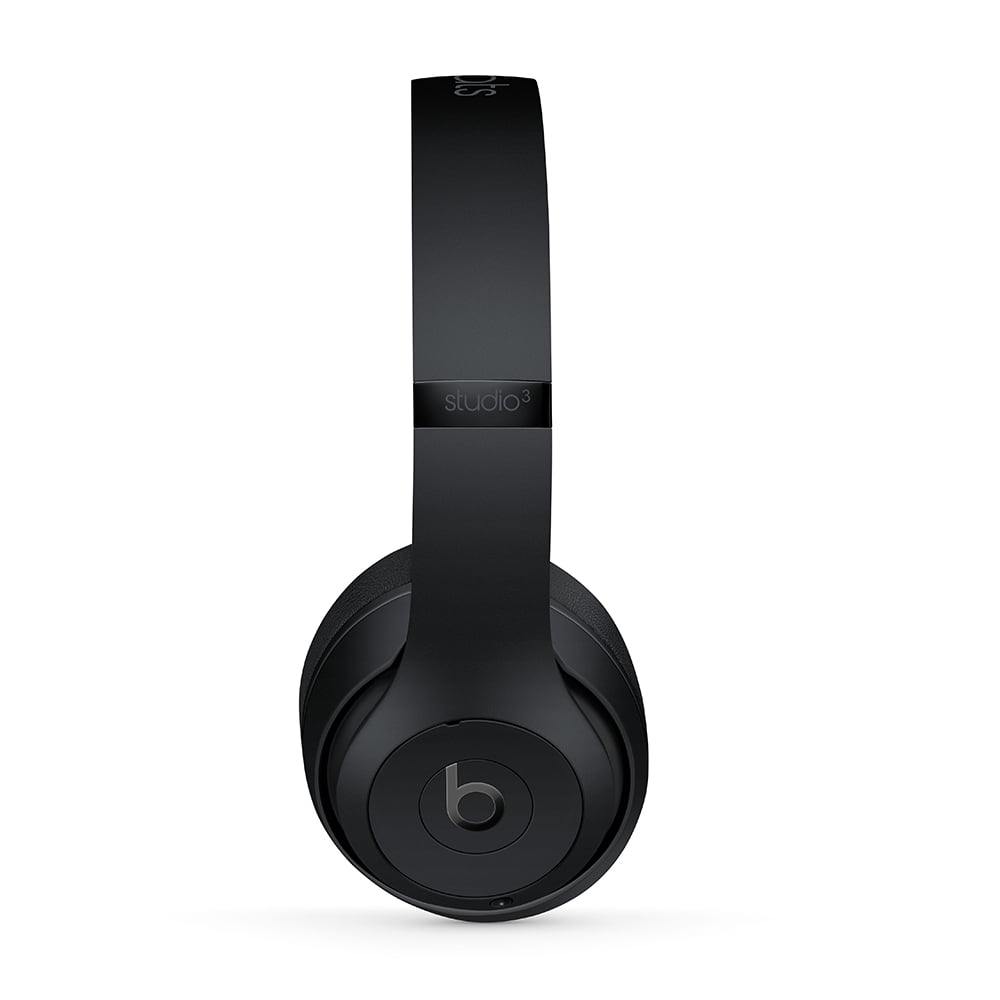
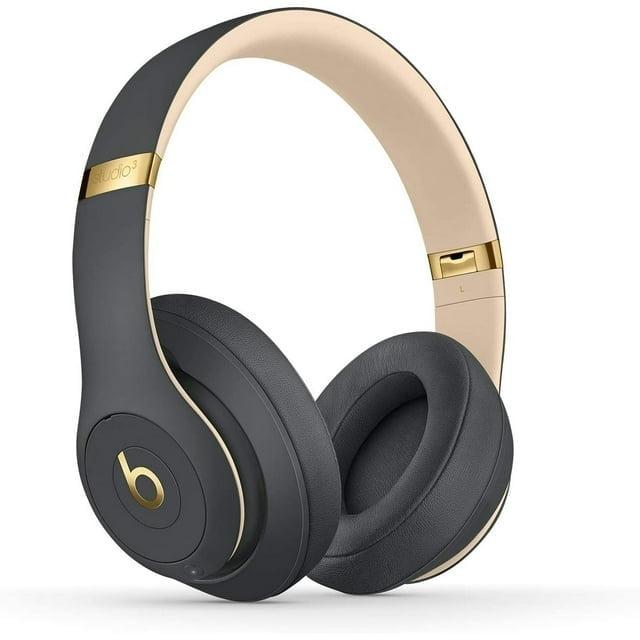
The Beats Studio3 Wireless launched in 2017 as Apple's flagship wireless headphones following their acquisition of Beats. At the time, wireless audio technology was still maturing – most headphones used basic Bluetooth codecs, and Apple's W1 chip was genuinely innovative for seamless device pairing. The Studio3 was designed to capture mainstream consumers who wanted the Beats brand cachet with Apple ecosystem integration.
The Focal Bathys, released in October 2022, represents a completely different moment in audio technology. By 2022, wireless audio had matured significantly, with advanced codecs like aptX Adaptive becoming standard and USB-DAC functionality (which lets headphones act as external sound cards) becoming possible. Focal, known for their high-end speakers and studio monitors, entered the wireless market with the goal of bringing audiophile-grade sound to wireless headphones.
This five-year gap matters enormously. The Bathys benefits from much more advanced wireless technology, better noise canceling algorithms, and improved battery chemistry. More importantly, it represents Focal's decades of acoustic engineering expertise applied to the wireless format.
Here's where these headphones reveal their fundamentally different approaches. The Beats Studio3 uses a consumer-friendly sound signature that emphasizes bass and upper frequencies while recessing the midrange. In practice, this means drums hit hard and cymbals sparkle, but vocals and guitars can sound distant or muddy. The bass, while prominent, lacks texture – you'll hear that a bass drum hit, but you won't feel the nuanced attack and decay that makes live music exciting.
The technical limitations become apparent when you push the volume up or listen to complex music. The Studio3's dynamic range (the difference between quiet and loud sounds) is compressed, making everything feel somewhat flat and lifeless. Imaging – your ability to pinpoint where instruments are positioned in the stereo field – is also weak, creating a congested soundstage where everything seems to come from roughly the same place.
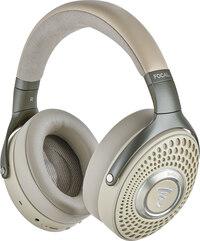
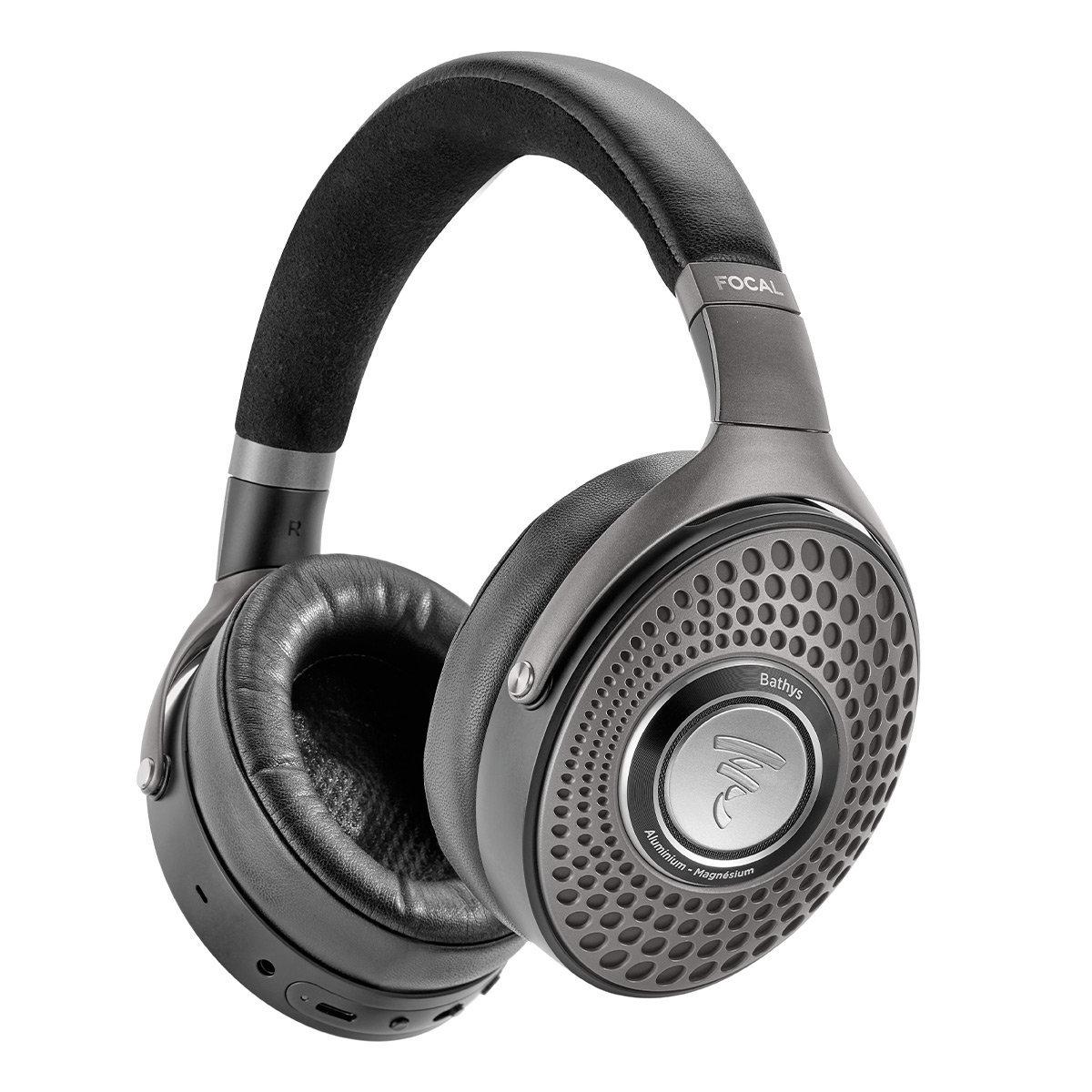
The Focal Bathys takes an entirely different approach. Focal's signature 'M'-shaped aluminum-magnesium drivers deliver what I can only describe as studio monitor clarity in a wireless package. The bass is tight and controlled, with genuine texture that lets you hear the difference between a plucked bass string and a synthesized bass line. The midrange, where most vocals and instruments live, is clear and present without being harsh.
What really sets the Bathys apart is its soundstage – the sense of space and instrument placement. Most closed-back wireless headphones feel intimate and narrow, but the Bathys creates a surprisingly wide and natural soundstage. When listening to a well-recorded jazz quartet, you can actually pinpoint where each musician is sitting. This level of imaging precision is rare in any wireless headphone, let alone one with effective noise canceling.
The frequency response tells the story: while the Studio3 covers 20Hz-20kHz (standard range), the Bathys extends from 15Hz-22kHz with much flatter response across the spectrum. In practical terms, this means you'll hear deeper bass extension and more natural treble detail.
Both headphones offer active noise cancellation, but their implementations reveal different priorities. The Studio3's Pure Adaptive Noise Canceling adjusts in real-time based on your environment and how the headphones fit your head. It's clever technology that works reasonably well for everyday use – you'll definitely notice reduced airplane drone and office chatter.
However, the Studio3's ANC isn't class-leading. It struggles with low-frequency rumble (like air conditioning or train noise) and can occasionally create a slight pressure sensation that some users find uncomfortable during long sessions.
The Bathys uses a more sophisticated eight-microphone system with three distinct modes. Silent mode maxes out noise reduction for flights and noisy commutes. Soft mode provides gentler cancellation for office environments where you still want some awareness. Transparency mode lets ambient sound through when you need to hear announcements or conversations.
In my testing, the Bathys consistently outperformed the Studio3 in noise reduction, particularly in the low frequencies where ANC matters most. The difference is most noticeable on flights – the Bathys makes jet engines nearly disappear, while the Studio3 reduces but doesn't eliminate that constant rumble.
The physical differences between these headphones reflect their different target markets. The Studio3 weighs just 260 grams and folds for travel, making it genuinely portable. The materials feel adequate but not luxurious – mostly plastic construction with synthetic leather padding. For a $350 headphone, the build quality feels somewhat cheap, though it's certainly durable enough for daily use.
The Bathys weighs 350 grams and feels every gram like a premium product. Real leather headband, microfiber earpads, and aluminum construction throughout create a headphone that feels worthy of its $849 price tag. However, that extra weight becomes noticeable during very long listening sessions.
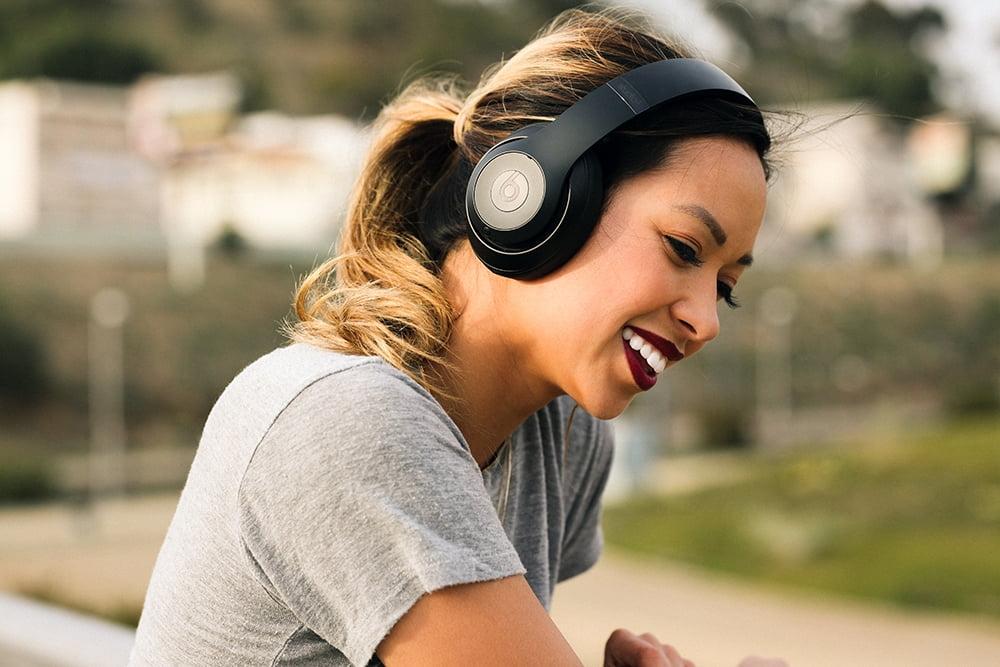
Comfort is highly personal, but both headphones manage decent ergonomics. The Studio3's lighter weight gives it an advantage for extended wear, while the Bathys' superior padding and materials feel more luxurious initially. Neither caused me significant discomfort during typical 2-3 hour listening sessions.
Here's where the five-year technology gap becomes apparent. The Studio3 offers impressive battery life – up to 40 hours with ANC off and 22 hours with it on. However, it uses older Micro-USB charging and supports only basic SBC and AAC Bluetooth codecs. The W1 chip provides excellent Apple device integration but doesn't offer significant benefits for Android users.
The Bathys provides 30 hours with ANC enabled and includes more modern features. It charges via USB-C and supports advanced codecs including aptX and aptX Adaptive, which maintain better audio quality over Bluetooth connections. The standout feature is USB-DAC mode – connect the Bathys to your computer or phone via USB-C, and it functions as an external sound card supporting up to 24-bit/192kHz audio. This bypasses Bluetooth entirely for the highest possible audio quality.
Bluetooth multipoint connectivity lets the Bathys connect to two devices simultaneously – incredibly useful for switching between your phone and laptop without manual re-pairing.
For home theater use, the differences become even more pronounced. The Studio3's compressed dynamic range and limited soundstage make it less ideal for movies and TV shows. Dialogue can get lost in the mix, and action sequences lack the punch you'd want from premium headphones.
The Bathys excels here, earning perfect 10/10 ratings for TV and video content in professional reviews. The wide soundstage creates a more immersive experience for movies, while the superior dynamic range lets you hear subtle details in dialogue and feel the full impact of explosions or musical crescendos. The USB-DAC mode is particularly valuable here – connect directly to your streaming device or gaming console for uncompromised audio quality.
For gaming, the Bathys scores an impressive 9.4/10 thanks to its precise imaging and low latency. You can actually hear directional audio cues that might help you locate enemies or environmental sounds. The Studio3's weaker imaging makes it less competitive for serious gaming.
The core difference lies in driver technology and acoustic tuning. Focal's 40mm aluminum-magnesium drivers are manufactured in France using techniques developed for their high-end studio monitors. The 'M'-shaped dome design reduces distortion while the aluminum-magnesium alloy combines rigidity (for accurate bass) with natural damping (for smooth treble).
The Studio3's drivers are more conventional, designed for mass production rather than acoustic excellence. While they're certainly competent, they lack the sophisticated engineering that makes the Bathys special.
The amplification tells another story. The Studio3 uses basic amplification suitable for efficient mobile use. The Bathys includes a more sophisticated amp section that can drive the headphones properly in both wireless and USB-DAC modes, contributing to its superior dynamic range and detail resolution.
At $349, the Studio3 competes with excellent options from Sony (WH-1000XM5) and Bose (QuietComfort 45) that generally offer better sound quality, more effective ANC, and similar or better features. Multiple professional reviews suggest the Studio3 represents poor value at its price point, particularly given the alternatives available.
The Bathys at $849 operates in a different market entirely. You're not just buying headphones – you're buying Focal's decades of acoustic engineering expertise in a wireless package. For serious listeners who want audiophile sound quality without cables, few alternatives exist at any price.
After extensive testing with both headphones, the differences are impossible to ignore. The Studio3 feels like a decent consumer product that's overpriced for what it delivers. The Bathys feels like a genuine high-end audio product that happens to be wireless.
For casual listening – podcasts, calls, basic music consumption – the price difference is hard to justify. But for serious music listening, the Bathys transforms the experience in ways that cheaper headphones simply cannot match.
Choose the Beats Studio3 Wireless if:
Choose the Focal Bathys if:
Consider alternatives if: The Studio3's poor value proposition means you should also consider the Sony WH-1000XM5 or Bose QuietComfort 45 in the $300-400 range, both of which offer better performance for similar money. If the Bathys is out of reach but you want better sound quality, look at wired options from Sennheiser or Audio-Technica that might better fit your budget while delivering superior audio.
The 2.4x price difference between these headphones reflects genuine, significant performance gaps rather than just brand positioning. For most users, that gap isn't worth the extra $500. But for serious listeners who understand what they're gaining, the Bathys represents one of the few wireless headphones that doesn't compromise audio quality for convenience. The choice ultimately depends on whether you're buying headphones or buying into a premium audio experience.
| Beats Studio3 Wireless Over-Ear Headphones | Focal Bathys Wireless Noise-Canceling Headphones |
|---|---|
| Price - Major cost difference reflects different target markets | |
| $349.95 (mainstream premium segment) | $849.00 (audiophile wireless segment) |
| Weight - Affects portability and extended wear comfort | |
| 260g (very portable, less fatigue) | 350g (premium feel but heavier for travel) |
| Driver Technology - Core component determining sound quality | |
| Standard dynamic drivers (consumer-focused) | 40mm Aluminum-Magnesium 'M'-shaped dome drivers made in France (audiophile-grade) |
| Frequency Response - Range of sounds the headphones can reproduce | |
| 20Hz - 20kHz (standard range, limited extension) | 15Hz - 22kHz (extended range for deeper bass and clearer highs) |
| Battery Life - How long you can listen between charges | |
| 40 hours (ANC off) / 22 hours (ANC on) | 30 hours (Bluetooth + ANC) - slightly less but still excellent |
| Bluetooth Codecs - Audio quality over wireless connection | |
| SBC, AAC (basic codecs, Apple W1 chip integration) | SBC, AAC, aptX, aptX Adaptive (advanced codecs for better wireless quality) |
| Charging Port - Convenience and future-proofing | |
| Micro-USB (older standard, slower charging) | USB-C (modern standard, faster charging) |
| Noise Cancellation Modes - Flexibility for different environments | |
| Pure Adaptive ANC (single adaptive mode) | Three modes: Silent, Soft, Transparency (more versatile) |
| Unique Features - Special capabilities that set each apart | |
| Apple W1 chip for seamless iOS pairing | USB-DAC mode (24-bit/192kHz), Bluetooth multipoint connectivity |
| Build Materials - Reflects durability and premium feel | |
| Plastic construction with synthetic padding | Aluminum, magnesium yoke, real leather headband, microfiber earpads |
| Sound Quality Rating - Professional review consensus | |
| 7.0/10 (decent but not exceptional for price) | 8.1/10 (excellent, among best wireless options) |
| Gaming Performance - Important for multi-use scenarios | |
| Below average (poor imaging, compressed dynamics) | 9.4/10 (excellent soundstage and directional audio) |
| Home Theater Use - Movie and TV watching experience | |
| Average (dialogue can get lost, limited dynamic range) | 10/10 (wide soundstage, excellent for movies and shows) |
The Focal Bathys ($849) delivers significantly better sound quality than the Beats Studio3 Wireless ($349.95). The Bathys features audiophile-grade aluminum-magnesium drivers with superior frequency response (15Hz-22kHz vs 20Hz-20kHz), clearer midrange, and much better dynamic range. Professional reviews rate the Bathys at 8.1/10 for sound quality compared to 7.0/10 for the Studio3.
The Focal Bathys costs $849 while the Beats Studio3 Wireless costs $349.95, making the Bathys about 2.4 times more expensive. This significant price difference reflects their different target markets - the Studio3 targets mainstream consumers while the Bathys targets serious audiophiles willing to pay premium prices for superior sound quality.
The Beats Studio3 Wireless may be more comfortable for extended use due to their lighter weight (260g vs 350g) and longer battery life (up to 40 hours vs 30 hours). However, the Focal Bathys offers superior build quality with real leather and better padding. Both receive good comfort ratings, but the Studio3's portability gives it an edge for all-day wear.
Both the Beats Studio3 and Focal Bathys handle phone calls adequately, but neither excels in this area. The Studio3 has decent call quality in quiet environments, while the Bathys offers clearer voice capture thanks to its eight-microphone array. However, if call quality is your priority, dedicated business headphones would be better choices than either option.
The Focal Bathys provides more effective noise cancellation than the Beats Studio3 Wireless. The Bathys uses an eight-microphone system with three modes (Silent, Soft, Transparency) and better blocks low-frequency noise like airplane engines. The Studio3 has decent adaptive ANC but struggles more with constant rumbling sounds.
The Focal Bathys excels for home theater use, earning a perfect 10/10 rating for TV and video content. Its wide soundstage and superior dynamic range create an immersive movie experience with clear dialogue and impactful action scenes. The Beats Studio3 is less ideal for movies due to compressed dynamics and a narrower soundstage that can make dialogue harder to hear.
The Beats Studio3 Wireless integrates better with Apple devices thanks to the W1 chip, offering one-touch pairing and seamless switching between iCloud-connected devices. However, the Focal Bathys works well with Apple devices too and offers Bluetooth multipoint connectivity for connecting to multiple devices simultaneously, including iPhones, iPads, and Macs.
The Beats Studio3 Wireless offers longer battery life with up to 40 hours (ANC off) or 22 hours (ANC on). The Focal Bathys provides 30 hours with ANC enabled. Both include fast charging - the Studio3 gives 3 hours from a 10-minute charge, while the Bathys offers 5 hours from 15 minutes of charging. The Studio3 wins for pure longevity.
The Focal Bathys is significantly better for gaming, scoring 9.4/10 thanks to its precise imaging and wide soundstage that helps with directional audio cues. The superior dynamic range also enhances gaming immersion. The Beats Studio3 scores much lower for gaming due to poor instrument separation and compressed dynamics that make it harder to locate sounds in games.
Both headphones support wired connections, but the Focal Bathys offers more versatility. It includes both 3.5mm analog and USB-C connections, with the USB-C mode functioning as a high-quality DAC supporting up to 24-bit/192kHz audio. The Beats Studio3 only offers 3.5mm wired connection and requires the headphones to be powered on even for wired use.
This depends on your priorities. The Beats Studio3 Wireless offers poor value at $349.95 according to most professional reviews, with better alternatives available from Sony and Bose at similar prices. The Focal Bathys justifies its $849 price for serious audiophiles who want the best wireless sound quality available, but it's expensive for casual listeners.
The Focal Bathys remains competitive in 2024 as one of the best-sounding wireless headphones available, making it worthwhile for audio enthusiasts. The Beats Studio3 Wireless, released in 2017, feels dated compared to newer options from Sony, Bose, and even newer Beats models. Unless found at a significant discount, the Studio3 is harder to recommend given better alternatives at its price point.
We've done our best to create useful and informative comparisons to help you decide what product to buy. Our research uses advanced automated methods to create this comparison and perfection is not possible - please contact us for corrections or questions. These are the sites we've researched in the creation of this article: techradar.com - recordingnow.com - rtings.com - soundguys.com - recordingnow.com - recordingnow.com - soundguys.com - soundguys.com - youtube.com - rtings.com - gsmarena.com - bhphotovideo.com - headphonecheck.com - themasterswitch.com - walmart.com - rentacenter.com - discussions.apple.com - beatsbydre.com - bestbuy.com - walmart.com - youtube.com - youtube.com - rtings.com - majorhifi.com - stevehuffphoto.com - audio46.com - moon-audio.com - majorhifi.com - head-fi.org - recordingnow.com - headphones.com - moon-audio.com - focal.com - media.focal-naim.com - moon-audio.com - headphones.com - focal.com - audioadvice.com - audioadvisor.com - upscaleaudio.com - thegreatestsong.com - avluxurygroup.com

Privacy Policy
Terms and Conditions - Affiliate Policy
Home Security
© Copyright 2008-2026.
11816 Inwood Rd #1211, Dallas, TX 75244