






When you're trying to focus on work while construction hammers away outside, or attempting to enjoy music during a noisy commute, wireless noise-cancelling headphones become more than just a luxury—they're a necessity. Today's market offers impressive options at various price points, but choosing between them can feel overwhelming when technical specifications and marketing claims blur together.
Let's examine two popular contenders that represent different approaches to wireless audio: the Sennheiser HD 450BT and the Beats Studio3 Wireless. These headphones, released in recent years, showcase how the technology has evolved and what trade-offs you'll encounter when deciding between value-focused and premium-positioned options.
Before diving into comparisons, it's worth understanding what makes these headphones tick. Active Noise Cancellation (ANC) works by using tiny microphones on the outside of each ear cup to "listen" to ambient noise. The headphones then generate an inverse sound wave—essentially the exact opposite of the noise—to cancel it out before it reaches your ears. Think of it like two waves in water meeting and flattening each other out.
This technology works best on consistent, low-frequency sounds like airplane engines, air conditioners, or traffic rumble. It's less effective against sudden, high-pitched noises like a dog barking or someone shouting. That's why these headphones also rely on passive noise isolation—the physical barrier created by the ear cups sitting around your ears—to block out everything else.
Modern wireless headphones also incorporate sophisticated Bluetooth technology that has dramatically improved since the early days of constant dropouts and poor sound quality. Today's implementations support various audio codecs (essentially different methods of compressing and transmitting audio data) that can significantly impact sound quality and connection stability.
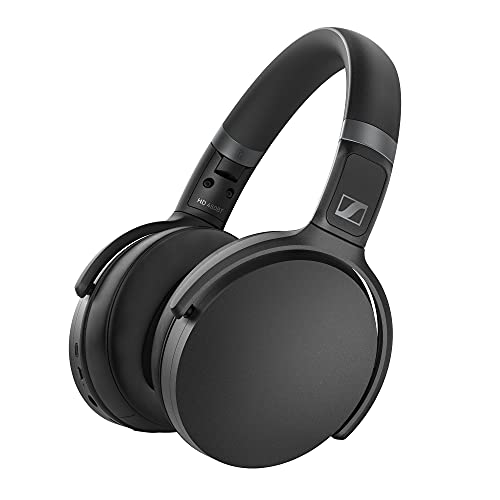
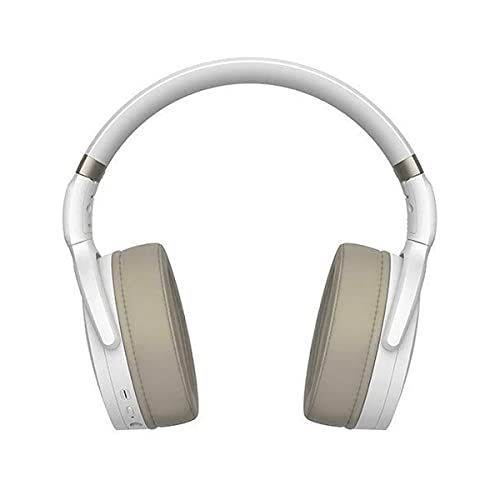
The Sennheiser HD 450BT, released in 2020, represents the German company's approach to democratizing high-quality wireless audio. At roughly half the price of premium alternatives at the time of writing, these headphones focus on delivering solid performance across all key areas without major compromises.
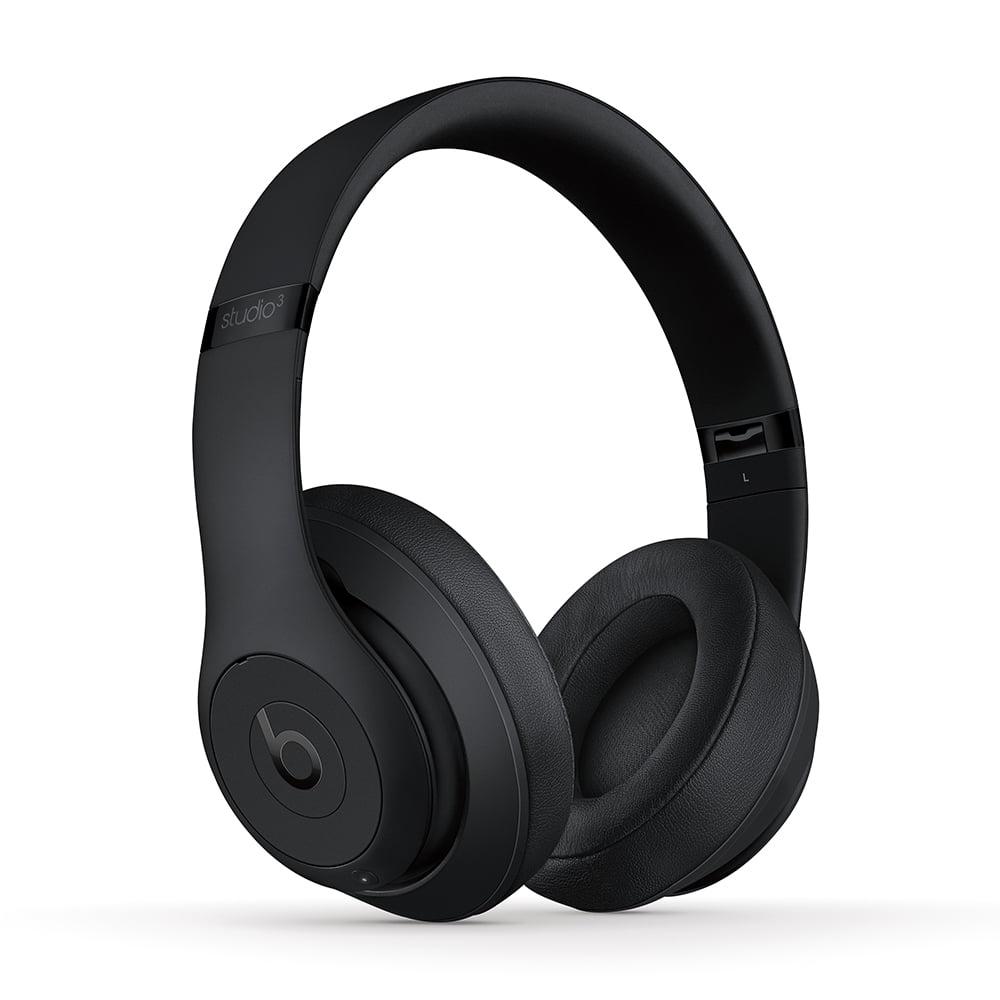
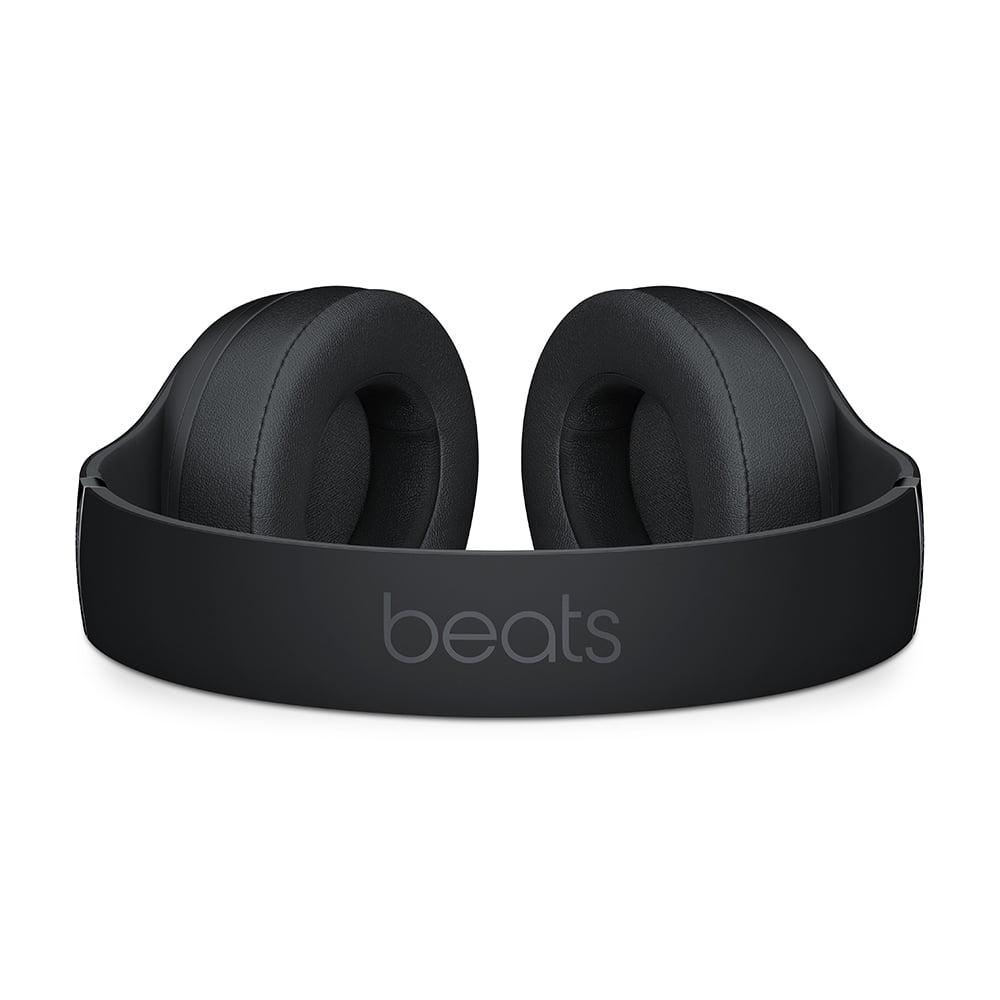
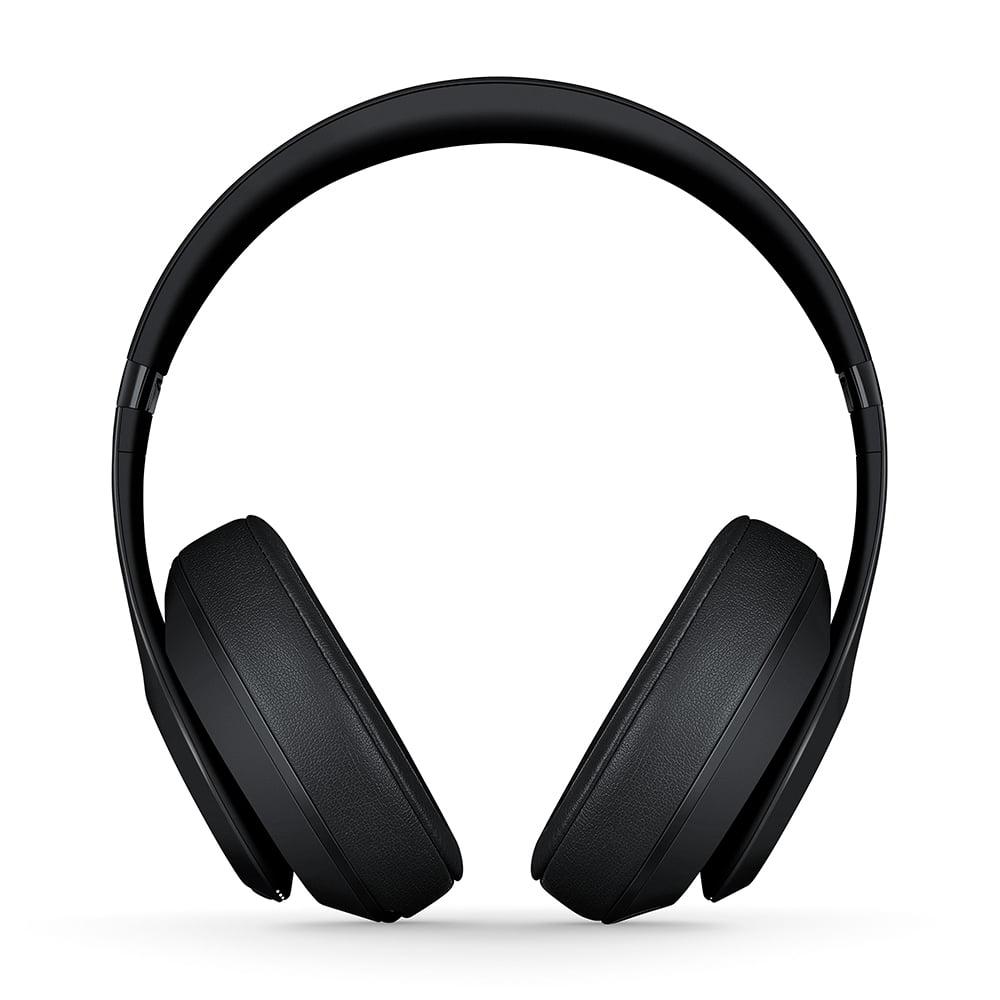
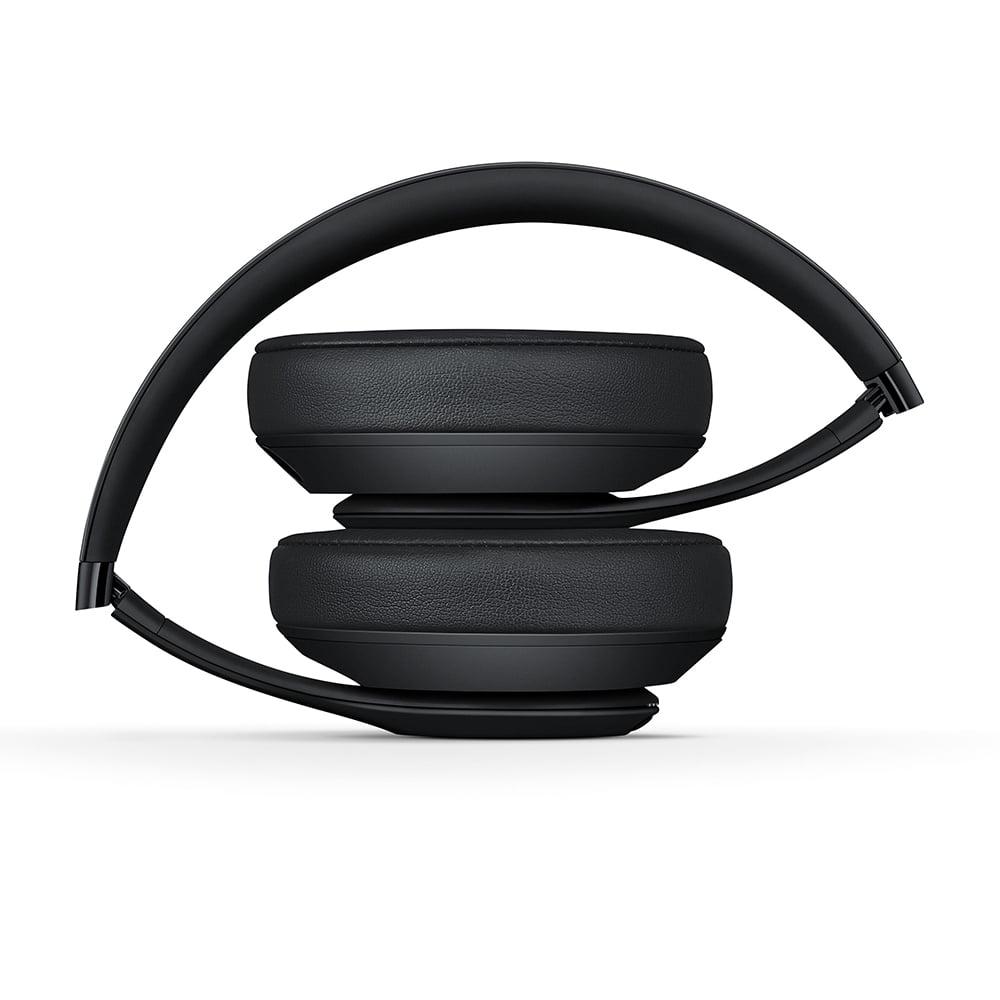
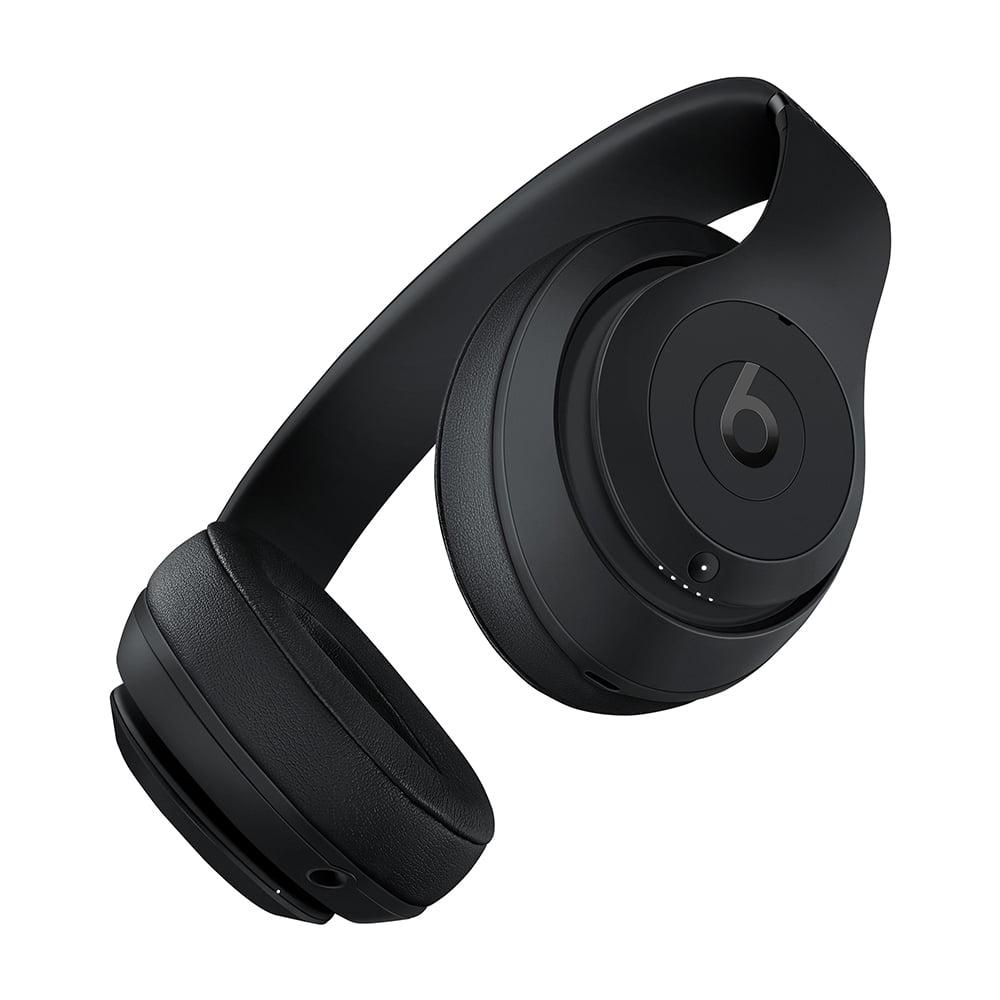
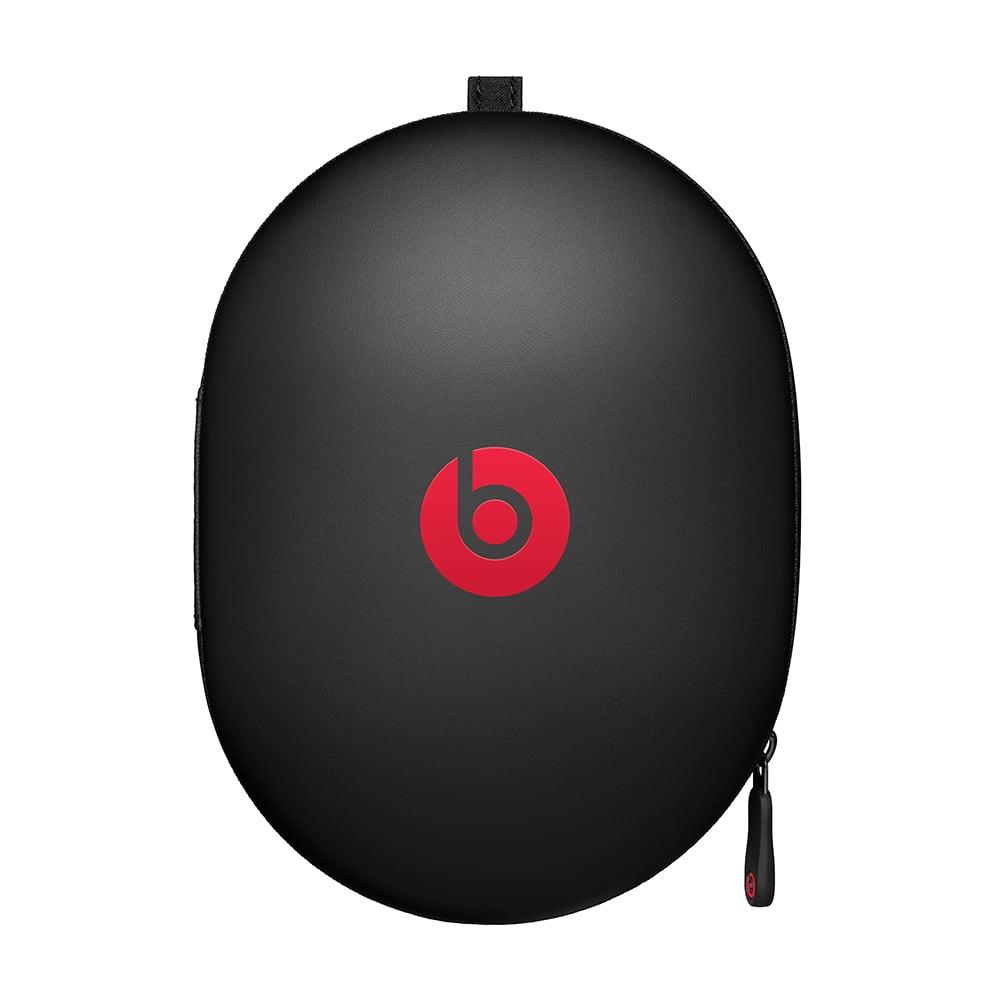
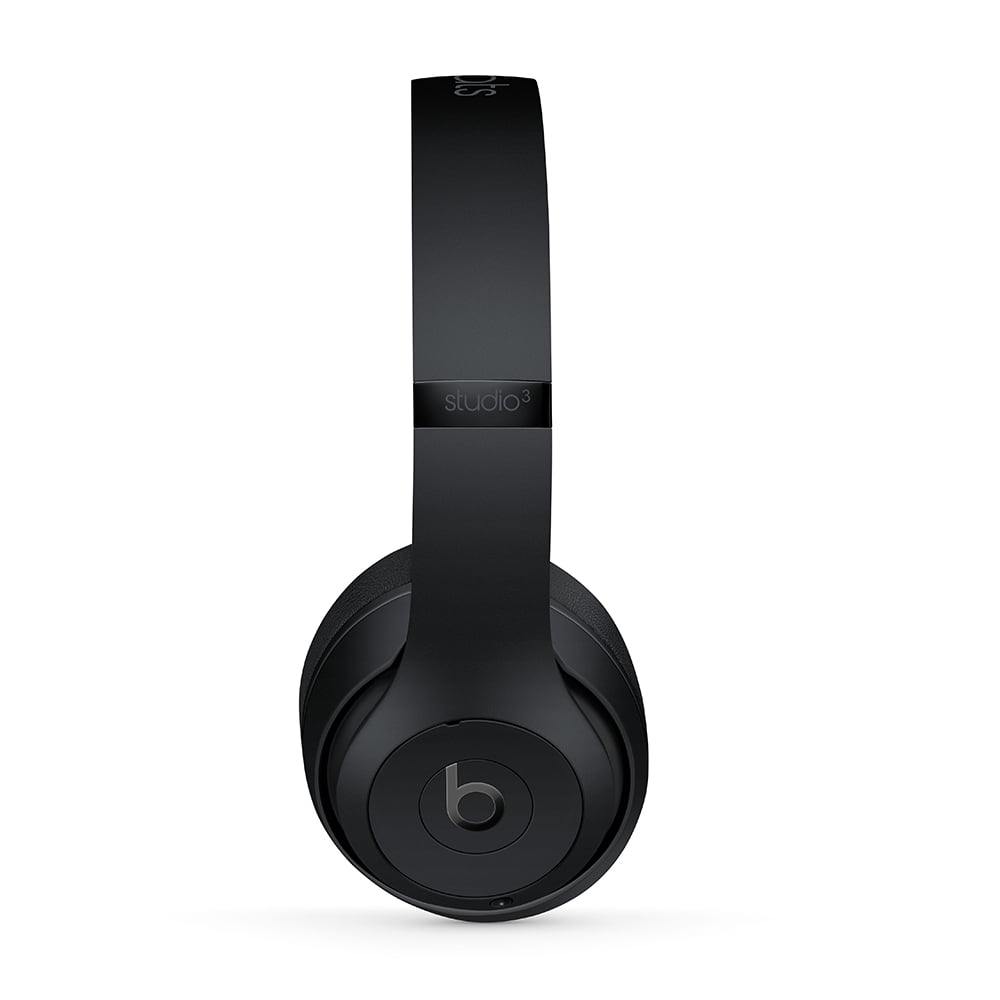
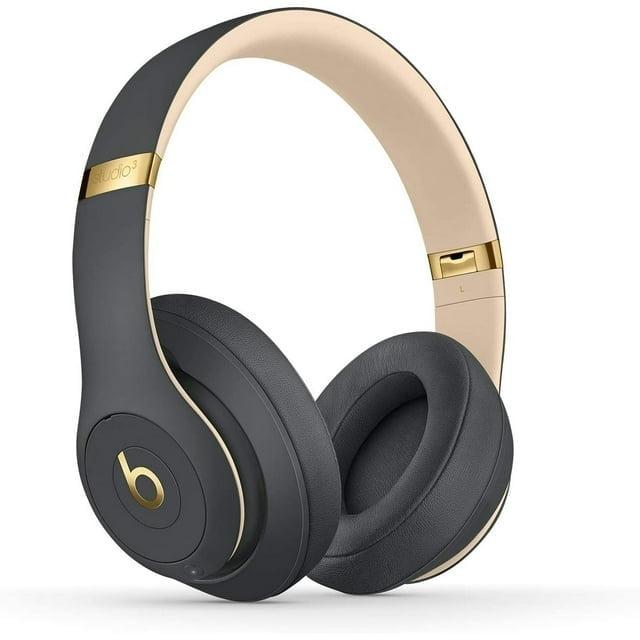
The Beats Studio3 Wireless, launched in 2017, took a different path. Following Apple's acquisition of Beats, these headphones were designed to showcase seamless integration within Apple's ecosystem while maintaining the brand's bass-forward sound signature that made it famous.
Sound quality remains the most subjective yet crucial aspect of any headphone purchase. The Sennheiser HD 450BT delivers what many consider a more "reference" sound—meaning it attempts to reproduce music as the artists and engineers intended. Its frequency response spans from 18Hz to 22kHz, covering the full range of human hearing with remarkable accuracy for its price point.
What this means in practice is that when you're listening to a jazz recording, you'll hear the subtle brush strokes on cymbals, the woody resonance of an upright bass, and the breathy texture of a saxophone without any frequency range being artificially emphasized. The bass is present and accurate without overwhelming the midrange where most vocals and instruments live.
The Beats Studio3, conversely, maintains the brand's consumer-friendly tuning with enhanced bass response. This approach works exceptionally well for modern genres like hip-hop, electronic dance music, and pop, where the extra low-end energy adds excitement and impact. However, some listeners find this emphasis can make the sound feel "muddy" during complex musical passages, particularly with acoustic instruments or classical music.
Soundstage—the perceived width and depth of the sound field—differs notably between these models. The HD 450BT creates a more intimate listening experience with good separation between instruments, though it won't match the expansive soundstage of open-back headphones. When listening to a well-recorded album like Pink Floyd's "Dark Side of the Moon," you can clearly distinguish between different elements in the mix, even if they don't feel like they're coming from a large concert hall.
The Studio3 presents a similarly intimate soundstage but with less precise imaging—the ability to pinpoint exactly where sounds are coming from in the stereo field. This isn't necessarily a weakness for casual listening, but audio enthusiasts might notice instruments seeming less precisely placed in the mix.
One significant advantage of the Sennheiser HD 450BT is its companion app, which provides a graphic equalizer and preset options. This flexibility means you can adjust the sound signature to match your preferences or optimize it for different types of content. Want more bass for a workout playlist? Boost the low end. Prefer crystal-clear podcasts? Emphasize the midrange frequencies where human voices reside.
The Beats Studio3 includes real-time audio calibration technology that automatically adjusts the sound based on how the headphones fit on your head. While this sounds impressive, it provides less user control over the final sound signature compared to manual EQ adjustments.
Active noise cancellation quality can make or break the wireless headphone experience, especially for frequent travelers or those working in noisy environments. The HD 450BT employs a straightforward but effective ANC system that successfully reduces low-frequency noise without creating the uncomfortable "cabin pressure" sensation that plagues some implementations.
In real-world testing, these headphones excel at taming the rumble of air conditioning, the drone of airplane engines, and the consistent noise of traffic. They're less effective against irregular sounds like conversations or sudden noises, but that's typical for ANC technology across all price ranges.
The Beats Studio3 features what Apple calls "Pure Adaptive Noise Cancelling," which continuously monitors your environment and adjusts the cancellation accordingly. While this sounds advanced, many users report hearing a subtle hissing sound (called self-noise) when no music is playing—a common issue with aggressive ANC implementations. The system adapts to fit and environmental changes, but this adaptability sometimes comes at the cost of consistent performance.
During daily use, the difference becomes apparent in specific scenarios. The Sennheiser provides more predictable, consistent noise reduction that doesn't draw attention to itself. When you're trying to focus on work in a noisy café, you'll notice the background chatter fades away without any distracting artifacts.
The Beats can be more effective in certain situations, particularly when walking through varying environments where the noise levels change frequently. However, the trade-off is occasional awareness of the ANC system working, which can be distracting during quiet passages in music or when consuming podcasts.
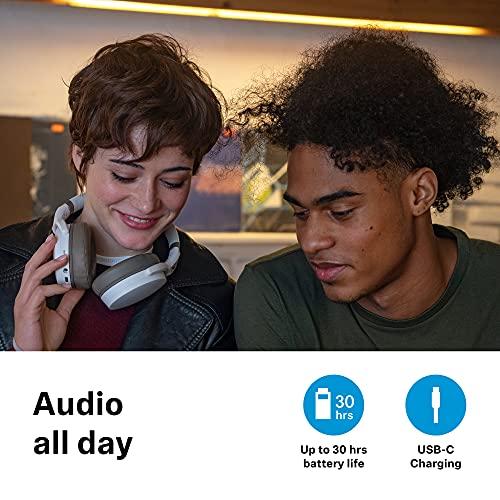
Battery performance has become increasingly important as these headphones replace traditional wired models for daily use. The Sennheiser HD 450BT delivers an impressive 30 hours of playback with both Bluetooth and ANC enabled—enough for several cross-country flights or weeks of commuting without charging anxiety.
The Beats Studio3 offers variable battery life: up to 40 hours with ANC disabled, but only 22 hours with noise cancellation active. For most users who purchase ANC headphones specifically for the noise cancellation, the effective battery life is actually shorter than the Sennheiser option.
Both headphones support fast charging, but with different approaches. The HD 450BT uses modern USB-C charging, which has become the standard for most electronic devices. This means you can use the same cable that charges your laptop, smartphone, or tablet, reducing cable clutter when traveling.
The Studio3 still relies on the older Micro-USB standard, requiring a separate cable. However, it features "Fast Fuel" technology that provides three hours of playback from just ten minutes of charging—impressive for emergency situations when you've forgotten to charge overnight.
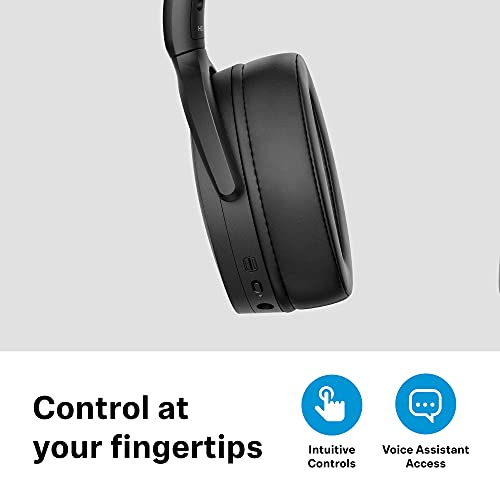
Here's where the Sennheiser gains a significant practical advantage: when the battery dies, you can continue using them as traditional wired headphones with the included 3.5mm cable. The ANC won't function, but you'll still have audio. This backup capability has saved many listening sessions during long flights or extended work days.
The Beats Studio3 cannot operate when the battery is completely depleted, making charging discipline more critical for reliable daily use.
Comfort becomes crucial when wearing headphones for hours at a time, whether for work calls, long flights, or extended gaming sessions. The HD 450BT weighs 238 grams, making it notably lighter than many competitors. The weight distribution feels balanced, and the ear cups provide adequate padding without excessive clamping force.
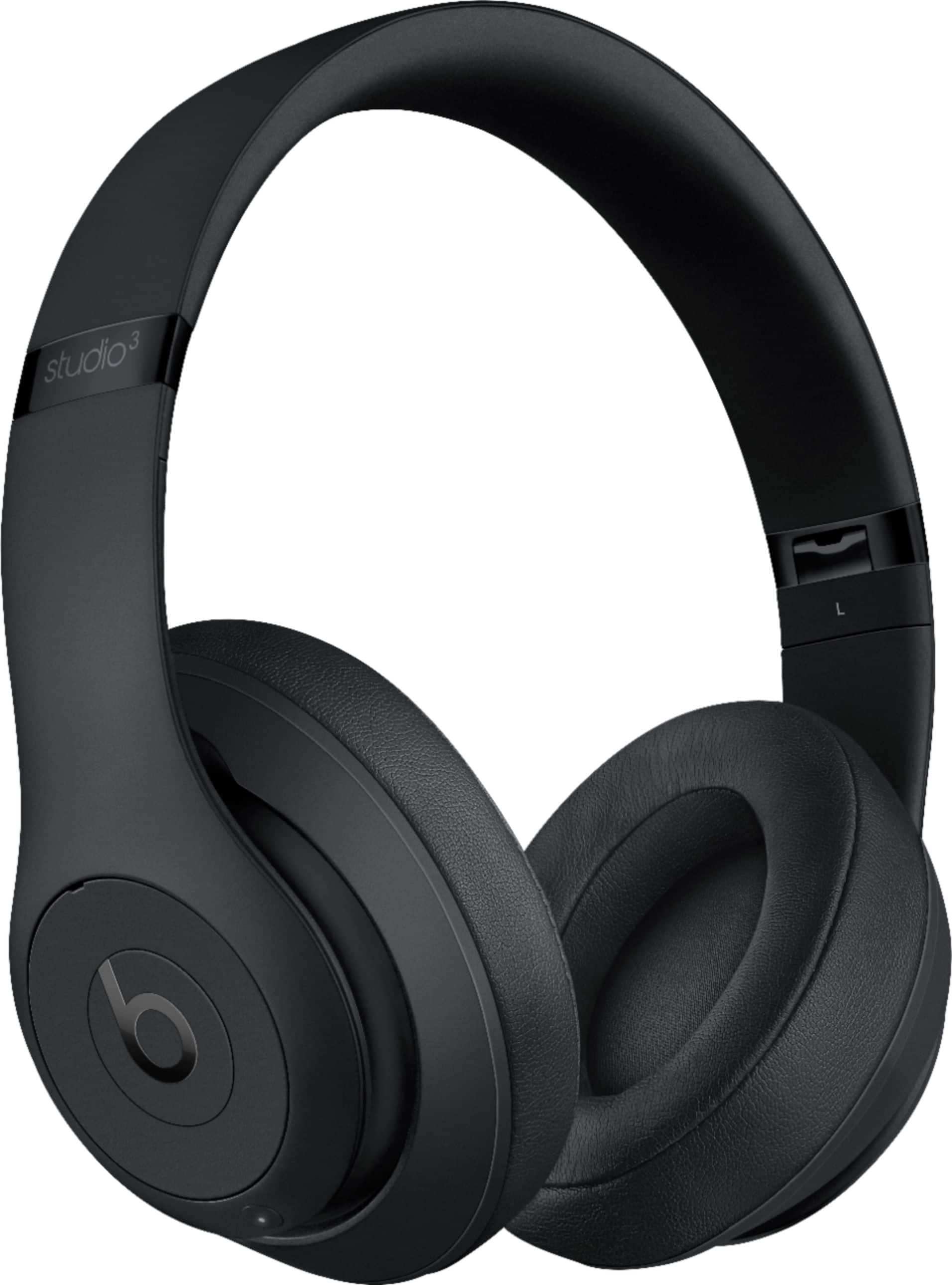
The Beats Studio3, at 260 grams, feels more substantial but also more premium. The ear cushions use higher-quality materials with better pivoting mechanisms that conform to different head shapes. For some users, this translates to superior comfort during long listening sessions, despite the additional weight.
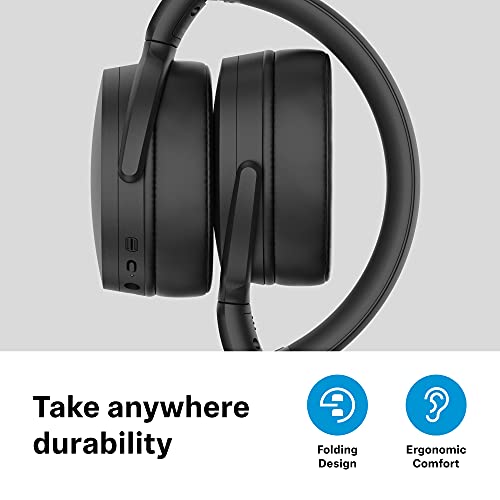
The construction approaches reflect each product's positioning. The Sennheiser uses quality plastics throughout, creating a solid but not luxurious feel. The hinges and adjustment mechanisms feel robust enough for daily use, though they don't exude the premium character some users seek.
The Beats incorporates more premium materials and finishes, resulting in a headphone that feels expensive to handle. The soft-touch surfaces and metal accents contribute to the premium impression, though some users report concerns about the rigid headband's long-term flexibility compared to competitors.
Modern Bluetooth performance varies significantly between implementations, affecting everything from connection stability to audio quality and battery life. The Sennheiser HD 450BT supports Bluetooth 5.0 with multiple high-quality codecs including SBC, AAC, aptX, and aptX Low Latency. This broad codec support ensures optimal performance whether you're using an iPhone, Android device, or laptop.
The aptX Low Latency support proves particularly valuable for video content, minimizing the delay between audio and video that can make movies and YouTube videos feel out of sync. For home theater use, this codec support makes the HD 450BT more versatile when connecting to various source devices.
The Beats Studio3 takes a different approach with Apple's proprietary W1 chip, which provides exceptional performance within Apple's ecosystem. iPhone and iPad users experience nearly instantaneous pairing, automatic device switching, and extended wireless range. However, this tight integration comes at the cost of codec variety—the headphones only support SBC and AAC, which may limit audio quality with non-Apple devices.
The Sennheiser supports multipoint connectivity, allowing simultaneous connection to two devices. This means you can listen to music from your laptop while remaining connected to your phone for calls—a practical feature for work-from-home scenarios or anyone juggling multiple devices.
The Beats focuses on seamless switching within Apple's ecosystem rather than true multipoint connectivity. If you use multiple Apple devices signed into the same iCloud account, the automatic switching works beautifully. However, users with mixed device ecosystems may find this less convenient than traditional multipoint pairing.
At the time of writing, the Sennheiser HD 450BT typically costs roughly half what you'd pay for the Beats Studio3 Wireless, making the value comparison particularly interesting. The Sennheiser delivers approximately 80% of the performance for 50% of the cost—an exceptional value proposition that's rare in consumer electronics.
The Beats justifies its premium pricing primarily through Apple ecosystem integration, brand cachet, and superior build materials rather than dramatically better audio performance. For users who value these aspects and can find the headphones at a discount, the premium might be worthwhile.
When considering long-term value, several factors come into play. The HD 450BT offers more future-proof connectivity with USB-C charging and broad codec support. The wired backup capability also extends the usable life beyond battery degradation.
The Beats Studio3 benefits from strong brand recognition and historically better resale value, potentially offsetting some of the initial price premium. However, the Micro-USB charging and limited codec support may feel dated as technology continues evolving.
For home theater use, both headphones offer distinct advantages depending on your setup. The Sennheiser HD 450BT excels with its aptX Low Latency codec support, which minimizes the audio delay that can make dialogue feel disconnected from actors' lip movements. This makes it excellent for streaming services, gaming, or watching locally stored content.
The wider codec support also means better compatibility with various home theater receivers, gaming consoles, and streaming devices that might not support Apple's preferred AAC codec.
The Beats Studio3 works well for entertainment consumption within Apple's ecosystem, particularly with Apple TV or when using AirPlay-enabled devices. The automatic device switching means you can seamlessly move from watching a movie on your iPad to taking a phone call without manual reconnection.
The decision between these headphones ultimately depends on your specific needs, device ecosystem, and budget priorities. The Sennheiser HD 450BT represents exceptional value for money, delivering solid performance across all categories without major compromises. It's the safer choice for most users, especially those with mixed device ecosystems or budget constraints.
The Beats Studio3 Wireless makes sense for committed Apple users who value seamless integration and premium build quality over pure performance per dollar. If you can find them significantly discounted, they become more compelling, but at full retail price, they're harder to recommend purely on performance grounds.
For first-time wireless ANC headphone buyers, the HD 450BT offers an excellent introduction to the category without the premium pricing that might lead to buyer's remorse. Experienced users seeking a backup pair or travel-specific headphones will appreciate the practical features and solid performance.
Ultimately, both headphones successfully deliver the core promise of wireless noise-cancelling audio, but they take different paths to get there. Your choice should align with your priorities: maximum value and flexibility, or premium integration and materials. In either case, you'll end up with headphones that can transform noisy environments into your personal audio sanctuary.
| Sennheiser HD 450BT | Beats Studio3 Wireless |
|---|---|
| Sound Quality - Foundation of the listening experience | |
| Balanced, reference-tuned sound with customizable EQ via app | Bass-forward consumer tuning with real-time audio calibration |
| Active Noise Cancellation - Critical for blocking distractions | |
| Effective ANC with no cabin pressure sensation or hissing | Pure Adaptive ANC with environmental adaptation but audible self-noise |
| Battery Life - Determines daily usability | |
| 30 hours with ANC enabled, consistent performance | 22 hours with ANC on / 40 hours with ANC off |
| Charging Technology - Affects convenience and future-proofing | |
| USB-C fast charging (2 hours full charge) | Micro-USB with Fast Fuel (3 hours from 10-minute charge) |
| Weight - Important for extended comfort | |
| 238g (lighter for long sessions) | 260g (heavier but premium feel) |
| Bluetooth Codecs - Determines audio quality and compatibility | |
| SBC, AAC, aptX, aptX Low Latency (broad compatibility) | SBC, AAC only (optimized for Apple devices) |
| Multi-Device Support - Essential for modern workflows | |
| True multipoint pairing (connect 2 devices simultaneously) | Apple W1 chip with seamless Apple ecosystem switching |
| Backup Options - Critical when battery dies | |
| Wired 3.5mm operation when battery depletes | No wired backup capability |
| Build Quality - Affects durability and premium feel | |
| Quality plastic construction, practical design | Premium materials with soft-touch finishes |
| Ecosystem Integration - Matters for device compatibility | |
| Universal compatibility across all platforms | Optimized for Apple devices, basic functionality elsewhere |
| Value Proposition - Performance relative to typical pricing | |
| Exceptional value with 80% of premium performance at mid-range price | Premium pricing justified mainly by Apple integration and build quality |
The Sennheiser HD 450BT offers more balanced, reference-quality sound that's accurate across all music genres. It features customizable EQ settings through its companion app, making it versatile for different listening preferences. The Beats Studio3 Wireless has a bass-forward sound signature that works exceptionally well for hip-hop, pop, and electronic music, but may sound muddy with acoustic or classical music.
Both headphones handle calls adequately, but the Sennheiser HD 450BT has dual MEMS beamforming microphones that provide clearer voice pickup and better background noise rejection. The Beats Studio3 Wireless offers decent call quality but may struggle more in noisy environments due to less advanced microphone technology.
The Sennheiser HD 450BT provides more consistent noise cancellation without the distracting hissing sound that some users experience. The Beats Studio3 Wireless features adaptive noise cancellation that adjusts to your environment, but it can produce audible self-noise when no music is playing, which may be bothersome during quiet moments.
The Sennheiser HD 450BT delivers 30 hours of playback with both Bluetooth and noise cancellation active. The Beats Studio3 Wireless offers variable battery life: 22 hours with ANC enabled or up to 40 hours with noise cancellation turned off. For most users who buy ANC headphones for the noise cancellation feature, the Sennheiser provides longer practical usage.
The Sennheiser HD 450BT is lighter at 238 grams and provides good comfort without excessive clamping pressure. The Beats Studio3 Wireless weighs slightly more at 260 grams but features premium ear cushions with better pivoting mechanisms. Both are comfortable, but the Beats may have a slight edge in padding quality while the Sennheiser benefits from being lighter.
Yes, the Sennheiser HD 450BT can operate as wired headphones using the included 3.5mm cable when the battery is depleted, though ANC won't function. The Beats Studio3 Wireless cannot be used at all when the battery is completely dead, making charging discipline more important for reliable daily use.
The Sennheiser HD 450BT works excellently with Android devices, supporting multiple high-quality Bluetooth codecs including aptX and aptX Low Latency. The Beats Studio3 Wireless works with Android but only supports basic SBC and AAC codecs, potentially limiting audio quality compared to its performance with Apple devices.
The Sennheiser HD 450BT excels for video content thanks to its aptX Low Latency codec support, which minimizes audio delay and keeps dialogue synchronized with lip movements. The Beats Studio3 Wireless works well for entertainment but may experience slight audio delay with some devices, particularly non-Apple sources.
The Sennheiser HD 450BT typically costs significantly less while delivering comparable or better performance in most categories, making it exceptional value for money. The Beats Studio3 Wireless commands a premium price that's primarily justified by Apple ecosystem integration and premium build materials rather than superior audio performance.
The Sennheiser HD 450BT supports true multipoint connectivity, allowing simultaneous connection to two devices like your laptop and phone. The Beats Studio3 Wireless focuses on seamless switching between Apple devices signed into the same iCloud account but doesn't offer traditional multipoint pairing with non-Apple devices.
Apple users will appreciate the Beats Studio3 Wireless for its W1 chip integration, which provides instant pairing, automatic device switching, and extended wireless range within the Apple ecosystem. However, the Sennheiser HD 450BT still works excellently with Apple devices and offers more flexibility if you also use non-Apple products.
The Sennheiser HD 450BT features solid plastic construction that's built for regular use, with a foldable design and included travel pouch. The Beats Studio3 Wireless uses more premium materials with better finish quality, but some users report concerns about the rigid headband's long-term flexibility compared to the more flexible Sennheiser design.
We've done our best to create useful and informative comparisons to help you decide what product to buy. Our research uses advanced automated methods to create this comparison and perfection is not possible - please contact us for corrections or questions. These are the sites we've researched in the creation of this article: pocketnow.com - majorhifi.com - rtings.com - majorhifi.com - soundguys.com - rtings.com - bestbuy.com - versus.com - youtube.com - youtube.com - starkinsider.com - headphones.com - newsroom.sennheiser.com - headphonecheck.com - walmart.com - fullspecs.net - youtube.com - crutchfield.com - sennheiser-hearing.com - youtube.com - babblingboolean.com - techradar.com - recordingnow.com - rtings.com - soundguys.com - recordingnow.com - recordingnow.com - soundguys.com - soundguys.com - youtube.com - rtings.com - gsmarena.com - bhphotovideo.com - headphonecheck.com - themasterswitch.com - walmart.com - rentacenter.com - discussions.apple.com - beatsbydre.com - bestbuy.com - walmart.com - youtube.com - youtube.com

Privacy Policy
Terms and Conditions - Affiliate Policy
Home Security
© Copyright 2008-2026.
11816 Inwood Rd #1211, Dallas, TX 75244