

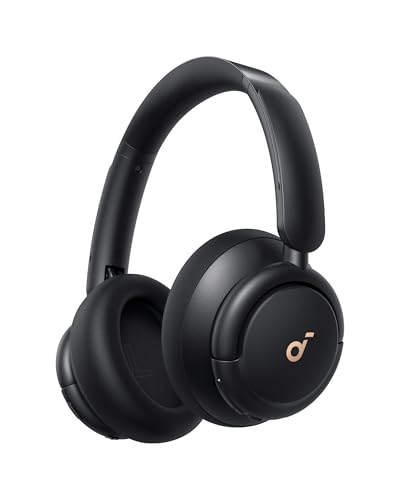
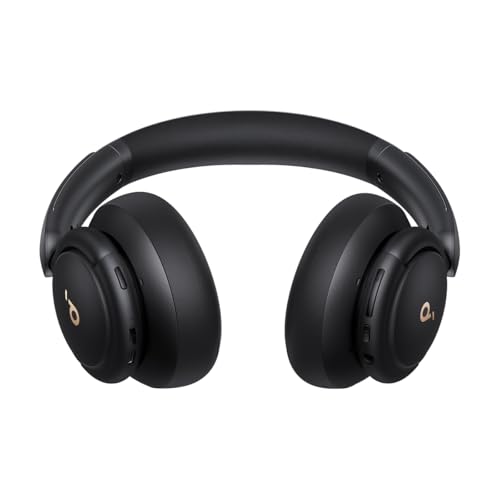
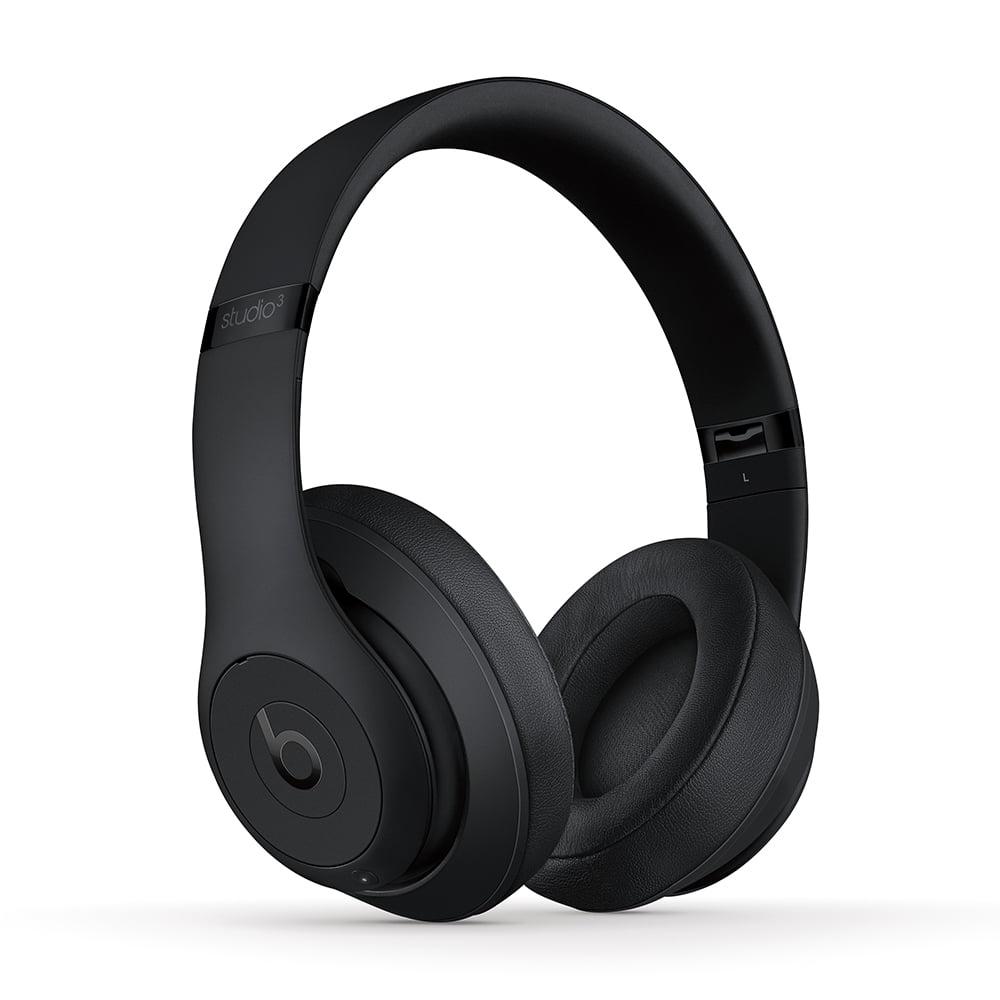
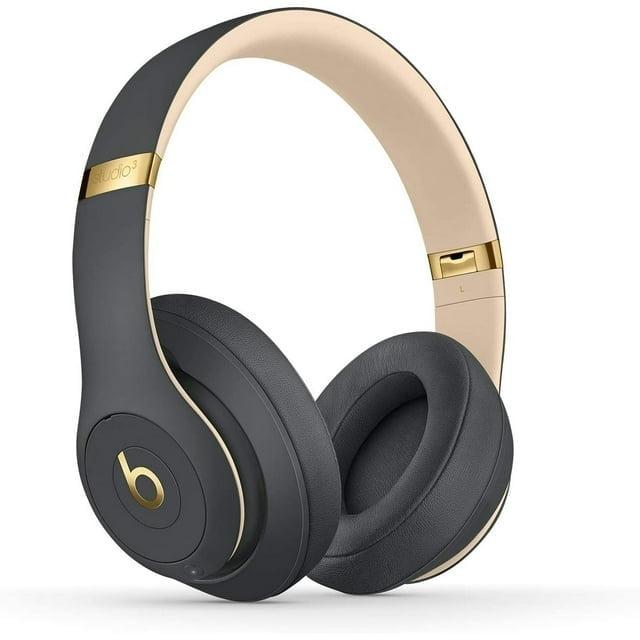
When you're shopping for wireless headphones that can block out the world around you, two models that often come up in conversations are the Soundcore Life Q30 and the Beats Studio3. Both promise to deliver great sound while cutting through ambient noise, but they take surprisingly different approaches to get there. Let me walk you through what makes each one special and help you figure out which might work better for your needs.
Before diving into the specifics, it's worth understanding what we're dealing with here. Wireless noise-cancelling headphones are essentially mini computers that sit on your ears. They use Bluetooth to connect to your devices wirelessly, while simultaneously running sophisticated algorithms to analyze and cancel out background noise in real-time.
The key things most people care about when choosing headphones in this category include how good they sound, how well they block noise, how long the battery lasts, and whether they're comfortable for hours of use. There's also the question of value – are you getting enough performance and features to justify what you're paying?
Both the Soundcore Life Q30 and Beats Studio3 launched around 2020 and 2017 respectively, which means they've had time to prove themselves in the market. Since their releases, we've seen significant improvements in battery technology, noise cancellation algorithms, and audio processing, but both models have held their ground through firmware updates and solid engineering.
Let's start with what probably matters most – how these headphones actually sound. This is where the differences between the Soundcore Life Q30 and Beats Studio3 become really interesting.
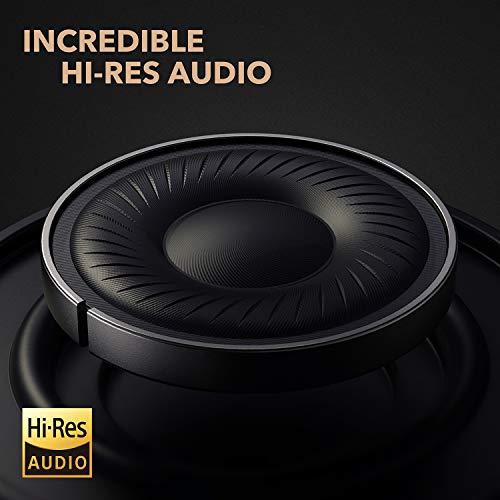
The Life Q30 uses 40mm silk diaphragm drivers, which is a fancy way of saying the part that creates sound is made from a flexible silk material. This gives it a frequency response range that extends from 16Hz all the way up to 40kHz when using a wired connection – that's well beyond what human ears can typically hear (most of us max out around 20kHz). What this translates to in real-world listening is exceptional detail retrieval, meaning you can hear subtle elements in your music that might get lost with other headphones.
Out of the box, the Life Q30 has what audio engineers call a "V-shaped" sound signature. This means it emphasizes both the bass (low frequencies) and treble (high frequencies) while keeping the midrange relatively neutral. If you're listening to modern pop, hip-hop, or electronic music, this can make everything sound more exciting and punchy. However, if you're someone who prefers a more natural, balanced sound, the real magic happens when you open the Soundcore app.
Here's where the Life Q30 really shines – customization. The app gives you access to a full graphic equalizer (EQ), which lets you adjust different frequency ranges to taste, plus 22 preset sound profiles for different music genres. I've spent considerable time tweaking these settings, and the difference is remarkable. You can completely transform how these headphones sound, whether you want thunderous bass for your workout playlist or crystal-clear vocals for acoustic music.
The Beats Studio3, on the other hand, takes a more hands-off approach. These also use 40mm drivers, but they're designed around what Beats calls "real-time audio calibration." This system constantly monitors how the headphones fit on your head and adjusts the sound accordingly to maintain consistent audio quality. It's pretty clever technology – if your glasses create a small gap that breaks the seal around your ears, the headphones automatically compensate.
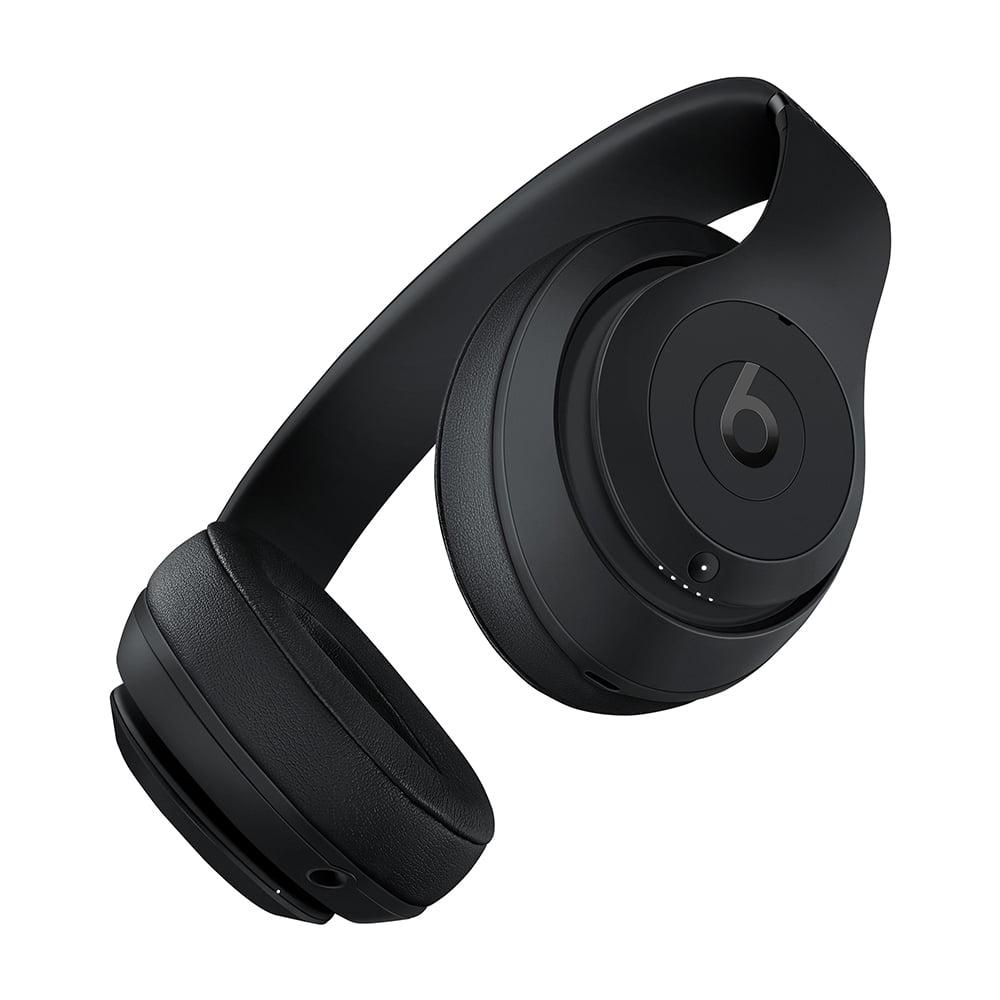
Sound-wise, the Studio3 offers what most reviewers describe as a warm, controlled presentation. Unlike the bass-heavy Beats of old, these are more balanced, though they still maintain that signature Beats character with slightly elevated low-end. The midrange can sometimes sound a bit muddy, especially with male vocals, and the treble is somewhat recessed, which can make some music sound veiled or lacking in sparkle.
The catch? You can't really change it. There's no EQ app or customization options beyond what the real-time calibration provides. What you hear is what you get, which can be limiting if the default tuning doesn't match your preferences.
For home theater use, both headphones handle movie soundtracks and dialogue reasonably well, though the Life Q30's customizable EQ gives it an edge. You can boost dialogue frequencies for clearer speech or enhance the low-end for more impactful action sequences. The Studio3 will work fine for casual movie watching, but serious home theater enthusiasts might find its fixed tuning limiting.
Noise cancellation is where these two headphones reveal their different design philosophies most clearly. Both use what's called "active noise cancellation" (ANC), which involves microphones that listen to outside noise and generate opposite sound waves to cancel it out – like creating destructive interference in physics class.
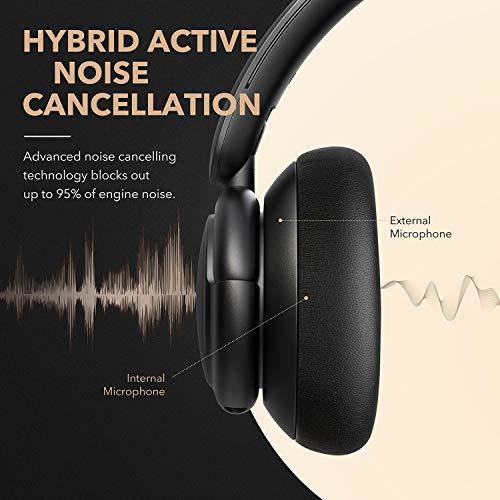
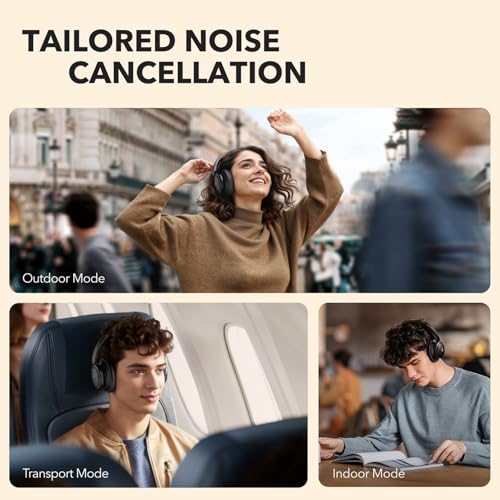
The Life Q30 implements what Soundcore calls "Hybrid Active Noise Cancellation." This uses microphones both inside and outside each ear cup to create a more complete picture of the noise environment. What makes it special is the three distinct modes: Transport mode targets the low-frequency rumble of engines and trains, Outdoor mode focuses on wind and traffic noise, and Indoor mode is optimized for office chatter and air conditioning hum.
I've tested these modes extensively during commuting, and the difference is genuinely noticeable. Transport mode makes airplane flights much more peaceful, while Indoor mode is perfect for focusing in busy coffee shops. There's also a Transparency mode that lets outside sound in when you need situational awareness – useful when someone's trying to get your attention or you need to hear announcements.
The Beats Studio3 uses "Pure Adaptive Noise Cancelling," which automatically adjusts to your environment without manual mode selection. It's designed to be smart enough to figure out what kind of noise to cancel without your input. The system works reasonably well and requires less thought from the user, but it's generally less effective than the competition from Sony or Bose, and certainly less versatile than the Life Q30's manual modes.
One important limitation of the Life Q30: the noise cancellation doesn't work when you're using a wired connection. If you plug in the included audio cable, you lose the ANC functionality entirely. The Studio3 doesn't have this limitation.
This is where the differences between these headphones become almost comical. The Life Q30 absolutely crushes the Studio3 in battery endurance, and it's not even close.
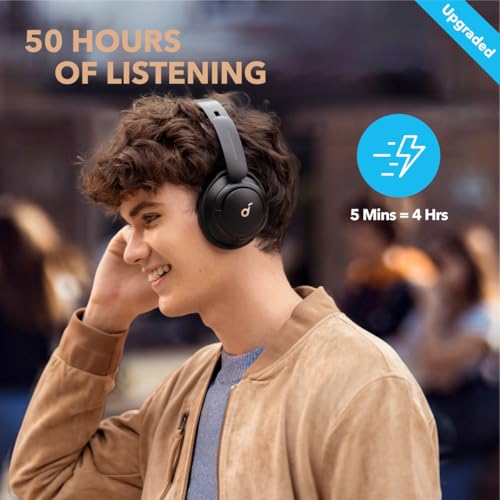
With noise cancellation turned on, the Life Q30 delivers up to 40 hours of continuous playback. Turn off the ANC, and you're looking at 60 hours. That's enough to fly from New York to Tokyo, watch several movies, listen to music for the entire trip, and still have battery left over. In real-world testing, many users report only needing to charge these headphones every couple of weeks with moderate daily use.
The fast charging is equally impressive – five minutes plugged in gives you four hours of listening time. The headphones use USB-C for charging, which is convenient since that's becoming the standard for most devices.
The Beats Studio3, meanwhile, offers 22 hours with ANC on and up to 40 hours with it off. That's still respectable – plenty for most people's daily needs – but it's less than half what the Life Q30 provides. The "Fast Fuel" charging gives you three hours of playback from a 10-minute charge, which is decent but not quite as quick as Soundcore's implementation. Unfortunately, the Studio3 still uses micro-USB for charging, which feels dated at this point.
For someone who travels frequently or simply doesn't want to think about charging very often, the Life Q30's battery advantage is huge. I've personally used headphones with shorter battery life, and there's nothing more frustrating than having them die mid-flight or during a long study session.
Both headphones weigh exactly 260 grams, but they distribute that weight differently and use different materials for the parts that touch your head.
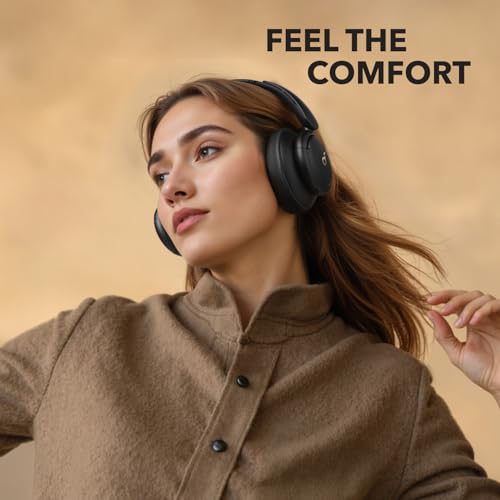
The Life Q30 uses ultra-soft protein leather ear cups with memory foam padding that feels plush against your skin. The ear cups can adjust up to 15 degrees to better match the shape of your head, and the memory foam headband spreads weight evenly. During extended listening sessions – I'm talking 4-6 hours straight – these remain comfortable without creating hot spots or excessive pressure.
The build quality is clearly budget-oriented. The materials feel solid enough for daily use, but they don't have the premium feel of more expensive headphones. The plastic is lightweight but not particularly luxurious, and some users have reported long-term durability issues with the plastic arms above the ear cups, though this seems to be relatively uncommon.
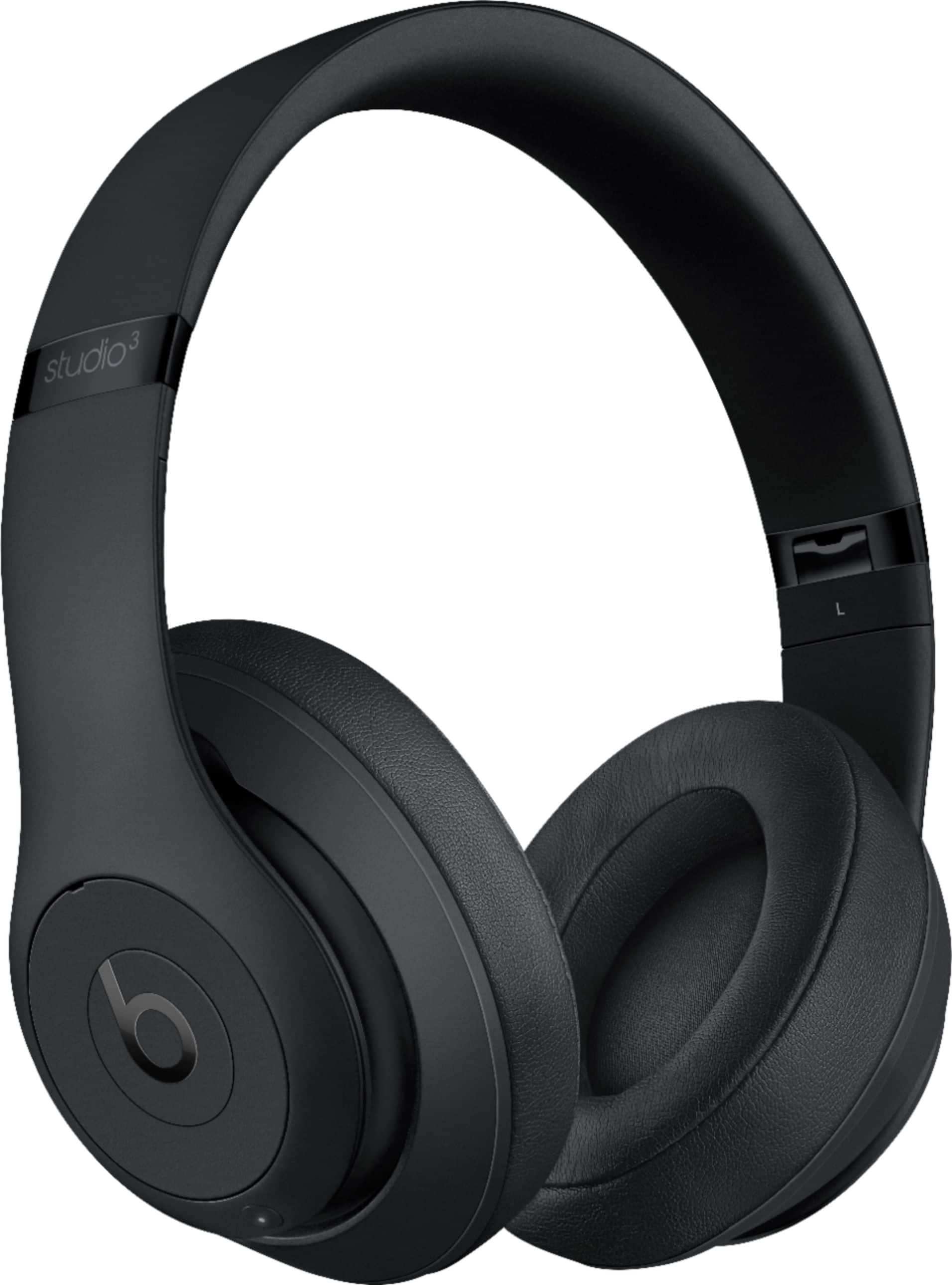
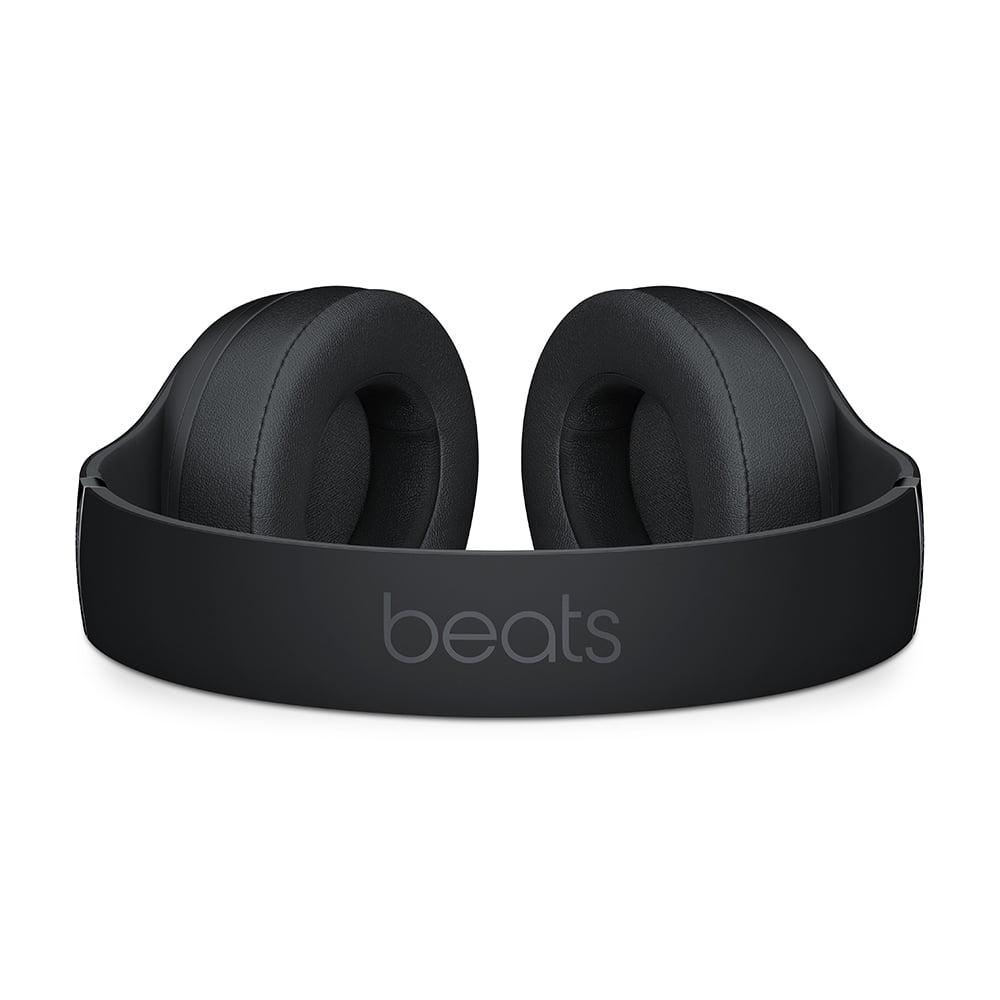
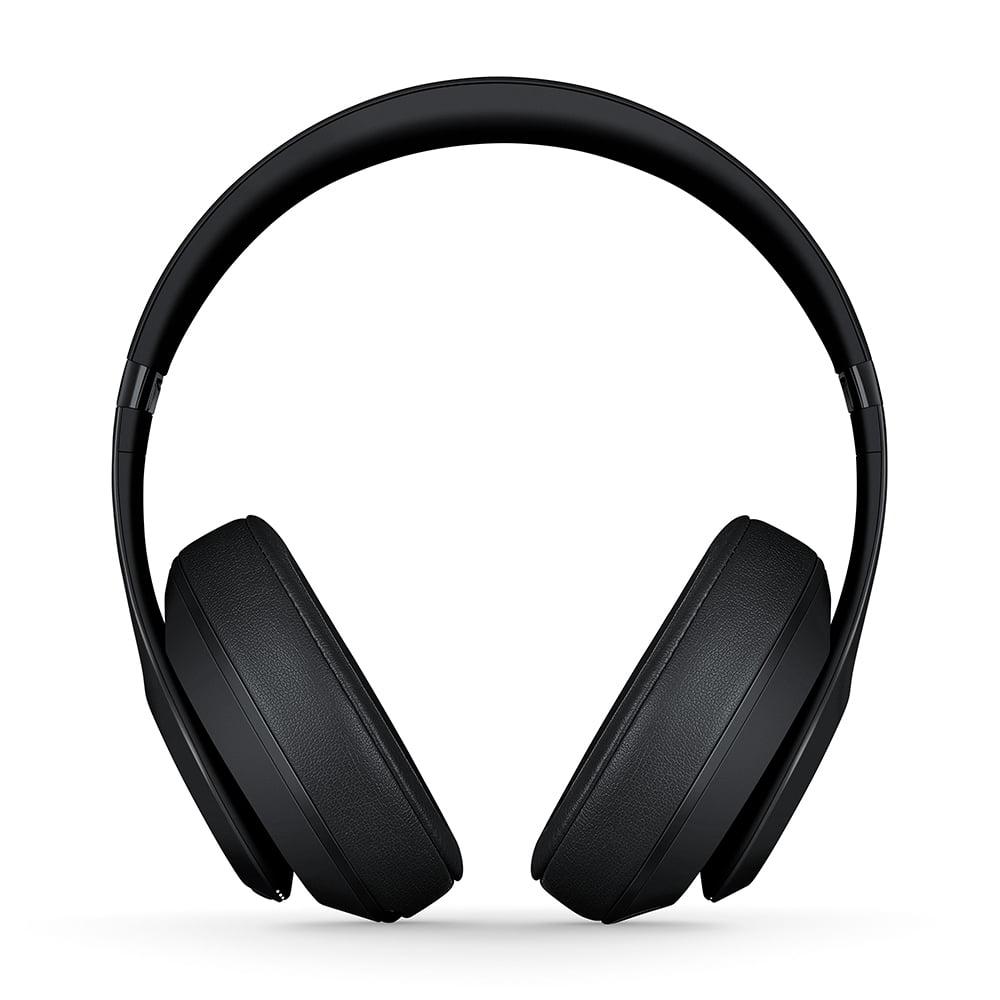
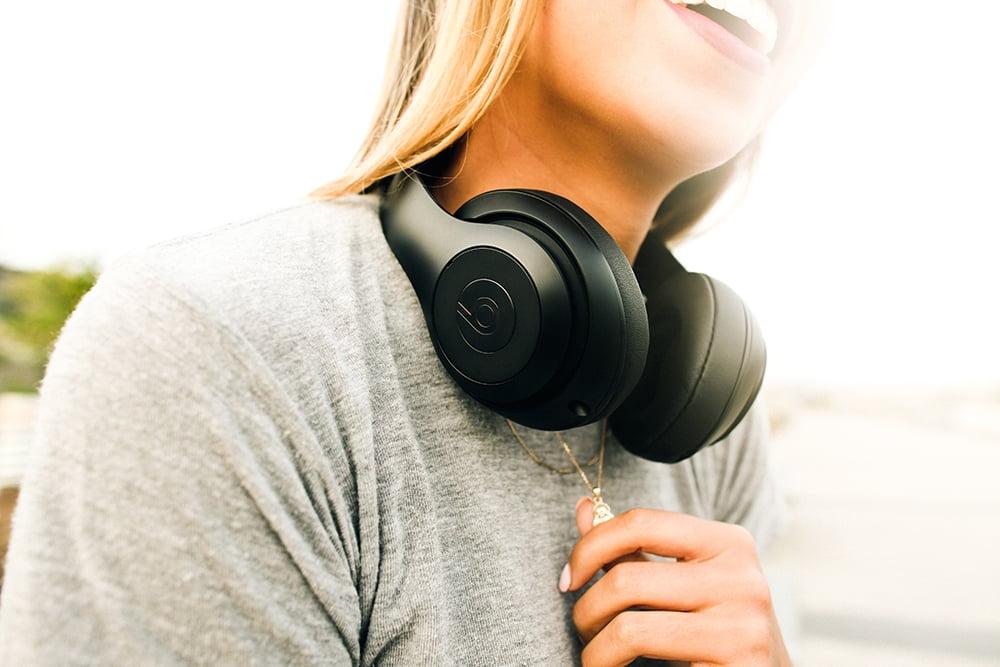
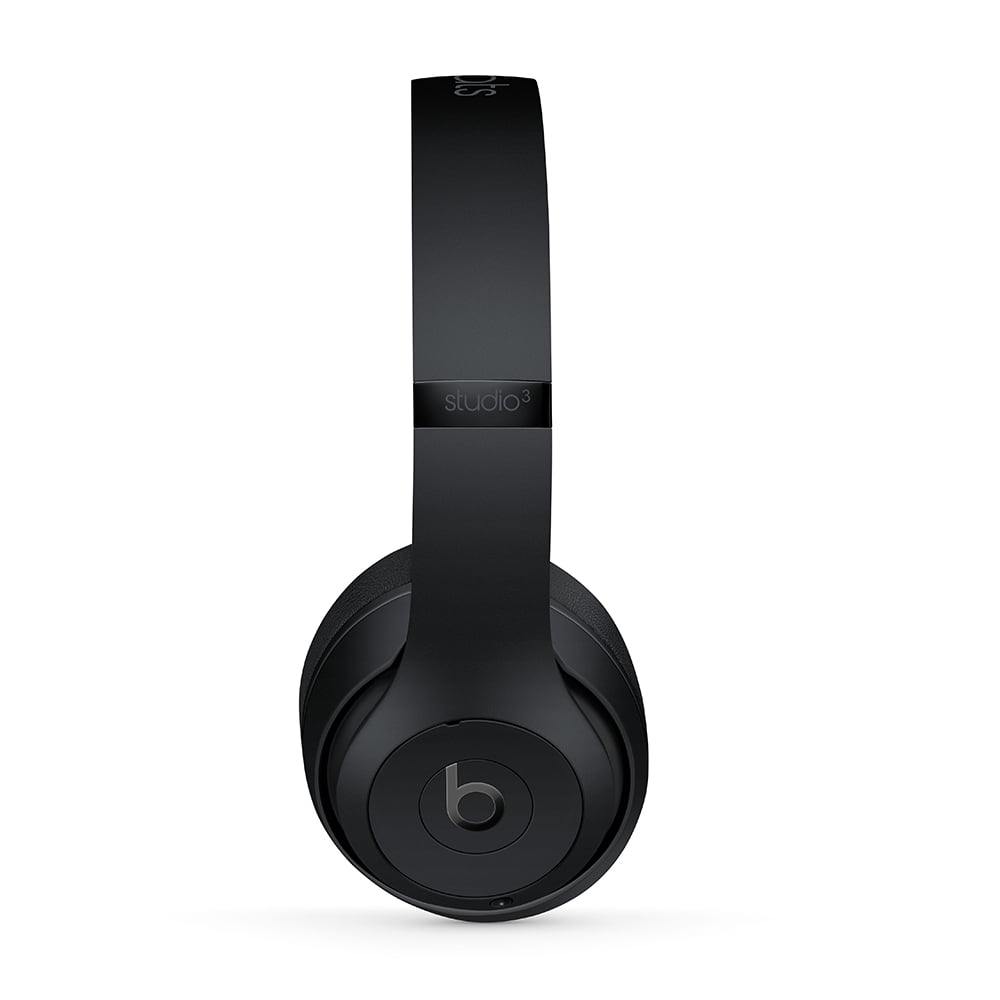
The Beats Studio3 has a more premium appearance with its soft matte plastic finish and overall design aesthetic. The ear cups are cushioned and fit snugly, but the headband lacks adequate padding. After a few hours of use, some people experience discomfort across the top of their head. The build feels more rigid overall, which might actually be a concern for long-term durability – flexibility often means better resistance to stress fractures.
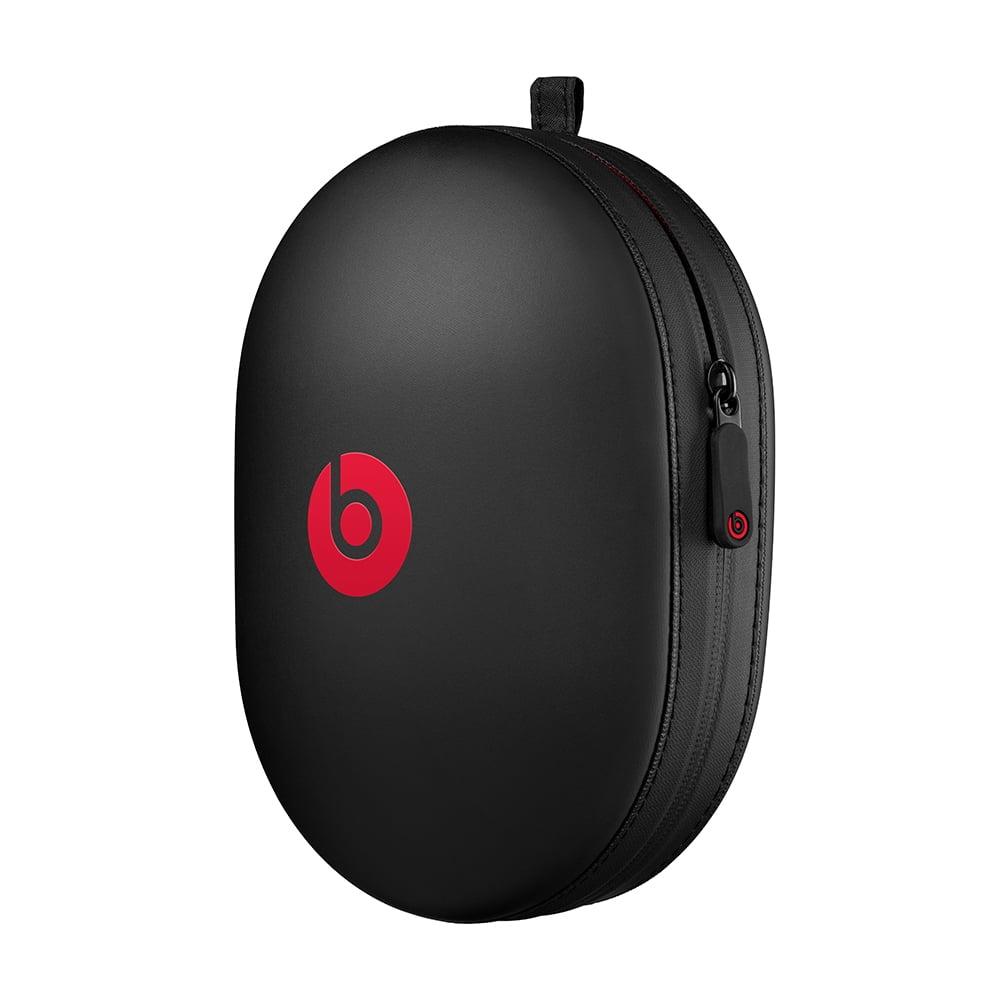
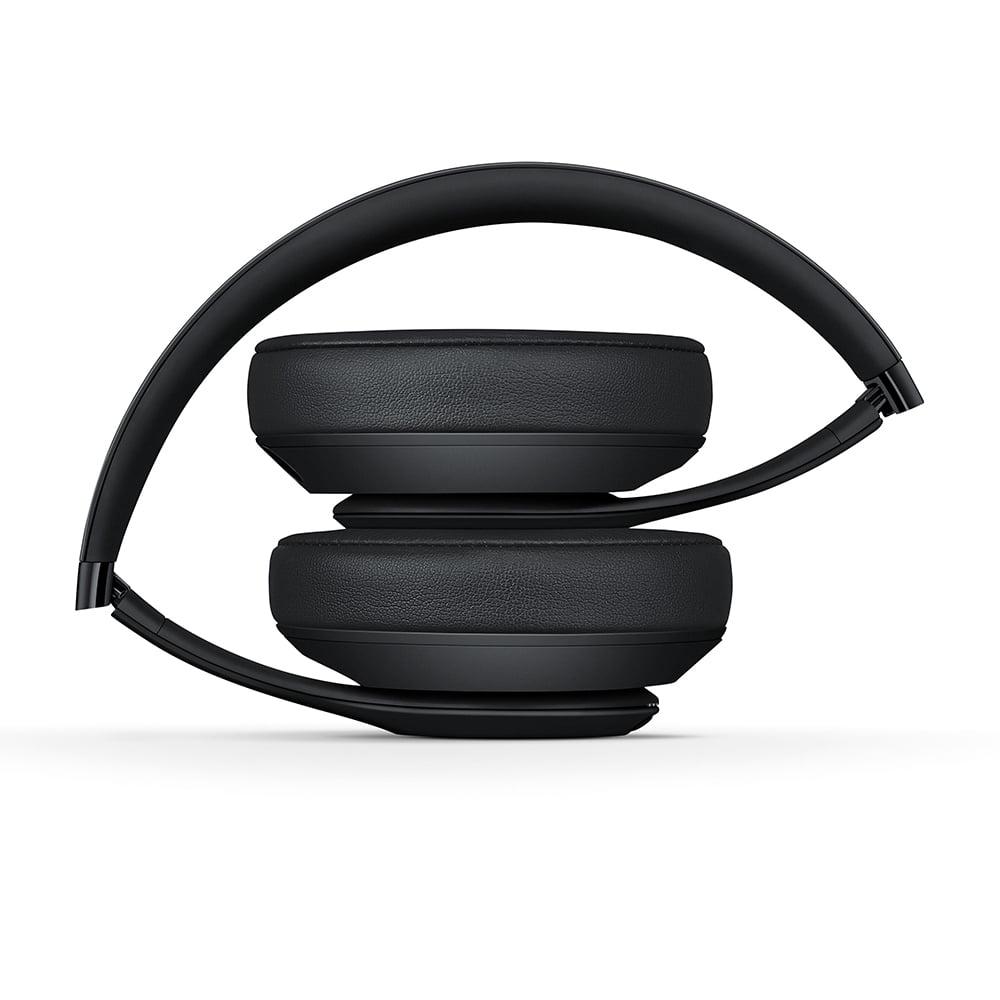
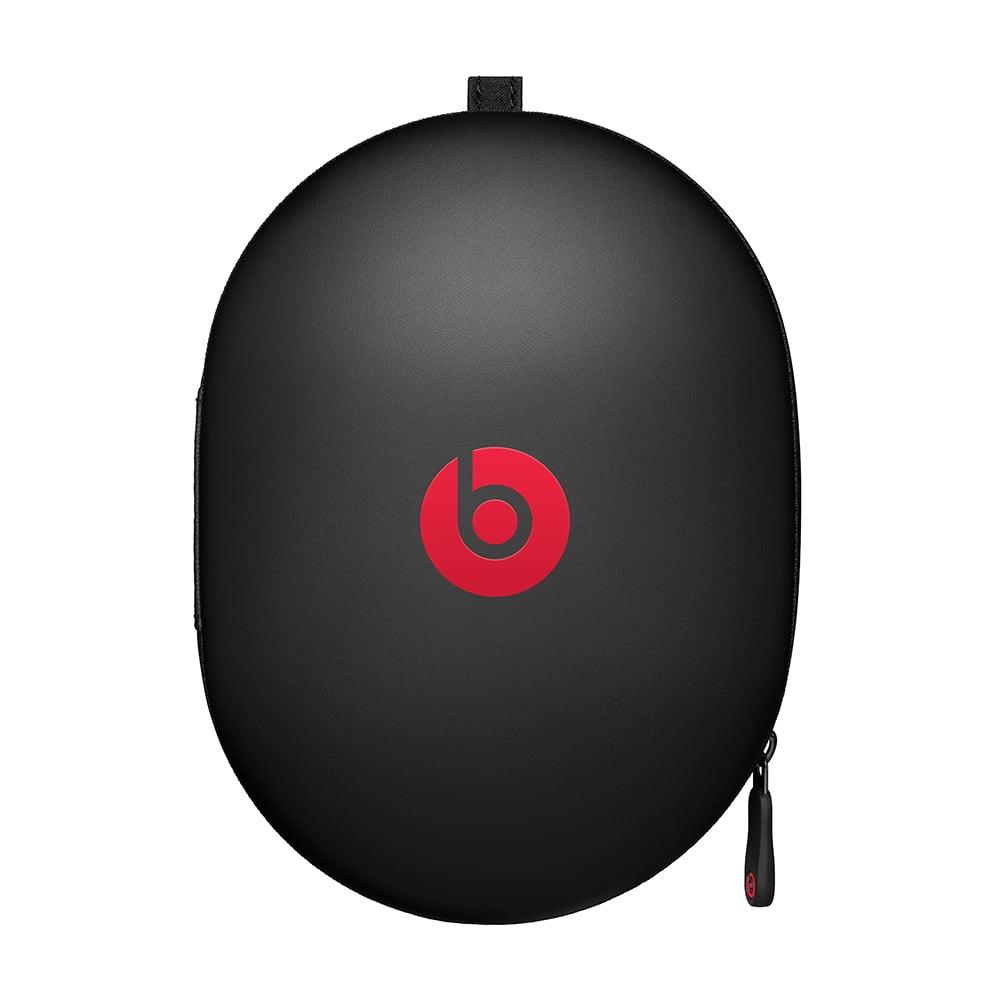
The Studio3 folds up for storage, but not as compactly as some competitors. Both headphones come with carrying cases, though the Life Q30's case is more protective.
This is where your existing devices really matter in the decision-making process.
The Beats Studio3 includes Apple's W1 chip, which creates an almost magical pairing experience with iPhones, iPads, and Macs. Turn on the headphones near your iPhone, and they instantly appear in your device's Bluetooth settings. Even better, once paired with one Apple device, they automatically appear as available on all your other iCloud-connected Apple devices. You can seamlessly switch from listening to music on your iPhone to taking a call on your Mac without any manual re-pairing.
The W1 chip also provides Class 1 Bluetooth, which extends the wireless range and improves connection stability compared to standard Bluetooth implementations. If you live in the Apple ecosystem, this integration is genuinely convenient and works as advertised.
The Life Q30 takes a more universal approach with Bluetooth 5.0 and multi-point connectivity. This means you can simultaneously pair with two different devices – say, your laptop and smartphone – and the headphones will intelligently switch between them based on which one is actively playing audio. This works regardless of whether you're using Apple, Android, Windows, or any other Bluetooth-capable device.
The Life Q30 also includes NFC pairing for Android devices, which lets you connect by simply tapping your phone to the right ear cup. It's not quite as seamless as the Apple integration, but it works well and doesn't lock you into any particular ecosystem.
The Soundcore app for the Life Q30 is genuinely useful. Beyond the extensive EQ options I mentioned earlier, it lets you switch between ANC modes, adjust the intensity of noise cancellation, update firmware, and even create custom white noise soundscapes for relaxation or focus. The app is regularly updated and works reliably on both iOS and Android.
The Beats Studio3 has much more limited app support. You can see battery levels and update firmware, but there's no sound customization or advanced feature control. The headphones are designed to work well out of the box without much user intervention, which some people prefer but others find limiting.
Having spent significant time with both headphones in various scenarios, here are the practical differences that matter most:
For daily commuting: The Life Q30's superior battery life and versatile ANC modes make it more practical. You can optimize noise cancellation for your specific transportation method and go days without charging.
For Apple users: The Studio3's seamless device switching and instant pairing create a noticeably smoother experience, though the shorter battery life becomes more apparent with heavy use.
For music enthusiasts: The Life Q30's customizable sound signature wins here. Being able to tune the headphones to your specific preferences or optimize them for different genres is a significant advantage.
For simplicity seekers: The Studio3 requires less decision-making and setup. They work well enough out of the box without needing to learn about different ANC modes or EQ settings.
For home theater use: Both work adequately for casual movie watching, but the Life Q30's EQ customization gives it an edge for serious home theater enthusiasts who want to optimize dialogue clarity or enhance surround sound effects.
At the time of writing, there's a significant price gap between these headphones. The Life Q30 typically sells for roughly one-third the price of the Studio3, though the Beats often go on sale.
When you consider the feature set – better battery life, more effective noise cancellation, superior customization options, and greater comfort – the Life Q30 represents exceptional value. You're getting performance that matches or exceeds much more expensive headphones at a budget-friendly price point.
The Studio3 commands a premium price primarily for the Apple ecosystem integration and brand prestige. If those factors are important to you and you can find them on sale, they become more reasonable. However, at full retail price, the performance-to-price ratio is harder to justify given the competition.
Choose the Soundcore Life Q30 if you:
Choose the Beats Studio3 if you:
The bottom line: For most people, the Soundcore Life Q30 offers superior performance, better value, and more flexibility. The exceptional battery life alone makes them more practical for daily use, while the customization options let you tailor the sound to your preferences. The Beats Studio3 remains the better choice for Apple enthusiasts who prioritize ecosystem integration over raw performance metrics, but only if you can get them at a substantial discount.
Both are solid headphones that will serve you well, but they're designed for different types of users with different priorities. Consider how you actually use headphones day-to-day, what devices you own, and whether you prefer simplicity or customization – that should point you toward the right choice for your needs.
| Soundcore Life Q30 Wireless Headphones | Beats Studio3 Wireless Over-Ear Headphones |
|---|---|
| Battery Life with ANC - Critical for daily use and travel | |
| 40 hours (60 hours ANC off) - Industry-leading endurance | 22 hours (40 hours ANC off) - Standard performance |
| Fast Charging - How quickly you get back to listening | |
| 5 minutes = 4 hours playback via USB-C | 10 minutes = 3 hours playback via Micro-USB |
| Sound Customization - Ability to tune audio to your preferences | |
| Full graphic EQ with 22 presets via Soundcore app | No EQ options - fixed sound signature only |
| Noise Cancellation Modes - Versatility for different environments | |
| 3 specialized modes: Transport, Indoor, Outdoor | Single adaptive mode that adjusts automatically |
| Driver Technology - Core component affecting sound quality | |
| 40mm silk diaphragm drivers, Hi-Res Audio certified | 40mm dynamic drivers with real-time calibration |
| Frequency Response - Range of sounds the headphones can reproduce | |
| 16Hz-40kHz (wired), exceptional detail retrieval | 20Hz-20kHz standard range, warm sound signature |
| Ecosystem Integration - How well they work with your devices | |
| Bluetooth 5.0 with dual-device pairing, universal compatibility | Apple W1 chip with seamless Apple device switching |
| Comfort Design - Important for extended listening sessions | |
| Memory foam padding with protein leather, 15° adjustable cups | Cushioned cups but minimal headband padding |
| Weight - Affects long-term comfort | |
| 260g with excellent weight distribution | 260g with more rigid construction |
| Transparency Mode - Ability to hear surroundings when needed | |
| Yes, via touch control on right earcup | No transparency mode available |
| Wired Operation - Backup option when battery dies | |
| 3.5mm cable included but ANC doesn't work in wired mode | 3.5mm RemoteTalk cable with full functionality |
| Multi-Point Connection - Connecting to multiple devices simultaneously | |
| Yes, connects to 2 devices at once | No, but seamless switching within Apple ecosystem |
| Build Quality - Long-term durability considerations | |
| Budget-oriented materials, some reported plastic arm issues | Premium matte finish but rigid design raises durability concerns |
The Soundcore Life Q30 significantly outperforms the Beats Studio3 in battery life. The Life Q30 delivers up to 40 hours with noise canceling on and 60 hours with it off, while the Studio3 provides 22 hours with ANC and 40 hours without. For daily use and travel, the Soundcore Life Q30 requires charging much less frequently.
Sound quality depends on your preferences. The Soundcore Life Q30 offers superior customization with a full EQ app and 22 presets, allowing you to tune the sound to your liking. The Beats Studio3 has a fixed warm sound signature with real-time calibration but no customization options. The Life Q30 generally provides better detail and clarity, especially when properly EQ'd.
The Soundcore Life Q30 offers more versatile noise cancellation with three specialized modes (Transport, Indoor, Outdoor) that target different types of noise. The Beats Studio3 uses adaptive noise canceling that adjusts automatically but is generally less effective. The Life Q30 blocks up to 95% of low and mid-frequency noise and includes a transparency mode.
Yes, the Soundcore Life Q30 is generally more comfortable for extended wear. It features memory foam padding with protein leather ear cups and better weight distribution. The Beats Studio3 has cushioned cups but lacks adequate headband padding, which can cause discomfort during long listening sessions.
The Beats Studio3 excels with Apple devices thanks to the W1 chip, offering instant pairing and seamless switching between Apple devices. The Soundcore Life Q30 works well with iPhones but lacks the specialized Apple integration. However, the Life Q30 offers dual-device connectivity that works across all platforms.
The Soundcore Life Q30 offers extensive sound customization through the Soundcore app with a graphic EQ and 22 presets. The Beats Studio3 provides no EQ options or sound customization beyond its built-in real-time calibration. For users who want to personalize their audio experience, the Life Q30 is the clear winner.
Both headphones work adequately for home theater use, but the Soundcore Life Q30 has advantages for serious home theater enthusiasts. Its customizable EQ allows you to boost dialogue frequencies for clearer speech or enhance bass for action sequences. The Beats Studio3 works fine for casual movie watching but offers no customization for optimizing dialogue or surround effects.
The Soundcore Life Q30 charges faster, providing 4 hours of playback from just 5 minutes of charging via USB-C. The Beats Studio3 gives 3 hours from 10 minutes of charging but uses the older Micro-USB connector. The Life Q30 also reaches full charge more quickly due to its modern charging technology.
Yes, the Soundcore Life Q30 works excellently with Android devices and includes NFC pairing for quick connection. It offers dual-device connectivity and full app support. While the Beats Studio3 also works with Android, it lacks the specialized features and you miss out on the W1 chip benefits that are exclusive to Apple devices.
The Soundcore Life Q30 is superior for travel due to its exceptional 40+ hour battery life, specialized Transport noise canceling mode for blocking engine noise, and comfortable design for extended wear. The Beats Studio3 works for travel but has shorter battery life and less effective noise canceling for airplane environments.
Both headphones include 3.5mm cables for wired use. However, the Soundcore Life Q30 loses its noise canceling functionality in wired mode, while the Beats Studio3 maintains full functionality when connected with a cable. This gives the Studio3 an advantage if you frequently use headphones in wired mode.
The Soundcore Life Q30 provides exceptional value with premium features like superior battery life, effective noise canceling, sound customization, and excellent comfort at a budget-friendly price. The Beats Studio3 commands a premium price mainly for Apple integration and brand prestige. Unless you specifically need the Apple ecosystem features, the Life Q30 delivers much better performance per dollar spent.
We've done our best to create useful and informative comparisons to help you decide what product to buy. Our research uses advanced automated methods to create this comparison and perfection is not possible - please contact us for corrections or questions. These are the sites we've researched in the creation of this article: soundguys.com - recordingnow.com - soundcore.com - theaudiophilecafecom.wordpress.com - versus.com - noisyworld.org - blog.jonsdocs.org.uk - youtube.com - head-fi.org - youtube.com - fullspecs.net - anker-tr.com - soundcore.com - soundcore.com - rtings.com - youtube.com - newegg.com - ifixit.com - headphonesaddict.com - techradar.com - recordingnow.com - rtings.com - soundguys.com - recordingnow.com - recordingnow.com - soundguys.com - soundguys.com - youtube.com - rtings.com - gsmarena.com - bhphotovideo.com - headphonecheck.com - themasterswitch.com - walmart.com - rentacenter.com - discussions.apple.com - beatsbydre.com - bestbuy.com - walmart.com - youtube.com - youtube.com

Privacy Policy
Terms and Conditions - Affiliate Policy
Home Security
© Copyright 2008-2026.
11816 Inwood Rd #1211, Dallas, TX 75244