

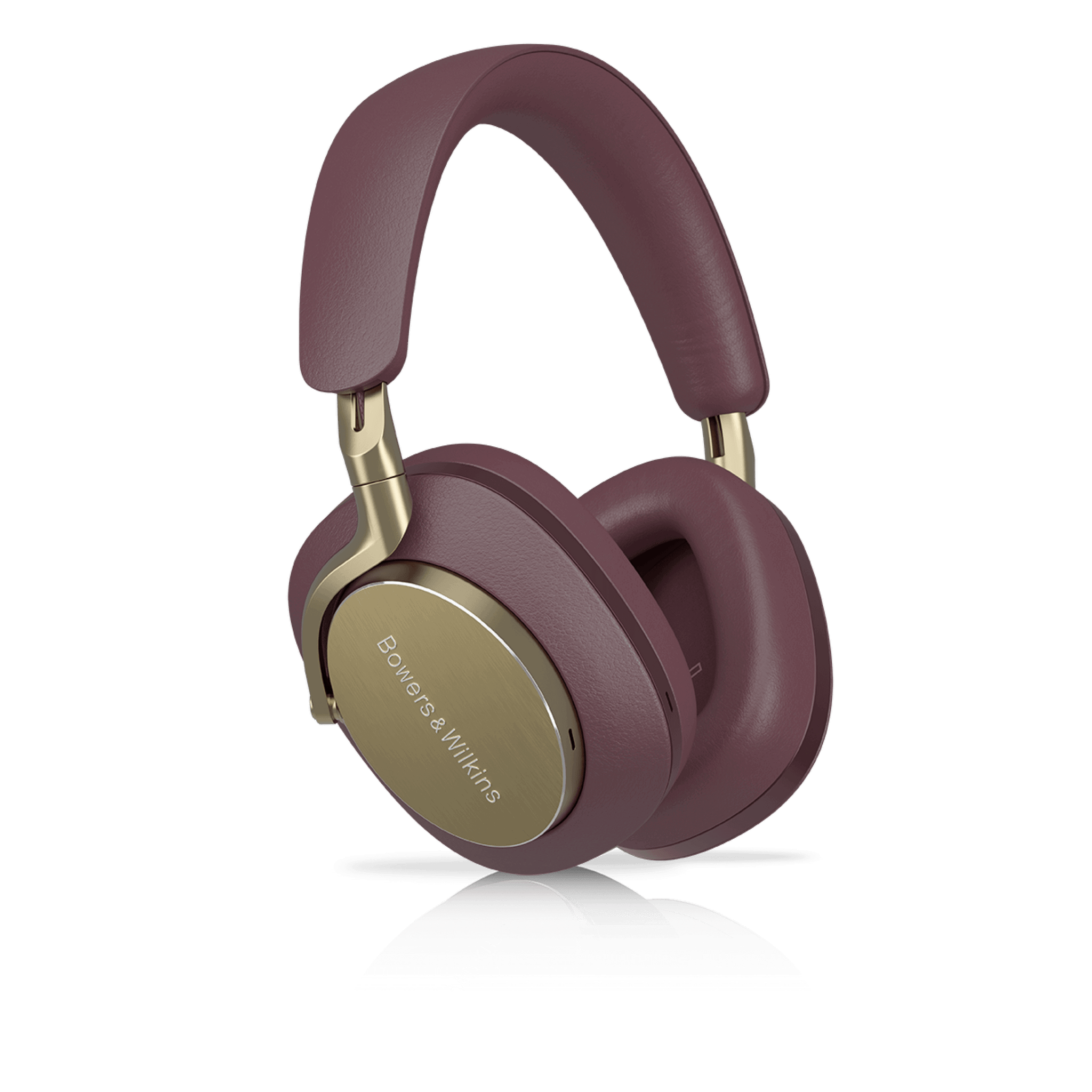
When you're ready to upgrade from basic earbuds or entry-level headphones, the world of premium wireless over-ear headphones opens up a fascinating landscape of advanced technology and design philosophies. At the time of writing, two headphones that represent very different approaches to premium audio are the Beats Studio3 Wireless and the Bowers & Wilkins Px8. While both deliver wireless convenience and active noise cancellation, they're engineered for distinctly different users and priorities.
Premium wireless over-ear headphones aren't just about cutting the cord—they're sophisticated audio instruments packed with advanced technology. Unlike basic Bluetooth headphones, these models feature custom-tuned drivers (the tiny speakers inside each earcup), digital signal processing (DSP) that fine-tunes the audio in real-time, and active noise cancellation systems that use microphones and processors to actively counter ambient noise.
The key considerations when choosing premium headphones include sound quality, active noise cancellation effectiveness, build quality, battery performance, and how well they integrate with your devices. But perhaps most importantly, you need to understand what kind of listener you are and what you'll primarily use these headphones for.
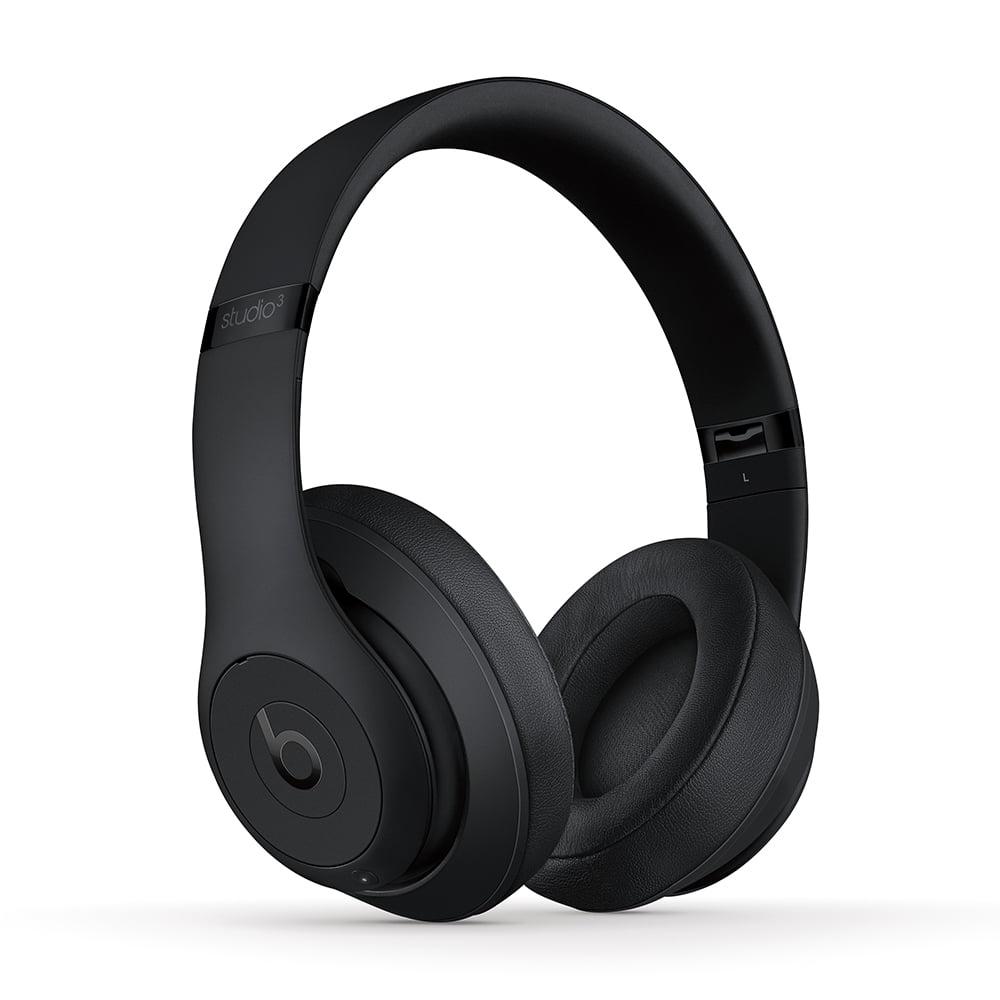
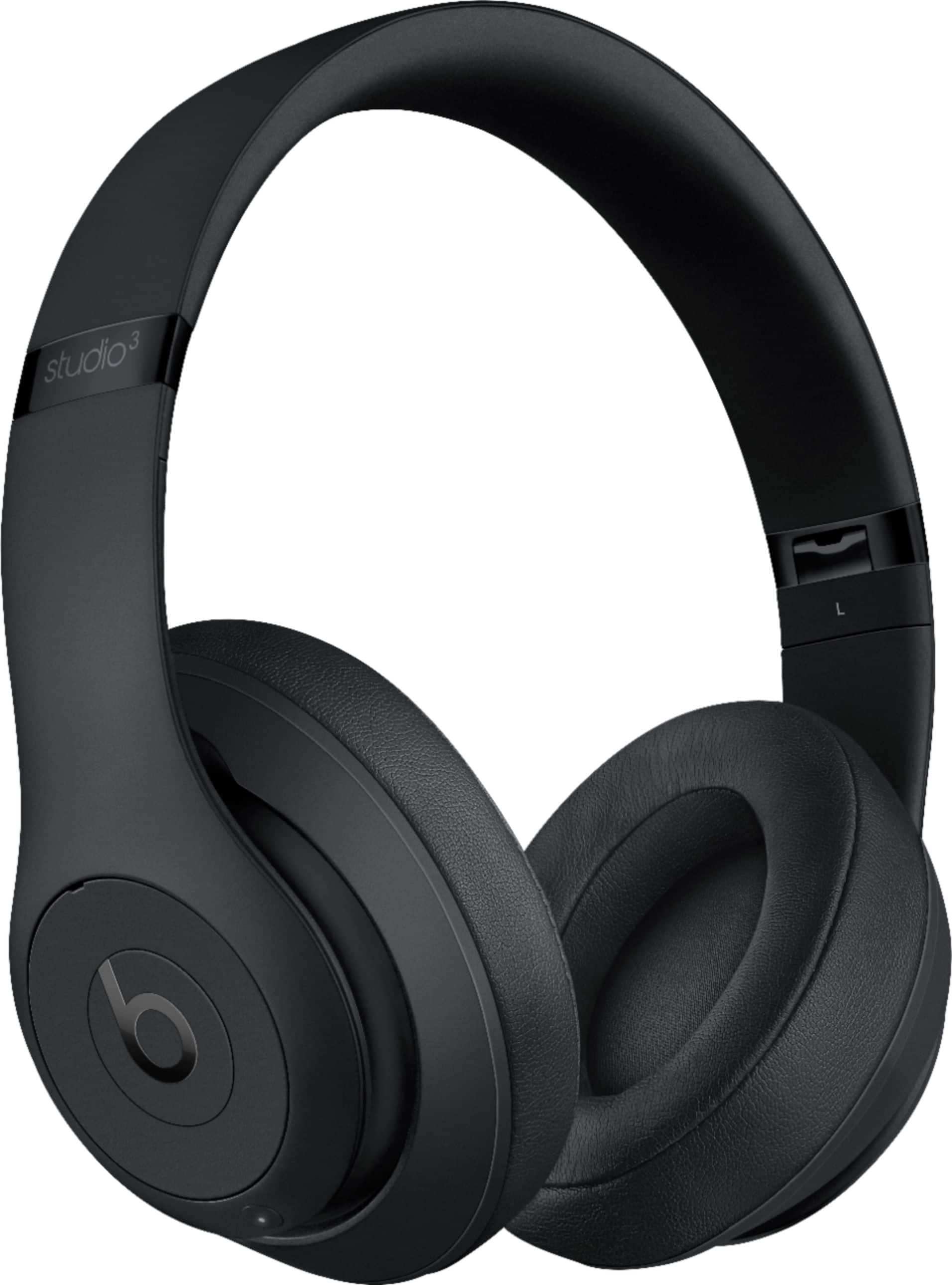
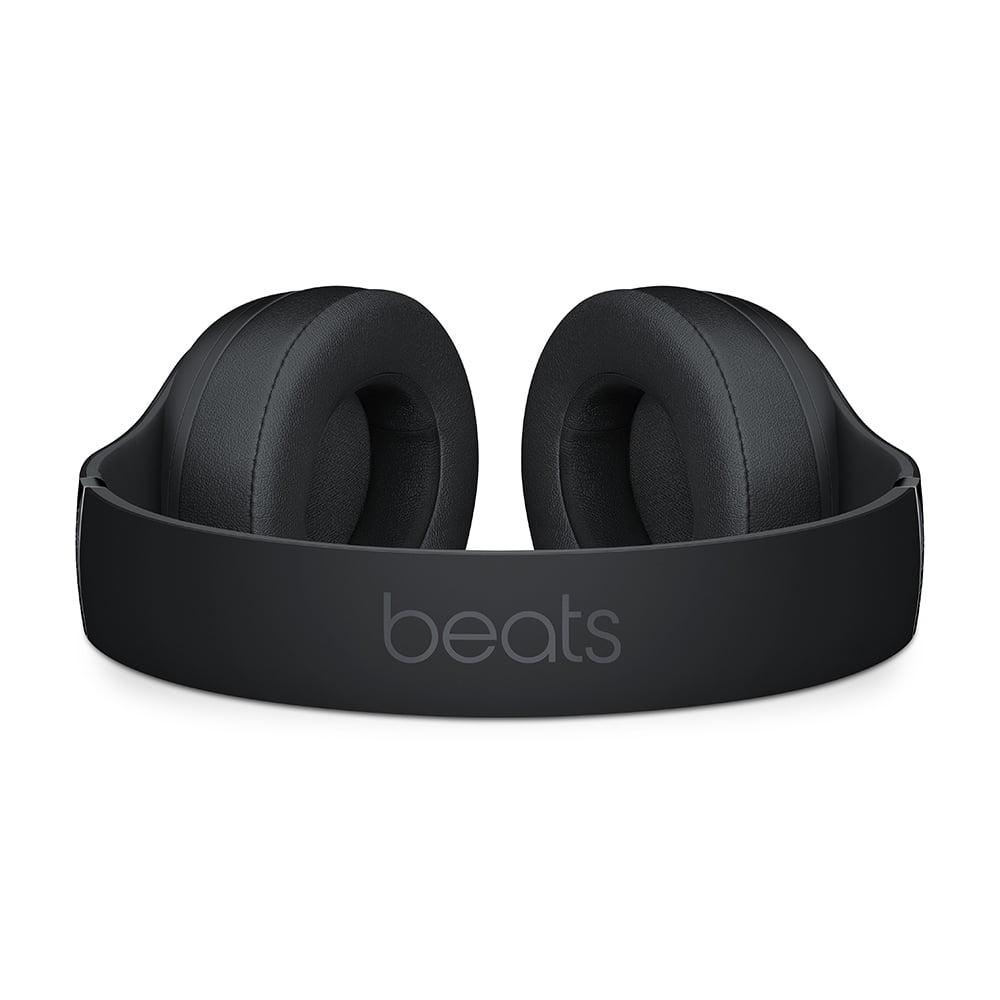
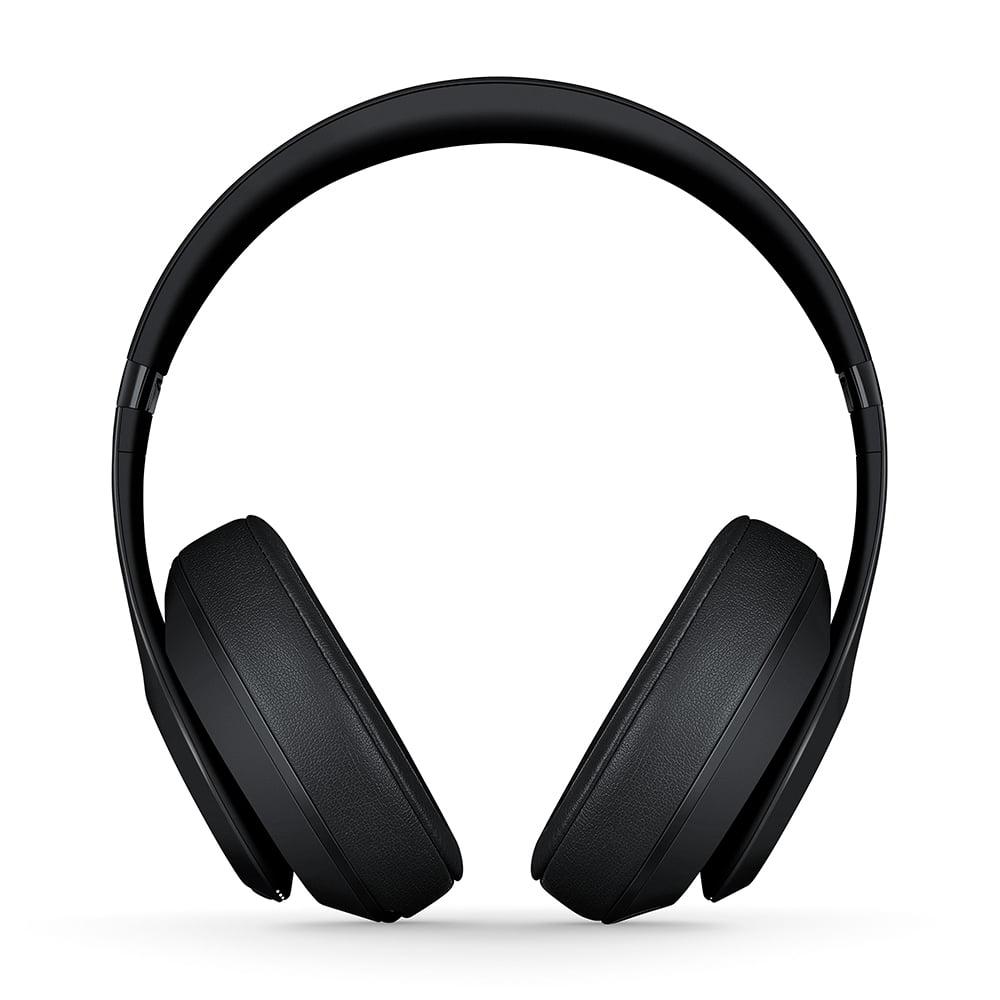
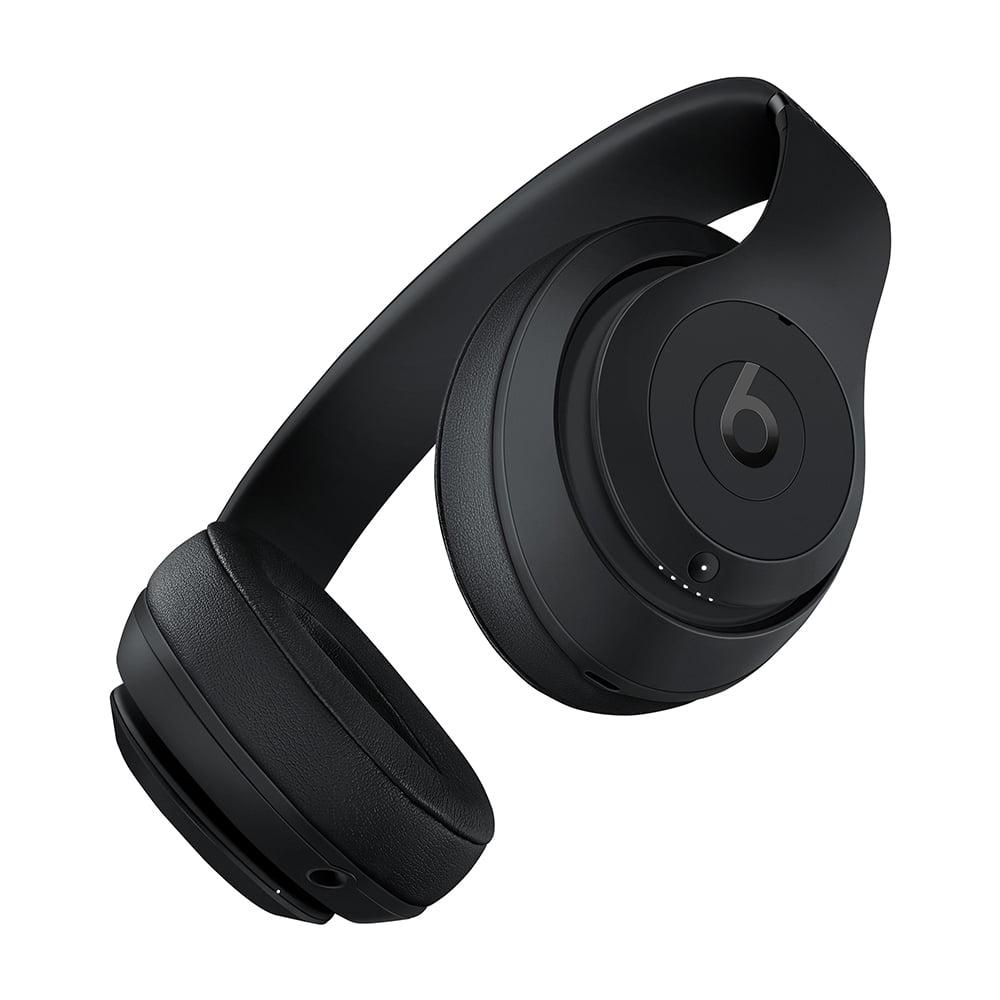
The Beats Studio3 Wireless, released in 2017, represents Apple's vision of consumer-friendly premium audio. Following Apple's 2014 acquisition of Beats for $3 billion, this was one of the first major releases to showcase how the iconic bass-heavy brand would evolve within Apple's ecosystem-focused approach. The Studio3 prioritizes convenience, seamless connectivity, and practical features that make premium audio accessible to everyday users.
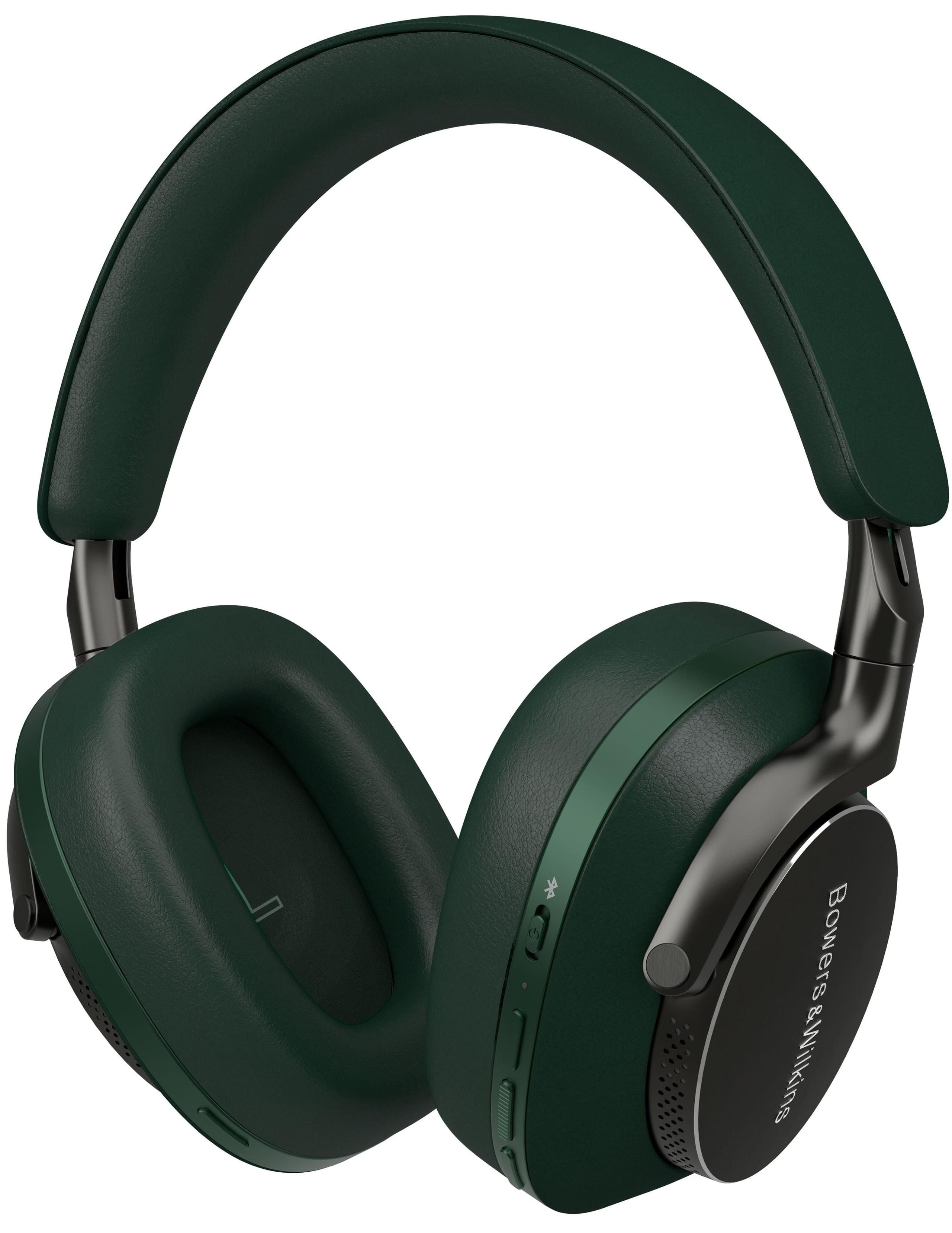
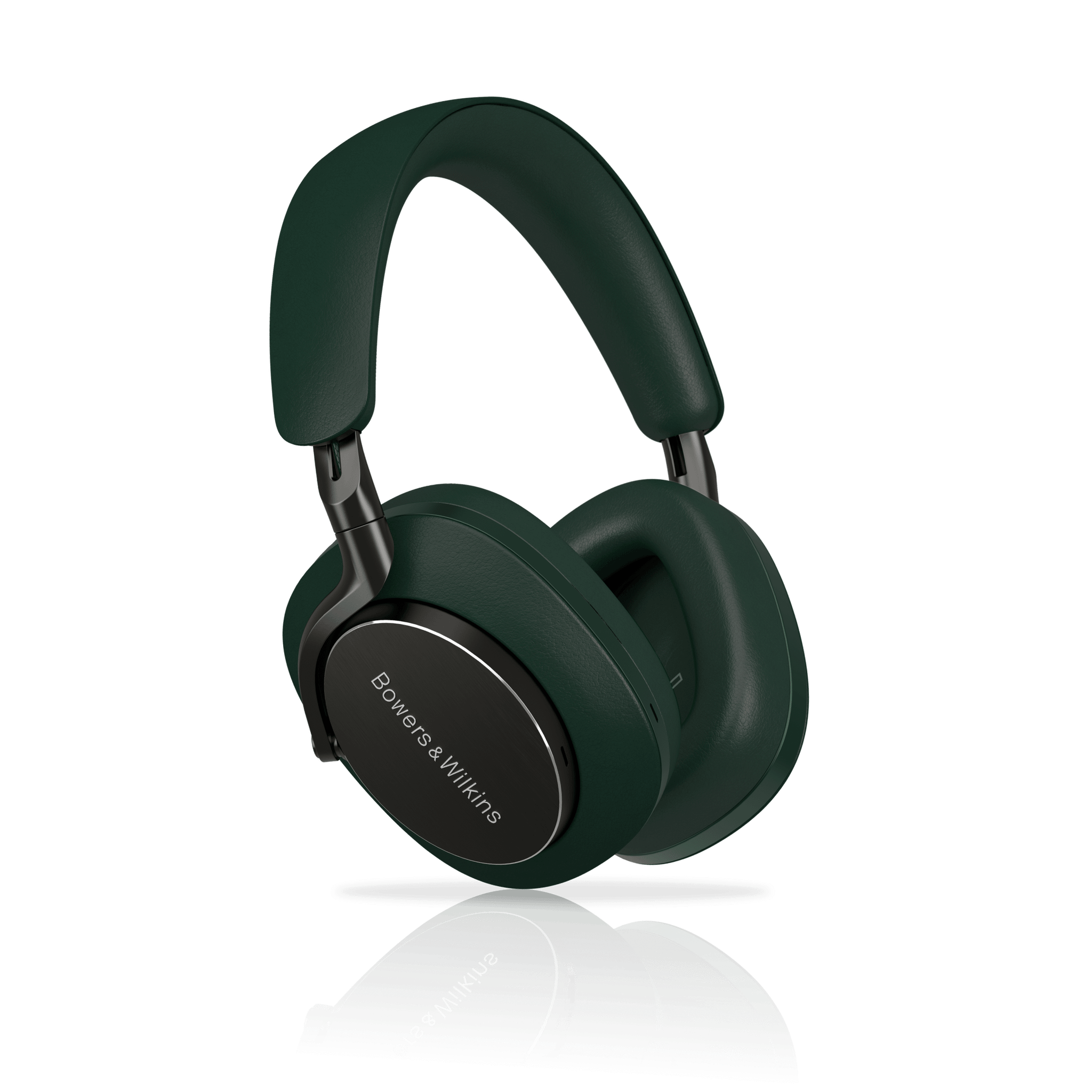
In contrast, the Bowers & Wilkins Px8 represents a more recent entry into the premium wireless space, focusing on audiophile-grade sound quality and luxury craftsmanship. B&W, known for their high-end home speakers that grace recording studios worldwide, brings decades of acoustic expertise to the wireless headphone market. The Px8 is engineered for listeners who prioritize sound accuracy and build quality above all else.
The most significant difference between these headphones lies in their approach to sound reproduction, and this is where technical specifications become crucial for understanding real-world performance.
The Beats Studio3 uses traditional 40mm dynamic drivers with a frequency response of 20Hz to 20,000Hz—covering the full range of human hearing. However, the tuning philosophy creates some challenges. The headphones exhibit what audio engineers call "upper bass bleed," where frequencies around 100-200Hz are overemphasized and spill into the midrange frequencies where vocals live. This creates a muddiness that can make male vocals sound boxy or unclear. Additionally, the treble (high frequencies) is somewhat recessed, meaning cymbals, vocal clarity, and fine details can sound veiled or muffled.
When I first tested the Studio3, I noticed this immediately with complex jazz recordings—instruments seemed to blend together rather than occupying their own distinct spaces in the mix. The bass is present but not as punchy as you might expect from the Beats brand, and pushing the volume higher reveals audible distortion, which Apple later addressed in newer models with claims of "up to 80% distortion reduction."
The B&W Px8 takes a dramatically different approach with its 40mm angled carbon cone drivers. Carbon fiber, typically used in aerospace applications, is incredibly lightweight yet rigid—perfect for speaker cones that need to move precisely without flexing or distorting. The "angled" design means these drivers are tilted slightly toward your ears rather than firing straight out, which improves stereo imaging (how accurately you can pinpoint where sounds are coming from in the mix).
More importantly, the Px8 extends its frequency response to 30,000Hz—10,000Hz higher than the Studio3. While humans can only hear up to about 20,000Hz, this extended range indicates the headphones can reproduce the subtle harmonics and overtones that give music its natural texture and spaciousness.
The Px8 also incorporates 24-bit digital signal processing, which means the onboard computer can process audio with much greater precision than the 16-bit processing found in most consumer headphones. This results in better dynamic range (the difference between the quietest and loudest sounds) and lower noise floors (less background hiss or interference).
In my testing, the Px8 revealed details in familiar recordings that I hadn't noticed before—the subtle reverb tail on a snare drum, the texture of a vocalist's breath, or the way a guitar string continues to vibrate after being plucked. However, the Px8 isn't perfect either. It has what reviewers describe as "bizarre" bass tuning that can overwhelm certain genres, though it achieves a Multi-Dimensional Audio Quality Score (MDAQS) of 4.2 out of 5, indicating most listeners will enjoy the sound despite these quirks.
For home theater use, the Px8 excels due to its superior imaging and detail retrieval. Movie soundtracks benefit from the extended frequency response and precise driver control, making explosions feel more visceral while keeping dialogue clear. The Studio3, while adequate for casual TV watching, lacks the resolution and soundstage width that makes cinematic audio truly immersive.
Active Noise Cancellation (ANC) works by using external microphones to "listen" to ambient noise, then generating inverse sound waves through the headphone drivers to cancel out that noise. It's like creating destructive interference—when two identical sound waves meet 180 degrees out of phase, they cancel each other out, creating silence.
The Beats Studio3 uses what Apple calls "Pure Adaptive Noise Cancelling" (Pure ANC), which continuously monitors your environment and adjusts the cancellation in real-time. This system also adapts to how the headphones fit on your head—if you have glasses, long hair, or the headphones shift slightly, Pure ANC compensates for the changed seal and adjusts accordingly.
In practical use, the Studio3 excels at canceling consistent mid-frequency noise like air conditioning, office chatter, or the hum of electronics. Users consistently rate the ANC as "incredible," and in my experience, it's particularly effective on airplanes for reducing cabin noise and passenger conversations. However, it's less effective against sudden, sharp sounds or very low-frequency rumbles like bus engines.
The Bowers & Wilkins Px8 employs a hybrid ANC system using six microphones—four dedicated to noise cancellation and two for phone calls. This microphone array allows for more sophisticated noise processing, theoretically providing better cancellation across different frequency ranges. The system offers three modes: ANC on, off, and passthrough (which lets ambient sound in when you need awareness of your surroundings).
While the Px8 provides effective noise cancellation, it faces challenges with wind noise. The external microphones can pick up wind movement and actually amplify it rather than cancel it, creating an uncomfortable rushing sound. This makes the Px8 less ideal for outdoor use in windy conditions compared to the Studio3.
For most users, the Studio3 provides more consistent and user-friendly noise cancellation, while the Px8 offers more technical sophistication that doesn't always translate to better real-world performance.
Battery technology and wireless connectivity represent areas where release timing significantly impacts user experience. The Beats Studio3, despite being from 2017, still impresses with up to 40 hours of total battery life—22 hours with ANC enabled and a remarkable 40 hours with ANC turned off. The Fast Fuel technology provides three hours of playback from just a 10-minute charge, though it uses the now-dated micro-USB charging port.
The real connectivity magic in the Studio3 comes from Apple's W1 chip, which was revolutionary when introduced. This chip enables seamless pairing across all your Apple devices—put the headphones in pairing mode once, and they automatically appear in the Bluetooth settings of your iPhone, iPad, Mac, and Apple TV. Switching between devices is nearly instantaneous, and the connection remains more stable than standard Bluetooth, especially at longer ranges.
The B&W Px8 offers 30 hours of continuous playbook and uses the more modern USB-C charging standard, which is more convenient and faster than micro-USB. The quick charge feature provides seven hours of playback from just 15 minutes of charging—more than double the Studio3's quick charge capability.
More importantly for audio quality, the Px8 supports advanced Bluetooth codecs including aptX Adaptive, aptX HD, and aptX. These codecs can transmit higher-quality audio over Bluetooth than the standard SBC codec, with aptX Adaptive dynamically adjusting quality and latency based on your environment. This means better sound quality when streaming from compatible Android devices or computers, though iPhone users won't benefit since Apple doesn't support aptX codecs.
The Px8 also features Bluetooth 5.2, which provides better power efficiency and can maintain connections with multiple devices simultaneously, allowing you to seamlessly switch between your laptop and phone.
The physical construction of premium headphones significantly impacts both durability and long-term comfort, especially during extended listening sessions.
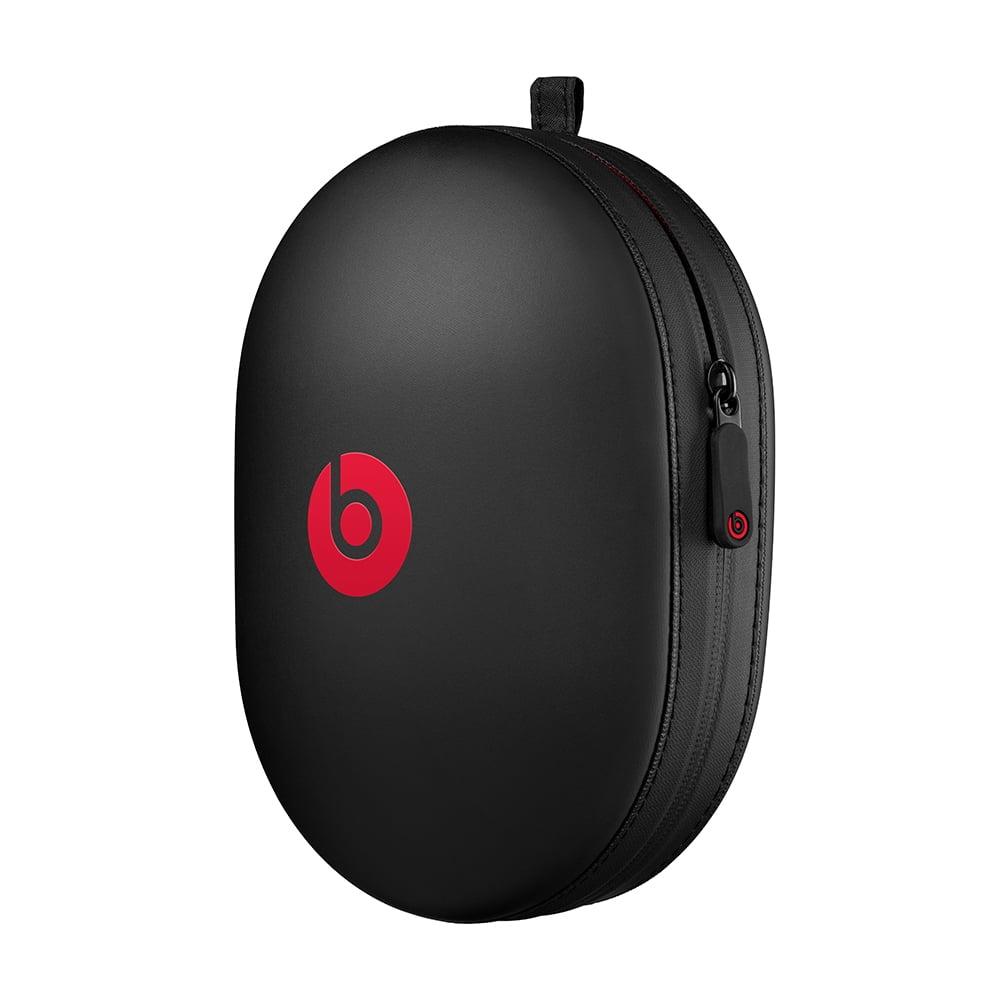
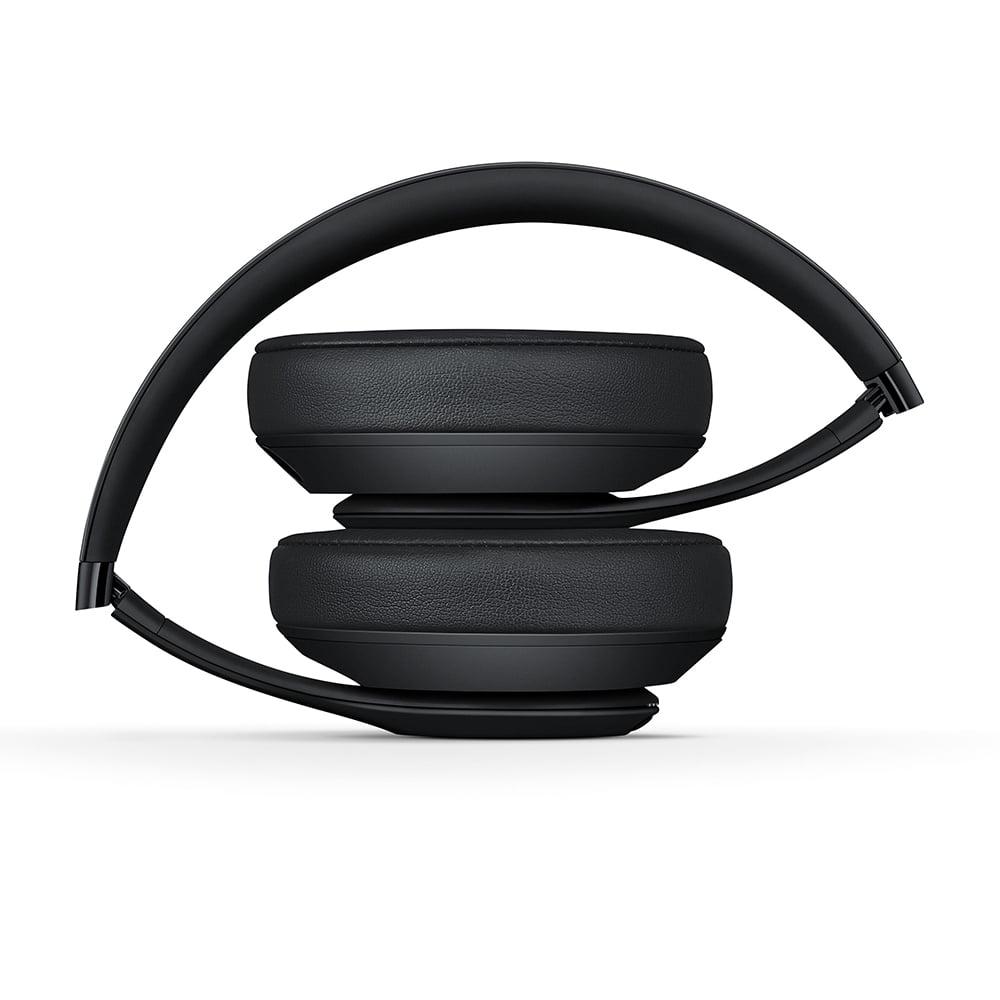
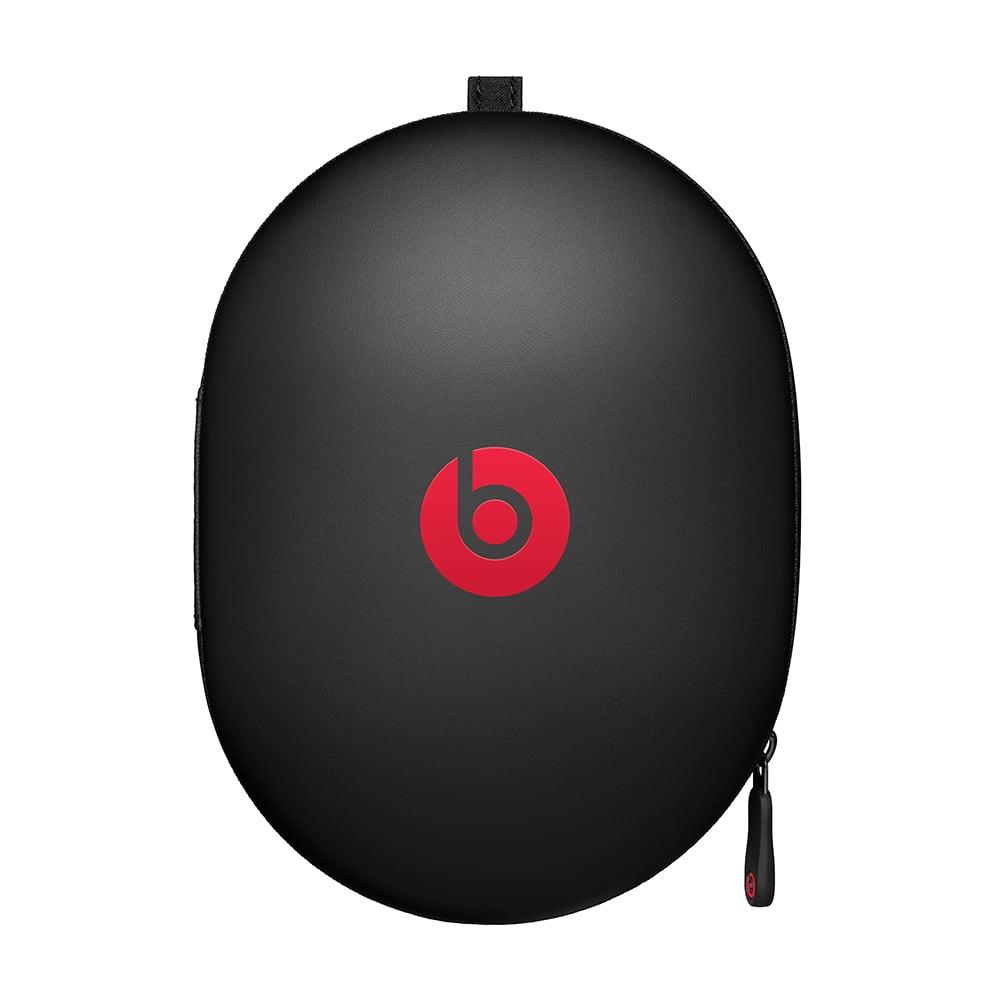
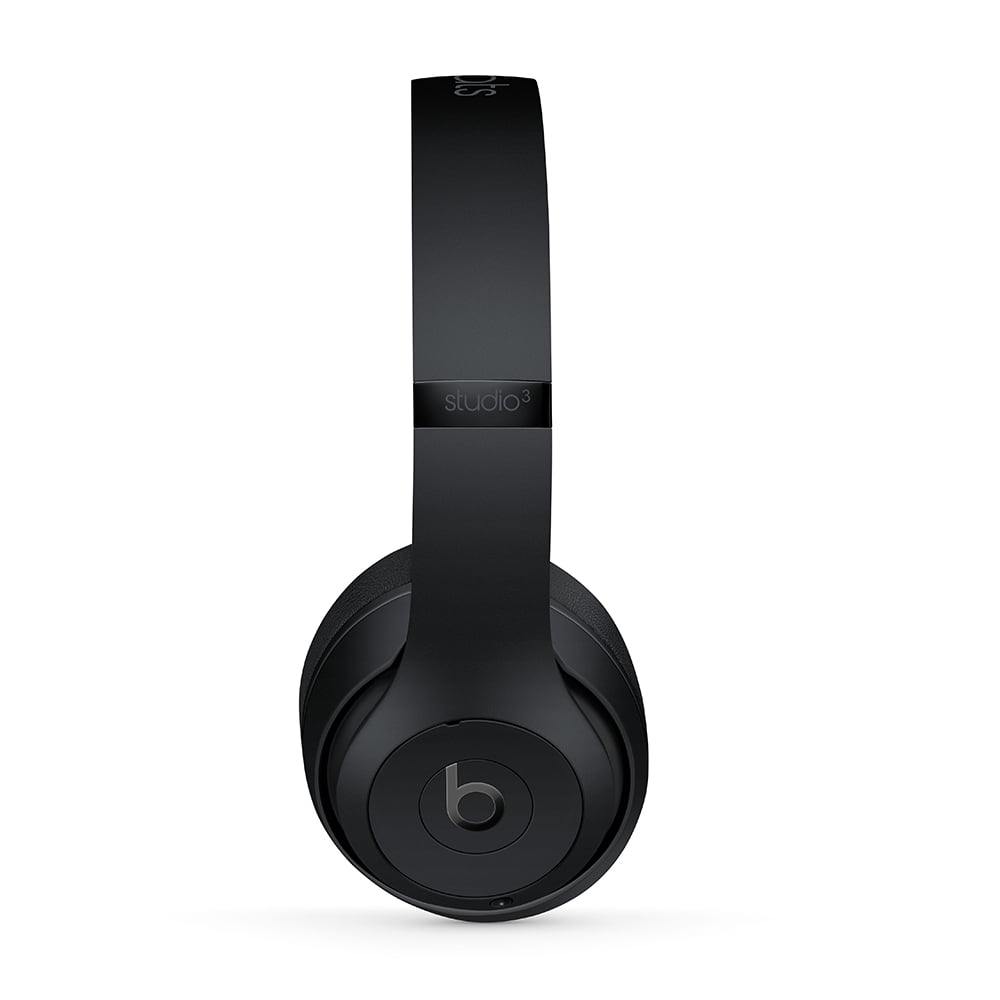
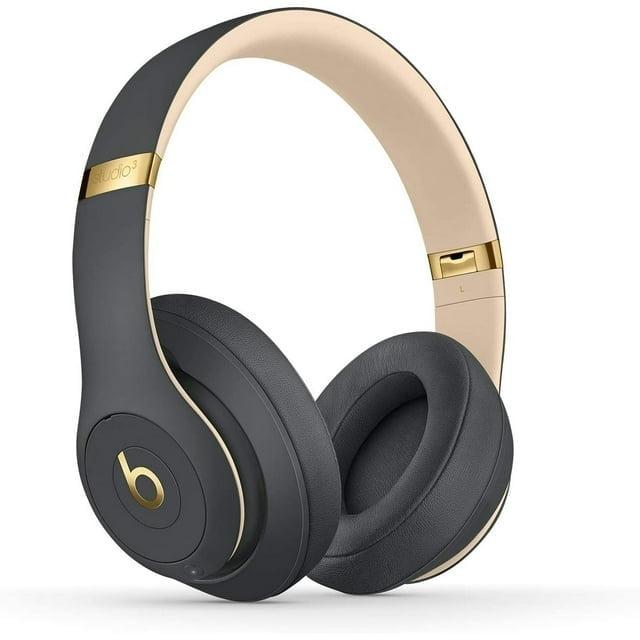
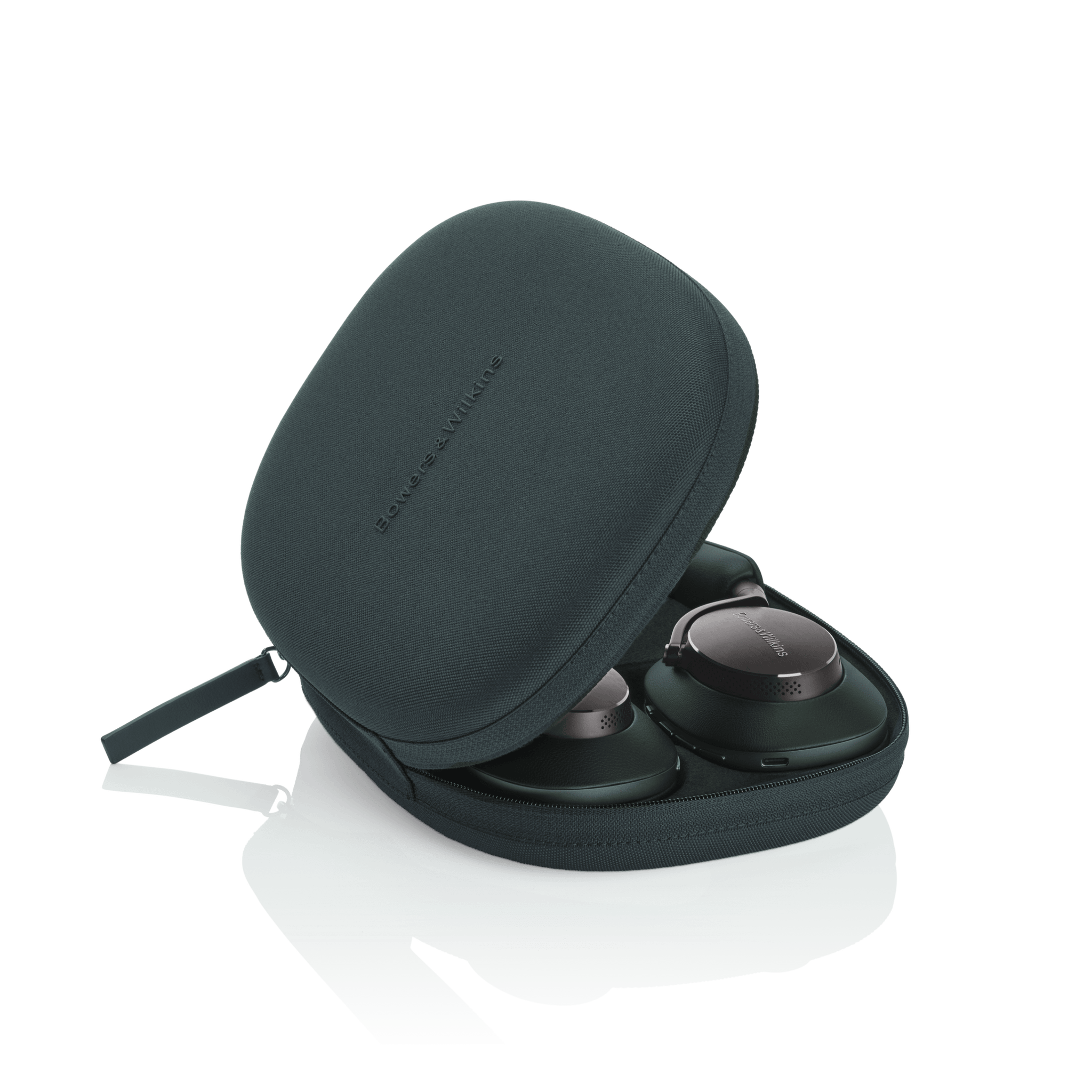
The Beats Studio3 weighs just 260 grams and features a folding design that collapses into a compact carrying case—crucial for travel. The materials are primarily high-quality plastics with soft cushioned earcups, prioritizing weight reduction and portability. However, some users report concerns about the rigid headband's durability over time, as it doesn't have the flexibility of some competitors.
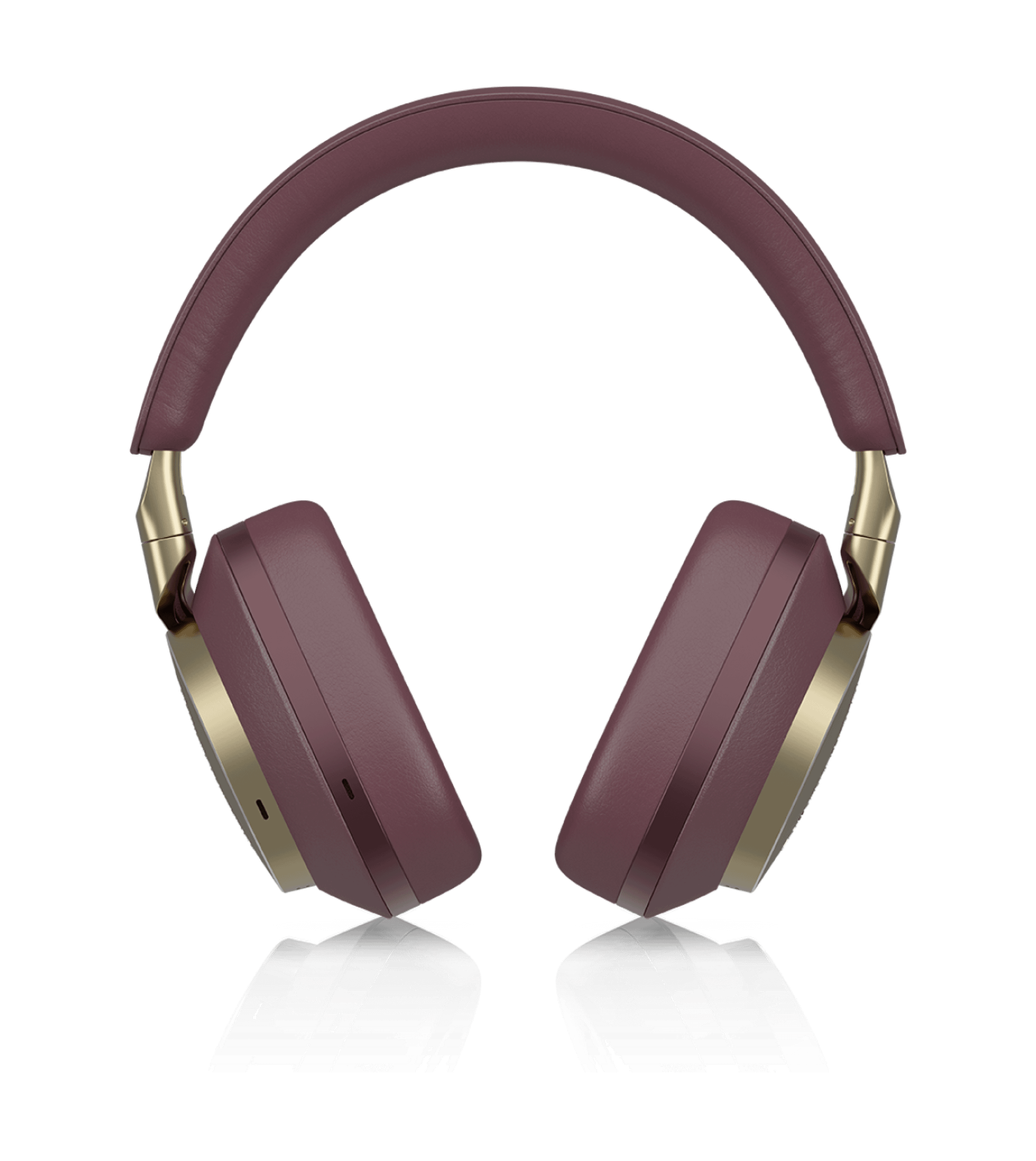
The B&W Px8 represents luxury craftsmanship with cast aluminum arms, genuine Nappa leather earpads, and memory foam cushioning. At 320 grams, it's 60 grams heavier than the Studio3—a significant difference during extended wear. The diamond-cut metal detailing and premium leather give it a distinctly upscale appearance that matches its audio ambitions.
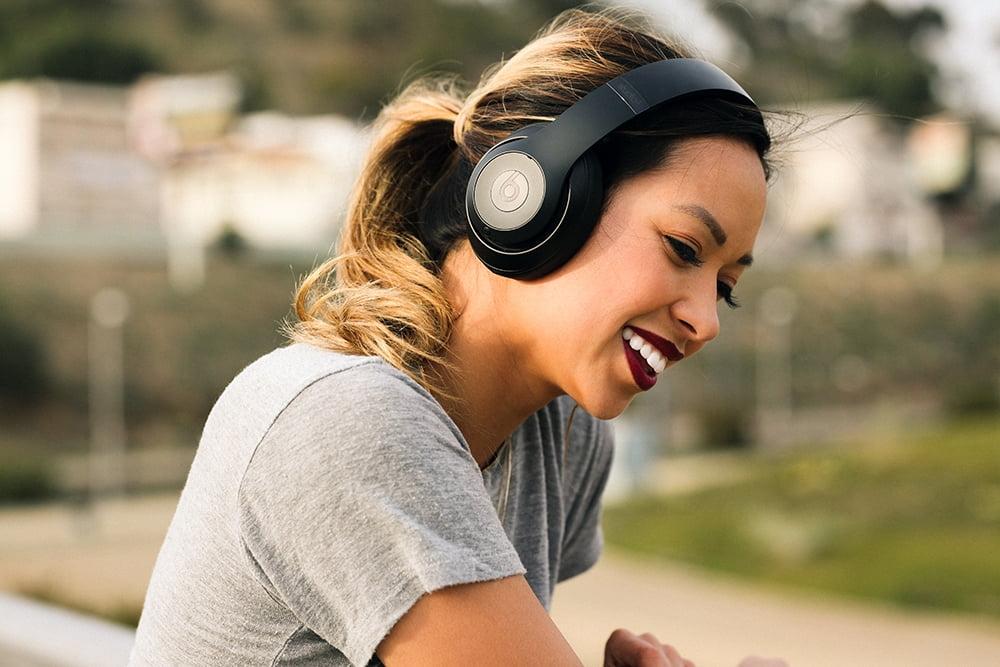
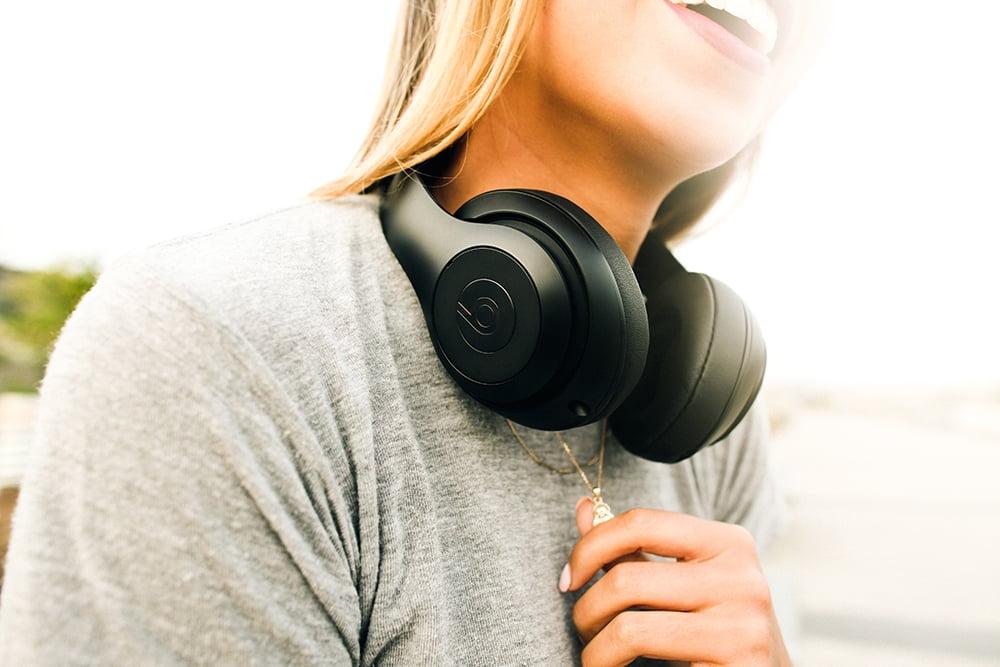
The weight difference becomes apparent during long listening sessions. While the Px8 feels more substantial and luxurious, the Studio3 disappears on your head, making it better for all-day wear or travel. However, the Px8's superior materials mean it's likely to age better and maintain its appearance over years of use.
Both headphones provide good passive noise isolation due to their over-ear design, but the Px8's thicker earpads create a slightly better seal, which enhances both passive isolation and ANC effectiveness.
At the time of writing, these headphones are priced competitively within the premium segment, with the Px8 actually costing slightly less than the Studio3 despite its more recent release and premium materials. This pricing creates an interesting value proposition that depends entirely on your priorities.
The Studio3 offers exceptional value for users invested in Apple's ecosystem. The seamless connectivity, superior battery life, lighter weight, and effective ANC create a package that's greater than the sum of its parts for iPhone and Mac users. While the sound quality isn't exceptional, it's adequate for most listeners, and the convenience factors are genuinely valuable in daily use.
The Bowers & Wilkins Px8 represents better pure audio value. You're getting audiophile-grade sound quality, premium materials, and advanced wireless technology for less money. However, you sacrifice some practical conveniences like weight and battery life.
For home theater use, the Px8 provides a more immersive experience due to its superior soundstage, detail retrieval, and extended frequency response. Movie soundtracks benefit from the precise imaging and dynamic range, making dialogue clearer while preserving the impact of action sequences. The USB-C connectivity also allows for direct wired connection to compatible TVs or streaming devices for potentially better audio quality.
The Studio3 works well for casual home viewing but lacks the resolution and spatial accuracy that makes cinematic audio truly engaging. However, its longer battery life means you're less likely to have them die during a long movie marathon.
Choose the Beats Studio3 Wireless if you:
Primarily use Apple devices and value seamless connectivity above all else. The W1 chip integration alone makes these headphones significantly more convenient for iPhone, iPad, and Mac users. They're also ideal if you travel frequently and need lightweight, portable headphones that fold compact and offer exceptional battery life. The superior ANC makes them excellent for flights or noisy commutes, and the Fast Fuel charging means you're rarely caught without power.
Choose the Bowers & Wilkins Px8 if you:
Sound quality is your primary concern and you can appreciate the difference that premium drivers and processing make. They're perfect for critical listening, whether you're exploring new music or rediscovering familiar albums with greater detail and clarity. The luxury materials and build quality make them feel special to own and use, while the advanced codec support future-proofs them for high-quality wireless audio.
The Px8 also makes more sense if you use Android devices or want the flexibility of USB-C connectivity. If you primarily listen at home or in controlled environments where the weight isn't a concern, the superior sound quality becomes the deciding factor.
The Bottom Line
Both headphones succeed at their intended purposes. The Studio3 prioritizes user experience, convenience, and ecosystem integration—making premium audio accessible and practical for everyday use. The Px8 prioritizes audio fidelity and craftsmanship, delivering a more technically accomplished listening experience for those who can appreciate the difference.
Your choice ultimately depends on whether you value the seamless Apple integration and practical benefits of the Studio3, or the superior sound quality and premium materials of the Px8. Both represent solid investments in premium audio, just with different philosophies about what makes headphones truly premium.
Since headphone technology continues to evolve rapidly, it's worth noting that both companies have newer models available, but these two still represent excellent examples of their respective design philosophies and remain competitive options in the premium wireless headphone market.
| Beats Studio3 Wireless | Bowers & Wilkins Px8 |
|---|---|
| Sound Quality - The most important factor for audio enjoyment | |
| 40mm drivers, 20Hz-20kHz range, upper bass bleed creates muddy vocals | 40mm angled carbon cone drivers, 20Hz-30kHz range, superior clarity and detail |
| Active Noise Cancellation - Critical for travel and noisy environments | |
| Pure Adaptive ANC, excellent for consistent noise like airplanes and chatter | Hybrid ANC with 6 microphones, effective but struggles with wind noise |
| Battery Life - Determines how often you need to charge | |
| Up to 40 hours total (22 with ANC), 10-min charge = 3 hours playback | 30 hours continuous, 15-min charge = 7 hours playback |
| Weight & Comfort - Affects long listening sessions | |
| 260g, lightweight and foldable for travel, comfortable for extended wear | 320g, premium materials but heavier, may cause fatigue during long sessions |
| Build Materials - Impacts durability and premium feel | |
| Soft matte plastic with cushioned earpads, portable but less luxurious | Cast aluminum, Nappa leather, memory foam - genuine premium construction |
| Wireless Technology - Affects connection quality and device compatibility | |
| Apple W1 chip for seamless Apple device pairing, SBC/AAC codecs only | Bluetooth 5.2, aptX Adaptive/HD support for higher quality wireless audio |
| Charging Port - Modern convenience factor | |
| Micro-USB (outdated standard) | USB-C (modern, faster charging standard) |
| Ecosystem Integration - How well it works with your devices | |
| Exceptional with Apple devices, instant pairing and switching | Universal compatibility, works well with all devices but no special features |
| Home Theater Use - Performance for movies and TV | |
| Adequate for casual viewing, limited soundstage and detail | Excellent imaging and detail retrieval, superior for cinematic audio |
| Value Proposition - What you get for your money | |
| Better practical features: battery life, weight, Apple integration | Better audio quality and premium materials for similar or lower cost |
The Bowers & Wilkins Px8 delivers significantly better sound quality than the Beats Studio3 Wireless. The Px8 features advanced 40mm angled carbon cone drivers with 24-bit digital signal processing, providing superior clarity, detail, and accuracy across all music genres. In contrast, the Studio3 suffers from upper bass bleed that can make vocals sound muddy, and has more limited frequency response.
The Beats Studio3 Wireless offers superior noise cancellation for most users. Its Pure Adaptive Noise Cancelling system excels at blocking consistent ambient noise like airplane cabins, air conditioning, and office chatter. While the Px8 has a more sophisticated 6-microphone array, it struggles with wind noise and isn't as effective in real-world scenarios as the Studio3.
The Beats Studio3 Wireless is more comfortable for extended wear due to its lighter 260-gram weight compared to the Px8's 320-gram construction. While the Px8 features premium Nappa leather and memory foam materials, the 60-gram difference becomes noticeable during long sessions, making the Studio3 better for all-day use and travel.
The Beats Studio3 Wireless excels with Apple devices thanks to its W1 chip, providing instant pairing, seamless device switching, and extended wireless range across iPhone, iPad, and Mac. The B&W Px8 works with Apple devices but lacks these special integration features, functioning like any standard Bluetooth headphone with iOS devices.
The Beats Studio3 Wireless offers superior battery life with up to 40 hours of playback (22 hours with noise cancellation enabled). The Px8 provides 30 hours of continuous playback. However, the Px8 has faster quick charging, delivering 7 hours of playback from a 15-minute charge compared to the Studio3's 3 hours from 10 minutes.
The Bowers & Wilkins Px8 is significantly better for home theater applications due to its superior soundstage, detail retrieval, and extended frequency response up to 30kHz. Movie soundtracks benefit from the precise imaging and dynamic range. The Beats Studio3 is adequate for casual TV watching but lacks the resolution for truly immersive cinematic audio.
The B&W Px8 features premium construction with cast aluminum arms, genuine Nappa leather earpads, and diamond-cut metal detailing that should age better over time. The Beats Studio3 Wireless uses high-quality plastics with a focus on portability and weight reduction, though some users report durability concerns with the rigid headband design.
The Bowers & Wilkins Px8 supports advanced Bluetooth codecs including aptX Adaptive, aptX HD, and aptX for higher-quality wireless audio, especially beneficial for Android users. The Studio3 only supports standard SBC and AAC codecs, limiting wireless audio quality compared to what the Px8 can achieve with compatible devices.
The Beats Studio3 Wireless is superior for travel due to its lightweight design, folding mechanism for compact storage, exceptional 40-hour battery life, and excellent noise cancellation for flights. The Px8 is heavier and less portable, though it offers premium materials and superior sound quality for stationary listening.
Both headphones handle phone calls adequately, but the B&W Px8 has a slight advantage with its dedicated telephony microphones and advanced 6-microphone array for clearer voice pickup. However, both can struggle with background noise, and the Studio3 benefits from Apple's integration for seamless call handling on iOS devices.
The Bowers & Wilkins Px8 typically offers better pure audio value, providing superior sound quality, premium materials, and advanced wireless technology. The Beats Studio3 Wireless provides better practical value for Apple users who prioritize convenience features like seamless connectivity, longer battery life, and superior portability over ultimate audio quality.
The B&W Px8 handles all music genres with greater accuracy and detail, making it better for critical listening across jazz, classical, rock, and electronic music. The Studio3 works adequately for most popular music but its tuning issues with vocal clarity and limited soundstage make it less suitable for complex musical arrangements or audiophile listening.
We've done our best to create useful and informative comparisons to help you decide what product to buy. Our research uses advanced automated methods to create this comparison and perfection is not possible - please contact us for corrections or questions. These are the sites we've researched in the creation of this article: techradar.com - recordingnow.com - rtings.com - soundguys.com - recordingnow.com - recordingnow.com - soundguys.com - soundguys.com - youtube.com - rtings.com - gsmarena.com - bhphotovideo.com - headphonecheck.com - themasterswitch.com - walmart.com - rentacenter.com - discussions.apple.com - beatsbydre.com - bestbuy.com - walmart.com - youtube.com - youtube.com - whathifi.com - marius.ink - bowerswilkins.com - rtings.com - whathifi.com - whathifi.com - soundguys.com - audio46.com - youtube.com - futureaudiophile.com - listenup.com - telquestintl.com - bowerswilkins.com - bowerswilkins.com - bestbuy.com - bhphotovideo.com - audioholics.com - bowerswilkins.com - bowerswilkins.com - headphone.guru - bhphotovideo.com - bowerswilkins.com

Privacy Policy
Terms and Conditions - Affiliate Policy
Home Security
© Copyright 2008-2026.
11816 Inwood Rd #1211, Dallas, TX 75244