

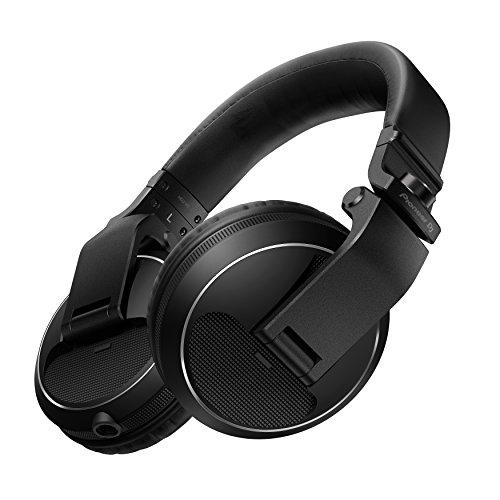
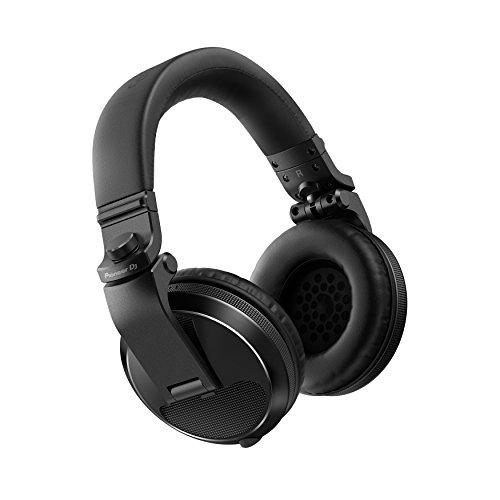
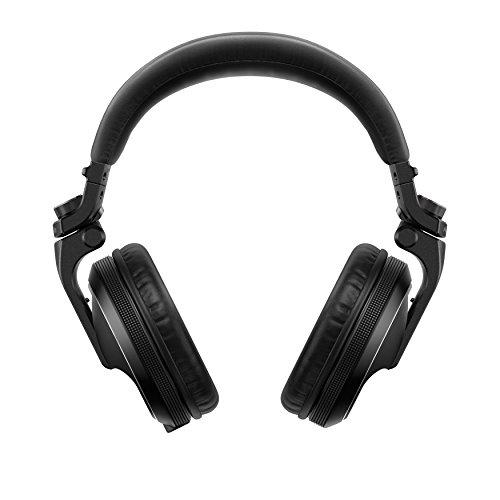
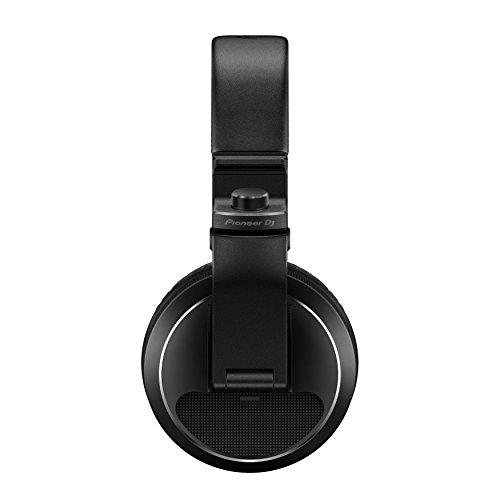
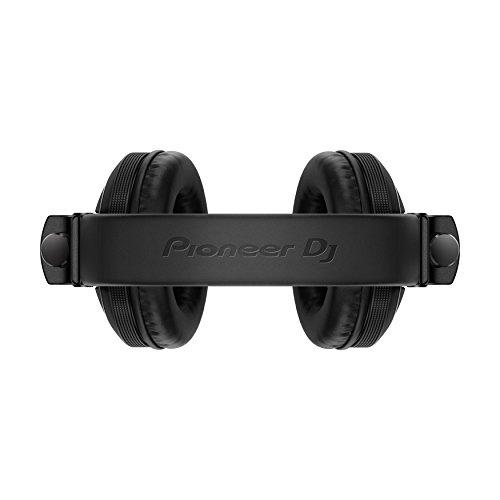
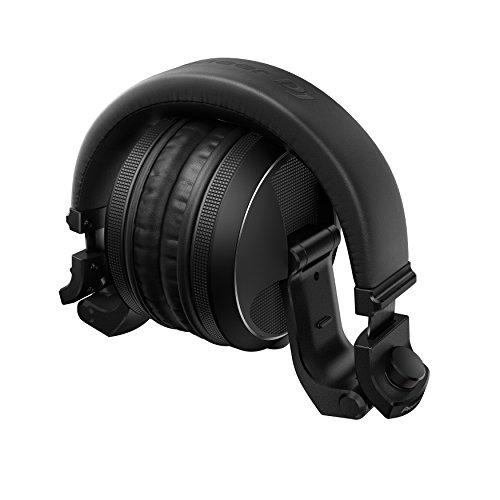
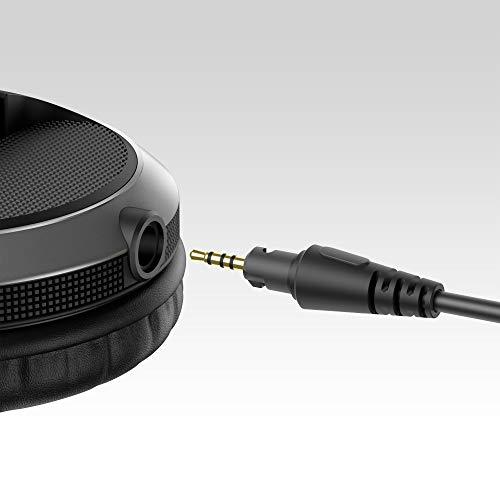
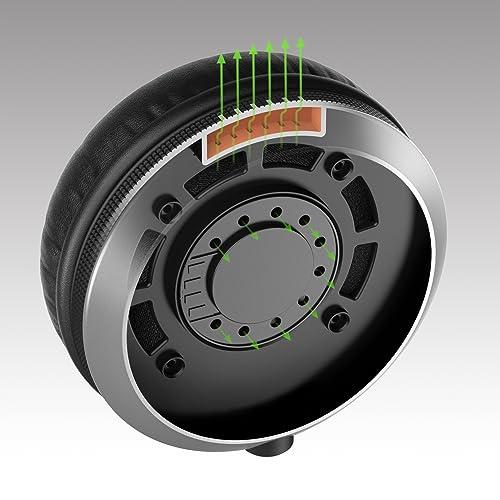
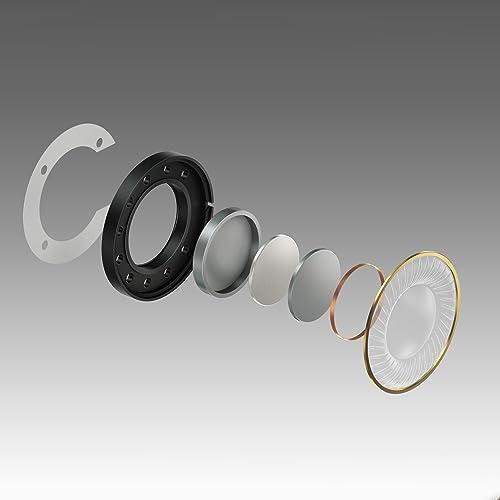
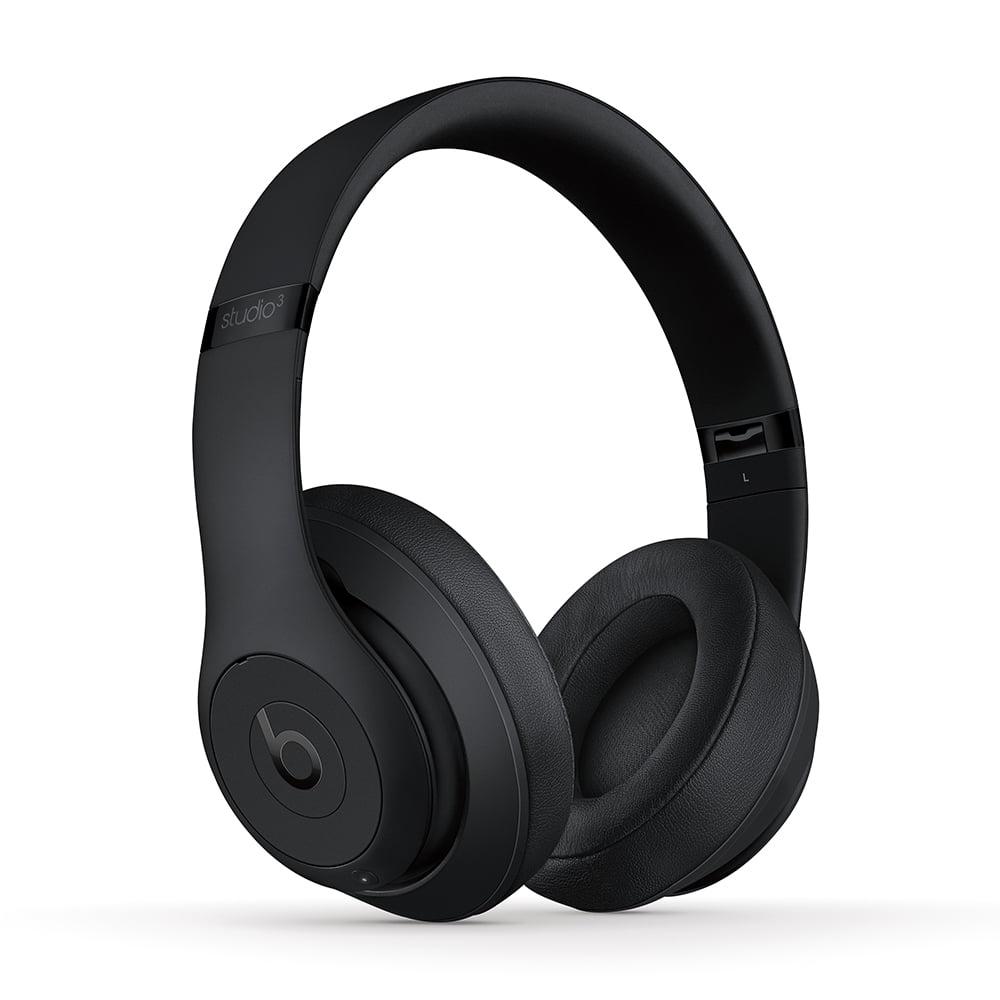
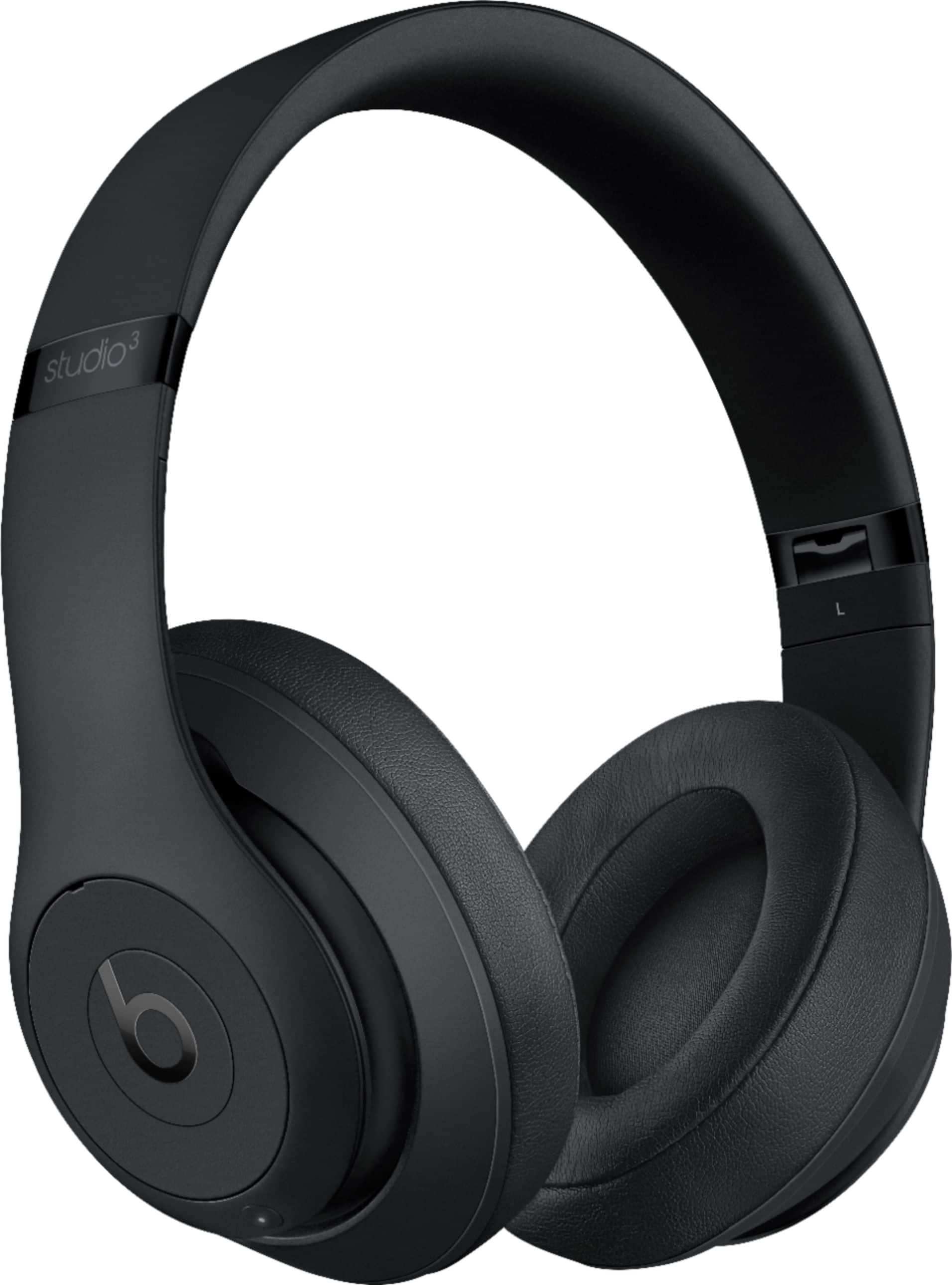
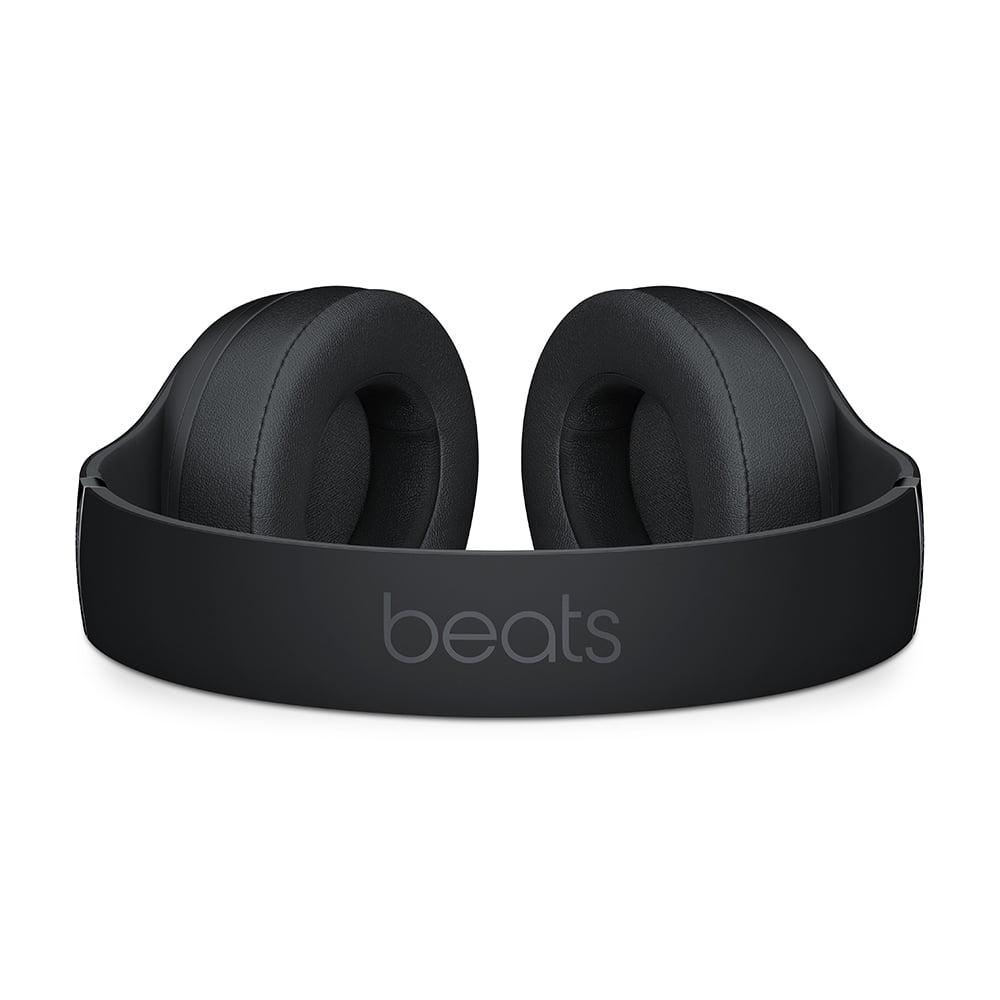
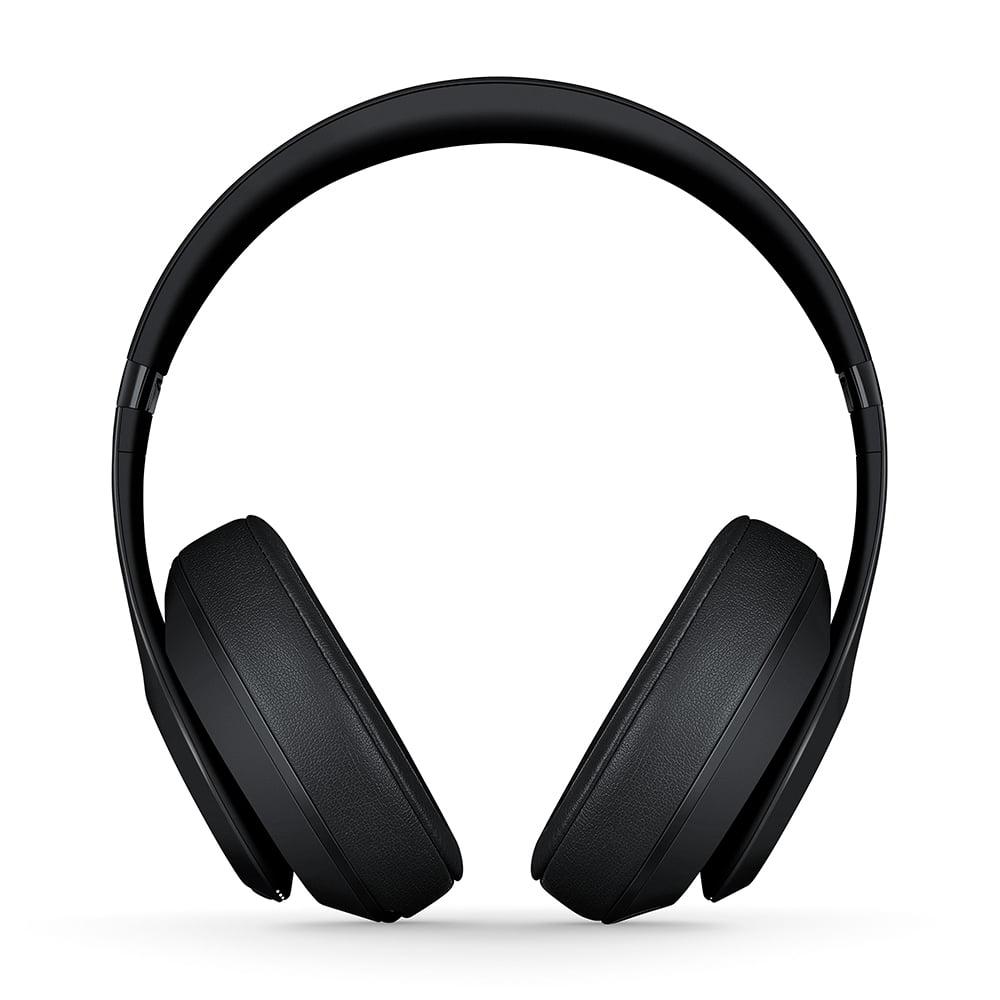
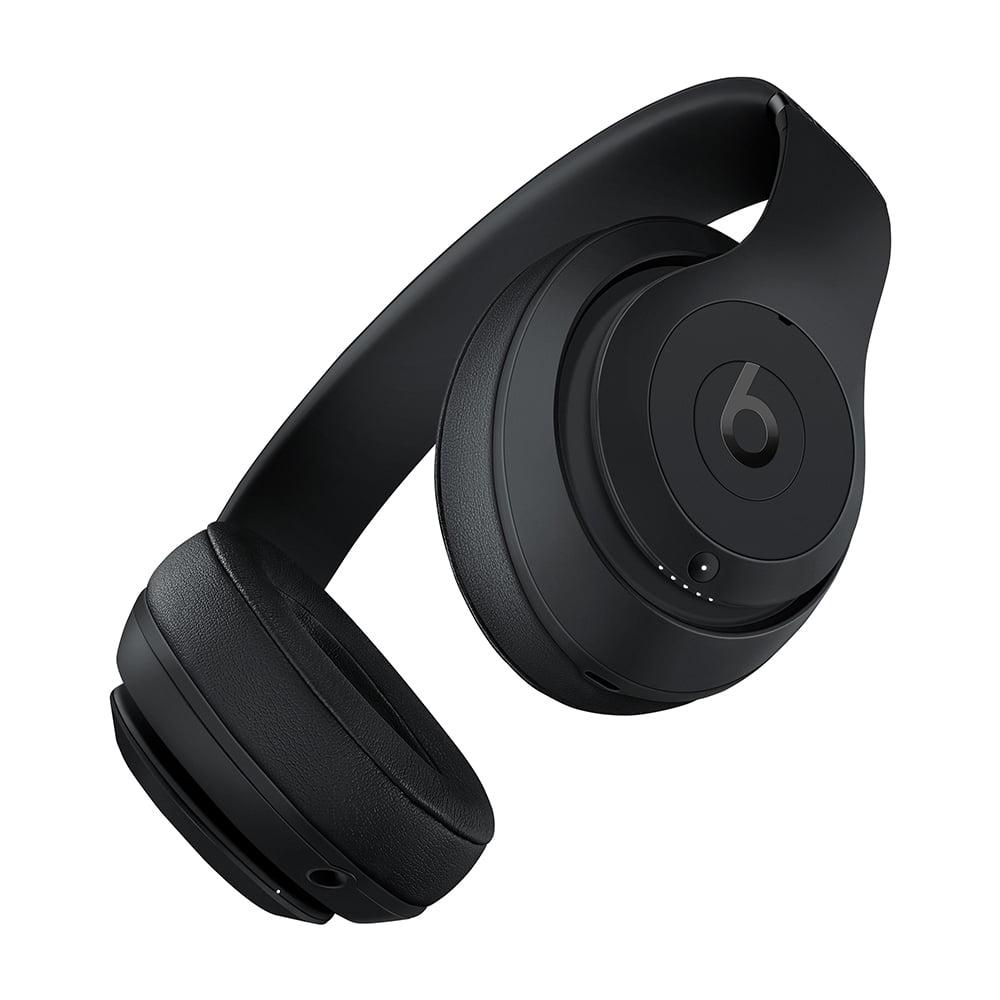
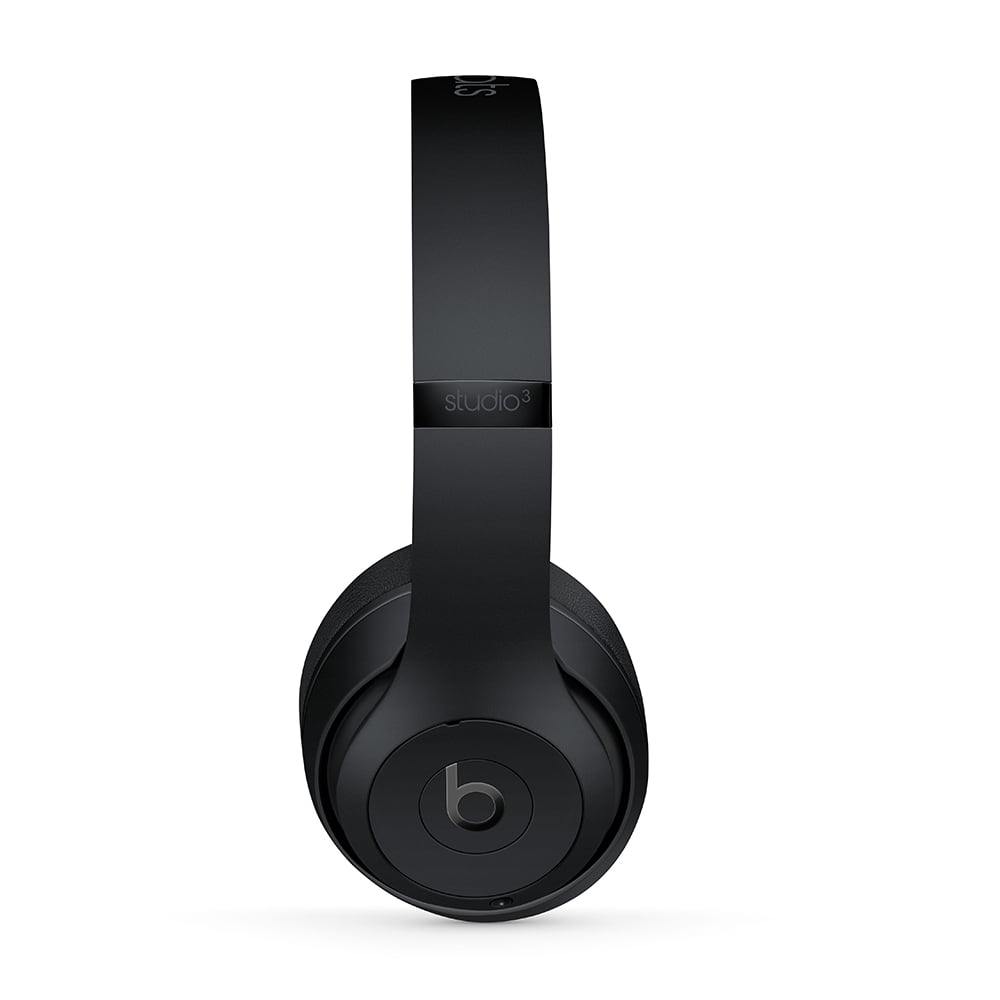
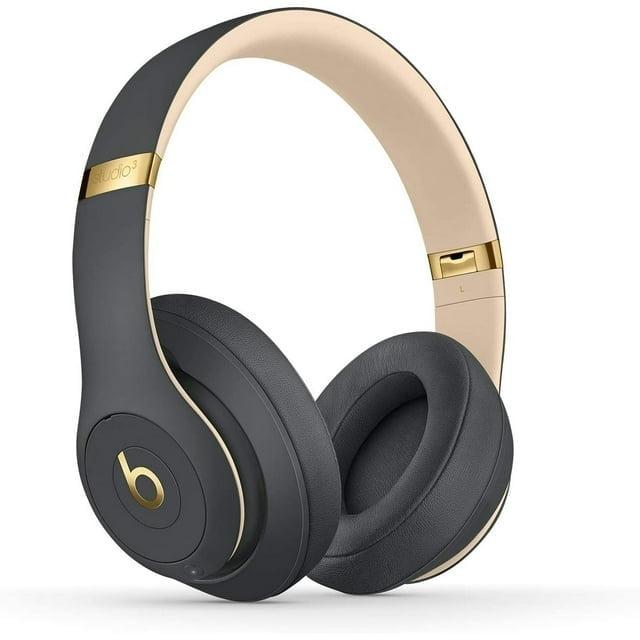
When you're looking for a quality pair of over-ear headphones, you might find yourself comparing products that seem similar on the surface but are actually designed for completely different purposes. That's exactly what we have with the Pioneer DJ HDJ-X5 and the Beats Studio3 Wireless – two headphones that both feature 40mm drivers and over-ear designs, but represent fundamentally different approaches to audio reproduction.
The Pioneer HDJ-X5, released in 2016, was designed specifically for professional DJ use, while the Beats Studio3 Wireless, launched in 2017, targets mainstream consumers who want wireless convenience and modern features. Understanding these different design philosophies is crucial to making the right choice for your needs.
Professional DJ headphones like the Pioneer HDJ-X5 are built around one core principle: delivering accurate, uncolored sound that allows DJs to make critical mixing decisions. These headphones need to reveal every detail in the music, from subtle bass lines to high-frequency percussion, so DJs can beatmatch (synchronize the tempo of two songs) and create seamless transitions.
DJ headphones also face unique physical demands. They need to survive being thrown into equipment bags, withstand high sound pressure levels (SPL) – basically how loud they can get without distorting – and maintain their performance in noisy club environments where background noise can exceed 100 decibels.
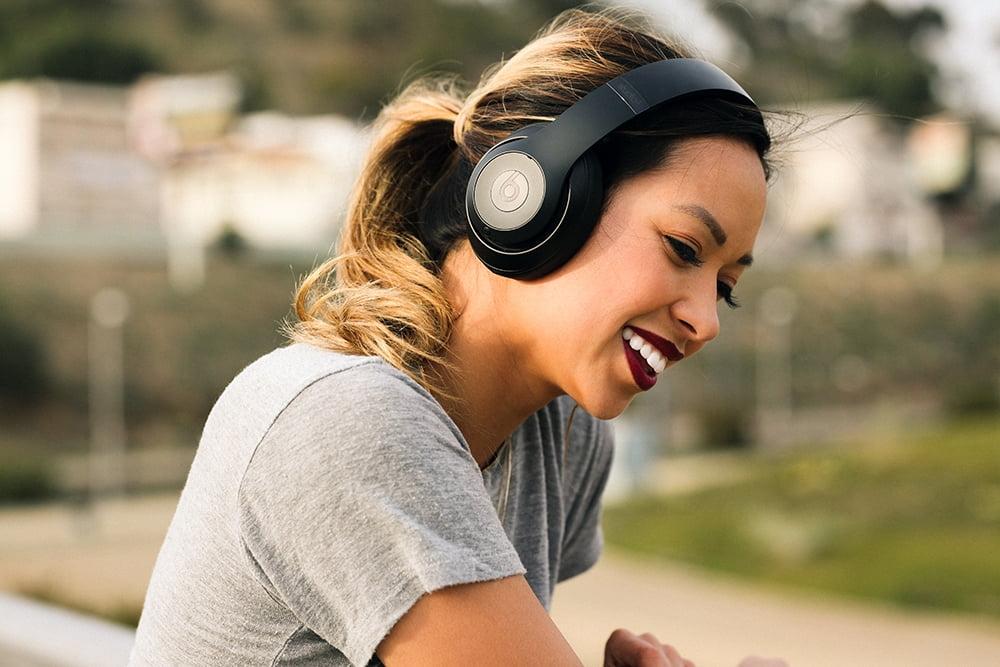
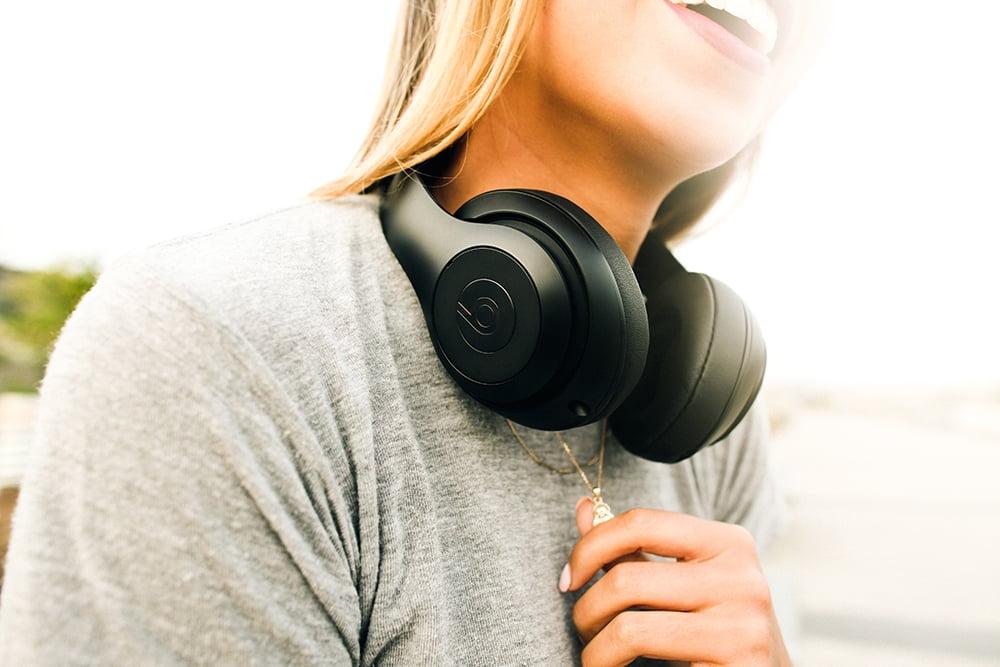
Consumer headphones like the Beats Studio3 Wireless prioritize a different set of features. They're designed to make music sound enjoyable rather than clinically accurate, often emphasizing bass and treble frequencies that make popular music more exciting. Modern consumer headphones also focus heavily on convenience features like wireless connectivity, active noise cancellation (ANC), and integration with smartphones and voice assistants.
The key difference is that consumer headphones are tuned to make music sound good to the average listener, while professional headphones are tuned to reveal what the music actually sounds like, flaws and all.
Here's where these headphones really diverge. The Pioneer HDJ-X5 offers an extended frequency range from 5Hz to 30,000Hz, which is significantly broader than the Beats Studio3 Wireless's 20Hz to 20,000Hz range. While human hearing typically maxes out around 20,000Hz, that extended high-frequency response in the Pioneer model helps with the perception of "air" and detail in recordings.
More importantly, the frequency response curves – essentially how much emphasis each headphone places on different frequency ranges – tell very different stories. The Pioneer HDJ-X5 aims for a relatively flat response, meaning it reproduces all frequencies at roughly equal levels. This neutral approach lets DJs hear their mixes as they truly are, without artificial coloration.
The Beats Studio3 Wireless, on the other hand, follows a more consumer-friendly V-shaped curve, with enhanced bass and treble and slightly recessed midrange frequencies. This tuning makes electronic music, hip-hop, and pop sound more exciting, but it can mask important details that a DJ needs to hear when mixing.
I've used both approaches extensively, and while the Pioneer's accuracy can initially sound less exciting, it becomes invaluable when you need to make critical listening decisions. The Beats' tuning is genuinely enjoyable for casual listening but would make professional mixing much more challenging.
The Pioneer HDJ-X5 has a slight edge in sensitivity at 104 dB/mW compared to the Beats Studio3 Wireless's 102 dB/mW. Sensitivity measures how loud headphones get with a given amount of power – higher numbers mean louder output from your device. This 2 dB difference might seem small, but it's actually quite noticeable in practice and means the Pioneer headphones will get louder from devices with limited power output.
Both headphones share the same 32-ohm impedance, which is ideal for use with smartphones, laptops, and DJ equipment without requiring additional amplification. This low impedance makes them easy to drive to satisfying volume levels from virtually any source.
Soundstage refers to how spacious music sounds – whether instruments seem to come from a wide area or feel cramped together. The Pioneer HDJ-X5's more neutral tuning and superior channel separation (thanks to its 4-core twisted cable design) creates a more precise stereo image. This means you can better pinpoint where different instruments and sounds are positioned in the mix.
The Beats Studio3 Wireless offers a more intimate soundstage that works well for casual listening but doesn't provide the spatial accuracy that DJs need for precise mixing. The emphasis on bass can also cause some frequency masking, where low-end elements obscure details in the midrange.
This is perhaps the biggest practical difference between these headphones. The Pioneer HDJ-X5 is exclusively wired, using a 1.2-meter coiled cable that extends to 1.8 meters. This might seem limiting in our wireless world, but for professional applications, wired connections are actually advantageous.
Wired connections eliminate audio latency (delay), which is crucial when DJs need to hear exactly when beats occur for precise mixing. They also avoid the potential for interference, battery depletion, or connection drops that could ruin a performance. The coiled cable design prevents tangling and provides the perfect length for DJ booth setups.
The Beats Studio3 Wireless takes the opposite approach, prioritizing wireless convenience. With up to 22 hours of battery life with ANC enabled (or 40 hours with it disabled), these headphones offer genuine all-day usage. The Fast Fuel feature provides 3 hours of playback from just 10 minutes of charging, which is genuinely useful when you're caught with dead headphones.
The Beats Studio3 Wireless includes Apple's W1 chip, which was cutting-edge when released in 2017. This chip enables seamless pairing with Apple devices and automatic switching between your iPhone, iPad, and Mac. While Android users can still use these headphones via standard Bluetooth, they miss out on these convenience features.
Since 2017, we've seen the introduction of Apple's H1 chip and more advanced Bluetooth codecs, but the W1 chip in the Studio3 still provides reliable connectivity and decent audio quality through AAC codec support.
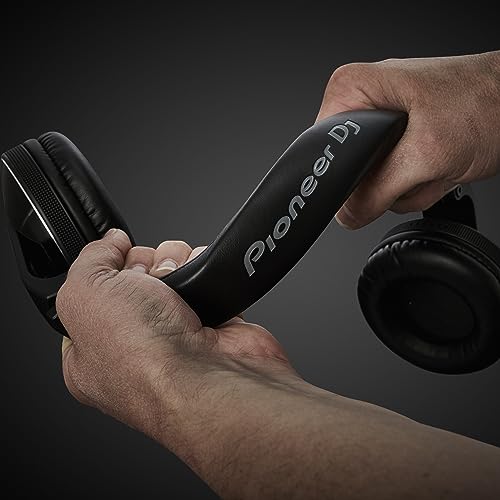
The Pioneer HDJ-X5 undergoes rigorous testing to meet US Military Standard MIL-STD-810G for shock resistance. This isn't just marketing – these headphones are built to survive the harsh realities of professional use. The moving parts incorporate metal components, and the entire construction prioritizes longevity over aesthetics.
What I find particularly impressive is the user-serviceable design. Both the cable and ear pads can be replaced when they wear out, significantly extending the headphones' lifespan. This repairability is increasingly rare in consumer electronics but essential for professional tools that need to work reliably for years.
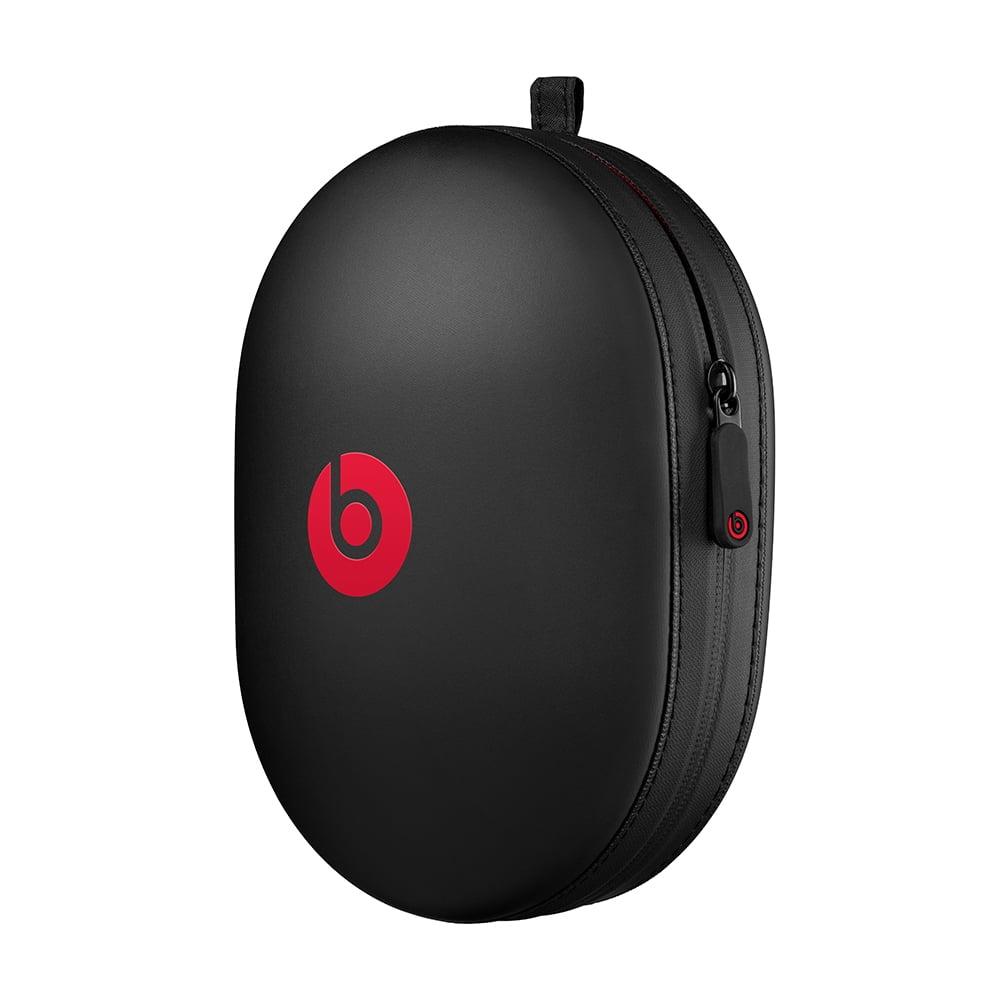
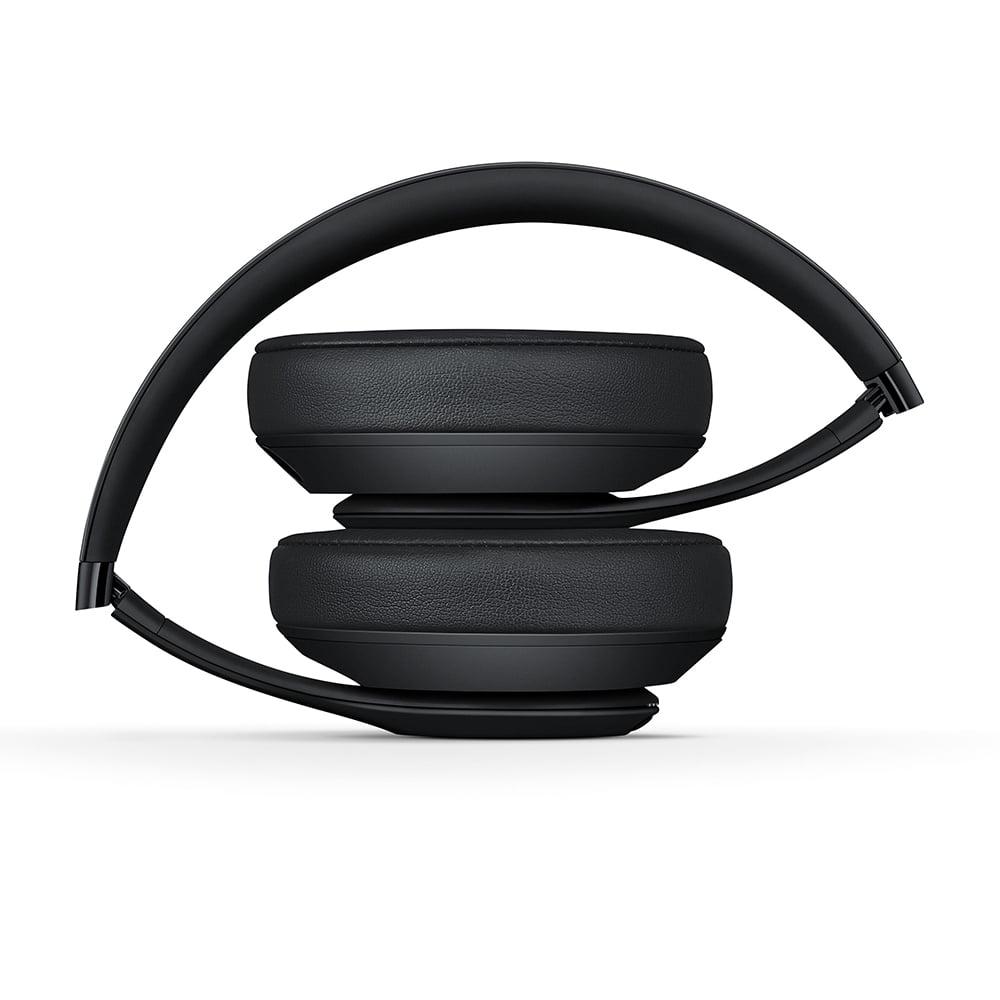
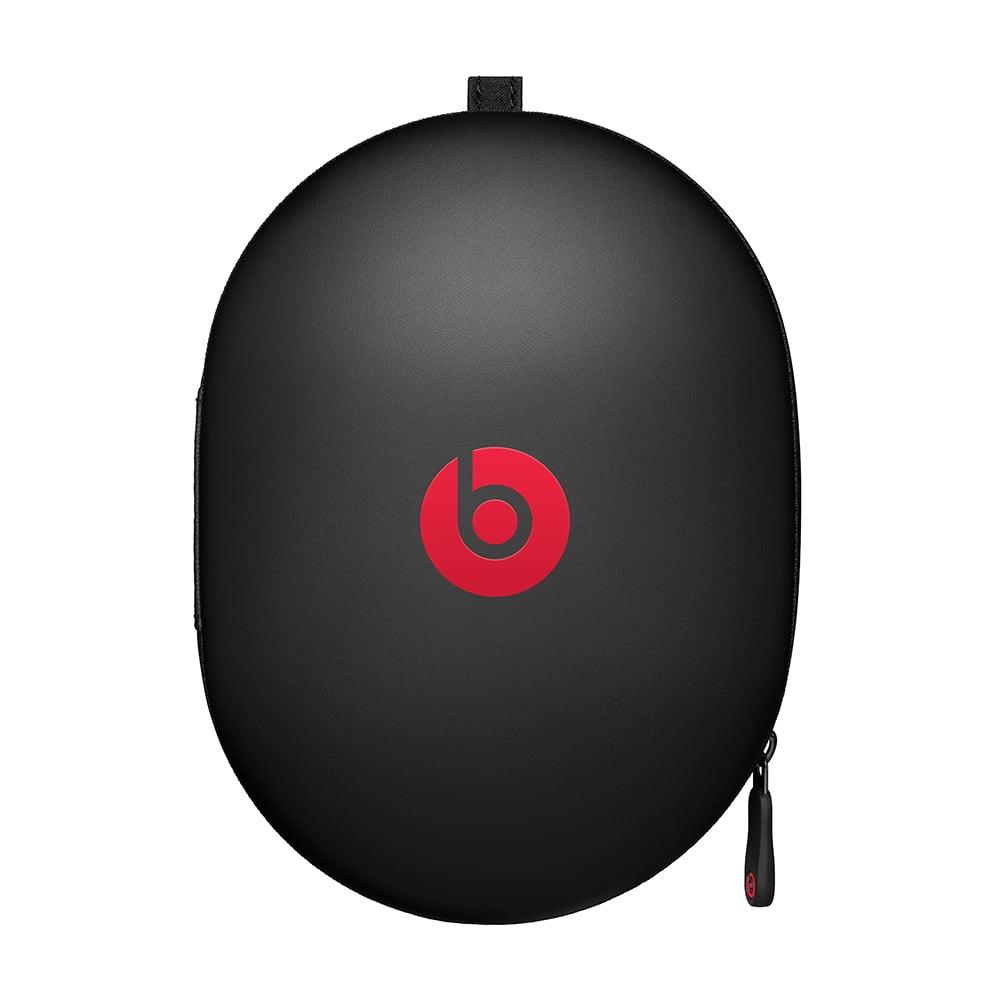
The Beats Studio3 Wireless takes a different approach, emphasizing style and portability over rugged durability. They fold compactly for travel and include a carrying case, but they're not designed to withstand the abuse that DJ equipment typically endures.
At 260 grams versus the Pioneer's 269 grams, the weight difference is negligible, but the Beats feel more refined in daily use. However, their non-replaceable components mean that when the battery fails or the ear pads wear out, you'll likely need to replace the entire headphone.
The Beats Studio3 Wireless's Pure Adaptive Noise Cancelling is a significant feature that the Pioneer HDJ-X5 completely lacks. This ANC system uses microphones to detect external noise and generates inverse sound waves to cancel it out. The "adaptive" aspect means it continuously adjusts based on your environment and how the headphones fit.
In practice, this makes the Beats excellent for travel, commuting, and use in noisy environments outside of professional audio applications. The ANC effectively reduces consistent background noise like airplane engines or air conditioning, though it's less effective against sudden, sharp sounds.
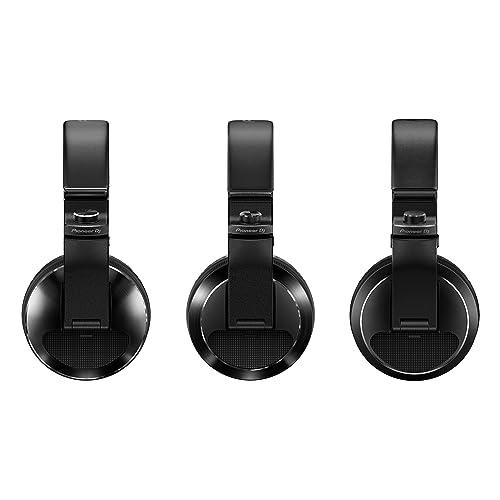
The Pioneer HDJ-X5 includes several features specifically designed for DJ use. The ear cups swivel to allow single-ear monitoring – a technique where DJs listen to the next track in one ear while monitoring the currently playing track in the other. This capability is essential for beatmatching and is completely absent from consumer headphones.
The housing design also emphasizes sound isolation through passive means, creating an acoustic seal that blocks external noise without requiring batteries or electronic processing. This isolation is crucial in loud club environments where external noise can interfere with critical listening.
While neither headphone is specifically designed for home theater use, they each bring different strengths to movie and TV watching. The Beats Studio3 Wireless's ANC makes them excellent for late-night viewing when you need to block out household noise without disturbing others.
The bass emphasis in the Beats also works well for action movies and dramatic content, providing satisfying impact for explosions and music. However, the recessed midrange can make dialogue less clear, particularly in scenes with competing background music or sound effects.
The Pioneer HDJ-X5's neutral tuning actually works better for critical home theater listening, as it reproduces dialogue more clearly and provides better spatial awareness for surround sound content mixed down to stereo. The extended frequency response also helps with the subtle details in movie soundtracks.
For home theater use, I'd actually lean toward the Pioneer if sound quality is your primary concern, despite its wired-only design. Many home theater setups benefit from the reliability of wired connections anyway.
When evaluating DJ headphones like the Pioneer HDJ-X5, the most critical metrics are frequency response accuracy, maximum SPL capability, and reliability. The ability to reproduce sound without coloration is paramount – you need to hear your mix as it truly sounds, not as the headphones think it should sound.
Build quality and repairability are almost equally important. Professional equipment needs to work reliably night after night, and when something does break, it should be fixable rather than replaceable.
Consumer headphones like the Beats Studio3 Wireless are judged on different criteria: comfort for extended listening, convenience features, battery life, and subjective sound quality. The goal isn't accuracy but enjoyment, and features like ANC can be more valuable than perfect frequency response.
Battery life becomes crucial here – there's nothing worse than headphones dying during a long flight or commute. The Studio3's 22-hour rating with ANC is competitive, though some newer models now offer 30+ hours.
At the time of writing, both headphones occupy similar price ranges in the premium market, though the Beats Studio3 Wireless typically commands a slight premium for its brand recognition and wireless features. The value equation depends entirely on your use case.
The Pioneer HDJ-X5 offers exceptional value for anyone who needs professional monitoring capabilities. The replaceable parts alone can justify the investment over time, and the build quality suggests these headphones could last a decade or more with proper care.
The Beats Studio3 Wireless provides good value for consumers who prioritize wireless convenience and ANC, particularly those invested in the Apple ecosystem. However, the non-replaceable battery means their lifespan is inherently limited.
Since their respective releases, both product categories have evolved. DJ headphones have seen improvements in driver technology and materials, while consumer wireless headphones have gained features like transparency modes, better ANC, and longer battery life. However, both the Pioneer and Beats models remain competitive in their segments.
You're a working DJ or serious enthusiast who needs accurate sound reproduction for mixing. The wired reliability, extended frequency response, and professional build quality make it an excellent tool for its intended purpose. It's also great for home studio use, critical listening, or any application where sound accuracy matters more than convenience.
The replaceable parts and rugged construction make it a smart long-term investment for anyone who uses headphones heavily. Even if you're not a DJ, the neutral sound signature and excellent isolation work well for focused listening sessions.
You want headphones for everyday listening, commuting, travel, or casual entertainment. The wireless convenience, ANC, and consumer-friendly sound signature make music enjoyable rather than analytical. They're particularly appealing for Apple users who can take advantage of the seamless device integration.
The compact folding design and included case make them excellent travel companions, and the 22-hour battery life means you won't be caught with dead headphones during long trips.
These headphones represent two fundamentally different approaches to audio reproduction, and both succeed admirably at their intended purposes. The Pioneer HDJ-X5 is a professional tool that prioritizes accuracy and reliability, while the Beats Studio3 Wireless is a lifestyle product that emphasizes convenience and enjoyable sound.
Your choice should align with your primary use case. If you need headphones for critical listening, professional work, or long-term durability, the Pioneer model is the clear winner. If you prioritize wireless convenience, modern features, and casual listening enjoyment, the Beats are the better choice.
Neither headphone is inherently superior – they're simply optimized for different goals and users. Understanding these differences is key to making a decision you'll be happy with for years to come.
| Pioneer DJ HDJ-X5 Headphones | Beats Studio3 Wireless Over-Ear Headphones |
|---|---|
| Primary Use Case - Determines which features matter most | |
| Professional DJ monitoring and mixing | Consumer wireless listening with noise cancellation |
| Frequency Response - How much of the audio spectrum you'll hear | |
| 5Hz - 30,000Hz (extended range for professional accuracy) | 20Hz - 20,000Hz (standard range, sufficient for most music) |
| Connectivity - Impacts convenience vs reliability | |
| Wired only with 1.2m coiled cable | Wireless Bluetooth + wired backup option |
| Battery Life - Only matters for wireless model | |
| N/A (wired operation) | 22 hours with ANC, 40 hours without ANC |
| Active Noise Cancellation - Essential for travel/commuting | |
| None (passive isolation only) | Pure Adaptive Noise Cancelling with real-time adjustment |
| Sound Signature - How music will actually sound to your ears | |
| Neutral/flat for accurate monitoring | Bass-forward, V-shaped for enjoyable listening |
| Build Quality - Longevity and repairability considerations | |
| Military-grade durability (MIL-STD-810G), replaceable parts | Consumer-grade construction, non-replaceable components |
| Weight - Comfort during extended use | |
| 269g | 260g |
| DJ-Specific Features - Only matters for mixing/professional use | |
| Swiveling ear cups, enhanced isolation, single-ear monitoring | None |
| Smart Features - Modern convenience capabilities | |
| None | Apple W1 chip integration, voice assistant support, wireless controls |
| Maximum Input Power - How loud they can get safely | |
| 2000mW (extremely high for professional use) | Not specified (typical consumer levels) |
| Cable Design - Impacts durability and sound quality | |
| 4-core twisted structure for superior channel separation | Standard cable design |
| Portability - Travel and storage convenience | |
| Foldable with basic protection | Compact folding design with premium carrying case |
The Beats Studio3 Wireless are significantly better for everyday listening. They offer wireless convenience, active noise cancellation for commuting and travel, and a bass-forward sound signature that makes popular music more enjoyable. The Pioneer DJ HDJ-X5 are designed for professional monitoring with neutral sound that can seem less exciting for casual listening.
This depends on your priorities. The Pioneer DJ HDJ-X5 are wired-only, offering zero latency and never needing charging, making them ideal for professional use or critical listening. The Beats Studio3 Wireless provide wireless freedom with 22-hour battery life, making them much more convenient for daily activities, exercise, and travel.
Sound quality depends on your needs. The Pioneer DJ HDJ-X5 offer more accurate, neutral sound reproduction with extended frequency response (5Hz-30kHz), making them superior for critical listening and professional work. The Beats Studio3 Wireless have a consumer-friendly sound with enhanced bass that many find more enjoyable for entertainment.
Both work for home theater but serve different purposes. The Beats Studio3 Wireless are excellent for late-night viewing with their noise cancellation and wireless freedom, though dialogue can be less clear due to their bass-heavy tuning. The Pioneer DJ HDJ-X5 provide more accurate sound reproduction for movies but require a wired connection to your TV or receiver.
The Pioneer DJ HDJ-X5 are significantly more durable, meeting military-grade shock resistance standards (MIL-STD-810G) with replaceable cables and ear pads. They're built for professional use and can last decades. The Beats Studio3 Wireless have consumer-grade durability that's adequate for typical use but aren't designed for heavy abuse.
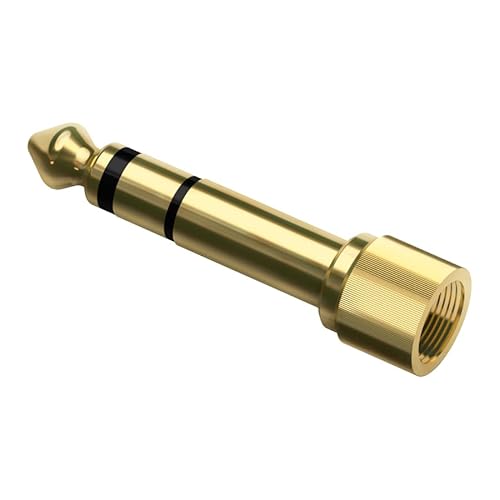
The Pioneer DJ HDJ-X5 work with any device that has a 3.5mm headphone jack (adapter included for 6.3mm). The Beats Studio3 Wireless connect via Bluetooth to virtually any modern device, with special Apple integration features, plus they include a wired cable as backup when the battery dies.
The Pioneer DJ HDJ-X5 are specifically designed for DJs with swiveling ear cups for single-ear monitoring, superior sound isolation, neutral frequency response for accurate mixing, and military-grade durability. The Beats Studio3 Wireless lack DJ-specific features and their bass-heavy sound signature makes professional mixing difficult.
Only the Beats Studio3 Wireless have batteries, offering up to 22 hours with noise cancellation enabled or 40 hours with it disabled. They also feature Fast Fuel charging (3 hours playback from 10-minute charge). The Pioneer DJ HDJ-X5 are wired-only and never need charging.
Both are comfortable, but for different reasons. The Beats Studio3 Wireless are designed for all-day consumer use with plush ear cushions and are slightly lighter at 260g. The Pioneer DJ HDJ-X5 have pressure-reducing housing design optimized for professional monitoring at 269g, though their grip-enhanced texture is better for active use.
Only the Beats Studio3 Wireless have active noise cancellation with Pure Adaptive ANC that adjusts to your environment in real-time. The Pioneer DJ HDJ-X5 rely on passive noise isolation through their closed-back design, which blocks external noise effectively but doesn't actively cancel it.
Value depends on your use case. The Pioneer DJ HDJ-X5 offer exceptional value for DJs and audio professionals due to their accuracy, durability, and replaceable parts that extend lifespan. The Beats Studio3 Wireless provide good value for mainstream consumers who prioritize wireless convenience, noise cancellation, and Apple ecosystem integration.
The Beats Studio3 Wireless have a built-in microphone optimized for phone calls and voice assistants, making them excellent for hands-free communication. The Pioneer DJ HDJ-X5 don't have a microphone and are designed purely for audio monitoring, so they're not suitable for phone calls without a separate microphone.
We've done our best to create useful and informative comparisons to help you decide what product to buy. Our research uses advanced automated methods to create this comparison and perfection is not possible - please contact us for corrections or questions. These are the sites we've researched in the creation of this article: guitarcenter.com - pioneerdj.com - digitaldjtips.com - youtube.com - idjnow.com - youtube.com - youtube.com - wearecrossfader.co.uk - audio46.com - youtube.com - pioneerdj.com - pioneerdj.com - idjnow.com - milehighdjsupply.com - pioneerdj.com - store.djtechtools.com - pioneerdjstore.com - americanmusical.com - sweetwater.com - stars-music.com - store.djtechtools.com - pioneerdj.com - techradar.com - recordingnow.com - rtings.com - soundguys.com - recordingnow.com - recordingnow.com - soundguys.com - soundguys.com - youtube.com - rtings.com - gsmarena.com - bhphotovideo.com - headphonecheck.com - themasterswitch.com - walmart.com - rentacenter.com - discussions.apple.com - beatsbydre.com - bestbuy.com - walmart.com - youtube.com - youtube.com

Privacy Policy
Terms and Conditions - Affiliate Policy
Home Security
© Copyright 2008-2026.
11816 Inwood Rd #1211, Dallas, TX 75244