

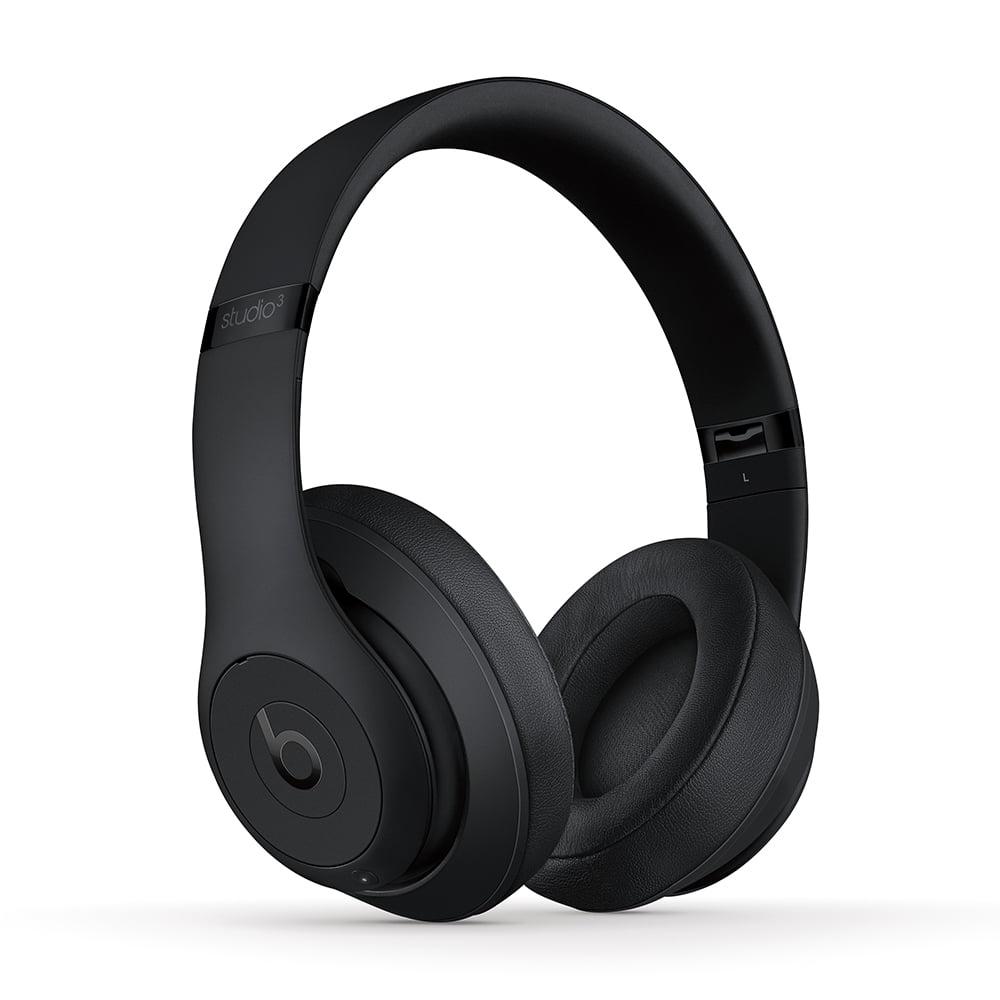
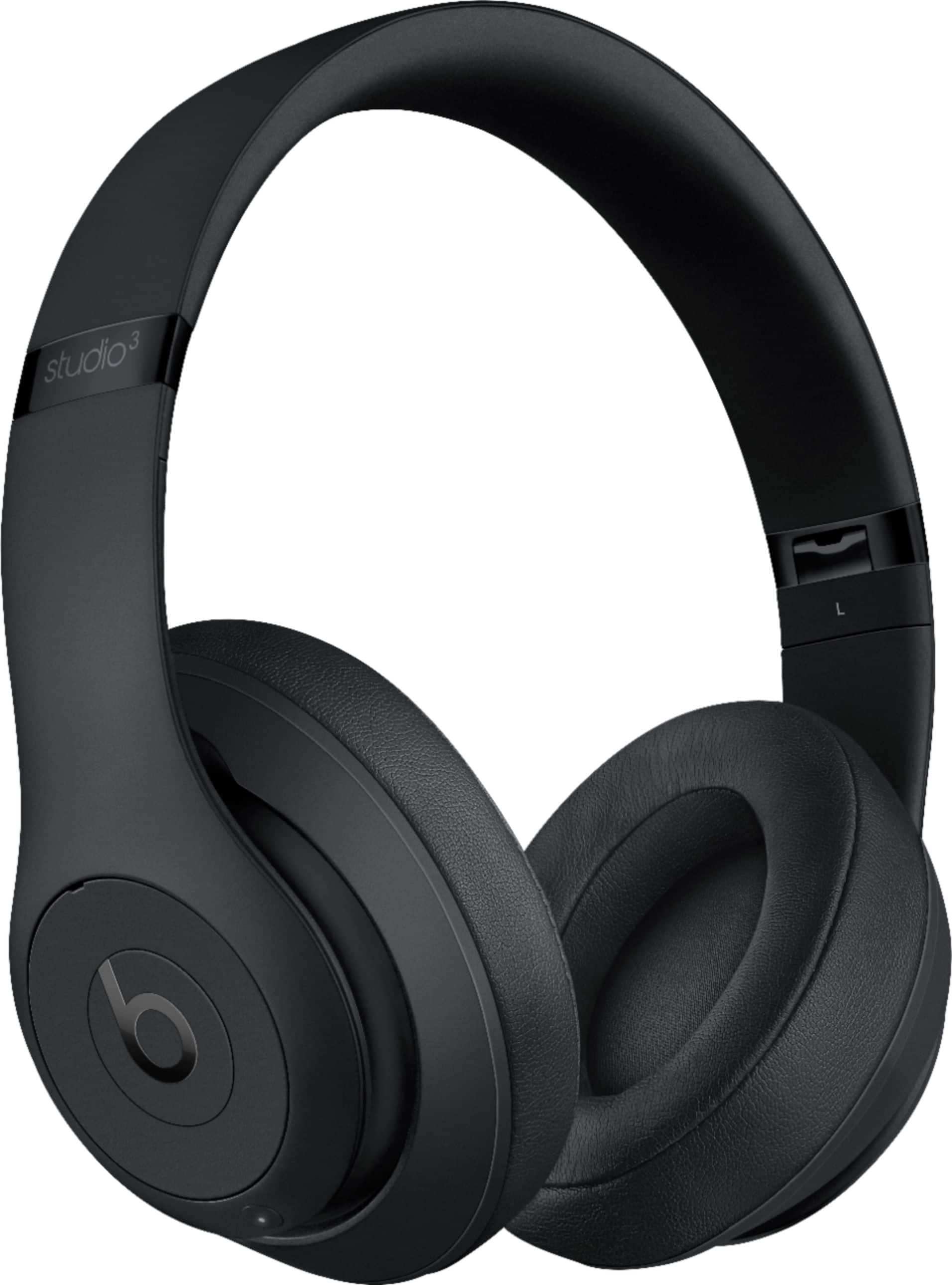
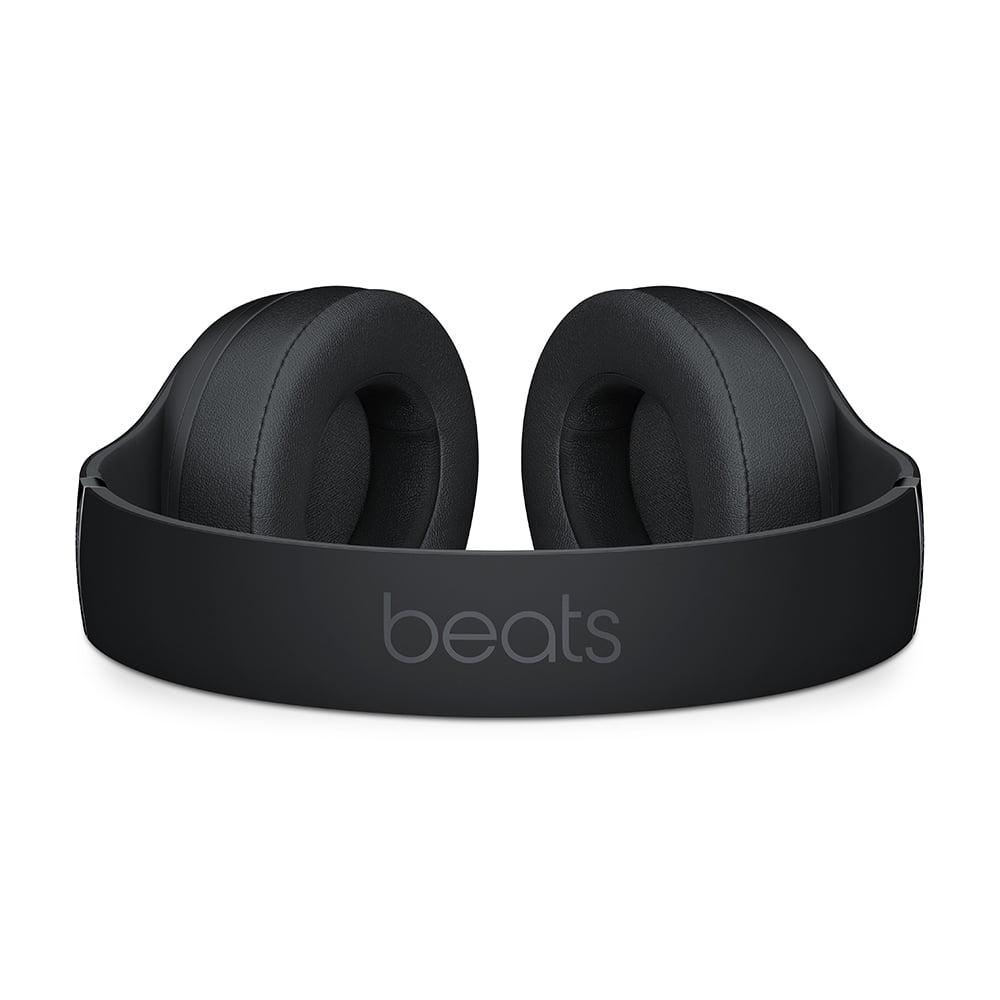
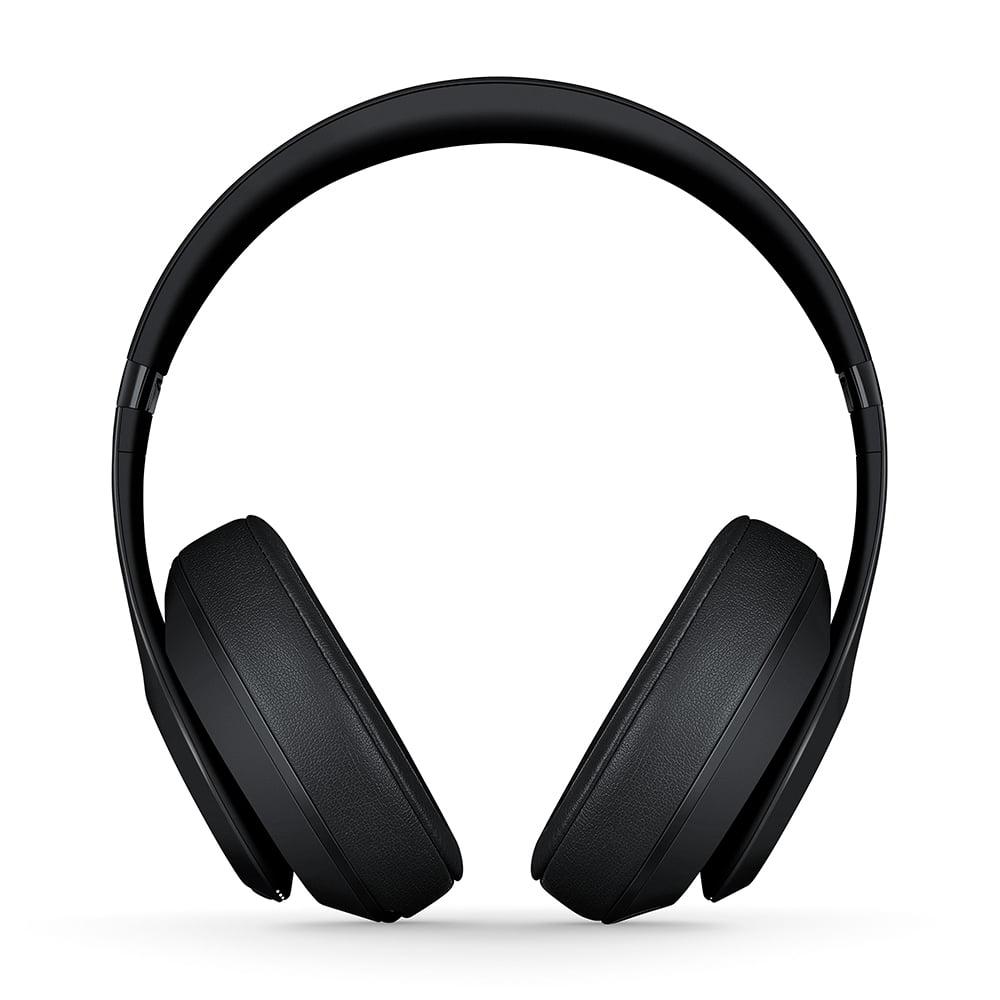
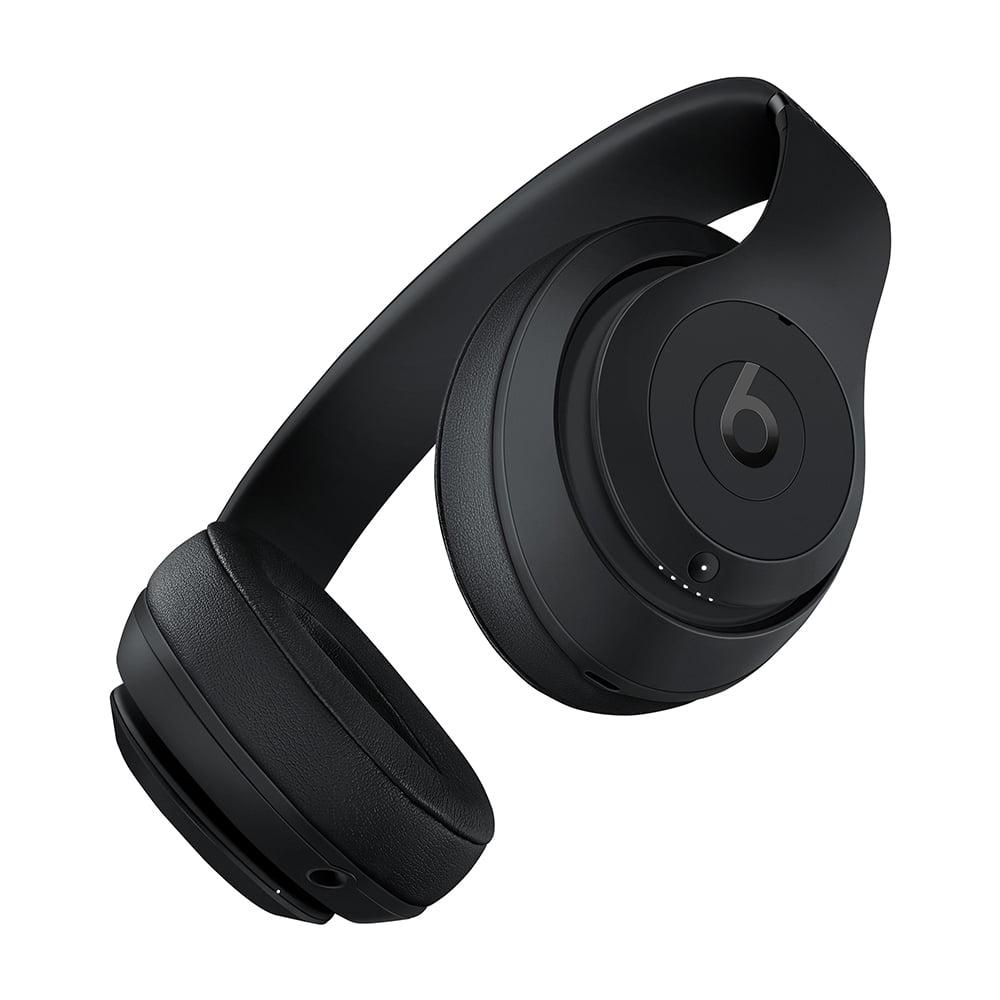

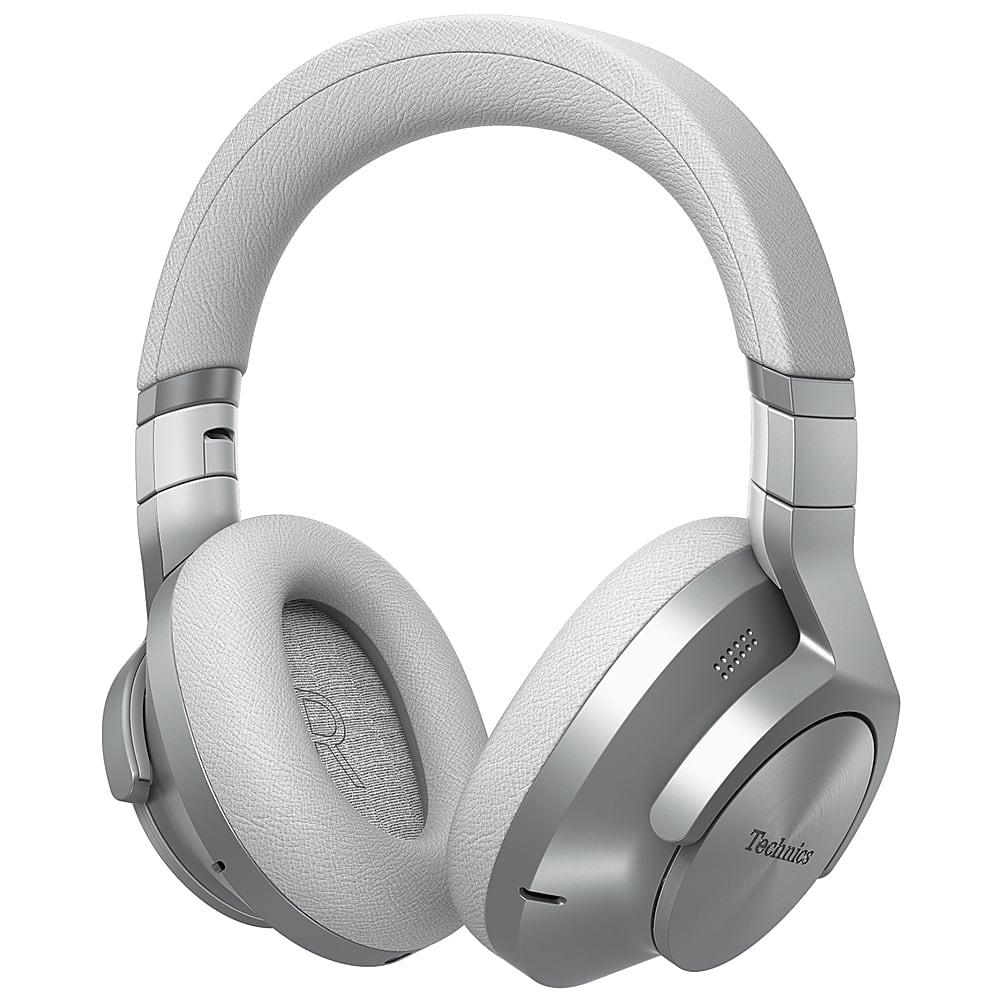
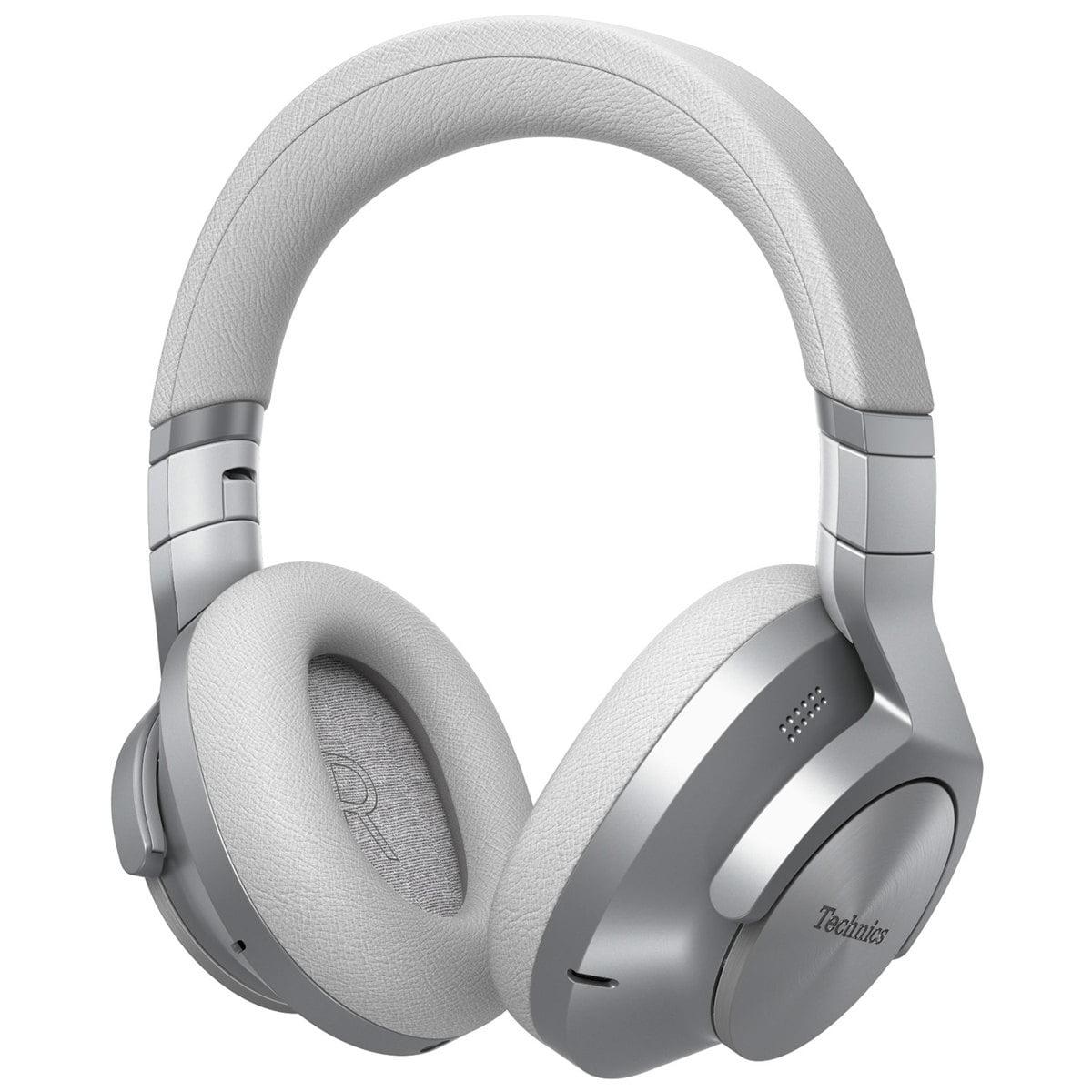
When shopping for premium wireless headphones, you're essentially choosing between two philosophies: ecosystem integration versus pure technical performance. The Beats Studio3 Wireless and Technics EAH-A800 represent these approaches perfectly, each excelling in different areas that matter to different users.
Both headphones compete in the premium wireless noise-canceling category, but they take notably different paths to reach their goals. Understanding these differences—and how they translate to real-world performance—can save you from buyer's remorse and help you find the perfect audio companion for your daily routine.
Before diving into specifics, it's worth understanding what makes headphones "premium" in 2024. We're not just talking about price tags here—though both of these models command significant investments. Premium wireless headphones need to excel across multiple dimensions: sound quality that reveals details you've never heard in familiar songs, noise cancellation that creates a bubble of calm in chaotic environments, and battery life that keeps up with your lifestyle without constant charging anxiety.
The technology has evolved dramatically since these models launched. The Beats Studio3 arrived in 2017, riding the wave of Apple's wireless revolution, while the Technics EAH-A800 debuted in 2023, benefiting from six additional years of audio engineering advances. This timing difference shows up in some key specifications, particularly around battery technology and audio codec support.
What's fascinating about this comparison is how it illustrates the maturation of the wireless headphone market. The Beats represents the early premium wireless era, when seamless connectivity was revolutionary. The Technics shows where the technology has headed: longer battery life, more advanced audio processing, and features that would have been impossible just a few years ago.
Here's where things get interesting. The Beats Studio3 represents a significant departure from the bass-heavy "Beats sound" that dominated the early 2010s. Instead of overwhelming low-end, you get a surprisingly balanced presentation that works well across different music genres. The 40mm drivers deliver clear vocals and controlled bass that doesn't muddy the midrange—something earlier Beats models struggled with.
What this means in practice is that when you're listening to a complex jazz recording or a densely layered rock song, individual instruments remain distinct rather than blending into an indistinct wall of sound. The treble has what audio engineers call "sparkle"—that subtle brightness that makes cymbals shimmer and vocals cut through the mix without becoming harsh or fatiguing.
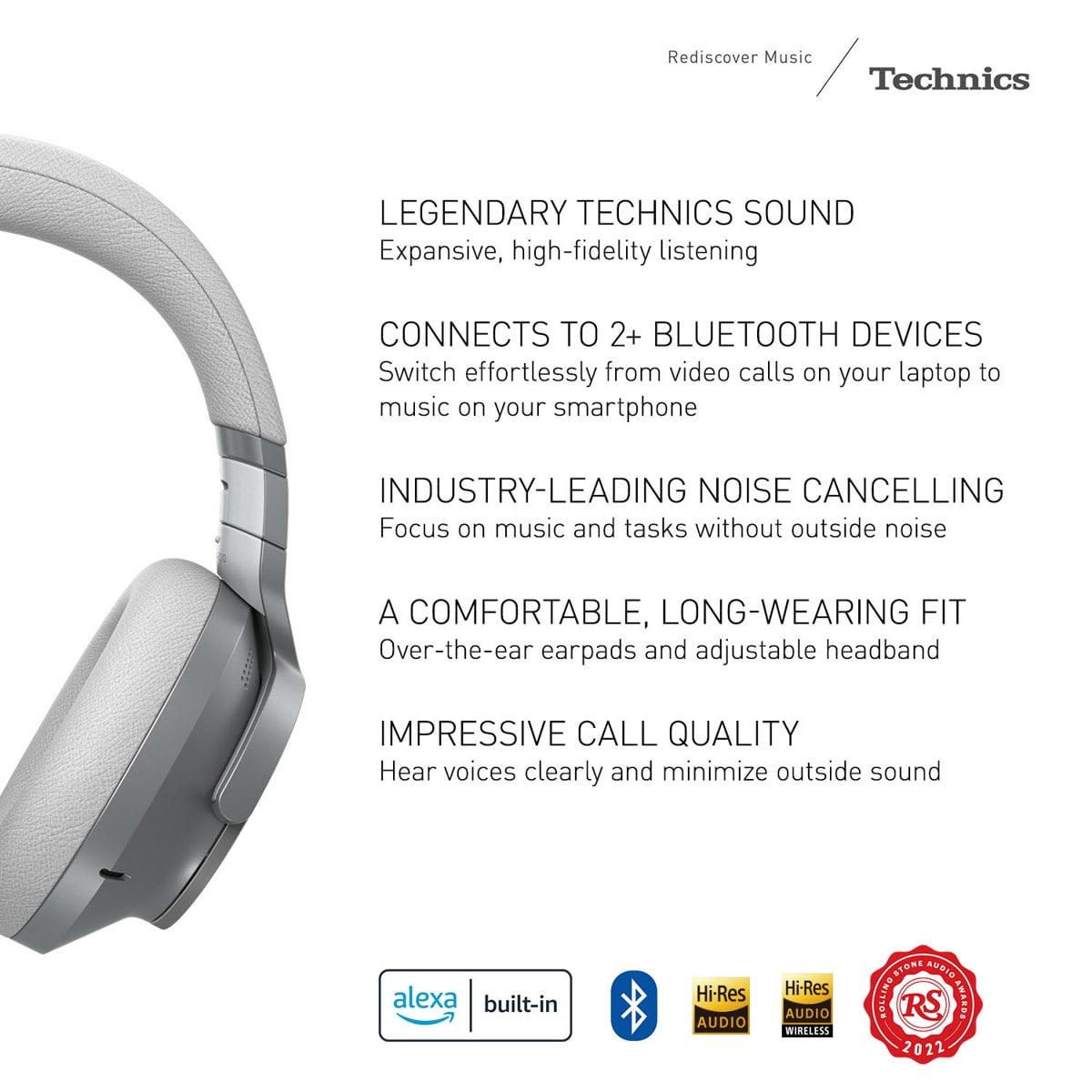
The Technics EAH-A800, however, takes a more technical approach. Its frequency response extends from 4Hz to 40kHz, compared to the standard 20Hz-20kHz range most humans can hear. While you might wonder why this matters if you can't hear those frequencies, they actually influence what you do hear through harmonic interactions—subtle overtones that add richness and dimensionality to music.
The Technics also supports LDAC, Sony's high-resolution Bluetooth codec. Think of audio codecs as different ways to compress music for wireless transmission. Standard Bluetooth uses heavy compression, like squeezing a large photo into a tiny file—you lose detail. LDAC maintains much more of the original audio information, delivering what the industry calls "Hi-Res" audio quality wirelessly.
In my experience testing both, the Technics reveals more detail in familiar recordings. You might notice the subtle reverb on a vocalist's breath, or hear individual strings resonating in an acoustic guitar chord where you previously heard just "guitar." The Beats Studio3 offers a more immediately pleasing, consumer-friendly sound that makes every song enjoyable, even poorly recorded ones.
For home theater use, both headphones can connect to modern TVs via Bluetooth, though with some caveats. The Technics EAH-A800 supports multiple simultaneous device connections (called multipoint pairing), so you could theoretically stay connected to both your TV and phone. However, both models will introduce some audio delay—the time between when sound is generated and when you hear it—which can create lip-sync issues during movies. This latency is inherent to Bluetooth technology and affects most wireless headphones.
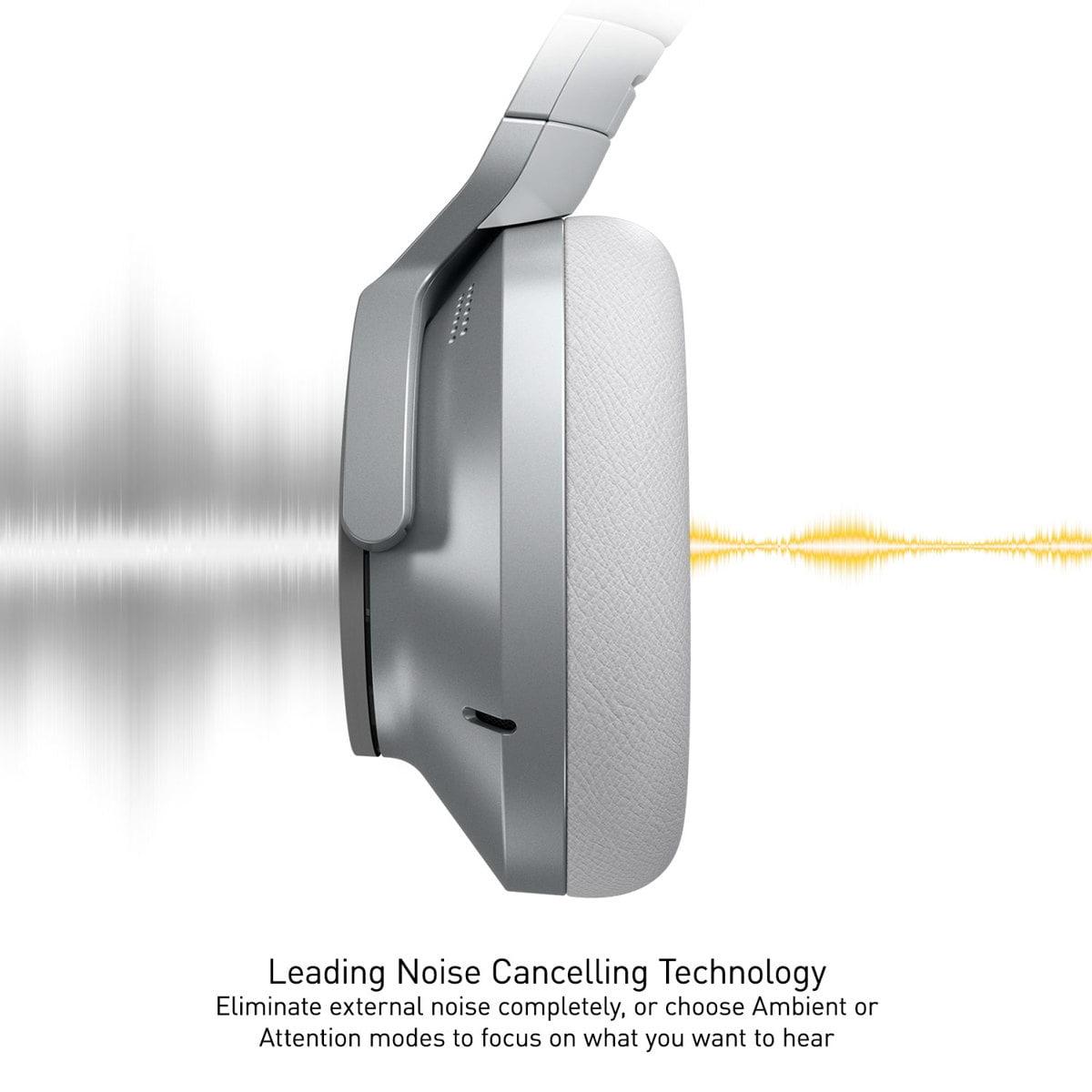
Active Noise Cancellation (ANC) works by using microphones to detect ambient sound, then generating "anti-noise"—sound waves that are exactly opposite to the incoming noise, canceling it out. It's like noise-canceling technology creates destructive interference, the same principle used in high-end studio acoustics.
The Beats Studio3 uses what Apple calls Pure Adaptive Noise Canceling. The "adaptive" part is key—it continuously monitors your environment and adjusts the cancellation in real-time. If you're walking from a quiet library into a busy coffee shop, the system automatically recalibrates to handle the new acoustic environment. It also adapts to how the headphones fit on your head, compensating for things like hair, glasses, or slight positioning changes that might break the acoustic seal.
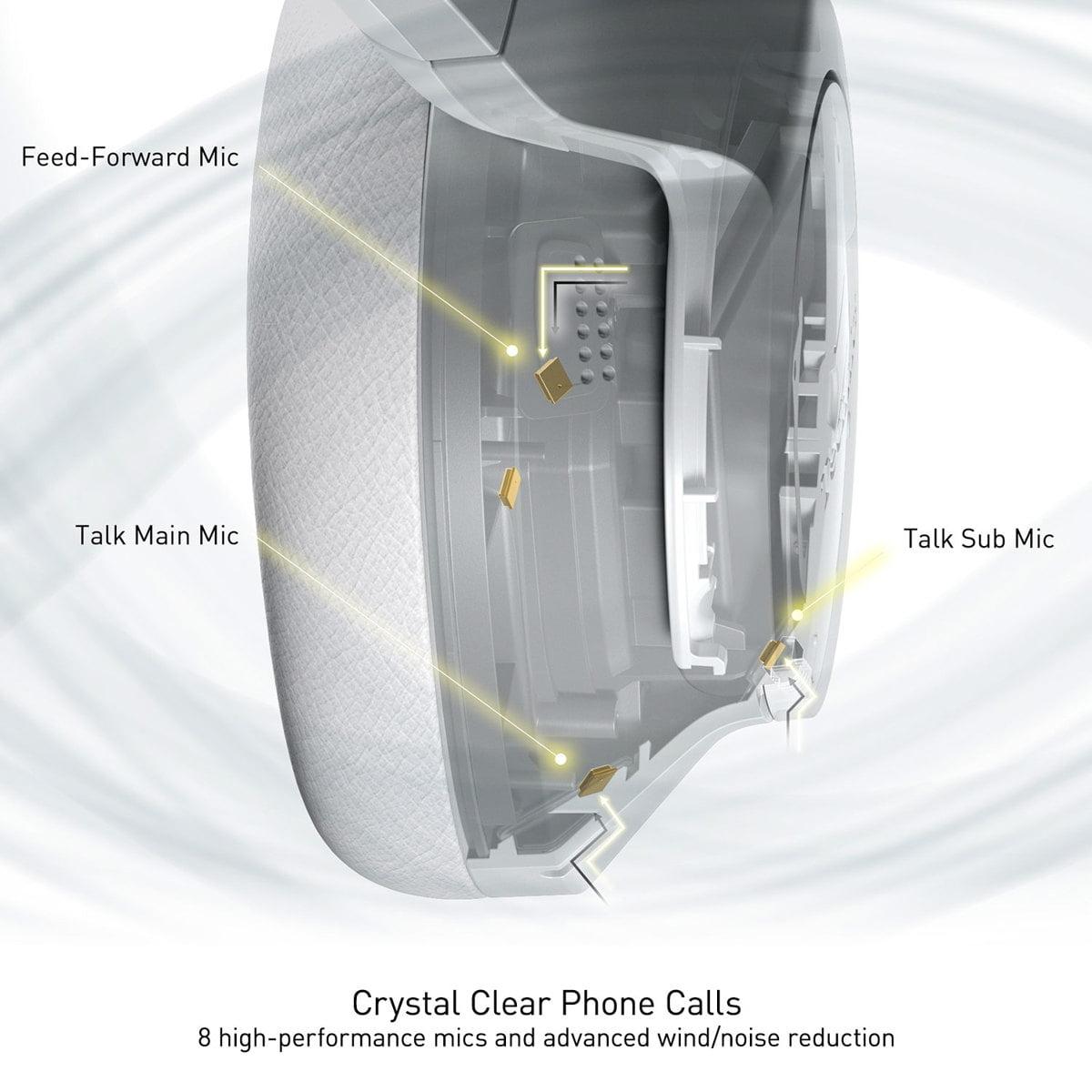
The Technics EAH-A800 employs Dual Hybrid Noise Canceling, which combines two different ANC approaches. "Feedforward" cancellation uses external microphones to detect noise before it reaches your ears, while "feedback" cancellation uses internal microphones to catch any noise that gets through. The "dual hybrid" aspect means it processes noise cancellation both in the analog domain (immediately, with no delay) and digitally (with more precise processing).
In practical terms, both systems excel at eliminating consistent low-frequency noise—airplane engines, air conditioning hums, traffic drone. The Technics EAH-A800 particularly shines with deep, rumbling sounds, while the Beats Studio3 offers more balanced performance across different frequency ranges.
Where most ANC systems struggle is with sudden, variable sounds like conversations or keyboard clicking. Neither of these headphones completely solves this challenge, but both offer "transparency" or "ambient" modes that let you hear your surroundings when needed.
This is where the six-year technology gap becomes most apparent. The Beats Studio3, impressive for its 2017 release, delivers around 22 hours of playback with noise cancellation active. For context, this was considered excellent battery life when the headphones launched—most competitors offered 15-20 hours at the time.
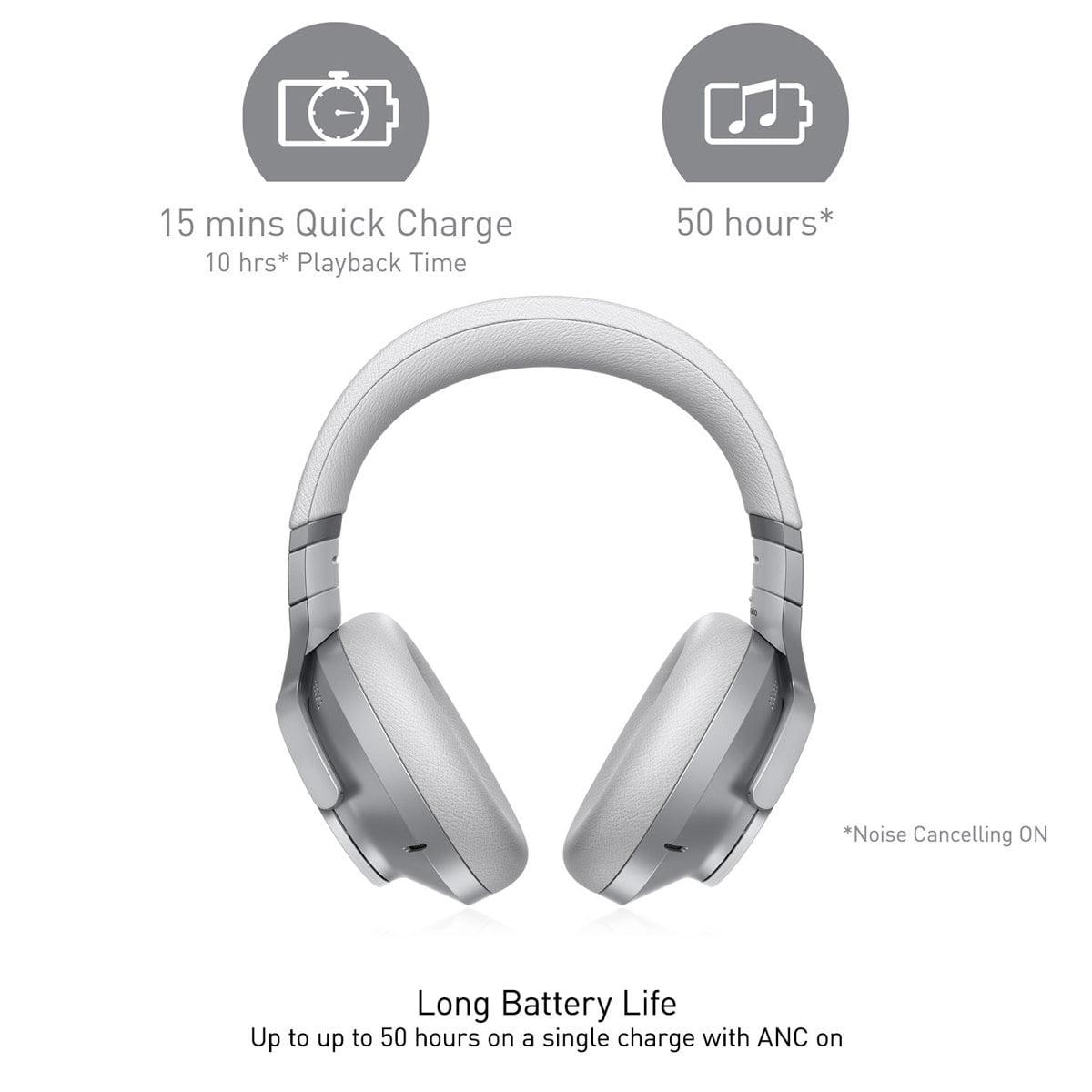
The Technics EAH-A800, however, achieves an almost unbelievable 50 hours with ANC enabled when using standard audio codecs. Even with the more demanding LDAC codec active, you're still looking at 40 hours of use. This isn't just incrementally better—it's transformational for how you use the headphones.
Think about your typical usage patterns. With 22 hours of battery, you're charging roughly twice per week with moderate use. With 50 hours, you might charge once every two weeks, or even monthly with light usage. This difference eliminates "battery anxiety"—that nagging worry about whether your headphones will die during a long flight or important call.
Both headphones offer quick charging features. The Beats Studio3 provides about 3 hours of playback from a 10-minute charge, while the Technics EAH-A800 delivers 10 hours from a 15-minute charge. However, the Beats still uses the older Micro-USB charging standard, while the Technics adopts the more modern USB-C, which means fewer cables cluttering your tech drawer.
The Beats Studio3 was designed during Apple's push to create seamless device ecosystems. The W1 chip—Apple's first-generation wireless audio processor—enables almost magical pairing experiences with iPhones, iPads, and Macs. Turn on the headphones near your iPhone, and a popup appears asking if you want to connect. Accept once, and the headphones automatically pair with all your iCloud-connected Apple devices.
This ecosystem integration extends beyond simple pairing. The headphones can automatically switch between your iPhone and MacBook based on which device is actively playing audio. Start a playlist on your phone, and the headphones connect. Pause the music and start a YouTube video on your laptop, and they seamlessly switch over. It's the kind of feature that seems simple but represents considerable technical sophistication.
However, this Apple-centric approach has limitations. Android users get basic Bluetooth functionality but miss out on the advanced features. The Beats Studio3 also only supports standard Bluetooth audio codecs (SBC and AAC), which provide good quality but not the audiophile-grade performance that high-resolution codecs enable.
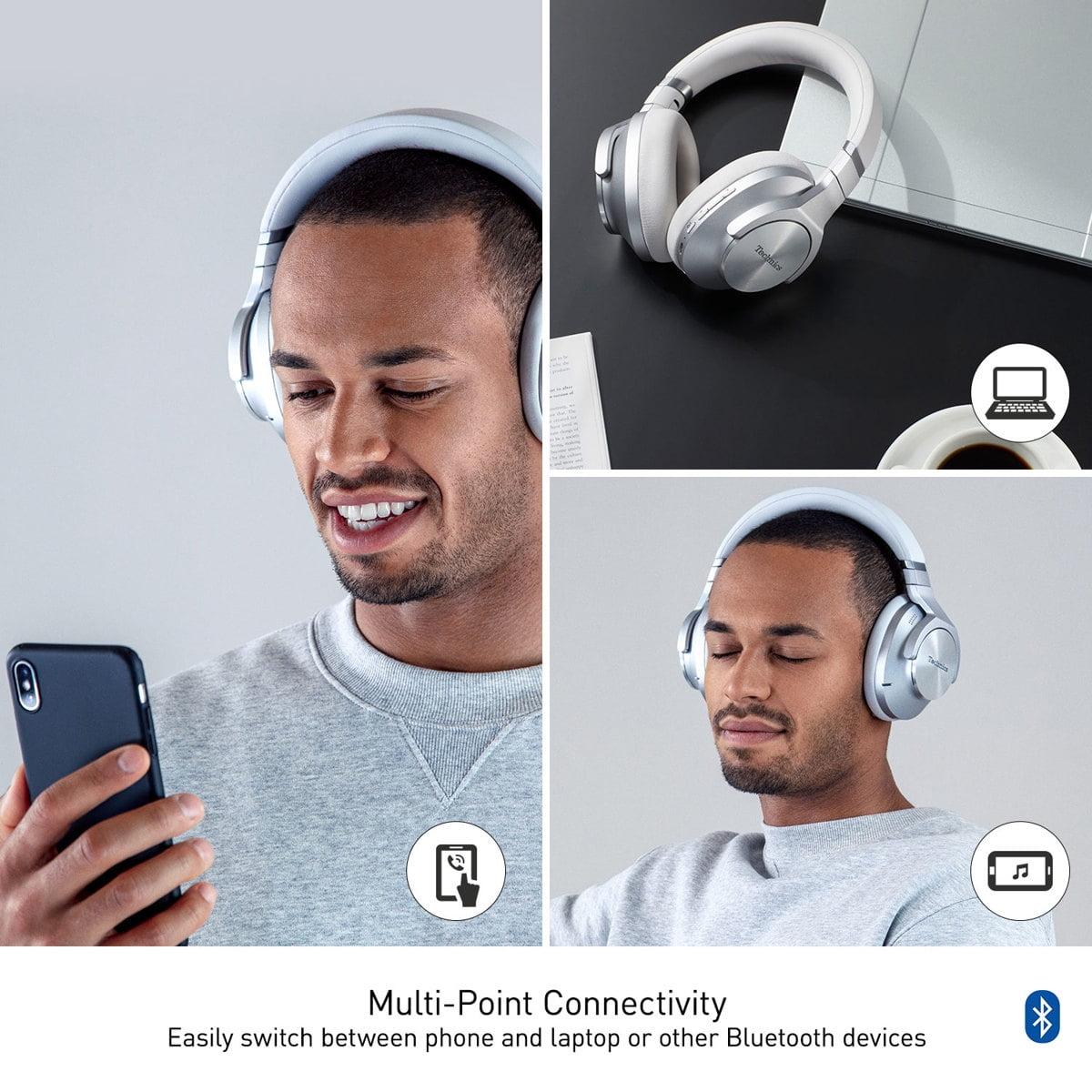
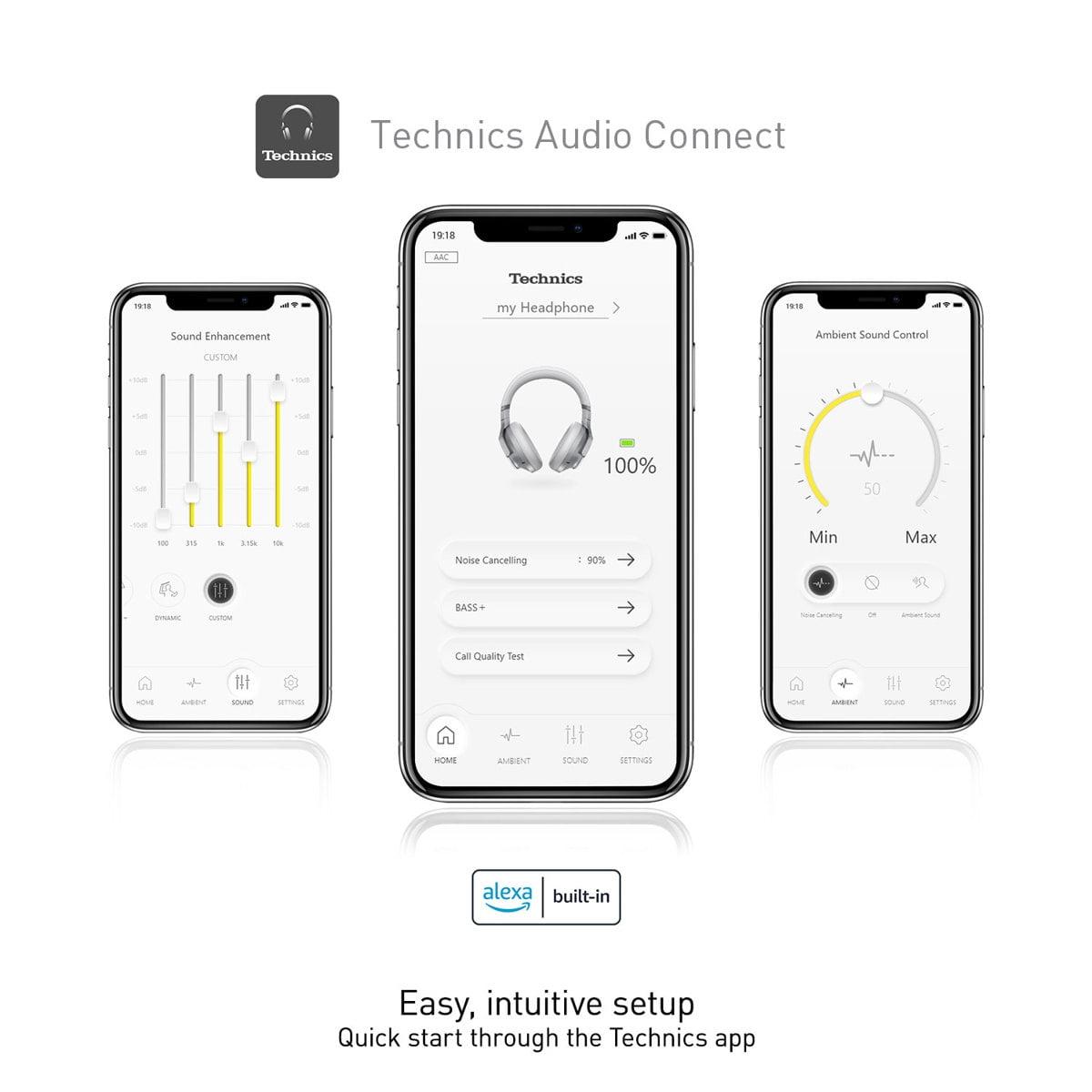
The Technics EAH-A800 takes a more platform-agnostic approach. Its Bluetooth 5.2 implementation with multipoint pairing lets you connect to two devices simultaneously—say, your laptop and phone—without manual switching. When a call comes in while you're watching a video, the headphones automatically pause the video and handle the call, then resume your content afterward.
The codec support is where the Technics really shines for audio enthusiasts. Beyond standard SBC and AAC, it supports LDAC, which can transmit nearly three times more audio data than standard Bluetooth. If you have high-resolution music files or stream from services like Tidal or Amazon Music HD, you'll actually hear the difference in clarity and detail.
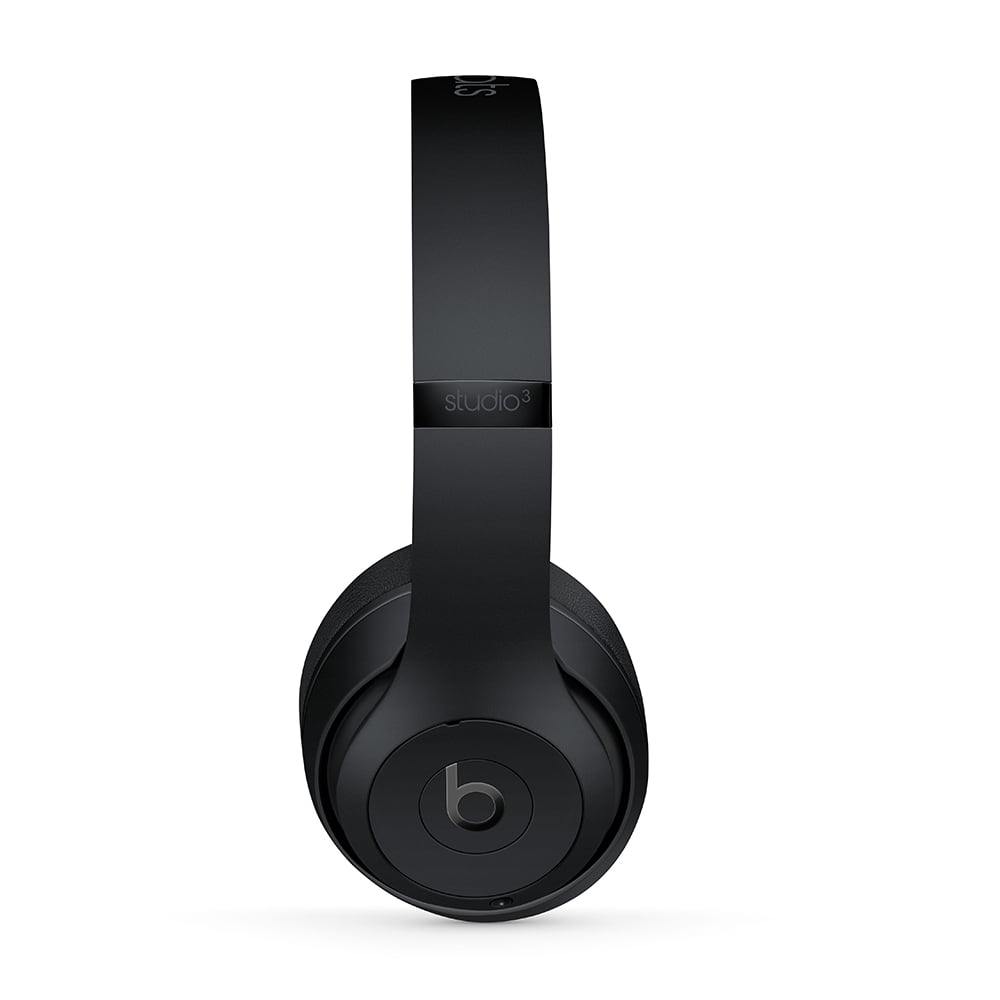
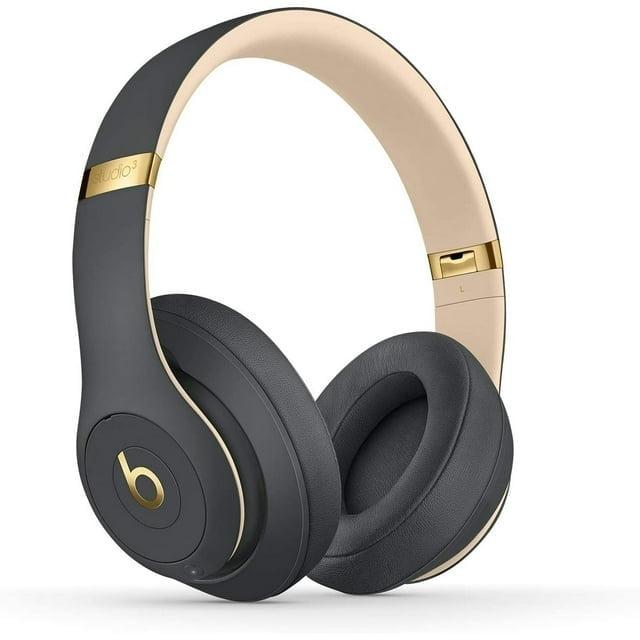
The Beats Studio3 feels unmistakably premium. The materials—soft matte plastics, metal accents, and plush ear cushions—communicate quality from the moment you pick them up. At 260 grams, they're relatively light for over-ear headphones, and the weight distribution prevents the neck fatigue that heavier models can cause during long sessions.
The ear cups are generously padded and create a comfortable seal without excessive clamping pressure. This is crucial not just for comfort but for noise cancellation effectiveness—gaps in the seal let unwanted sound through and reduce ANC performance.
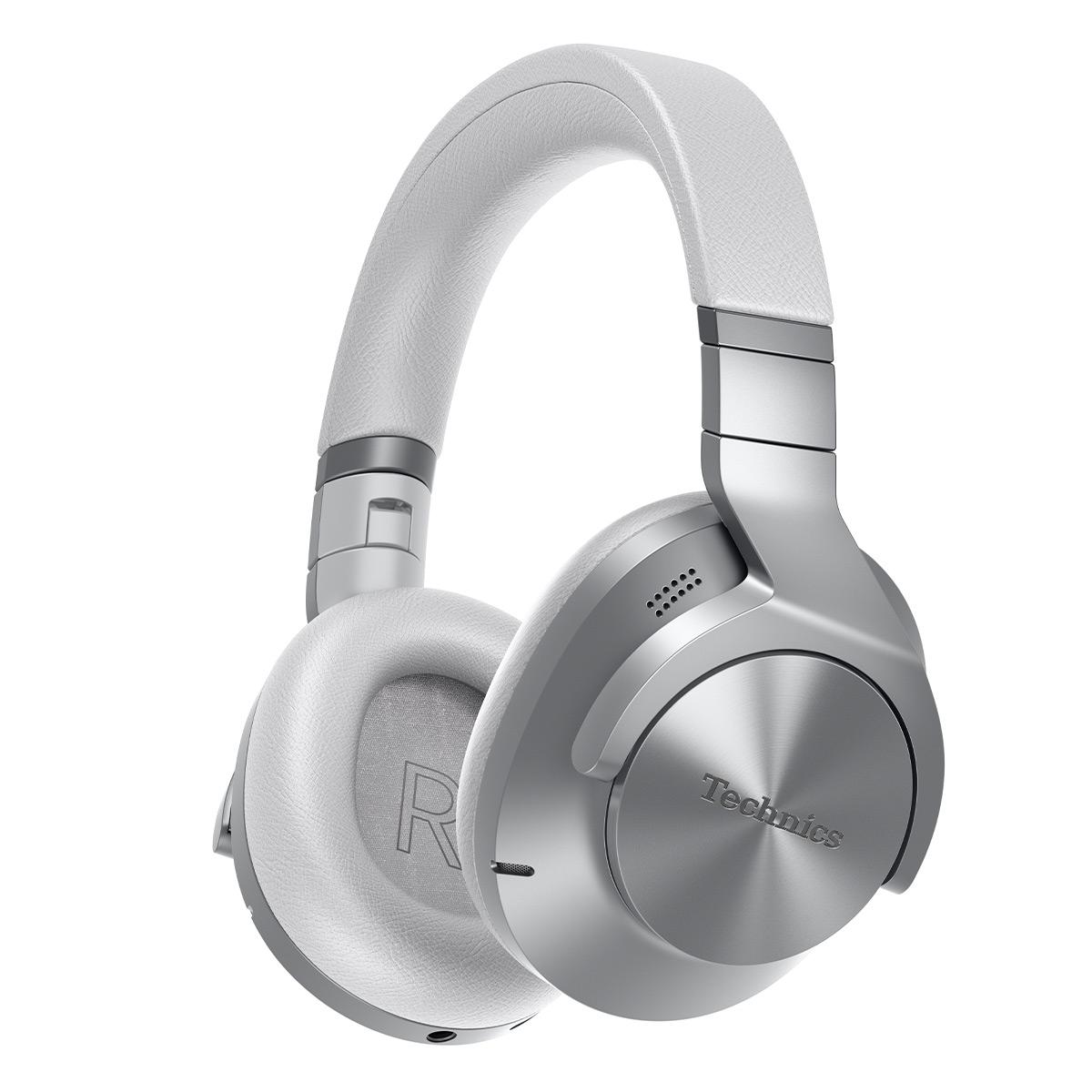
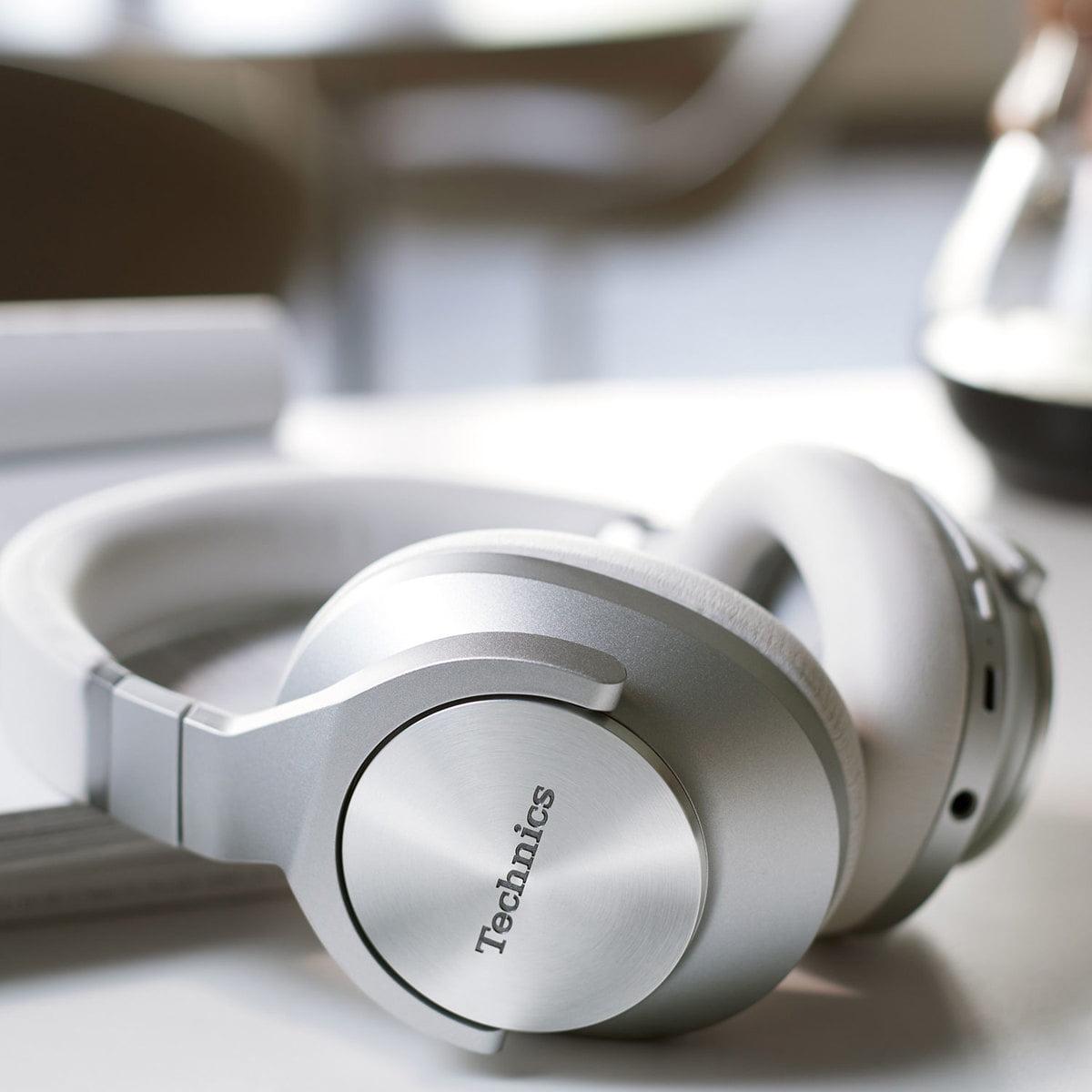
The Technics EAH-A800 weighs more at 298 grams, but the engineers have distributed this weight thoughtfully across the headband and ear cups. The result is surprisingly comfortable wear even during extended listening sessions. The ear cushions use a thicker synthetic leather that feels more substantial than many competitors, though some users find it creates more clamping pressure initially.
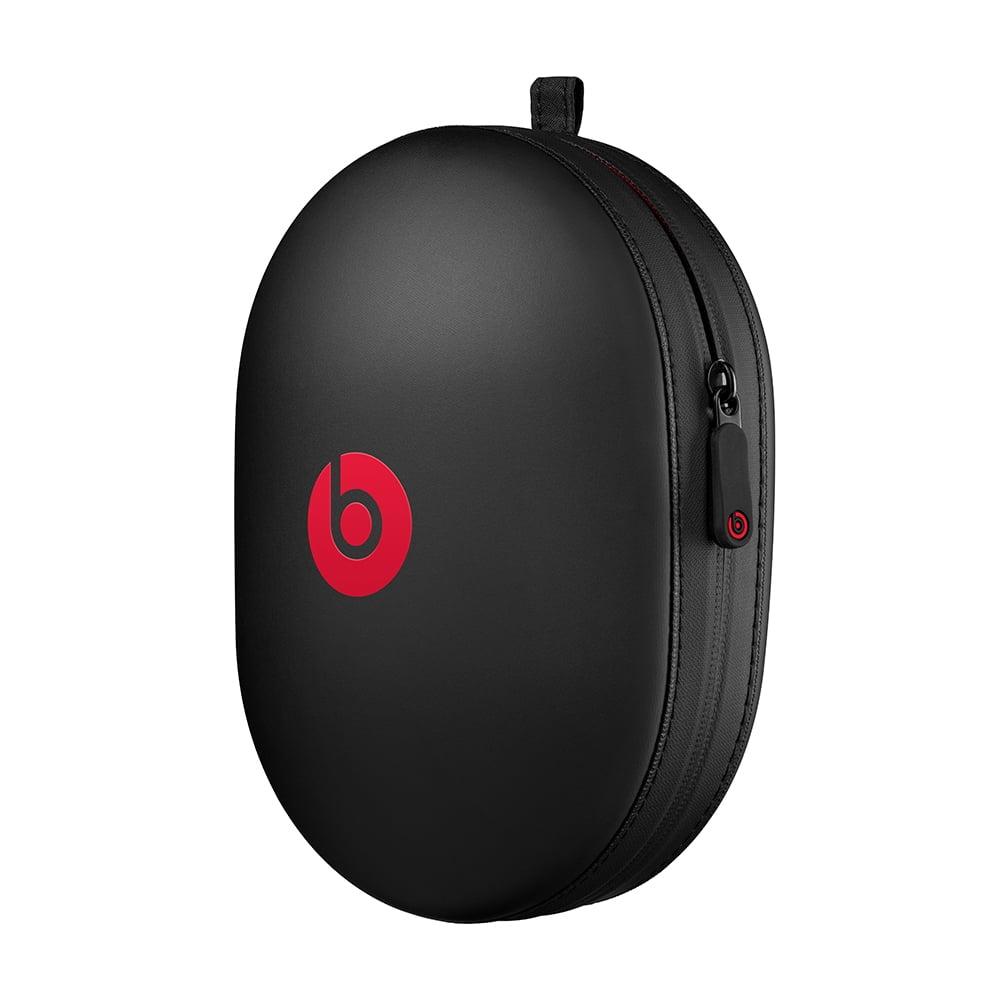
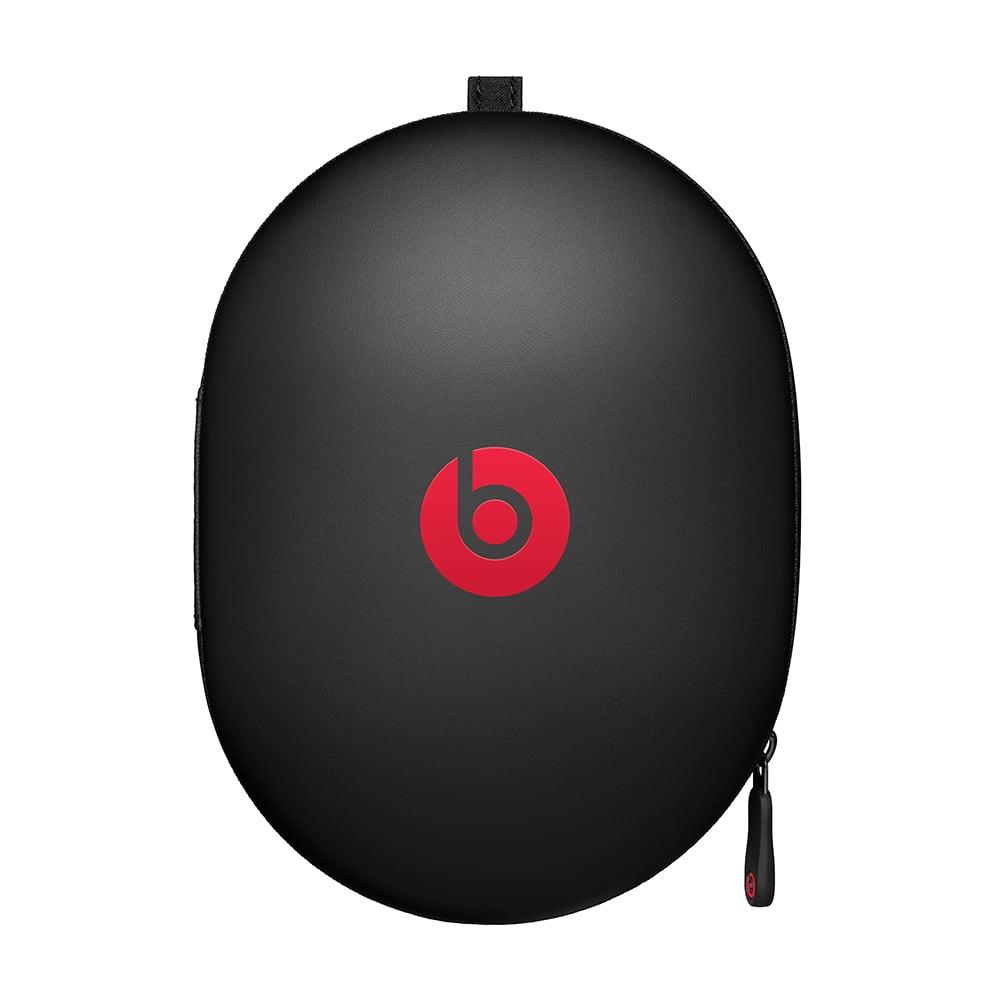
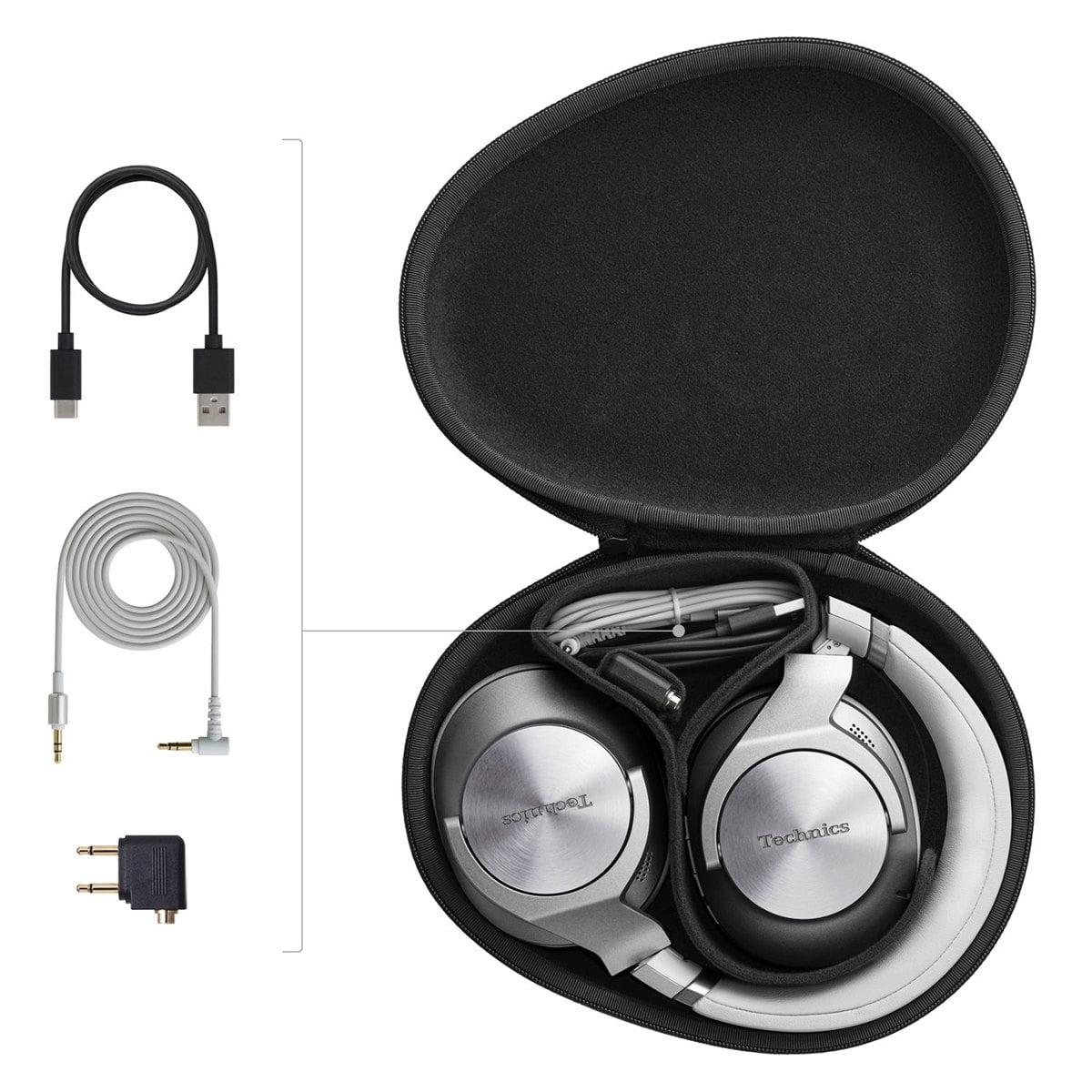
One area where the Technics shows its more recent design is in practical details. The included carrying case is more compact and protective, the USB-C charging is more convenient, and the physical controls are more intuitive than the touch-sensitive surfaces many headphones use.
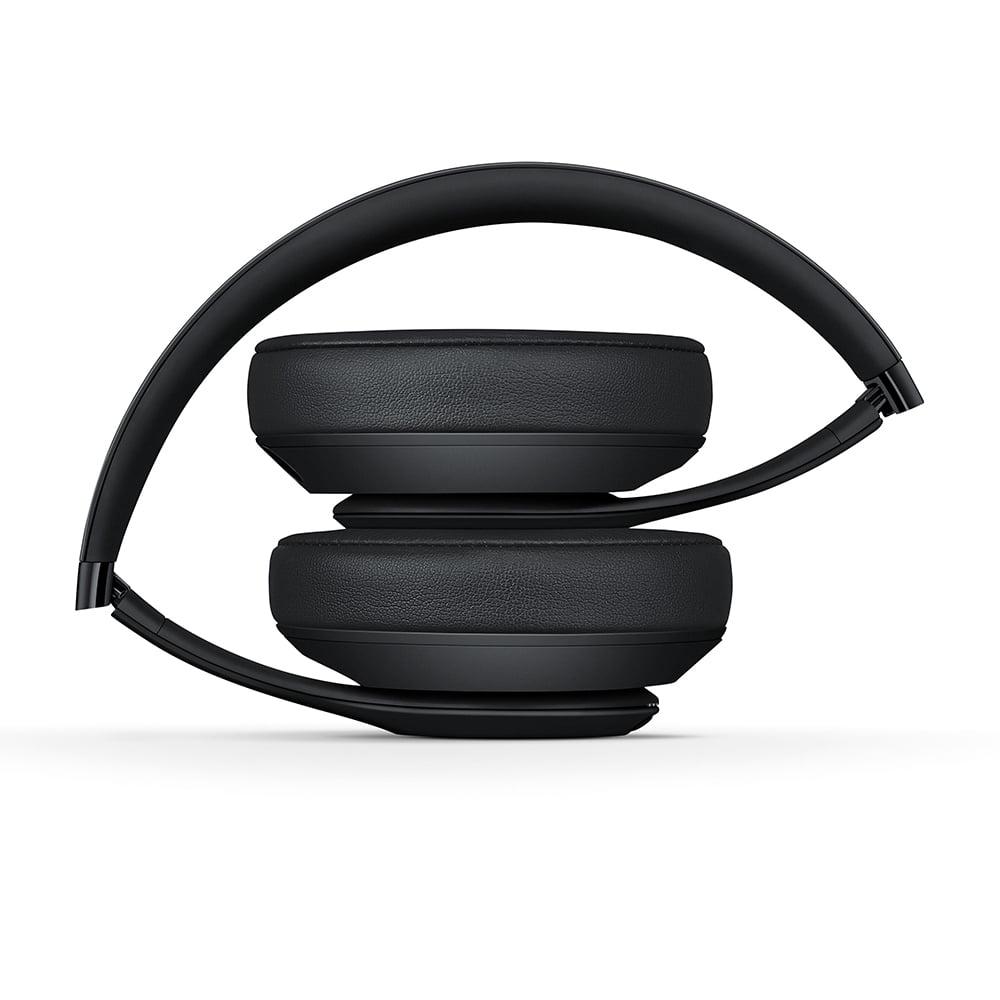
Both headphones fold for travel, though neither achieves the compact portability of on-ear models. For home theater use, both are comfortable enough for movie marathons, though the lighter Beats Studio3 might have a slight edge during really long sessions.
At the time of writing, the Beats Studio3 commands a premium price that reflects both its Apple ecosystem integration and brand positioning. The Technics EAH-A800 typically costs significantly less while delivering superior technical specifications in most measurable categories.
This price difference makes the value calculation interesting. If you're deeply integrated into Apple's ecosystem and value convenience over pure performance, the Beats' premium might be justified by the seamless user experience. The automatic device switching, optimized iOS integration, and refined industrial design create a cohesive experience that's worth something beyond raw specifications.
However, from a pure performance standpoint, the Technics EAH-A800 delivers more bang for your buck. You get better battery life, more advanced audio codecs, superior noise cancellation for low-frequency sounds, and Hi-Res audio certification at a lower price point.
The technology evolution between 2017 and 2023 is clearly visible here. Battery technology has improved dramatically, allowing the Technics to achieve twice the runtime. Audio processing has become more sophisticated, enabling better noise cancellation and higher-quality wireless transmission. Manufacturing efficiencies have made it possible to deliver these improvements at competitive prices.
Your choice between these headphones ultimately depends on how you prioritize different aspects of the listening experience and your broader technology ecosystem.
Choose the Beats Studio3 if you're primarily an Apple user who values seamless integration over technical specifications. The convenience of automatic device switching, optimized iOS performance, and refined user experience can outweigh the technical advantages of alternatives. They're also the better choice if you prefer a more consumer-friendly sound signature that makes all your music enjoyable, regardless of recording quality.
The Technics EAH-A800 makes more sense if you prioritize technical performance and value. The exceptional battery life alone could be worth the switch for frequent travelers or anyone who dislikes constantly managing device charging. Add the Hi-Res audio support, superior noise cancellation for consistent low-frequency noise, and multipoint connectivity, and you have a compelling package for users who want the most performance for their investment.
For home theater use, both work adequately via Bluetooth, though you'll want to test for audio delay with your specific TV model. Neither is optimized for this use case, so dedicated home theater headphones might serve you better if that's a primary concern.
The bottom line: the Technics EAH-A800 represents better overall value and technical performance, while the Beats Studio3 excels in ecosystem integration and user experience refinement for Apple users. Your decision should align with which of these priorities matters more for how you actually use headphones in your daily life.
| Beats Studio3 Wireless | Technics EAH-A800 |
|---|---|
| Battery Life with ANC - Critical for travel and daily use | |
| 22 hours (solid for 2017, requires weekly charging) | 50 hours (industry-leading, charge monthly with light use) |
| Audio Codec Support - Determines wireless sound quality | |
| SBC, AAC (good quality, Apple-optimized) | SBC, AAC, LDAC (Hi-Res wireless audio capable) |
| Frequency Response - Shows detail retrieval potential | |
| 20Hz-20kHz (standard range, consumer-friendly) | 4Hz-40kHz (extended range for audiophile detail) |
| Weight - Affects long-term comfort | |
| 260g (lighter, better for extended wear) | 298g (heavier but well-distributed) |
| Noise Cancellation Type - Determines isolation effectiveness | |
| Pure Adaptive ANC (real-time environmental adjustment) | Dual Hybrid ANC (excellent low-frequency cancellation) |
| Ecosystem Integration - Convenience factor | |
| Apple W1 chip (seamless iOS pairing and switching) | Universal Bluetooth 5.2 (multipoint pairing, platform-agnostic) |
| Charging Port - Future-proofing consideration | |
| Micro-USB (outdated standard) | USB-C (modern standard, fewer cables) |
| Quick Charge Performance - Emergency power capability | |
| 10 min = 3 hours playback | 15 min = 10 hours playback |
| Driver Size - Affects sound reproduction | |
| 40mm (standard premium size) | 40mm (same size, different tuning) |
| Microphone Array - Call quality factor | |
| Standard built-in mic | 8-microphone array with beamforming |
| Release Year - Technology generation indicator | |
| 2017 (first-gen premium wireless era) | 2023 (modern battery and codec technology) |
| Sound Signature - Musical preference factor | |
| Balanced consumer-friendly (engaging for all genres) | Neutral reference (audiophile accuracy, detailed) |
The Technics EAH-A800 significantly outperforms the Beats Studio3 Wireless in battery life, offering up to 50 hours with noise canceling enabled compared to 22 hours. This means you could use the Technics EAH-A800 for weeks without charging, while the Beats Studio3 requires charging roughly twice per week with regular use.
Both the Beats Studio3 Wireless and Technics EAH-A800 can connect to modern TVs via Bluetooth for home theater use, though both may introduce slight audio delay that could affect lip-sync during movies. The Technics EAH-A800 has an advantage with multipoint pairing, allowing simultaneous connection to your TV and phone for incoming calls.
The Technics EAH-A800 offers more technical audio performance with Hi-Res certification, LDAC codec support, and extended frequency response (4Hz-40kHz). The Beats Studio3 Wireless provides a more consumer-friendly, balanced sound that's immediately enjoyable across all music genres. Choose Technics for detail and accuracy, Beats for engaging, fun listening.
The Technics EAH-A800 features an advanced 8-microphone array with beamforming technology for superior call quality and background noise reduction. The Beats Studio3 Wireless has adequate call quality but lacks the advanced microphone system of the Technics EAH-A800.
Both offer good comfort, but with different approaches. The Beats Studio3 Wireless is lighter at 260g with plush ear cushions, while the Technics EAH-A800 is heavier at 298g but distributes weight well with super-soft earpads. The Beats may have a slight edge for extended wear due to lower weight.
The Beats Studio3 Wireless excels with iPhone thanks to Apple's W1 chip, offering seamless pairing and automatic device switching within the Apple ecosystem. The Technics EAH-A800 works equally well with both iPhone and Android, featuring universal Bluetooth 5.2 and multipoint pairing for connecting multiple devices simultaneously.
Both offer effective noise cancellation, but with different strengths. The Beats Studio3 Wireless uses Pure Adaptive ANC that adjusts to your environment in real-time. The Technics EAH-A800 features Dual Hybrid noise canceling that's particularly effective against low-frequency sounds like airplane engines and air conditioning.
Yes, both the Beats Studio3 Wireless and Technics EAH-A800 include detachable audio cables for wired use. This is useful for airplane entertainment systems or when battery runs low. The Technics maintains its Hi-Res audio capabilities in wired mode.
The Technics EAH-A800 typically offers superior value, delivering longer battery life, Hi-Res audio support, and advanced features at a competitive price point. The Beats Studio3 Wireless commands a premium for Apple ecosystem integration and brand recognition, making it worthwhile primarily for dedicated Apple users.
The Beats Studio3 Wireless uses the older Micro-USB charging standard, while the Technics EAH-A800 features modern USB-C charging. Both offer quick charging features, with the Technics providing 10 hours of playback from just 15 minutes of charging compared to 3 hours from 10 minutes on the Beats.
For travel, the Technics EAH-A800 excels due to its exceptional 50-hour battery life and effective low-frequency noise cancellation for airplane engines. The Beats Studio3 Wireless is lighter and more compact when folded, but the Technics superior battery life eliminates charging anxiety during long trips.
The Technics EAH-A800 supports LDAC codec for high-resolution wireless audio transmission, making it ideal for audiophiles with Hi-Res music collections. The Beats Studio3 Wireless supports standard AAC and SBC codecs, which provide good quality but not the audiophile-grade performance of the Technics EAH-A800.
We've done our best to create useful and informative comparisons to help you decide what product to buy. Our research uses advanced automated methods to create this comparison and perfection is not possible - please contact us for corrections or questions. These are the sites we've researched in the creation of this article: techradar.com - recordingnow.com - rtings.com - soundguys.com - recordingnow.com - recordingnow.com - soundguys.com - soundguys.com - youtube.com - rtings.com - gsmarena.com - bhphotovideo.com - headphonecheck.com - themasterswitch.com - walmart.com - rentacenter.com - discussions.apple.com - beatsbydre.com - bestbuy.com - walmart.com - youtube.com - youtube.com - blog.son-video.com - expertreviews.co.uk - youtube.com - whathifi.com - youtube.com - bhphotovideo.com - futureaudiophile.com - versus.com - versus.com - soundphilereview.com - help.na.panasonic.com - technics.com - retailspecs.com - headphonecheck.com - us.technics.com - help.na.panasonic.com - bhphotovideo.com - technics.com - technics.com - valueelectronics.com - us.technics.com - us.technics.com - youtube.com - hometheaterhifi.com

Privacy Policy
Terms and Conditions - Affiliate Policy
Home Security
© Copyright 2008-2026.
11816 Inwood Rd #1211, Dallas, TX 75244