







Shopping for over-ear wireless headphones can feel overwhelming with so many options available. Today, I'm comparing two popular choices that take very different approaches: the budget-focused OneOdio Fusion A70 and the premium Beats Studio3 Wireless. These headphones represent opposite ends of the market, each with distinct strengths that appeal to different types of listeners.
Before diving into the comparison, let's talk about what makes over-ear headphones such a popular choice. Unlike on-ear models that rest on your ears, over-ear headphones have large cups that completely surround your ears. This design creates better sound isolation—meaning less outside noise gets in—and typically provides more comfort during long listening sessions.
The key factors you should consider when choosing over-ear wireless headphones include sound quality (how accurate and enjoyable the audio is), battery life (how long they'll play before needing a charge), comfort for extended wear, connectivity options, and whether they include active noise cancellation. Active noise cancellation, or ANC, uses built-in microphones and processing to actively counter outside noise, which is different from the passive isolation that comes from the physical design.
At the time of writing, the market spans from budget options under $100 to premium models exceeding $300, with each price tier offering different feature sets and performance levels.
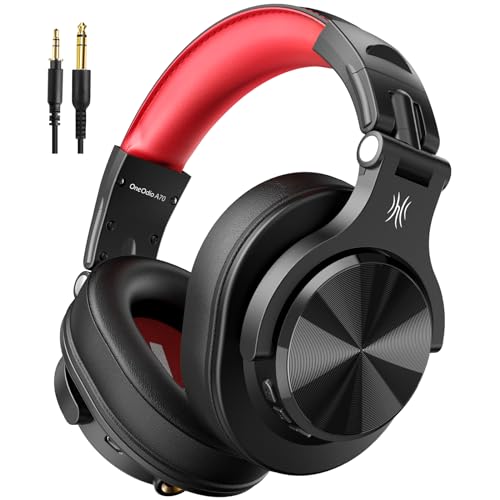
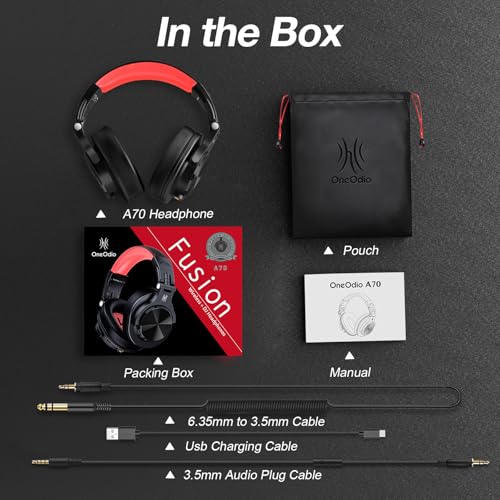
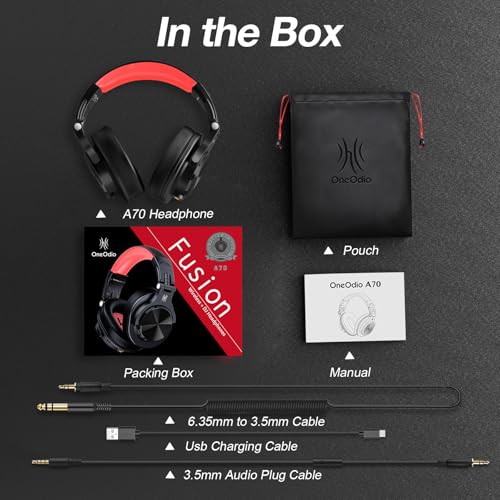
The OneOdio Fusion A70 entered the market as a value-focused option that promises exceptional battery life and versatile connectivity. OneOdio, a relatively newer player in the audio space, designed these headphones for users who want reliable wireless audio without paying premium prices. The "Fusion" name hints at the headphones' dual personality—they work both wirelessly and with professional wired connections.
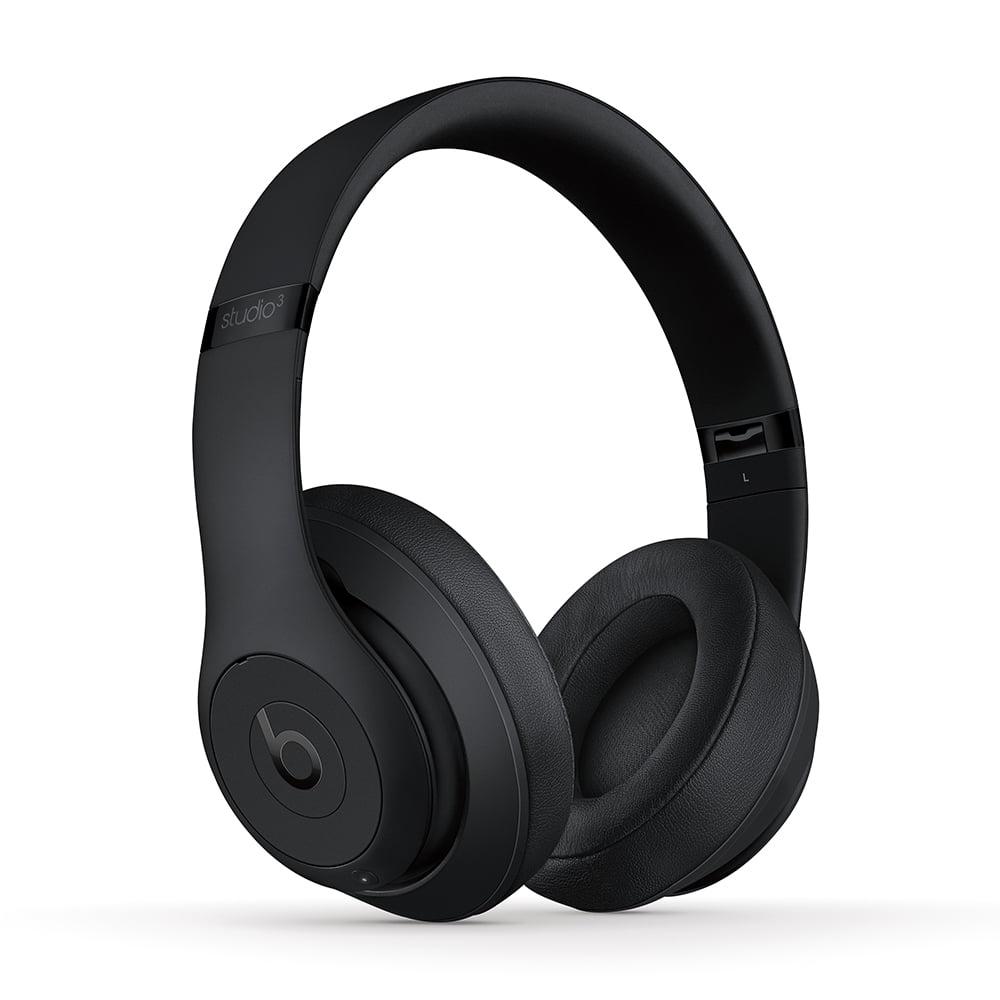
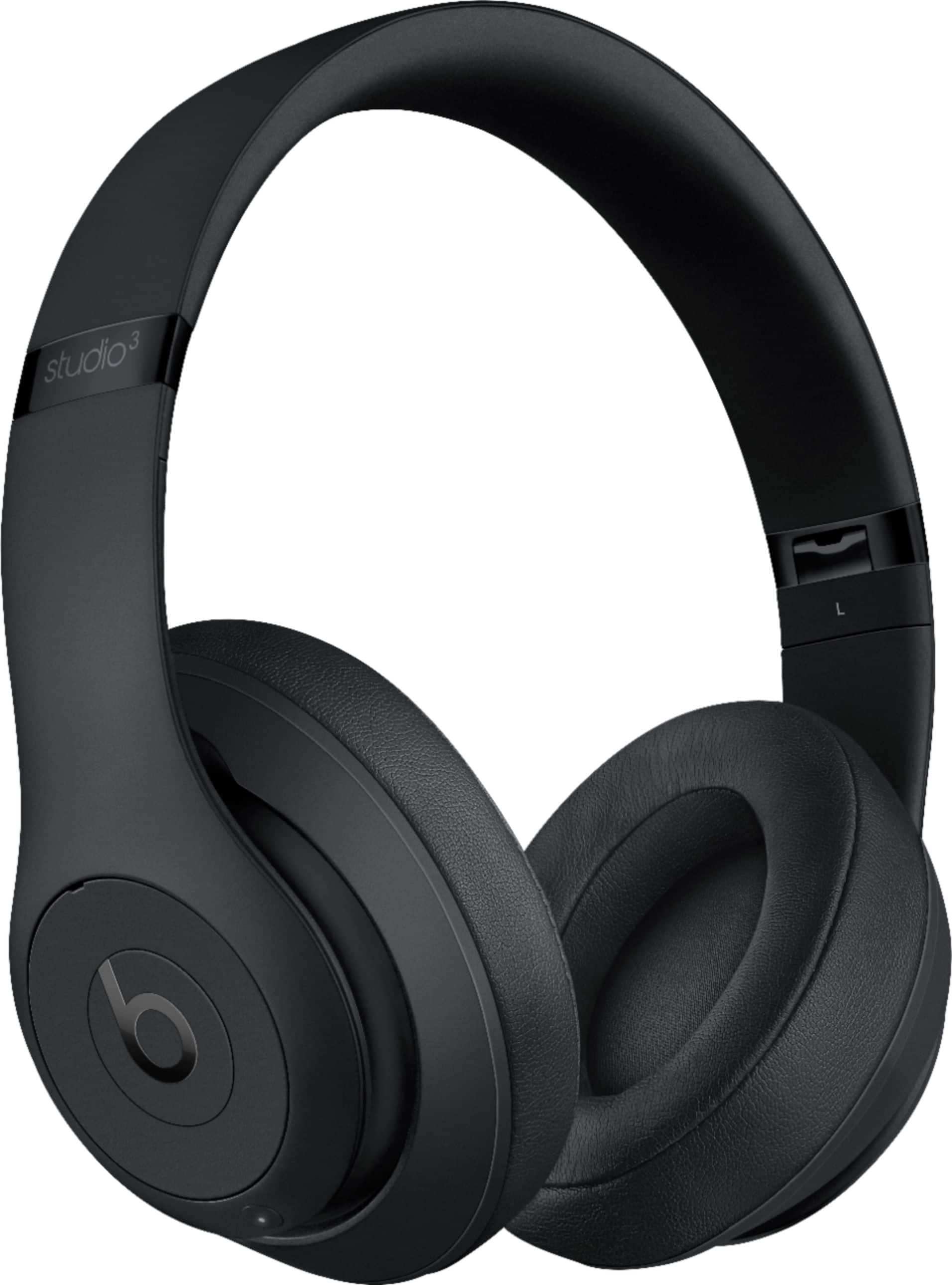
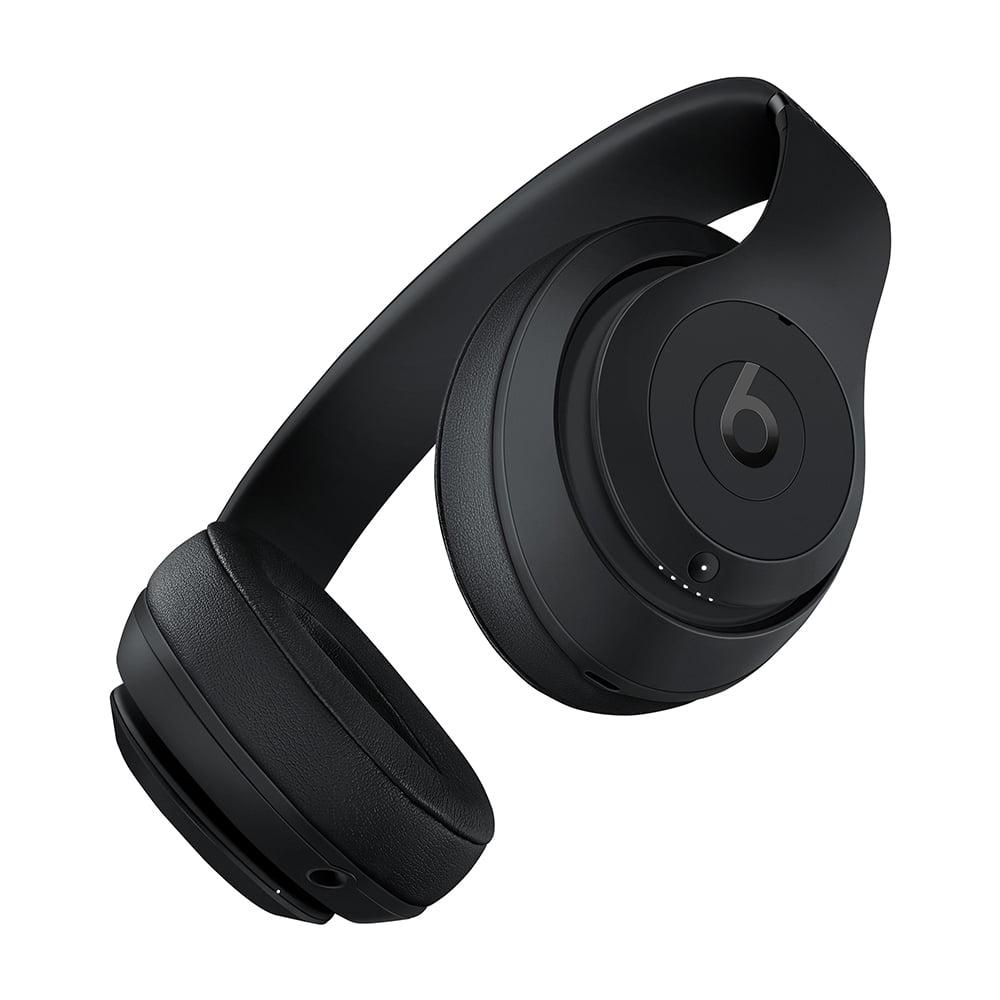
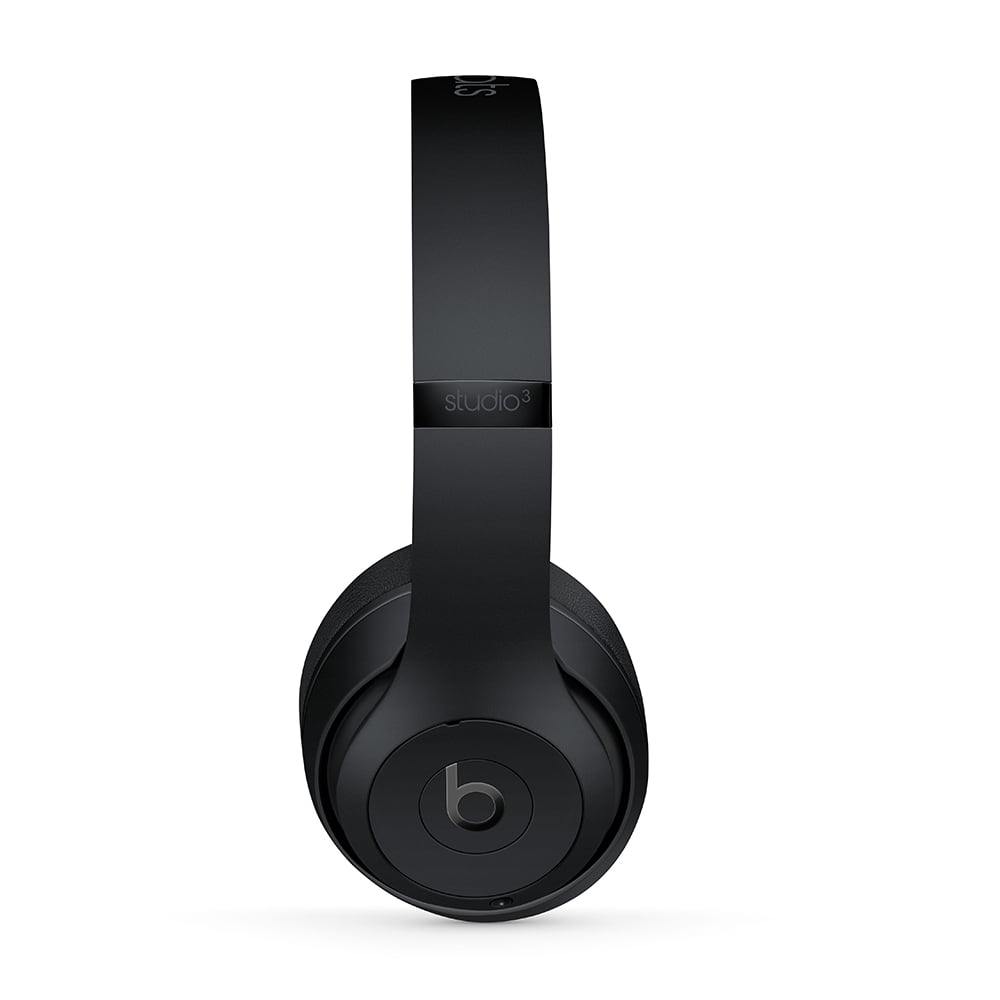
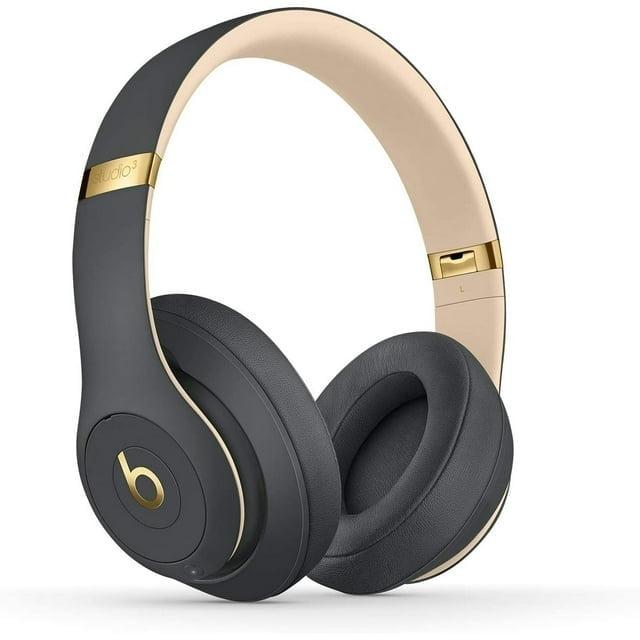
The Beats Studio3 Wireless, released in 2017, represents Apple's premium approach to over-ear headphones following their acquisition of Beats. These headphones marked a significant evolution from earlier Beats models, incorporating Apple's W1 chip technology and refined acoustic tuning that moved away from the extremely bass-heavy signature that once defined the brand.
Since 2017, the headphone landscape has evolved considerably. We've seen improvements in battery technology, better active noise cancellation algorithms, and the introduction of features like spatial audio and adaptive EQ. However, both the OneOdio A70 and Beats Studio3 have remained relevant by focusing on their core strengths.
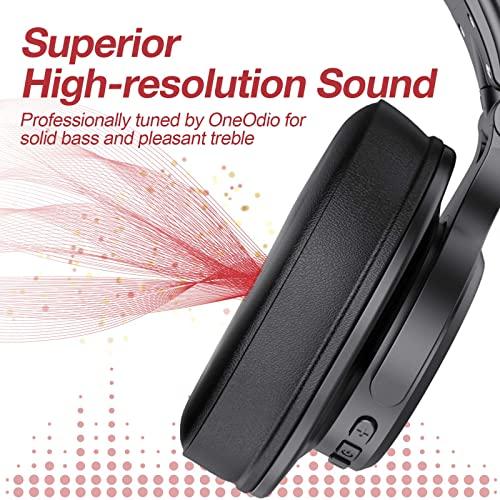
When it comes to sound quality, these headphones couldn't be more different in their approach. The OneOdio Fusion A70 features what audio enthusiasts call a "V-shaped" sound signature. This means the bass frequencies (low notes) and treble frequencies (high notes) are emphasized, while the midrange frequencies (where most vocals sit) are somewhat recessed.
In practical terms, this makes the A70 sound exciting and energetic, especially with genres like electronic dance music, hip-hop, and pop. The bass hits hard and feels impactful, while cymbals and high-frequency details sparkle with presence. However, this tuning comes with trade-offs. Vocals can sound somewhat distant or hollow, and the overall presentation lacks the accuracy needed for critical listening or professional work.
The 40mm drivers in the A70 have a frequency response that extends from 20 Hz to 40,000 Hz—an impressively wide range on paper. However, frequency response numbers don't tell the whole story. The actual implementation favors excitement over accuracy, which means while you'll hear plenty of detail in the bass and treble regions, the midrange where most musical instruments and voices reside doesn't get equal treatment.
The Beats Studio3 Wireless, by contrast, represents a more mature approach to sound tuning. Apple's engineers moved away from the extremely bass-heavy signature of earlier Beats models, creating a warmer but more balanced presentation. The bass is still present and impactful—this is still a Beats product, after all—but it's more controlled and doesn't overwhelm other frequencies.
What impresses me most about the Studio3 is how it maintains the fun, engaging character that Beats is known for while offering better clarity across all frequency ranges. Vocals sound more natural and present, instruments have better separation (meaning you can more easily distinguish individual elements in complex music), and the overall dynamic range—the difference between quiet and loud passages—feels more realistic.
The Studio3's sound works well across multiple genres, from classical music where you need accurate instrument timbre (the unique character of different instruments) to modern pop where you want that engaging, slightly enhanced presentation. It's not perfectly neutral like professional studio monitors, but it's musical and enjoyable for long listening sessions.
This is where the OneOdio Fusion A70 absolutely dominates. With up to 72 hours of playback time, it offers more than three times the battery life of most premium competitors. To put this in perspective, you could use these headphones for several hours every day for nearly two weeks before needing to charge them.
This exceptional battery life comes from a large 650mAh battery combined with efficient Bluetooth 5.2 connectivity and the absence of power-hungry features like active noise cancellation. The A70 charges via USB-C, which is more convenient than the older micro-USB standard, and takes about 2.5 hours for a full charge.
The Beats Studio3 Wireless offers respectable but not exceptional battery performance. With active noise cancellation enabled, you'll get around 22 hours of playback. Turn off the ANC, and that extends to about 40 hours. While this is perfectly adequate for most users, it pales in comparison to the A70's marathon endurance.
However, the Studio3 does include Fast Fuel technology, which gives you about 3 hours of playback from just 10 minutes of charging. This quick-charge feature can be a lifesaver when you're heading out and realize your headphones are dead.
For home theater use, the extended battery life of the A70 could be particularly appealing if you often have long movie or gaming sessions. There's nothing more frustrating than having your headphones die in the middle of an intense action sequence.
Comfort becomes crucial when you're wearing headphones for hours at a time, whether you're working from home, gaming, or enjoying a long flight. Both headphones take different approaches to achieving comfort.
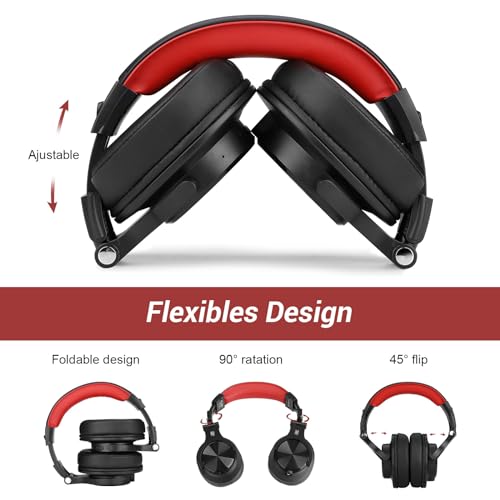
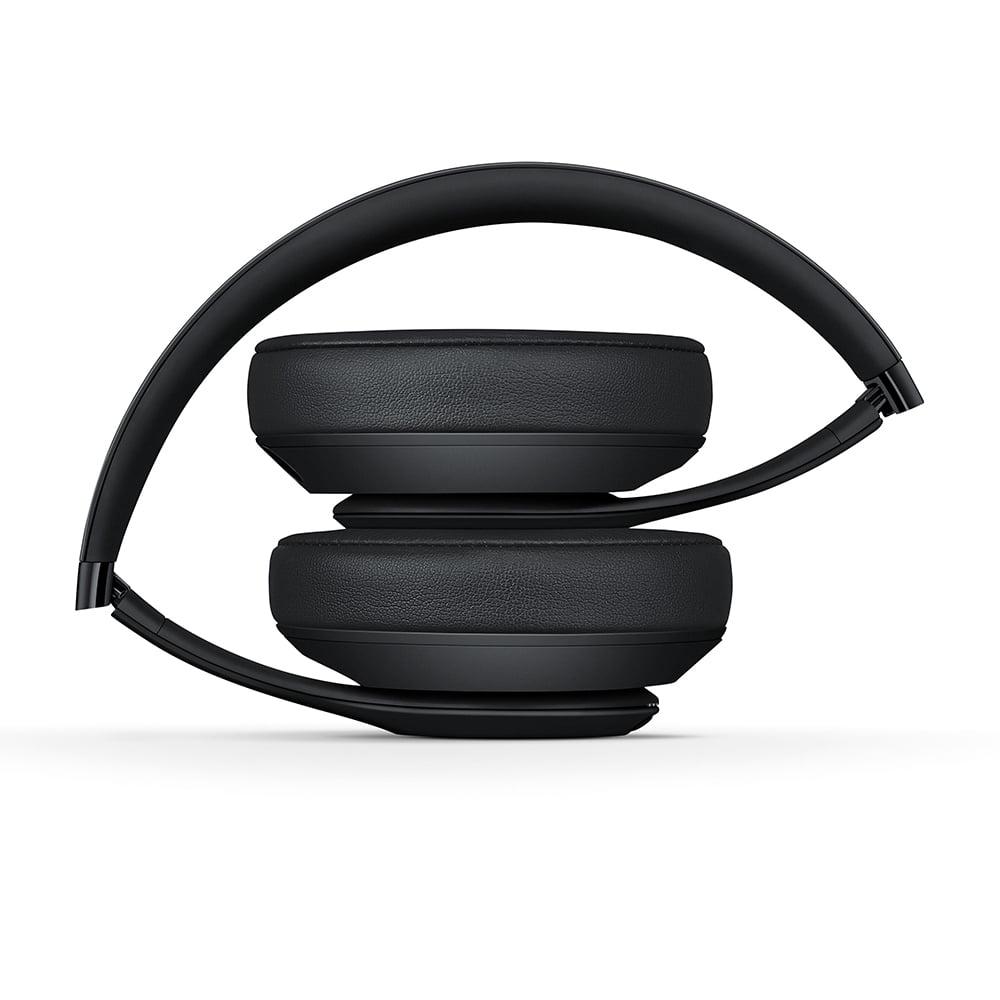
The OneOdio Fusion A70 uses a primarily plastic construction with memory foam ear pads covered in synthetic leather. At 242 grams, they're reasonably lightweight, and the foldable design makes them portable. The ear pads provide decent cushioning, but some users report discomfort after extended wear due to the clamping force and the way the padding distributes pressure.
The build quality feels appropriate for the price point, but you can tell corners were cut to achieve the low cost. The plastic feels sturdy enough for daily use, but it doesn't have the premium feel of more expensive alternatives. The headphones do include a carrying pouch, which is a nice touch at this price level.
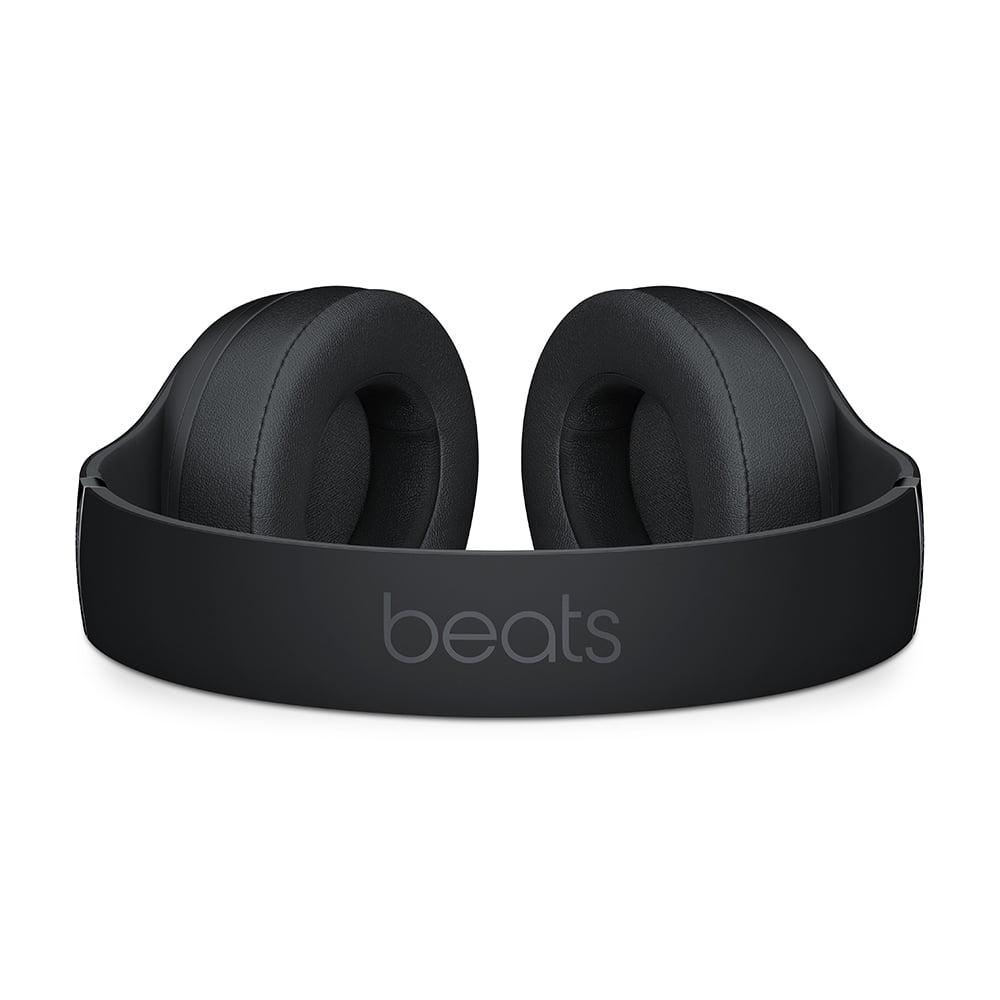
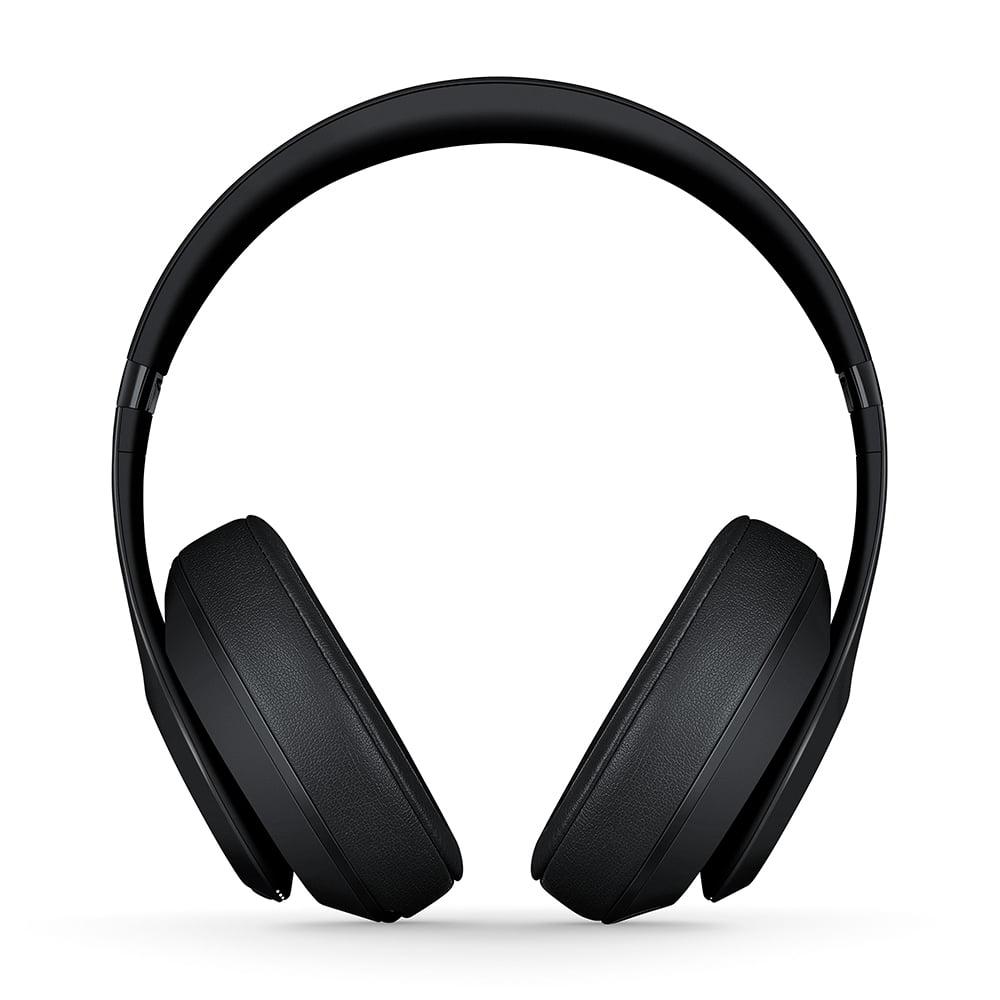
The Beats Studio3 Wireless feels notably more premium in construction and materials. The combination of plastic and metal components creates a more solid feel, and the attention to detail in the design is evident. At 260 grams, they're only slightly heavier than the A70, but the weight is distributed more effectively.
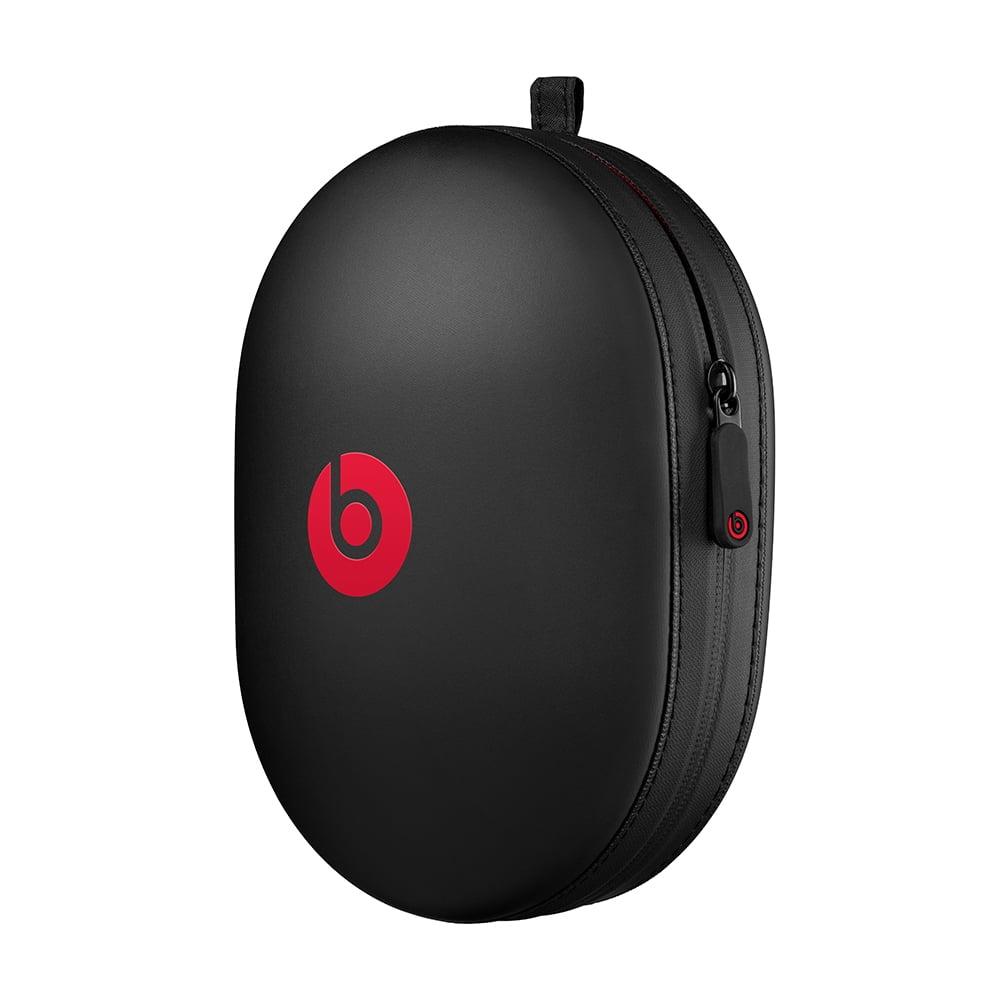
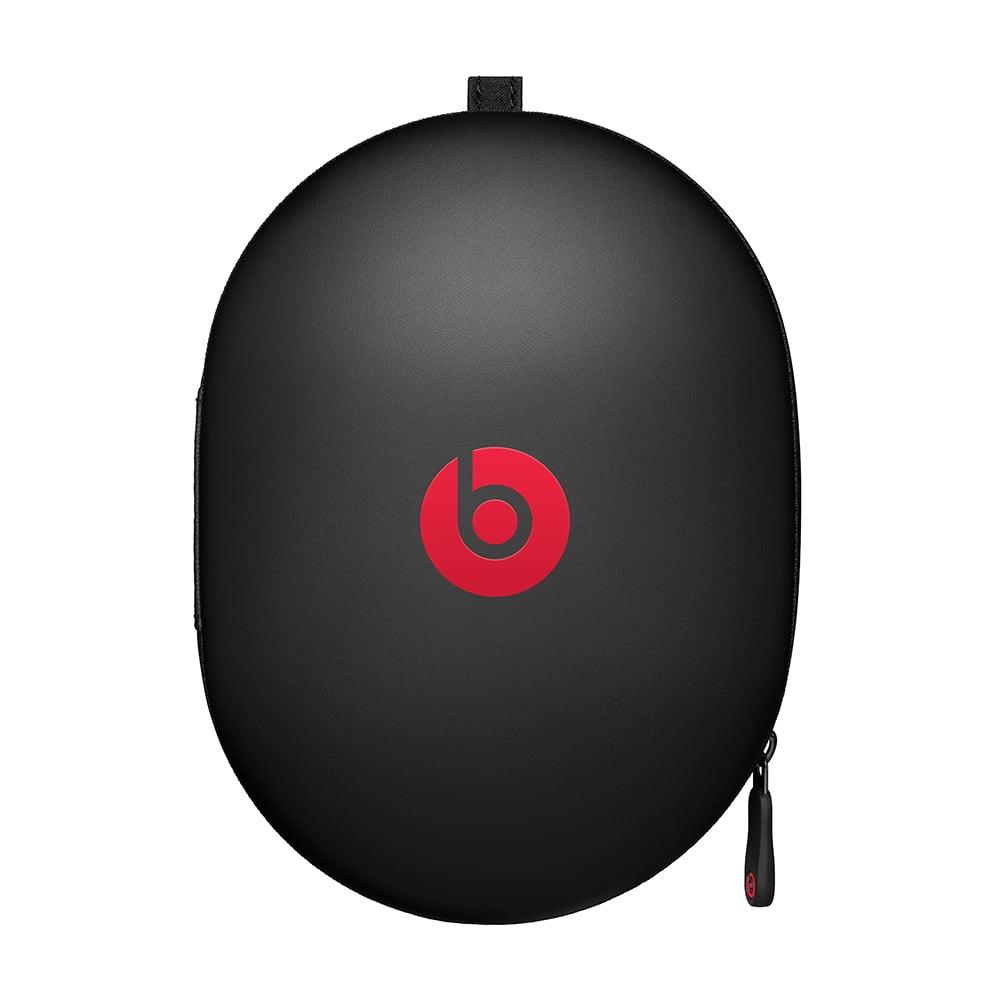
The ear pads on the Studio3 use higher-quality materials and provide better long-term comfort. The cushioning conforms better to your head shape, and the clamping force feels more balanced. The included hard-shell carrying case is another premium touch that protects your investment during travel.
For home theater applications, comfort becomes even more important since you might wear the headphones for entire movies or gaming sessions. In my experience, the Studio3 maintains comfort longer, though individual head shapes and preferences vary.
This represents the most significant functional difference between these headphones. The OneOdio Fusion A70 doesn't include active noise cancellation at all, relying only on passive isolation—the natural sound-blocking that comes from the over-ear design.
Passive isolation can be effective in moderately quiet environments, but it has limitations. It works best at blocking higher-frequency sounds like voices or keyboard typing, but struggles with consistent low-frequency noise like airplane engines, air conditioners, or traffic.
The Beats Studio3 Wireless features what Apple calls Pure Adaptive Noise Canceling (Pure ANC). This system uses built-in microphones to continuously monitor your environment and generates inverse sound waves to cancel out unwanted noise. What makes it "adaptive" is its ability to adjust in real-time based on your environment and how the headphones fit your head.
The Pure ANC system also compensates for sound leakage that might occur due to glasses, hair, or slight movements of the headphones. This real-time calibration helps maintain both noise cancellation effectiveness and audio quality simultaneously.
In practical use, the difference is substantial. The Studio3 can make a noisy coffee shop feel quiet enough for focused work, while the A70 would still let most of that ambient noise through. For home theater use, ANC can be particularly valuable if you live in a noisy environment or have family members who might be moving around the house while you're trying to enjoy a movie.
However, it's worth noting that while the Studio3's ANC is effective, it's not class-leading compared to options from Sony or Bose available at the time of writing. It gets the job done but doesn't create the complete silence bubble that the best ANC headphones can achieve.
Both headphones handle basic Bluetooth connectivity well, but they differ significantly in advanced features. The OneOdio Fusion A70 uses Bluetooth 5.2 and supports both SBC and AAC codecs. SBC is the standard Bluetooth audio codec that works with all devices, while AAC provides better quality, especially with Apple devices.
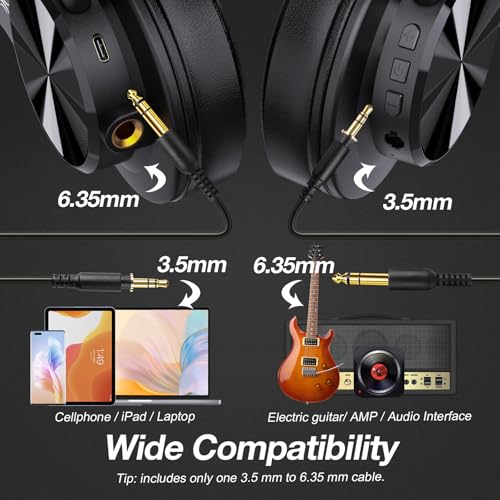
Where the A70 shines is in its wired connectivity options. It includes both 3.5mm and 6.35mm (quarter-inch) connections, making it compatible with professional audio equipment, musical instruments, and DJ mixers. This versatility is rare in wireless headphones and makes the A70 appealing to musicians or anyone who needs to connect to various audio sources.
The A70 also features something called SharePort technology, which lets you connect a second pair of headphones to share audio wirelessly. This daisy-chaining feature is unique and could be useful for couples wanting to watch movies together or parents sharing content with children.
The Beats Studio3 Wireless takes a more sophisticated approach with Apple's W1 chip. This provides seamless pairing with Apple devices—you literally just turn on the headphones near your iPhone, and they connect automatically. The W1 chip also enables automatic switching between devices logged into the same iCloud account, so you can seamlessly move from listening to music on your phone to taking a call on your MacBook.
For non-Apple users, the Studio3 still works perfectly fine as standard Bluetooth headphones, but you miss out on some of the advanced pairing and switching features. The Class 1 Bluetooth implementation provides extended range compared to typical headphones.
Both headphones include basic playback controls and built-in microphones for calls, but the Studio3 integrates better with voice assistants like Siri.
The decision between these headphones ultimately comes down to your priorities and use cases. The OneOdio Fusion A70 makes sense if you're budget-conscious but still want decent wireless headphones with exceptional battery life. They're particularly appealing for students, casual listeners, or anyone who needs the flexibility of both wireless and professional wired connections.
The extreme battery life of the A70 makes them ideal for travelers, especially those taking long flights or going on extended trips where charging opportunities might be limited. The SharePort feature could appeal to couples or families who want to share audio content without splitters or additional equipment.
However, I'd recommend the A70 only if you primarily listen to bass-heavy music genres and don't need accurate sound reproduction. They're fun for EDM, hip-hop, and pop, but they won't do justice to classical music, jazz, or acoustic recordings where midrange accuracy is crucial.
The Beats Studio3 Wireless justifies its higher price point through superior sound quality, active noise cancellation, and premium build materials. They're the better choice if you frequently find yourself in noisy environments, use Apple devices extensively, or simply want a more refined listening experience.
For home theater use, the Studio3 edges ahead due to better comfort, more balanced sound that works well with movie soundtracks, and the noise cancellation that can help you focus on dialogue without cranking the volume. The shorter battery life is less of an issue for home use where you can easily charge between sessions.
The Studio3 also makes more sense if you take frequent calls, as the combination of ANC and better microphone implementation provides clearer communication in noisy environments.
These headphones serve fundamentally different markets, and both succeed in their intended roles. The OneOdio Fusion A70 offers incredible value for users who prioritize battery life and versatility over premium features. At the time of writing, you simply won't find wireless headphones with comparable battery life at this price point.
The Beats Studio3 Wireless, while more expensive, delivers a more complete premium experience. The combination of refined sound, effective ANC, Apple ecosystem integration, and quality construction justifies the higher price for users who want more than just basic wireless audio.
If I had to choose one for general recommendation, I'd lean toward the Beats Studio3 Wireless for most users, assuming the price difference fits within your budget. The superior sound quality and active noise cancellation provide more daily utility than the A70's extended battery life for typical use patterns.
However, if budget is your primary concern or you genuinely need that exceptional battery life, the OneOdio Fusion A70 represents solid value that's hard to match elsewhere in the market. Just understand the compromises you're making in sound quality and features to achieve that price point and battery performance.
| OneOdio Fusion A70 | Beats Studio3 Wireless |
|---|---|
| Battery Life - Critical for travel and long listening sessions | |
| Up to 72 hours (exceptional endurance, charge weekly) | 22 hours with ANC / 40 hours without (solid but typical) |
| Sound Signature - Determines musical enjoyment and accuracy | |
| V-shaped, bass-heavy (fun but colored, poor for vocals) | Warm, balanced (refined Beats sound, works across genres) |
| Active Noise Cancellation - Essential for noisy environments | |
| None (passive isolation only, limited effectiveness) | Pure ANC with real-time adaptation (effective for commuting) |
| Weight - Affects comfort during extended wear | |
| 242g (lighter but can feel less premium) | 260g (slightly heavier but better weight distribution) |
| Connectivity Options - Flexibility for different devices | |
| Bluetooth 5.2 + 3.5mm + 6.35mm wired (versatile for pro audio) | Bluetooth + 3.5mm wired + Apple W1 chip (seamless Apple integration) |
| Driver Size - Impacts sound quality potential | |
| 40mm dynamic drivers (adequate for price point) | 40mm dynamic drivers (better tuning and materials) |
| Charging Method - Convenience and future-proofing | |
| USB-C (modern standard, faster charging) | Micro-USB (older standard but includes Fast Fuel quick charge) |
| Build Materials - Durability and premium feel | |
| Mostly plastic with memory foam pads (functional but basic) | Premium plastic/metal construction (more durable and refined) |
| Smart Features - Modern convenience and integration | |
| SharePort audio sharing, basic controls | Apple ecosystem integration, automatic device switching |
| Frequency Response - Audio reproduction range | |
| 20Hz - 40,000Hz (wide range but V-shaped tuning) | 20Hz - 20,000Hz (standard range but better balanced) |
| Carrying Case - Protection and portability | |
| Soft carrying pouch (basic protection) | Hard-shell case (superior protection for travel) |
| Target Use Case - Who benefits most from each option | |
| Budget-conscious users, long travel, bass lovers | Apple users, commuters, balanced sound preference |
The Beats Studio3 Wireless offers superior sound quality with a more balanced, refined audio signature. While the OneOdio Fusion A70 delivers fun, bass-heavy sound that works well for EDM and hip-hop, the Beats Studio3 provides better clarity across all frequencies, more natural vocals, and improved instrument separation that works across multiple music genres.
The OneOdio Fusion A70 dramatically outperforms with up to 72 hours of battery life, making it exceptional for long trips and extended use. The Beats Studio3 Wireless provides 22 hours with active noise cancellation on or 40 hours with ANC off. While the Studio3 includes fast charging that gives 3 hours of playback from 10 minutes of charging, the A70 simply lasts much longer overall.
No, only the Beats Studio3 Wireless features active noise cancellation with Pure ANC technology that adapts to your environment in real-time. The OneOdio Fusion A70 relies solely on passive noise isolation from its over-ear design, which is less effective at blocking consistent background noise like air conditioning or traffic.
The Beats Studio3 Wireless generally provides better long-term comfort with superior materials, better weight distribution, and higher-quality ear cushions. While the OneOdio A70 is slightly lighter at 242g versus 260g, the Studio3 distributes its weight more effectively and uses more comfortable padding materials for extended wear.
For working from home, the Beats Studio3 Wireless is the better choice due to its active noise cancellation that helps block out household distractions, better microphone for video calls, and more balanced sound for both music and spoken content. The OneOdio Fusion A70 could work well if you're in a quiet environment and prioritize the exceptional battery life for all-day use.
The Beats Studio3 Wireless excels with Apple devices thanks to the W1 chip that enables seamless pairing, automatic device switching between iCloud-connected devices, and optimized performance. While the OneOdio Fusion A70 works perfectly fine with Apple devices via standard Bluetooth, it lacks the advanced integration features of the Studio3.
The OneOdio Fusion A70 offers superior professional connectivity with both 3.5mm and 6.35mm (quarter-inch) wired connections, making it compatible with DJ mixers, audio interfaces, and musical instruments. The Beats Studio3 Wireless only includes a standard 3.5mm connection, limiting its professional audio applications compared to the A70.
For gaming and home theater use, the Beats Studio3 Wireless is generally superior due to its more balanced sound signature that better reproduces dialogue and sound effects, plus the active noise cancellation helps you focus on audio content. The OneOdio A70 could work well for single-player gaming where the bass-heavy signature adds excitement, and its exceptional battery life means fewer charging interruptions during long gaming sessions.
The Beats Studio3 Wireless provides better call quality with superior microphone implementation and active noise cancellation that helps reduce background noise during conversations. While the OneOdio Fusion A70 includes a built-in microphone, the Studio3 offers clearer voice transmission and better noise rejection for professional calls.
This depends on your priorities. The OneOdio Fusion A70 offers exceptional value if you prioritize battery life and basic wireless functionality at a budget-friendly price point. The Beats Studio3 Wireless provides better overall value if you want premium features like active noise cancellation, superior sound quality, and Apple integration, justifying its higher cost with more refined performance.
Both headphones are suitable for daily use, but the Beats Studio3 Wireless features more premium construction with better materials and attention to detail. The OneOdio A70 uses primarily plastic construction that's adequate for the price but feels less robust. The Studio3 also includes a hard-shell carrying case for better protection during transport.
For travel, your choice depends on priorities. Choose the OneOdio Fusion A70 if you want maximum battery life to avoid charging during long trips and don't mind missing active noise cancellation. Select the Beats Studio3 Wireless if you frequently travel by plane or train where the active noise cancellation becomes valuable for blocking engine noise and creating a more peaceful listening environment.
We've done our best to create useful and informative comparisons to help you decide what product to buy. Our research uses advanced automated methods to create this comparison and perfection is not possible - please contact us for corrections or questions. These are the sites we've researched in the creation of this article: audiostance.com - attackmagazine.com - soundphilereview.com - versus.com - homestudiobasics.com - versus.com - audiofool.reviews - e-catalog.com - whatgear.net - e-catalog.com - thomannmusic.com - audioreviews.org - oneodio.com - wepc.com - seriousinsights.net - oneodio.com - oneodio.com - audioreputation.com - manuals.plus - newegg.com - musicbliss.com.my - walmart.com - techradar.com - recordingnow.com - rtings.com - soundguys.com - recordingnow.com - recordingnow.com - soundguys.com - soundguys.com - youtube.com - rtings.com - gsmarena.com - bhphotovideo.com - headphonecheck.com - themasterswitch.com - walmart.com - rentacenter.com - discussions.apple.com - beatsbydre.com - bestbuy.com - walmart.com - youtube.com - youtube.com

Privacy Policy
Terms and Conditions - Affiliate Policy
Home Security
© Copyright 2008-2026.
11816 Inwood Rd #1211, Dallas, TX 75244