


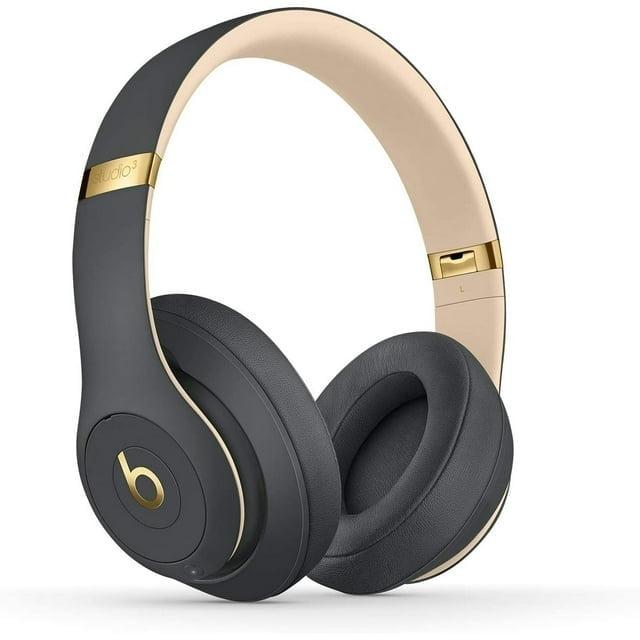
Finding the perfect pair of premium noise-cancelling headphones can feel overwhelming, especially when you're comparing two well-known brands with different philosophies. Today, I'm diving deep into the Marshall Monitor II ANC and Beats Studio3 Wireless to help you understand which might be the better choice for your specific needs.
Both headphones sit in the premium active noise-cancelling (ANC) category, but they approach the challenge of delivering great sound and blocking unwanted noise in distinctly different ways. Understanding these differences will help you make a more informed decision about which pair deserves your hard-earned money.
Before we compare these specific models, let's talk about what makes premium ANC headphones special. These aren't just regular headphones with wireless connectivity thrown in – they're sophisticated audio devices designed to serve multiple purposes.
Active noise cancellation works by using tiny microphones to detect ambient sound, then generating inverse sound waves to cancel out that noise. Think of it like creating the perfect opposite of unwanted sound – when done well, it's almost magical how much background noise simply disappears.
The key areas that separate good ANC headphones from great ones include sound quality (how accurately they reproduce music), noise cancellation effectiveness (how well they block environmental noise), battery life (crucial since both features require power), comfort for long listening sessions, build quality, and how well they integrate with your existing devices.
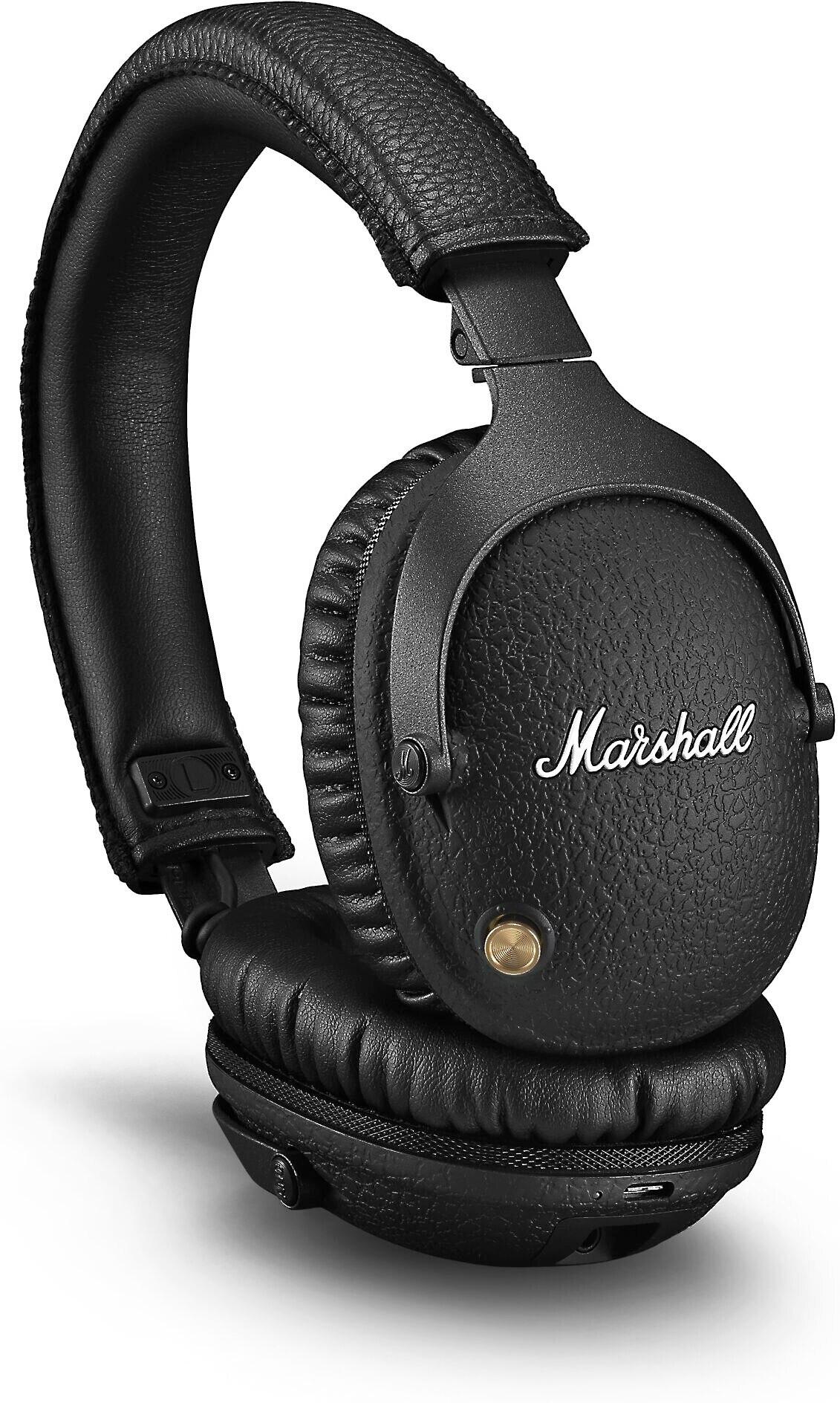
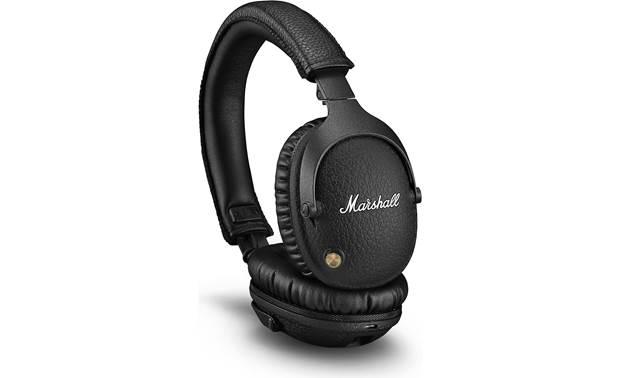
The Marshall Monitor II ANC represents Marshall's entry into the premium ANC space, bringing the British company's legendary rock-and-roll heritage to modern wireless technology. Released in 2020, these headphones showcase Marshall's signature design aesthetic while incorporating contemporary features like customizable noise cancellation and extensive battery life.
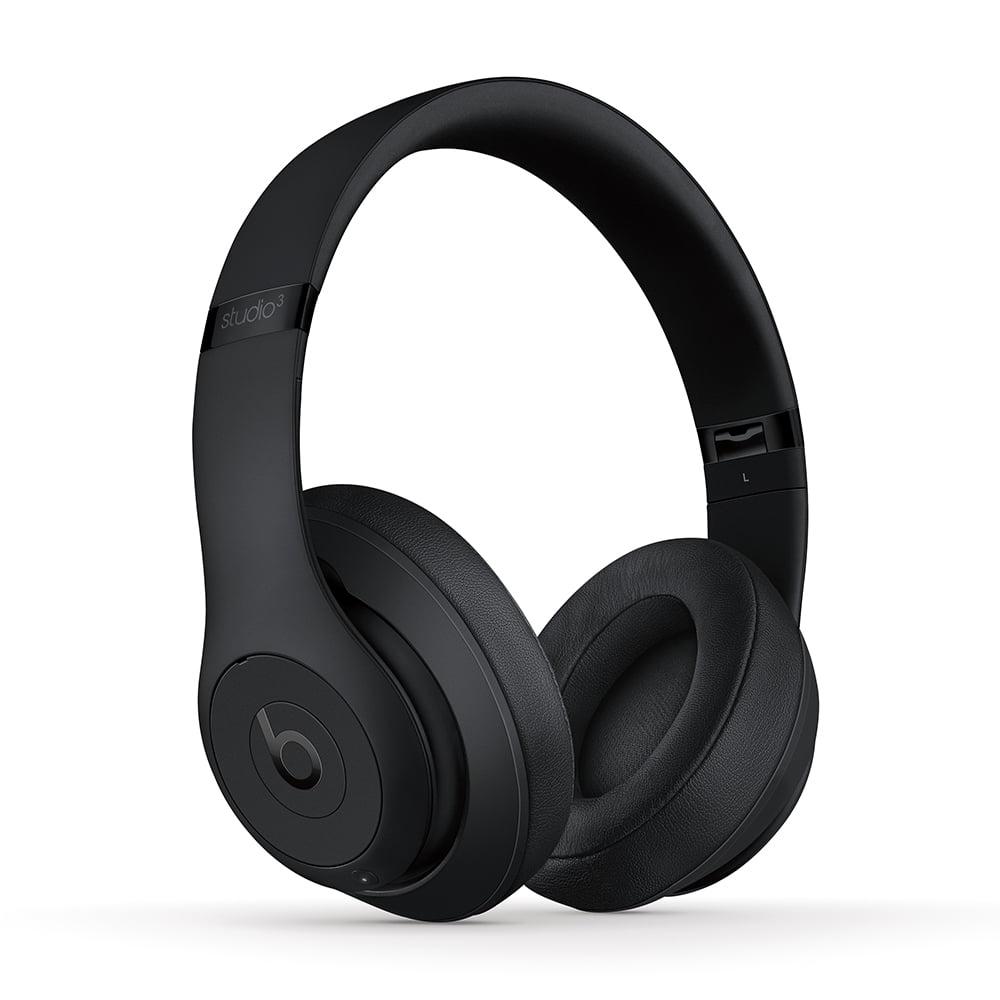
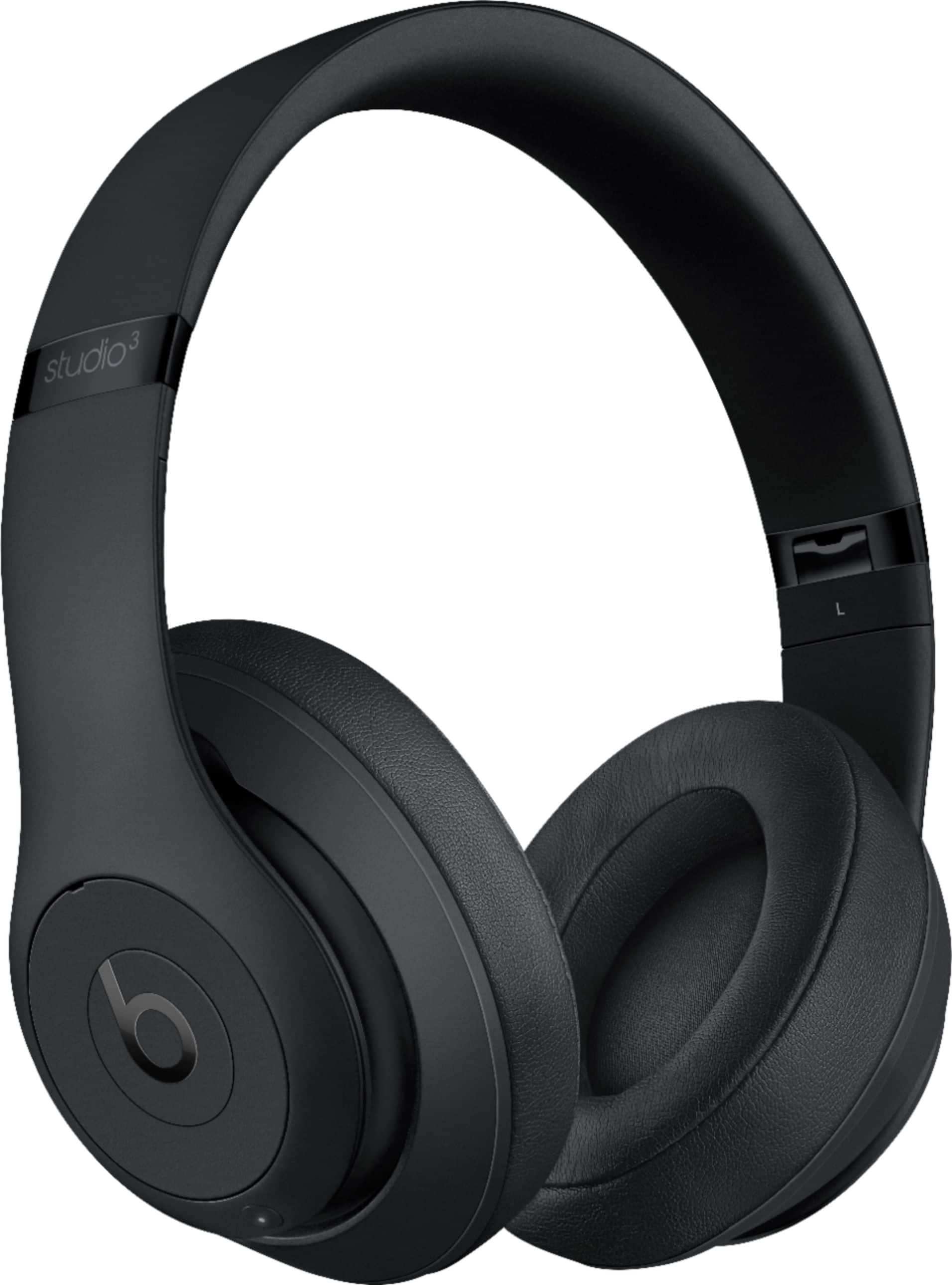
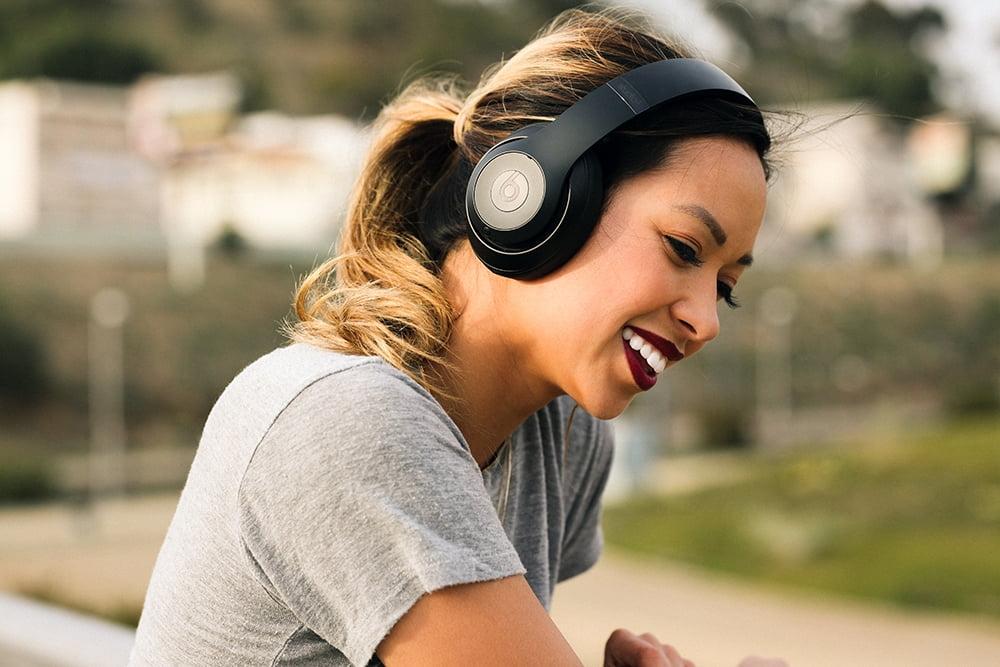
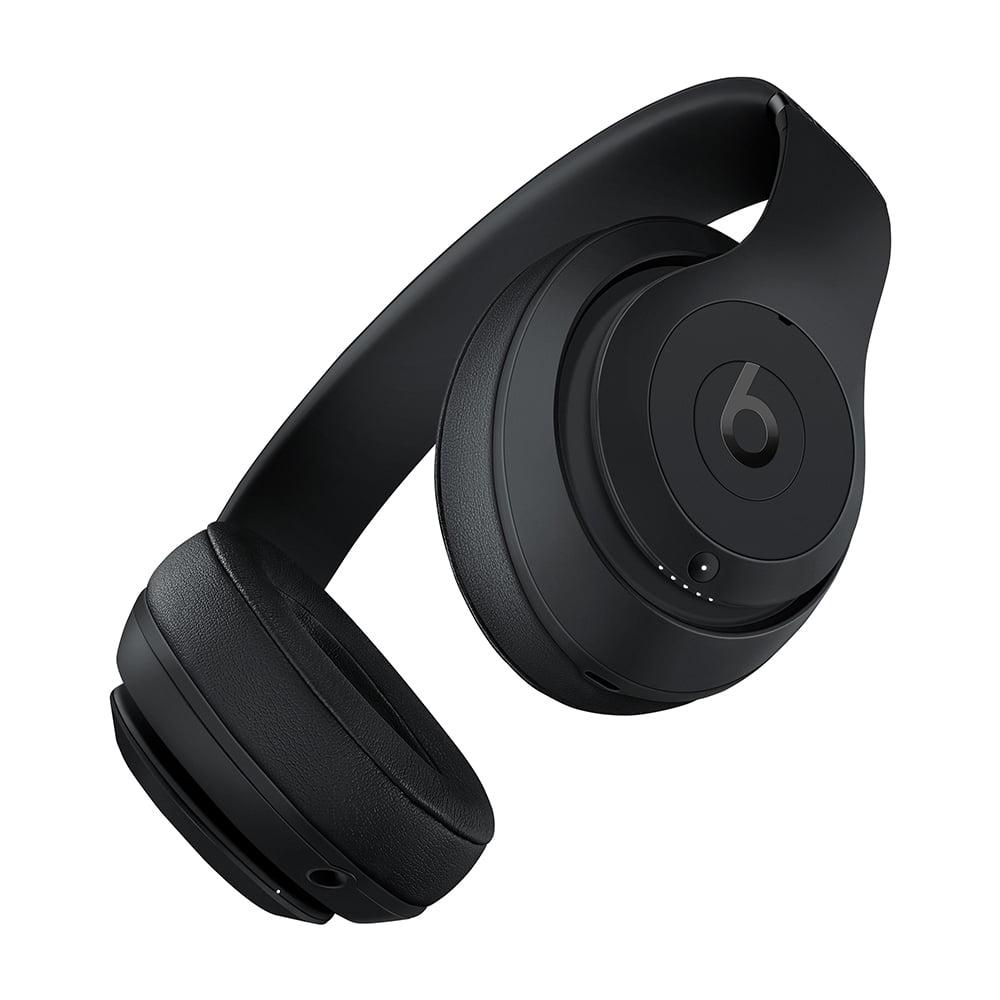
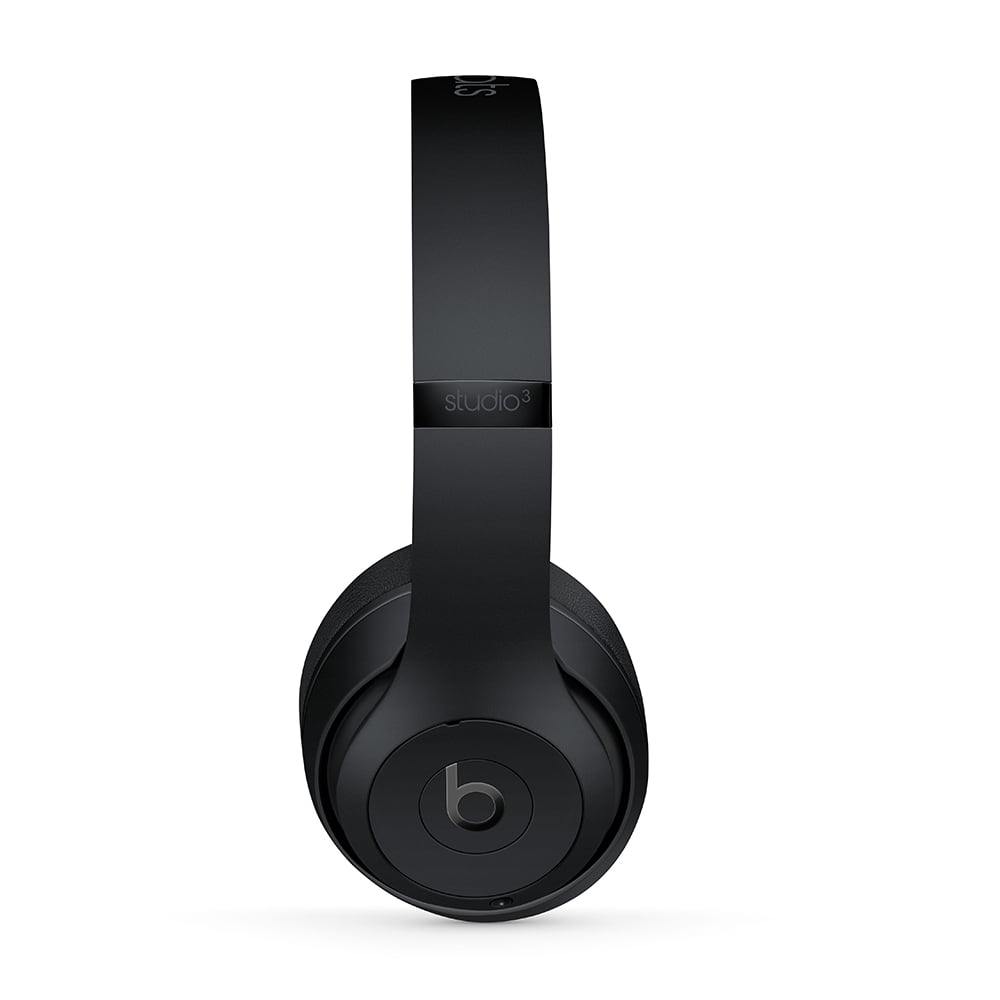
The Beats Studio3 Wireless, launched in 2017, marked a significant evolution for the Apple-owned brand. Rather than just focusing on bass-heavy sound signatures that characterized earlier Beats models, these headphones emphasized ecosystem integration and adaptive noise cancelling technology.
When it comes to audio performance, the differences between these headphones become immediately apparent. The Marshall Monitor II ANC delivers what I'd describe as a more mature, balanced sound that stays true to Marshall's amplifier heritage. The 40mm custom-tuned drivers produce a warm, engaging sound with particularly impressive midrange performance – perfect for guitar-driven music, vocals, and rock genres that Marshall knows so well.
What sets the Marshall apart is its customizable EQ system. Using the companion app, you can adjust the sound signature to match your preferences, and the physical M-button on the headphones lets you cycle between three preset sound profiles. This level of customization means the headphones can adapt to different music genres throughout your day.
The Beats Studio3 Wireless, on the other hand, takes a more fixed approach to sound tuning. While these headphones have moved away from the excessively bass-heavy signature of earlier Beats models, they still emphasize the lower frequencies in a way that can sometimes make male vocals sound muddy or unclear. The treble response (high frequencies) tends to be recessed, which can make some music sound less crisp or detailed than it should.
From my experience testing both, the Marshall headphones simply sound more engaging and accurate across a wider variety of music. The difference becomes especially noticeable with acoustic music, classical pieces, or anything with complex vocal arrangements.
Both headphones feature active noise cancellation, but they implement it quite differently. The Marshall Monitor II ANC offers 10 adjustable levels of noise cancellation through its app, plus a transparency mode that lets important ambient sounds through when needed. This granular control means you can fine-tune the ANC intensity based on your environment – lighter cancellation for a quiet office, maximum blocking for airplane travel.
The Beats Studio3 Wireless uses what Apple calls "Pure Adaptive Noise Cancelling," which automatically adjusts based on your environment and how the headphones fit on your head. The system uses real-time audio calibration to optimize performance, which sounds sophisticated in theory but offers less user control in practice.
In real-world testing, the Marshall Monitor II ANC provides more effective noise cancellation overall. The combination of good passive isolation (from the ear cup design) and customizable active cancellation makes them particularly effective for travel and noisy work environments. The transparency mode is also more natural-sounding than many competitors.
This is where the Marshall Monitor II ANC really shines. With up to 45 hours of playback when using Bluetooth without ANC, or 30 hours with noise cancellation enabled, these headphones can easily handle a full work week without needing a charge. The quick charge feature provides 5 hours of playback from just 15 minutes of charging via the modern USB-C port.
The Beats Studio3 Wireless offers respectable but shorter battery life: 40 hours without ANC or 22 hours with noise cancellation active. While this is still plenty for most users, the 8-hour difference with ANC enabled could matter for frequent travelers or heavy daily users. The Beats also still use the older micro-USB charging standard, which feels dated in 2024.
Both headphones include fast charging features, but the Marshall's longer overall battery life gives it a clear advantage for users who prefer to charge less frequently.
Here's where things get interesting, and where your choice of smartphone and other devices might influence your decision. The Beats Studio3 Wireless includes Apple's W1 chip, which provides seamless connectivity across Apple devices. If you own an iPhone, iPad, and Mac, the Beats headphones will automatically sync across all your devices – switch from your phone to your laptop, and the audio follows without any manual Bluetooth pairing.
The Marshall Monitor II ANC uses standard Bluetooth 5.0, which offers excellent stability and range but doesn't have the same ecosystem magic as the W1 chip. However, this also means the Marshall headphones work equally well with Android, Windows, and any other Bluetooth-enabled device without favoring one ecosystem over another.
One technical limitation of the Marshall headphones is their codec support – they only support the basic SBC Bluetooth codec, lacking support for higher-quality options like aptX or AAC. This can result in slight audio delay when watching videos and prevents you from taking full advantage of high-resolution streaming services over Bluetooth.
The Marshall Monitor II ANC embraces the iconic Marshall aesthetic with textured black vinyl, brass accents, and that unmistakable white logo. At 320 grams, they're slightly heavier than the Beats, and the clamping force is a bit firm – some users need an adjustment period to get used to the fit. However, the build quality feels premium with metal hinges and substantial padding.
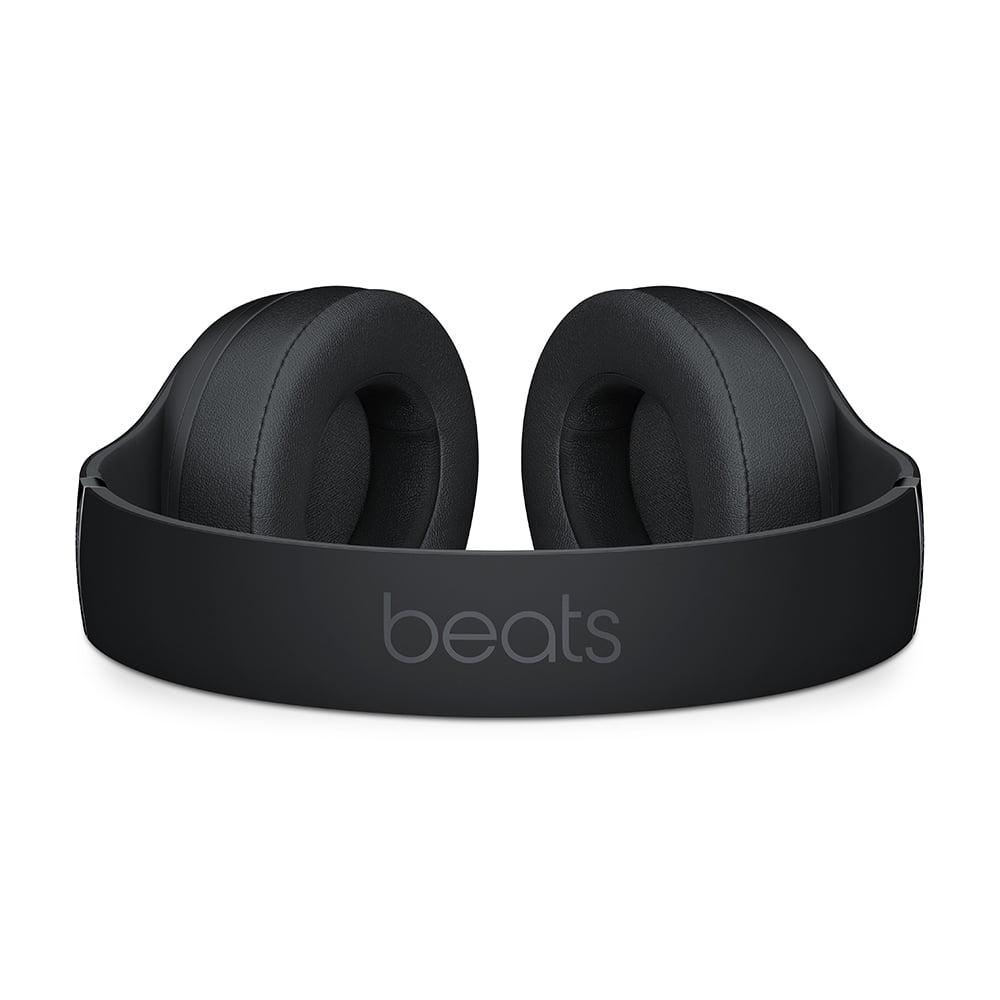
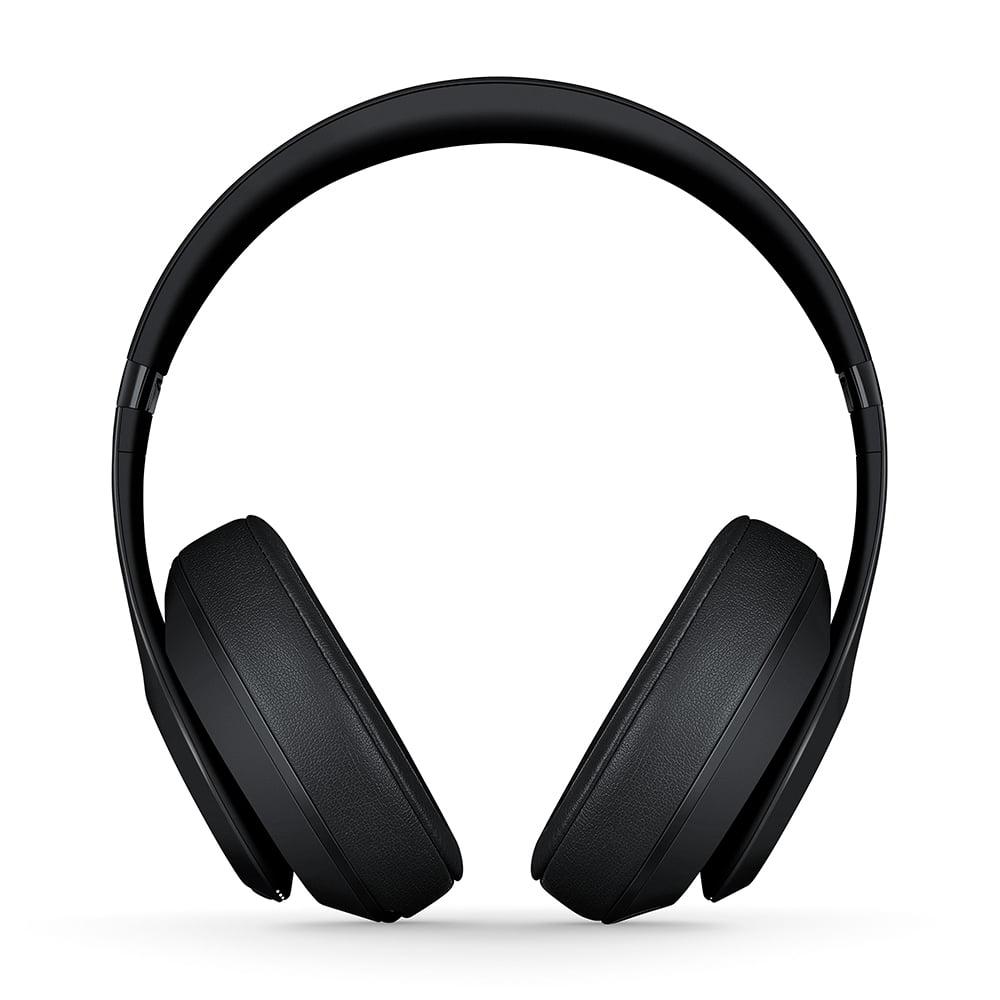
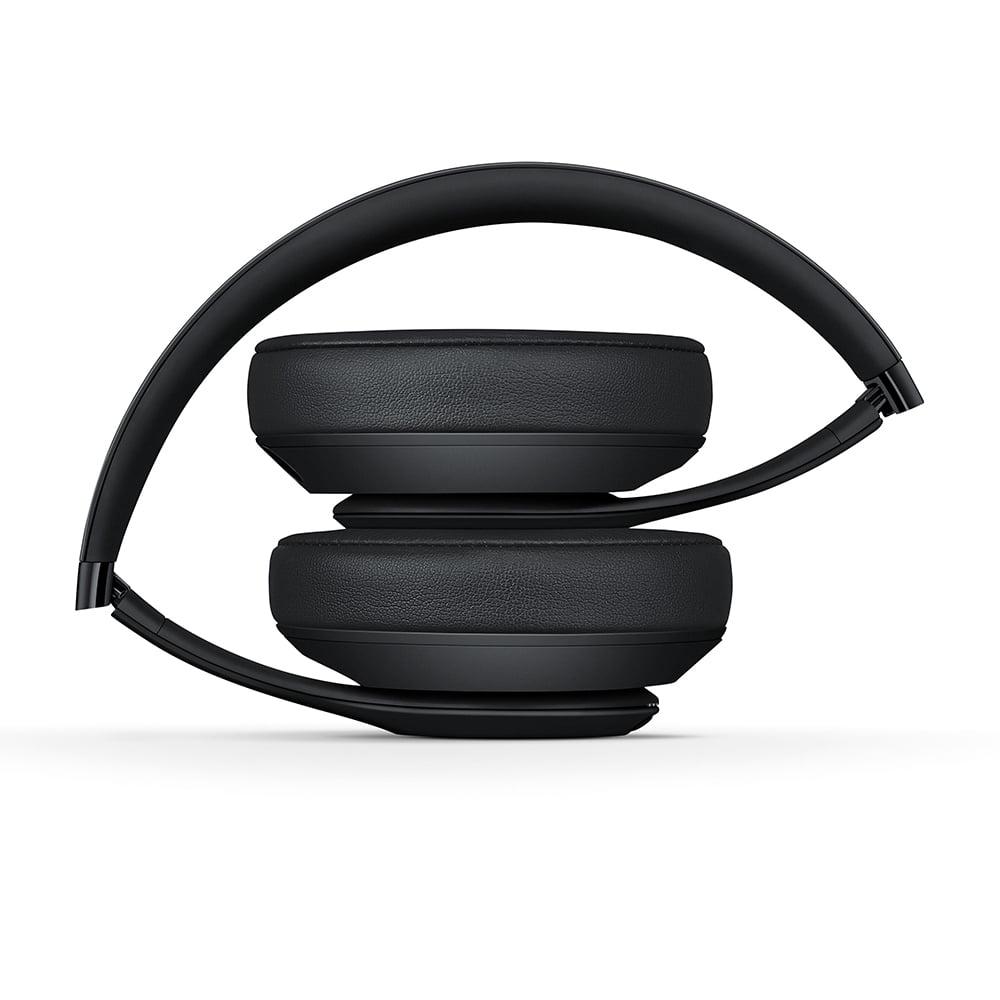
The Beats Studio3 Wireless takes a more modern, minimalist approach to design. At 260 grams, they're noticeably lighter and generally more comfortable for extended listening sessions. The ear cushions are particularly well-designed for long-term comfort, though some users have reported durability concerns with the somewhat rigid headband design over time.
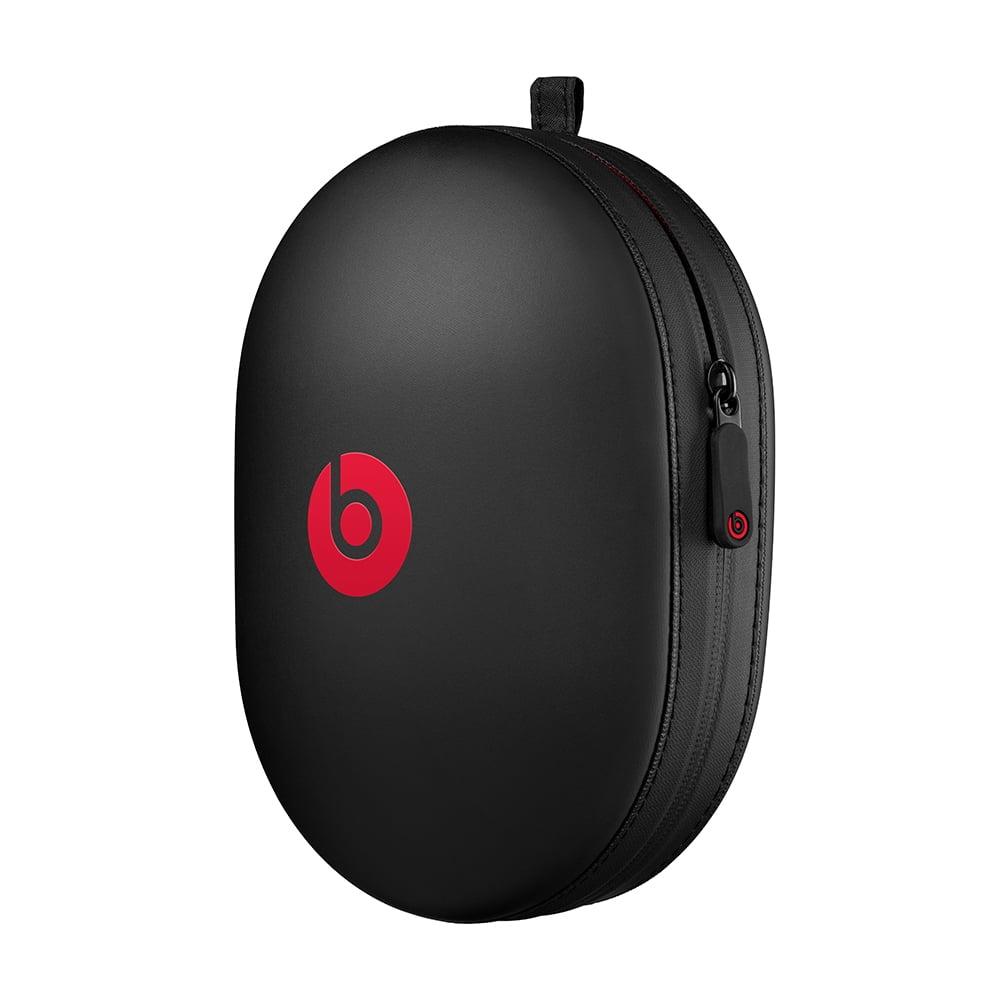
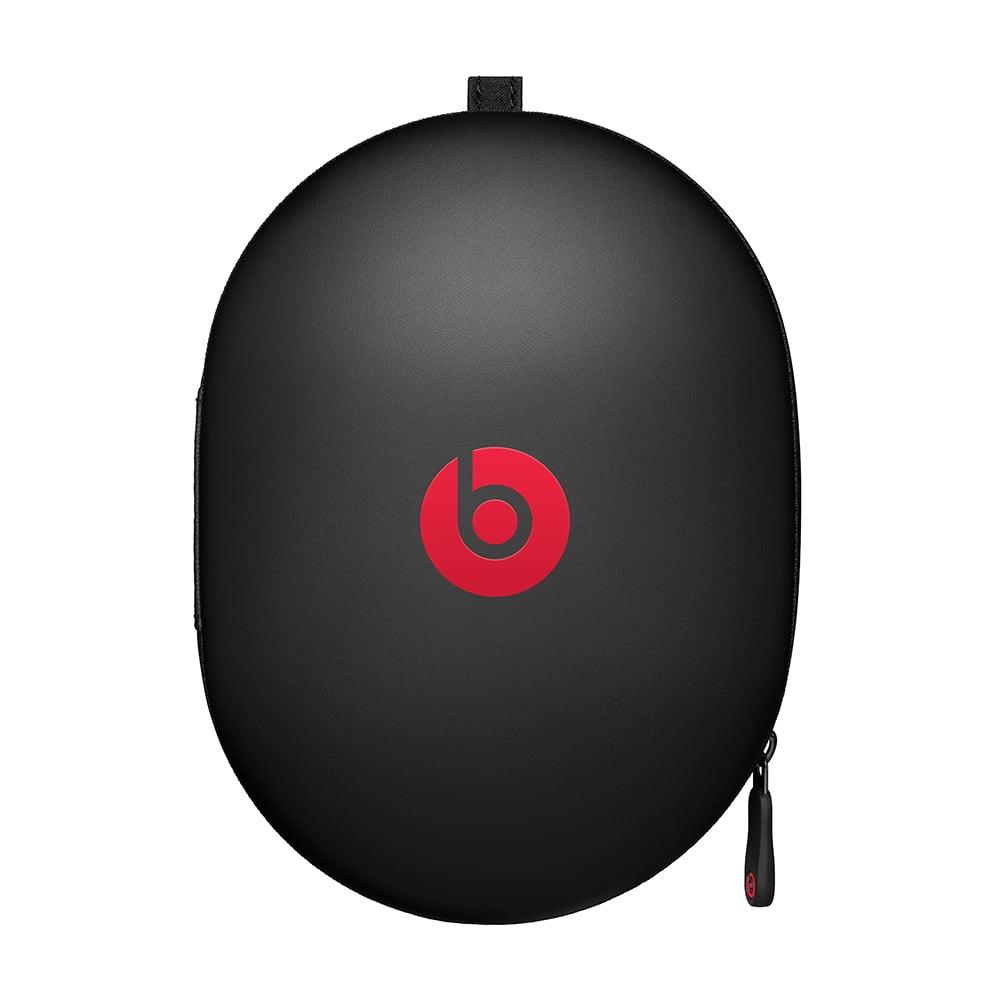
Both headphones fold for portability and come with carrying cases, making them practical travel companions.
The Marshall Monitor II ANC features a unique multi-directional control knob that handles playback, volume, and call management with satisfying tactile feedback. The dedicated ANC button and customizable M-button (which can trigger voice assistants or cycle through EQ presets) provide comprehensive control without reaching for your phone.
The Beats Studio3 Wireless uses more conventional button controls but integrates deeply with Siri and other voice assistants. The Pure ANC system automatically adapts to your environment without manual intervention, which some users prefer for its simplicity.
For home theater use, both headphones can connect to your TV or streaming device via Bluetooth, though you'll want to check for audio delay (latency) depending on your specific setup. The Marshall Monitor II ANC might experience slight delay due to its limited codec support, while the Beats Studio3 Wireless generally performs better for video content, especially when used with Apple TV or other Apple devices.
Both headphones include 3.5mm audio jacks for wired connection, which eliminates any latency issues and can be useful for gaming or when the battery runs low.
At the time of writing, the Marshall Monitor II ANC typically costs somewhat less than the Beats Studio3 Wireless, making it the more affordable option. When you consider the longer battery life, superior sound quality, and customizable features, the Marshall headphones offer excellent value for money.
The Beats Studio3 Wireless, while more expensive, provides value through its seamless Apple ecosystem integration and proven comfort for extended use. If you're heavily invested in Apple devices and prioritize convenience over absolute audio performance, the premium might be justified.
However, it's worth noting that since the Beats Studio3 was released in 2017, it's showing its age compared to more recent competitors. The technology and features feel less advanced than what you'll find in the 2020-released Marshall Monitor II ANC.
Choose the Marshall Monitor II ANC if you prioritize sound quality, want customizable audio settings, use devices from multiple ecosystems, or need maximum battery life. These headphones are ideal for serious music listeners, frequent travelers, and anyone who appreciates having control over their audio experience. The authentic Marshall heritage and rock-solid build quality make them a compelling choice for audio enthusiasts.
Go with the Beats Studio3 Wireless if you're deeply integrated into the Apple ecosystem, prioritize comfort above all else, or prefer simplicity over customization. They're perfect for casual listeners who want good ANC headphones that work effortlessly with their Apple devices without any fuss or configuration.
Both headphones succeed in their respective approaches, but they serve different types of users. The Marshall Monitor II ANC appeals to those who want the best possible audio performance and customization options at a reasonable price. The Beats Studio3 Wireless excels at providing a seamless, comfortable experience for Apple users who value convenience and ecosystem integration.
For pure audio performance per dollar spent, the Marshall headphones win decisively. For overall user experience within Apple's ecosystem, the Beats remain competitive despite their age. Your choice ultimately depends on whether you prioritize technical performance or seamless integration with your existing devices.
Having tested both extensively, I find myself reaching for the Marshall Monitor II ANC more often due to their superior sound quality and longer battery life. However, I completely understand why someone with multiple Apple devices might prefer the effortless connectivity of the Beats Studio3 Wireless.
Whichever you choose, both represent solid entries in the premium ANC headphone category, each with distinct strengths that cater to different listening preferences and usage patterns.
| Marshall Monitor II ANC Headphones | Beats Studio3 Wireless Over-Ear Headphones |
|---|---|
| Battery Life with ANC - Critical for daily use without frequent charging | |
| 30 hours (ANC on), 45 hours (ANC off) | 22 hours (ANC on), 40 hours (ANC off) |
| Sound Quality - Most important factor for music enjoyment | |
| Balanced Marshall signature sound with customizable EQ | Bass-forward with muddy mids, no EQ customization |
| Active Noise Cancellation - Essential for blocking environmental noise | |
| 10 adjustable levels plus transparency mode | Pure Adaptive ANC with automatic adjustment |
| Weight - Affects comfort during extended listening | |
| 320g (slightly heavier but sturdy build) | 260g (lighter, better for all-day wear) |
| Bluetooth Technology - Impacts connection stability and device compatibility | |
| Bluetooth 5.0 (universal compatibility, SBC codec only) | W1 chip + Bluetooth (seamless Apple integration, AAC support) |
| Charging Port - Convenience and future-proofing consideration | |
| USB-C (modern standard, faster charging) | Micro-USB (outdated, slower charging) |
| Quick Charge Feature - Important for users always on-the-go | |
| 15 minutes = 5 hours playback | 10 minutes = 3 hours playback |
| Audio Drivers - Technical foundation for sound reproduction | |
| 40mm custom-tuned dynamic drivers | Dynamic drivers with adaptive tuning |
| Physical Controls - User experience and convenience factor | |
| Multi-directional knob + dedicated buttons | Traditional button layout with voice assistant integration |
| Ecosystem Integration - Matters most for Apple device users | |
| Works equally well with all devices | Optimized for Apple devices with automatic switching |
| Design Heritage - Appeals to brand enthusiasts | |
| Classic Marshall amplifier aesthetic | Modern minimalist Beats styling |
| Release Year - Indicates how current the technology is | |
| 2020 (newer technology and features) | 2017 (older but proven design) |
The Marshall Monitor II ANC Headphones deliver superior sound quality with a balanced, warm signature that showcases Marshall's audio heritage. They feature customizable EQ settings and 40mm custom-tuned drivers that excel across all music genres. The Beats Studio3 Wireless has a bass-forward sound that can make vocals muddy, with no EQ customization available. For serious music listening, the Marshall Monitor II ANC is the clear winner.
The Marshall Monitor II ANC Headphones offers exceptional battery life with 30 hours when ANC is enabled and up to 45 hours with ANC off. The Beats Studio3 Wireless provides 22 hours with ANC on and 40 hours with ANC disabled. The Marshall headphones also feature modern USB-C charging, while the Beats Studio3 uses outdated micro-USB charging.
Both headphones offer effective noise cancellation, but the Marshall Monitor II ANC Headphones provides more control with 10 adjustable ANC levels and a transparency mode for ambient awareness. The Beats Studio3 Wireless uses Pure Adaptive ANC that automatically adjusts to your environment. The Marshall Monitor II ANC generally offers more effective noise blocking with better customization options.
The Beats Studio3 Wireless has the comfort advantage, weighing only 260g compared to the 320g Marshall Monitor II ANC Headphones. The Beats feature softer ear cushions and are generally more comfortable for extended wear. However, the Marshall Monitor II ANC offers premium build quality with metal hinges, though some users need time to adjust to the tighter clamping force.
The Beats Studio3 Wireless excels with Apple devices thanks to the W1 chip, enabling seamless pairing and automatic switching between iPhone, iPad, and Mac. The Marshall Monitor II ANC Headphones uses standard Bluetooth 5.0, working equally well with all devices but lacking the ecosystem magic of the Beats Studio3 for Apple users.
Both headphones include built-in microphones for calls, but the Beats Studio3 Wireless generally performs better for voice calls with clearer transmission. The Marshall Monitor II ANC Headphones handles calls adequately but may struggle more with background noise. For frequent phone use, the Beats Studio3 is the better choice.
The Marshall Monitor II ANC Headphones are superior for travel due to their exceptional 30-hour battery life with ANC, customizable noise cancellation levels, and quick USB-C charging. While the Beats Studio3 Wireless is lighter and more comfortable, the longer battery life and better ANC control make the Marshall Monitor II ANC ideal for long flights and extended trips.
Yes, both headphones work with Android devices via Bluetooth. The Marshall Monitor II ANC Headphones offers universal compatibility without favoring any ecosystem, making them equally effective with Android. The Beats Studio3 Wireless works with Android but loses some advanced features like seamless device switching, making the Marshall Monitor II ANC a better choice for Android users.
The Marshall Monitor II ANC Headphones offers extensive sound customization with three preset EQ options via the M-button and full customization through the companion app. The Beats Studio3 Wireless provides no EQ adjustment options, offering only the fixed sound signature. For users who want to tailor their audio experience, the Marshall Monitor II ANC is significantly more flexible.
The Marshall Monitor II ANC Headphones typically costs less while offering superior sound quality, longer battery life, customizable features, and modern USB-C charging. The Beats Studio3 Wireless commands a premium mainly for its Apple ecosystem integration and brand recognition. For overall value and performance, the Marshall Monitor II ANC provides more features for less money.
For gaming and movies, the Beats Studio3 Wireless may perform better due to its AAC codec support, which can reduce audio delay with compatible devices. The Marshall Monitor II ANC Headphones only supports basic SBC codec, potentially causing slight audio lag during video playback. Both offer 3.5mm wired connections that eliminate latency issues entirely when gaming or watching movies.
The Marshall Monitor II ANC Headphones features more robust construction with metal hinges, premium materials, and the classic Marshall amplifier aesthetic. While the Beats Studio3 Wireless is well-built, some users report durability concerns with the rigid headband design over time. The Marshall Monitor II ANC generally offers superior long-term build quality and a more premium feel overall.
We've done our best to create useful and informative comparisons to help you decide what product to buy. Our research uses advanced automated methods to create this comparison and perfection is not possible - please contact us for corrections or questions. These are the sites we've researched in the creation of this article: soundguys.com - androidcentral.com - headphonereview.com - thestyleinspiration.com - headphonecheck.com - versus.com - blog.son-video.com - bhphotovideo.com - bestbuy.com - versus.com - bhphotovideo.com - stereoguide.com - marshall.com - api.bestbuy.com - soundstagesolo.com - marshall.com - youtube.com - youtube.com - electronicexpress.com - techradar.com - recordingnow.com - rtings.com - soundguys.com - recordingnow.com - recordingnow.com - soundguys.com - soundguys.com - youtube.com - rtings.com - gsmarena.com - bhphotovideo.com - headphonecheck.com - themasterswitch.com - walmart.com - rentacenter.com - discussions.apple.com - beatsbydre.com - bestbuy.com - walmart.com - youtube.com - youtube.com

Privacy Policy
Terms and Conditions - Affiliate Policy
Home Security
© Copyright 2008-2026.
11816 Inwood Rd #1211, Dallas, TX 75244