

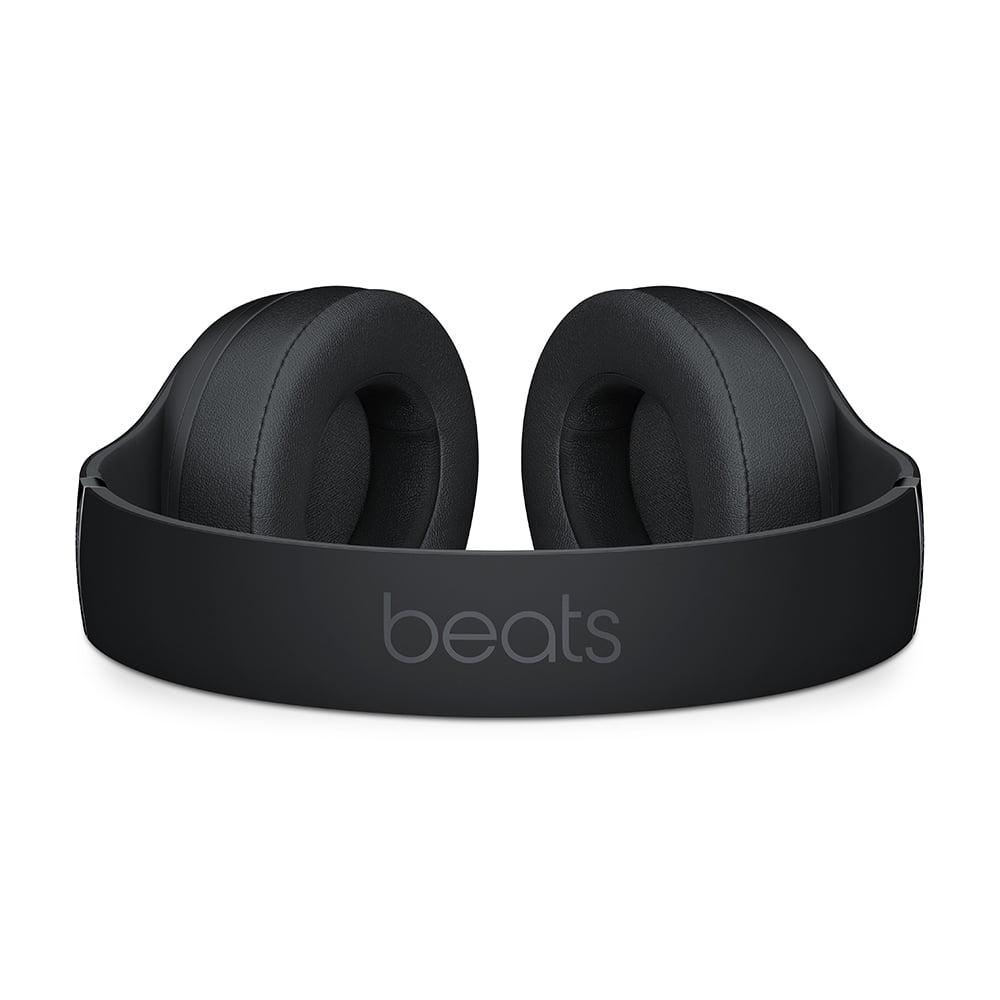
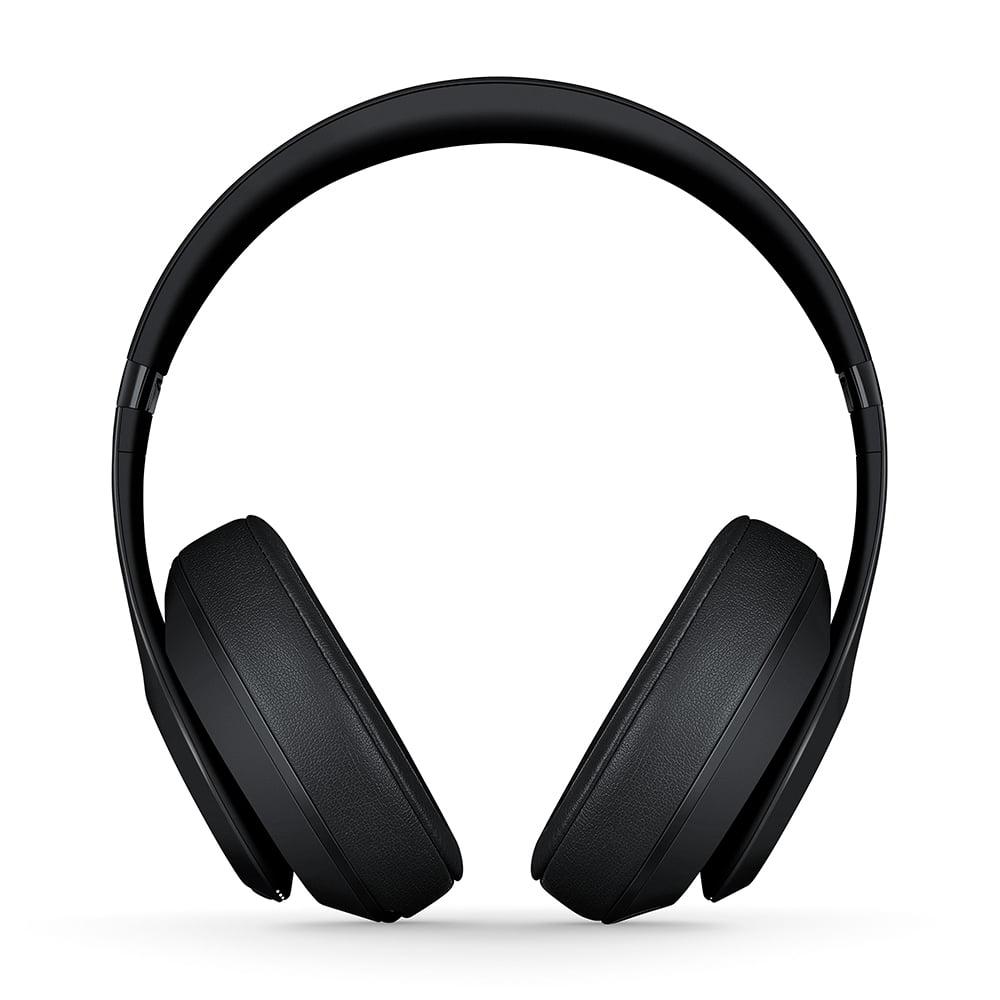
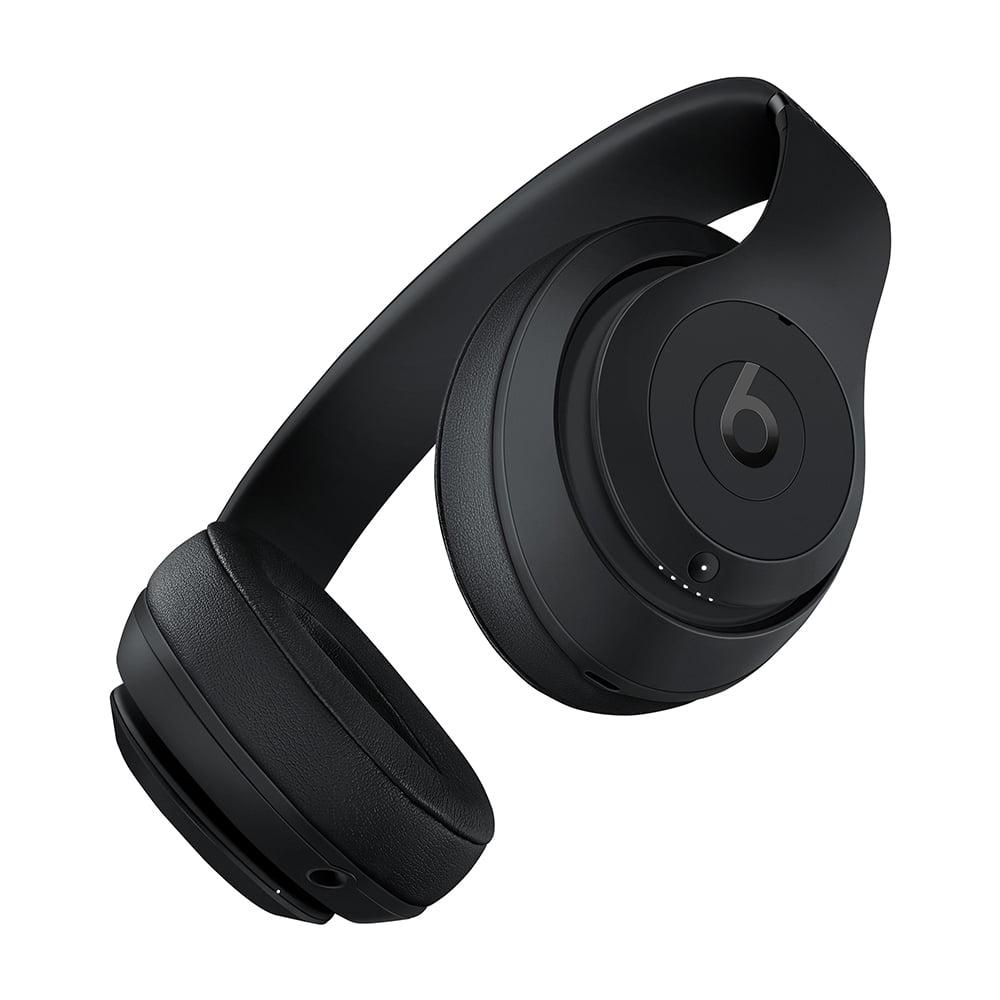
Shopping for premium wireless headphones can feel overwhelming with so many options available. Two models that frequently come up in discussions are the Beats Studio3 Wireless and the Bowers & Wilkins Px7 S3. While both are over-ear wireless headphones with active noise cancellation, they represent very different approaches to premium audio – and the six-year gap between their releases tells an important story about how headphone technology has evolved.
Before diving into specifics, it's worth understanding what makes headphones "premium." These aren't just regular headphones with Bluetooth slapped on. Premium wireless headphones combine several sophisticated technologies: high-quality drivers (the speakers inside), active noise cancellation systems, wireless connectivity with advanced audio codecs (digital formats that preserve sound quality), and smart features like automatic pausing when you remove them.
The most important factors to consider are sound quality, noise cancellation effectiveness, comfort for long listening sessions, battery life, and how well they connect to your devices. Unlike budget options, premium headphones should excel in multiple areas rather than just checking basic boxes.
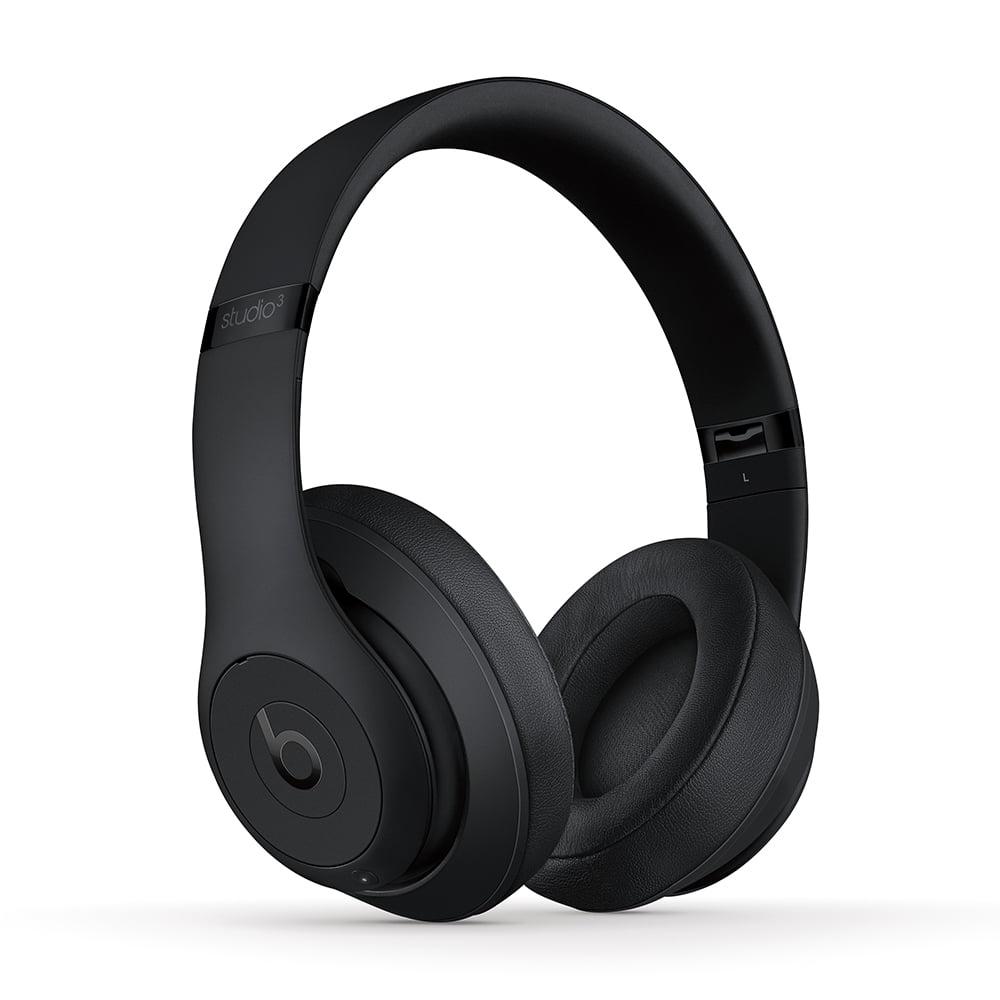
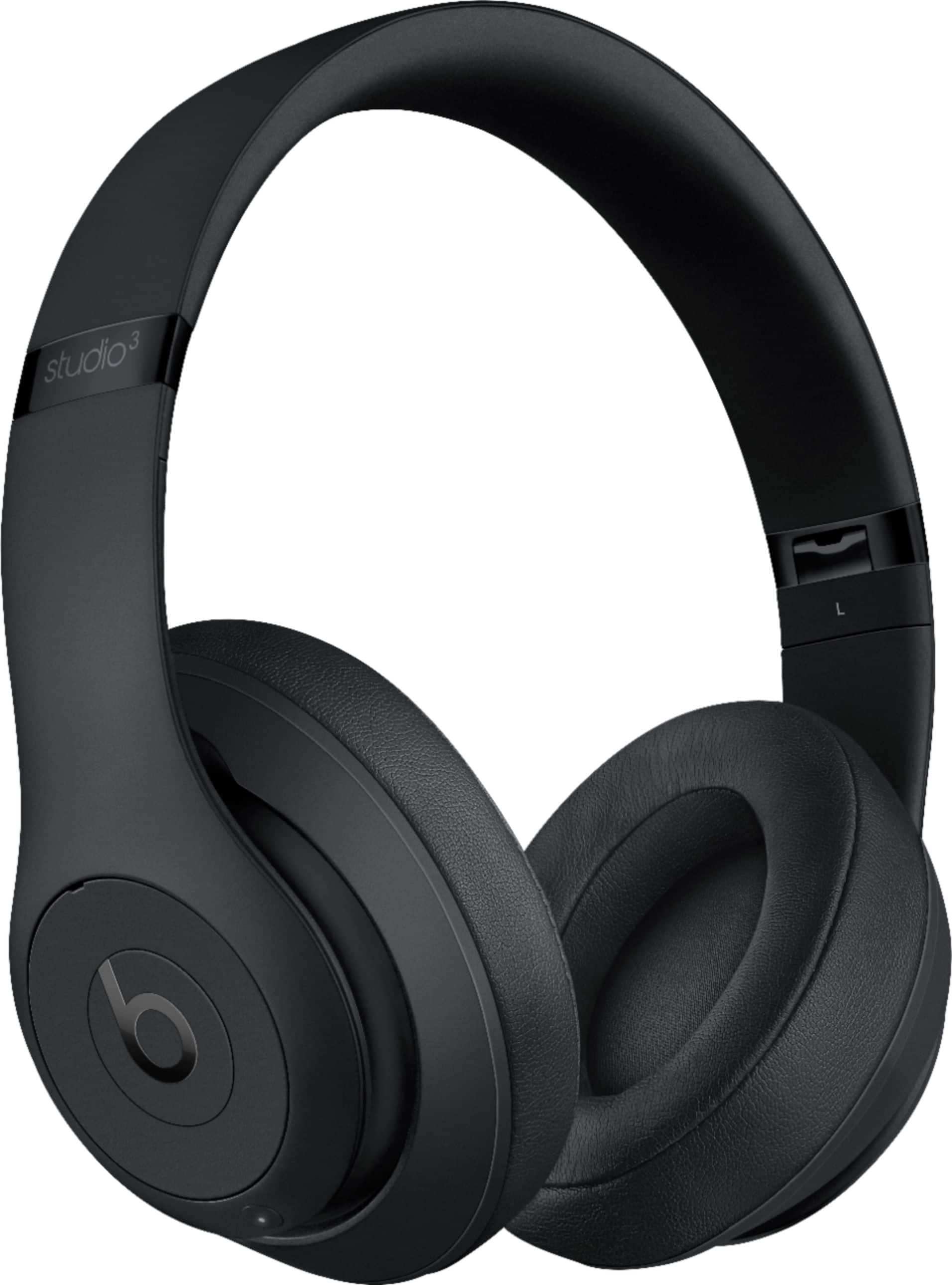
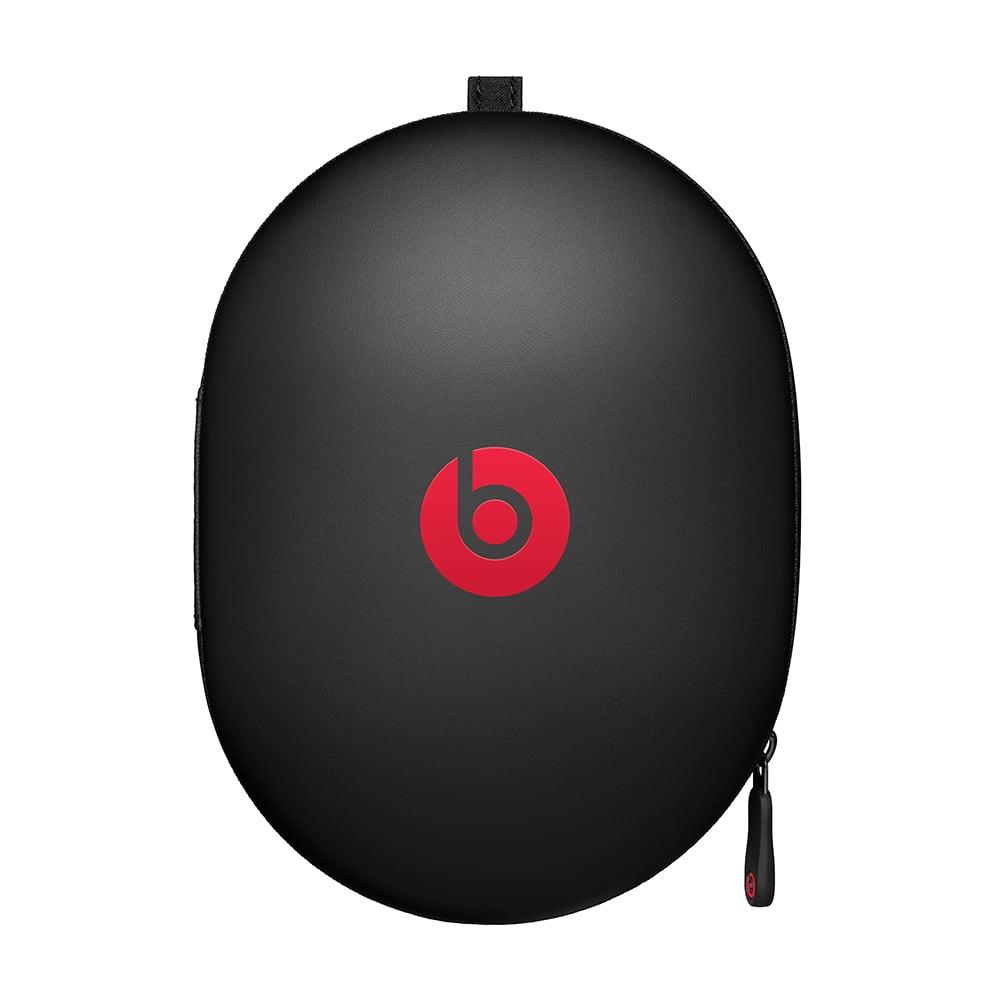
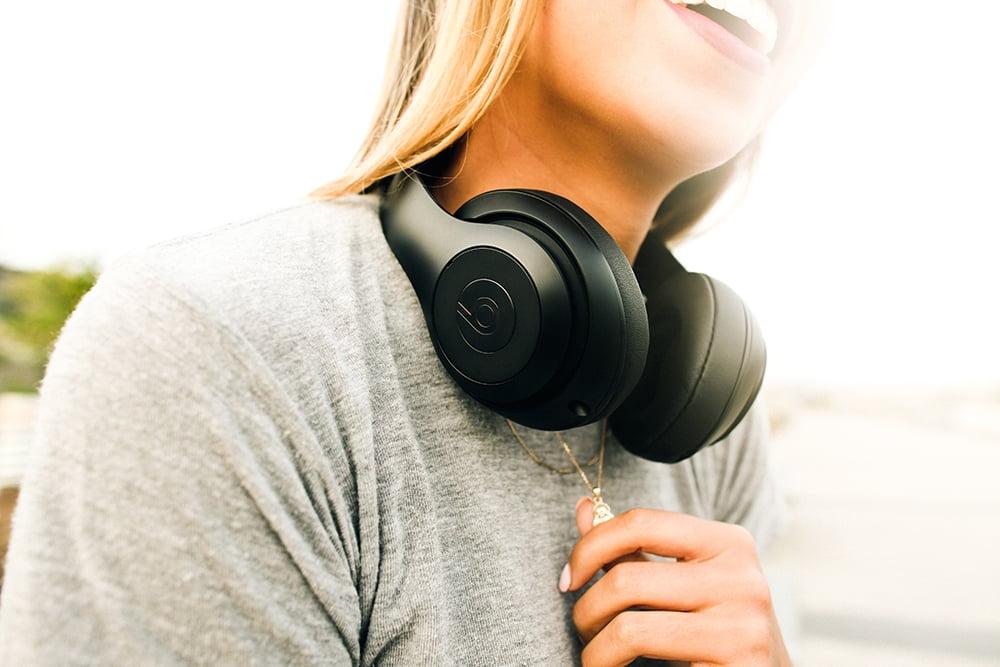
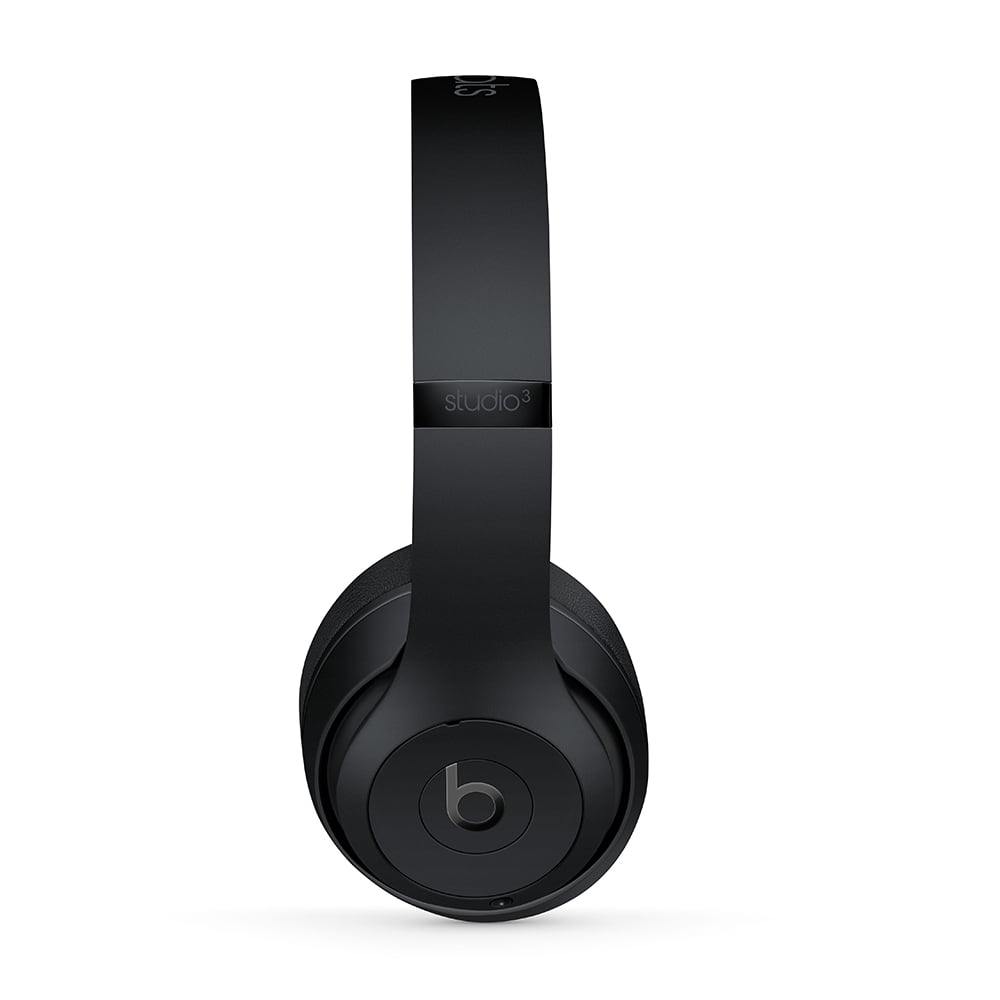
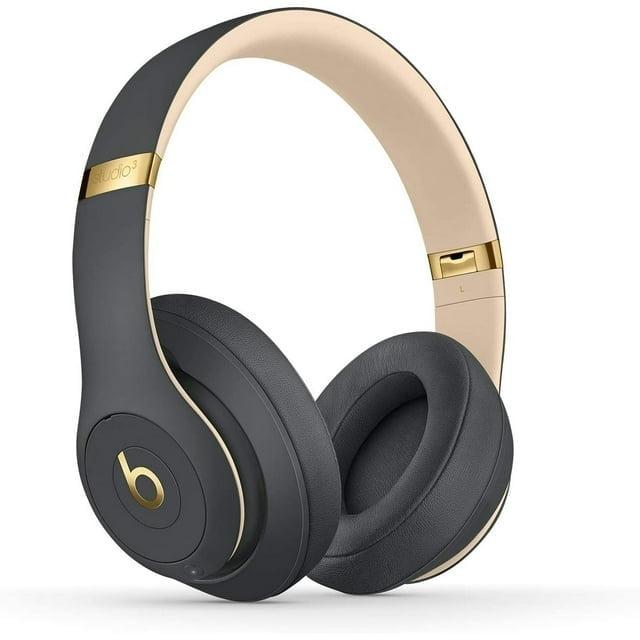
The Beats Studio3 Wireless launched in 2017, representing Apple's first major headphone release after acquiring Beats in 2014. At the time, they showcased Apple's new W1 chip technology and introduced what Apple called "Pure Adaptive Noise Canceling." For 2017, these were impressive features that set them apart from competitors.
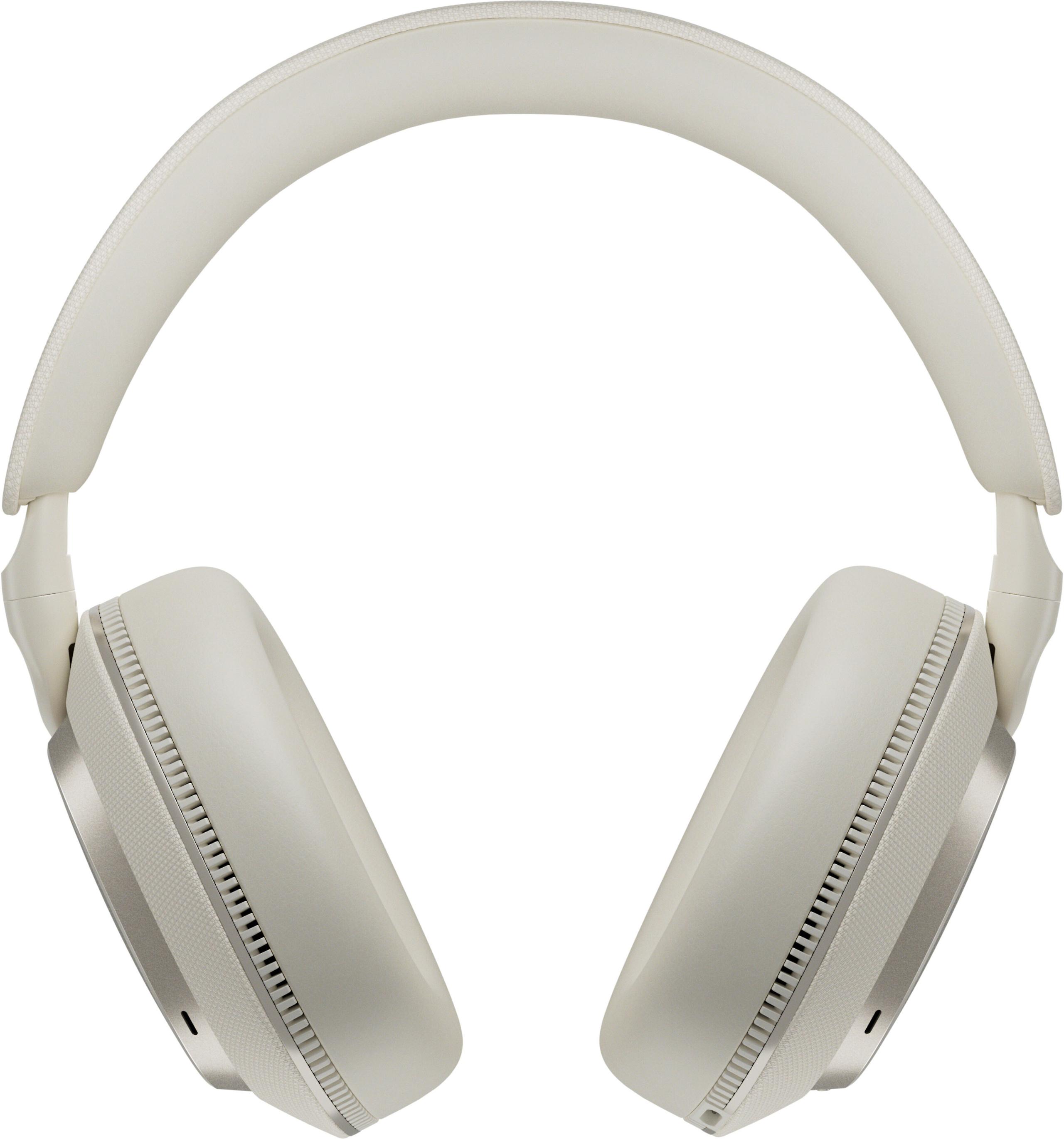
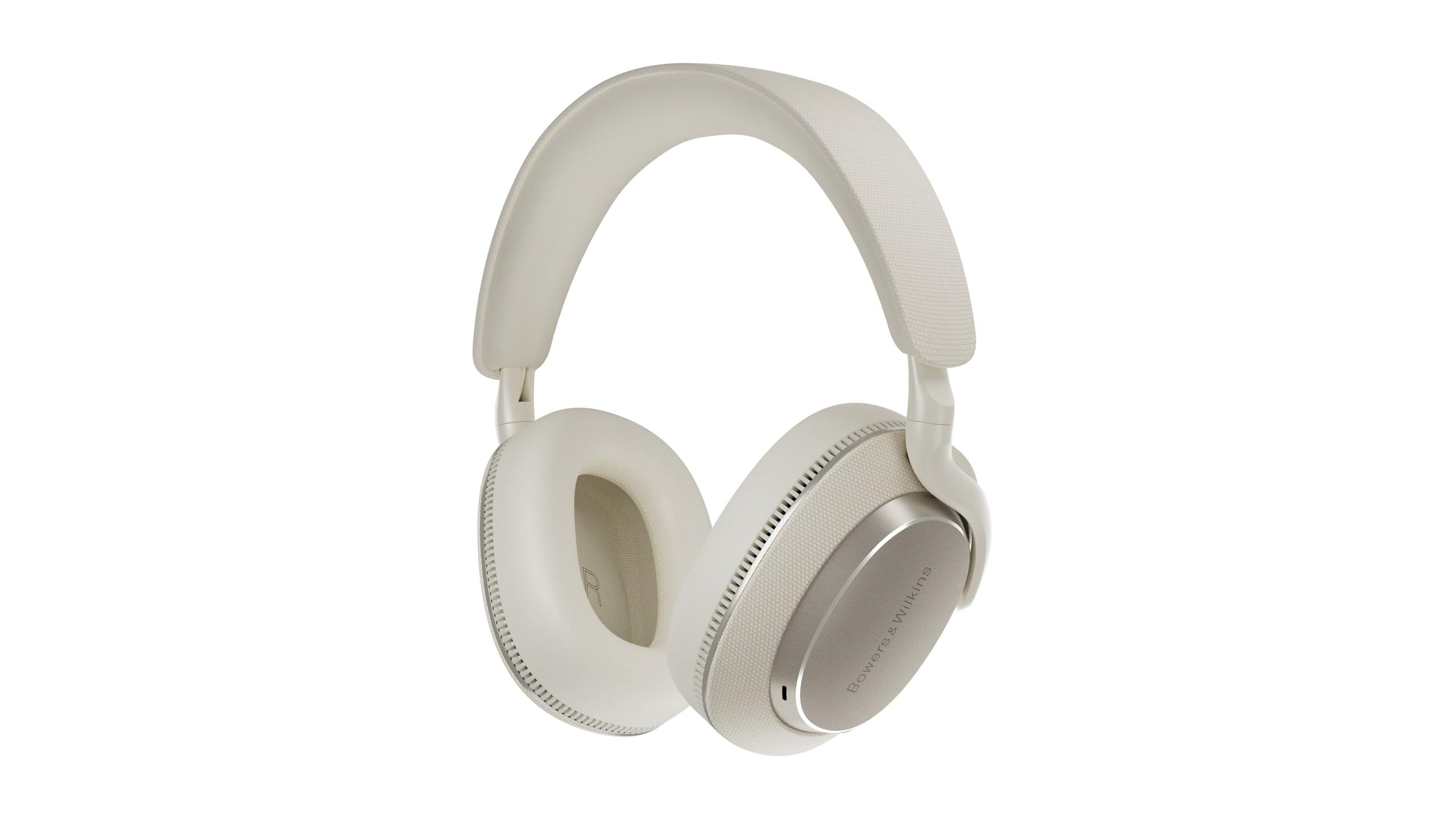
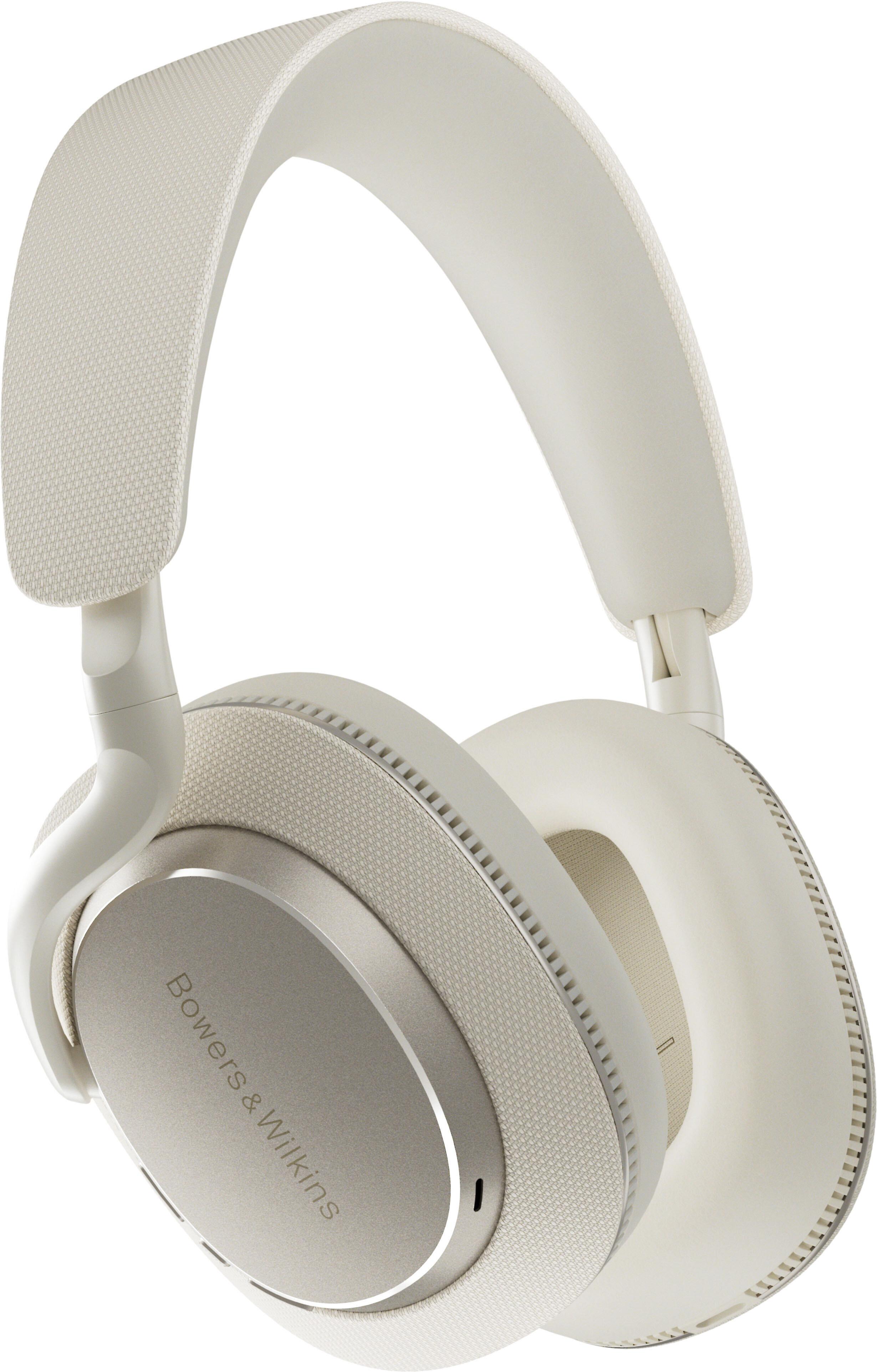
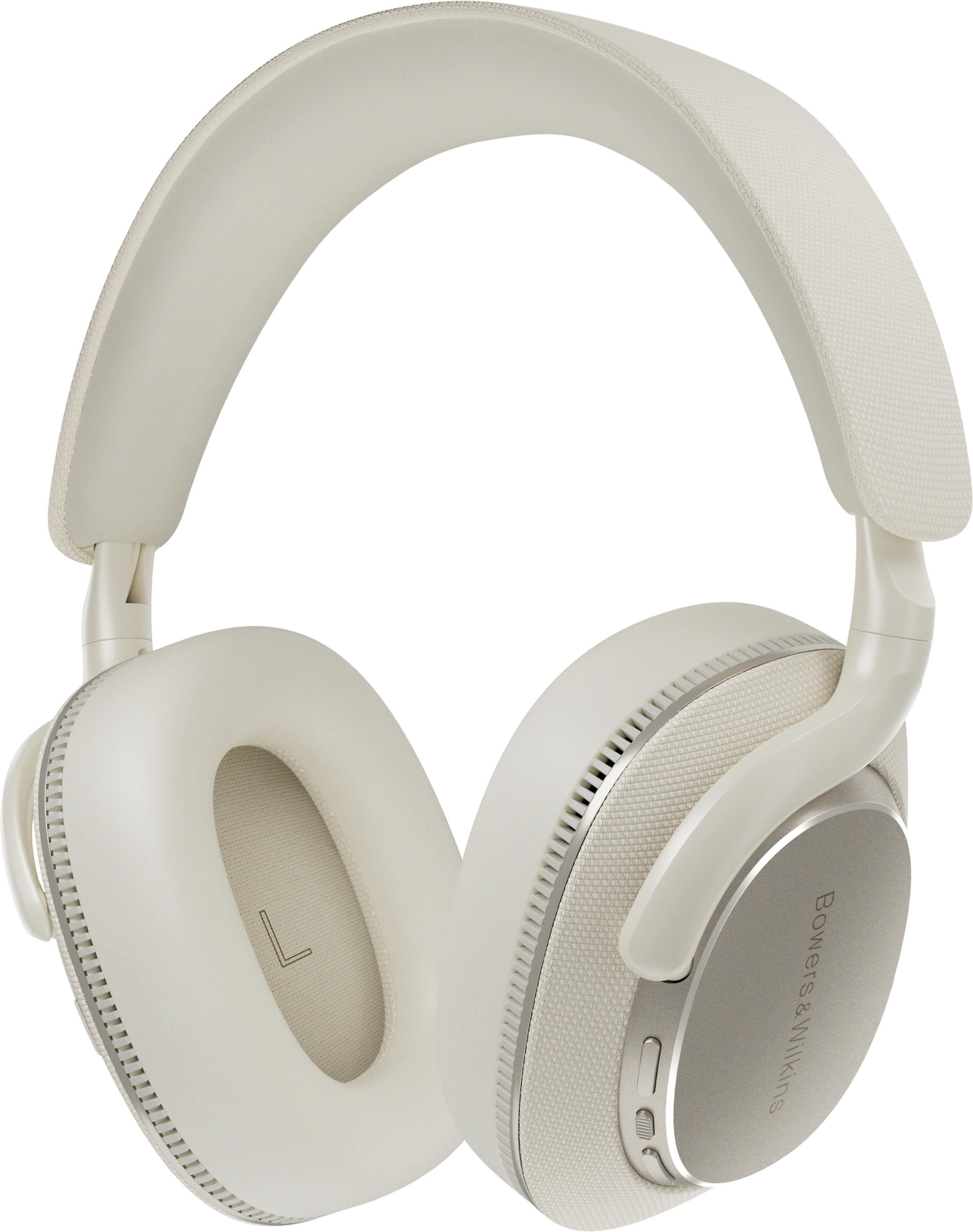
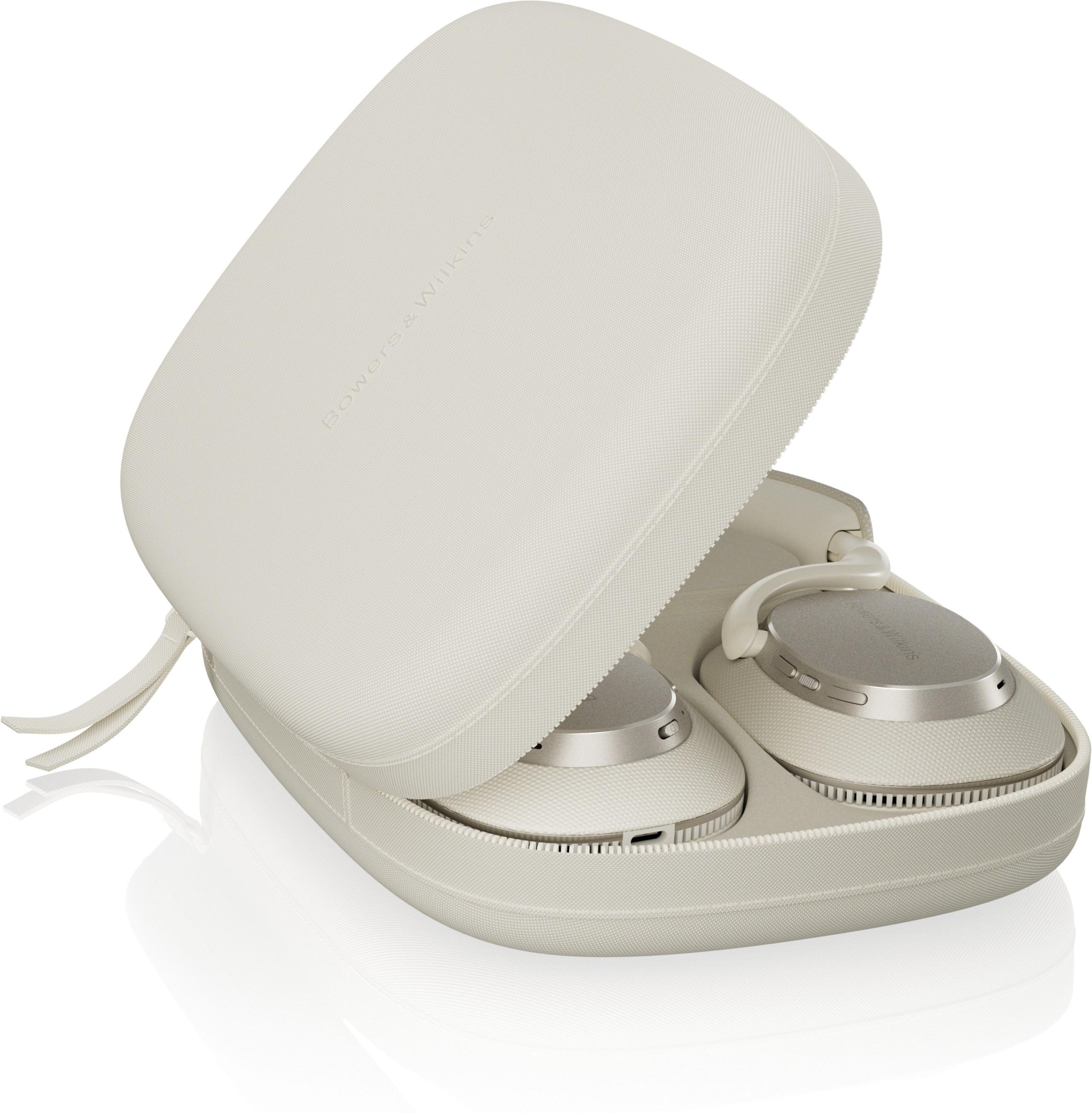
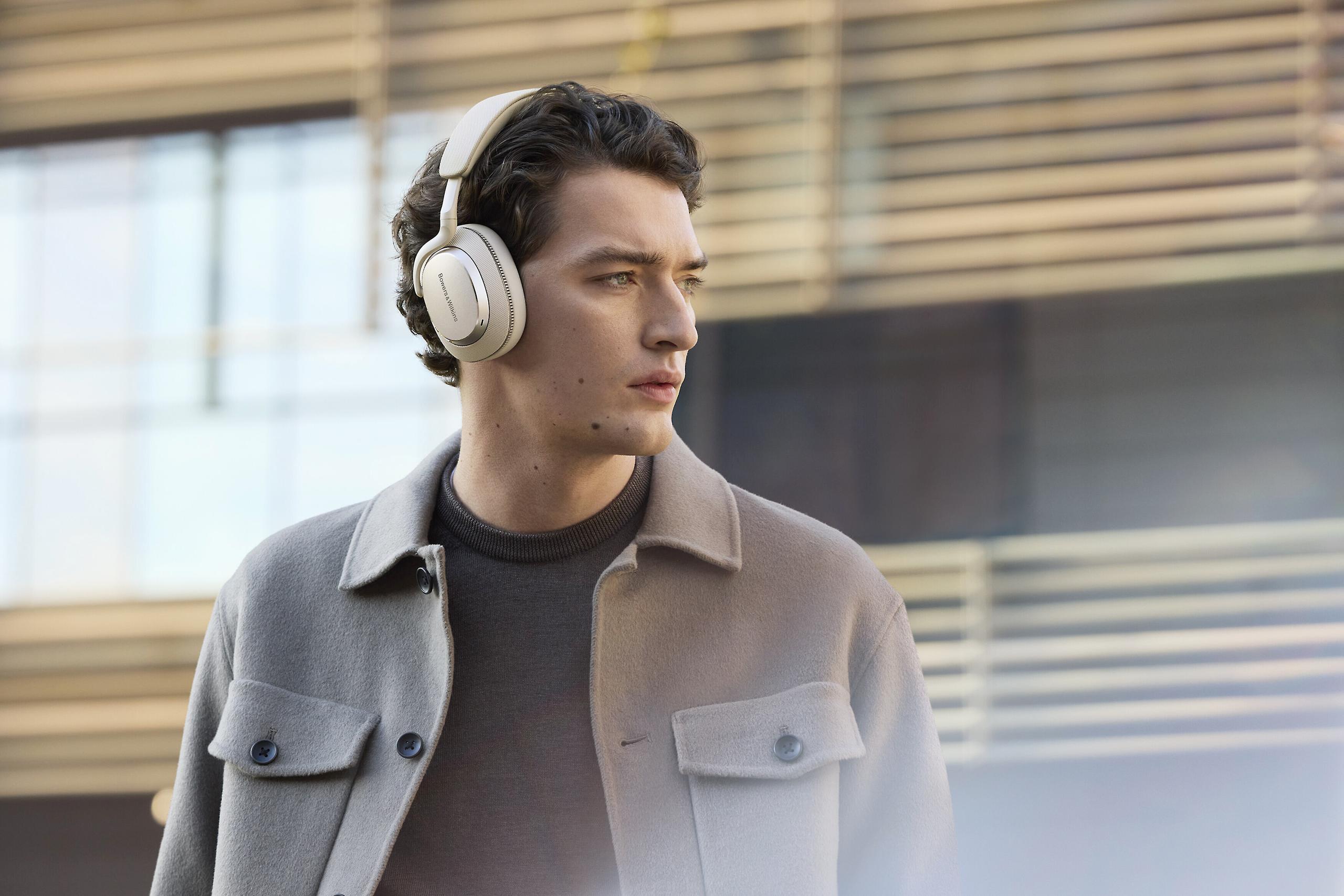
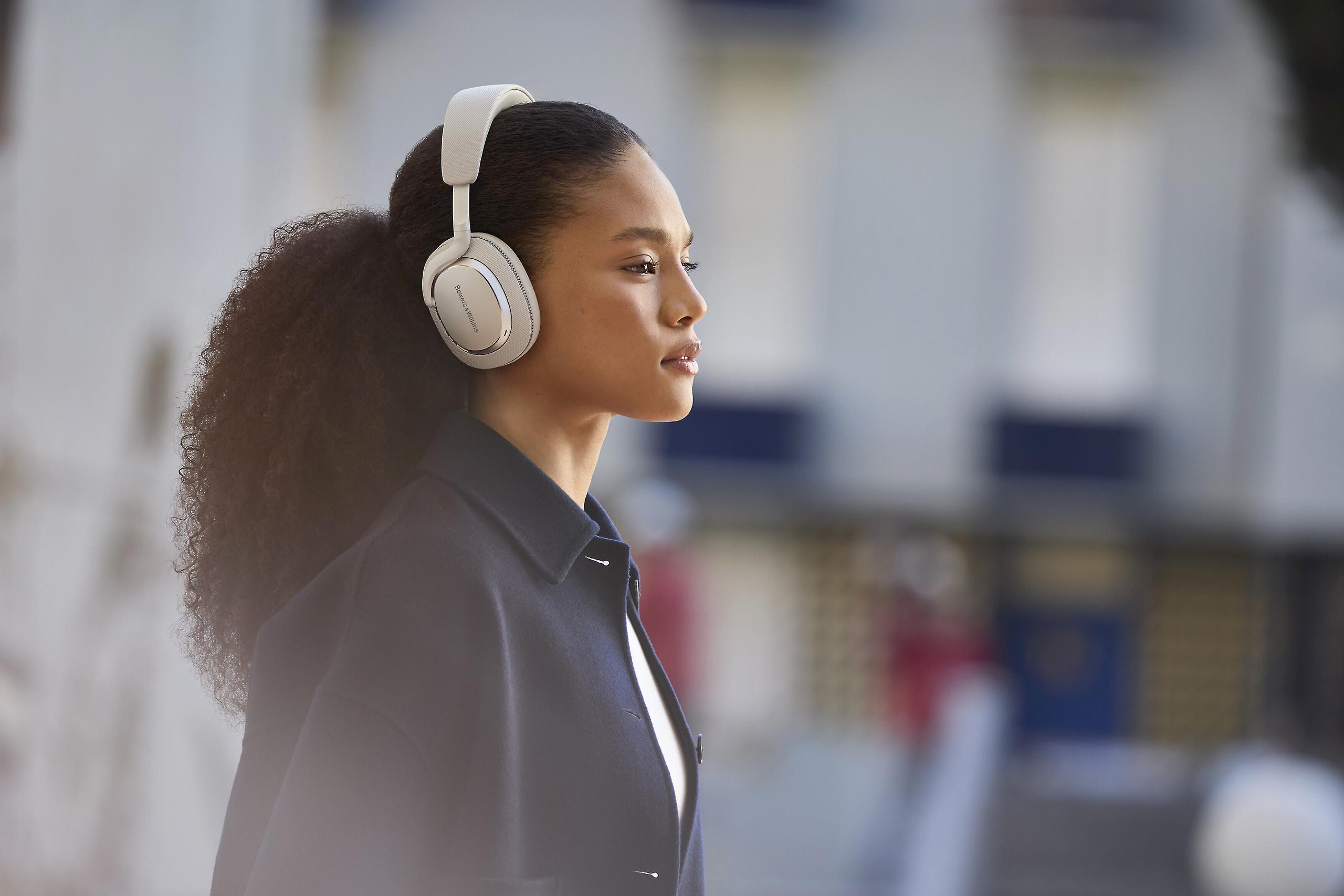
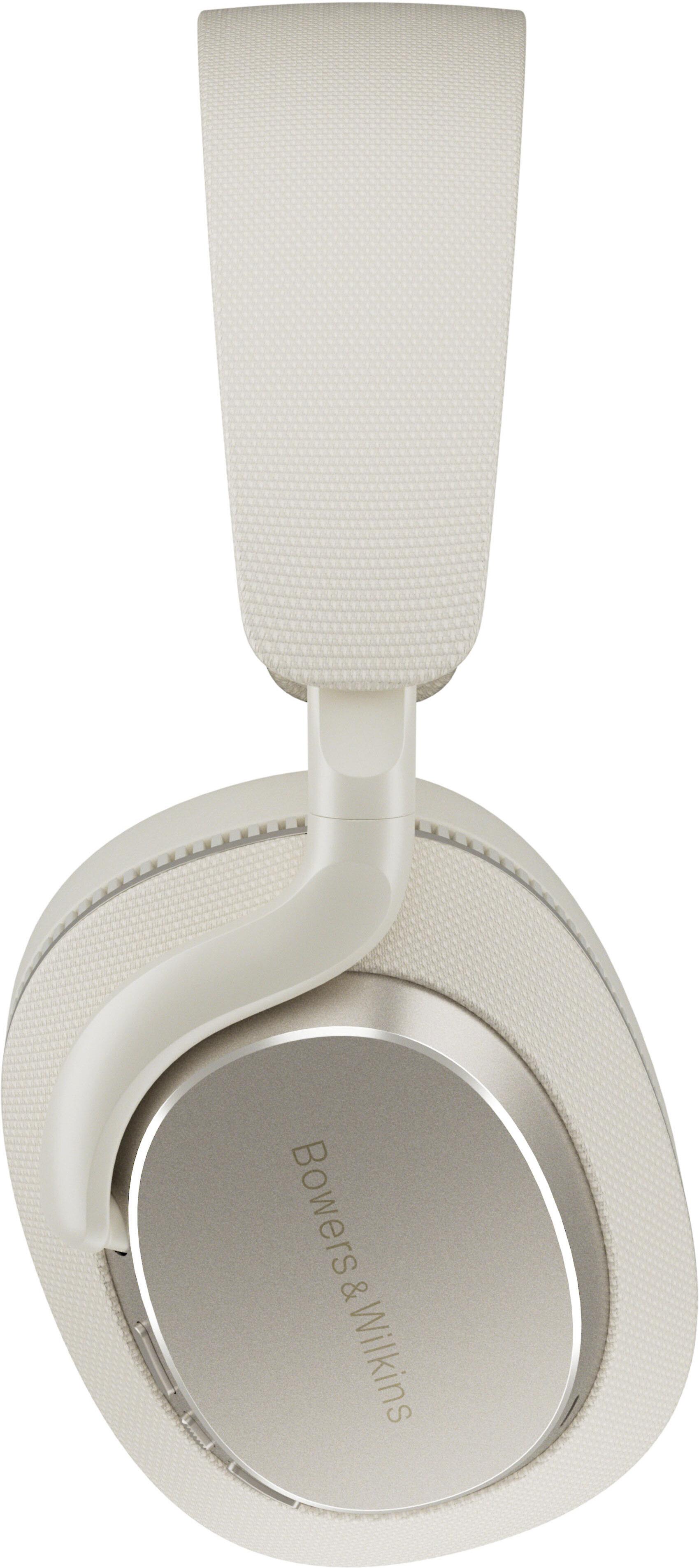
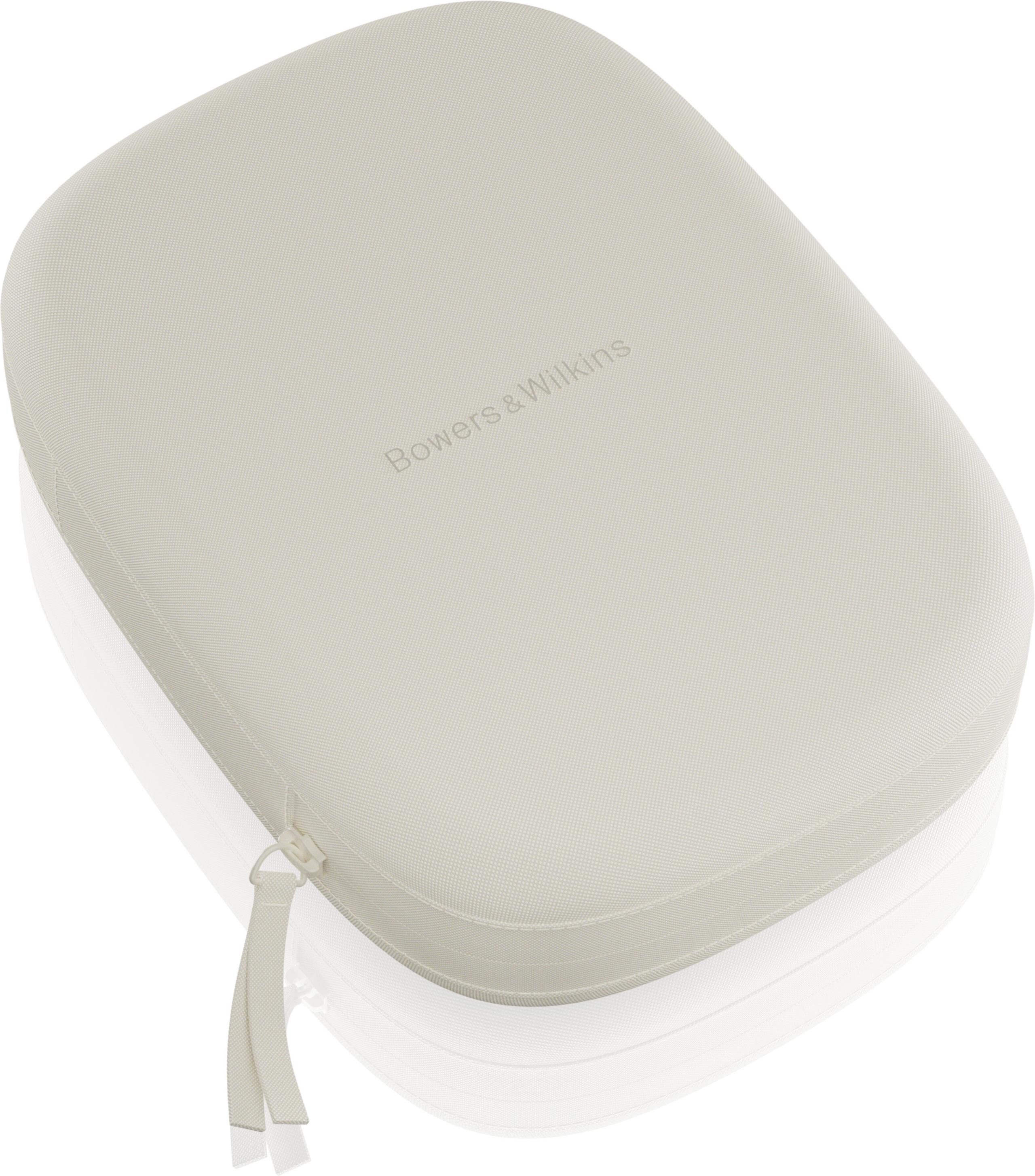
The Bowers & Wilkins Px7 S3, released in 2023, represents modern headphone engineering. Bowers & Wilkins, a British audio company with nearly 60 years of speaker-making experience, designed these as their flagship wireless headphones. The six-year technology gap between these products is crucial – it's like comparing a 2017 smartphone to a 2023 model.
Since 2017, Bluetooth technology has improved dramatically (from version 4.1 to 5.3), new audio codecs have emerged that can transmit much higher quality sound wirelessly, and noise cancellation has become far more sophisticated. This technological evolution significantly impacts the comparison.
Sound quality is where the age difference between these headphones becomes most apparent. Both use 40mm drivers – the speaker units inside the ear cups – but that's where the similarities end.
The Beats Studio3 Wireless uses traditional dynamic drivers with Apple's W1 chip processing. While the W1 chip provides seamless connectivity with Apple devices, it doesn't include the advanced digital signal processing (DSP) found in newer headphones. User reports consistently describe the sound as somewhat "muddy," meaning the different frequencies blend together rather than staying crisp and separate. The bass, while present, lacks the depth and control you'd expect from premium headphones.
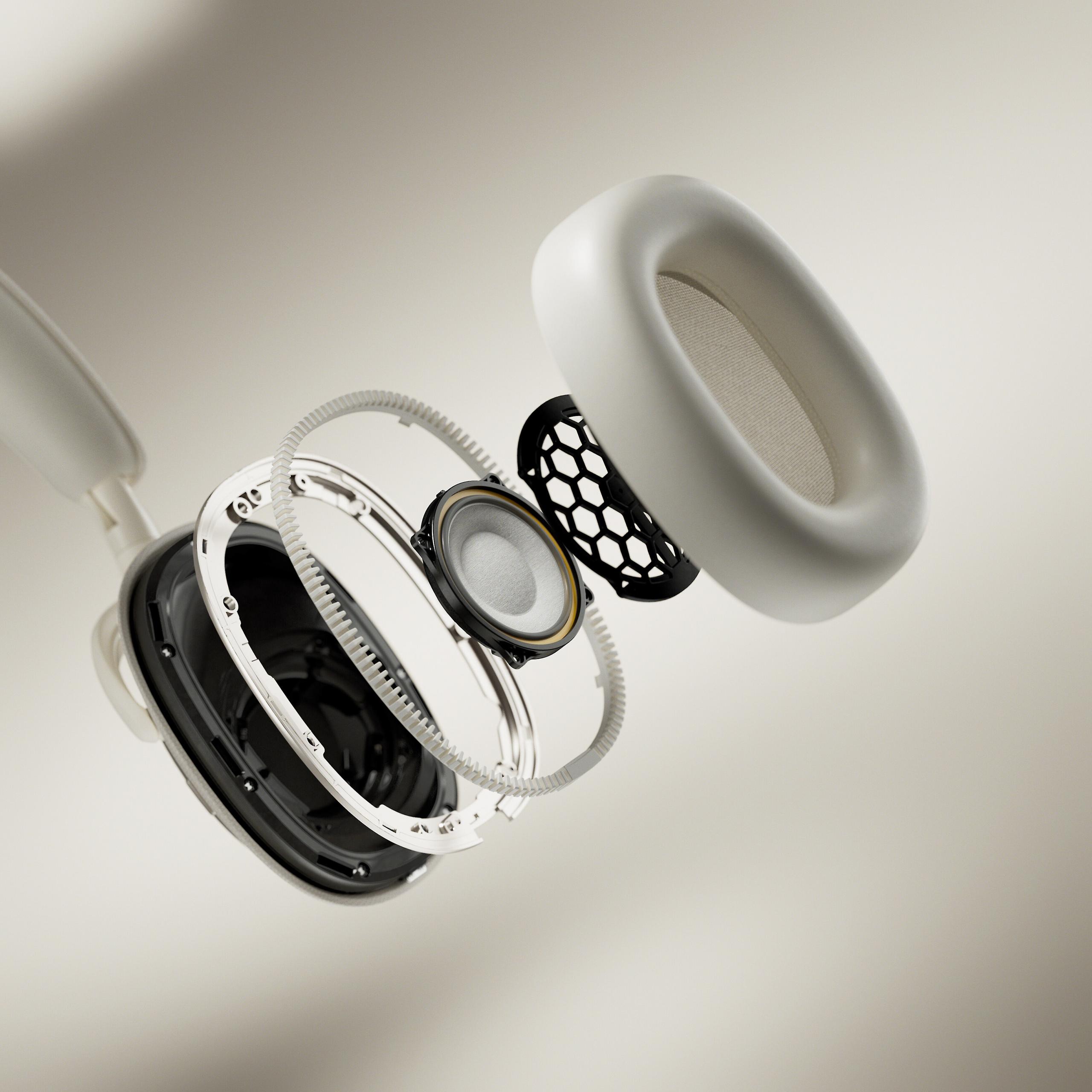
The Bowers & Wilkins Px7 S3 takes a completely different approach. They use bio-cellulose drivers – a special material that's stiffer and lighter than traditional plastic, allowing for more precise sound reproduction. More importantly, they feature a dedicated 24-bit digital signal processor with its own amplifier. Think of this like having a high-end stereo receiver built right into the headphones.
This technical difference translates into dramatically better sound separation, where you can clearly distinguish individual instruments in complex music. The frequency response – the range of sounds the headphones can reproduce – extends from 10Hz to 30,000Hz in the Px7 S3, compared to the standard 20Hz to 20,000Hz range of the Studio3. Those extra frequencies, particularly on the low end, contribute to more impactful bass and better overall dynamics.
For home theater use, this difference becomes even more pronounced. The Px7 S3 can handle the complex soundscapes of modern movies much better, with clearer dialogue separation and more immersive surround effects when watching content with spatial audio.
Active noise cancellation (ANC) works by using microphones to detect outside sounds, then generating opposite sound waves to cancel them out. It's like creating audio darkness by shining an "anti-light" – the technology requires precise timing and processing to work effectively.
The Beats Studio3 Wireless features Apple's "Pure Adaptive Noise Canceling," which was innovative for 2017 but feels basic by today's standards. It adapts to your environment and the fit of the headphones, which sounds impressive, but the execution is limited by the processing power available in 2017.
The Bowers & Wilkins Px7 S3 uses an eight-microphone system – four microphones per ear cup – compared to the simpler setup in the Studio3. Six of these microphones focus purely on noise cancellation, while all eight work together for phone calls. This redundancy allows for much more sophisticated environmental analysis.
Professional reviews consistently rate the Px7 S3's noise cancellation as approaching the levels of Sony and Bose headphones, which are considered the gold standard. The system is particularly effective at blocking low-frequency sounds like airplane engines, bus rumbles, and air conditioning – the types of consistent noise that can be most distracting during long listening sessions.
The Px7 S3 also includes a transparency mode, which lets you hear your surroundings when needed without removing the headphones. This feature is increasingly important for safety and convenience, but it's absent from the Studio3.
Here's one area where the older Beats Studio3 Wireless actually wins. With up to 40 hours of battery life when noise cancellation is turned off, and 22 hours with it on, they outlast most modern competitors. The "Fast Fuel" charging provides three hours of playback from just a 10-minute charge, which remains competitive today.
The Bowers & Wilkins Px7 S3 offers 30 hours of playback with ANC enabled, which is still excellent but shorter than the Studio3. However, the Px7 S3's fast charging is actually superior – 15 minutes of charging provides seven hours of playback, more than double the Studio3's rate.
The Studio3 charges via micro-USB, a connector that was already becoming outdated when they launched. The Px7 S3 uses USB-C, which charges faster and doubles as a wired audio connection for even higher quality sound.
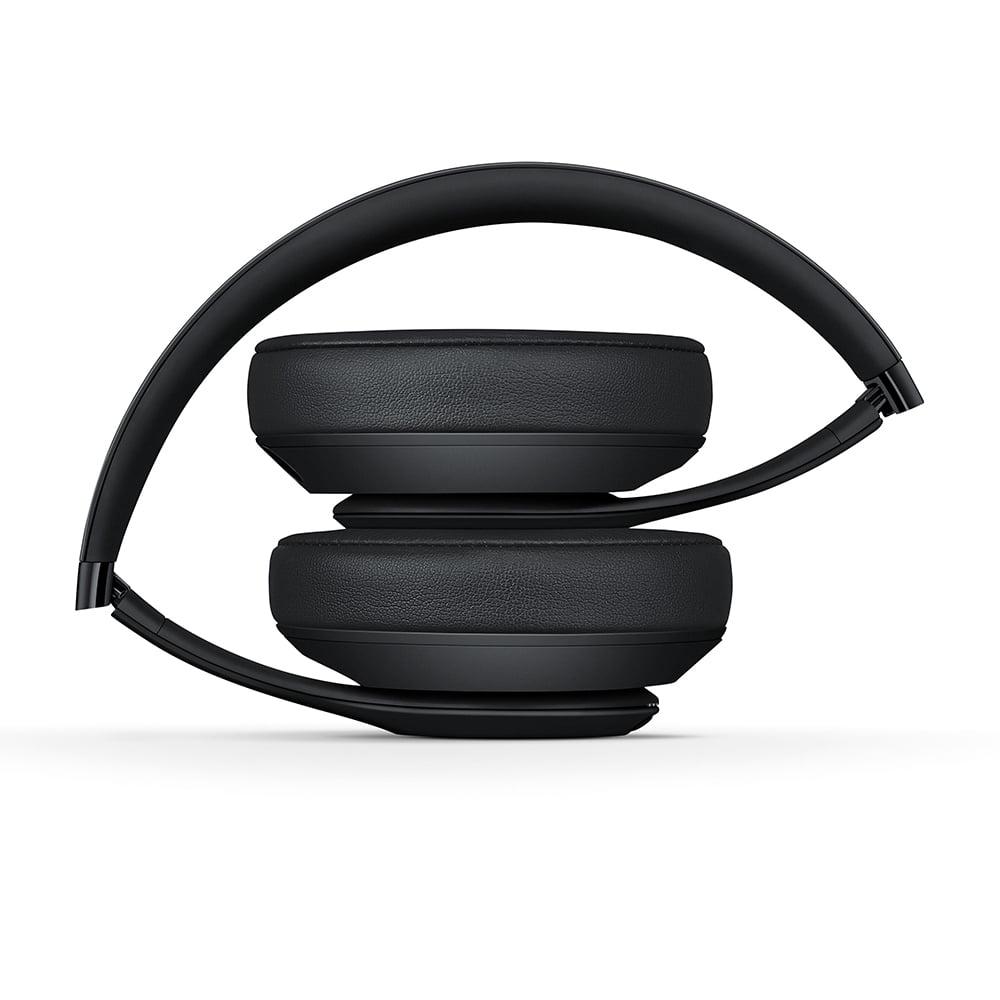
Comfort becomes crucial during long listening sessions, and both headphones take different approaches. The Beats Studio3 Wireless weighs 260 grams, making them lighter and more portable. They fold for easy storage, and their plastic construction, while less premium feeling, contributes to their lighter weight.
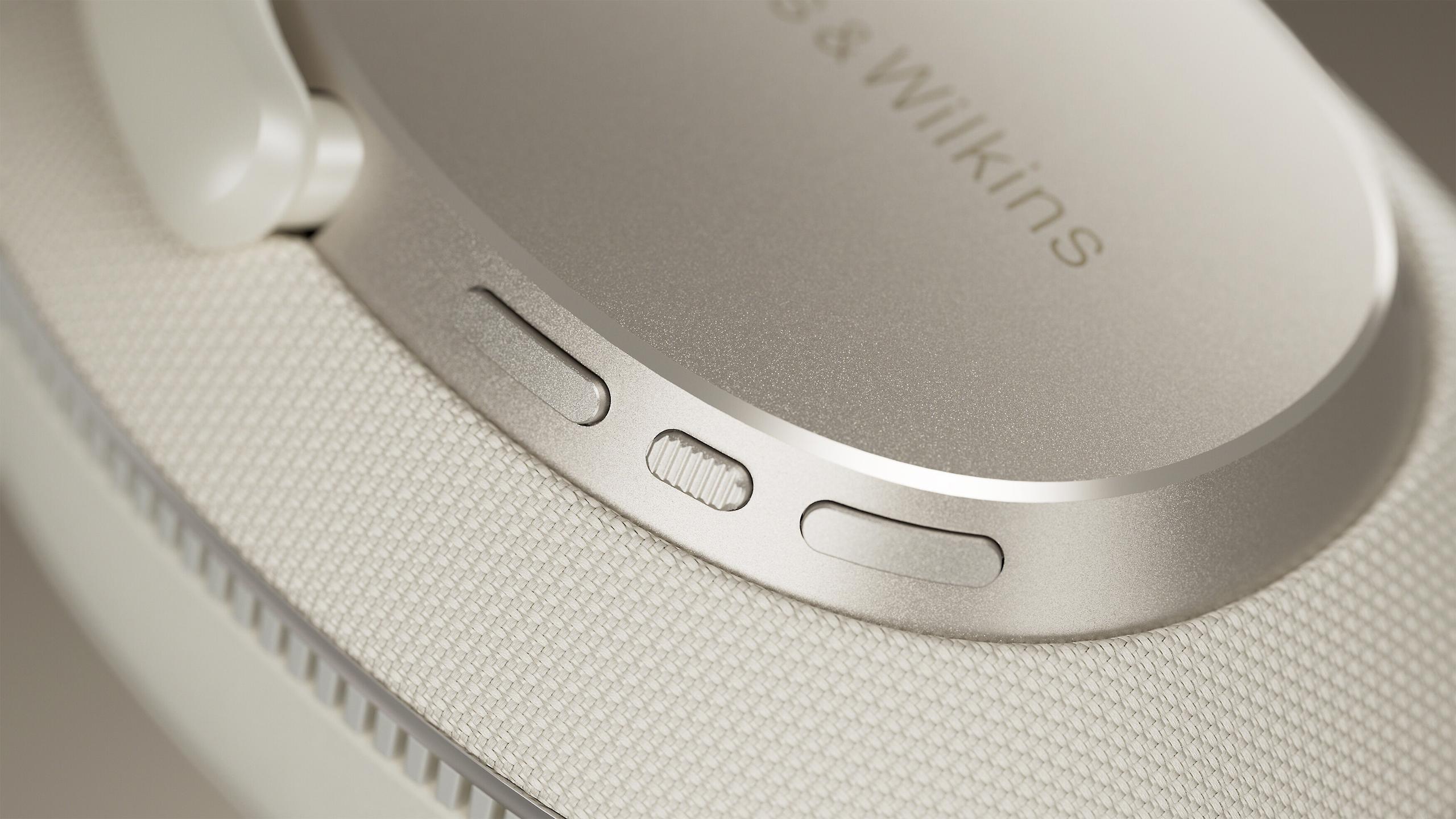
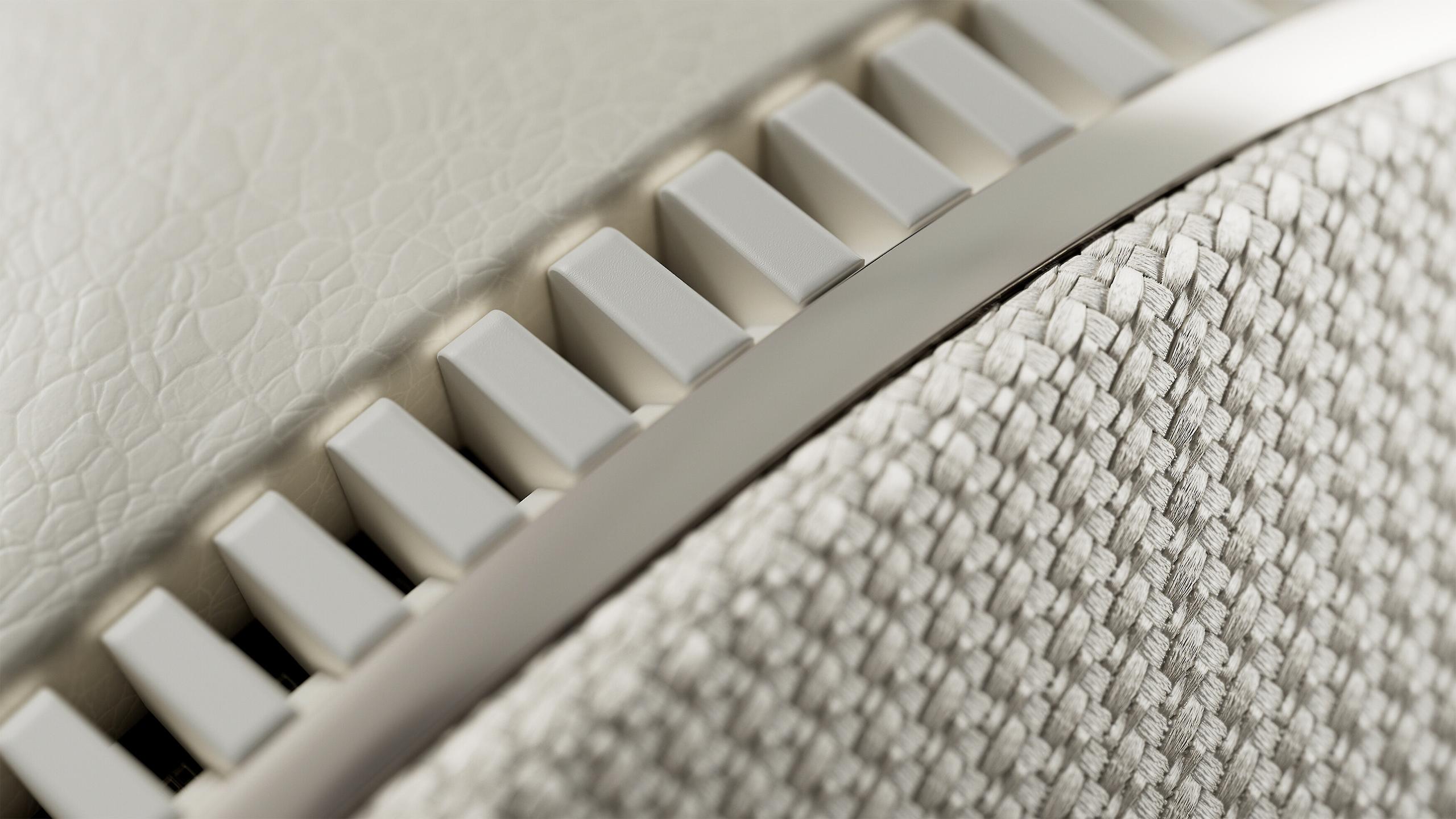
The Bowers & Wilkins Px7 S3 weighs 310 grams but distributes that weight well across a redesigned headband and ear cups. The materials include real leather on the cushions, metal in the housing and buttons, and premium fabric on the headband. Professional reviewers consistently praise the build quality as superior to competitors from Sony and Bose.
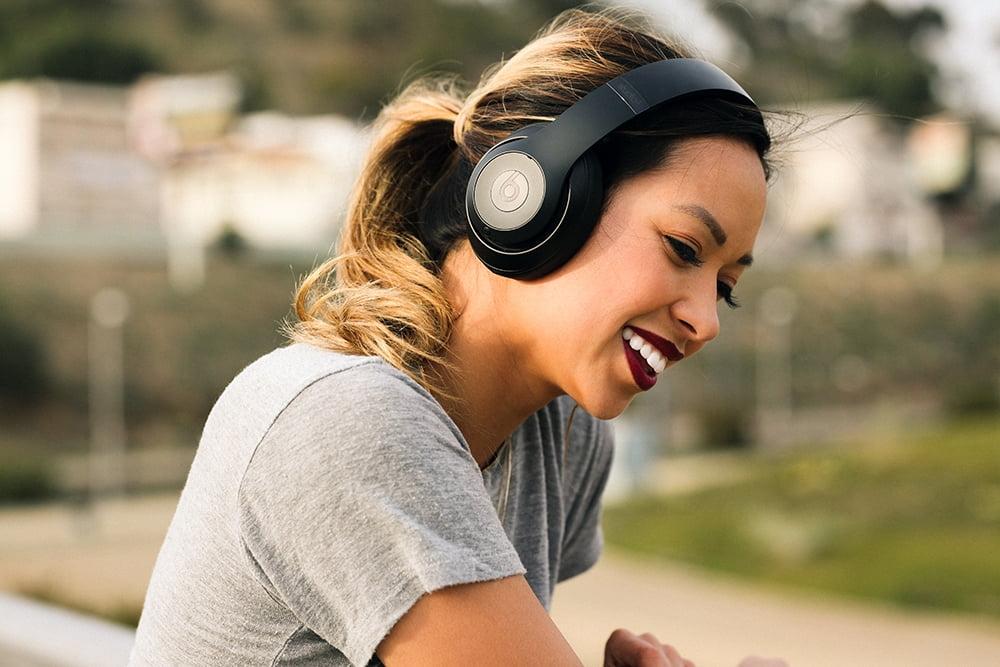
The Px7 S3 underwent extensive ergonomic testing, resulting in slimmer ear cups and a refined headband that many find more comfortable for extended wear, despite the extra weight. The memory foam padding adapts to your head shape over time.
This is where the different philosophies of these headphones really show. The Beats Studio3 Wireless features Apple's W1 chip, which provides almost magical integration with Apple devices. Pairing is as simple as opening the case near your iPhone, and the headphones automatically switch between your Apple devices as needed.
However, this Apple focus comes with limitations. The Studio3 only supports basic SBC and AAC Bluetooth codecs. While AAC works well with Apple devices, Android users get a more limited experience, and there's no support for high-resolution audio codecs.
The Bowers & Wilkins Px7 S3 takes a more universal approach with Bluetooth 5.3 and support for multiple high-quality codecs: aptX Lossless (which can transmit CD-quality audio wirelessly), aptX Adaptive (which adjusts quality based on connection strength), and others. This means better sound quality across all devices, not just Apple products.
The Px7 S3 also supports multipoint connectivity, allowing connection to two devices simultaneously – you could be connected to both your laptop and phone, automatically switching audio between them.
Modern premium headphones are essentially computers you wear on your head, and software support has become increasingly important. The Beats Studio3 Wireless, released before comprehensive headphone apps became standard, offers no app support or firmware updates. What you buy is what you get.
The Bowers & Wilkins Px7 S3 includes the Bowers & Wilkins Music app, which provides a five-band equalizer for sound customization, noise cancellation adjustments, and integration with streaming services. The app also enables firmware updates, meaning the headphones can gain new features over time.
The Px7 S3 includes wear sensing – they automatically pause music when removed and resume when put back on. This might seem like a small feature, but it becomes surprisingly important in daily use.
At the time of writing, the Beats Studio3 Wireless typically costs significantly less than the Bowers & Wilkins Px7 S3, often appearing at substantial discounts from their original launch price. This price difference raises important questions about value.
The Studio3 represents solid 2017-era technology at a more accessible price point. If you're primarily an Apple user who values seamless integration and longer battery life over cutting-edge sound quality, they still serve their purpose well. Many users report satisfaction with their purchase, particularly when found at significant discounts.
The Bowers & Wilkins Px7 S3 commands a premium price but justifies it with modern technology, superior materials, and significantly better performance across most categories. Professional reviews consistently rate them among the best-sounding wireless headphones available, regardless of price.
Choose the Beats Studio3 Wireless if you're deeply embedded in Apple's ecosystem and prioritize seamless device switching, longer battery life, and a lower price point over absolute sound quality. They remain functional headphones that many users enjoy, particularly for casual listening and when found at reduced prices.
Choose the Bowers & Wilkins Px7 S3 if sound quality is your primary concern and you're willing to invest in modern technology. They offer superior audio reproduction, advanced noise cancellation, premium build quality, and future-proof features that justify their higher cost.
The six-year technology gap between these products is ultimately the deciding factor. While the Studio3 were impressive for their time, headphone technology has advanced significantly. The Px7 S3 represents what's possible with current engineering and manufacturing techniques.
For most users seeking premium wireless headphones today, the Bowers & Wilkins Px7 S3 provides a more complete and satisfying experience. However, the Beats Studio3 Wireless remains a viable choice for budget-conscious Apple users who can appreciate their strengths within their intended use case.
The choice ultimately comes down to your priorities: seamless Apple integration and value pricing versus superior sound quality and modern features. Both approaches have merit, but understanding these differences helps ensure you choose the headphones that best match your needs and expectations.
| Beats Studio3 Wireless | Bowers & Wilkins Px7 S3 |
|---|---|
| Sound Quality - Most important factor for music enjoyment | |
| Standard 40mm drivers, limited codec support (SBC/AAC only), described as "muddy" by users | 40mm bio-cellulose drivers with 24-bit DSP, aptX Lossless support, professional-grade clarity |
| Active Noise Cancellation - Critical for commuting and focus | |
| Pure ANC with basic 2017-era technology, adequate but outdated | 8-microphone hybrid system, rivals Sony/Bose performance, transparency mode included |
| Battery Life - Important for travel and daily use | |
| Up to 40 hours (ANC off) / 22 hours (ANC on), Fast Fuel charging | 30 hours with ANC, superior fast charging (7 hours from 15-minute charge) |
| Build Quality - Affects durability and premium feel | |
| Lightweight plastic construction (260g), foldable design | Premium materials with metal housing and leather (310g), superior craftsmanship |
| Connectivity - Determines compatibility and audio quality | |
| Apple W1 chip for seamless Apple integration, Bluetooth 4.x era | Bluetooth 5.3 with multipoint, high-res codec support, universal compatibility |
| Smart Features - Modern conveniences that enhance daily use | |
| No app support, basic controls, no firmware updates | Full app with 5-band EQ, wear sensing, future software updates planned |
| Release Generation - Technology advancement indicator | |
| 2017 technology, represents older wireless standards | 2023 engineering with modern DSP and processing capabilities |
| Value Proposition - Who gets the best deal | |
| Budget-friendly option for Apple users, often heavily discounted | Premium price justified by superior performance across all categories |
| Best For - Target user recommendation | |
| Apple ecosystem users prioritizing integration and battery life | Audio enthusiasts wanting best-in-class sound quality and modern features |
The Bowers & Wilkins Px7 S3 delivers significantly better sound quality than the Beats Studio3 Wireless. The Px7 S3 features advanced bio-cellulose drivers with 24-bit digital processing and support for high-resolution audio codecs like aptX Lossless. In contrast, the Studio3 uses older 2017-era drivers with limited codec support, resulting in what many users describe as "muddy" sound with less detail and clarity.
The Bowers & Wilkins Px7 S3 offers superior noise cancellation with its 8-microphone hybrid system that rivals industry leaders like Sony and Bose. The Beats Studio3 Wireless features Apple's Pure Adaptive Noise Canceling, which was decent for 2017 but feels outdated compared to modern ANC technology. The Px7 S3 also includes a transparency mode for environmental awareness, which the Studio3 lacks.
The Beats Studio3 Wireless wins for battery life, offering up to 40 hours with ANC off and 22 hours with ANC on. The Bowers & Wilkins Px7 S3 provides 30 hours with ANC enabled. However, the Px7 S3 has faster charging, delivering 7 hours of playback from a 15-minute charge compared to the Studio3's 3 hours from a 10-minute charge.
Both headphones are comfortable for extended wear, but they take different approaches. The Beats Studio3 Wireless is lighter at 260g and folds for portability. The Bowers & Wilkins Px7 S3 weighs more at 310g but uses premium materials including memory foam padding and leather cushions. Professional reviewers generally rate the Px7 S3 as more comfortable for long sessions despite the extra weight.
The Beats Studio3 Wireless excels with Apple devices thanks to the W1 chip, offering seamless pairing and automatic switching between Apple products. The Bowers & Wilkins Px7 S3 works well with Apple devices but doesn't have the same level of ecosystem integration. However, the Px7 S3 offers better universal compatibility and higher audio quality across all device types.
The Bowers & Wilkins Px7 S3 is excellent for Android devices, supporting advanced Bluetooth codecs and offering full functionality through its dedicated app. The Beats Studio3 Wireless works with Android but with limited features and basic codec support, making it less ideal for non-Apple users seeking the best audio experience.
For home office use, the Bowers & Wilkins Px7 S3 is superior due to its advanced noise cancellation, better call quality with 8 microphones, and comfortable design for all-day wear. The Studio3 can work for home use but offers less effective noise blocking and inferior microphone performance for video calls.
The Bowers & Wilkins Px7 S3 excels for home theater use with its superior sound separation, wider frequency response, and ability to handle complex movie soundtracks with clear dialogue. The Beats Studio3 Wireless can handle movies adequately but lacks the audio precision and dynamic range that makes the Px7 S3 more immersive for cinematic content.
Value depends on your priorities. The Beats Studio3 Wireless offers better value for Apple users seeking basic wireless headphones with long battery life, especially when found at discounted prices. The Bowers & Wilkins Px7 S3 provides superior value for audio enthusiasts who prioritize sound quality, modern features, and premium build quality, justifying its higher cost.
The Bowers & Wilkins Px7 S3 offers extensive sound customization through its companion app, including a 5-band equalizer and multiple sound modes. The Beats Studio3 Wireless has no app support or sound customization options - you're limited to the default sound signature with no ability to adjust the audio profile.
The Bowers & Wilkins Px7 S3 features superior build quality with premium materials including metal housing, leather cushions, and robust construction that professional reviewers consistently praise. The Beats Studio3 Wireless uses primarily plastic construction that's adequate but feels less premium, though the lighter build makes them more portable for travel.
For most buyers in 2024, the Bowers & Wilkins Px7 S3 is the better choice due to modern technology, superior sound quality, and advanced features that justify the price difference. Choose the Beats Studio3 Wireless only if you're deeply invested in Apple's ecosystem, need maximum battery life, or can find them at a significant discount where the lower price makes sense for basic wireless headphone needs.
We've done our best to create useful and informative comparisons to help you decide what product to buy. Our research uses advanced automated methods to create this comparison and perfection is not possible - please contact us for corrections or questions. These are the sites we've researched in the creation of this article: techradar.com - recordingnow.com - rtings.com - soundguys.com - recordingnow.com - recordingnow.com - soundguys.com - soundguys.com - youtube.com - rtings.com - gsmarena.com - bhphotovideo.com - headphonecheck.com - themasterswitch.com - walmart.com - rentacenter.com - discussions.apple.com - beatsbydre.com - bestbuy.com - walmart.com - youtube.com - youtube.com - techradar.com - recordingnow.com - tomsguide.com - tomsguide.com - loudersound.com - whathifi.com - headphonecheck.com - loudnwireless.com - recordingnow.com - techradar.com - bowerswilkins.com - bhphotovideo.com - audio46.com - bowerswilkins.com - smarthomesounds.co.uk - audioadvisor.com - audiograde.uk - bowerswilkins.com - my.tcacoustic.asia - whathifi.com

Privacy Policy
Terms and Conditions - Affiliate Policy
Home Security
© Copyright 2008-2026.
11816 Inwood Rd #1211, Dallas, TX 75244