






When shopping for premium wireless headphones, you're investing in more than just audio equipment – you're choosing a daily companion for music, calls, travel, and everything in between. The world of high-end wireless headphones has evolved dramatically over the past few years, with manufacturers pushing the boundaries of what's possible in noise cancellation, sound quality, and smart features.
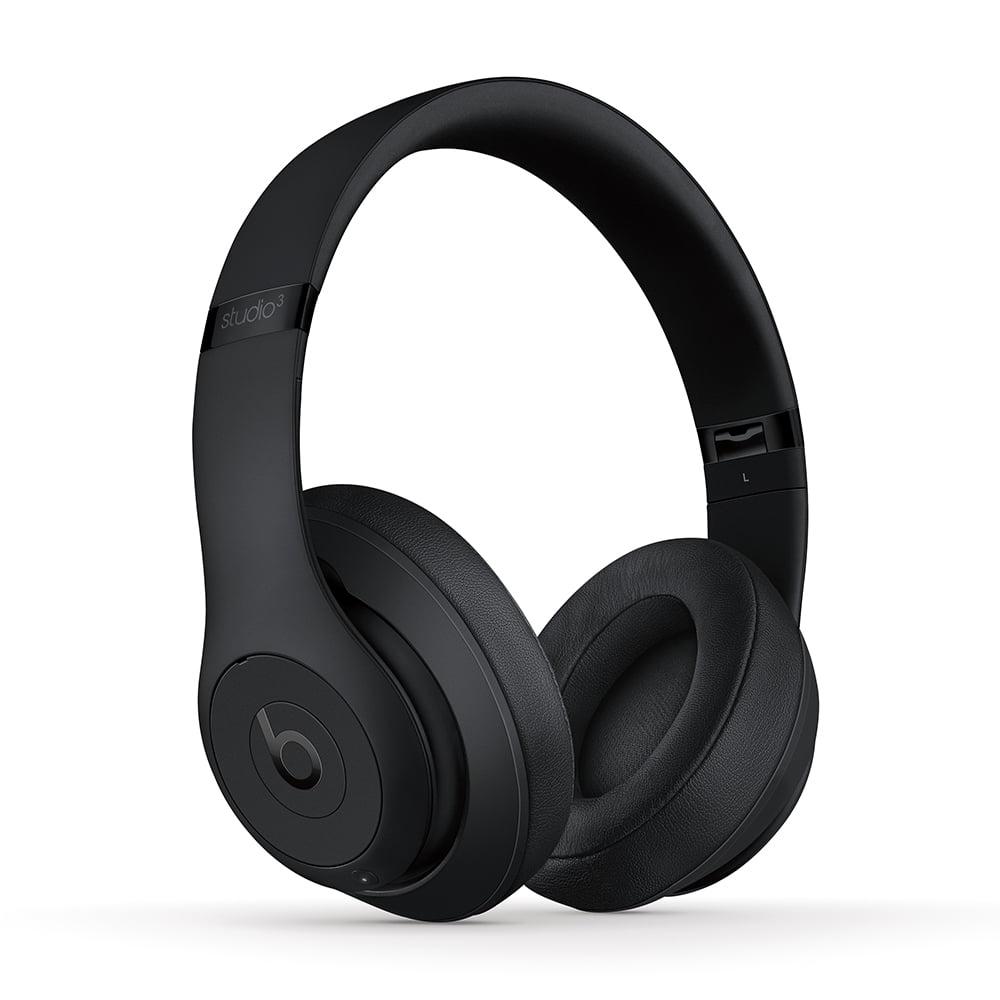
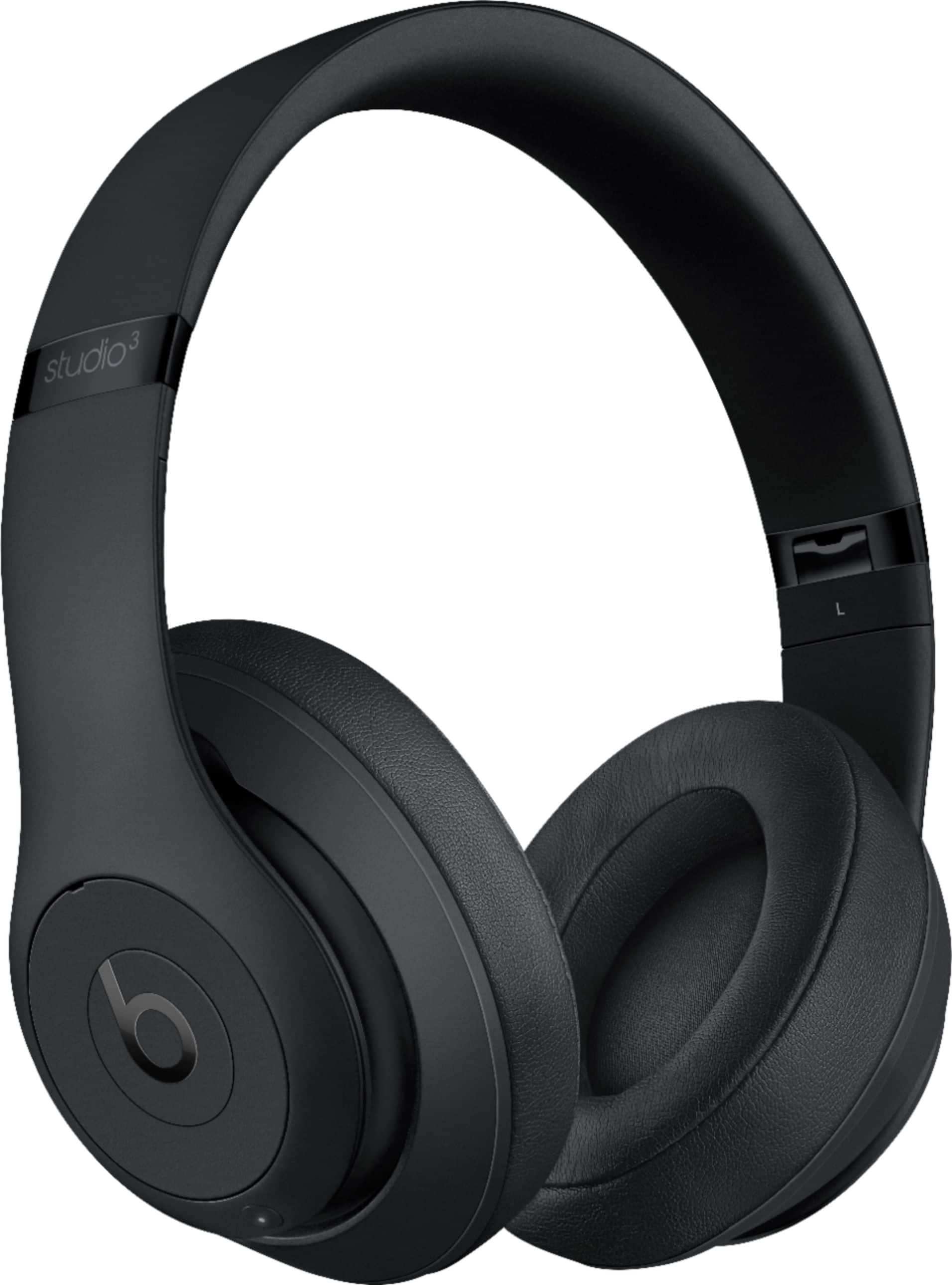
Today, we're comparing two headphones that represent different eras and philosophies in premium audio: the Beats Studio3 Wireless, released in 2017 as Apple's flagship offering, and the Sony WH-1000XM6, Sony's latest 2025 masterpiece. While both aim to deliver exceptional wireless audio experiences, they take remarkably different approaches to get there.
Before diving into specifics, it's worth understanding what makes a headphone "premium" and what you should prioritize when making your choice. Premium wireless headphones combine several advanced technologies that work together to create an exceptional listening experience.
Sound quality remains the foundation – after all, these are headphones first and gadgets second. This involves everything from the physical drivers (the tiny speakers inside each ear cup) to the digital signal processing that shapes how music reaches your ears.
Active Noise Cancellation (ANC) has become essential for premium models. This technology uses microphones to detect outside noise and then creates "anti-noise" sound waves to cancel it out. Think of it like noise-canceling interference – when done well, it can make a bustling coffee shop feel library-quiet.
Battery life and connectivity matter more than ever in our multi-device world. Modern headphones need to seamlessly switch between your phone, laptop, and tablet while lasting through long flights or work days.
Comfort and build quality determine whether you'll actually want to wear these headphones for hours. Premium models invest heavily in materials, weight distribution, and ergonomics.
The challenge lies in balancing all these elements while delivering good value. At the time of writing, premium wireless headphones typically range from the high $200s to over $400, making the choice between models a significant investment decision.
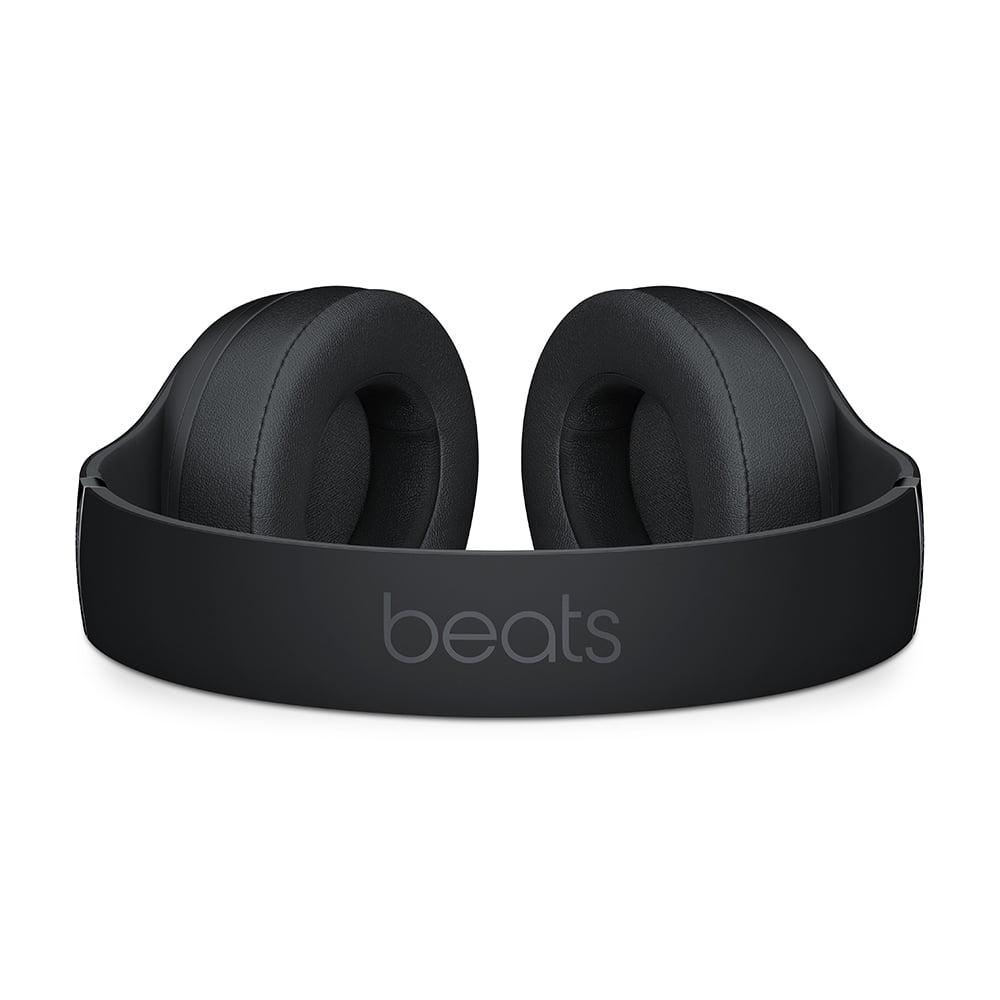
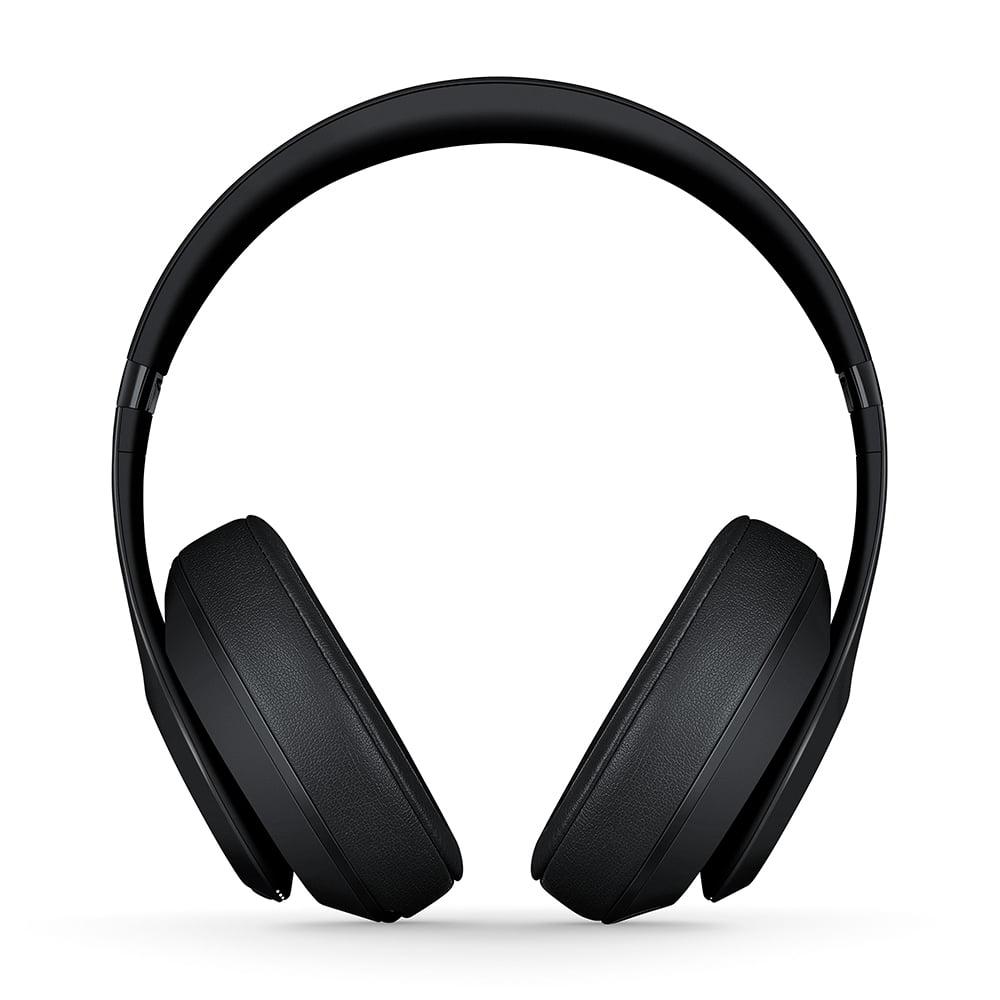
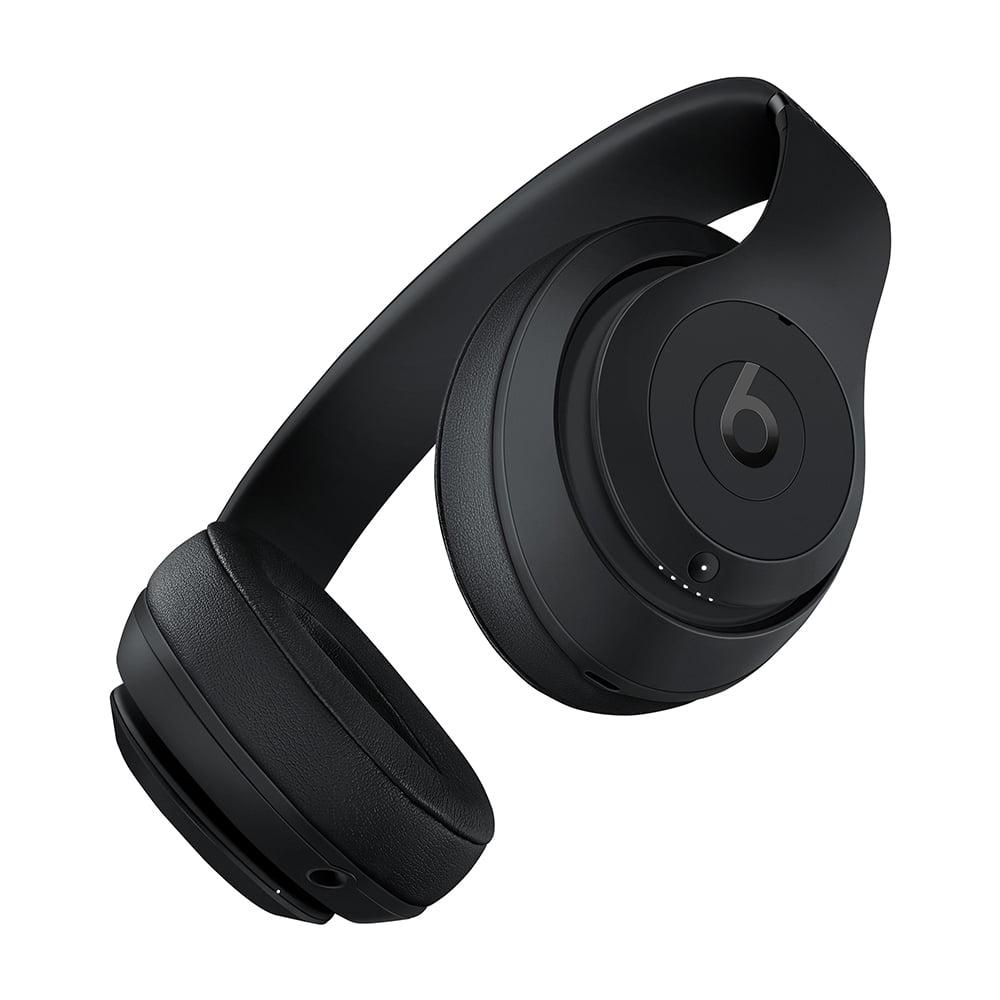
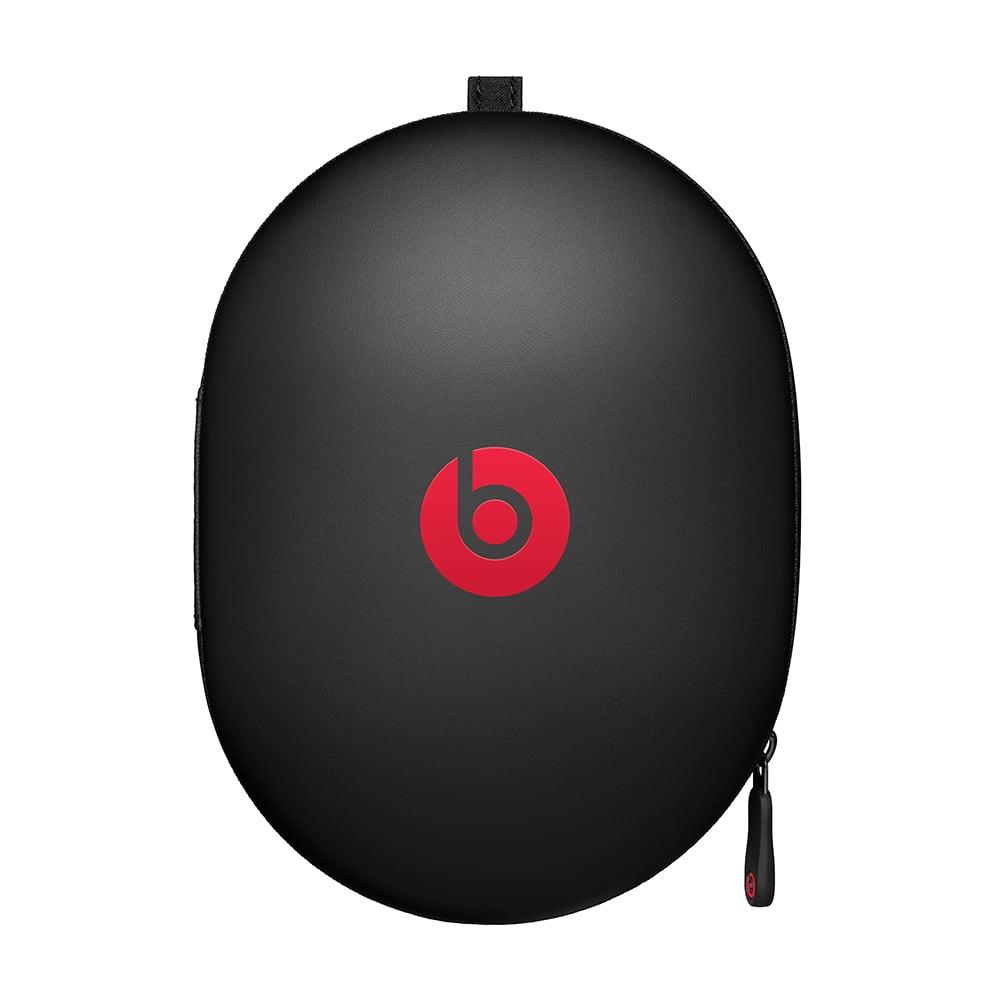
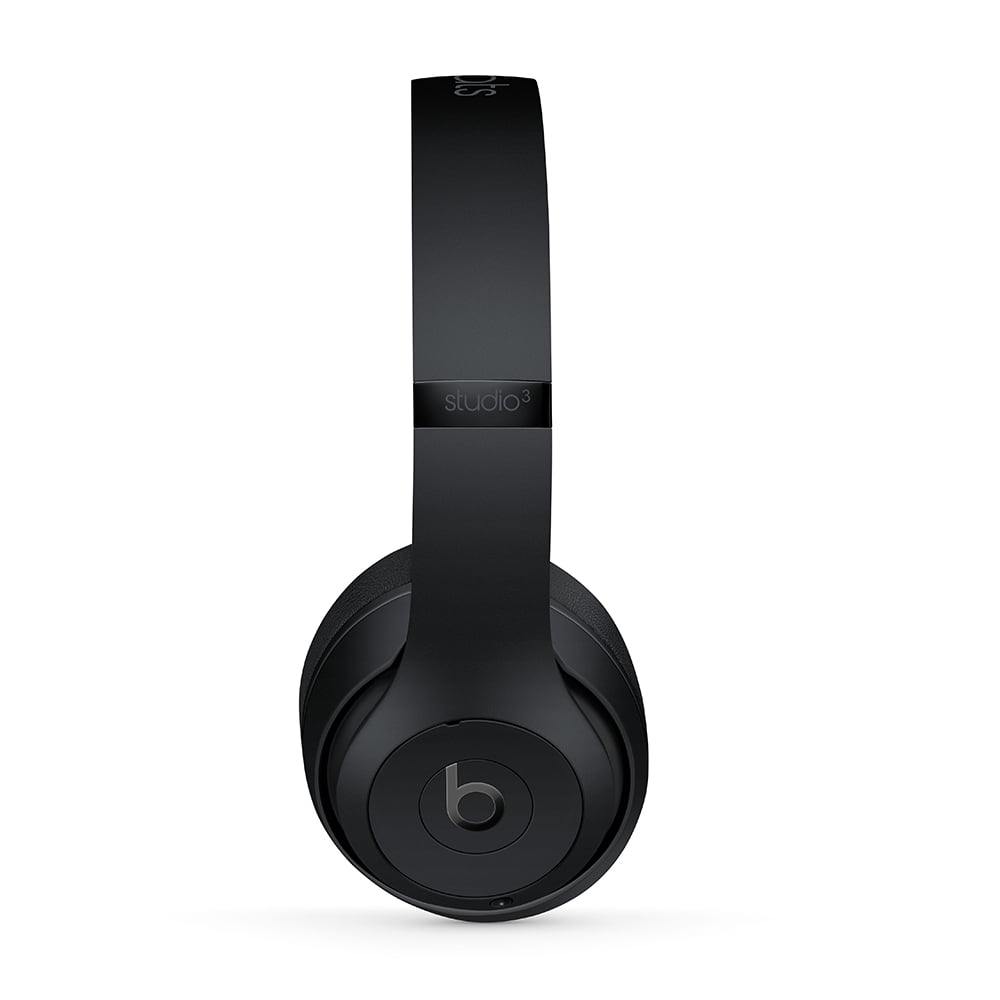
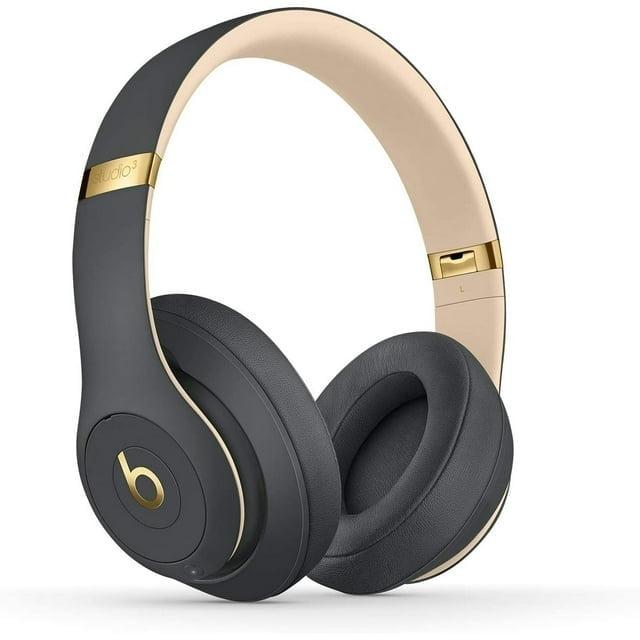
When Apple released the Beats Studio3 Wireless in 2017, they were establishing their vision for premium wireless audio in the post-iPhone-headphone-jack world. Built around Apple's W1 chip – the same technology powering the original AirPods – these headphones prioritized seamless Apple ecosystem integration above all else.
The Studio3 represented Beats' evolution from bass-heavy consumer headphones toward more refined, mainstream appeal. Apple's influence is evident throughout, from the minimalist design to the focus on ease of use over technical complexity.
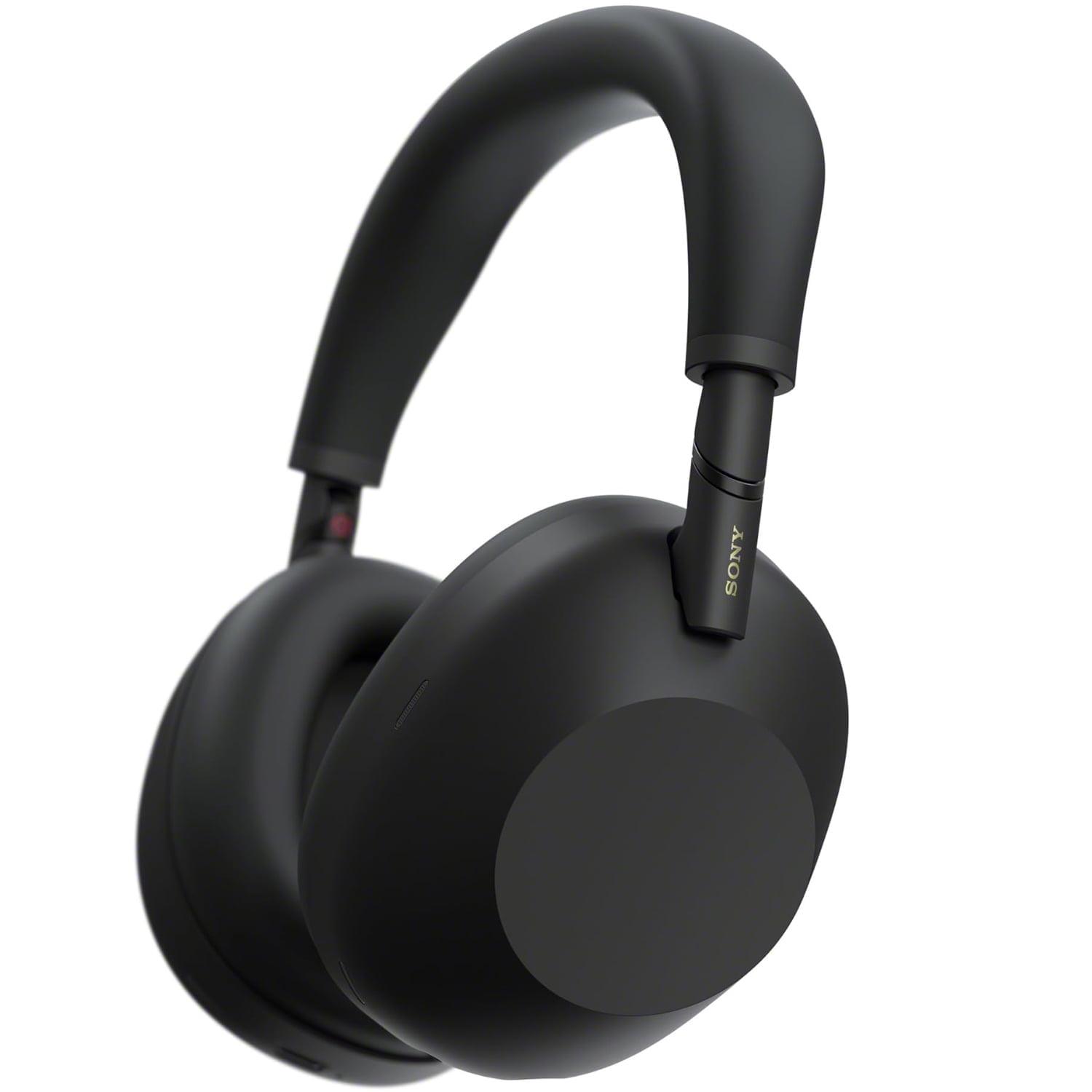
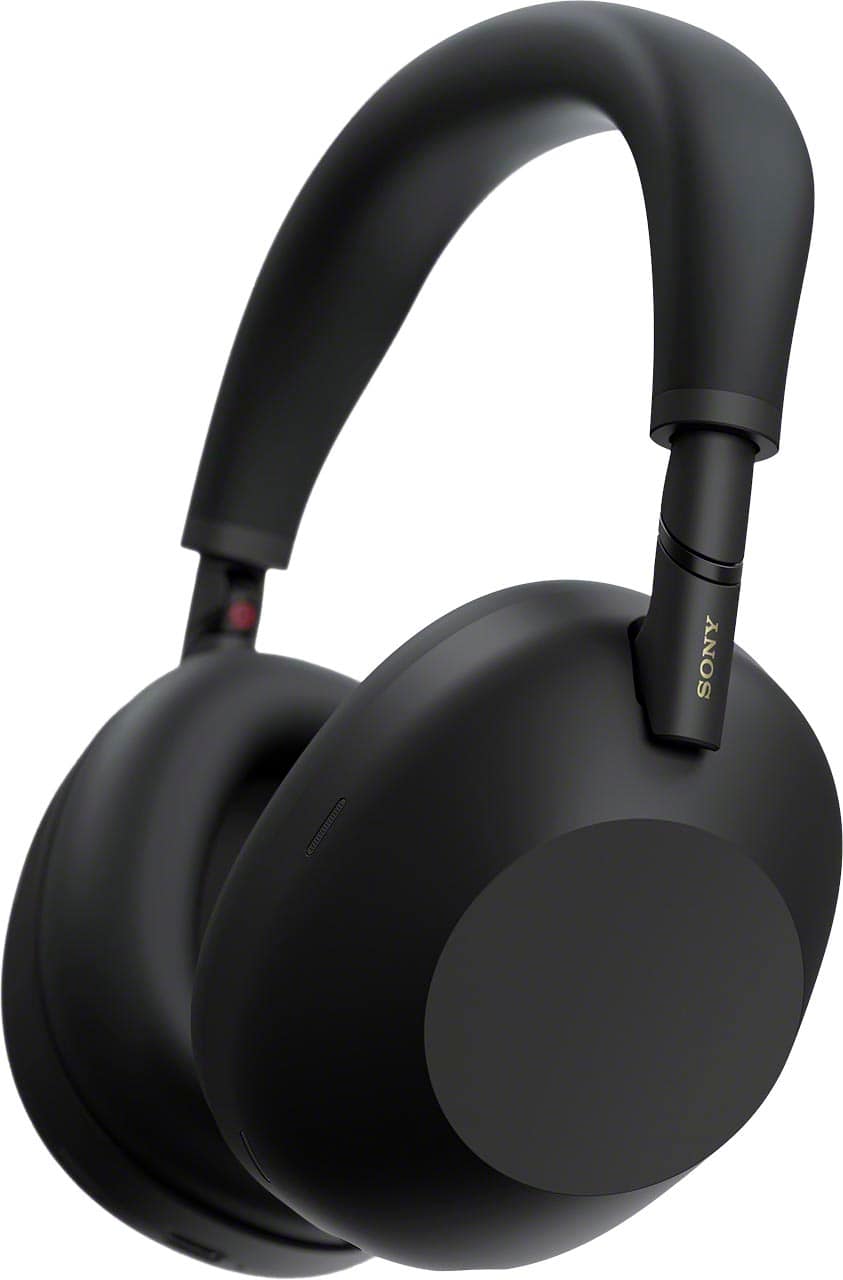
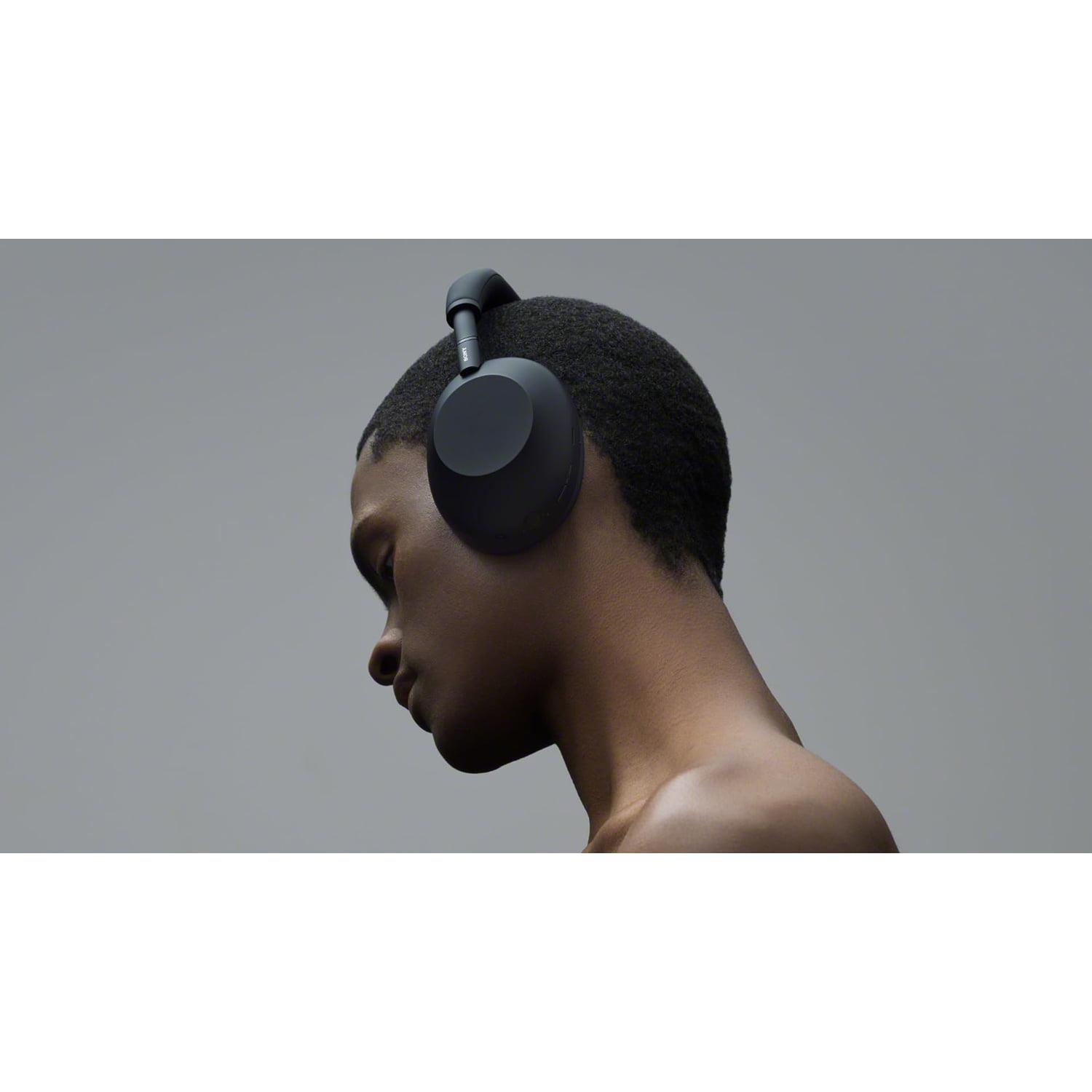
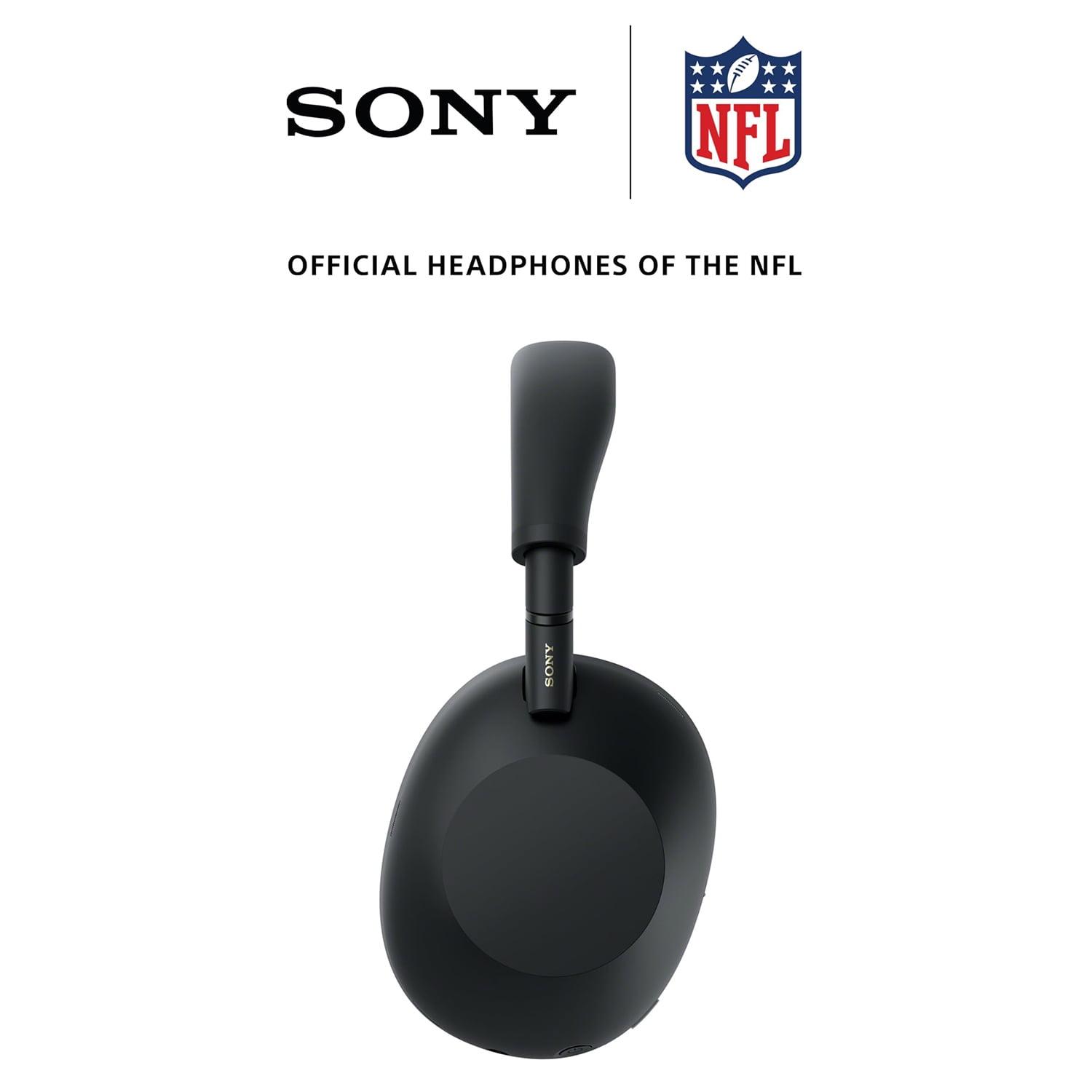
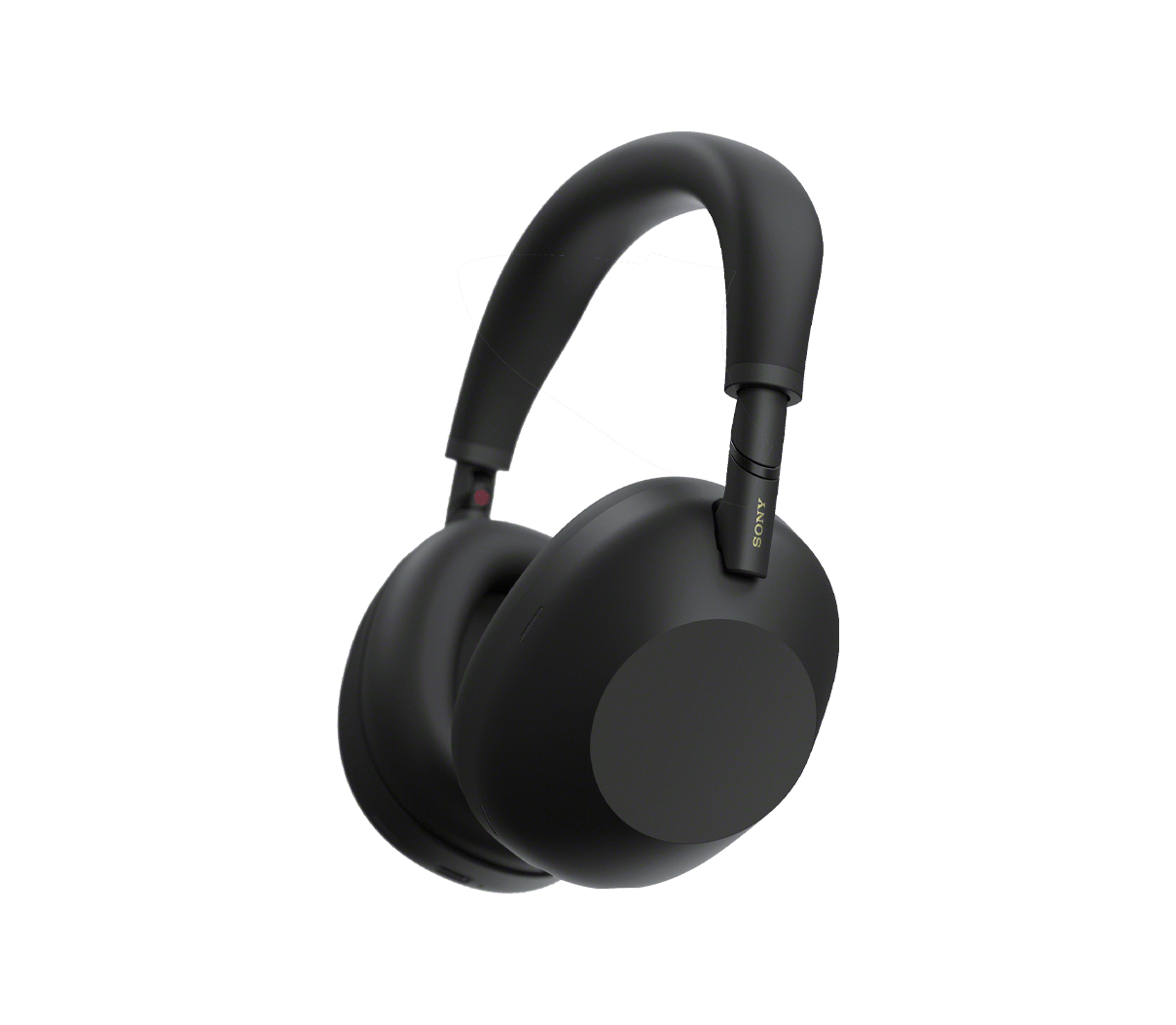
The Sony WH-1000XM6, released in 2025, represents nearly eight years of technological advancement since the Studio3's debut. Sony has used this time to develop their flagship into what many consider the gold standard for wireless noise-canceling headphones.
This latest model introduces Sony's HD Noise Cancelling Processor QN3, which operates seven times faster than previous generations. It's a showcase of how far the industry has progressed in computational audio processing, machine learning, and adaptive technologies.
The most significant difference between these headphones becomes apparent the moment you start listening. The Sony WH-1000XM6 delivers what Sony calls "mastering studio quality" sound, and this isn't just marketing speak. Sony collaborated directly with professional mastering engineers to tune these headphones, ensuring that music sounds as close as possible to what artists intended in the recording studio.
At the heart of this performance are custom 30mm neodymium drivers with lightweight carbon fiber domes. Neodymium is a rare earth magnet material that creates stronger magnetic fields in smaller packages, allowing for more precise driver control. The carbon fiber domes are both lighter and stiffer than traditional materials, reducing distortion while improving response speed across all frequencies.
But hardware is only part of the story. The Sony WH-1000XM6 includes DSEE Extreme, an AI-powered engine that analyzes compressed music files in real-time and attempts to restore details lost during compression. When you stream music from Spotify or Apple Music, you're hearing compressed audio that's had information removed to reduce file sizes. DSEE Extreme uses machine learning to intelligently fill in these gaps, essentially upscaling your music similar to how modern TVs upscale lower-resolution video.
The headphones also support LDAC, Sony's proprietary high-resolution Bluetooth codec that can transmit three times more data than standard Bluetooth audio. When paired with compatible devices and high-quality source material, LDAC can deliver near-CD-quality wireless audio – something that seemed impossible just a few years ago.
Perhaps most importantly for everyday use, the Sony WH-1000XM6 includes a comprehensive 10-band equalizer through Sony's smartphone app. This allows you to precisely adjust different frequency ranges to match your preferences or compensate for hearing differences. Whether you prefer thunderous bass, crisp highs, or a perfectly flat response, you can dial it in exactly.
The Beats Studio3 Wireless takes a different approach to sound quality. Rather than providing extensive customization options, Beats has tuned these headphones with a specific sound signature that aims to be immediately appealing to most listeners.
The Studio3 features what Beats calls "Pure Adaptive Noise Cancelling" which goes beyond just blocking outside noise – it also includes real-time audio calibration. This system continuously monitors the seal around your ears and adjusts both noise cancellation and audio output to maintain consistent sound quality. If your headphones shift slightly or if you're wearing glasses that break the seal, the system adapts automatically.
While the Beats Studio3 doesn't offer the extensive customization of the Sony model, many users find its tuning immediately satisfying without any adjustment needed. The bass is present and punchy without overwhelming other frequencies, and the overall presentation is warm and engaging.
However, the eight-year technology gap becomes apparent in direct comparisons. The Studio3 lacks support for high-resolution codecs like LDAC, limiting wireless audio quality to standard Bluetooth levels. The drivers, while competent, don't match the precision and detail retrieval of Sony's newer technology.
Noise cancellation represents perhaps the most dramatic difference between these two generations of headphones. The Sony WH-1000XM6 uses twelve microphones – six per ear cup – feeding information to the lightning-fast QN3 processor. This system analyzes incoming noise and generates cancellation signals in real-time, adapting continuously to changing conditions.
What makes this particularly impressive is the sophistication of the algorithms. The system doesn't just cancel noise uniformly across all frequencies. Instead, it analyzes the acoustic environment and applies different cancellation strategies for different types of sounds. Low-frequency rumbles from airplane engines receive different treatment than mid-frequency chatter from nearby conversations.
The Sony WH-1000XM6 also includes atmospheric pressure optimization – a feature specifically designed for air travel. As airplane cabins pressurize and depressurize during flight, the headphones automatically adjust their noise cancellation algorithms to maintain optimal performance. For frequent flyers, this attention to detail makes a noticeable difference in listening comfort.
Professional testing shows the XM6 can reduce ambient noise by an average of 87%, which places it among the most effective noise-canceling headphones available. But numbers only tell part of the story – the quality of the cancellation matters just as much as the quantity. Sony's implementation produces minimal artifacts or "pressure" sensations that can make some ANC systems uncomfortable for extended wear.
The Beats Studio3 Wireless employs what was considered advanced ANC technology in 2017, but the gap with modern systems is substantial. The Studio3 uses fewer microphones and less sophisticated processing, resulting in noise cancellation that's adequate for most situations but lacks the refinement of newer systems.
Where the Studio3 does excel is in simplicity. The ANC system is always on when the headphones are powered, and it adapts automatically without requiring any user intervention. For users who want effective noise cancellation without thinking about it, this approach has merit.
However, the Beats Studio3 notably lacks a transparency mode – a feature that allows outside sound to pass through when you need situational awareness. Modern headphones typically offer this as a safety and convenience feature, making the Studio3 feel dated in comparison.
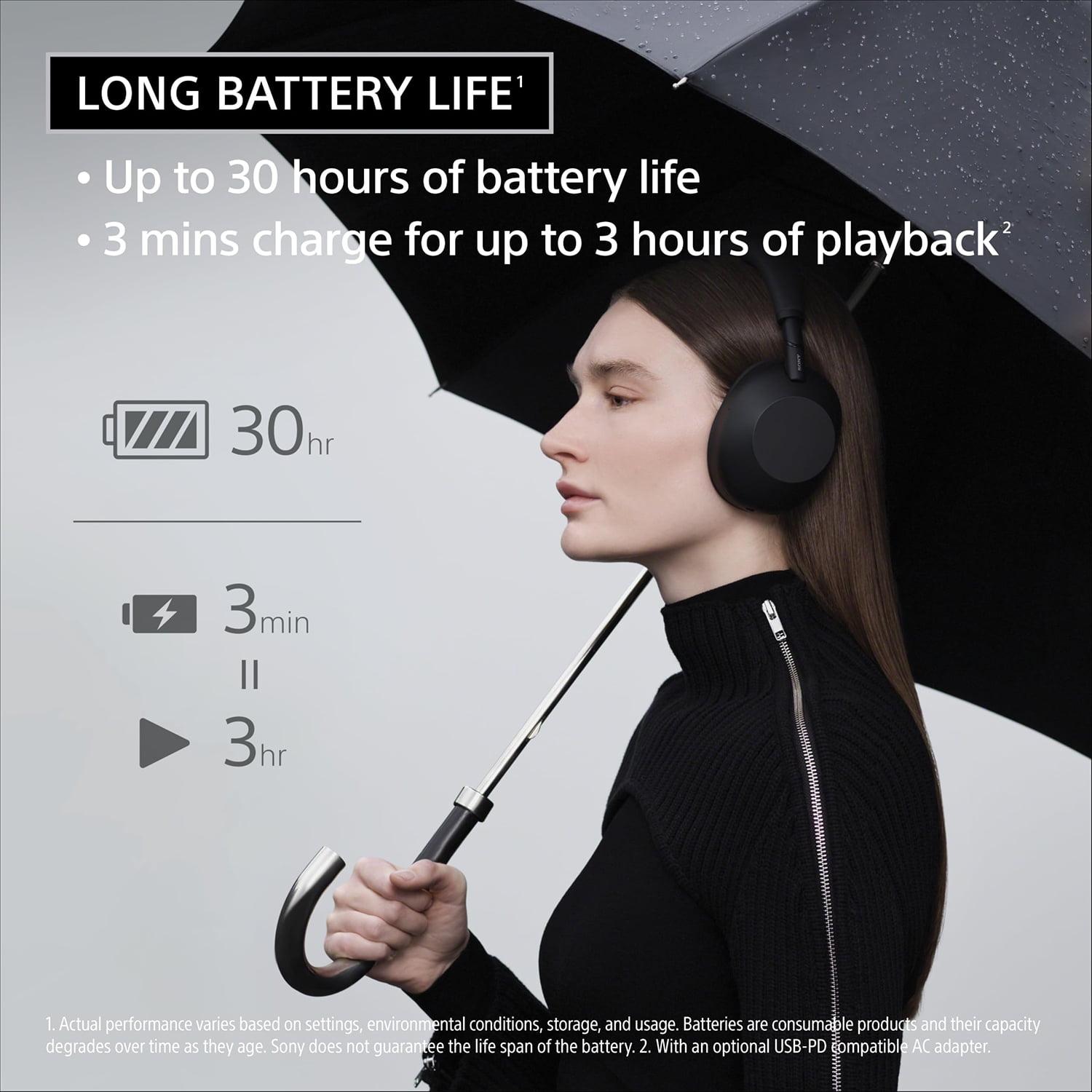
Battery life represents one of the Sony WH-1000XM6's strongest advantages. With up to 30 hours of playback with noise cancellation enabled, these headphones can easily handle the longest international flights or several days of commuting without needing a charge.
What's particularly impressive is Sony's quick-charge implementation. Just three minutes of charging provides three hours of playback – enough to get you through most situations where you've forgotten to charge overnight. The headphones also support listening while charging via USB-C, eliminating the anxiety of completely dead batteries.
Real-world testing consistently shows the XM6 meeting or exceeding Sony's battery claims, with many users reporting over 35 hours of mixed-use listening. This reliability stems from efficient power management throughout the system, from the Bluetooth radio to the noise cancellation processors.
The Beats Studio3 Wireless offers 22 hours of listening time with ANC enabled – respectable for its generation but significantly less than modern alternatives. The headphones include Fast Fuel charging, which provides three hours of playback from a 10-minute charge.
However, the Studio3 uses micro-USB for charging rather than the USB-C standard adopted by most modern devices. This means carrying an extra cable and dealing with the inherent fragility and slower charging speeds of micro-USB connections.
The battery performance gap becomes more significant when you consider that both headphones are targeting similar use cases. For travelers or heavy commuters, the difference between 22 and 30+ hours can mean the difference between daily charging and weekly charging.
The Sony WH-1000XM6 showcases how artificial intelligence can enhance the headphone experience. Adaptive Sound Control uses machine learning to recognize your activities and locations, automatically adjusting noise cancellation and ambient sound settings accordingly.
The system learns your patterns over time. If you regularly walk through the same noisy intersection during your commute, the headphones will remember and proactively adjust their settings. If you frequently take calls in your home office, they'll optimize for call quality in that environment.
Speak-to-Chat represents another intelligent feature that exemplifies Sony's approach. When the headphones detect you speaking, they automatically pause music and enable ambient sound mode so you can have a conversation. Music resumes automatically when you stop talking. While this sounds simple, the implementation requires sophisticated voice detection algorithms that can distinguish your voice from background speech and other sounds.
The Sony WH-1000XM6 also supports multipoint Bluetooth connections, allowing simultaneous pairing with two devices. You can listen to music on your laptop while remaining connected to your phone for calls. The headphones intelligently manage the connections, automatically switching audio sources as needed.
While the Beats Studio3 Wireless lacks the advanced AI features of the Sony model, it excels in Apple ecosystem integration thanks to the W1 chip. This provides several compelling advantages for Apple users.
Pairing is nearly instantaneous – hold the headphones near any signed-in Apple device, and they'll automatically pair and sync to all your devices via iCloud. This seamless experience extends to automatic device switching; the headphones will switch from your iPhone to your iPad to your Mac without any manual intervention.
The W1 chip also provides extended Bluetooth range and improved connection stability. Users report being able to walk much farther from their devices before experiencing dropouts compared to standard Bluetooth implementations.
However, these benefits are largely limited to Apple devices. Android users lose most of the W1 chip's advantages, making the Beats Studio3 less compelling for non-Apple ecosystems.
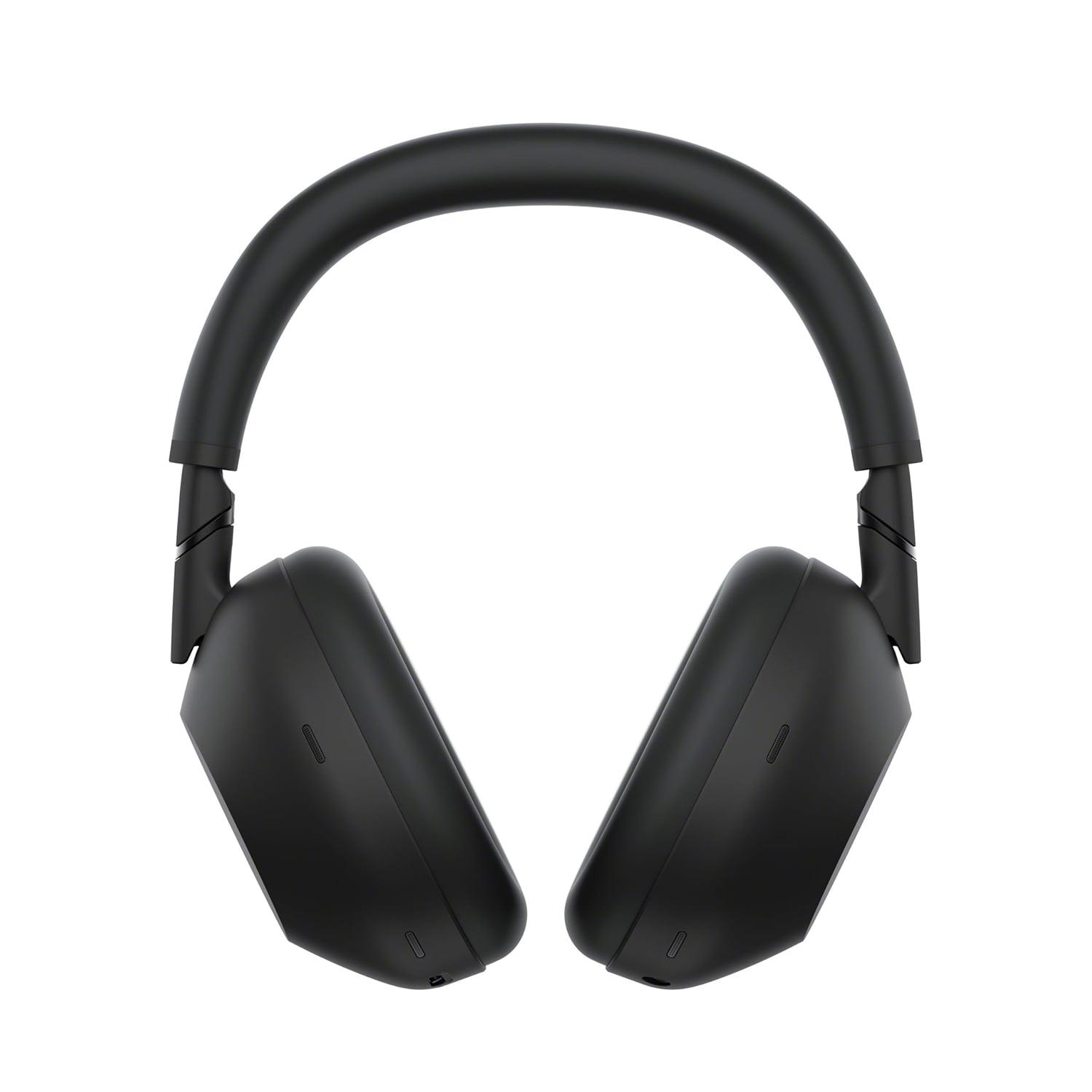
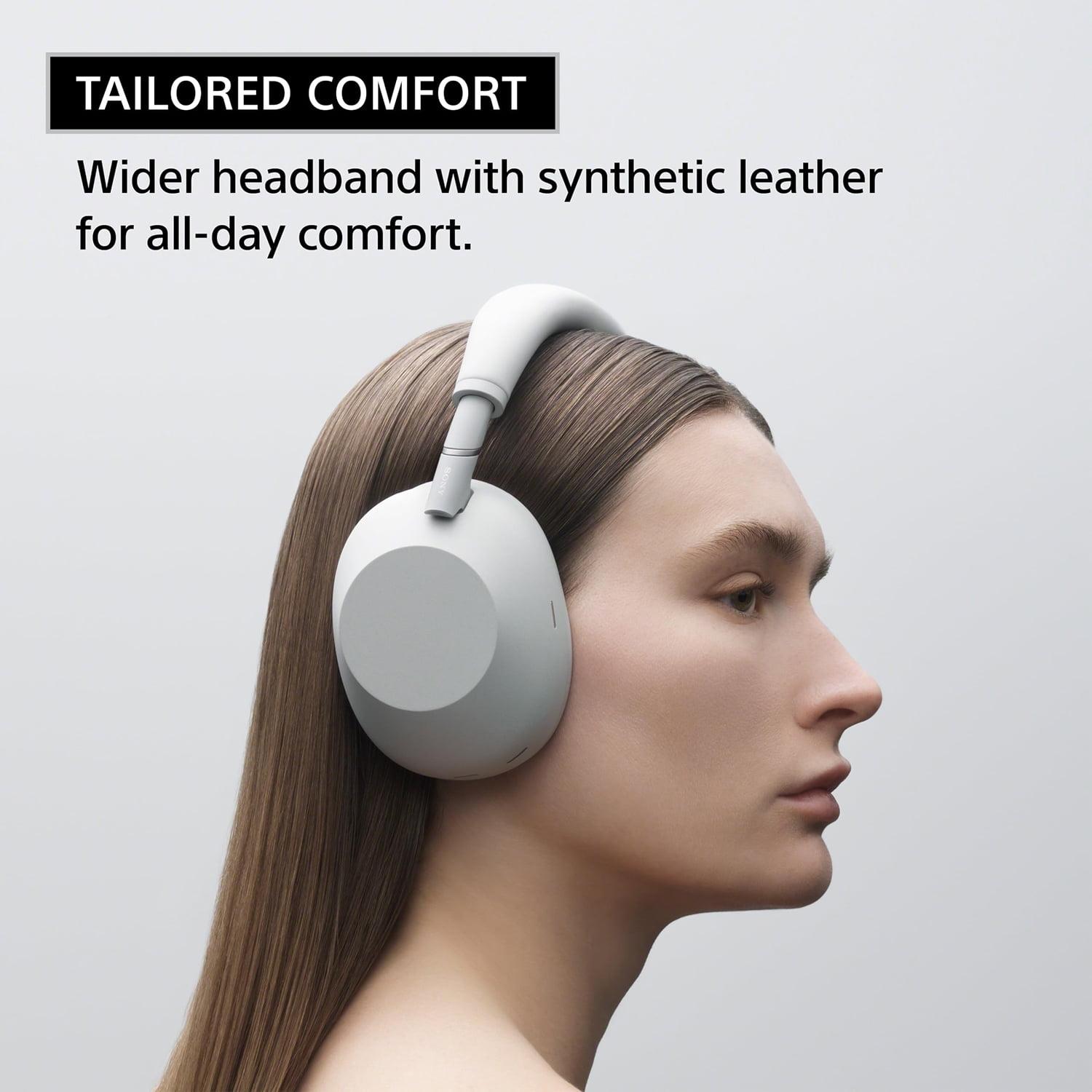
The Sony WH-1000XM6 represents a significant evolution in Sony's approach to comfort and build quality. The headphones feature a wider headband design that distributes weight more evenly across your head, reducing pressure points during long listening sessions.
The ear cushions use synthetic leather that Sony describes as "smooth vegan leather," providing a comfortable seal without the heat buildup sometimes associated with genuine leather. The ear cups are designed to accommodate glasses comfortably – an important consideration given how glasses can break the seal needed for effective noise cancellation.
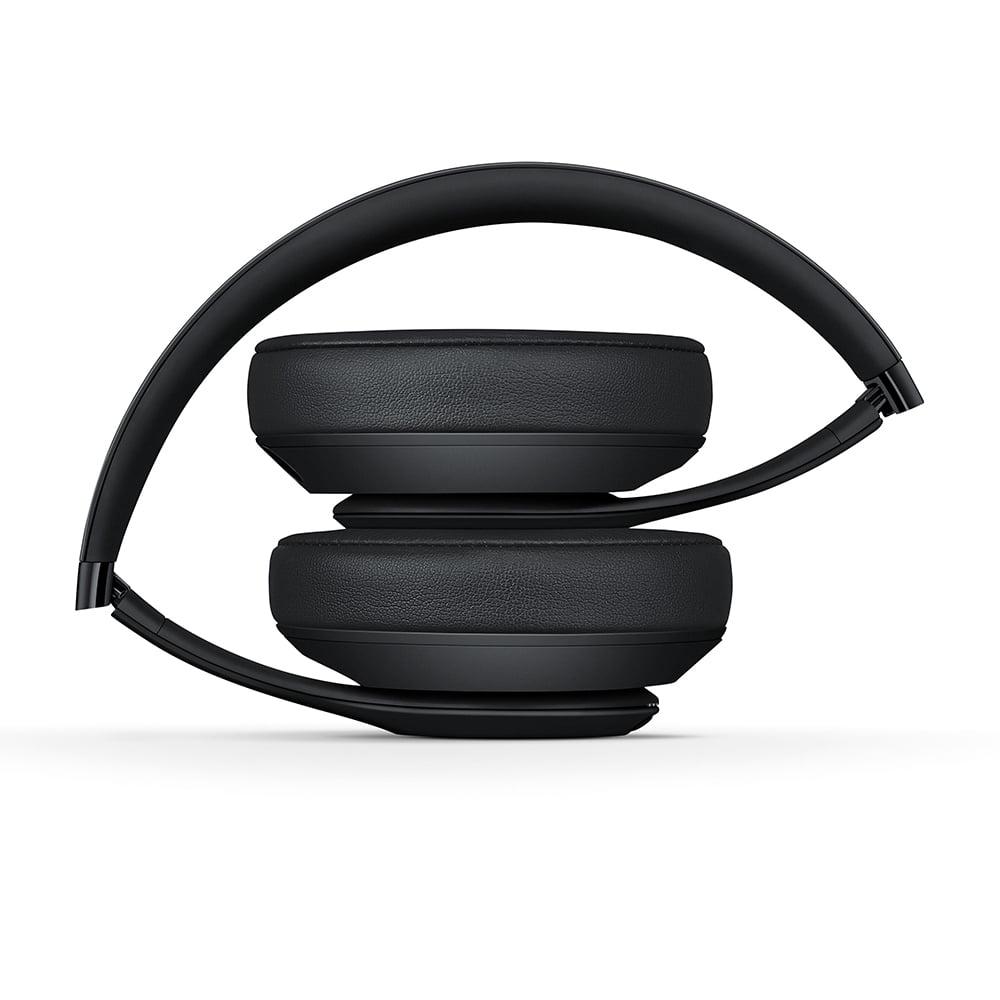
At approximately 254 grams, the XM6 achieves an impressive balance between durability and lightweight comfort. The foldable design enhances portability while maintaining structural integrity. Sony has also added a fingerprint-resistant coating to reduce visible smudging on the touch-sensitive surfaces.
The Beats Studio3 Wireless prioritizes visual appeal and brand recognition in its design language. Available in multiple color options, these headphones make a fashion statement while delivering functional performance.
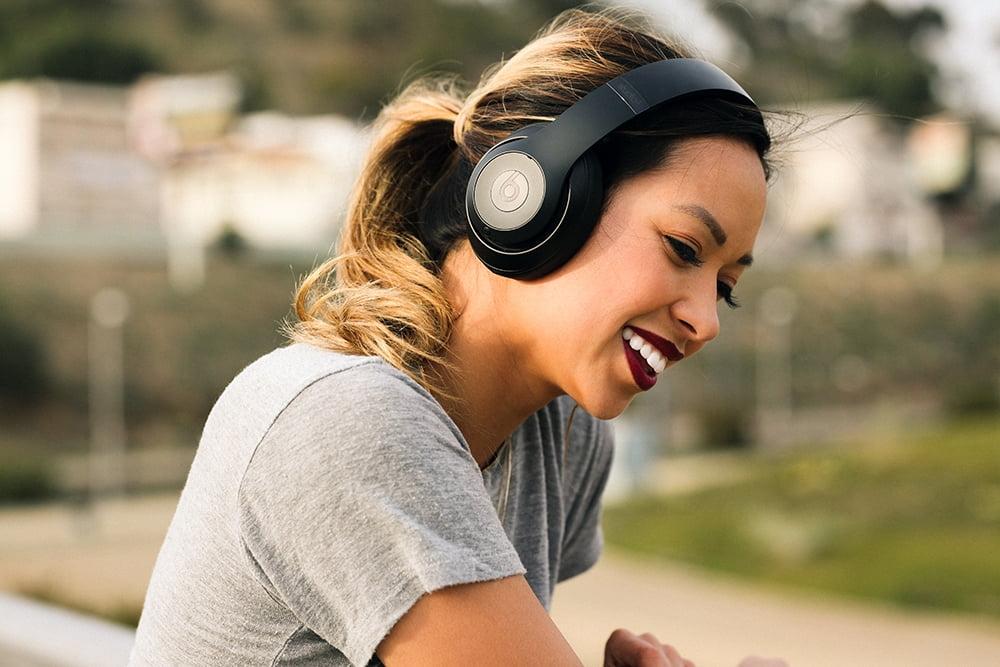
The ear cushions provide adequate comfort for most users, though some find the padding less luxurious than premium alternatives. The headband design, while stylish, doesn't distribute weight as effectively as newer designs, potentially causing discomfort during extended wear.
Build quality is solid but not exceptional. The predominantly plastic construction keeps weight reasonable but doesn't convey the premium feel that the price point suggests. Some users report durability concerns with the rigid headband design over extended use.
Both headphones can enhance home entertainment, but with different strengths. The Sony WH-1000XM6 supports 360 Reality Audio and spatial audio technologies that can create more immersive movie and gaming experiences. The superior sound quality and customizable EQ also allow for better dialog clarity and more impactful sound effects.
For Apple TV users, the Beats Studio3 Wireless offers the advantage of seamless integration, though it lacks the advanced spatial audio features of Apple's own AirPods Max or the Sony's surround sound capabilities.
Neither headphone offers dedicated gaming modes or ultra-low latency connections that serious gamers require, but both are adequate for casual gaming and movie watching.
At the time of writing, the pricing landscape reveals an interesting paradox. Despite being the newer, more technologically advanced product, the Sony WH-1000XM6 is often priced competitively with or even below the older Beats Studio3 Wireless.
This pricing situation makes the Sony model an exceptional value proposition. You're getting nearly eight years of technological advancement – better sound quality, superior noise cancellation, longer battery life, and more advanced features – often for less money than the older alternative.
The Beats Studio3 primarily makes sense when found at significant discounts or for users who specifically value Apple ecosystem integration above other considerations. The seamless Apple device connectivity and brand appeal remain legitimate selling points, but they come at the cost of technical performance.
Choose the Sony WH-1000XM6 if you:
Choose the Beats Studio3 Wireless if you:
The comparison between the Beats Studio3 Wireless and Sony WH-1000XM6 ultimately illustrates how rapidly headphone technology has advanced. While the Studio3 was competitive in 2017, the eight-year technology gap is impossible to ignore when comparing current performance and value.
The Sony WH-1000XM6 delivers superior performance across virtually every meaningful metric while often costing less than its older competitor. Unless you specifically need the Apple W1 chip's ecosystem benefits or find the Studio3 heavily discounted, the Sony represents the clear choice for premium wireless headphones in 2025.
For most users, the investment in the Sony WH-1000XM6 provides not just better immediate performance, but also better long-term value through ongoing software updates, future-proof connectivity standards, and technology that won't feel dated nearly as quickly. In the rapidly evolving world of wireless audio, that forward-looking approach makes all the difference.
| Beats Studio3 Wireless | Sony WH-1000XM6 |
|---|---|
| Release Year - Shows technology generation and feature availability | |
| 2017 (older W1 chip technology) | 2025 (latest QN3 processor and AI features) |
| Active Noise Cancellation - Critical for travel and focus | |
| Pure ANC with basic adaptation | Industry-leading ANC with 12 mics, 87% noise reduction |
| Battery Life with ANC - Determines daily usability | |
| 22 hours (adequate for most users) | 30+ hours (excellent for heavy use and travel) |
| Sound Quality - Core audio performance | |
| Warm, bass-forward tuning with limited customization | Mastering studio quality with 10-band EQ and DSEE Extreme |
| Codec Support - Affects wireless audio quality | |
| AAC, SBC (standard quality) | LDAC, AAC, SBC, LC3 (high-resolution capable) |
| Smart Features - Modern convenience and automation | |
| W1 chip for Apple integration only | AI-powered Adaptive Sound Control, Speak-to-Chat, multipoint |
| Comfort Design - Important for extended wear | |
| Standard padding, 260g weight | Wider headband, premium materials, 254g weight |
| Charging Technology - Daily convenience factor | |
| Micro-USB, 10min = 3hrs playback | USB-C, 3min = 3hrs playbook, listen while charging |
| Transparency/Ambient Mode - Safety and situational awareness | |
| None available | Advanced ambient sound control with customization |
| App Integration - Customization and control options | |
| Basic controls only | Comprehensive Sony app with extensive EQ and settings |
| Best Use Case - Who should choose each product | |
| Apple users wanting simple, stylish ANC headphones | Audiophiles and frequent travelers demanding cutting-edge performance |
The Sony WH-1000XM6 delivers significantly better sound quality with mastering studio-grade drivers, DSEE Extreme AI upscaling, and a 10-band equalizer for customization. The Beats Studio3 Wireless offers decent audio with a warm, bass-forward signature but lacks the detail and clarity of the Sony model.
Yes, both feature active noise cancellation, but the Sony WH-1000XM6 is far superior with its QN3 processor and 12 adaptive microphones that block 87% of external noise. The Beats Studio3 Wireless has Pure ANC technology that's adequate for basic noise reduction but can't match Sony's advanced system.
The Sony WH-1000XM6 offers up to 30+ hours of battery life with ANC enabled, while the Beats Studio3 Wireless provides 22 hours. Sony also features faster charging (3 minutes for 3 hours playback) compared to Beats' 10-minute charge for 3 hours.
The Sony WH-1000XM6 is designed for extended comfort with a wider headband, premium materials, and better weight distribution. The Beats Studio3 Wireless is reasonably comfortable but may cause pressure points during very long sessions due to its more basic padding design.
The Beats Studio3 Wireless excels with Apple devices thanks to the W1 chip, offering instant pairing and seamless device switching across your Apple ecosystem. The Sony WH-1000XM6 works well with Apple devices but lacks the specialized integration features of the Beats model.
The Sony WH-1000XM6 supports premium codecs including LDAC for near-CD quality wireless audio, plus AAC and SBC. The Beats Studio3 Wireless only supports standard AAC and SBC codecs, limiting wireless audio quality compared to the Sony's high-resolution capabilities.
The Sony WH-1000XM6 is superior for travel with industry-leading noise cancellation, 30+ hour battery life, and atmospheric pressure optimization for flights. While the Beats Studio3 Wireless works for travel, its shorter battery life and weaker ANC make it less ideal for long journeys.
Both handle calls, but the Sony WH-1000XM6 offers superior call quality with six beamforming microphones and AI noise reduction that isolates your voice from background noise. The Beats Studio3 Wireless provides adequate call quality but struggles more in noisy environments.
The Sony WH-1000XM6 features advanced ambient sound modes that let you hear your surroundings when needed, with customizable levels of outside sound. The Beats Studio3 Wireless lacks any transparency mode, requiring you to remove the headphones to hear ambient sound.
The Sony WH-1000XM6 typically offers better value despite being newer technology, providing superior performance in sound quality, noise cancellation, and battery life. The Beats Studio3 Wireless mainly makes sense when found at significant discounts or for users prioritizing Apple ecosystem integration.
The Sony WH-1000XM6 works well for home entertainment with 360 Reality Audio support and superior sound quality for movies and games. The Beats Studio3 Wireless is adequate for casual home use but lacks the advanced spatial audio features and detailed sound reproduction of the Sony model.
For most users, the Sony WH-1000XM6 is the clear choice with its cutting-edge technology, superior performance across all categories, and often competitive pricing. Choose the Beats Studio3 Wireless only if you're deeply invested in Apple's ecosystem and find it at a substantial discount from typical retail pricing.
We've done our best to create useful and informative comparisons to help you decide what product to buy. Our research uses advanced automated methods to create this comparison and perfection is not possible - please contact us for corrections or questions. These are the sites we've researched in the creation of this article: techradar.com - recordingnow.com - rtings.com - soundguys.com - recordingnow.com - recordingnow.com - soundguys.com - soundguys.com - youtube.com - rtings.com - gsmarena.com - bhphotovideo.com - headphonecheck.com - themasterswitch.com - walmart.com - rentacenter.com - discussions.apple.com - beatsbydre.com - bestbuy.com - walmart.com - youtube.com - youtube.com - moon-audio.com - soundguys.com - electronics.sony.com - recordingnow.com - tomsguide.com - electronics.sony.com - rtings.com - recordingnow.com - youtube.com - soundguys.com - whathifi.com - bhphotovideo.com - sony.com - sony.com - bestbuy.com - youtube.com - sony.eu - soundguys.com - audio46.com - electronics.sony.com

Privacy Policy
Terms and Conditions - Affiliate Policy
Home Security
© Copyright 2008-2026.
11816 Inwood Rd #1211, Dallas, TX 75244