

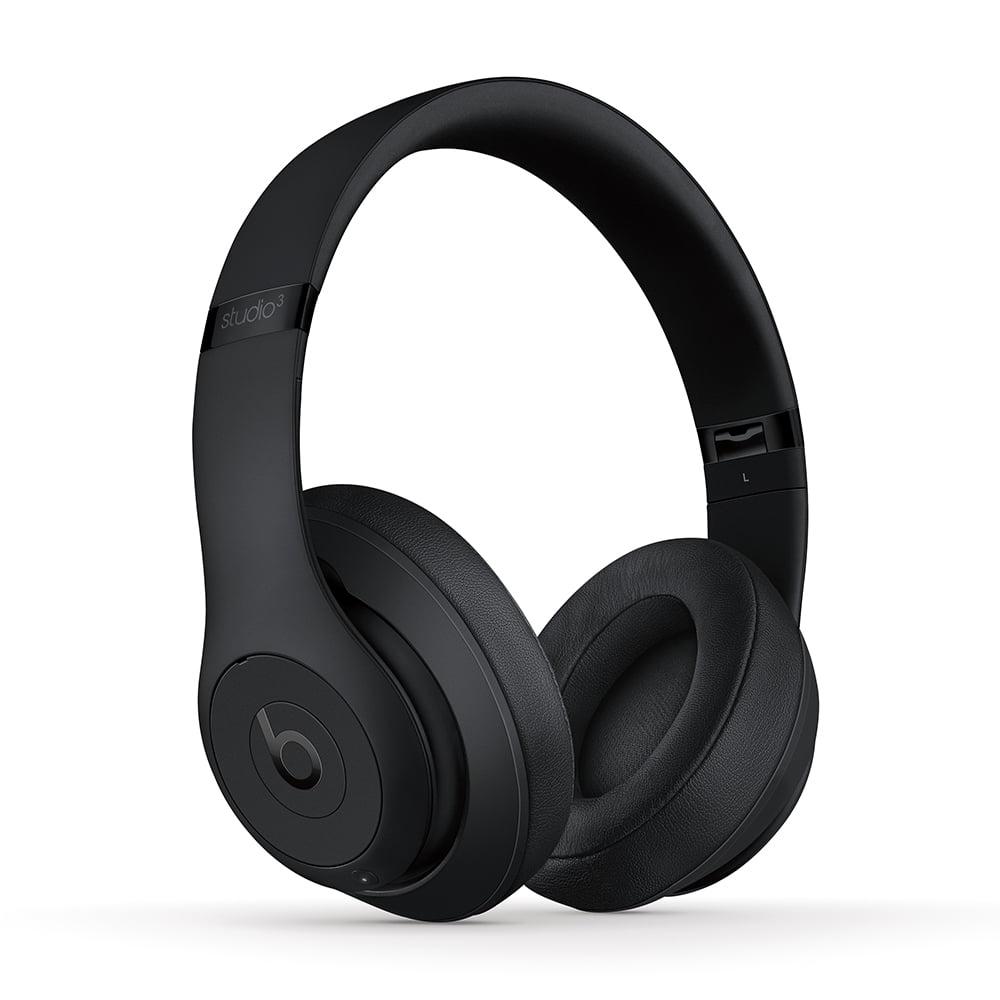
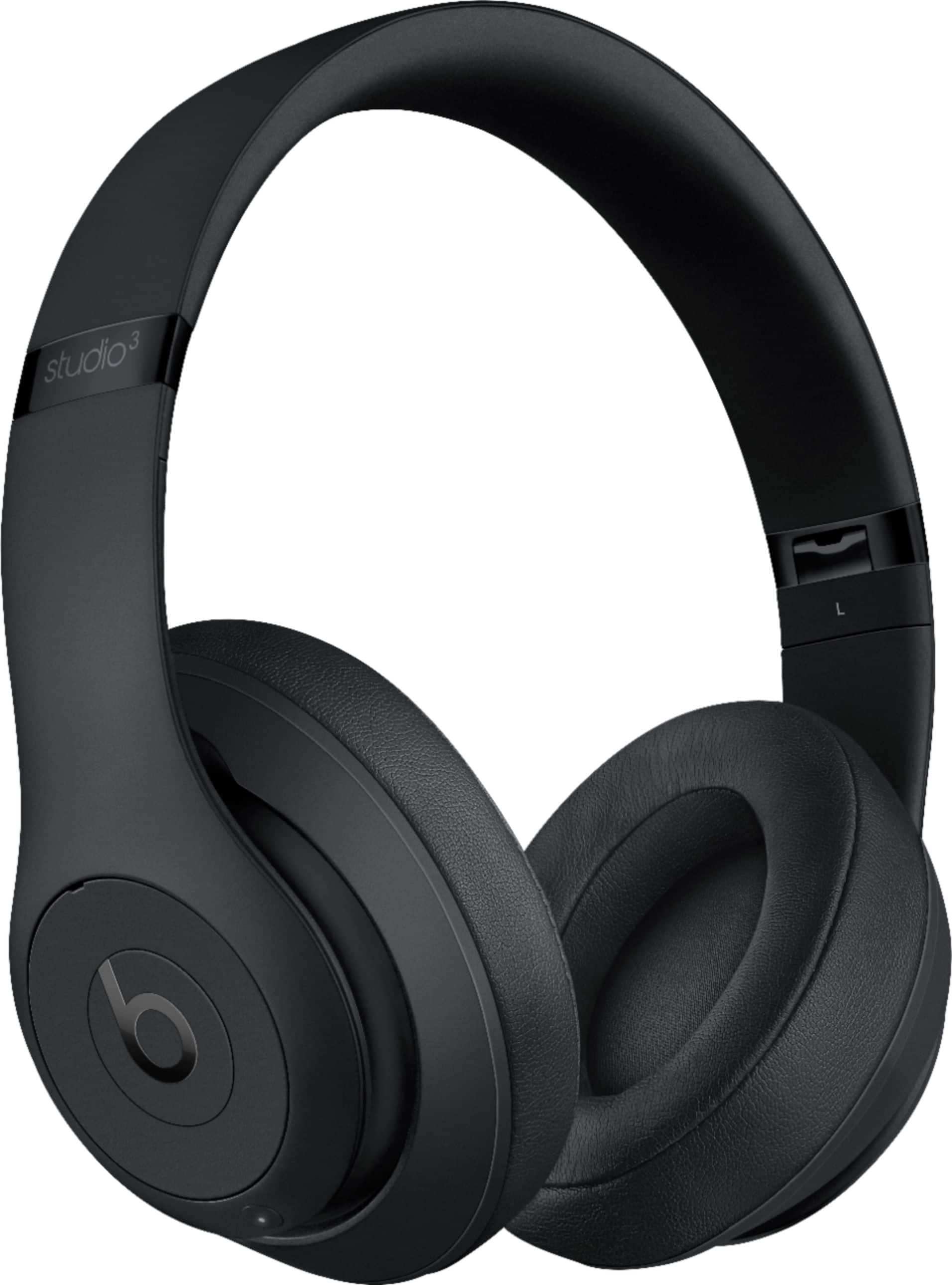
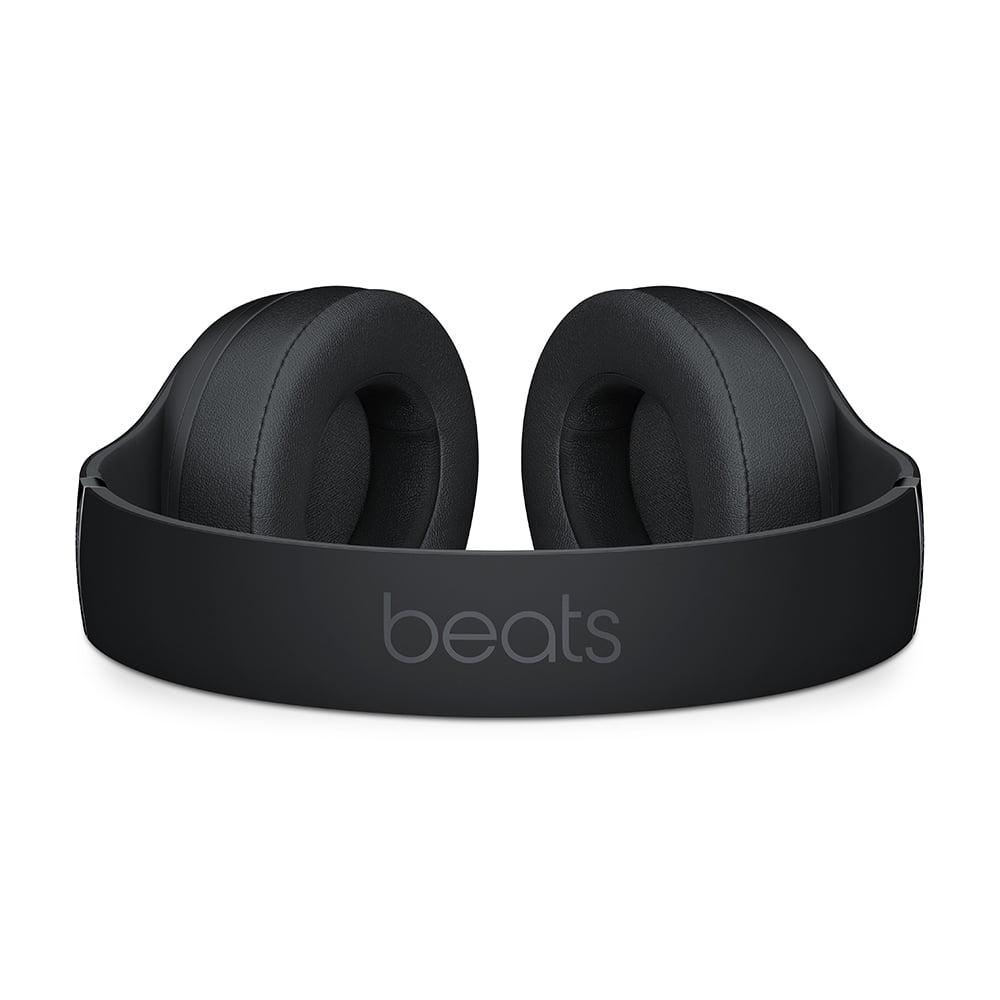
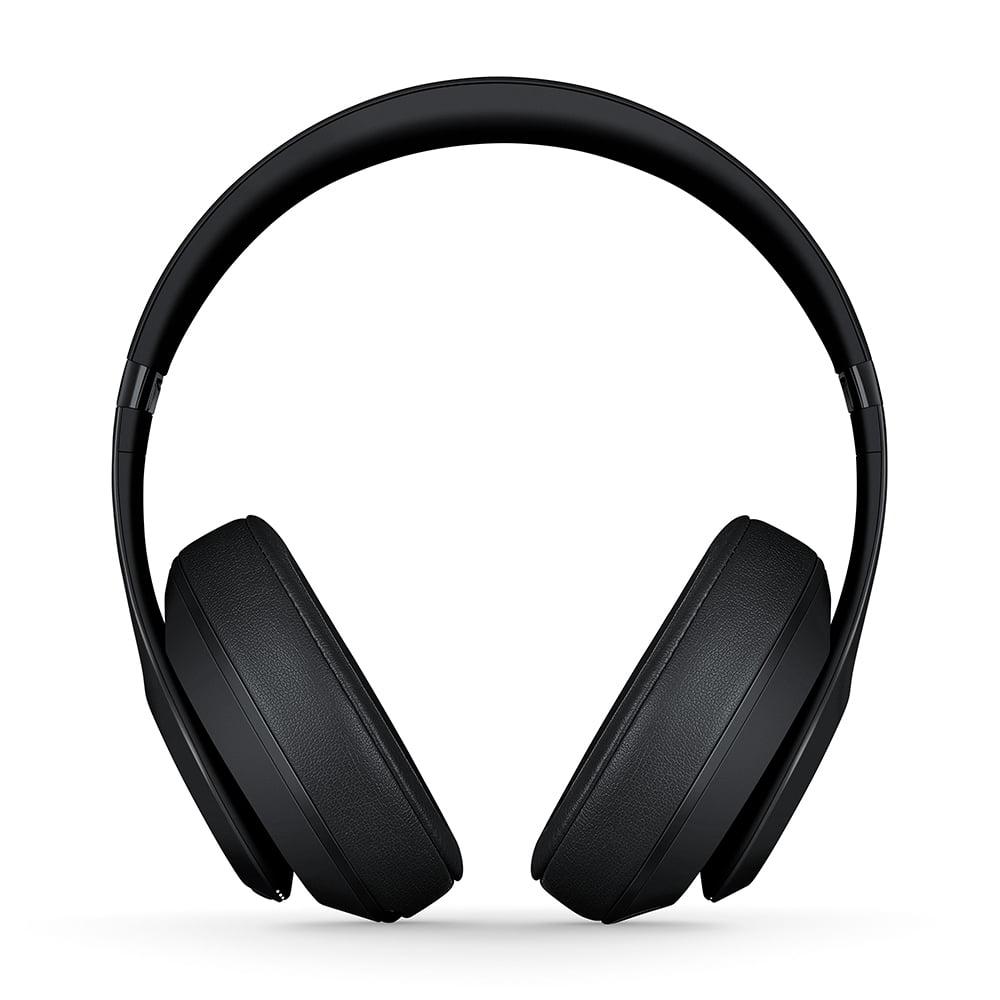
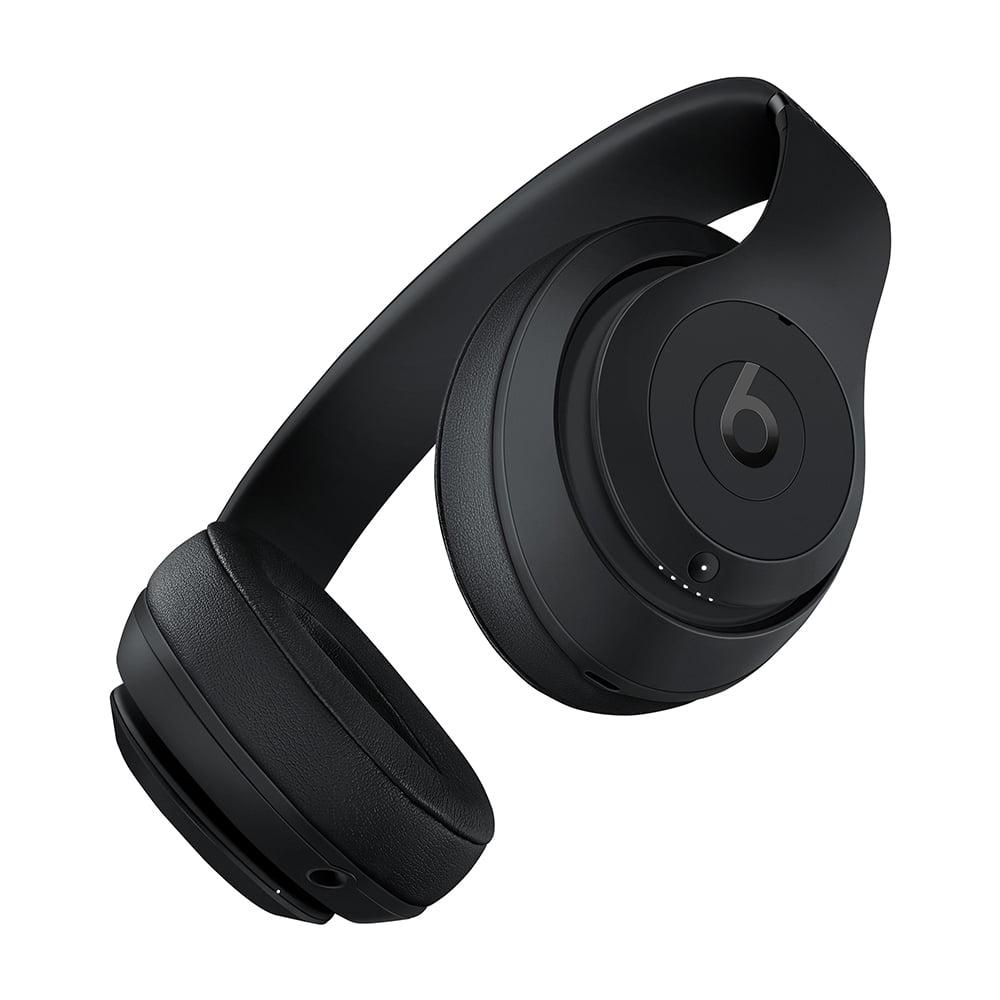
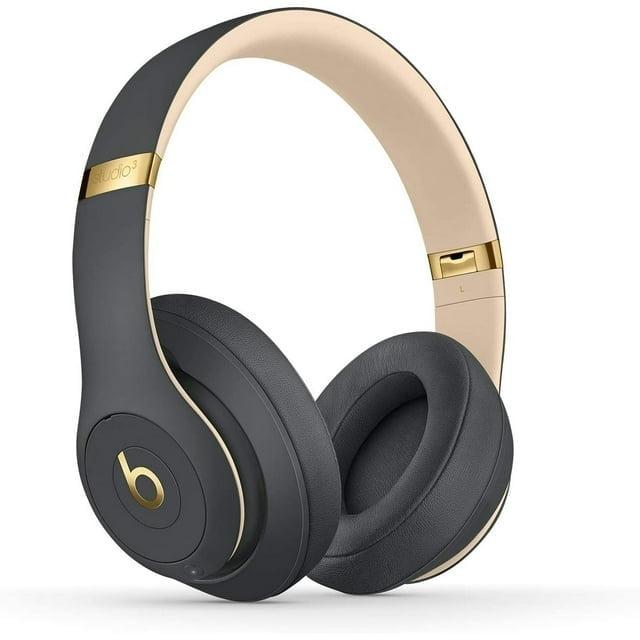
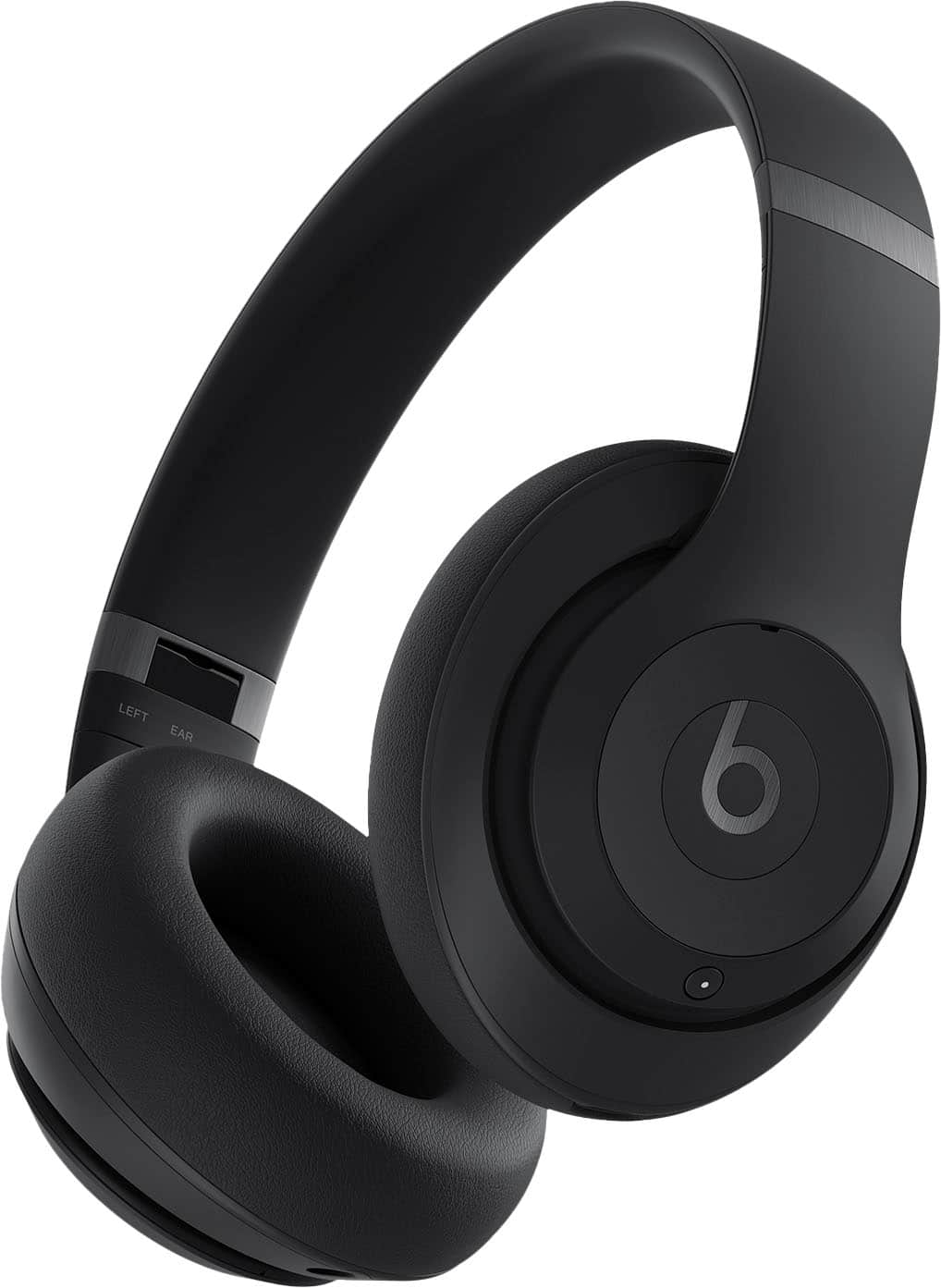
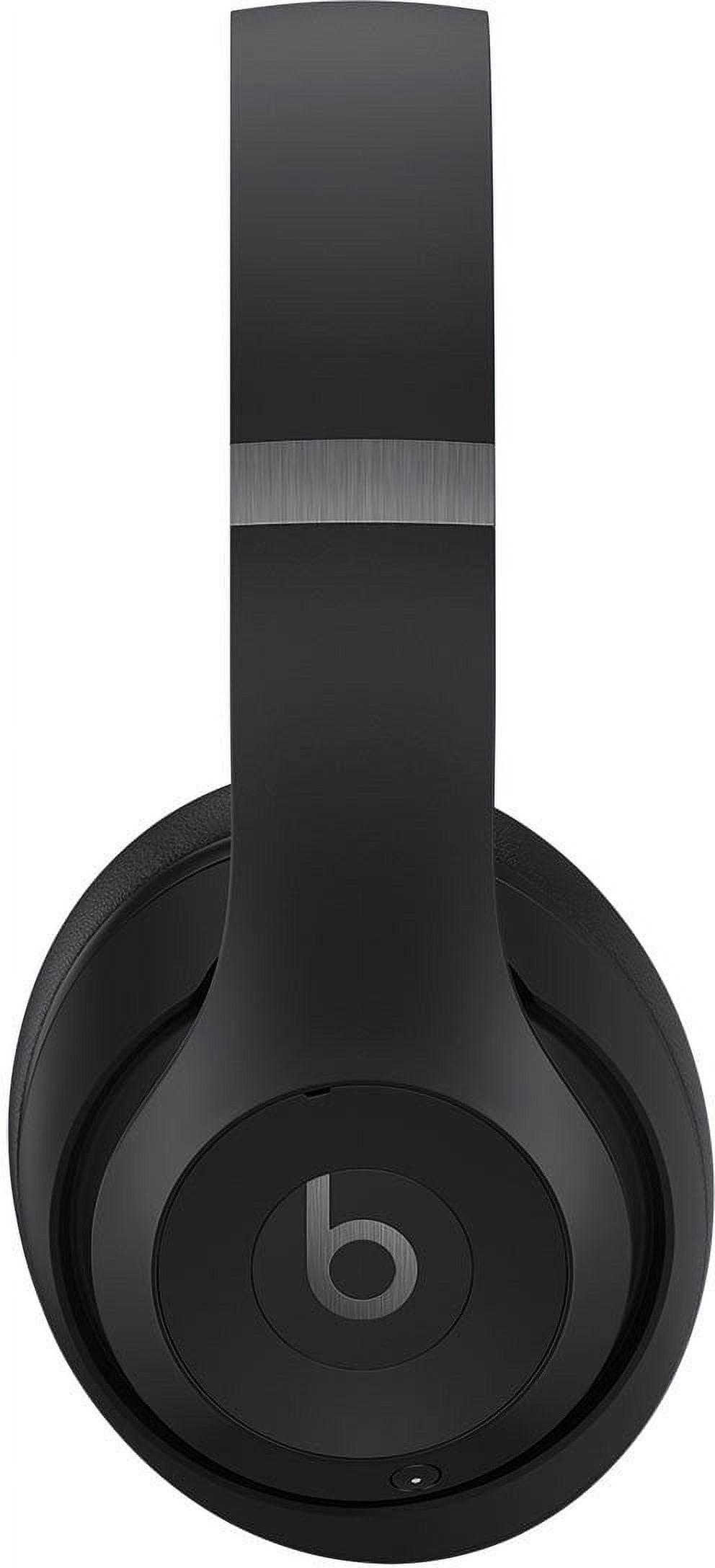
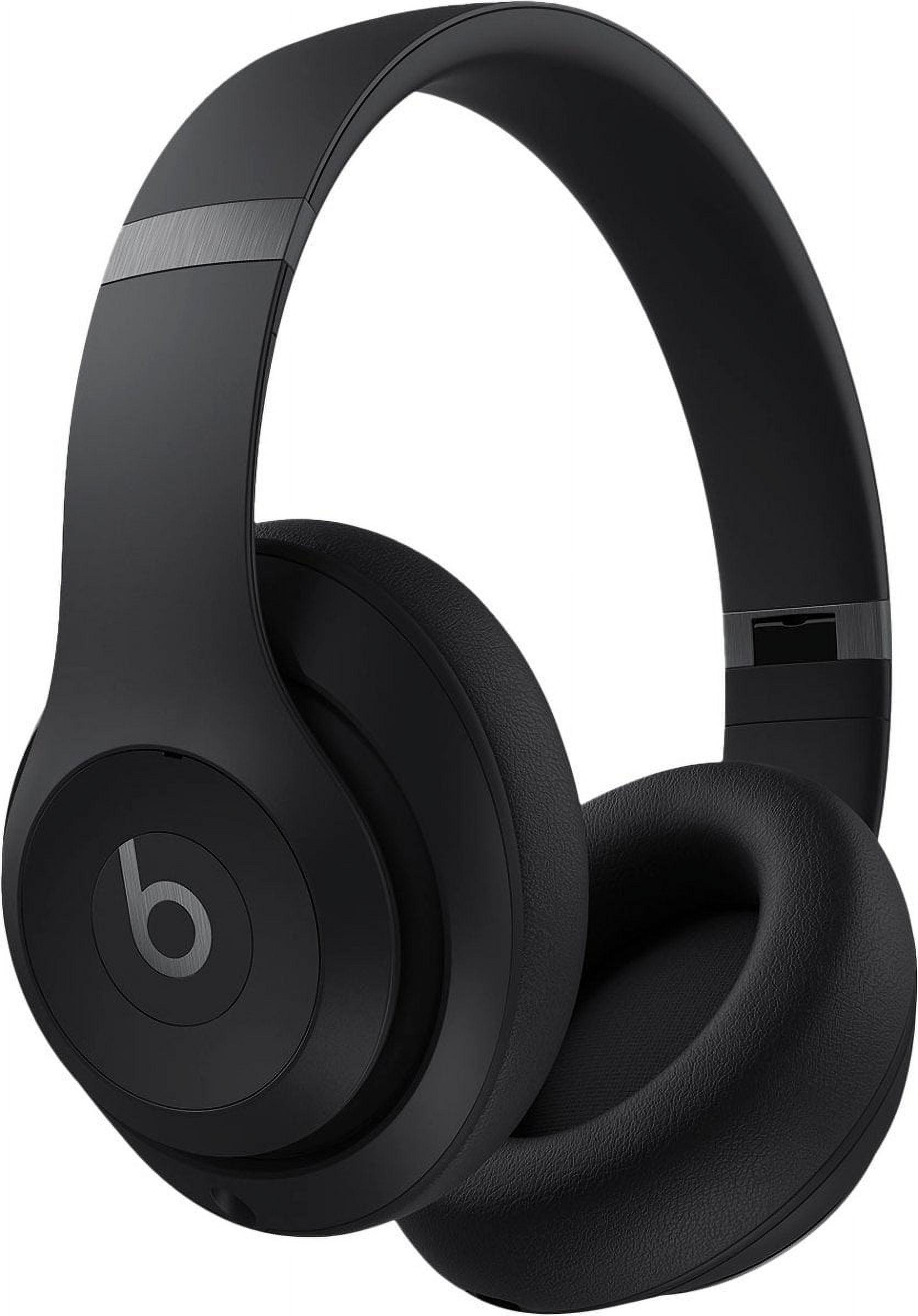
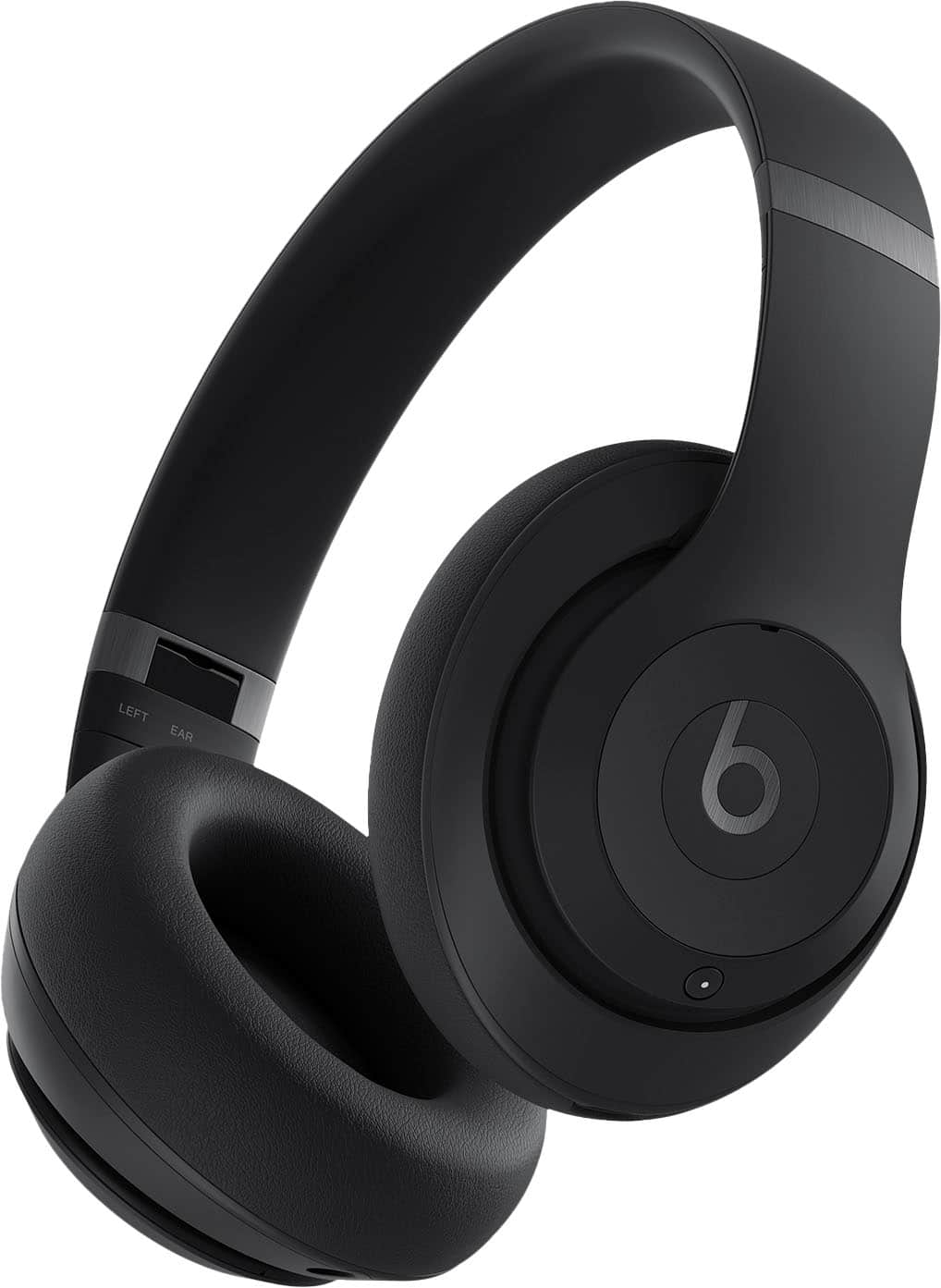
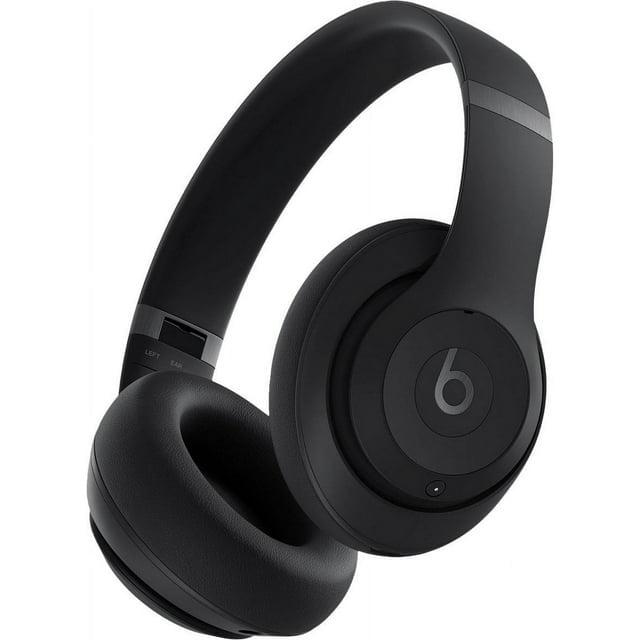
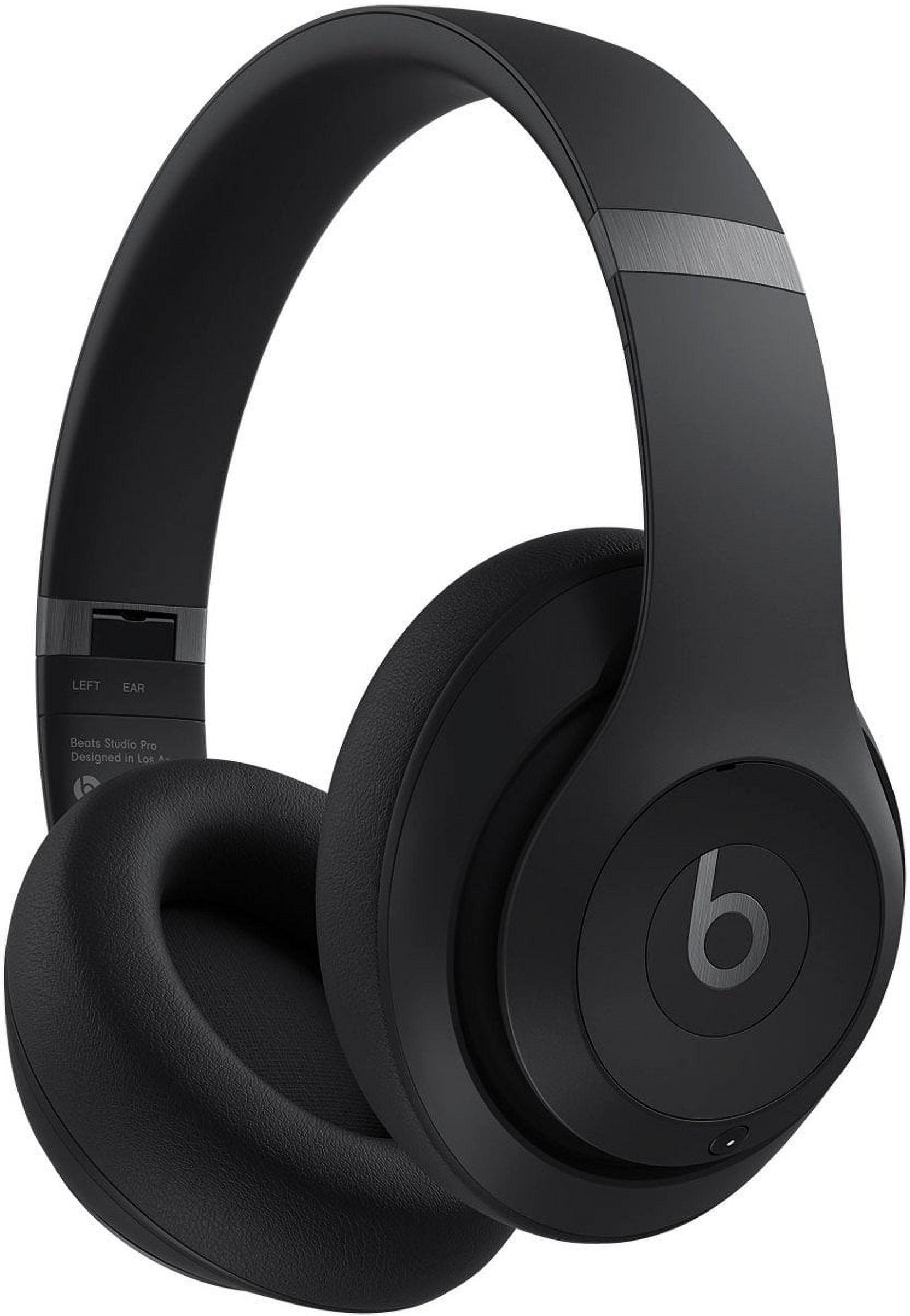
When Apple acquired Beats back in 2014, many audiophiles wondered what would happen to the brand's signature sound. Fast forward to today, and we have two fascinating examples of this evolution: the Beats Studio3 Wireless from 2017 and the Beats Studio Pro from 2023. These headphones tell the story of how premium wireless audio has transformed over six years—and choosing between them reveals what matters most in your listening experience.
Over-ear wireless headphones occupy the sweet spot between portability and performance. Unlike earbuds that prioritize convenience, or studio monitors that demand perfect positioning, over-ear headphones aim to deliver immersive sound while remaining comfortable enough for hours of wear. Think of them as your personal concert hall that travels with you.
The key factors that separate great over-ear headphones from mediocre ones include audio clarity (how accurately they reproduce music), noise cancellation effectiveness (how well they block distractions), battery longevity, and comfort during extended sessions. Modern models also compete on smart features like spatial audio—technology that creates a three-dimensional sound experience similar to surround sound systems.
When evaluating headphones in this category, the most critical performance metrics are frequency response (how well they handle bass, mids, and treble), active noise cancellation strength, and overall build quality. These factors directly impact whether your music sounds muddy or crystal clear, whether you can focus in noisy environments, and whether the headphones will survive daily use.
The gap between 2017 and 2023 represents a significant leap in wireless audio technology. When the Studio3 Wireless launched, active noise cancellation was still relatively new in consumer headphones, and most people were just getting used to the idea of truly wireless audio. Bluetooth codecs—the technology that compresses audio for wireless transmission—were more limited, and features like spatial audio were exclusive to high-end home theater systems.
By 2023, when the Studio Pro arrived, the landscape had completely changed. Smartphone manufacturers had largely abandoned headphone jacks, making wireless quality more crucial than ever. Advanced audio processing became standard, and consumers began expecting features like transparency modes (which let you hear your surroundings without removing headphones) and lossless audio support.
This evolution explains why these two headphones, despite sharing the Beats name and over-ear design, offer dramatically different experiences.
Here's where the six-year gap becomes most apparent. The Studio3 Wireless represents the classic Beats sound philosophy: punchy bass, recessed mids, and rolled-off highs. This tuning makes hip-hop and electronic music sound exciting, but can make vocals seem distant and classical music lose its nuance. The headphones use basic dynamic drivers without advanced acoustic engineering, resulting in what many describe as a "fun but flawed" listening experience.
The Studio Pro, however, showcases how dramatically Beats has evolved its approach to sound. Apple claims up to 80% less distortion compared to the Studio3—a massive improvement that becomes immediately apparent when switching between them. The Studio Pro uses custom 40mm drivers with dual-layer construction and micro-venting, technical innovations that reduce unwanted resonance and improve clarity across all frequencies.
What does this mean in practical terms? The Studio Pro delivers what audio engineers call a more "balanced" sound signature. Bass is still present and impactful, but it doesn't overwhelm the midrange where vocals live. Treble is clearer and more extended, meaning cymbals shimmer rather than sound muffled. This makes the Studio Pro significantly more versatile—it handles everything from rap to orchestral music with competence.
The Studio Pro also supports lossless audio when connected via USB-C, meaning the audio signal doesn't undergo compression that can degrade quality. This feature bypasses your phone's internal audio processing entirely, using the headphones' built-in digital-to-analog converter (DAC) instead. While most people can't hear the difference in typical listening scenarios, it represents a meaningful technical advantage for audio enthusiasts.
For home theater use, the Studio Pro's balanced tuning and spatial audio support make it particularly compelling. Movie dialogue comes through clearly, while action sequences maintain their impact without overwhelming other elements. The Studio3's bass-heavy signature can make explosions exciting but often at the expense of dialogue clarity.
Active noise cancellation (ANC) works by using microphones to detect ambient noise, then producing inverse sound waves to cancel it out. It's particularly effective against consistent, low-frequency sounds like airplane engines or air conditioning units.
The Studio3 Wireless includes what Beats calls "Pure Adaptive Noise Canceling," which adjusts to your environment and the fit of the headphones. While functional, it represents early-generation ANC technology that can struggle with sudden sounds or complex noise environments. Users often report that the Studio3's noise cancellation can produce strange artifacts or pressure sensations, particularly in quiet environments.
The Studio Pro benefits from six years of advancement in ANC technology. Its fully adaptive system continuously monitors and adjusts to environmental changes in real-time, providing more consistent and natural-sounding noise reduction. More importantly, the Studio Pro includes a transparency mode—something the Studio3 completely lacks.
Transparency mode deserves special attention because it fundamentally changes how you can use headphones throughout your day. Instead of creating total isolation, it selectively allows important sounds (like announcements or conversations) to pass through while maintaining your music. This makes the Studio Pro practical for situations where the Studio3 would be inappropriate, like walking in urban environments or working in offices where you need to remain approachable.
The practical difference is substantial. With the Studio3, you're either in full noise-canceling mode or you're not using ANC at all. The Studio Pro gives you a spectrum of environmental awareness, making it far more versatile for daily use.
Both headphones excel in battery performance, but with different strengths. The Studio3 Wireless delivers exceptional wireless endurance: up to 40 hours with ANC disabled and 22 hours with noise canceling active. This performance was class-leading in 2017 and remains impressive today.
The Studio Pro offers similar headline numbers—40 hours without ANC and 24-31 hours with it enabled—but adds more convenient charging via USB-C. While the battery life difference is minimal, the charging infrastructure improvement is significant. USB-C is becoming the universal standard, meaning you can use the same cable for your phone, laptop, and headphones.
Both models include "Fast Fuel" technology, but the Studio Pro's implementation is slightly better, providing four hours of playback from just ten minutes of charging compared to the Studio3's three hours. For users who frequently forget to charge their devices, this difference could be meaningful.
The real-world impact of these battery specifications is that both headphones easily handle cross-country flights, multi-day trips, and extended work sessions without requiring frequent charging. The Studio Pro's USB-C advantage becomes more apparent over time, as you're more likely to have the right cable available when needed.
The connectivity story reveals how much wireless technology has advanced. The Studio3 Wireless features Apple's W1 chip, which provides excellent pairing speed and stability with Apple devices. However, it's limited to basic Bluetooth and analog connections, with no support for advanced audio codecs or modern features.
The Studio Pro includes Bluetooth 5.3 with significantly improved range and stability. More importantly, it adds spatial audio with dynamic head tracking—technology that creates a three-dimensional sound experience by adjusting audio based on your head movements. When watching movies or listening to specially mixed music, spatial audio can provide a remarkably immersive experience that mimics having speakers positioned around your room.
The Studio Pro also includes three built-in EQ profiles accessible when using USB-C connection: Signature (balanced for music), Entertainment (optimized for movies and gaming), and Conversation (enhanced for voice clarity). This level of customization was unimaginable in 2017 but reflects how sophisticated headphone processing has become.
For home theater applications, these smart features become particularly valuable. The Studio Pro can provide a convincing surround sound experience for late-night movie watching without disturbing others, while the Studio3 offers only basic stereo reproduction.
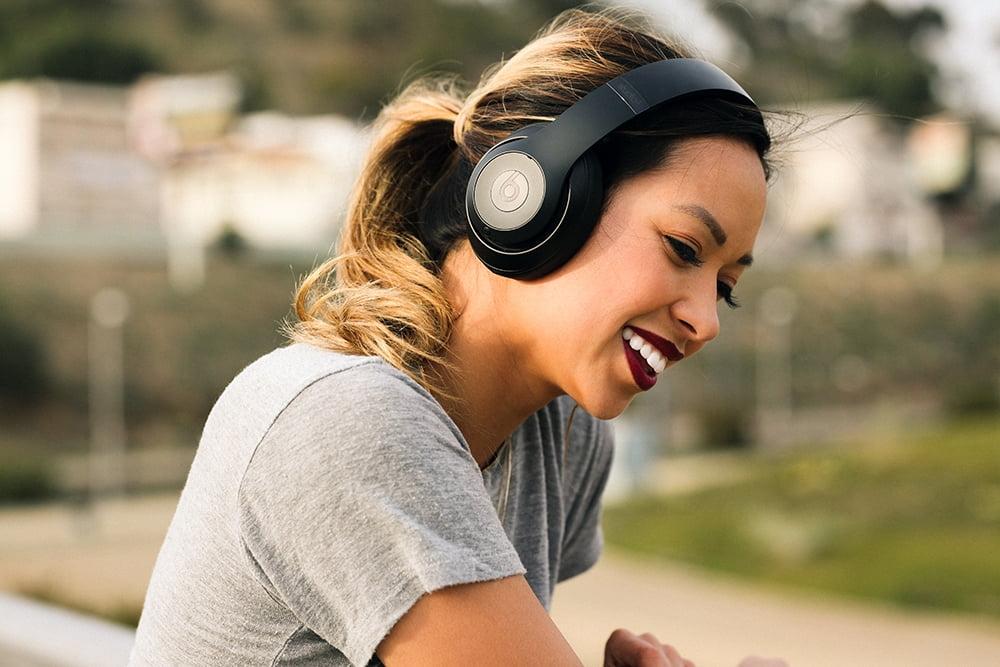
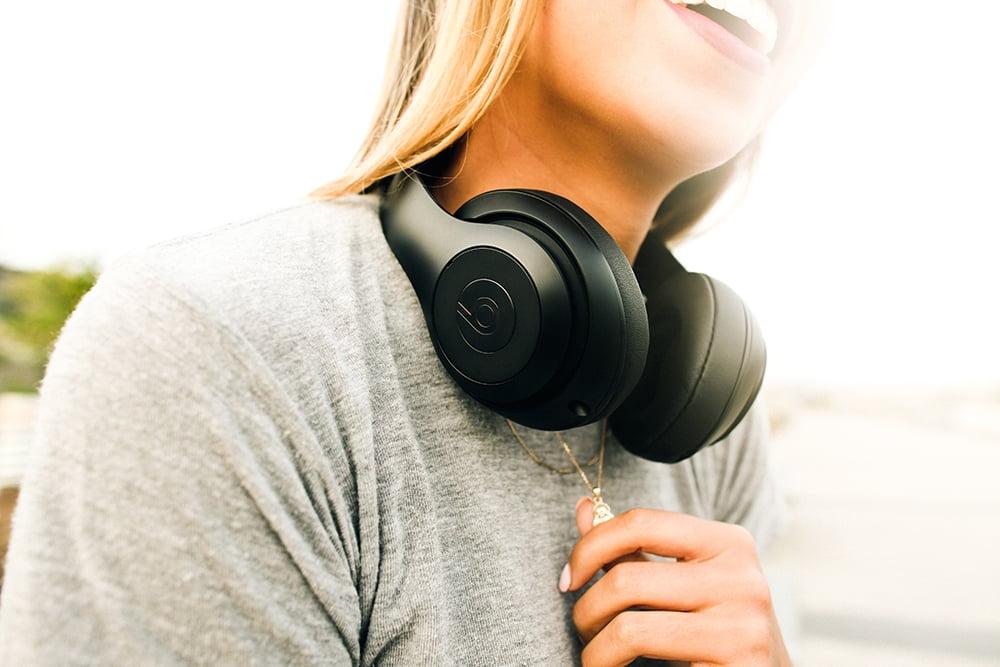
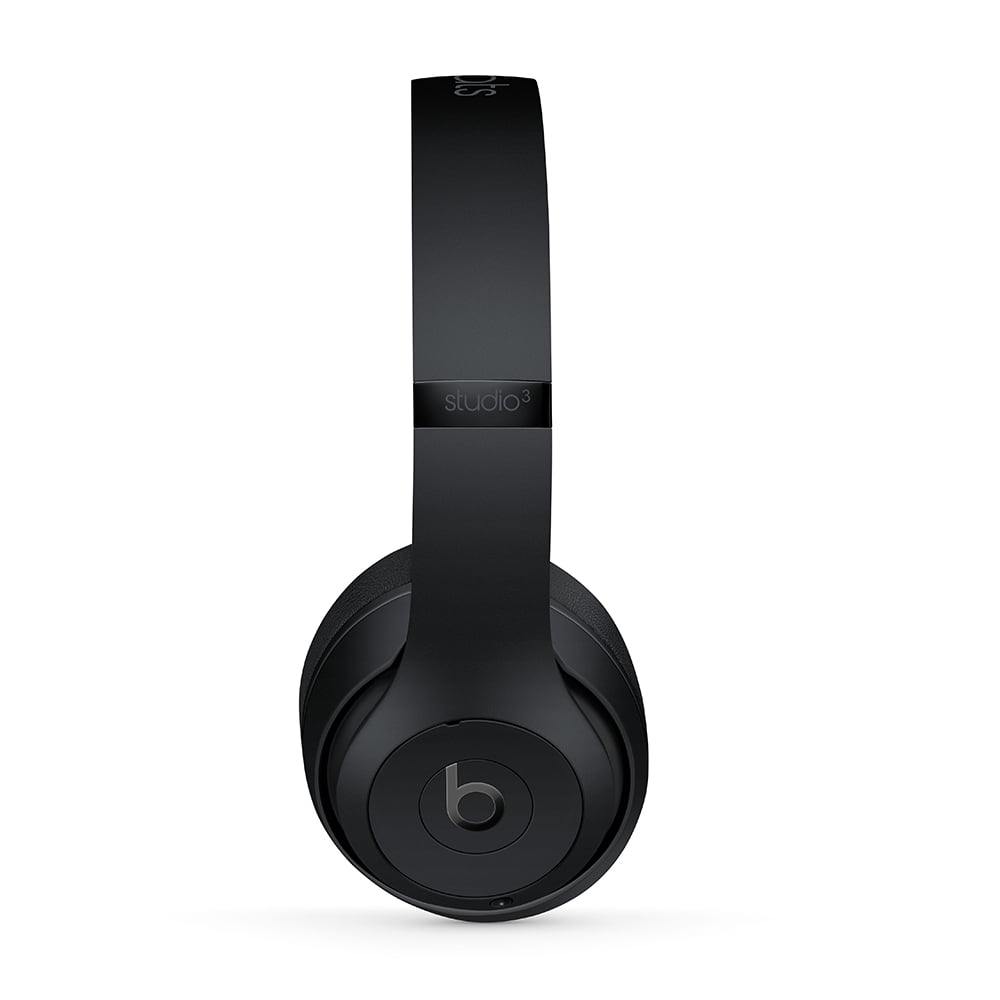
Both headphones share similar physical dimensions and weight (260 grams), making them comfortable for extended wear. The fundamental over-ear design works well for most head sizes, with soft ear cushions that create an effective seal without excessive clamping pressure.
The Studio Pro features what Beats calls "UltraPlush" engineered leather cushions, which feel slightly more premium than the Studio3's standard padding. However, the comfort difference is subtle—both headphones can be worn for hours without significant fatigue.
Build quality is solid on both models, though they don't feel as robust as some competitors like the Bose QuietComfort series. The headband lacks padding, which some users find less comfortable than alternatives, but the overall construction feels appropriate for the price point.
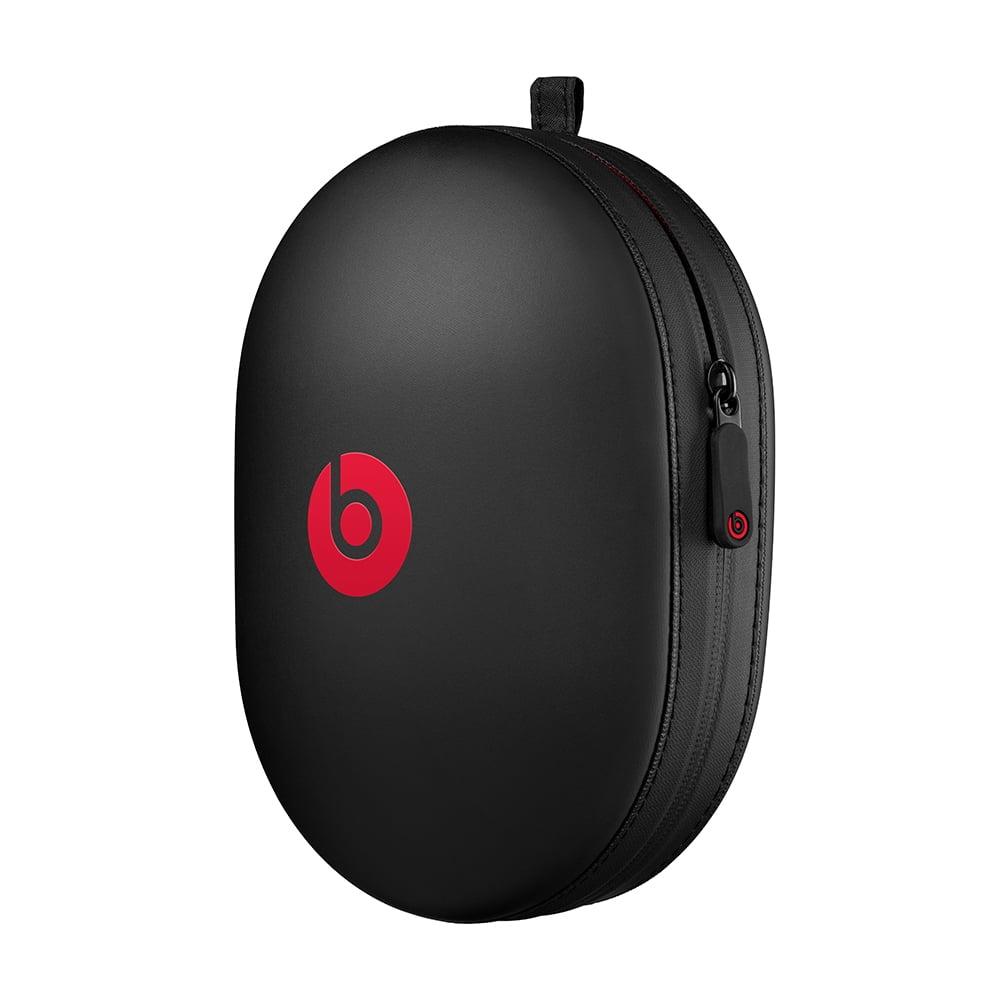
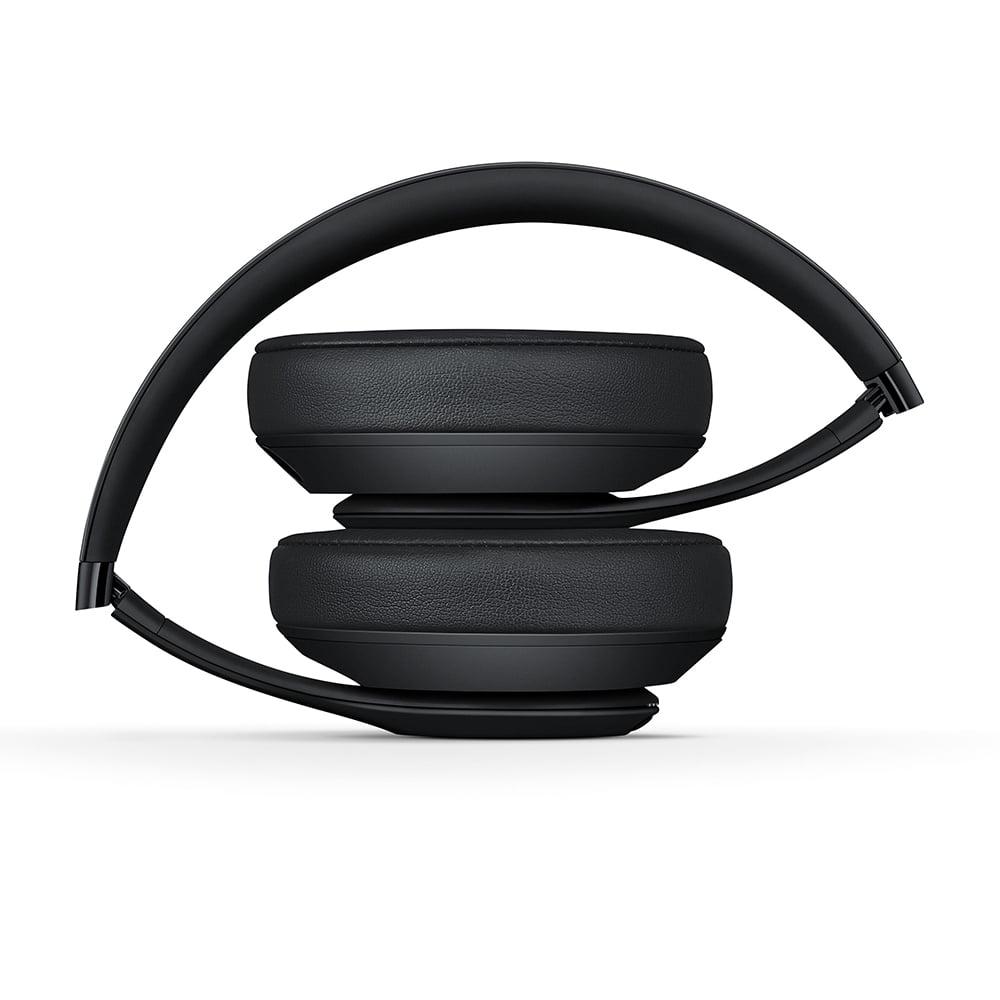
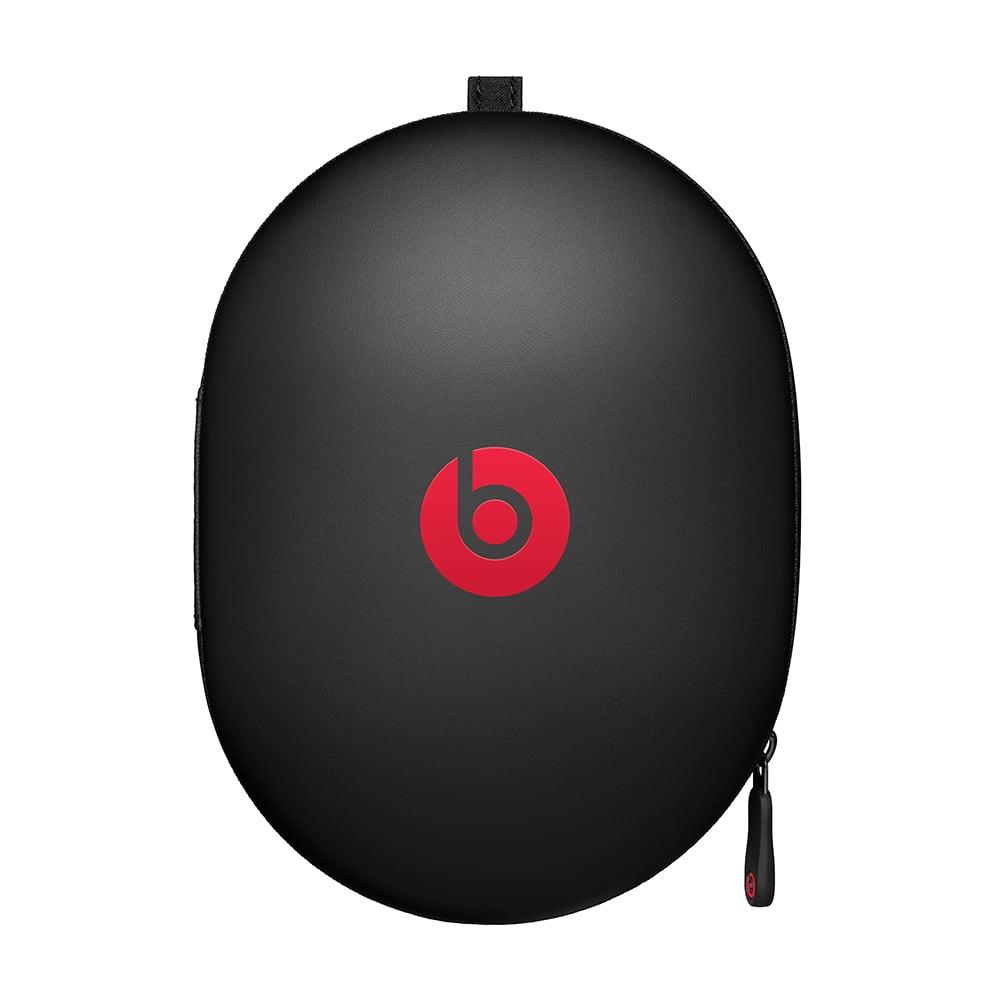
Both headphones fold for travel, though not as compactly as some competitors. The included carrying cases provide adequate protection for casual transport but aren't as substantial as premium alternatives.
At the time of writing, the pricing landscape strongly favors the Studio3 Wireless for budget-conscious buyers. Originally launched at a premium price point, the Studio3 now sells for significantly less—often under $200—making it an exceptional value for those seeking basic premium wireless functionality.
The Studio Pro commands current-generation pricing, typically selling for around $350 but frequently available at discount. This positions it against strong competition from Sony's WH-1000XM series and Bose's QuietComfort line, where it needs to justify its cost through performance and features.
The value equation depends heavily on your priorities. The Studio3 offers outstanding battery life and reliable Apple ecosystem integration at a budget-friendly price. It's genuinely difficult to find comparable wireless noise-canceling headphones with 40-hour battery life at its current price point.
The Studio Pro provides modern features and significantly better audio quality, but at a premium. Its spatial audio, transparency mode, and lossless audio capabilities represent meaningful advances that justify higher costs for users who value cutting-edge technology.
For home theater use, the Studio Pro offers compelling advantages. Its spatial audio support can provide an immersive movie experience that rivals dedicated surround sound systems, particularly for late-night viewing when you can't use speakers. The balanced sound signature ensures dialogue clarity while maintaining impact for action sequences.
The Studio3's bass-heavy tuning can make action movies exciting but often at the expense of dialogue intelligibility. Its lack of spatial audio means you're limited to basic stereo reproduction, which feels dated compared to modern alternatives.
The Studio Pro's transparency mode also proves valuable for home use, allowing you to hear family members or respond to door knocks without removing your headphones.
Choose the Beats Studio3 Wireless if you prioritize exceptional value and proven reliability. Its outstanding battery life, solid Apple ecosystem integration, and current low pricing make it an excellent entry point into premium wireless headphones. The classic Beats sound signature works well for hip-hop, electronic music, and casual listening, while the simple feature set avoids overwhelming less tech-savvy users.
The Studio Pro makes sense for users who want current-generation performance and features. Its dramatically improved audio quality, spatial audio support, transparency mode, and lossless connectivity represent meaningful advances that enhance daily use. The higher price reflects genuine technological improvements rather than just marketing.
For most users in 2024, I'd recommend the Studio Pro despite its higher cost. The audio quality improvement alone justifies the price difference, while features like transparency mode and spatial audio provide practical benefits that become more valuable over time. The Studio3 remains an excellent budget choice, but feels increasingly dated compared to modern alternatives.
The decision ultimately comes down to whether you want proven, affordable performance from 2017's technology, or prefer to invest in 2023's feature set and audio quality improvements. Both represent solid choices within their respective price points, but they serve different user priorities and budgets.
| Beats Studio3 Wireless | Beats Studio Pro |
|---|---|
| Audio Quality - The most important factor for sound clarity and detail | |
| Bass-heavy signature with recessed mids, limited detail | Balanced sound with 80% less distortion, custom 40mm drivers |
| Active Noise Cancellation - Essential for focus in noisy environments | |
| Basic Pure ANC, no transparency mode | Advanced adaptive ANC with transparency mode for situational awareness |
| Battery Life - Critical for travel and daily use without frequent charging | |
| 40hrs (ANC off) / 22hrs (ANC on) - class leading endurance | 40hrs (ANC off) / 24-31hrs (ANC on) - excellent with modern charging |
| Charging Port - Affects convenience and cable compatibility | |
| Micro-USB (older standard, slower charging) | USB-C (universal standard, faster charging, audio capable) |
| Smart Features - Modern conveniences that enhance daily use | |
| Basic wireless with Apple W1 chip integration | Spatial Audio, head tracking, Dolby Atmos, 3 EQ profiles via USB-C |
| Connectivity Options - Flexibility for different devices and use cases | |
| Bluetooth + 3.5mm analog only | Bluetooth 5.3 + USB-C lossless + 3.5mm analog |
| Release Year - Indicates technology generation and future support | |
| 2017 (6+ years old, legacy features) | 2023 (current generation, modern feature set) |
| Best For - Target user and primary use cases | |
| Budget-conscious Apple users wanting proven reliability | Users prioritizing audio quality and modern features across all platforms |
The Beats Studio Pro delivers significantly better sound quality than the Beats Studio3 Wireless. The Studio Pro features custom 40mm drivers with up to 80% less distortion and a more balanced frequency response, while the Studio3 has a bass-heavy signature that can sound muddy. The Studio Pro also supports lossless audio via USB-C connection.
Yes, both the Beats Studio3 Wireless and Beats Studio Pro feature active noise cancellation, but the Studio Pro's system is more advanced. The Studio3 uses Pure Adaptive Noise Canceling, while the Studio Pro offers fully adaptive ANC with real-time adjustments plus a transparency mode that the Studio3 lacks entirely.
The Beats Studio3 Wireless offers slightly longer battery life with up to 40 hours (ANC off) and 22 hours (ANC on). The Beats Studio Pro provides up to 40 hours (ANC off) and 24-31 hours (ANC on). Both offer fast charging, but the Studio Pro uses more convenient USB-C charging.
The Beats Studio Pro justifies its higher price with dramatically improved audio quality, spatial audio support, transparency mode, and lossless USB-C connectivity. However, the Beats Studio3 Wireless remains excellent value for budget-conscious buyers who prioritize battery life and basic premium features over cutting-edge technology.
Both headphones work well with Apple devices, but differently. The Beats Studio3 Wireless features Apple's W1 chip for seamless iOS pairing and integration. The Beats Studio Pro offers more advanced Apple features like spatial audio with head tracking and "Hey Siri" support, making it more future-proof for the Apple ecosystem.
Yes, both the Beats Studio3 Wireless and Beats Studio Pro work with Android devices via Bluetooth. The Studio Pro offers better Android integration with Google Fast Pair and Find My Device support, while the Studio3 provides basic Bluetooth connectivity without advanced Android-specific features.
Neither headphones are specifically designed for workouts, but the Beats Studio Pro is slightly better due to USB-C charging convenience and transparency mode for safety awareness. Both Studio3 and Studio Pro lack water resistance ratings, making them less ideal for intense exercise compared to dedicated sport headphones.
Yes, both models support wired connections. The Beats Studio3 Wireless includes a 3.5mm cable for analog audio. The Beats Studio Pro offers both 3.5mm analog and USB-C digital connections, with the USB-C option providing lossless audio quality and access to three built-in EQ profiles.
Both the Beats Studio3 Wireless and Beats Studio Pro offer similar comfort levels with over-ear design and 260g weight. The Studio Pro features UltraPlush engineered leather cushions that feel slightly more premium, but comfort differences are minimal between these similarly-designed headphones.
Only the Beats Studio Pro supports spatial audio with dynamic head tracking and Dolby Atmos compatibility. The Beats Studio3 Wireless lacks spatial audio entirely, limiting it to traditional stereo playback. This makes the Studio Pro significantly better for immersive movie and music experiences.
The Beats Studio Pro is superior for home theater use thanks to its spatial audio support, balanced sound signature for clear dialogue, and transparency mode for household awareness. The Studio3 Wireless bass-heavy tuning can make action scenes exciting but often at the expense of dialogue clarity.
The Beats Studio3 Wireless remains worth buying for budget-conscious users who want reliable noise-canceling headphones with exceptional battery life. While the Studio Pro offers superior audio quality and modern features, the Studio3 provides excellent value at its current discounted pricing for basic premium wireless functionality.
We've done our best to create useful and informative comparisons to help you decide what product to buy. Our research uses advanced automated methods to create this comparison and perfection is not possible - please contact us for corrections or questions. These are the sites we've researched in the creation of this article: techradar.com - recordingnow.com - rtings.com - soundguys.com - recordingnow.com - recordingnow.com - soundguys.com - soundguys.com - youtube.com - rtings.com - gsmarena.com - bhphotovideo.com - headphonecheck.com - themasterswitch.com - walmart.com - rentacenter.com - discussions.apple.com - beatsbydre.com - bestbuy.com - walmart.com - youtube.com - youtube.com - whathifi.com - markellisreviews.com - recordingnow.com - soundguys.com - cnet.com - recordingnow.com - bestbuy.com - youtube.com - soundguys.com - recordingnow.com - uclastore.com - beatsbydre.com - shop.missouristatebookstore.com - apple.com - audiosciencereview.com - beatsbydre.com - beatsbydre.com - cornellstore.com - forums.appleinsider.com

Privacy Policy
Terms and Conditions - Affiliate Policy
Home Security
© Copyright 2008-2026.
11816 Inwood Rd #1211, Dallas, TX 75244