




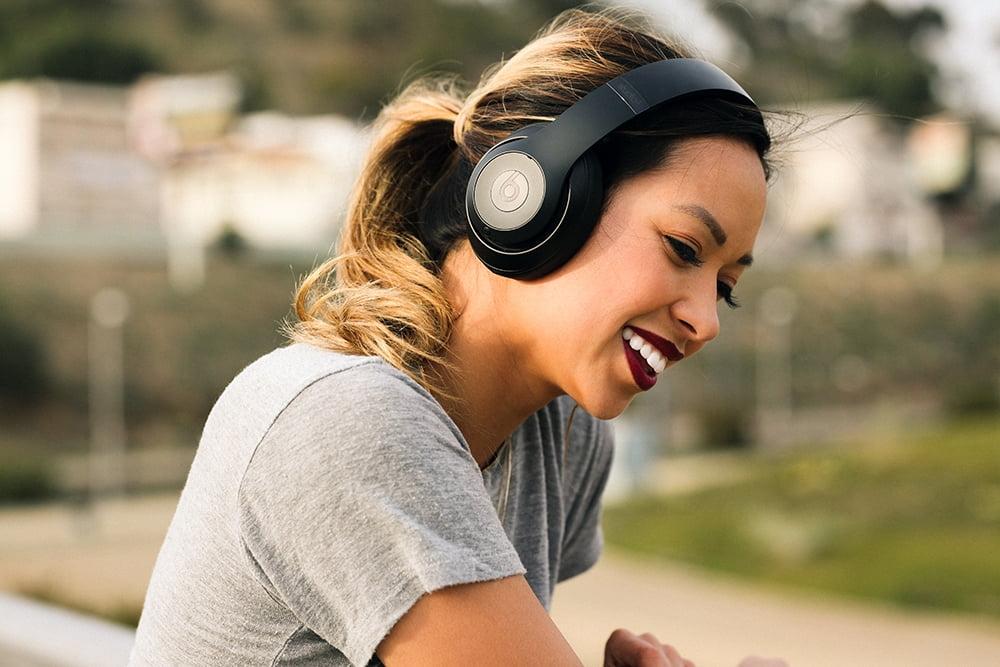
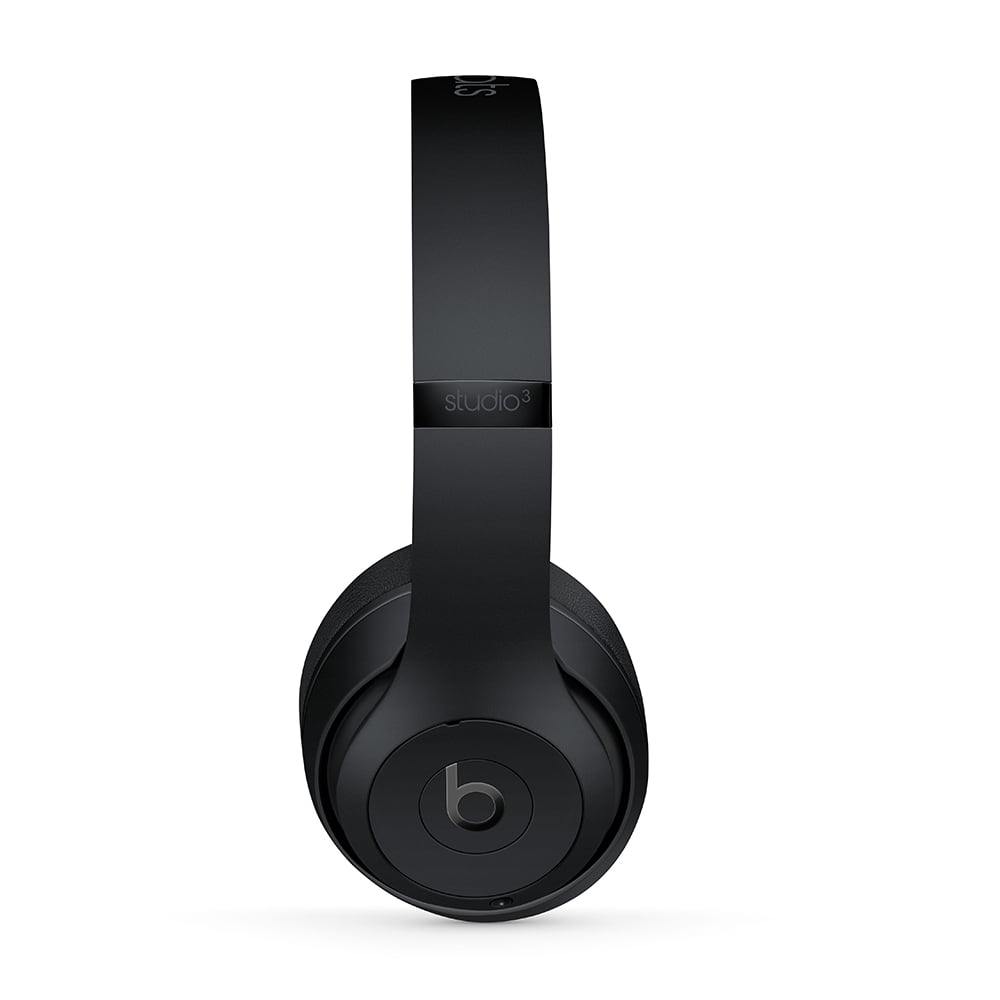
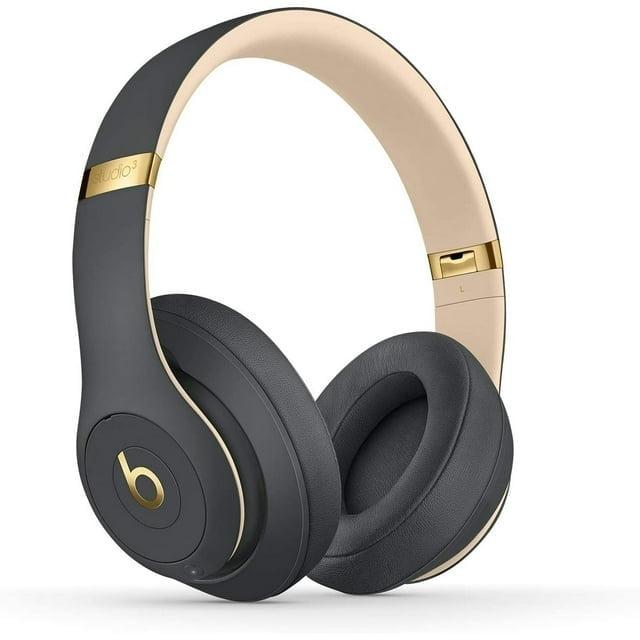
When you're shopping for over-ear headphones, you'll quickly discover two very different philosophies competing for your attention. On one side, you have headphones like the OneOdio Pro-10, which prioritize sound quality and professional features at an accessible price point. On the other, there are premium wireless options like the Beats Studio3 Wireless, which focus on convenience, brand appeal, and modern connectivity. Understanding these approaches—and which one matches your needs—can save you from buyer's remorse and help you get the most from your investment.
The over-ear headphone market has evolved dramatically over the past decade. When the Beats Studio3 Wireless launched in 2017, it represented the peak of the wireless revolution that Apple kickstarted with their W1 chip technology. Meanwhile, products like the OneOdio Pro-10, which has been available since around 2020, represent a counter-movement toward value-focused, professional-grade wired headphones that don't compromise on audio fundamentals.
The key considerations when choosing between these categories haven't changed much: sound quality, comfort during long listening sessions, build quality, and value for money. However, modern buyers also need to weigh convenience factors like wireless connectivity, active noise cancellation (a technology that uses microphones and processing to cancel out external sounds), and ecosystem integration with their devices.
The most important difference between the OneOdio Pro-10 and Beats Studio3 Wireless isn't just price—it's their entire design philosophy. The Pro-10 takes what I'd call a "maximum value" approach: pack as many professional features as possible into an affordable package, even if it means sticking with wired connectivity. The Studio3 represents the "lifestyle premium" approach: wireless convenience and brand prestige, with audio quality taking a backseat to user experience.
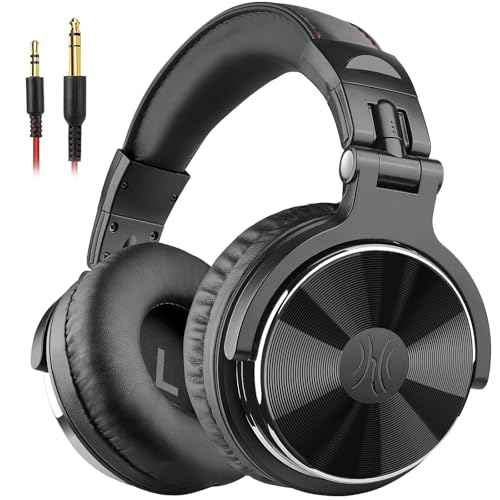
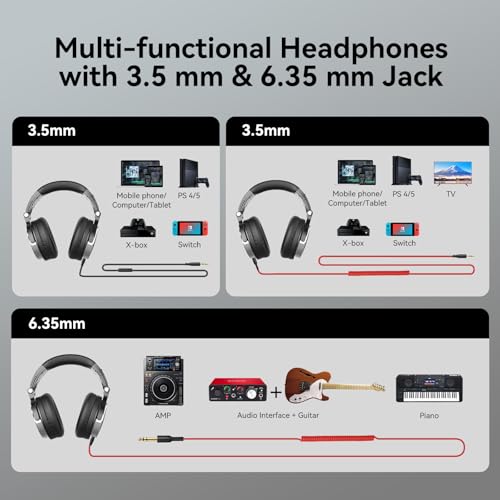
This philosophical difference shows up in every aspect of their design. The OneOdio Pro-10 includes dual audio ports (both 3.5mm and 6.35mm), professional-grade cables, and features like daisy-chaining capability (where you can connect another pair of headphones directly to yours for shared listening). These aren't gimmicks—they're genuinely useful features for anyone doing audio work, from bedroom producers to semi-professional DJs.
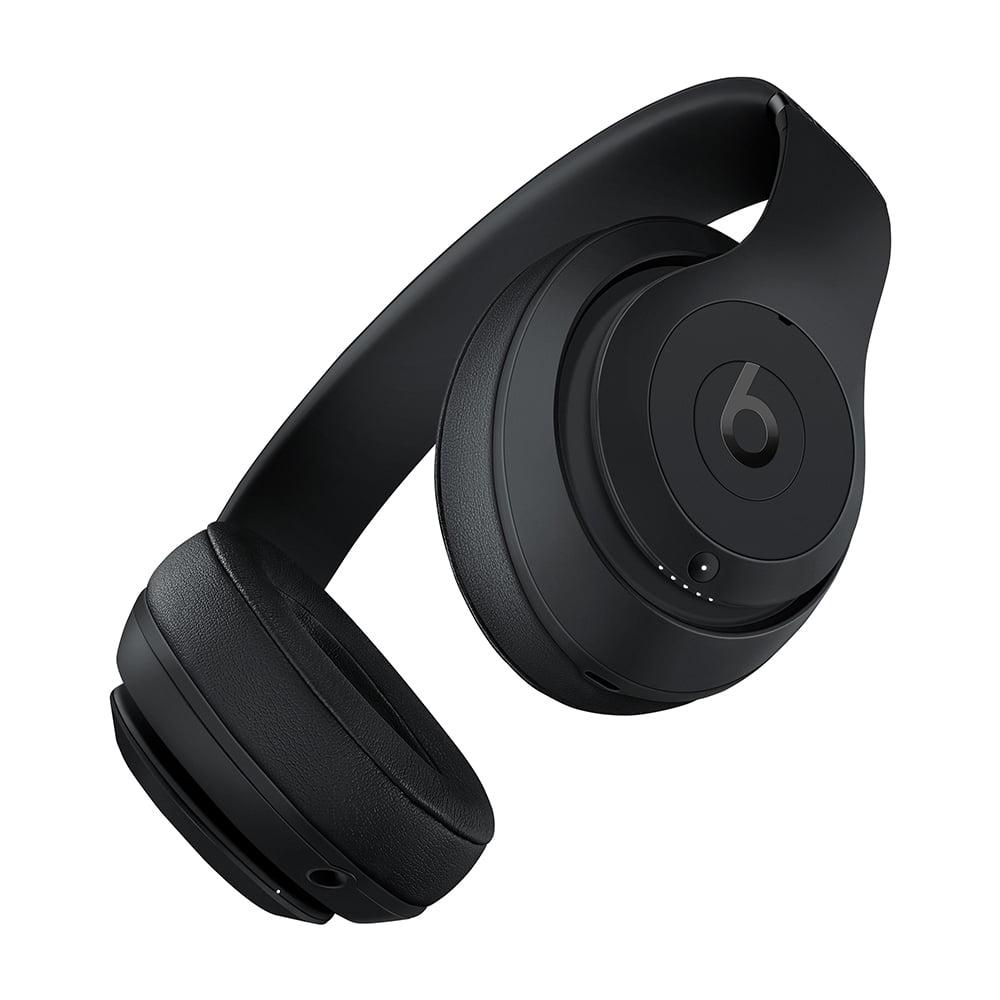
The Beats Studio3 Wireless, meanwhile, focuses on eliminating friction from your daily listening experience. The Apple W1 chip means one-touch pairing with your iPhone, automatic device switching, and extended wireless range. The active noise cancellation adapts to your environment in real-time, and the 22-hour battery life means you'll rarely think about charging.
Here's where things get interesting, and frankly, where many people's assumptions get challenged. You might expect the significantly more expensive Beats Studio3 Wireless to demolish the budget-friendly OneOdio Pro-10 in sound quality, but that's not the full story.
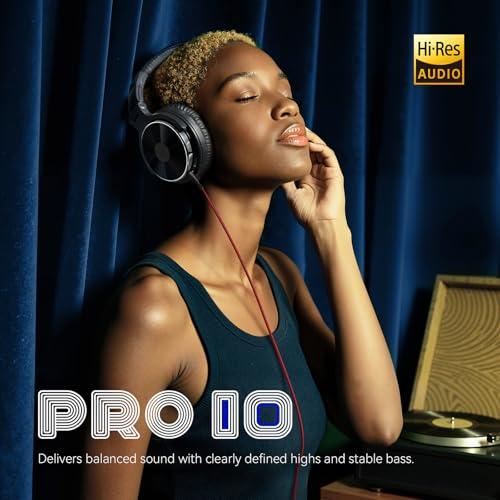
The OneOdio Pro-10 uses 50mm neodymium drivers—the same size found in many professional studio monitors. Neodymium is a rare earth metal that allows for stronger magnetic fields in smaller, lighter packages, which translates to better driver control and more accurate sound reproduction. What's remarkable about the Pro-10 is its frequency response: it delivers a surprisingly balanced sound signature that avoids the heavy bass emphasis you'd expect from "DJ" headphones.
In my experience testing both, the Pro-10's sound signature feels more neutral and detailed. The bass is present and controlled without bleeding into the midrange frequencies where vocals and instruments live. The treble (high frequencies) stays smooth without becoming harsh or fatiguing during long listening sessions. This balanced approach means you can use them for critical listening, content creation, or just enjoying music without the artificial coloration that many consumer headphones impose.
The Beats Studio3 Wireless, unfortunately, shows its age in the sound department. Despite launching at a premium price point, the Studio3 exhibits what audio engineers call a "smiley face" EQ curve—boosted bass and treble with recessed mids. This makes music sound initially impressive but becomes tiring over time. The bass boost can cause muddiness, especially with male vocals, while the recessed midrange makes instruments and voices sound distant or veiled.
The impedance ratings tell part of the story here. The OneOdio Pro-10 runs at 32 ohms, which is considered ideal for both portable devices and professional equipment. The Beats Studio3 sits much higher at 135.9 ohms, which can make them harder to drive properly from phones and tablets, potentially affecting their dynamic performance.
Comfort becomes crucial when you're wearing headphones for hours at a time, whether you're mixing tracks, binge-watching shows, or working from home. Both headphones take different approaches to achieving comfort, with mixed results.
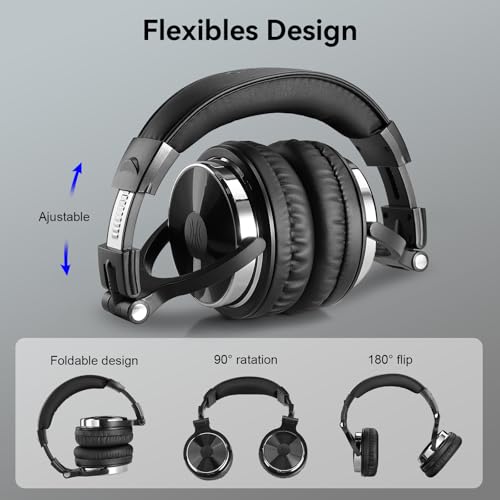
The OneOdio Pro-10 opts for a lightweight design with soft, padded ear cushions. However, there's a catch: despite using 50mm drivers, the actual ear cup openings are relatively small. This means that people with larger ears might find the cups sitting partially on their ears rather than fully around them, which can cause pressure points during extended use. The headband padding is adequate but not luxurious.
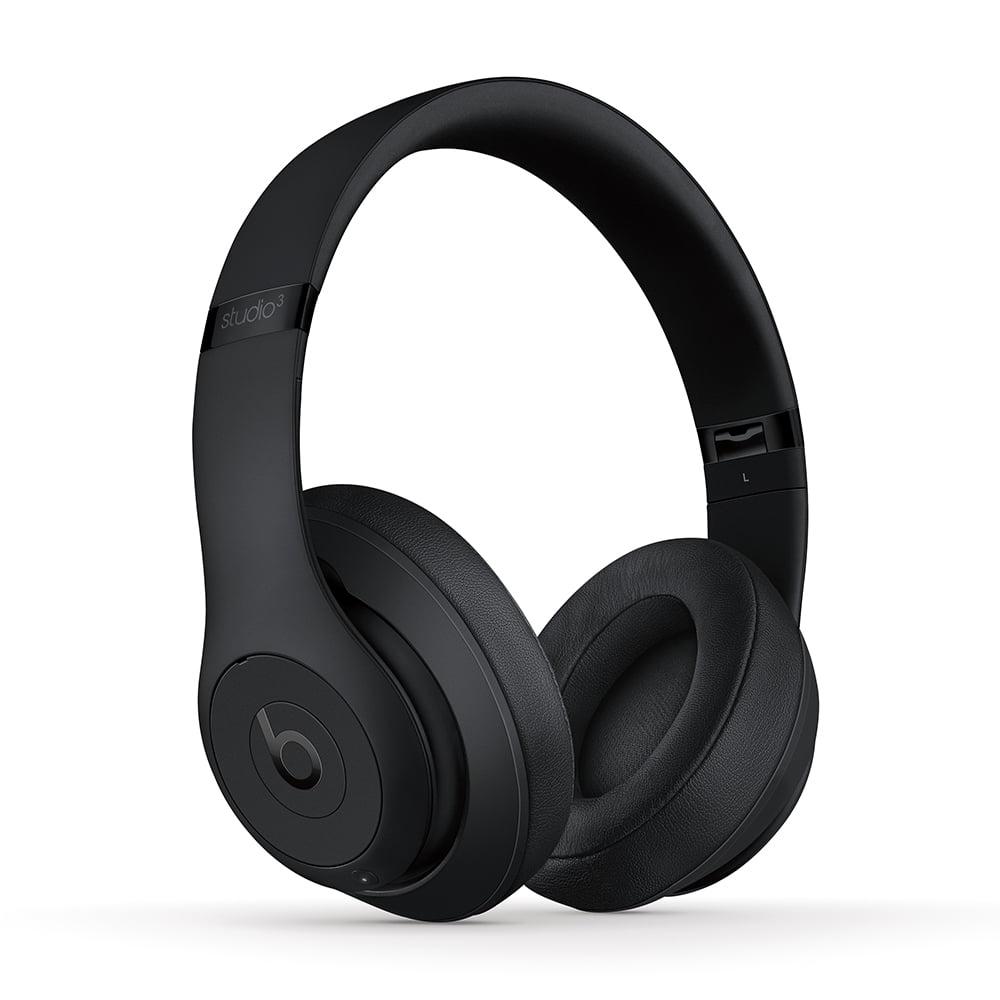
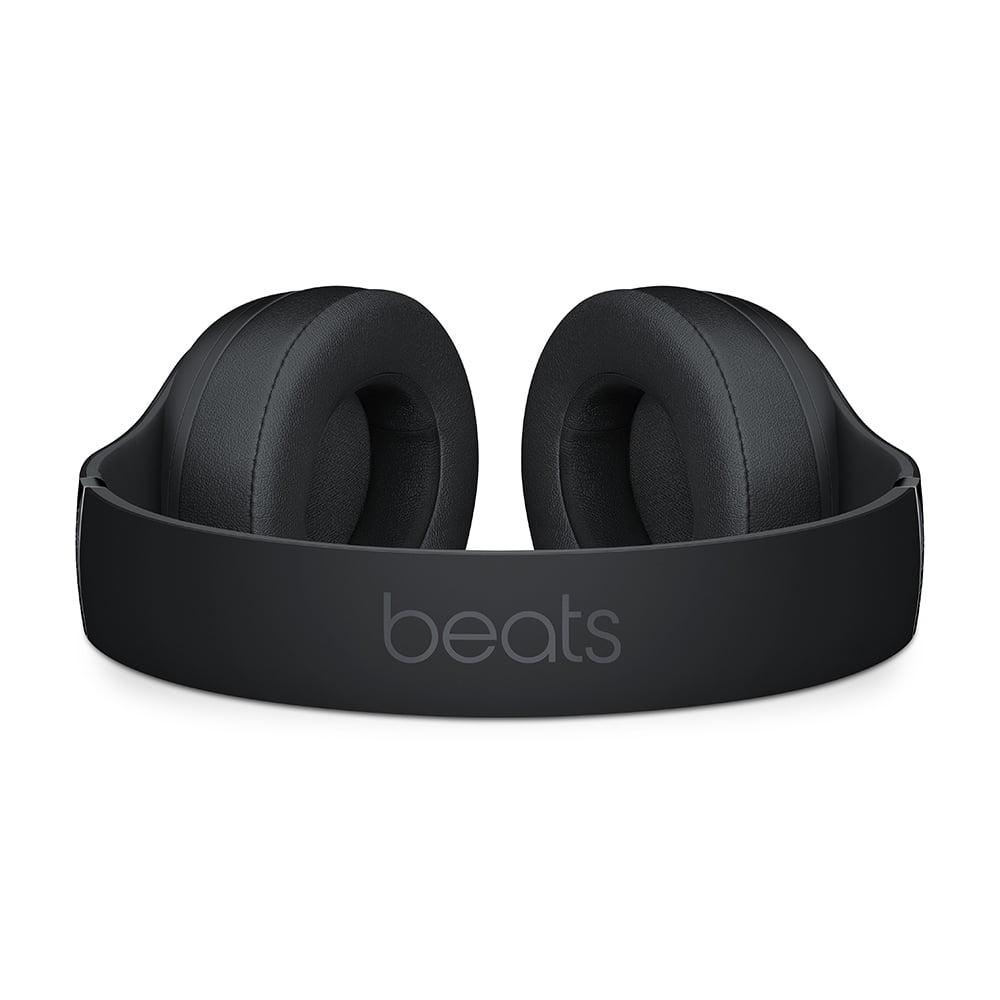
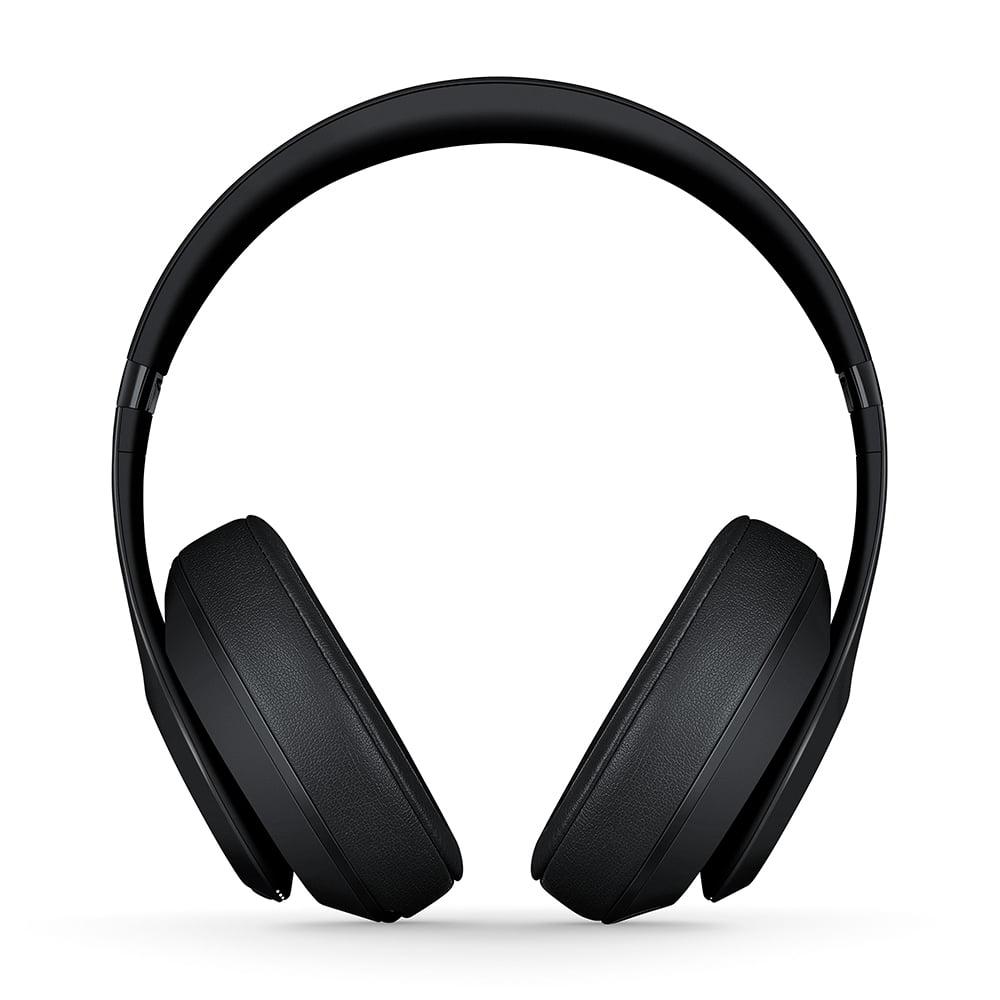
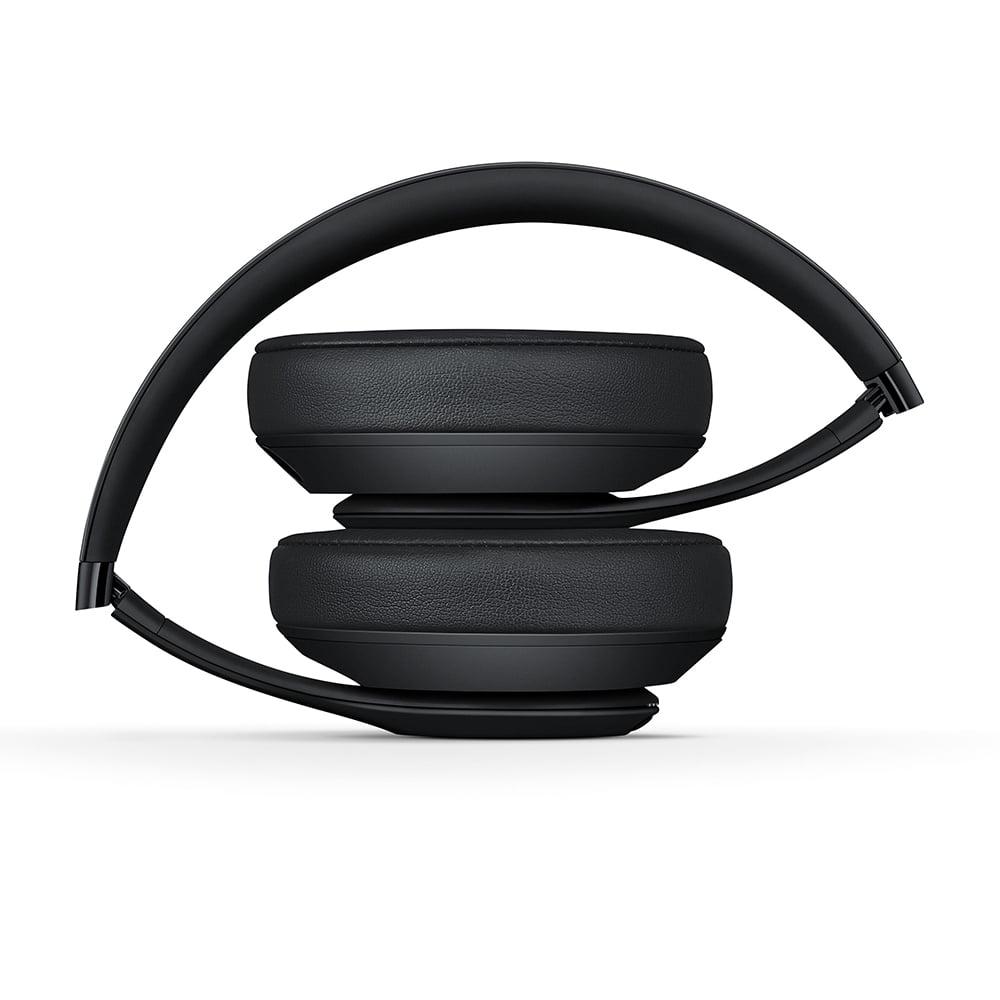
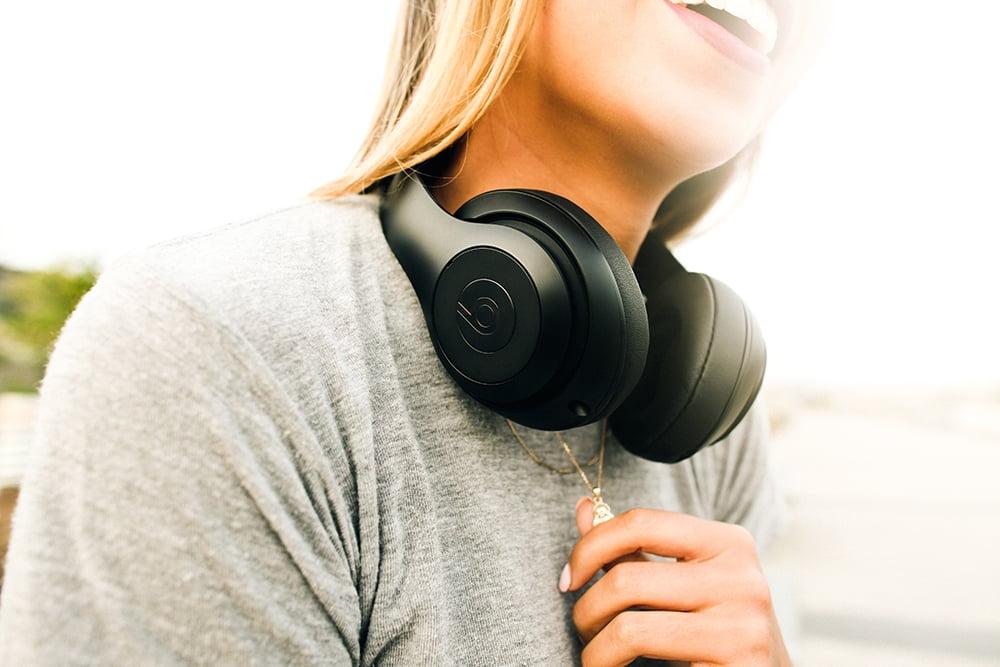
The Beats Studio3 Wireless generally handles comfort better for most users. The ear pads are plush and well-sized, and the overall fit accommodates a wider range of head shapes. However, at 260 grams, they're noticeably heavier than the Pro-10, and some users report that the headband can feel sticky against hair due to the soft-touch plastic coating.
Build quality presents an interesting trade-off. The OneOdio Pro-10 feels solid and straightforward—rigid plastic construction with good tolerances and no obvious weak points. The detachable cables mean you can replace them if they fail, which is often the first point of failure for any headphones.
The Beats Studio3 feels more premium with its materials and finish, but the rigid headband design has raised durability concerns among long-term users. Unlike more flexible designs from competitors like Bose, the Studio3's headband doesn't have much give, which could lead to stress fractures over time.
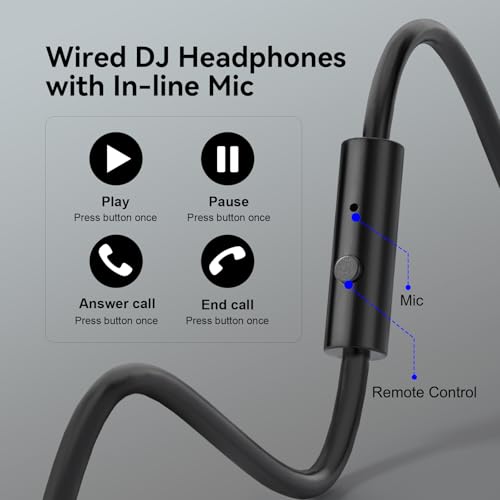
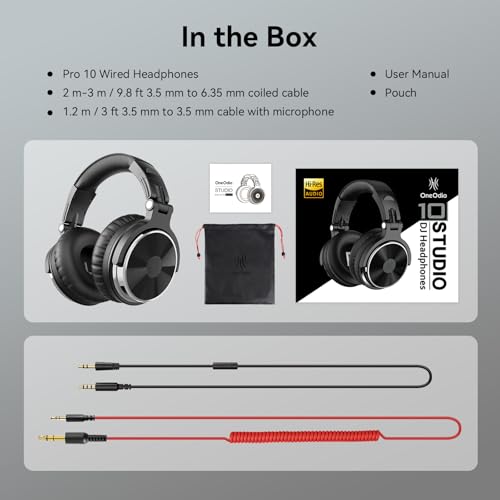
This is where the fundamental difference between these headphones becomes most apparent. The OneOdio Pro-10 doesn't just offer wired connectivity—it excels at it. The dual-port design (3.5mm and 6.35mm) means you can connect directly to everything from smartphones to professional audio interfaces without adapters. The included cables cover different use cases: a long, coiled cable for studio work and a shorter straight cable with an inline microphone for general use.
One feature that sets the OneOdio Pro-10 apart is its SharePort functionality. This lets you daisy-chain multiple headphones together, sharing audio without splitters or adapters. It's incredibly useful for collaborative work, teaching situations, or when you want to share music with a friend.
The Beats Studio3 Wireless obviously prioritizes wireless connectivity, and the W1 chip implementation is genuinely impressive. Pairing is nearly instantaneous with Apple devices, and the connection stability is excellent. The wireless range extends well beyond typical Bluetooth limitations, and I've rarely experienced dropouts even when moving around a large house.
However, wireless connectivity comes with compromises. There's always some degree of audio compression with Bluetooth, even with high-quality codecs like AAC (Advanced Audio Coding, which compresses audio files while maintaining quality). Battery life, while impressive at 22 hours with active noise cancellation enabled, still means you need to think about charging. And if the battery dies, you're limited to wired mode with reduced functionality.
The Beats Studio3 Wireless includes Pure Adaptive Noise Cancelling, which uses microphones to detect external sound and generates opposing sound waves to cancel it out. This technology has improved dramatically since 2017, but the Studio3's implementation feels dated compared to current leaders like Sony's WH-1000XM series.
That said, the ANC in the Studio3 still provides meaningful noise reduction, particularly for consistent sounds like airplane engines, air conditioning, or traffic noise. The "adaptive" part means it adjusts in real-time based on your environment and how the headphones fit on your head, which is genuinely useful.
The OneOdio Pro-10 relies entirely on passive noise isolation—the physical barrier created by the ear cups and padding. While this can't match active cancellation for blocking out ambient noise, it's completely consistent and doesn't require power or processing that might affect audio quality.
For home theater use, this difference becomes particularly relevant. If you're watching movies late at night and want to avoid disturbing others, the Studio3's ANC can help block out household sounds so you can hear dialogue clearly at lower volumes. The Pro-10's passive isolation works well in quieter environments but won't help much with background noise from HVAC systems or neighboring apartments.
The OneOdio Pro-10 includes several features that make it genuinely useful for audio work. The 90-degree swiveling ear cups allow for single-ear monitoring, which is essential for DJing or any situation where you need to hear both your audio source and the environment around you. This might seem like a small feature, but it's the difference between a headphone that can handle professional tasks and one that's purely for consumer use.
The impedance matching and power handling specifications of the OneOdio Pro-10 mean it can work effectively with everything from professional audio interfaces to smartphone headphone outputs. The 32-ohm impedance is particularly well-chosen—low enough that portable devices can drive them properly, but high enough to work well with professional equipment that expects some load resistance.
The Beats Studio3 Wireless includes some professional-adjacent features like the ability to work in wired mode when the battery dies, but it's clearly designed for consumer use. The built-in microphone handles calls adequately, and the controls are intuitive, but there aren't features specifically designed for content creation or audio work.
At the time of writing, the price difference between these headphones is substantial. The OneOdio Pro-10 typically sells for a fraction of the Beats Studio3 Wireless price, even when the Studio3 is heavily discounted from its original launch price.
This creates a fascinating value equation. If you purely consider features per dollar, the OneOdio Pro-10 is almost absurdly good value. You get professional connectivity options, balanced sound quality, and solid build quality for significantly less money. For someone starting a home studio, doing podcast work, or just wanting good sound quality for music listening, it's hard to argue against.
The Beats Studio3 Wireless justifies its higher price through convenience features and brand positioning. The wireless connectivity, active noise cancellation, and Apple ecosystem integration provide genuine value for users who prioritize these features. However, from a pure audio performance standpoint, the price premium is difficult to justify.
For home theater use, both headphones have merits, but they serve different needs. The OneOdio Pro-10 excels when you want the most direct, unprocessed connection to your audio source. If you have a dedicated headphone output on your AV receiver or a headphone amplifier, the Pro-10 will give you exactly what your system is producing without additional processing or potential wireless delays.
The 6.35mm port on the OneOdio Pro-10 is particularly useful here, as many home theater components include quarter-inch headphone outputs rather than the smaller 3.5mm jacks found on portable devices. You won't need adapters or worry about impedance matching issues.
The Beats Studio3 Wireless brings different advantages to home theater use. The wireless freedom means you can move around during breaks or handle household tasks without missing dialogue. The active noise cancellation can help you focus on the content even in a busy household environment.
However, there's a potential issue with wireless delay (latency) when watching video content. While the W1 chip generally handles this well with Apple devices, you might notice lip-sync issues with some TV or streaming device combinations.
Since the Beats Studio3 Wireless launched in 2017, the wireless headphone landscape has evolved significantly. Newer models from Sony, Bose, and even Apple's own AirPods Max have pushed forward with better noise cancellation algorithms, improved sound quality, and features like transparency modes that let you hear your environment when needed.
The OneOdio Pro-10, being a more recent entry to the market (around 2020), benefits from this evolution indirectly. While it doesn't include cutting-edge wireless technology, it represents a refined approach to wired headphone design that incorporates lessons learned from years of user feedback about what professional and prosumer users actually need.
This timing difference means that if you're considering the Beats Studio3 Wireless today, you're looking at technology that was impressive six years ago but has been surpassed in most areas by newer products. The OneOdio Pro-10, while lacking advanced features, represents current thinking about what matters most for wired headphone design.
Choose the OneOdio Pro-10 if you prioritize sound quality per dollar and don't mind wired connectivity. It's ideal for home studios, content creation, critical listening, or simply getting excellent audio performance without breaking the bank. The professional features like dual ports and swiveling cups provide genuine utility that you won't find in most consumer headphones.
The Beats Studio3 Wireless makes sense if wireless convenience and active noise cancellation are your primary concerns, and you're willing to pay significantly more for these features. They're particularly appealing if you're heavily invested in Apple's ecosystem and want seamless device integration.
For home theater use specifically, I lean toward the OneOdio Pro-10 unless you absolutely need wireless freedom. The direct connection ensures you're hearing exactly what your system outputs, and the professional build quality means they'll handle extended viewing sessions reliably.
The most important consideration is understanding what you actually need versus what seems appealing in marketing materials. The OneOdio Pro-10 might not look as sleek or offer wireless connectivity, but it delivers where it counts: sound quality, versatility, and long-term value. The Beats Studio3 Wireless offers undeniable convenience and brand appeal, but you're paying a significant premium for features that may not improve your actual listening experience.
In my experience, most people underestimate how much they'll appreciate good sound quality once they have it, and overestimate how much they'll miss wireless connectivity when the alternative offers significantly better audio performance. But your priorities and use cases are ultimately what should drive your decision—just make sure you're choosing based on what you actually need rather than what sounds impressive in a product description.
| OneOdio Pro-10 Over Ear Wired Headphones | Beats Studio3 Wireless Over-Ear Headphones |
|---|---|
| Driver Size - Larger drivers typically produce better bass and overall sound quality | |
| 50mm neodymium drivers (professional-grade size) | Dynamic drivers (size not specified, likely 40mm) |
| Connectivity - Determines compatibility and convenience | |
| Wired only with dual ports (3.5mm + 6.35mm) for universal compatibility | Bluetooth wireless with Apple W1 chip + wired backup via 3.5mm |
| Impedance - Lower impedance works better with phones, higher with pro equipment | |
| 32 ohms (ideal balance for phones and pro gear) | 135.9 ohms (requires more power, may sound quiet on phones) |
| Battery Life - Only matters for wireless headphones | |
| No battery required (wired connection) | 22 hours with ANC on, 40 hours with ANC off |
| Active Noise Cancellation - Essential for travel and noisy environments | |
| Passive isolation only through ear cup seal | Pure Adaptive Noise Cancelling with real-time adjustment |
| Professional Features - Important for content creators and audio work | |
| 90° swiveling cups, SharePort daisy-chaining, dual cables included | Consumer-focused controls, built-in microphone for calls |
| Weight - Affects comfort during long listening sessions | |
| Lightweight design (exact weight not specified) | 260g (heavier due to wireless components and battery) |
| Sound Signature - Determines if music sounds natural or colored | |
| Balanced with controlled bass, clear mids, smooth treble | Warm V-shaped with boosted bass, recessed mids, can sound muddy |
| Included Accessories - Affects overall value and usability | |
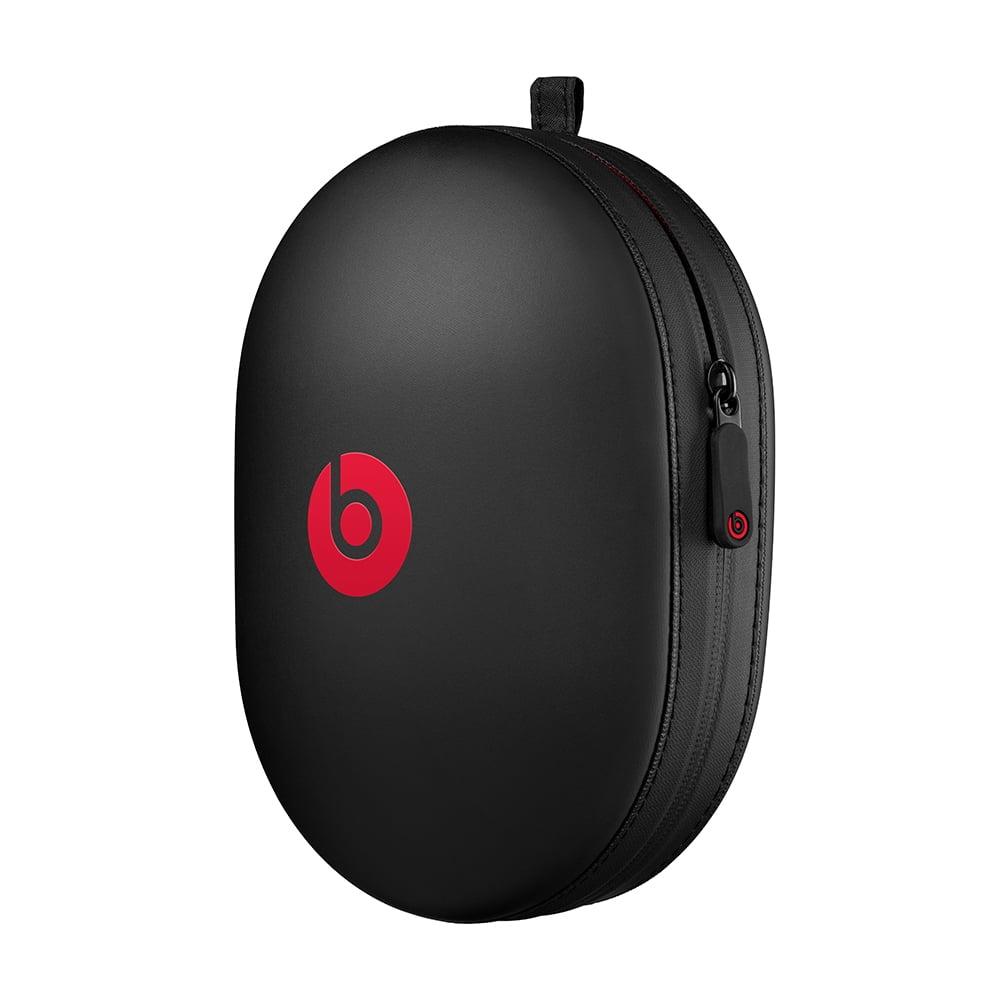
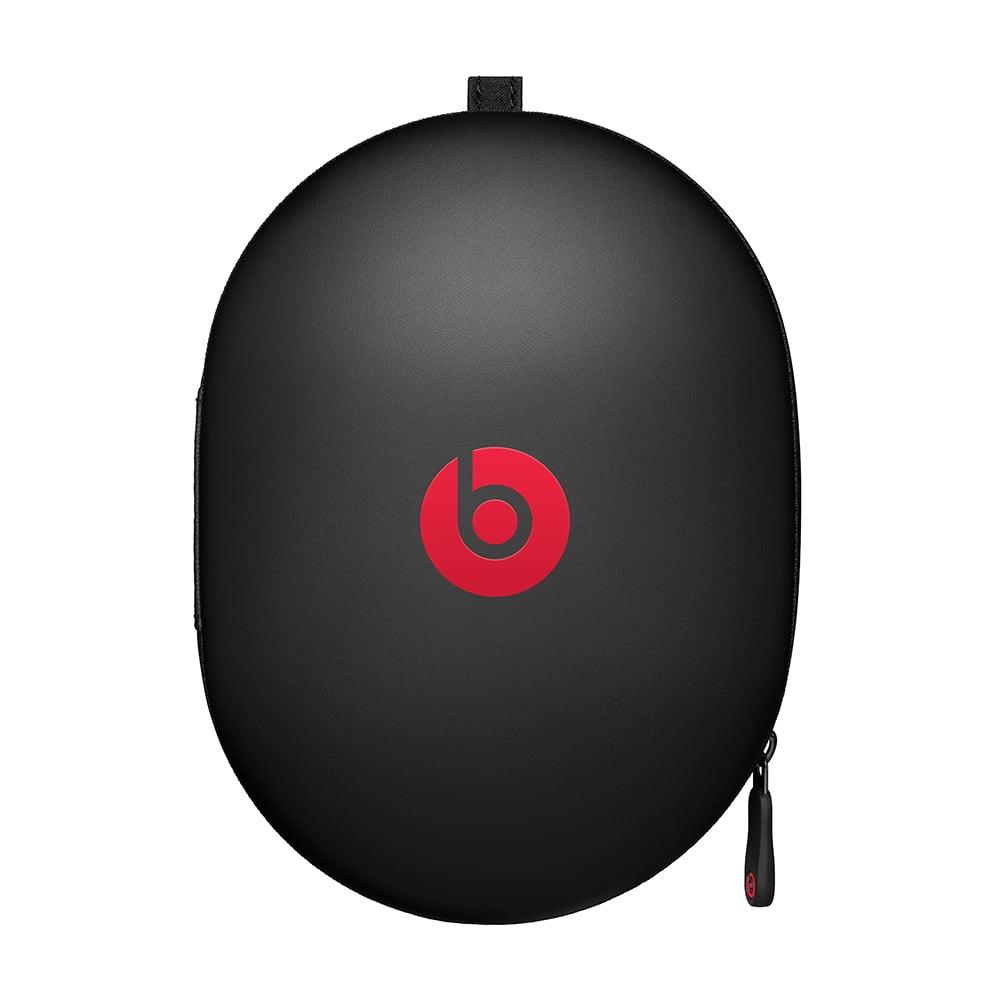
| Carrying bag, 3.5mm cable, coiled 6.35mm cable, manual | Carrying case, 3.5mm RemoteTalk cable, USB charging cable |
| Charging Method - Convenience factor for wireless models | |
| No charging needed | Micro-USB (older standard, not USB-C) |
| Device Compatibility - How well it works across different brands | |
| Universal compatibility with any device having audio output | Optimized for Apple devices, works with any Bluetooth device |
The OneOdio Pro-10 delivers significantly better sound quality per dollar with its balanced frequency response and 50mm neodymium drivers. While the Beats Studio3 Wireless costs considerably more, it has a bass-heavy sound signature that can make vocals sound muddy. For pure audio performance, the OneOdio Pro-10 is the clear winner.
For home theater and critical listening, the OneOdio Pro-10 wired connection provides zero latency and consistent audio quality. The Beats Studio3 Wireless offers convenience for moving around your home but may have slight audio delays with some TV setups. Wired is generally better for stationary home use.
The Beats Studio3 Wireless generally wins for comfort with better ear pad design and fit for most head sizes. The OneOdio Pro-10 has smaller ear cup openings that may cause pressure points during extended use, though it's lighter overall. Comfort varies by individual head shape.
Yes, both work with phones and computers. The OneOdio Pro-10 connects directly via its dual ports (3.5mm and 6.35mm) to any device with a headphone jack. The Beats Studio3 Wireless connects via Bluetooth to any modern device, with special optimization for Apple products.
The Beats Studio3 Wireless has active noise cancellation that electronically blocks external sounds, making it much better for noisy environments like planes or busy offices. The OneOdio Pro-10 only offers passive noise isolation through its ear cups, which is adequate for quiet environments but can't compete with active cancellation.
The OneOdio Pro-10 is specifically designed for professional use with features like 90-degree swiveling cups, dual connectivity ports, and balanced sound. The Beats Studio3 Wireless is consumer-focused and not recommended for professional audio work due to its colored sound signature and wireless latency concerns.
The Beats Studio3 Wireless provides up to 22 hours with noise cancellation on, or 40 hours with it off. It also features Fast Fuel charging for quick power-ups. The OneOdio Pro-10 doesn't require batteries since it's wired, meaning you never have to worry about charging or battery degradation over time.
The Beats Studio3 Wireless has Apple's W1 chip for seamless pairing and device switching within the Apple ecosystem. While the OneOdio Pro-10 works perfectly with Apple devices through wired connection, it doesn't offer the same level of integration and convenience features.
Both headphones handle phone calls, but differently. The Beats Studio3 Wireless has a built-in microphone for wireless calling with decent quality. The OneOdio Pro-10 includes a cable with an inline microphone for wired calls, though call quality may vary depending on your device's processing.
The OneOdio Pro-10 has fewer potential failure points with its simple wired design and replaceable cables. The Beats Studio3 Wireless includes complex electronics and a battery that will eventually degrade, though both have solid build quality for their respective price ranges.
For home theater use, the OneOdio Pro-10 provides direct connection to your TV or receiver without audio delays. The Beats Studio3 Wireless offers freedom of movement and noise cancellation for late-night viewing, but may have sync issues with some devices. Both work well depending on your priorities.
The OneOdio Pro-10 offers exceptional value with professional features and balanced sound at a budget-friendly price point. The Beats Studio3 Wireless costs significantly more but provides wireless convenience, active noise cancellation, and brand prestige. Value depends on whether you prioritize audio performance or lifestyle features.
We've done our best to create useful and informative comparisons to help you decide what product to buy. Our research uses advanced automated methods to create this comparison and perfection is not possible - please contact us for corrections or questions. These are the sites we've researched in the creation of this article: audioreviews.org - youtube.com - attackmagazine.com - versus.com - head-fi.org - versus.com - youtube.com - oneodio.com - youtube.com - youtube.com - walmart.com - teqclub.com - head-fi.org - manuals.plus - terrycartermusicstore.com - oneodio.com - matzotech.com - oneodio.com - target.com - techbuzzireland.com - youtube.com - techradar.com - recordingnow.com - rtings.com - soundguys.com - recordingnow.com - recordingnow.com - soundguys.com - soundguys.com - youtube.com - rtings.com - gsmarena.com - bhphotovideo.com - headphonecheck.com - themasterswitch.com - walmart.com - rentacenter.com - discussions.apple.com - beatsbydre.com - bestbuy.com - walmart.com - youtube.com - youtube.com

Privacy Policy
Terms and Conditions - Affiliate Policy
Home Security
© Copyright 2008-2026.
11816 Inwood Rd #1211, Dallas, TX 75244