

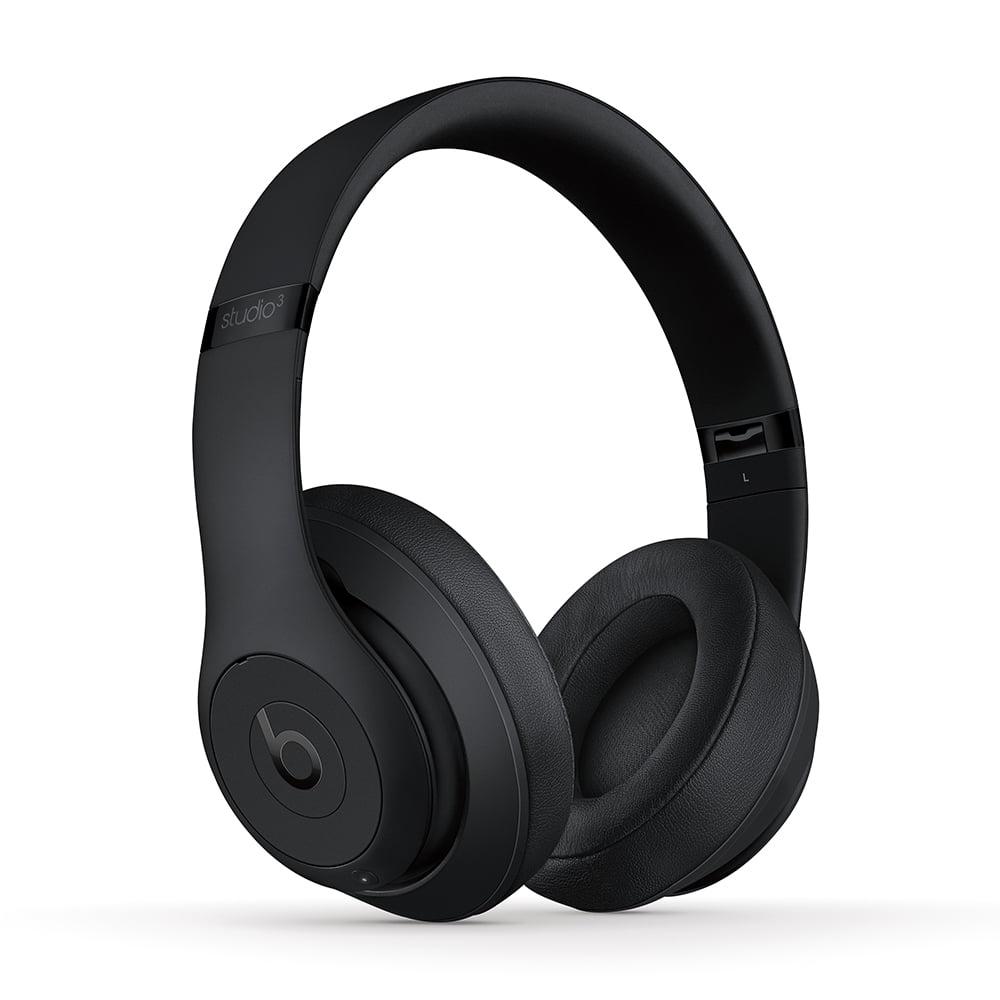
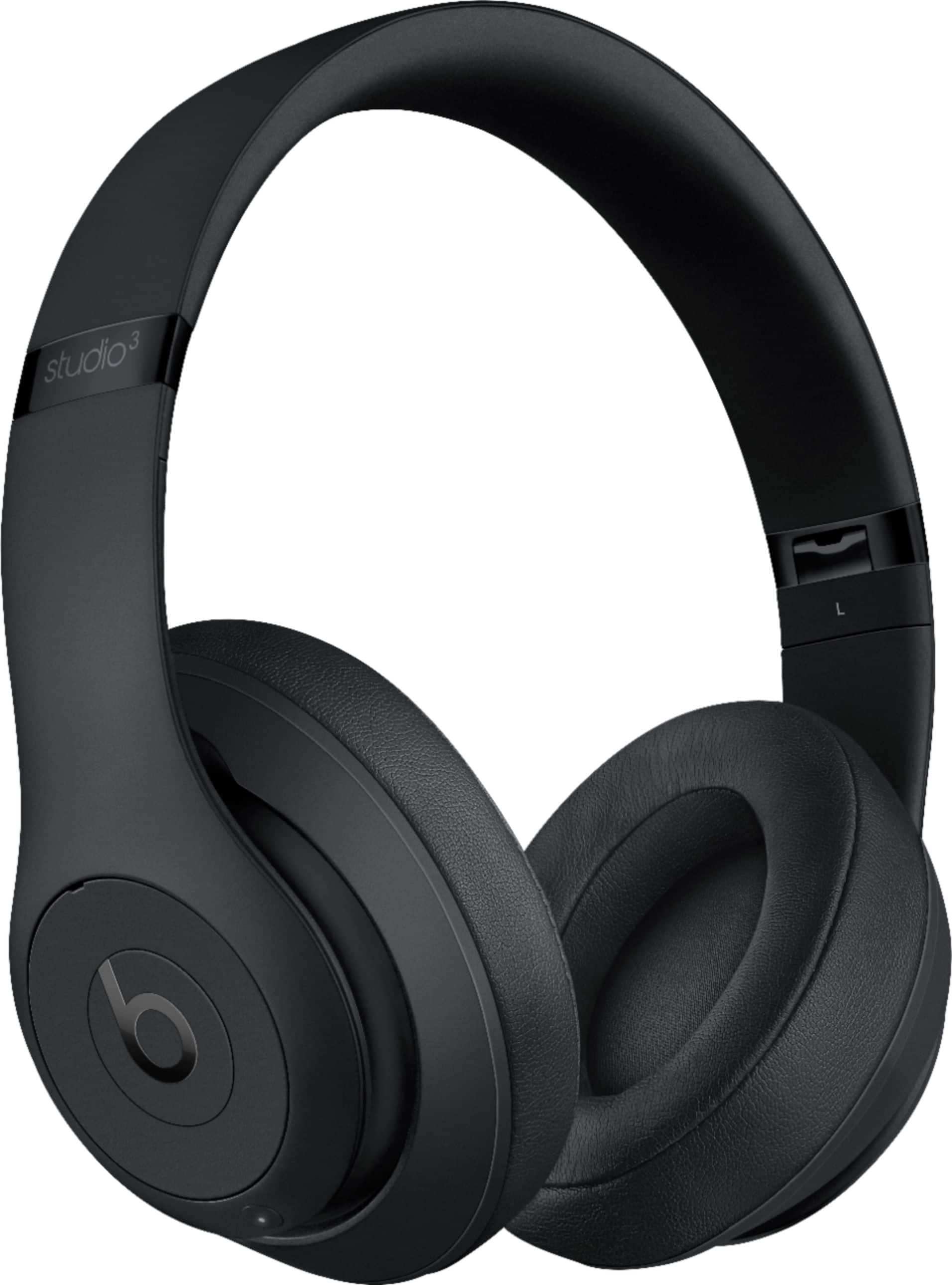
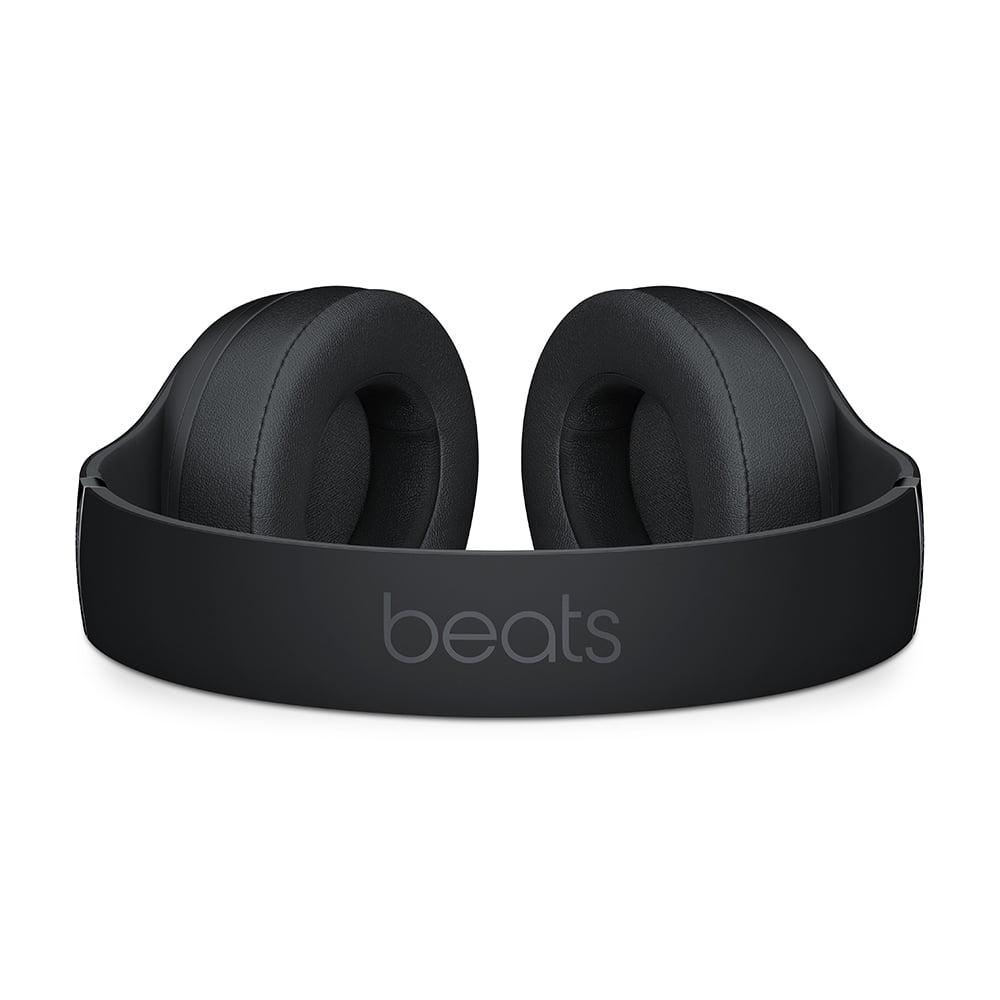
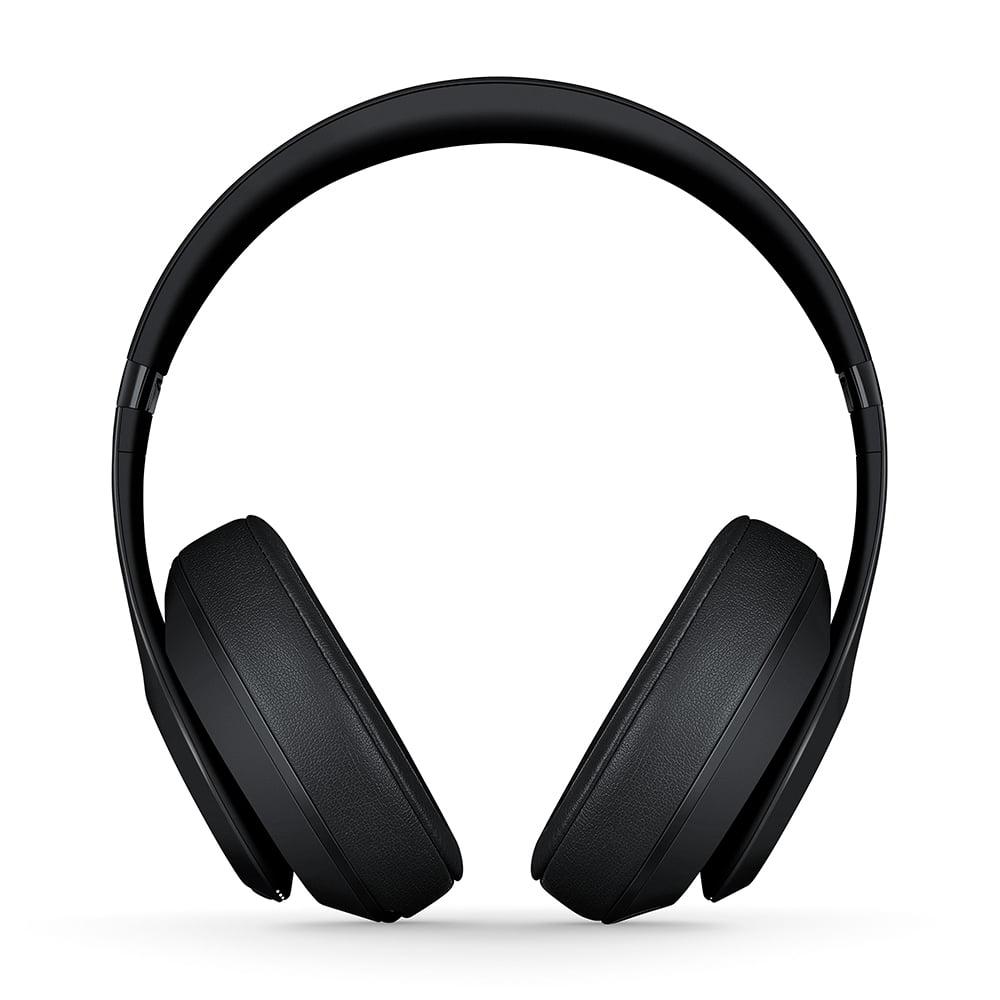
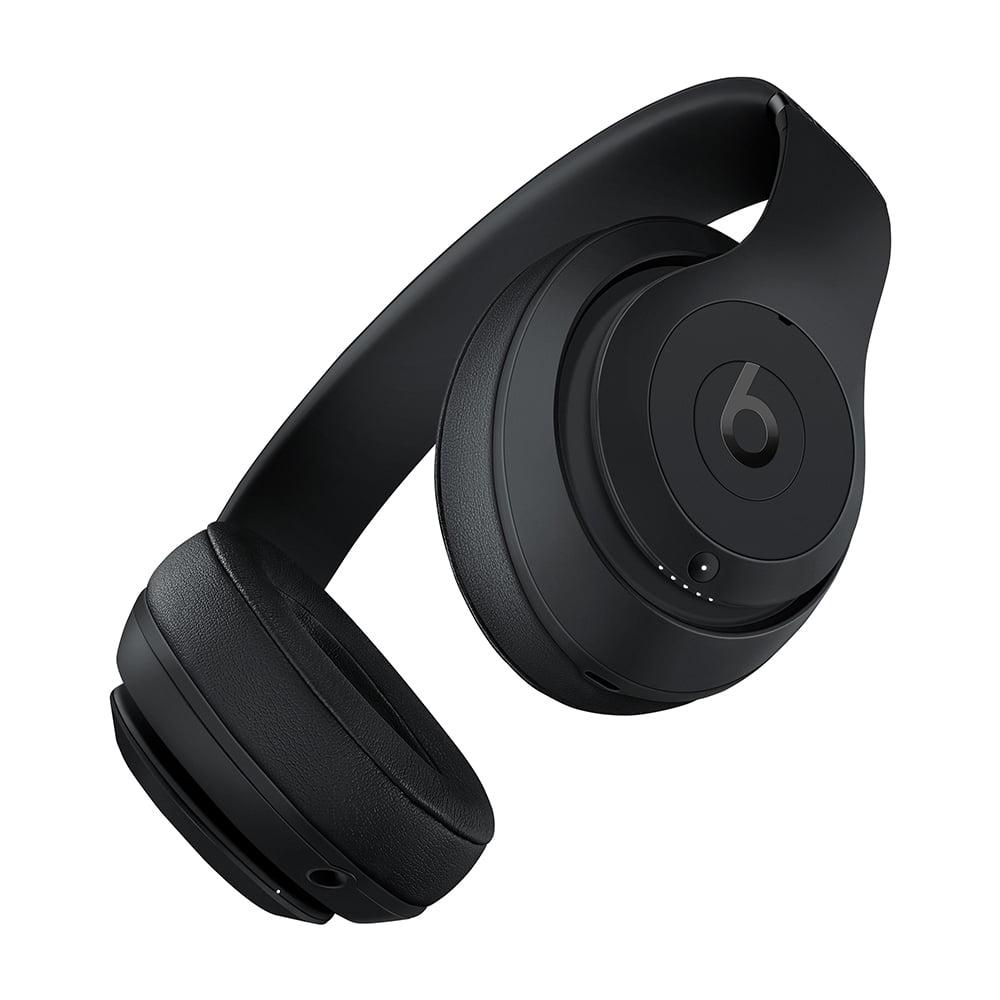


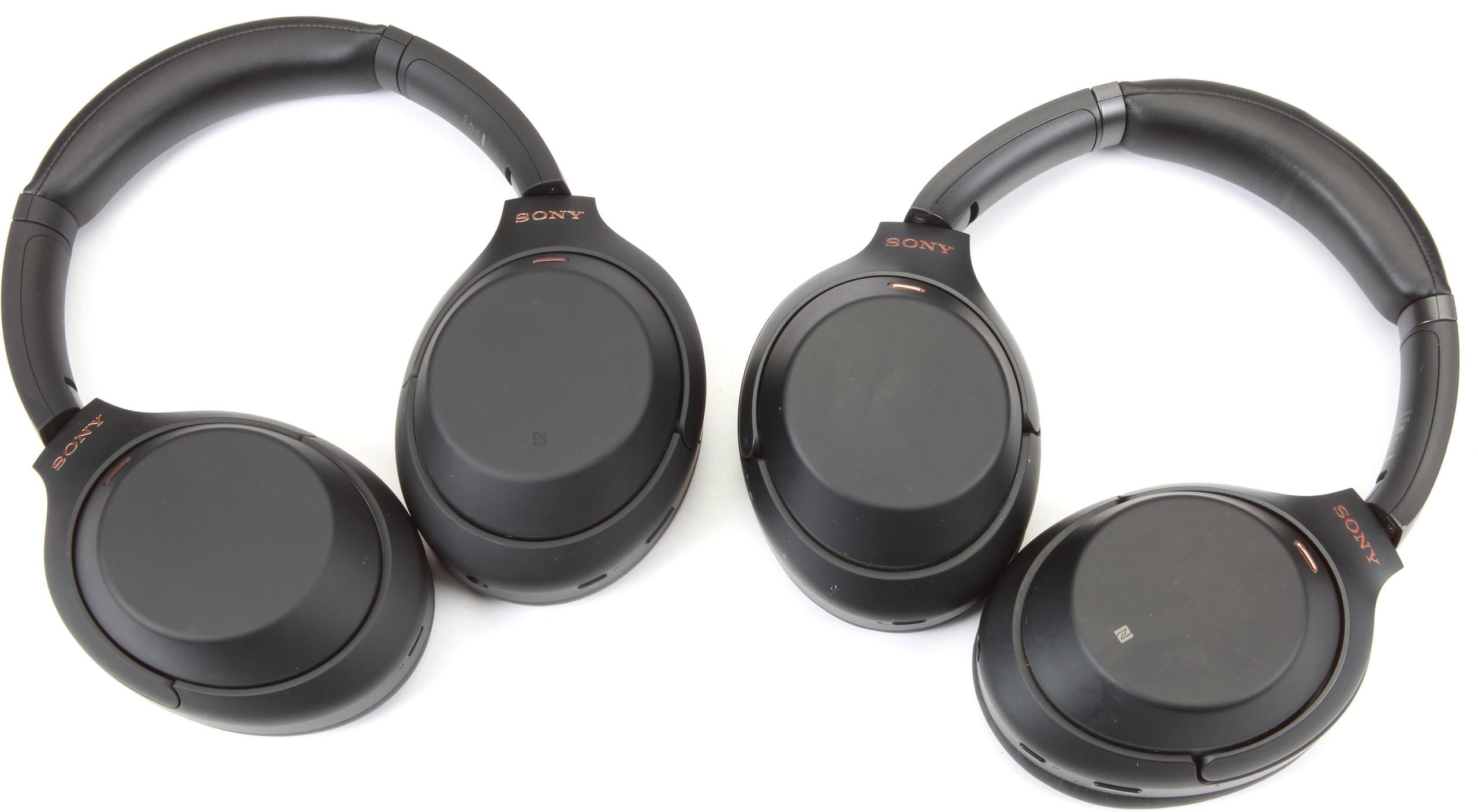
When shopping for premium wireless noise-cancelling headphones, you're essentially choosing between two different philosophies. Do you want cutting-edge technology with every bell and whistle, or would you prefer something simpler that works seamlessly with your existing devices? The Beats Studio3 Wireless and Sony WH-1000XM4 represent these two approaches perfectly, and understanding their differences will help you make the right choice for your needs.
Before diving into the comparison, let's talk about what makes headphones "premium" in this category. Premium wireless noise-cancelling headphones do three main things exceptionally well: they deliver high-quality audio wirelessly, actively block external noise, and provide comfort for extended listening sessions.
The "active noise cancelling" part is what really sets these apart from regular headphones. Instead of just physically blocking sound like foam earplugs, these headphones use tiny microphones to "listen" to the noise around you, then generate opposite sound waves to cancel it out. Think of it like noise arithmetic – if there's a loud, low hum from an airplane engine, the headphones create an equal and opposite hum that mathematically cancels it out before it reaches your ears.
The wireless aspect means freedom from tangled cables, but it also introduces challenges like battery management, connection stability, and audio quality over Bluetooth. Premium models solve these challenges with advanced chips, better codecs (the technology that compresses and transmits audio), and smart power management.
Both the Beats Studio3 and Sony WH-1000XM4 excel in these areas, but they take notably different approaches to get there.
The Beats Studio3 Wireless launched in 2017, while the Sony WH-1000XM4 arrived in 2020. That three-year gap represents a significant leap in wireless audio technology. During this period, we saw major improvements in noise cancellation algorithms, battery efficiency, and smart features powered by artificial intelligence.
The Sony WH-1000XM4 benefits from this technological evolution, incorporating AI-powered sound enhancement and adaptive noise cancellation that learns from your environment. Meanwhile, the Beats Studio3 represents the solid foundation of what premium wireless headphones could do in 2017, with Apple's W1 chip providing seamless connectivity that was revolutionary at the time.
Since their releases, both products have received firmware updates, but the fundamental hardware differences remain. The Sony WH-1000XM4 continues to receive meaningful feature updates through its companion app, while the Beats Studio3 has maintained its simpler, more static approach.
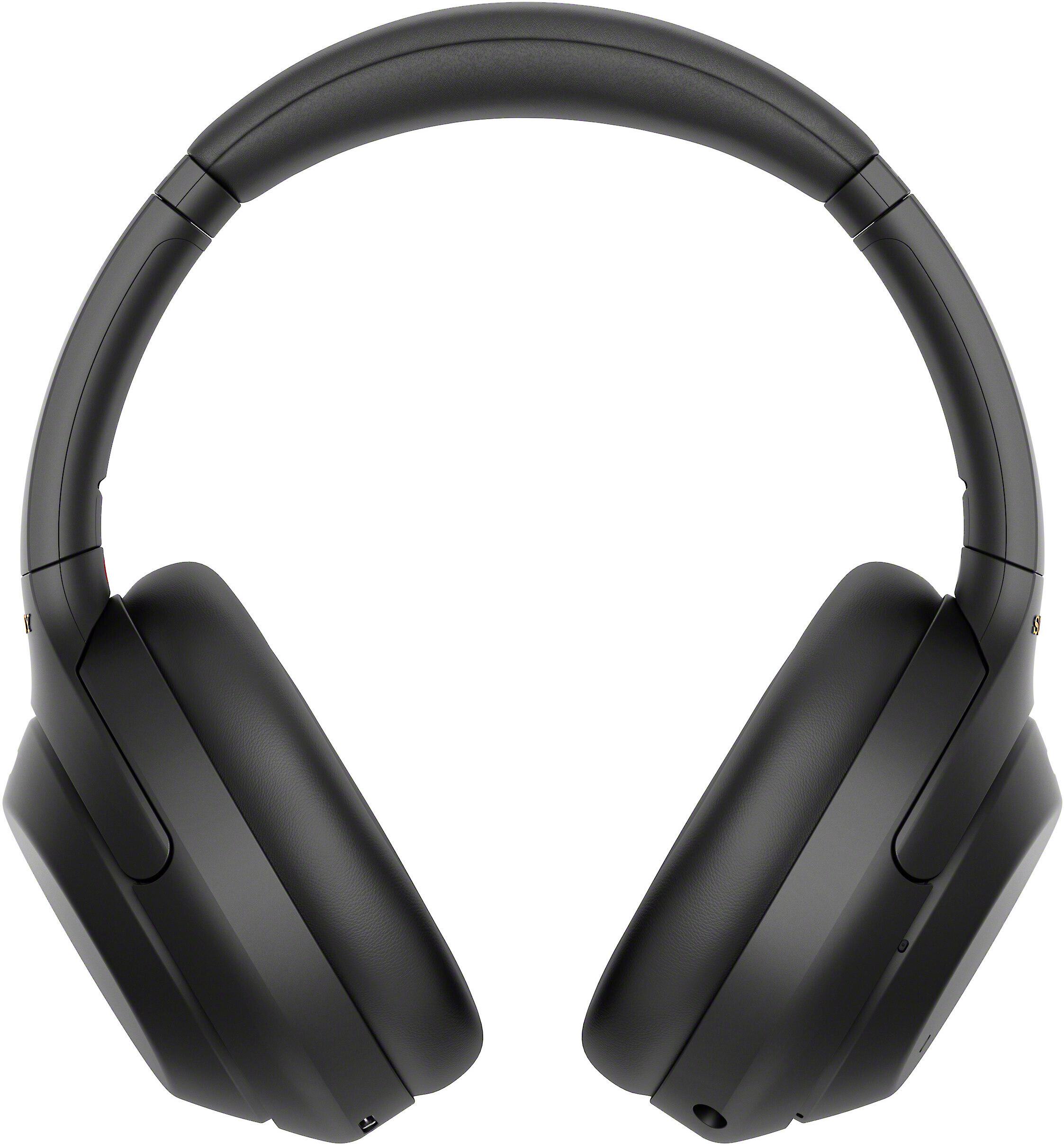
Here's where these headphones diverge most dramatically. The Sony WH-1000XM4 uses what Sony calls "Dual Noise Sensor Technology" combined with their HD Noise Cancelling Processor QN1. This system places microphones on both the inside and outside of each earcup, creating a sophisticated understanding of both the noise trying to get in and how well the cancellation is working.
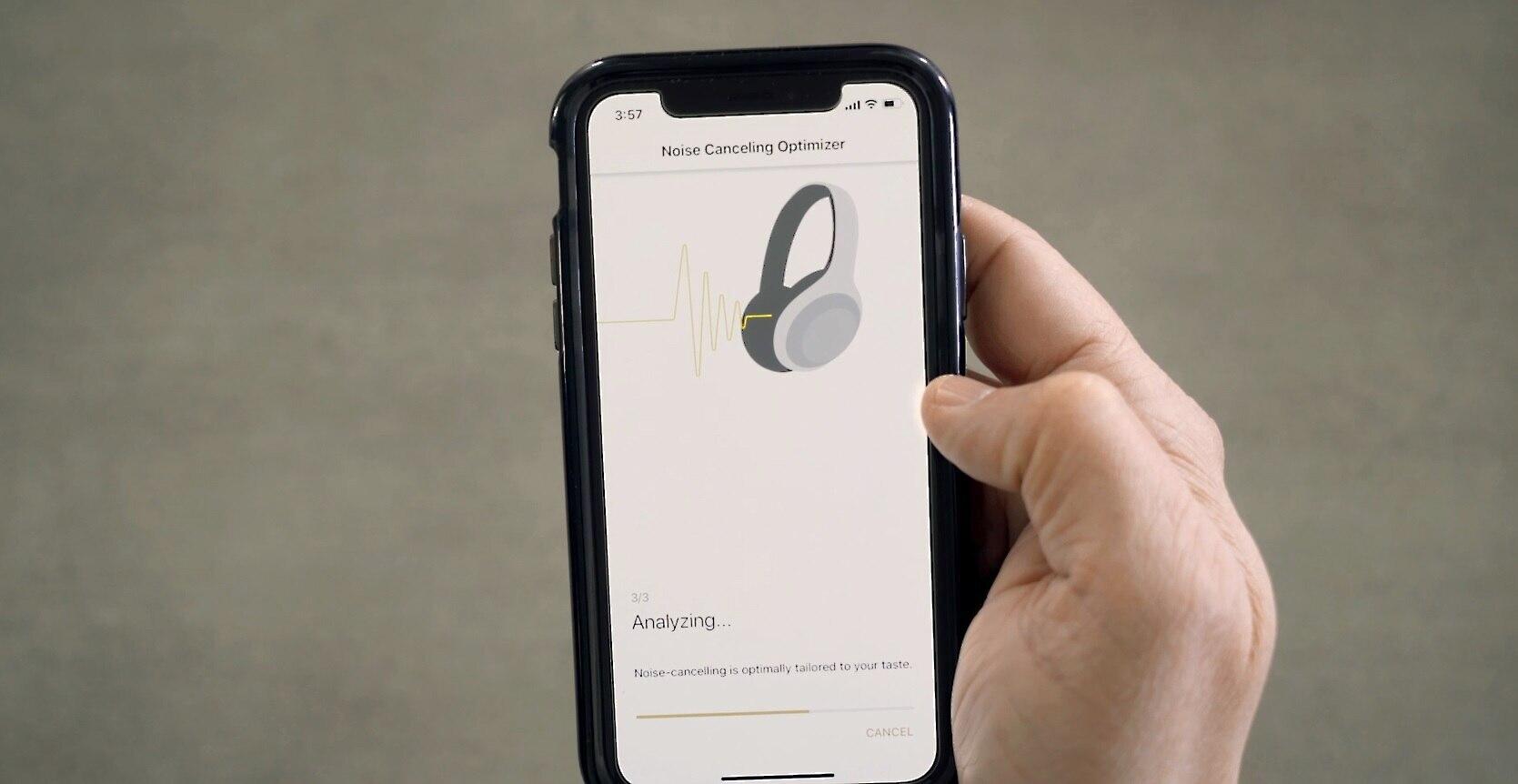
The processor analyzes this information over 700 times per second, constantly adjusting the cancellation to match your environment. If you're on a plane and the engine noise changes during takeoff, the Sony WH-1000XM4 adapts in real-time. If you put on a winter hat that changes how the headphones seal around your ears, it compensates for that too.
The Beats Studio3 takes a more straightforward approach with their "Pure Adaptive Noise Cancelling." While it does adapt to your environment, the system is considerably simpler. It works well enough for most situations – you'll notice a significant reduction in ambient noise – but it doesn't have the sophisticated, multi-layered approach of the Sony model.
In practical terms, this difference is most noticeable in challenging environments. On an airplane, both will help, but the Sony WH-1000XM4 will make the cabin noticeably quieter. In a busy coffee shop, the Sony model will better isolate conversations and sudden noises, while the Beats Studio3 provides more general noise reduction.
The Sony WH-1000XM4 approaches sound quality like an audiophile product that happens to be wireless. Its 40mm drivers cover an impressive frequency range from 4Hz to 40,000Hz, well beyond what human ears can detect, but this extended range helps create more natural sound reproduction within the audible spectrum.
Sony's DSEE Extreme technology uses artificial intelligence to analyze your music in real-time, identifying instruments and musical styles to enhance compressed audio files. If you're streaming music from Spotify or Apple Music, the Sony WH-1000XM4 is constantly working to restore details lost during compression, making your music sound closer to the original recording.
The Beats Studio3 takes what I'd call the "consumer-friendly" approach. The sound signature emphasizes bass and warmth, making music immediately engaging and fun to listen to. The real-time audio calibration adjusts the sound based on how the headphones fit your ears, ensuring consistency, but the overall tuning prioritizes an exciting listening experience over clinical accuracy.
Both approaches have merit. The Sony WH-1000XM4 reveals details in familiar songs you might never have noticed, while the Beats Studio3 makes everything sound full and energetic. The Sony model offers extensive customization through its companion app, letting you adjust the sound to your preferences, while the Beats keeps things simpler with its fixed but well-tuned sound signature.
Battery performance tells an interesting story about efficiency and feature complexity. The Sony WH-1000XM4 delivers up to 30 hours of listening time with noise cancellation enabled, despite running significantly more sophisticated processing. This efficiency comes from years of refinement in Sony's power management and the newer, more efficient components available in 2020.
The Beats Studio3 provides 22 hours with noise cancellation on, or an impressive 40 hours with it disabled. While the active noise cancellation time is shorter than Sony's, the 40-hour passive performance is excellent for situations where you don't need noise cancellation but want wireless audio.
Both models support quick charging, giving you several hours of playback from just 10 minutes plugged in. However, the Sony WH-1000XM4 uses modern USB-C charging while the Beats Studio3 still relies on the older Micro-USB standard.
The connectivity story highlights the different ecosystems these headphones serve. The Beats Studio3 includes Apple's W1 chip, which creates an almost magical pairing experience with iPhones, iPads, and Macs. You pair once with any Apple device signed into your iCloud account, and the headphones automatically appear as an option on all your other Apple devices. The connection switches seamlessly as you move between devices.
The Sony WH-1000XM4 supports multipoint Bluetooth connectivity, meaning it can connect to two devices simultaneously – perhaps your phone and laptop – and intelligently route audio from whichever device is actively playing. This works across all platforms and is incredibly useful for people who regularly switch between devices throughout the day.
Smart features are where the Sony WH-1000XM4 really shows its 2020 origins. Adaptive Sound Control learns your daily routines and automatically adjusts noise cancellation settings based on your location and activity. The Speak-to-Chat feature uses built-in sensors to detect when you start talking, automatically pausing your music and letting ambient sound through so you can have a conversation.
The Beats Studio3 focuses on simplicity, with straightforward controls and fewer automated features. This can actually be a benefit – there's something to be said for headphones that simply do what you expect without trying to be too clever.
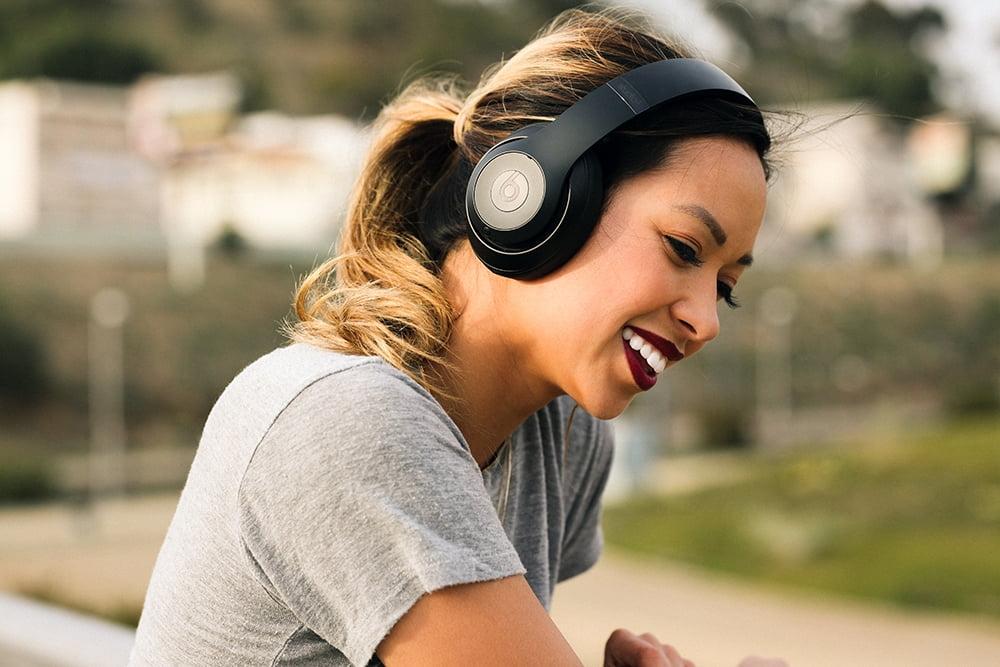
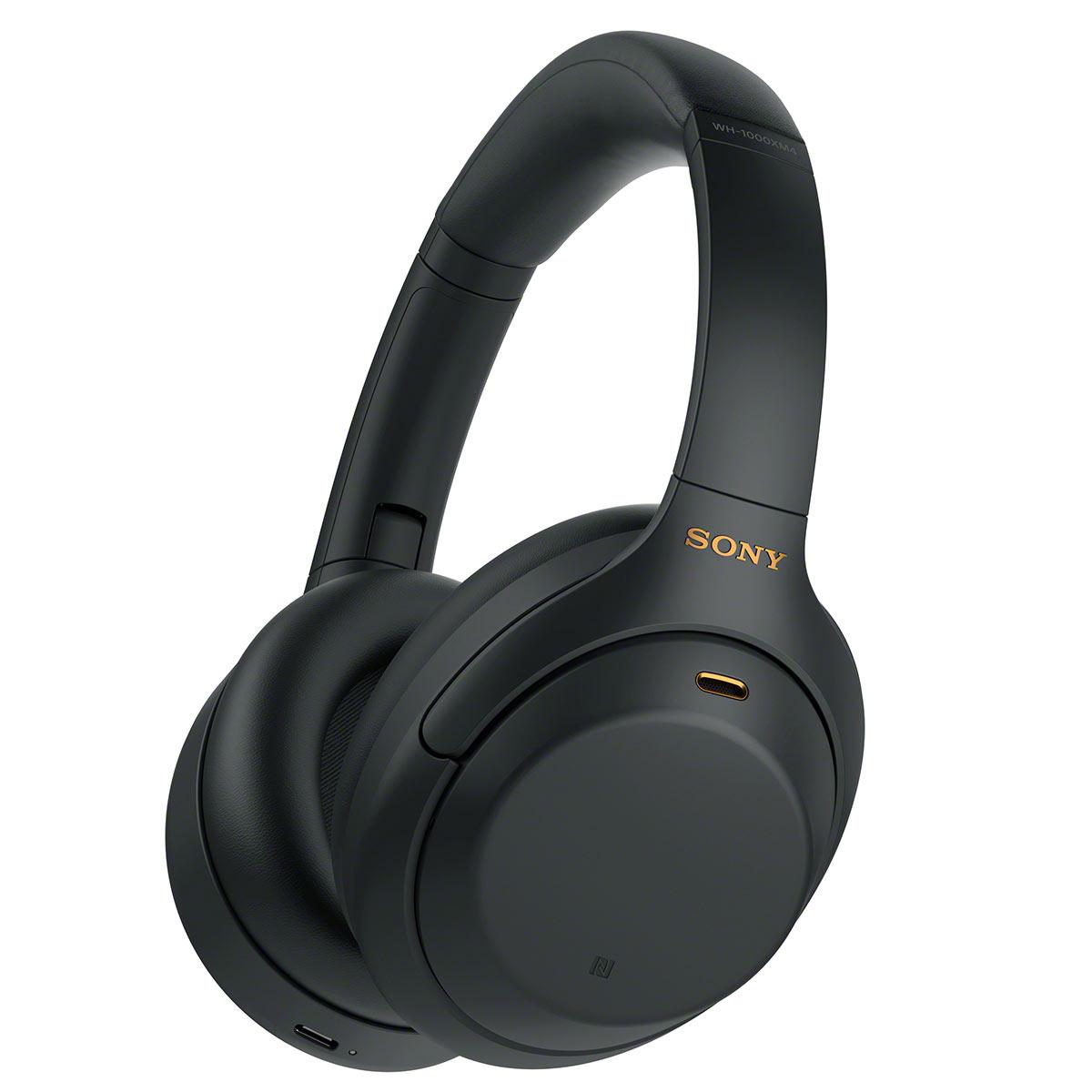
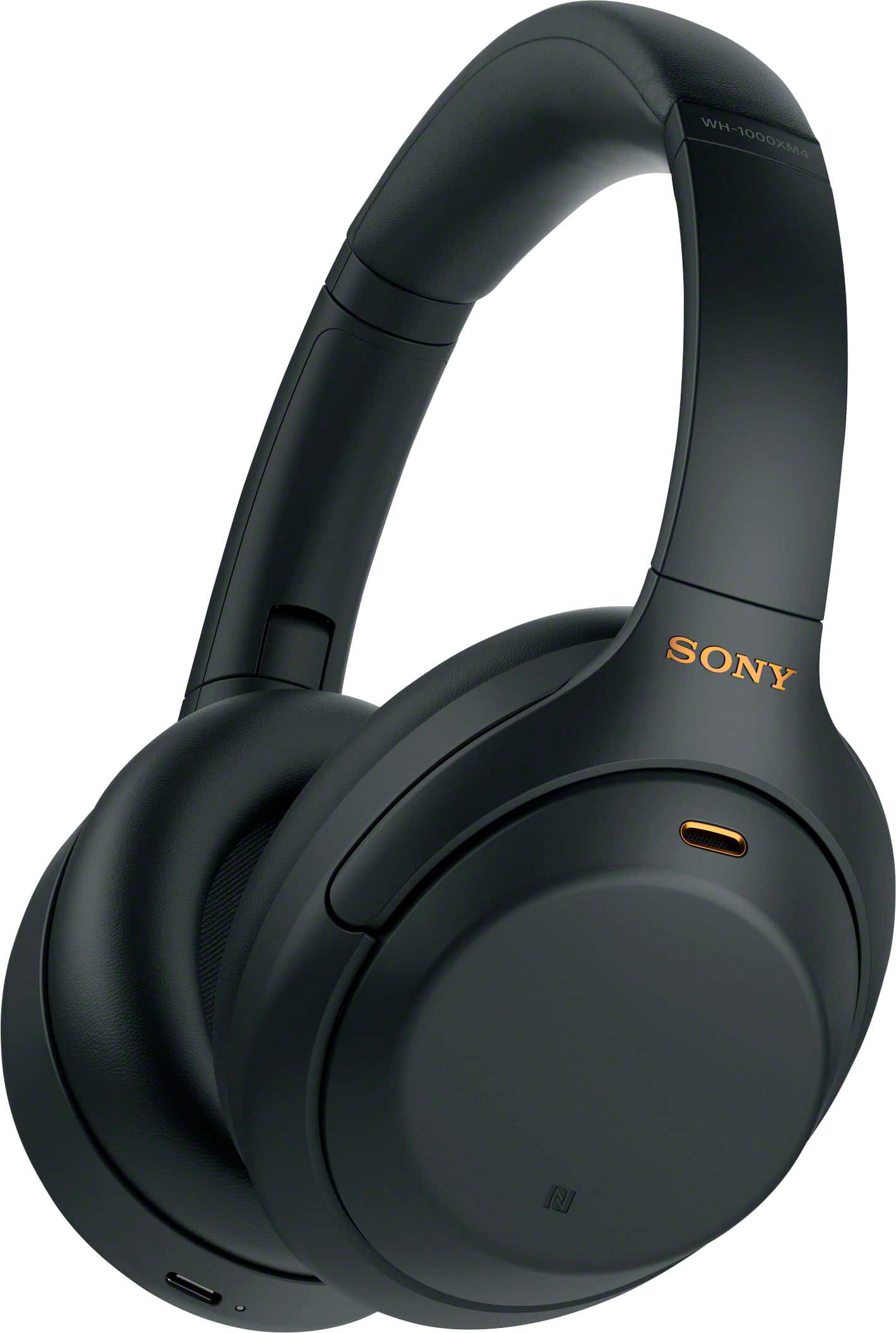
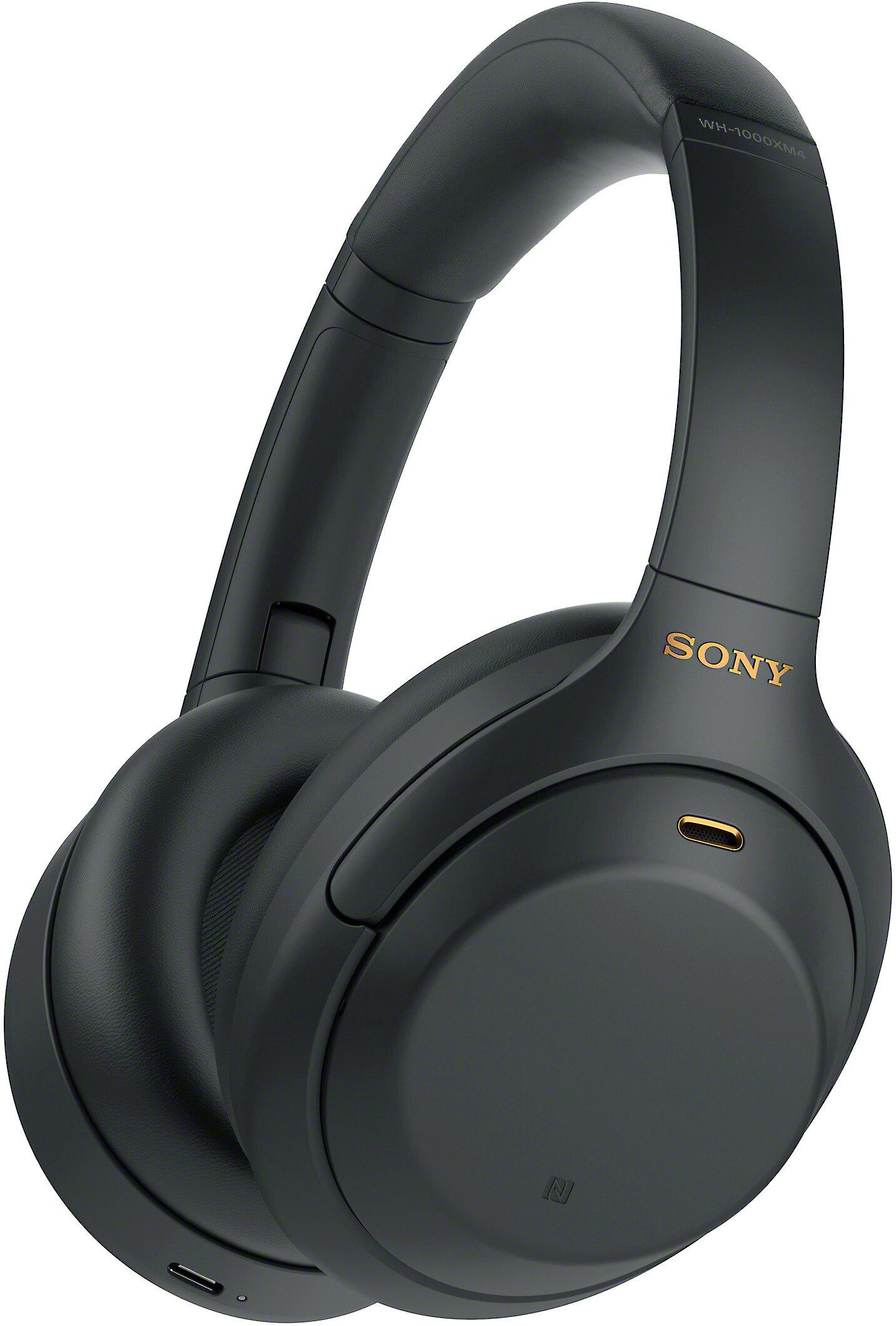
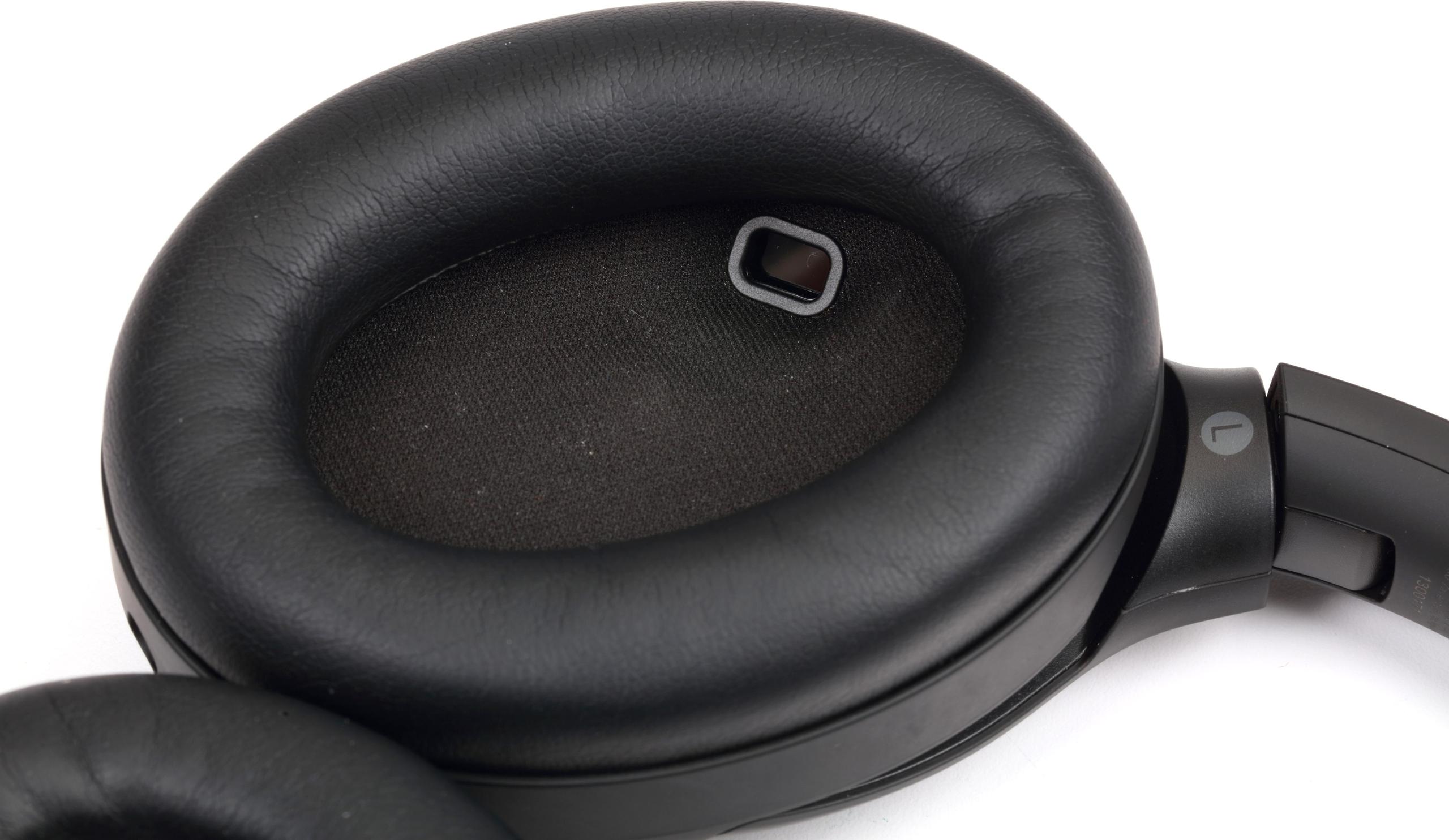
Both headphones prioritize comfort for extended wear, but they achieve it slightly differently. The Sony WH-1000XM4 uses what Sony calls "super-soft, pressure-relieving" ear pads made from foamed urethane. The padding distributes weight evenly and maintains its shape over time. At 254 grams, they're among the lighter options in this category.
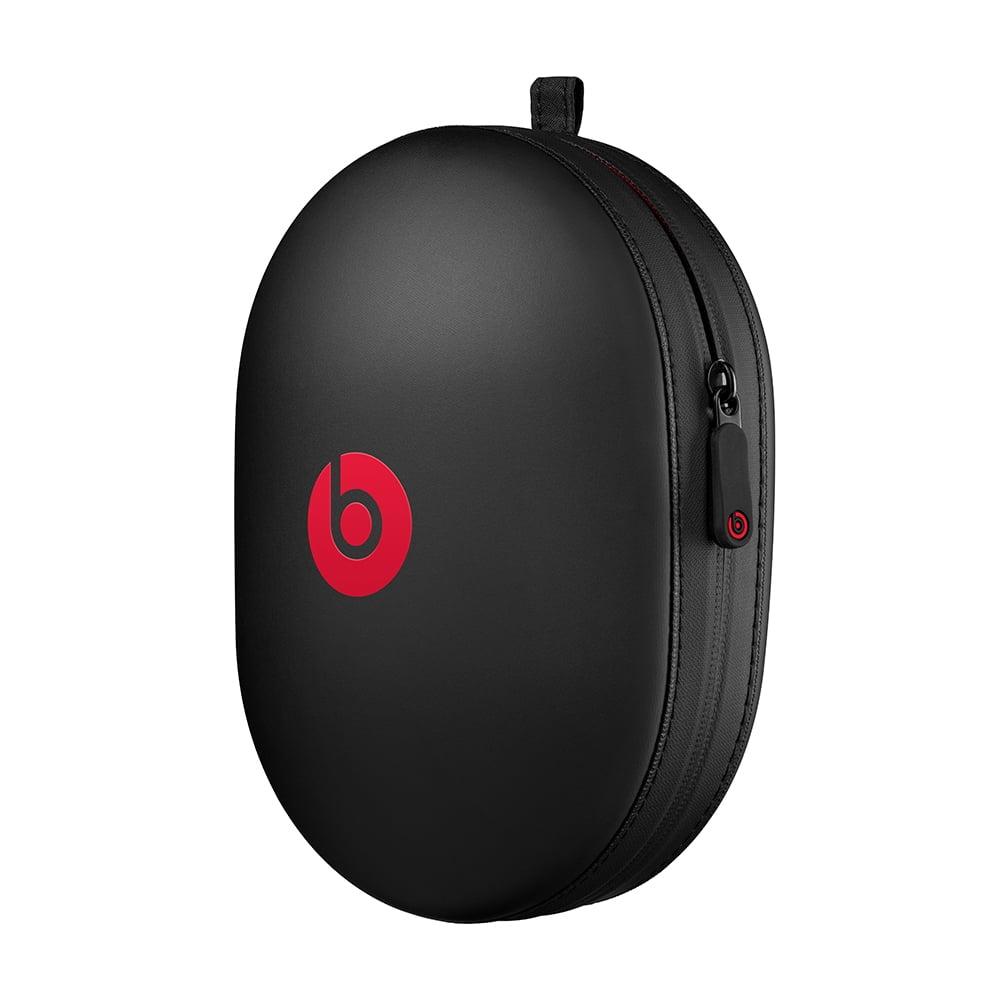
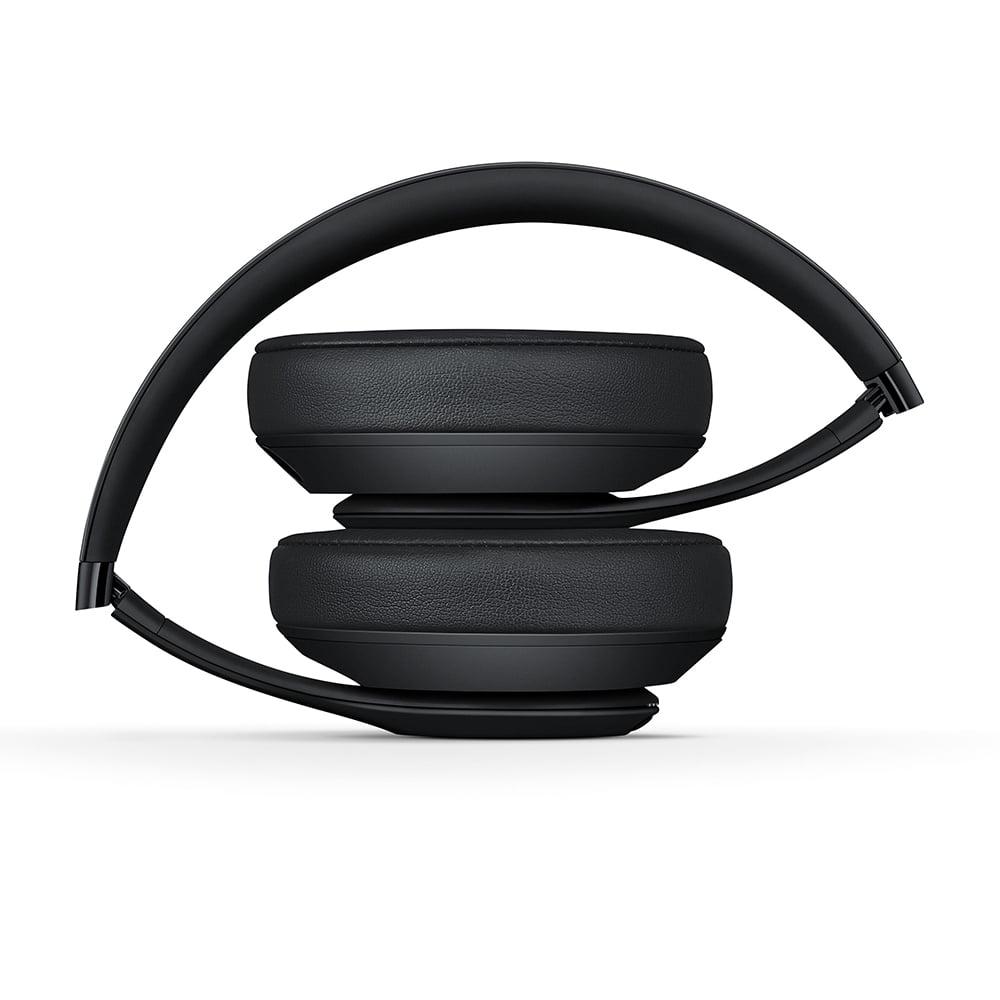
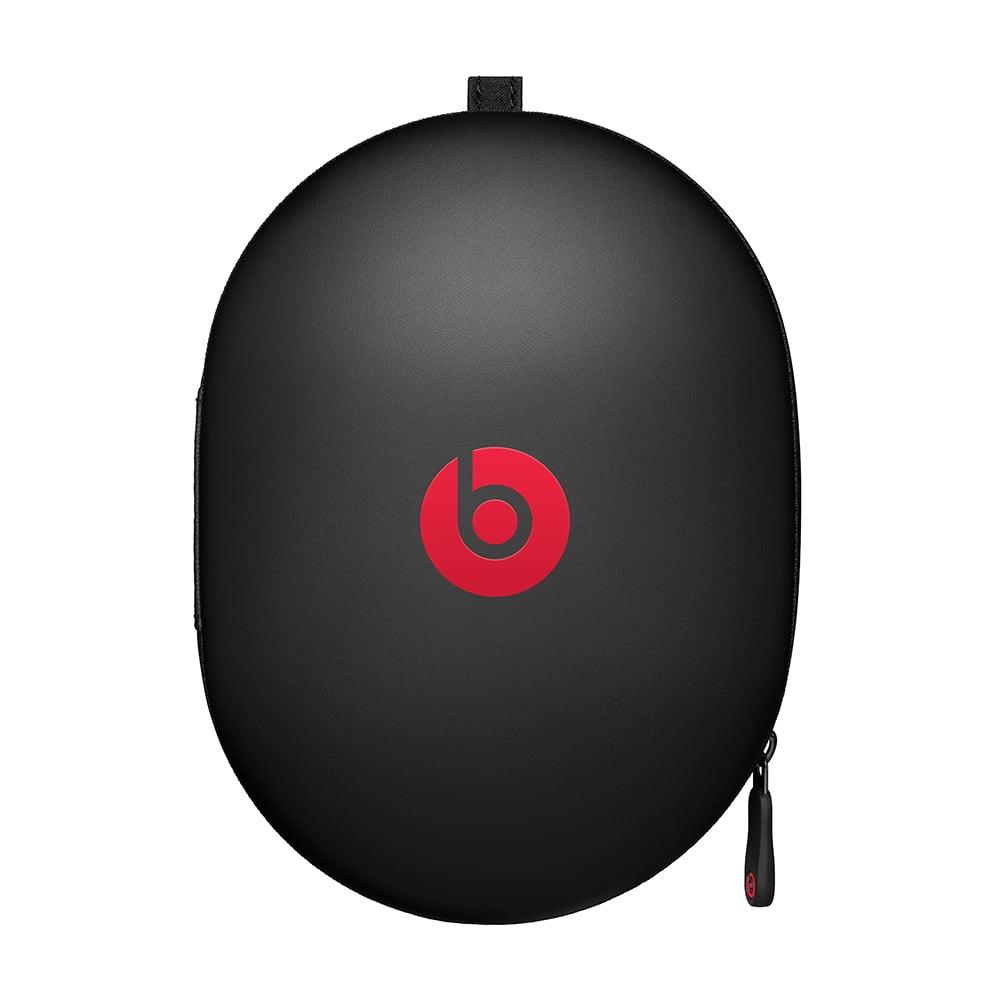
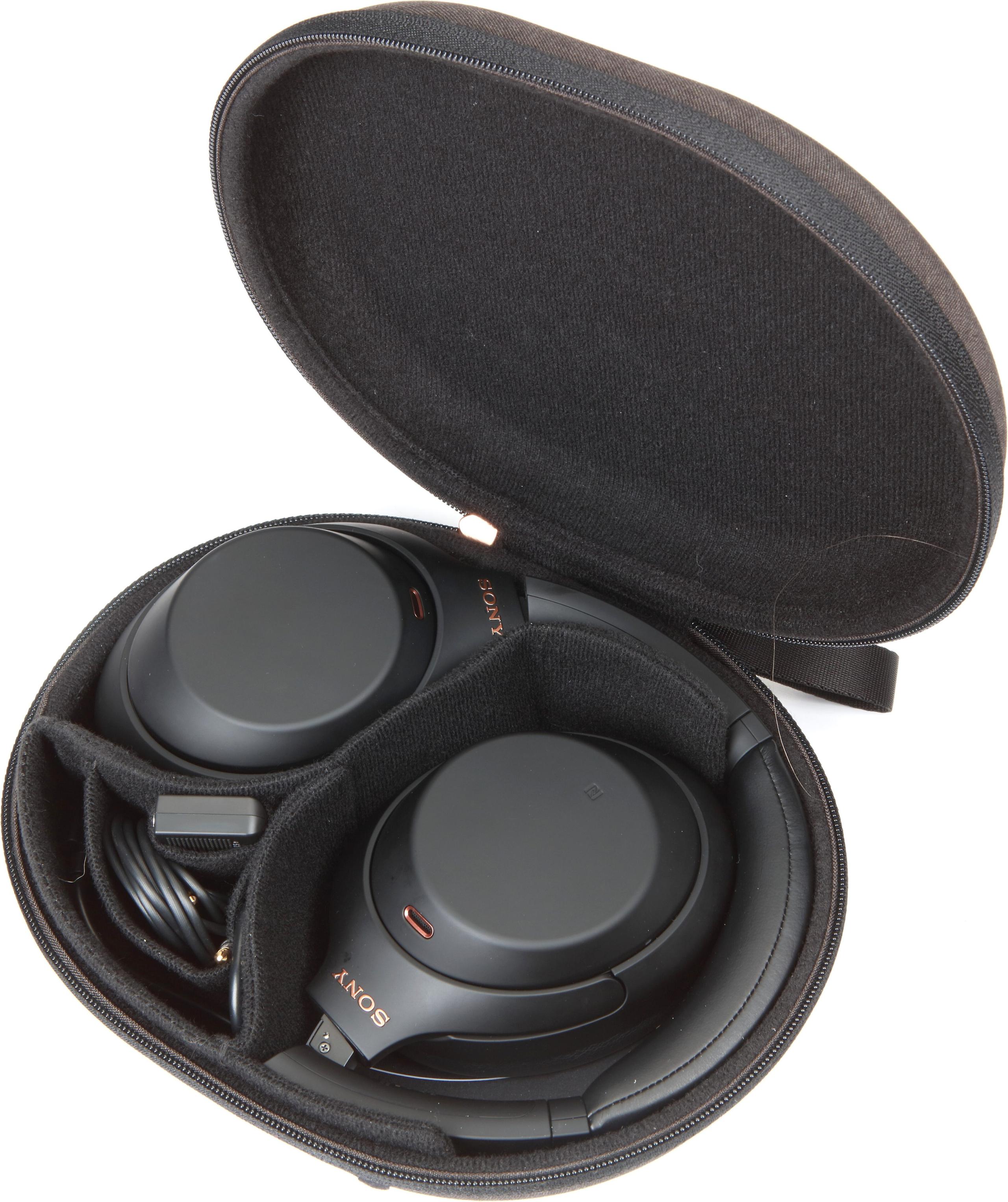
The Beats Studio3 weighs slightly more at 260 grams but uses soft, cushioned ear cups with ergonomic pivoting that helps them conform to different head shapes. Both headphones fold for travel and include carrying cases.
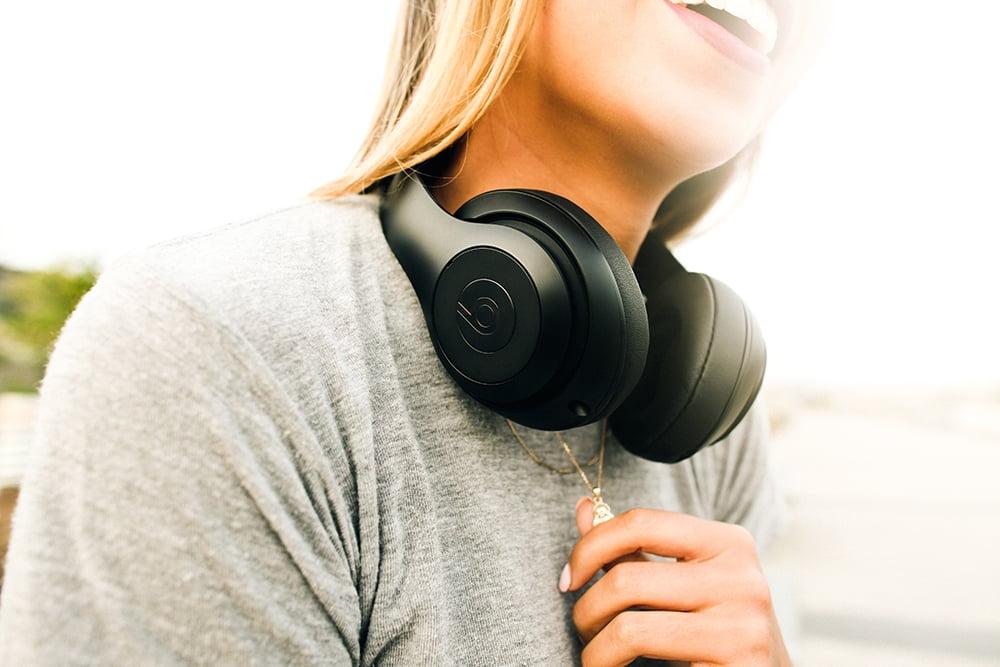
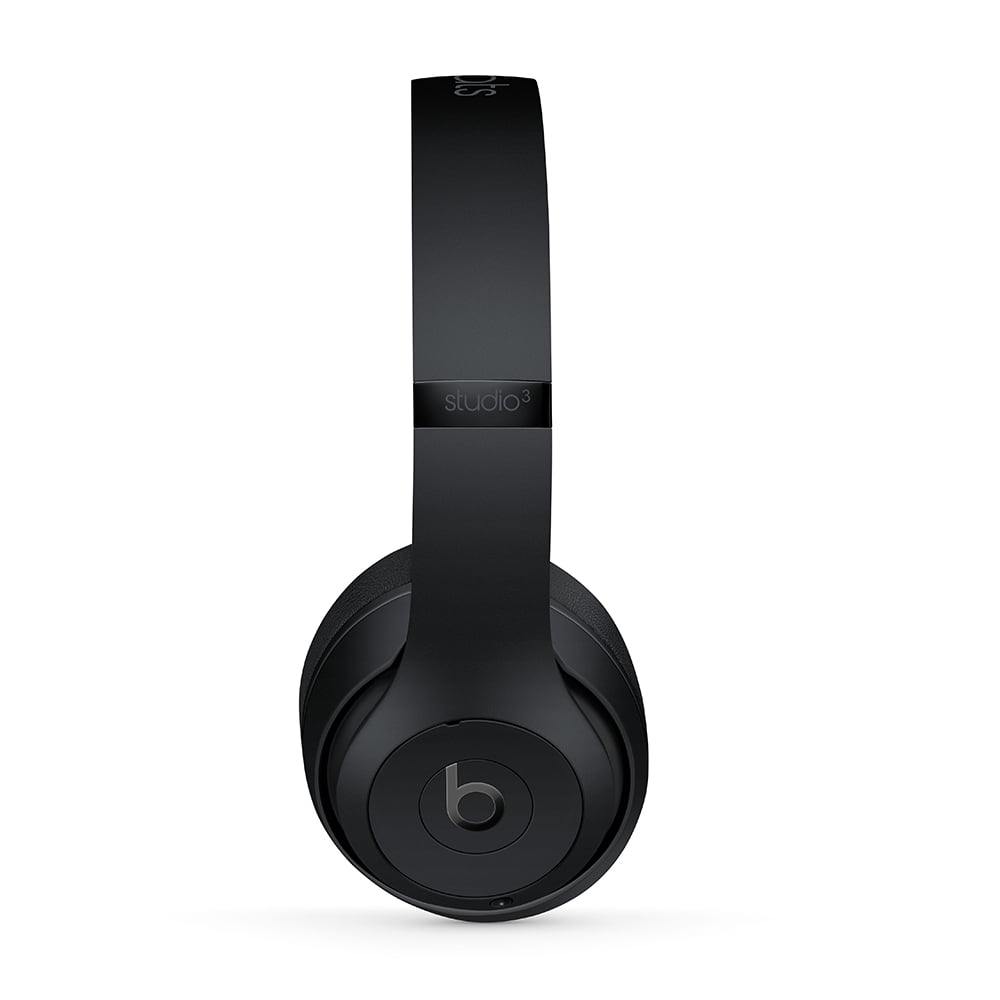
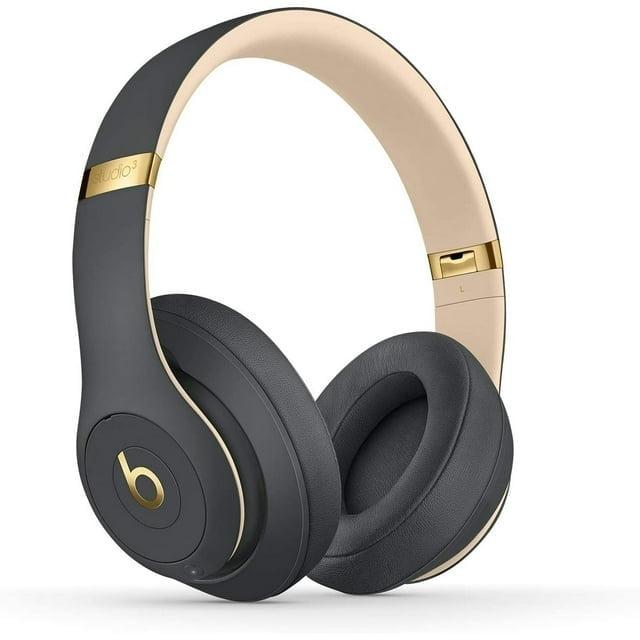
Build quality is solid on both, though they represent different design philosophies. The Sony WH-1000XM4 has a more understated, professional appearance, while the Beats Studio3 embraces a bolder aesthetic with multiple color options and the distinctive Beats styling.
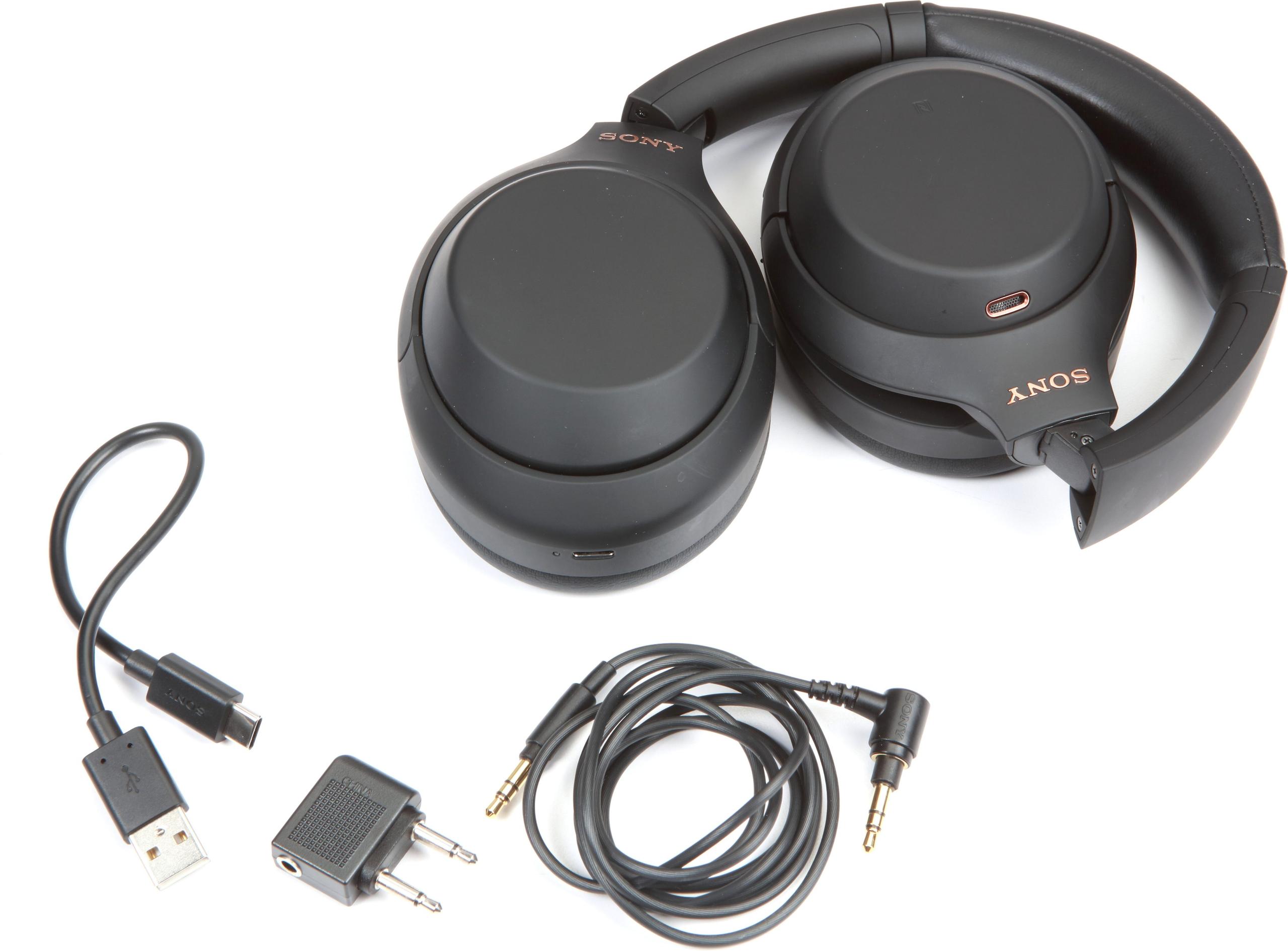
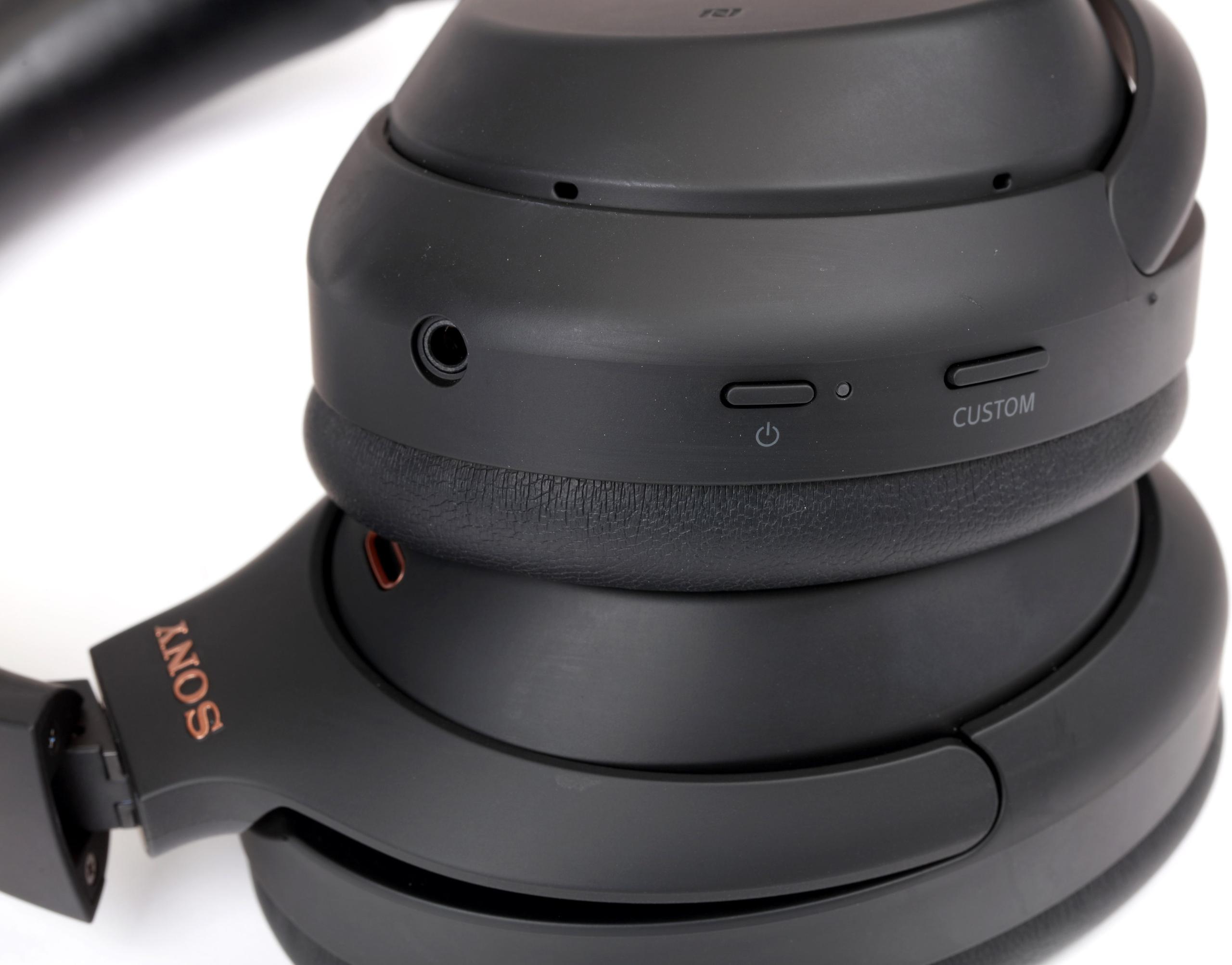
While both headphones are designed primarily for portable use, they can serve in home theater setups with some considerations. Neither model supports low-latency codecs like aptX Low Latency, so you may notice a slight delay between video and audio when watching movies over Bluetooth. For critical home theater use, the wired connection option becomes important – both headphones include cables for wired operation, though the audio quality differs significantly between them in wired mode.
The Sony WH-1000XM4 maintains much of its sound quality when used wired and powered off, while the Beats Studio3 sounds noticeably different without power, as much of its sound processing happens in the active mode. For home theater use, I'd lean toward the Sony WH-1000XM4 due to its more neutral sound signature and better wired performance.
At the time of writing, these headphones occupy different value positions in the market. The Sony WH-1000XM4 typically commands a premium price reflecting its advanced technology and feature set. You're paying for industry-leading noise cancellation, sophisticated audio processing, and cutting-edge smart features.
The Beats Studio3 often appears at significantly discounted prices, making it an attractive option for those who want premium wireless headphones without paying for the absolute latest technology. When found on sale, it represents excellent value for its noise cancellation capabilities and seamless Apple integration.
The value equation depends heavily on your priorities. If you want the best possible noise cancellation and don't mind paying for it, the Sony WH-1000XM4 delivers. If you're primarily interested in good wireless audio with decent noise cancellation at a lower price point, especially within the Apple ecosystem, the Beats Studio3 becomes very compelling when discounted.
Choose the Sony WH-1000XM4 if you're serious about noise cancellation performance, enjoy customizing your audio experience, or use multiple devices throughout the day. These headphones excel for frequent travelers, remote workers in noisy environments, and anyone who appreciates having control over their audio experience. The advanced features justify the premium price if you'll actually use them.
The Beats Studio3 makes sense if you're invested in Apple's ecosystem and value simplicity over advanced features. They're particularly appealing when found at discounted prices, offering solid performance without the complexity of more feature-rich alternatives. If you want headphones that simply work well without requiring app management or feature learning curves, these fit the bill perfectly.
Both headphones will serve you well, but they serve different types of users. The Sony WH-1000XM4 is the choice for those who want the absolute best technology can offer right now, while the Beats Studio3 appeals to those who prefer a more straightforward approach with excellent Apple integration. Understanding which type of user you are will make your decision much clearer.
| Beats Studio3 Wireless | Sony WH-1000XM4 |
|---|---|
| Active Noise Cancellation - The primary reason to buy premium headphones | |
| Pure Adaptive Noise Cancelling with basic real-time adjustment | Industry-leading dual noise sensor technology with 700+ adjustments per second |
| Battery Life with ANC - Critical for travel and daily use | |
| 22 hours (extends to 40 hours with ANC off) | 30 hours (consistent performance with advanced features) |
| Sound Quality Approach - Determines your listening experience | |
| Bass-forward consumer tuning with real-time calibration | Neutral audiophile signature with AI-powered enhancement (DSEE Extreme) |
| Connectivity Features - How well they work with your devices | |
| Apple W1 chip for seamless Apple ecosystem pairing | Multipoint Bluetooth 5.0 connects two devices simultaneously |
| Smart Features - Automation and convenience tools | |
| Basic controls with minimal automation | Adaptive Sound Control, Speak-to-Chat, wear detection, app customization |
| Frequency Response Range - Affects audio detail and clarity | |
| 20Hz-20,000Hz (standard range) | 4Hz-40,000Hz (extended range for better detail reproduction) |
| Weight and Comfort - Important for extended listening sessions | |
| 260g with soft cushioned ear cups | 254g with pressure-relieving foamed urethane pads |
| Audio Codecs - Determines wireless sound quality | |
| SBC, AAC (Apple-optimized) | SBC, AAC, LDAC (high-resolution wireless audio support) |
| Quick Charging - Essential for busy lifestyles | |
| 10 minutes = 3 hours playback (Micro-USB) | 10 minutes = 5 hours playback (USB-C) |
| Release Year - Indicates technology generation | |
| 2017 (established wireless technology) | 2020 (latest AI and processing advances) |
| Best Use Cases - Who should choose each model | |
| Apple users wanting simple, stylish headphones with good ANC | Audiophiles and frequent travelers demanding best-in-class noise cancellation |
| Value Proposition - Cost vs. performance consideration | |
| Excellent value when discounted, especially for Apple ecosystem users | Premium price justified by cutting-edge features and superior performance |
The Sony WH-1000XM4 has significantly better noise cancellation than the Beats Studio3 Wireless. Sony's dual noise sensor technology with adaptive algorithms provides industry-leading performance, especially for airplane engines and consistent background noise. The Beats Studio3 offers decent noise cancellation for basic use, but it's noticeably less effective in challenging environments like airplanes or busy offices.
The Sony WH-1000XM4 generally sounds better for detailed music listening, offering a more neutral sound signature with AI-powered audio enhancement and customizable EQ settings. The Beats Studio3 Wireless has a warmer, bass-forward sound that many find immediately engaging, but lacks the detail and customization options of the Sony model. Choose Sony for accuracy, Beats for a fun, energetic sound.
The Sony WH-1000XM4 provides up to 30 hours of battery life with noise cancellation enabled, compared to 22 hours from the Beats Studio3 Wireless. However, the Beats can extend to 40 hours when noise cancellation is turned off. Both offer quick charging, but the Sony WH-1000XM4 gives you more listening time per charge with all features active.
The Beats Studio3 Wireless offers superior integration with iPhones and other Apple devices thanks to the W1 chip, providing instant pairing and seamless switching between Apple devices. While the Sony WH-1000XM4 works perfectly fine with iPhones, it doesn't have the same level of ecosystem integration. However, Sony offers more advanced features that may outweigh the convenience factor for some users.
Both the Beats Studio3 Wireless and Sony WH-1000XM4 are designed for comfort during extended use. The Sony model is slightly lighter at 254g and uses pressure-relieving foam padding. The Beats Studio3 weighs 260g but features ergonomic pivoting ear cups. Most users find both comfortable, though individual head shape and preferences will determine which feels better for you personally.
The Sony WH-1000XM4 supports true multipoint connectivity, allowing connection to two devices simultaneously and automatic switching between them. The Beats Studio3 Wireless can pair with multiple devices but requires manual switching between connections. For users who frequently switch between phone, laptop, and tablet, the Sony model offers more convenience.
The Sony WH-1000XM4 is generally better for working from home due to superior noise cancellation for blocking household distractions, multipoint connectivity for seamless device switching, and features like Speak-to-Chat that automatically pause music when you start talking. The Beats Studio3 Wireless works well too, but lacks the advanced features that make remote work easier.
Neither headphone excels at phone calls, but the Sony WH-1000XM4 generally performs better due to more advanced microphone processing and noise reduction during calls. The Beats Studio3 Wireless provides adequate call quality in quiet environments but may struggle with background noise. Both are primarily designed for music rather than calls.
Both the Sony WH-1000XM4 and Beats Studio3 Wireless feature solid build quality with premium materials. The Sony model uses more modern construction techniques and materials from its 2020 release, while the Beats Studio3 has proven its durability since 2017. Both fold for travel and include protective carrying cases, making them suitable for daily use and travel.
The Sony WH-1000XM4 is superior for travel due to industry-leading noise cancellation that effectively blocks airplane engines, longer battery life, and adaptive features that automatically adjust to your environment. The Beats Studio3 Wireless provides adequate travel performance at a lower price point, but the Sony model offers a noticeably better experience on planes and in noisy travel environments.
Value depends on your priorities and current pricing. The Beats Studio3 Wireless often appears at significant discounts, making it excellent value for those wanting good wireless headphones with decent noise cancellation, especially Apple users. The Sony WH-1000XM4 commands a premium price but justifies it with superior technology, features, and performance across nearly every category.
Yes, both the Beats Studio3 Wireless and Sony WH-1000XM4 include cables for wired operation. However, the Sony WH-1000XM4 maintains much better sound quality in wired mode, while the Beats Studio3 sounds significantly different when used passively without power. For wired listening, the Sony model is clearly superior.
We've done our best to create useful and informative comparisons to help you decide what product to buy. Our research uses advanced automated methods to create this comparison and perfection is not possible - please contact us for corrections or questions. These are the sites we've researched in the creation of this article: techradar.com - recordingnow.com - rtings.com - soundguys.com - recordingnow.com - recordingnow.com - soundguys.com - soundguys.com - youtube.com - rtings.com - gsmarena.com - bhphotovideo.com - headphonecheck.com - themasterswitch.com - walmart.com - rentacenter.com - discussions.apple.com - beatsbydre.com - bestbuy.com - walmart.com - youtube.com - youtube.com - soundguys.com - headphones.com - recordingnow.com - electronics.sony.com - rtings.com - headphonereview.com - youtube.com - audiosciencereview.com - cnet.com - hyderseatravels.com - sony.com - sonylatvija.com - sony.com - sony.com - electronics.sony.com - sony.com - headphonecheck.com - fullspecs.net - sony.com - uclastore.com - bestbuy.com - sony.ca - helpguide.sony.net - device.report

Privacy Policy
Terms and Conditions - Affiliate Policy
Home Security
© Copyright 2008-2026.
11816 Inwood Rd #1211, Dallas, TX 75244