



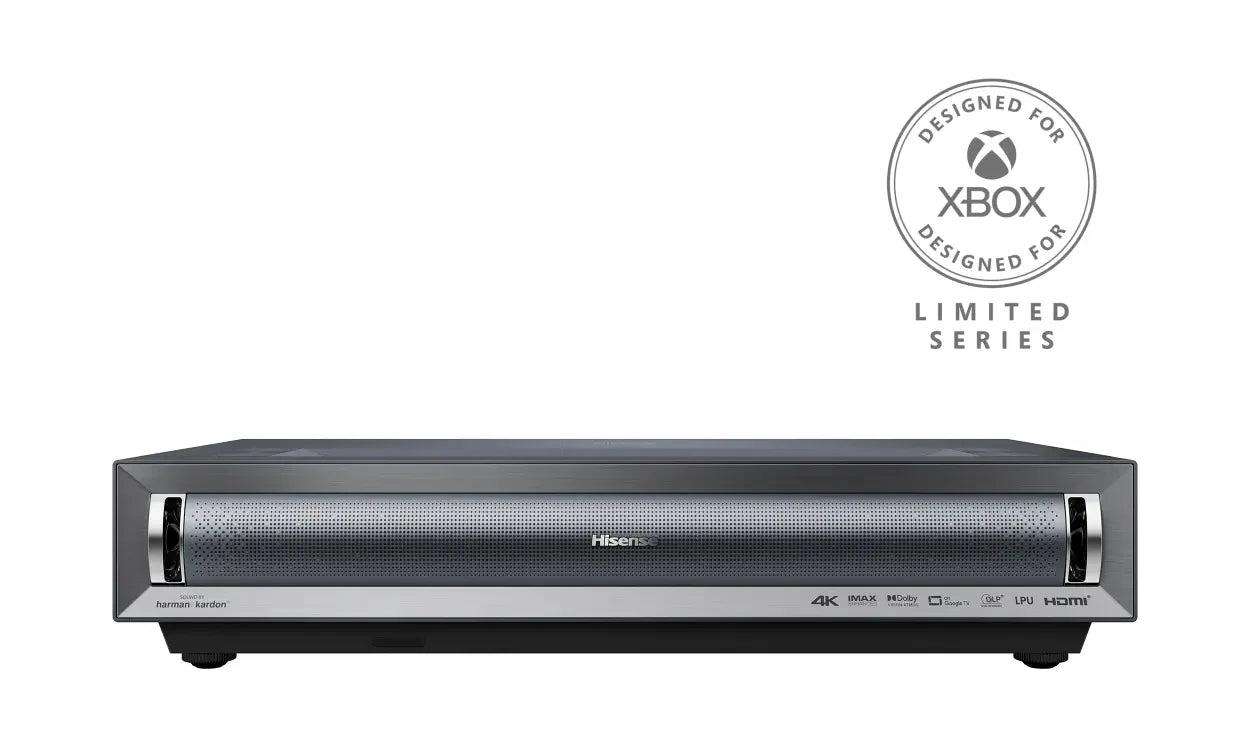
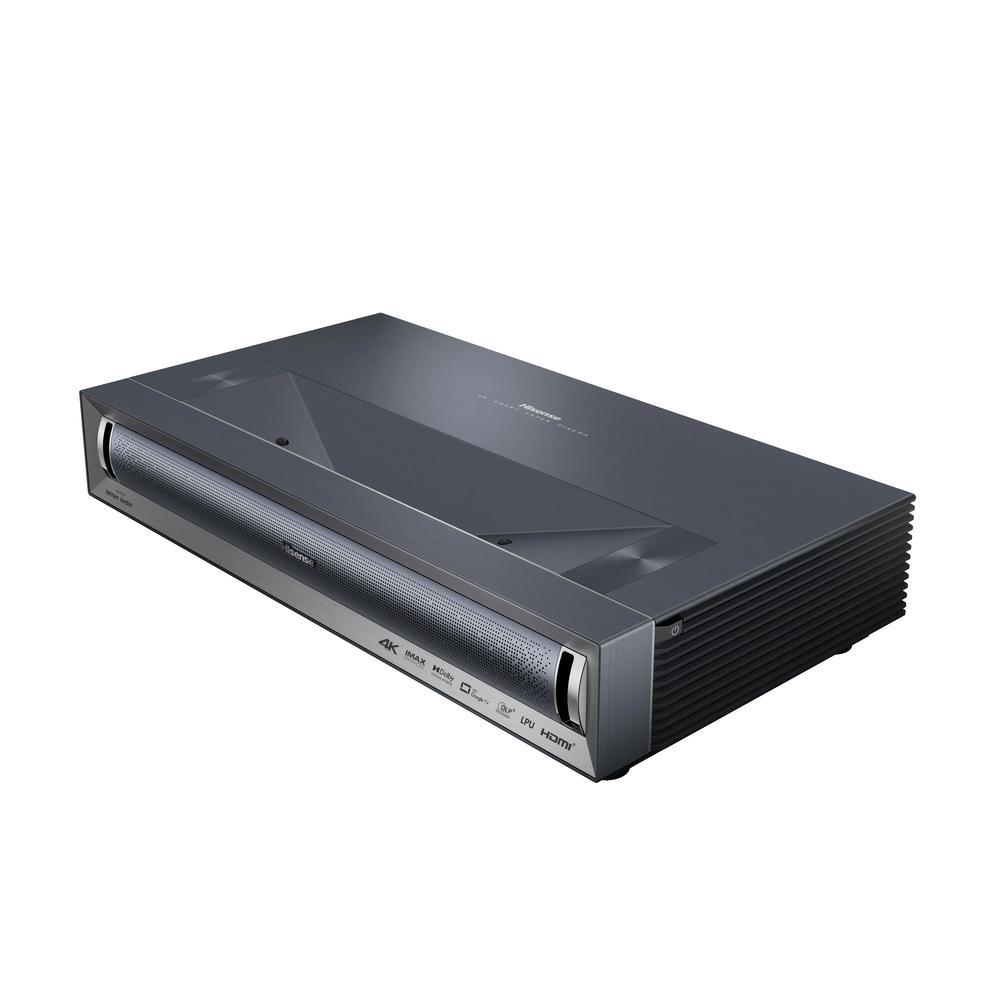
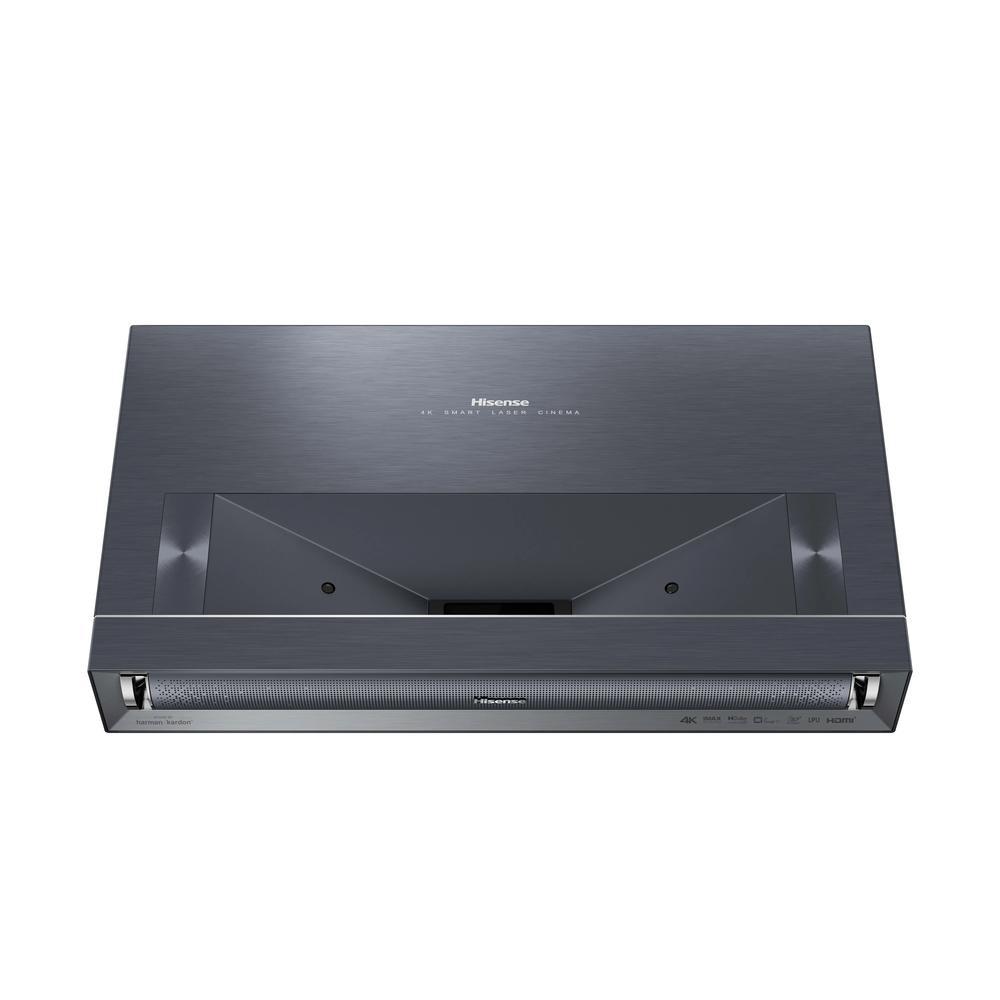
If you've ever dreamed of having a massive 100+ inch screen in your living room without mounting a projector on the ceiling or running cables across the room, ultra short throw (UST) projectors might be exactly what you're looking for. These ingenious devices sit just inches from your wall, projecting enormous images while eliminating the shadows and installation headaches of traditional projectors.
Today we're comparing two compelling options from Hisense: the PX3-PRO, which dominated the mid-tier market in 2024, and the flagship L9Q Triple Laser, released in 2025 with cutting-edge technology. At the time of writing, these projectors represent dramatically different price points—the PX3-PRO sits in the affordable premium category, while the L9Q commands flagship pricing that's roughly double the cost.
The question isn't just which projector is better—it's whether the flagship's advantages justify spending significantly more money. After researching extensive professional reviews and user feedback, I've found the answer depends heavily on your specific room conditions and priorities.
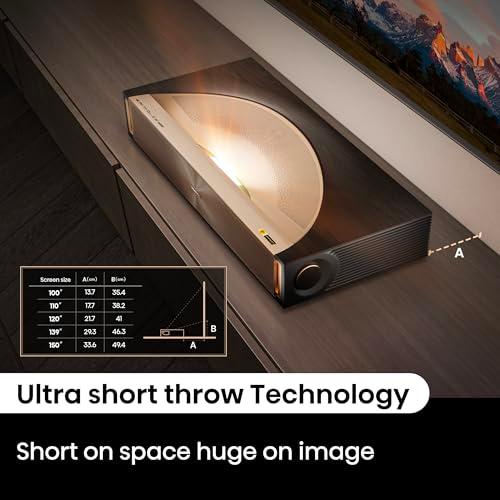
Before diving into the comparison, it's worth understanding what makes UST projectors revolutionary. Traditional projectors need 10-15 feet of throw distance to create a large image, requiring ceiling mounts and careful room planning. UST projectors use specialized ultra-wide angle lenses and mirrors to project massive images from just inches away from the wall.
This proximity brings major advantages: no shadows when people walk in front, no hot projector hanging overhead, and installation as simple as placing it on a TV stand. The downside is that UST technology is inherently more complex and expensive than traditional projection, which is why quality models command premium pricing.
The key performance factors that separate excellent UST projectors from mediocre ones are brightness output (measured in ANSI lumens—higher numbers mean brighter images), color accuracy across the visible spectrum, contrast ratio (the difference between the darkest blacks and brightest whites), and throw distance requirements (how close the projector needs to be).
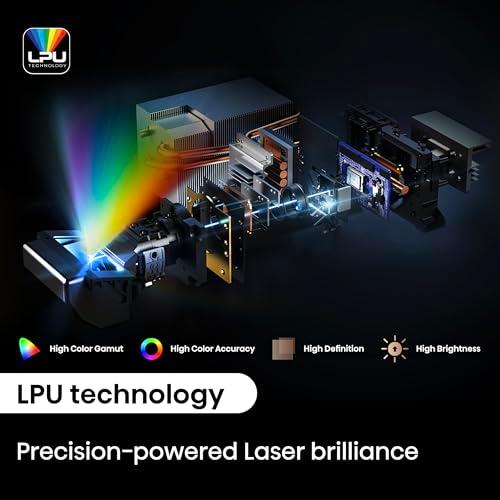
The Hisense PX3-PRO launched in 2024 as the company's answer to expensive competition from established players. It incorporated Hisense's LPU Digital Laser Engine technology, using RGB (red, green, blue) laser light sources instead of traditional lamp bulbs. This laser approach provides longer lifespan, consistent brightness, and superior color reproduction compared to older lamp-based projectors.
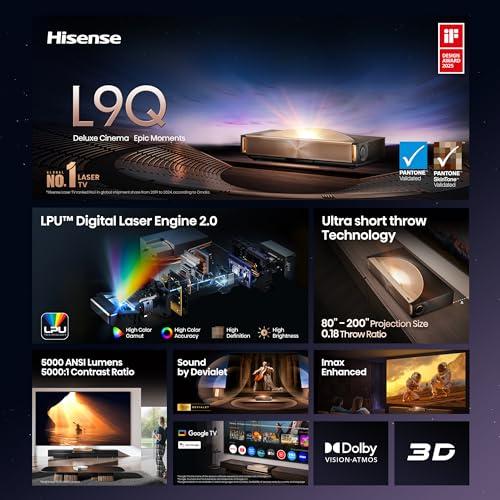
Fast-forward to 2025, and the Hisense L9Q represents the next evolution with LPU Digital Laser Engine 2.0. This isn't just a minor update—it's a fundamental advancement in how the lasers are controlled and combined. The L9Q uses completely separate red, green, and blue laser modules (called "triple-laser" technology) rather than the combined system in the PX3-PRO.
This technical difference matters more than it might sound. The triple-laser approach eliminates color wheels entirely, removing potential artifacts and improving color purity. It's similar to how OLED TVs improved over LED TVs by controlling individual pixels—the L9Q controls each color laser independently for more precise color mixing.
In our research of professional reviews and user experiences, brightness emerges as the single most important performance characteristic for UST projectors. Unlike traditional home theater projectors used in dark rooms, UST models typically live in family rooms with ambient light from windows, lamps, and other sources.
The PX3-PRO delivers 3,000 ANSI lumens, which reviewers consistently describe as excellent for moderately lit rooms and outstanding in darker conditions. This brightness level handles most living room scenarios well, though users report needing to control lighting for optimal HDR content viewing.
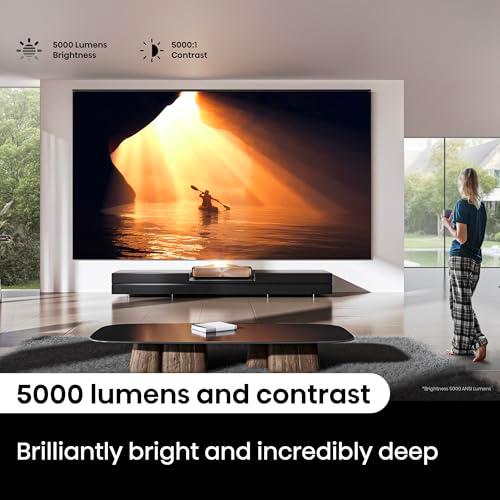
The L9Q pushes brightness to 5,000 ANSI lumens—a 67% increase that fundamentally changes the viewing experience. Professional reviews describe this as the brightest consumer UST projector available, with measured output exceeding manufacturer claims. This isn't just about numbers; it enables use cases the PX3-PRO simply can't handle.
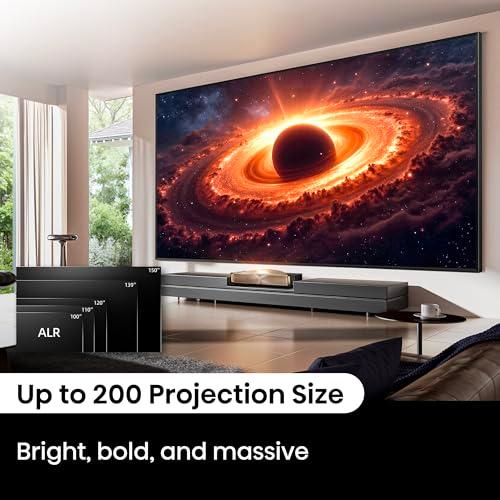
With 5,000 lumens, the L9Q maintains vibrant images even with living room lights on and curtains open during daytime. Users report it performs more like a premium TV than a traditional projector in bright conditions. This brightness also enables much larger screen sizes—up to 200 inches for the L9Q versus 150 inches for the PX3-PRO—while maintaining image quality.
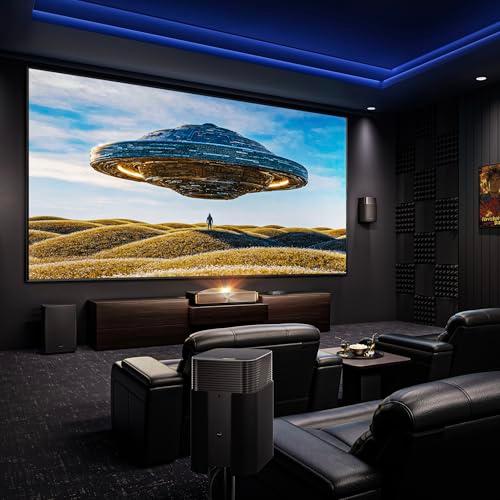
For home theater enthusiasts, this brightness difference is transformative. Traditional home theater wisdom says projectors need dark rooms, but the L9Q breaks that rule. You can watch movies during weekend afternoons without blackout curtains, which makes the technology far more family-friendly.
Both projectors achieve exceptional color performance that surpasses most TVs and traditional projectors, but they approach it differently. The PX3-PRO covers 110% of the BT.2020 color space—the current standard for premium HDR content. In practical terms, this means colors appear more vibrant and lifelike than standard displays, with particularly impressive improvements in reds, greens, and skin tones.
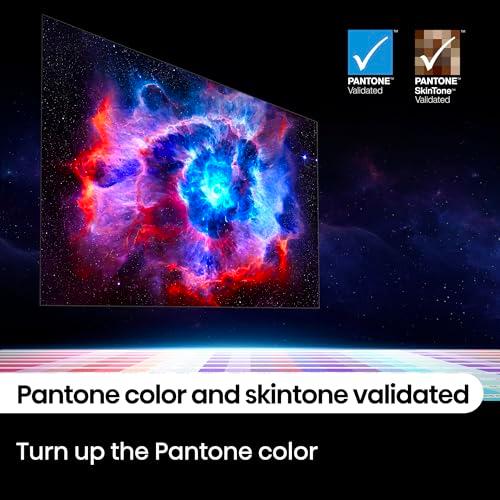
However, the L9Q takes color accuracy to professional levels. While it also covers 110% of BT.2020, it achieves Pantone and Pantone SkinTone validation—certifications typically reserved for professional monitors used in content creation. This validation means colors are displayed exactly as content creators intended, which is crucial for color-critical viewing.
The triple-laser design in the L9Q eliminates rainbow artifacts entirely. Some viewers (particularly those sensitive to motion) notice brief rainbow flashes with DLP projectors that use color wheels. The PX3-PRO minimizes these artifacts but can't eliminate them completely due to its design. The L9Q sidesteps this issue entirely through pure laser color generation.
For most viewers, both projectors deliver stunning color that exceeds expectations. However, the L9Q's professional validation and artifact-free design provide measurable advantages for critical viewing and color-sensitive content.
Contrast ratio—the difference between the darkest blacks and brightest whites—significantly impacts image quality, especially for HDR content. The PX3-PRO achieves a 3,000:1 native contrast ratio, which professional testing actually measured slightly higher at around 4,000:1. This provides good black levels for such a bright projector, though blacks won't match OLED TVs.
The L9Q improves contrast to 5,000:1 despite being much brighter. This seems counterintuitive—brighter projectors typically struggle with black levels—but represents sophisticated laser control technology. The result is deeper blacks and more dramatic shadow detail, particularly noticeable in dark movie scenes.
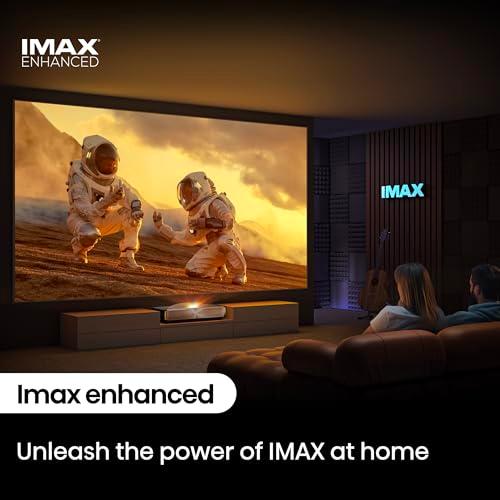
Both projectors support comprehensive HDR formats including HDR10, HDR10+, and Dolby Vision, but the L9Q adds IMAX Enhanced certification. In practical use, reviewers report the PX3-PRO handles HDR content well but benefits from slight room darkening for optimal impact. The L9Q delivers impressive HDR performance even in bright conditions, making HDR content more accessible for casual viewing.
For home theater applications, this contrast difference is significant. Dark movie scenes—think Batman or space films—display more detail and atmosphere on the L9Q. The PX3-PRO certainly handles these scenes well, but the flagship model provides that extra layer of cinematic immersion.
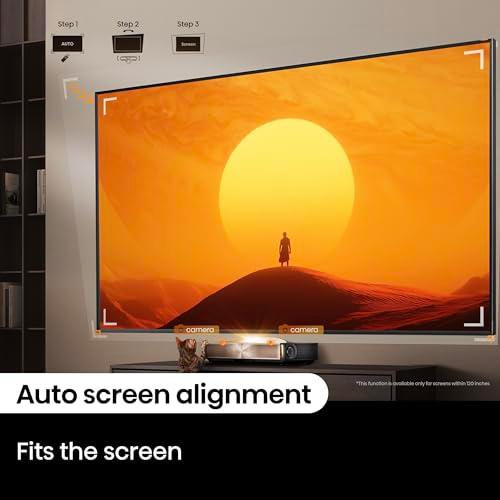
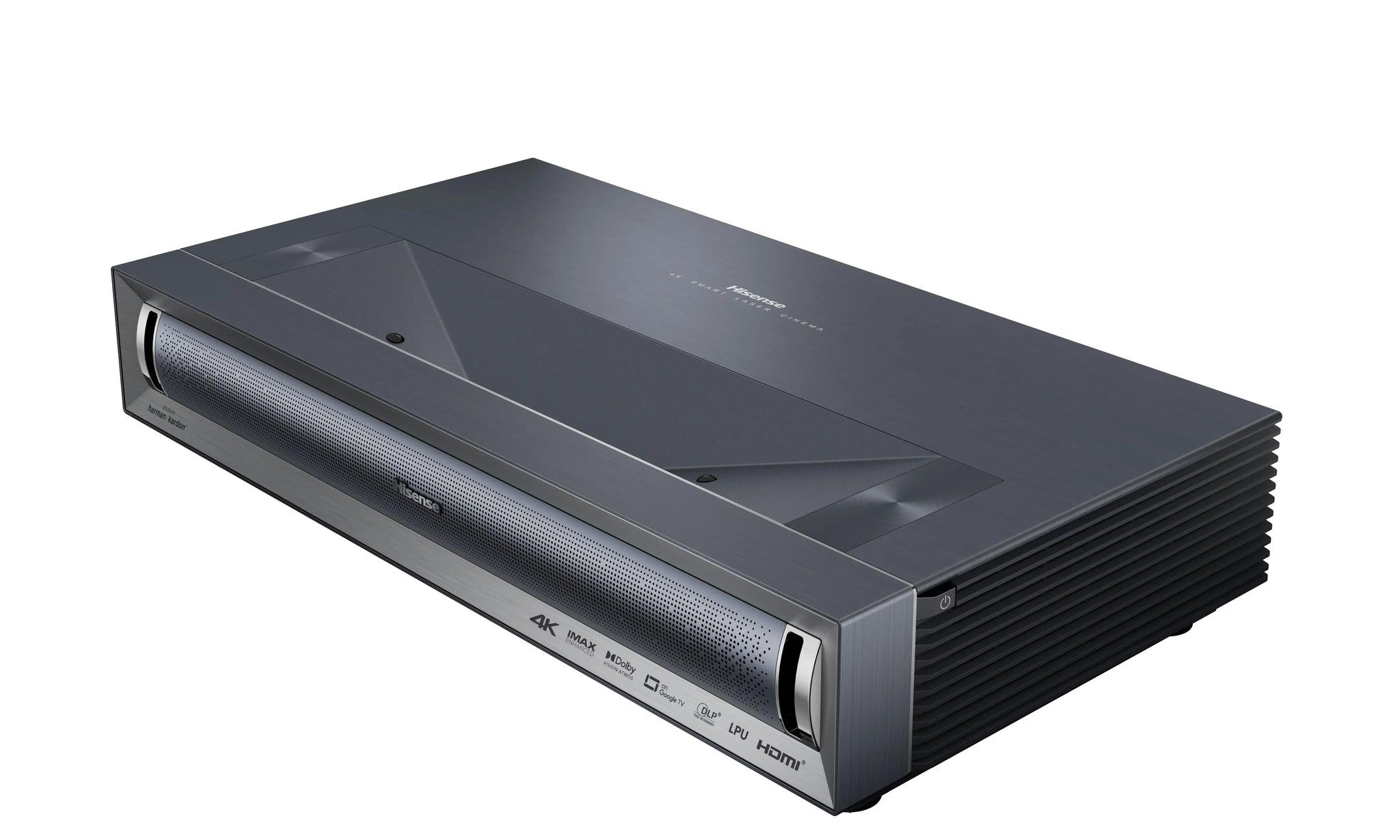
UST projectors shine in installation simplicity, but there are still meaningful differences. The PX3-PRO uses a 0.22:1 throw ratio, requiring 8.5 inches of distance to project a 100-inch image. It supports screen sizes from 90 to 150 inches with auto keystone correction to square up the image if the projector isn't perfectly aligned.
The L9Q improves the throw ratio to 0.18:1, needing only 5.4 inches for the same 100-inch image. This shorter distance provides more installation flexibility, particularly in smaller rooms where every inch matters. The L9Q also supports a wider range of screen sizes, from 80 to 200 inches, with enhanced auto-alignment features.
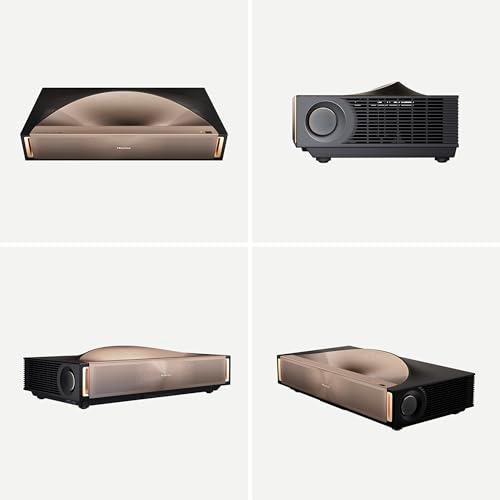
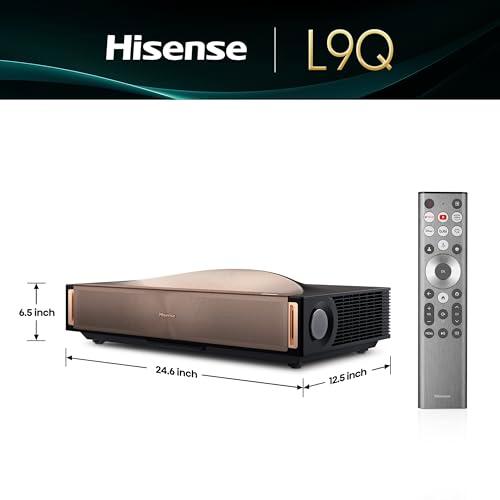
Both projectors include adjustable feet for leveling on entertainment centers or coffee tables. The L9Q adds more sophisticated auto-correction features and a more premium build quality that feels substantial without being overly heavy.
For home theater purists, the L9Q's ability to create truly massive 200-inch images opens up possibilities that approach commercial cinema scales. The PX3-PRO certainly delivers impressive large-screen experiences, but stops short of these extreme sizes.
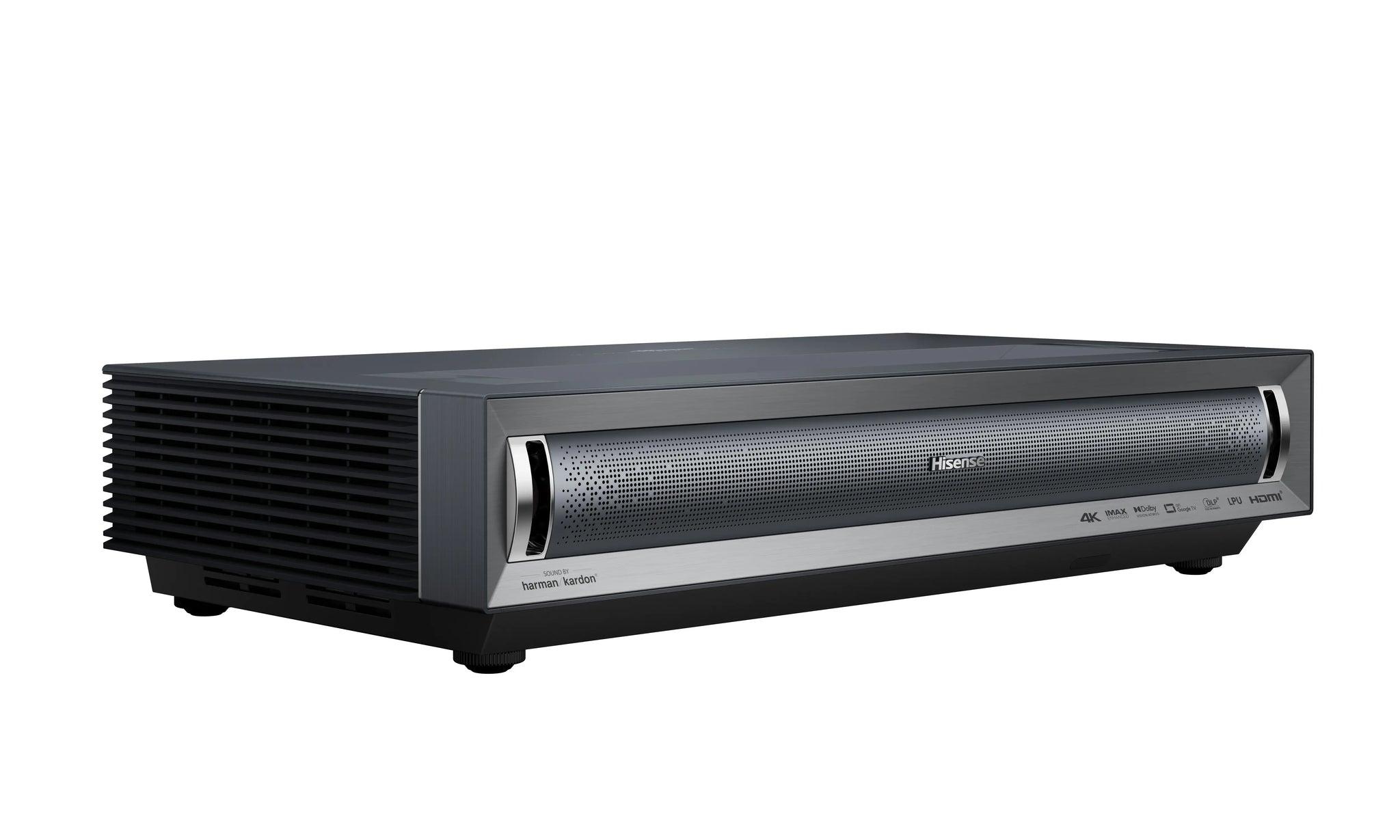
One area where the price difference becomes immediately apparent is audio quality. The PX3-PRO includes 50-watt front-firing Harman Kardon speakers that provide respectable sound quality—better than most TVs and adequate for casual viewing. However, serious movie watching or gaming typically benefits from external audio systems.
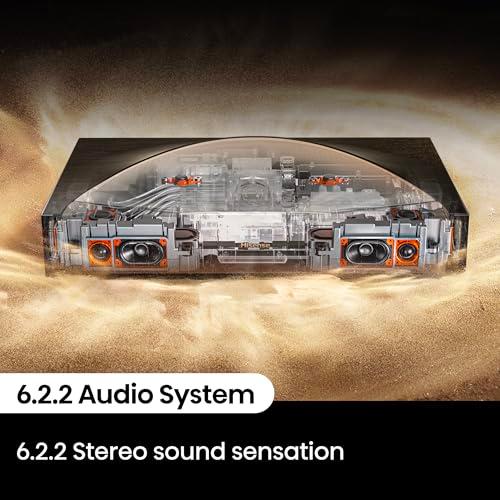
The L9Q takes a dramatically different approach with a 116W 6.2.2-channel system developed by Devialet, a French company known for premium audio equipment. This isn't just louder—it's a fundamentally more sophisticated audio system with dedicated subwoofers, upfiring speakers for Dolby Atmos effects, and professional tuning inspired by the Opéra de Paris.
In practical use, reviewers consistently describe the L9Q's audio as eliminating the need for external sound systems in most setups. This represents significant value since quality soundbars or surround systems easily cost $1,000-2,000 at the time of writing. The integrated approach also simplifies setup and reduces cable clutter.
For home theater applications, audio quality matters enormously. The L9Q provides genuine surround sound with height effects that enhance movie immersion. The PX3-PRO delivers good stereo sound but can't match the spatial audio experience of the flagship model.
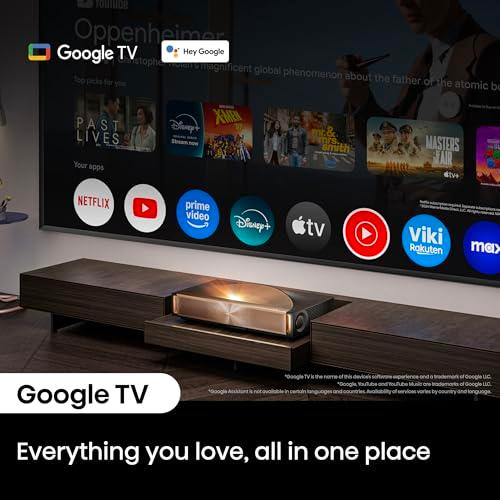
Both projectors run Google TV, providing access to all major streaming services including Netflix, Disney+, Amazon Prime, and others. However, the L9Q includes more advanced connectivity and future-proofing features.
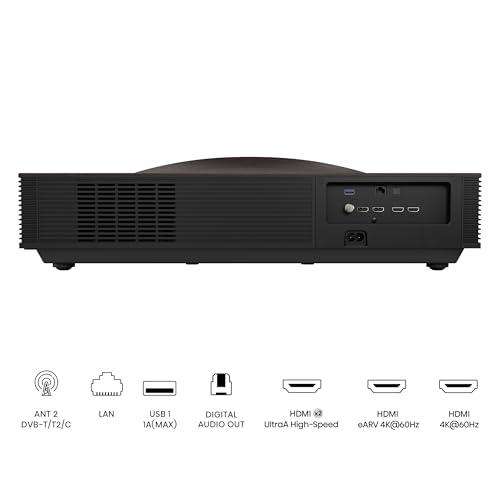
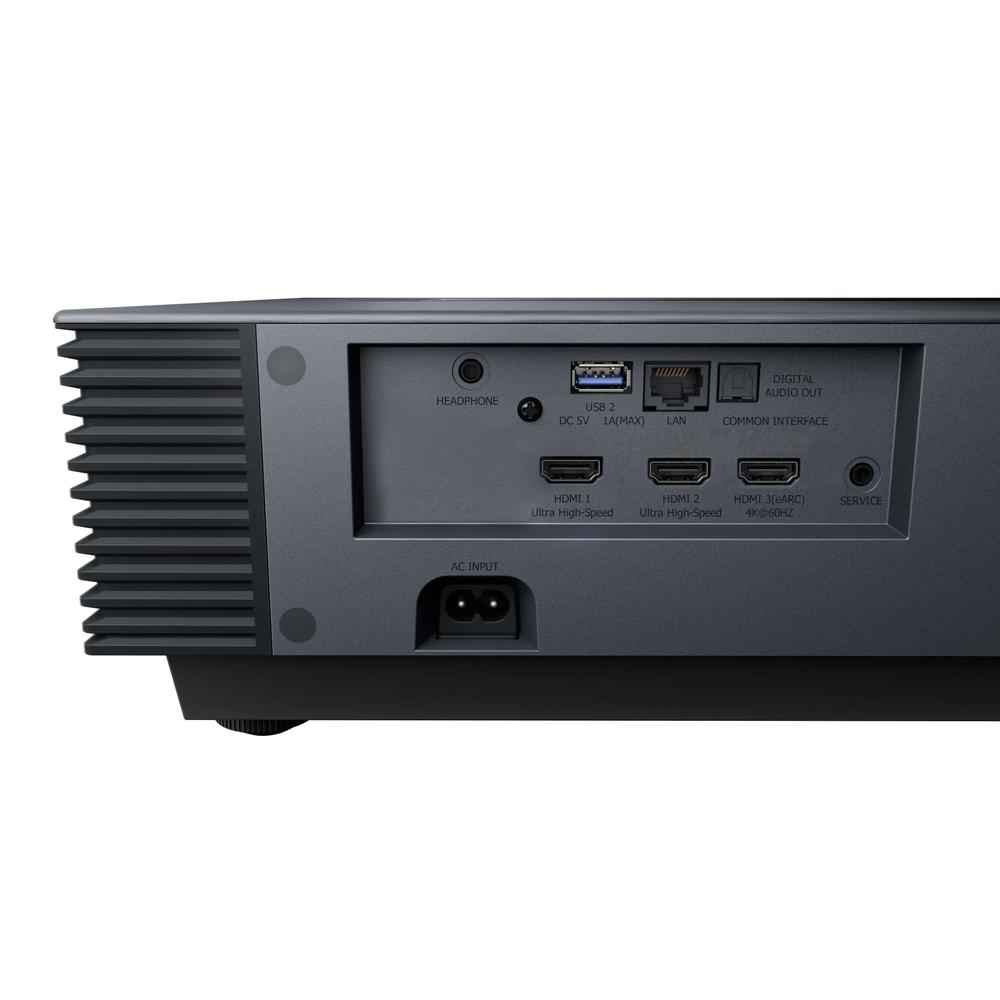
The PX3-PRO offers three HDMI ports (two HDMI 2.1, one HDMI 2.0) with eARC support for audio return. This handles current gaming consoles and streaming devices well, though port availability might become limiting with multiple devices.
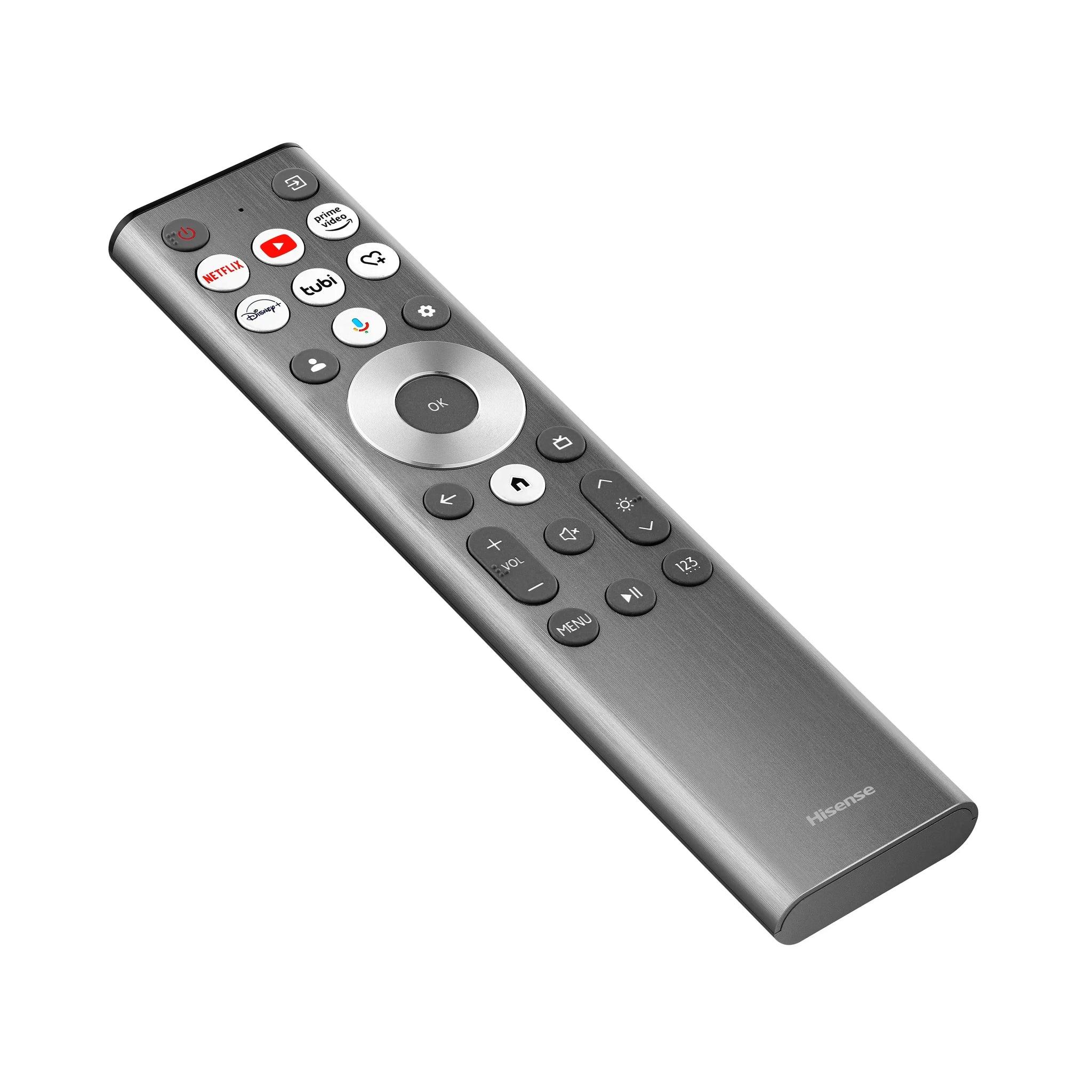
The L9Q expands to four HDMI ports with the same 2.1/2.0 split, adds Wi-Fi 6E for faster wireless streaming, Bluetooth 5.3 for improved device connectivity, and includes ATSC 3.0/1.0 tuners for over-the-air broadcast TV. The voice-enabled, backlit remote also represents a significant upgrade over the PX3-PRO's basic remote.
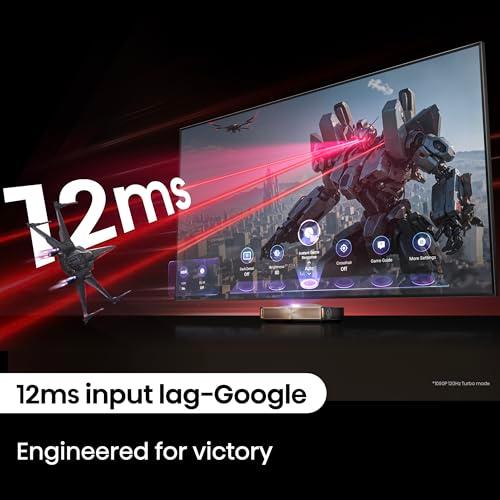
For gaming enthusiasts, both projectors support low input lag modes, but the L9Q's additional HDMI ports and advanced connectivity provide more flexibility for multiple consoles, PCs, and streaming devices.
Based on extensive review analysis, the PX3-PRO excels in controlled lighting conditions typical of evening viewing. Users consistently report excellent image quality for movies, sports, and gaming when ambient light is moderate. The projector handles most content beautifully, though HDR material benefits from dimming overhead lights.
The L9Q changes the game for bright room performance. Users report being "blown away" by its ability to maintain vibrant images with living room lights on and windows uncovered. This flexibility makes it genuinely TV-like in usability while delivering projector-scale images.
For families with children, this difference matters enormously. The PX3-PRO works well for evening entertainment but may require lighting compromises during daytime use. The L9Q enables casual viewing anytime without environmental adjustments.
Professional reviewers consistently rank both projectors among the best UST options available, but the L9Q represents the current pinnacle of consumer UST technology.
The PX3-PRO delivers exceptional value for buyers seeking premium UST performance without flagship pricing. At the time of writing, it costs roughly half as much as the L9Q while providing about 90% of the visual experience in controlled conditions. It's ideal for users with moderate ambient light control, screen size preferences under 130 inches, and willingness to add external audio for optimal experience.
The L9Q justifies its premium pricing through transformative brightness, professional-grade color accuracy, and integrated premium audio that eliminates external equipment needs. It excels for users with bright living spaces, desires for massive screens over 150 inches, and priorities around convenience and future-proofing.
The decision often comes down to room conditions and usage patterns. If you primarily watch content in the evening with moderate lighting control, the PX3-PRO provides outstanding value and performance. If you want maximum flexibility for daytime viewing, massive screen sizes, or integrated premium audio, the L9Q's advantages justify the investment.
Both represent excellent choices that will deliver years of impressive large-screen entertainment. The upgrade path is clear: the L9Q offers meaningful improvements across every performance metric, but the PX3-PRO provides exceptional value for users who don't require flagship capabilities.
For most buyers, the PX3-PRO delivers the giant-screen experience they're seeking at a more accessible price point. For enthusiasts who want the absolute best UST performance available, the L9Q sets the current standard for the technology.
| Hisense PX3-PRO Projector | Hisense L9Q Triple Laser Ultra Short Throw Projector |
|---|---|
| Brightness - Most critical spec for daytime viewing and large screens | |
| 3,000 ANSI lumens (excellent for evening, good for moderate ambient light) | 5,000 ANSI lumens (exceptional for bright rooms, enables TV-like daytime viewing) |
| Laser Technology - Affects color accuracy, longevity, and artifacts | |
| RGB laser with LPU Digital Laser Engine | Triple-laser system with LPU 2.0 (separate R/G/B lasers, eliminates color wheel artifacts) |
| Color Gamut - Determines how vibrant and accurate colors appear | |
| 110% BT.2020 coverage (excellent color reproduction) | 110% BT.2020 with Pantone validation (professional-grade color accuracy) |
| Contrast Ratio - Critical for HDR content and dark scene detail | |
| 3,000:1 native contrast (good blacks for bright projector) | 5,000:1 native contrast (superior black levels despite higher brightness) |
| Throw Distance - How close to wall for 100" image | |
| 0.22:1 ratio (8.5 inches from wall) | 0.18:1 ratio (5.4 inches from wall, better for tight spaces) |
| Screen Size Range - Maximum flexibility for room sizes | |
| 90-150 inches (ideal for most living rooms) | 80-200 inches (supports cinema-scale images) |
| Audio System - Important since most users rely on built-in speakers | |
| 50W Harman Kardon front-firing speakers (good quality, may need external audio for premium experience) | 116W Devialet 6.2.2-channel system with Dolby Atmos (eliminates need for external audio) |
| HDMI Connectivity - Affects gaming and device compatibility | |
| 3 HDMI ports (2x HDMI 2.1, 1x HDMI 2.0 with eARC) | 4 HDMI ports (2x HDMI 2.1, 2x HDMI 2.0 with eARC, more device flexibility) |
| HDR Support - Enhanced viewing for premium content | |
| HDR10, HDR10+, Dolby Vision (comprehensive format support) | HDR10, HDR10+, Dolby Vision, HLG, IMAX Enhanced (maximum compatibility) |
| Smart Platform - Streaming and app ecosystem | |
| Google TV with standard remote | Google TV with voice-enabled backlit remote, Wi-Fi 6E, ATSC 3.0 tuners |
| Release Year & Positioning - Technology generation and market tier | |
| 2024 model, proven mid-tier performer | 2025 flagship with latest laser technology |
The Hisense L9Q Triple Laser is significantly brighter at 5,000 ANSI lumens compared to the Hisense PX3-PRO at 3,000 ANSI lumens. This 67% brightness increase makes the L9Q much better for rooms with windows and ambient light, while the PX3-PRO works best with controlled lighting conditions.
The primary difference is that the Hisense L9Q uses advanced triple-laser technology (separate red, green, and blue lasers) while the PX3-PRO uses standard RGB laser technology. The L9Q also delivers much higher brightness, better audio, and supports larger screen sizes up to 200 inches.
The Hisense PX3-PRO offers better value for budget-conscious buyers, delivering about 90% of the performance at roughly half the cost. The L9Q provides premium performance that justifies its higher price for users who need maximum brightness and integrated premium audio.
The Hisense L9Q needs only 5.4 inches from the wall for a 100-inch image, while the PX3-PRO requires 8.5 inches. Both are ultra-short throw projectors, but the L9Q offers more installation flexibility in tight spaces.
Both the Hisense PX3-PRO and L9Q offer excellent gaming performance with low input lag and HDMI 2.1 support. The L9Q has an advantage with four HDMI ports versus three on the PX3-PRO, allowing more gaming consoles and devices to be connected simultaneously.
The Hisense PX3-PRO has decent 50W Harman Kardon speakers suitable for casual viewing. The L9Q features a premium 116W Devialet 6.2.2-channel system with Dolby Atmos that eliminates the need for external speakers in most setups.
The Hisense L9Q supports much larger screens from 80-200 inches, while the PX3-PRO is limited to 90-150 inches. For home theater enthusiasts wanting cinema-scale images over 150 inches, the L9Q is the only option.
Yes, both excel for home theater, but in different scenarios. The Hisense PX3-PRO delivers excellent cinematic performance in controlled lighting at a more accessible price. The L9Q provides flagship home theater performance with the ability to maintain image quality even in brighter rooms.
While both the Hisense PX3-PRO and L9Q cover 110% of the BT.2020 color space, the L9Q achieves professional Pantone validation for color accuracy. The triple-laser design also eliminates rainbow artifacts that can occasionally appear with the PX3-PRO.
Both the Hisense PX3-PRO and L9Q run Google TV with access to all major streaming apps. The L9Q adds Wi-Fi 6E, a voice-enabled backlit remote, and ATSC 3.0 tuners for over-the-air TV, providing more advanced connectivity options.
The Hisense L9Q is the newer 2025 model featuring the latest LPU Digital Laser Engine 2.0 technology. The PX3-PRO was released in 2024 and uses the previous generation laser engine, though it remains highly capable and well-reviewed.
Choose the Hisense PX3-PRO if you have moderate lighting control and want excellent performance at a lower price point. Choose the L9Q if you have a bright living room, want screens larger than 150 inches, or prioritize integrated premium audio and the latest technology.
We've done our best to create useful and informative comparisons to help you decide what product to buy. Our research uses advanced automated methods to create this comparison and perfection is not possible - please contact us for corrections or questions. These are the sites we've researched in the creation of this article: shop.hisense-usa.com - avsforum.com - youtube.com - projectorcentral.com - avsforum.com - youtube.com - projectorreviews.com - avsforum.com - projectorcentral.com - en.heimkinowelten.de - dreamediaav.com - chrismajestic.com - shop.hisense-usa.com - tomsguide.com - valueelectronics.com - techradar.com - whathifi.com - youtube.com - projectorscreen.com - projectorscreen.com - hisense-usa.com - youtube.com - projectorcentral.com - youtube.com - hisense-usa.com - manuals.plus - shop.avispl.com - hisense-usa.com

Privacy Policy
Terms and Conditions - Affiliate Policy
Home Security
© Copyright 2008-2026.
11816 Inwood Rd #1211, Dallas, TX 75244