

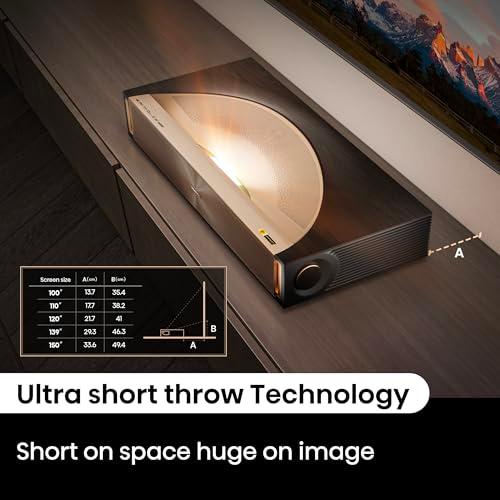
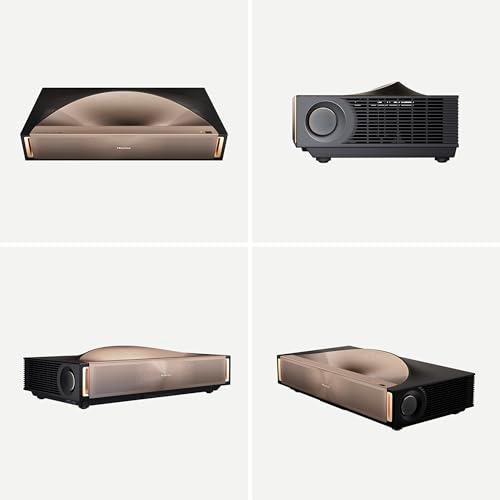
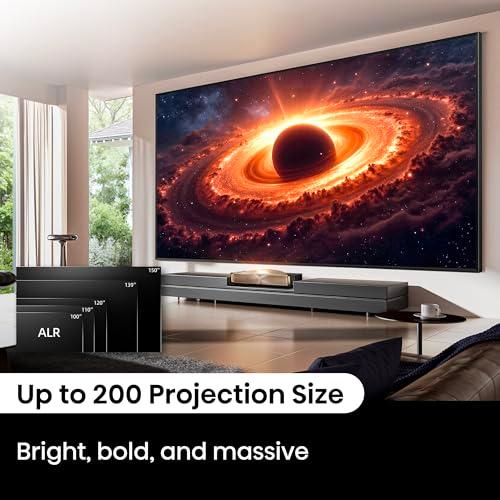
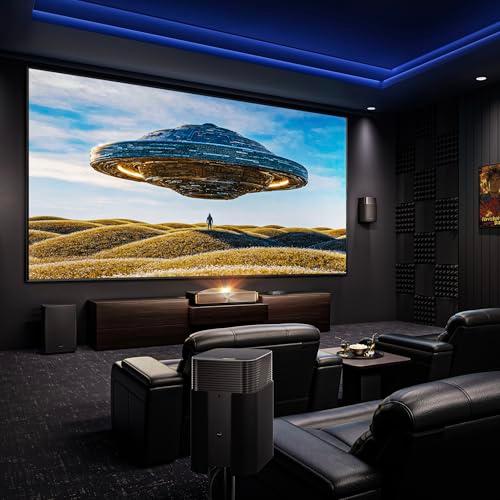


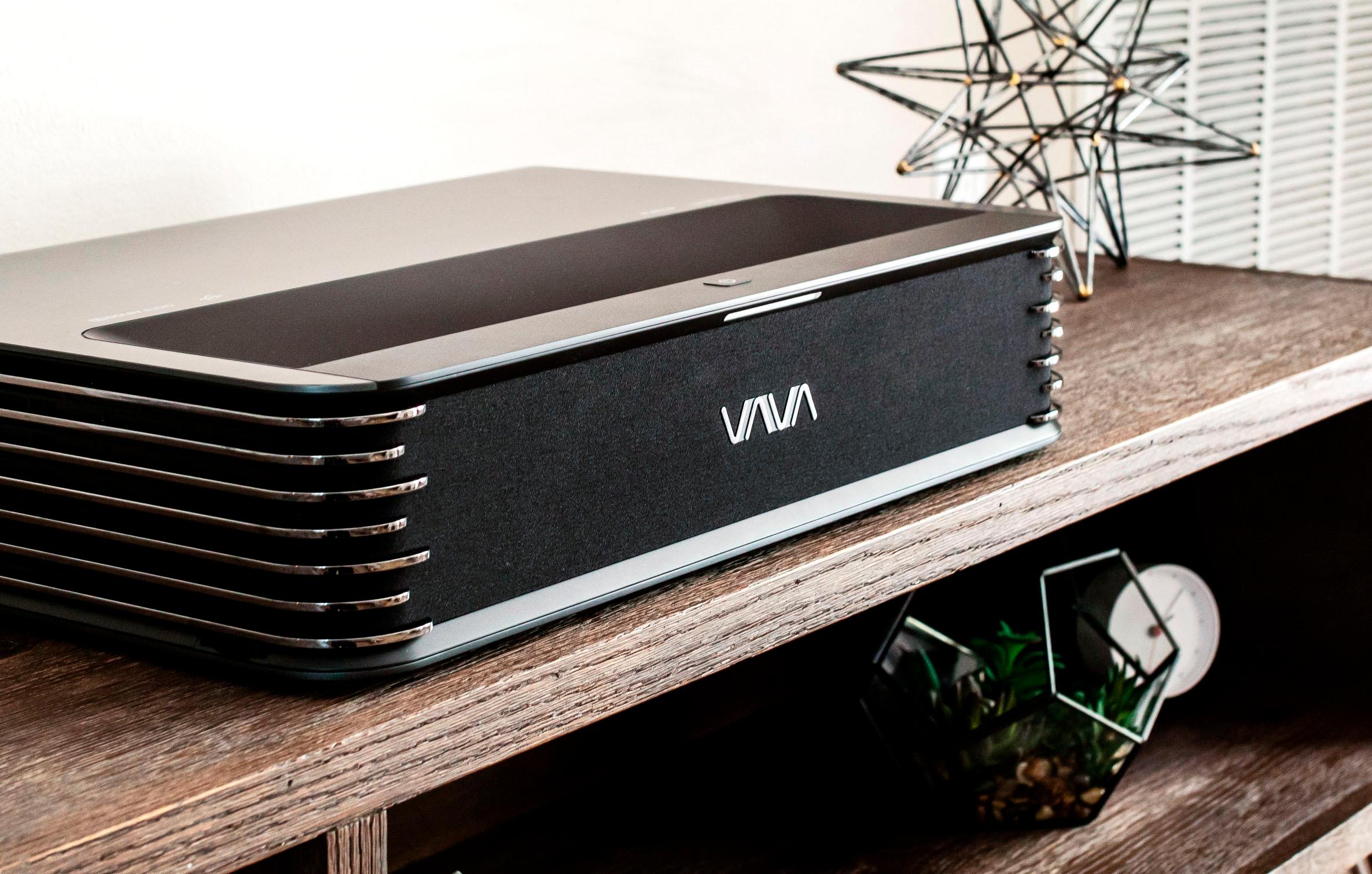
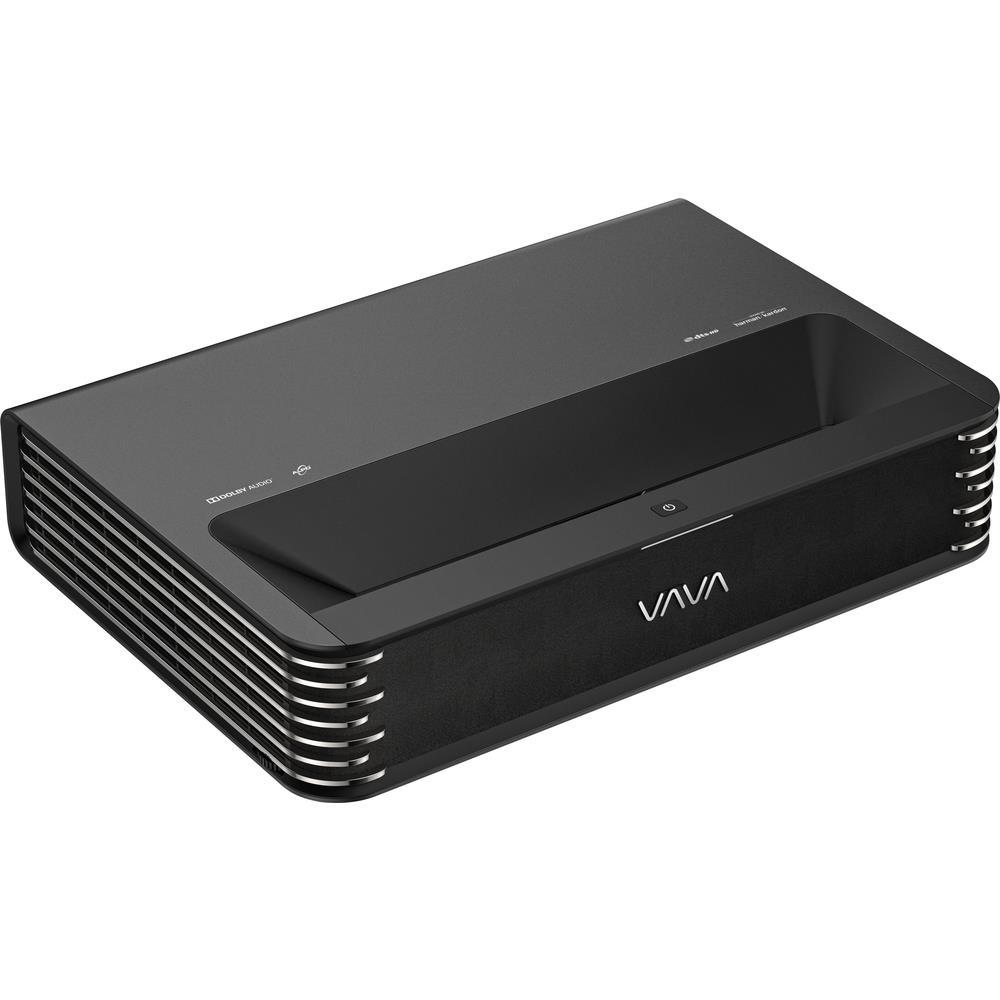
Ultra short throw (UST) projectors have completely changed how we think about big-screen entertainment at home. Instead of mounting a projector on your ceiling or dealing with long cable runs, these clever devices sit just inches from your wall and create massive 100-200 inch displays that rival or exceed the largest TVs available. It's like having an IMAX screen in your living room, but without the complex installation.
The technology works by using specially designed ultra-wide-angle lenses and advanced optics to project an image at an extremely sharp angle—typically less than 30 degrees from horizontal. This means you can get a 100-inch image from a projector sitting just 6-10 inches from your wall, which is pretty remarkable when you think about it.
When shopping for a UST projector, the main things to consider are brightness (measured in ANSI lumens, which tells you how well it performs in lit rooms), color accuracy (how realistic colors look), throw ratio (how close it needs to be to the wall), built-in audio quality, smart features, and gaming performance if that matters to you.
We're comparing two standout models that represent different philosophies in UST projector design. The Hisense L9Q launched in 2025 as Hisense's flagship model, incorporating years of refinement and cutting-edge laser technology. The VAVA Chroma hit the market in 2022 and established itself as a solid performer in the mid-premium segment.
The L9Q represents the "no compromises" approach—it's designed to be the absolute best UST projector you can buy, with premium components throughout. The Chroma takes a more balanced approach, offering excellent performance at a more accessible price point. Both use triple laser technology, but they implement it quite differently, which leads to some interesting performance differences.
Brightness is arguably the most critical spec for any projector, but it's especially important for UST models since they're typically used in living rooms with ambient light rather than dedicated dark home theaters. This is where the biggest difference between these two projectors becomes apparent.
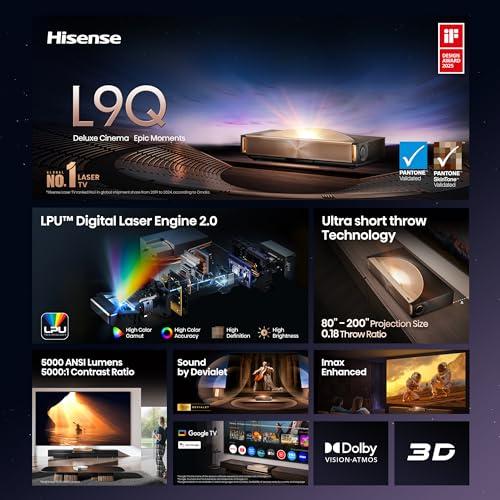
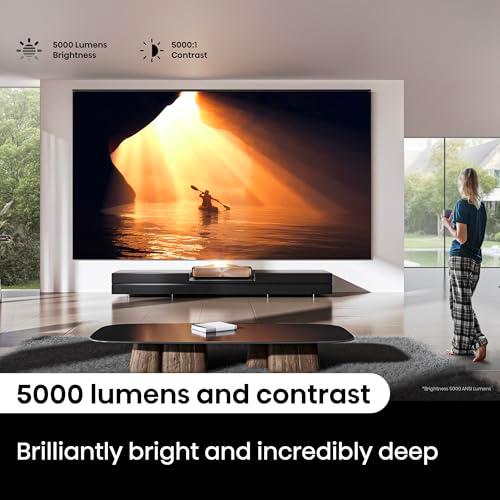
The Hisense L9Q produces an impressive 5,000 ANSI lumens, making it one of the brightest consumer UST projectors available. ANSI lumens is the standardized way to measure projector brightness, and 5,000 is genuinely exceptional—most premium UST projectors fall in the 2,500-3,500 range. This massive brightness advantage means the L9Q can create stunning images even in well-lit rooms with windows and overhead lights on.
In contrast, the VAVA Chroma outputs 2,500 ANSI lumens, which is still quite good for a UST projector but represents exactly half the brightness of the L9Q. In practical terms, this means the Chroma performs best in rooms with controlled lighting—you'll want to dim the lights or close the curtains for optimal viewing.
Based on our research of expert reviews and user feedback, the brightness difference is immediately noticeable. The L9Q can handle bright living rooms and larger screen sizes (up to 200 inches) while maintaining vibrant colors and good contrast. The Chroma works well for most home environments but really shines in dimmed rooms and with screen sizes up to about 120-150 inches.
For home theater use, this brightness difference is crucial. If your setup is in a multipurpose living room where you want to watch movies during the day or with some lights on, the L9Q gives you much more flexibility. If you have a dedicated theater room or don't mind controlling the lighting, the Chroma's brightness is perfectly adequate.
Both projectors use what's called "triple laser" technology, but they implement it differently, leading to distinct advantages. Understanding this difference helps explain their performance characteristics.
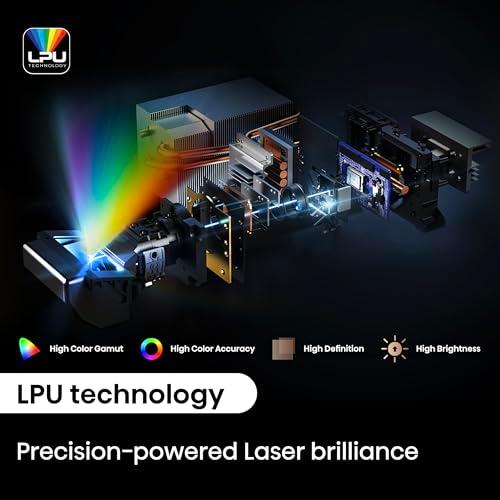
The Hisense L9Q uses what Hisense calls their LPU Digital Laser Engine 2.0 with pure RGB (red, green, blue) lasers. This means it has separate laser diodes for each primary color, creating light without any phosphor conversion or spinning color wheels. This approach delivers incredibly pure colors and eliminates artifacts like the "rainbow effect" that some people see with other projection technologies.
The VAVA Chroma uses ALPD 4.0 (Advanced Laser Phosphor Display) technology, which combines laser light with phosphor materials to create the full color spectrum. This is still excellent technology—many high-end projectors use phosphor-enhanced laser systems—but it's a different approach that can affect color purity and brightness efficiency.
The result is that the L9Q achieves 110% coverage of the BT.2020 color space (the latest standard for premium content), while the Chroma covers 106% of Rec. 2020. Both numbers are excellent, but the L9Q's wider color gamut means it can display more shades of color, particularly in the green and red spectrums. The difference isn't dramatic, but it's noticeable with high-quality content like 4K Blu-rays or streaming movies in Dolby Vision.
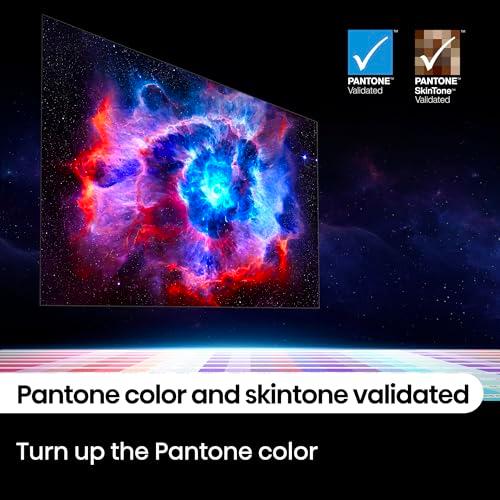
Color accuracy is where the Hisense L9Q really flexes its premium positioning. It's Pantone validated, which means it meets professional color accuracy standards used in graphic design and content creation. This validation process ensures colors appear exactly as content creators intended them to look.
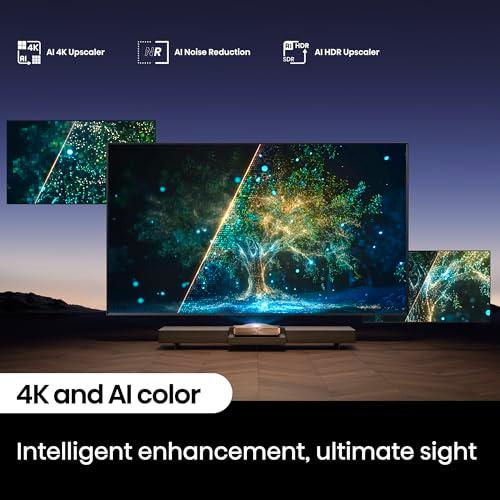
The L9Q also includes multiple picture modes including Filmmaker Mode, which disables all image processing to show movies exactly as directors intended. For serious movie enthusiasts, this is a significant advantage. The projector's AI-powered picture processing can also upscale lower-resolution content and optimize HDR (High Dynamic Range) performance in real-time.
The VAVA Chroma delivers excellent color performance as well, with vibrant, lifelike colors that satisfy most viewers. It includes 10-bit color processing, which means it can display over a billion different colors compared to the 16.7 million colors of 8-bit systems. For most content and viewers, the Chroma's color performance is more than sufficient.
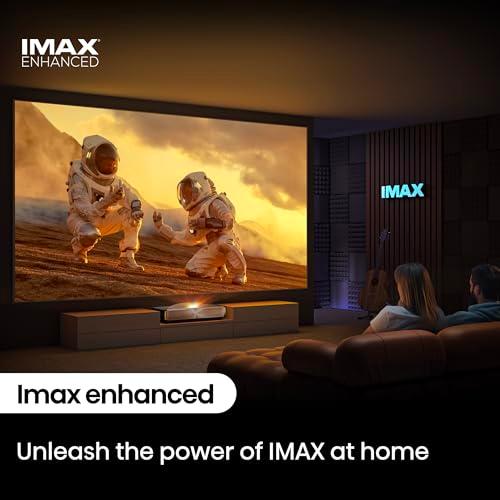
Both projectors support modern HDR formats including HDR10 and Dolby Vision, which expand the range of brightness and color information in compatible content. However, the L9Q includes additional formats like HDR10+ and IMAX Enhanced, providing broader compatibility with premium content.
One often-overlooked aspect of UST projectors is audio quality. Since these projectors sit close to the wall rather than overhead, integrating good speakers is more practical than with traditional projectors. Both models include built-in audio, but they take very different approaches.
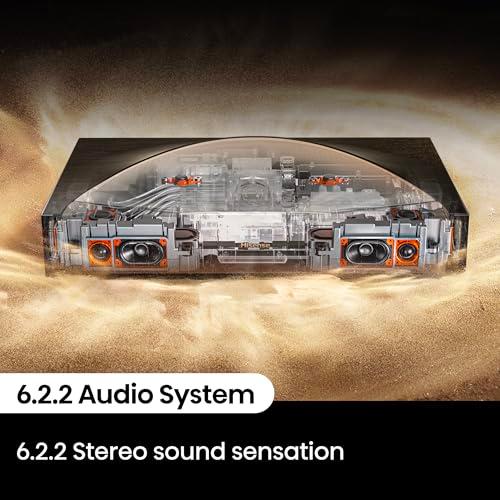
The Hisense L9Q features a remarkable 116-watt, 6.2.2-channel surround sound system developed in partnership with Devialet, a premium French audio company. This system includes dedicated subwoofers, up-firing speakers for Dolby Atmos effects, and professional tuning by the Opéra de Paris. It's genuinely impressive—many users report that the built-in audio eliminates their need for a separate sound system.
The VAVA Chroma includes 60-watt Harman Kardon speakers, which produce clear, pleasant audio that's adequate for smaller rooms. While not as sophisticated as the L9Q's system, it's still better than most TV speakers and works well for casual viewing.
For home theater enthusiasts, this audio difference is significant. The L9Q can truly serve as an all-in-one solution, while the Chroma might benefit from external speakers or a soundbar for the best audio experience, especially in larger rooms.
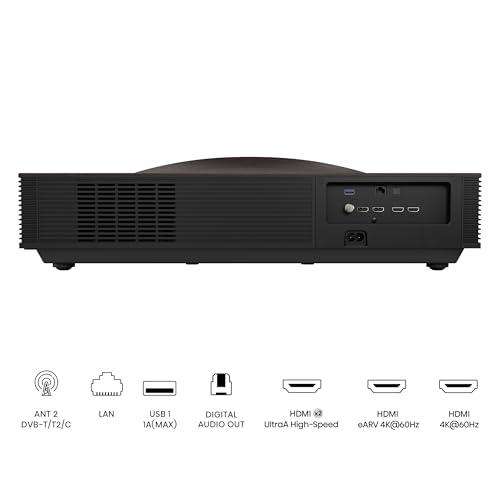
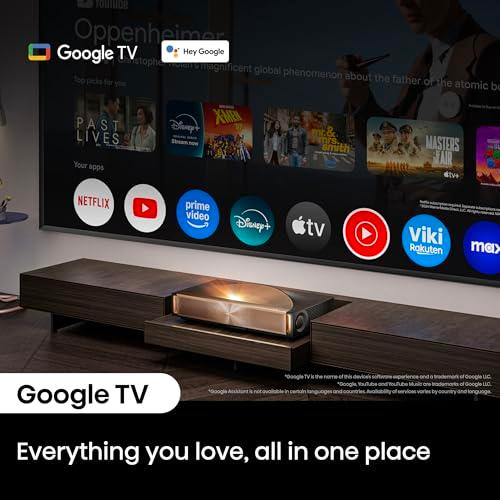
Both projectors run Android-based smart TV platforms, but with different levels of sophistication. The Hisense L9Q uses the latest Google TV interface with official certification, ensuring access to all major streaming services and regular security updates. It includes advanced connectivity like Wi-Fi 6E (the latest wireless standard), Bluetooth 5.3, and four HDMI ports with two supporting HDMI 2.1 for next-generation gaming consoles.
The VAVA Chroma runs a standard Android TV system with Alexa voice control integration. While functional, it may not receive updates as consistently as Google's certified platform, and its connectivity options are more basic.
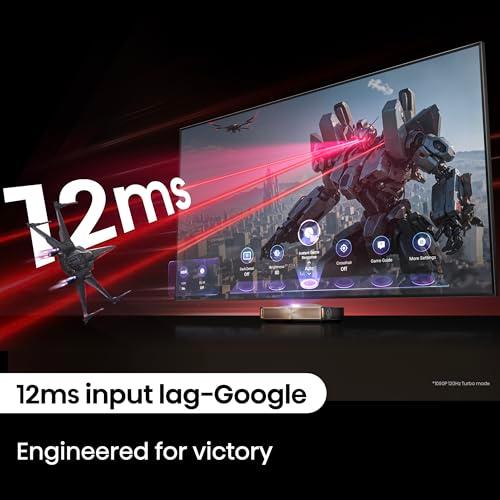
For gaming, the L9Q includes a dedicated Game Mode with just 12ms of input lag—the delay between when you press a button and see the response on screen. This is excellent for competitive gaming. The Chroma doesn't specify gaming-optimized input lag, suggesting it's more focused on movie watching than gaming.
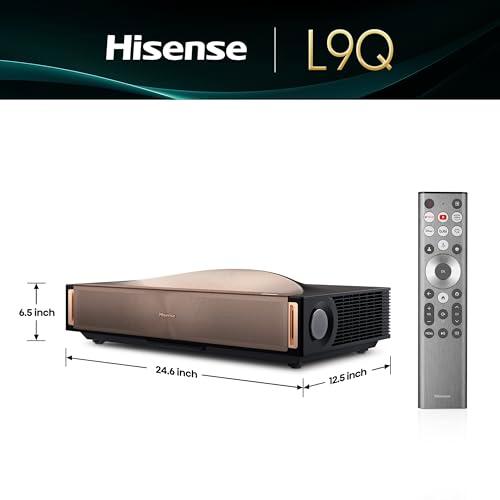
Both projectors excel at flexible placement, but with slight differences. The L9Q has a 0.18:1 throw ratio, meaning it can create a 100-inch image from just 5.4 inches away from the wall. The Chroma has a 0.233:1 throw ratio, requiring about 8 inches for the same image size.
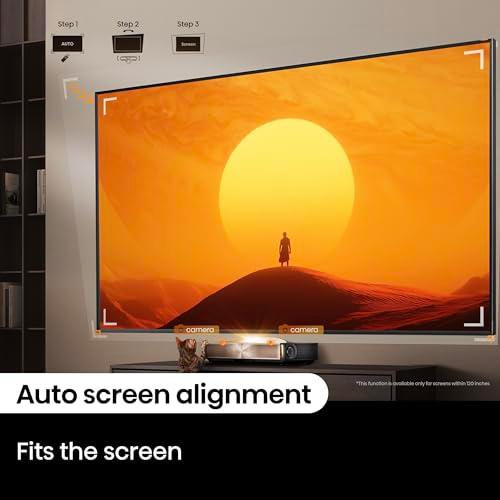
Both projectors include automatic keystone correction, which digitally adjusts the image if the projector isn't perfectly aligned with the screen. The L9Q also includes automatic screen fitting using built-in cameras to optimize the image for your specific setup.
For bright living rooms with lots of windows and ambient light, the Hisense L9Q is clearly superior. Its 5,000-lumen output can overcome most lighting conditions while maintaining vibrant colors and good contrast. The VAVA Chroma will work in these conditions but may appear somewhat washed out during bright daylight.
For dedicated home theaters or basement setups with controlled lighting, both projectors perform excellently. The brightness advantage of the L9Q becomes less critical, though its superior color accuracy and audio system still provide benefits.
For gaming enthusiasts, the L9Q is the clear choice with its low input lag and HDMI 2.1 connectivity. Console gamers will appreciate the reduced latency and support for high refresh rates.
For large screen sizes (150+ inches), the L9Q's extra brightness becomes crucial for maintaining image quality. The Chroma is better suited for screens up to about 120 inches.
At the time of writing, these projectors occupy different price tiers, with the Hisense L9Q commanding a significant premium over the VAVA Chroma. The question becomes whether the L9Q's advantages justify the higher cost.
The L9Q represents a "buy once, use for years" philosophy. Its exceptional brightness, professional color accuracy, premium audio system, and future-proof connectivity suggest it will remain relevant and satisfying for many years. For serious home theater enthusiasts or those who want the absolute best performance, the premium pricing makes sense.
The VAVA Chroma offers excellent value for users who want great UST projector performance without flagship pricing. It delivers the core benefits of UST projection—large images, easy installation, good color performance—at a more accessible price point.
Choose the Hisense L9Q if you want the absolute best UST projector performance available and are willing to pay for it. It's ideal for bright rooms, large screens, serious movie watching, gaming, and situations where you want an all-in-one solution with premium built-in audio.
The L9Q makes the most sense for users who view their projector purchase as a long-term investment in their home entertainment system. Its combination of exceptional brightness, professional-grade color accuracy, and premium audio creates an experience that rivals or exceeds what you'd get from the largest premium TVs.
Choose the VAVA Chroma if you want excellent UST projector performance at a more reasonable price point. It's perfect for controlled lighting conditions, moderate screen sizes, and users who are comfortable with good rather than exceptional performance in each category.
The Chroma represents smart value—you get the fundamental benefits of UST projection technology without paying for absolute peak performance. For many users, especially those new to projection or with moderate expectations, it provides a satisfying big-screen experience.
Both projectors will transform your viewing experience compared to traditional TVs, but they serve different needs and budgets. The key is honestly assessing your room conditions, screen size goals, and how much you value having the absolute best performance versus getting excellent performance at a lower cost.
| Hisense L9Q Triple Laser Ultra Short Throw Projector | VAVA Chroma Triple Laser Projector |
|---|---|
| Brightness - Most critical spec for daytime viewing and large screens | |
| 5,000 ANSI lumens (exceptional for bright rooms, supports up to 200" screens) | 2,500 ANSI lumens (good for controlled lighting, best up to 120" screens) |
| Laser Technology - Affects color purity and long-term reliability | |
| Pure RGB triple laser (LPU Digital Laser Engine 2.0) | ALPD 4.0 phosphor-enhanced triple laser |
| Color Gamut - How vibrant and accurate colors appear | |
| 110% BT.2020 (Pantone validated for professional accuracy) | 106% Rec. 2020 (excellent consumer-grade color performance) |
| Contrast Ratio - Depth of blacks and overall image quality | |
| 5,000:1 native contrast | 1,500,000:1 dynamic contrast |
| Audio System - Critical since external speakers are often impractical | |
| 116W 6.2.2-channel Devialet system with Dolby Atmos | 60W Harman Kardon speakers with Dolby Audio |
| Throw Ratio - How close projector sits to wall for same image size | |
| 0.18:1 (100" image from 5.4" away) | 0.233:1 (100" image from ~8" away) |
| Gaming Performance - Input lag and console compatibility | |
| 12ms input lag, HDMI 2.1 ports, dedicated Game Mode | Standard input lag, basic HDMI connectivity |
| Smart Platform - App selection and future update support | |
| Google TV (officially certified) with Google Assistant | Android TV with Alexa voice control |
| Connectivity - Future-proofing and device compatibility | |
| Wi-Fi 6E, Bluetooth 5.3, 4 HDMI ports (2x HDMI 2.1) | Standard Wi-Fi/Bluetooth, multiple HDMI ports |
| HDR Support - Enhanced contrast and color in premium content | |
| HDR10, HDR10+, Dolby Vision, HLG, IMAX Enhanced | HDR10, HLG, MEMC motion smoothing |
| Screen Size Range - Maximum effective display size | |
| 80-200 inches (brightness supports largest screens well) | 80-150 inches optimal (limited by brightness at larger sizes) |
| Laser Lifespan - Maintenance-free operation period | |
| 25,000+ hours | 25,000 hours |
| Release Year - Technology generation and feature currency | |
| 2025 (latest UST projector technology) | 2022 (established, proven platform) |
The Hisense L9Q is significantly brighter at 5,000 ANSI lumens compared to the VAVA Chroma's 2,500 ANSI lumens. This means the L9Q performs much better in bright rooms with windows and ambient lighting, while the Chroma works best with controlled lighting conditions.
Both are ultra short throw projectors that sit very close to the wall. The Hisense L9Q has a 0.18:1 throw ratio, creating a 100-inch image from just 5.4 inches away. The VAVA Chroma has a 0.233:1 throw ratio, requiring about 8 inches for the same 100-inch screen size.
The Hisense L9Q offers superior color accuracy with 110% BT.2020 color gamut coverage and Pantone validation for professional-grade color reproduction. The VAVA Chroma delivers excellent colors too with 106% Rec. 2020 coverage, but the L9Q provides more accurate and vibrant colors overall.
The Hisense L9Q features a premium 116W 6.2.2-channel Devialet audio system with Dolby Atmos support, eliminating the need for external speakers for most users. The VAVA Chroma includes 60W Harman Kardon speakers that sound good but may require additional audio equipment for larger rooms.
The Hisense L9Q is specifically optimized for gaming with 12ms input lag, HDMI 2.1 ports, and a dedicated Game Mode. The VAVA Chroma doesn't specify gaming-optimized features, making the L9Q the clear choice for serious gamers and console users.
The Hisense L9Q supports screen sizes from 80-200 inches effectively thanks to its high brightness. The VAVA Chroma works well with 80-150 inch screens, but performance may suffer at larger sizes due to its lower brightness output.
The Hisense L9Q runs Google TV with official certification, ensuring regular updates and full app compatibility. The VAVA Chroma uses Android TV with Alexa integration, which works well but may not receive updates as consistently as the L9Q's Google TV platform.
Both excel in dedicated home theaters with controlled lighting. The Hisense L9Q provides superior performance with professional color accuracy, premium audio, and support for larger screens. The VAVA Chroma delivers excellent home theater performance at a more accessible price point.
Both the Hisense L9Q and VAVA Chroma offer 25,000+ hour laser lifespans, providing years of maintenance-free operation. This translates to about 10-15 years of typical home use before any laser replacement might be needed.
The Hisense L9Q supports more HDR formats including HDR10, HDR10+, Dolby Vision, HLG, and IMAX Enhanced. The VAVA Chroma supports HDR10 and HLG with MEMC motion smoothing. The L9Q provides broader compatibility with premium streaming content.
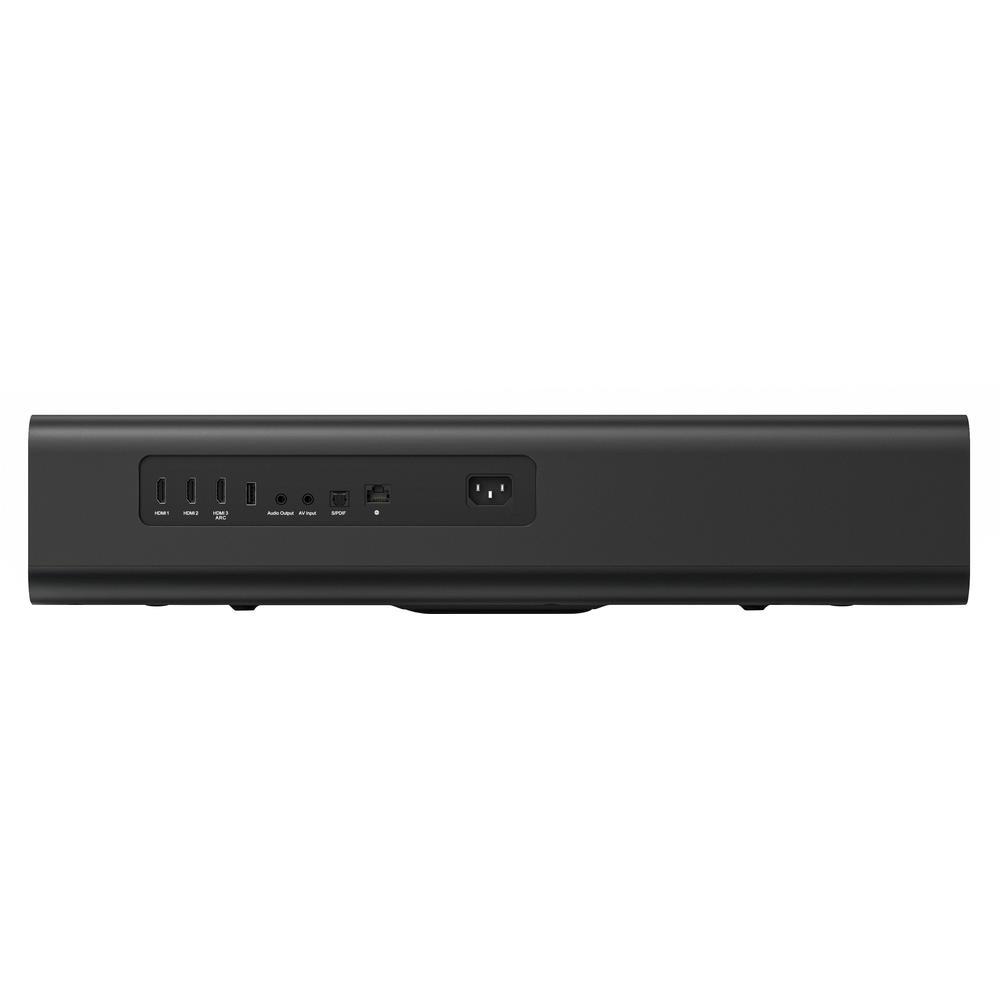
The Hisense L9Q features advanced connectivity with Wi-Fi 6E, Bluetooth 5.3, and four HDMI ports including two HDMI 2.1 for next-gen consoles. The VAVA Chroma offers standard Wi-Fi, Bluetooth, and multiple HDMI ports, providing good but less future-proof connectivity options.
The VAVA Chroma provides excellent value for users wanting quality UST projection at a moderate price. The Hisense L9Q justifies its premium positioning with flagship performance in brightness, color accuracy, audio quality, and gaming features, making it worthwhile for those wanting the absolute best UST projector experience.
We've done our best to create useful and informative comparisons to help you decide what product to buy. Our research uses advanced automated methods to create this comparison and perfection is not possible - please contact us for corrections or questions. These are the sites we've researched in the creation of this article: chrismajestic.com - shop.hisense-usa.com - tomsguide.com - valueelectronics.com - techradar.com - whathifi.com - youtube.com - projectorscreen.com - projectorscreen.com - hisense-usa.com - youtube.com - projectorcentral.com - youtube.com - hisense-usa.com - manuals.plus - shop.avispl.com - hisense-usa.com - androidcentral.com - avsforum.com - projectorcentral.com - projectorreviews.com - vava.com - projectorscreenstore.com - youtube.com - projector.com.my - ust-projector.com

Privacy Policy
Terms and Conditions - Affiliate Policy
Home Security
© Copyright 2008-2026.
11816 Inwood Rd #1211, Dallas, TX 75244