


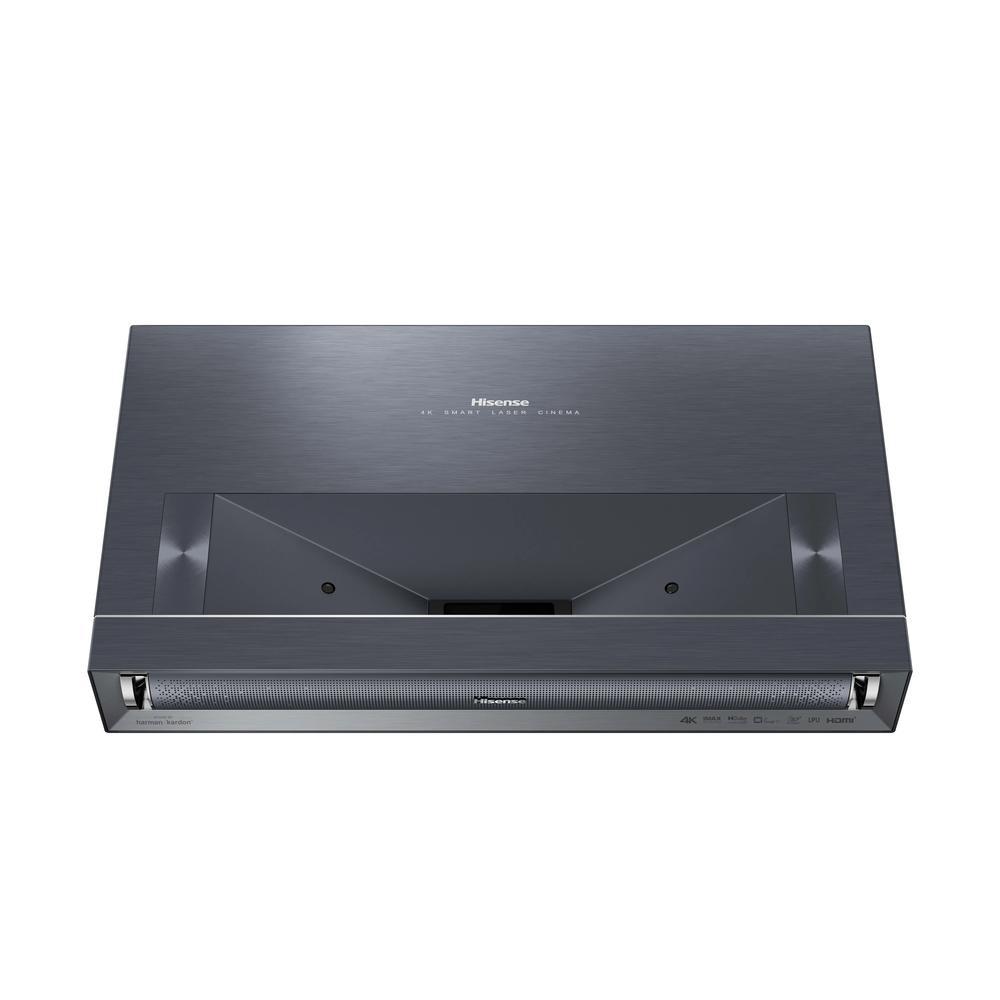
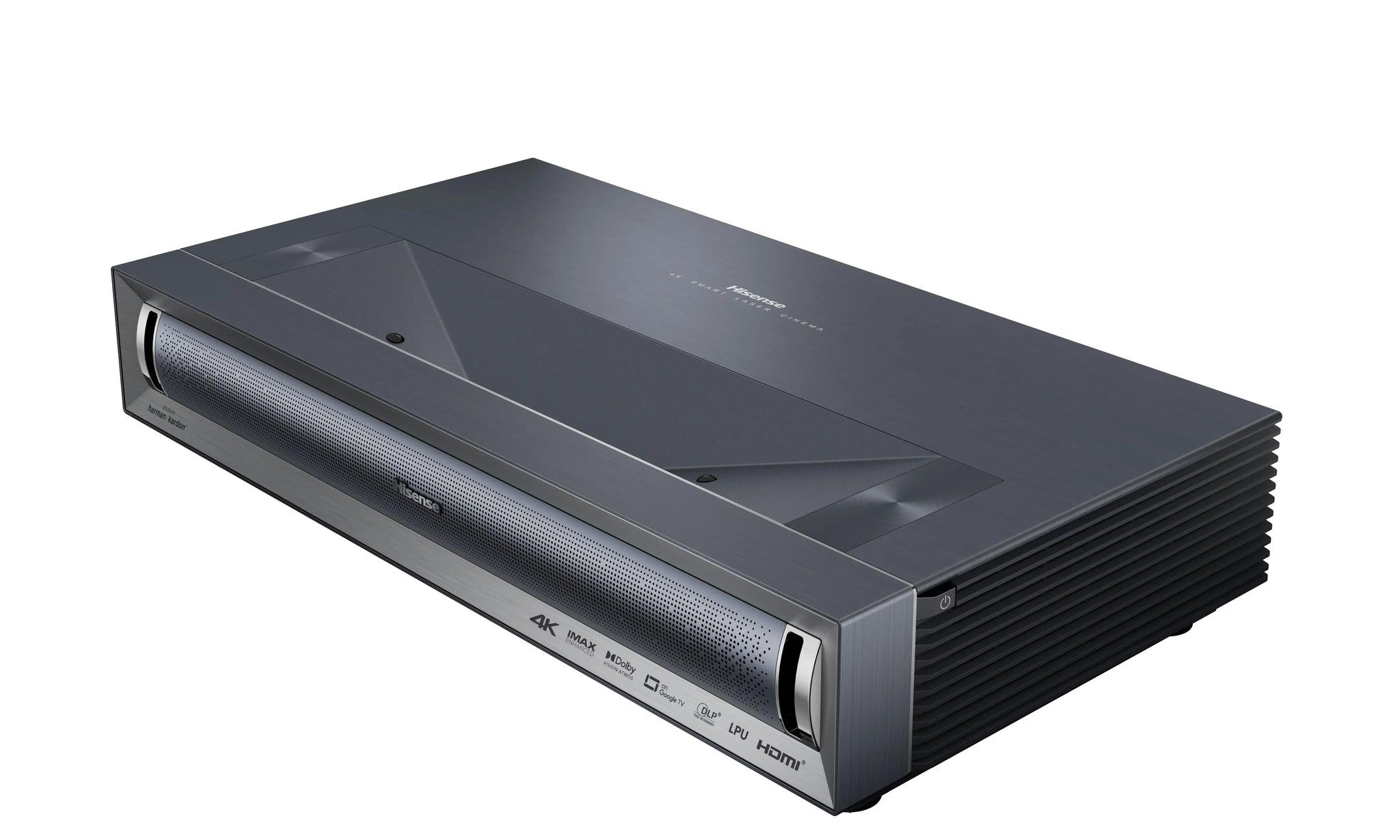
Picture this: you walk into your living room, flip a switch, and suddenly your wall transforms into a massive 120-inch cinema screen. No bulky equipment hanging from the ceiling, no cables running across the room, and no worrying about casting shadows when you get up for popcorn. This is the magic of ultra short throw (UST) projectors—a technology that's revolutionizing how we think about home entertainment.
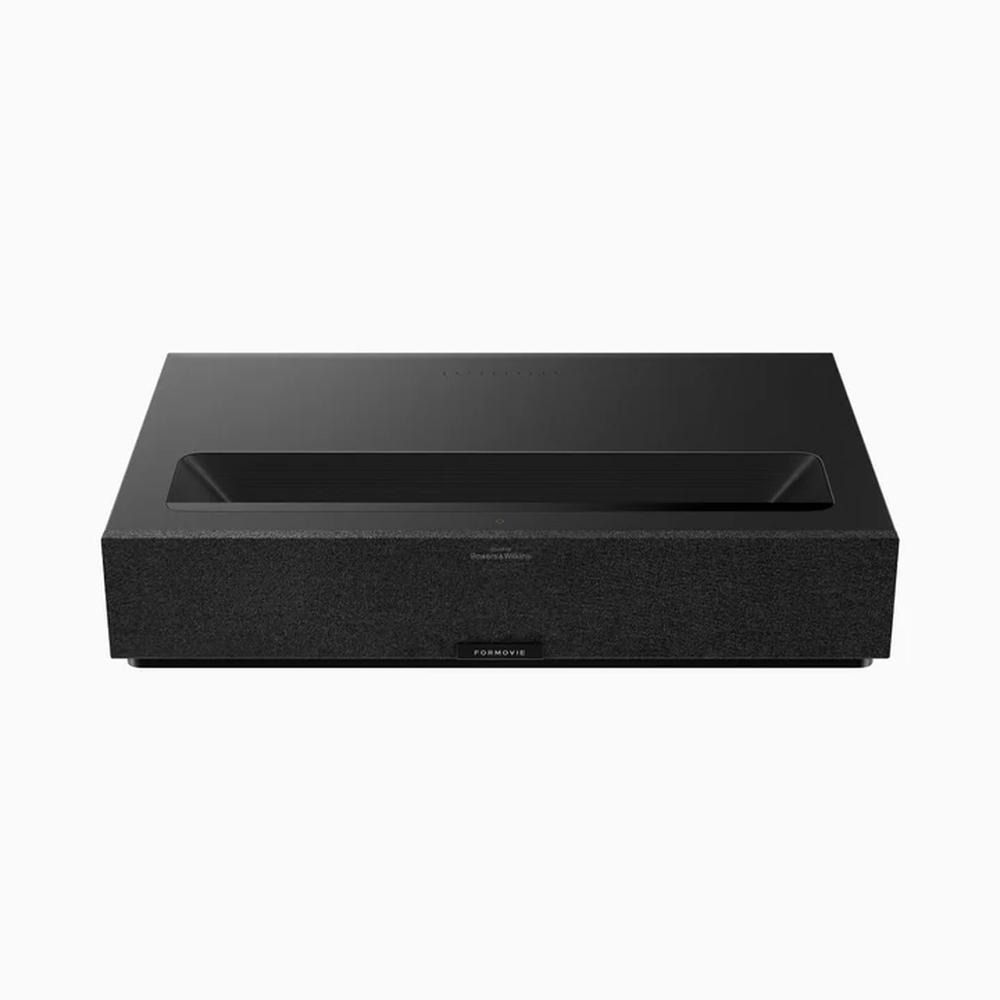
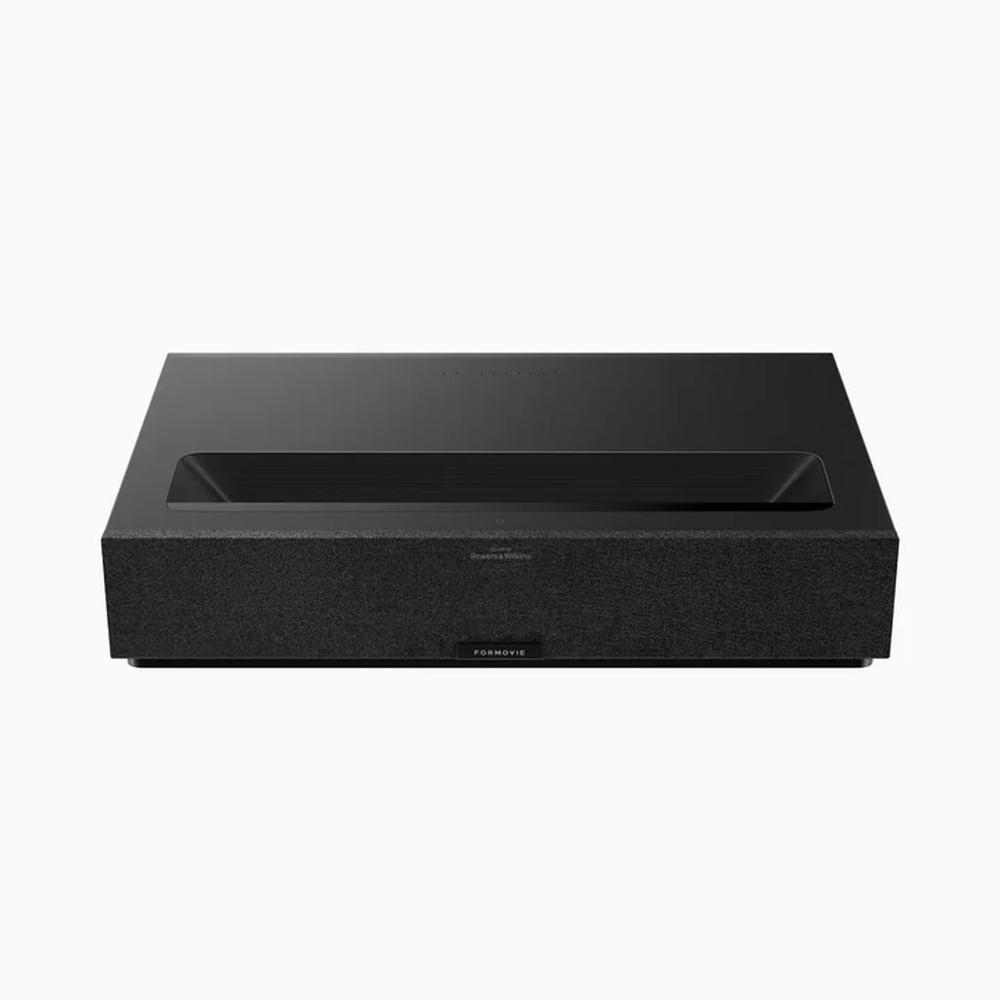
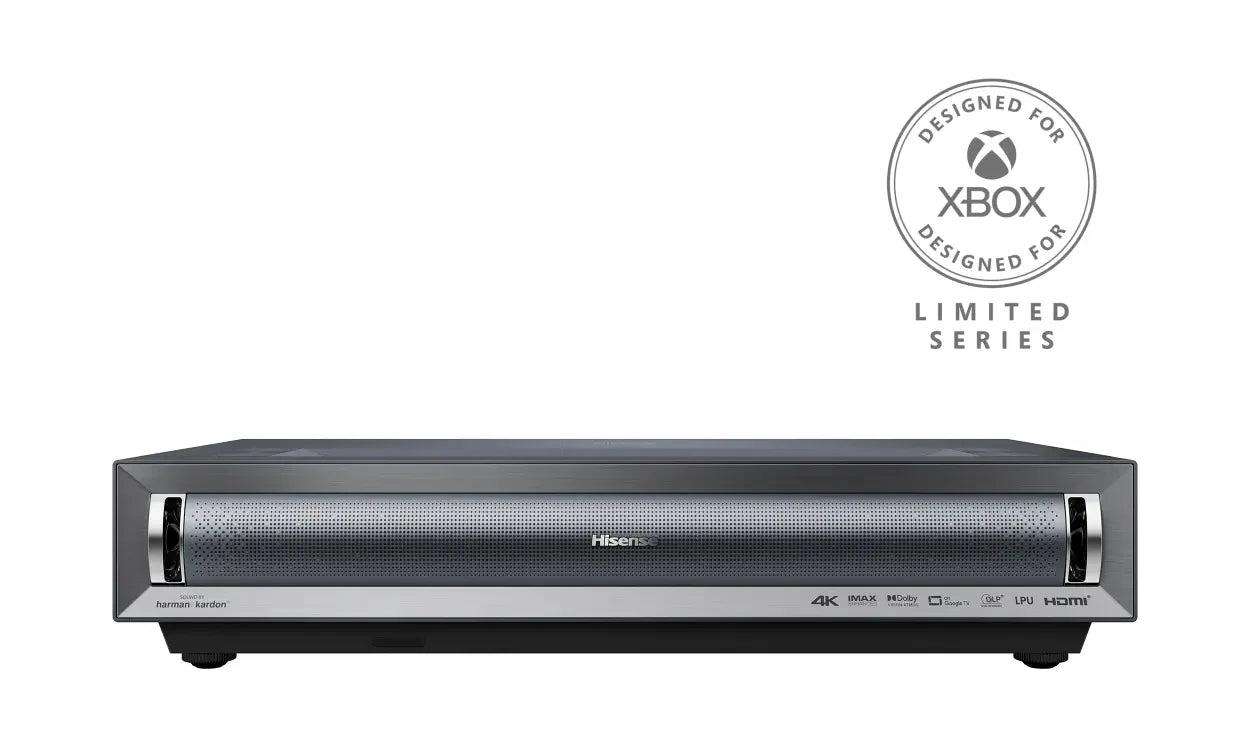
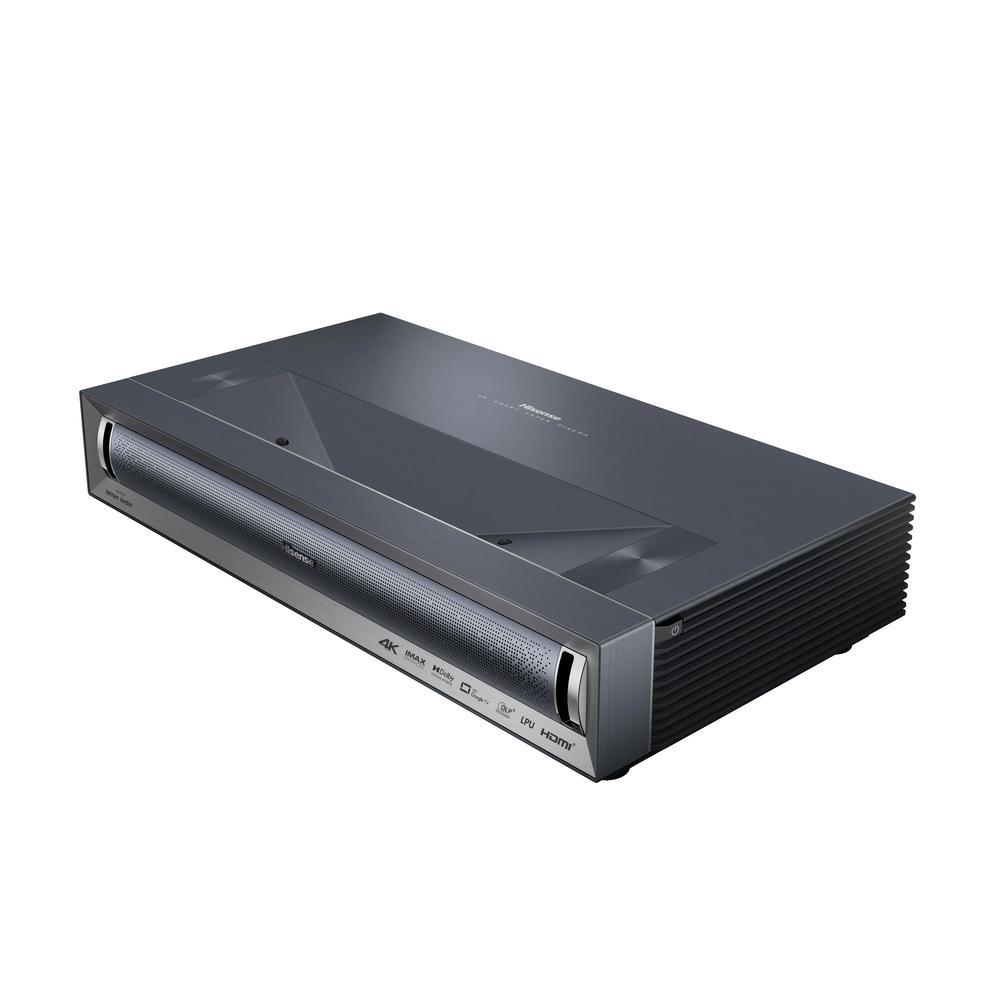
Today we're diving deep into two standout models that represent the current state of this exciting category: the Hisense PX3-PRO and the Formovie Theater Premium. Both launched in recent years as companies refined their laser projection technology, but they take notably different approaches to delivering that big-screen experience.
Before we compare these specific models, let's establish what makes UST projectors special. Traditional projectors need to be placed several feet away from your screen—typically across the room or mounted on the ceiling. Ultra short throw projectors flip this concept entirely. They sit just inches from your wall or screen, using advanced optics to create massive images from impossibly close distances.
The "throw ratio" is the key specification here—it tells you how far the projector needs to be from the screen relative to the image width. A traditional projector might have a throw ratio of 1.5:1, meaning it needs to be 1.5 feet away for every foot of screen width. The Hisense PX3-PRO has a throw ratio of 0.22:1, while the Formovie Theater Premium is even more compact at 0.21:1. This means both can create a 100-inch image from roughly 8-10 inches away from your wall.
This proximity brings huge advantages: no ceiling mounting, no shadows when people walk by, and much easier cable management. However, it also creates unique challenges. UST projectors need to be incredibly bright to compete with ambient room lighting, and they require precise engineering to avoid visual artifacts from the extreme projection angle.
When evaluating any projector, brightness sits at the top of the priority list, but it's absolutely critical for UST models. Since these projectors typically live in your main living space rather than a dedicated dark theater room, they need enough punch to deliver vibrant images even with some lights on.
The Hisense PX3-PRO takes the aggressive approach here, rating at 3,000 ANSI lumens through its TriChroma RGB laser system. In real-world testing by multiple reviewers, it consistently measured around 2,669 ANSI lumens in its brightest modes—still impressive and within industry tolerance standards. The TriChroma system uses separate red, green, and blue lasers, which allows for both high brightness and excellent color accuracy.
The Formovie Theater Premium takes a different path with its 2,200 ISO lumens rating using ALPD 4.0 RGB+ triple laser technology. Here's where specifications get tricky—ISO lumens and ANSI lumens are measured differently, making direct comparison challenging. Generally speaking, ISO measurements tend to be more generous than ANSI, so the real-world brightness difference between these projectors is likely more significant than the numbers suggest.
Why does this matter in practice? The Hisense PX3-PRO will simply perform better in brighter rooms. If your living room has large windows or you prefer watching during the day, that extra brightness translates directly to better image quality. The Formovie still delivers excellent performance in controlled lighting, but it's more demanding about room conditions.
Both projectors excel in color reproduction, but they achieve it through different technical approaches. The Hisense PX3-PRO covers 110% of the BT.2020 color space—that's the ultra-wide color standard used for 4K HDR content. In practical terms, this means it can display colors that are more vivid and closer to what directors intended than most displays can manage.
The Formovie Theater Premium covers 107% of BT.2020, which is still excellent but slightly narrower. More importantly, Formovie has focused heavily on color accuracy out of the box. Their ALPD 4.0 system includes enhanced speckle suppression technology—this eliminates the tiny sparkly artifacts that can appear with laser projectors, creating a cleaner, more film-like image.
Both projectors support the full range of modern HDR formats: HDR10, HDR10+, and Dolby Vision. The Hisense PX3-PRO adds IMAX Enhanced certification, which involves additional testing and calibration standards. While IMAX Enhanced content is still limited, it represents Hisense's commitment to meeting professional display standards.
The contrast ratio specification—3,000:1 for both models—tells only part of the story. Contrast in UST projectors depends heavily on your screen choice and room conditions. A specialized ALR (ambient light rejecting) screen can dramatically improve perceived contrast by reflecting ceiling light away while preserving the projected image.
For gaming enthusiasts, the Hisense PX3-PRO clearly dominates this matchup. Input lag—the delay between when your console sends a signal and when it appears on screen—measures as low as 14 milliseconds at 120Hz. For context, anything under 20ms is considered excellent for gaming, and many TVs struggle to match this performance.
The Hisense PX3-PRO also supports up to 240Hz refresh rates at 1080p resolution, making it suitable for competitive PC gaming. It includes Auto-Low Latency Mode (ALLM), which automatically switches to game mode when it detects a console, and Variable Refresh Rate (VRR) support to eliminate screen tearing.
The Formovie Theater Premium delivers respectable gaming performance with around 18ms input lag, but it lacks the advanced gaming features that serious players expect. It includes MEMC (Motion Estimation, Motion Compensation) processing to smooth motion in movies, but this can add input lag and isn't ideal for gaming.
Both projectors run Google TV as their smart platform, which provides access to all major streaming services including Netflix, Disney+, and Amazon Prime Video. This integration eliminates the need for external streaming devices in most cases—a significant advantage over traditional projectors that often require separate media players.
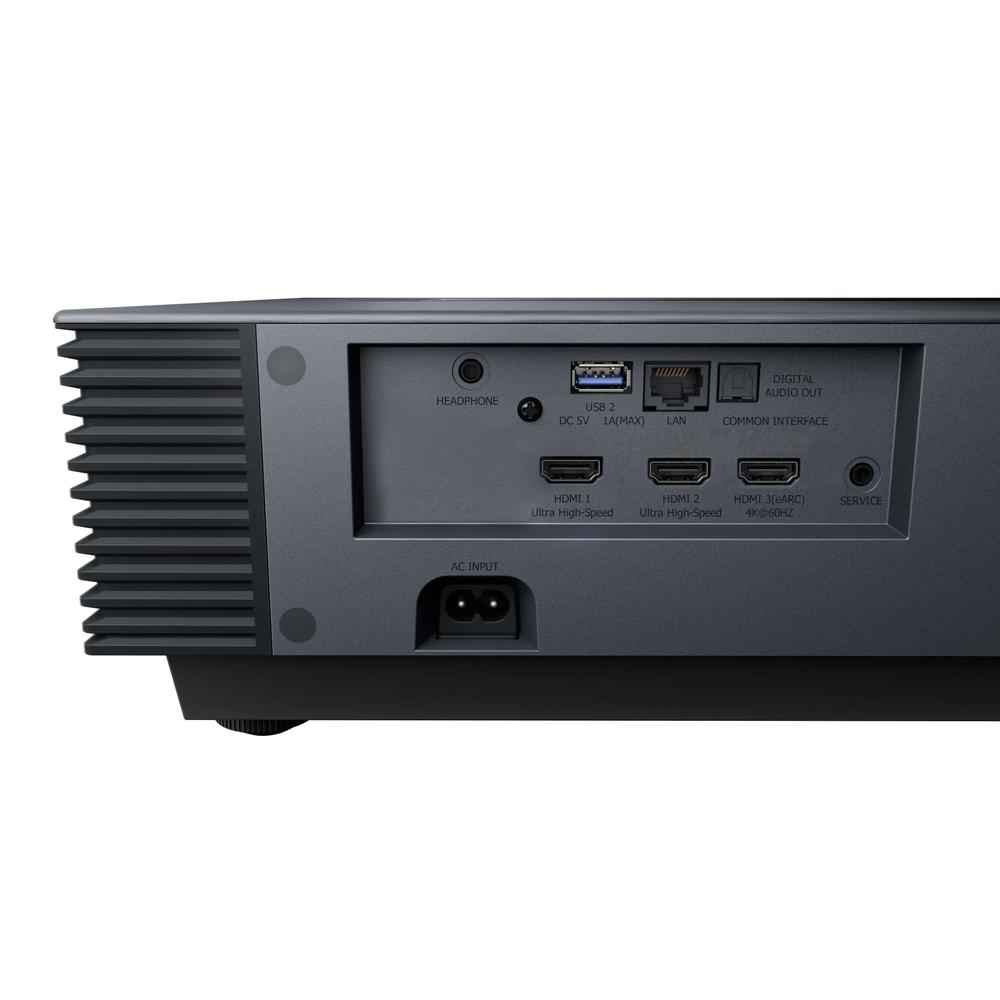
The Hisense PX3-PRO offers more comprehensive connectivity with three HDMI ports, including two full-bandwidth HDMI 2.1 ports capable of handling 4K at 120Hz. It also includes eARC (enhanced Audio Return Channel) support, which allows you to send high-quality audio from the projector back to a soundbar or AV receiver.
The Formovie Theater Premium provides standard HDMI 2.1 connectivity but focuses more on wireless capabilities and streaming integration. Both projectors include USB ports for local media playback and ethernet connections for stable internet connectivity.
While most serious home theater enthusiasts will add external audio systems, the built-in speakers matter more for UST projectors than traditional models. Since these units sit in your main living space, many users rely primarily on their internal audio.
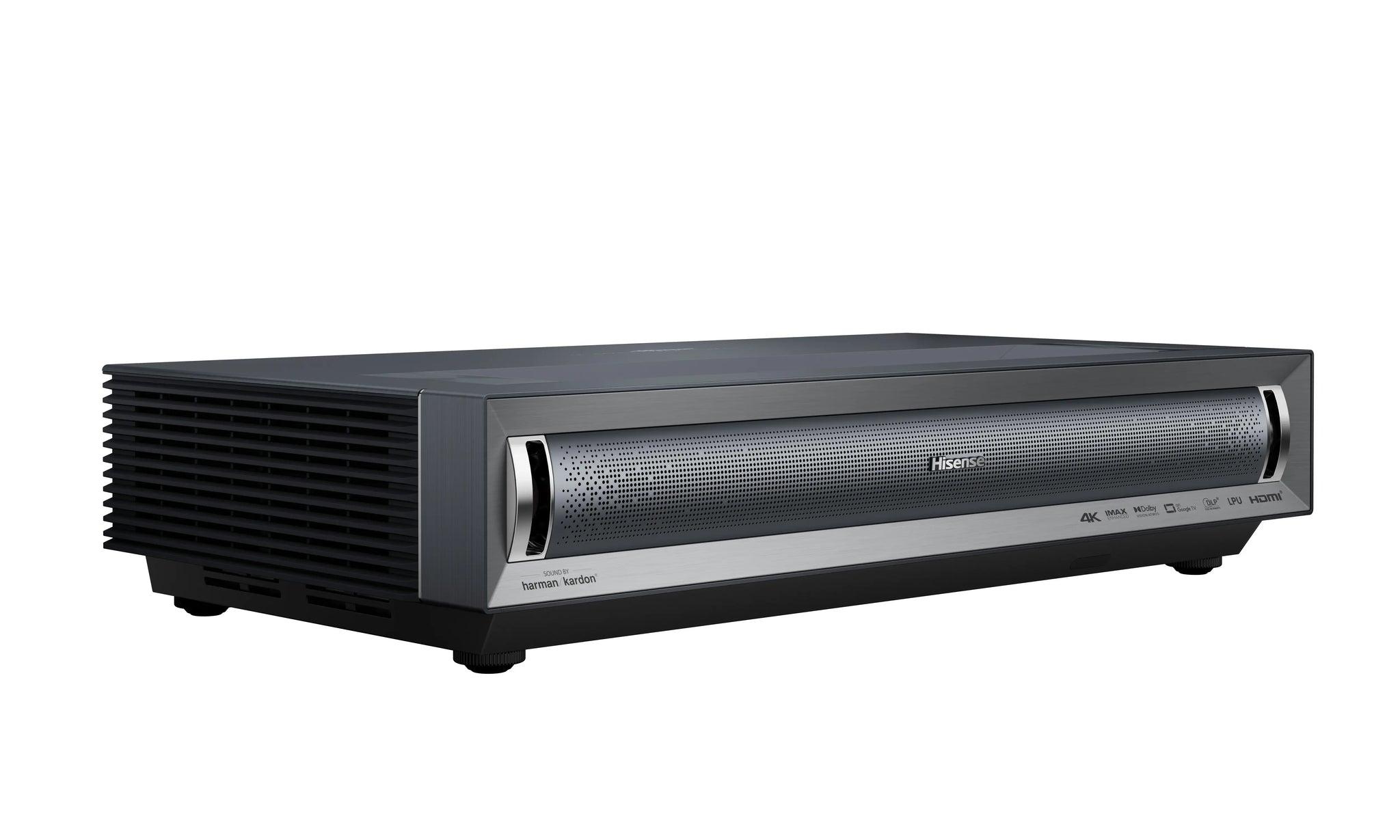
The Hisense PX3-PRO includes a 50-watt Harman Kardon speaker system with Dolby Atmos processing. The front-firing design helps with clarity, and the power output provides adequate volume for medium-sized rooms. However, the physical constraints of the projector housing limit bass response.
The Formovie Theater Premium partners with Bowers & Wilkins for its second-generation acoustic system. While specific power ratings aren't detailed, Bowers & Wilkins typically delivers superior audio tuning and component quality. Based on user feedback, the Formovie generally produces better-balanced sound with cleaner midrange reproduction.
For serious movie watching, both projectors benefit significantly from external audio systems, but the Formovie provides a better baseline experience for casual viewing.
At the time of writing, the Formovie Theater Premium typically costs several hundred dollars less than the Hisense PX3-PRO, making the value equation interesting. The Formovie delivers roughly 80-85% of the Hisense's performance at about 80% of the price—a compelling proposition for budget-conscious buyers.
However, value isn't just about the initial purchase price. The Hisense PX3-PRO may justify its premium through superior brightness that extends the projector's useful life in changing room conditions, better gaming features for multi-purpose use, and potentially better long-term software support from a larger manufacturer.
Both projectors use laser light sources rated for 20,000-30,000 hours of use—essentially the lifetime of the product for most users. This eliminates the lamp replacement costs that plague traditional projectors, making the total cost of ownership more predictable.
In a dedicated home theater with controlled lighting, both projectors deliver stunning 4K performance that rivals much more expensive models. The differences become more apparent in challenging conditions: bright rooms, off-axis viewing, or when gaming.
The Hisense PX3-PRO handles ambient light better thanks to its higher brightness, but both projectors really shine with proper ALR screens. These specialized screens can cost $500-2000 depending on size, but they transform UST projector performance by rejecting ceiling light while preserving image quality.
Screen choice dramatically affects both projectors' performance. A high-gain ALR screen can make the Formovie Theater Premium competitive with the Hisense in bright conditions, while the wrong screen can make even the brightest projector look washed out.
Both projectors represent the current state-of-the-art in consumer UST technology, benefiting from years of laser refinement and optical engineering improvements. The 2024 models show significant advances over earlier UST projectors in brightness, color accuracy, and smart features.
Laser speckle—the subtle sparkly pattern that affected early laser projectors—has been largely eliminated through better optical designs and processing. Both projectors produce clean, film-like images that rival traditional lamp-based cinema projectors.
The integration of advanced gaming features reflects manufacturers' recognition that UST projectors serve multiple purposes in modern homes. They're not just movie machines—they're replacing large TVs as the primary display for gaming, sports, and general entertainment.
Choose the Hisense PX3-PRO if you prioritize maximum brightness for challenging room conditions, serious gaming performance, or want the most comprehensive feature set regardless of price. It's the better choice for rooms with significant ambient light, households with avid gamers, or anyone who values having the latest display technology.
The Formovie Theater Premium makes more sense if you're setting up a dedicated viewing space with controlled lighting, prioritize audio quality for movie watching, or want excellent UST performance without premium pricing. It's ideal for first-time UST buyers who want to experience large-screen projection without the highest cost.
Both projectors require careful consideration of your room setup, viewing habits, and screen choice. They represent the maturation of UST technology from an interesting novelty to a legitimate alternative to large-screen TVs. For many households, either projector can deliver a transformative viewing experience that makes traditional displays seem cramped by comparison.
The choice ultimately comes down to how much you value the Hisense PX3-PRO's brightness and gaming advantages versus the Formovie Theater Premium's superior value proposition and audio quality. Both represent excellent entries into the world of ultra short throw projection—a technology that's rapidly becoming the future of home entertainment.
| Hisense PX3-PRO | Formovie Theater Premium |
|---|---|
| Brightness - Critical for daytime viewing and bright rooms | |
| 3,000 ANSI lumens (measured ~2,669) with TriChroma RGB laser | 2,200 ISO lumens with ALPD 4.0 RGB+ triple laser |
| Resolution & Display Technology - Foundation of image quality | |
| 4K UHD via Texas Instruments XPR 4-way pixel shifting from 1080p DLP | Native 4K UHD (3840x2160) with DLP technology |
| Color Gamut - Determines color vibrancy and accuracy | |
| 110% BT.2020, 99.82% DCI-P3 coverage | 107% BT.2020 color space coverage |
| Gaming Performance - Essential for console and PC gaming | |
| 14ms input lag at 120Hz, supports up to 240Hz at 1080p, ALLM/VRR | 18ms input lag, standard gaming features, MEMC processing |
| HDR Support - Enhances contrast and color in premium content | |
| HDR10+, Dolby Vision, IMAX Enhanced certification | Dolby Vision, HDR10, HDR10+ support |
| Throw Ratio - Determines how close to wall you can place it | |
| 0.22:1 (projects 100" image from ~9 inches away) | 0.21:1 (projects 100" image from ~8 inches away) |
| Audio System - Important since many use built-in speakers | |
| 50W Harman Kardon front-firing speakers with Dolby Atmos | Second-generation Bowers & Wilkins acoustics system |
| Connectivity - Affects device compatibility and future-proofing | |
| 3 HDMI ports (2 full HDMI 2.1 48Gbps), eARC support | Standard HDMI 2.1 connectivity, Google TV integration |
| Smart Platform - Determines streaming app availability | |
| Google TV with Netflix, Disney+, Amazon Prime access | Google TV with enhanced Dolby Vision content compatibility |
| Contrast Ratio - Affects image depth and black levels | |
| 3,000:1 native (measured over 4,000:1) | 3,000:1 native contrast ratio |
| Laser Lifespan - Long-term cost consideration | |
| 20,000+ hours (essentially lifetime use for most buyers) | 30,000 hours rated laser life |
| Value Proposition - Price vs performance consideration | |
| Premium pricing for maximum brightness and gaming features | Strong value with competitive performance at lower cost |
The Hisense PX3-PRO is significantly brighter with 3,000 ANSI lumens compared to the Formovie Theater Premium's 2,200 ISO lumens. This makes the Hisense PX3-PRO better suited for rooms with ambient light or daytime viewing, while the Formovie Theater Premium performs best in controlled lighting conditions.
The Hisense PX3-PRO is superior for gaming with 14ms input lag at 120Hz, support for up to 240Hz refresh rates, and features like Auto-Low Latency Mode (ALLM) and Variable Refresh Rate (VRR). The Formovie Theater Premium offers decent gaming with 18ms input lag but lacks advanced gaming features.
Yes, both the Hisense PX3-PRO and Formovie Theater Premium support 4K UHD resolution and HDR formats including HDR10, HDR10+, and Dolby Vision. The Hisense PX3-PRO additionally supports IMAX Enhanced certification for premium content.
The Formovie Theater Premium typically offers better value, delivering competitive performance at a lower price point. However, the Hisense PX3-PRO may justify its premium cost for users who need maximum brightness or advanced gaming features.
Both projectors can be placed very close to the wall. The Formovie Theater Premium has a slightly better throw ratio of 0.21:1 compared to the Hisense PX3-PRO's 0.22:1, meaning both can project a 100-inch image from approximately 8-9 inches away from the wall.
The Formovie Theater Premium features superior audio with second-generation Bowers & Wilkins acoustics, while the Hisense PX3-PRO includes 50W Harman Kardon speakers with Dolby Atmos. Most users prefer the Formovie Theater Premium's audio quality for movie watching.
Yes, both the Hisense PX3-PRO and Formovie Theater Premium run Google TV, providing direct access to Netflix, Disney+, Amazon Prime, and other streaming services without requiring external devices.
For dedicated home theaters with controlled lighting, both projectors excel, but the Formovie Theater Premium offers excellent performance with superior audio quality at a more accessible price. The Hisense PX3-PRO is better for multi-purpose living spaces with ambient light.
Both the Hisense PX3-PRO and Formovie Theater Premium can project images from 80 to 150 inches diagonally. The optimal size for most living rooms is 100-120 inches, which both projectors handle excellently.
While not required, both the Hisense PX3-PRO and Formovie Theater Premium benefit significantly from ALR (Ambient Light Rejecting) screens, which improve contrast and image quality by reflecting ceiling light away while preserving the projected image.
The Hisense PX3-PRO offers 20,000+ hours of laser life, while the Formovie Theater Premium provides 30,000 hours. Both represent essentially lifetime use for most buyers, eliminating the lamp replacement costs of traditional projectors.
For bright living rooms, the Hisense PX3-PRO is the better choice due to its higher brightness output and superior ambient light performance. The Formovie Theater Premium works well in bright rooms but may require more careful light control or an ALR screen for optimal results.
We've done our best to create useful and informative comparisons to help you decide what product to buy. Our research uses advanced automated methods to create this comparison and perfection is not possible - please contact us for corrections or questions. These are the sites we've researched in the creation of this article: shop.hisense-usa.com - avsforum.com - youtube.com - projectorcentral.com - avsforum.com - youtube.com - projectorreviews.com - avsforum.com - projectorcentral.com - en.heimkinowelten.de - dreamediaav.com - techradar.com - projectorscreen.com - avsforum.com - rtings.com - nothingprojector.com - formovie.com - bmcav.com.au - projectorcentral.com - digitalcinema.com.au - projectorreviews.com - techpowerup.com - nothingprojector.com

Privacy Policy
Terms and Conditions - Affiliate Policy
Home Security
© Copyright 2008-2026.
11816 Inwood Rd #1211, Dallas, TX 75244