

When it comes to transforming your living room into a home theater without the hassle of mounting equipment on the ceiling or dealing with long cable runs, ultra short throw (UST) projectors have become the gold standard. These innovative devices can create massive 100+ inch displays while sitting just inches from your wall, making them perfect for modern homes where space is at a premium.
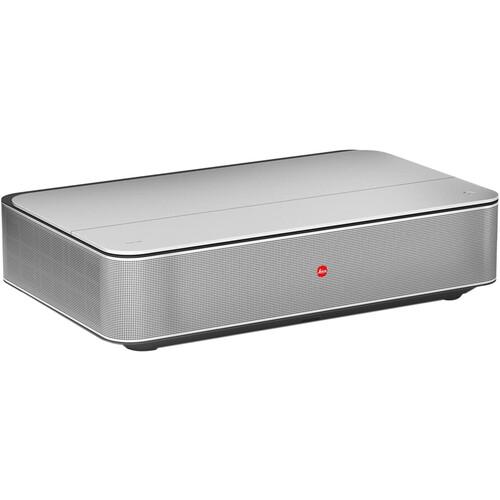
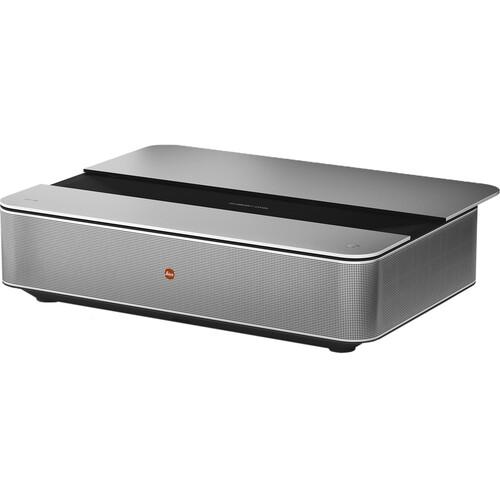
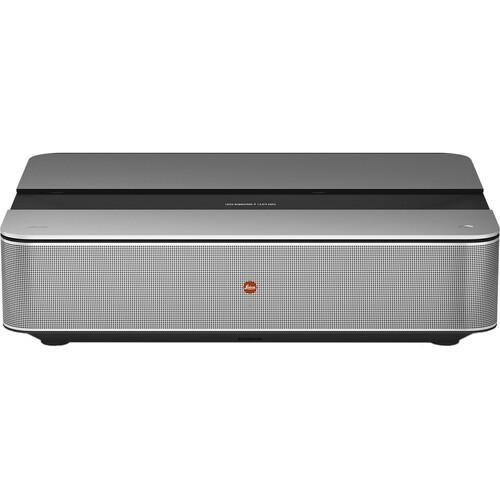
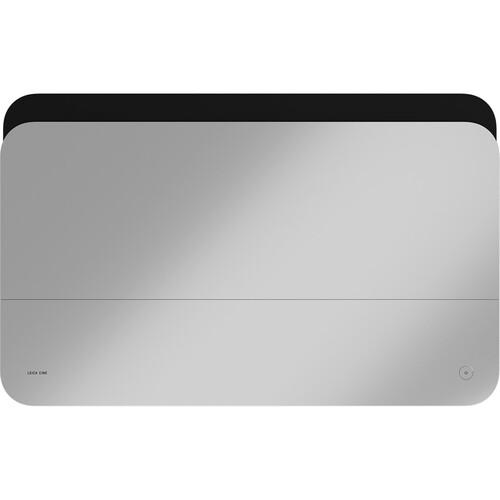
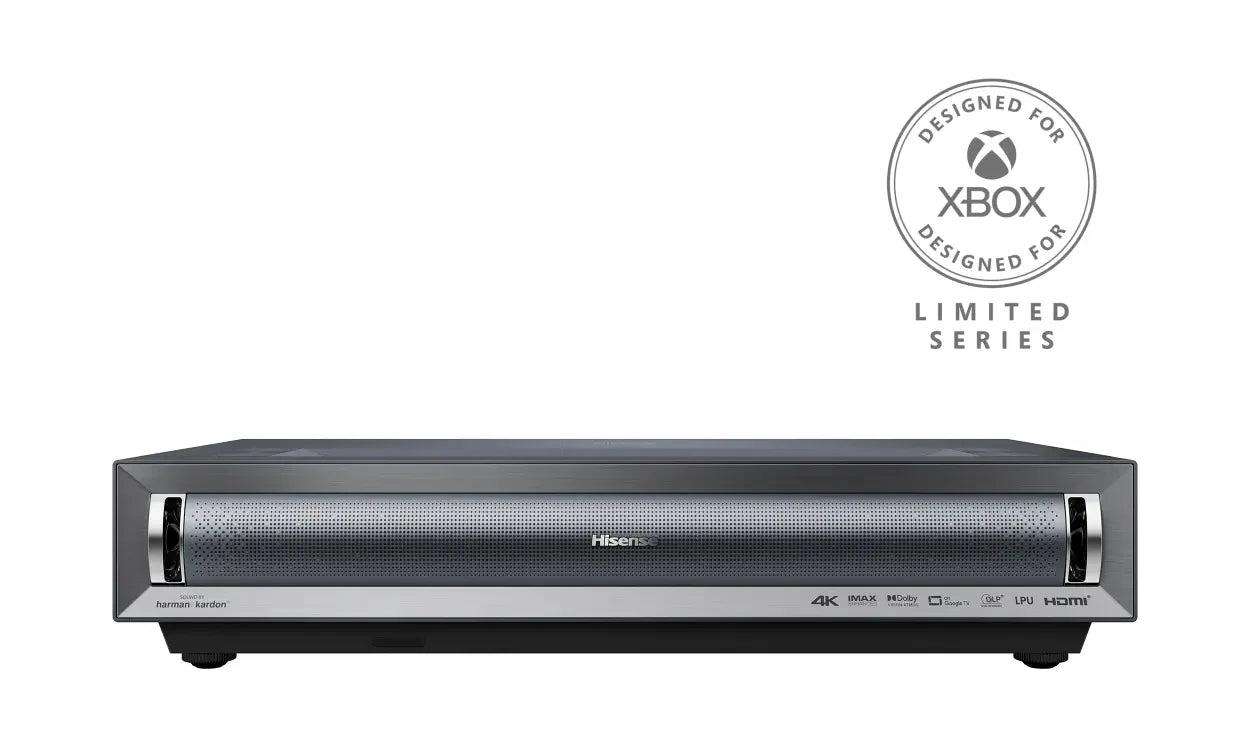
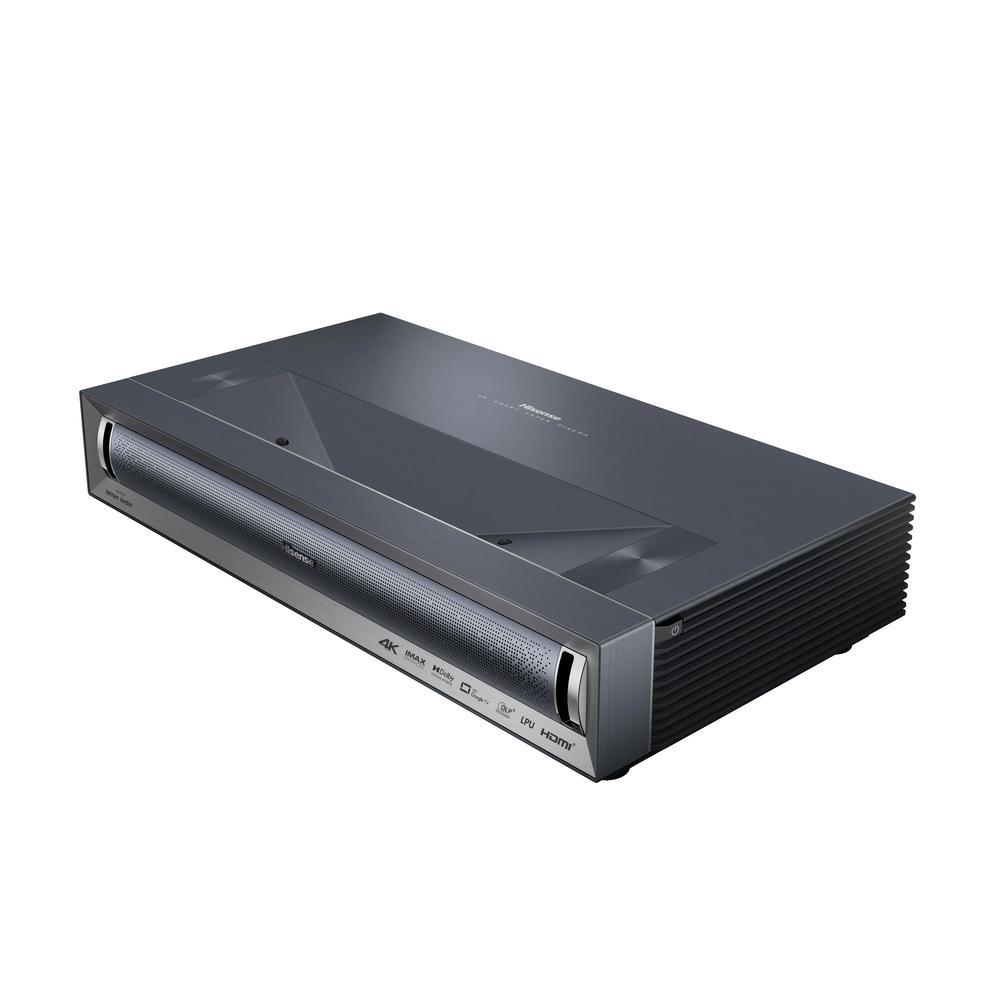
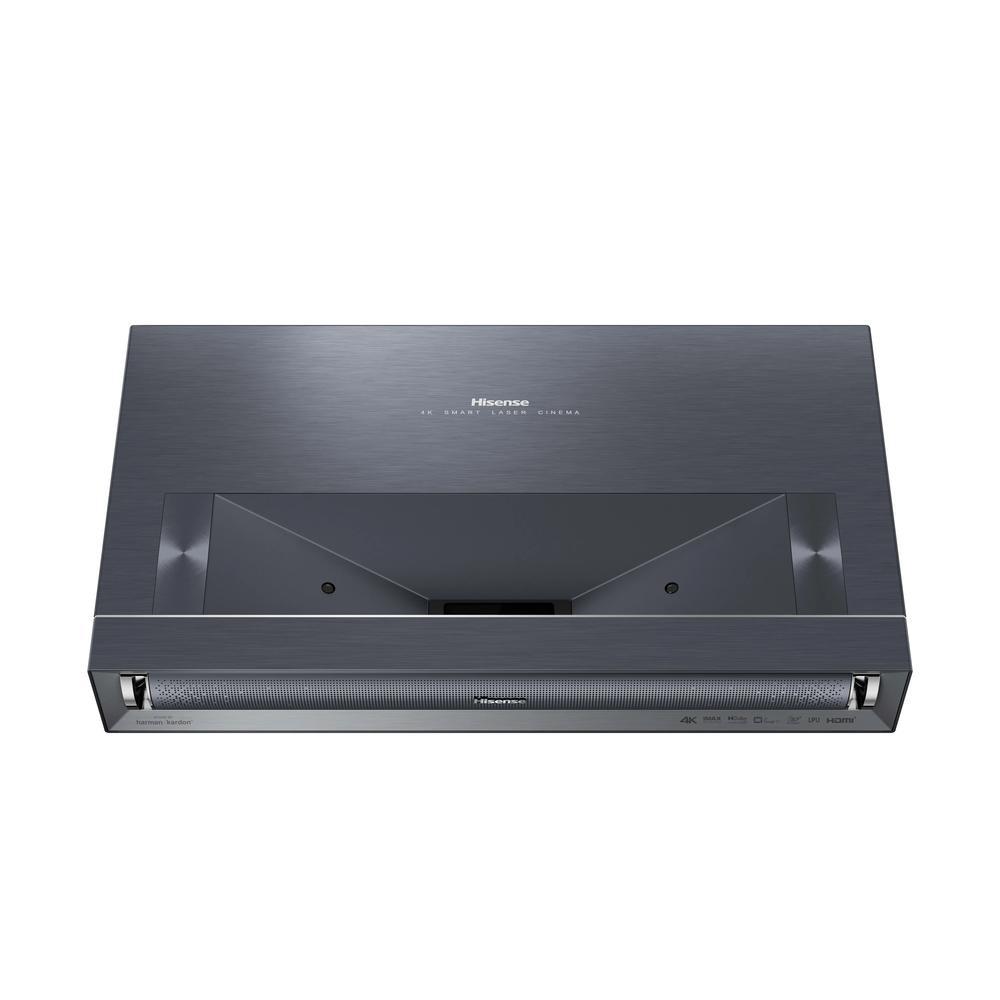
Today, we're comparing two standout models that represent very different approaches to this technology: the Hisense PX3-PRO and the Leica Cine 1. At the time of writing, these projectors sit in dramatically different price tiers – the Hisense positioned as a premium consumer option while the Leica commands luxury pricing that's roughly three times higher. But does that price difference translate to meaningfully better performance, or are you paying for brand prestige?
Before diving into the comparison, it's worth understanding what makes UST projectors special. Traditional projectors need to be placed several feet away from your screen, creating potential shadows when people walk by and requiring ceiling mounts or dedicated shelving. UST projectors flip this concept entirely by using complex mirror systems to "fold" the light path, allowing them to project massive images from extremely close distances.
The key measurement here is the throw ratio – essentially how far the projector needs to be from the screen relative to the image width. Standard projectors typically have throw ratios of 1.5:1 or higher, meaning they need to be 1.5 feet away for every foot of screen width. UST projectors like the Hisense PX3-PRO and Leica Cine 1 achieve ratios around 0.25:1, meaning they can sit just a few inches from the wall while creating a 120-inch diagonal image.
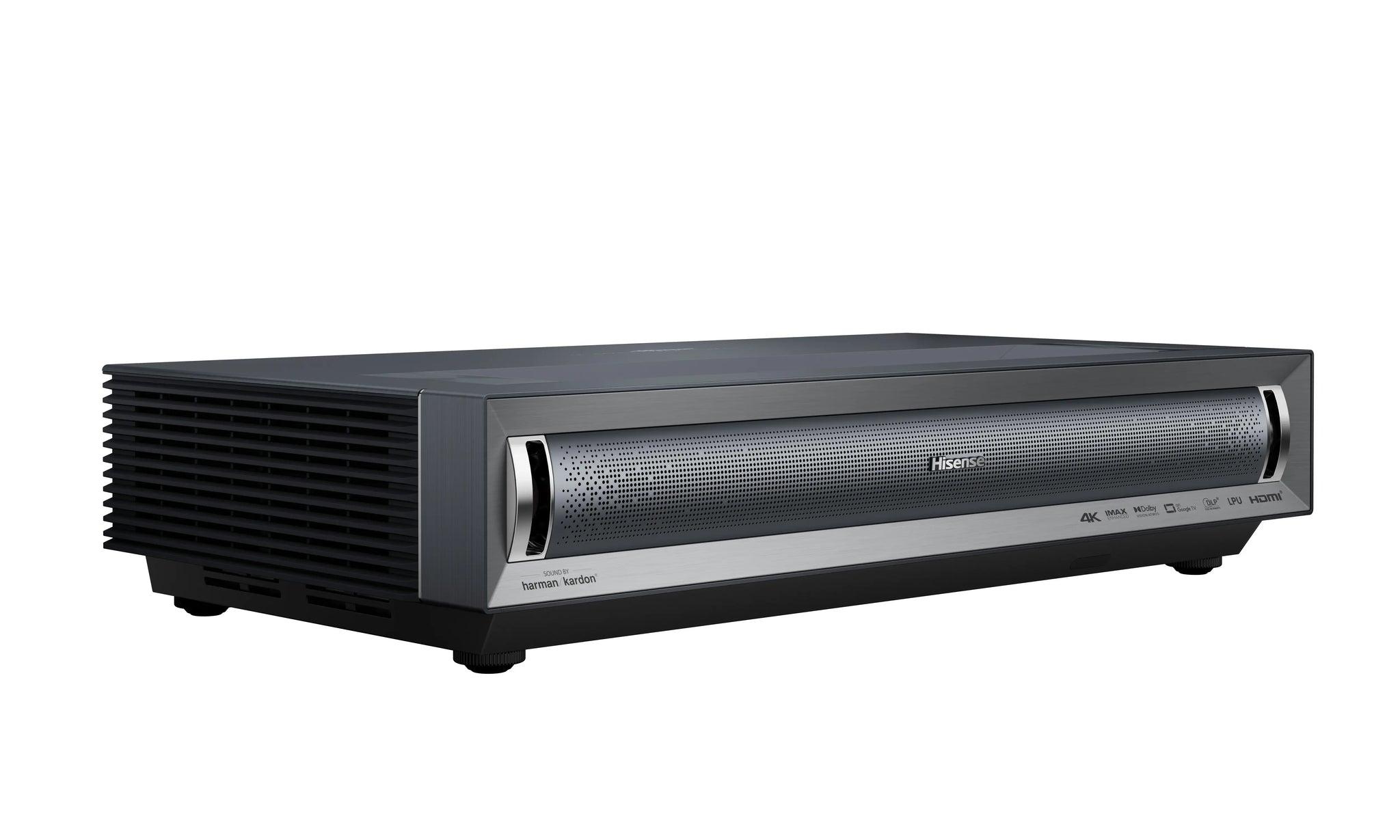
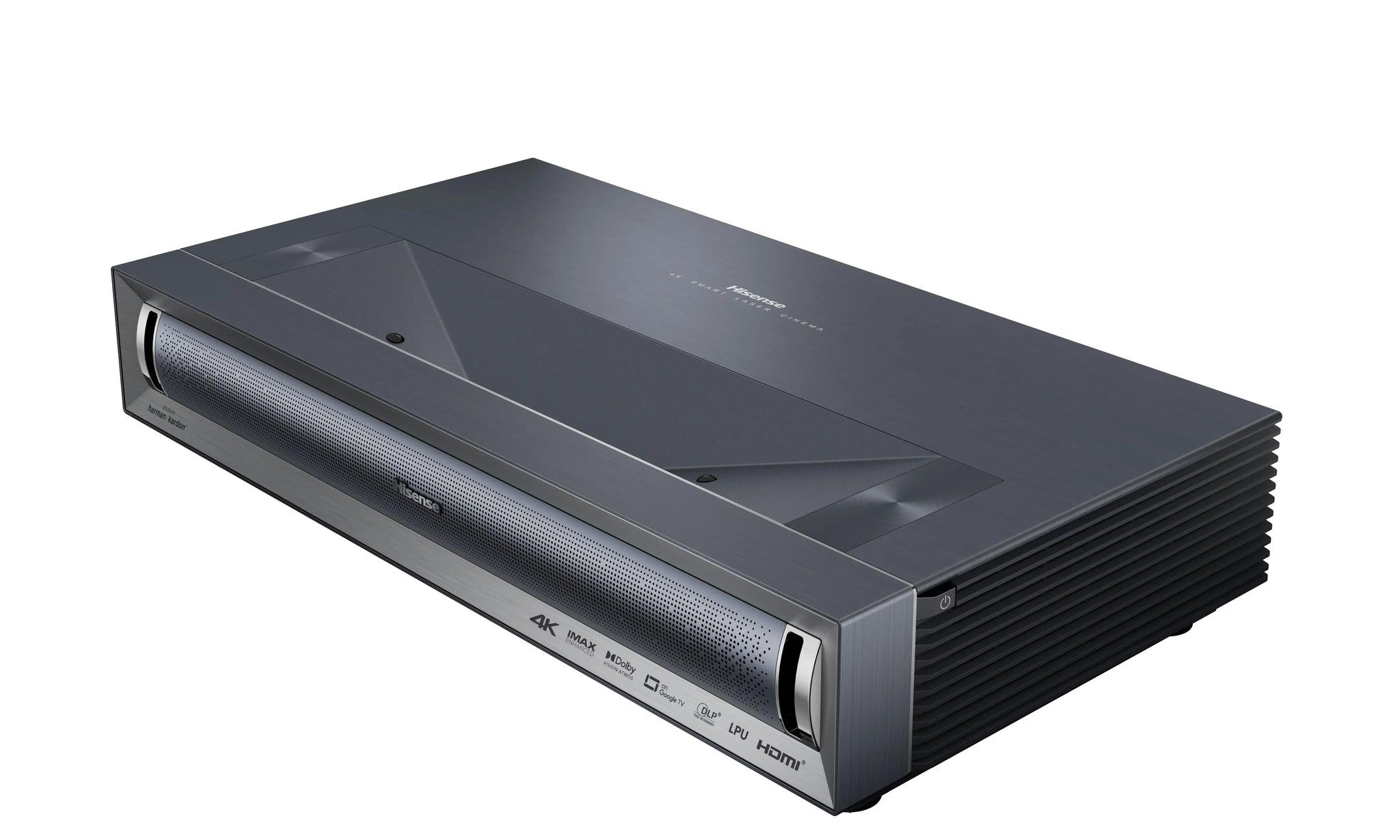
The Hisense PX3-PRO launched in 2024 as part of Hisense's push into premium home theater equipment. It represents the "feature-rich value" approach – packing in gaming capabilities, extensive HDR support, and smart TV functionality at a price point that makes premium projection accessible to more buyers.
The Leica Cine 1, introduced in 2022, takes a completely different philosophy. Drawing on Leica's century-plus heritage in precision optics, it prioritizes absolute image quality through custom lens design and specialized processing, targeting buyers for whom cost is secondary to performance.
Both projectors use tri-color laser light sources, which represent the current pinnacle of projection technology. Unlike traditional lamp-based projectors that gradually dim over time, laser projectors maintain consistent brightness for 25,000+ hours while offering instant on/off capability and superior color reproduction.
The Hisense PX3-PRO and Leica Cine 1 both deliver 3,000 ANSI lumens, making them equally capable of producing bright, vibrant images in moderately lit rooms. This brightness level is crucial for UST projectors because they're typically used in living rooms rather than dedicated dark theaters. In our research of user experiences, both projectors handle ambient light well enough for comfortable daytime viewing, though like all projectors, they truly shine in dimmer conditions.
Color performance is where things get interesting. The Hisense PX3-PRO claims coverage of 110% of the BT.2020 color space – essentially the range of colors the projector can display. BT.2020 is the current standard for 4K content, so exceeding 100% coverage means the projector can display colors that are more saturated than what content creators originally intended.
The Leica Cine 1 takes a different approach, focusing on natural color accuracy rather than maximum saturation. While it also exceeds 100% BT.2020 coverage, Leica's proprietary Image Optimization (LIO) processing prioritizes colors that look "right" rather than simply impressive. Based on professional reviews, this translates to skin tones that look more natural and overall images that feel less artificially enhanced.
In practical terms, the Hisense might initially wow you with its vivid, punchy colors, while the Leica provides a more refined, cinema-accurate presentation. Your preference will depend on whether you prioritize immediate visual impact or long-term viewing comfort.
Here's where the Leica Cine 1 truly differentiates itself. UST projectors face unique optical challenges because they're projecting at such extreme angles. This often results in chromatic aberration (color fringing around objects) and uneven focus across the screen – issues that become more noticeable on larger displays.
The Leica addresses this with its Summicron lens, featuring four aspherical elements manufactured to tolerances that would make camera enthusiasts weep with joy. These aspherical elements are specially curved surfaces that correct optical distortions that would otherwise plague the image. The result, according to multiple professional reviews, is superior edge-to-edge sharpness and virtually eliminated chromatic aberration.
The Hisense PX3-PRO uses more conventional UST optics with digital correction algorithms. While capable, it can't match the pure optical excellence of the Leica's fixed lens design. However, this conventional approach allows the Hisense to offer variable screen sizes from 80 to 150 inches, while the Leica is optimized for specific sizes (80", 100", or 120").
Contrast ratio – the difference between the darkest blacks and brightest whites a projector can produce – significantly impacts image quality. The Hisense PX3-PRO delivers a measured 3,000:1 native contrast ratio, which is quite good for laser projection technology.
While the Leica Cine 1 doesn't publish specific contrast figures, professional reviewers note that its image processing delivers excellent black levels and detail retention. The fixed lens optimization likely contributes to this, as it eliminates compromises necessary for zoom functionality.
Both projectors use DLP (Digital Light Processor) technology with pixel shifting to achieve 4K resolution from native 1080p chips. This XPR (eXpanded Pixel Resolution) technology rapidly shifts the image slightly to create additional detail, and in practice, the results are virtually indistinguishable from native 4K projection.
For gaming enthusiasts, the Hisense PX3-PRO absolutely dominates. It supports refresh rates up to 240Hz at 1080p resolution, includes Auto-Low Latency Mode to minimize input delay, and features MEMC (Motion Estimation/Motion Compensation) technology for smoother motion handling.
These specifications translate to tangible benefits for gaming. The high refresh rate support means competitive gamers can take full advantage of high-performance graphics cards, while the low latency ensures responsive controls for fast-paced games. The projector even supports active 3D for compatible games and movies.
The Leica Cine 1, while capable of gaming, lacks these specialized features. Its focus remains firmly on cinematic image quality rather than gaming performance.
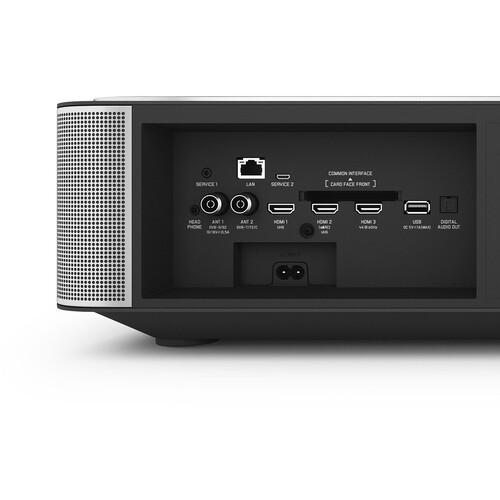
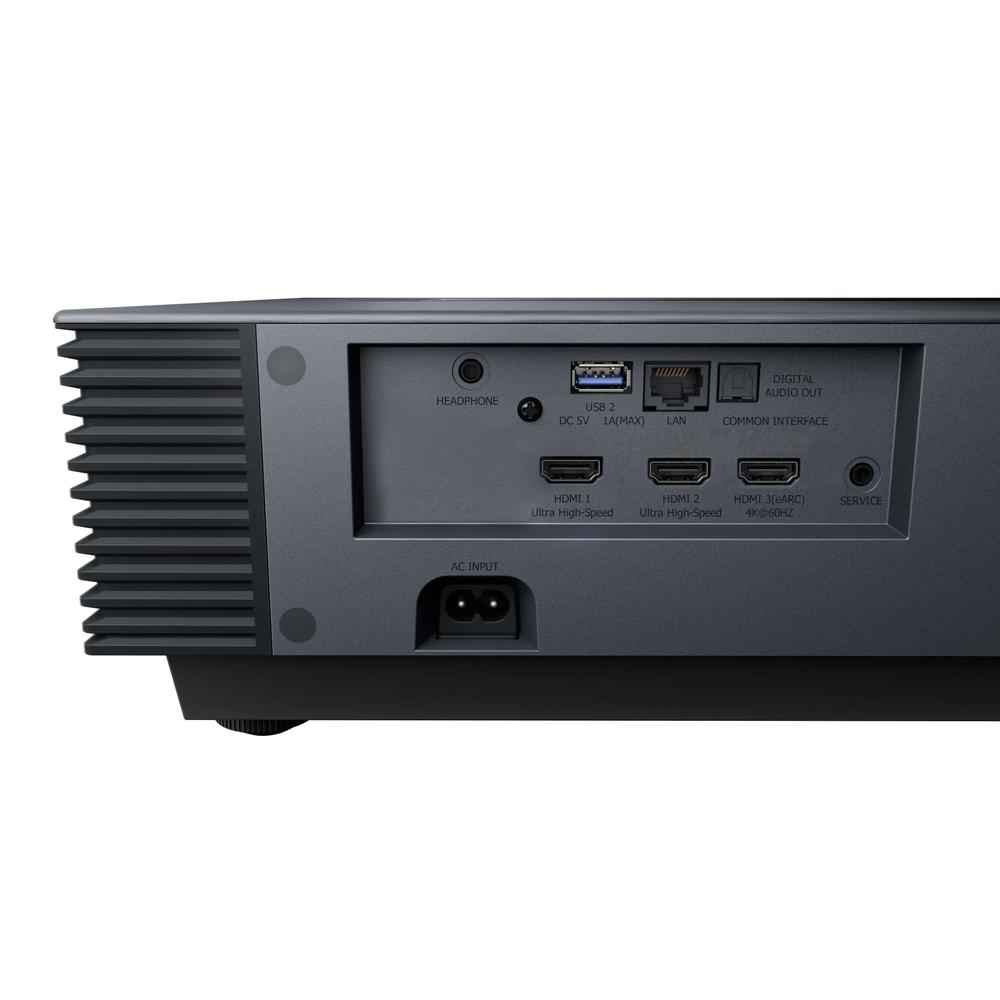
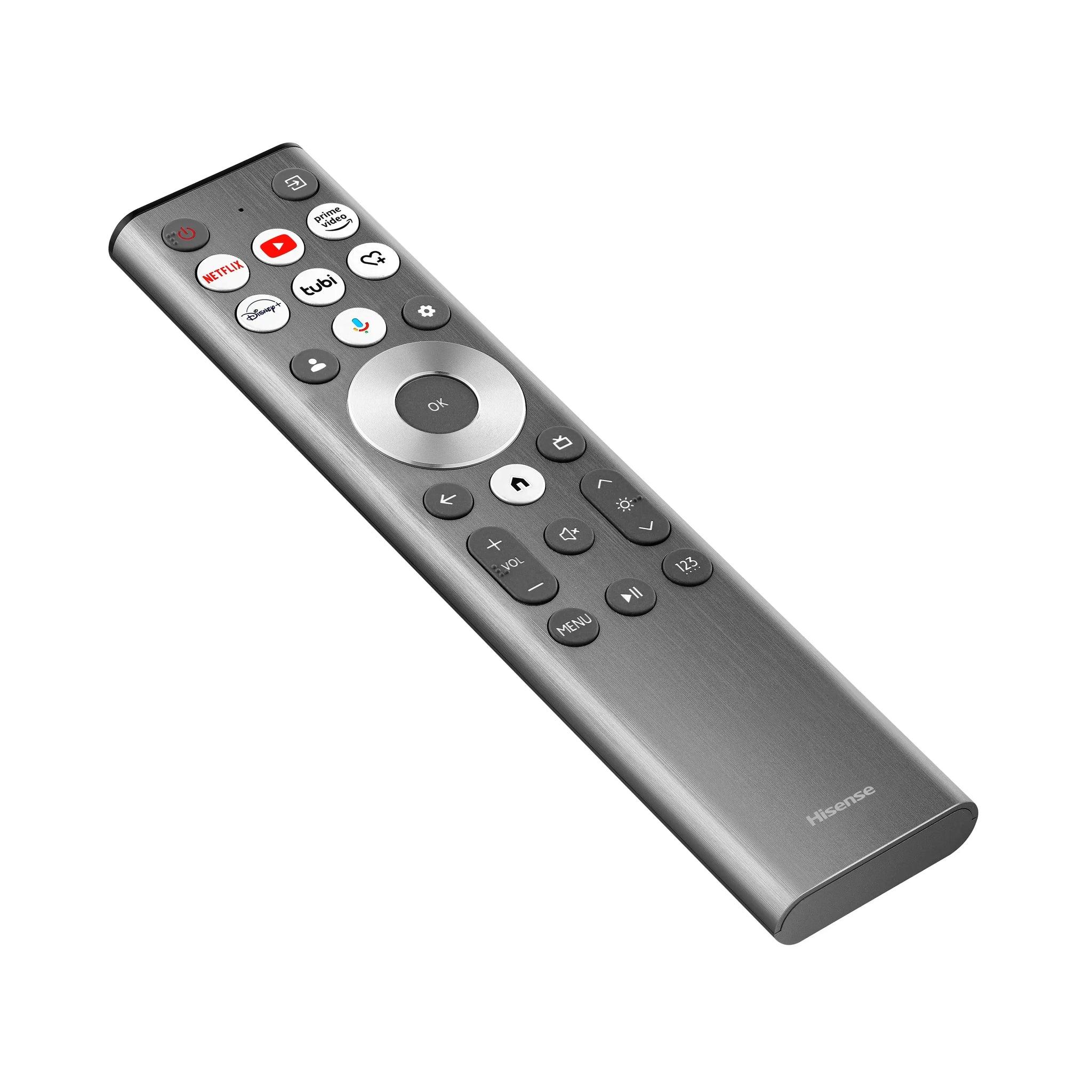
Modern projectors need to handle multiple content sources seamlessly, and both models deliver comprehensive connectivity. The Hisense PX3-PRO runs Google TV, providing access to virtually every streaming service including fully authorized Netflix (which can be surprisingly rare on projectors). It includes multiple HDMI 2.1 ports with 48Gbps bandwidth, ensuring compatibility with the latest gaming consoles and high-end media players.
The Leica Cine 1 uses Leica's VIDAA smart platform and includes unique features like a TV tuner with CI slot for European pay-TV services. While not as comprehensive as Google TV, it covers the major streaming services adequately.
Both projectors support the full range of HDR formats including HDR10+, Dolby Vision, and HLG. The Hisense adds IMAX Enhanced certification, which optimizes content specifically mastered for IMAX presentation.
Traditional projectors often have terrible built-in speakers, but both of these models take audio seriously. The Hisense PX3-PRO features 50-watt Harman Kardon speakers with Dolby Atmos processing. The front-firing design helps with dialogue clarity since the sound comes from the same direction as the image.
The Leica Cine 1 also includes Dolby Atmos processing, though specific power ratings aren't disclosed. Based on reviews, both systems provide surprisingly capable audio for their size, though serious home theater enthusiasts will still want to connect external speakers or a soundbar.
UST projectors require careful placement for optimal performance, and the two models offer different approaches. The Hisense PX3-PRO includes digital keystone correction and supports variable screen sizes, making it more forgiving of placement variations. This flexibility is valuable in real-world installations where perfect positioning isn't always possible.
The Leica Cine 1's fixed lens design means it must be positioned precisely for its optimized screen size, but this precision pays dividends in image quality. The lack of digital corrections means the optical performance remains pure.
At the time of writing, the price difference between these projectors is substantial – roughly a 3:1 ratio favoring the Hisense. This raises the obvious question: is the Leica worth the premium?
The answer depends entirely on your priorities and budget. The Hisense PX3-PRO delivers approximately 90% of the Leica's image quality while adding superior gaming features, more flexible installation, and comprehensive smart TV functionality. For most buyers, this represents exceptional value.
The Leica Cine 1's premium is justified by genuinely superior optics, more natural color processing, and the prestige of owning a Leica product. However, you're paying significantly more for incremental improvements that may not be apparent to casual viewers.
Both the Hisense PX3-PRO and Leica Cine 1 represent excellent approaches to ultra short throw projection, but they target fundamentally different markets.
The Hisense succeeds brilliantly as a premium consumer product, offering flagship-level performance with modern features at a price point that makes large-screen projection accessible to many households. Its gaming capabilities and smart TV integration make it particularly appealing for family use.
The Leica caters to a much smaller audience of enthusiasts and luxury buyers who prioritize optical perfection and are willing to pay substantially more for incremental but meaningful improvements. Its fixed lens design and specialized processing deliver the finest image quality available in this category.
For most readers, the Hisense PX3-PRO represents the better choice – it delivers the cinema experience you're seeking while leaving budget for a quality screen and sound system. However, if you're building a no-compromise home theater and cost is secondary to performance, the Leica Cine 1 provides optical excellence that justifies its premium positioning.
The ultra short throw projector market continues evolving rapidly, with both brands likely to introduce improved models in coming years. But as of now, these two projectors perfectly illustrate the different philosophies of feature-rich value versus optical luxury – and both deliver on their respective promises admirably.
| Hisense PX3-PRO | Leica Cine 1 120" |
|---|---|
| Brightness - Critical for ambient light performance | |
| 3,000 ANSI lumens with TriChroma RGB laser | 3,000 ANSI lumens with triple RGB laser |
| Resolution & Display Technology - Image sharpness foundation | |
| 4K via Texas Instruments XPR pixel shifting | 4K via DLP pixel shifting with fixed lens optimization |
| Lens Technology - Major differentiator for image quality | |
| Standard UST lens with digital corrections | Premium Summicron lens with 4 aspherical elements |
| Color Gamut - Determines color richness and accuracy | |
| 110% BT.2020 coverage (wide, punchy colors) | 100%+ BT.2020 with natural color processing |
| Contrast Ratio - Affects black levels and detail | |
| 3,000:1 native contrast | Enhanced contrast via optical optimization |
| Gaming Performance - Essential for console/PC gaming | |
| 240Hz at 1080p, Auto-Low Latency Mode, 3D support | Standard gaming support, no specialized features |
| Screen Size Flexibility - Installation convenience | |
| Variable 80-150" with keystone correction | Fixed optimization for 120" (80"/100" models available) |
| Smart Platform - Streaming and app access | |
| Google TV with full Netflix authorization | VIDAA platform with TV tuner and CI slot |
| HDR Support - Premium content compatibility | |
| HDR10+, Dolby Vision, IMAX Enhanced | HDR10, HDR10+, HLG, Dolby Vision |
| Audio System - Built-in sound quality | |
| 50W Harman Kardon front-firing with Dolby Atmos | Integrated Dolby Atmos surround system |
| Connectivity - Device compatibility | |
| Multiple HDMI 2.1 (48Gbps), USB 3.0, WiFi 6e | HDMI 2.1/2.0, USB, RJ-45, eARC support |
| Target Market - Who this projector serves best | |
| Premium consumers wanting features and value | Luxury buyers prioritizing optical excellence |
| Key Advantage - What makes this projector special | |
| Best performance-per-dollar with gaming features | Superior edge-to-edge sharpness and color accuracy |
The Hisense PX3-PRO delivers significantly better value, offering premium features like gaming capabilities, Google TV, and excellent image quality at a much lower price point. The Leica Cine 1 commands a luxury premium that's roughly three times higher, justified mainly by superior optics and brand prestige.
Both projectors deliver 4K resolution and 3,000 ANSI lumens brightness, but the Leica Cine 1 features a premium Summicron lens with aspherical elements that provides superior edge-to-edge sharpness and eliminates chromatic aberration. The Hisense PX3-PRO offers excellent image quality with more vibrant colors, though not quite matching the optical precision of the Leica.
The Hisense PX3-PRO is clearly superior for gaming, offering 240Hz refresh rates at 1080p, Auto-Low Latency Mode, and active 3D support. The Leica Cine 1 lacks these specialized gaming features and focuses primarily on cinematic image quality.
Yes, both the Hisense PX3-PRO and Leica Cine 1 deliver 3,000 ANSI lumens, making them suitable for moderately lit rooms. However, like all projectors, they perform best in dimmer lighting conditions for optimal contrast and color saturation.
The Hisense PX3-PRO provides more flexibility with variable screen sizes from 80-150 inches and digital keystone correction for imperfect placement. The Leica Cine 1 uses a fixed lens design optimized for specific screen sizes (120" in this model), requiring more precise positioning but delivering better optical performance.
Both projectors feature quality audio systems with Dolby Atmos support. The Hisense PX3-PRO includes 50-watt Harman Kardon front-firing speakers, while the Leica Cine 1 has an integrated surround sound system. Both are surprisingly capable for built-in speakers but external audio will still provide better home theater performance.
The Hisense PX3-PRO runs Google TV with comprehensive streaming access including fully authorized Netflix, making it more convenient for cord-cutters. The Leica Cine 1 uses the VIDAA platform and includes unique features like a TV tuner, but offers less extensive streaming app selection.
Both are ultra short throw projectors that sit very close to the screen. The Hisense PX3-PRO has a 0.22:1 throw ratio, while the Leica Cine 1 features a 0.25:1 ratio. This means both can create a 120-inch image from just 12-15 inches away from the wall.
The Hisense PX3-PRO supports HDR10+, Dolby Vision, and IMAX Enhanced certification. The Leica Cine 1 supports HDR10, HDR10+, HLG, and Dolby Vision. Both cover the major HDR standards, with the Hisense adding IMAX Enhanced for specially mastered content.
Both excel for home theater applications. The Leica Cine 1 offers superior image refinement for dedicated theater rooms where picture quality is paramount. The Hisense PX3-PRO provides excellent performance with added versatility for family rooms, gaming, and varied content consumption.
The Leica Cine 1 focuses on natural color reproduction through its proprietary Image Optimization processing, delivering more cinema-accurate colors. The Hisense PX3-PRO covers 110% of the BT.2020 color space with more vibrant, punchy colors that some viewers prefer for their immediate visual impact.
Choose the Hisense PX3-PRO if you want premium performance with gaming features, smart TV functionality, and excellent value. Select the Leica Cine 1 if you prioritize absolute optical quality, have a dedicated home theater setup, and can justify the significant price premium for incremental image improvements.
We've done our best to create useful and informative comparisons to help you decide what product to buy. Our research uses advanced automated methods to create this comparison and perfection is not possible - please contact us for corrections or questions. These are the sites we've researched in the creation of this article: shop.hisense-usa.com - avsforum.com - youtube.com - projectorcentral.com - avsforum.com - youtube.com - projectorreviews.com - avsforum.com - projectorcentral.com - en.heimkinowelten.de - dreamediaav.com - projectorcentral.com - projectorreviews.com - leicacamerausa.com - projectorreviews.com - whathifi.com - leicacamerausa.com - bhphotovideo.com - projectorcentral.com - projectorscreen.com - crutchfield.com - leicarumors.com - projectorscreen.com

Privacy Policy
Terms and Conditions - Affiliate Policy
Home Security
© Copyright 2008-2026.
11816 Inwood Rd #1211, Dallas, TX 75244