

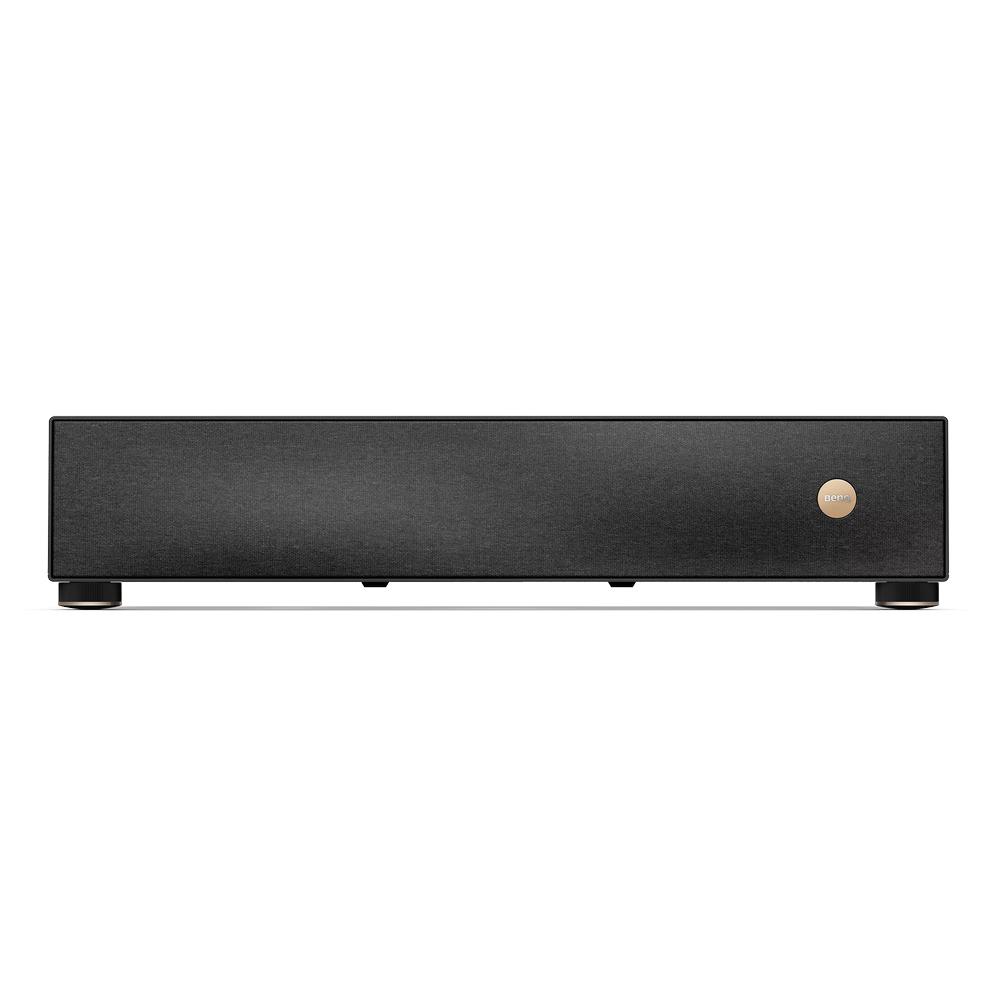
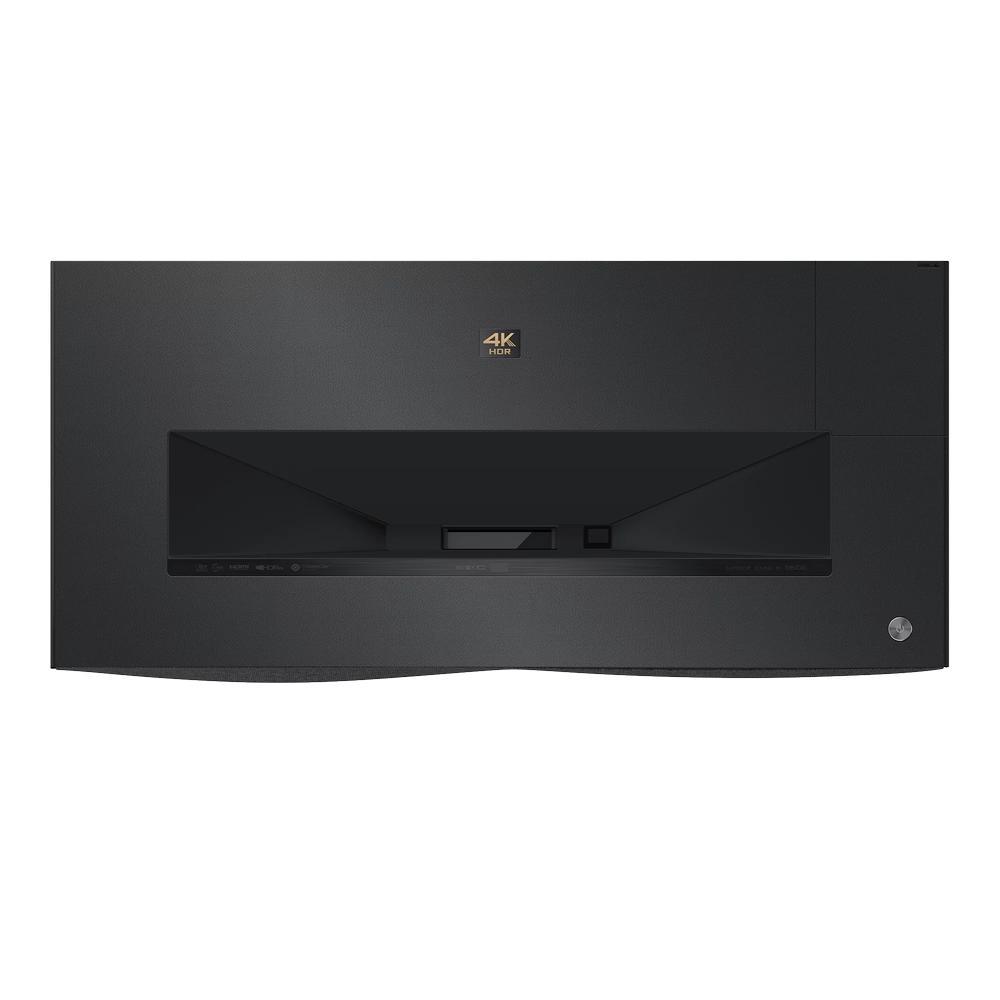
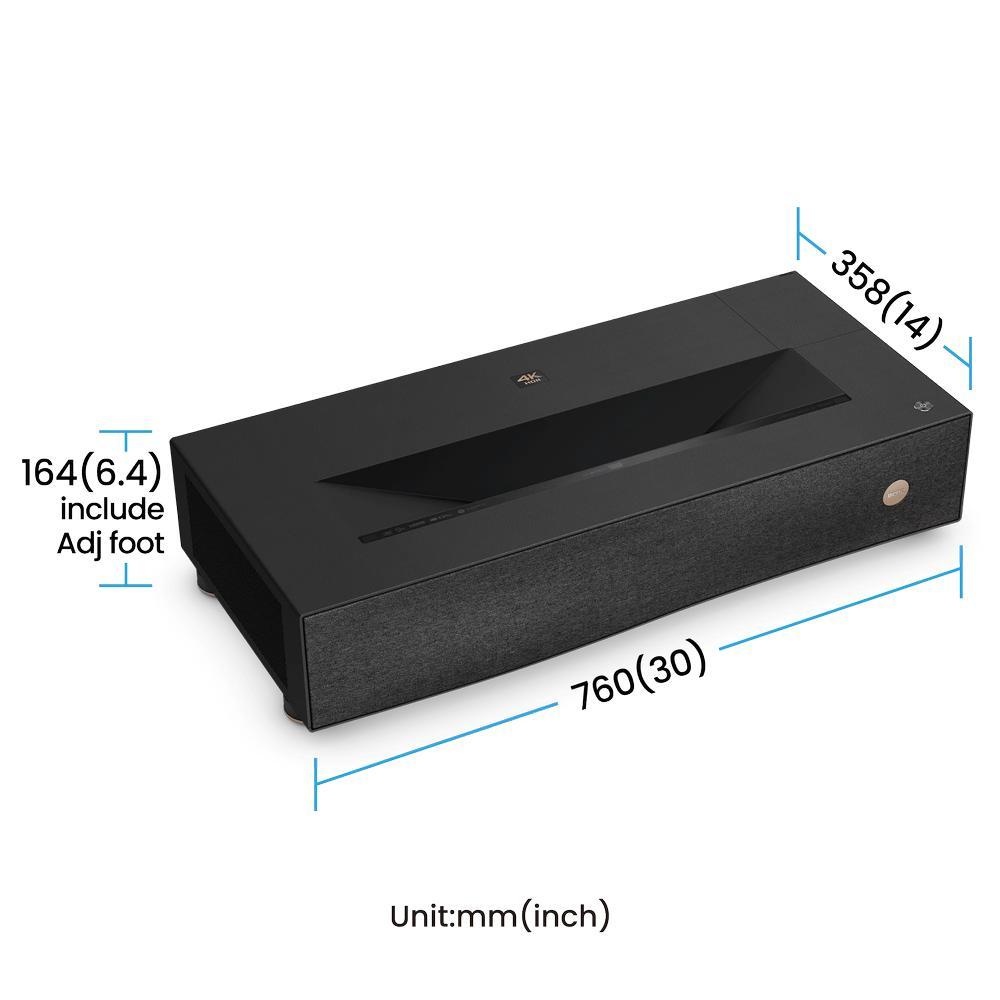
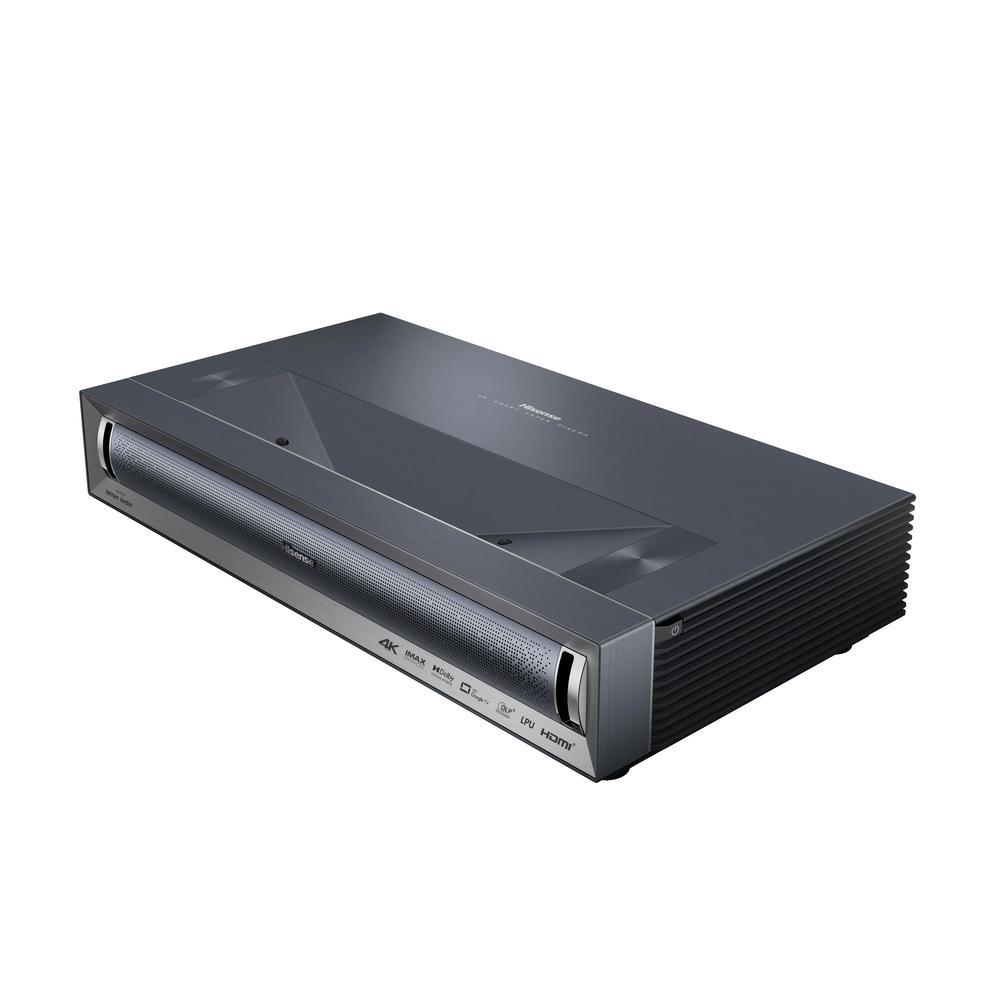
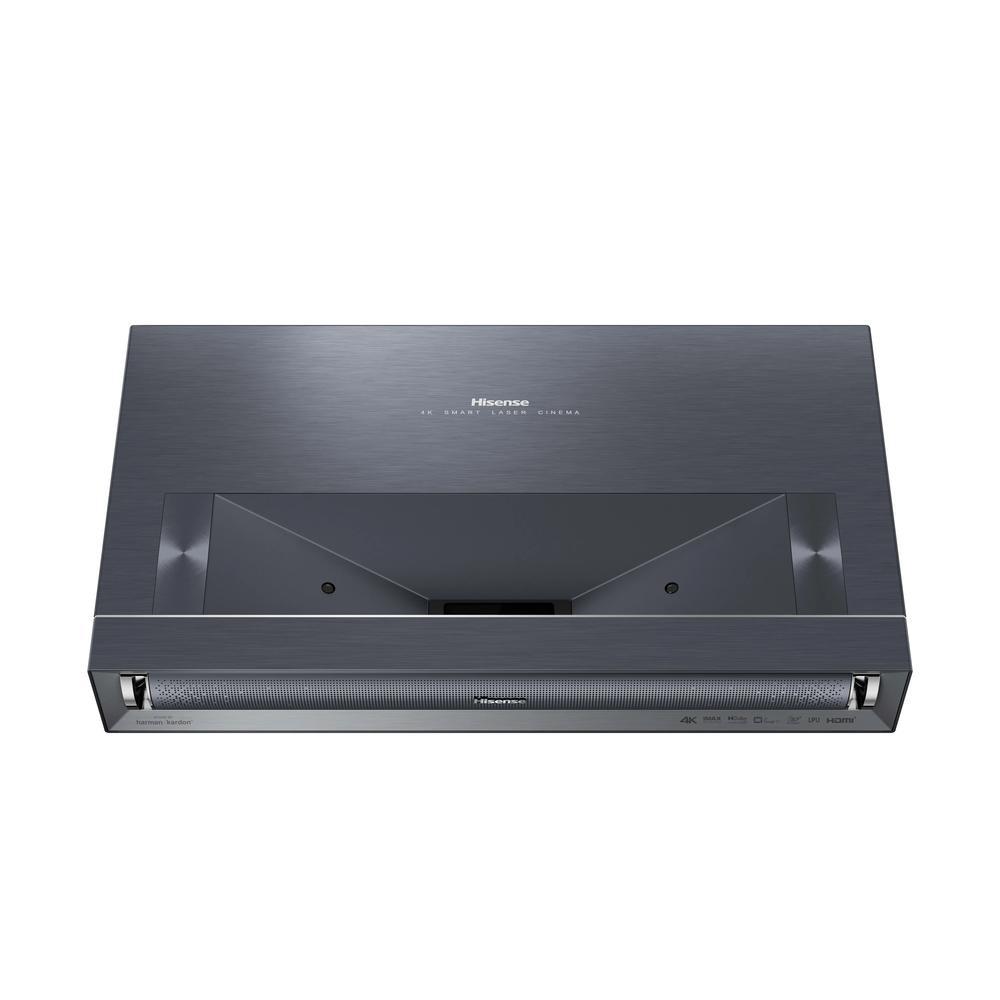
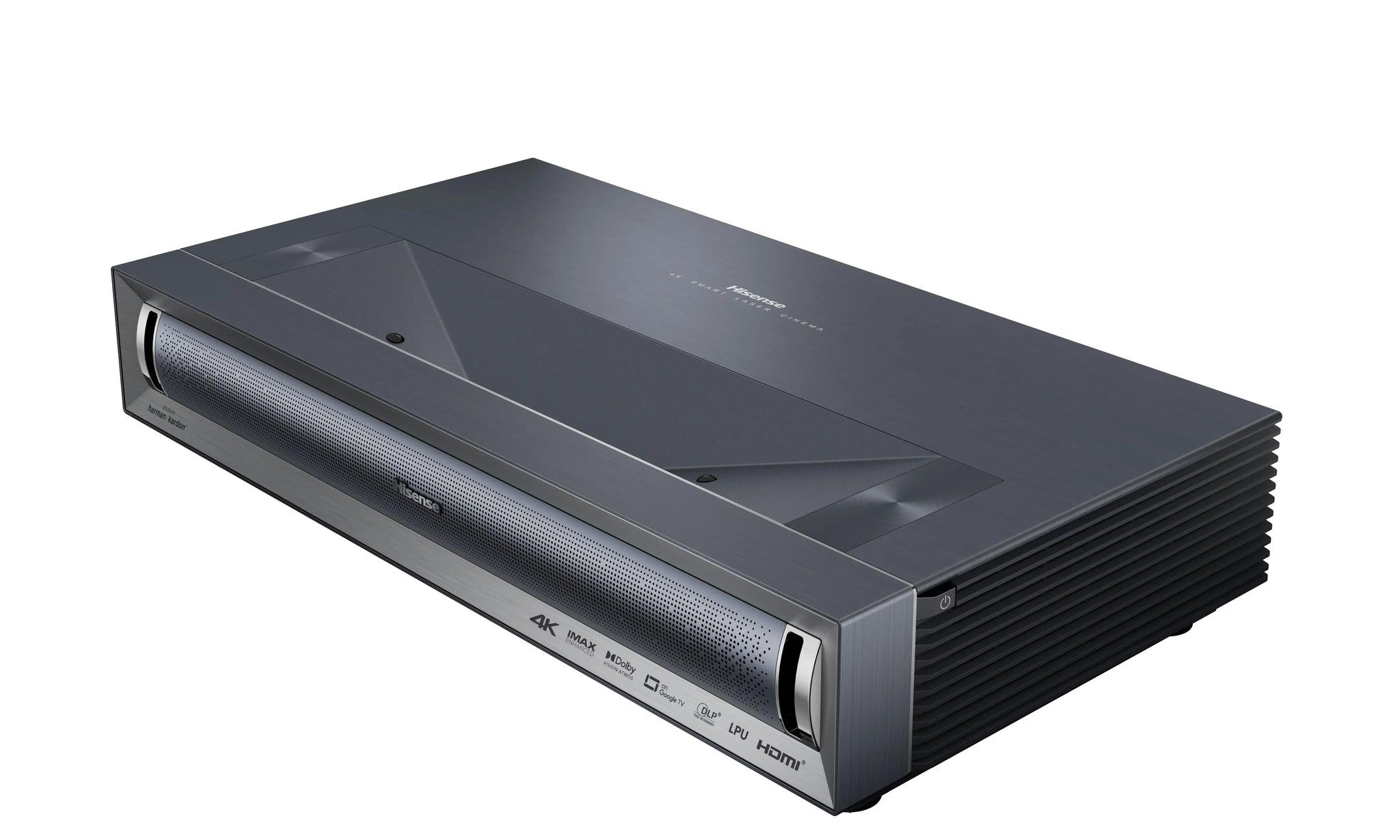
Ultra short throw projectors have quietly revolutionized home entertainment over the past few years. Unlike traditional projectors that need to be mounted on your ceiling or placed across the room, these clever devices can create massive 100+ inch images while sitting just inches from your wall. Think of them as the perfect middle ground between a large TV and a full home theater setup.
Released in 2023, both the Hisense PX3-PRO and BenQ V5010i represent the latest generation of this technology, incorporating significant improvements in laser light sources, color accuracy, and smart features that weren't available even two years ago. The question is: which one deserves a spot in your living room?
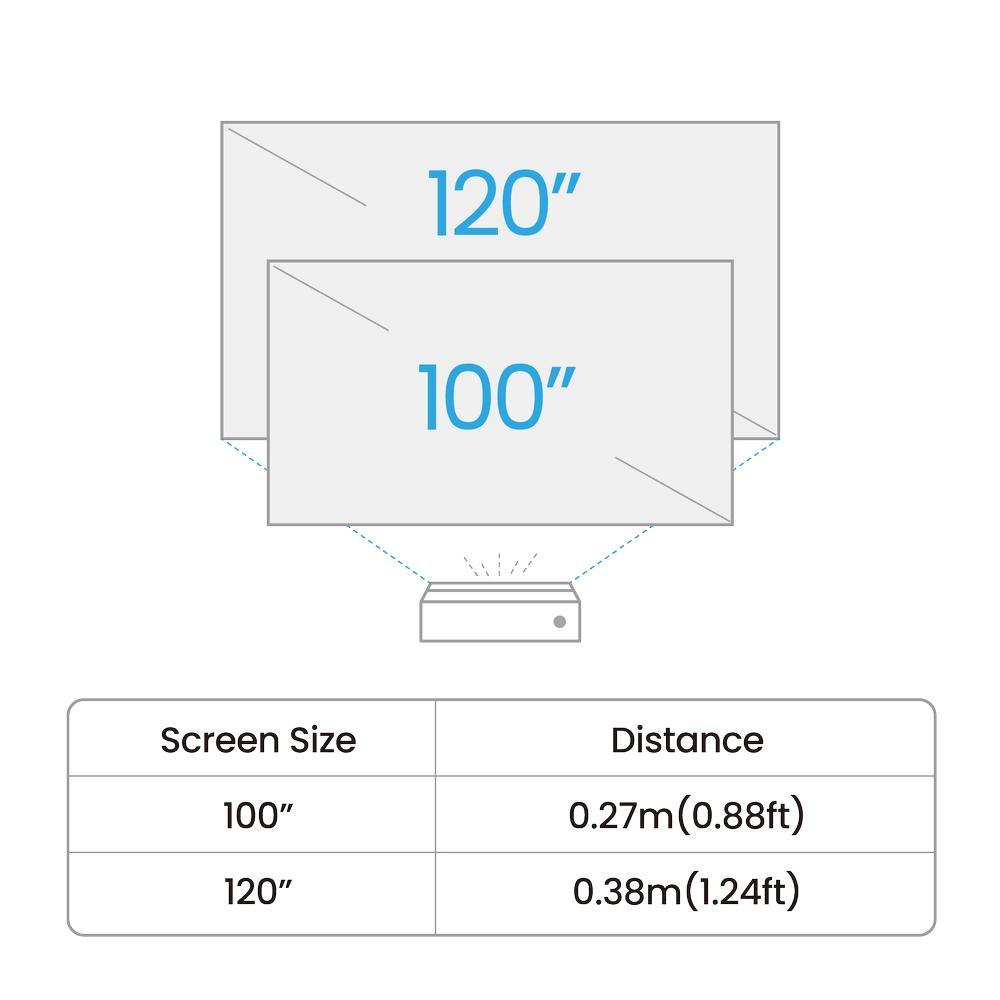
Before diving into the comparison, it's worth understanding what sets ultra short throw (UST) projectors apart. Traditional projectors use a throw ratio of around 1.5:1 or higher, meaning they need to be positioned far from the screen to create a large image. UST projectors use specialized optics and mirrors to achieve throw ratios of 0.25:1 or less. This means they can create a 100-inch image while sitting just 12-15 inches from your wall.
This proximity brings several advantages: no shadows when someone walks in front of the projector, no ceiling mounting required, and significantly reduced cable management headaches. However, it also places unique demands on the technology inside. The projector needs exceptional brightness to overcome ambient light, precise color accuracy since you'll be viewing from relatively close distances, and robust processing power to handle the complex optical corrections required.
When it comes to projectors, brightness isn't just about making things look brighter—it's about usability in real-world conditions. Both projectors use RGB laser technology, which is a significant upgrade from the lamp-based projectors that dominated the market until recently. Laser light sources last 20,000+ hours (compared to 3,000-5,000 for lamps), maintain consistent brightness over their lifespan, and can produce wider color gamuts.
The Hisense PX3-PRO delivers 3,000 ANSI lumens, while the BenQ V5010i produces 2,500 ANSI lumens. That 500-lumen difference might seem small on paper, but it translates to a 20% brightness advantage that becomes quite noticeable in practice. ANSI lumens represent a standardized measurement that accounts for brightness variations across the entire image, making it more reliable than simple "lumens" ratings that some manufacturers use.
Based on extensive user feedback and professional reviews, this brightness difference means the Hisense PX3-PRO maintains better color saturation and image clarity in rooms with ambient light. If you're planning to watch during the day or in a room with windows that can't be completely darkened, this extra brightness becomes crucial. The BenQ V5010i still performs admirably, but works best in rooms where you can control lighting more effectively.
Color performance separates good projectors from great ones, and this is where the technical specifications tell an interesting story. Both projectors cover impressive portions of various color spaces, but they take slightly different approaches.
The Hisense PX3-PRO claims coverage of 110% of the BT.2020 color space, which is the ultra-wide color gamut standard for future 4K and 8K content. Professional testing has measured it at around 94% BT.2020 coverage, which is still exceptional. More importantly for current content, it achieves 99.82% coverage of DCI-P3, the color space used for theatrical releases and premium streaming content.
Color gamut refers to the range of colors a display can reproduce. Think of it as a painter's palette—the wider the gamut, the more colors available to create accurate, lifelike images. BT.2020 is like having every possible paint color, while the older Rec.709 standard (used for standard HD content) is like having a basic set of primary colors.
The BenQ V5010i covers 95% of BT.2020 and 98% of DCI-P3. While slightly behind the Hisense, this still represents excellent color reproduction that most viewers will find completely satisfying. The real-world difference becomes most apparent with content that uses wide color gamuts, particularly nature documentaries, animated films, and HDR movies.
Contrast ratio—the difference between the darkest blacks and brightest whites a projector can produce—fundamentally determines how three-dimensional and realistic images appear. The Hisense PX3-PRO achieves a native contrast ratio of 3,000:1, with dynamic contrast exceeding 10,000:1 when its processing algorithms are engaged.
Native contrast represents the projector's inherent ability to produce deep blacks without any electronic manipulation, while dynamic contrast uses real-time processing to adjust brightness based on image content. Professional reviewers consistently praise the Hisense PX3-PRO for producing some of the deepest blacks available in the UST category, which translates to better shadow detail and more convincing dark scenes.
The BenQ V5010i doesn't publish specific contrast specifications, but user reports and reviews suggest it performs respectably, though not quite matching the Hisense's depth in darker content. For viewers who prioritize movies with dramatic lighting or atmospheric gaming, this difference becomes more significant.
Both projectors excel at gaming, but they approach it differently. Input lag—the delay between when your controller sends a signal and when you see the action on screen—has improved dramatically across both brands since 2022. Current measurements show both projectors achieving sub-10ms input lag at 1080p/240Hz and under 20ms at 4K/60Hz, making them suitable for competitive gaming on massive screens.
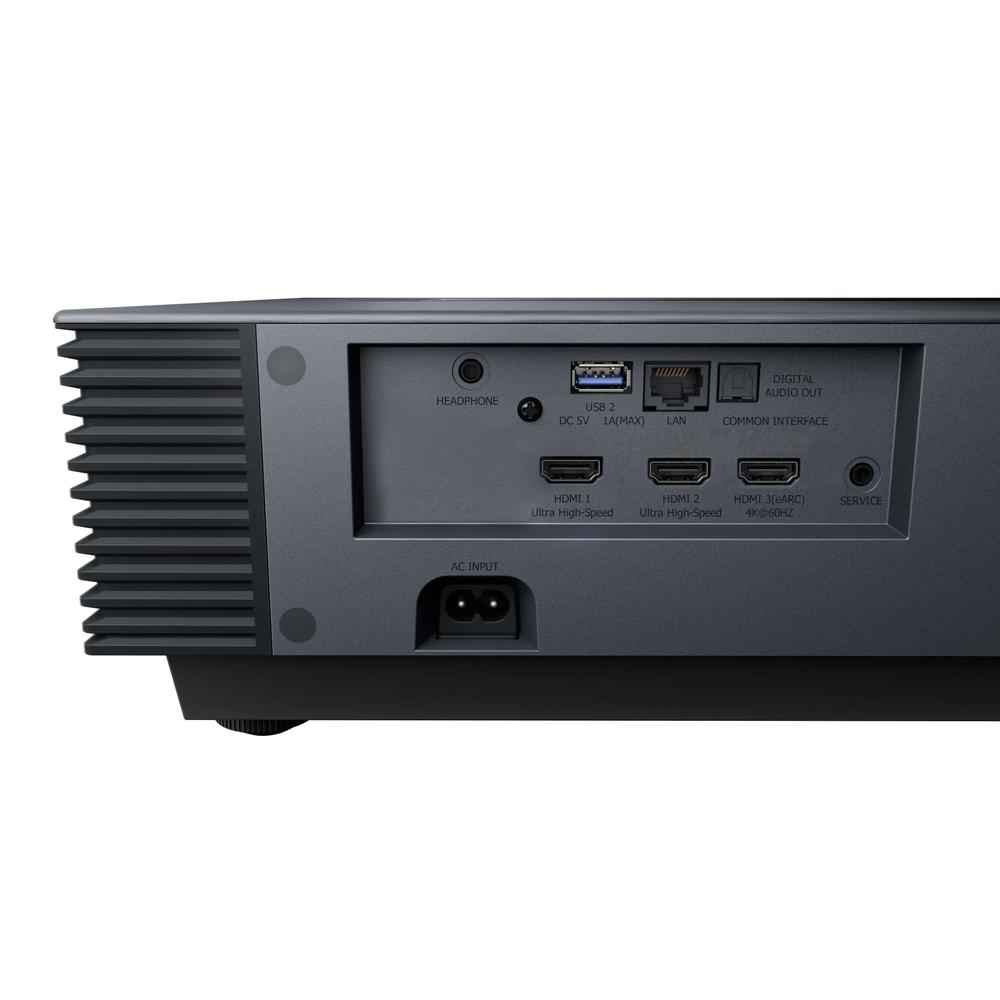
The Hisense PX3-PRO includes two full-bandwidth HDMI 2.1 ports supporting 48Gbps data rates, which future-proofs it for upcoming gaming consoles and high-refresh PC gaming. It also supports Variable Refresh Rate (VRR) technology, which eliminates screen tearing by synchronizing the projector's refresh rate with your graphics card or console's output.
Auto Low Latency Mode (ALLM) automatically detects gaming signals and switches to the fastest processing mode available. Both projectors include this feature, but the Hisense PX3-PRO offers more granular control over different gaming modes and better integration with current-generation consoles.
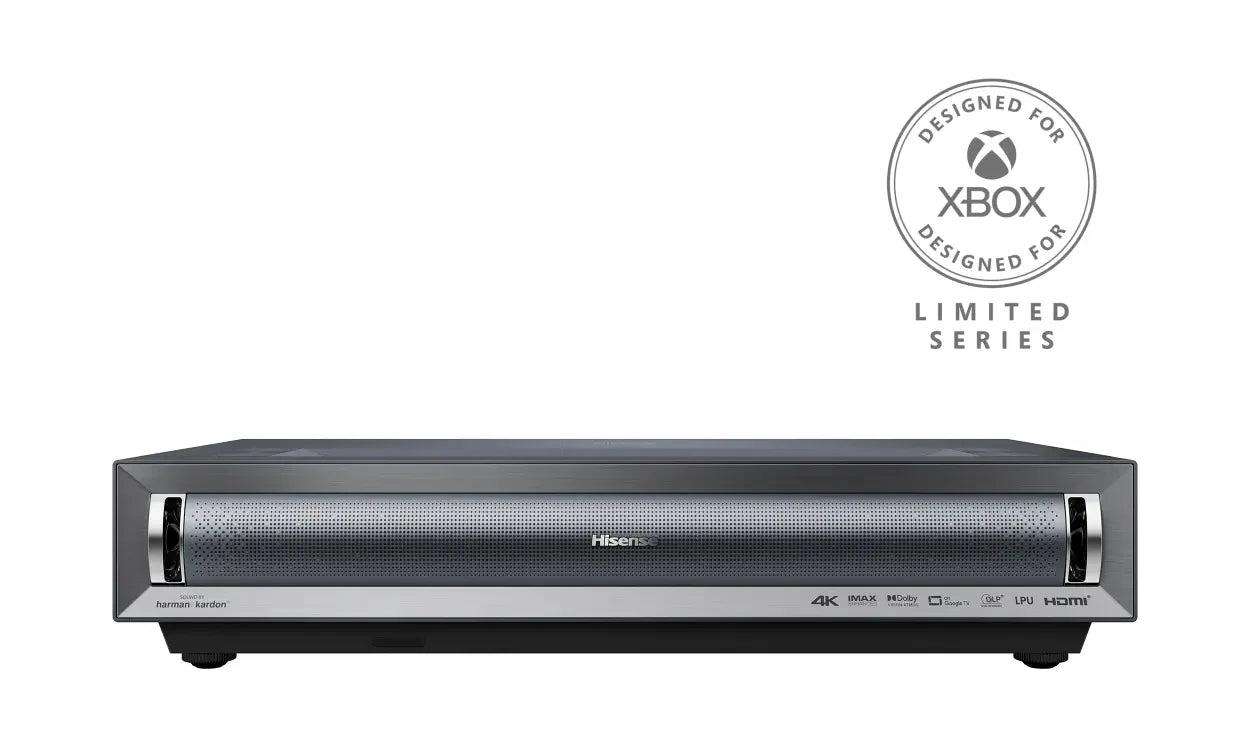
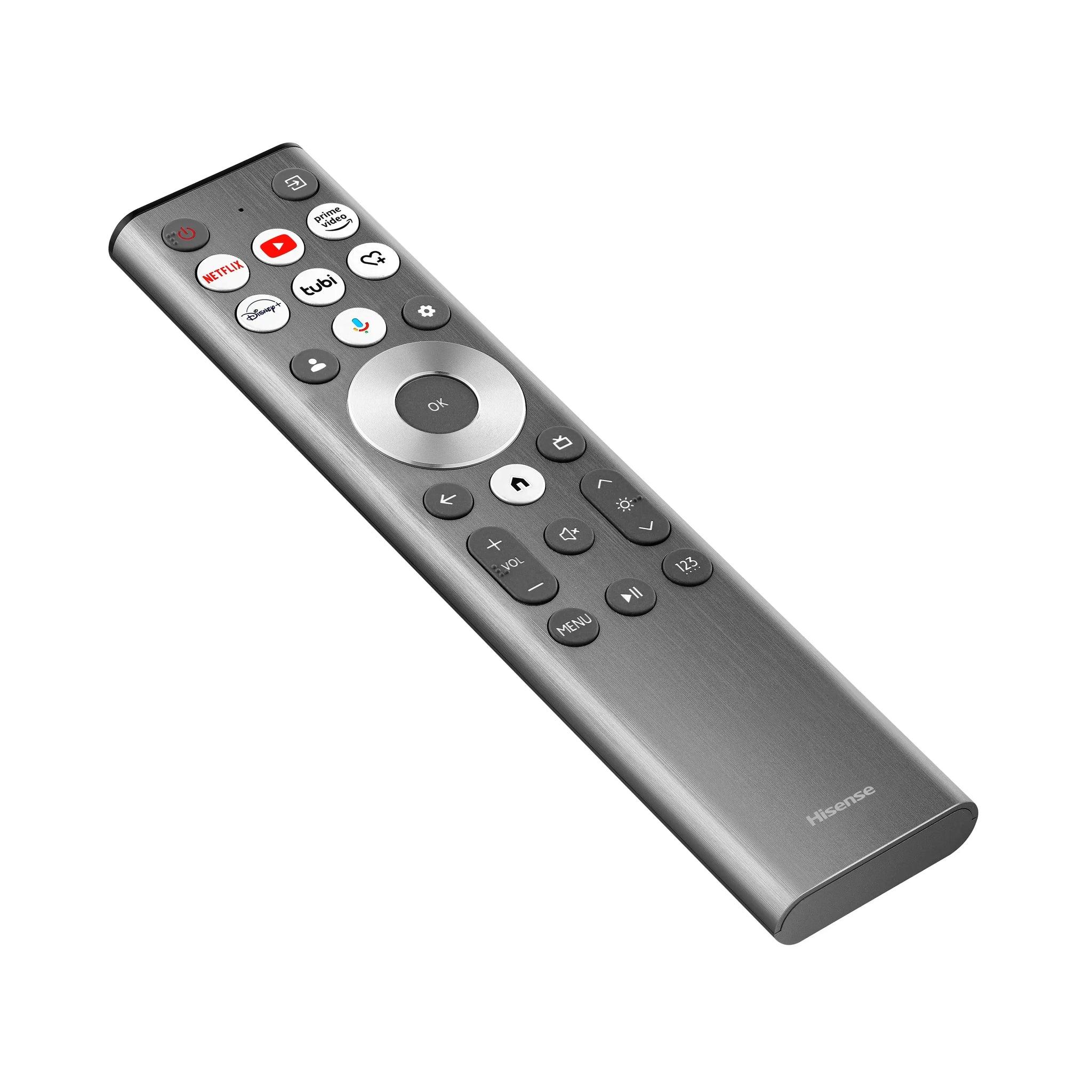
Modern projectors have evolved into smart devices, and both models reflect this trend while taking different approaches. The Hisense PX3-PRO runs a full Google TV platform, providing the same interface you'd find on premium smart TVs. This includes authorized Netflix, Disney+, Amazon Prime, and other streaming apps that work reliably without requiring external devices.
Google TV represents a significant advantage over basic smart features. It provides content recommendations across multiple streaming services, voice search capabilities, and regular software updates that keep the interface current. The integration feels natural and responsive, unlike some projector smart platforms that feel like afterthoughts.
The BenQ V5010i takes a more basic approach with Google Assistant integration and casting capabilities. While it supports Chromecast, AirPlay, and screen mirroring, it lacks the comprehensive app ecosystem of full Google TV. Many users will still prefer connecting a dedicated streaming device, Apple TV, or gaming console for the most complete smart features.
Built-in audio varies significantly between these models, and the difference matters more than you might expect. The BenQ V5010i includes a 40-watt audio system with dedicated tweeters and woofers, creating surprisingly full sound for casual viewing. The frequency separation and clarity exceed what most projectors achieve, making it genuinely usable without external speakers for everyday content.
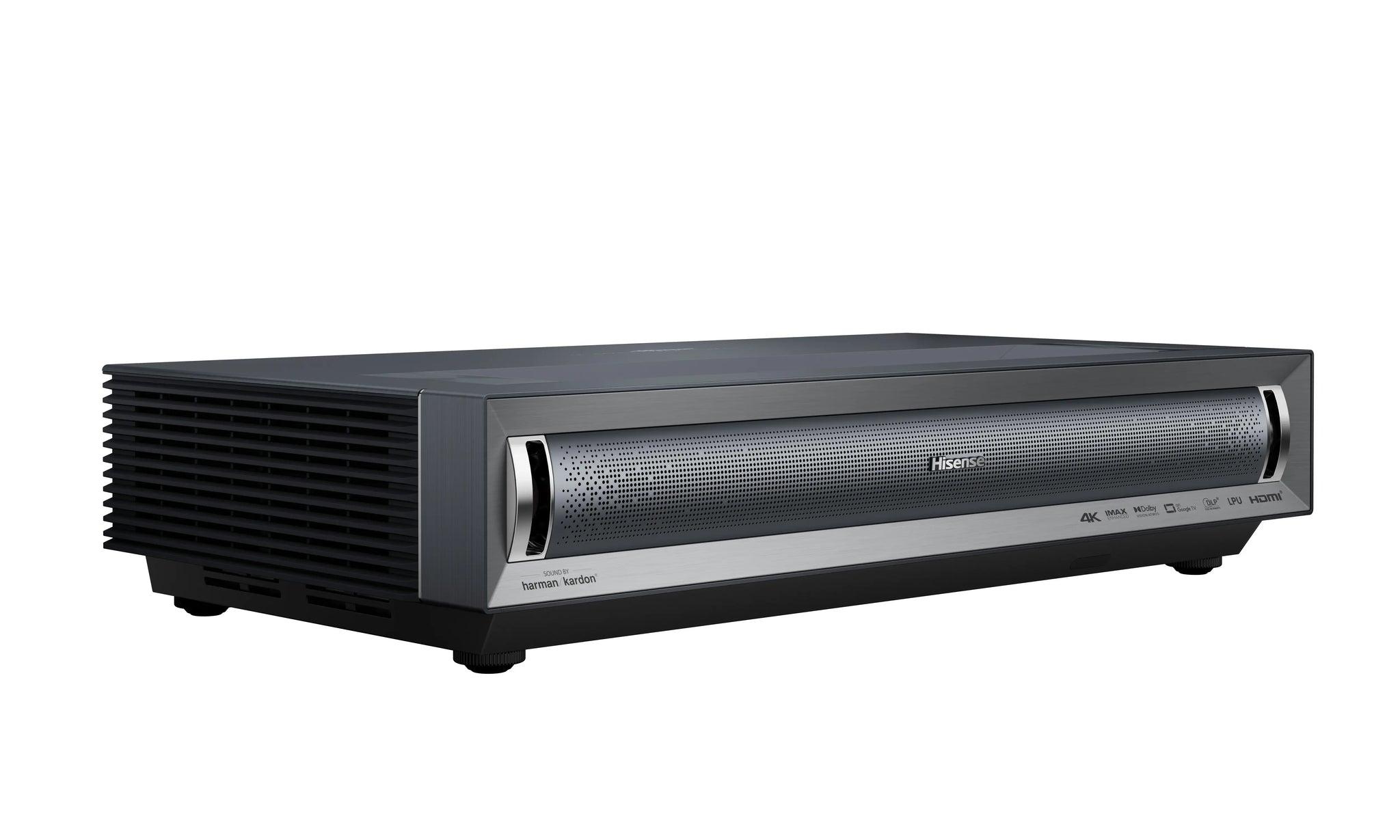
The Hisense PX3-PRO features 50-watt Harman Kardon-branded speakers that produce adequate volume but with less refinement than the BenQ's system. The front-firing design can sound somewhat confined compared to the BenQ's more open acoustic design.
However, serious home theater enthusiasts will likely connect external audio systems regardless of built-in quality. Both projectors support advanced audio pass-through formats, with the Hisense PX3-PRO offering eARC (enhanced Audio Return Channel) support for sending high-quality audio back to compatible sound systems.
Ultra short throw projectors promise easy installation, but the reality depends on your specific room and expectations. Both projectors require careful alignment to achieve optimal geometry, though they approach corrections differently.
The BenQ V5010i emphasizes automatic corrections with features like Auto Screen Fit and 8-point corner adjustment. These work well in most installations and reduce setup time significantly. The projector can compensate for moderate placement imperfections and room irregularities without manual intervention.
The Hisense PX3-PRO provides extensive manual adjustments but relies more on precise initial placement. Professional reviewers note that it rewards careful setup with superior image quality but may frustrate users who prefer plug-and-play simplicity.
Both projectors work best with dedicated ultra short throw screens, which use specialized materials to reject ambient light while maintaining brightness and color accuracy. However, they'll produce acceptable results on smooth, white walls in controlled lighting conditions.
At the time of writing, the BenQ V5010i costs approximately $800 less than the Hisense PX3-PRO. This price difference represents one of the most important decision points for potential buyers.
The BenQ V5010i delivers roughly 83% of the Hisense's brightness at about 76% of the cost, making it an attractive value proposition for budget-conscious buyers who can control their viewing environment. The superior built-in audio and simpler setup process add to its value for users who want a complete, uncomplicated solution.
The Hisense PX3-PRO commands its premium through superior brightness, wider color gamut, better contrast, and more advanced features. For enthusiasts who prioritize image quality and future-proofing, the additional cost delivers meaningful improvements in daily use.
Choose the Hisense PX3-PRO if your room has significant ambient light, you want the absolute best image quality available in this category, or you're building a serious home theater system where the projector will serve as your primary display. The superior brightness and color performance justify the higher cost for viewers who watch varied content throughout the day and evening.
The BenQ V5010i makes more sense for buyers seeking excellent performance at a more accessible price point. If you can control lighting in your viewing space and prefer simpler setup procedures, it delivers impressive results while leaving budget for other system components like a quality screen or sound system.
Both projectors represent significant improvements over UST models available even two years ago. The laser technology, 4K processing, and smart features available in 2023 models like these have transformed the category from a niche curiosity into a genuine alternative to large-screen TVs.
For most buyers, either projector will provide a transformative viewing experience that makes 65-inch TVs seem small. The Hisense PX3-PRO pushes closer to reference-quality performance, while the BenQ V5010i offers a more practical balance of performance and value. Your specific room conditions, usage patterns, and budget will determine which approach serves you better.
| Hisense PX3-PRO | BenQ V5010i |
|---|---|
| Brightness - Critical for daytime viewing and ambient light performance | |
| 3,000 ANSI lumens (excellent for bright rooms) | 2,500 ANSI lumens (good for controlled lighting) |
| Native Resolution - Affects image sharpness and detail | |
| 1080p native with 4K XPR pixel-shifting | True 4K native (3840×2160) |
| Color Gamut Coverage - Determines color accuracy and vibrancy | |
| 110% BT.2020, 99.82% DCI-P3 (exceptional color range) | 95% BT.2020, 98% DCI-P3 (very good color range) |
| Contrast Ratio - Essential for deep blacks and image depth | |
| 3,000:1 native, 10,319:1 dynamic (superior dark performance) | Not specified (adequate for most content) |
| HDR Support - Important for premium streaming content | |
| HDR10, HDR10+, Dolby Vision, IMAX Enhanced | HDR10, HDR10+, HLG |
| HDMI Connectivity - Future-proofing for gaming consoles | |
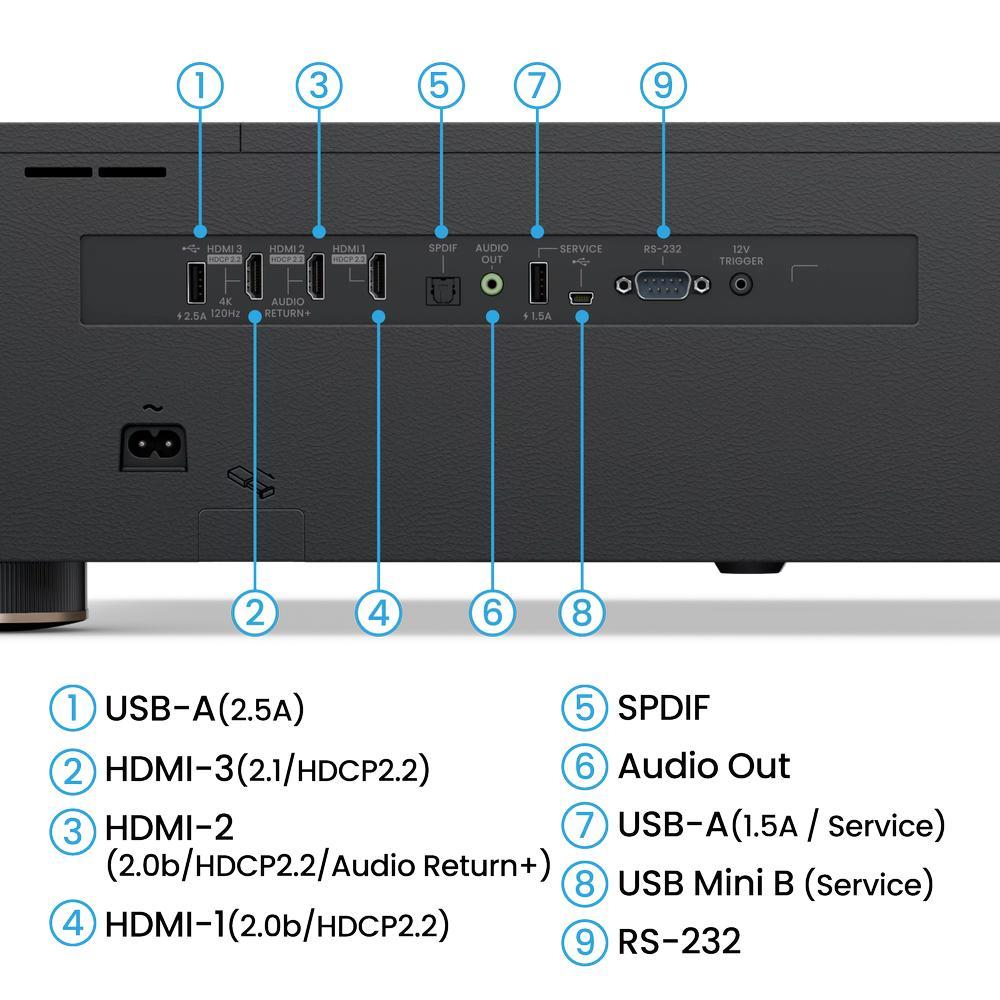
| 2x HDMI 2.1 (48Gbps), 1x HDMI 2.0 with eARC | 3x HDMI 2.0b with eARC |
| Smart Platform - Built-in streaming capabilities | |
| Full Google TV with all major apps | Google Assistant with casting (basic smart features) |
| Audio System - Built-in sound quality | |
| 50W Harman Kardon front-firing speakers | 40W system with tweeters and woofers (superior audio) |
| Input Lag - Gaming performance | |
| Under 10ms at 1080p/240Hz, under 20ms at 4K/60Hz | Under 10ms at 1080p/240Hz, under 20ms at 4K/60Hz |
| Installation Features - Ease of setup | |
| Manual adjustments with precision controls | Auto Screen Fit, 8-point corner correction (easier setup) |
| Light Source Lifespan - Long-term ownership cost | |
| RGB laser, 20,000+ hours | Triple RGB laser, 20,000+ hours |
| Best For - Target user profile | |
| Bright rooms, image quality enthusiasts, premium features | Value-conscious buyers, easier setup, better built-in audio |
The Hisense PX3-PRO is significantly brighter at 3,000 ANSI lumens compared to the BenQ V5010i at 2,500 ANSI lumens. This 20% brightness advantage makes the Hisense better for rooms with ambient light or daytime viewing, while the BenQ works best in controlled lighting conditions.
The Hisense PX3-PRO offers superior image quality with wider color gamut coverage (110% BT.2020 vs 95%), better contrast ratio (3,000:1 native), and support for premium HDR formats including Dolby Vision. The BenQ V5010i still delivers excellent 4K image quality but with slightly more limited color range and contrast performance.
Both projectors offer excellent gaming performance with input lag under 20ms at 4K and under 10ms at 1080p. However, the Hisense PX3-PRO has an advantage with two HDMI 2.1 ports supporting 48Gbps bandwidth and better VRR support, making it more future-proof for next-generation gaming consoles.
Yes, both are excellent for home theaters. The Hisense PX3-PRO is better suited for dedicated home theater rooms due to its superior contrast, wider color gamut, and support for premium HDR formats like Dolby Vision and IMAX Enhanced. The BenQ V5010i works well for casual home theater use and offers better built-in audio.
The Hisense PX3-PRO includes a full Google TV platform with all major streaming apps built-in, making it essentially a smart TV replacement. The BenQ V5010i has basic smart features with Google Assistant and casting capabilities but typically requires an external streaming device for the best experience.
The BenQ V5010i has superior built-in audio with a 40-watt system featuring dedicated tweeters and woofers that delivers clearer, more balanced sound. The Hisense PX3-PRO has 50-watt Harman Kardon speakers that are louder but less refined in sound quality.
The BenQ V5010i is generally easier to install with automatic features like Auto Screen Fit and 8-point corner correction that simplify alignment. The Hisense PX3-PRO offers more precise manual adjustments but requires more careful initial placement for optimal results.
The Hisense PX3-PRO delivers superior color accuracy with 99.82% DCI-P3 coverage and 110% BT.2020 color space coverage, providing more vibrant and realistic colors. The BenQ V5010i still offers excellent color with 98% DCI-P3 and 95% BT.2020 coverage, which is more than adequate for most viewers.
The Hisense PX3-PRO supports premium HDR formats including HDR10+, Dolby Vision, and IMAX Enhanced for the best possible HDR experience. The BenQ V5010i supports HDR10, HDR10+, and HLG, which covers most HDR content but lacks the premium Dolby Vision format.
The BenQ V5010i typically offers better value for budget-conscious buyers, delivering solid 4K performance, easier setup, and better built-in audio at a lower price point. The Hisense PX3-PRO justifies its higher cost with superior brightness, color performance, and premium features for enthusiasts.
Yes, both projectors can effectively replace large TVs by creating 100+ inch images. The Hisense PX3-PRO is better for TV replacement in bright living rooms due to its higher brightness and comprehensive smart features. The BenQ V5010i works well as a TV replacement in rooms with controlled lighting.
For serious movie watching, the Hisense PX3-PRO is superior due to its better contrast ratio, wider color gamut, and support for cinema-grade formats like Dolby Vision and IMAX Enhanced. The BenQ V5010i still provides an excellent movie experience with good image quality and superior built-in sound for casual viewing.
We've done our best to create useful and informative comparisons to help you decide what product to buy. Our research uses advanced automated methods to create this comparison and perfection is not possible - please contact us for corrections or questions. These are the sites we've researched in the creation of this article: shop.hisense-usa.com - avsforum.com - youtube.com - projectorcentral.com - avsforum.com - youtube.com - projectorreviews.com - avsforum.com - projectorcentral.com - en.heimkinowelten.de - dreamediaav.com - projectorscreenstore.com - projectorreviews.com - thesmarthomehookup.com - lbtechreviews.com - youtube.com - benq.com - projectorscreen.com - projectorcentral.com - visunext.co.uk - fonearena.com - projektoren-datenbank.com - benq.com

Privacy Policy
Terms and Conditions - Affiliate Policy
Home Security
© Copyright 2008-2026.
11816 Inwood Rd #1211, Dallas, TX 75244