

Ultra short throw projectors have completely changed how we think about large-screen entertainment at home. Instead of mounting a traditional projector on your ceiling and running cables across the room, these innovative devices sit just inches from your wall and create massive 100+ inch displays that rival the biggest TVs money can buy. But with great capability comes great complexity in choosing the right one.
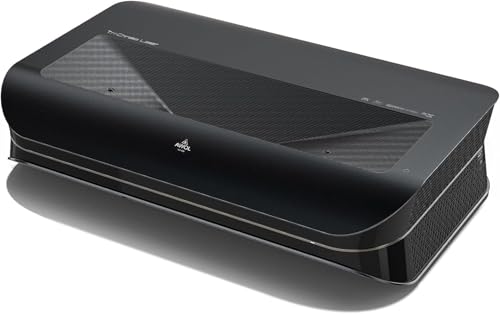
Today we're diving deep into two compelling options that represent different approaches to the same goal: the flagship Hisense L9Q and the value-focused AWOL Vision LTV-3000 Pro. Both launched in recent years as companies refined ultra short throw technology, but they target distinctly different users and budgets.
Before we compare specific models, it's worth understanding what makes these projectors special. Traditional projectors use long throw ratios—meaning they need to be placed far from the screen to create large images. Ultra short throw projectors flip this concept entirely, using specialized optics that can create a 100-inch image from less than a foot away from your wall.
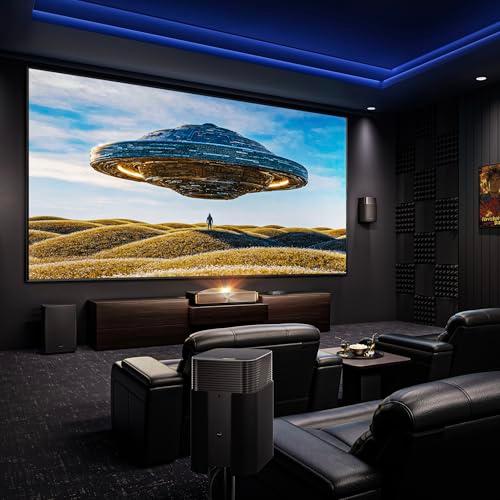
This proximity eliminates several common projector headaches: no ceiling mounting, no shadows when walking in front of the screen, and minimal installation complexity. You essentially place the projector on a TV stand or shelf below your screen and you're done. The trade-off is that these specialized optics are expensive and technically challenging to perfect.
The technology has evolved rapidly since early UST models appeared around 2018-2019. The Hisense L9Q represents the current pinnacle of this evolution, launching in 2024 with significant improvements over previous generations. The AWOL Vision LTV-3000 Pro arrived around the same timeframe, bringing premium features to a more accessible price point.
When evaluating any projector, brightness measured in lumens becomes critical, but it's especially important for ultra short throw models. These projectors often compete with ambient light in living rooms rather than dedicated dark theater spaces.
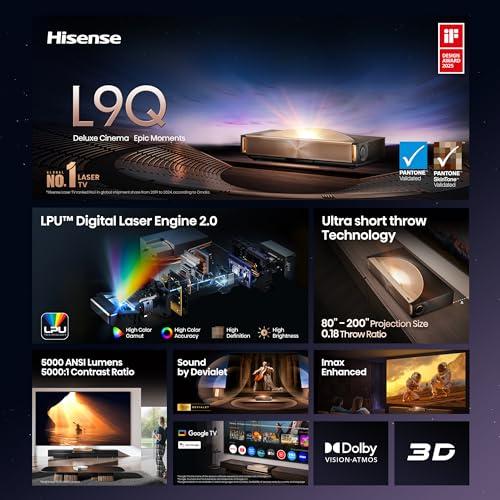
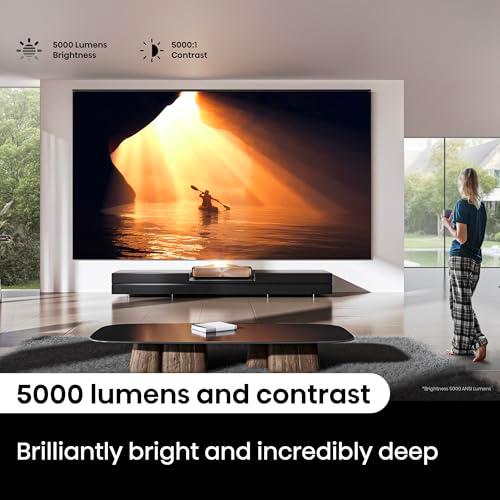
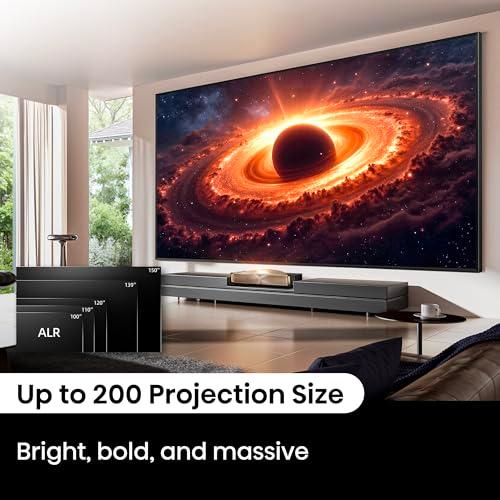
The Hisense L9Q absolutely dominates this category with an impressive 5,000 ANSI lumens. To put this in perspective, most home theater projectors hover around 2,000-3,000 lumens, making the L9Q exceptionally bright. This massive light output means you can use it in rooms with windows open during daytime, create enormous 200-inch displays without image washout, and maintain vibrant colors even in challenging lighting conditions.
The AWOL Vision LTV-3000 Pro delivers a respectable 3,000 peak lumens (though this drops to 2,000 ISO lumens in practical measurement). While this sounds substantial, and certainly performs well in controlled lighting, it's nearly half the output of the L9Q. For most users considering screens under 120 inches in rooms with decent light control, this brightness proves perfectly adequate. However, if you're dreaming of that massive 150+ inch screen or have a particularly bright room, you'll notice the limitations.
Based on our research across user experiences and professional reviews, brightness differences this significant translate to real-world usage differences. The L9Q consistently receives praise for maintaining image quality in scenarios where the AWOL model begins to look washed out.
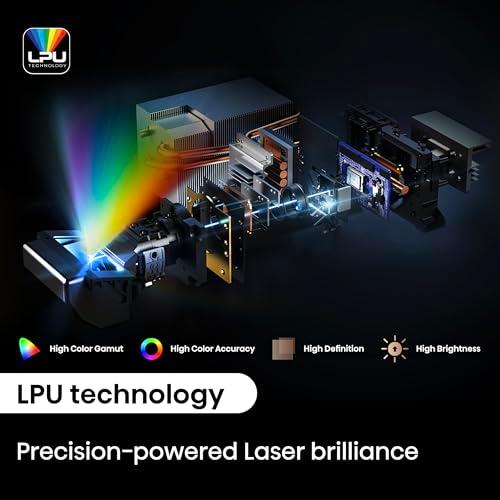
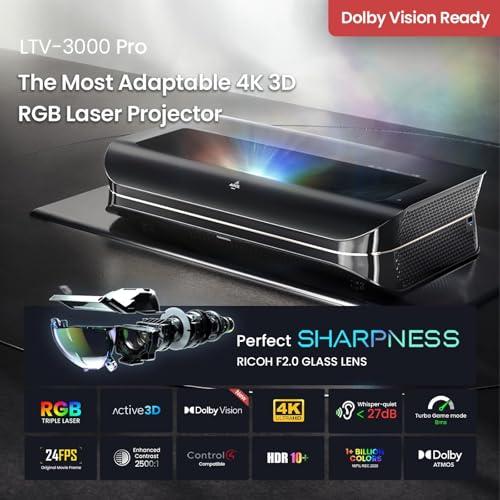
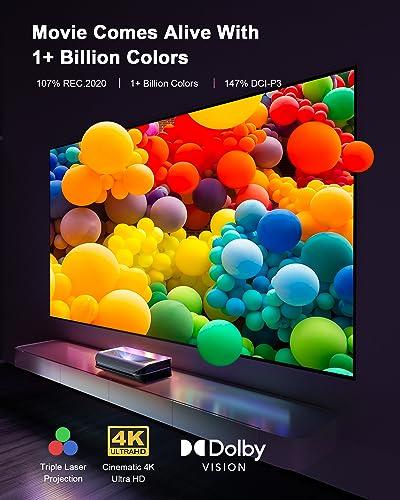
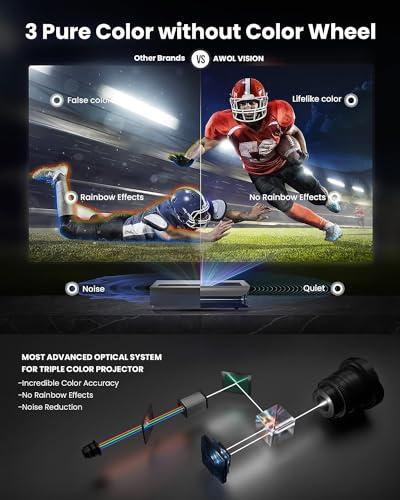
Both projectors use triple-laser RGB technology, which represents a significant advancement over older single-laser systems that relied on spinning color wheels. By using separate red, green, and blue lasers, these projectors eliminate the "rainbow effect" (brief color flashes visible to some viewers) and achieve much wider color gamuts.
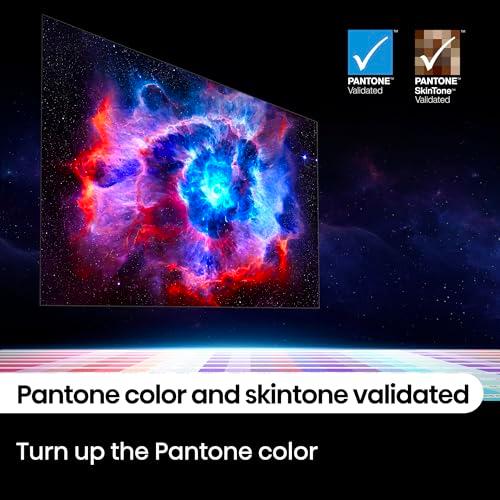
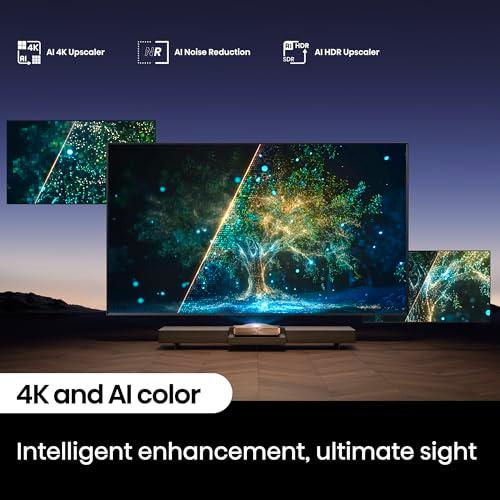
The Hisense L9Q covers 110% of the BT.2020 color space with Pantone validation—industry-speak for exceptionally accurate color reproduction that meets professional standards. This wide color gamut means you'll see more vivid greens in nature documentaries, deeper reds in dramatic films, and overall more lifelike images. The projector also includes an AI-powered picture processor that analyzes content in real-time to optimize contrast, color saturation, and brightness for each scene.
The AWOL Vision LTV-3000 Pro achieves 107% BT.2020 coverage, which is still excellent and noticeably better than most traditional projectors. However, our research suggests the AWOL requires professional calibration to achieve its best color accuracy, while the L9Q performs impressively out of the box. The AWOL does offer one unique advantage: it's among the few ultra short throw projectors supporting Dolby Vision, a premium HDR format that provides scene-by-scene optimization for compatible content.
For contrast ratios, the L9Q delivers 5,000:1 native contrast while the AWOL provides 2,500:1. Higher contrast ratios translate to better distinction between dark and bright areas in images, creating more realistic and immersive viewing experiences.
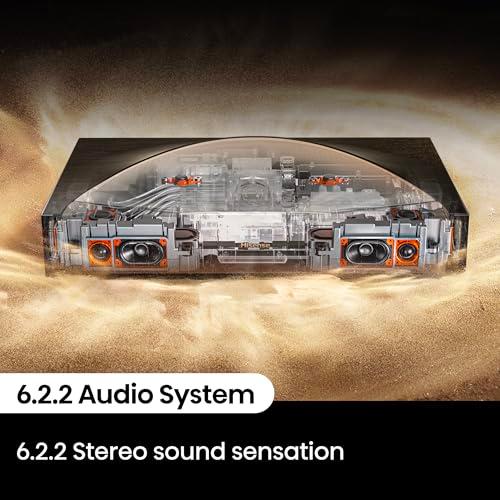
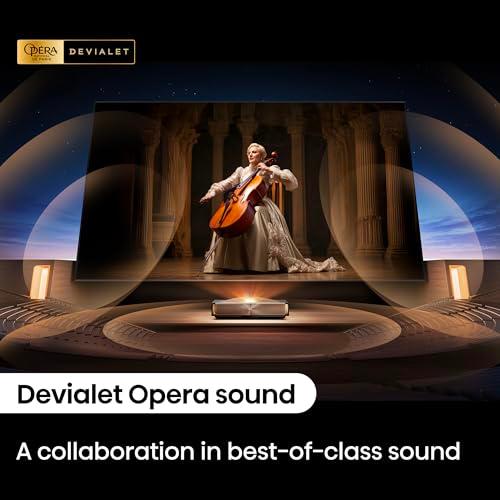
Here's where the Hisense L9Q truly separates itself from the competition. While most projectors include basic speakers as an afterthought, Hisense partnered with Devialet—a premium French audio company—to create a genuine 116-watt 6.2.2-channel surround sound system with Dolby Atmos support.
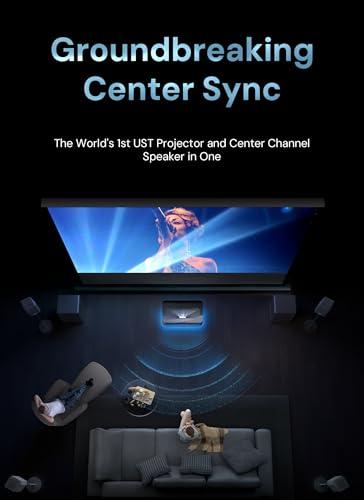
This isn't marketing fluff. The L9Q includes side-firing speakers designed to bounce sound off your walls, creating a spatial audio experience that mimics having surround sound speakers throughout your room. The system was tuned by engineers at the Opéra de Paris, and user reviews consistently mention being surprised by the audio quality. For many buyers, this eliminates the need for a separate sound bar or surround sound system, representing significant additional value.
The AWOL Vision LTV-3000 Pro includes a more conventional 36-watt stereo system with Dolby Atmos processing. While adequate for casual viewing, most users will want to pair it with external speakers for a true home theater experience. This isn't necessarily a disadvantage if you already have a sound system, but it does represent an additional cost and complexity for many buyers.
Both projectors target serious gamers, but with different strengths. Input lag—the delay between pressing a button and seeing the response on screen—is crucial for competitive gaming.
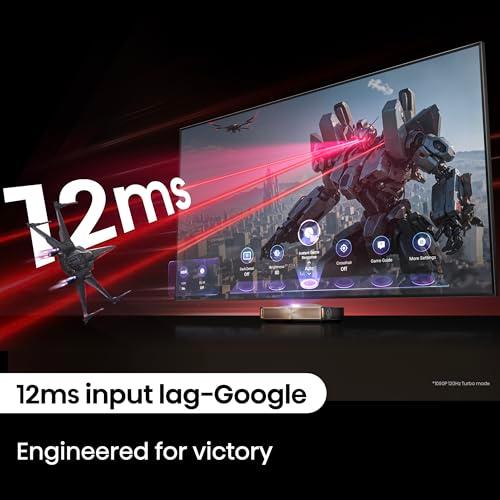
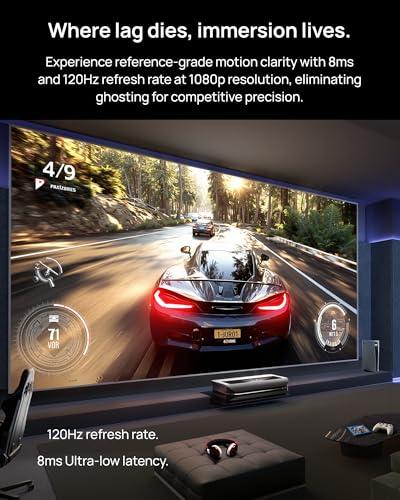
The AWOL Vision LTV-3000 Pro edges ahead in pure gaming performance with 8ms input lag at 1080p resolution and 15ms at 4K. These are excellent numbers that put it in gaming monitor territory. The Hisense L9Q delivers competitive 12ms lag in its dedicated game mode, which is still excellent for console gaming though perhaps less ideal for competitive PC gaming.
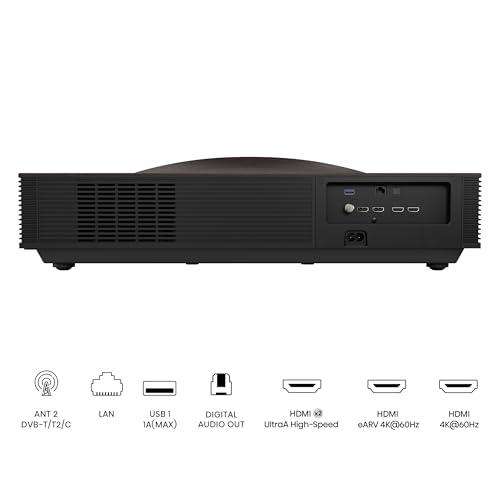
For connectivity, the L9Q offers superior future-proofing with two HDMI 2.1 ports plus two HDMI 2.0 ports. HDMI 2.1 supports the latest gaming features like Auto Low Latency Mode (ALLM), which automatically switches to game mode when it detects console input, and variable refresh rate support for smoother gameplay. The AWOL includes three HDMI ports, though specifications on HDMI 2.1 support are less clear.
Both projectors handle 4K gaming at 60fps without issues, and the large screen sizes create incredibly immersive gaming experiences. Racing games and flight simulators particularly benefit from the wraparound effect of 120+ inch screens.
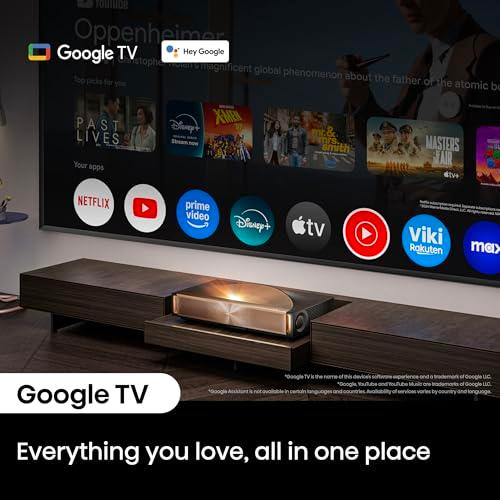
The smart TV experience varies significantly between these models. The Hisense L9Q runs Google TV, which provides access to all major streaming services through a clean, unified interface. It includes built-in Wi-Fi 6E for fast streaming, Bluetooth 5.3 for connecting headphones or controllers, and even ATSC 3.0 tuners for over-the-air broadcast TV.
The AWOL Vision LTV-3000 Pro takes a hybrid approach, running Android 9.0 but including an Amazon Fire TV Stick 4K Max in the box. While this provides excellent streaming capabilities, it means navigating two different interface systems—the projector's settings and the Fire TV interface. Some users find this confusing, while others appreciate the flexibility of easily upgrading the streaming stick in the future.
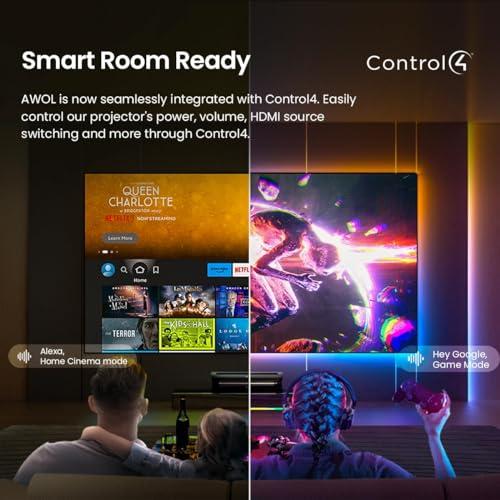
Both projectors support voice control and smart home integration, though the AWOL specifically targets custom installation with Control4 and Crestron compatibility for high-end smart homes.
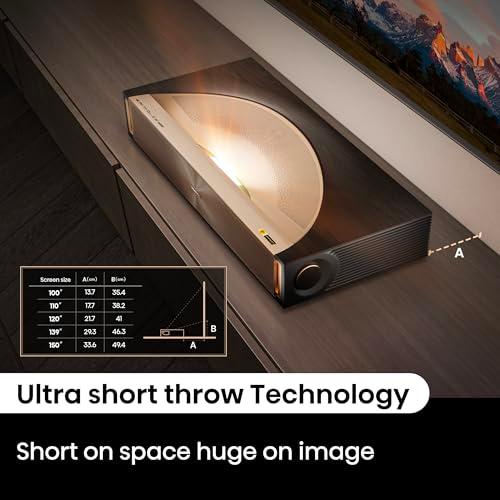
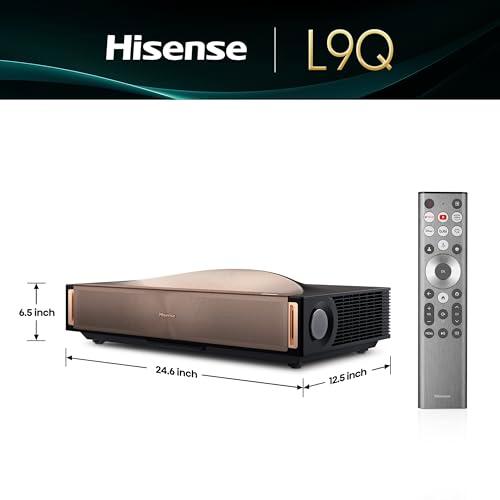
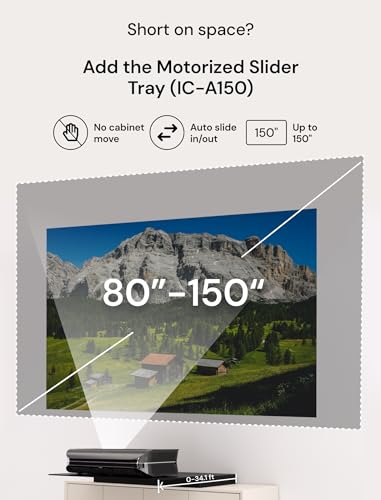
The throw ratio—how far the projector sits from the screen relative to image size—differs meaningfully between these models. The Hisense L9Q uses a 0.18:1 throw ratio, meaning it can create a 100-inch image from just 5.4 inches away from your wall. The AWOL Vision LTV-3000 Pro requires more space with its 0.25:1 ratio, needing about 8.75 inches for the same 100-inch image.
This difference matters in smaller rooms where every inch of space counts. The L9Q also supports larger maximum screen sizes—up to 200 inches compared to the AWOL's 150-inch maximum. For most users, 150 inches is enormous, but if you have the space and ambition for truly massive screens, only the L9Q can deliver.
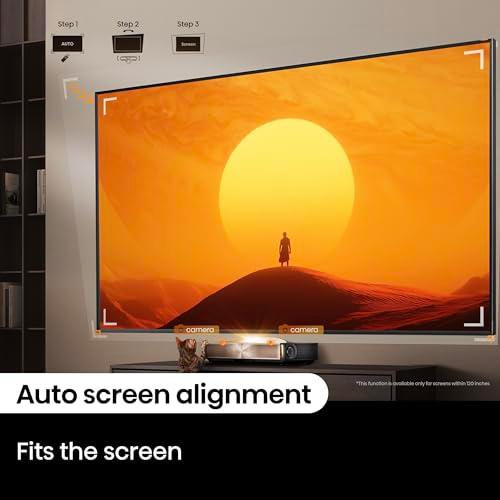
Both projectors include keystone correction to fix image geometry if they can't be placed perfectly perpendicular to your screen, though manual adjustment usually produces better results than automatic correction.
Our research across user forums and professional reviews reveals consistent patterns. The Hisense L9Q receives particular praise for its exceptional 3D performance—apparently delivering some of the best 3D images available from any projector at any price point. Users consistently mention the razor-sharp focus uniformity across the entire screen, even at maximum sizes.
However, as a DLP-based projector, the L9Q does exhibit the rainbow effect that sensitive viewers notice as brief color flashes during high-contrast scenes. This affects perhaps 10-15% of viewers significantly, though most adapt over time.
The AWOL Vision LTV-3000 Pro receives strong reviews for overall image quality and value, though users frequently mention needing professional calibration to achieve optimal color accuracy. Some report challenges with the calibration process, occasionally requiring factory resets to get settings right.
At the time of writing, these projectors target different market segments with significantly different pricing strategies. The Hisense L9Q commands flagship pricing, positioning itself as a premium alternative to the largest TVs available. When you consider its theater-grade audio system, the effective price premium over the AWOL decreases substantially since you won't need additional sound equipment.
The AWOL Vision LTV-3000 Pro offers strong value for buyers who want premium features like Dolby Vision support and solid performance without paying flagship prices. It's particularly attractive if you already have a sound system or plan to add one separately.
Both projectors include screens in some bundles, though you can purchase them separately. A quality ambient light rejecting screen adds significant cost but dramatically improves performance in bright rooms, especially for the dimmer AWOL model.
Laser light sources in both projectors are rated for 25,000+ hours, meaning minimal maintenance over their lifespan compared to traditional lamp-based projectors that require expensive bulb replacements every few years.
Choose the Hisense L9Q if you want maximum brightness for challenging lighting conditions, the largest possible screen sizes, integrated premium audio, and don't mind paying flagship pricing for flagship performance. It's ideal for bright living rooms, families who watch during daytime, and anyone who wants a single device that handles both excellent video and audio.
The AWOL Vision LTV-3000 Pro makes sense for dedicated theater rooms with controlled lighting, buyers who prioritize value over ultimate performance, and anyone who specifically wants Dolby Vision support. It's also better if you prefer smaller screen sizes or already have quality audio equipment.
For home theater enthusiasts, both projectors create genuinely impressive experiences that surpass what's possible with traditional TVs. The L9Q pushes closer to commercial cinema quality with its brightness and audio integration, while the AWOL delivers serious performance at a more approachable price point.
The bottom line: ultra short throw projectors represent the future of large-screen home entertainment, and both of these models execute that vision successfully—just for different audiences and budgets.
| Hisense L9Q Triple Laser Ultra Short Throw Projector | AWOL Vision LTV-3000 Pro 4K Ultra Short Throw Laser Projector |
|---|---|
| Brightness - Most critical factor for daytime viewing and large screens | |
| 5,000 ANSI lumens (exceptional for bright rooms and 200" screens) | 3,000 peak lumens / 2,000 ISO lumens (good for controlled lighting) |
| Color Accuracy - Determines image quality and vibrancy | |
| 110% BT.2020, Pantone validated (professional-grade out of box) | 107% BT.2020 (excellent but may need calibration) |
| Contrast Ratio - Critical for deep blacks and image depth | |
| 5,000:1 native contrast (excellent depth and detail) | 2,500:1 native contrast (good but less dramatic) |
| Screen Size Range - Flexibility for different room sizes | |
| 80-200 inches (industry-leading maximum size) | 80-150 inches (suitable for most home theaters) |
| Throw Distance - How close to wall the projector can sit | |
| 0.18:1 ratio (100" image from 5.4" away - space-saving) | 0.25:1 ratio (100" image from ~8.75" away) |
| Audio System - Eliminates need for separate speakers | |
| 116W 6.2.2-channel Devialet system with Dolby Atmos | 36W stereo with Dolby Atmos (adequate but limited) |
| HDR Support - Premium content compatibility | |
| Dolby Vision, HDR10+, HDR10, HLG, IMAX Enhanced | Dolby Vision, HDR10+, HDR10, HLG (rare Dolby Vision support) |
| Gaming Performance - Input lag for responsive gameplay | |
| 12ms input lag with Game Mode (excellent for consoles) | 15ms at 4K, 8ms at 1080p (superior for competitive gaming) |
| Smart Platform - Built-in streaming and apps | |
| Google TV with Google Play Store (unified interface) | Android 9.0 + Fire TV Stick 4K Max (dual interfaces) |
| HDMI Connectivity - Future-proofing for new consoles | |
| 4 ports (2x HDMI 2.1, 2x HDMI 2.0) with eARC, ALLM | 3 HDMI ports (specifications unclear on 2.1 support) |
| Wireless Technology - Streaming and device connectivity | |
| Wi-Fi 6E, Bluetooth 5.3 (latest standards) | Standard Wi-Fi, Bluetooth (older but adequate) |
| Additional Features - Unique capabilities | |
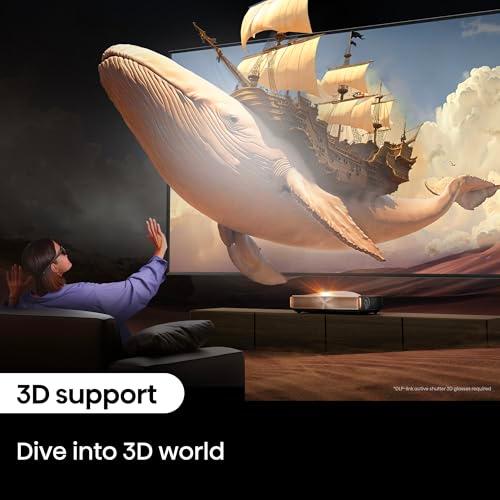
| ATSC 3.0 tuner, AI picture processing, Filmmaker Mode | Smart home integration (Control4, Crestron), 3D support |
| Target User - Who should choose this projector | |
| Premium buyers wanting maximum brightness and integrated audio | Value-conscious buyers with controlled lighting environments |
The Hisense L9Q is significantly brighter with 5,000 ANSI lumens compared to the AWOL Vision LTV-3000 Pro's 3,000 peak lumens (2,000 ISO lumens). This makes the L9Q much better for bright rooms with windows and daytime viewing, while the AWOL works best in controlled lighting conditions.
The Hisense L9Q supports screens up to 200 inches, while the AWOL Vision LTV-3000 Pro maxes out at 150 inches. Both start at 80 inches minimum. For most home theaters, 150 inches is enormous, but the L9Q offers more flexibility for truly massive displays.
The Hisense L9Q has superior audio with a 116W 6.2.2-channel Devialet sound system featuring Dolby Atmos. The AWOL Vision LTV-3000 Pro includes a basic 36W stereo system. The L9Q eliminates the need for separate speakers in most setups.
The Hisense L9Q can sit closer with its 0.18:1 throw ratio, creating a 100-inch image from just 5.4 inches away. The AWOL Vision LTV-3000 Pro needs about 8.75 inches for the same size with its 0.25:1 throw ratio. The L9Q is better for tight spaces.
Both are excellent for gaming. The AWOL Vision LTV-3000 Pro has slightly lower input lag at 8ms (1080p) and 15ms (4K), while the Hisense L9Q offers 12ms in Game Mode. The L9Q provides better connectivity with two HDMI 2.1 ports for next-gen consoles.
Yes, both the Hisense L9Q and AWOL Vision LTV-3000 Pro support true 4K (3840 x 2160) resolution using DLP technology with pixel-shifting. Both deliver sharp, detailed images suitable for large screens and home theater use.
The Hisense L9Q covers 110% of BT.2020 color space with Pantone validation and works well out of the box. The AWOL Vision LTV-3000 Pro covers 107% BT.2020 but typically requires professional calibration for optimal color accuracy. Both use triple-laser RGB technology.
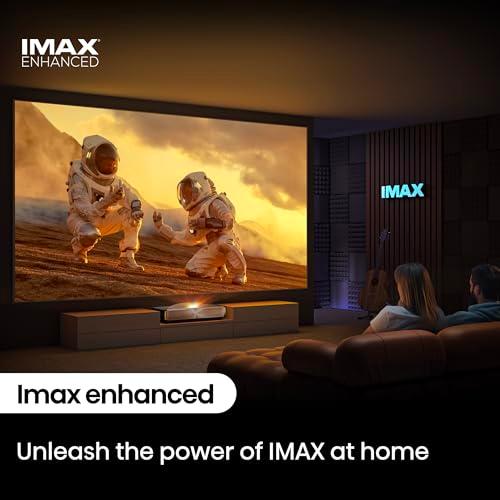
Both projectors support Dolby Vision, HDR10+, HDR10, and HLG. The AWOL Vision LTV-3000 Pro is notable for being one of the few ultra short throw projectors with Dolby Vision support, while the Hisense L9Q adds IMAX Enhanced certification.
The Hisense L9Q runs Google TV with a unified interface and includes ATSC 3.0 tuners for over-the-air TV. The AWOL Vision LTV-3000 Pro uses Android 9.0 plus an included Fire TV Stick, requiring navigation of dual interfaces but offering upgrade flexibility.
Both the Hisense L9Q and AWOL Vision LTV-3000 Pro use laser light sources rated for over 25,000 hours of operation. This translates to roughly 10-15 years of typical home use with minimal maintenance compared to traditional lamp-based projectors.
The AWOL Vision LTV-3000 Pro offers better value for controlled lighting environments and smaller screens, while the Hisense L9Q justifies its premium pricing with superior brightness, audio, and maximum screen size capability. Consider total cost including potential sound system needs.
The Hisense L9Q excels in bright living rooms due to its exceptional 5,000-lumen brightness and can maintain image quality even with windows open. The AWOL Vision LTV-3000 Pro works in moderately lit rooms but performs best with controlled lighting or when paired with an ambient light rejecting screen.
We've done our best to create useful and informative comparisons to help you decide what product to buy. Our research uses advanced automated methods to create this comparison and perfection is not possible - please contact us for corrections or questions. These are the sites we've researched in the creation of this article: chrismajestic.com - shop.hisense-usa.com - tomsguide.com - valueelectronics.com - techradar.com - whathifi.com - youtube.com - projectorscreen.com - projectorscreen.com - hisense-usa.com - youtube.com - projectorcentral.com - youtube.com - hisense-usa.com - manuals.plus - shop.avispl.com - hisense-usa.com - bestbuy.com - projectorcentral.com - rtings.com - techaeris.com - hometechnologyreview.com - awolvision.de - androidcentral.com - awolvision.com - projectorreviews.com - dreamediaav.com - bestbuy.com - youtube.com - youtube.com - awolvisionpro.com - awolvision.com - awolvision.com

Privacy Policy
Terms and Conditions - Affiliate Policy
Home Security
© Copyright 2008-2026.
11816 Inwood Rd #1211, Dallas, TX 75244