

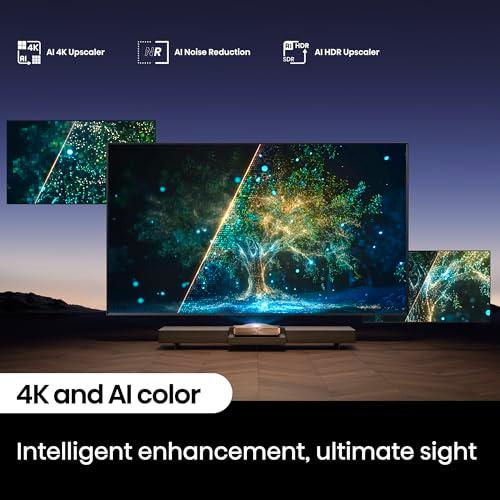
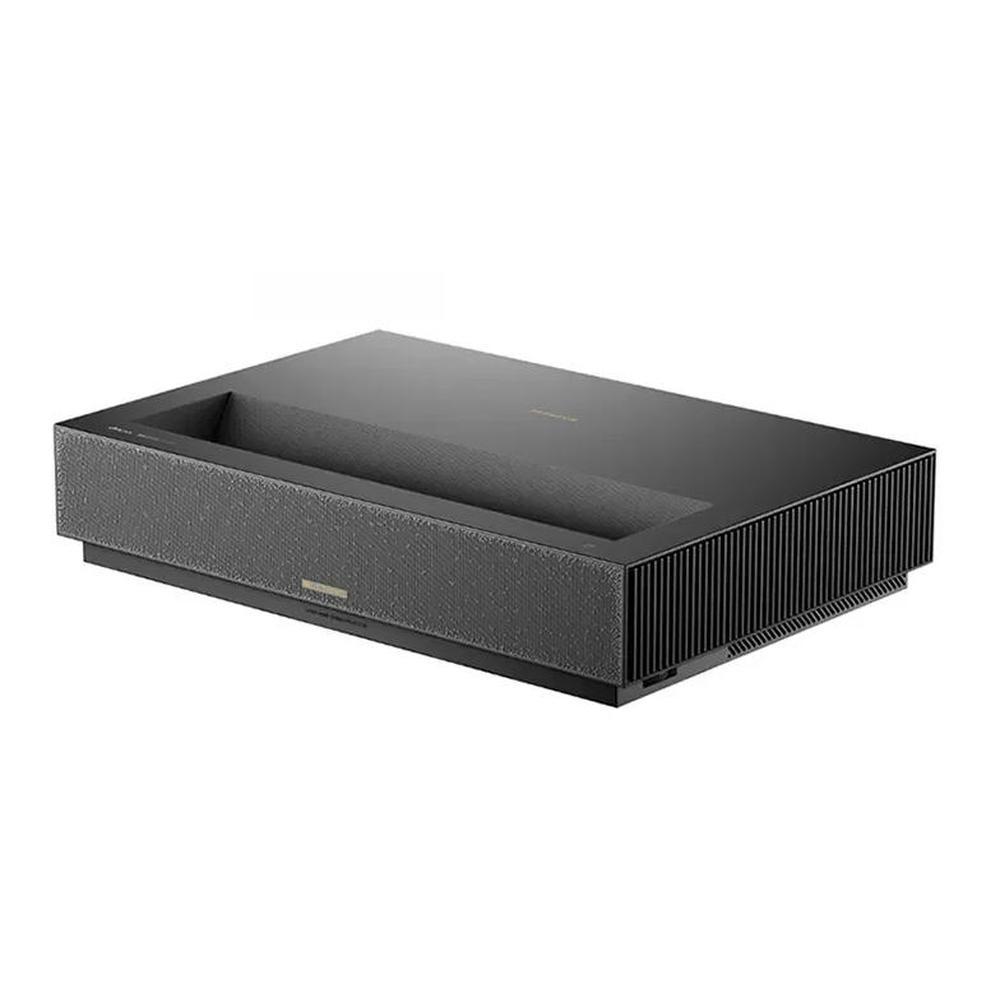
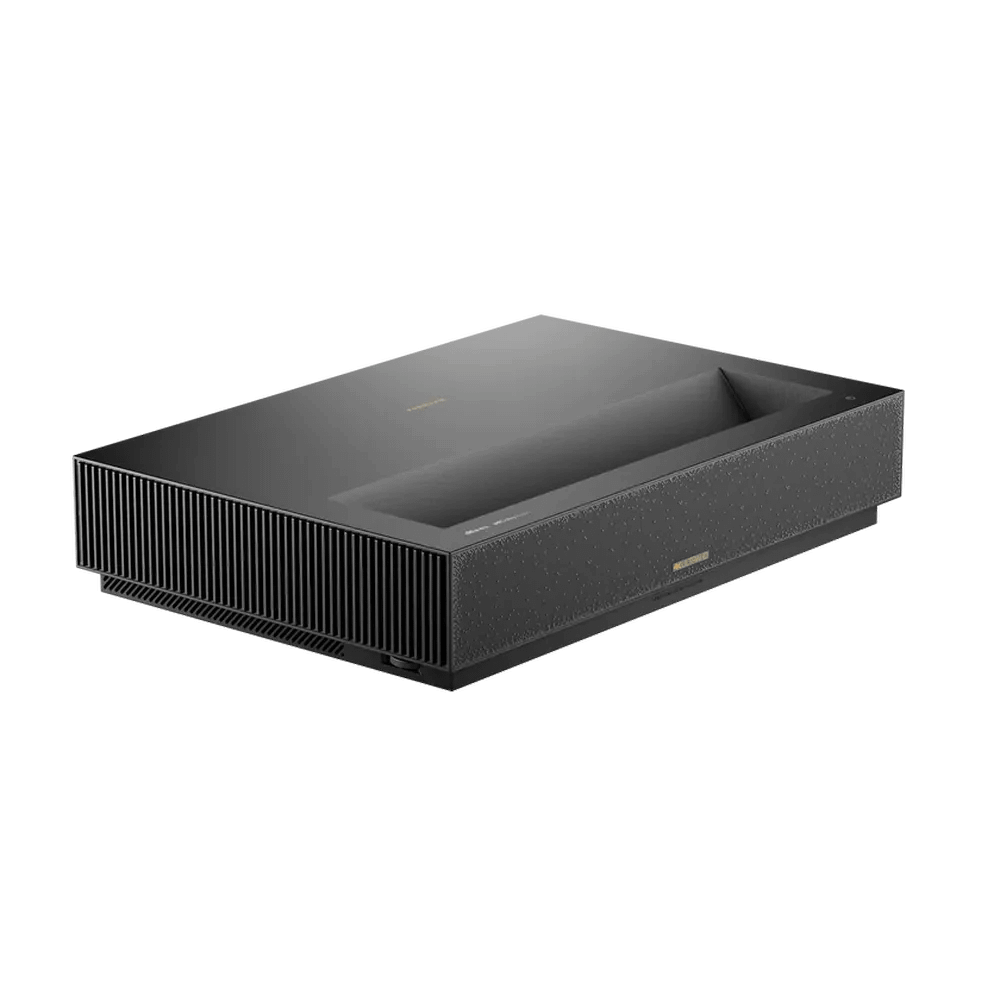
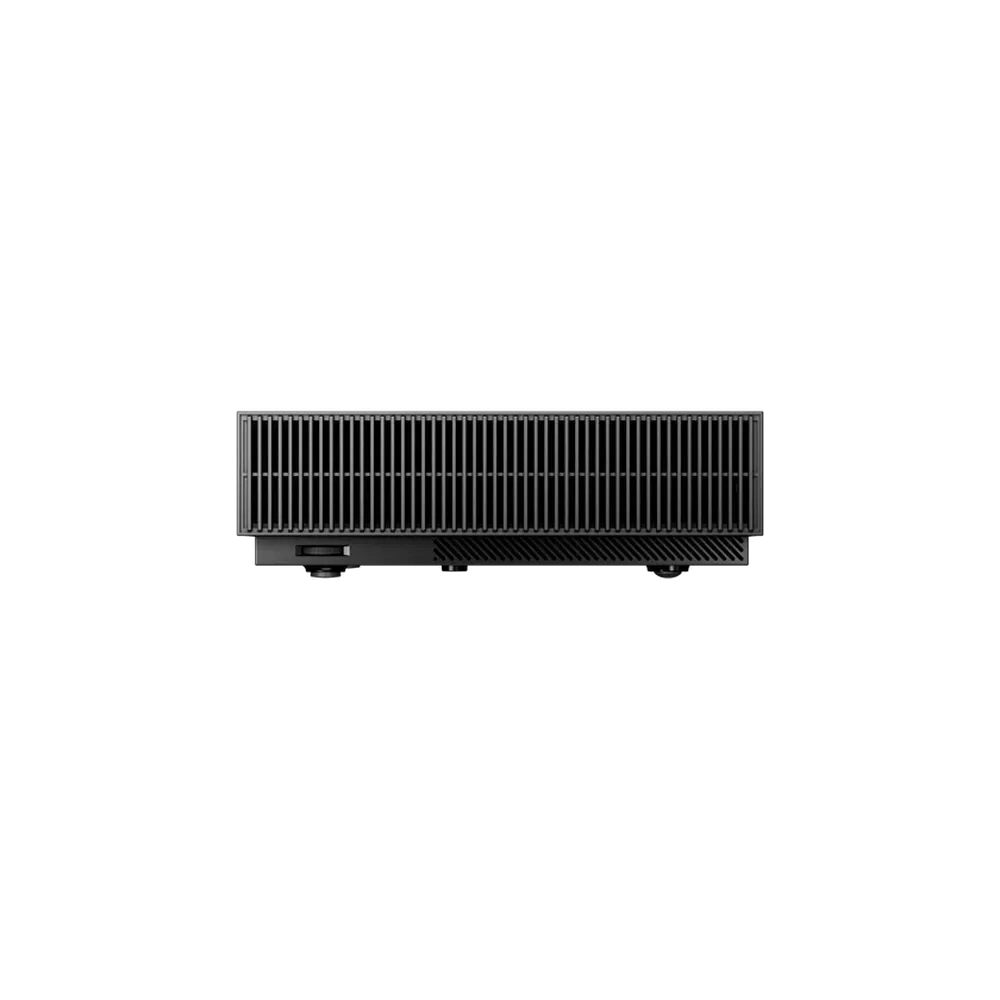
When I first encountered an ultra short throw projector, I was genuinely confused about how it worked. Here's this box sitting just inches from the wall, somehow creating a massive 100-inch picture that looked better than most TVs I'd seen. It felt like magic—and in many ways, it still does.
Ultra short throw (UST) projectors have revolutionized home entertainment by solving the biggest problem with traditional projectors: where to put them. Instead of mounting a projector to your ceiling 12 feet away from the screen, UST projectors sit right on your TV stand like an oversized soundbar. They use specialized ultra-wide-angle lenses and sophisticated optics to beam huge images from impossibly close distances.
The technology has exploded in popularity since around 2019, when laser light sources became affordable enough for consumer models. Today, we're comparing two projectors that represent very different approaches to this technology: the premium Hisense L9Q and the budget-friendly Formovie C3.
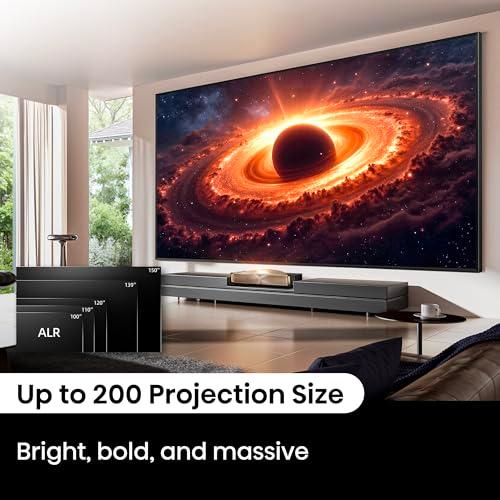
Think of UST projectors as the intersection between TVs and traditional projectors. They deliver the massive screen sizes that projectors are famous for—we're talking 80 to 200+ inches—while sitting in your living room like a TV would. This positioning solves several major problems.
First, there's no shadow casting. With traditional projectors, anyone walking between the projector and screen creates shadows on the image. Since UST projectors sit below the screen, this isn't an issue. Second, the light isn't shining directly into anyone's eyes, making them much more comfortable for everyday viewing.
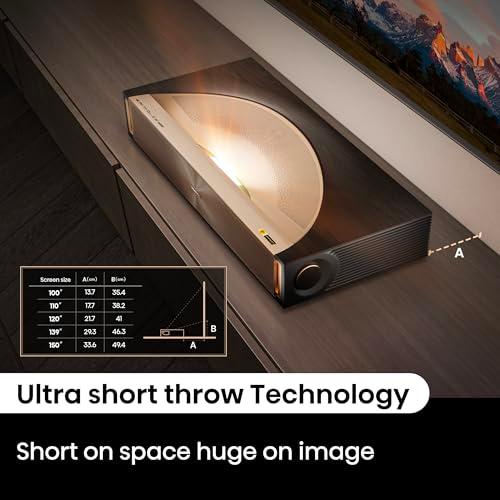
The key technical measurement here is throw ratio—essentially how far the projector needs to sit from the screen to create a given image size. Traditional projectors typically have throw ratios around 1.2:1 to 2.0:1, meaning they need to be 12-24 inches away to create a 12-inch image. UST projectors achieve ratios as low as 0.18:1, creating that same 12-inch image from just over 2 inches away.
However, UST projectors face unique challenges. Since they're projecting at such extreme angles, the optics are incredibly complex. Any imperfection in the lens system gets magnified across the entire screen. They also typically can't achieve the deep black levels of high-end traditional projectors, since they prioritize brightness to combat ambient room light.
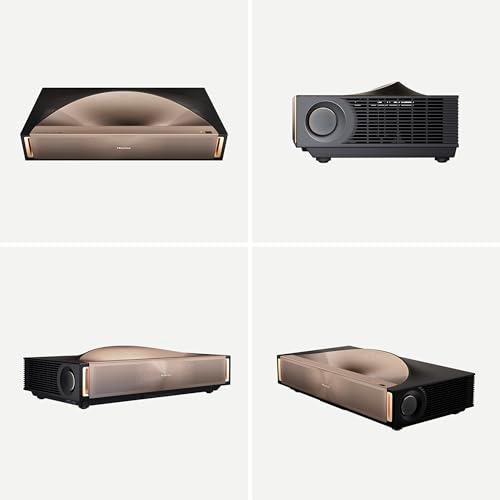
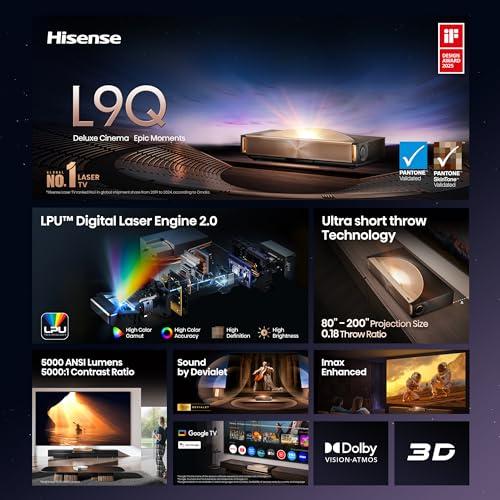
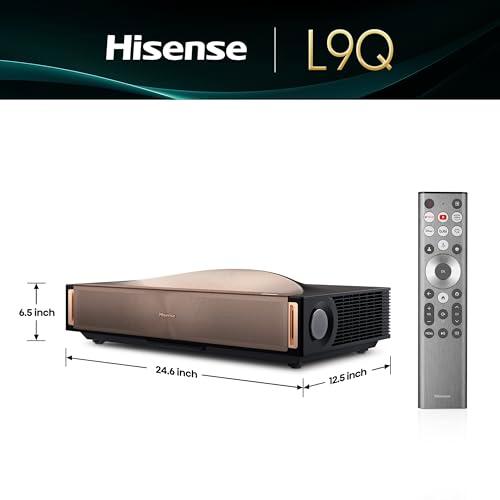
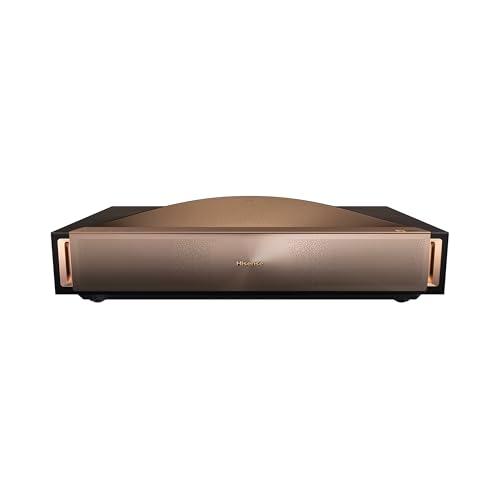
The Hisense L9Q launched in 2025 as Hisense's flagship UST projector, representing the company's fourth generation of laser projector technology. It's the culmination of several years of development, incorporating lessons learned from their successful PX1-Pro and L9G models that established Hisense as a serious player in the UST market.
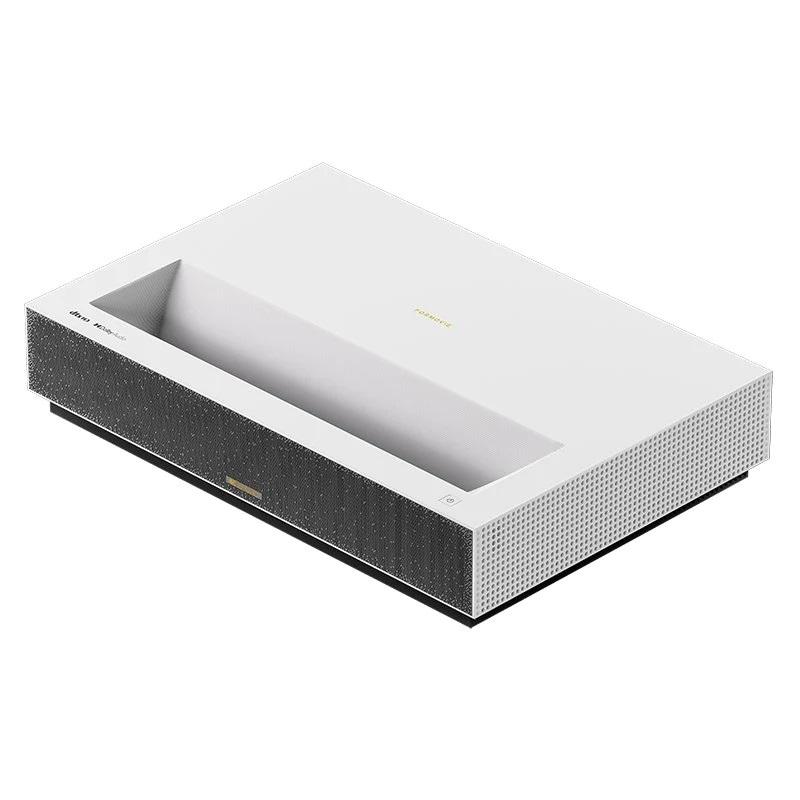
Meanwhile, the Formovie C3, while specific launch timing isn't widely documented, represents Formovie's entry-level approach to triple-laser technology. Formovie has focused on making advanced laser projection accessible to more buyers, positioning their products as alternatives to expensive TV upgrades.
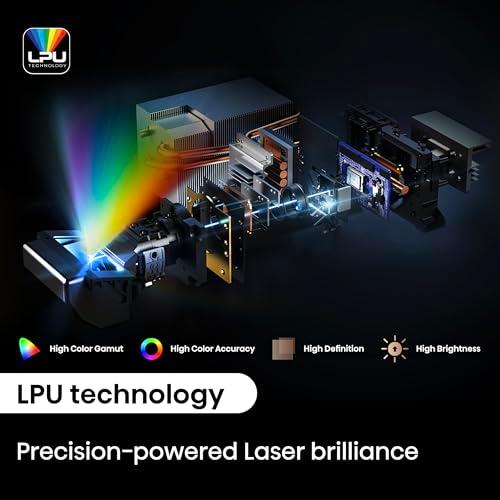
Since 2020, the biggest advancement in UST projectors has been the move to triple-laser light engines. Earlier models used single lasers with color wheels (spinning discs with colored filters) or hybrid LED/laser systems. Triple-laser systems use separate red, green, and blue lasers, eliminating color wheels entirely. This reduces mechanical complexity, improves color accuracy, and extends lifespan.
When it comes to UST projectors, brightness isn't just important—it's everything. Unlike traditional home theater projectors that live in dark, dedicated rooms, UST projectors need to perform in living rooms with windows, lamps, and normal lighting.
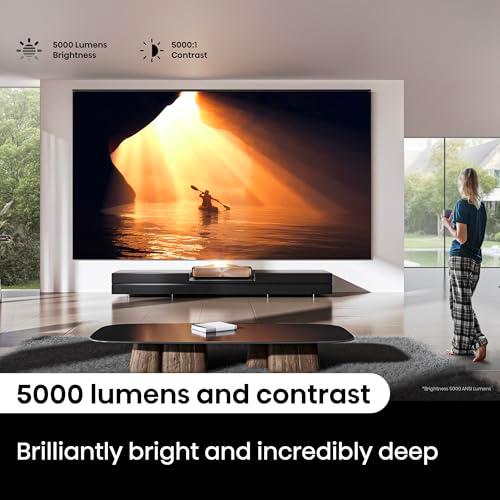
The Hisense L9Q produces an exceptional 5,000 ANSI lumens, making it one of the brightest consumer projectors ever made. To put this in perspective, most traditional home theater projectors output 1,500-3,000 lumens. The extra brightness serves two critical purposes: it makes images visible in ambient light, and it enables much larger screen sizes without the image appearing dim or washed out.
The Formovie C3, at approximately 1,900 ISO lumens, delivers about 40% of the L9Q's light output. While this might sound like a huge disadvantage, it's actually quite reasonable for controlled viewing environments. The key is understanding when each approach works best.
Here's where it gets practical: if you're planning a 100-inch screen in a living room with windows, the extra brightness of the L9Q becomes invaluable. You can watch content during the day without closing blinds or dimming lights significantly. With the C3, you'll get excellent results in the evening or with light control, but daytime viewing will require more accommodation.
The brightness advantage becomes even more pronounced at larger screen sizes. Light spreads out as screen size increases, so a 150-inch image appears dimmer than a 100-inch image from the same projector. The L9Q maintains vibrant images up to its maximum 200-inch capability, while the C3 performs best at 100-120 inches.
Both projectors use triple-laser light engines, but they achieve different levels of color performance through their implementation and calibration.
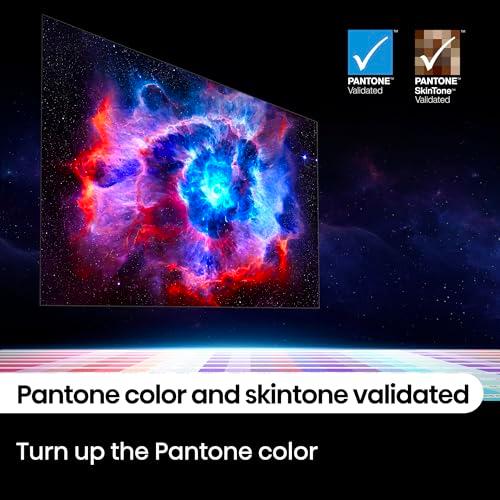
The Hisense L9Q covers 110% of the BT.2020 color space, which is the wide color standard used by 4K streaming services and Ultra HD Blu-ray discs. This coverage is validated by Pantone, the company that defines color standards for professional printing and design. When you're watching content on Netflix or Disney+ that was mastered in Dolby Vision, the L9Q can reproduce those colors as the creators intended.
The Formovie C3 covers 110% of Rec.709, which is the older HD color standard. While this sounds similar numerically, BT.2020 encompasses a much wider range of colors than Rec.709. Think of it like the difference between a box of 64 crayons versus a box of 120 crayons—both might be "complete" sets, but one gives you far more options for accurate color reproduction.
In practical terms, this means the L9Q will display more vivid greens in nature documentaries, deeper reds in superhero movies, and more accurate skin tones in drama content. The C3 still delivers pleasing, vibrant colors, but won't hit the extreme color points that make HDR content really pop.
High Dynamic Range (HDR) represents the biggest advancement in image quality since the move to high definition. HDR content contains much more information about brightness and color than standard content, creating more realistic images with better contrast and color depth.
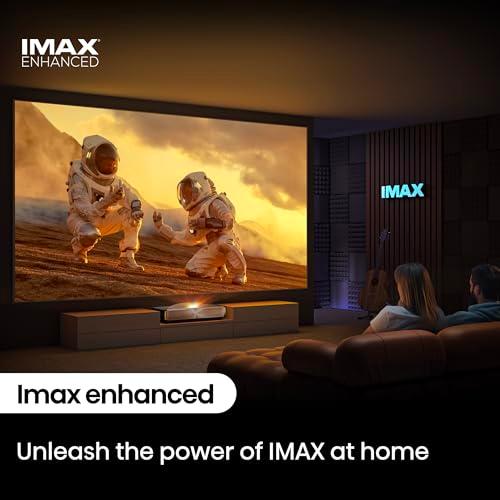
The Hisense L9Q supports virtually every HDR format available: HDR10, HDR10+, Dolby Vision, HLG, and even IMAX Enhanced. This comprehensive support means you can take full advantage of premium content from any source—Netflix's Dolby Vision titles, Amazon Prime's HDR10+ content, or broadcast HDR from streaming sports.
The Formovie C3 supports only HDR10, which is the baseline HDR standard. While most HDR content includes HDR10 versions for compatibility, you're missing out on the enhanced dynamic metadata that makes HDR10+ and Dolby Vision superior. These advanced formats adjust the HDR processing scene by scene, rather than applying the same settings throughout an entire movie.
For someone building a system in 2025, HDR support matters for longevity. As more premium content adopts advanced HDR formats, the L9Q will continue delivering the full experience while the C3 may show its limitations.
One of the most underappreciated aspects of UST projectors is their potential to integrate high-quality audio systems. Since they sit in your entertainment area rather than hanging from the ceiling, they can house substantial speaker systems.
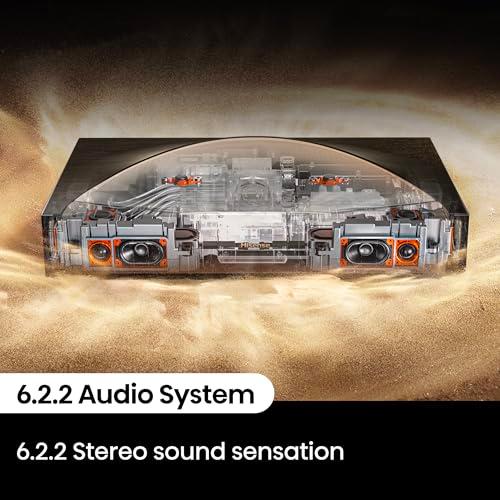
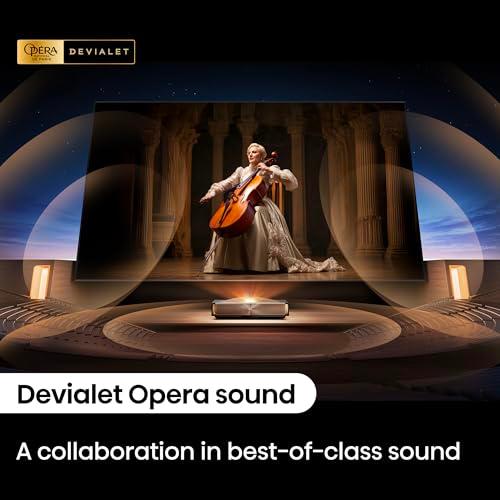
The Hisense L9Q includes a 116-watt, 6.2.2-channel audio system developed with Devialet, a French company known for high-end wireless speakers. This isn't just marketing collaboration—it's a genuinely sophisticated system with dual subwoofers, full-range drivers, and up-firing speakers that create Dolby Atmos surround sound effects.
Having experienced this type of integrated audio, I can say it's remarkably convenient. Instead of mounting surround speakers around your room or investing in a separate soundbar, you get cinema-quality audio built into the projector. The system is tuned specifically to complement the visual experience, and the convenience factor is enormous.
The Formovie C3 includes basic built-in speakers that are adequate for casual viewing but won't deliver the impactful experience that matches a 100+ inch screen. Most buyers will need to budget for a separate audio solution.
Gaming on large screens has become increasingly popular, and both projectors handle this use case differently.
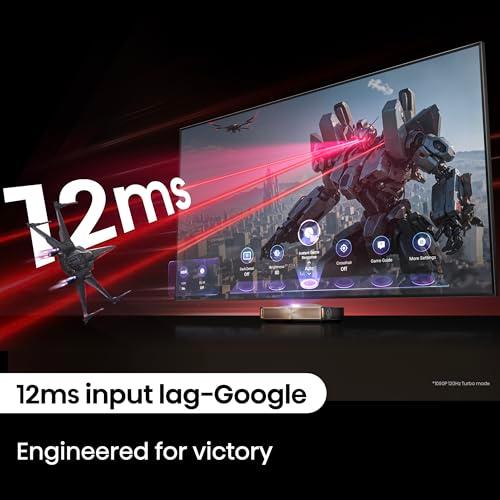
The Hisense L9Q includes a dedicated Game Mode with 12ms input lag, which is competitive with gaming monitors. Input lag is the delay between when your controller sends a signal and when the action appears on screen. For comparison, many TVs have 20-40ms of input lag, so the L9Q actually performs better than average televisions for gaming.
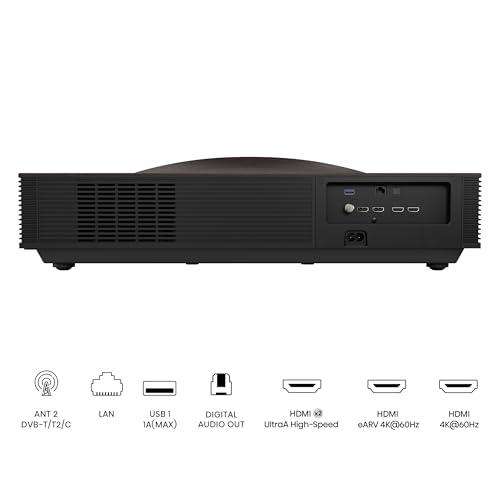
Combined with HDMI 2.1 ports that support 4K at 120Hz, Variable Refresh Rate (VRR), and Auto Low Latency Mode (ALLM), the L9Q works excellently with PlayStation 5, Xbox Series X, and high-end gaming PCs. The experience of playing games on a 150-inch screen with minimal lag is genuinely impressive.
The Formovie C3 doesn't specify gaming-optimized features, suggesting standard performance that's adequate for casual gaming but not ideal for competitive play.
The software experience differs significantly between these projectors, and it's an important consideration for day-to-day use.
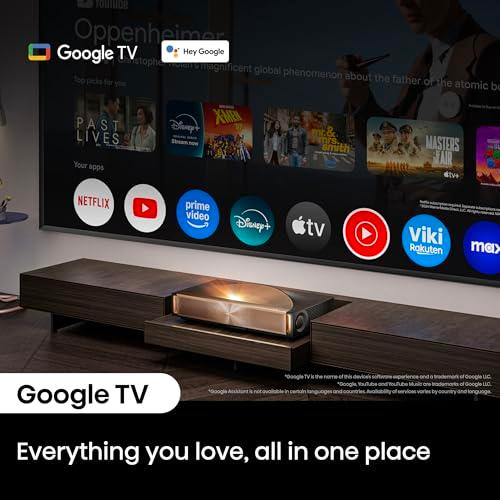
The Hisense L9Q runs Google TV, which provides access to all major streaming apps, voice control through Google Assistant, and integration with other smart home devices. The interface is identical to what you'd find on high-end smart TVs, making the transition seamless.
The Formovie C3 runs FengOS, which is optimized for the Chinese market. While functional, it lacks the app ecosystem that North American users expect. Most buyers will need to connect external streaming devices like Apple TV, Roku, or Nvidia Shield to access their preferred content.
This software difference impacts the total cost of ownership. With the L9Q, you're getting a complete entertainment system. With the C3, you'll likely spend an additional $100-200 on streaming devices.
Neither projector includes a screen, and this is where total system cost can vary dramatically. UST projectors work best with Ambient Light Rejection (ALR) screens that use specialized materials to reflect the projector's light toward viewers while absorbing ambient room light from other directions.
Quality ALR screens range from $500 for basic models to $3,000+ for premium options. The screen choice significantly impacts image quality, potentially making a bigger difference than the projector selection itself.
The Hisense L9Q's high brightness makes it more forgiving of screen choice and room conditions. The Formovie C3 will show more dramatic improvement with a high-quality ALR screen, making the screen investment more critical to overall performance.
At the time of writing, these projectors represent very different value propositions. The Hisense L9Q costs roughly three times as much as the Formovie C3, but delivers significantly more than three times the brightness, along with premium audio, comprehensive HDR support, and advanced gaming features.
For buyers prioritizing maximum performance, the L9Q justifies its premium pricing through measurable improvements in every performance category. The brightness advantage alone enables use cases that simply aren't possible with lower-output projectors.
However, the Formovie C3 offers an accessible entry point to large-screen entertainment that would cost far more through traditional TV purchases. A 100-inch TV would cost $3,000-8,000+, making the C3 plus screen a reasonable alternative.
Choose the Hisense L9Q if you're serious about creating a premium large-screen experience. Its exceptional brightness makes it the only reasonable choice for challenging lighting conditions, screens larger than 150 inches, or situations where you can't control ambient light. The integrated premium audio eliminates the need for separate sound systems, and comprehensive HDR support future-proofs your investment.
The L9Q also makes sense if you're replacing a high-end TV and want to maintain similar convenience and performance levels. It's genuinely a TV alternative rather than a compromised projector.
Choose the Formovie C3 if you're looking to dip your toes into large-screen entertainment without a massive investment. It works well in controlled lighting environments and delivers excellent value for dedicated movie watching or gaming in darker rooms.
The C3 is also sensible for secondary installations—perhaps a bedroom or basement setup where lighting control is easier and premium features matter less.
Based on our research into expert reviews and user feedback, the Hisense L9Q represents the current pinnacle of UST projector technology. Its combination of extreme brightness, professional color accuracy, and integrated premium audio creates an experience that genuinely rivals high-end large-screen TVs while offering sizes that TVs simply can't match.
The Formovie C3 serves an important market segment by making triple-laser projection accessible to budget-conscious buyers. While it requires more careful setup and room consideration, it delivers solid large-screen entertainment at a fraction of the cost of comparable TV solutions.
For most buyers considering UST projectors, the decision comes down to room conditions and budget flexibility. If you have the budget and want maximum performance, the L9Q eliminates most of the traditional compromises of projection technology. If you're working within tighter constraints but still want to experience large-screen entertainment, the C3 provides a reasonable path forward.
Either way, you're entering the fascinating world of ultra short throw projection, where the impossible becomes routine and your living room transforms into a private cinema.
| Hisense L9Q Triple Laser Ultra Short Throw Projector | Formovie C3 Ultra Short Throw Laser Projector |
|---|---|
| Brightness - Critical for ambient light performance and large screen sizes | |
| 5,000 ANSI lumens (exceptional for bright rooms and 150+ inch screens) | ~1,900 ISO lumens (good for controlled lighting and smaller screens) |
| Contrast Ratio - Affects image depth and black level quality | |
| 5,000:1 (excellent dynamic range for UST projector) | 3,000:1 (decent contrast but less dramatic) |
| Color Gamut Coverage - Determines color accuracy and vibrancy | |
| 110% BT.2020 (wide color for premium HDR content, Pantone validated) | 110% Rec.709 (standard HD colors, narrower than BT.2020) |
| HDR Format Support - Future-proofs investment for premium streaming | |
| Dolby Vision, HDR10+, HDR10, HLG, IMAX Enhanced (comprehensive) | HDR10 only (basic HDR support) |
| Throw Ratio - How close projector sits to wall | |
| 0.18:1 (100" image from 5.4" away, closer placement) | 0.23:1 (100" image from slightly farther distance) |
| Maximum Screen Size - Limits your display size potential | |
| 200 inches (massive screens possible with high brightness) | 150 inches (large but more limited by brightness) |
| Audio System - Eliminates need for separate sound equipment | |
| 116W 6.2.2-channel Devialet system with Dolby Atmos | Basic built-in speakers (external audio recommended) |
| Smart Platform - Affects ease of use and app availability | |
| Google TV (full app ecosystem, voice control) | FengOS 3.0 (Chinese-focused, external streaming device needed) |
| Gaming Performance - Important for console and PC gaming | |
| 12ms input lag, HDMI 2.1, ALLM, VRR support | Standard gaming performance (specs not detailed) |
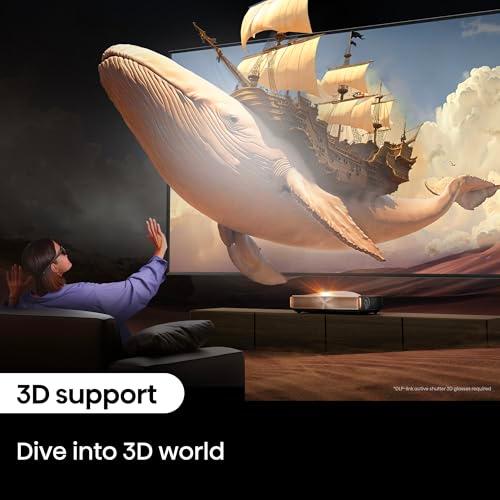
| 3D Support - For specialty content viewing | |
| Full 3D support with active glasses | 3D capability not confirmed |
| Laser Lifespan - Maintenance-free operation duration | |
| 25,000+ hours (decades of typical use) | 25,000 hours (similar long-term reliability) |
| Target Market - Who each projector serves best | |
| Premium buyers wanting maximum performance and convenience | Budget-conscious buyers entering large-screen projection |
The Hisense L9Q is significantly brighter at 5,000 ANSI lumens compared to the Formovie C3 at approximately 1,900 lumens. This makes the L9Q much better for rooms with ambient light, windows, or daytime viewing, while the C3 performs best in controlled lighting conditions.
The Hisense L9Q supports screen sizes up to 200 inches, while the Formovie C3 maxes out at 150 inches. The L9Q's higher brightness enables these larger screen sizes without the image appearing dim or washed out.
The Hisense L9Q offers superior color accuracy with 110% BT.2020 color coverage and Pantone validation, compared to the Formovie C3's 110% Rec.709 coverage. The L9Q can display a wider range of colors, especially important for HDR content from streaming services.
The Hisense L9Q supports comprehensive HDR formats including Dolby Vision, HDR10+, HDR10, and HLG. The Formovie C3 only supports basic HDR10. For premium streaming content, the L9Q provides better future-proofing and enhanced picture quality.
The Hisense L9Q is specifically optimized for gaming with 12ms input lag, HDMI 2.1 ports, and support for Variable Refresh Rate (VRR) and Auto Low Latency Mode (ALLM). The Formovie C3 doesn't specify gaming features, making the L9Q the clear choice for serious gamers.
The Hisense L9Q has a 0.18:1 throw ratio, creating a 100-inch image from just 5.4 inches away. The Formovie C3 has a 0.23:1 throw ratio, requiring slightly more distance. Both are ultra-short throw designs that sit much closer than traditional projectors.
The Hisense L9Q features a premium 116W 6.2.2-channel audio system developed with Devialet, supporting Dolby Atmos and DTS:X. The Formovie C3 has basic built-in speakers. For home theater use, the L9Q eliminates the need for separate audio equipment.
The Hisense L9Q runs Google TV with full access to streaming apps, voice control, and smart home integration. The Formovie C3 uses FengOS, which is designed for the Chinese market and typically requires external streaming devices for North American users.
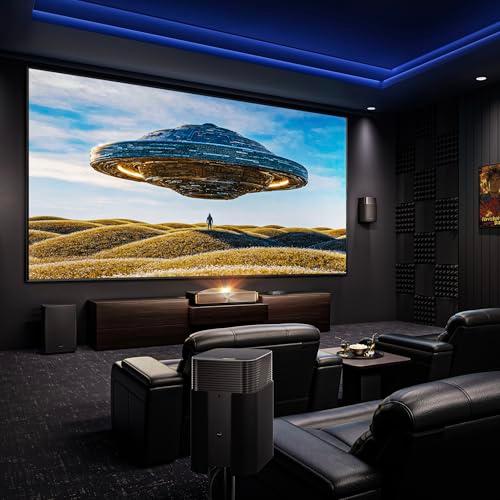
The Hisense L9Q is specifically designed as a premium home theater solution with professional color accuracy, comprehensive HDR support, and integrated surround sound. The Formovie C3 works well for home theater in controlled lighting but may require additional audio equipment and careful room setup.
The Formovie C3 offers excellent entry-level value for buyers wanting large-screen projection at a budget-friendly price point. The Hisense L9Q provides premium value through significantly higher brightness, better color accuracy, integrated audio, and comprehensive features that justify its higher cost.
The Hisense L9Q delivers a 5,000:1 contrast ratio compared to the Formovie C3's 3,000:1 ratio. Higher contrast means better distinction between light and dark areas of the image, with the L9Q providing more dramatic and realistic picture quality.
The Hisense L9Q is significantly better for bright living rooms due to its exceptional 5,000 ANSI lumen output, allowing clear viewing even with lights on or windows open. The Formovie C3 requires more controlled lighting conditions to achieve optimal image quality, making it better suited for dedicated viewing rooms or evening use.
We've done our best to create useful and informative comparisons to help you decide what product to buy. Our research uses advanced automated methods to create this comparison and perfection is not possible - please contact us for corrections or questions. These are the sites we've researched in the creation of this article: chrismajestic.com - shop.hisense-usa.com - tomsguide.com - valueelectronics.com - techradar.com - whathifi.com - youtube.com - projectorscreen.com - projectorscreen.com - hisense-usa.com - youtube.com - projectorcentral.com - youtube.com - hisense-usa.com - manuals.plus - shop.avispl.com - hisense-usa.com - youtube.com - projectorcentral.com - projectorcentral.com - rtings.com - formovie.com - projectorsg.com - projector.com.bd - formovie.in - avsforum.com - projector.my - aytexcel.com - nothingprojector.com

Privacy Policy
Terms and Conditions - Affiliate Policy
Home Security
© Copyright 2008-2026.
11816 Inwood Rd #1211, Dallas, TX 75244