

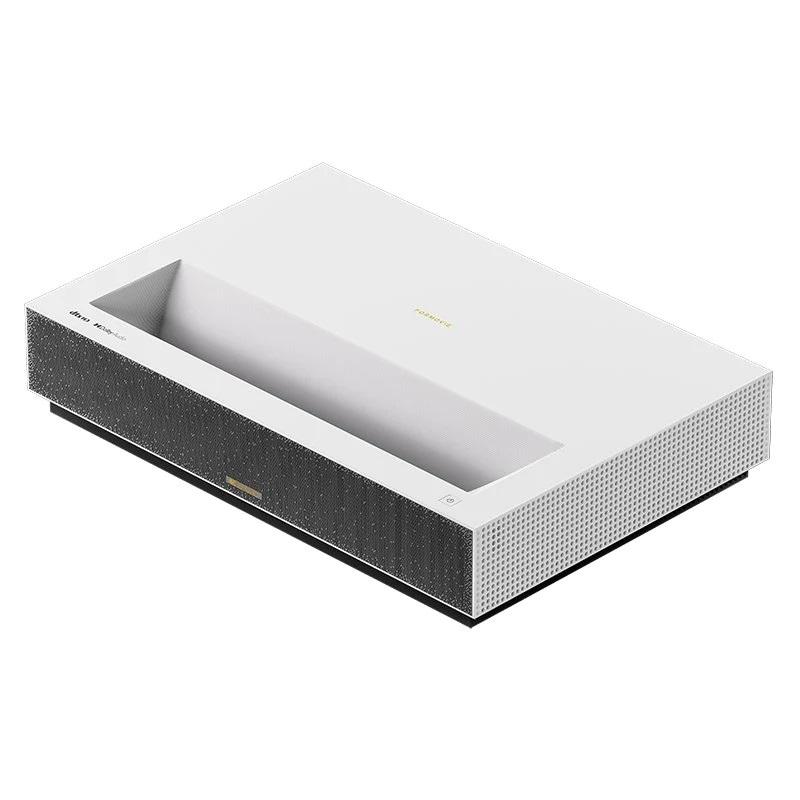
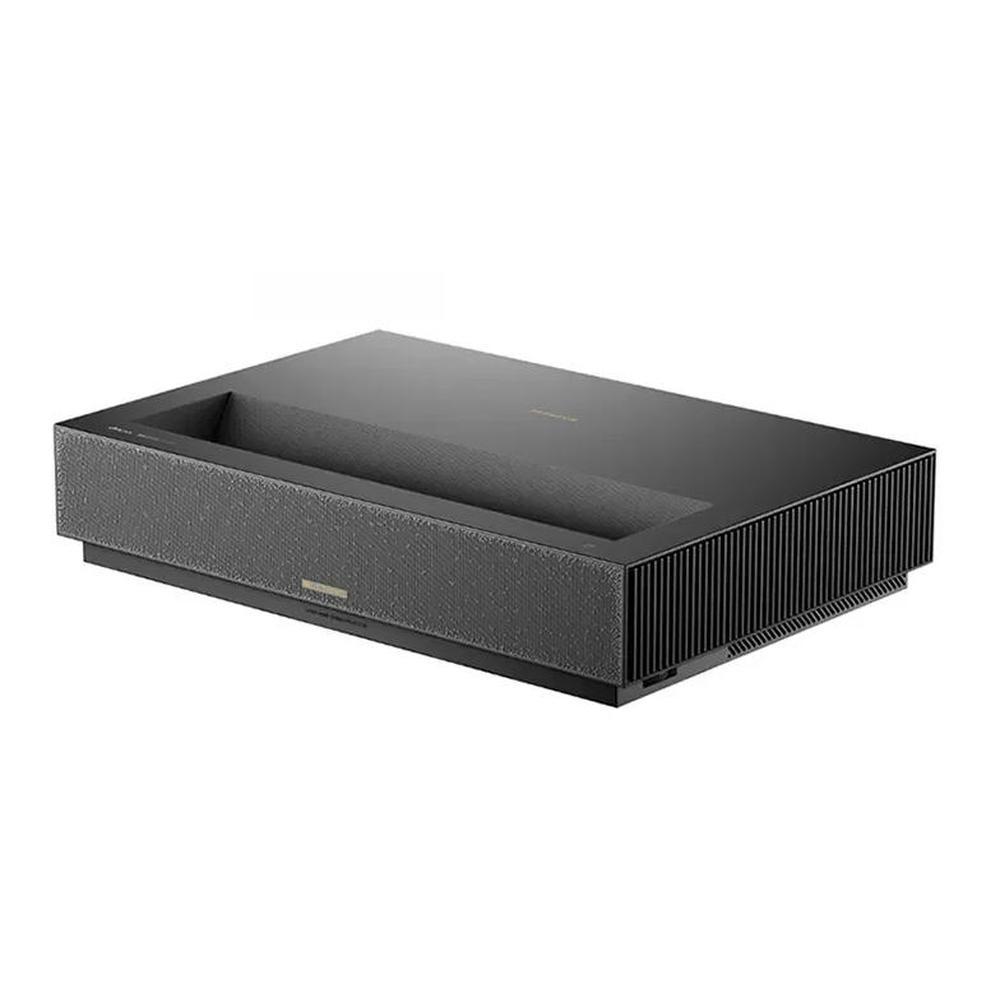
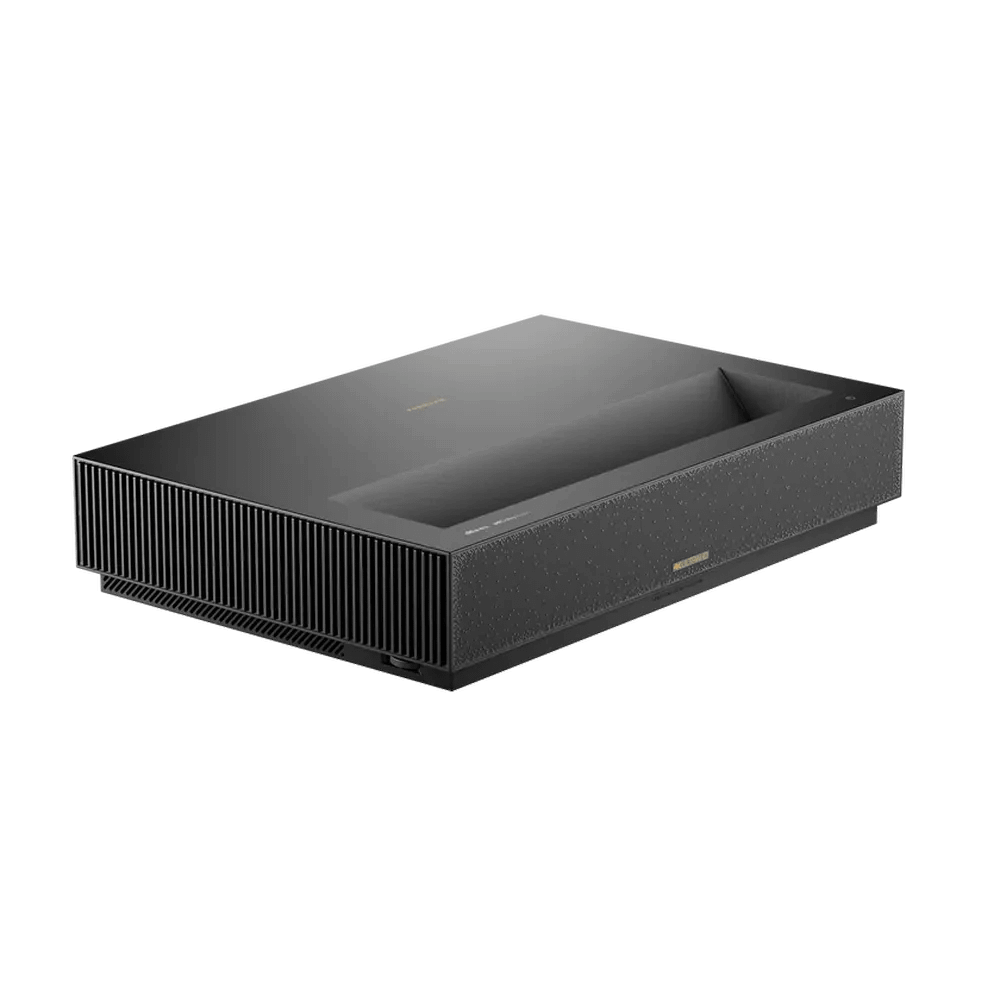
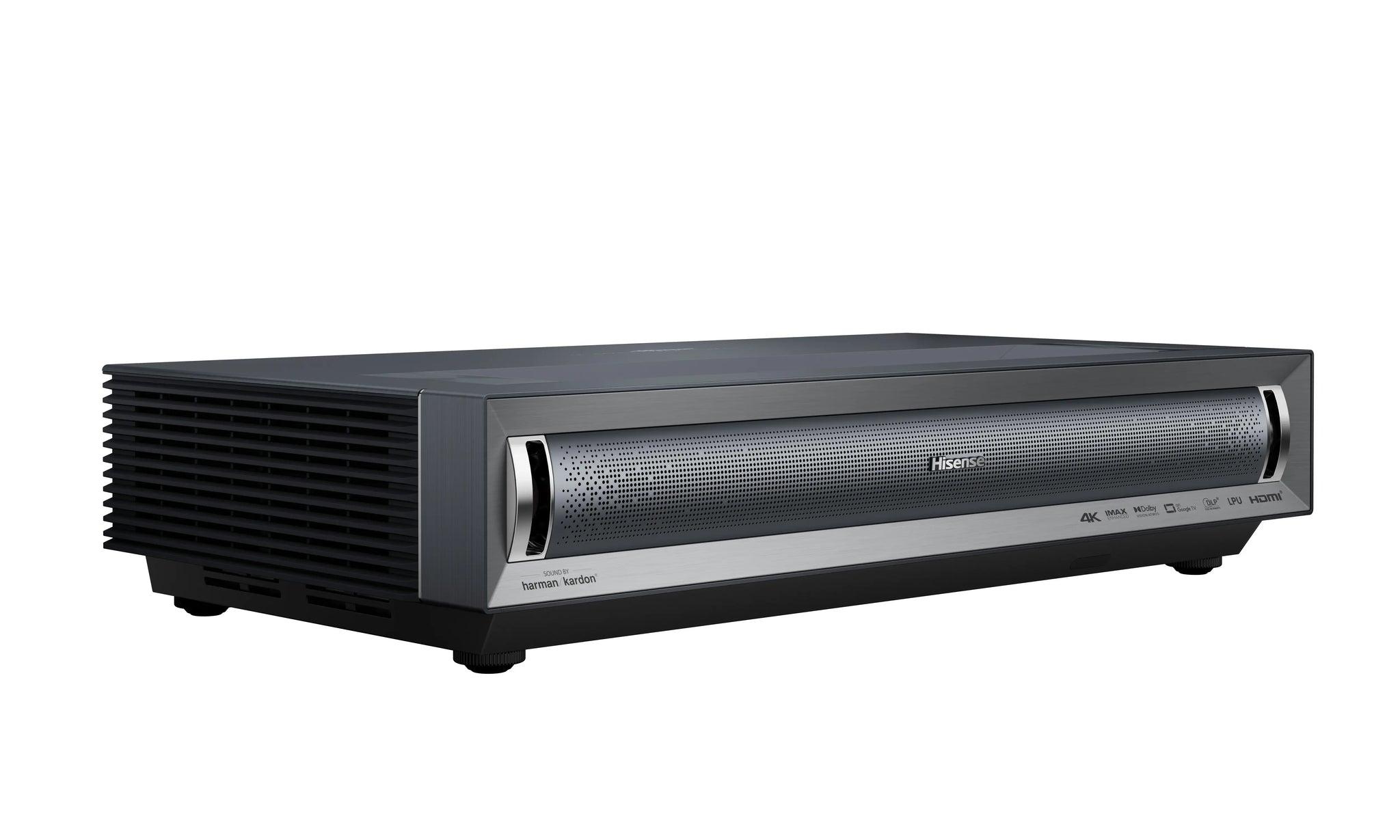
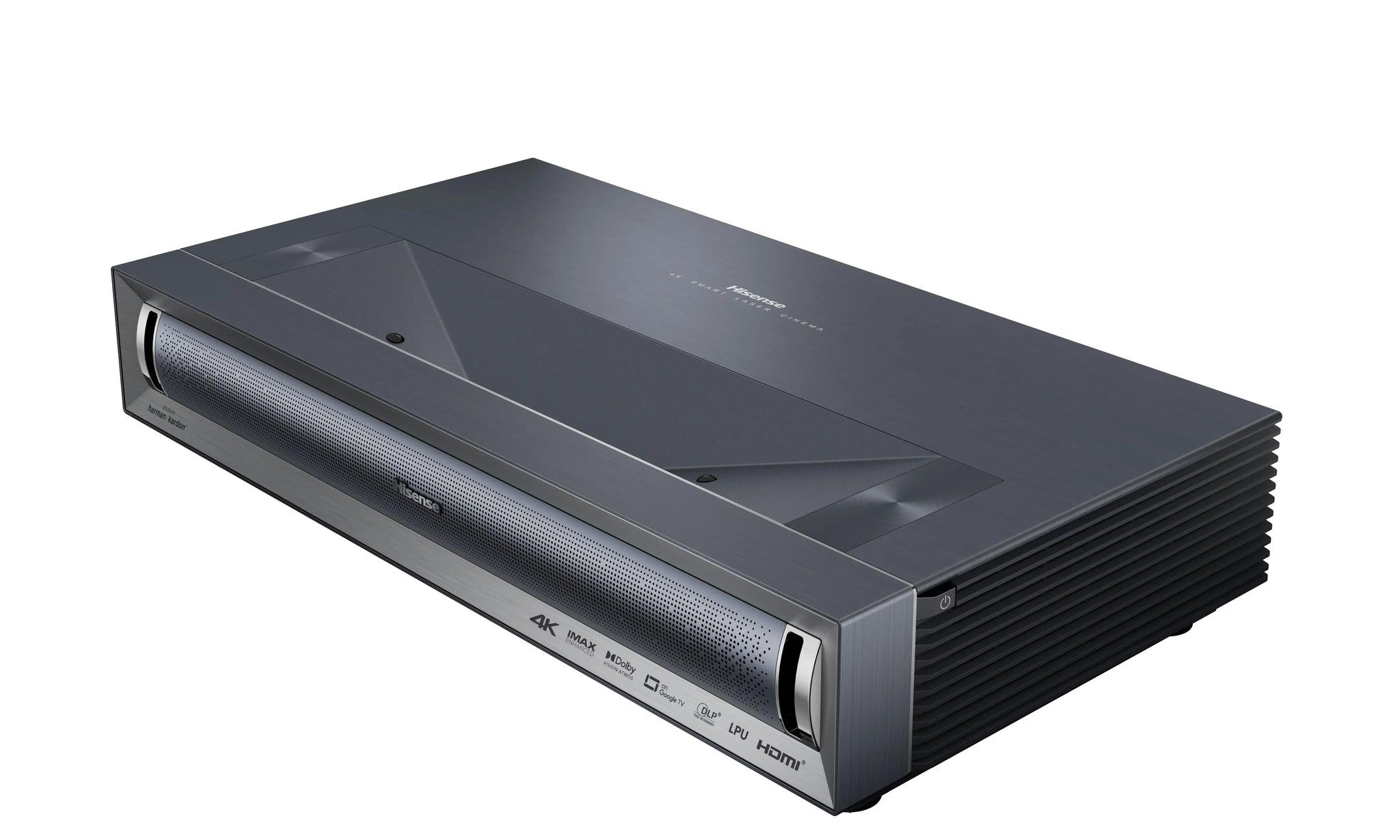
Ultra short throw projectors have completely transformed how we think about big-screen entertainment at home. Instead of mounting a bulky projector on your ceiling or dealing with long cables snaking across your living room, these ingenious devices sit just inches from your wall and beam massive 80-200+ inch images. Think of them as the flat-screen TV's ambitious cousin—they deliver cinema-scale experiences without requiring a dedicated theater room.
The technology has matured dramatically over the past few years, with 2024 bringing us some genuinely impressive options. Two projectors that perfectly illustrate the current state of the market are the premium Hisense PX3-PRO and the budget-friendly Formovie C3. Both promise 4K visuals and the convenience of ultra-short throw technology, but they take very different approaches to get there.
Before diving into specifics, it's worth understanding what makes these projectors special. Traditional projectors need to be positioned far from your screen—often 8-12 feet for a 100-inch image. Ultra short throw projectors flip this on its head, using specialized lens systems to project massive images from just 6-12 inches away from your wall.
This proximity brings huge advantages: no shadows when you walk in front of the screen, dramatically simplified installation, and the ability to place the projector on a TV stand or low cabinet. The trade-off is complexity—the optics required for such extreme angles are sophisticated and expensive, which is why quality UST projectors command premium prices.
The key specifications that matter most are brightness (measured in ANSI lumens), color accuracy (expressed as percentage coverage of color standards like Rec 709 or BT.2020), and contrast ratio. Unlike traditional projectors that might work fine at 1,500-2,000 lumens in a dark room, UST projectors need serious brightness—ideally 2,500+ lumens—to combat the ambient light that's inevitable when the projector sits in your living space.
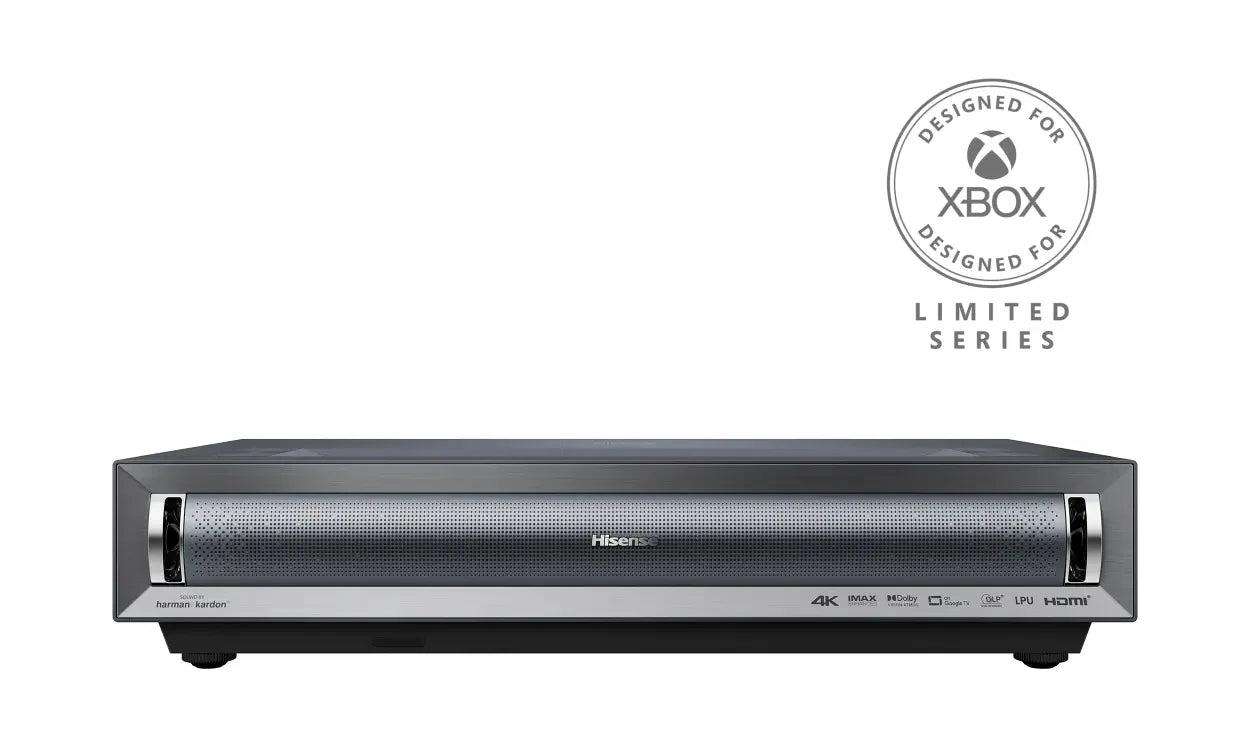
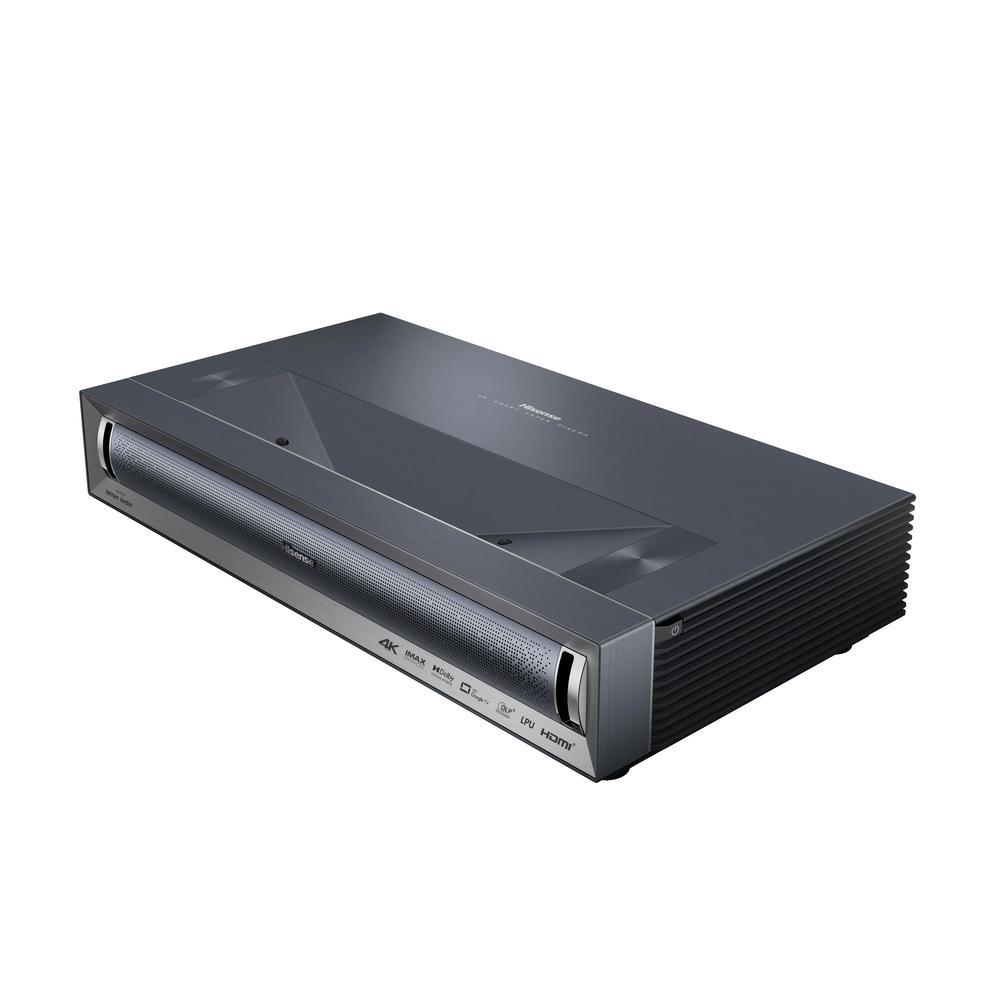
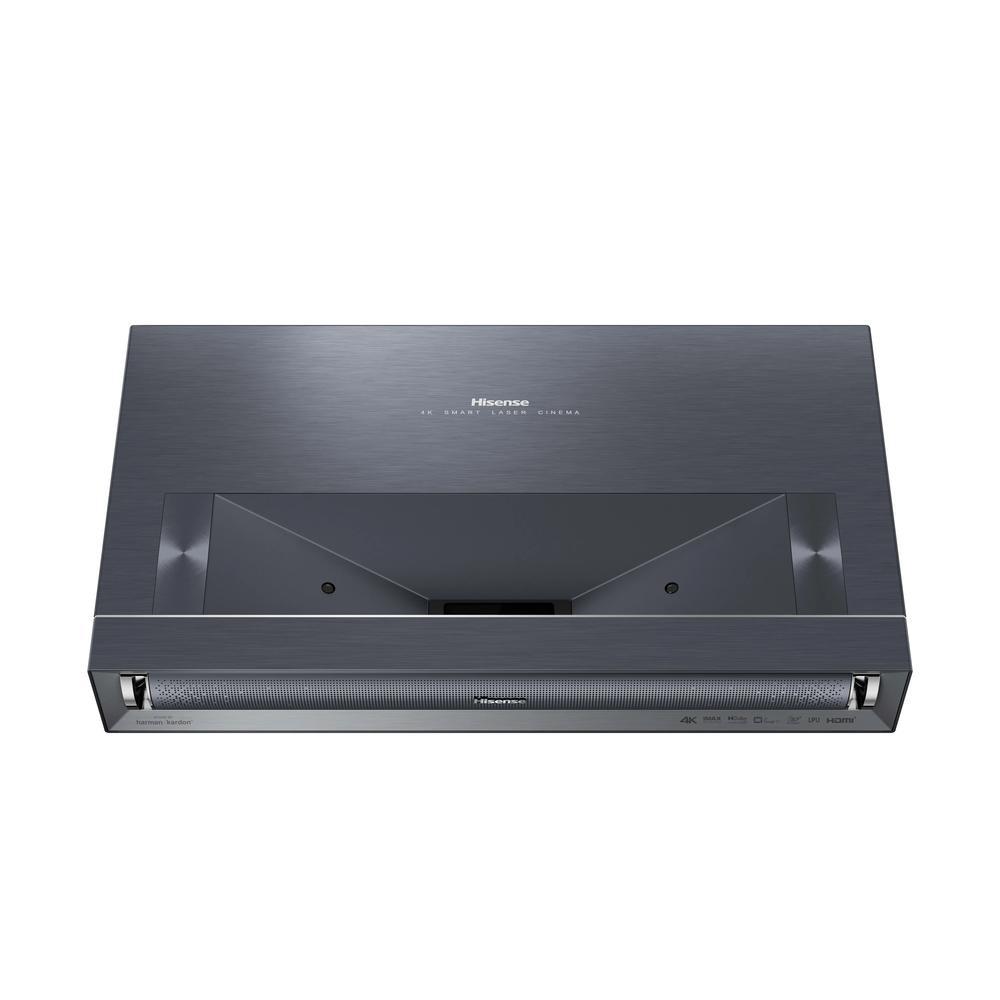
The Hisense PX3-PRO, released in 2024, represents the current pinnacle of consumer UST technology. At roughly double the price of budget alternatives, it promises premium performance across every metric that matters. Meanwhile, the Formovie C3 positions itself as the accessible entry point to 4K UST technology, offering similar core features at a significantly lower price point.
Both projectors use DLP (Digital Light Processing) technology with XPR pixel shifting—a technique that takes a native 1080p chip and rapidly shifts each pixel to create 4K resolution. This isn't quite the same as native 4K, but the results are impressively sharp, and most viewers would struggle to tell the difference in typical viewing scenarios.
The most significant difference between these projectors lies in their light sources and resulting image quality. The Hisense PX3-PRO employs what's called TriChroma RGB laser technology—essentially three separate lasers (red, green, blue) working together to create the full spectrum of colors. This approach delivers exceptional color accuracy, covering 110% of the demanding BT.2020 color standard and an impressive 99.82% of the DCI-P3 cinema standard.
In practical terms, this means colors look remarkably true to life. Skin tones appear natural, ocean blues are deep and convincing, and the subtle gradations in a sunset sky are beautifully rendered. The triple laser system also provides excellent brightness uniformity across the entire image—no dim corners or bright spots that can distract from your content.
The Formovie C3 takes a more economical approach with ALPD (Advanced Laser Phosphor Display) technology, using a single laser combined with a phosphor wheel to generate colors. While this covers 110% of the older Rec 709 standard (perfectly adequate for most content), it can't match the wide color gamut performance of the triple laser system. Colors are still vibrant and pleasing, but they lack the subtle accuracy and depth that enthusiasts will notice, particularly with HDR content.
Brightness is another crucial differentiator. The Hisense PX3-PRO outputs 3,000 ANSI lumens compared to the Formovie C3's 2,200 lumens—about 36% more light output. In a living room with typical ambient lighting, this difference is immediately apparent. The Hisense maintains punch and contrast even with lights on, while the Formovie performs best with dimmed lighting or drawn curtains.
High Dynamic Range (HDR) content has become the gold standard for premium entertainment, offering dramatically expanded contrast between the darkest and brightest parts of an image. The Hisense PX3-PRO supports the full suite of HDR formats: HDR10, HDR10+, Dolby Vision, and even IMAX Enhanced. This comprehensive support means you'll get the best possible experience regardless of your source material.
The triple laser system really shines here, as it can produce the wide color gamut that HDR content demands. When watching a Dolby Vision movie on Netflix or streaming an HDR10+ title from Amazon Prime, the difference is striking—highlights are brighter, shadows retain detail, and the overall image has a three-dimensional quality that draws you into the action.
The Formovie C3 supports HDR10 and HDR10+, which covers the vast majority of available content, but lacks Dolby Vision support. While it can display HDR content, the single laser system and smaller color gamut mean you're not getting the full HDR experience that content creators intended. It's still a significant improvement over standard dynamic range content, but enthusiasts will notice the difference.
One often-overlooked aspect of projector selection is audio quality. Since projectors don't come with separate speakers like TVs, the built-in audio system significantly impacts your overall experience. The Hisense PX3-PRO includes a surprisingly robust 50-watt Harman Kardon sound system with Dolby Atmos support. This isn't just marketing fluff—the front-firing speakers deliver clear dialogue, decent bass response, and impressive spatial audio effects.
For many users, this integrated audio eliminates the immediate need for a separate sound system. While it won't replace a dedicated surround sound setup, it's more than adequate for casual viewing and significantly better than typical TV speakers. The Dolby Atmos processing adds a sense of height and immersion that enhances the big-screen experience.
The Formovie C3 includes a more modest 30-watt speaker system (dual 15W speakers plus dual tweeters) with Dolby Audio and DTS-HD support. The sound is clear and adequate for basic viewing, but it lacks the power and sophistication of the Hisense system. Most users will eventually want to add external speakers or a soundbar for the best experience.
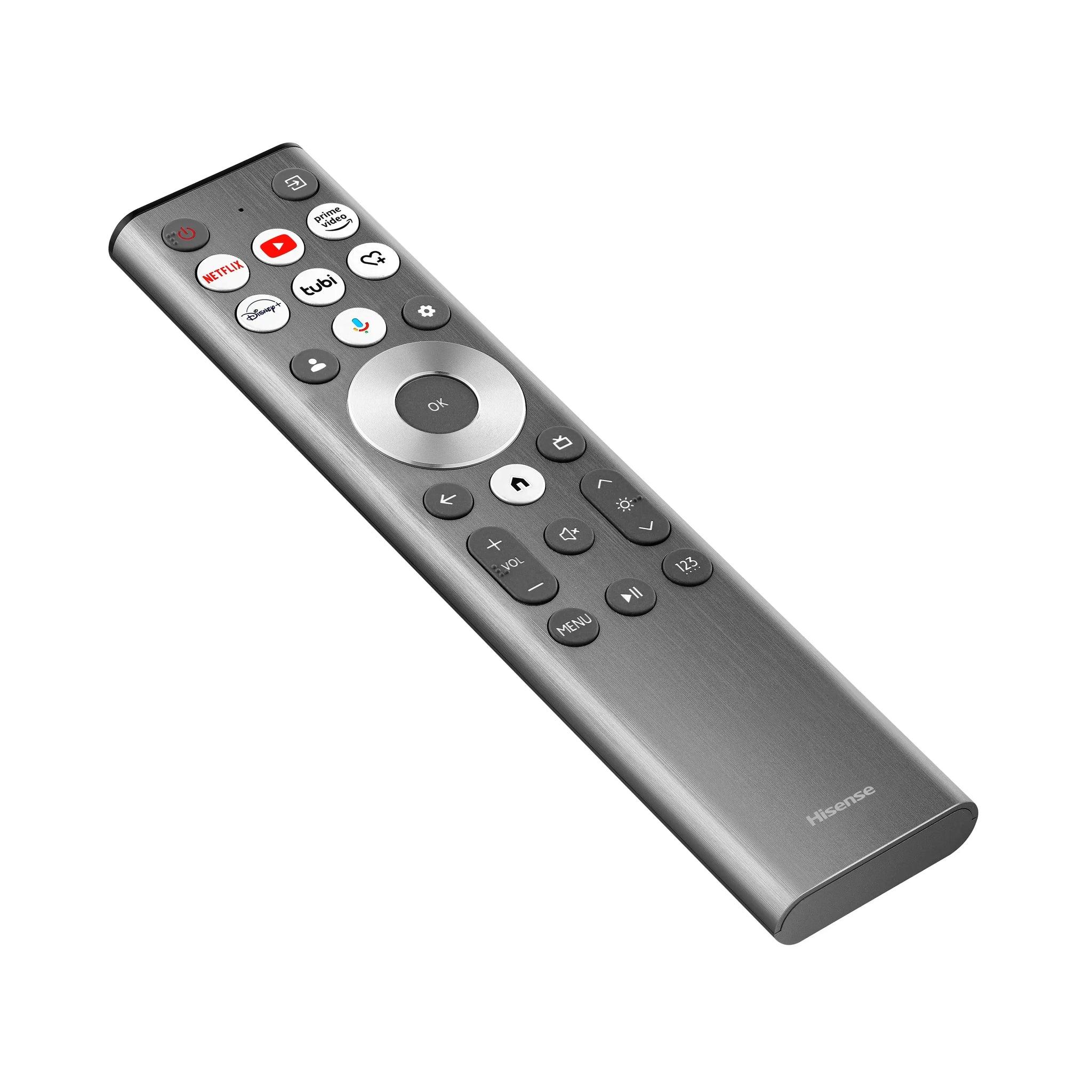
Modern projectors are essentially computers that happen to display very large images, and the software experience matters enormously. The Hisense PX3-PRO runs Google TV, providing seamless access to Netflix, Disney+, Amazon Prime Video, and virtually every major streaming service through fully authorized apps. The interface is responsive, the content recommendations are useful, and you can truly use this as a standalone entertainment device.
Gaming enthusiasts will appreciate the projector's low input lag (around 17.6ms) and HDMI 2.1 support, enabling 4K gaming at 120Hz with compatible consoles. This makes it surprisingly capable for PlayStation 5 or Xbox Series X gaming, though you'll want to ensure your room lighting is optimized for the best experience.
The Formovie C3 runs FengOS, which was primarily designed for the Chinese market. While it includes some streaming capabilities, Western users will likely need external devices like Apple TV, Roku, or Fire TV for the best streaming experience. This isn't necessarily a dealbreaker—many enthusiasts prefer dedicated streaming devices anyway—but it does add complexity and cost to your setup.
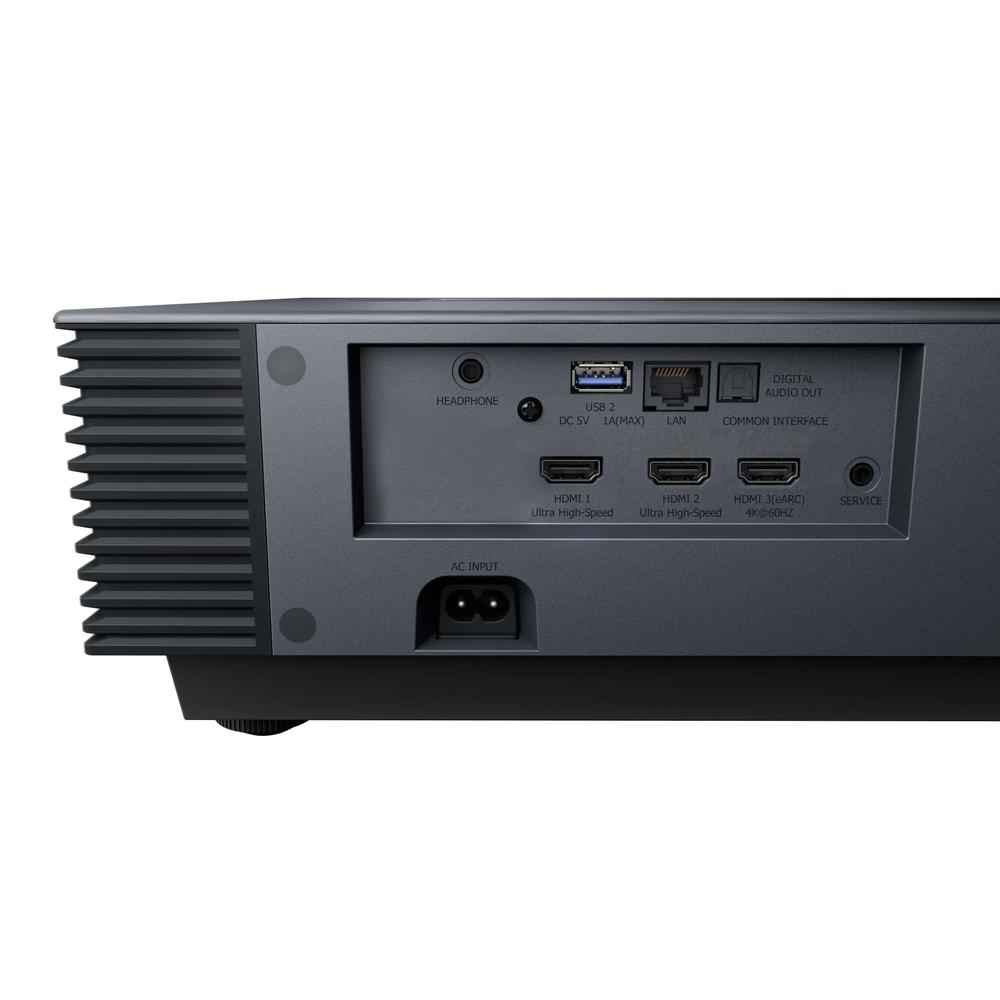
Both projectors offer comprehensive connectivity with multiple HDMI 2.1 ports, USB inputs, and wireless capabilities. The difference lies primarily in the out-of-box software experience rather than raw connectivity options.
One of the biggest advantages of UST projectors is their installation flexibility. Both the Hisense PX3-PRO and Formovie C3 can sit on a TV stand or low cabinet, positioned just inches from your wall. However, getting the best image requires attention to detail.
The Hisense PX3-PRO includes automatic geometry correction and focus adjustment, making setup relatively painless. The projector can detect the screen or wall and automatically adjust for optimal image alignment. This is particularly valuable if you're not mounting the unit permanently or if multiple family members might adjust its position.
The Formovie C3 also includes automatic alignment features, though they're not quite as sophisticated. You might need to do some manual fine-tuning to get the perfect rectangular image, especially at larger screen sizes.
Both projectors work best with dedicated ALR (Ambient Light Rejecting) screens, which can significantly improve contrast and color saturation in rooms with ambient light. However, these screens add $500-2000+ to your total investment, depending on size and quality.
Based on extensive research into user experiences and professional reviews, the performance differences between these projectors become most apparent in challenging viewing conditions. The Hisense PX3-PRO consistently receives praise for maintaining image quality even with some ambient lighting, making it suitable for family movie nights without requiring complete darkness.
The superior brightness and color gamut really show their value with HDR content and gaming. Users report that the difference is immediately apparent when switching between the projectors with the same source material—the Hisense delivers more vibrant colors, better shadow detail, and an overall more engaging image.
The Formovie C3 performs admirably in more controlled environments. Users who can dim their lights and control ambient light report excellent satisfaction with image quality, particularly considering the price difference. The projector really shines with standard dynamic range content and traditional streaming, where the color gamut limitations are less apparent.
At the time of writing, the Hisense PX3-PRO commands roughly 75% more than the Formovie C3, making the value equation complex. The premium buys you meaningfully better performance across virtually every metric, but whether that justifies the cost depends entirely on your priorities and viewing habits.
For dedicated home theater enthusiasts who want the best possible image quality and plan to use the projector as their primary display, the Hisense PX3-PRO represents excellent value. The superior brightness enables more flexible room usage, the wider color gamut enhances modern content, and the integrated Google TV and premium audio reduce the need for additional components.
The Formovie C3 makes sense for users entering the UST market who want to experience large-screen projection without the premium investment. It's also ideal for secondary spaces like bedrooms, game rooms, or vacation homes where absolute performance takes a back seat to convenience and cost.
The choice between these projectors ultimately comes down to your performance expectations and budget reality. The Hisense PX3-PRO is the clear winner for anyone who prioritizes image quality, wants maximum flexibility in room lighting, or plans to use the projector for serious gaming. Its superior brightness, color accuracy, and comprehensive HDR support justify the premium for enthusiasts who want a no-compromise experience.
The Formovie C3 offers an excellent entry point to UST projection, delivering solid 4K performance at an accessible price. It's particularly appealing for users who already own quality streaming devices and audio equipment, as the projector's limitations in these areas become less relevant.
Both projectors represent significant improvements over earlier UST models from just a few years ago. The technology has matured to the point where even the budget option delivers a genuinely compelling large-screen experience. Your choice should align with how you'll actually use the projector—the Hisense PX3-PRO for maximum performance and flexibility, or the Formovie C3 for excellent value in the right environment.
For most buyers considering their first UST projector, I'd recommend experiencing both if possible. The performance difference is real and meaningful, but so is the price gap. Your decision will likely come down to whether the superior image quality and room flexibility of the Hisense PX3-PRO justifies its premium over the solid fundamentals of the Formovie C3.
| Hisense PX3-PRO Projector | Formovie C3 Ultra Short Throw Laser Projector |
|---|---|
| Brightness - Critical for daytime viewing and bright rooms | |
| 3,000 ANSI lumens (excellent ambient light performance) | 2,200 ANSI lumens (good but requires dimmed lighting) |
| Light Source Technology - Affects color accuracy and longevity | |
| TriChroma RGB laser (25,000 hours, superior colors) | ALPD single laser (25,000 hours, good efficiency) |
| Color Gamut - Determines how vibrant and accurate colors appear | |
| 110% BT.2020, 99.82% DCI-P3 (cinema-grade color accuracy) | 110% Rec 709 (standard but adequate color range) |
| HDR Support - Essential for modern streaming content | |
| HDR10, HDR10+, Dolby Vision, IMAX Enhanced (comprehensive) | HDR10, HDR10+ (covers most content but lacks Dolby Vision) |
| Smart Platform - Affects ease of streaming without external devices | |
| Google TV with full Western streaming apps | FengOS (Chinese-focused, requires external streaming device) |
| Built-in Audio - Determines if you need additional speakers | |
| 50W Harman Kardon with Dolby Atmos (premium quality) | 30W dual speakers with Dolby Audio (adequate but basic) |
| Gaming Performance - Important for console gaming | |
| 17.6ms input lag, 4K/120Hz HDMI 2.1 support (excellent) | HDMI 2.1 support (good but less gaming optimization) |
| Throw Ratio - How close to wall for large image | |
| 0.23:1 (projects 100" from ~10 inches away) | 0.23:1 (similar ultra-short throw performance) |
| Contrast Ratio - Affects image depth and detail in dark scenes | |
| 3,000:1 native (enhanced by triple laser uniformity) | 3,000:1 native (solid but single laser limitations) |
| Weight and Dimensions - Affects portability and placement | |
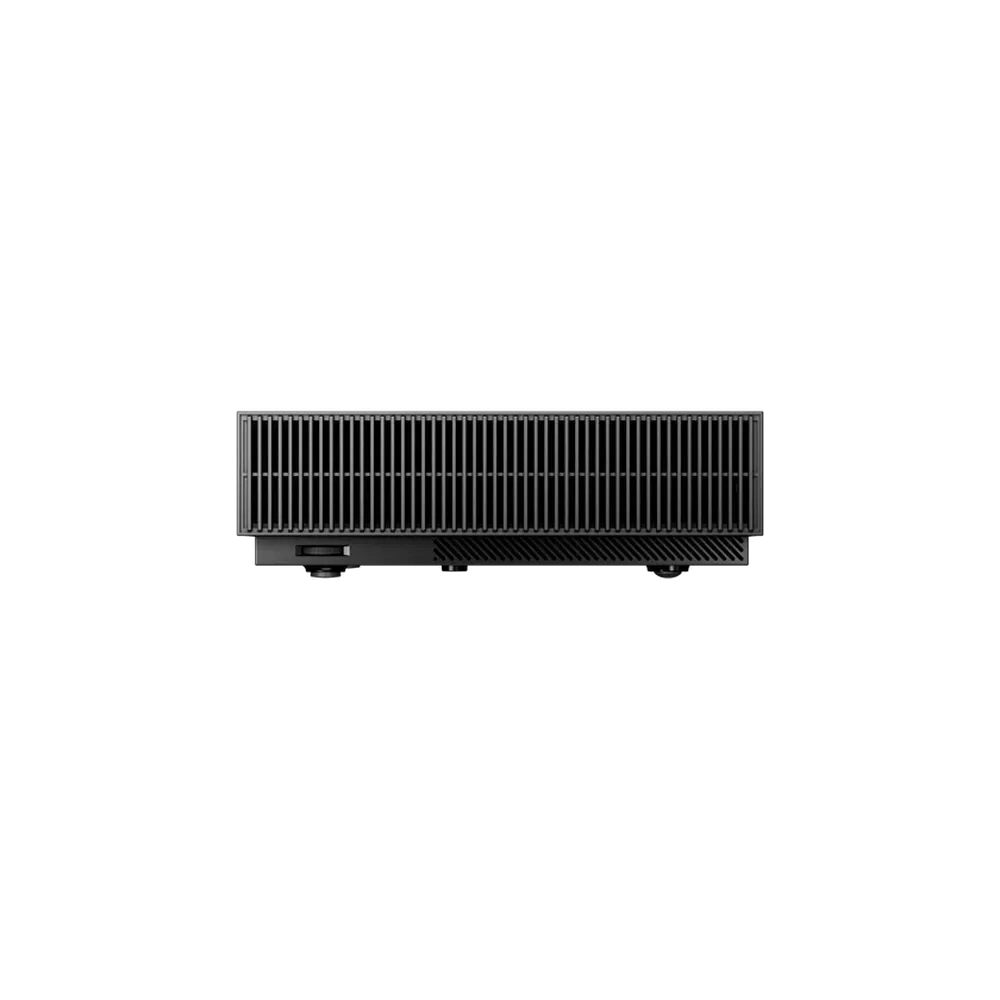
| More substantial build (premium materials and components) | 7kg, 456×308×91mm (lighter and more compact) |
| Target Market - Who should consider each projector | |
| Home theater enthusiasts wanting premium performance | Budget-conscious buyers entering UST market |
The Hisense PX3-PRO Projector is superior for dedicated home theater setups due to its TriChroma RGB laser technology, 3,000 ANSI lumens brightness, and comprehensive HDR support including Dolby Vision and IMAX Enhanced. It delivers cinema-quality color accuracy with 110% BT.2020 coverage and includes premium 50W Harman Kardon speakers with Dolby Atmos. The Formovie C3 Ultra Short Throw Laser Projector offers good performance for casual viewing but lacks the color gamut and brightness needed for premium home theater experiences.
The Hisense PX3-PRO uses triple laser technology providing significantly better color accuracy, brightness (3,000 vs 2,200 lumens), and wider color gamut coverage. This translates to more vibrant colors, better contrast in bright rooms, and superior HDR performance. The Formovie C3 uses single laser ALPD technology which delivers good image quality but with more limited color reproduction and lower brightness output.
The Hisense PX3-PRO Projector performs much better in bright rooms thanks to its 3,000 ANSI lumens output compared to the Formovie C3's 2,200 lumens. The 36% higher brightness allows the Hisense to maintain good contrast and color saturation even with ambient lighting, while the Formovie requires dimmed lighting or drawn curtains for optimal viewing.
The Hisense PX3-PRO includes full Google TV integration with authorized apps for Netflix, Disney+, Amazon Prime Video, and other major streaming services, eliminating the need for external devices. The Formovie C3 Ultra Short Throw Laser Projector runs FengOS which is optimized for Chinese markets, so Western users will likely need external streaming devices like Apple TV or Roku for the best experience.
The Hisense PX3-PRO Projector is superior for gaming with documented 17.6ms input lag, HDMI 2.1 support for 4K/120Hz gaming, and optimized settings for PlayStation 5 and Xbox Series X. While the Formovie C3 also includes HDMI 2.1 ports, it lacks the specific gaming optimizations and low latency performance of the Hisense model.
The Hisense PX3-PRO features premium 50W Harman Kardon speakers with Dolby Atmos support that often eliminate the need for external audio systems. The Formovie C3 Ultra Short Throw Laser Projector includes 30W speakers with Dolby Audio support that provide adequate sound quality but lack the power and sophistication of the Hisense audio system.
The Formovie C3 offers better value for budget-conscious buyers entering the UST market, providing solid 4K performance at a significantly lower price point. The Hisense PX3-PRO Projector justifies its premium pricing through superior brightness, color accuracy, comprehensive HDR support, and integrated smart features, making it better value for enthusiasts prioritizing performance.
Yes, both the Hisense PX3-PRO and Formovie C3 support 4K resolution using DLP XPR pixel-shifting technology. While neither uses native 4K chips, both create sharp 4K images that are virtually indistinguishable from native 4K in typical viewing scenarios. The Hisense model provides better overall 4K performance due to its superior color processing and brightness.
Both the Hisense PX3-PRO Projector and Formovie C3 Ultra Short Throw Laser Projector feature 0.23:1 throw ratios, allowing them to project 100-inch images from approximately 10-12 inches away from the wall. This ultra-short throw capability makes both projectors ideal for living rooms and spaces where traditional projector placement isn't practical.
The Hisense PX3-PRO supports the complete range of HDR formats including HDR10, HDR10+, Dolby Vision, and IMAX Enhanced, ensuring compatibility with all premium streaming content. The Formovie C3 supports HDR10 and HDR10+ which covers most available content, but lacks Dolby Vision support found on Netflix and other premium platforms.
The Formovie C3 Ultra Short Throw Laser Projector is more beginner-friendly due to its lower price point and simpler feature set, though it requires external streaming devices for Western users. The Hisense PX3-PRO Projector offers a more complete out-of-box experience with integrated Google TV and premium audio, but its advanced features and higher price make it better suited for enthusiasts who want maximum performance.
Both the Hisense PX3-PRO and Formovie C3 use laser light sources rated for 25,000 hours of operation, providing excellent long-term reliability compared to traditional lamp-based projectors. The Hisense model's triple laser system may offer better color consistency over time, while the Formovie's single laser design provides simpler maintenance. Both projectors represent mature laser technology with proven longevity.
We've done our best to create useful and informative comparisons to help you decide what product to buy. Our research uses advanced automated methods to create this comparison and perfection is not possible - please contact us for corrections or questions. These are the sites we've researched in the creation of this article: shop.hisense-usa.com - avsforum.com - youtube.com - projectorcentral.com - avsforum.com - youtube.com - projectorreviews.com - avsforum.com - projectorcentral.com - en.heimkinowelten.de - dreamediaav.com - youtube.com - projectorcentral.com - projectorcentral.com - rtings.com - formovie.com - projectorsg.com - projector.com.bd - formovie.in - avsforum.com - projector.my - aytexcel.com - nothingprojector.com

Privacy Policy
Terms and Conditions - Affiliate Policy
Home Security
© Copyright 2008-2026.
11816 Inwood Rd #1211, Dallas, TX 75244