

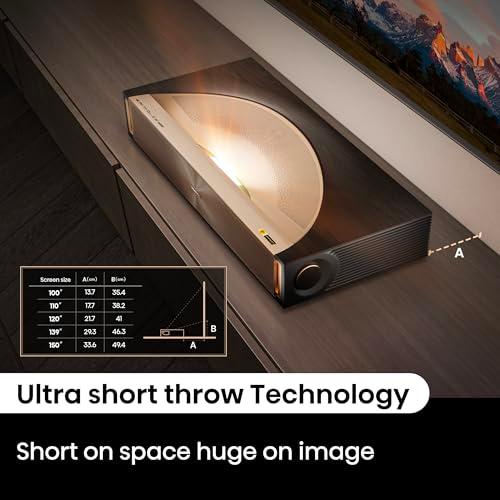
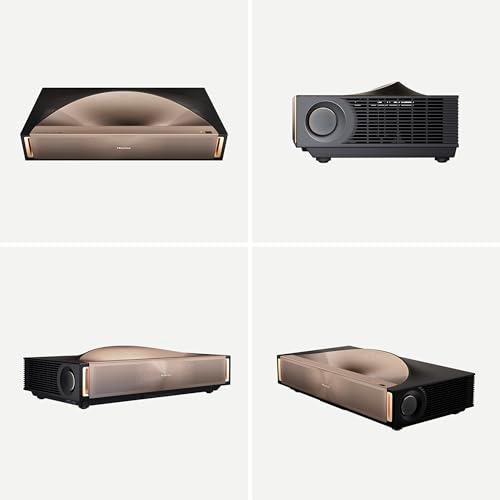
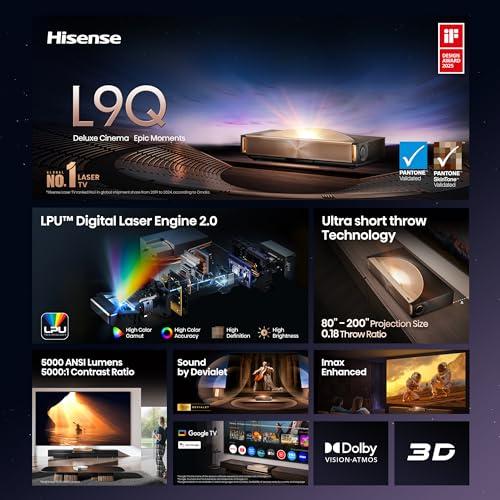
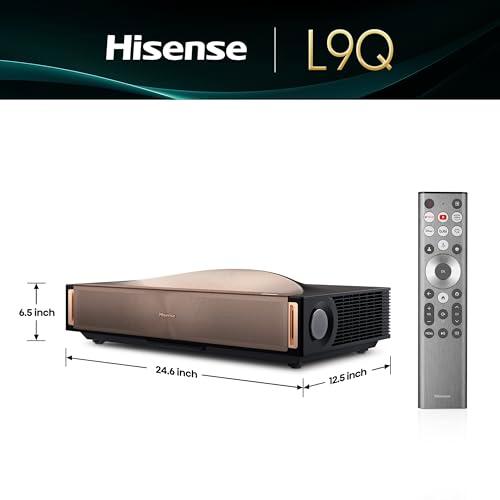
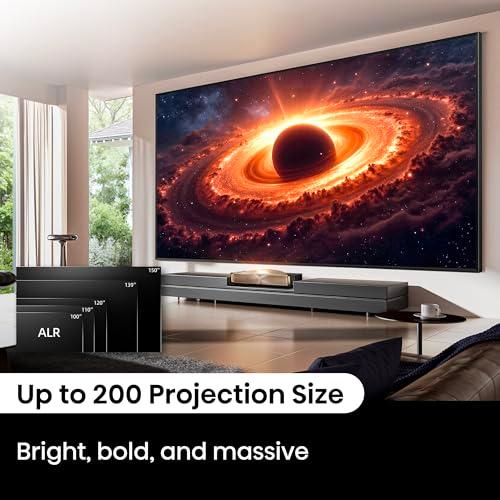
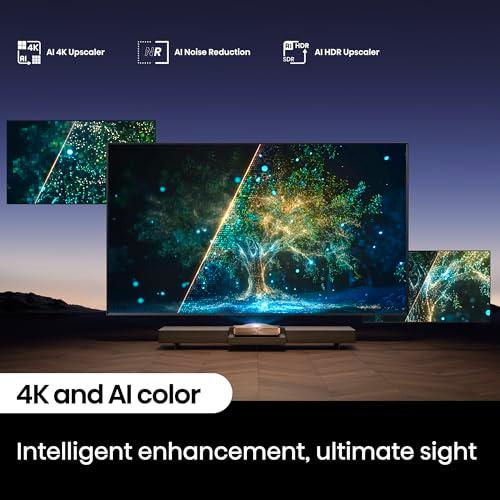

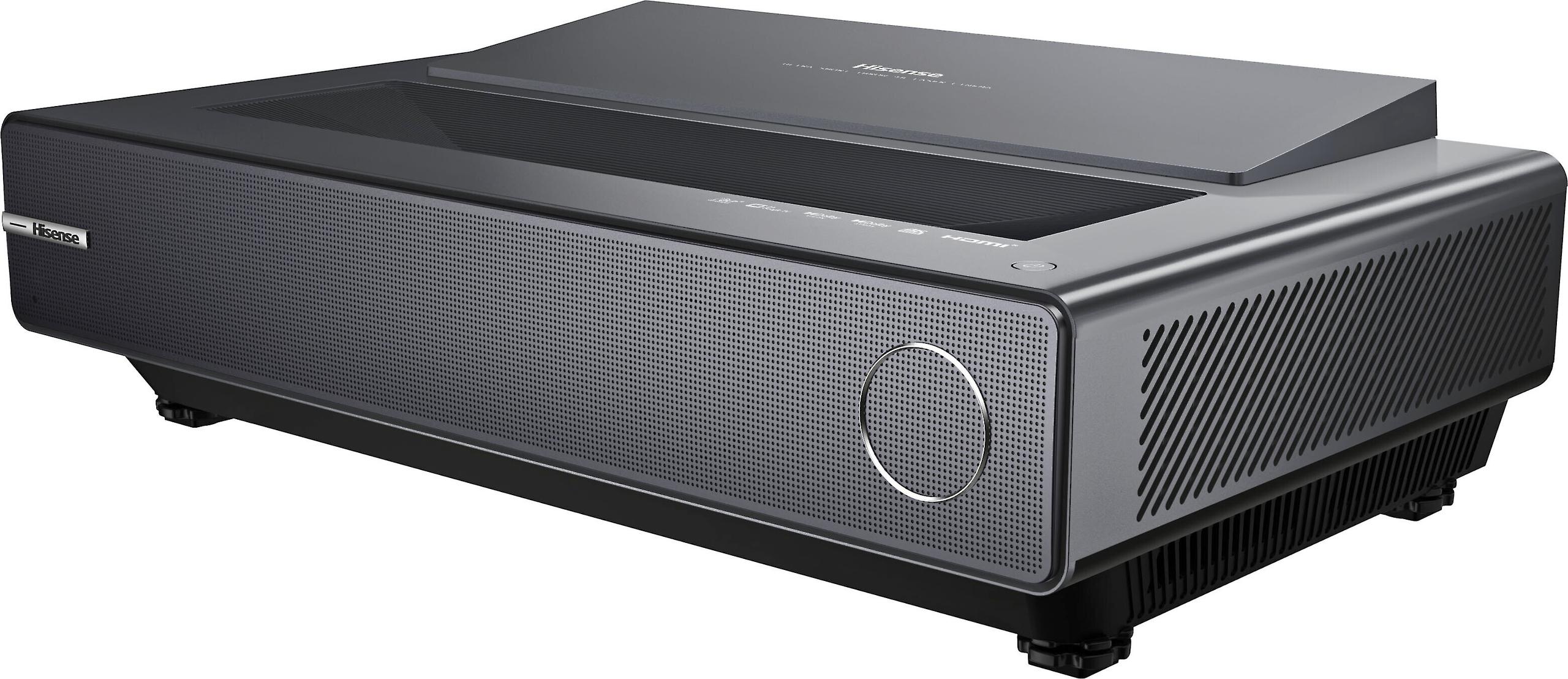
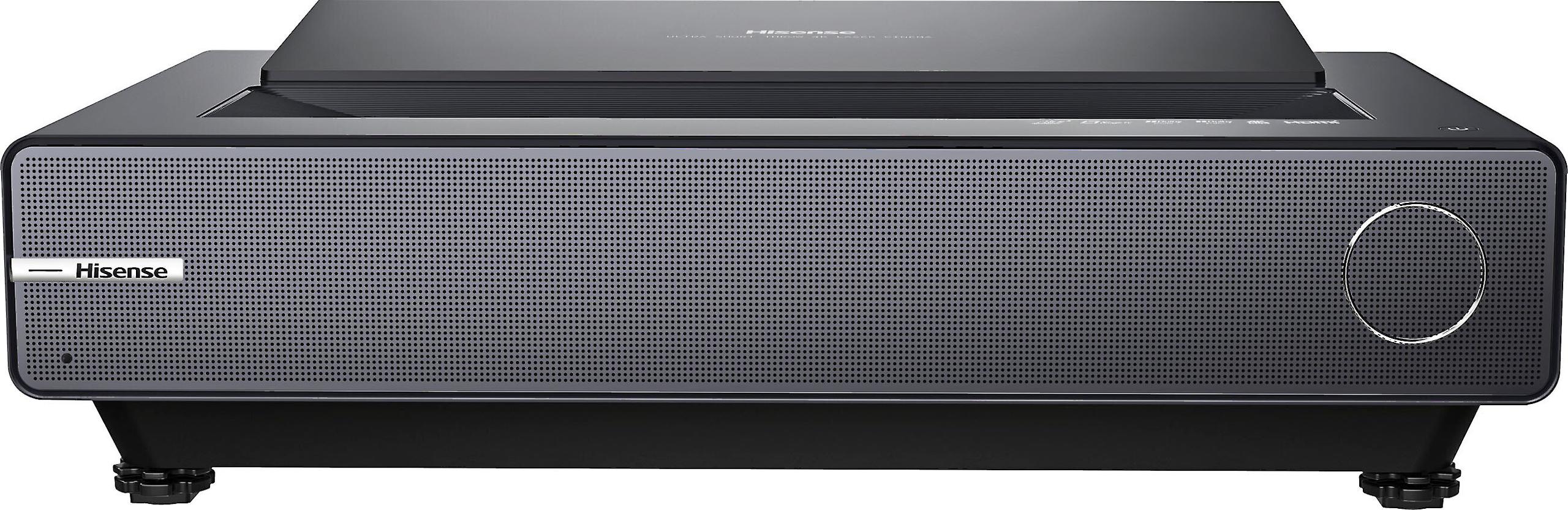
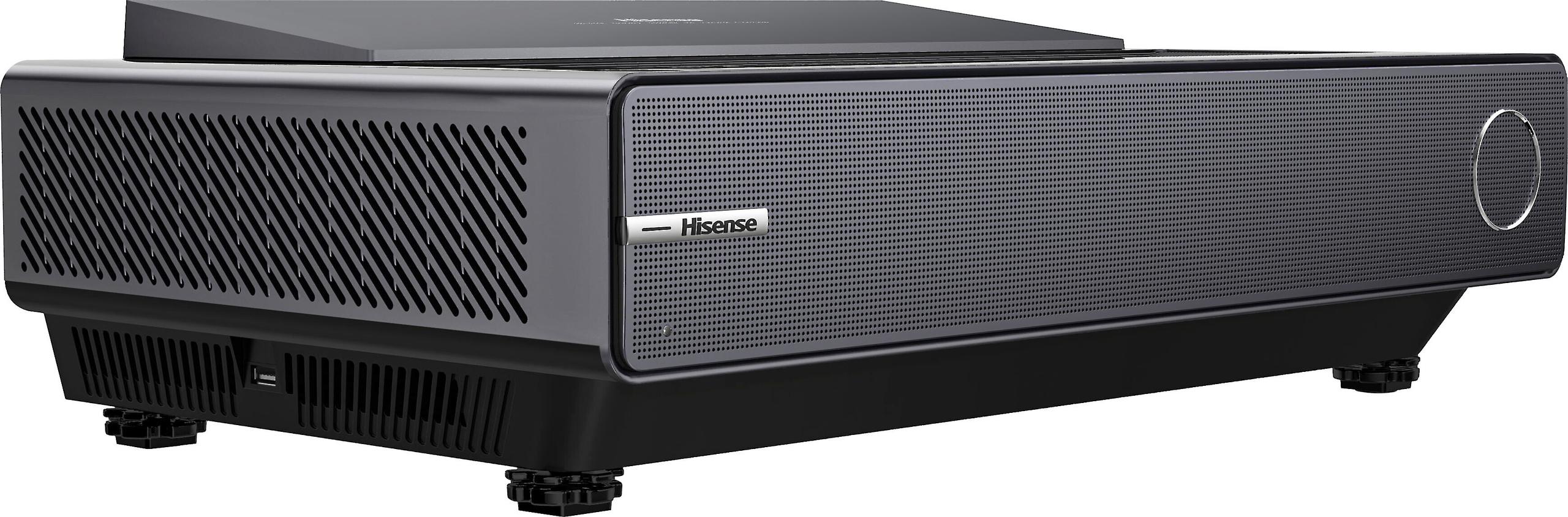
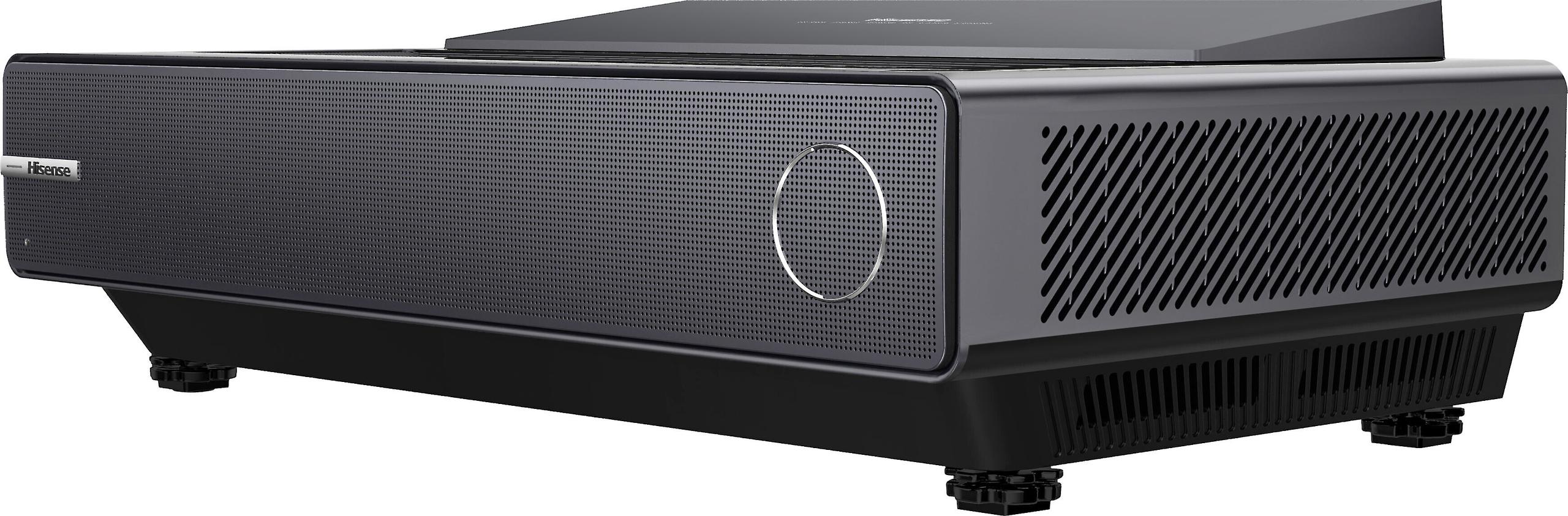

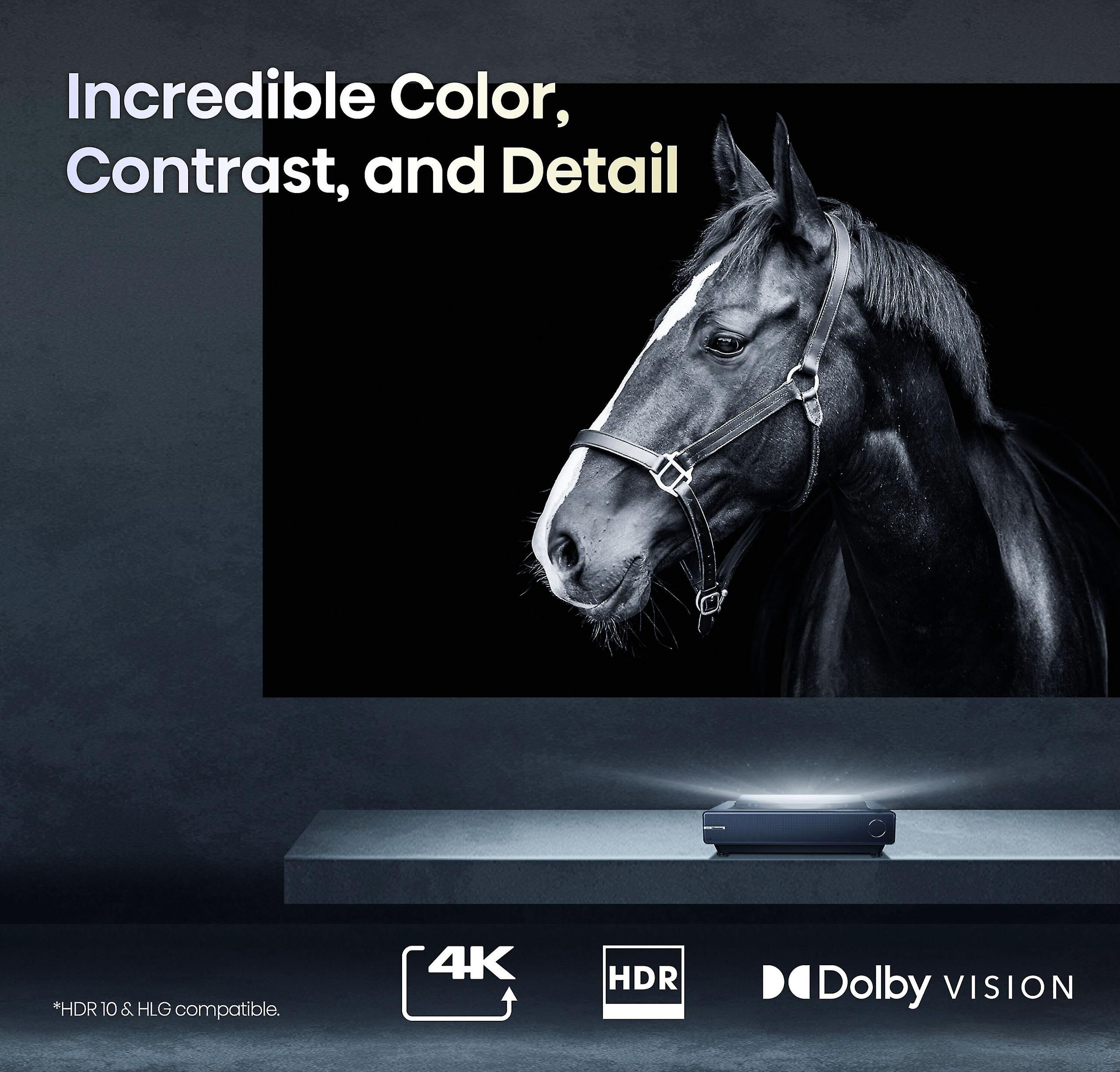
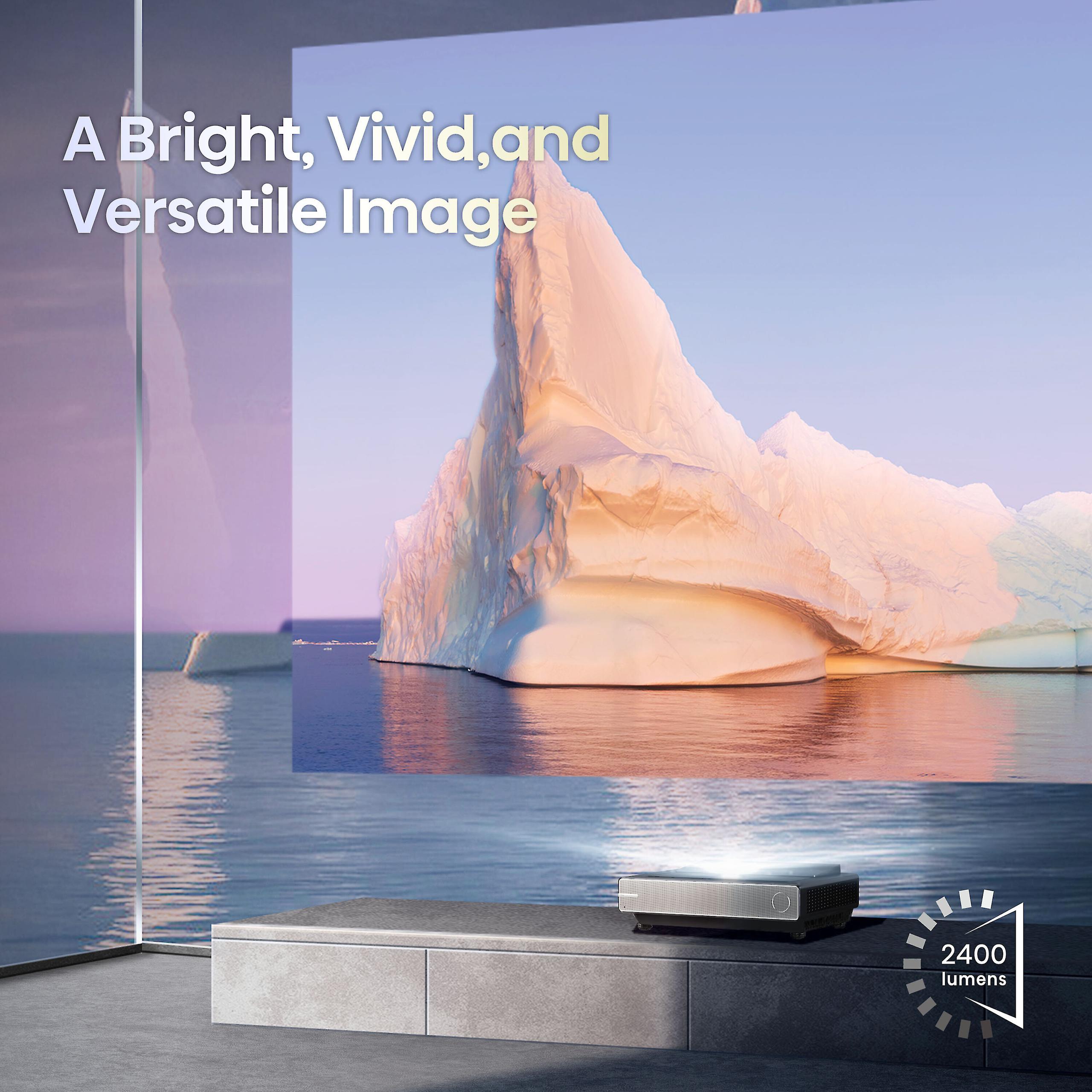
When you're looking to transform your living room into a massive screen entertainment center, ultra short throw (UST) projectors offer an incredible solution. Unlike traditional projectors that need to be mounted on your ceiling with cables running everywhere, UST projectors sit right on your TV stand just inches from the wall—yet somehow create images that can stretch from 80 inches all the way up to 200 inches diagonal.
The technology behind this seeming magic involves specialized optics and mirrors that bend and focus light at extreme angles. Think of it like a periscope in reverse: instead of looking around corners, these projectors throw images around corners to create massive displays from impossibly short distances.
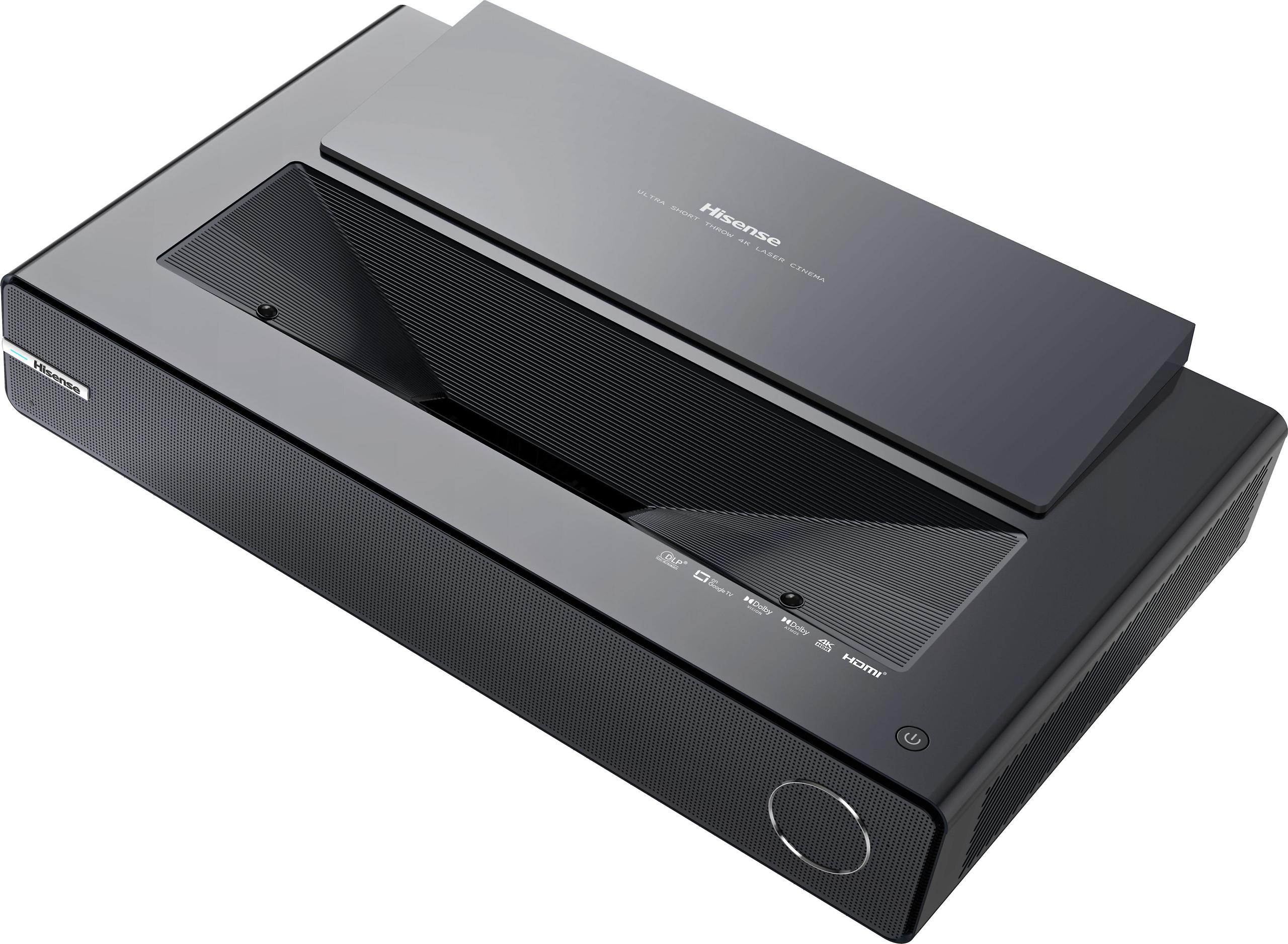
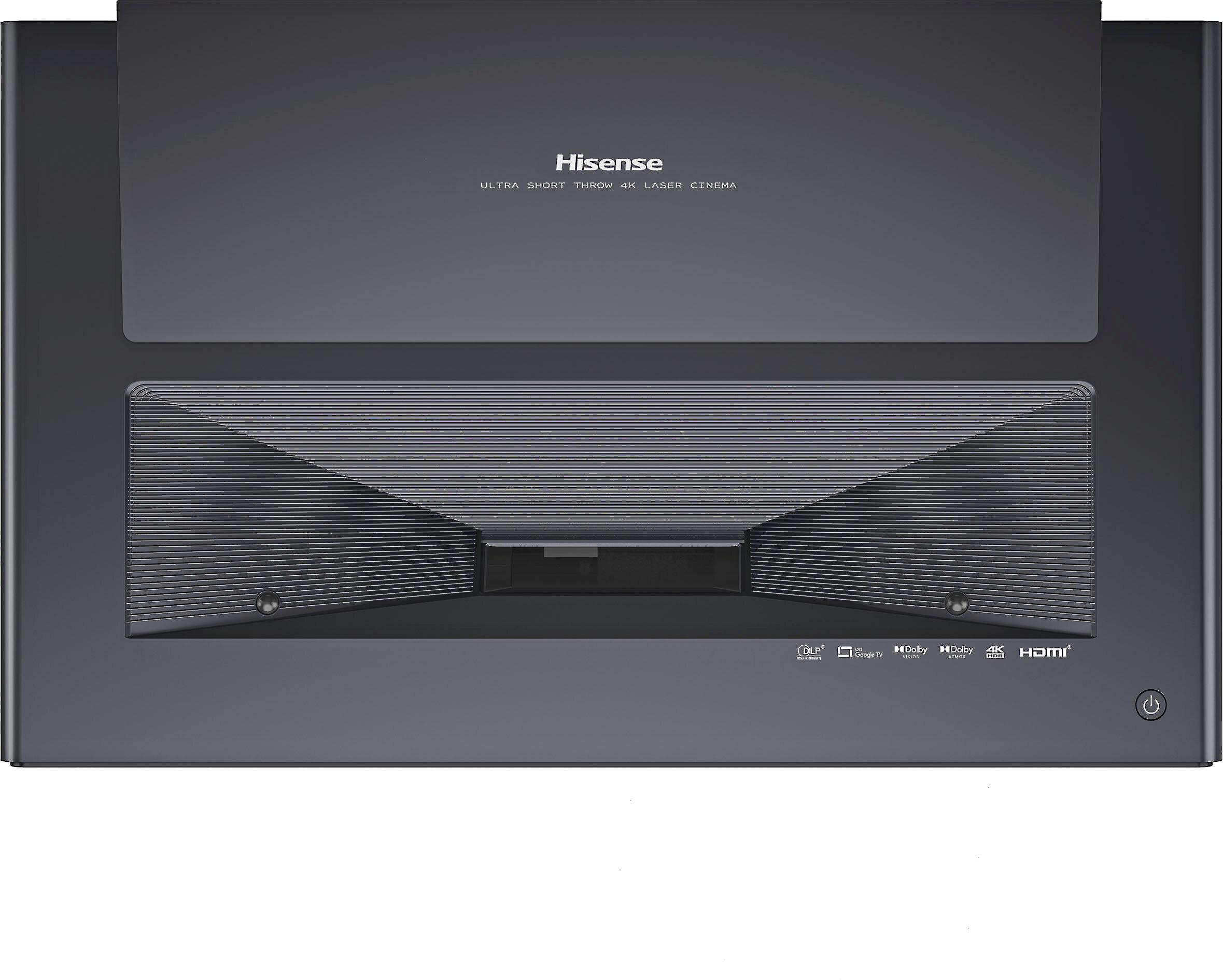
Two standout options in this space are the Hisense L9Q and the Hisense PX2-PRO. Both launched within the last few years as Hisense refined their UST technology, with the L9Q representing their 2025 flagship while the PX2-PRO targets the value-conscious segment. At the time of writing, expect to pay premium pricing for the L9Q while the PX2-PRO offers more accessible entry into high-quality UST projection.
Before diving into comparisons, it's worth understanding why UST projectors have become so popular. Traditional projectors require 10-15 feet of throw distance to create a 100-inch image, limiting placement options and creating shadow issues when people walk in front. UST projectors flip this entirely—they can create that same 100-inch image from less than a foot away from your screen or wall.
The throw ratio tells this story mathematically. While traditional projectors might have throw ratios of 1.5:1 or 2:1 (meaning 2 feet of distance for every 1 foot of screen width), UST projectors typically achieve ratios under 0.5:1. The L9Q pushes this to an extreme 0.18:1, meaning it only needs about 5 inches to create a 100-inch diagonal image.
This proximity brings challenges, though. Getting uniform brightness, sharp focus, and accurate colors across such a wide image from such a short distance requires incredibly precise engineering. The optics are far more complex than traditional projectors, which explains why quality UST models command premium prices.
The most fundamental difference between the L9Q and PX2-PRO lies in their light output, measured in ANSI lumens. This isn't just a numbers game—it dramatically affects where and when you can use these projectors.
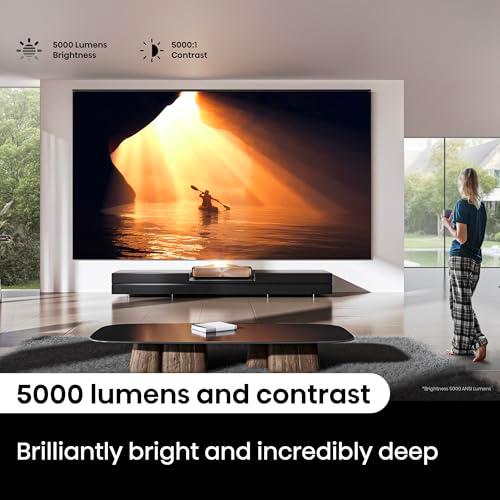
The PX2-PRO delivers 2,400 ANSI lumens, which sounds impressive until you compare it to the L9Q's exceptional 5,000 ANSI lumens. That's more than double the light output, and the difference is immediately visible in real-world use.
ANSI lumens measure actual light output under standardized conditions, accounting for color accuracy and uniformity across the entire image. It's a more honest measurement than the peak lumens some manufacturers quote, which only measure the brightest white light the projector can produce.
In practical terms, the PX2-PRO's 2,400 lumens work beautifully in dedicated theater rooms where you can control lighting. Turn off the lights, close the blinds, and you'll get stunning picture quality with deep colors and impressive contrast. But try to watch during the day with natural light coming through windows, and the image becomes washed out and pale.
The L9Q's 5,000 lumens changes this equation entirely. Based on extensive user reports and professional reviews, this projector maintains vibrant colors and punchy contrast even with significant ambient light. You can leave lights on, keep blinds open during daylight hours, and still enjoy compelling HDR content. For families using their main living space rather than a dedicated theater room, this flexibility proves invaluable.
This brightness advantage becomes particularly important for HDR (High Dynamic Range) content. HDR aims to recreate the full range of brightness your eyes see in real life, from deep shadows to brilliant highlights like the sun reflecting off water. Without sufficient peak brightness, HDR content looks flat and lifeless. The L9Q's extra lumens allow HDR highlights to truly pop, creating that "wow" effect that makes HDR worthwhile.
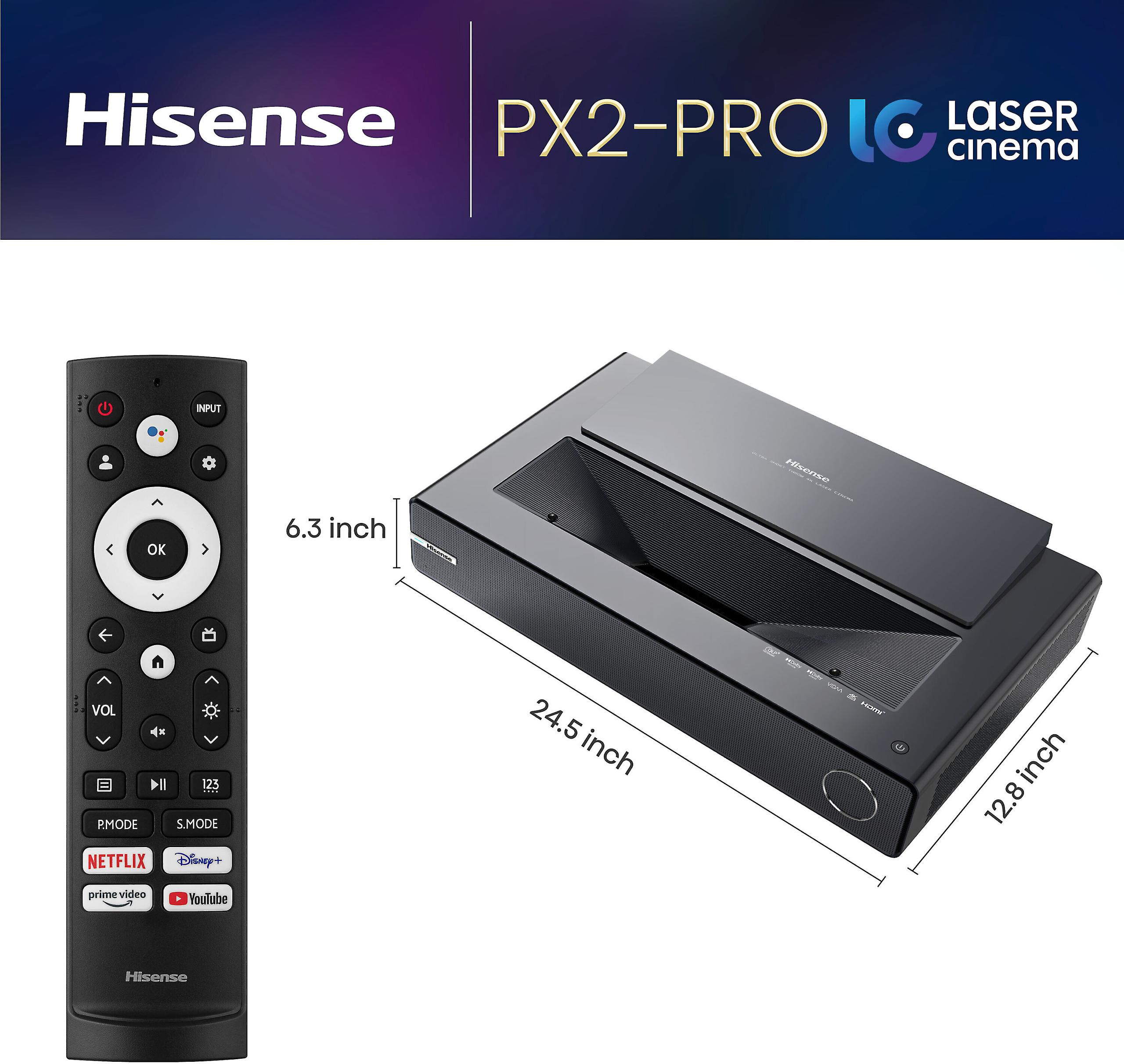
Both projectors offer impressive size capabilities, but with important differences. The PX2-PRO handles screen sizes from 90 to 130 inches—more than adequate for most homes and significantly larger than even the biggest affordable TVs.
The L9Q extends this range from 80 inches all the way up to 200 inches. While few people need 200-inch screens, this expanded range provides flexibility for unique spaces. More importantly, it means the L9Q can deliver bright, vibrant images even at the larger sizes where the PX2-PRO might start to look dim.
Screen size selection involves more than just "bigger is better." Sitting too close to an oversized screen creates eye strain and makes it impossible to take in the entire image. The general rule suggests sitting 1.5 to 2.5 times the screen width away from your display. For a 120-inch screen (roughly 10 feet wide), you'd want 15-25 feet of seating distance for optimal viewing.
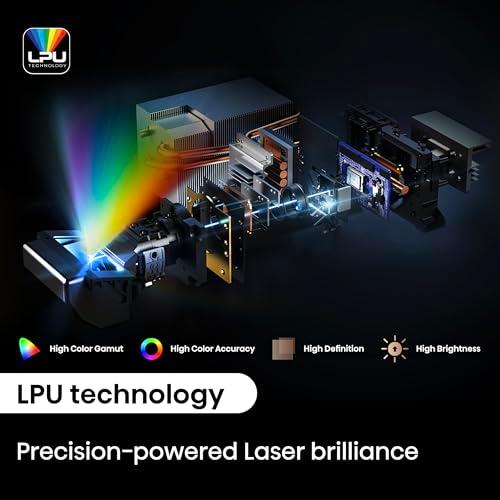
Both the L9Q and PX2-PRO use triple laser technology, representing a significant advancement over older projector designs. Traditional projectors use a single white light source passed through a spinning color wheel to create red, green, and blue light sequentially. This approach can create rainbow artifacts—brief flashes of colored light that some viewers find distracting.
Triple laser systems use separate red, green, and blue lasers simultaneously, eliminating the color wheel entirely. This provides several advantages: no rainbow effect, more accurate colors, instant on/off capability, and exceptional longevity—often 25,000+ hours of use without brightness degradation.
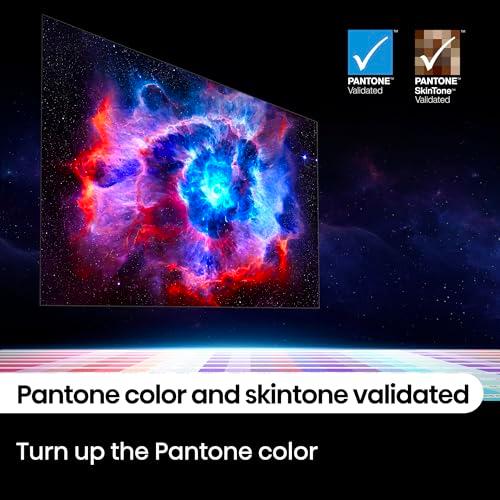
The L9Q takes this further with its LPU Digital Laser Engine 2.0, covering 110% of the BT.2020 color space with Pantone validation. BT.2020 represents the wide color gamut standard for 4K and HDR content—think of it as the full palette of colors that modern content creators use. Covering 110% means this projector can reproduce colors that are actually more saturated than the standard requires.
Pantone validation matters because it means colors have been professionally calibrated to match industry standards. When a filmmaker grades a scene to have a specific shade of red, the L9Q will reproduce that exact shade rather than its own interpretation.
The PX2-PRO achieves 107% BT.2020 coverage, still excellent and noticeably superior to older projector technologies. The difference between 107% and 110% is subtle in daily use, but the L9Q's Pantone certification provides confidence for color-critical applications.
High Dynamic Range represents perhaps the most significant advancement in display technology since the transition to high definition. HDR content contains brightness and color information that far exceeds what older displays could reproduce, creating more realistic and impactful images.
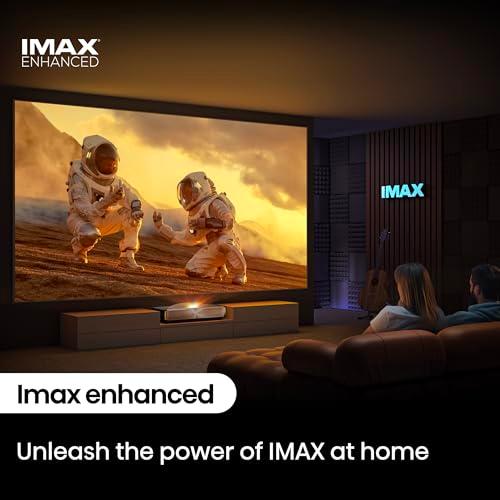
Both projectors support the major HDR formats, but with different capabilities. The PX2-PRO handles Dolby Vision, HDR10, and HLG (Hybrid Log-Gamma), covering the vast majority of available content. The L9Q adds HDR10+ and IMAX Enhanced support, providing broader compatibility and potentially better performance with content mastered in these formats.
However, format support only tells part of the story. HDR's impact depends heavily on peak brightness capabilities. Content mastered at 1,000 or 4,000 nits (a measure of brightness) needs projectors that can approach these levels to show the creator's full intent.
The L9Q's superior brightness allows HDR highlights to approach their intended impact. Explosions look more dramatic, sunlight appears more brilliant, and the contrast between bright and dark elements becomes more pronounced. The PX2-PRO delivers good HDR performance within its brightness limits, but can't match the dynamic impact of the brighter projector.
Both models include Filmmaker Mode, which disables motion smoothing and other processing to display content exactly as directors intended. This feature has become standard across premium displays as filmmakers push for authentic reproduction of their creative vision.
One area where these projectors diverge dramatically is audio integration. The PX2-PRO includes 30W Dolby Atmos speakers—certainly functional and better than many built-in TV speakers, but not exceptional. Users report clear dialogue and adequate bass, though dedicated audio systems will provide superior performance.
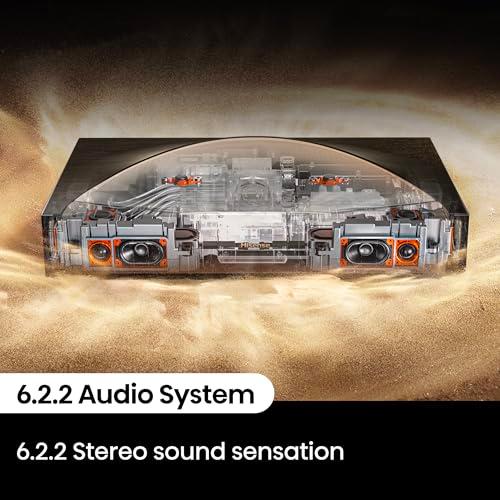
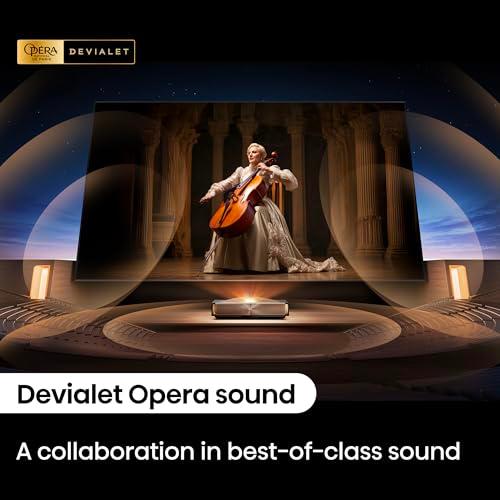
The L9Q takes a completely different approach with its partnership with Devialet, a French audio company known for high-end wireless speakers and sound processing. The integrated 116W 6.2.2-channel system provides genuine surround sound with professional tuning supposedly inspired by the Opéra de Paris acoustic environment.
This audio difference affects total system cost significantly. If you're planning to add a soundbar or surround sound system anyway, the PX2-PRO's adequate speakers become less relevant. But if you prefer an all-in-one solution or want to minimize cables and boxes, the L9Q's premium audio integration provides substantial value.
Dolby Atmos creates three-dimensional soundscapes by precisely controlling audio objects in space. Instead of just left and right channels, Atmos can place sounds above, behind, and all around the listening position. Both projectors support this technology, but the L9Q's superior speaker array can better realize Atmos' full potential.
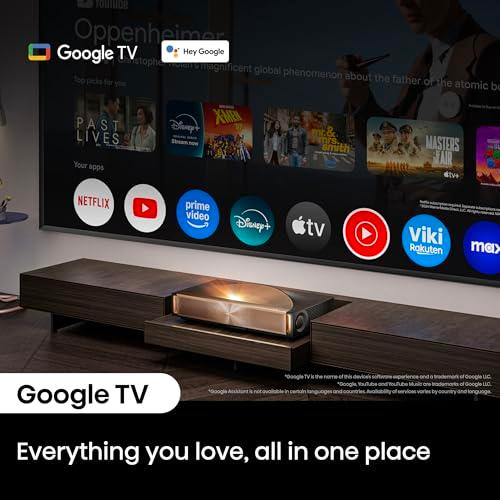
Both projectors run Google TV, Google's latest smart TV platform that replaced Android TV. Google TV provides access to all major streaming services including Netflix, Disney+, Amazon Prime Video, and YouTube, with an interface that aggregates content from multiple services into unified recommendations.
The L9Q includes more advanced connectivity options, particularly Wi-Fi 6E support. Wi-Fi 6E uses additional 6GHz spectrum bands that are less congested than traditional 2.4GHz and 5GHz bands, potentially providing faster and more reliable streaming for high-bandwidth 4K and HDR content.
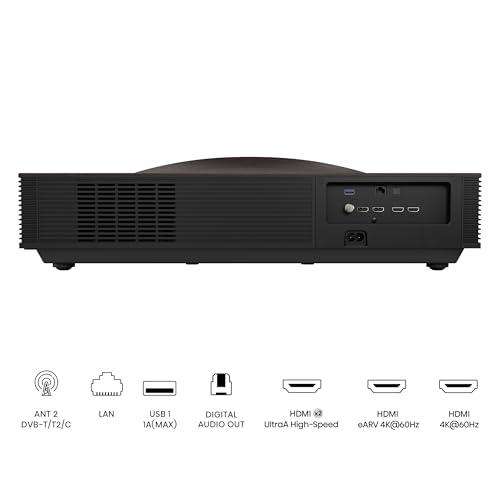
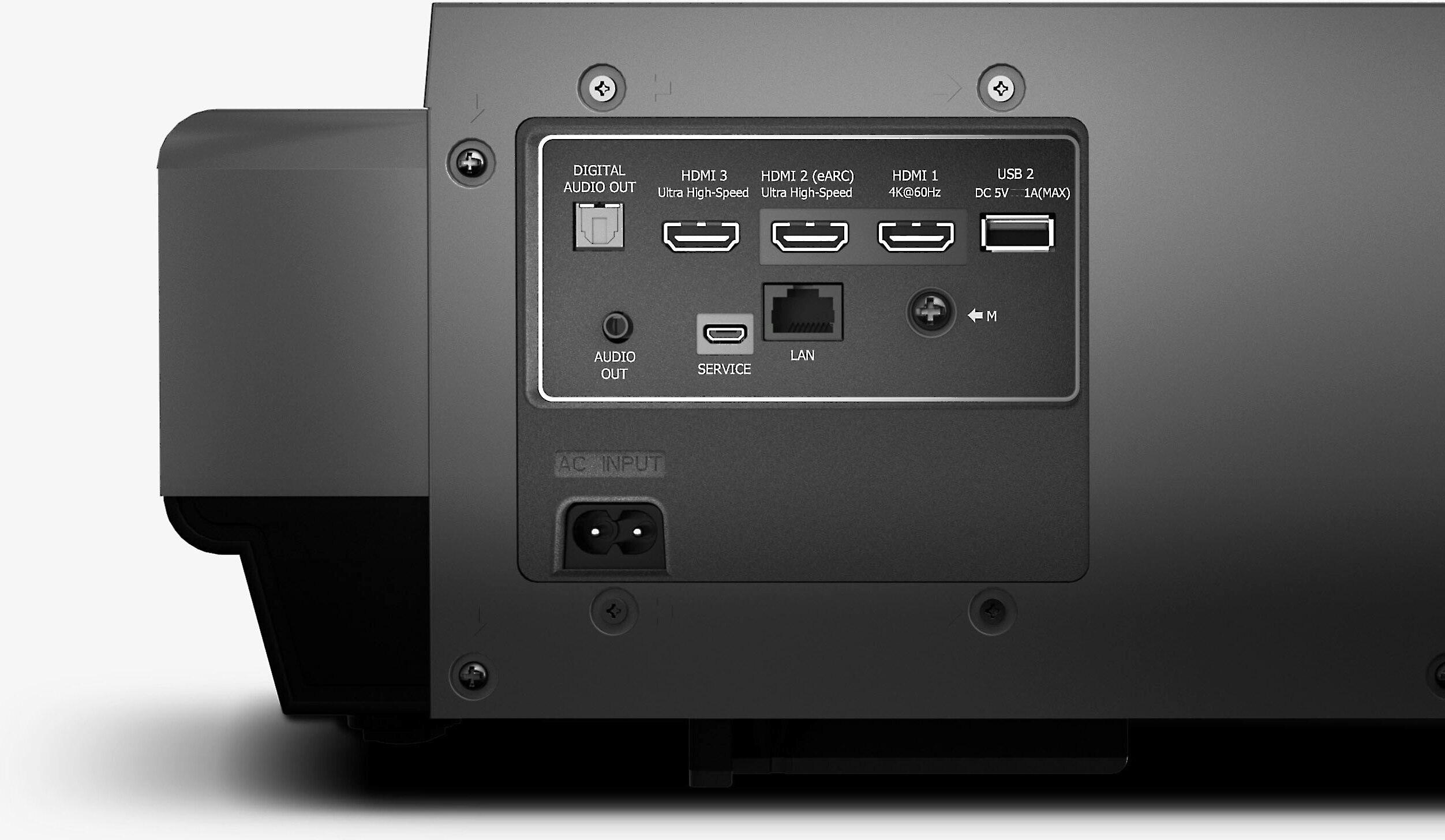
Both models include multiple HDMI ports for connecting game consoles, media players, and other devices. The L9Q provides more HDMI 2.1 ports, which support higher bandwidth for 4K gaming at 120Hz and other advanced features like Variable Refresh Rate (VRR) that can reduce gaming lag and screen tearing.
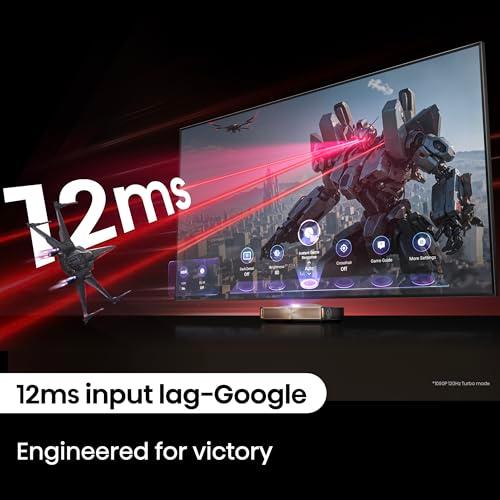
Gaming performance on both projectors benefits from dedicated game modes that reduce input lag—the delay between controller input and on-screen response. While specific measurements weren't available, user reports suggest both projectors achieve gaming-suitable lag when properly configured.
UST projectors require more careful setup than traditional displays. Screen selection becomes critical—you can't just project onto any wall and expect optimal results. Dedicated UST screens or high-quality painted walls provide the best performance, while textured surfaces can scatter light and reduce image quality.
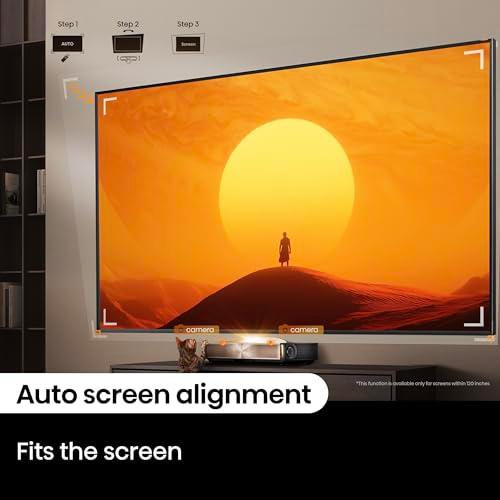
The L9Q includes automated screen alignment features that simplify setup, while the PX2-PRO relies more on manual adjustments. Both offer keystone correction to fix geometric distortions, though precise initial placement reduces the need for these digital corrections that can slightly compromise image quality.
Laser safety represents another consideration. Both projectors include proximity sensors that dim or shut off the lasers when objects get too close, preventing eye damage. The intense, focused light these projectors produce can be harmful if viewed directly, making these safety features essential rather than optional.
At the time of writing, the PX2-PRO represents exceptional value for buyers with appropriate viewing environments. For controlled lighting conditions—think evening movie watching with lights dimmed—it delivers stunning picture quality that rivals much more expensive options.
The L9Q commands a significant premium but justifies it for specific use cases. If you need daytime viewing capability, want screens larger than 130 inches, or prefer integrated premium audio, the extra investment makes sense. However, if you're building a dedicated theater room where lighting control isn't an issue, the PX2-PRO's performance may satisfy without the extra expense.
Consider total system cost when making this decision. If you're planning to add a high-end sound system anyway, the L9Q's audio advantage becomes less relevant. Similarly, if your room never experiences significant ambient light, paying for extra brightness provides limited benefit.
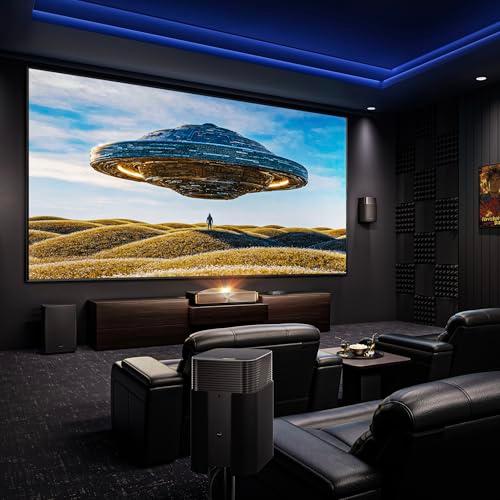
For dedicated home theater rooms, both projectors excel but serve different priorities. The PX2-PRO provides exceptional bang-for-buck in controlled environments, delivering the large-screen cinematic experience that makes home theaters special.
Serious home theater enthusiasts might actually prefer the PX2-PRO's more conservative brightness in completely dark rooms. Excessive brightness can be fatiguing during long viewing sessions and may actually reduce perceived contrast in pitch-black environments.
The L9Q makes more sense for multipurpose spaces that serve as both living rooms and entertainment centers. Its brightness tolerance for ambient light means you don't need to transform your space into a cave every time you want to watch something.
Since their respective launches, both projectors represent significant advances over earlier UST technology. Early UST models suffered from poor brightness uniformity, limited color accuracy, and inadequate smart features. These current-generation models address most historical shortcomings.
The triple laser technology in both units should provide excellent longevity. Unlike traditional lamp-based projectors that require expensive bulb replacements every 2,000-4,000 hours, these laser light sources are rated for 25,000+ hours of operation without significant brightness loss. At 4 hours daily usage, that represents over 17 years of reliable performance.
Software updates continue improving performance post-purchase. Google TV receives regular updates with new features and app compatibility, while projector manufacturers can fine-tune color accuracy and add functionality through firmware updates.
Choose the PX2-PRO if you have a dedicated theater space or can control ambient light effectively. Its exceptional picture quality at a more accessible price point makes it ideal for evening entertainment and movie nights. The smaller maximum screen size rarely proves limiting for typical home installations.
The L9Q makes sense when flexibility matters more than budget constraints. If you're using a family room with windows, want the option for very large screens, or prefer an all-in-one solution with premium audio, the extra investment provides tangible benefits.
Consider your actual usage patterns rather than theoretical preferences. Many people think they want maximum brightness until they experience eye strain from overly bright images in dark rooms. Similarly, 200-inch screens sound appealing until you realize your seating distance makes them impractical.
Both projectors deliver experiences that would have seemed impossible just a few years ago. The choice ultimately comes down to matching capabilities to your specific space and viewing habits rather than simply choosing the most expensive option. The PX2-PRO proves that exceptional large-screen performance doesn't require maximum budgets, while the L9Q demonstrates what's possible when engineering constraints are relaxed by premium pricing.
| Hisense L9Q Triple Laser Ultra Short Throw Projector | Hisense PX2-PRO TriChroma 4K Ultra Short Throw Laser Cinema Projector |
|---|---|
| Brightness - Most critical factor for versatile room usage and HDR impact | |
| 5,000 ANSI lumens (excellent daytime viewing, bright rooms) | 2,400 ANSI lumens (good for controlled lighting, evening use) |
| Screen Size Range - Determines installation flexibility and maximum impact | |
| 80-200 inches (ultra-flexible for any space) | 90-130 inches (covers most typical home theater needs) |
| Throw Ratio - How close the projector sits to your wall | |
| 0.18:1 (100" image from 5.4" away, industry-leading) | Standard UST ratio (sits slightly further from wall) |
| Color Gamut - Affects color accuracy and vibrancy | |
| 110% BT.2020 with Pantone validation (professional accuracy) | 107% BT.2020 (excellent colors, minor difference in real use) |
| HDR Format Support - Compatibility with premium content | |
| Dolby Vision, HDR10+, HDR10, HLG, IMAX Enhanced | Dolby Vision, HDR10, HLG (covers most content) |
| Audio System - Built-in sound quality and power | |
| 116W 6.2.2-channel Devialet system (premium theater audio) | 30W Dolby Atmos speakers (functional, may want external audio) |
| Smart Platform - Streaming and app capabilities | |
| Google TV with Wi-Fi 6E, NextGen TV tuners | Google TV with standard connectivity |
| Gaming Features - Performance for console gaming | |
| Low input lag, multiple HDMI 2.1 ports, ALLM support | Low input lag with game mode, good gaming performance |
| Laser Lifespan - Long-term reliability and maintenance | |
| 25,000+ hours (17+ years at 4hrs daily) | 25,000+ hours (same excellent longevity) |
| Build Quality and Design - Premium features and aesthetics | |
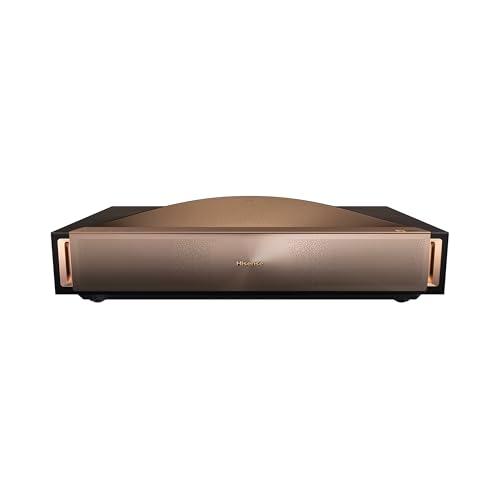
| Imperial Copper finish, iF Design Award, art piece styling | Functional design focused on performance over luxury |
The Hisense L9Q delivers 5,000 ANSI lumens compared to the Hisense PX2-PRO's 2,400 ANSI lumens. This makes the L9Q significantly better for daytime viewing and rooms with ambient light, while the PX2-PRO works best in controlled lighting conditions like dedicated home theaters.
The Hisense L9Q can project images from 80 to 200 inches, offering exceptional flexibility for any space. The Hisense PX2-PRO handles 90 to 130 inches, which covers most typical home theater installations. For screens larger than 130 inches, you'll need the L9Q.
The Hisense L9Q features a premium 116W 6.2.2-channel Devialet audio system that eliminates the need for external speakers in most setups. The Hisense PX2-PRO includes 30W Dolby Atmos speakers that provide functional sound but may benefit from a separate sound system for the best home theater experience.
The Hisense PX2-PRO provides exceptional value for controlled lighting environments, delivering about 80% of the premium experience at a significantly lower cost. The L9Q justifies its premium pricing if you need maximum brightness, larger screens, or integrated high-end audio.
Yes, both the Hisense L9Q and PX2-PRO deliver true 4K resolution with HDR support. The L9Q supports more HDR formats including HDR10+ and IMAX Enhanced, while the PX2-PRO covers the essential Dolby Vision, HDR10, and HLG formats that handle most content.
Both are ultra short throw projectors that sit just inches from your wall or screen. The Hisense L9Q has an industry-leading 0.18:1 throw ratio, creating a 100-inch image from just 5.4 inches away. The PX2-PRO uses a standard UST ratio that requires slightly more distance but still fits on a typical TV stand.
Both the Hisense L9Q and PX2-PRO offer low input lag gaming modes suitable for console gaming. The L9Q provides more HDMI 2.1 ports for next-gen consoles, while the PX2-PRO delivers solid gaming performance at a more accessible price point.
Both projectors run Google TV with access to Netflix, Disney+, Prime Video, and other major streaming services. The Hisense L9Q adds Wi-Fi 6E and NextGen TV tuners for enhanced connectivity, while the PX2-PRO provides all essential smart features for streaming and apps.
Both the Hisense L9Q and PX2-PRO use triple laser technology rated for 25,000+ hours of operation. This equals over 17 years of use at 4 hours daily, with no expensive bulb replacements needed like traditional projectors require.
For dedicated home theaters with controlled lighting, the Hisense PX2-PRO provides exceptional performance at better value. However, the L9Q offers advantages for home theaters that double as family rooms or need very large screens exceeding 130 inches.
The Hisense L9Q excels in bright living rooms thanks to its 5,000 ANSI lumens, maintaining vibrant colors even with ambient light. The PX2-PRO requires dimmer conditions for optimal picture quality, making it better suited for evening viewing or rooms where you can control lighting.
Choose the Hisense PX2-PRO if you have controlled lighting and want excellent UST performance at better value. Choose the L9Q if you need daytime viewing capability, screens larger than 130 inches, premium integrated audio, or maximum brightness for any lighting condition.
We've done our best to create useful and informative comparisons to help you decide what product to buy. Our research uses advanced automated methods to create this comparison and perfection is not possible - please contact us for corrections or questions. These are the sites we've researched in the creation of this article: chrismajestic.com - shop.hisense-usa.com - tomsguide.com - valueelectronics.com - techradar.com - whathifi.com - youtube.com - projectorscreen.com - projectorscreen.com - hisense-usa.com - youtube.com - projectorcentral.com - youtube.com - hisense-usa.com - manuals.plus - shop.avispl.com - hisense-usa.com - bestbuy.com - walmart.com - hisense-usa.com - techradar.com - youtube.com - shop.hisense-usa.com - shop.hisense-usa.com - electronicexpress.com - projectorreviews.com - projectorscreenstore.com - crutchfield.com - walmart.com - avsforum.com

Privacy Policy
Terms and Conditions - Affiliate Policy
Home Security
© Copyright 2008-2026.
11816 Inwood Rd #1211, Dallas, TX 75244