

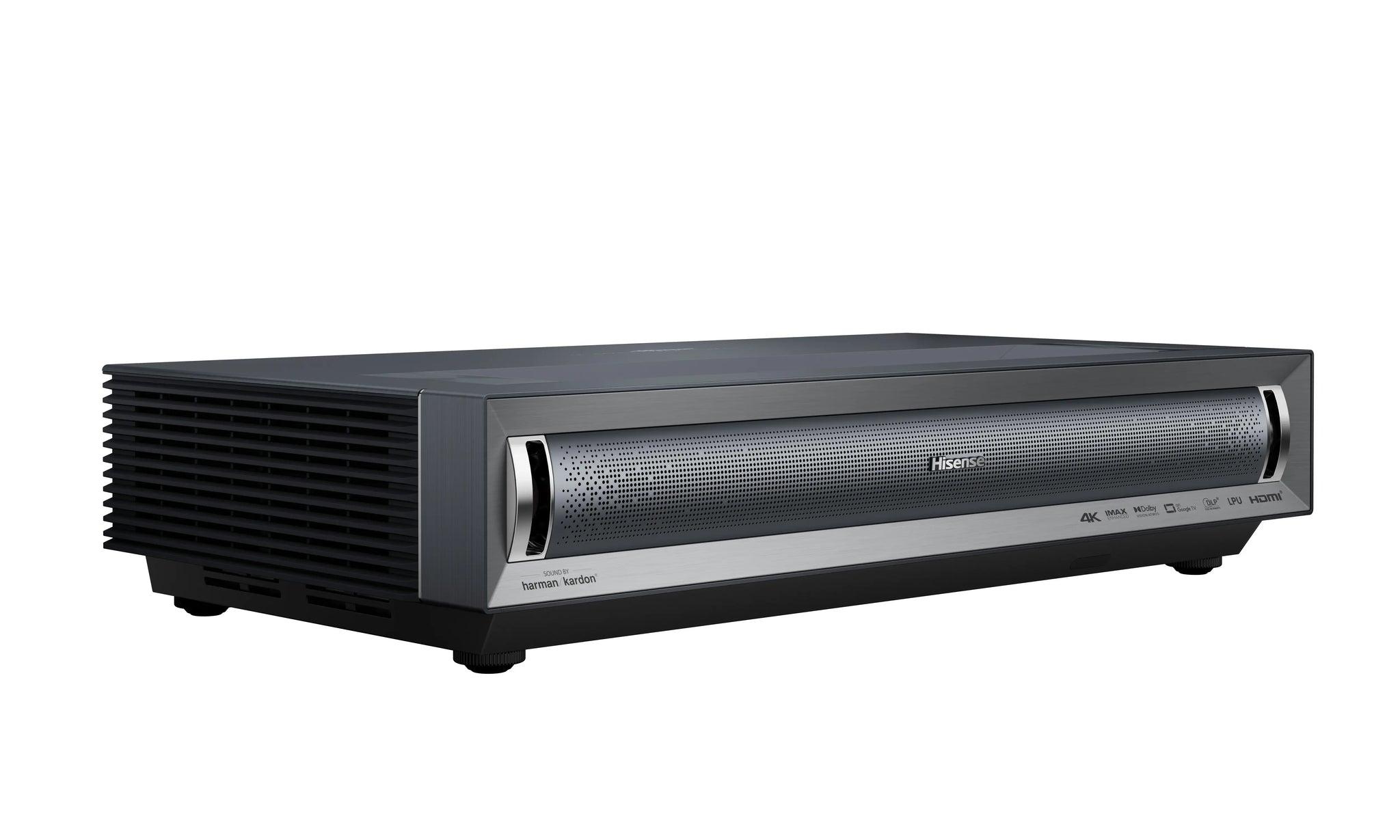
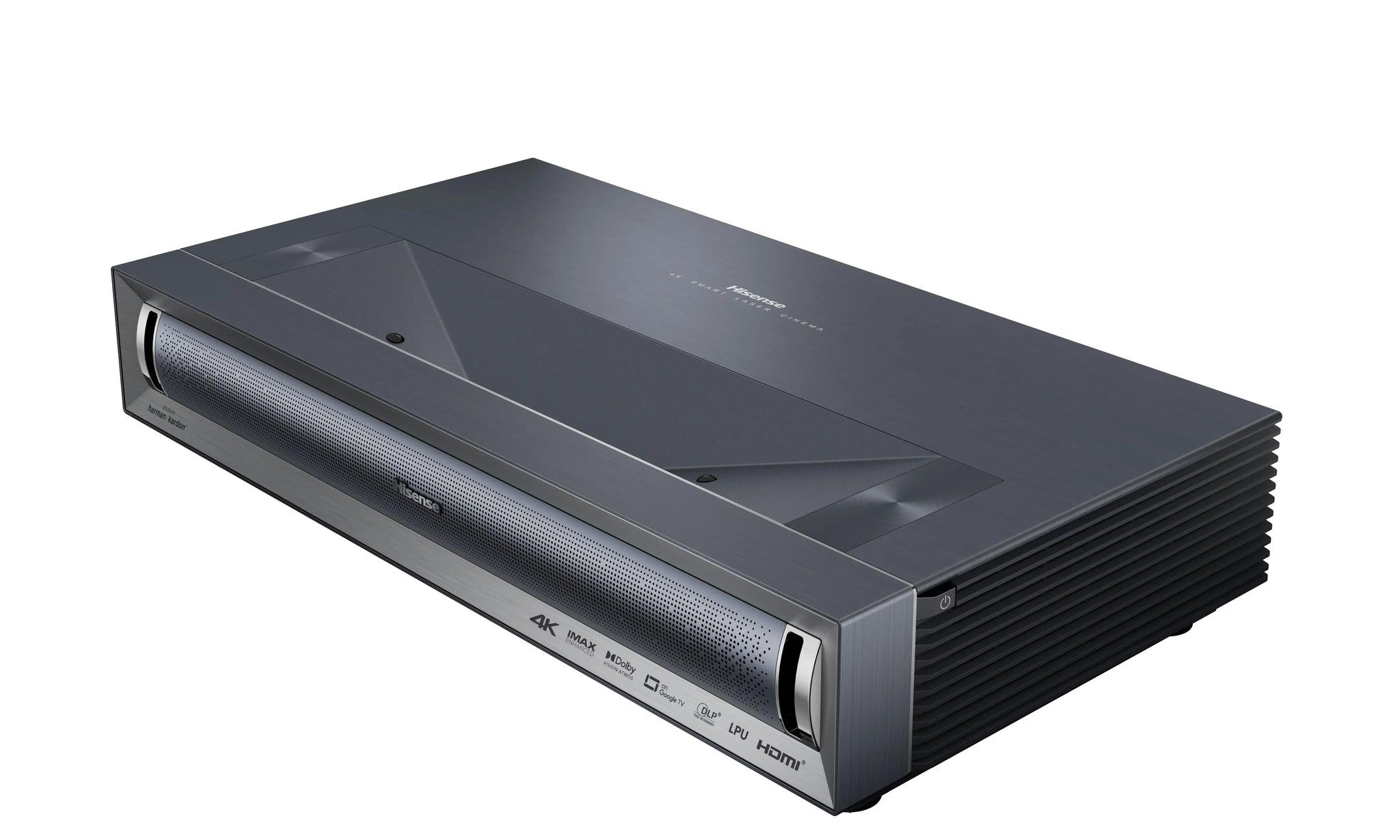
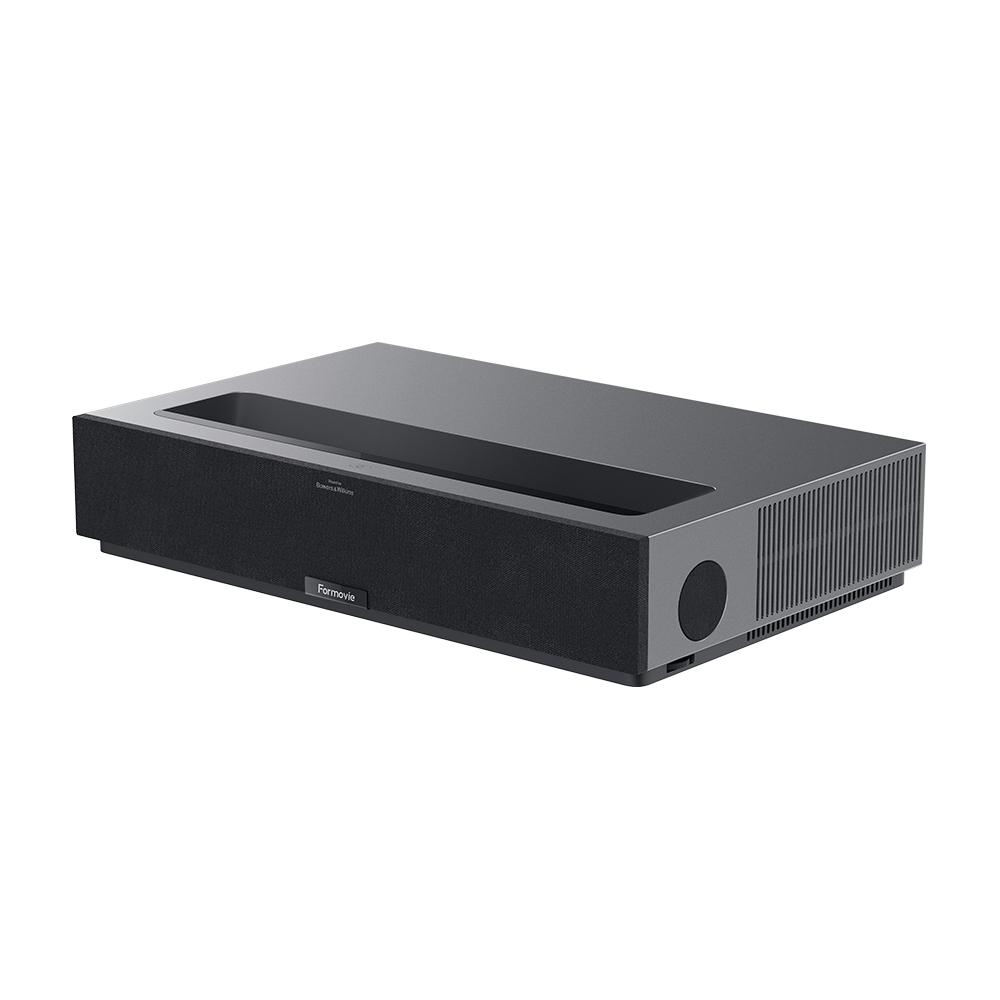
If you've been dreaming of that massive 100-inch screen experience but your living room is more "cozy apartment" than "sprawling mansion," ultra short throw projectors might just be your ticket to home theater bliss. These clever devices sit just inches from your wall or screen, creating cinema-sized images without requiring you to mount anything on the ceiling or run cables across the room.
Today we're diving deep into two compelling options that represent different approaches to UST excellence: the premium Hisense PX3-PRO and the value-focused Formovie Theater. Both promise to transform your living space, but they take notably different paths to get there.
Before we pit these projectors against each other, let's talk about what makes UST projectors special. Traditional projectors need to sit 8-12 feet back from your screen to create a large image. Ultra short throw projectors flip this concept on its head – they can create an 80-100 inch image from just 5-20 inches away from the wall.
This isn't just convenient; it's transformative. No one walks in front of your image. You don't need ceiling mounts or cable runs. The projector sits on a TV stand or low cabinet, often looking more like a sleek soundbar than traditional projector equipment. For apartment dwellers or anyone with space constraints, it's genuinely revolutionary.
The key considerations when shopping for a UST projector center around brightness (measured in ANSI lumens – think of this as the projector's ability to fight ambient light), color accuracy (how true-to-life images appear), contrast ratio (the difference between the brightest whites and deepest blacks), and smart features (built-in streaming capabilities). Gaming performance has also become increasingly important as these projectors mature.
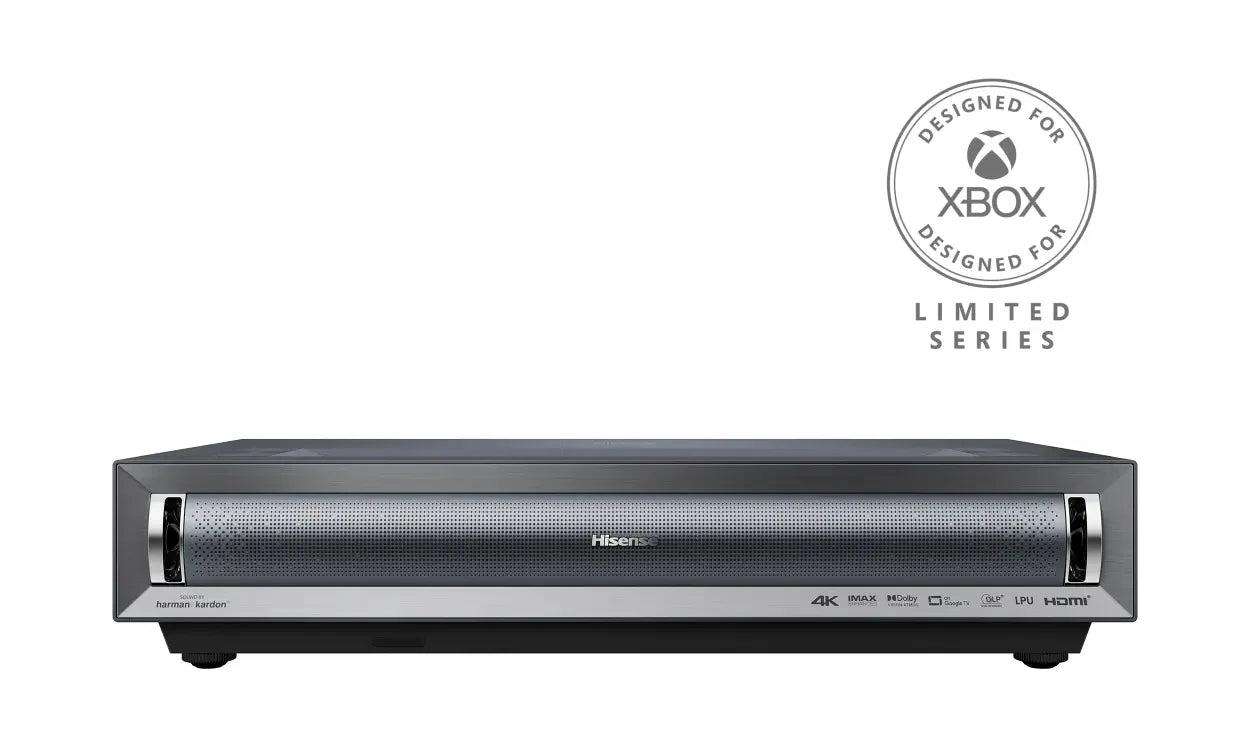
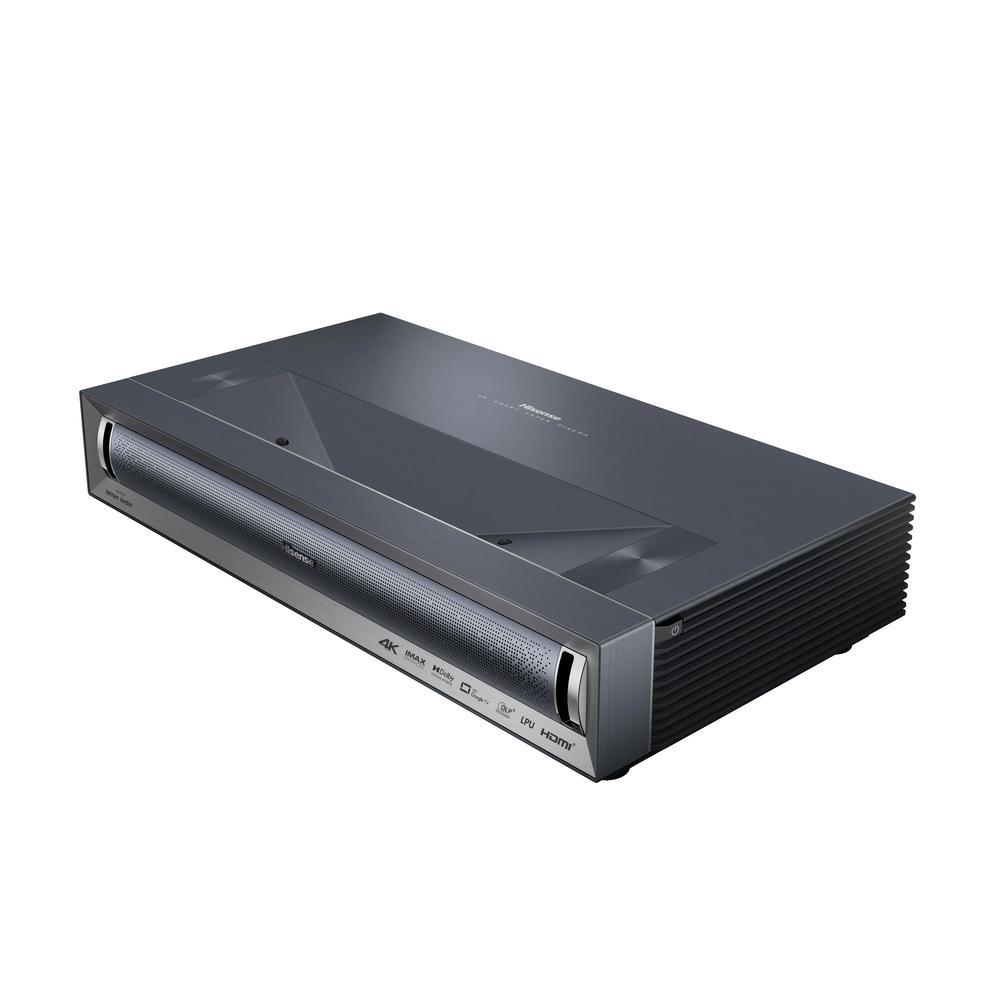
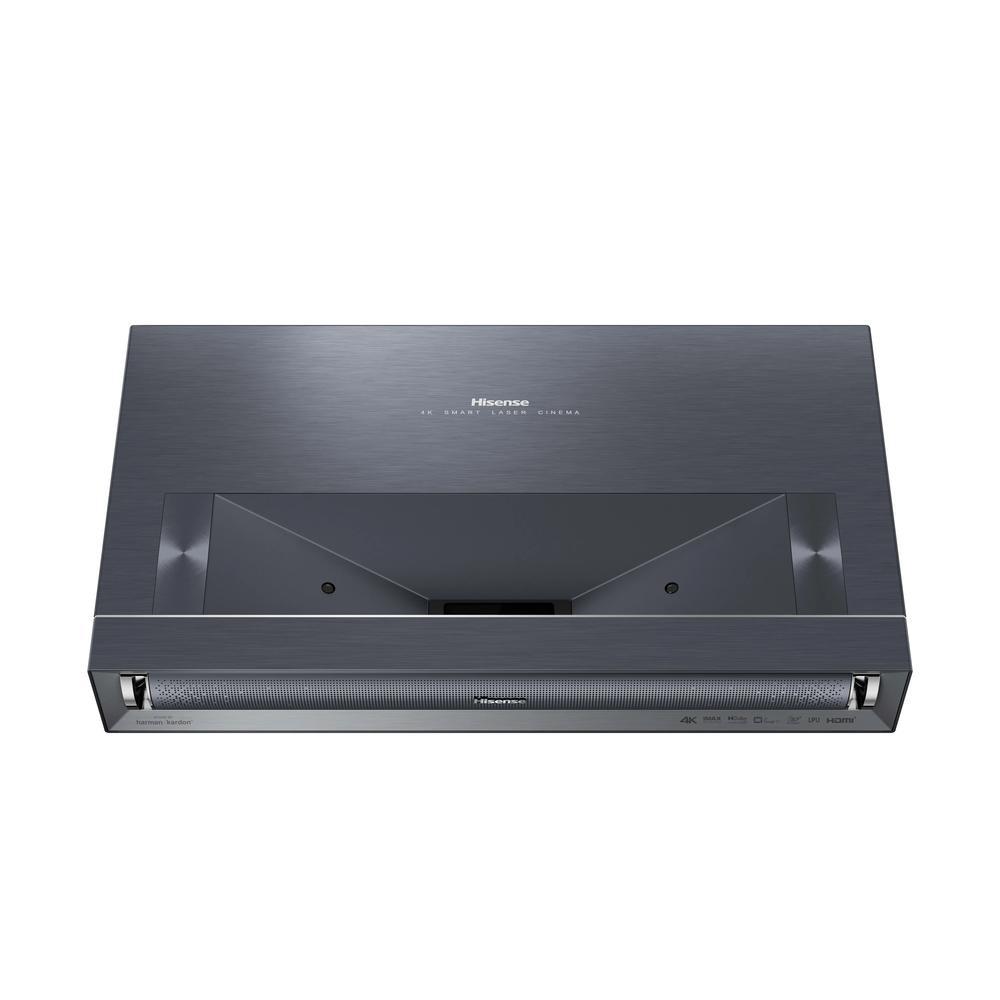
The Hisense PX3-PRO, released in 2024, represents Hisense's latest push into the premium UST market. It's packed with cutting-edge features including IMAX Enhanced certification, advanced gaming capabilities, and what Hisense calls their TriChroma RGB laser engine – essentially a sophisticated light source that produces exceptionally pure colors.
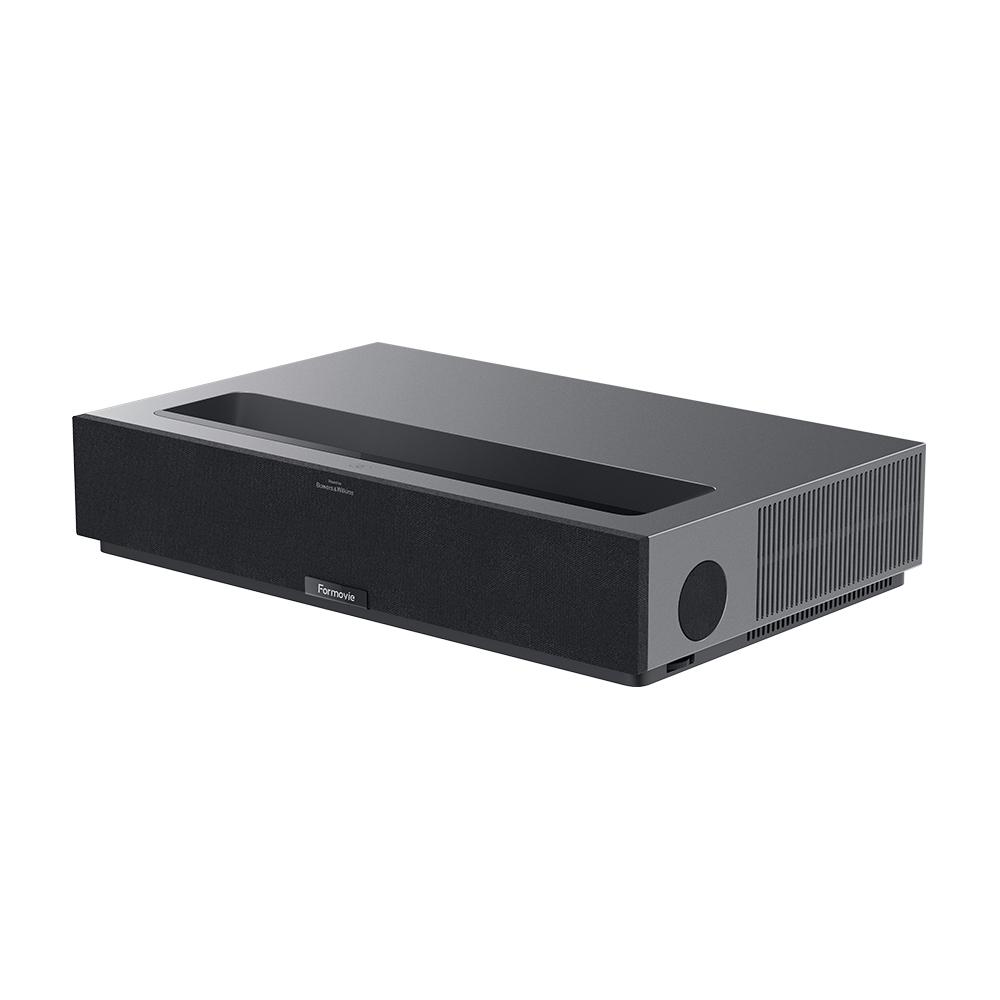
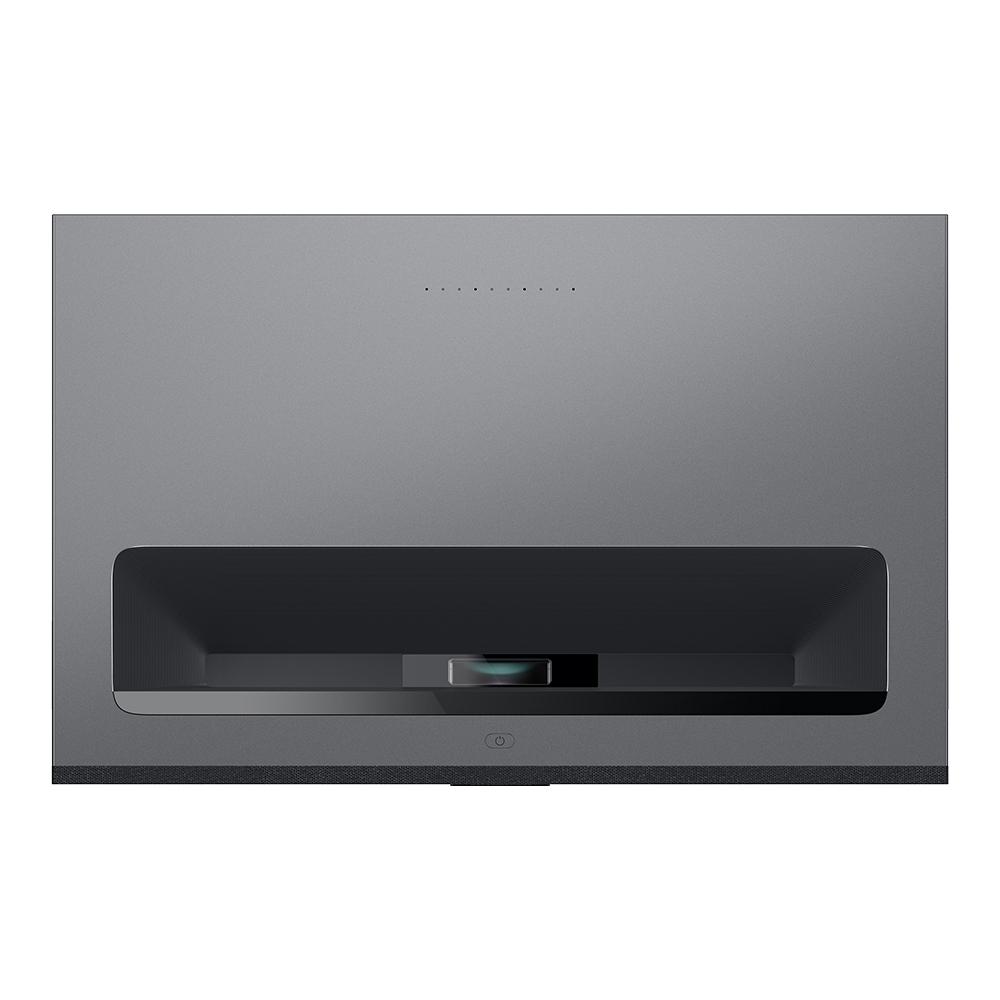
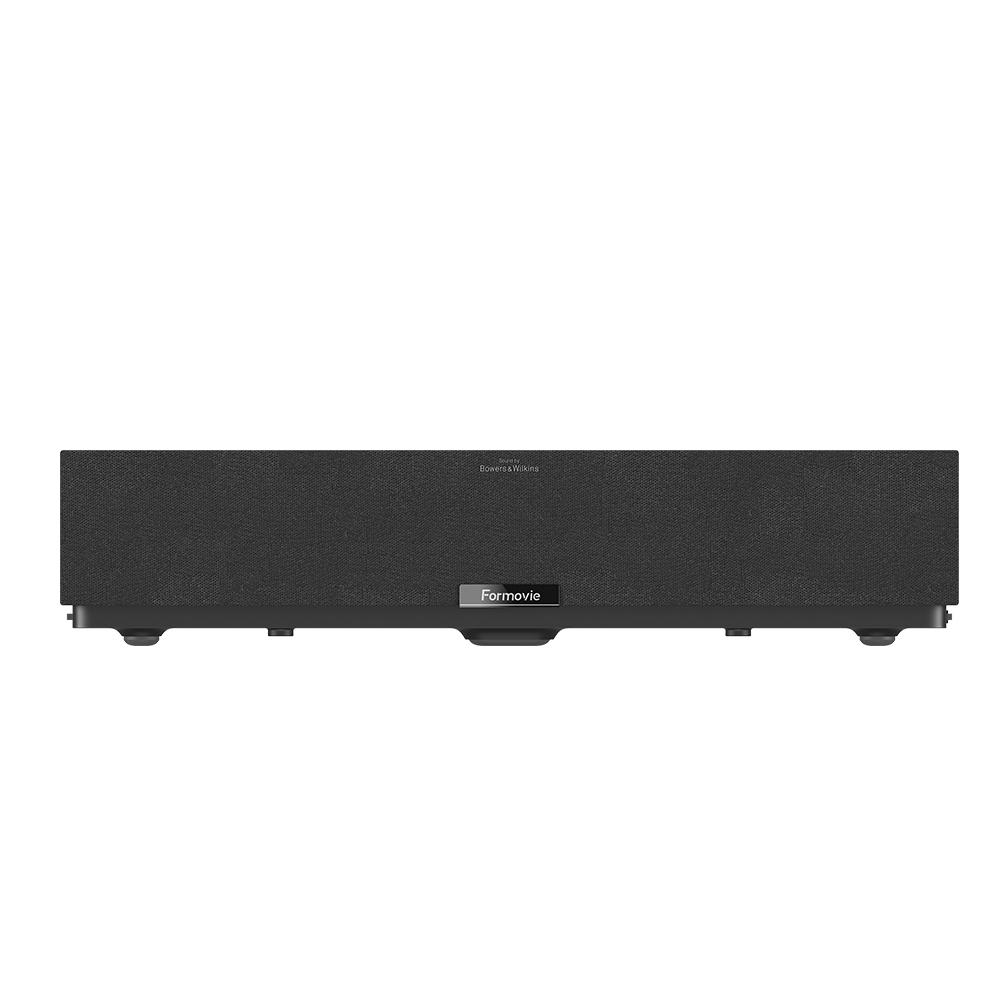
Meanwhile, the Formovie Theater has been building its reputation as a solid performer that delivers impressive results without the premium price tag. It uses ALPD 4.0 triple laser technology (a different approach to achieving wide color coverage) and partners with respected audio brand Bowers & Wilkins for its sound system.
At the time of writing, the Hisense PX3-PRO commands a significant premium over the Formovie Theater – we're talking about a difference that could easily cover a nice ALR screen or sound system upgrade. The question becomes whether that extra investment pays off in real-world performance.
This is where UST projectors live or die. Unlike traditional home theater projectors that assume a dark, controlled environment, UST projectors often need to perform in living rooms with windows, lamps, and general family activity.
The Hisense PX3-PRO delivers 3,000 ANSI lumens through its TriChroma RGB laser system. In practical terms, this means you can enjoy vibrant images even with moderate ambient light – think curtains drawn but room lights on. Our research into user experiences consistently shows the PX3-PRO maintaining color saturation and image pop in conditions that would wash out many competitors.
The Formovie Theater produces 2,800 ANSI lumens via its ALPD 4.0 system. While only 200 lumens less on paper, this difference becomes noticeable in real-world use. Users report the Formovie performing excellently in dim to moderately lit rooms but struggling more when ambient light increases.
Here's why this matters: if your living room gets afternoon sun or you prefer watching TV with some lights on, that brightness difference translates to viewing flexibility. The Hisense PX3-PRO gives you more freedom to use your space naturally rather than turning it into a cave every time you want to watch something.
Both projectors use laser light sources, but they take different technical approaches. The Hisense PX3-PRO employs a TriChroma RGB system, which uses separate red, green, and blue lasers to create colors. This direct approach eliminates the color wheel found in traditional DLP projectors, resulting in no rainbow effect (those brief color flashes some people notice) and exceptionally pure color reproduction.
The technology pays off in coverage of the BT.2020 color space – think of this as the range of colors the projector can display. The PX3-PRO covers 110% of this standard, meaning it can display colors more vivid than what's typically broadcast. Expert measurements consistently show this translating to more lifelike skin tones, richer landscapes, and that "wow factor" when watching high-quality content.
The Formovie Theater uses ALPD 4.0 technology, achieving 107% Rec.2020 coverage. It's an impressive specification that delivers excellent color reproduction, though our research suggests it doesn't quite match the PX3-PRO's color accuracy in side-by-side comparisons. The difference is subtle but noticeable, particularly in content with vibrant or subtle color gradations.
Contrast ratio – the difference between the brightest whites and deepest blacks – might be the most important specification you've never heard of. It's what makes images look three-dimensional and dramatic rather than flat and washed out.
The Hisense PX3-PRO achieves a native contrast ratio exceeding 4,000:1 in real-world testing, significantly outperforming its 3,000:1 specification. This exceptional performance stems from its advanced laser control system and optical design. In practical terms, this means deeper blacks in dark scenes and better shadow detail – crucial for movie watching.
The Formovie Theater delivers its specified 3,000:1 contrast ratio reliably. While excellent by UST standards, it doesn't quite reach the PX3-PRO's performance level. The difference is most apparent in dark, atmospheric content where shadow detail and black level performance really matter.
Gaming performance has become a crucial differentiator in the UST market, and this is where the Hisense PX3-PRO truly separates itself. The projector carries "Designed for Xbox" certification and supports 120Hz gaming – meaning it can display 120 frames per second for buttery-smooth gameplay on compatible consoles and PCs.
More importantly, it features Auto Low Latency Mode (ALLM), which automatically detects gaming sources and switches to minimal input lag processing. Input lag – the delay between pressing a button and seeing the result on screen – can make or break competitive gaming. The PX3-PRO consistently delivers sub-20ms input lag in gaming mode, putting it in serious gaming monitor territory.
The Formovie Theater includes ALLM support and delivers respectable gaming performance, but it's limited to 60Hz refresh rates and doesn't carry gaming certifications. For casual gaming, it's perfectly adequate. For serious gaming or anyone with a PlayStation 5 or Xbox Series X, the PX3-PRO's advantages are substantial.
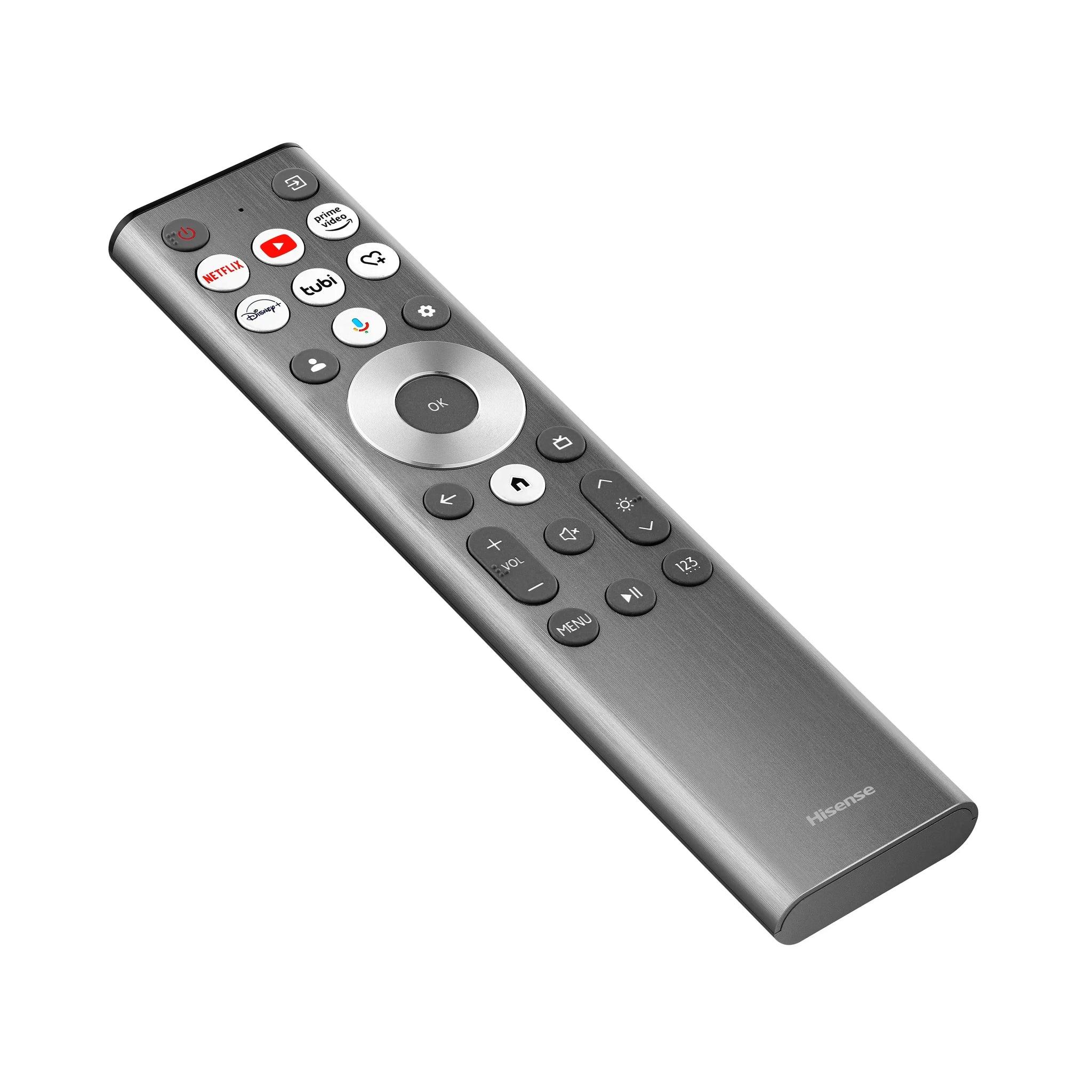
Both projectors function as complete smart TV replacements, but they take different approaches. The Hisense PX3-PRO runs Google TV, which provides excellent app support including properly licensed Netflix (surprisingly uncommon in projectors). The interface is snappy and receives regular updates, ensuring long-term usability.
The Formovie Theater uses Android TV 11 with full Chromecast integration. It's a solid, mature platform that handles streaming duties well, though it uses a slightly older Android TV version that may not receive updates as long as the PX3-PRO's Google TV implementation.
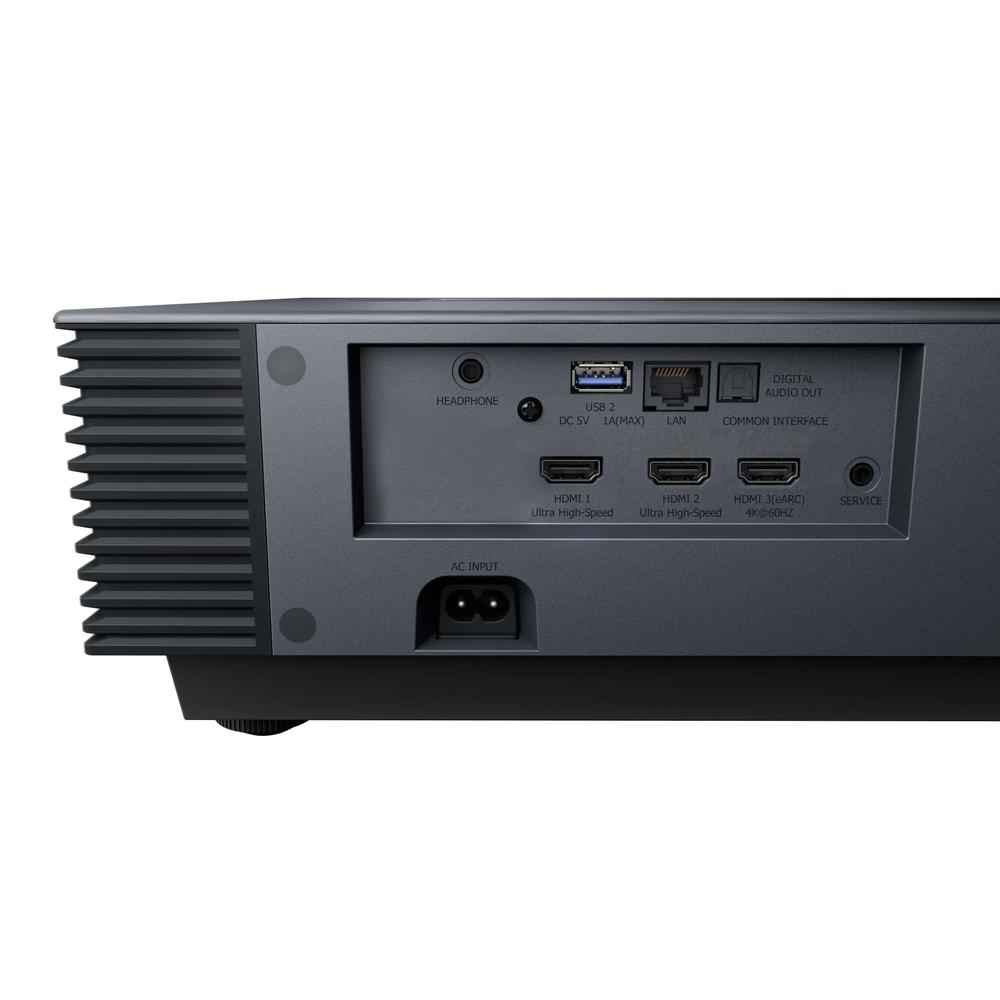
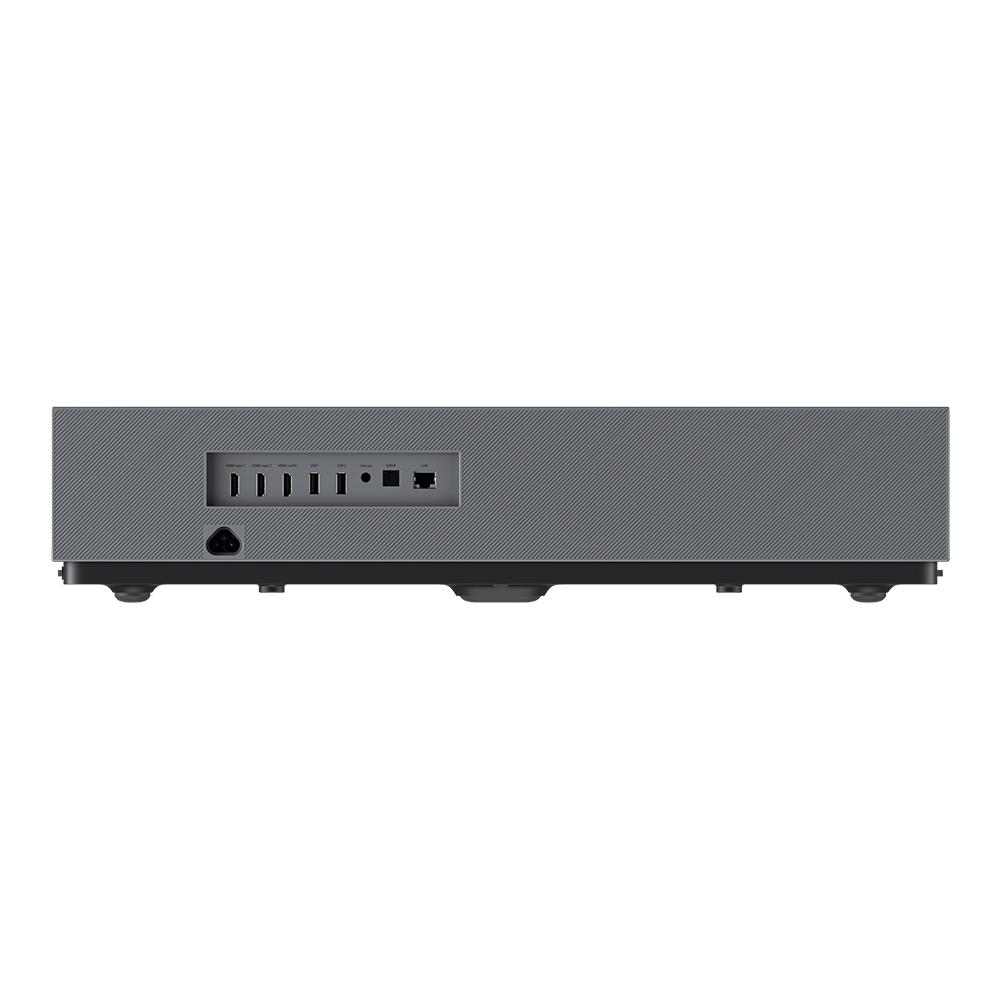
For connectivity, both offer comprehensive port selections, but the Hisense PX3-PRO edges ahead with a better mix of HDMI 2.1 and 2.0 ports, ensuring compatibility with both current and future devices.
Many buyers underestimate built-in audio importance, but UST projectors often serve as complete entertainment systems. The Hisense PX3-PRO includes a 50-watt Harman Kardon speaker system with Dolby Atmos support. In practice, this delivers surprisingly robust sound with clear dialogue and decent bass response – good enough for casual viewing and much better than most TV speakers.
The Formovie Theater features a 30-watt Bowers & Wilkins system, also with Dolby Atmos. While the brand carries audio prestige, the lower wattage shows in real-world performance. It sounds good but lacks the PX3-PRO's dynamic range and volume capability.
Both support eARC for connecting external sound systems, so this difference matters most if you plan to rely primarily on built-in audio.
Here's where personal priorities become crucial. The Hisense PX3-PRO commands a premium that reflects its advanced technology and superior performance metrics. You're paying for measurably better brightness, contrast, color accuracy, gaming capabilities, and audio performance.
The Formovie Theater represents excellent value for users who want impressive UST performance without premium pricing. It delivers very good results across all key metrics, just not quite at the PX3-PRO's level.
Think of it this way: if you're upgrading from a traditional TV and want the best possible experience, the PX3-PRO's advantages justify its premium. If you're budget-conscious or prioritize value over absolute performance, the Formovie Theater delivers impressive results at a more accessible price point.
Choose the Hisense PX3-PRO if you want cutting-edge performance and can justify the investment. It's particularly compelling for gaming enthusiasts, users with brighter rooms, or anyone who wants the absolute best image quality available in the UST category. The superior brightness and gaming features make it especially suitable for family rooms that serve multiple purposes.
The Formovie Theater makes sense for users seeking excellent performance at a more reasonable price point. It's ideal for dedicated movie watching in controlled lighting conditions, particularly if gaming isn't a priority. The value proposition is strong for buyers who want to step up to large-screen projection without premium pricing.
Both projectors represent the mature state of UST technology, offering genuine alternatives to traditional large-screen TVs. The PX3-PRO pushes performance boundaries while the Formovie Theater proves that excellent UST performance doesn't require premium pricing. Your choice ultimately depends on whether absolute performance or value optimization better matches your priorities and budget.
For most users seeking a premium UST experience, the Hisense PX3-PRO's performance advantages outweigh its higher cost. But the Formovie Theater remains an excellent choice for value-conscious buyers who still want impressive large-screen performance. Either way, you're getting technology that seemed like science fiction just a few years ago.
| Hisense PX3-PRO | Formovie Theater |
|---|---|
| Brightness - Critical for daytime viewing and room flexibility | |
| 3,000 ANSI lumens (excellent ambient light performance) | 2,800 ANSI lumens (good for dim to moderate lighting) |
| Color Gamut - Determines color accuracy and vibrancy | |
| 110% BT.2020 with TriChroma RGB laser (exceptional color purity) | 107% Rec.2020 with ALPD 4.0 (very good color reproduction) |
| Contrast Ratio - Makes images look deep and three-dimensional | |
| Over 4,000:1 measured (outstanding black levels for UST category) | 3,000:1 (good contrast performance) |
| Gaming Performance - Essential for console and PC gaming | |
| 120Hz support, ALLM, "Designed for Xbox" certified | 60Hz max, ALLM support (adequate for casual gaming) |
| Audio System - Important if using built-in speakers | |
| 50W Harman Kardon with Dolby Atmos | 30W Bowers & Wilkins with Dolby Atmos |
| Smart Platform - Affects long-term app support and usability | |
| Google TV with authorized Netflix | Android TV 11 with Chromecast |
| HDMI Connectivity - Determines device compatibility | |
| 3 ports: 2x HDMI 2.1 (48Gbps), 1x HDMI 2.0 with eARC | 3x HDMI 2.1 with eARC |
| Special Certifications - Premium features and optimizations | |
| IMAX Enhanced, Dolby Vision, HDR10+ | HDR10, Dolby Vision support |
| Release Timeline - Affects technology generation and support | |
| 2024 release with latest UST innovations | Established model with proven track record |
| Target User - Who benefits most from each approach | |
| Premium buyers wanting best performance and gaming | Value-conscious users prioritizing solid performance |
The Hisense PX3-PRO is better for bright rooms with its 3,000 ANSI lumens compared to the Formovie Theater's 2,800 lumens. The extra brightness helps maintain image quality when there's ambient light from windows or lamps in your living room.
The Hisense PX3-PRO delivers superior picture quality with better contrast (over 4,000:1 vs 3,000:1) and wider color coverage (110% BT.2020 vs 107% Rec.2020). The PX3-PRO uses TriChroma RGB laser technology for more accurate colors, while the Formovie Theater uses ALPD 4.0 which still produces excellent but slightly less precise colors.
The Hisense PX3-PRO is significantly better for gaming with 120Hz support, "Designed for Xbox" certification, and automatic low latency mode. The Formovie Theater is limited to 60Hz and lacks gaming certifications, making the PX3-PRO the clear choice for serious gamers.
The Hisense PX3-PRO has more powerful 50W Harman Kardon speakers compared to the Formovie Theater's 30W Bowers & Wilkins system. Both support Dolby Atmos, but the PX3-PRO delivers better volume and dynamic range for larger rooms.
The Formovie Theater offers better value for budget-conscious buyers, delivering solid UST performance at a lower cost. The Hisense PX3-PRO justifies its premium with superior brightness, gaming features, and image quality, making it better value for users wanting top-tier performance.
The Hisense PX3-PRO runs Google TV with full app support including authorized Netflix, while the Formovie Theater uses Android TV 11 with Chromecast integration. Both platforms provide comprehensive streaming capabilities, though the PX3-PRO's Google TV may receive longer software support.
Yes, both the Hisense PX3-PRO and Formovie Theater can effectively replace large TVs by projecting 80-150 inch images from just inches away from the wall. The PX3-PRO performs better in brighter rooms, making it more suitable as a complete TV replacement for typical living rooms.
Both excel for home theater use, but the Hisense PX3-PRO has the edge with superior contrast ratio, IMAX Enhanced certification, and better HDR support including Dolby Vision and HDR10+. The Formovie Theater still delivers excellent movie performance, especially in darker, controlled environments.
Both the Hisense PX3-PRO and Formovie Theater are ultra short throw projectors requiring just 5-20 inches from the wall to create large images. They can sit on a TV stand or low cabinet, making them ideal for apartments or rooms where traditional projector placement isn't possible.
The Hisense PX3-PRO offers slightly better connectivity with a mix of HDMI 2.1 and 2.0 ports optimized for different devices. The Formovie Theater provides three HDMI 2.1 ports. Both include eARC support for external sound systems and comprehensive USB/networking options.
Yes, both handle sports well with motion processing features. The Hisense PX3-PRO has an advantage with higher brightness for daytime games and better performance in rooms with ambient light. The Formovie Theater includes MEMC motion compensation for smooth fast-moving content but works best in dimmer conditions.
The Hisense PX3-PRO, being newer (2024 release), likely offers longer software support and warranty coverage. Both use laser light sources rated for 20,000+ hours of use. The Formovie Theater has a proven track record for reliability, while the PX3-PRO represents newer technology with potentially better long-term value retention.
We've done our best to create useful and informative comparisons to help you decide what product to buy. Our research uses advanced automated methods to create this comparison and perfection is not possible - please contact us for corrections or questions. These are the sites we've researched in the creation of this article: shop.hisense-usa.com - avsforum.com - youtube.com - projectorcentral.com - avsforum.com - youtube.com - projectorreviews.com - avsforum.com - projectorcentral.com - en.heimkinowelten.de - dreamediaav.com - techradar.com - projectorcentral.com - rtings.com - formovie.com - projectorreviews.com - projectorcentral.com - projectorscreen.com - projectorcentral.com - nothingprojector.com - formovie.com

Privacy Policy
Terms and Conditions - Affiliate Policy
Home Security
© Copyright 2008-2026.
11816 Inwood Rd #1211, Dallas, TX 75244