

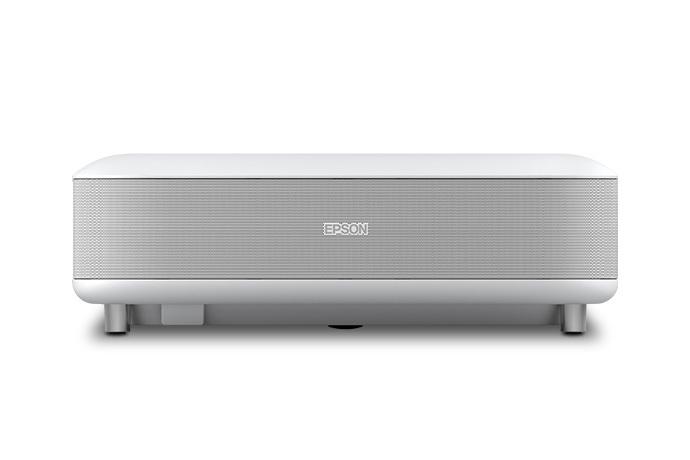
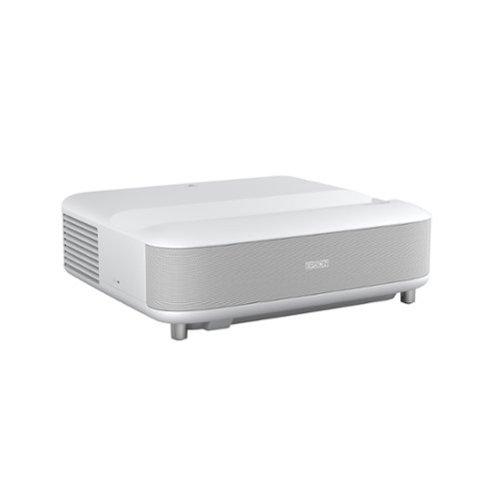


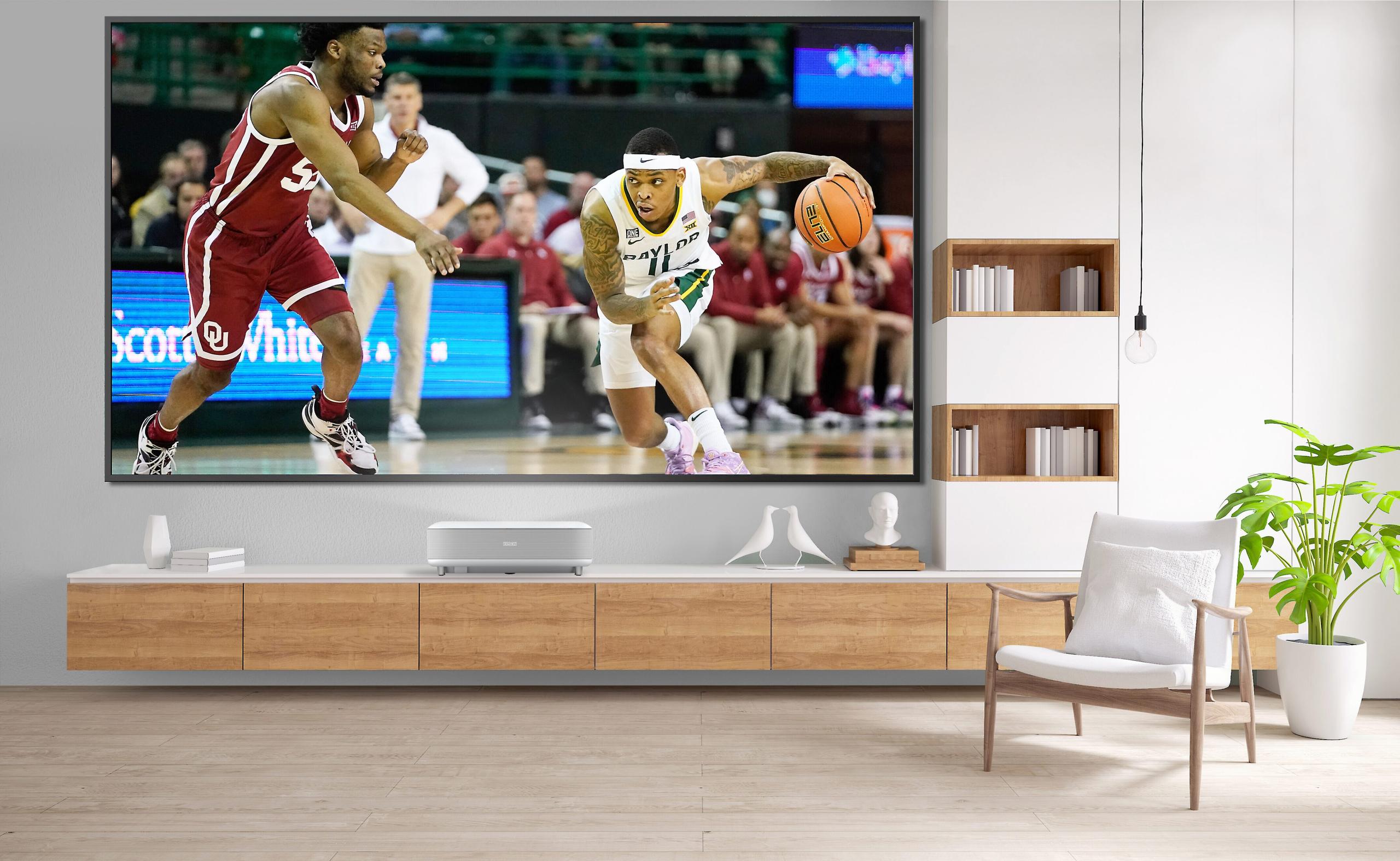
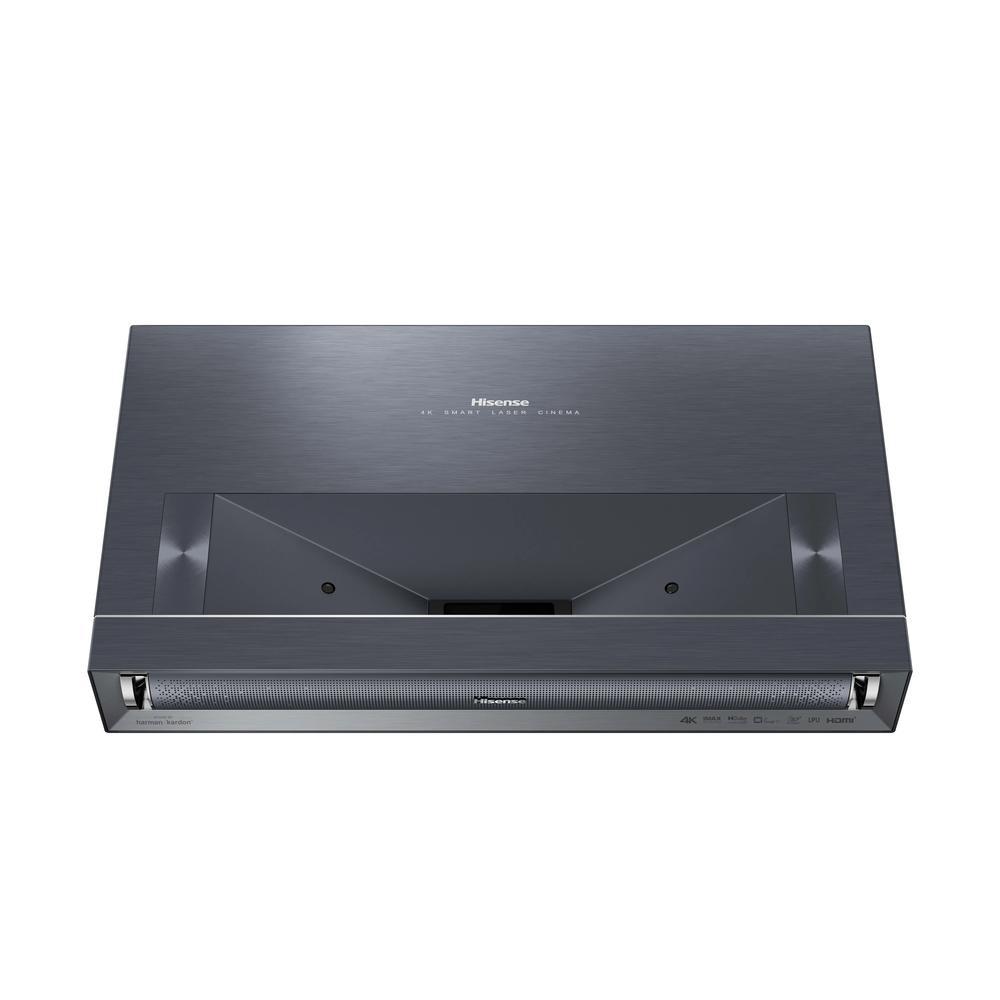
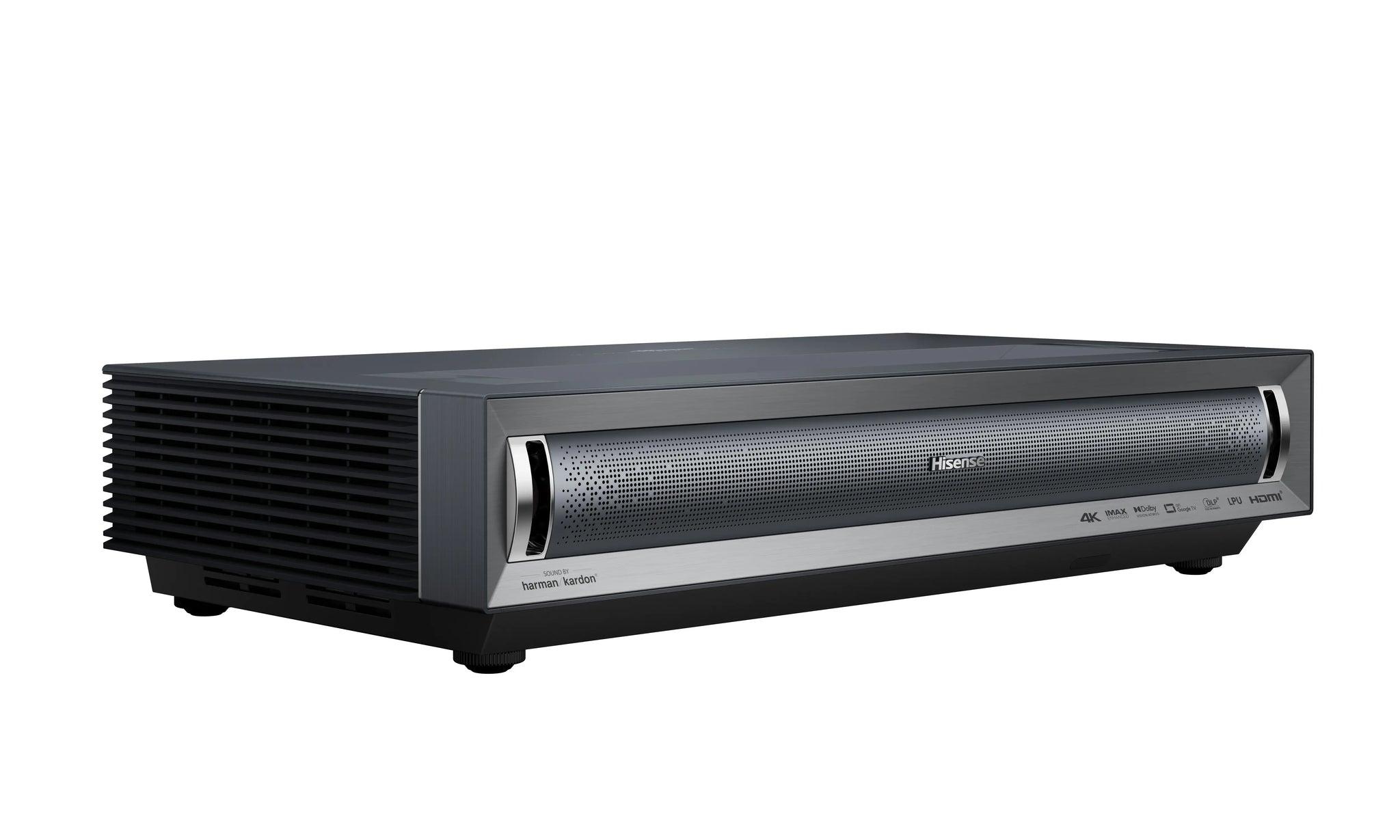
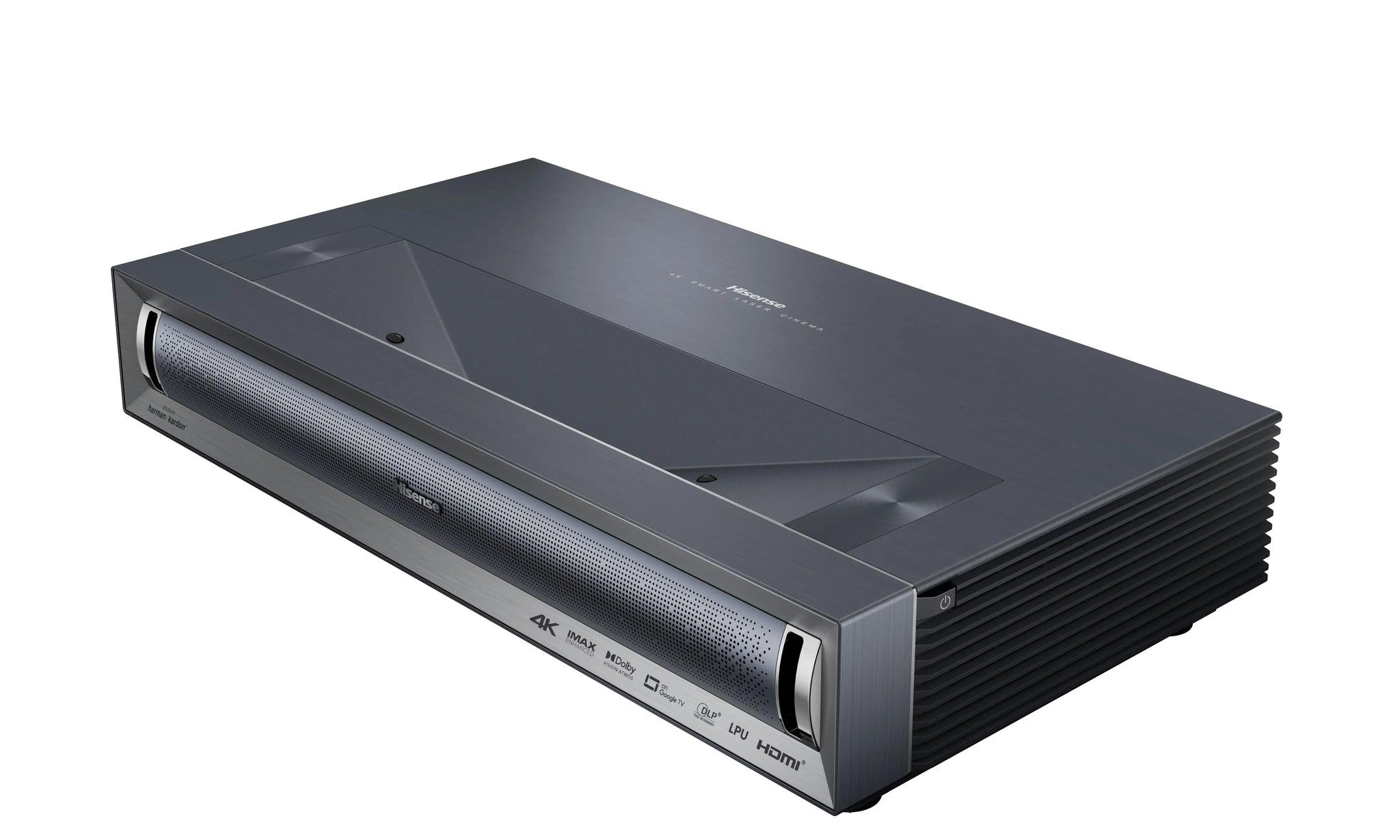
When you're ready to ditch your TV for a massive 100+ inch screen but don't want to mount a projector on your ceiling, ultra short throw (UST) projectors offer an elegant solution. These remarkable devices sit just inches from your wall yet project enormous images that transform any living room into a home theater. The technology has matured significantly since 2020, and two standout models from 2023-2024 represent different philosophies in this exciting category: the Hisense PX3-PRO and the Epson EpiqVision Ultra LS650.
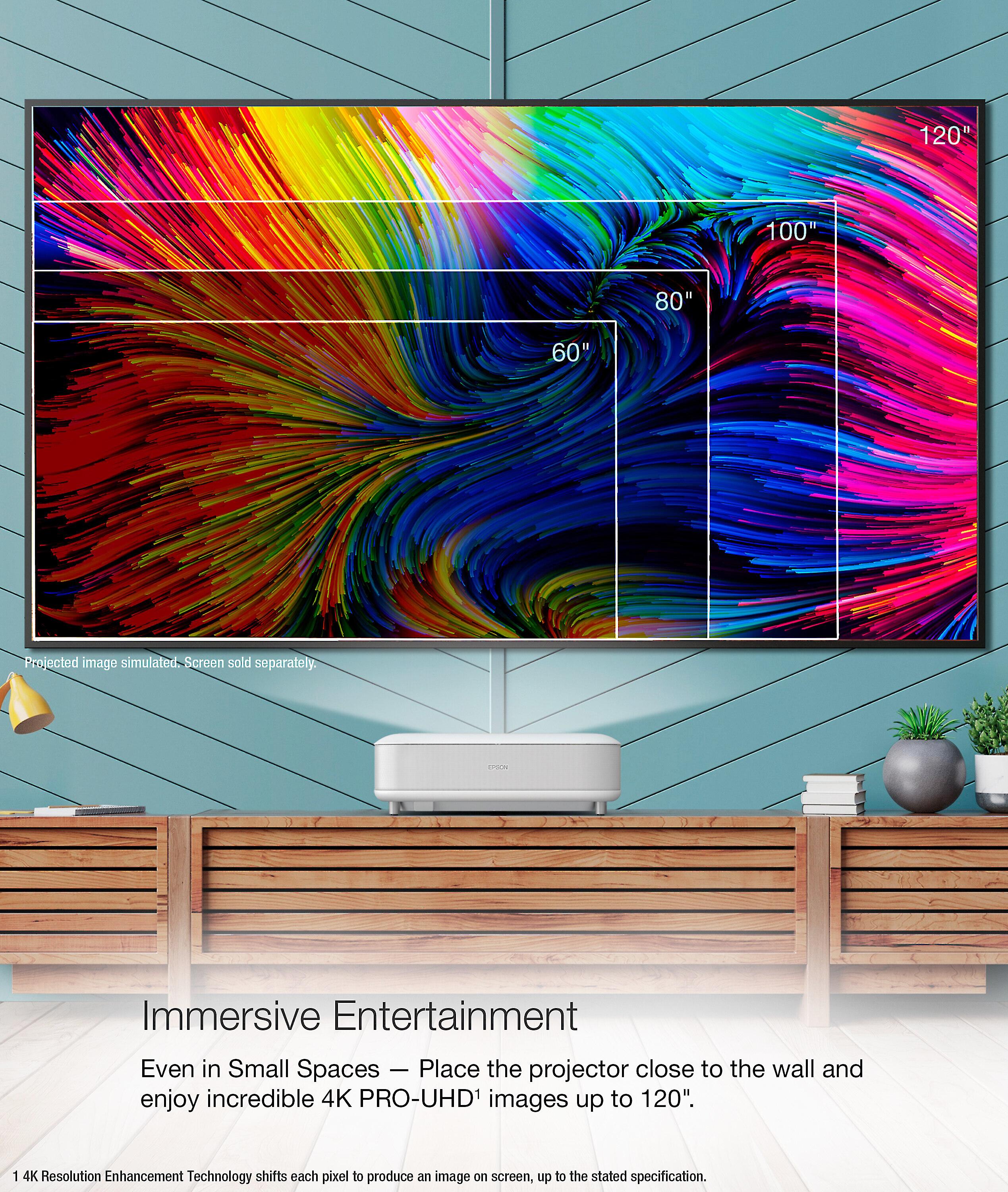
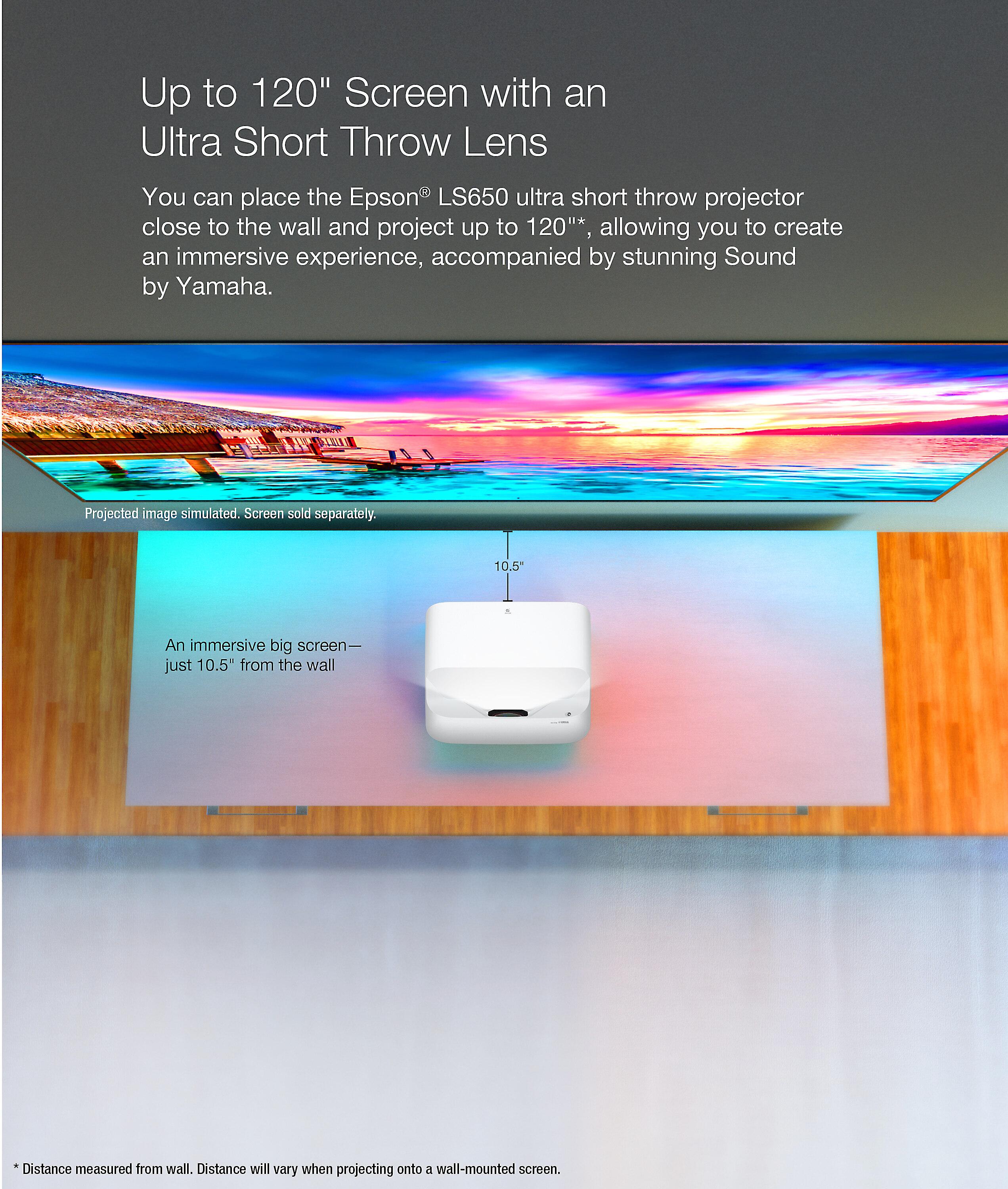
Ultra short throw projectors use specialized lenses and mirrors to create large images from extremely close distances—typically 6-12 inches from the wall. This eliminates the biggest barrier to projector ownership: installation complexity. No ceiling mounts, no running cables through walls, just place it on a TV stand and you're watching movies on a 120-inch screen.
The "throw ratio" measures this relationship between distance and screen size. Traditional projectors might need 8-12 feet for a 100-inch image, while UST projectors achieve the same size from under a foot away. This proximity also means people walking in front won't cast shadows on the screen—a major practical advantage.
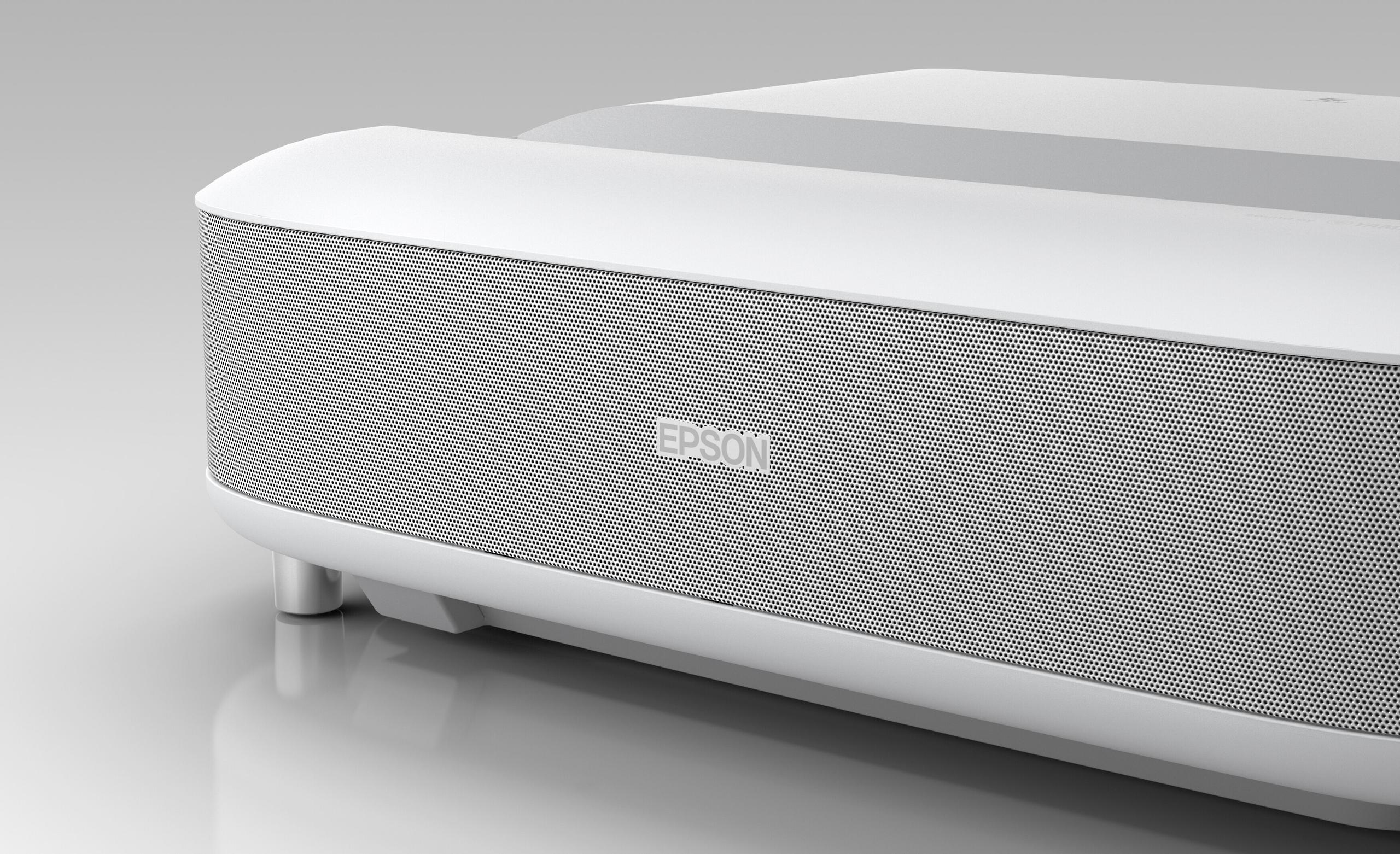
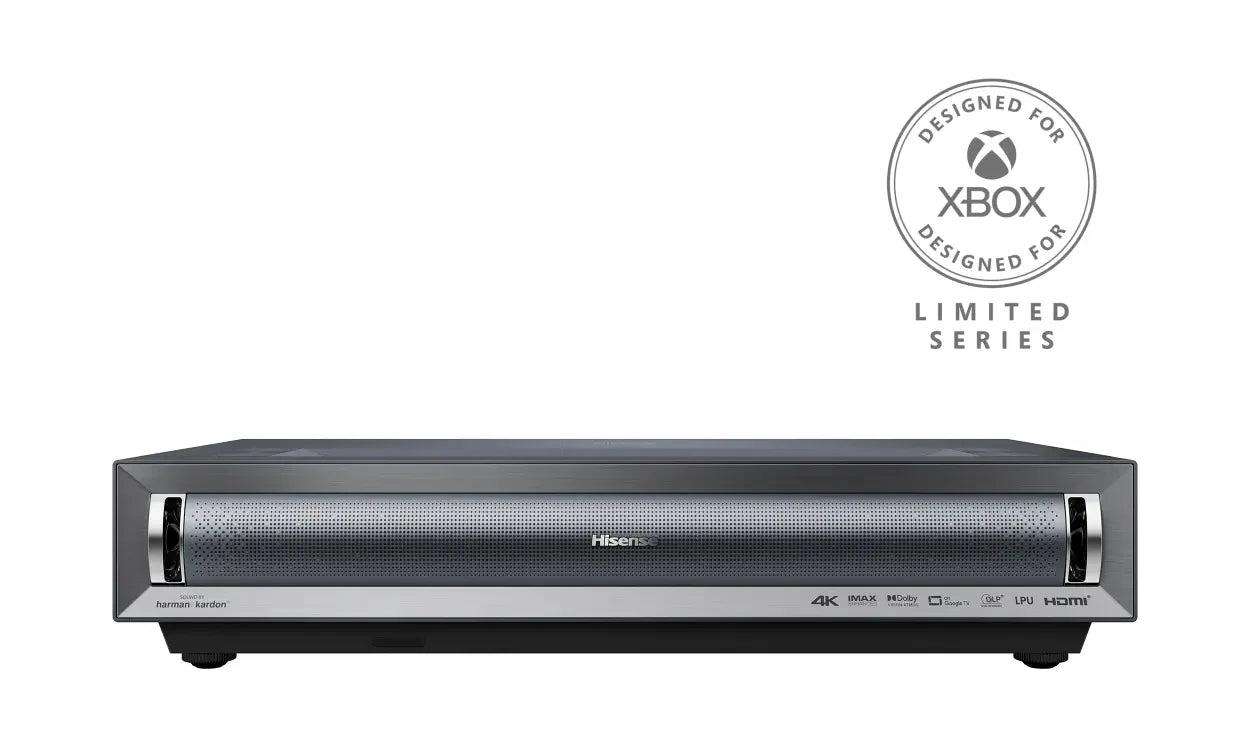
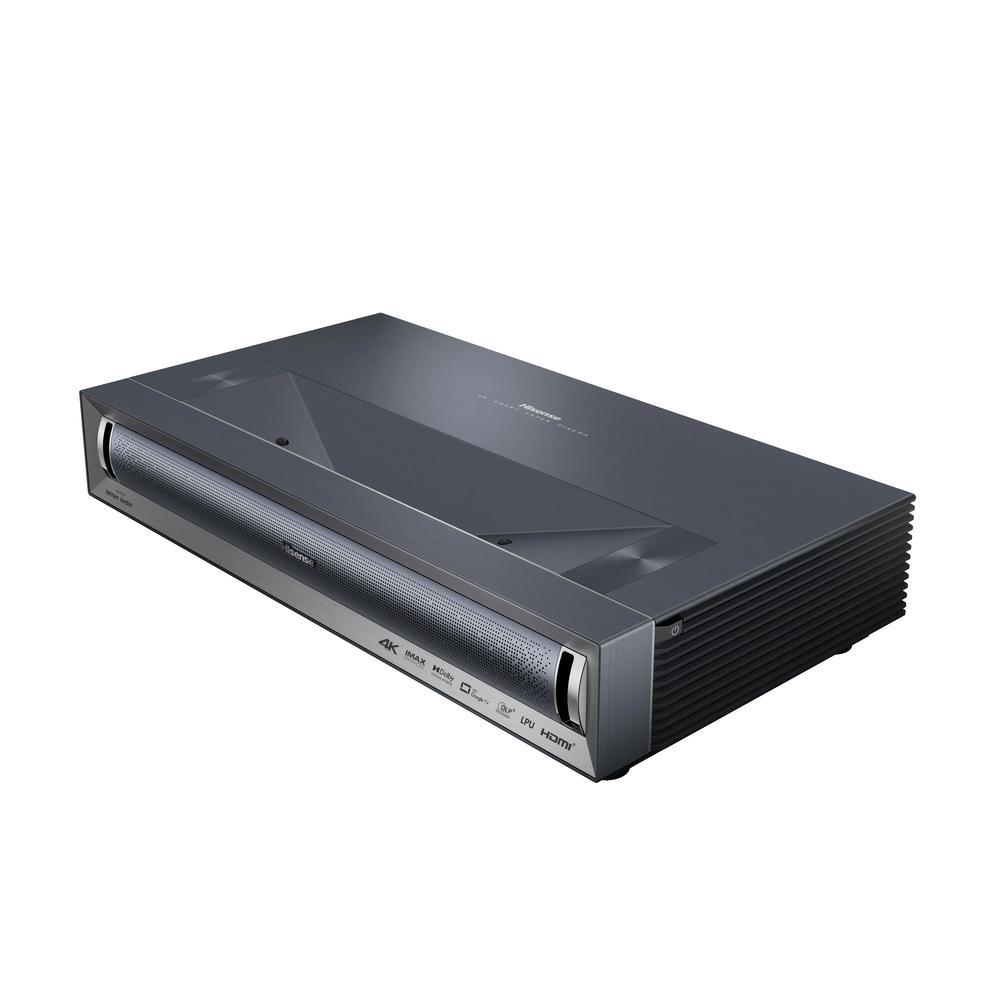
The Hisense PX3-PRO, released in 2023, represents the premium gaming-focused approach. At a higher price point at the time of writing, it packs advanced features like true RGB laser technology and comprehensive gaming support. Meanwhile, the Epson EpiqVision Ultra LS650, also from 2023, takes the mainstream entertainment route with exceptional brightness and a more accessible price.
Both projectors target the sweet spot of 100-120 inch screens, but their underlying technologies and priorities differ significantly. Understanding these differences is crucial for making the right choice for your specific needs.
Both projectors use laser light sources, which represent a major advancement over traditional lamp-based systems. Lasers last 20,000+ hours (compared to 3,000-5,000 for lamps), maintain consistent brightness over time, and turn on instantly. However, the Hisense PX3-PRO and Epson LS650 implement laser technology very differently.
The Hisense PX3-PRO uses what's called "TriChroma RGB laser" technology. This means it has separate red, green, and blue lasers creating pure, saturated colors directly. Think of it like having three perfectly tuned flashlights of different colors combining to create the image. This approach delivers exceptional color accuracy, covering 110% of the BT.2020 color space—the standard for future 4K content. In practical terms, reds look more vibrant, greens appear more natural, and skin tones have better accuracy.
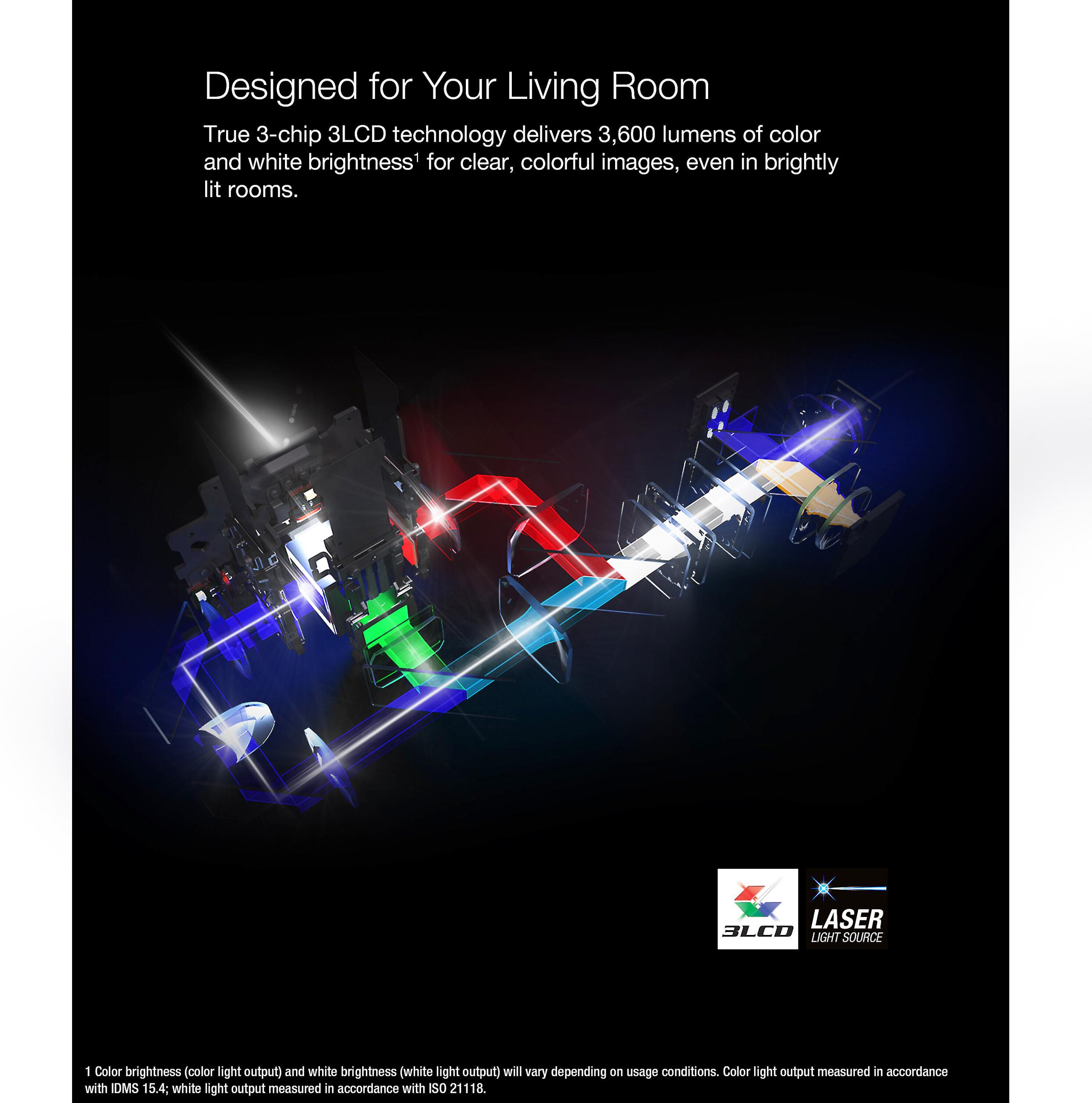
The Epson LS650 takes a different approach with its laser phosphor system combined with 3LCD technology. Instead of three separate color lasers, it uses a blue laser that hits a phosphor wheel to create other colors. The 3LCD system then splits this light into red, green, and blue components using prisms. While this might sound less advanced, it offers a crucial advantage: equal white and color brightness. This means the projector maintains color saturation even in bright rooms, where many projectors would appear washed out.
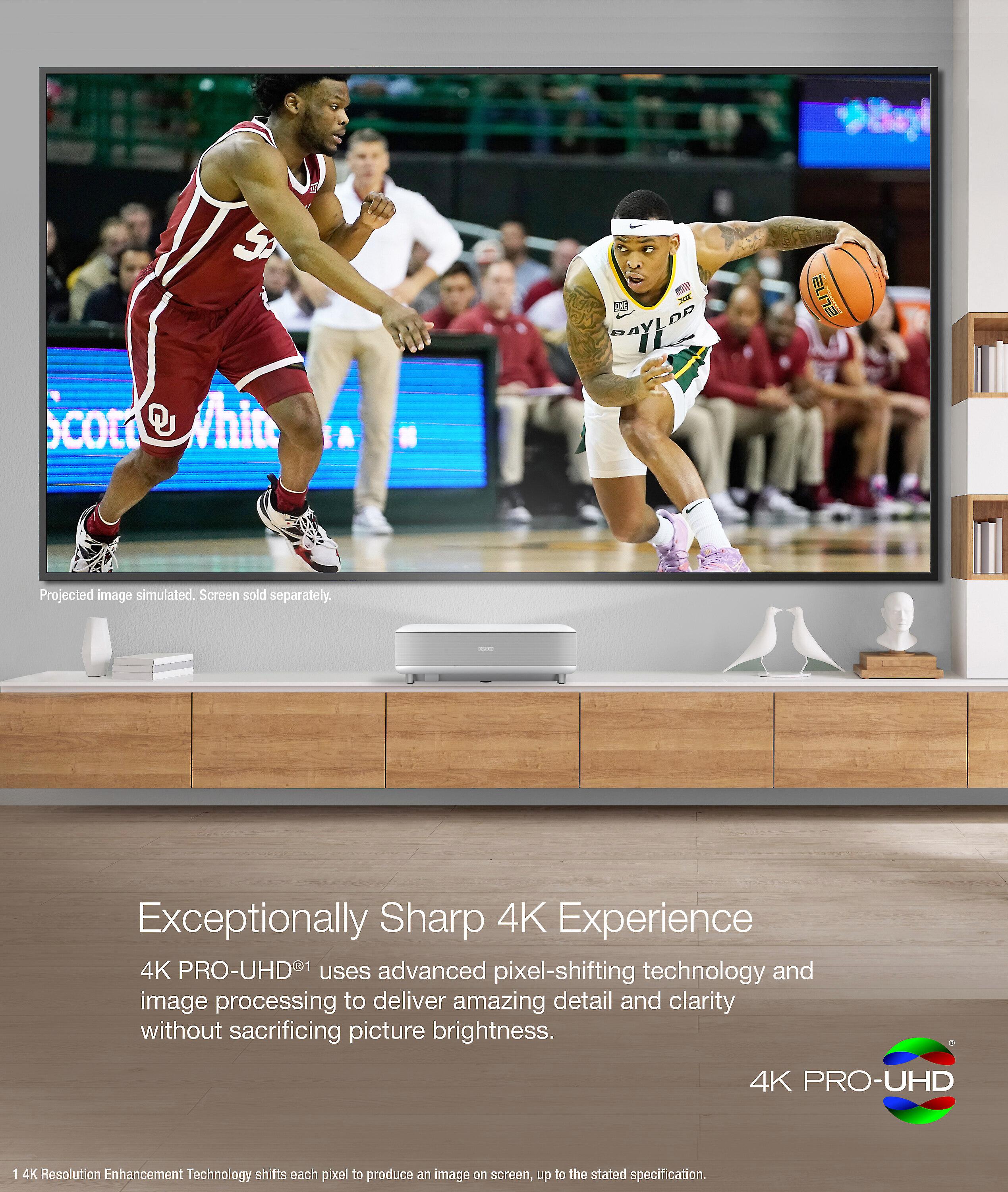
Neither projector has native 4K chips—that would cost tens of thousands of dollars. Instead, both use "pixel shifting" technology, which rapidly moves 1080p pixels to create the appearance of 4K resolution. The Hisense PX3-PRO uses Texas Instruments' XPR technology, shifting each pixel four times to create approximately 4.15 million pixels on screen. The Epson LS650 uses Epson's 4K PRO-UHD system with similar results.
In practice, both deliver images that look significantly sharper than 1080p, though they don't quite match native 4K projectors costing five times more. For most content, including streaming video and gaming, the difference is minimal and both provide excellent detail.
Here's where the Epson LS650 truly shines—literally. With 3,600 ANSI lumens, it's among the brightest UST projectors available. ANSI lumens measure actual light output using standardized testing, and this number directly impacts how well you can see the image in rooms with ambient light.
The Hisense PX3-PRO, at 3,000 ANSI lumens, is no slouch, but that 600-lumen difference is significant. In practical terms, the Epson LS650 can maintain a watchable image with more windows open or lights on. If your living room gets bright afternoon sun or you prefer keeping some lights on while watching TV, the Epson's brightness advantage becomes crucial.
However, brightness isn't everything. The Hisense PX3-PRO leverages its superior contrast ratio (3,000:1 native vs. Epson's lower native contrast) to produce deeper blacks and more dramatic imagery in darker environments. This makes it better for movie nights with the lights dimmed, where contrast matters more than raw brightness.
Based on professional measurements and user feedback, the Hisense PX3-PRO delivers superior color accuracy. Its TriChroma laser system can reproduce colors that simply aren't possible with traditional light sources. This translates to more realistic skin tones, vibrant sunsets that don't look artificial, and HDR content that actually pops.
The Epson LS650 takes a different approach, prioritizing color consistency across different brightness levels. Its 3LCD technology ensures colors don't shift as the image gets brighter or dimmer—a common problem with single-chip DLP projectors (though the Hisense's advanced processing minimizes this issue).
For movie enthusiasts who appreciate accurate color reproduction, the Hisense PX3-PRO has the edge. For families primarily watching TV shows and sports where consistent, punchy colors matter more than absolute accuracy, the Epson LS650 provides excellent results.
This is where the Hisense PX3-PRO completely dominates. It features two full HDMI 2.1 ports capable of 48Gbps bandwidth, supporting 4K gaming at 120Hz and 1080p at an incredible 240Hz. For context, the PlayStation 5 and Xbox Series X can output 4K at 120Hz for supported games, and high-end gaming PCs can push even higher frame rates.
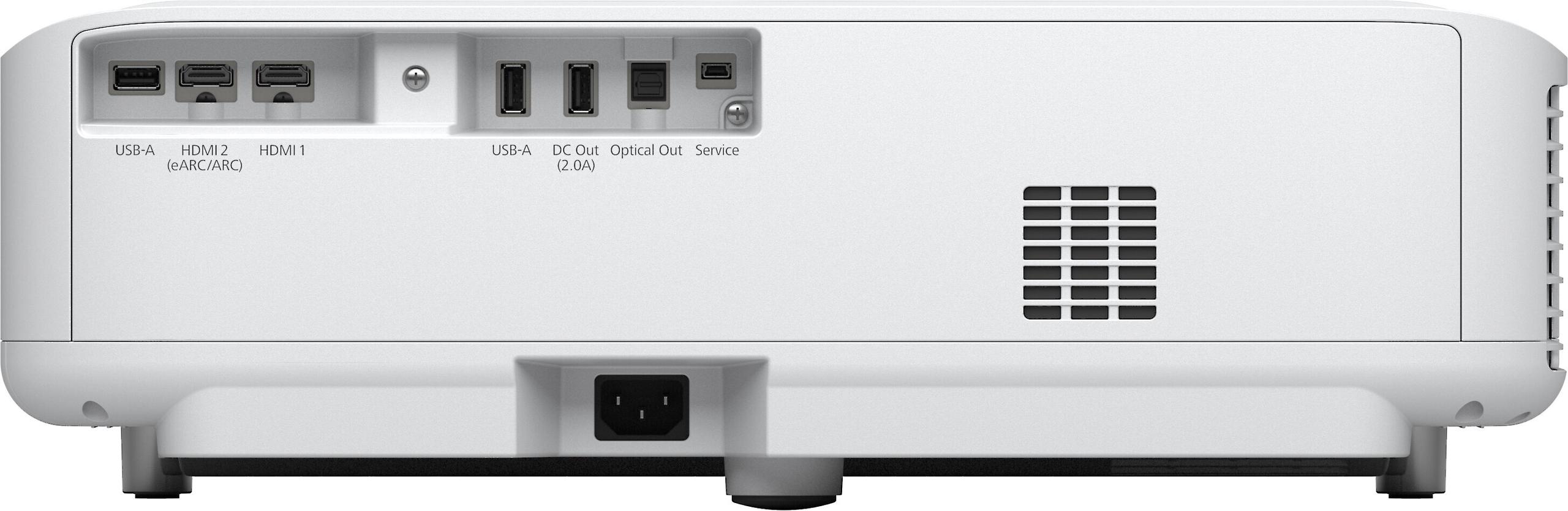
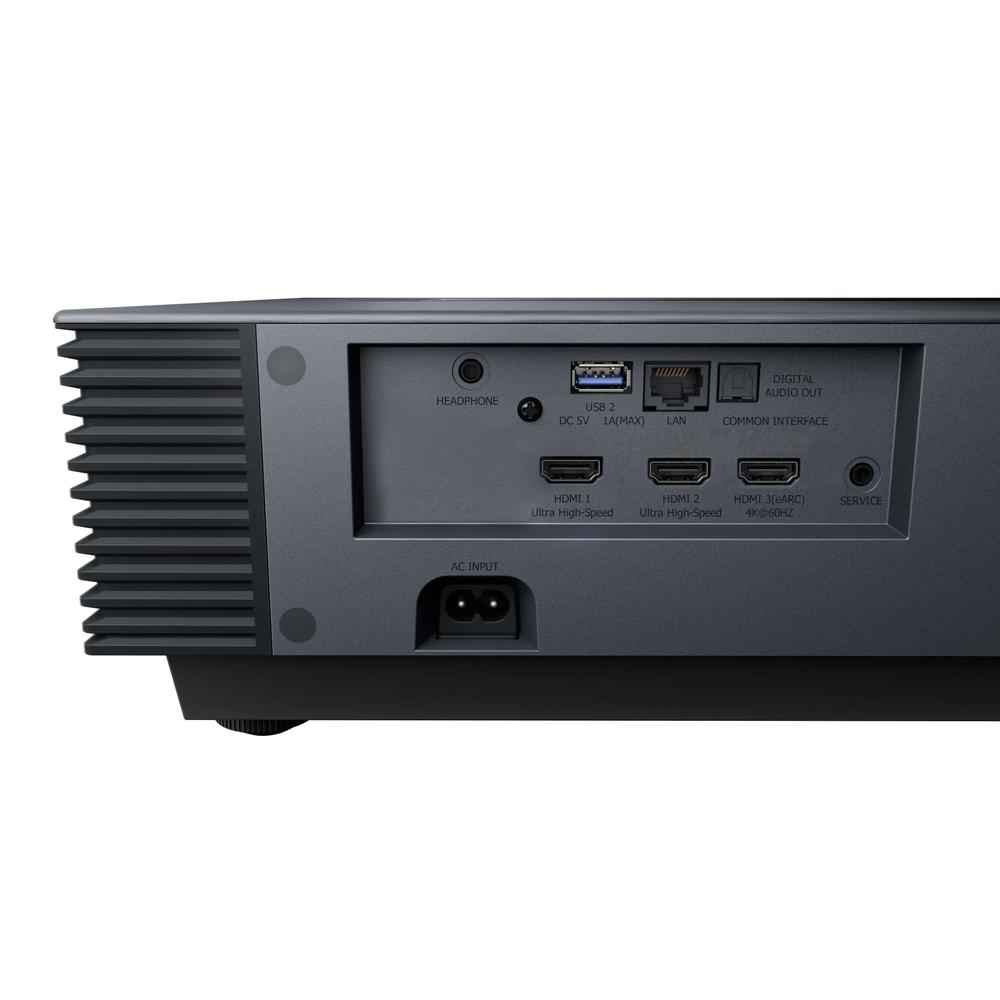
The Epson LS650 is limited to HDMI 2.0, maxing out at 4K/60Hz. While this handles current gaming fine, it's not future-proof for next-generation consoles or high-refresh gaming PCs. The Epson also only provides two HDMI ports total, while the Hisense PX3-PRO offers three.
For serious gamers, this isn't even a contest. The Hisense PX3-PRO also supports Variable Refresh Rate (VRR) and Auto Low Latency Mode (ALLM), technologies that eliminate screen tearing and reduce input lag for competitive gaming. These features are becoming standard on modern TVs and gaming displays, making the Hisense's support essential for the best gaming experience.
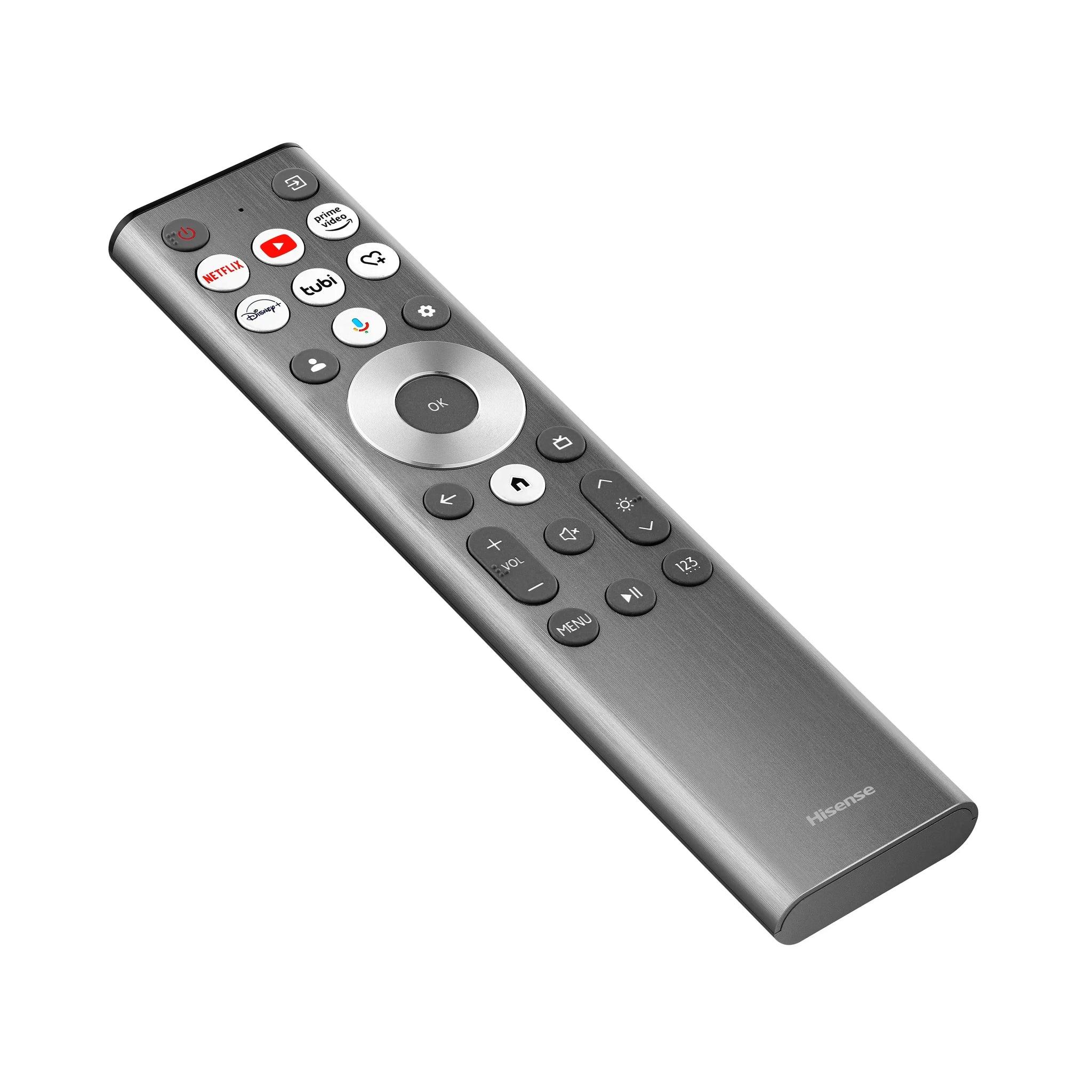
Both projectors include built-in smart TV functionality, but their implementations differ significantly. The Hisense PX3-PRO runs Google TV, which launched in 2020 as Google's modern smart TV platform. It provides a clean, fast interface with excellent app support, including fully licensed Netflix, Disney+, and other major streaming services.
The Epson LS650 uses Android TV, Google's older smart TV platform that's gradually being phased out in favor of Google TV. While functional, users report more reliability issues, slower performance, and some streaming services requiring external devices due to licensing restrictions.
In practice, the Hisense PX3-PRO's Google TV integration feels more like using a modern smart TV, while the Epson LS650's Android TV can feel dated and occasionally frustrating. However, many users end up using external streaming devices like Apple TV or Nvidia Shield anyway, which eliminates this difference.
Sound quality often gets overlooked in projector comparisons, but it's crucial for the overall experience. The Hisense PX3-PRO includes 50-watt Harman Kardon speakers with Dolby Atmos support. Dolby Atmos creates three-dimensional soundscapes, making helicopters sound like they're flying overhead or rain sound like it's falling around you.
The Epson LS650 features a Yamaha-designed 2.1 system with 50 watts total (2x25W), which provides good stereo sound but lacks the immersive Atmos experience. While Yamaha has audio expertise, the lower total power and absence of advanced audio processing put it behind the Hisense.
However, serious home theater enthusiasts will likely connect external audio systems anyway. Both projectors support eARC (enhanced Audio Return Channel) for sending high-quality audio to soundbars or AV receivers, making the built-in speaker differences less critical for dedicated setups.
High Dynamic Range (HDR) expands the range between the darkest darks and brightest brights, creating more realistic images. The Hisense PX3-PRO supports HDR10, HDR10+, Dolby Vision, and HLG—essentially every HDR format you'll encounter. The Epson LS650 only supports HDR10 and HLG, missing the more advanced HDR10+ and Dolby Vision formats.
Dolby Vision is particularly important because it includes dynamic metadata—instructions that optimize the image scene by scene rather than using fixed settings for entire movies. Netflix, Disney+, and Apple TV+ increasingly use Dolby Vision for their premium content, making the Hisense PX3-PRO's support valuable for accessing this content as intended.
However, HDR performance depends heavily on the projector's contrast ratio and peak brightness. The Epson LS650's superior brightness helps with HDR highlights, while the Hisense PX3-PRO's better contrast enhances shadow detail. Both provide good HDR experiences, but the Hisense's broader format support gives it the edge.
At the time of writing, the Epson LS650 typically costs several hundred dollars less than the Hisense PX3-PRO. For that price difference, you're primarily paying for the Hisense's gaming features, superior color accuracy, better audio system, and more modern smart TV platform.
If you're primarily watching TV shows, movies, and sports without demanding gaming requirements, the Epson LS650 delivers excellent value. Its superior brightness makes it ideal for bright rooms, and the cost savings could fund a good soundbar if audio quality matters.
However, the Hisense PX3-PRO's additional features provide significant value for specific users. Gamers avoid needing HDMI switchers or future upgrades, while movie enthusiasts get better color accuracy and HDR support. The premium feels justified when you consider the total cost of achieving similar capabilities with the Epson plus external accessories.
Your room's lighting conditions heavily influence which projector works best. The Epson LS650 excels in brighter environments—living rooms with large windows, open floor plans with ambient lighting, or spaces where you prefer keeping some lights on while watching.
The Hisense PX3-PRO performs better in controlled lighting environments where you can dim the lights for movie nights. Its superior contrast ratio and color accuracy shine in darker conditions, creating a more cinematic experience.
Consider your typical viewing habits. If you mainly watch TV during the day or with lights on, the Epson's brightness advantage is crucial. If you prefer dimmed lighting for an immersive experience, the Hisense's superior contrast and color accuracy provide better results.
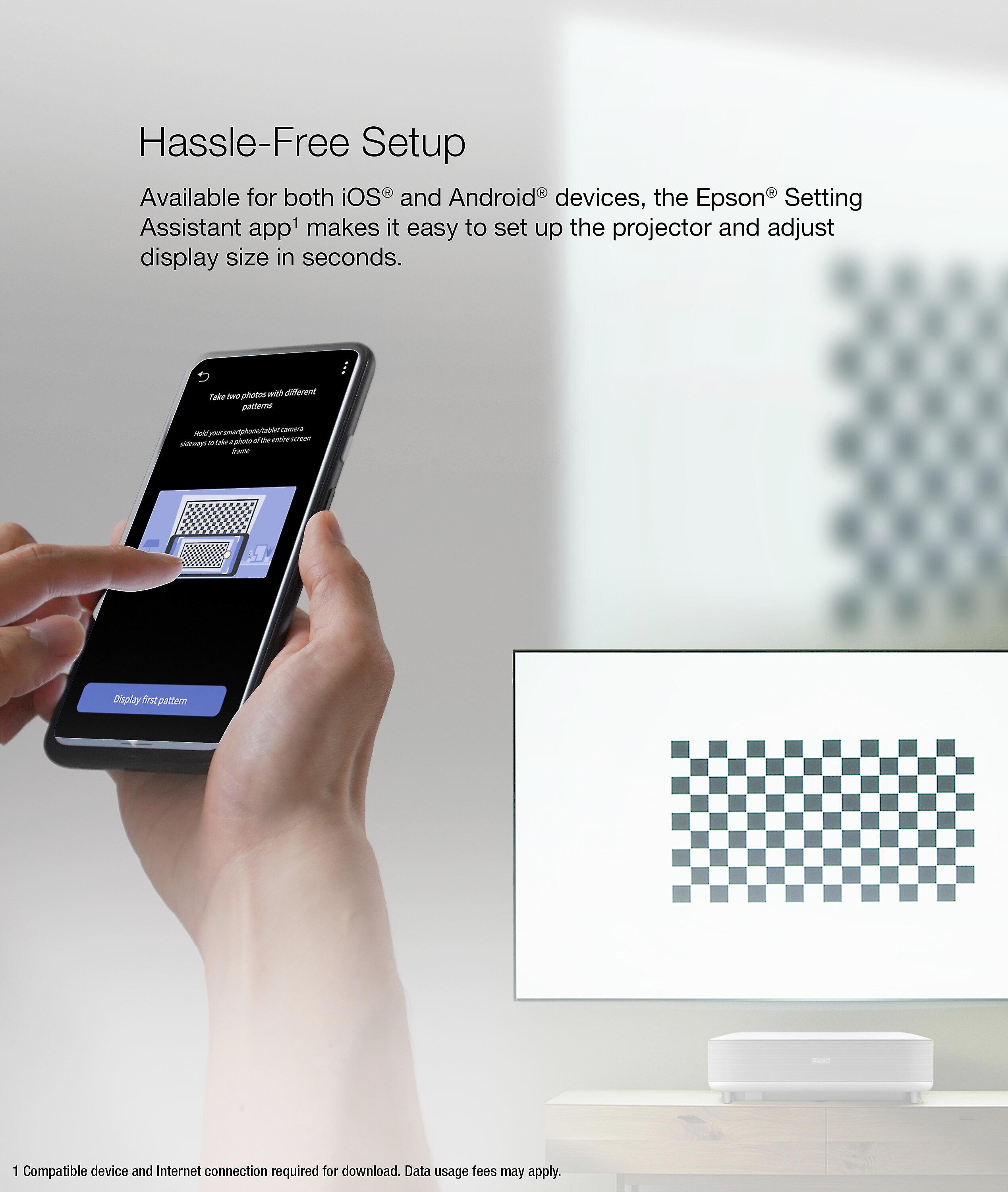
Both projectors require careful positioning for optimal image quality. UST projectors are sensitive to placement—even small adjustments in height or angle can affect focus uniformity across the screen. The Epson LS650 includes the Epson Setting Assistant app, which helps optimize placement and settings through your smartphone.
The Hisense PX3-PRO requires more manual adjustment but provides extensive calibration options for enthusiasts who want to fine-tune the image. Both projectors benefit from proper ALR (Ambient Light Rejecting) screens, which can cost $500-2000 but dramatically improve image quality in bright rooms.
The Epson LS650 excels as a TV replacement for families prioritizing bright-room viewing and mainstream entertainment. Its exceptional brightness, reliable performance, and lower cost make it ideal for living rooms where the projector needs to compete with windows and ambient lighting. Choose the Epson if you're primarily streaming shows, watching sports, or need maximum brightness for daytime viewing.
The Hisense PX3-PRO serves as a comprehensive home theater solution for enthusiasts who want the best possible performance. Its gaming capabilities, superior color accuracy, comprehensive HDR support, and premium audio make it worth the additional investment for users who will utilize these features. Choose the Hisense if you're serious about gaming, prefer movie watching in darker conditions, or want future-proof connectivity.
Both projectors represent excellent examples of how far UST technology has progressed since 2020. They eliminate the installation complexity that kept many people from considering projectors while delivering image sizes impossible with traditional TVs. Your choice should align with your viewing habits, room environment, and whether you value the Hisense PX3-PRO's premium features enough to justify its higher cost.
The projector market continues evolving rapidly, with improvements in brightness, color accuracy, and smart features arriving regularly. However, both of these 2023 models offer enough performance and features to satisfy most users for years to come, making either choice a solid investment in your home entertainment setup.
| Hisense PX3-PRO | Epson EpiqVision Ultra LS650 |
|---|---|
| Brightness - Critical for daytime viewing and bright rooms | |
| 3,000 ANSI lumens (very good for most lighting) | 3,600 ANSI lumens (excellent for bright environments) |
| Display Technology - Affects color accuracy and viewing experience | |
| TriChroma RGB Laser + DLP (superior color accuracy) | Laser Phosphor + 3LCD (eliminates rainbow effect) |
| Color Gamut Coverage - Determines how vibrant and accurate colors appear | |
| 110% BT.2020 (exceptional color range for movies) | Standard color gamut (good for TV content) |
| Native Contrast Ratio - Essential for deep blacks and movie quality | |
| 3,000:1 (excellent for cinematic experience) | Dynamic contrast only (good but not as deep blacks) |
| HDR Format Support - Access to premium streaming content | |
| HDR10, HDR10+, Dolby Vision, HLG (comprehensive) | HDR10, HLG only (missing premium formats) |
| Gaming Performance - Future-proofing for next-gen consoles | |
| HDMI 2.1 with 4K@120Hz, 1080p@240Hz support | HDMI 2.0 limited to 4K@60Hz (current gen only) |
| HDMI Port Count - Determines how many devices you can connect | |
| 3 ports (2x HDMI 2.1, 1x HDMI 2.0 with eARC) | 2 ports (HDMI 2.0 with eARC limitation) |
| Smart TV Platform - Affects app performance and updates | |
| Google TV (modern, fast, full Netflix support) | Android TV (older, some reliability issues) |
| Audio System - Built-in sound quality and features | |
| 50W Harman Kardon with Dolby Atmos | 50W Yamaha 2.1 system (no Atmos) |
| Release Year - Indicates how current the technology is | |
| 2023 (latest features and connectivity) | 2023 (proven but more conservative approach) |
| Best For - Primary use case recommendation | |
| Gaming enthusiasts and home theater purists | Bright room TV replacement and casual viewing |
The Epson EpiqVision Ultra LS650 is significantly brighter at 3,600 ANSI lumens compared to the Hisense PX3-PRO at 3,000 ANSI lumens. This 600-lumen difference makes the Epson better for rooms with windows or ambient lighting, while the Hisense works well in controlled lighting environments.
The Hisense PX3-PRO offers superior gaming with HDMI 2.1 ports supporting 4K at 120Hz and 1080p at 240Hz, plus features like Variable Refresh Rate. The Epson LS650 is limited to HDMI 2.0 with 4K at 60Hz maximum, making it less future-proof for next-generation gaming consoles.
The Hisense PX3-PRO delivers superior color accuracy with its TriChroma RGB laser technology, covering 110% of the BT.2020 color space. The Epson LS650 provides good colors but focuses more on brightness consistency than absolute color accuracy.
Yes, but with different capabilities. The Hisense PX3-PRO supports all major HDR formats including Dolby Vision, HDR10+, HDR10, and HLG. The Epson EpiqVision Ultra LS650 only supports HDR10 and HLG, missing the more advanced Dolby Vision format used by Netflix and Disney+.
The Hisense PX3-PRO is better suited for dedicated home theater setups due to its superior contrast ratio (3,000:1), comprehensive HDR support, and Dolby Atmos audio. The Epson LS650 works better as a living room TV replacement where brightness is more important than absolute image quality.
The Hisense PX3-PRO runs Google TV, which is faster and more reliable with full Netflix support. The Epson EpiqVision Ultra LS650 uses the older Android TV platform, which users report has more reliability issues and may require external streaming devices for some services.
The Hisense PX3-PRO features superior audio with 50-watt Harman Kardon speakers and Dolby Atmos support for immersive 3D sound. The Epson LS650 has a 50-watt Yamaha system that sounds good but lacks Atmos and advanced audio processing.
The Hisense PX3-PRO provides three HDMI ports (two HDMI 2.1 and one HDMI 2.0), while the Epson EpiqVision Ultra LS650 only has two HDMI 2.0 ports. This makes the Hisense better for connecting multiple gaming consoles and streaming devices.
The Epson LS650 typically costs less and offers excellent brightness for mainstream use. The Hisense PX3-PRO costs more but provides premium features like advanced gaming support, better color accuracy, and Dolby Atmos that justify the price for enthusiasts.
Yes, but the Epson EpiqVision Ultra LS650 performs better in bright environments due to its higher 3,600-lumen output. The Hisense PX3-PRO at 3,000 lumens still works well but may require some light control for optimal viewing.
The Hisense PX3-PRO has an advantage with its Google TV platform offering full Netflix integration and Dolby Vision support for premium Disney+ content. The Epson LS650 can stream these services but may have compatibility limitations with its older Android TV platform.
Both the Hisense PX3-PRO and Epson EpiqVision Ultra LS650 can project 100+ inch images from just 6-12 inches away from the wall. This ultra short throw design eliminates shadows and makes installation much easier than traditional projectors that need 8-12 feet of throw distance.
We've done our best to create useful and informative comparisons to help you decide what product to buy. Our research uses advanced automated methods to create this comparison and perfection is not possible - please contact us for corrections or questions. These are the sites we've researched in the creation of this article: shop.hisense-usa.com - avsforum.com - youtube.com - projectorcentral.com - avsforum.com - youtube.com - projectorreviews.com - avsforum.com - projectorcentral.com - en.heimkinowelten.de - dreamediaav.com - techradar.com - youtube.com - projectorscreen.com - news.epson.com - projectorcentral.com - projectorreviews.com - avsforum.com - projectorcentral.com - news.epson.com - audiogeneral.com

Privacy Policy
Terms and Conditions - Affiliate Policy
Home Security
© Copyright 2008-2026.
11816 Inwood Rd #1211, Dallas, TX 75244